
Beyond the Basics: Identifying Specific Soil Types in Your Backyard

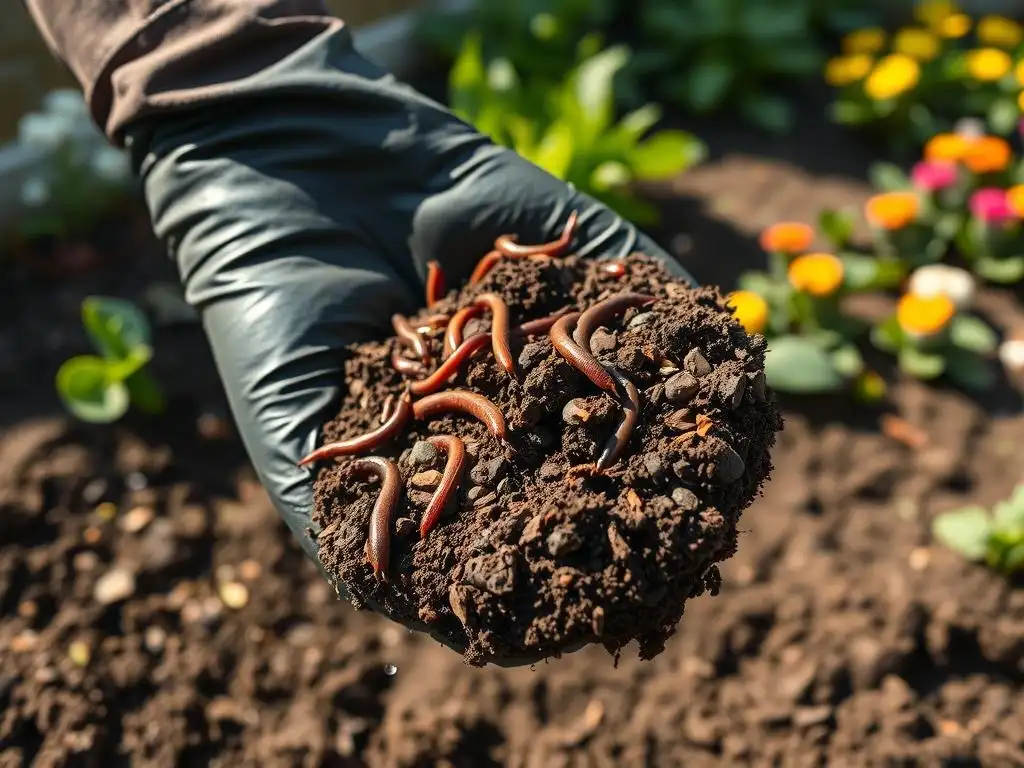
Ready to unlock the secrets to a thriving home garden? At CultivateYourFood, we believe everyone can grow their own delicious and nutritious food. But before you even think about planting, you need to understand the foundation: your soil. This is why our latest article, "Beyond the Basics: Identifying Specific Soil Types in Your Backyard," dives deep into helping you identify the best soil type for your backyard. Discover how understanding your soil's unique properties can transform your gardening success – let's get growing!
- Understanding Your Soil: A Crucial First Step for Backyard Gardening
- Advanced Soil Type Identification Techniques
- Matching Plants to Your Soil Type: Optimizing Growth
- Resources for Further Soil Analysis and Improvement
- Frequently Asked Questions
- Final Reflection: Cultivating a Deeper Understanding of Our Earth Beneath
- Uncover Your Soil's Secrets: Start Growing Smarter Today!
Understanding Your Soil: A Crucial First Step for Backyard Gardening
Successfully cultivating a thriving garden, brimming with delicious fruits, vegetables, and herbs, hinges on understanding the fundamental element supporting all plant life: soil. This article delves beyond the basics of soil health, focusing on how to identify best soil type backyard. Knowing your soil type isn't just beneficial—it's essential for maximizing your garden's potential. By correctly identifying your soil's composition, you'll be equipped to make informed decisions regarding plant selection, fertilization, watering techniques, and overall garden management, leading to healthier plants and a more bountiful harvest.
Ignoring this crucial step can lead to stunted growth, poor yields, and even plant failure. This guide will equip you with the knowledge and simple techniques to accurately assess your soil and unlock the secrets to a flourishing organic garden. Let's get started on your journey to understanding the lifeblood of your backyard oasis!
Why Knowing Your Soil Type Matters for Successful Gardening
Understanding your soil type is paramount for successful gardening because it directly impacts several key aspects of plant growth. Different soil types possess varying properties that influence nutrient availability, water retention, drainage, and aeration. For example:
- Nutrient Availability: Sandy soils tend to be low in nutrients and drain quickly, requiring more frequent fertilization. Clay soils, on the other hand, can hold onto nutrients but may have poor drainage, leading to nutrient deficiencies if not managed properly. Silty soils generally offer a good balance.
- Water Retention: Clay soils hold water exceptionally well, sometimes to the point of becoming waterlogged. Sandy soils drain quickly, requiring more frequent watering. Silty soils provide a good compromise.
- Drainage and Aeration: Good drainage and aeration are crucial for healthy root development. Poor drainage can lead to root rot, while poor aeration restricts root growth and nutrient uptake. Sandy soils excel in drainage, while clay soils often struggle.
- Plant Selection: Certain plants thrive in specific soil types. Knowing your soil type allows you to select plants that are well-suited to your conditions, increasing the chances of success. For instance, plants that prefer well-drained soil might struggle in clay-heavy soil.
This knowledge allows for tailored gardening practices, leading to healthier, more productive plants and a more fulfilling gardening experience. Ignoring this crucial step can lead to frustration and wasted effort.
Assessing Your Soil's Texture: Sandy, Silty, or Clayey?
The primary way to identify your soil type is by assessing its texture – the relative proportions of sand, silt, and clay particles. These three components determine the soil's physical properties and its suitability for various plants.
| Soil Type | Particle Size | Water Retention | Drainage | Nutrient Retention |
|---|---|---|---|---|
| Sandy | Large | Poor | Excellent | Poor |
| Silty | Medium | Moderate | Moderate | Moderate |
| Clayey | Small | Excellent | Poor | Excellent |
Understanding these characteristics is key to choosing appropriate plants and adjusting your gardening techniques accordingly. For example, sandy soil requires more frequent watering and fertilization, while clay soil might need amending to improve drainage.
The Feel Test: A Simple Method to Identify Basic Soil Types
A simple "feel test" can provide a quick assessment of your soil's texture. Follow these steps:
- Collect a handful of moist soil (not soaking wet).
- Rub it between your fingers.
- Sandy soil: Feels gritty and the particles readily separate.
- Silty soil: Feels smooth and floury, like talcum powder.
- Clayey soil: Feels sticky and forms a ribbon when rolled between your fingers. It's difficult to crumble.
- Form a ball.
- Sandy soil: Will not hold its shape.
- Silty soil: Will form a ball but crumbles easily.
- Clayey soil: Will form a firm, strong ball that retains its shape.
This simple test provides a preliminary identification. For a more precise analysis, you can consider using a soil testing kit or consulting with a local agricultural extension office. Remember, most soils are a combination of sand, silt, and clay, and understanding their proportions is crucial for successful gardening. 🌱
Visual Inspection: Clues from Soil Color and Structure
Soil color offers a quick, initial assessment of its composition and drainage. Dark brown or black soils are generally rich in organic matter, indicating excellent fertility and water retention. These soils are often ideal for most garden plants, providing a nutrient-rich environment for healthy growth. Conversely, light-colored soils, such as pale yellow or gray, may indicate poor drainage or low organic matter content.
These soils can be challenging to work with, often requiring amendments to improve their structure and fertility. The presence of excessive gray coloration can even suggest waterlogging, a serious issue that can suffocate plant roots. Careful observation is crucial; a subtly varied color palette within a single area might suggest different soil layers or pockets of varying composition. This is common, particularly in older gardens or areas with naturally uneven terrain.
Beyond color, examining the soil's structure provides further insights. A crumbly or granular structure, characterized by small, loose aggregates, typically signifies good aeration and water infiltration. This kind of soil is easy to work with and allows for efficient root penetration. In contrast, a compacted or clayey structure, characterized by dense, heavy clumps that are difficult to break apart, suggests poor drainage and aeration.
This can lead to waterlogging and restrict root growth. Clay soils, when wet, often become sticky and difficult to handle. When dry, they tend to form hard, impenetrable clods. Sandy soils, on the other hand, will appear loose and granular, even when wet, but often lack water retention capabilities.
The ideal soil structure for most garden plants is a balance – a loam that combines the best aspects of sand, silt, and clay, creating a fertile and well-draining medium. By carefully observing both color and structure, you can gain valuable preliminary information about your soil's suitability for gardening. This visual assessment serves as a critical first step before conducting more in-depth analyses. Remember to examine your soil at various depths, as composition may vary significantly from the surface down.
Advanced Soil Type Identification Techniques
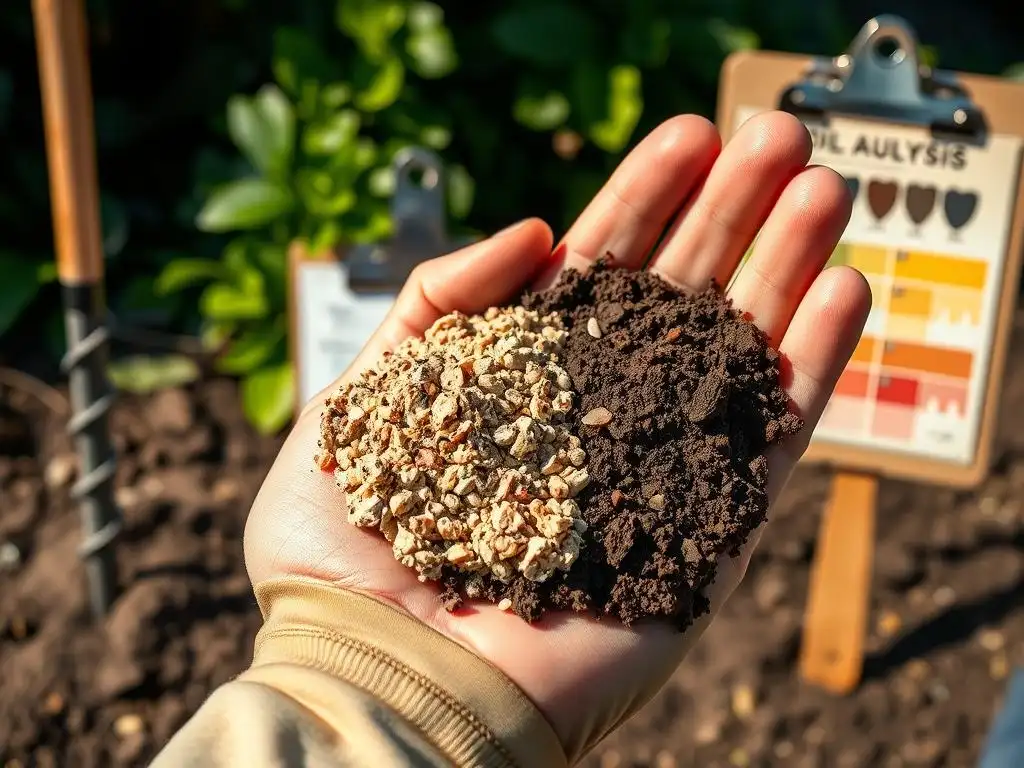
Identifying the best soil type for your backyard garden is crucial for successful cultivation. While a simple visual inspection can offer preliminary insights, more advanced techniques provide a precise understanding of your soil's composition and properties, enabling you to tailor your gardening practices for optimal results. This section delves into sophisticated methods beyond basic observation, helping you pinpoint your soil type with accuracy. Mastering these techniques will significantly improve your gardening success, leading to healthier plants and bountiful harvests. Remember, knowing your soil is the first step towards truly cultivating your food.
The "Ribbon Test": Determining Soil Texture Precisely
The ribbon test is a simple yet effective method for determining soil texture – the proportion of sand, silt, and clay particles. Soil texture directly impacts water retention, drainage, and nutrient availability. To perform the ribbon test, moisten a handful of soil until it's pliable but not soggy. Gently squeeze the soil between your thumb and forefinger, forming a ribbon. The length and integrity of the ribbon indicate the soil's texture:
- Short Ribbon (<1 inch): Primarily sandy soil, with excellent drainage but poor water retention. This type of soil often requires more frequent watering and fertilization.
- Medium Ribbon (1-3 inches): Loamy soil, a balanced mix of sand, silt, and clay. Loam is generally considered ideal for gardening due to its good drainage and water retention capabilities.
- Long Ribbon (>3 inches): Primarily clayey soil, with poor drainage and excellent water retention. Clay soils can become compacted, hindering root growth. Improving drainage is often necessary for successful cultivation in clay soils.
Several tests might be needed to get an accurate reading. Try the test in several areas of your backyard, as soil composition can vary significantly even within a small area. This allows you to identify microclimates and adjust your planting accordingly. Remember to document your findings for future reference! 🌱
Understanding Soil Drainage: A Key Indicator of Soil Type
Soil drainage is another critical factor in identifying soil type and determining its suitability for various plants. Poor drainage can lead to root rot and other plant diseases, while excessively well-drained soil may require more frequent watering. You can assess drainage using a simple observation test:
- Dig a hole: Dig a hole about 12 inches deep and fill it with water.
- Observe the water level: Let the water drain completely and note how long it takes. Rapid drainage (within an hour) indicates sandy soil, while slow drainage (several hours or more) suggests clay soil. Moderate drainage (1-2 hours) points towards loam.
- Inspect the water: The clarity of the water after drainage can also provide clues. Murky water suggests high clay content, while clear water indicates better drainage.
Beyond observation, you can also consider the presence of standing water after rainfall. Persistent puddles indicate poor drainage, requiring soil amendment to improve its structure and aeration. Conversely, soil that dries out quickly after watering signifies excellent drainage, potentially necessitating more frequent irrigation. 💧
pH Testing: Measuring Soil Acidity and Alkalinity for Optimal Plant Growth
Soil pH, a measure of soil acidity or alkalinity, significantly influences nutrient availability. Different plants thrive within specific pH ranges. A soil testing kit, readily available at most garden centers, allows you to easily measure your soil's pH. The kit will provide instructions, generally involving mixing a soil sample with a solution and comparing the resulting color to a chart.
- Acidic Soil (pH < 7): Acidic soil often needs lime to raise the pH. Many plants thrive in slightly acidic conditions, but extremely acidic soil can limit nutrient uptake.
- Neutral Soil (pH = 7): This is the ideal pH for many plants, offering a good balance of nutrient availability.
- Alkaline Soil (pH > 7): Alkaline soil often requires sulfur or other soil amendments to lower the pH. Some plants tolerate high pH, but many essential nutrients become less available in highly alkaline conditions.
Knowing your soil's pH allows you to choose plants best suited to your soil conditions and to amend the soil accordingly, optimizing nutrient uptake and plant growth. Regular pH testing is recommended, especially after significant soil amendments. Accurate pH measurement is essential for achieving optimal plant health and maximizing yields. 🍎
Identifying Soil Composition: Organic Matter and Mineral Content
Identifying the precise composition of your soil is crucial for successful gardening. This goes beyond simply knowing if you have clay, sandy, or silty soil; understanding the organic matter content and the mineral makeup provides a much more nuanced picture of your soil's health and fertility. This detailed analysis allows for targeted amendments to optimize growing conditions for your chosen plants.
One key component is organic matter. This includes decomposed plant and animal material, which significantly impacts soil structure, water retention, and nutrient availability. High organic matter content usually indicates a dark, crumbly soil that's rich in beneficial microorganisms. Conversely, low organic matter results in a lighter, less fertile soil that may drain too quickly or compact easily.
You can visually assess organic matter content—darker soil generally indicates more organic matter—but a more precise method involves a simple soil test. Many home soil testing kits provide an estimate of organic matter percentage. For a more scientific approach, laboratory analysis can offer a much more detailed breakdown. Remember, enriching your soil with compost, aged manure, or leaf mold is a vital step in increasing organic matter levels.
The mineral content of your soil is equally important. Different minerals provide essential nutrients for plant growth. A deficiency in any key mineral—like nitrogen, phosphorus, or potassium—can severely hinder plant development. Visual inspection offers limited insights into mineral content; a soil test is necessary for accurate assessment.
Commercial soil testing kits or laboratory analyses can measure the levels of various essential minerals. The results will indicate whether specific nutrients are deficient or present in excess. Based on these results, you can tailor your fertilization strategy to provide the necessary nutrients for optimal plant health. Understanding your soil's mineral profile allows for precise nutrient management, avoiding over-fertilization and potential environmental damage.
For instance, excessive nitrogen can lead to lush foliage at the expense of fruit production, while phosphorus deficiencies can stunt growth and affect flowering. Knowing your soil's composition empowers you to make informed decisions about fertilization, ensuring healthy and productive plants. The difference between a successful harvest and a disappointing one often lies in understanding and addressing these crucial aspects of soil composition.
Matching Plants to Your Soil Type: Optimizing Growth
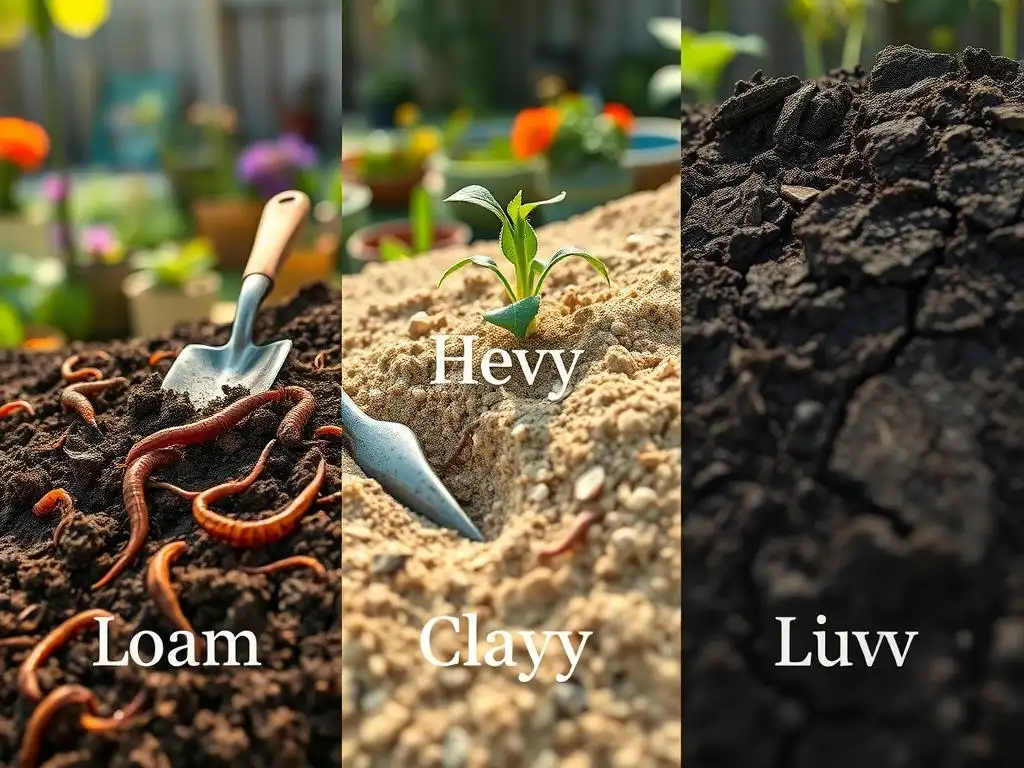
Understanding your soil type is crucial for successful gardening. Identifying the best soil type in your backyard is the first step to growing thriving fruits, vegetables, and herbs. Knowing whether you have sandy, clay, or silty soil allows you to choose plants that will flourish in those specific conditions, maximizing yields and minimizing frustration.
Failing to match plants to your soil can lead to poor growth, nutrient deficiencies, and increased susceptibility to pests and diseases. This section will delve into the specific needs of different plants based on the prevalent soil type in your backyard. Let's explore how to optimize plant growth by understanding and working with your soil.
Sandy Soil: Choosing Plants that Thrive in Well-Draining Conditions
Sandy soils are characterized by their excellent drainage. Water percolates quickly, leaving little moisture available for plants. This means that plants grown in sandy soil need to be drought-tolerant and able to access nutrients efficiently. The loose texture also means nutrients are easily leached away, requiring more frequent fertilization.
Here are some plants that typically do well in sandy soil:
- Vegetables: Radishes, carrots, potatoes (especially early varieties), and beans are relatively adaptable to sandy conditions.
- Fruits: Strawberries, blueberries (with proper soil amendment), and certain types of melons can be successfully cultivated.
- Herbs: Many herbs, such as thyme, rosemary, and lavender, prefer well-draining soils and are well-suited for sandy areas.
To improve sandy soil's water retention and nutrient holding capacity, consider adding organic matter such as compost, aged manure, or peat moss. This improves soil structure, creating a more hospitable environment for plant roots. Regular watering, but avoiding overwatering, is also essential. Mulching helps conserve moisture and suppress weeds, further benefiting plants in sandy soil. Remember, choosing the right plants is key to success in these conditions.
Clay Soil: Selecting Plants Tolerant of Heavy, Wet Soil
Clay soils are dense and heavy, retaining water exceptionally well. While this sounds beneficial, it can lead to problems like poor drainage and root suffocation if not managed properly. Waterlogging can cause roots to rot and hinder nutrient uptake. Plants grown in clay soil need to be tolerant of wet conditions and possess strong root systems to penetrate the compact soil.
Plants that generally perform well in clay soil include:
- Vegetables: Leafy greens such as kale, spinach, and lettuce often thrive. Root vegetables like parsnips and beets can also grow well, but require careful soil preparation.
- Fruits: Certain fruit trees and bushes, like apple trees and some berry varieties, can be successful with proper soil amendment.
- Herbs: Mint, chives, and oregano are often tolerant of clay soils.
Improving clay soil involves increasing its drainage and aeration. Adding organic matter like compost significantly improves soil structure, creating larger pore spaces for better water infiltration and root penetration. Avoid compacting the soil during planting. Regular tilling (to a shallow depth) can also help to break up the soil structure and improve drainage. Careful watering is crucial, avoiding overwatering which can lead to root rot.
Silty Soil: Finding the Balance for Optimal Moisture Retention
Silty soil offers a middle ground between sandy and clay soils. It retains moisture better than sandy soil but drains more freely than clay soil. However, silty soil can become compacted over time, reducing drainage and aeration. Plants grown in silty soil benefit from good drainage and consistent moisture levels.
Suitable plant choices for silty soil include a wider range of options:
| Plant Category | Examples | Considerations |
|---|---|---|
| Vegetables | Tomatoes, cucumbers, peppers, zucchini | Ensure adequate drainage to prevent root rot. |
| Fruits | Raspberries, currants, certain apple varieties | Monitor moisture levels; avoid overwatering. |
| Herbs | Basil, parsley, dill | Well-drained, fertile soil is optimal. |
Maintaining the structure and fertility of silty soil is important. Adding organic matter improves its drainage and aeration, preventing compaction. Regular soil testing can help determine nutrient levels and guide fertilization practices. Mulching helps to retain moisture and suppress weeds. While generally easier to manage than clay or sandy soils, consistent monitoring and appropriate soil management techniques are crucial for optimal plant growth. Remember that even the "ideal" silty soil benefits from periodic amendments to maintain its health and productivity.
Improving Soil Structure: Amendments for Different Soil Types
Understanding your soil type is only half the battle; improving its structure is crucial for optimal plant growth. Different soil types require different approaches to amendment. Sandy soils, for example, are notoriously poor at retaining water and nutrients. Their large particle size leaves significant gaps between soil particles, leading to rapid drainage and nutrient leaching.
To improve sandy soil structure, you need to increase its water-holding capacity and add organic matter. This can be achieved by incorporating generous amounts of compost, well-rotted manure, or other organic materials. These amendments not only increase water retention but also improve the soil's ability to hold onto essential nutrients.
The addition of organic matter also fosters beneficial microbial activity, further enhancing soil health. Consider adding peat moss or coco coir for additional water retention. Regular applications of these amendments over time will gradually transform the soil's texture, making it more suitable for a wider range of plants.
Clay soils, on the other hand, present the opposite challenge. Their fine particles pack tightly together, resulting in poor drainage and aeration. Waterlogging can suffocate plant roots, while the lack of air pockets hinders root growth and nutrient uptake. Improving clay soil structure requires increasing its porosity and drainage.
This can be accomplished by adding organic matter, such as compost or leaf mold, to break up the clay particles and create air spaces. Materials like gypsum can also help improve drainage by separating clay particles. Avoid adding sandy materials in large quantities as this can create a less desirable soil structure.
It's important to work these amendments into the soil thoroughly, ideally several months before planting, to allow for optimal decomposition and integration. Regular tilling (or no-till methods depending on your approach) can also help to break up compacted clay soil. The goal is to create a more crumbly texture that allows for better water infiltration and aeration.
Loamy soils, often considered the “ideal” soil type, already possess a good balance of sand, silt, and clay. However, even loamy soil can benefit from amendments to further enhance its properties. Adding compost to loamy soil improves its overall fertility, water retention, and drainage, creating an even richer environment for plant growth. The addition of organic matter also helps to buffer the soil's pH, making it more stable and less prone to fluctuations.
This stability is especially beneficial for sensitive plants that require a specific pH range. Regular applications of compost will maintain the soil's health and fertility over time, ensuring optimal growing conditions for your plants. Even the best soil can benefit from regular fertilization and nutrient replenishment.
Remember that soil improvement is an ongoing process. Regular monitoring and amendment based on your specific soil type and plant needs are crucial for achieving optimal results. Testing your soil regularly using a home soil test kit can provide valuable insights into its pH, nutrient levels, and overall health, guiding your amendment strategy and ensuring the success of your gardening endeavors. This consistent effort will reward you with thriving plants and a healthier, more vibrant garden.
Resources for Further Soil Analysis and Improvement
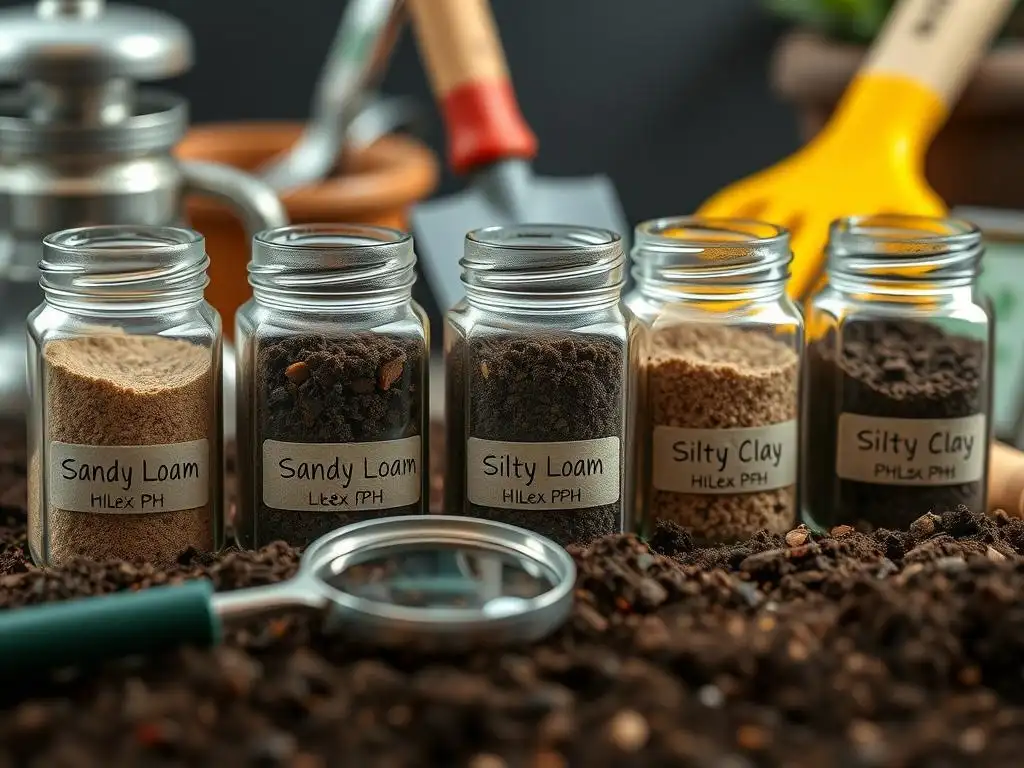
Identifying the best soil type for your backyard is a crucial first step in successful gardening. However, visual inspection alone might not provide a complete picture. To truly understand your soil's composition and potential, further analysis and targeted improvement strategies are often necessary. This section outlines resources that can help you delve deeper into your soil's characteristics and take the necessary steps to optimize it for your chosen plants. Knowing your soil type informs everything from selecting the right plants to tailoring your fertilization and watering schedules. This detailed analysis ensures healthier growth and a bountiful harvest.
Local Agricultural Extension Offices: Expert Advice and Testing Services
Your local agricultural extension office is an invaluable resource for understanding and improving your soil. These offices, often affiliated with universities or government agencies, employ experts in horticulture and soil science. They offer a wide range of services, including:
- Soil testing: They can provide detailed analysis of your soil's pH, nutrient levels (nitrogen, phosphorus, potassium – the "NPK" values), and texture. This data is essential for determining the best amendments needed to achieve optimal growing conditions. For example, a test might reveal a deficiency in phosphorus, requiring the addition of bone meal or rock phosphate.
- Personalized recommendations: Based on the test results and your specific gardening goals (e.g., growing tomatoes, roses, or herbs), extension agents can provide tailored advice on soil amendments, fertilization strategies, and plant selection. They can help you identify the best soil type for your specific plants.
- Educational workshops and resources: Many extension offices host workshops and provide educational materials on various aspects of gardening, including soil management, composting, and pest control. They're a fantastic source of ongoing learning and support.
- Access to experts: You can discuss your soil's unique characteristics and challenges with experienced professionals, getting answers to specific questions and receiving guidance on long-term soil health management.
Home Soil Testing Kits: Convenient Options for DIY Soil Analysis
For a quicker and more convenient approach, numerous home soil testing kits are available online and at garden centers. These kits typically provide a simpler analysis than professional laboratory tests, often focusing on pH and major nutrients. While less comprehensive, they still offer valuable insights for adjusting your soil's properties.
- Ease of use: These kits usually involve collecting a soil sample according to the provided instructions, mixing it with reagents, and comparing the resulting color to a chart. The process is generally straightforward, making it accessible to even novice gardeners.
- Speed and cost-effectiveness: Home tests provide results relatively quickly and are often less expensive than professional lab testing, representing a good starting point for assessing your soil's basic characteristics.
- Limitations: Keep in mind that home kits generally offer less comprehensive information than professional lab tests. They might not detect all micronutrients or provide detailed information about soil texture or structure.
- Choosing a kit: When selecting a kit, read reviews carefully and look for kits that test for the parameters most relevant to your gardening needs. Consider factors such as accuracy, ease of use, and the types of nutrients tested.
Online Resources for Soil Information and Plant Selection
The internet offers a wealth of information on soil types and their suitability for various plants. However, it's crucial to carefully vet the sources you consult, prioritizing those from reputable organizations and experienced gardeners.
- University websites: Many universities with agricultural programs offer extensive information on soil science, including detailed descriptions of different soil types, their properties, and ideal plant companions. These resources often provide scientific accuracy and evidence-based practices.
- Gardening forums and blogs: Online forums and blogs can provide valuable insights from experienced gardeners, sharing their practical tips and experiences. However, always critically evaluate the information provided, comparing it to information from trusted sources.
- Plant databases: Several online databases provide information on the soil preferences of different plants. This information is crucial for selecting plants that are well-suited to your specific soil conditions. Using this information ensures a higher chance of success in your garden.
- Caution and verification: While online resources can be helpful, always cross-reference information from multiple sources to ensure accuracy. Remember that soil conditions can vary significantly even within a small area, so personal testing remains essential.
Remember, understanding your soil is an ongoing process. Regular monitoring and adjustments are key to maintaining a thriving and productive garden. By utilizing these resources, you can gain a deeper understanding of your soil's characteristics and cultivate a garden that flourishes. 🌱
Frequently Asked Questions
How can I identify the best soil type for my backyard garden?
The best soil type is generally well-draining loam, a balanced mix of sand, silt, and clay. However, you should test your existing soil to determine its composition and amend it accordingly to optimize drainage and nutrient content. Consider using a soil testing kit or contacting your local agricultural extension office.
What are the common soil types found in backyards?
Common types include sandy soil, which drains quickly but lacks nutrients; clay soil, which retains water but can become compacted; silty soil, which is fertile but prone to erosion; and loam, an ideal mix offering good drainage and fertility. Understanding your soil type is the first step to successful gardening.
My soil is mostly clay. How can I improve it for gardening?
Clay soil can be improved by adding organic matter such as compost, well-rotted manure, or leaf mold. This improves drainage and aeration. You can also incorporate sand to improve texture, but be cautious not to overdo it. Regular tilling can also help break up compacted clay.
What is the significance of soil pH in backyard gardening?
Soil pH affects nutrient availability. Most vegetables prefer a slightly acidic to neutral pH (around 6.0-7.0). A soil test kit can determine your soil's pH. You can adjust the pH by adding lime to raise it or sulfur to lower it.
Are there any easy ways to test my soil at home?
While a professional lab test is most accurate, a simple home test can provide a basic indication. Observe your soil's texture and drainage. You can also use a DIY soil test kit (available online or at garden centers) to assess pH and nutrient levels. This gives a good starting point for soil improvement.
Final Reflection: Cultivating a Deeper Understanding of Our Earth Beneath
Understanding your soil type isn't just a gardening hobby; it's the key to unlocking a thriving ecosystem right in your backyard. The knowledge gained from identifying specific soil types—be it sandy loam, clay, or silty clay—directly impacts plant health, water conservation, and the overall biodiversity of your outdoor space. This knowledge, once considered niche, is becoming increasingly crucial in a world facing environmental challenges.
The impact of soil health on our lives extends far beyond the aesthetics of a well-manicured lawn. It's about understanding the intricate web of life beneath our feet, a life that sustains us all. As we become more aware of the importance of sustainable practices, the simple act of identifying our soil type becomes a powerful step towards environmental stewardship. The land is what gives us our identity, our sustenance, our very life.
This quote, though not directly about soil types, speaks to the profound connection we have with the earth, a connection that begins with understanding the soil beneath our feet.
Now, consider your own backyard. What type of soil do you have? What plants thrive, and which struggle? Take this newfound knowledge and use it to cultivate a healthier, more vibrant garden. Experiment with different plants suited to your soil type, implement sustainable gardening practices, and watch as your understanding translates into a flourishing ecosystem. You are not just gardening; you are actively participating in the preservation of our planet, one shovelful of soil at a time.
Uncover Your Soil's Secrets: Start Growing Smarter Today!
Thanks for learning about identifying your soil type! Understanding your soil is key to a thriving garden, and you're now equipped to unlock its potential. Ready to put your new knowledge to work?
- Begin your soil analysis immediately: Collect soil samples from various areas of your yard using a shovel. Note the texture, color, and moisture content. This simple step is fundamental to gardening success.
- Share your findings! Post pictures of your soil samples on our CultivateYourFood community forum—we'd love to see your discoveries and offer tailored advice.
- Explore gardening techniques suited to your soil type. Researching the best methods will maximize your yield while minimizing effort.
Now that you better understand your soil, what gardening challenge are you most excited to tackle?