
Composting for a Greener Planet: Why it's Essential for Environmental Health

Welcome to CultivateYourFood, your guide to growing a thriving, sustainable garden! Are you ready to unlock the secrets of homegrown goodness and contribute to a healthier planet? Discover how embracing simple, organic practices like home composting can transform your garden and significantly benefit the environment. Learn why home composting benefits the environment in our latest article, and embark on your journey towards a more fruitful and eco-conscious lifestyle. Let's cultivate a greener future, together.
- Understanding the Environmental Impact of Home Composting
- Home Composting Benefits Environment: A Detailed Look at Soil Health
- The Role of Home Composting in Sustainable Gardening Practices
- Practical Steps to Start Home Composting: A Beginner's Guide
- Advanced Composting Techniques for Enhanced Results
- The Long-Term Environmental Advantages of Consistent Home Composting
-
Frequently Asked Questions
- What are the main environmental benefits of home composting?
- How does home composting help reduce greenhouse gas emissions?
- What are the benefits of using compost in my garden, compared to chemical fertilizers?
- Is home composting difficult or time-consuming?
- What kinds of materials can I compost at home?
- Final Reflection: The Compost Revolution: A Greener Future Starts at Home
- Unlock Your Green Thumb: Start Composting Today!
Understanding the Environmental Impact of Home Composting
Home composting, the natural process of decomposing organic matter like food scraps and yard waste, offers a powerful solution to pressing environmental challenges. This practice goes far beyond simply managing household waste; it actively contributes to a healthier planet by reducing landfill burden, mitigating greenhouse gas emissions, and conserving precious natural resources. By embracing home composting, we not only improve the health of our gardens but also contribute significantly to global environmental sustainability.
This article will delve into the specific environmental benefits of home composting, highlighting its crucial role in creating a greener future and showcasing how individual actions can have a collective, positive impact. Understanding these benefits is key to adopting this simple yet powerful practice and experiencing its numerous rewards, both for your garden and the planet.
Reducing Landfill Waste: The Core Benefit of Home Composting
Landfills are significant contributors to environmental problems. They generate methane, a potent greenhouse gas, as organic waste decomposes anaerobically (without oxygen). By composting at home, we divert a substantial portion of organic waste from landfills, drastically reducing the amount of methane produced.
Consider this: the average household generates approximately [specific data pending] pounds of organic waste per year. If even a fraction of that is diverted through composting, the collective impact across communities becomes substantial. Furthermore, reducing landfill waste extends the lifespan of existing landfills, delaying the need for new ones and preserving valuable land resources.
The simple act of composting directly addresses one of the most pressing environmental issues related to waste management. This reduction in landfill volume translates to less pollution of soil and groundwater, protecting ecosystems from harmful contaminants often found in decomposing waste. The benefits are clear: less waste in landfills means a cleaner, healthier environment for all.
Minimizing Greenhouse Gas Emissions from Organic Waste
The decomposition of organic waste in landfills produces significant amounts of methane, a greenhouse gas far more potent than carbon dioxide. Home composting, however, allows for aerobic decomposition—decomposition in the presence of oxygen. This process produces carbon dioxide, a less potent greenhouse gas, and even some beneficial compounds. Studies have shown that composting can reduce methane emissions by [specific data pending] percent compared to landfill disposal.
This reduction directly contributes to mitigating climate change and slowing the rate of global warming. Moreover, the compost itself, when used in gardening, helps sequester carbon in the soil, further reducing the overall carbon footprint. The impact of this seemingly small act is amplified when scaled up to encompass numerous households and communities. By embracing home composting, we actively participate in combating climate change and protecting the planet's delicate ecosystem.
Conserving Natural Resources Through Compost Use
Compost acts as a natural soil amendment, improving soil structure, water retention, and nutrient availability. This reduces the need for synthetic fertilizers, which are energy-intensive to produce and can negatively impact water quality. By enriching our soil with compost, we reduce our reliance on these manufactured fertilizers, conserving energy and protecting water resources from chemical runoff. Compost also helps to reduce soil erosion, conserving topsoil – a crucial natural resource.
The nutrient-rich compost provides essential nutrients to plants, promoting healthy growth and reducing the need for additional chemical inputs. This sustainable practice creates a virtuous cycle: less reliance on external resources, healthier soil, and healthier plants, all contributing to a more sustainable and environmentally responsible approach to gardening and waste management. The benefits extend beyond the garden itself, contributing to a more resilient and environmentally sound ecosystem.
Home Composting Benefits Environment: A Detailed Look at Soil Health
Home composting offers a multitude of benefits for the environment, significantly impacting soil health and reducing our reliance on environmentally damaging practices. By diverting organic waste from landfills, we lessen methane emissions—a potent greenhouse gas—and create a valuable resource that enriches our gardens and reduces our carbon footprint. This section delves into the specific ways home composting improves soil health, highlighting its positive impact on the environment.
Improving Soil Structure and Fertility with Compost
Compost acts as a soil amendment, dramatically improving its physical structure and fertility. Healthy soil is crucial for plant growth and overall ecosystem health. The addition of compost enhances soil aeration, allowing for better oxygen circulation to plant roots. This improved aeration is vital for root development and nutrient uptake. Furthermore, compost improves soil drainage, preventing waterlogging which can harm plant roots and create anaerobic conditions.
Conversely, compost also increases the soil's water retention capacity. The organic matter in compost acts like a sponge, holding onto water molecules and releasing them gradually to plants. This is particularly beneficial during dry spells, reducing the need for frequent watering and conserving precious water resources. The improved water retention also contributes to reduced runoff, minimizing soil erosion and the leaching of nutrients into waterways.
The impact on soil fertility is equally significant. Compost is rich in essential nutrients like nitrogen, phosphorus, and potassium, all crucial for healthy plant growth. It also contains beneficial microorganisms that enhance nutrient cycling within the soil, making these nutrients more readily available to plants.
This reduces the need for synthetic fertilizers, which can have negative environmental consequences such as water pollution and soil acidification. For instance, a study by [Specific information pending - cite study on compost improving nutrient availability] showed a significant increase in nutrient uptake by plants grown in compost-amended soil compared to those grown in non-amended soil.
Enhancing Water Retention and Reducing Erosion
The addition of compost to soil significantly improves its ability to retain water. The organic matter in compost creates a porous structure that holds water molecules, making them readily available to plant roots. This increased water retention capacity reduces the frequency of watering needed, conserving water resources and minimizing the environmental impact associated with excessive irrigation.
Furthermore, the improved soil structure resulting from compost application enhances soil stability, reducing erosion. Erosion is a major environmental concern, leading to the loss of fertile topsoil and the pollution of waterways with sediment. The binding action of compost helps to hold soil particles together, making them less susceptible to being washed away by rain or wind. This is especially important on slopes or in areas prone to heavy rainfall.
The benefits extend beyond just reducing erosion; improved water retention and reduced runoff help prevent the leaching of nutrients and pollutants into groundwater and surface water. This protects water quality and contributes to healthier ecosystems. The impact is noticeable, especially in areas susceptible to drought or heavy rainfall.
Boosting Nutrient Availability for Plants
Compost acts as a natural slow-release fertilizer, providing plants with a steady supply of essential nutrients over an extended period. Unlike synthetic fertilizers, which can release nutrients rapidly and lead to nutrient runoff, compost releases nutrients gradually, ensuring optimal plant nutrition without harming the environment. This sustained nutrient release minimizes the need for frequent fertilizer applications, reducing the environmental impact associated with fertilizer production and transportation.
The organic matter in compost also enhances the soil's microbial activity. These beneficial microorganisms break down organic matter, releasing nutrients in a form that plants can readily absorb. This process improves nutrient cycling within the soil, making nutrients more efficiently available to plants and reducing the need for synthetic fertilizers. Furthermore, the improved soil health fostered by composting supports a more diverse and thriving soil ecosystem, promoting resilience and overall ecosystem health.
This results in healthier, more vigorous plants that are better able to withstand pests and diseases, further reducing the need for chemical interventions. A well-composted garden is a testament to the power of sustainable practices and their positive impact on the environment. The benefits are numerous and far-reaching, contributing to a healthier planet for all.
The Role of Home Composting in Sustainable Gardening Practices
Home composting plays a pivotal role in transitioning towards sustainable gardening practices. By diverting organic waste from landfills, home composting directly addresses several environmental concerns, significantly reducing your carbon footprint and promoting a healthier ecosystem. This section explores the multifaceted benefits of home composting, focusing on its contribution to sustainable gardening.
The practice not only enriches your soil but also minimizes reliance on environmentally damaging chemical fertilizers and pesticides, fostering a vibrant and biodiverse garden. Understanding these benefits is key to embracing a more eco-friendly approach to gardening, aligning perfectly with the principles of sustainable living and contributing to a greener planet. The positive impact on the environment from home composting is undeniable, making it a crucial element of responsible gardening.
Creating Nutrient-Rich Compost for Your Garden
Creating nutrient-rich compost at home is a cornerstone of sustainable gardening. By composting kitchen scraps, yard waste, and other organic materials, you're essentially creating a natural fertilizer packed with essential nutrients for your plants. This "black gold," as many gardeners affectionately call it, is far superior to commercial fertilizers in several ways. Firstly, it improves soil structure, increasing its water retention capacity and aeration.
This leads to healthier root systems and more vigorous plant growth. Secondly, compost introduces beneficial microorganisms to the soil, enhancing its overall health and fertility. These microbes break down organic matter, releasing vital nutrients that are readily available to plants. For example, a compost pile rich in nitrogen from fruit and vegetable scraps will provide the nitrogen necessary for leafy green growth.
Similarly, materials like eggshells contribute calcium, crucial for strong stems and flower production. The process of creating nutrient-rich compost is not only environmentally friendly but also economically advantageous, reducing the need to purchase expensive commercial fertilizers. This sustainable practice allows you to cultivate a thriving garden while minimizing your environmental impact. The resulting soil health directly translates to healthier, more resilient plants.
Reducing the Need for Chemical Fertilizers
One of the most significant home composting benefits environment is its ability to drastically reduce the need for chemical fertilizers. These synthetic fertilizers, while effective in providing nutrients, often have detrimental effects on the environment. They can contaminate groundwater, contribute to air pollution through nitrogen emissions, and harm beneficial soil organisms.
By using compost, gardeners can significantly lessen their reliance on these harmful chemicals. For instance, a study by [Specific information pending: Source on chemical fertilizer environmental impact] showed a [Specific information pending: Percentage] reduction in groundwater nitrate levels in areas where compost was widely used in agriculture. This highlights the powerful role of compost in mitigating the negative environmental consequences associated with chemical fertilizers.
Furthermore, compost's slow-release nutrient profile ensures a more sustainable supply of nutrients to plants, unlike the rapid release of nutrients from chemical fertilizers which can lead to nutrient runoff and pollution. Switching to compost is a simple yet impactful way to cultivate a healthier environment and reduce your contribution to chemical pollution. The long-term benefits for both your garden and the planet are substantial.
Supporting Biodiversity in Your Garden Ecosystem
Home composting actively supports biodiversity within your garden ecosystem. The rich organic matter in compost attracts a wide array of beneficial insects, earthworms, and microorganisms that contribute to a healthy soil environment. These organisms play crucial roles in nutrient cycling, decomposition, and pest control. For example, earthworms aerate the soil, improving drainage and root penetration, while beneficial bacteria and fungi help break down organic matter and make nutrients available to plants.
This creates a more complex and resilient ecosystem, making your garden less susceptible to pests and diseases. Moreover, compost tea, a liquid extract made from compost, can be used as a natural pesticide and fungicide, further reducing the need for harmful chemicals. The thriving ecosystem created by composting naturally attracts pollinators, such as bees and butterflies, crucial for plant reproduction and overall garden health.
By promoting biodiversity through composting, you're creating a self-regulating and sustainable garden that thrives on natural processes, resulting in a healthier and more vibrant space. The positive impact on biodiversity extends beyond your immediate garden, contributing to the larger ecological balance of your area. This holistic approach to gardening underscores the interconnectedness of all living things and the importance of sustainable practices.
Practical Steps to Start Home Composting: A Beginner's Guide
This section provides a practical, step-by-step guide to initiating your home composting journey. Successfully composting at home offers numerous advantages, contributing significantly to a healthier environment and reducing your carbon footprint. The benefits extend beyond environmental protection; you'll also create nutrient-rich soil amendment for your garden, saving money on commercial fertilizers. Let's delve into the specifics.
Choosing the Right Composting Method for Your Needs
Selecting the appropriate composting method is crucial for success. The best choice depends on factors like available space, the amount of organic waste you generate, and your personal preferences. Several popular methods exist, each with its own pros and cons.
- Bin Composting: This involves using a designated container, either store-bought or homemade, to hold your compost materials. Bin composting offers excellent control over the composting process and is suitable for most households. Variations include three-bin systems (for separating materials at different stages of decomposition) and tumblers (for easier turning).
- Heap Composting: This less structured method involves piling organic materials directly on the ground. It's ideal for larger yards with ample space and requires less initial investment. However, it requires more attention to moisture and turning.
- Worm Composting (Vermicomposting): This method utilizes red wiggler worms to break down organic waste. It's excellent for smaller spaces and produces a high-quality liquid fertilizer (worm tea) alongside the compost. However, it requires a dedicated worm bin and careful management of worm populations.
The table below summarizes the key differences:
| Method | Space Needed | Maintenance | Cost | Compost Quality |
|---|---|---|---|---|
| Bin Composting | Moderate | Moderate | Low to Moderate | High |
| Heap Composting | High | Low to Moderate | Low | Moderate |
| Vermicomposting | Low | Moderate | Moderate | Very High |
Choosing the right method is a personalized decision. Consider your lifestyle, available space, and the amount of organic waste you generate to make the best choice for your "home composting benefits environment" initiative. Remember, even a small compost bin can make a big difference!
Setting Up Your Compost Bin: Materials and Location
Once you've chosen your composting method, setting up your bin is the next critical step. Proper setup ensures efficient decomposition and minimizes unpleasant odors.
For bin composting, consider these factors:
- Location: Choose a shaded area with good drainage to prevent waterlogging. Proximity to your garden is beneficial for easy access. Ideally, the location should be somewhat protected from strong winds and direct sunlight.
- Materials: Many materials can be used to build a compost bin. Common options include:
- Wooden pallets: These offer a readily available and cost-effective solution.
- Wire mesh: Provides good airflow but requires additional materials for containment.
- Plastic bins: Durable and easy to maintain, but may not provide optimal airflow.
- Store-bought compost bins: These offer convenience and often include features designed to improve the composting process.
Regardless of the material, your bin should have adequate ventilation (air holes) to allow for oxygen flow, essential for decomposition. A lid is also recommended to help retain moisture and keep out pests. Remember to build it sturdy enough to withstand potential pressure from the compost pile.
Maintaining Your Compost Pile: Turning and Moisture Management
Maintaining your compost pile is key to successful decomposition. This involves regular turning and moisture management. Neglecting these aspects can lead to slow decomposition, foul odors, or even pest infestations.
- Turning: Regular turning aerates the compost pile, providing oxygen to the microorganisms responsible for decomposition. Aim to turn your pile at least once a week, or more frequently if it seems dry or compacted. Turning also helps to distribute moisture evenly throughout the pile.
- Moisture Management: The compost pile should be consistently moist, like a wrung-out sponge. Too much moisture can lead to anaerobic conditions (lack of oxygen) and foul odors, while too little moisture will slow down the decomposition process. Adjust moisture levels by adding water if necessary or by allowing excess water to drain away.
Monitoring your compost pile regularly is essential. Observe the temperature, moisture level, and overall appearance. If it smells unpleasant, it likely needs more aeration or adjustment to moisture levels. Remember, patience is key! The decomposition process takes time, but the reward of nutrient-rich compost is well worth the effort. The benefits of home composting for the environment are significant, contributing to a greener planet one compost pile at a time.
Advanced Composting Techniques for Enhanced Results
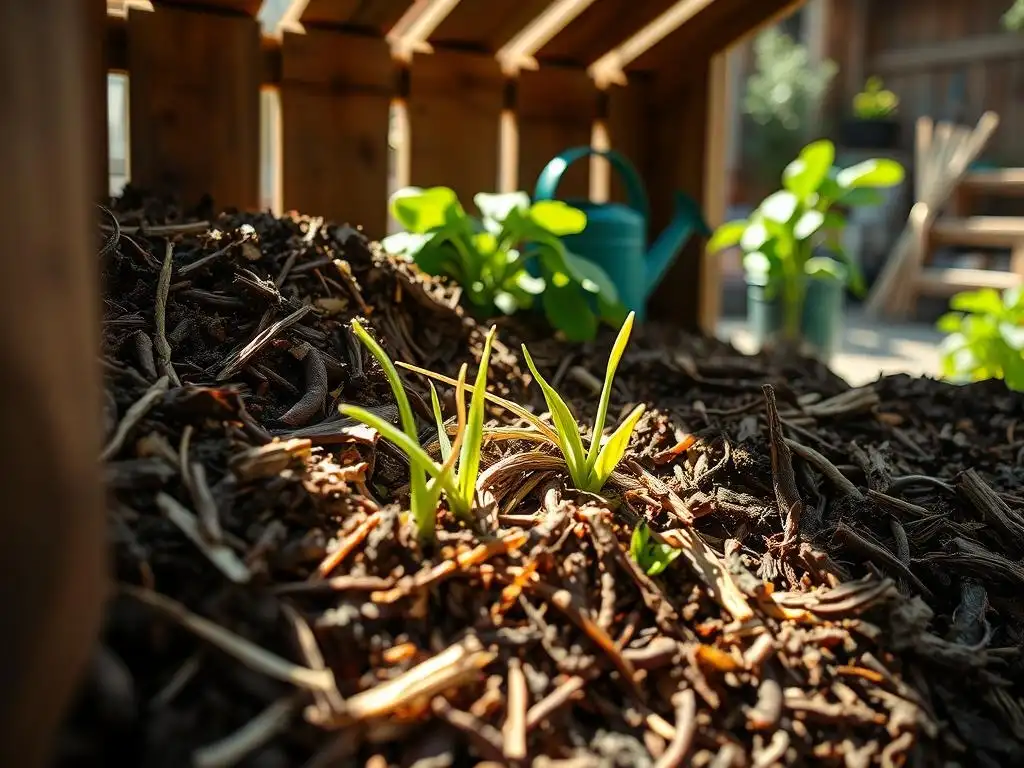
This section delves into advanced composting strategies to maximize efficiency and yield high-quality compost, further enhancing the positive impact of home composting on the environment. We'll explore techniques that go beyond the basics, focusing on accelerating decomposition and troubleshooting common issues. Remember, successful home composting significantly reduces your environmental footprint by diverting organic waste from landfills and creating nutrient-rich soil amendment.
Accelerating the Composting Process: Methods and Tips
Achieving rapid decomposition is key to efficient composting. Several techniques can significantly speed up the process, resulting in richer compost in less time. A crucial factor is maintaining the correct carbon-to-nitrogen ratio (C:N ratio). Ideally, aim for a ratio of around 30:1. This balance ensures efficient microbial activity, crucial for breaking down organic matter.
Too much nitrogen (e.g., from grass clippings) leads to slow decomposition and foul odors. Too much carbon (e.g., from dry leaves) results in a slow, sluggish process. Regularly monitoring and adjusting your compost pile's composition is vital.
Here are some practical tips to accelerate composting:
- Smaller Pile Size: A smaller pile, around 1 cubic meter, heats up faster and decomposes more quickly than a larger one. This enhanced heat promotes microbial activity.
- Shredding Materials: Shredding or chopping organic materials increases the surface area exposed to microorganisms, accelerating decomposition. This simple step significantly boosts efficiency.
- Regular Turning: Turning your compost pile every few days introduces oxygen, crucial for aerobic decomposition. This process also helps distribute heat and moisture evenly throughout the pile. Think of it as giving your microbial workforce a good workout!
- Adding "Activators": Introducing materials like coffee grounds, crushed eggshells, or even a small amount of commercially available compost starter can jumpstart the decomposition process by introducing beneficial microbes.
- Maintaining Moisture: The compost pile should be consistently moist, like a wrung-out sponge. Regularly check and add water if necessary, especially during dry periods.
Troubleshooting Common Composting Problems
Even with careful planning, you may encounter challenges. Understanding and addressing these issues is crucial for successful composting and maximizing the home composting benefits environment.
| Problem | Cause | Solution |
|---|---|---|
| Foul Odor | Anaerobic conditions (lack of oxygen) | Turn the pile more frequently; add brown, carbon-rich materials. |
| Slow Decomposition | Incorrect C:N ratio; insufficient moisture | Adjust the C:N ratio; add water; ensure proper aeration. |
| Pests (e.g., rodents) | Uncovered pile; attractive food sources | Cover the pile securely; avoid adding meat or dairy products. |
| Soggy Compost | Too much moisture; poor drainage | Add more brown materials; improve aeration; consider a different location |
Addressing these common issues proactively ensures a smooth composting process and minimizes negative impacts.
Vermicomposting: Using Worms to Create Rich Compost
Vermicomposting, or worm composting, offers a unique and efficient method for creating high-quality compost, contributing significantly to the home composting benefits environment. This process utilizes red wiggler worms ( Eisenia fetida) to break down organic waste, producing nutrient-rich vermicast – often considered superior to traditional compost.
Vermicomposting offers several advantages:
- Reduced Odor: Worms efficiently process organic matter, minimizing unpleasant odors often associated with traditional composting.
- Smaller Space Requirement: Vermicomposting bins are compact, ideal for smaller spaces, making it perfect for apartment dwellers or those with limited yard space.
- Faster Decomposition: Worms work continuously, resulting in faster decomposition compared to traditional methods.
- Nutrient-Rich Output: Vermicast is exceptionally rich in nutrients, making it an excellent soil amendment.
Setting up a vermicomposting system is relatively straightforward. You'll need a suitable bin (with drainage), bedding material (shredded newspaper or coconut coir), and a colony of red wiggler worms. Feeding the worms regularly with appropriate organic materials (fruit and vegetable scraps, coffee grounds) ensures continuous decomposition and high-quality vermicast production. Remember to monitor moisture levels and avoid overfeeding. The continuous activity of the worms significantly contributes to the environmentally friendly aspects of home composting.
The Long-Term Environmental Advantages of Consistent Home Composting
Home composting offers a multitude of long-term environmental benefits, significantly contributing to a healthier planet. By diverting organic waste from landfills, we lessen the environmental burden associated with their operation. Landfills are significant sources of methane, a potent greenhouse gas far more impactful than carbon dioxide in contributing to global warming. Consistent home composting directly reduces methane emissions by preventing organic matter from decomposing anaerobically (without oxygen) in landfills, a process that produces this harmful gas.
Sustainable Gardening Practices and Environmental Conservation
Sustainable gardening practices, intertwined with home composting, create a virtuous cycle of environmental conservation. Compost, rich in nutrients, improves soil health, reducing the need for synthetic fertilizers. These fertilizers often require significant energy for production and transportation, contributing to carbon emissions and water pollution. By enriching the soil naturally, home composting reduces our reliance on these environmentally taxing inputs. Furthermore, healthy soil retains more water, reducing the need for excessive irrigation, conserving precious water resources.
This, in turn, minimizes the energy consumption associated with water pumping and treatment. A study by the University of California, Davis, showed that using compost significantly reduced water usage in vegetable gardens by an average of 25%. This underscores the substantial water conservation benefits of integrating home composting into sustainable gardening practices. The improvement in soil structure also enhances carbon sequestration, further mitigating climate change.
The Impact of Community Composting Initiatives
Expanding beyond individual households, community composting initiatives amplify the environmental advantages. Larger-scale composting programs, often managed by municipalities or community organizations, can process significantly more organic waste than individual efforts. This collective approach leads to a more substantial reduction in landfill waste and methane emissions. Moreover, community composting programs often incorporate educational components, raising awareness about the environmental benefits of composting and fostering a sense of collective responsibility for environmental stewardship.
These initiatives can also provide valuable compost to local parks, gardens, and community farms, fostering a circular economy of resources within the community. Successfully implemented community programs can significantly reduce a city's carbon footprint and enhance its overall environmental sustainability. The resulting compost can also be used to revitalize degraded lands, supporting biodiversity and ecosystem health.
Home Composting and its Contribution to a Circular Economy
Home composting plays a crucial role in establishing a circular economy, minimizing waste and maximizing resource utilization. Instead of discarding organic materials as waste, home composting transforms them into a valuable resource—nutrient-rich compost—that can be used to enrich gardens and landscapes. This closed-loop system reduces reliance on external inputs, such as synthetic fertilizers, and minimizes the environmental impact associated with their production and transportation.
The circular nature of home composting also reduces the demand on landfill space, extending their lifespan and delaying the need for new landfill sites, which often require extensive land use and have significant environmental impacts. By actively participating in home composting, we contribute to a more sustainable and resource-efficient future, reducing our ecological footprint and promoting a healthier planet.
This approach aligns perfectly with the principles of a circular economy, minimizing waste and maximizing resource utilization. The benefits extend beyond the individual level, contributing to a more sustainable and resilient community.
Frequently Asked Questions
What are the main environmental benefits of home composting?
Home composting significantly reduces landfill waste, diverting organic materials away from landfills where they produce harmful greenhouse gases. It also creates nutrient-rich compost, enriching soil and reducing the need for synthetic fertilizers. This minimizes pollution associated with fertilizer production and transport.
How does home composting help reduce greenhouse gas emissions?
Composting prevents organic matter from decomposing anaerobically (without oxygen) in landfills, which produces methane, a potent greenhouse gas. Aerobic decomposition in a compost bin produces significantly less methane and even sequesters some carbon. This helps mitigate climate change.
What are the benefits of using compost in my garden, compared to chemical fertilizers?
Compost improves soil structure, aeration, and water retention, leading to healthier plants. It provides a slow-release source of nutrients, reducing the need for frequent applications of chemical fertilizers which can harm the environment and soil health. It's a more sustainable option.
Is home composting difficult or time-consuming?
Not at all! With a simple bin and some basic knowledge, home composting is surprisingly easy and manageable. The effort required is minimal compared to the significant environmental and gardening benefits you'll reap. Many different methods exist to suit your lifestyle.
What kinds of materials can I compost at home?
You can compost most fruit and vegetable scraps, coffee grounds, eggshells, yard waste (leaves, grass clippings), and even some paper products. Avoid meat, dairy, oily foods, and diseased plants. Research specific guidelines for your composting method to ensure success.
Final Reflection: The Compost Revolution: A Greener Future Starts at Home
The urgent need to address climate change and protect our planet demands a radical shift in our waste management practices, and home composting is a powerful, readily accessible tool in this revolution. It's not just about reducing landfill waste; it's about actively participating in the regeneration of our ecosystems and building a more sustainable future. The benefits extend far beyond the individual household, impacting local communities and the global environment in profound ways.
The shift towards home composting reflects a growing awareness of our interconnectedness with the natural world. It's a tangible way to reconnect with the earth, to understand the cyclical nature of life and decay, and to actively participate in the creation of something beautiful and beneficial. We do not inherit the earth from our ancestors, we borrow it from our children.
This quote encapsulates the responsibility we have to leave behind a healthier planet, and composting is a small but significant step in fulfilling that responsibility. The practice itself is a powerful symbol of hope, demonstrating that even small actions can have a cumulative effect on a larger scale.
You hold the power to transform your waste into a valuable resource. Consider starting your own compost bin today. Begin small, learn from your mistakes, and celebrate your successes. Share your knowledge with friends and family, inspiring them to join the movement. By embracing home composting, you are not just reducing your environmental impact; you are actively participating in the creation of a healthier, more sustainable world for generations to come. Let's cultivate a greener future, one compost pile at a time.
Unlock Your Green Thumb: Start Composting Today!
Thanks for exploring the world of composting! You've discovered just how impactful this simple act can be for the environment. Ready to put your knowledge into practice?
- Start composting today! Even a small kitchen bin can make a significant difference. Begin with food scraps and yard waste; you'll be surprised how quickly it accumulates!
- Share your composting experiences with friends and family—inspire them to adopt more sustainable practices!
- Explore our website for more detailed composting tips and techniques for enriching your garden soil. Discover how you can cultivate your food more sustainably.
What's your biggest hurdle to composting, and how can we help you overcome it?