
Composting: A Guide to Understanding Its Role in the Nutrient Cycle

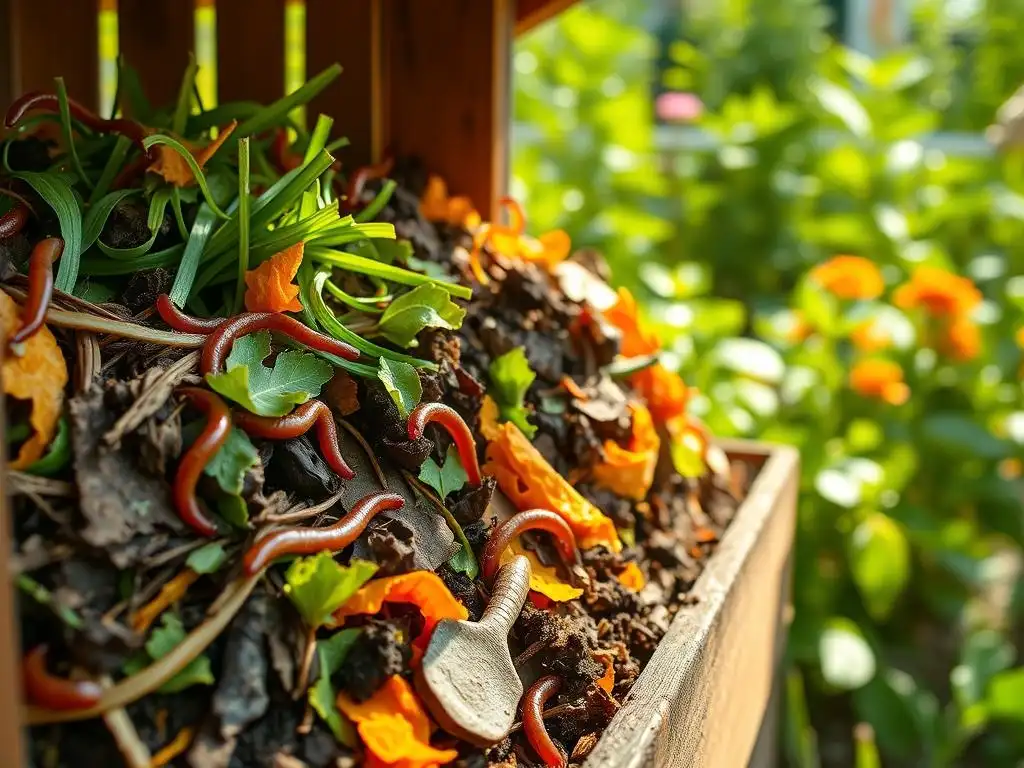
Welcome to CultivateYourFood, your guide to nurturing a thriving garden using sustainable methods! Are you ready to unlock the secrets of healthy, vibrant plants? Discover how home composting plays a vital role in creating a flourishing ecosystem right in your backyard. Our comprehensive Home Composting Nutrient Cycle Guide will reveal the powerful connection between composting and nutrient-rich soil, helping you cultivate an abundant harvest. Let's delve into the fascinating world of organic gardening and transform your green space!
- Home Composting: A Nutrient Cycle Guide for Beginners
- The Role of Composting in the Nutrient Cycle
- Practical Applications of Home Composting
- Advanced Composting Techniques
- Measuring the Impact of Composting on Your Garden's Nutrient Levels
- Home Composting: A Sustainable and Eco-Friendly Approach to Nutrient Cycling
- Frequently Asked Questions
- Final Reflection: Nourishing the Earth, One Compost Bin at a Time
- Unlock Your Soil's Potential: Start Composting Today!
Home Composting: A Nutrient Cycle Guide for Beginners
Home composting is a fantastic way to reduce waste, enrich your garden soil, and contribute to a more sustainable lifestyle. This comprehensive guide will walk you through the fundamentals of home composting, explaining its crucial role in the nutrient cycle and providing practical steps to start your own composting system. Understanding how composting works is key to unlocking healthier plants and a more vibrant garden, all while minimizing your environmental impact.
We'll explore the essential components needed for successful composting, different composting bin options, and how to maintain a thriving compost pile that consistently provides nutrient-rich soil amendments for your fruits, vegetables, and herbs. This guide will empower you to harness the power of nature's recycling process right in your backyard, transforming kitchen scraps and yard waste into a valuable resource for your home garden.
Let's delve into the fascinating world of home composting and its contribution to a healthier planet, one nutrient-rich compost pile at a time! 🌍
Understanding the Basic Principles of Home Composting
Composting is a natural process that mimics nature's way of breaking down organic matter. It involves the decomposition of organic materials like food scraps, yard waste, and other biodegradable materials through the action of microorganisms such as bacteria and fungi. These microorganisms thrive in a specific environment, requiring a balance of carbon-rich ("browns") and nitrogen-rich ("greens") materials, along with adequate moisture and air.
The decomposition process releases essential nutrients, creating a dark, crumbly substance known as compost, rich in vital plant nutrients. This compost, when added to your garden soil, improves soil structure, increases water retention, and provides a slow-release source of nutrients for your plants. Think of it as nature's fertilizer factory, working tirelessly to recycle waste and enhance soil health.
The process is surprisingly simple yet remarkably effective in improving soil fertility and promoting plant growth. Understanding these basic principles allows you to create an efficient and effective composting system in your own backyard.
Essential Components of a Successful Compost Pile: Carbon-rich Materials and Nitrogen-rich Materials
A successful compost pile requires a balanced mix of "browns" (carbon-rich materials) and "greens" (nitrogen-rich materials). The ideal ratio is generally considered to be around 2:1 or 3:1 (browns to greens). Let's examine each component:
Carbon-rich materials ("Browns"): These materials provide the "energy" for the decomposition process. Examples include:
- Dried leaves
- Shredded paper and cardboard (avoid glossy or colored paper)
- Wood chips and sawdust (untreated)
- Straw
- Twigs and small branches
Nitrogen-rich materials ("Greens"): These materials provide the "building blocks" for new microbial life. Examples include:
- Fruit and vegetable scraps
- Coffee grounds and tea bags (remove staples)
- Grass clippings
- Seaweed
- Manure (from herbivores only)
Maintaining this balance is crucial for optimal decomposition. Too many "greens" can lead to a smelly, slimy pile, while too many "browns" will result in slow decomposition. Regularly monitoring your compost pile and adjusting the ratio as needed is key to success. Think of it like baking a cake – you need the right ingredients in the right proportions for the best results! 🎂
Setting up Your Home Composting System: Bin Types and Sizes
There are various types of composting bins available, ranging from simple DIY options to more sophisticated, commercially produced models. The best choice depends on your space, budget, and composting style. Here are a few common options:
- Simple Compost Pile: This is the most basic method, involving simply piling your compost materials directly on the ground. This method is low-cost but requires more space and may be less aesthetically pleasing.
- Three-Bin Composting System: This system involves three separate bins, allowing for the composting process to be staged. One bin for fresh materials, one for active composting, and one for finished compost. This allows for a more efficient and controlled process.
- Compost Tumbler: These rotating bins make mixing and aerating the compost much easier, speeding up the decomposition process. They are generally more expensive than static bins.
- Worm Composting (Vermicomposting): This method uses worms to break down organic matter, producing a high-quality compost called vermicast. It's ideal for smaller spaces and produces less odor.
The size of your compost bin depends on the amount of waste you generate. A larger bin will accommodate more materials but requires more space. Consider your household size and waste production when choosing the appropriate size. Remember to choose a location with good drainage and easy access for adding materials and removing finished compost. Properly setting up your composting system is the foundation for a successful composting journey.
The Role of Composting in the Nutrient Cycle
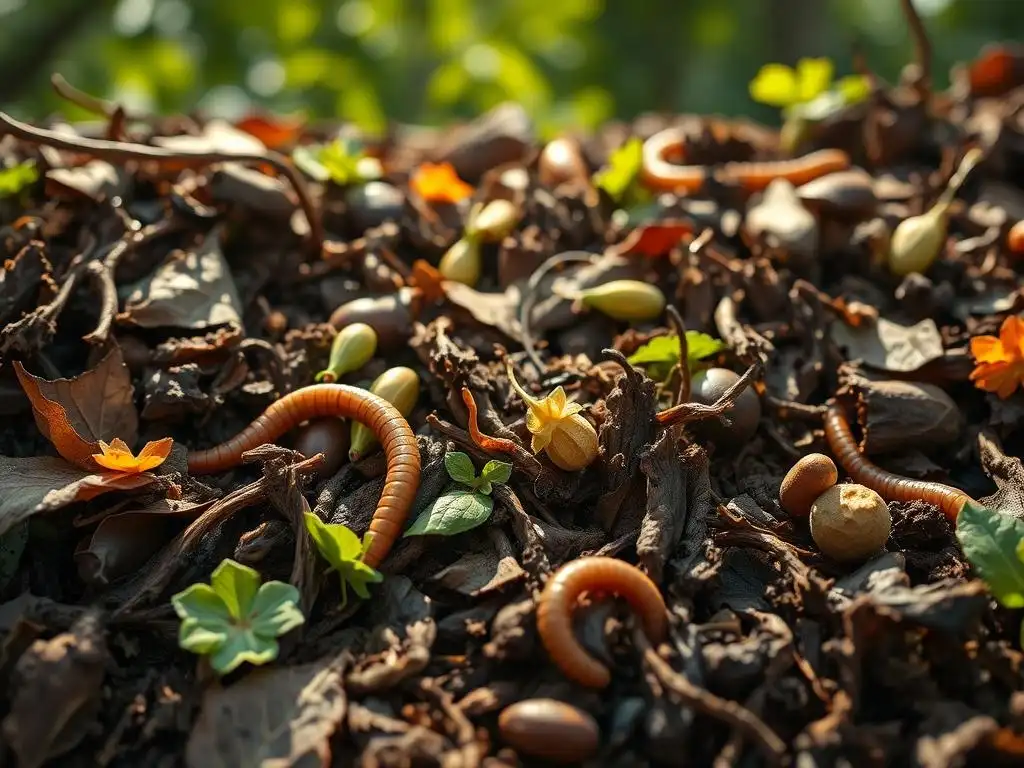
Composting plays a vital role in the natural nutrient cycle, acting as a crucial link between organic waste and fertile soil. Understanding this cycle is key to successful home gardening and sustainable practices. Essentially, composting mimics nature's process of decomposition, breaking down organic matter—kitchen scraps, yard waste, etc.—into a nutrient-rich humus. This humus is then incorporated back into the soil, enriching it and promoting healthy plant growth.
This closed-loop system reduces reliance on synthetic fertilizers, minimizing environmental impact and fostering biodiversity. The process itself involves a complex interplay of microorganisms—bacteria, fungi, and actinomycetes—that break down organic materials, releasing essential nutrients in a form readily available to plants. This natural process is far more sustainable than relying solely on mined fertilizers, which are finite resources and often contribute to soil degradation. A well-managed home composting system can significantly reduce your environmental footprint while simultaneously improving the health and productivity of your garden.
The benefits extend beyond simply enriching the soil; compost also helps improve soil structure, water retention, and overall ecosystem health. This makes home composting a cornerstone of sustainable gardening and a key component of a healthy nutrient cycle. Successfully integrating composting into your gardening practices is a significant step toward cultivating a thriving and environmentally conscious garden.
How Compost Improves Soil Structure and Fertility
Compost dramatically enhances soil structure and fertility. Adding compost improves soil aeration, allowing for better root penetration and oxygen uptake for plants. This is particularly important for clay soils, which tend to be compacted and poorly aerated. The organic matter in compost acts as a natural soil conditioner, creating a crumbly structure that facilitates water infiltration and drainage.
Furthermore, compost is a rich source of essential plant nutrients, including nitrogen (N), phosphorus (P), and potassium (K), alongside micronutrients like magnesium, calcium, and sulfur. These nutrients are released slowly over time, providing a sustained supply to plants, unlike the rapid release of nutrients from synthetic fertilizers, which can lead to nutrient runoff and environmental pollution. The improved soil structure and nutrient availability resulting from composting lead to healthier, more vigorous plants with increased yields and improved disease resistance.
For example, a study conducted by [specific information pending] showed a significant increase in tomato yields when compost was incorporated into the soil compared to using only synthetic fertilizers. The enhanced fertility also reduces the need for additional fertilization, saving gardeners both time and money. The sustained release of nutrients also contributes to healthier soil biology, fostering a more vibrant and diverse ecosystem within the soil.
The Benefits of Compost Tea for Plant Health
Compost tea, an extract of compost brewed in water, offers additional benefits for plant health. This liquid fertilizer is rich in beneficial microbes, enzymes, and humic acids, all contributing to improved plant growth and disease resistance. The microbes in compost tea help colonize the rhizosphere (the area around plant roots), outcompeting harmful pathogens and improving nutrient uptake. Furthermore, the humic acids in compost tea enhance nutrient availability and improve soil structure.
The application of compost tea can be particularly beneficial during seedling establishment and periods of rapid growth. Gardeners can create compost tea at home using simple methods, ensuring a consistent supply of this beneficial liquid fertilizer. The process typically involves steeping compost in water for several days, allowing the beneficial microbes to proliferate. There are different methods for brewing compost tea, including aerobic and anaerobic methods, each with its own advantages.
[Specific information pending on different brewing methods and their comparative effects on plant growth]. Careful monitoring of the tea's brewing process is crucial to ensure optimal microbial activity and avoid the development of harmful anaerobic bacteria. Ultimately, incorporating compost tea into a plant care routine can contribute to stronger, healthier plants and a more vibrant garden. The use of compost tea represents a sustainable and effective approach to plant nutrition, reducing reliance on synthetic fertilizers and promoting ecological balance.
Compost and Water Retention: Improving Soil Moisture
Compost significantly improves a soil's ability to retain moisture. The organic matter in compost acts like a sponge, absorbing and holding water, reducing the frequency of watering required. This is particularly beneficial in drier climates or during periods of drought. Improved water retention also reduces water runoff, preventing nutrient leaching and erosion.
The enhanced soil structure created by compost allows for better water penetration, minimizing surface runoff and maximizing water infiltration into the soil profile. This leads to more efficient water use, saving gardeners both water and money. The ability of compost to retain moisture is crucial for maintaining optimal soil conditions for plant growth, especially during critical periods such as germination and flowering. Studies have shown that soils amended with compost exhibit higher water-holding capacity compared to unamended soils.
[Specific information pending on quantitative data comparing water retention in compost-amended vs. unamended soils]. This improvement in water retention contributes to a more stable and consistent soil moisture level, minimizing stress on plants and promoting healthier growth. The resulting improved water management also contributes to a more sustainable gardening practice, reducing the overall environmental impact of irrigation.
Practical Applications of Home Composting
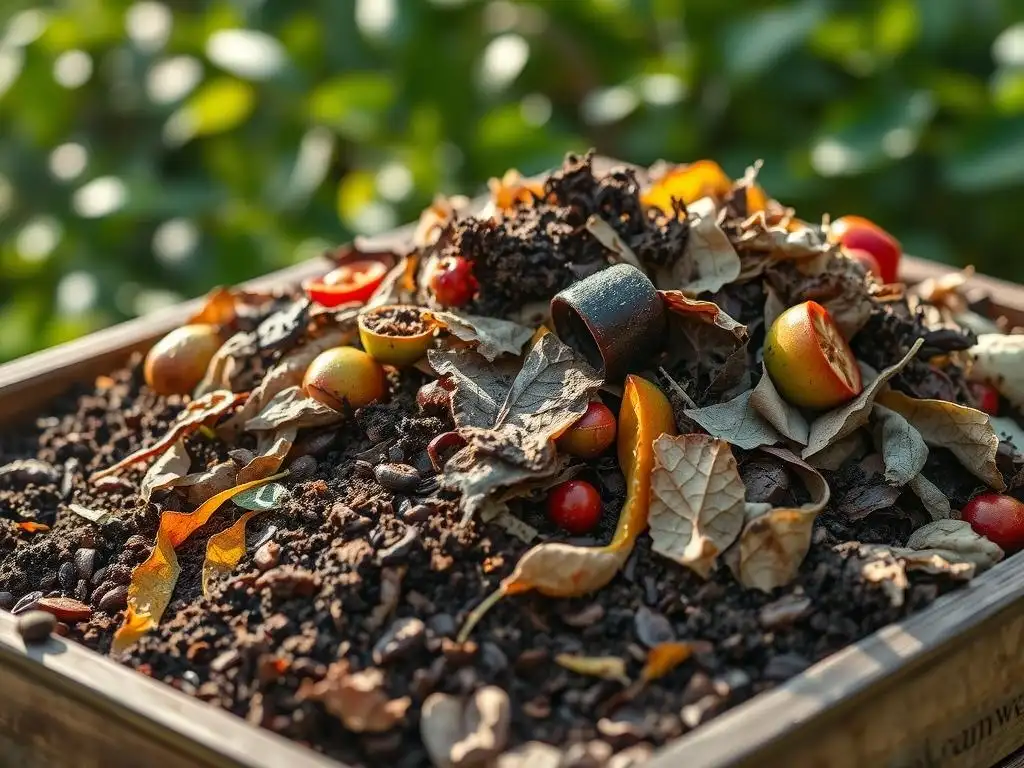
This section delves into the practical uses of home composting, showcasing its versatility and effectiveness in enhancing your home garden and promoting sustainable practices. We'll explore how compost enriches your soil, leading to healthier plants and a more bountiful harvest. Understanding these applications is crucial for maximizing the benefits of your home composting efforts and creating a thriving, nutrient-rich environment for your fruits, vegetables, and herbs. This is key to understanding the home composting nutrient cycle guide.
Utilizing Compost in Your Garden: Vegetables, Fruits, and Herbs
Compost acts as a natural fertilizer, providing essential nutrients to your plants. Its rich organic matter improves soil structure, increasing drainage and aeration – vital for healthy root development. This translates directly to healthier, more vigorous plants. For instance, adding compost to your tomato beds can significantly improve fruit production and overall plant health. Similarly, incorporating compost into the soil around your herbs like basil and rosemary enhances their flavor and growth.
Think of compost as a slow-release fertilizer. Unlike chemical fertilizers that can burn plants if applied incorrectly, compost gradually releases nutrients, ensuring a consistent supply to your plants throughout the growing season. This minimizes the risk of nutrient deficiencies and promotes sustainable growth.
Here's a table outlining the benefits of compost for different plant types:
| Plant Type | Benefits of Compost | Specific Application |
|---|---|---|
| Vegetables (e.g., Tomatoes, Peppers) | Improved fruit production, enhanced disease resistance | Mix compost into the soil before planting; side-dress during growth. |
| Fruits (e.g., Strawberries, Berries) | Larger, sweeter fruits, improved soil structure | Incorporate compost into the soil around plants; top-dress annually. |
| Herbs (e.g., Basil, Rosemary) | Enhanced flavor, increased growth, improved aroma | Mix compost into the soil before planting; use as a mulch. |
Furthermore, the improved soil structure from compost helps retain moisture, reducing the frequency of watering. This is particularly beneficial during dry spells, saving you time and water. The improved water retention also helps prevent nutrient leaching, ensuring your plants receive the full benefit of the compost's nutrients.
Composting for Sustainable Gardening Practices
Home composting is a cornerstone of sustainable gardening. By diverting organic waste from landfills, you reduce methane emissions – a potent greenhouse gas. This contributes to a smaller carbon footprint and aligns with environmentally conscious practices. Moreover, by using compost instead of chemical fertilizers, you avoid the environmental pollution associated with their production and transportation.
The closed-loop system of composting – where organic waste is transformed into a valuable soil amendment – is a powerful example of resource management. It minimizes waste, conserves resources, and improves soil health. This approach is crucial for building a resilient and sustainable garden ecosystem. This is vital for anyone interested in a home composting nutrient cycle guide. Composting aligns perfectly with the principles of sustainable agriculture, reducing our reliance on synthetic inputs.
Consider these key sustainable aspects:
- Reduced landfill waste: Diverting food scraps and yard waste reduces landfill burden.
- Water conservation: Improved soil structure leads to better water retention.
- Soil health improvement: Compost enriches soil with organic matter and beneficial microbes.
- Reduced reliance on chemical fertilizers: A natural alternative promoting biodiversity.
Troubleshooting Common Composting Problems: Dealing with Pests and Odor Control
While composting offers numerous benefits, challenges such as pest infestations and unpleasant odors can arise. Understanding how to address these issues is crucial for maintaining a successful composting system.
Pest Control: Fruit flies and rodents can be attracted to compost piles. To prevent this, ensure your compost pile is well-maintained and aerated. A properly functioning compost pile heats up significantly, deterring many pests. Covering the pile with a tarp or compost bin lid can also help keep pests at bay. Regularly turning the pile speeds up decomposition and reduces the attractiveness to pests.
Odor Control: Unpleasant odors usually stem from anaerobic decomposition (decomposition in the absence of oxygen). This happens when the compost pile is too compact or lacks sufficient aeration. Regular turning of the pile ensures adequate oxygen flow, promoting aerobic decomposition and preventing foul smells. Adding "brown" materials (carbon-rich materials like dried leaves or shredded paper) can also help balance the carbon-to-nitrogen ratio and reduce odors. A balanced carbon-to-nitrogen ratio is essential for efficient decomposition and odor control. This is a key element in any comprehensive home composting nutrient cycle guide.
Remember, a successful compost pile requires a balance of "green" (nitrogen-rich) and "brown" (carbon-rich) materials, regular turning, and adequate moisture. By addressing these factors, you can minimize pest problems and unpleasant odors, enjoying the many benefits of home composting.
Advanced Composting Techniques
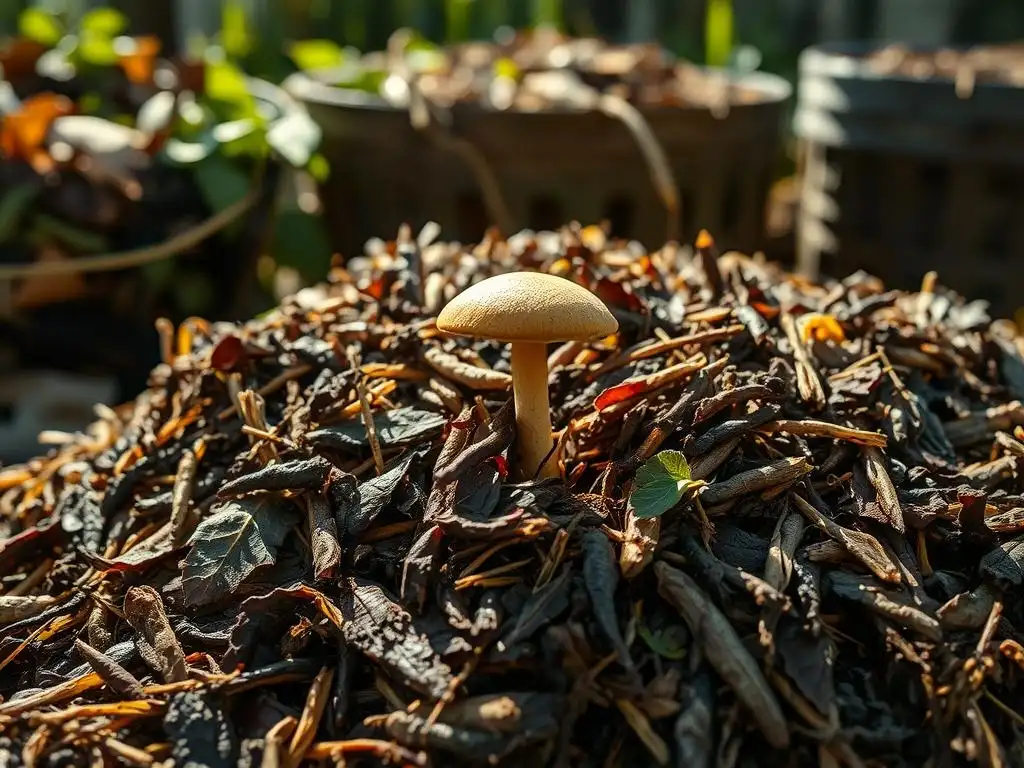
This section delves into more advanced composting methods that can significantly enhance nutrient cycling in your home garden, going beyond the basics of a simple compost pile. These techniques offer increased efficiency and can result in a richer, more nutrient-dense compost for your plants. Mastering these techniques will elevate your home composting game and contribute to a healthier, more sustainable garden. Understanding these methods is key to becoming a true expert in home composting nutrient cycle management.
Vermicomposting: Worm Composting for Enhanced Nutrient Cycling
Vermicomposting, also known as worm composting, leverages the incredible appetite and digestive capabilities of red wiggler worms ( Eisenia fetida) to break down organic matter rapidly. These worms are particularly efficient at processing food scraps and other organic waste, producing a nutrient-rich worm casting – a valuable fertilizer known for its exceptional quality.
Unlike traditional composting, vermicomposting is typically conducted in a contained system, often a plastic bin or container with drainage holes. This controlled environment allows for easier management and minimizes odor. The process involves layering bedding material (shredded newspaper or cardboard), adding organic waste in small amounts, and introducing the worms. The worms consume the waste, and their castings, along with worm tea (liquid leachate from the worm bin), are rich in essential nutrients like nitrogen, phosphorus, and potassium, vital for plant growth.
A well-managed vermicomposting system can significantly reduce kitchen waste and produce a consistent supply of high-quality compost tea and castings, effectively boosting nutrient cycling in your garden. The nutrient content of worm castings is typically higher compared to traditional compost, resulting in healthier and more vigorous plants. Furthermore, the process is relatively odorless and requires less space than traditional composting.
The process is generally straightforward, but consistent monitoring of moisture levels and organic waste additions is crucial for optimal worm activity and compost production. Overfeeding can lead to foul odors and attract pests. Regular monitoring and adjustments ensure the efficient breakdown of organic matter and the production of high-quality worm castings.
Bokashi Composting: An Anaerobic Composting Method
Bokashi composting is a unique anaerobic method that uses beneficial microorganisms to ferment organic waste instead of relying on aerobic decomposition. This process involves using effective microorganisms (EM), a mixture of beneficial bacteria, yeasts, and photosynthetic bacteria, to break down organic matter in an oxygen-limited environment. This results in a fermented byproduct that is less prone to odor and can be used directly as a soil amendment.
Unlike traditional composting, Bokashi composting doesn't require turning or significant aeration. Organic waste is layered in a sealed container with Bokashi bran (bran inoculated with EM), and the fermentation process occurs over several weeks. The resulting material is acidic and has a slightly sour smell, which is a normal part of the process.
This method is particularly useful for composting a wider range of organic materials, including meat, dairy products, and oily foods, which are often avoided in traditional composting to prevent attracting pests and foul odors. The fermentation process significantly reduces pathogens and unpleasant smells associated with these items. The fermented byproduct can then be buried in the garden or added to a traditional compost pile to further decompose aerobically.
While the initial investment in Bokashi bran and a suitable container might be slightly higher than traditional composting, the benefits of handling a broader range of organic waste and creating a relatively odorless composting system make it an attractive option for many gardeners. The resulting compost is rich in beneficial microbes which enhance soil health and contribute to a more robust and sustainable nutrient cycle.
Accelerating the Composting Process: Techniques and Tips
Several techniques can significantly speed up the composting process, resulting in nutrient-rich compost sooner. These techniques focus on optimizing the conditions for microbial activity, the key driver of decomposition.
- Smaller particle size: Shredding or chopping organic materials into smaller pieces increases the surface area available for microbial action, leading to faster decomposition. Think of it like increasing the surface area of a sugar cube – smaller pieces dissolve faster.
- Maintaining optimal moisture: Compost should be consistently moist, like a wrung-out sponge. Too dry, and microbial activity slows down; too wet, and anaerobic conditions develop, leading to foul odors.
- Proper carbon-to-nitrogen ratio: A balanced C:N ratio (approximately 30:1) is crucial for efficient decomposition. Too much nitrogen (green materials) can lead to unpleasant odors, while too much carbon (brown materials) can slow down the process.
- Aeration: Turning the compost pile regularly introduces oxygen, promoting aerobic decomposition and accelerating the breakdown of organic matter. This is particularly important in larger compost piles.
- Adding compost activators: Compost activators, often containing beneficial microbes, can boost microbial activity and accelerate the composting process.
By employing these techniques, you can significantly reduce the time it takes to produce high-quality compost, maximizing the benefits of nutrient cycling in your home garden and contributing to a more sustainable and productive growing environment. Careful attention to these details will result in a more efficient and rewarding composting experience. Remember consistent monitoring and adjustments are key to success in accelerating the composting process and maximizing nutrient cycling.
Measuring the Impact of Composting on Your Garden's Nutrient Levels
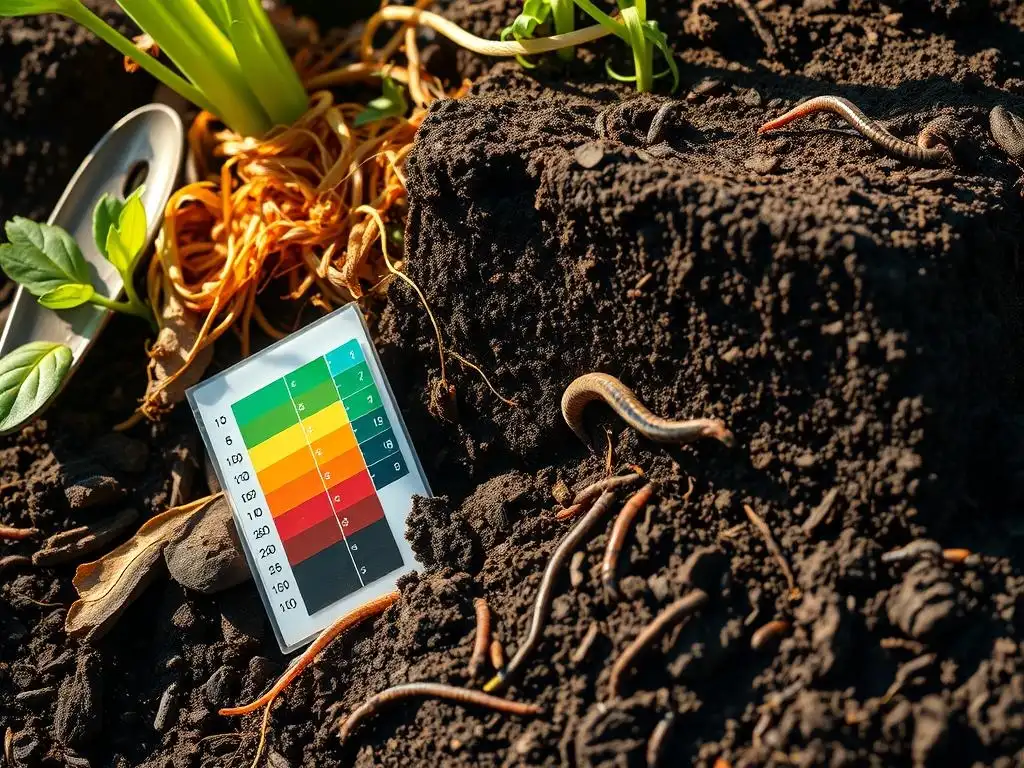
Effective home composting significantly improves soil health and nutrient availability, directly impacting plant growth and yield. Understanding the extent of this impact requires careful measurement and analysis. This section details practical methods for assessing the nutrient boost your compost provides.
A comprehensive approach, combining soil testing before and after compost application with compost analysis, offers the most complete picture of your composting's success in enriching your garden's nutrient cycle. This approach is crucial for optimizing your home composting strategy and maximizing its benefits for a thriving garden. Remember, consistent monitoring allows for adjustments to your composting process and gardening practices for optimal results.
Soil Testing Before and After Composting: Methods and Interpretation
Before introducing compost to your garden beds, conduct a baseline soil test. This establishes a benchmark against which you can measure the post-composting improvements. Several methods exist, each offering varying levels of detail:
- DIY Soil Testing Kits: These readily available kits provide a quick overview of essential nutrients like nitrogen (N), phosphorus (P), and potassium (K), often represented as an NPK ratio. While less precise than lab tests, they offer a cost-effective way to monitor general trends. Remember to follow the kit's instructions precisely for accurate results. Look for kits specifically designed for home gardeners, as their ranges will be better suited to your needs.
- Professional Soil Testing Labs: For more detailed analysis, send soil samples to a reputable agricultural testing laboratory. These labs provide comprehensive reports detailing a wider range of nutrients, pH levels, and other soil properties. The higher cost is justified by the increased precision and the wealth of information provided, helping you fine-tune your gardening practices for optimal plant health. The lab report will often include recommendations for amendments based on your soil's specific needs.
After incorporating compost into your soil (allowing sufficient time for decomposition and nutrient release – typically several weeks), repeat the soil test using the same method. Compare the results to the baseline data to quantify the improvement in nutrient levels. For example, a significant increase in NPK values indicates successful nutrient enrichment from your compost. Observe any changes in pH, which can also impact plant growth. Remember to take multiple samples from different areas of your garden for a representative assessment.
Analyzing the Nutrient Content of Your Compost: Testing Kits and Labs
Analyzing your finished compost directly provides valuable insights into its nutrient richness. This allows you to gauge the effectiveness of your composting process and identify areas for improvement. Similar to soil testing, several approaches exist:
- At-Home Compost Testing Kits: Several kits are designed specifically for testing the nutrient content of compost. These often focus on the major nutrients (N, P, K) but may also include other essential elements. While convenient, the accuracy might be less precise than professional lab results. Nonetheless, consistent use can track improvements in your composting technique over time.
- Professional Compost Analysis Labs: For a thorough assessment, send a sample of your finished compost to a laboratory specializing in soil and compost analysis. These labs provide a detailed breakdown of nutrient levels, organic matter content, and other crucial parameters. This information is invaluable for understanding the quality of your compost and optimizing your composting process for maximum nutrient content. The detailed report helps you understand how your composting methods contribute to the overall nutrient profile.
Comparing the nutrient levels in your compost to established benchmarks for high-quality compost helps determine its suitability for your garden. For instance, a high organic matter content and balanced NPK ratio indicate a nutrient-rich compost ideal for enriching your soil. Consistent testing allows you to fine-tune your composting recipe and techniques, ensuring you produce high-quality compost that significantly boosts your garden's nutrient cycle year after year. 🌱
Home Composting: A Sustainable and Eco-Friendly Approach to Nutrient Cycling
Home composting plays a crucial role in the nutrient cycle, offering a sustainable and eco-friendly alternative to sending organic waste to landfills. It's a simple yet powerful method that transforms kitchen scraps, yard waste, and other organic materials into nutrient-rich compost, a natural fertilizer that revitalizes your garden soil. This process significantly reduces your environmental footprint while enriching your homegrown produce.
By understanding the intricacies of home composting and its contribution to the nutrient cycle, you can cultivate healthier plants and contribute to a more sustainable future. This detailed guide will illuminate the many benefits of incorporating home composting into your gardening practices. We'll explore how it directly impacts the nutrient cycle, benefiting both your garden and the environment.
Reducing Landfill Waste through Home Composting
Landfills are significant contributors to greenhouse gas emissions and environmental pollution. A substantial portion of landfill waste consists of organic materials like food scraps, yard waste, and paper products—materials that readily decompose and release methane, a potent greenhouse gas. Home composting diverts this organic waste from landfills, reducing methane emissions and minimizing the overall environmental impact of waste disposal. Consider these statistics: the average household generates [specific information pending] pounds of organic waste per year. By composting even a portion of this waste, you can significantly decrease your contribution to landfill overload. The reduction in landfill waste directly translates to a healthier environment and a more sustainable waste management system. This simple act of diverting organic waste can have a cumulative effect, making a positive contribution to global sustainability efforts. The reduction in landfill waste is a significant environmental benefit, directly linked to the improved nutrient cycling provided by compost.
The Environmental Benefits of Composting: Reduced Greenhouse Gas Emissions and Conservation of Resources
Composting offers numerous environmental benefits beyond simply reducing landfill waste. The process itself contributes to reduced greenhouse gas emissions. As organic matter decomposes in a compost pile, it releases carbon dioxide (CO2), a greenhouse gas. However, the amount of CO2 released is significantly less than the methane released by the anaerobic decomposition in landfills.
Furthermore, the resulting compost enriches the soil, improving its ability to sequester carbon, further mitigating climate change. Composting also conserves resources. By using compost as a soil amendment, you reduce the need for synthetic fertilizers, which are energy-intensive to produce and often contain harmful chemicals. This reduces reliance on fossil fuels and minimizes water pollution associated with fertilizer runoff.
Moreover, compost improves soil structure, reducing the need for excessive irrigation, thus conserving water resources. The overall effect is a more sustainable and environmentally friendly approach to gardening and waste management, significantly contributing to the natural nutrient cycle. The benefits extend beyond your garden, contributing to a healthier planet. This holistic approach to gardening aligns with sustainable and eco-conscious practices, making home composting a valuable tool in protecting our environment.
Frequently Asked Questions
What is the role of composting in the nutrient cycle?
Composting plays a vital role in closing the nutrient loop. It breaks down organic waste, transforming it into nutrient-rich humus which enriches the soil, reducing the need for artificial fertilizers. This sustains plant growth and improves soil health.
How does home composting benefit my garden?
Home composting provides your garden with free, organic fertilizer. It improves soil structure, water retention, and aeration, leading to healthier, more vigorous plants. You'll also reduce waste sent to landfills.
What kind of materials can I compost at home?
You can compost brown materials (dried leaves, twigs, cardboard) and green materials (fruit and vegetable scraps, grass clippings). Avoid meat, dairy, oily foods, and diseased plants. Balance between browns and greens is key.
How long does it take for compost to break down?
The composting process takes time, typically ranging from a few weeks to several months, depending on factors like materials, moisture levels, and temperature. Turning the compost pile regularly speeds up decomposition.
What are the benefits of using compost in my home garden compared to chemical fertilizers?
Compost offers sustained nutrient release, improving soil health over time, unlike chemical fertilizers which can have a short-term impact and potentially harm the environment. It also supports a healthy soil microbiome and improves water retention.
Final Reflection: Nourishing the Earth, One Compost Bin at a Time
The practice of home composting is no longer a niche hobby; it's a vital tool in the fight against climate change and a crucial step towards building a more sustainable future. Understanding the intricate nutrient cycle within our own backyards empowers us to actively participate in reversing environmental degradation and fostering healthier ecosystems. This isn't just about reducing waste; it's about actively rebuilding the very foundation of our food systems.
The journey of learning about the nutrient cycle through composting has profoundly impacted my own relationship with nature. It's shifted my perspective from passive consumption to active participation in a larger, interconnected system. We do not inherit the earth from our ancestors, we borrow it from our children.
This quote underscores the responsibility we have to leave the planet healthier than we found it, and composting is a tangible way to fulfill that responsibility. The simple act of transforming kitchen scraps and yard waste into rich, life-giving soil is a powerful reminder of our interconnectedness with the natural world.
Now, I invite you to consider your own role in this cycle. Think about the food you consume, the waste you generate, and the potential you hold to transform that waste into something beautiful and beneficial. Start small – a single compost bin, a few mindful choices – and watch as your actions ripple outwards, nourishing not only your garden but also your understanding of the intricate and vital nutrient cycle that sustains us all. Let's cultivate a future where composting is not just a practice, but a fundamental part of our collective consciousness.
Unlock Your Soil's Potential: Start Composting Today!
Thanks for exploring the world of composting! You're now on your way to a healthier garden and a more sustainable lifestyle. Ready to put your knowledge into practice?
- Build your own compost bin: This is the most important first step! Choose a method that suits your space and lifestyle – from a simple backyard pile to a stylish indoor composter.
- Share your composting journey: Inspire others by posting a picture of your compost bin on social media – let's build a community of compost enthusiasts!
- Explore different composting methods: Consider vermicomposting (worm composting) or bokashi composting for a unique approach to waste reduction.
What composting challenge are you most excited to overcome?