
Composting: The Secret to Healthier Plants and a More Vibrant Garden

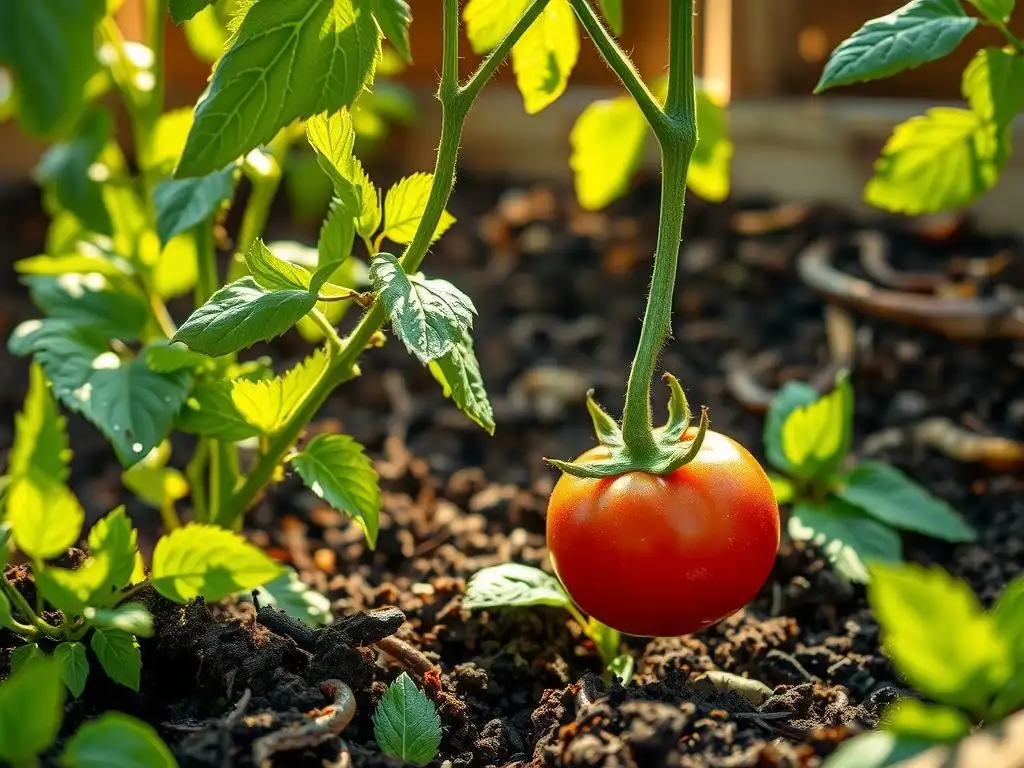
Welcome to CultivateYourFood, your guide to a thriving home garden! Are you ready to unlock the secrets to healthier, more vibrant plants? We believe that homemade compost is the key, and in this section on Soil and Composting, we'll reveal how creating your own nutrient-rich soil can transform your gardening experience. Discover how simple, sustainable practices can lead to bountiful harvests – let's get started!
- Understanding the Benefits of Homemade Compost for Healthy Plants
- Getting Started with Your Home Composting System
- Troubleshooting Common Composting Problems
- Harvesting and Using Your Homemade Compost
- Advanced Composting Techniques for Healthy Plants
- Frequently Asked Questions
- Final Reflection: Cultivating a Greener Future, One Compost Pile at a Time
- Unleash Your Garden's Potential: Start Composting Today!
Understanding the Benefits of Homemade Compost for Healthy Plants
Composting is more than just a trendy gardening practice; it's a cornerstone of sustainable and organic horticulture, offering significant advantages for both your plants and the environment. This article delves into the remarkable benefits of homemade compost for achieving healthier, more vibrant plants, focusing on how this natural process translates to nutrient-rich soil and improved plant growth.
We'll explore the science behind composting's effectiveness, examining how it enhances soil structure, boosts microbial activity, and ultimately contributes to a thriving garden ecosystem. Learning to create your own compost is an investment in the long-term health and productivity of your garden, reducing reliance on chemical fertilizers and promoting environmentally friendly gardening practices.
By understanding the intricate workings of compost, you'll be empowered to cultivate a truly flourishing garden, reaping the rewards of healthier plants and a more sustainable approach to gardening. This guide will provide you with the knowledge to transform your kitchen scraps and yard waste into a valuable resource for your plants, contributing directly to the success of your homegrown fruits, vegetables, and herbs.
Nutrient-Rich Soil: The Foundation of Thriving Plants
Homemade compost acts as a natural fertilizer, providing a balanced supply of essential nutrients that plants need to flourish. Unlike synthetic fertilizers, which can sometimes burn plants or disrupt soil ecology, compost releases nutrients gradually, ensuring a steady and consistent feed. This slow-release mechanism prevents nutrient burn and allows plants to absorb nutrients at their own pace.
Compost is rich in macronutrients like nitrogen (N), phosphorus (P), and potassium (K), vital for plant growth, as well as micronutrients such as iron, zinc, and manganese, all essential for various plant functions. For example, a well-composed compost can provide approximately 1-2% Nitrogen, 0.5-1% Phosphorus and 1-2% Potassium, although the exact composition varies depending on the source materials. The organic matter in compost also improves the soil's ability to retain these nutrients, preventing leaching and maximizing their availability to plant roots.
This translates directly into healthier, more vigorous plants with improved yields and greater resistance to diseases. The organic matter in compost also helps to improve the water retention capabilities of the soil leading to healthier plant growth.
Improved Soil Structure and Water Retention
The addition of compost significantly improves soil structure, creating a more porous and aerated environment for roots to thrive. Clay soils, often compacted and poorly drained, benefit immensely from the addition of compost, which helps to break up the clay particles and improve drainage. Conversely, sandy soils, which tend to be poorly structured and prone to drying out, are enriched by compost's ability to bind soil particles together, increasing water retention capacity.
This improved soil structure allows for better root penetration, facilitating easier nutrient and water uptake. The organic matter in compost acts as a sponge, absorbing and holding water, making it more readily available to plants during dry periods.
This improved water retention is particularly crucial during periods of drought, reducing the need for frequent watering and promoting healthier plant growth, even under less-than-ideal conditions. Improved drainage also reduces the risk of root rot, a common problem in poorly drained soils.
Enhanced Microbial Activity: A Living Soil Ecosystem
Healthy soil teems with beneficial microorganisms like bacteria, fungi, and earthworms. Compost significantly enhances this microbial activity, creating a vibrant and dynamic soil ecosystem. These microbes play crucial roles in nutrient cycling, breaking down organic matter and releasing nutrients in a form that plants can easily absorb. They also help to suppress soilborne diseases, creating a more resilient and healthy environment for plant roots.
The presence of these beneficial microbes contributes to a more efficient nutrient uptake and leads to improved overall plant health. The improved soil structure facilitated by compost further enhances microbial activity by providing more space and oxygen for these microorganisms to thrive. A healthy, active soil ecosystem is essential for the long-term health and fertility of your garden, promoting sustainable and productive plant growth. Regular addition of compost maintains this beneficial microbial community, ensuring a flourishing and productive garden year after year.
Reduced Need for Chemical Fertilizers: Sustainable Gardening Practices
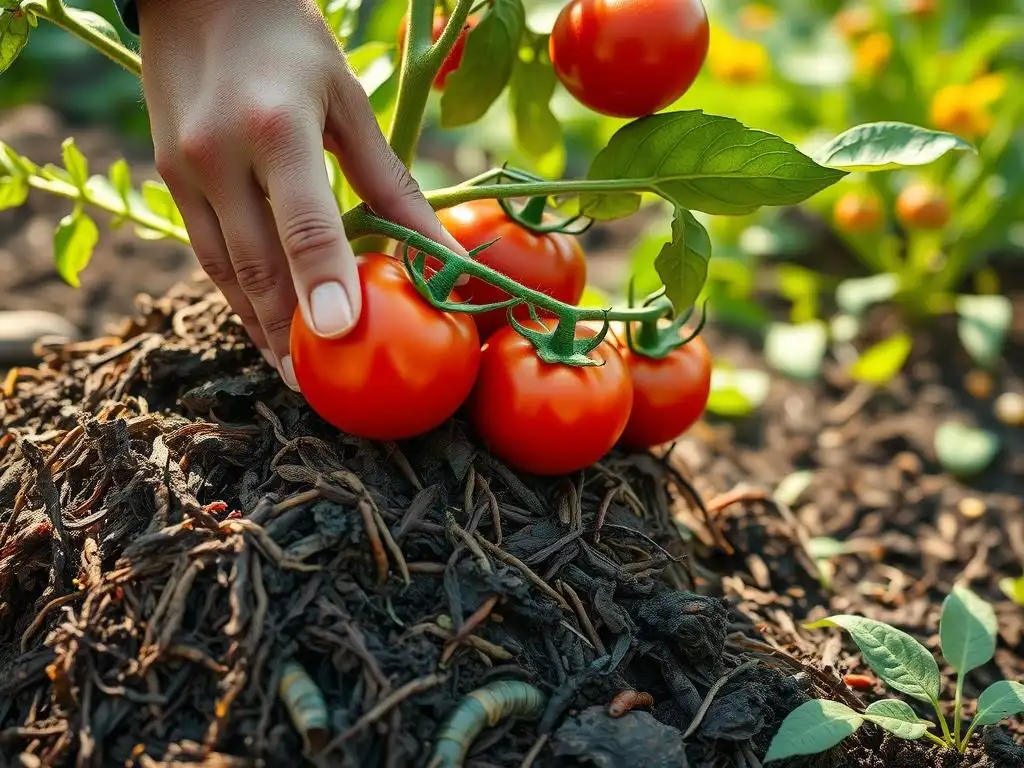
Homemade compost is a powerhouse of nutrients, providing your plants with a readily available source of nitrogen, phosphorus, and potassium – the essential macronutrients for healthy growth. By enriching your soil with compost, you significantly reduce, and in many cases eliminate, the need for synthetic chemical fertilizers. These chemical fertilizers, while offering a quick boost, can disrupt the delicate soil ecosystem, harming beneficial microorganisms and potentially leaching into groundwater, causing environmental damage. Compost, on the other hand, works with the natural processes in the soil, fostering a thriving microbial community that improves soil structure and nutrient uptake.
This translates to healthier plants that are more resilient to stress and disease. Think of it as feeding your plants a balanced, organic meal instead of a sugary, processed snack. The long-term benefits of using compost are undeniable, leading to a more sustainable and environmentally friendly gardening practice.
Furthermore, reducing reliance on chemical fertilizers saves you money in the long run, contributing to a more cost-effective gardening approach. The transition to compost might require some initial adjustments in your planting schedule and nutrient management, but the rewards – healthier plants and a healthier environment – are well worth the effort. Many experienced gardeners have reported a dramatic decrease in their fertilizer use after consistently incorporating compost into their soil.
Protecting Plants from Pests and Diseases
Healthy soil equals healthy plants, and healthy plants are naturally more resistant to pests and diseases. Homemade compost plays a crucial role in bolstering plant health, acting as a natural defense mechanism against common garden foes. The diverse microbial community thriving in compost helps suppress harmful pathogens in the soil, reducing the incidence of root rot and other soilborne diseases.
Moreover, compost improves soil drainage and aeration, creating an environment less hospitable to pests and diseases that thrive in soggy or compacted soil. The rich organic matter in compost also attracts beneficial insects and microorganisms that prey on or compete with harmful pests, contributing to a more balanced and resilient ecosystem within your garden. Specific examples include the increased presence of earthworms, which improve soil structure and aeration, making it less attractive to many pests.
Furthermore, compost can introduce beneficial nematodes that feed on harmful insect larvae. This natural pest control method, achieved through the strategic use of homemade compost, is a far more sustainable and environmentally sound approach compared to relying on chemical pesticides which can harm beneficial insects and pollute the environment. By nurturing a healthy soil ecosystem with compost, you are essentially building a natural defense system for your plants, promoting their overall health and resilience.
Getting Started with Your Home Composting System
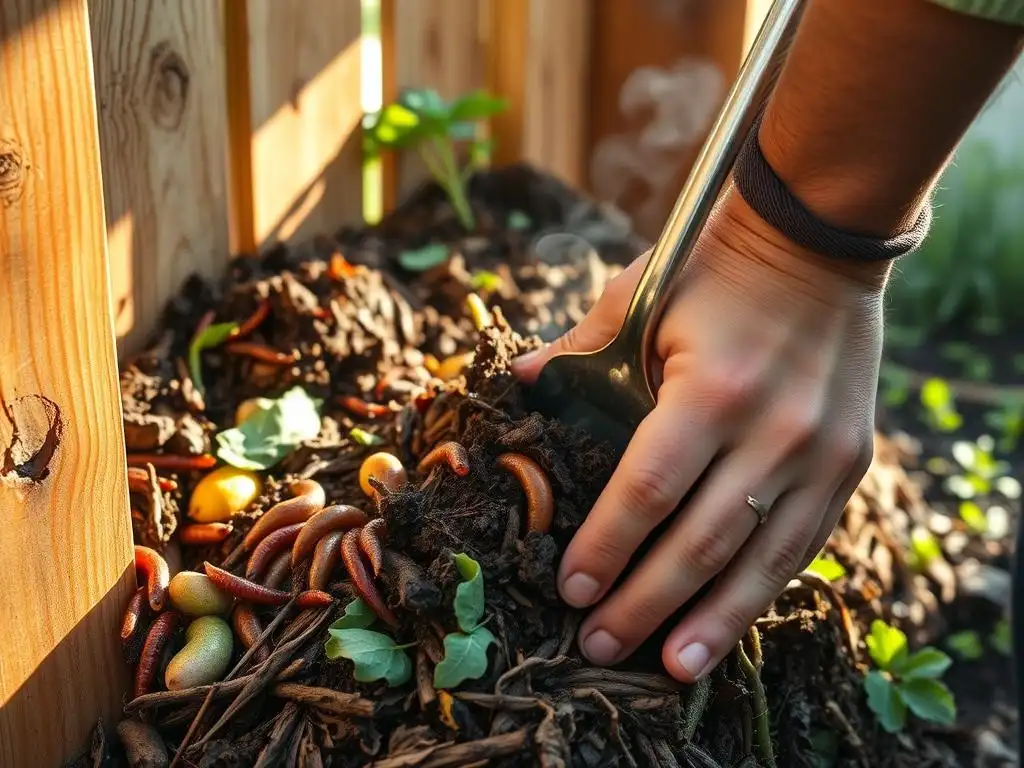
Home composting is a rewarding endeavor offering numerous benefits, from enriching your garden soil to reducing your environmental footprint. Creating homemade compost for healthy plants is simpler than you might think, and the rewards are plentiful. This section will guide you through the initial steps, ensuring you're well-equipped to embark on your composting journey. Successful composting hinges on understanding the process and selecting the right approach for your needs and space. Let's dive in!
Choosing the Right Composting Method: Bin, Pile, or Worm Composting
The first crucial decision is selecting a composting method that best suits your lifestyle and available space. Three primary methods exist:
- Compost Bin: These offer a contained system, ideal for smaller spaces and those wanting a neater composting experience. Bins come in various sizes and materials, from simple plastic bins to more elaborate wooden structures. They provide better control over the composting process and help prevent odor issues.
- Compost Pile: This is the most traditional method, involving simply piling organic matter directly onto the ground. It requires more space but is often less expensive to set up. Proper management is crucial to prevent attracting pests and maintaining optimal decomposition. Regular turning is key for aeration.
- Worm Composting (Vermicomposting): This method uses red wiggler worms to accelerate the decomposition process. It's ideal for smaller spaces and produces a high-quality, nutrient-rich compost known as vermicast. However, it requires a dedicated worm bin and careful management of worm populations and moisture levels.
Choosing the right method depends on factors such as available space, your comfort level with different techniques, and the volume of organic waste you produce. Consider your individual circumstances carefully before making your decision. For example, a small apartment dweller might opt for vermicomposting, while someone with a large backyard might prefer a compost pile.
Essential Ingredients for Successful Composting: Browns and Greens
The foundation of successful composting rests on the proper balance of "browns" and "greens." These terms refer to the carbon-rich and nitrogen-rich materials that fuel the decomposition process. An ideal ratio is approximately 2:1 (browns to greens).
- Browns (Carbon-rich): These materials provide the structure and energy for the decomposition process. Examples include:
- Dried leaves
- Shredded paper and cardboard (avoid glossy or colored paper)
- Small twigs and branches
- Straw
- Sawdust (untreated)
- Wood chips
- Greens (Nitrogen-rich): These materials provide the nutrients that fuel microbial activity. Examples include:
- Grass clippings
- Vegetable scraps
- Fruit peels
- Coffee grounds and filters
- Tea bags (remove staples)
- Food scraps (avoid meat, dairy, and oily foods)
Maintaining this balance is crucial. Too many greens can lead to foul odors and slow decomposition due to anaerobic conditions. Too many browns will result in a slow and inefficient composting process. Aim for a visually appealing mix resembling a dark, moist soil. Regular monitoring and adjustment of the ratio is key to maintaining a healthy and efficient compost pile or bin. Think of it like a balanced diet for your compost!
Setting up Your Compost Bin or Pile: A Step-by-Step Guide
Setting up your compost system is straightforward, regardless of the method you choose. Here’s a general guide:
- Choose a Location: Select a well-drained area that receives some shade, especially during hot summer months. Avoid areas prone to flooding or excessive wind. Accessibility is also key for easy addition of materials and turning.
- Prepare the Base (for piles): If using a compost pile, consider creating a base of twigs or branches to enhance drainage. This prevents waterlogging, a common problem that can hinder decomposition.
- Layer the Materials: Begin layering your browns and greens, starting with a layer of coarse browns for drainage. Alternate layers of browns and greens, aiming for that 2:1 ratio. Avoid adding large chunks of material; smaller pieces decompose faster.
- Maintain Moisture: Regularly check the moisture level of your compost. It should be as moist as a wrung-out sponge. Add water if it's too dry.
- Turn Regularly (crucial for both bins and piles): Turning your compost aerates it, speeding up decomposition and preventing unpleasant odors. This is especially important for larger piles. The frequency depends on the size of your pile and environmental conditions; aim for at least once a week.
- Monitor Temperature: A healthy compost pile will generate heat. Monitoring the temperature can help you assess the progress of decomposition. A temperature consistently above 130°F (54°C) indicates vigorous microbial activity.
- Patience is Key: Composting takes time. Depending on the method, materials, and environmental conditions, it can take anywhere from a few months to a year for your compost to fully mature. Enjoy the process and be patient! The resulting nutrient-rich compost will be well worth the wait. Using homemade compost for healthy plants is a rewarding journey that benefits both your garden and the environment.
Maintaining Your Compost: Turning, Watering, and Monitoring
Maintaining a healthy compost pile requires consistent attention. Think of it like caring for a living organism – it needs the right balance of air, moisture, and nutrients to thrive. Neglecting these aspects can lead to slow decomposition, foul odors, and even pest infestations. Let's delve into the key practices for successful compost maintenance.
Turning Your Compost: Regular turning, or aerating, is crucial for efficient decomposition. This process introduces oxygen to the microbial community within the compost, allowing them to break down organic matter more effectively. Aim to turn your pile at least once a week, or more frequently during warmer months. Use a garden fork or pitchfork to gently mix the materials, ensuring good airflow throughout the pile.
You'll notice a significant difference in the speed of decomposition with regular turning. For example, a neglected pile might take months to break down, while a regularly turned pile could be ready in as little as 8-12 weeks. This translates to a faster turnaround of nutrient-rich compost for your garden.
Watering Your Compost: Moisture is essential for microbial activity, but too much water can lead to anaerobic conditions (lack of oxygen), resulting in foul smells and slow decomposition. The ideal moisture content should resemble a damp sponge – not soaking wet, but consistently moist. Check the moisture level regularly by squeezing a handful of compost.
If it feels too dry, add water gradually. If it's too wet, allow it to air dry for a day or two before turning. The frequency of watering depends on your climate and the materials you're composting; hot, dry climates will require more frequent watering than cooler, humid ones.
Monitoring Your Compost: Regular monitoring is key to identifying and addressing potential problems early on. Pay attention to the temperature, smell, and appearance of your compost. A healthy compost pile will generate heat through microbial activity; you should feel warmth when you touch it. A foul odor, on the other hand, usually indicates anaerobic conditions, which can be remedied by turning and aerating the pile.
Visually inspect the compost for any signs of pests or unwanted materials. If you find anything unusual, address it promptly to prevent problems from escalating. For instance, if you find fruit flies, reduce the amount of fresh fruit scraps you add and ensure the pile is well-aerated. Consistent monitoring will allow you to fine-tune your composting process, leading to a healthier, more productive system.
This proactive approach minimizes potential setbacks and maximizes the benefits of your homemade compost. The reward? Healthy, thriving plants fuelled by nature's own fertilizer!
Troubleshooting Common Composting Problems
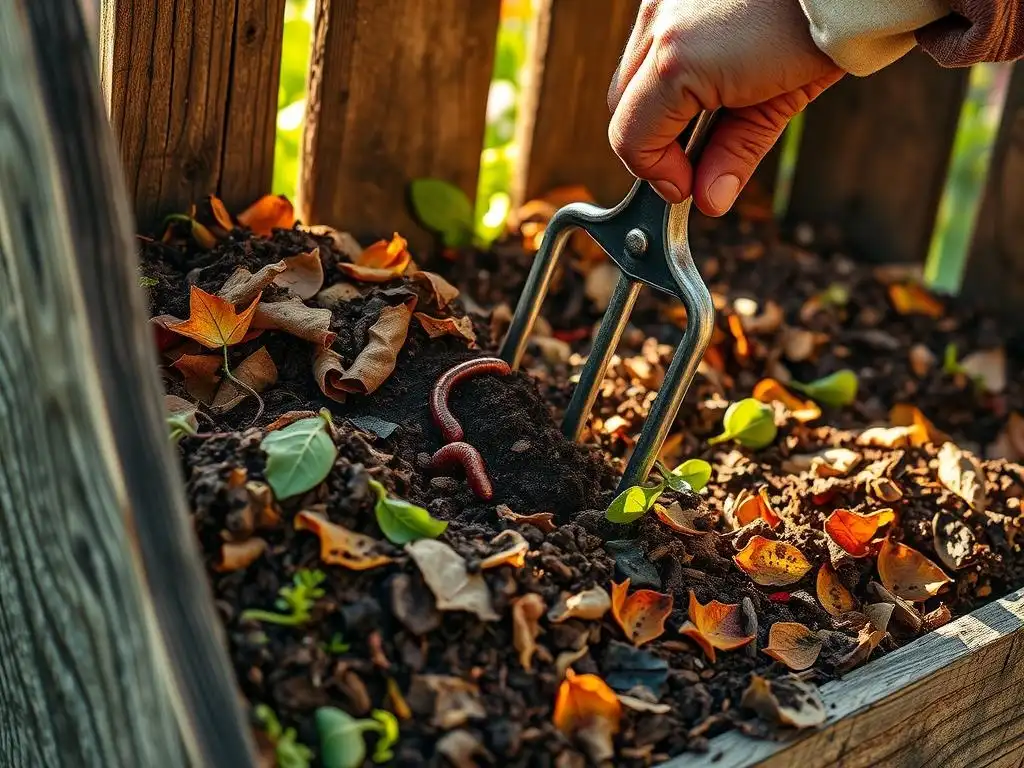
Home composting, while rewarding, can present some challenges. Successfully creating nutrient-rich homemade compost for healthy plants requires attention to detail and proactive problem-solving. Let's address some common issues and how to overcome them. Understanding these hurdles is crucial for maximizing the benefits of your compost bin and ensuring you're creating a valuable resource for your garden.
Dealing with Unpleasant Odors: Identifying and Fixing the Issues
A foul smell emanating from your compost bin is often a sign of anaerobic decomposition – meaning there isn't enough oxygen reaching the organic matter. This leads to the production of foul-smelling gases. Several factors contribute to this:
- Insufficient aeration: A compact pile prevents air circulation. Regular turning of the compost is essential. Aim for at least once a week, or more frequently if the pile is large or particularly wet. Using a compost aerator tool can also significantly improve air flow.
- Excessive moisture: A soggy compost pile creates an anaerobic environment. Add more "browns" (dry materials like shredded paper, leaves, or straw) to absorb excess moisture. Avoid adding excessively wet food scraps.
- Incorrect carbon-to-nitrogen ratio: An imbalance in the ratio of carbon-rich ("brown") and nitrogen-rich ("green") materials can also lead to odors. Too much nitrogen (from food scraps) without enough carbon to balance it will result in a smelly, slimy mess. Aim for a roughly 30:1 ratio of brown to green materials.
- Incorrect materials: Certain materials decompose slowly and can contribute to odor. Avoid adding dairy products, meat, oily foods, and pet waste, as these can attract pests and create unpleasant smells. These materials can also attract unwanted animals, creating additional problems.
To rectify unpleasant odors, immediately address the underlying cause. Turn the pile thoroughly, add brown materials if it's too wet, and ensure a balanced carbon-to-nitrogen ratio. If the odor persists despite these adjustments, you might need to remove some of the decomposing material and start a fresh pile with a better ratio and improved aeration. A small amount of activated charcoal added to the pile can also help absorb odors.
Attracting Unwanted Pests: Prevention and Control Strategies
While composting is a natural process, it can attract unwanted pests like rodents, flies, and other insects. Prevention is key:
- Proper bin selection: Choose a compost bin with a tightly sealed lid to deter pests. Enclosed bins are far superior to open piles in preventing pest infestations.
- Material selection: Avoid adding materials that attract pests, as mentioned previously.
- Regular turning: Turning the compost helps to aerate the pile and prevents the buildup of conditions that attract pests. A well-aerated pile tends to be less appealing to pests.
- Location: Place your compost bin away from your house and other structures to prevent pests from gaining access to your home. Consider its proximity to other potential attractants like garbage cans.
If pests do appear, there are several management strategies:
- Diatomaceous earth: This natural powder can help control insects and other small pests.
- Beneficial nematodes: These microscopic worms can help control certain insect larvae in the compost pile.
- Remove offending materials: Quickly remove any decaying materials that may be attracting pests.
- Consider a screened bin: Some compost bins have a mesh bottom which allows for drainage and also prevents larger pests from entering.
Careful management and proactive measures can keep your compost pile pest-free, ensuring a smooth composting process. Regular monitoring is crucial for effective pest control.
Achieving the Right Moisture Level: Finding the Balance
Maintaining the optimal moisture level is critical for successful composting. The compost should feel like a wrung-out sponge – damp but not soggy. Too much moisture leads to anaerobic conditions and foul odors, while too little moisture slows down decomposition.
- Monitoring moisture: Regularly check the moisture content of your compost pile. Squeeze a handful of compost; if water drips freely, it's too wet. If it's dry and crumbly, it needs more moisture.
- Adjusting moisture: Add water to dry compost using a watering can or hose. For excessively wet compost, add more brown materials to absorb the excess moisture. Shredded paper, dried leaves, and cardboard are excellent for this purpose.
- Consider your climate: In dry climates, you may need to water your compost more frequently. In humid climates, you may need to add more brown materials to prevent overly wet conditions.
Consistent monitoring and adjustments are key to maintaining the ideal moisture level, ensuring efficient and odor-free decomposition. Remember, a well-managed moisture level is essential for creating healthy, nutrient-rich homemade compost for your plants. This contributes significantly to the overall success of your composting efforts, ultimately resulting in a more vibrant and productive garden.
Compost Decomposition Time: Factors Affecting the Process
Compost decomposition time is highly variable, ranging from a few weeks to several months, or even longer in some cases. Several factors significantly influence how quickly your organic materials break down into nutrient-rich compost. Understanding these factors is crucial for managing your compost pile effectively and achieving optimal results for your "homemade compost healthy plants."
One of the most important factors is the carbon-to-nitrogen ratio (C:N) of your compost ingredients. A balanced ratio, typically around 30:1, is essential for efficient microbial activity. Materials high in carbon, like brown leaves and shredded paper, provide the energy source for the microbes. Nitrogen-rich materials, such as green grass clippings and vegetable scraps, supply the building blocks for new microbial cells.
An imbalance, either too much carbon or too much nitrogen, can slow down decomposition. A pile with too much carbon will decompose slowly, while a pile with too much nitrogen may become anaerobic, leading to foul odors and potentially harmful byproducts. Careful consideration of the C:N ratio of your ingredients is crucial for achieving a healthy, fast-decomposing compost pile and subsequently healthy plants.
The moisture content of your compost pile is another critical factor. Microbes need moisture to thrive, but too much water can create anaerobic conditions, hindering decomposition and leading to unpleasant smells. Ideally, your compost should be as moist as a wrung-out sponge. Regularly checking the moisture level and adding water as needed is essential for maintaining optimal decomposition rates. Think of it like this: just as you wouldn't expect your plants to thrive in a desert, neither will the microbes in your compost thrive without sufficient moisture.
Aeration is also critical; microbes need oxygen to break down organic matter. Turning your compost regularly helps to introduce oxygen and ensures even decomposition. The frequency of turning depends on several factors, including the size of your pile, the materials used, and the ambient temperature. Insufficient aeration can result in slow decomposition and unpleasant odors. For example, a small compost bin may require daily turning, whereas a larger, well-aerated heap may only need turning every few weeks. The goal is to keep the pile well-oxygenated to promote the healthy decomposition vital for generating “homemade compost healthy plants”.
Temperature plays a significant role in the composting process. Higher temperatures, typically between 130-160°F (54-71°C), accelerate decomposition by promoting faster microbial activity. This thermophilic phase is crucial for effectively breaking down organic matter and killing pathogens. However, consistently high temperatures can also lead to the loss of beneficial microbes.
Maintaining a balanced temperature range is crucial for optimal decomposition. Ambient temperature, pile size, and the rate of decomposition all impact the temperature of the compost pile, hence influencing the speed of decomposition. Ultimately, a well-managed compost pile, regardless of the ambient temperature, will yield nutrient-rich compost that greatly benefits your plants.
Finally, the type of organic materials used will influence decomposition time. Some materials, like fruit and vegetable scraps, decompose quickly, while others, such as woody materials, require a longer time to break down. A diverse mix of materials, incorporating both "green" and "brown" materials, will lead to a more efficient and faster composting process.
For example, combining grass clippings with shredded newspaper will yield faster results than using only one of these components. Carefully selecting and combining your compost ingredients will contribute significantly towards the overall success of your composting efforts and the health of your plants. Remember, understanding these factors is key to creating "homemade compost healthy plants."
Harvesting and Using Your Homemade Compost
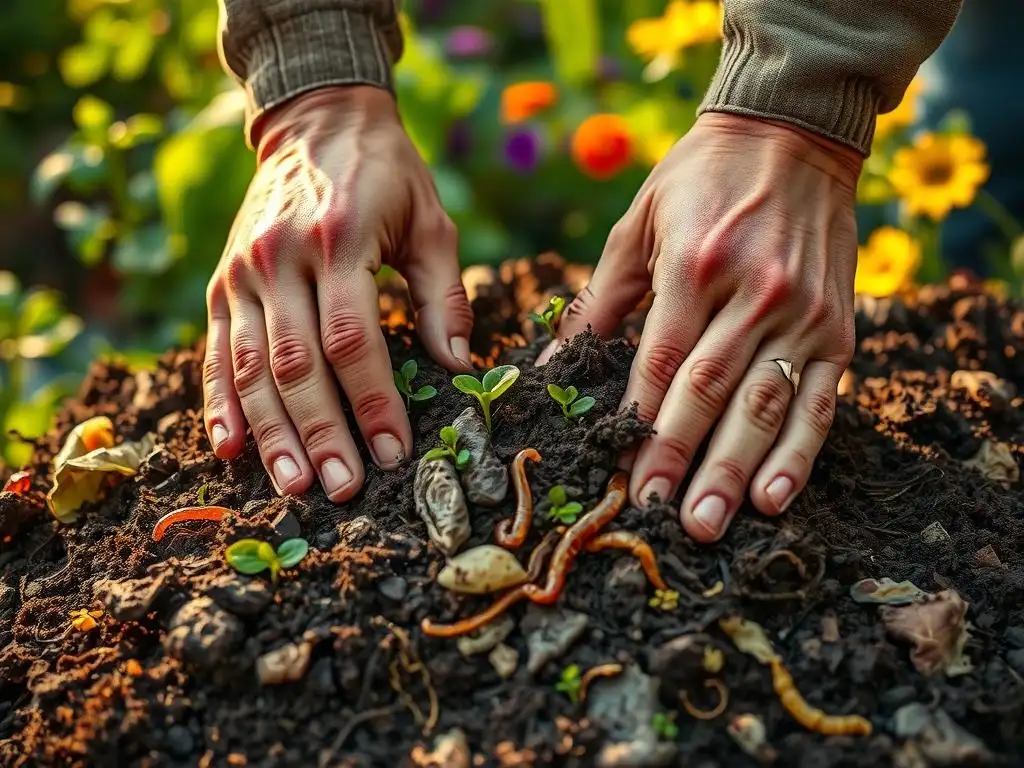
This section focuses on the rewarding culmination of your composting efforts: harvesting and effectively utilizing your homemade compost to nurture thriving plants. Creating nutrient-rich compost is only half the battle; knowing when it's ready and how to best integrate it into your garden is crucial for maximizing its benefits and achieving those healthy plants you've been striving for.
Recognizing Finished Compost: Signs of Readiness
Knowing when your homemade compost is ready is key to its effectiveness. Premature use can introduce pathogens into your soil, while overly mature compost may have lost some of its valuable nutrients. Several key indicators signal compost readiness:
- Dark, rich color: Finished compost will be a dark brown or black, signifying the complete breakdown of organic matter. A lighter color suggests the composting process isn't complete.
- Crumbly texture: The compost should resemble rich topsoil, easily crumbling between your fingers. Clumpy or wet compost needs more time to decompose.
- Earthy scent: A pleasant, earthy aroma is a good sign. Unpleasant odors, like ammonia, indicate anaerobic conditions (lack of oxygen) and the need for more aeration.
- Absence of recognizable ingredients: You shouldn't be able to identify the original materials. If you still see large pieces of fruit peels or vegetable scraps, more time is needed.
- Temperature stability: The pile's temperature should have stabilized and returned to ambient temperature. A consistently high temperature suggests ongoing decomposition.
To illustrate, imagine a compost pile containing coffee grounds, eggshells, and shredded newspaper. Initially, the pile will be visibly heterogeneous, with distinct pieces of each material. As the decomposition progresses, the coffee grounds will darken, the eggshells will break down, and the newspaper will disintegrate. The finished product will be a homogenous, dark brown mixture with an earthy smell, easily crumbling when handled. This signifies that the composting process is complete and the compost is ready for use. This is crucial for achieving healthy plants.
Incorporating Compost into Your Garden Beds: Best Practices
Integrating your homemade compost into your garden beds provides numerous benefits, enriching the soil structure and providing essential nutrients for plant growth. However, proper application is vital for optimal results. Avoid simply piling the compost on top; instead, incorporate it into the soil:
- Mixing methods: Gently till the compost into the top 6-8 inches of soil. This ensures even distribution and allows the soil microbes to readily access the nutrients. For larger garden beds, using a garden fork or tiller can be efficient. Smaller areas can be easily mixed by hand.
- Soil amendment ratio: The ideal ratio of compost to soil depends on your soil's existing condition. Generally, a 1:1 or 2:1 ratio (compost to soil) is a good starting point for improving poor soil. Well-draining soil may only need a 1:3 or even 1:4 ratio. Observe your soil's composition and adjust accordingly. Remember, consistent soil improvement is key to healthy plants.
- Timing: Spring is the ideal time to incorporate compost into your garden beds before planting. This gives the soil time to absorb the nutrients and improves its structure, creating the perfect environment for seedling establishment.
Using Compost as a Topdressing: Benefits and Application
While incorporating compost directly into the soil provides long-term benefits, using it as a topdressing offers immediate advantages, especially for established plants. This method involves spreading a thin layer of compost over the surface of the soil around your plants.
- Moisture retention: A topdressing layer helps retain moisture, reducing the frequency of watering, particularly during dry spells. This is especially beneficial for drought-tolerant plants.
- Weed suppression: A layer of compost can suppress weed growth, reducing competition for nutrients and moisture.
- Nutrient boost: Topdressing provides a readily available source of nutrients for plants, promoting vigorous growth and increased yields.
- Application: Spread a thin layer (1-2 inches) of compost around the base of your plants, taking care not to bury the stems. Water gently after application to help the compost settle and integrate with the existing soil.
Consistent use of homemade compost, whether incorporated into the soil or applied as a topdressing, directly contributes to the health and vitality of your plants, resulting in a more bountiful and vibrant garden. This approach is particularly beneficial for achieving those healthy plants you desire, ensuring a successful harvest.
Compost Tea: An Additional Boost for Plant Health
Compost tea, a liquid extract brewed from compost, provides an exceptional boost to plant health, acting as a potent fertilizer and soil amendment. It's a fantastic way to leverage the benefits of your homemade compost even further. Unlike simply adding compost directly to the soil, compost tea delivers nutrients directly to the plant's root system, promoting faster uptake and more efficient utilization. This is particularly beneficial for plants experiencing nutrient deficiencies or those in demanding growth stages.
The brewing process itself is relatively simple, though variations exist depending on the desired concentration and the type of compost used. Generally, it involves steeping a specific amount of compost in water for a period of time, often with aeration to promote beneficial microbial growth. This aeration is crucial, as it allows aerobic microorganisms to thrive, which are responsible for producing the beneficial compounds found in the tea. Anaerobic processes, on the other hand, can produce harmful substances.
The resulting tea is rich in beneficial microbes like bacteria and fungi, which improve soil structure and fertility. These microbes enhance nutrient availability by breaking down organic matter and making nutrients more accessible to plant roots. Furthermore, compost tea often contains beneficial enzymes and growth hormones that stimulate plant growth and enhance their resistance to diseases and pests. The application is straightforward; it can be applied directly to the soil, or as a foliar spray, providing a double dose of nourishment.
Several studies have shown the effectiveness of compost tea in promoting plant growth and yield. For example, research has demonstrated significant increases in the growth rate and fruit production of various crops when treated with compost tea compared to control groups. This highlights the value of compost tea as a sustainable and effective alternative to synthetic fertilizers, aligning perfectly with the principles of organic gardening and the goal of creating healthy plants using homemade compost.
Experimentation with different brewing methods and application techniques can optimize results based on your specific needs and plant types. Remember, consistent application, along with other good gardening practices, will yield the best results. Using compost tea is a simple yet powerful way to maximize the benefits of your homemade compost and cultivate a truly thriving garden.
Advanced Composting Techniques for Healthy Plants
This section delves into more advanced composting methods that can significantly enhance the quality of your homemade compost and, consequently, the health of your plants. These techniques offer efficient ways to manage various organic materials and accelerate the decomposition process, resulting in nutrient-rich compost perfect for boosting plant growth. Remember, the goal is always to create a balanced compost teeming with beneficial microorganisms – the key to truly homemade compost healthy plants.
Vermicomposting: The Power of Worms
Vermicomposting, or worm composting, leverages the incredible appetite and digestive capabilities of red wiggler worms ( Eisenia fetida) to rapidly break down organic matter. These worms are exceptionally efficient at processing food scraps and other organic materials, producing a high-quality, nutrient-rich compost known as vermicast or worm castings. This process is particularly beneficial for smaller spaces, as it requires less volume than traditional composting.
Vermicomposting bins are relatively simple to construct or purchase. They typically consist of layers of bedding material (shredded newspaper, cardboard), food scraps, and worms. The worms consume the organic waste, excreting vermicast, a dark, granular substance packed with beneficial microbes and plant nutrients. This nutrient-rich material is an exceptional soil amendment, improving soil structure, water retention, and aeration. It also provides readily available nutrients for plants, promoting vigorous growth and increased yields. The resulting homemade compost healthy plants are truly remarkable!
Regular monitoring is crucial. Ensure the bedding material remains moist but not soggy. Overfeeding can lead to unpleasant odors and attract pests. A well-managed vermicomposting system requires minimal effort while providing exceptional results. The process is surprisingly efficient and rewarding, providing a continuous supply of high-quality compost for your garden.
Bokashi Composting: An Accelerated Method
Bokashi composting is a fermentation process that utilizes effective microorganisms (EM) to break down organic matter, including meat, dairy, and oily foods – materials typically avoided in traditional composting. This anaerobic process significantly accelerates decomposition, reducing the time it takes to produce usable compost. The EM inoculant suppresses harmful bacteria and molds, resulting in less odor and fewer pest problems.
The process involves layering food scraps in a Bokashi bucket, sprinkling each layer with EM inoculant. The bucket is sealed, allowing the anaerobic fermentation to occur. This fermentation produces a nutrient-rich, slightly acidic material that can be added directly to the soil or further composted. The resulting compost is rich in beneficial microbes and readily available nutrients. The method helps manage kitchen waste efficiently, creating homemade compost healthy plants even from materials usually considered problematic.
One key advantage of Bokashi is its ability to handle a wider range of organic materials than traditional composting. However, it requires a specific starter culture (EM) and careful attention to the moisture levels to avoid unpleasant smells. Properly managed, it offers a significant advantage for those seeking a faster composting method with minimal odor and less space required.
Composting Specific Materials: Dealing with Difficult Materials
Certain materials require special handling during composting. Successfully integrating these materials into your compost pile requires understanding their decomposition rates and potential impacts on the overall composting process. Understanding how to properly compost these materials is essential for creating homemade compost healthy plants that thrive.
| Material | Considerations |
|---|---|
| Dairy Products | Can attract pests and create unpleasant odors if added in large quantities. Use in moderation. |
| Meat Scraps | Similar to dairy, use sparingly and ensure proper layering with carbon-rich materials. |
| Oily Foods | Can inhibit decomposition. Use in moderation and mix thoroughly with other materials. |
| Diseased Plants | Avoid composting plants affected by disease to prevent spreading pathogens. |
| Invasive Weeds | Carefully remove seeds before composting to prevent spreading. |
| Wood Chips/Sawdust | Use in moderation; finely ground wood chips decompose faster. Ensure a proper carbon-to-nitrogen ratio. |
Successfully composting these "difficult" materials requires careful management and attention to detail. Proper layering and mixing are key to ensuring even decomposition and minimizing odor. Remember, patience and observation are vital components of successful composting, regardless of the materials used. The reward, however, is the exceptional quality of homemade compost healthy plants produced.
Troubleshooting Advanced Composting Issues: Addressing Complex Decomposition Challenges
Composting, while a natural process, can sometimes present unexpected challenges. Understanding these issues and implementing effective solutions is crucial for maintaining a healthy and productive compost pile, ultimately leading to healthier plants. One common problem is slow decomposition. This can stem from several factors, including an imbalanced carbon-to-nitrogen ratio (too much carbon, like dry leaves, and not enough nitrogen, like green waste), insufficient moisture, or inadequate aeration.
Addressing slow decomposition often involves adjusting the pile's composition – adding more nitrogen-rich materials if it's too dry, or more carbon-rich materials if it's too wet and slimy. Turning the pile regularly ensures proper aeration, speeding up the decomposition process. A thermometer can be a valuable tool; a consistently low temperature suggests a problem that needs attention.
Another significant hurdle is odor. A foul smell, often associated with anaerobic decomposition (lack of oxygen), indicates that the compost pile is too compacted or lacks sufficient aeration. Turning the pile frequently and ensuring proper air circulation are key steps to mitigate odor issues.
Adding brown materials, such as dry leaves or shredded paper, can help absorb excess moisture that contributes to unpleasant smells. In extreme cases, you might need to remove some of the decomposed material to improve aeration and reduce the overall mass of the pile. Remember, a properly managed compost pile should have an earthy, pleasant smell, not a pungent, offensive one.
Pest infestations can also disrupt the composting process. While some insects are beneficial for decomposition, others, like rodents or certain fly larvae, can become problematic. Using a sturdy bin with tightly sealed lids can deter many pests. Adding a layer of mulch or covering the pile with a tarp can help to keep unwanted visitors away. Regularly inspecting the pile for signs of infestation and removing affected materials promptly can prevent major issues. In severe cases, removing the entire pile and starting fresh might be necessary to completely eradicate the pest problem and prevent its recurrence.
Finally, unwanted weed seeds can present a challenge. While composting breaks down most weed seeds, some hardy varieties can survive the process. Careful selection of materials is important. Avoid adding weed seeds from invasive plants or plants known for prolific self-seeding. Allowing the compost to fully decompose over a longer period, or even passing the finished compost through a sieve, can reduce the risk of introducing weeds into your garden.
This extra step ensures your homemade compost truly enhances plant health without introducing unwanted competition. Remember, patience and diligence are key to successful composting, and addressing these challenges proactively leads to nutrient-rich compost that supports thriving plants. The payoff is well worth the effort! Using homemade compost ensures healthy plants, leading to a vibrant and productive garden.
Frequently Asked Questions
What are the benefits of using homemade compost for my plants?
Using homemade compost significantly improves soil structure, increasing water retention and aeration. It also provides a rich source of essential nutrients, leading to healthier, more vigorous plant growth.
How does homemade compost contribute to healthier plants?
Compost acts as a natural fertilizer, supplying plants with slow-release nutrients. This promotes stronger root systems and increased disease resistance, resulting in healthier, more productive plants.
What kind of materials can I use to make compost?
You can use a wide variety of organic materials, including fruit and vegetable scraps, coffee grounds, eggshells, yard waste, and even shredded paper. Avoid using meat, dairy, or oily foods.
How long does it take to make homemade compost?
The composting process can take anywhere from a few weeks to several months, depending on factors like the materials used, the size of your compost pile, and the ambient temperature. Regular turning speeds up the process.
Is homemade compost better than store-bought fertilizers for my garden?
Many gardeners find homemade compost superior because it's a natural, sustainable, and cost-effective alternative to chemical fertilizers. It improves soil health in the long term, benefiting your plants and the environment.
Final Reflection: Cultivating a Greener Future, One Compost Pile at a Time
The practice of homemade composting isn't just a gardening technique; it's a fundamental shift in our relationship with waste and the environment. We've explored how this simple act transforms kitchen scraps and yard debris into a powerful elixir for healthier, more vibrant plants, but its impact extends far beyond the garden fence. The benefits are undeniable, offering a tangible way to reduce landfill waste and contribute to a more sustainable future.
Composting has profoundly reshaped my own gardening practices, moving me from a consumer of manufactured fertilizers to a creator of natural, nutrient-rich soil. This journey has fostered a deeper appreciation for the interconnectedness of nature and the cyclical processes that sustain life. The earth laughs in flowers.
– Ralph Waldo Emerson. This quote perfectly encapsulates the joy and wonder that comes from nurturing life through composting, witnessing the transformation of discarded materials into something beautiful and beneficial. The act itself becomes a meditation, a connection to the natural world that transcends the simple act of gardening.
Now, consider your own role in this cycle. What steps can you take to incorporate composting into your life? Start small – a simple bin in your backyard, a worm composting system on your balcony, or even a small container under your kitchen sink. Every bit of organic matter diverted from landfills is a victory for the environment and a step towards creating a healthier, more vibrant world, both for your plants and for yourself. Embrace the transformative power of composting and watch your garden – and your understanding of the natural world – flourish.
Unleash Your Garden's Potential: Start Composting Today!
Thank you for learning about the amazing benefits of composting! You've discovered a key to healthier plants and a more vibrant garden. Ready to put your new knowledge into practice?
Here's how to begin:
- Start composting today! Find a suitable location, gather your materials (including kitchen scraps! ), and begin layering your first compost pile. This crucial first step will pave the way for a thriving garden.
- Share your composting journey! Tell us about your initial composting experience – what challenges did you encounter? What were the most rewarding aspects? Share your story with fellow gardeners in the comments below.
- Explore various composting methods! Research vermicomposting (worm composting) or bokashi composting to discover even more efficient techniques.
What composting method are you most excited to try?