
Natural Ways to Improve Soil Health in Cold Climates

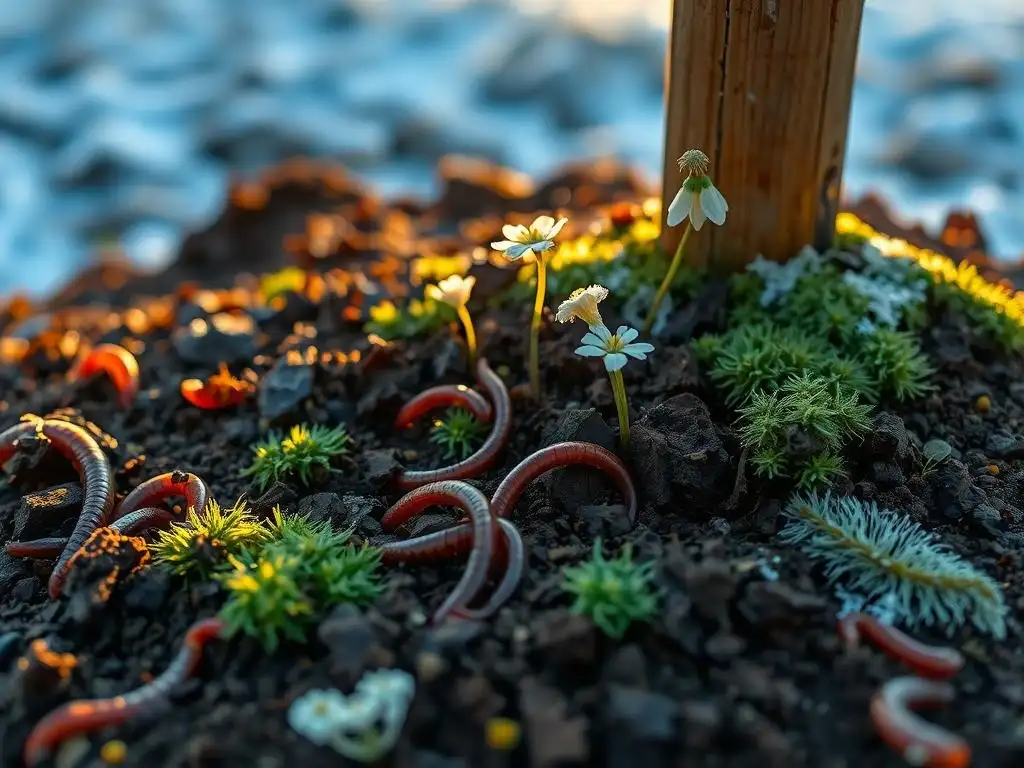
Welcome to CultivateYourFood, your guide to nurturing a thriving garden, naturally! Are you ready to unlock the secrets to bountiful harvests, even in challenging cold climates? Discover how to dramatically improve cold climate soil naturally, without resorting to harsh chemicals. Learn the sustainable and organic techniques that will transform your soil and yield exceptional results. Let's cultivate a healthier, more productive garden together – explore our Soil and Composting section to get started!
- Understanding Cold Climate Soil Challenges
- Enhancing Soil Structure Naturally for Cold Weather Gardening
- Boosting Soil Fertility in Cold Climates
- Protecting Your Soil from Winter's Harsh Conditions
- Monitoring and Maintaining Soil Health Throughout the Year
-
Frequently Asked Questions
- What are the biggest challenges to soil health in cold climates?
- How can I improve drainage in heavy clay soil typical of cold regions?
- What organic materials are best for improving cold climate soil?
- How can I protect my soil from frost damage over winter?
- When is the best time to amend my soil in a cold climate?
- Final Reflection: Cultivating Life in Frozen Ground
- Unlock Your Garden's Potential: Boost Soil Health This Winter!
Understanding Cold Climate Soil Challenges
Cultivating a thriving garden in a cold climate presents unique challenges. Unlike warmer regions, cold climates impose significant limitations on soil health, impacting nutrient availability, drainage, and overall soil structure. This article delves into the specific hurdles faced by gardeners in colder areas and explores effective, natural methods to improve soil health without resorting to harsh chemicals or unsustainable practices.
We'll examine how frost, nutrient depletion, and drainage issues affect your soil and provide practical, organic solutions to nurture your plants even in the harshest winters. Improving cold climate soil naturally is achievable with the right knowledge and techniques, leading to healthier plants and a more bountiful harvest. Let's explore how to overcome these challenges and cultivate a flourishing garden, even in frigid conditions.
Frost and Freeze-Thaw Cycles: Impact on Soil Structure
Frost and freeze-thaw cycles are a defining characteristic of cold climates, significantly impacting soil structure. The repeated freezing and thawing of water within the soil causes expansion and contraction. This process can disrupt the soil's structure, leading to:
- Increased soil erosion: The constant expansion and contraction weakens the soil's ability to hold together, making it more susceptible to erosion by wind and water.
- Compaction: As the soil freezes and thaws, particles can be compressed, leading to compaction, which hinders water infiltration and root penetration.
- Damage to soil organisms: The extreme temperature fluctuations can harm beneficial soil organisms like earthworms and microbes, which are crucial for nutrient cycling and soil health. These organisms are vital for breaking down organic matter and improving soil aeration. A decline in their populations can negatively impact nutrient availability and overall soil fertility.
Addressing these issues requires careful management. Adding organic matter, such as compost and well-rotted manure, improves soil structure and helps to buffer against the effects of freeze-thaw cycles. The organic matter acts as a sponge, retaining moisture and preventing extreme temperature fluctuations within the soil. Mulching also plays a vital role in protecting the soil from temperature extremes and erosion.
Nutrient Depletion in Cold Weather Gardening
Cold weather significantly impacts nutrient availability in the soil. Lower temperatures slow down microbial activity, reducing the rate at which organic matter decomposes and releases nutrients. Furthermore, many essential nutrients become less available to plants in cold conditions. This nutrient depletion can lead to stunted plant growth and reduced yields. The slow decomposition rate means that nutrients are released more slowly, leaving plants potentially nutrient deficient, especially during the early stages of growth when nutrient demand is high. This is further compounded by the shorter growing season, which limits the time plants have to access and utilize available nutrients.
To counteract nutrient depletion, consider these strategies:
- Soil testing: Regularly testing your soil helps identify nutrient deficiencies and allows you to make informed decisions about fertilization.
- Organic amendments: Incorporating organic matter, such as compost, manure, and cover crops, improves the soil's ability to retain nutrients and provides a slow-release source of essential minerals. These amendments also stimulate microbial activity, which aids in nutrient cycling.
- Composting: Home composting provides a valuable source of nutrient-rich organic matter that can significantly enhance soil fertility. Compost improves soil structure, water retention, and nutrient availability.
Drainage Issues and Soil Compaction in Cold Climates
Cold climates often lead to poor drainage and soil compaction. Heavy rainfall combined with freezing temperatures can create waterlogged conditions, hindering root growth and increasing the risk of plant diseases. Compaction, exacerbated by freeze-thaw cycles, further restricts water infiltration and aeration. This can create anaerobic conditions in the soil, harming beneficial microorganisms and potentially leading to root rot. Poor drainage can also lead to nutrient leaching, further depleting the soil's fertility. The compacted soil prevents adequate oxygen flow to the roots, creating a stressful environment for plant growth.
Improving drainage and reducing compaction requires:
- Adding organic matter: Organic matter improves soil structure, increases porosity, and enhances water infiltration.
- Aerating the soil: Regularly aerating the soil, particularly clay soils, can help alleviate compaction and improve drainage. This can be done using a garden fork or specialized aeration tools.
- Raised beds: Raised beds can improve drainage and provide better soil warming in cold climates. They also offer better control over soil composition and amendment application.
By understanding and addressing these specific challenges, gardeners in cold climates can cultivate healthy, productive gardens using natural and sustainable methods. Remember, consistent effort in improving soil health is key to achieving success. 🌱
Enhancing Soil Structure Naturally for Cold Weather Gardening
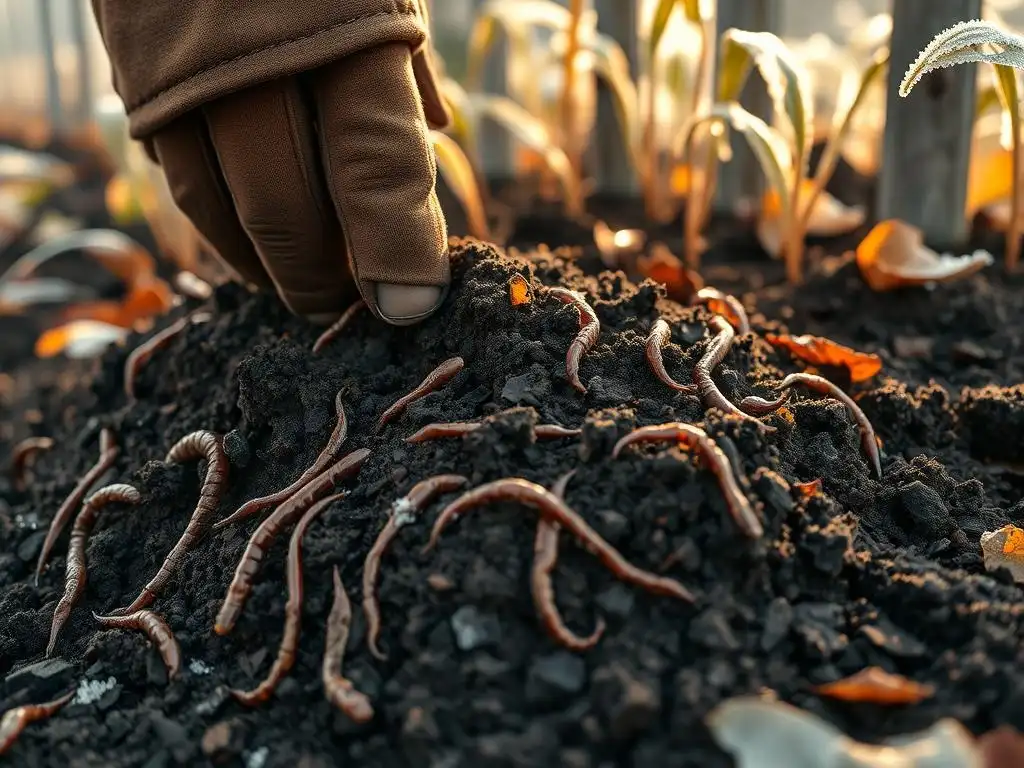
Cold climates present unique challenges for soil health. Freezing and thawing cycles can disrupt soil structure, leading to compaction and poor drainage. However, by employing natural methods, gardeners can significantly improve cold climate soil naturally, fostering healthy plant growth even in challenging conditions. This section focuses on practical techniques to enhance soil structure, improving drainage, aeration, and overall fertility, essential for thriving gardens in colder regions. We'll explore how organic matter, cover cropping, and compost can be leveraged to build resilience and increase the productivity of your soil.
Improving Soil Drainage with Organic Matter
Poor drainage is a common problem in cold climates, exacerbated by heavy rainfall and snowmelt. Improving drainage is crucial for preventing root rot and ensuring healthy plant growth. The key is incorporating ample organic matter. Organic matter, such as well-rotted compost, leaf mold, and aged manure, acts like a sponge, increasing the soil's water retention capacity while also improving its aeration. This prevents waterlogging and allows for better oxygen penetration to the roots.
Adding organic matter also improves the soil's structure by creating spaces between soil particles. This increased porosity allows for better water infiltration and drainage. The amount of organic matter needed varies depending on the soil type, but a general guideline is to aim for at least 2-4 inches of organic matter incorporated into the top layer of soil.
For clay soils, which are particularly prone to poor drainage, adding larger amounts of organic matter is beneficial. Consider incorporating materials with different particle sizes for optimal porosity – a mix of coarse and fine organic matter works best. For example, combining aged wood chips with compost creates a beneficial soil structure.
Cover Cropping for Cold Climate Soil Improvement: Best Choices and Planting Techniques
Cover cropping is a powerful technique for improving soil health in cold climates. Cover crops are plants grown specifically to improve soil conditions rather than for harvest. They protect the soil from erosion during winter months, suppress weeds, and add organic matter when tilled or incorporated into the soil. Choosing the right cover crop for your cold climate is crucial.
Some excellent choices for cold climates include:
- Winter rye: Tolerates freezing temperatures and provides excellent winter cover.
- Oats: A fast-growing option that can be planted in early fall.
- Hairy vetch: A nitrogen-fixing legume that enriches the soil.
- Crimson clover: Another nitrogen-fixing legume with good cold tolerance.
Planting techniques are key to success. Plant cover crops in the fall, allowing them to establish before the first frost. Incorporate them into the soil in early spring before planting your main crops. You can also use a "no-till" approach, allowing the cover crop to decompose naturally and adding it to the soil later. This minimizes soil disruption and protects beneficial soil organisms. Remember to choose cover crops that are well-suited to your specific climate and soil conditions. Consult with local agricultural extension offices for tailored recommendations.
Building Soil Structure with Compost and Mulch: Optimal Materials for Cold Climates
Compost and mulch are essential tools for building soil structure and improving soil health in cold climates. Compost, a rich organic material, improves soil drainage, aeration, and water retention. It also provides essential nutrients for plant growth. Applying a layer of compost before planting helps create a favorable environment for roots.
Mulching further enhances soil structure and protects the soil from the harsh effects of cold weather. Mulch helps to regulate soil temperature, preventing extreme temperature fluctuations that can damage plant roots. It also helps to retain moisture, reducing the frequency of watering. Ideal mulch choices for cold climates include:
- Straw: Provides good insulation and helps retain moisture.
- Shredded leaves: A readily available and effective mulch.
- Wood chips: A long-lasting mulch that improves soil structure over time.
Avoid using materials that compact the soil or impede drainage, such as heavy clay or rocks. Apply a layer of mulch several inches thick, ensuring it doesn't touch the plant stems to prevent rot. Regularly replenish the mulch layer throughout the growing season to maintain its effectiveness. By combining compost and mulch, you create a synergistic effect that significantly improves soil health and prepares your garden beds for thriving plants even in the cold.
No-Till Gardening for Cold Climate Soil Health
No-till gardening is a revolutionary approach to soil management that significantly improves soil health, particularly crucial in cold climates where soil can be fragile and prone to erosion. The core principle is to avoid disturbing the soil structure through tilling or plowing. This seemingly simple change offers a multitude of benefits. By leaving plant residues on the soil surface, you create a protective layer that insulates the soil, preventing extreme temperature fluctuations common in cold climates.
This insulation helps retain soil moisture, vital for plant survival during the cold season and the early spring thaw. Furthermore, the undisturbed soil structure allows for the development of a robust network of beneficial microorganisms and earthworms. These organisms are essential for nutrient cycling and improving soil aeration, both of which are crucial for healthy plant growth in challenging cold-weather conditions.
The benefits extend beyond improved soil structure. No-till gardening significantly reduces soil erosion, a major concern in cold climates where snowmelt and heavy rains can wash away topsoil. The protective layer of plant residue acts as a natural barrier, preventing the loss of valuable nutrients and soil particles. This is especially important in areas with sloping terrain or exposed soils.
Moreover, no-till gardening minimizes soil compaction, allowing for better root penetration and water infiltration. Compacted soil is a common problem in cold climates, as freezing and thawing cycles can further compact the soil, hindering plant growth. By avoiding tillage, you preserve the soil's natural structure and create a more hospitable environment for plant roots.
Implementing no-till gardening in a cold climate requires careful planning and adaptation. Choosing appropriate cover crops is essential. Hardy winter cover crops like rye, clover, or winter wheat can protect the soil throughout the winter months, providing insulation and suppressing weeds. These crops also add organic matter to the soil, improving its fertility and structure.
You'll need to adjust your planting techniques to accommodate the undisturbed soil. Direct seeding or using transplants are common methods in no-till gardening. The key is to minimize soil disturbance during planting. While initially more challenging than traditional tillage, the long-term benefits of improved soil health, reduced erosion, and enhanced plant growth make no-till gardening a worthwhile investment for cold-climate gardeners.
The patience required will be rewarded with healthier, more resilient plants and a more productive garden. Remember to monitor your soil's moisture levels closely, as the protective mulch layer can initially affect drainage. With careful observation and adjustment, you can effectively improve your cold climate soil naturally through the no-till method.
Boosting Soil Fertility in Cold Climates
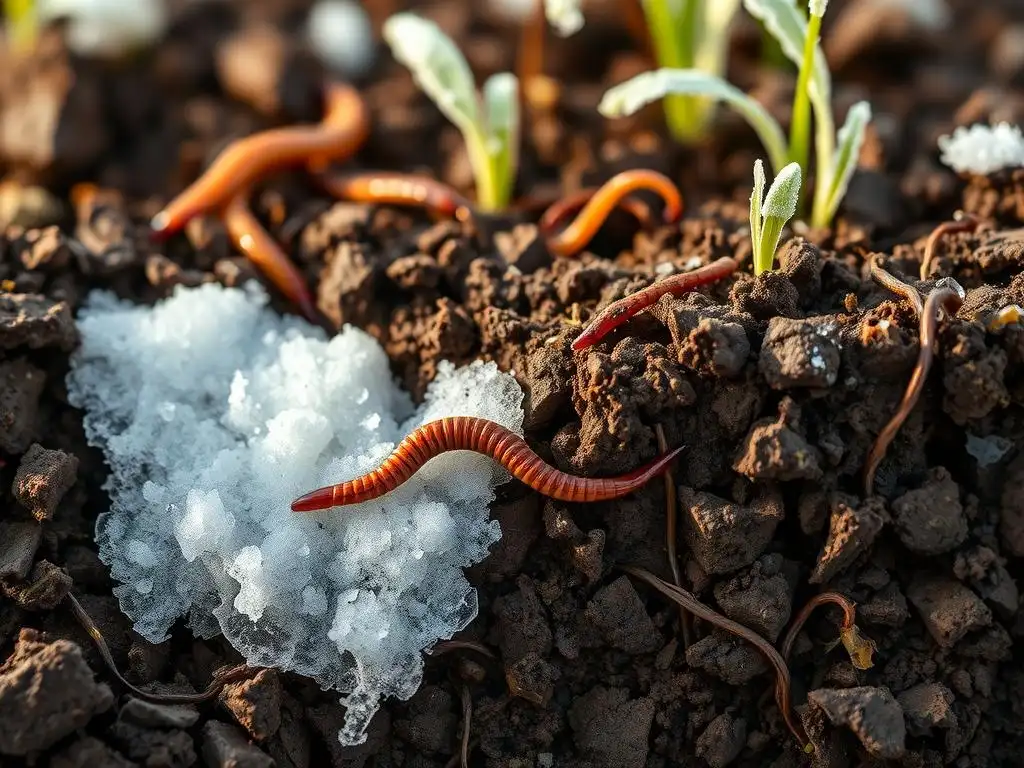
Improving cold climate soil naturally requires a nuanced approach, differing significantly from techniques used in warmer regions. The shorter growing season and often frozen ground present unique challenges. However, with careful planning and the right techniques, you can significantly improve soil fertility and create a thriving garden even in the chilliest climates. This section explores several natural methods for enhancing soil health specifically tailored to cold weather conditions.
Composting for Cold Climate Gardens: Methods and Considerations
Composting remains a cornerstone of naturally improving soil health, regardless of climate. However, the cold significantly slows down the decomposition process. To successfully compost in a cold climate, consider these adjustments:
- Accelerated Composting: Use a smaller compost bin to increase the heat generated through microbial activity. Regular turning is crucial to maintain aerobic conditions and speed up decomposition. Aim for a pile with a diameter of around 1-1.5 meters for optimal heat retention.
- Insulated Compost Bins: Invest in an insulated compost bin, or build one yourself using readily available materials like straw bales or repurposed pallets. This helps retain heat and moisture, even during freezing temperatures.
- Adding "Hot" Materials: Incorporate materials that naturally generate heat, such as fresh grass clippings, fruit and vegetable scraps, and aged manure. Avoid adding excessively wet materials, as this can lead to anaerobic decomposition and unpleasant odors.
- Winter Composting Strategies: While active composting may slow during winter, you can still add materials to your bin. The decomposition process will resume in spring, providing you with nutrient-rich compost just as the growing season begins. You can also layer materials with a winter cover of leaves, straw, or a tarp to help insulate the pile and prevent freezing.
- Vermicomposting: Worm composting (vermicomposting) is an excellent option for cold climates, as worms are less susceptible to temperature fluctuations compared to other decomposers. Keep your worm bin indoors or in a frost-free location for optimal results.
This careful management ensures that you have a readily available supply of nutrient-rich compost to amend your soil and improve its structure, drainage, and water retention – all crucial aspects of successful gardening in cold climates. Remember, patience is key; the composting process may take longer in cold weather, but the benefits are well worth the wait.
Utilizing Cold-Hardy Green Manures to Increase Soil Nutrients
Green manures are a powerful tool for improving soil health naturally. In cold climates, choosing cold-hardy species is essential. These plants, when tilled into the soil, add organic matter, improve soil structure, and suppress weeds. Some excellent choices include:
- Winter Rye: A hardy cereal grain that tolerates freezing temperatures. It's known for its ability to improve soil structure and suppress weeds.
- Oats: Another cold-tolerant option that improves soil fertility and helps prevent erosion.
- Field Peas: A legume that fixes nitrogen in the soil, enriching it with this essential nutrient. Planting field peas in the fall can provide a significant boost to soil fertility by the following spring.
- Hairy Vetch: A vigorous legume that fixes nitrogen and improves soil structure. It can overwinter in many climates and provide early-season nitrogen.
Remember to plant your green manure crops according to the specific needs of your region and the timing of your growing season. Properly incorporating them into the soil is vital for maximizing their benefits. This adds organic matter, improving soil structure, water retention, and nutrient availability. This is a key step in improving cold climate soil naturally.
Organic Fertilizers for Cold Weather Gardening: Choosing the Right Options
Choosing the right organic fertilizer is crucial for successful cold-weather gardening. The key is selecting fertilizers that release nutrients slowly and are appropriate for the soil conditions and plant needs. Several options are ideal for cold climates:
- Compost Tea: A liquid fertilizer made from compost, it provides readily available nutrients and beneficial microbes that enhance soil health. Brewing compost tea is relatively easy and can be done indoors, even during cold spells.
- Aged Manure: Well-rotted manure provides a slow-release source of nutrients and improves soil structure. Avoid using fresh manure, as it can burn plants.
- Rock Dust: A rich source of minerals that can provide a long-term boost to soil fertility. It's a slow-release fertilizer, making it ideal for cold climates where nutrient release is slower. Ensure you use a rock dust appropriate for your specific soil type.
- Seaweed Extract: A natural liquid fertilizer rich in micronutrients, it can boost plant growth and resilience in cold conditions.
By carefully selecting and applying these organic fertilizers, you can provide your plants with the nutrients they need to thrive even in challenging cold-weather conditions. Remember to always follow product instructions and adjust application rates based on your soil's specific needs. This approach is integral to successfully improving cold climate soil naturally and achieving abundant harvests.
Rock Dust and Mineral Supplements for Cold Climate Soil Health
Cold climates often present unique challenges to soil health. The shorter growing season and lower temperatures can limit the availability of essential nutrients, leaving your plants struggling. This is where rock dust and mineral supplements can be incredibly beneficial, acting as a slow-release fertilizer that provides a steady supply of minerals over time. Unlike fast-acting chemical fertilizers, which can be leached away by heavy rains common in some cold climates, rock dust provides a more sustainable solution.
The benefits of using rock dust extend beyond simply providing nutrients. Many rock dusts, particularly those rich in basalt or granite, also improve soil structure. These minerals help improve drainage in heavy clay soils, a common issue in colder regions, while also improving water retention in sandy soils. This improved soil structure allows for better aeration, which is crucial for healthy root development and microbial activity – both essential for thriving plants in colder conditions.
Choosing the right rock dust is crucial. The mineral composition varies depending on the source rock. Some rock dusts are higher in calcium, magnesium, and potassium, while others are richer in trace minerals like iron and zinc. Consider performing a soil test to determine any deficiencies before selecting a rock dust blend.
This ensures you are addressing your specific soil's needs and maximizing the benefits. For instance, if your soil test reveals a low potassium level, you might opt for a rock dust with a higher potassium content. Remember that this is a long-term strategy; the effects of rock dust are not immediate, but rather a gradual improvement in soil health over several seasons.
Beyond rock dust, other mineral supplements can also play a role in boosting fertility in cold climate gardens. Epsom salts, a readily available source of magnesium, can be particularly helpful in colder climates where magnesium deficiency is more common. Magnesium is essential for chlorophyll production, and a deficiency can lead to yellowing leaves and stunted growth.
Applying Epsom salts strategically, following package instructions, can provide a quick boost of magnesium to your plants during the growing season. However, remember to always balance the use of mineral supplements with organic matter to avoid imbalances and ensure a healthy soil ecosystem. The key is to create a balanced approach, combining the benefits of rock dust's long-term mineral provision with the more immediate impact of other mineral supplements as needed.
Protecting Your Soil from Winter's Harsh Conditions
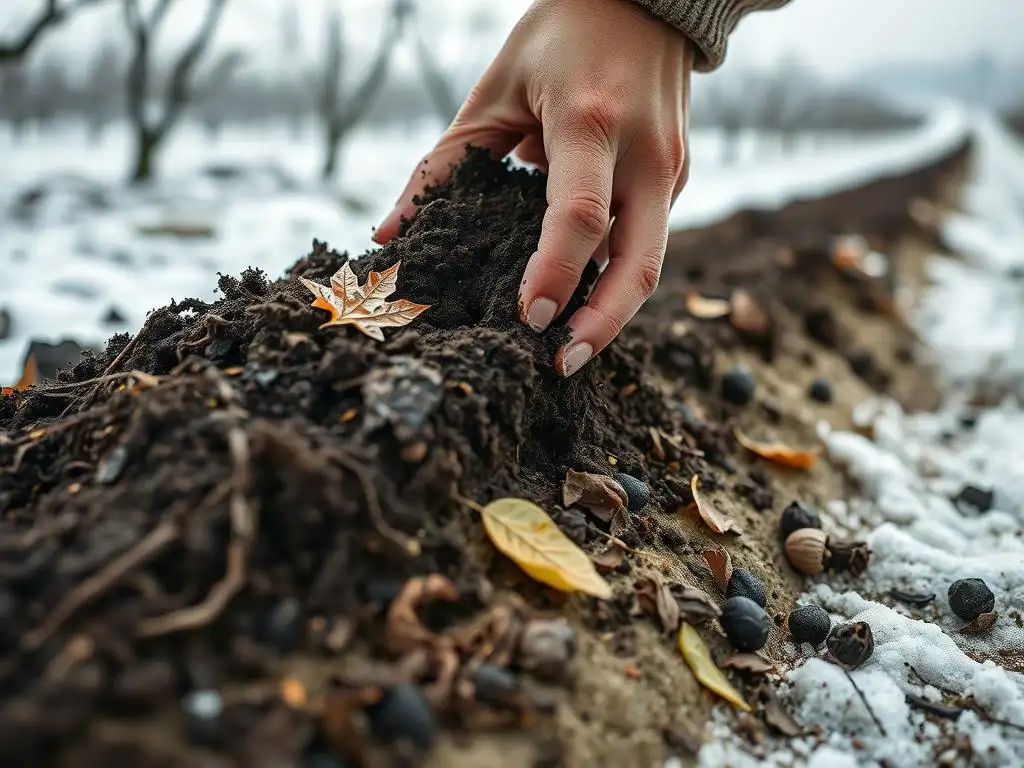
Winter presents unique challenges to soil health in cold climates. The freezing and thawing cycles, combined with strong winds and reduced sunlight, can lead to soil erosion, nutrient depletion, and damage to beneficial soil organisms. Successfully navigating these challenges requires proactive measures to protect your precious topsoil and ensure a thriving garden come spring.
This section explores effective, natural strategies to safeguard your soil throughout the winter months, improving cold climate soil naturally and setting the stage for a bountiful harvest. We'll focus on techniques easily implemented by home gardeners, regardless of experience level. The key is to minimize soil disturbance and maximize its natural resilience.
Winter Mulching Techniques for Soil Protection
Mulching is a cornerstone of winter soil protection. It acts as a protective blanket, insulating the soil from extreme temperature fluctuations, reducing frost heaving (the lifting of soil by freezing and thawing), and suppressing weed growth. Effective winter mulches should be thick (at least 3-4 inches), porous to allow for some air circulation, and readily available.
Several excellent options exist:
- Straw: A readily available and inexpensive option, straw provides excellent insulation and helps retain moisture. Avoid using hay, as it often contains weed seeds.
- Shredded leaves: A free and sustainable choice, especially if you have deciduous trees on your property. Ensure leaves are fully decomposed to prevent matting.
- Wood chips: A longer-lasting option, wood chips provide excellent insulation and gradually decompose, enriching the soil. However, they can sometimes tie up nitrogen in the soil initially.
- Pine needles: These acidic needles are ideal for acid-loving plants like blueberries and rhododendrons.
Application is key: Apply mulch after the ground has frozen slightly to prevent it from compacting the soil. Avoid piling mulch directly against plant stems to prevent rot. A slightly mounded application helps to shed excess water. Consider layering different mulches for optimal protection – for example, a base layer of wood chips topped with a layer of straw. The use of these techniques directly contributes to improving cold climate soil naturally.
Protecting Exposed Soil from Erosion in Cold Climates
Exposed soil is particularly vulnerable to erosion during winter, especially on slopes or in areas with strong winds. The combination of rain, snowmelt, and wind can easily strip away topsoil, leaving behind barren land. Preventing erosion is crucial for maintaining soil fertility and overall garden health.
Several techniques can be employed:
- Windbreaks: Planting evergreen shrubs or trees along exposed edges creates a natural barrier against strong winds, reducing soil erosion. Strategic placement can significantly minimize the impact of harsh weather conditions.
- Terracing: For steeper slopes, creating terraces helps to slow down water runoff and reduce the force of erosion. This is a more involved process but can be highly effective in the long term.
- Cover crops: Planting cold-hardy cover crops like winter rye or clover before winter helps to protect the soil from erosion, preventing the loss of valuable topsoil. These crops also add organic matter to the soil, improving its structure and fertility. They are a key part of improving cold climate soil naturally.
- Erosion control blankets: In severe cases, erosion control blankets made from biodegradable materials can be used to temporarily stabilize exposed areas until vegetation can be established.
Snow Management for Optimal Soil Health
Snow, while seemingly beneficial, can also pose challenges to soil health. Heavy snowfalls can compact the soil, reducing air circulation and hindering root growth. Improper snow removal can damage plants and lead to soil erosion. Proper snow management is therefore crucial for maintaining soil health throughout the winter.
Consider these practices:
- Avoid compacting snow: Minimize walking or driving on snow-covered areas to prevent compaction.
- Controlled snow removal: If snow removal is necessary, use a gentle approach, avoiding harsh scraping or shoveling that could damage plants or expose soil.
- Snow fences: Strategic placement of snow fences can help to direct snow accumulation in beneficial areas, protecting vulnerable plants and preventing erosion. This helps to improve cold climate soil naturally by ensuring even snow distribution.
- Allow for natural melt: Whenever possible, allow snow to melt naturally to avoid sudden runoff and erosion. This gentle approach is crucial for maintaining soil health in the long term.
By implementing these strategies, you can effectively protect your soil from winter's harsh conditions, ensuring its health and fertility for a successful growing season. Remember that improving cold climate soil naturally takes time and consistent effort, but the rewards of a healthy, productive garden are well worth the investment.
Monitoring and Maintaining Soil Health Throughout the Year
Maintaining healthy soil in cold climates requires consistent monitoring and proactive adjustments. The challenges posed by shorter growing seasons, frost, and often-wet conditions necessitate a vigilant approach to soil management. Ignoring these factors can lead to poor plant growth and reduced yields, undermining the very essence of your gardening efforts. Successfully improving cold climate soil naturally demands year-round attention.
Regular Soil Testing for Cold Climate Gardens
Regular soil testing is paramount for understanding the current state of your garden soil and making informed decisions about amendments and cultivation practices. While many gardeners test in spring before planting, a fall test offers valuable insights into how your soil has weathered the growing season. Testing should focus on several key indicators:
- pH Level: Cold-climate soils can be highly variable, with some prone to acidity. Knowing your pH allows you to tailor amendments – such as lime to raise pH or sulfur to lower it – to create the optimal range for your chosen plants. A pH meter or a home soil testing kit can provide this crucial data. Aim for a pH between 6.0 and 7.0 for most vegetables and herbs, but always check the specific needs of your plants.
- Nutrient Levels: Testing for essential nutrients like nitrogen (N), phosphorus (P), and potassium (K) – often represented as NPK – reveals any deficiencies. Low levels of these macronutrients will significantly impact plant growth, especially in cold climates where growing seasons are shorter. Amendments such as compost, aged manure, or specific fertilizers can address these deficiencies. Remember that organic matter plays a crucial role in nutrient retention, making regular compost additions essential.
- Organic Matter Content: Organic matter is the backbone of healthy soil, improving drainage, aeration, and water retention – all vital in cold, often waterlogged conditions. Testing for organic matter content helps you assess the soil's structure and its ability to support healthy plant life. Low levels indicate a need for increased organic matter additions through composting, cover cropping, or the incorporation of leaf mold.
The frequency of testing should be tailored to your specific situation. Annual testing is generally recommended, with more frequent testing if you notice significant changes in plant health or soil conditions. Keep detailed records of your test results and the amendments you've applied to track progress and refine your soil management strategy over time. This data-driven approach is key to successfully improving cold climate soil naturally.
Adjusting Soil pH for Cold Climate Plants
Soil pH significantly impacts nutrient availability. Many cold-climate plants thrive in a slightly acidic to neutral pH range (6.0-7.0). However, some prefer more acidic or alkaline conditions. Understanding your plants' specific needs and adjusting your soil accordingly is crucial for optimal growth.
Adjusting soil pH is a gradual process. Rapid changes can be detrimental to soil microbes and overall soil health. Amendments should be applied strategically based on your soil test results.
- Raising pH (Alkalinization): If your soil is too acidic (pH below 6.0), applying agricultural lime is the most common method. The type of lime (e.g., dolomitic lime) and application rate should be determined by your soil test results and the specific needs of your plants. Lime should be spread evenly and incorporated into the soil several months before planting to allow for proper reaction.
- Lowering pH (Acidification): For soils that are too alkaline (pH above 7.0), elemental sulfur is often used. Similar to lime, sulfur requires time to react with the soil. It's crucial to follow the recommended application rates carefully, as excessive sulfur can harm plant life. Other options include peat moss or aluminum sulfate, but their use should be guided by professional advice.
Regular soil testing after pH adjustments is vital to monitor the effectiveness of your amendments and make further adjustments as needed. Remember that improving cold climate soil naturally involves a balanced approach, focusing on gradual changes and sustainable practices.
Sustainable Practices for Long-Term Soil Health Improvement in Cold Climates
Improving cold climate soil naturally is a long-term commitment. Sustainable practices are essential for maintaining healthy, fertile soil year after year. These practices focus on building soil structure, increasing organic matter, and enhancing nutrient cycling.
- Cover Cropping: Planting cover crops during the off-season protects the soil from erosion, suppresses weeds, and adds organic matter. Winter rye, hairy vetch, and clover are excellent choices for cold climates. These plants improve soil structure, add nutrients, and help prevent soil compaction.
- Composting: Composting organic waste is crucial for adding nutrients and improving soil structure. Regular additions of compost enhance water retention, aeration, and the overall health of the soil ecosystem. Composting kitchen scraps and yard waste directly contributes to improving cold climate soil naturally.
- Mulching: Applying a layer of mulch (such as straw, wood chips, or shredded leaves) helps retain soil moisture, suppress weeds, and regulate soil temperature. Mulch also protects the soil from erosion and provides a habitat for beneficial soil organisms. This is particularly important in cold climates where soil can be easily damaged by freezing and thawing cycles.
- No-Till Gardening: Avoiding tilling helps preserve soil structure, protecting beneficial soil organisms and reducing erosion. No-till gardening techniques, along with the use of cover crops and mulch, contribute to building a healthy and resilient soil ecosystem, crucial for thriving gardens in challenging cold-climate conditions. The long-term benefits significantly outweigh the initial effort involved in adopting these methods. This sustainable approach directly addresses the need to improve cold climate soil naturally.
Frequently Asked Questions
What are the biggest challenges to soil health in cold climates?
Cold temperatures slow decomposition rates, leading to less nutrient availability. Frost heave can damage soil structure, and shorter growing seasons limit the time for soil improvement. Frozen ground also restricts root growth.
How can I improve drainage in heavy clay soil typical of cold regions?
Adding organic matter like compost is key. This improves soil structure, creating air pockets and allowing for better water drainage. Consider also incorporating coarse materials such as sand or perlite, but in moderation.
What organic materials are best for improving cold climate soil?
Compost is excellent, providing nutrients and improving structure. Aged manure is also beneficial, but ensure it's well-rotted to avoid burning plants. Adding leaf mold or shredded wood chips enhances drainage and aeration.
How can I protect my soil from frost damage over winter?
A layer of mulch, such as straw or shredded leaves, insulates the soil and protects it from extreme temperature fluctuations. This helps prevent frost heave and maintain soil moisture. Cover cropping can also help protect the soil.
When is the best time to amend my soil in a cold climate?
The ideal time is in the fall, before the ground freezes. This allows the organic matter to break down slowly over winter, making nutrients available in the spring. Spring amendments are also possible, but they might not have as much time to integrate before planting.
Final Reflection: Cultivating Life in Frozen Ground
The quest to improve cold climate soil naturally is not merely a gardening pursuit; it's a vital step towards ensuring food security and environmental resilience in a changing world. Our planet's increasingly unpredictable weather patterns underscore the urgency of developing sustainable, climate-adapted agricultural practices, and healthy soil is the cornerstone of this endeavor. Ignoring the unique challenges of cold climates—short growing seasons, frost heaves, and nutrient limitations—will only hinder our ability to build a more sustainable future.
The journey to understand and improve soil health in cold climates has been a deeply rewarding one, revealing the intricate interconnectedness of life beneath the frost line. It's a testament to the resilience of nature, and the ingenuity of those who work with it. The land is what gives us our identity; it is what we are made of.
This quote, though not directly about soil health, speaks to the profound connection between our well-being and the health of the land we inhabit. Understanding this connection is crucial for fostering a future where both thrive.
Now, consider your own patch of earth, however small. What steps can you take to nurture its health? Perhaps it's as simple as adding compost, practicing cover cropping, or choosing frost-tolerant plants. Every act, no matter how seemingly insignificant, contributes to a larger movement towards sustainable land management. Let us all become stewards of the soil, ensuring its vitality for generations to come. Embrace the challenge, embrace the earth, and let's cultivate a future where even the coldest climates bloom with abundance.
Unlock Your Garden's Potential: Boost Soil Health This Winter!
Thanks for exploring natural ways to improve your soil health, even in cold climates! You've gained valuable knowledge to nurture your garden year-round. Let's put that knowledge to work.
- Prioritize soil testing: Now is the perfect time to order a soil test kit and analyze your soil's composition to plan for spring planting. This crucial step allows for targeted improvements.
- Share your soil health journey: Tell us about your cold-climate gardening experiences and what you've learned in the comments below. Let's build a supportive community!
- Explore cover cropping options: Research cover crops suitable for your region to protect your soil over winter and enhance its fertility. Experiment—you might be surprised by the results!
What innovative approach will you take to boost your soil's health this winter?