
Natural Ways to Increase Soil Organic Matter and Fertility

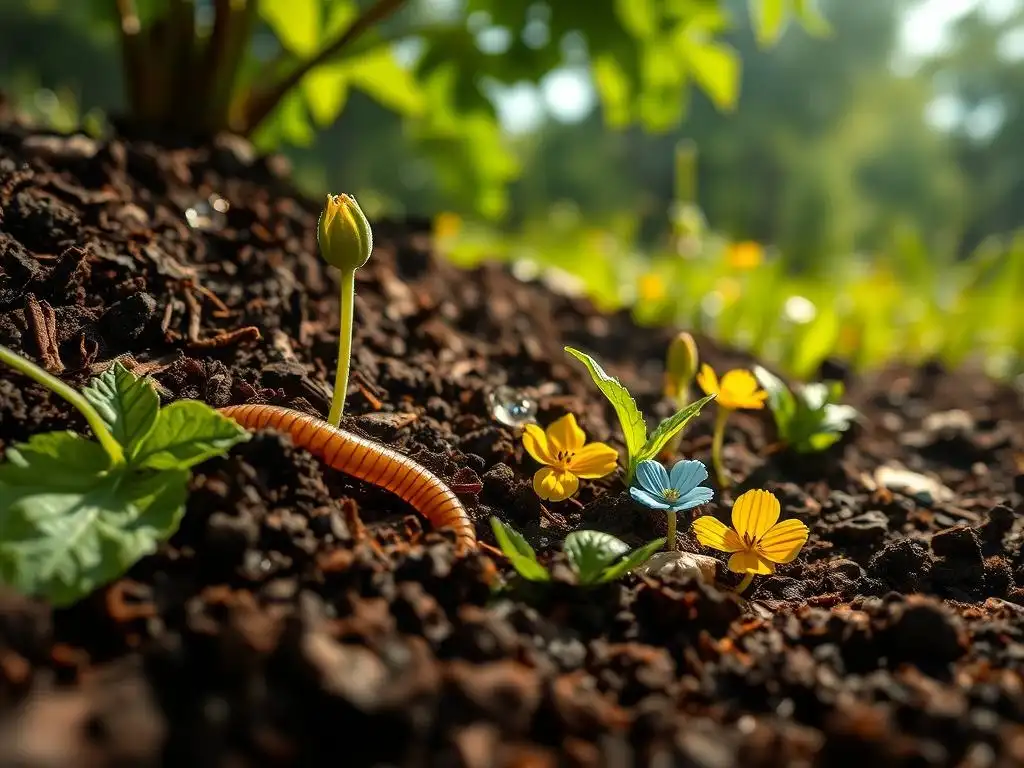
Ready to unlock the secrets to a thriving garden bursting with flavor? At CultivateYourFood, we believe everyone can grow their own delicious fruits, vegetables, and herbs. Learn how to nurture your plants from seed to harvest using sustainable, organic methods. This journey begins with understanding the importance of healthy soil, and that's exactly where our article on Boosting Soil Fertility Naturally comes in. Discover simple yet powerful techniques to enrich your soil and watch your plants flourish! Let's get started!
- Understanding Soil Organic Matter and its Importance for Boosting Soil Fertility
- Practical Techniques to Boost Soil Fertility Naturally
- Enhancing Soil Structure and Drainage for Better Fertility
- Monitoring and Maintaining Soil Health for Long-Term Fertility
- Frequently Asked Questions
- Final Reflection: Cultivating a Healthier Future, One Soil Particle at a Time
- Unleash Your Soil's Potential: Grow Healthier, More Abundant Crops
Understanding Soil Organic Matter and its Importance for Boosting Soil Fertility
Boosting soil fertility naturally is a cornerstone of sustainable gardening and farming. This article delves into the critical role of soil organic matter (SOM) in achieving vibrant, productive soil without relying on synthetic fertilizers. We'll explore what SOM is, its vital functions in nutrient cycling and water retention, and the numerous benefits it provides for healthy plant growth. By understanding and implementing practices that increase SOM, you can cultivate thriving plants and contribute to a healthier environment.
This approach is crucial for anyone aiming to cultivate their food organically and sustainably, whether you're tending a small herb garden or a larger vegetable patch. Let's dig in! 🌱
What is Soil Organic Matter (SOM)?
Soil organic matter encompasses all the organic components in soil, including decomposed and decomposing plant and animal residues, microorganisms (bacteria, fungi, etc. ), and their byproducts. Think of it as the living, breathing component of your soil. It's not just dead leaves and grass clippings; it's a complex ecosystem teeming with life that contributes significantly to soil health. The composition of SOM varies depending on factors such as climate, soil type, and land management practices.
For instance, a soil rich in compost will have a different SOM profile than a soil predominantly composed of sandy particles. Understanding the specifics of your soil's SOM is key to tailoring your soil improvement strategies. A healthy balance of SOM is essential for achieving optimal soil fertility. High levels of SOM are indicated by a dark, crumbly soil structure. Conversely, a low SOM content often manifests as light-colored, compacted soil.
The Crucial Role of SOM in Nutrient Cycling and Water Retention
SOM plays a multifaceted role in supporting plant health. One of its primary functions is nutrient cycling. As organic matter decomposes, it releases essential nutrients like nitrogen, phosphorus, and potassium, making them available for plant uptake. This natural process reduces the need for synthetic fertilizers, promoting sustainable agriculture. Furthermore, SOM improves soil structure, creating a more porous environment that enhances water infiltration and retention.
This is especially beneficial during periods of drought, as the soil can hold onto moisture longer, ensuring consistent hydration for your plants. The improved water retention capacity reduces the frequency of watering, saving you time and water resources. The improved soil structure also allows for better aeration, facilitating root growth and overall plant health. A well-structured soil, rich in SOM, provides the perfect environment for robust root systems to thrive.
Benefits of High Soil Organic Matter for Plant Growth
The benefits of high SOM extend far beyond nutrient cycling and water retention. A soil rich in organic matter fosters a thriving microbial community, further enhancing nutrient availability and disease suppression. This natural defense mechanism reduces the reliance on chemical pesticides, aligning with organic gardening principles.
Additionally, SOM improves soil aggregation, creating a stable soil structure that is less prone to erosion. This is crucial for long-term soil health and prevents the loss of valuable topsoil. The improved soil structure also enhances drainage, preventing waterlogging which can harm plant roots.
Increased SOM also contributes to better temperature regulation in the soil, providing a more consistent and suitable environment for optimal plant growth. Ultimately, building and maintaining high levels of SOM leads to healthier, more resilient plants, resulting in higher yields and improved crop quality. The positive effects are not limited to the plants themselves; it also enhances the overall ecological balance of your garden or farm.
Practical Techniques to Boost Soil Fertility Naturally
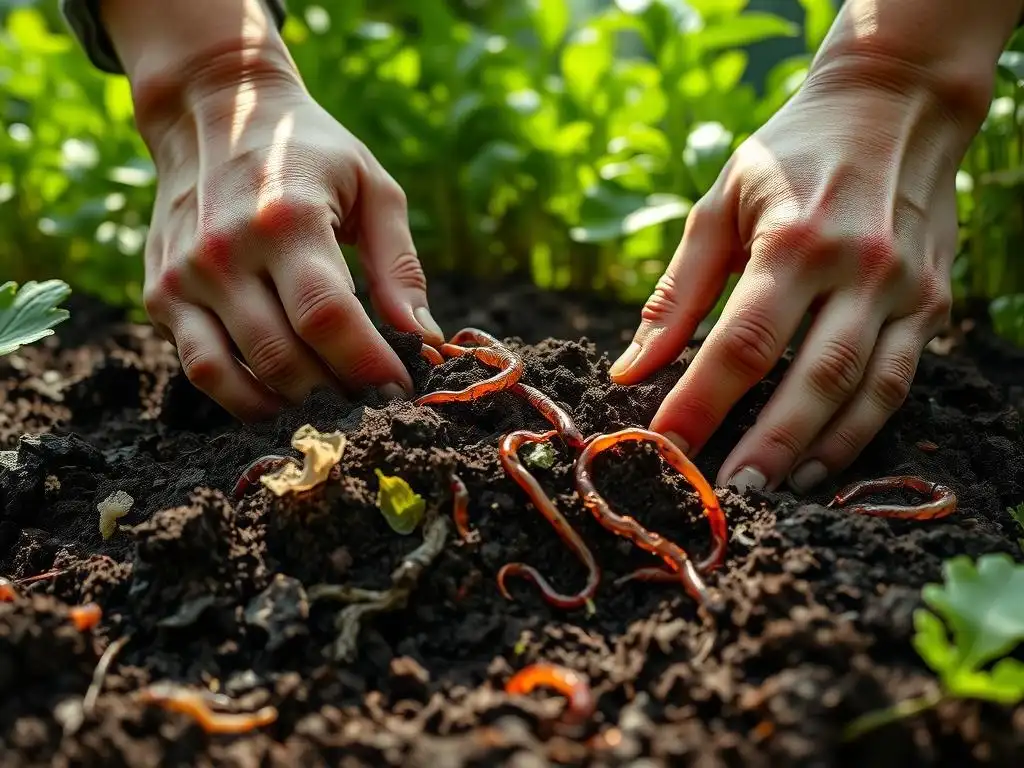
This section delves into practical, hands-on methods to naturally enrich your soil, focusing on techniques that improve soil structure, increase nutrient availability, and promote thriving plant growth. We'll explore how to boost soil fertility naturally, without relying on synthetic fertilizers, ultimately leading to healthier plants and a more sustainable garden. The key is to understand the interconnectedness of soil health and plant vitality.
Composting: A Cornerstone of Natural Soil Improvement
Composting is arguably the most impactful method for boosting soil fertility naturally. It transforms organic waste into a nutrient-rich amendment, improving soil structure, water retention, and microbial activity. This process mimics natural decomposition, accelerating the breakdown of organic matter and releasing essential nutrients that plants readily absorb. The resulting compost is a dark, crumbly substance teeming with beneficial microorganisms crucial for healthy soil ecosystems. By understanding the process and techniques involved, you can significantly increase the fertility of your soil.
Creating a Successful Compost Pile: Materials and Methods
Building a successful compost pile involves a balance of "brown" (carbon-rich) and "green" (nitrogen-rich) materials. Think of it as a recipe! Brown materials include dried leaves, shredded paper, and small twigs. Green materials consist of grass clippings, vegetable scraps, fruit peels, and coffee grounds. Aim for a roughly 3:1 ratio of brown to green materials. Proper layering is also crucial.
Alternate layers of browns and greens, ensuring even moisture throughout the pile. Regular turning of the pile, about once a week, accelerates decomposition and prevents unpleasant odors. The pile should be moist, like a wrung-out sponge; too dry, and decomposition slows; too wet, and it becomes anaerobic, producing foul smells. A thermometer can be useful to monitor the internal temperature, which should ideally reach around 130-160°F (54-71°C) for optimal decomposition. Successfully managing your compost pile rewards you with a valuable asset for enriching your soil.
Utilizing Compost Tea for Enhanced Soil Health
Compost tea is a liquid extract derived from compost, providing a readily available source of nutrients and beneficial microbes directly to your plants. It's a powerful tool to boost soil fertility naturally and improve plant health. To make compost tea, you simply steep compost in water for a few days, allowing beneficial microorganisms to multiply. This "brew" is then diluted and applied to your plants, either as a foliar spray or directly to the soil.
The microbes in the tea enhance root growth, nutrient uptake, and disease resistance. The exact brewing method can vary, but the basic principle remains the same: extracting the goodness from your compost and delivering it directly to your plants' roots and leaves. Regular application of compost tea can lead to noticeable improvements in plant vigor and overall garden health.
Cover Cropping: A Green Approach to Boosting Soil Fertility
Cover cropping is another effective technique to boost soil fertility naturally. It involves planting specific crops to improve soil health rather than for direct harvest. These plants are not intended for consumption but instead serve as living soil improvers. They enhance soil structure, suppress weeds, prevent erosion, and fix nitrogen from the atmosphere, making it available to subsequent crops. It's a sustainable way to enrich your soil and reduce the need for synthetic fertilizers.
Choosing the Right Cover Crops for Your Needs
Selecting the appropriate cover crop depends on your climate, soil type, and gardening goals. Different cover crops offer various benefits. For example, legumes like clover and vetch are excellent nitrogen fixers, enriching the soil with this crucial nutrient. Other options, such as rye and oats, can help improve soil structure and suppress weeds. Consider your specific needs when making your selection. Researching the best options for your region and soil conditions is crucial for maximizing the benefits of cover cropping. Choosing the right cover crop can make a significant difference in the overall success of your soil improvement strategy.
Integrating Cover Crops into Your Gardening Rotation
Successfully integrating cover crops into your gardening rotation requires planning. Plant them after harvesting your main crops, allowing them to grow until the next planting season. Then, you can either incorporate them into the soil by tilling or mowing them down and leaving them as a mulch. This adds organic matter and nutrients directly to the soil, creating a natural fertilizer.
This method not only boosts soil fertility naturally, but also improves soil structure, reducing compaction and enhancing water infiltration. A well-planned cover cropping strategy is an investment in long-term soil health and sustainable gardening practices. Remember to choose cover crops that complement your main crops and thrive in your specific climate.
Mulching: Protecting and Nourishing Your Soil
Mulching is a cornerstone of sustainable gardening, offering a multitude of benefits for boosting soil fertility naturally. By covering the soil's surface with organic materials, you create a protective layer that improves soil structure, retains moisture, suppresses weeds, and regulates soil temperature. This, in turn, fosters a thriving environment for beneficial microorganisms, leading to increased nutrient availability for your plants. Think of mulch as a natural soil conditioner, working tirelessly to improve soil health over time.
The decomposition of mulch gradually adds organic matter, enriching the soil and improving its overall fertility. This process significantly reduces the need for chemical fertilizers, aligning perfectly with organic gardening principles and the goal of boosting soil fertility naturally. The improved water retention also minimizes water waste, contributing to a more sustainable and environmentally friendly approach to gardening.
Types of Mulch and Their Benefits
A wide variety of materials can be used as mulch, each offering unique advantages. For example, wood chips provide excellent weed suppression and slowly decompose, adding organic matter over an extended period. Straw is another popular choice, particularly effective in retaining moisture and providing insulation. Its light and airy nature also allows for good air circulation within the soil.
Shredded leaves are a readily available and cost-effective option, decomposing relatively quickly to add nutrients. However, leaf mulch can sometimes contain weed seeds, so careful sourcing is important. Compost itself makes an excellent mulch, offering a concentrated dose of nutrients as it breaks down.
The choice of mulch often depends on personal preferences, material availability, and the specific needs of the plants being cultivated. Experimenting with different types of mulch can help you find the optimal solution for your garden. Remember to avoid using freshly cut grass as mulch, as it can deplete nitrogen from the soil during decomposition.
Applying Mulch Effectively for Optimal Results
Proper application of mulch is crucial for maximizing its benefits. Generally, a layer of 2-4 inches is recommended. Before applying mulch, remove any existing weeds to prevent them from thriving beneath the mulch layer. Avoid piling mulch directly against plant stems, which can lead to rot.
Leave some space around the base of plants for good air circulation. Regularly replenish the mulch layer as it decomposes, typically every few months or as needed. Consider the specific needs of your plants; some plants may benefit from a thicker layer of mulch for better insulation and moisture retention while others might prefer a thinner layer for better airflow. Remember that proper mulching is a continuous process, requiring consistent attention to maintain its effectiveness in boosting soil fertility naturally.
Green Manure: Enriching the Soil with Legumes and Other Plants
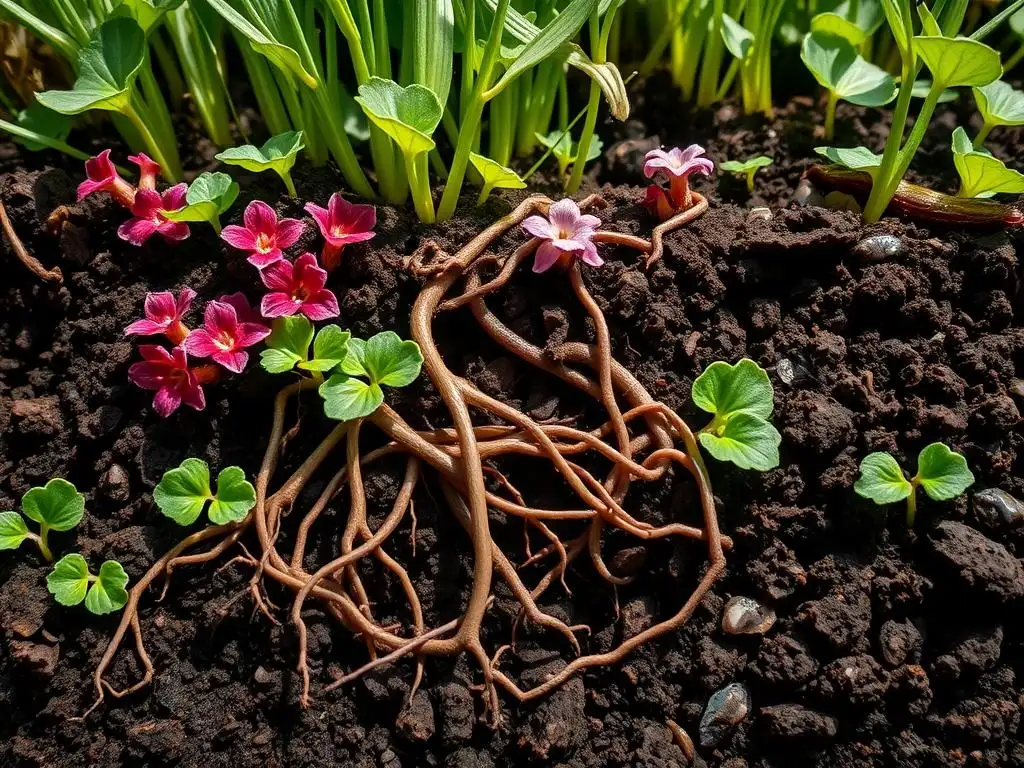
Green manure involves planting specific crops, then incorporating them back into the soil while they're still green or soon after flowering. These “cover crops” add organic matter, improve soil structure, suppress weeds, and most importantly, fix nitrogen from the atmosphere, making it available to subsequent crops. This process is a fantastic way to boost soil fertility naturally and reduce the reliance on synthetic fertilizers.
The act of plowing or tilling the green manure into the soil introduces vital nutrients and organic matter, creating a rich and fertile environment for the next planting season. Choosing the right green manure species is key to maximizing its effectiveness, considering factors like your climate, soil type, and the specific needs of your main crops.
Planting and Incorporating Green Manure Crops
The process of establishing a green manure crop is relatively straightforward. First, select a suitable species based on your local climate and soil conditions. Plant the seeds directly into the soil, much like you would any other crop, aiming for a dense covering to effectively suppress weeds.
Allow the plants to grow until they reach the flowering stage or just before, then incorporate them back into the soil using a tiller or by hand-forking. This introduces the plant material directly into the soil, where it will decompose and release its nutrients. Timing is crucial; incorporate the green manure before it goes to seed to prevent the spread of unwanted plants.
The timing of planting also depends on the specific species and your climate. In some cases, you might overwinter a green manure crop, allowing it to improve soil structure and protect it from erosion over the winter months, before incorporating it in the spring.
Benefits of Specific Green Manure Species (e.g., clover, vetch)
Different green manure species offer unique benefits. Legumes, such as clover and vetch, are particularly valuable for their nitrogen-fixing abilities. Their roots harbor nitrogen-fixing bacteria, converting atmospheric nitrogen into a form readily usable by plants. This significantly reduces the need for nitrogen fertilizers, a key component in boosting soil fertility naturally.
Other species, such as mustard or rye, excel at suppressing weeds and improving soil structure. Mustard, for example, can help break up compacted soil, improving aeration and drainage. Rye, with its extensive root system, helps prevent soil erosion.
By strategically selecting and incorporating a variety of green manure species, you can create a synergistic effect, maximizing the benefits for soil health and fertility. The choice of species should be tailored to the specific needs of your garden and the crops you intend to cultivate. Careful planning and species selection are crucial to reap the full benefits of this sustainable soil-building practice.
Implementing Crop Rotation for Improved Soil Fertility
Crop rotation is a cornerstone of sustainable agriculture and a powerful technique to boost soil fertility naturally. It involves planting different types of crops in a planned sequence on the same piece of land over several growing seasons. This simple yet effective practice helps break the cycle of pest and disease buildup, improves soil structure, and enhances nutrient availability. By rotating crops strategically, you can avoid depleting specific nutrients from the soil, leading to healthier and more productive plants year after year.
For example, a common rotation might involve a heavy feeder like tomatoes followed by a nitrogen-fixing legume like beans. The beans replenish nitrogen in the soil, benefiting the subsequent tomato crop. This process reduces the need for synthetic fertilizers, a key aspect of boosting soil fertility naturally.
Effective crop rotation considers the nutrient requirements of different plant families. Legumes, for instance, are known for their ability to fix atmospheric nitrogen into the soil, enriching it for subsequent crops. Root vegetables, with their extensive root systems, improve soil aeration and structure. Brassicas, like broccoli and cabbage, can help suppress certain soilborne pests. Planning a rotation that incorporates a variety of plant families ensures a more balanced nutrient cycle and reduces the risk of nutrient deficiencies.
Careful consideration should also be given to the specific needs of your chosen crops and the characteristics of your soil. Observing your soil's health over time will help you refine your rotation strategy for optimal results. Ignoring the needs of your soil can lead to imbalances and reduced yields over time. Therefore, monitoring the soil's health is crucial for the success of the crop rotation strategy.
Ignoring the principles of crop rotation can lead to several problems. Monoculture, the practice of planting the same crop repeatedly in the same location, can deplete specific nutrients, making the soil less fertile and more susceptible to pests and diseases. This can reduce yields significantly and increase the need for chemical fertilizers, undermining the goal of boosting soil fertility naturally. For instance, continuously growing corn will eventually deplete the soil's potassium and nitrogen levels, requiring substantial fertilizer inputs to maintain productivity.
Implementing a diverse crop rotation, however, enhances the natural balance within the soil ecosystem, promoting long-term health and fertility. A well-planned rotation can significantly improve the soil's capacity to retain water, enhancing drought tolerance in your plants and reducing the need for excessive irrigation. This is especially important in arid or semi-arid climates.
Enhancing Soil Structure and Drainage for Better Fertility

Boosting soil fertility naturally hinges on creating a soil environment conducive to thriving plant life. This means more than just adding nutrients; it involves improving the soil's physical structure to facilitate optimal water drainage and aeration. A well-structured soil, rich in organic matter, possesses a complex network of pores that allows for efficient water infiltration, preventing waterlogging and promoting healthy root development.
This, in turn, directly contributes to increased nutrient uptake and overall plant vigor. Poor soil structure, characterized by compaction or excessive erosion, restricts root growth and limits access to essential nutrients and water, hindering the plants' ability to flourish.
Improving Soil Aeration and Water Infiltration
Improving soil aeration and water infiltration is crucial for boosting soil fertility naturally. Poor aeration leads to anaerobic conditions, where beneficial microorganisms struggle to thrive, and nutrient cycling is impaired. Conversely, good aeration promotes microbial activity, leading to increased nutrient availability. Several practices can enhance aeration and infiltration:
- Adding organic matter: Composting, incorporating cover crops, and adding well-rotted manure significantly improve soil structure. Organic matter creates spaces between soil particles, allowing for better air and water movement. For example, adding 3-4 inches of compost to garden beds annually can dramatically improve aeration and water retention over time.
- No-till gardening: Avoiding tillage minimizes soil disturbance, preserving soil structure and preventing compaction. This allows for the development of a rich network of soil pores essential for proper aeration and water infiltration.
- Use of soil amendments: Materials like perlite or vermiculite can improve soil drainage and aeration, particularly in heavy clay soils. These amendments increase porosity and prevent waterlogging.
Addressing Soil Compaction Issues
Soil compaction, often caused by heavy machinery or foot traffic, severely restricts root growth and water infiltration, significantly impacting nutrient uptake. Addressing compaction requires careful management and specific techniques:
- Avoid heavy machinery: Minimize the use of heavy equipment in the garden to prevent further compaction.
- Aerate compacted soil: Core aeration, using specialized tools to create holes in the soil, can improve drainage and aeration in compacted areas. This is particularly helpful for lawns and established garden beds.
- Topdressing with organic matter: Applying a layer of compost or other organic material on top of compacted soil helps break down the compacted layer over time. The organic matter improves soil structure from the top down, gradually alleviating compaction. Regular topdressing is a proactive approach to prevent future compaction issues. The amount of topdressing required depends on the severity of the compaction, but a layer of 2-3 inches is a good starting point.
- Cover cropping: Planting cover crops, such as clover or rye, can help improve soil structure by adding organic matter and breaking up compacted soil. Their roots penetrate and loosen the soil, improving aeration and drainage.
The Importance of Balanced Soil pH for Nutrient Availability
Nutrient availability is directly influenced by soil pH. An optimal pH range (generally 6.0-7.0 for most plants) ensures that essential nutrients are readily available for plant uptake. An unbalanced pH can lead to nutrient deficiencies or toxicities, hindering plant growth and yield.
- Soil testing: Regular soil testing is crucial for determining the current pH level and identifying any nutrient imbalances. This provides a baseline for determining the necessary adjustments. Soil testing kits are readily available, allowing for convenient and accurate measurements.
- pH adjustment: Liming (adding calcium carbonate) raises the pH of acidic soil, while adding elemental sulfur lowers the pH of alkaline soil. The amount required depends on the current pH and the desired target pH, as indicated by the soil test results. Amendments should be applied according to package instructions and local recommendations.
- Organic methods for pH adjustment: Organic materials can also influence soil pH. For example, adding wood ash can raise the pH, while adding composted pine needles can lower it. However, the effects of these organic methods are often slower and less predictable than chemical amendments. Therefore, using a combination of organic matter and chemical amendments may be necessary for optimal pH adjustment. This approach ensures both fertility and soil health.
Monitoring and Maintaining Soil Health for Long-Term Fertility
Boosting soil fertility naturally requires a long-term commitment to understanding and nurturing your soil's health. Simply adding organic matter isn't enough; consistent monitoring and adjustments are key to maintaining vibrant, productive soil for years to come. This section focuses on practical strategies to ensure your soil remains fertile and thriving, supporting healthy plant growth and maximizing yields. We'll explore how regular testing, analysis, and adaptable practices contribute to sustainable soil management.
Regular Soil Testing and Analysis
Regular soil testing is the cornerstone of successful soil management. It provides crucial data on several key parameters directly impacting your plants' ability to thrive. These tests reveal the current state of your soil's fertility, identifying strengths and weaknesses. This allows for targeted interventions, maximizing the effectiveness of your efforts to boost soil fertility naturally. Testing should ideally be conducted annually, or even more frequently if you're experiencing significant challenges.
Consider testing for the following:
- pH level: This indicates the soil's acidity or alkalinity, influencing nutrient availability. Optimal pH levels vary depending on the specific plants you're growing. A pH meter or a simple home testing kit can provide this information.
- Nutrient levels: Testing reveals the concentrations of essential macronutrients (nitrogen, phosphorus, potassium) and micronutrients (iron, zinc, manganese, etc.). Low levels indicate a need for supplementation, while excessively high levels can be detrimental. A professional soil testing lab will provide detailed results.
- Organic matter content: This assessment indicates the amount of decomposed plant and animal material in your soil. High organic matter content is crucial for soil structure, water retention, and nutrient availability. Visual inspection can provide a preliminary assessment, but laboratory testing provides more accurate quantification.
- Texture: Knowing whether your soil is sandy, silty, or clay-based helps you understand its water retention and drainage capabilities. This information informs your irrigation and soil amendment strategies.
Testing methods range from simple at-home kits to professional laboratory analysis. Choose a method appropriate to your needs and budget. Remember, consistent testing provides a baseline for tracking progress and making informed decisions. Accurate data empowers you to refine your practices and optimize your results.
Adjusting Practices Based on Test Results
Once you have your soil test results, you can tailor your soil management practices to address specific needs. This involves a proactive approach, using the data to guide your actions and maximize the effectiveness of your efforts to boost soil fertility naturally.
For example:
- Low pH: If your soil is too acidic, you can amend it with lime to raise the pH.
- Low nutrient levels: Supplement with compost, well-rotted manure, or other organic fertilizers targeted at the specific deficiencies identified in the test. Avoid over-fertilizing, as this can harm plants and pollute groundwater.
- Low organic matter: Increase organic matter content by regularly adding compost, cover crops, or other organic materials.
- Poor drainage: Improve drainage by amending heavy clay soils with organic matter like compost or sand.
Remember, amending the soil is an iterative process. You may need to make adjustments over time based on subsequent testing. Regular monitoring ensures you're continuously improving your soil's health and fertility. This data-driven approach is far more efficient than relying on guesswork.
Long-Term Strategies for Sustainable Soil Management
Sustainable soil management is a holistic approach that goes beyond simply boosting soil fertility naturally in the short term. It involves a long-term commitment to building and maintaining healthy soil. This requires a combination of practices designed to improve soil structure, increase organic matter, and conserve water.
Here are some key long-term strategies:
- Crop rotation: Planting different crops each year helps to prevent nutrient depletion and pest build-up.
- Cover cropping: Planting cover crops during fallow periods helps to improve soil structure, suppress weeds, and add organic matter.
- No-till farming: Minimizing soil disturbance helps to maintain soil structure and improve water retention.
- Mulching: Applying mulch helps to retain moisture, suppress weeds, and add organic matter to the soil.
- Composting: Regularly composting organic waste provides a valuable source of nutrient-rich soil amendments.
By implementing these practices consistently, you'll create a positive feedback loop, building healthier, more fertile soil year after year. This sustainable approach ensures long-term success in your gardening endeavors, minimizing the need for chemical fertilizers and pesticides, and contributing to a more environmentally friendly approach to food cultivation. The result? Abundant, healthy harvests and a flourishing garden ecosystem.
Frequently Asked Questions
What is the best way to boost soil fertility naturally?
Improving soil fertility naturally involves increasing organic matter. This can be achieved through composting, cover cropping, and adding things like worm castings and well-rotted manure. Regular soil testing helps monitor progress.
How can I increase soil organic matter quickly?
While building soil takes time, using compost tea or applying a thick layer of well-rotted compost can provide a quicker boost of organic matter. Cover cropping with fast-growing plants also helps.
What are some good cover crops for improving soil fertility?
Excellent cover crop choices include legumes (like clover or beans) which fix nitrogen, and grasses (like rye or oats) which improve soil structure. Choose options suitable for your climate and soil type.
How does composting help boost soil fertility?
Composting breaks down organic materials, creating nutrient-rich humus. This improves soil structure, water retention, and provides essential nutrients for plant growth, ultimately boosting fertility.
Are there any readily available natural soil amendments to improve fertility?
Yes! Worm castings, aged manure, and seaweed are excellent choices. These are rich in nutrients and beneficial microbes, and readily available from garden centers or online.
Final Reflection: Cultivating a Healthier Future, One Soil Particle at a Time
The health of our soil is inextricably linked to the health of our planet, and the methods we use to boost soil fertility directly impact our food security and environmental sustainability. Ignoring the urgent need for soil regeneration is simply not an option; the consequences are too dire to contemplate. We must actively participate in restoring the vitality of our earth.
The journey towards healthier soil is not merely an agricultural pursuit; it's a deeply personal and collective responsibility. It's about recognizing the interconnectedness of all living things and understanding our role in nurturing the very foundation of our food systems. As the renowned soil scientist, Dr. Elaine Ingham, eloquently stated: Soil is not dirt. It's a living, breathing organism, and we need to treat it with the respect it deserves.
This profound truth underscores the importance of the practices discussed in this article, reminding us that sustainable agriculture is not just a trend, but a necessity for future generations.
Now, consider your own role in this vital endeavor. What small steps can you take today to improve the health of the soil in your garden, your community, or even just your awareness? Perhaps it's composting food scraps, planting cover crops, or simply choosing to support farmers who prioritize soil health. Every action, no matter how small, contributes to a larger movement towards a more sustainable and fertile future. Let's cultivate a healthier world, one soil particle at a time.
Unleash Your Soil's Potential: Grow Healthier, More Abundant Crops
Thank you for exploring natural ways to improve your soil health! You've gained valuable knowledge to cultivate thriving plants. Ready to put this into practice?
- Start your soil-enriching journey today: Begin with a single, simple change—perhaps composting kitchen scraps, planting cover crops, or adding mulch to your garden beds. Small steps lead to significant improvements!
- Share your experiences: Connect with fellow gardeners and share your successes (and challenges!) in the comments below. Let's build a thriving community of sustainable growers!
- Explore further: Discover more natural gardening techniques by exploring our extensive library of articles—you might be surprised by what you find!
What small change will you make first to revitalize your soil and see incredible results?