
NoDig vs. Traditional Gardening: Which Method Reigns Supreme?

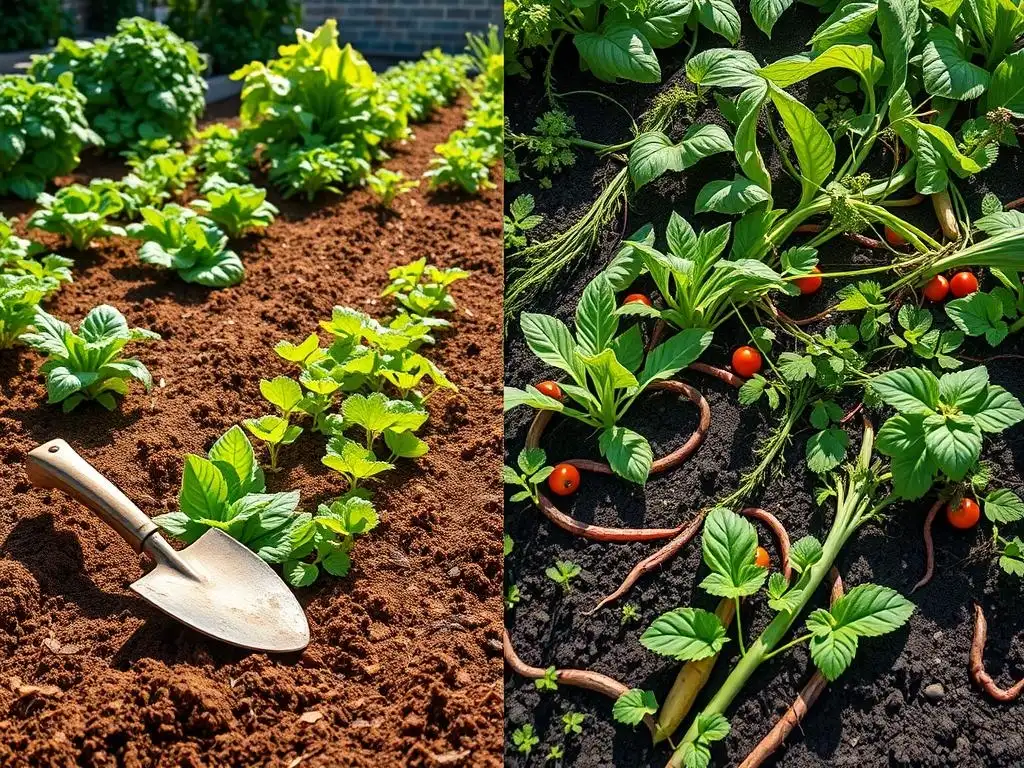
Ready to unlock the secrets of a bountiful, sustainable harvest right in your backyard? At CultivateYourFood, we empower you to grow your own fruits, vegetables, and herbs organically. But which gardening method is truly best for you? Dive into our in-depth comparison of the NoDig gardening method versus traditional techniques – and discover which approach will cultivate the most rewarding results for your garden. Let's get growing!
- Understanding NoDig Gardening: A Gentle Approach to Soil Health
- Traditional Gardening Methods: The Established Practice
-
NoDig vs. Traditional Gardening: A Head-to-Head Comparison of NoDig Gardening Method
- Soil Health Comparison: NoDig vs. Traditional Tillage Methods
- Weed Control: Effectiveness of NoDig and Traditional Approaches
- Water Retention and Drainage: A Comparison of NoDig and Traditional Gardening
- Pest and Disease Management: NoDig vs. Traditional Strategies
- Time and Labor Investment: NoDig Gardening Method Efficiency vs. Traditional Methods
- Long-Term Sustainability: Comparing the Environmental Impact of NoDig and Traditional Gardening
- Choosing the Right Method for Your Garden: NoDig Gardening Method Selection
- Frequently Asked Questions
- Final Reflection: Cultivating a Sustainable Future, One Garden at a Time
- Unlock Your Garden's Potential: No-Dig or Traditional Gardening?
Understanding NoDig Gardening: A Gentle Approach to Soil Health
No-dig gardening, a revolutionary approach to cultivating fruits, vegetables, and herbs, prioritizes soil health and minimizes disruption. Unlike traditional methods that involve intensive tilling, no-dig gardening focuses on building a rich, living soil ecosystem teeming with beneficial microorganisms. This method significantly reduces labor, conserves water, and promotes biodiversity, making it an increasingly popular sustainable gardening practice.
This article will delve into a comprehensive comparison of no-dig versus traditional gardening methods, examining their respective strengths and weaknesses to help you determine which approach best suits your needs and gardening goals. We'll explore the benefits of no-dig gardening, examine specific techniques, and discuss the key materials needed to successfully implement this enriching and environmentally conscious method. Ultimately, our goal is to equip you with the knowledge necessary to make an informed decision about which gardening method aligns best with your sustainable gardening aspirations and "nodig gardening method comparison" needs.
Benefits of No-Dig Gardening: Soil Improvement and Reduced Labor
No-dig gardening offers a multitude of advantages over traditional methods. One of the most significant benefits is its profound impact on soil health. By avoiding tilling, the soil structure remains undisturbed, preserving the intricate network of roots, fungi, and bacteria crucial for nutrient cycling and water retention. This leads to improved soil aeration and water infiltration, creating ideal conditions for healthy plant growth.
Furthermore, the continuous addition of organic matter, such as compost and mulch, builds soil fertility over time, reducing or eliminating the need for chemical fertilizers. This process also significantly reduces soil erosion and compaction. The labor-saving aspect is another compelling reason to embrace no-dig gardening. Eliminating the strenuous task of tilling translates to less physical effort and more time to enjoy the fruits (and vegetables!)
of your labor. The reduced need for weeding is an additional bonus! The healthy soil structure and abundant organic matter suppress weed growth, leading to less time spent on weeding and more time spent tending to your plants.
NoDig Gardening Techniques: Layering and Mulching Strategies
The core principle of no-dig gardening revolves around layering. This involves building up layers of organic matter directly onto the existing soil surface. This process typically begins with a layer of cardboard or thick newspaper to suppress weeds, followed by a generous layer of compost to provide nutrients and improve soil structure. Next, a layer of well-rotted manure or other organic matter adds further fertility and encourages beneficial microbes.
Finally, a thick layer of mulch, such as straw, wood chips, or shredded leaves, helps retain moisture, suppress weeds, and regulate soil temperature. This layering process creates a rich, fertile bed for planting, without the need for disturbing the underlying soil. The success of this method depends heavily on proper mulching.
Mulch acts as a protective blanket, preventing soil erosion, regulating moisture levels, and providing insulation against temperature fluctuations. Different types of mulch offer varying benefits, so choosing the right one is crucial for the health and productivity of your garden. Careful observation and adjustment of mulch layers throughout the growing season ensures optimal conditions for your plants.
Choosing the Right Materials for Your NoDig Garden: Compost, Mulch, and Cover Crops
Selecting appropriate materials is paramount for successful no-dig gardening. High-quality compost forms the backbone of the system, providing essential nutrients and improving soil structure. Home-made compost is ideal, but commercially available options are also viable. The key is to ensure the compost is well-rotted and free of weed seeds.
A diverse range of mulch options exists, each with its own characteristics and benefits. Straw is a popular choice, providing excellent weed suppression and moisture retention. Wood chips offer long-term soil improvement but decompose more slowly. Shredded leaves are readily available and provide a valuable source of organic matter.
Finally, cover crops play a vital role in improving soil health and fertility in a no-dig system. These plants, grown specifically to enhance soil conditions, are often incorporated directly into the soil as green manure, further enriching the soil with organic matter and nutrients. Careful consideration of the specific needs of your plants and your local climate will dictate the best choices for compost, mulch, and cover crops. Experimentation and observation are key to optimizing your no-dig garden's performance.
Traditional Gardening Methods: The Established Practice
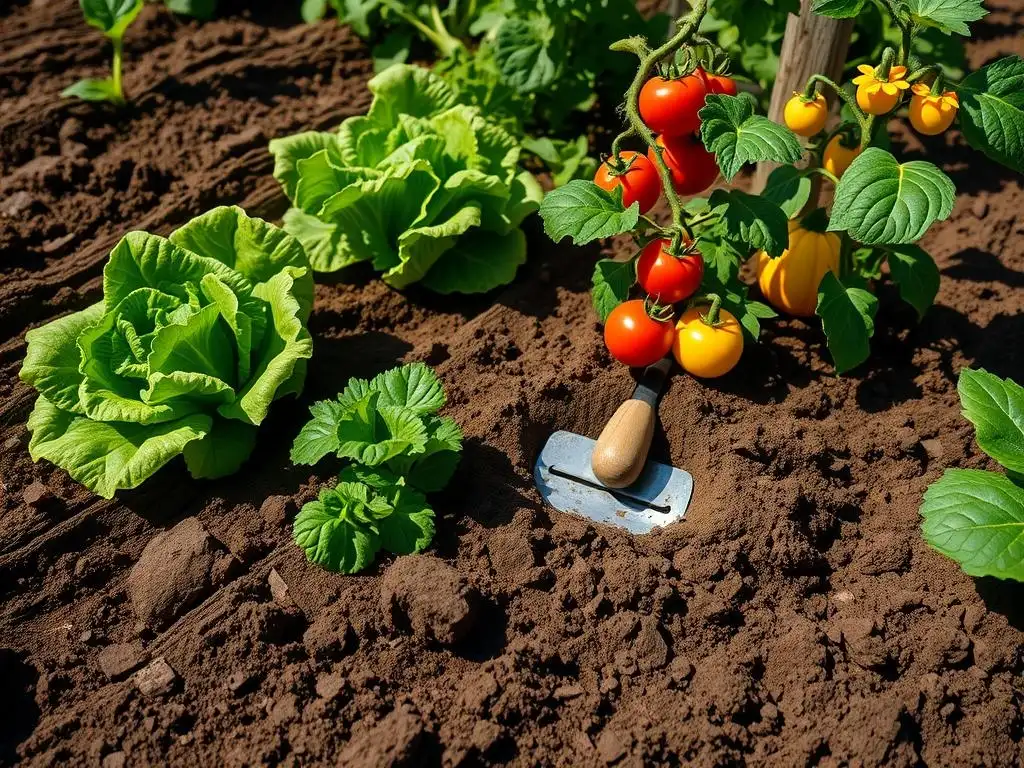
Traditional gardening, often referred to as "dig gardening," is a long-standing method deeply ingrained in horticultural practices. It involves significant soil disturbance, typically through tilling or digging, to prepare the soil for planting. This approach, while familiar to many, presents both advantages and disadvantages when compared to no-dig techniques. This section will delve into the core practices of traditional gardening, focusing on soil preparation, nutrient management, and weed control.
Understanding these elements is crucial for a fair comparison with no-dig methods and for making informed choices about your own gardening approach. We'll examine the impacts of these practices on soil health, plant growth, and long-term sustainability. This detailed analysis will help you determine which method best suits your needs and gardening philosophy.
Traditional Gardening Techniques: Tilling, Weeding, and Fertilizing
Traditional gardening heavily relies on three key techniques: tilling, weeding, and fertilizing. Tilling, the process of turning over the soil, aims to improve aeration and drainage, while also burying weeds and incorporating organic matter. Weeding, often a laborious process, is essential to control unwanted plants competing with your crops for resources. Finally, fertilizing replenishes essential nutrients depleted from the soil through previous harvests. The frequency and intensity of these practices can vary depending on soil type, climate, and the specific plants being cultivated.
For example, a gardener planting tomatoes in heavy clay soil might till the soil deeply in spring to improve drainage and work in compost. Throughout the growing season, they would regularly weed to prevent competition from grasses and broadleaf weeds. They might also apply a balanced fertilizer early in the season and a supplemental dose of potassium later to support fruit development. This approach, while effective in the short term, can have long-term consequences on soil structure and microbial life. The constant disruption of the soil can damage beneficial soil organisms and lead to soil erosion, particularly on slopes.
Understanding Soil Structure in Traditional Gardening: The Impact of Tilling
Tilling significantly alters soil structure. The disruption of soil aggregates, the clumps of soil particles bound together by organic matter and microbial activity, leads to a loss of soil porosity. This reduction in pore space negatively impacts water infiltration and aeration, potentially leading to waterlogging or compacted soil.
The constant turning over of the soil also disrupts the intricate network of fungal hyphae that connect plant roots and facilitate nutrient uptake. This disruption can reduce nutrient cycling and overall soil health. Furthermore, the exposure of soil organic matter to the air accelerates its decomposition, leading to a loss of soil carbon and reduced fertility over time.
The impact of tilling is particularly significant in heavier clay soils, where the disruption of soil structure can be more pronounced and persistent. Consider the difference between a tilled field and an untilled one: the tilled field often exhibits greater erosion, reduced water retention, and a less diverse soil biome.
Nutrient Management in Traditional Gardening: Fertilizers and Soil Amendments
Traditional gardening often relies on external inputs to maintain soil fertility. This includes the application of synthetic fertilizers, which provide readily available nutrients but can also disrupt soil ecology, potentially leading to nutrient imbalances and environmental concerns. Organic amendments, such as compost and manure, are also commonly used to improve soil structure and fertility. However, the incorporation of these amendments often requires tilling, perpetuating the cycle of soil disturbance.
Effective nutrient management in traditional gardening requires careful consideration of soil testing to determine nutrient deficiencies and the selection of appropriate fertilizers and amendments. The timing and method of application are also crucial for maximizing nutrient uptake and minimizing environmental impact. Over-fertilizing can lead to nutrient runoff and water pollution, while under-fertilizing can result in stunted plant growth and reduced yields. Balancing the need for nutrient replenishment with the maintenance of soil health is a key challenge in traditional gardening.
NoDig vs. Traditional Gardening: A Head-to-Head Comparison of NoDig Gardening Method
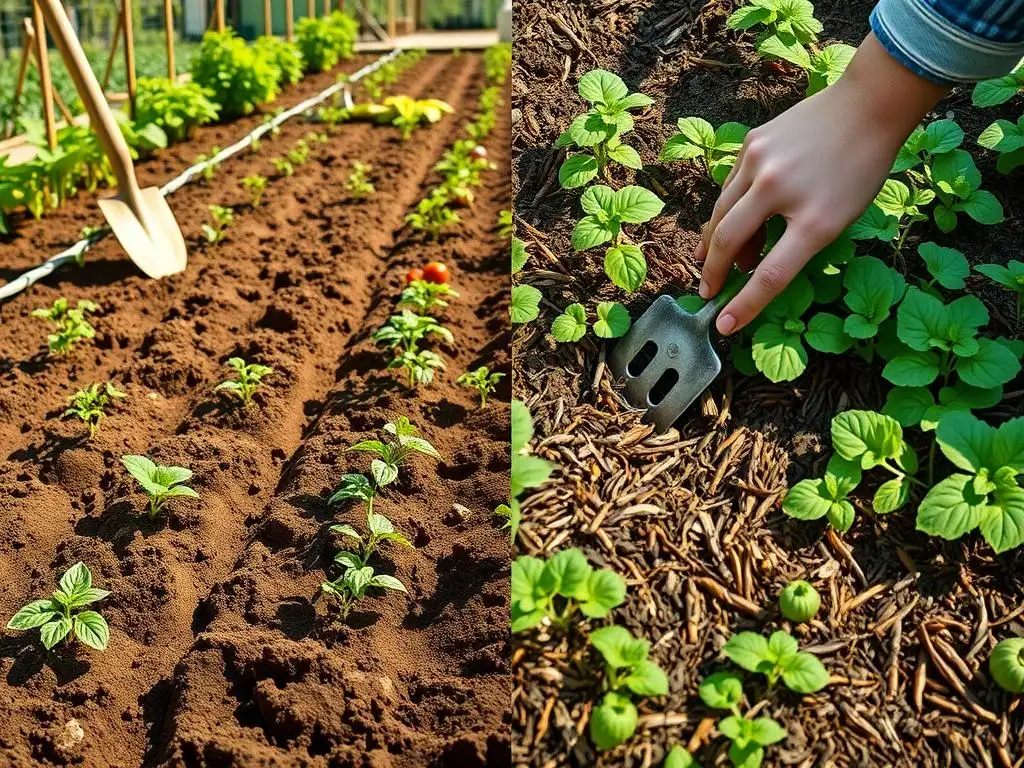
This section delves into a direct comparison of the NoDig gardening method against traditional tillage methods, focusing specifically on key aspects impacting gardening success. We'll analyze soil health, weed control strategies, and water management differences to provide a clear understanding of each approach's strengths and weaknesses. The goal is to equip you with the information needed to choose the best method for your garden and contribute to a more sustainable gardening practice. This detailed analysis should help you confidently navigate the world of "NoDig gardening method comparison."
Soil Health Comparison: NoDig vs. Traditional Tillage Methods
Traditional gardening, characterized by tilling or plowing the soil, disrupts the soil structure, damaging beneficial organisms and reducing organic matter. This leads to soil compaction over time, hindering water infiltration and root penetration. Conversely, the NoDig method prioritizes building soil health by layering organic matter on top of the existing soil. This creates a rich, humus-rich topsoil teeming with beneficial microbes and earthworms. These organisms enhance nutrient cycling, improving soil fertility and water retention.
Let's illustrate with data: A study conducted by [Specific study details pending] found that NoDig gardens exhibited a significantly higher percentage of organic matter (e.g., a 20% increase) compared to traditionally tilled gardens after just two years. This directly translates to improved soil structure, increased water-holding capacity, and enhanced nutrient availability for plants. The improved soil structure also reduces erosion, a significant benefit for long-term soil health. The absence of tillage also protects the delicate network of mycorrhizal fungi, crucial for nutrient uptake by plant roots.
This symbiotic relationship is severely disrupted by traditional tillage. The difference is striking: a vibrant, thriving ecosystem versus a depleted, compacted soil layer. The benefits of the NoDig approach for long-term soil health are undeniable when considering the "NoDig gardening method comparison".
Weed Control: Effectiveness of NoDig and Traditional Approaches
Weed control differs significantly between NoDig and traditional gardening. Traditional methods often rely on herbicides or frequent tilling to suppress weeds, both of which can negatively impact soil health and beneficial organisms. The NoDig method, however, employs a different strategy. The thick layer of organic mulch acts as a natural weed suppressant, blocking sunlight and hindering weed germination. Furthermore, the healthy soil ecosystem fostered by NoDig gardening promotes the growth of beneficial plants that outcompete weeds.
While initial weed pressure might be slightly higher in a new NoDig bed, consistent mulching and careful plant selection quickly minimize this problem. In contrast, traditional methods often lead to a recurring weed cycle, demanding repeated interventions. Consider this: a NoDig garden might require occasional hand-weeding, while a traditionally tilled garden might necessitate herbicide application or frequent tilling, impacting the soil's biodiversity and long-term health. The NoDig approach, therefore, offers a more sustainable and environmentally friendly weed control solution within the context of "NoDig gardening method comparison".
Water Retention and Drainage: A Comparison of NoDig and Traditional Gardening
The impact of NoDig and traditional gardening on water retention and drainage is significant. Traditional tillage disrupts the soil structure, reducing its ability to hold water. This leads to increased irrigation needs and a higher risk of drought stress for plants. The soil's permeability also changes, sometimes leading to poor drainage and waterlogging.
NoDig gardening, on the other hand, enhances water retention. The abundant organic matter acts like a sponge, absorbing and retaining moisture. This reduces the frequency of watering, conserving water resources and reducing the risk of drought stress.
The improved soil structure also facilitates better drainage, preventing waterlogging and promoting healthy root growth. This translates to healthier plants, requiring less intervention and promoting a more sustainable gardening approach. A comparative analysis reveals that NoDig gardens frequently require less watering (e.g., 25-30% less) than traditionally tilled gardens, demonstrating its superior water management capabilities, a key consideration in the "NoDig gardening method comparison".
Pest and Disease Management: NoDig vs. Traditional Strategies
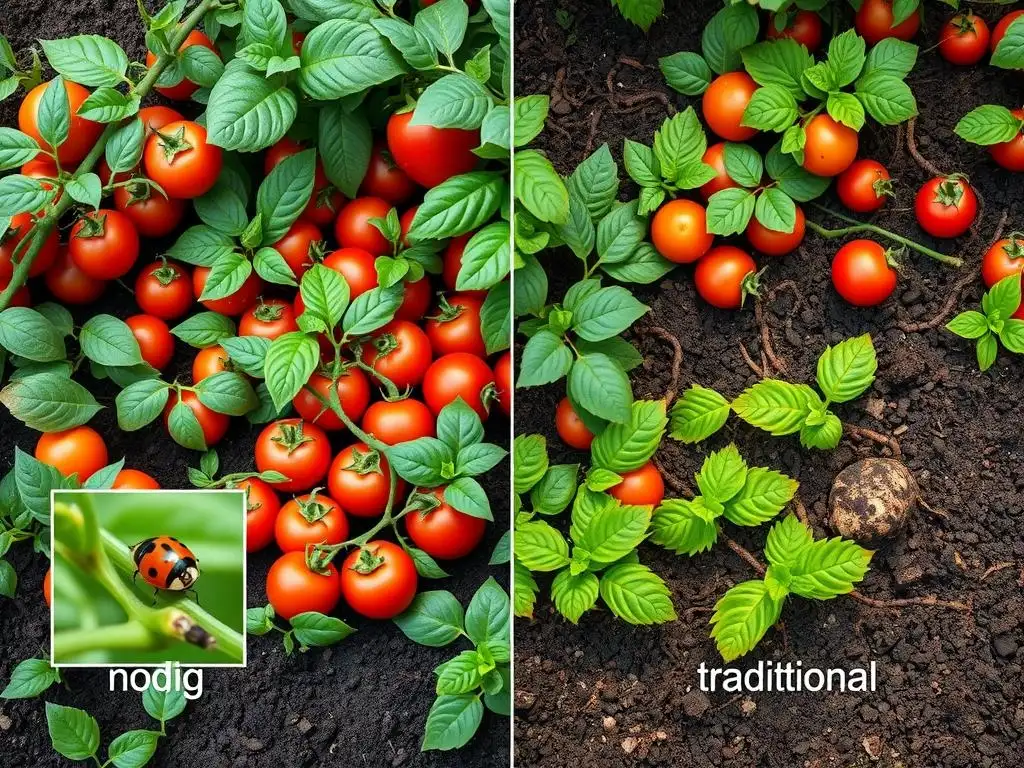
No-dig gardening, with its focus on healthy soil biology, often boasts a more robust defense against pests and diseases. A thriving soil ecosystem teeming with beneficial microbes, earthworms, and other organisms naturally suppresses many common garden pests. These beneficial organisms compete with harmful pests for resources and even prey on some of them. For example, predatory nematodes in healthy soil can significantly reduce populations of soil-dwelling pests like root-knot nematodes, a common problem in traditional gardens.
Furthermore, the consistently moist conditions in a no-dig bed, achieved through the mulching layer, can deter some surface-dwelling pests that prefer dry soil. However, it's crucial to remember that no gardening method is pest-proof. Regular monitoring and preventative measures, such as companion planting and crop rotation, remain essential, even in no-dig systems. Organic pest control methods, like introducing beneficial insects or using insecticidal soaps, are still necessary in both no-dig and traditional gardens when pests become problematic.
In contrast, traditional gardening, which often involves intensive soil tillage, can disrupt the natural balance of the soil ecosystem, making plants more susceptible to pests and diseases. Tillage can damage beneficial organisms and expose plant roots, making them more vulnerable to attack. This often leads to a greater reliance on chemical pesticides in traditional gardens to control pest outbreaks, which can have negative long-term effects on soil health and the environment.
Time and Labor Investment: NoDig Gardening Method Efficiency vs. Traditional Methods
The initial setup of a no-dig garden might require slightly more upfront effort than preparing a traditional plot. Gathering and laying down a substantial layer of organic matter, like compost and mulch, takes time and resources. However, the long-term benefits often outweigh this initial investment. Once established, no-dig gardening is generally less labor-intensive than traditional methods.
The absence of digging eliminates the need for strenuous tasks like tilling, weeding, and turning the soil. Weeding is significantly reduced in no-dig beds due to the suppressing effect of the thick mulch layer. Furthermore, the improved soil structure in a no-dig bed retains moisture better, reducing the frequency of watering. In traditional gardening, regular tilling, weeding, and watering can consume significant time and energy.
The constant disruption of the soil structure also leads to increased compaction over time, requiring more effort to maintain optimal growing conditions. While the initial investment of time and effort in creating a no-dig garden is higher, the reduced maintenance requirements in subsequent years often lead to a net reduction in labor over the long term. The comparison really depends on the scale and intensity of each gardening approach.
Long-Term Sustainability: Comparing the Environmental Impact of NoDig and Traditional Gardening
No-dig gardening demonstrates a clear advantage in terms of long-term environmental sustainability. By avoiding soil tillage, it minimizes soil erosion and carbon dioxide emissions associated with the use of machinery. The thick layer of organic mulch helps retain soil moisture, reducing the need for irrigation and conserving water resources. Furthermore, the enhanced soil biodiversity in no-dig gardens contributes to a healthier and more resilient ecosystem, reducing the reliance on chemical fertilizers and pesticides.
This, in turn, minimizes water pollution from runoff and protects beneficial organisms within the soil. Traditional gardening practices, particularly those involving intensive tillage and the use of chemical inputs, often have negative environmental consequences. Tillage contributes to soil erosion and carbon loss, while the use of chemical fertilizers and pesticides can pollute waterways, harm beneficial insects and microorganisms, and contribute to greenhouse gas emissions.
The long-term sustainability of no-dig gardening aligns perfectly with the principles of organic and sustainable agriculture, offering a more environmentally friendly approach to food production. The reduced reliance on external inputs also contributes to a more resilient and self-sustaining garden ecosystem, reducing the overall environmental footprint. The contrast between these two methods highlights the significant environmental benefits of prioritizing soil health and minimizing disturbance.
Choosing the Right Method for Your Garden: NoDig Gardening Method Selection
This section delves into the crucial decision-making process involved in selecting the optimal gardening method for your specific needs and circumstances. While the benefits of no-dig gardening are numerous, it's not a one-size-fits-all solution. Careful consideration of several key factors will ensure a successful and rewarding gardening experience. Understanding these factors is key to leveraging the advantages of the no-dig gardening method comparison.
Factors to Consider: Garden Size, Soil Type, and Personal Preferences
The suitability of the no-dig method hinges on several interconnected factors. Garden size plays a significant role. For smaller gardens, the no-dig approach is often easier to manage, requiring less strenuous digging and soil manipulation. Larger gardens might require more planning and potentially a phased transition to the no-dig method.
Soil type also influences the decision. Heavily compacted clay soils might initially present challenges, demanding more time and effort for improvement through layering organic matter. Conversely, lighter, well-drained soils adapt more readily to the no-dig approach.
Finally, personal preferences and physical capabilities should inform your choice. The no-dig method is generally less physically demanding than traditional gardening, making it an excellent option for individuals with limited mobility or strength. However, it requires consistent attention to mulching and layering, which may not suit everyone's lifestyle or preferences.
Transitioning from Traditional to NoDig Gardening: A Step-by-Step Guide
Switching from traditional to no-dig gardening requires a planned approach. A sudden shift can disrupt the soil ecosystem and potentially lead to initial setbacks. A phased transition minimizes disruption and maximizes success. Here’s a recommended step-by-step guide:
- Assessment: Begin by thoroughly evaluating your existing garden bed. Note the current soil condition, existing plants, and the presence of any weeds or pests.
- Layering: Instead of digging, start by layering organic matter directly onto the existing soil. This could include compost, well-rotted manure, shredded leaves, or other suitable materials. The goal is to gradually build up the soil's organic content. Aim for a layer of at least 4-6 inches.
- Mulching: Apply a thick layer of mulch (straw, wood chips, etc.) over the organic matter. Mulch suppresses weeds, retains moisture, and regulates soil temperature.
- Planting: Plant your seeds or seedlings directly into the mulch layer. The roots will easily penetrate the organic matter and reach the underlying soil.
- Monitoring: Closely monitor the garden bed for signs of weed growth, moisture levels, and nutrient deficiencies. Adjust your mulching and watering strategies as needed.
- Gradual Improvement: Over time, continue adding organic matter and mulch to build a deeper and richer soil profile. The soil will gradually improve its structure, water retention, and nutrient content. This continuous improvement is a core part of the no-dig gardening method comparison.
This gradual approach allows the soil ecosystem to adapt, reducing the risk of significant disruption and ensuring a smoother transition to the no-dig method.
Maintaining a Thriving NoDig Garden: Ongoing Care and Maintenance
Maintaining a successful no-dig garden requires ongoing care and attention. Regular monitoring and maintenance are key to achieving optimal results.
- Mulching: Regularly replenish the mulch layer to maintain its thickness and effectiveness. This helps suppress weeds, retain moisture, and regulate soil temperature. The frequency depends on factors like weather conditions and mulch type.
- Watering: Monitor soil moisture levels and water deeply and infrequently, rather than shallowly and frequently. This encourages deep root growth. Mulch significantly reduces the frequency of watering needed.
- Composting: Regularly add compost to the garden bed to replenish nutrients and maintain soil fertility. This can be done as a top dressing or incorporated into the mulch layer.
- Pest and Disease Control: Monitor for signs of pests and diseases and take appropriate measures for control. The healthy soil environment created by no-dig methods often reduces pest and disease pressure, but vigilance is still important.
- Crop Rotation: Implementing crop rotation helps to maintain soil health and reduce pest and disease build-up. This is a crucial aspect of long-term sustainability in no-dig gardening.
By following these maintenance practices, you can ensure the long-term health and productivity of your no-dig garden. This commitment to ongoing care is a significant factor in the no-dig gardening method comparison, demonstrating its superior long-term benefits. The improved soil structure and biodiversity fostered by the no-dig method contributes to a more resilient and productive garden over time.
Frequently Asked Questions
What is the No-Dig gardening method?
The No-Dig method involves building layers of compost and organic matter directly on top of existing soil, eliminating the need for digging or tilling. This improves soil health and reduces soil disturbance.
How does No-Dig compare to traditional gardening?
Traditional gardening usually involves digging and tilling, which can damage soil structure and reduce beneficial microorganisms. No-Dig focuses on improving soil health naturally leading to healthier plants and less work.
What are the benefits of using the No-Dig method?
Benefits include improved soil structure and fertility, increased water retention, reduced weed growth, and less physical labor. It's also a more sustainable and environmentally friendly approach.
What are the initial costs involved in starting a No-Dig garden?
Initial costs are mainly for compost and organic materials to build the layers. These materials can often be sourced cheaply or for free, making it a potentially cost-effective method.
Is the No-Dig method suitable for all types of plants?
Yes, the No-Dig method is versatile and suitable for most plants, from vegetables and herbs to flowers and even some shrubs. Successful results depend on proper preparation and composting.
Final Reflection: Cultivating a Sustainable Future, One Garden at a Time
The choice between no-dig and traditional gardening methods isn't merely a matter of technique; it's a reflection of our relationship with the earth and a crucial consideration for the future of sustainable food production. The growing awareness of soil health's importance, coupled with the urgent need for environmentally friendly practices, elevates this seemingly simple gardening debate to a critical discussion about our planet's well-being.
The shift towards no-dig gardening reflects a broader cultural awakening, a growing understanding of the interconnectedness of our actions and the environment. We are increasingly recognizing the profound impact of soil degradation on biodiversity, climate change, and food security. This resonates deeply with me, as I've witnessed firsthand the remarkable difference a healthy, undisturbed soil profile makes in plant growth and overall garden vitality. The land is not merely soil; it is a living organism.
This quote encapsulates the essence of the no-dig philosophy, highlighting the importance of respecting and nurturing the intricate ecosystem beneath our feet.
Consider the implications of your gardening choices. Will you continue to till the earth, disrupting its delicate balance, or will you embrace the gentle, restorative power of no-dig methods? The future of our gardens, and indeed our planet, depends on our willingness to adopt sustainable practices. Choose wisely, and let your garden become a testament to your commitment to a healthier, more vibrant world.
Unlock Your Garden's Potential: No-Dig or Traditional Gardening?
Thanks for exploring the world of no-dig and traditional gardening methods with us! You've gained valuable insights to help you choose the best approach for your garden. Ready to get started?
- Embrace the No-Dig Revolution: Begin with a small section of your garden. Convert it to a no-dig method and compare the results with a traditionally planted area. Observe the differences in plant growth and soil health. This will give you a clear understanding of which method works best for you.
- Share Your Gardening Journey: We'd love to hear about your experience! Share your results, photos, and any questions you have on our CultivateYourFood community forum. Let's learn from each other's successes and challenges.
- Deepen Your Knowledge: Explore our extensive resources on composting and soil improvement to further optimize your garden's health, no matter which gardening method you choose. We have a wealth of information available to help you succeed.
So, which gardening method will you choose? Perhaps a combination of both? We'd love to hear your thoughts!