
Slow Decomposition in Compost? Speeding Up the Process Naturally

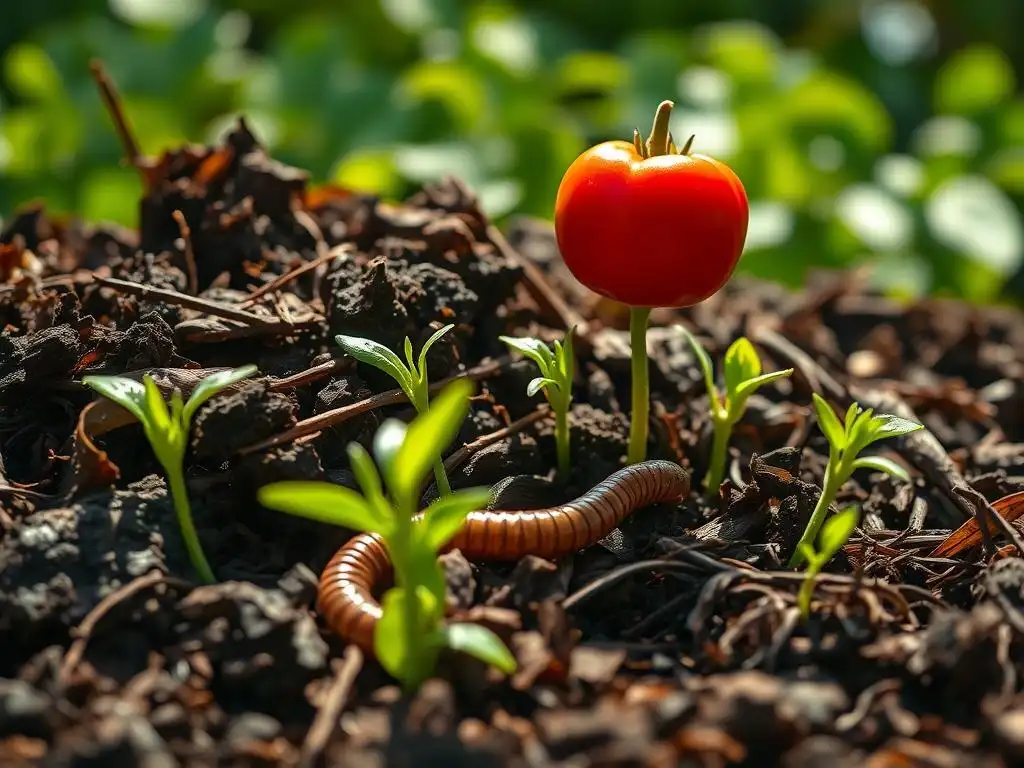
Ready to transform your kitchen scraps into garden gold? At CultivateYourFood, we empower you to grow your own delicious and healthy produce using sustainable methods. But what if your compost bin isn't cooperating? Discover how to speed up compost decomposition naturally—without harmful chemicals—and unlock the secrets to richer, healthier soil. Learn more about this crucial step in creating a thriving home garden, and let's cultivate a greener future together!
- Understanding Slow Compost Decomposition
-
Speed Up Compost Decomposition Naturally: Effective Strategies
- Enhancing Aeration for Faster Decomposition
- Optimizing Moisture Levels for Ideal Compost Conditions
- Maintaining the Correct Carbon-to-Nitrogen Ratio for Balanced Decomposition
- Introducing Beneficial Microbes for Accelerated Breakdown
- Utilizing Compost Activators and Teas for Natural Decomposition Boost
- Accelerating Decomposition with Natural Additives
- Troubleshooting Specific Compost Issues
- Maintaining Optimal Compost Conditions for Continuous Decomposition
- Preventing Future Slow Decomposition Issues
- Frequently Asked Questions
- Final Reflection: Cultivating Life from Decay – A Journey into Faster Composting
- Unlock Your Compost's Potential: Faster Decomposition, Naturally!
Understanding Slow Compost Decomposition
Composting, a cornerstone of sustainable gardening, offers a rewarding path to enriching your soil naturally. However, the journey isn't always smooth. Many home composters encounter frustrating slow decomposition, leading to a pile that stubbornly refuses to break down. This article delves into the common reasons behind slow compost decomposition, focusing on natural solutions to accelerate the process and achieve that rich, dark compost you crave.
We'll explore how to identify the issues, diagnose your compost pile's health, and implement effective strategies to speed up decomposition without resorting to chemical additives. Learning to troubleshoot your compost effectively will not only improve your yield but also deepen your understanding of the natural processes at play in your garden. Successfully speeding up compost decomposition naturally is key to maintaining a healthy and productive garden, yielding abundant fruits and vegetables.
Identifying the Signs of Slow Compost Breakdown
A slow-composting pile often presents several telltale signs. Instead of the usual pleasant earthy aroma, you might detect unpleasant odors, perhaps sour or even putrid. This is a strong indication that anaerobic decomposition (decomposition in the absence of oxygen) is occurring, hindering the process. Visually, the pile might appear largely unchanged over extended periods.
You may find large chunks of material persisting for weeks or even months, instead of breaking down into smaller pieces and eventually turning into rich humus. The temperature of the pile will also be a key indicator. A healthy, actively decomposing compost pile will generate heat, reaching temperatures of 130-160°F (54-71°C). A consistently cool pile suggests insufficient microbial activity and slow decomposition.
Finally, the texture will be important; a properly decomposing pile transitions from a coarse mixture to a dark, crumbly, earthy material. A slow pile retains its initial texture for much longer. These combined visual and olfactory clues are crucial for diagnosing the problem and implementing solutions.
Common Causes of Slow Composting: Lack of Essential Elements
Slow compost decomposition often stems from imbalances within the composting process itself. One critical factor is the lack of essential elements crucial for microbial activity. Microorganisms, the workhorses of decomposition, require a balanced diet of carbon and nitrogen to thrive. A carbon-rich pile (too much brown material like dried leaves and twigs) will decompose slowly due to a lack of nitrogen, which fuels the microbial growth.
Conversely, a nitrogen-rich pile (too much green material like grass clippings and vegetable scraps) can become anaerobic (lacking oxygen) and also slow down decomposition or even lead to unpleasant odors. Additionally, a deficiency in essential minerals like phosphorus and potassium can also hinder the decomposition process. These minerals play vital roles in microbial metabolism and overall decomposition efficiency.
Ensuring a proper balance of brown and green materials, along with adding a source of phosphorus (such as bone meal) and potassium (such as banana peels) is crucial for a healthy composting process. Think of it like a recipe – the right ingredients are essential for success! 🧑🍳
Diagnosing Your Compost Pile: Moisture, Carbon-to-Nitrogen Ratio, and Aeration
Diagnosing the root cause of slow decomposition requires a careful assessment of several key factors. First, moisture content is critical. Too dry, and microbial activity is stifled. Too wet, and anaerobic conditions prevail, leading to foul smells and slowed decomposition. The ideal moisture content is similar to a wrung-out sponge.
Next, the carbon-to-nitrogen (C:N) ratio is crucial. A balanced ratio, typically around 30:1, is essential for optimal microbial activity. Too much carbon (brown materials) leads to slow decomposition, while too much nitrogen (green materials) can result in anaerobic conditions. Finally, aeration is vital. Microorganisms need oxygen to thrive.
Regular turning of the compost pile ensures adequate oxygen supply, promoting aerobic decomposition and faster breakdown. Lack of aeration often leads to anaerobic decomposition, resulting in unpleasant smells and slow decay. By carefully evaluating these three factors – moisture, C:N ratio, and aeration – you can pinpoint the specific issue hindering your compost's decomposition and implement targeted solutions to remedy the situation. Remember, patience and observation are key to successful composting! 🌱
Speed Up Compost Decomposition Naturally: Effective Strategies
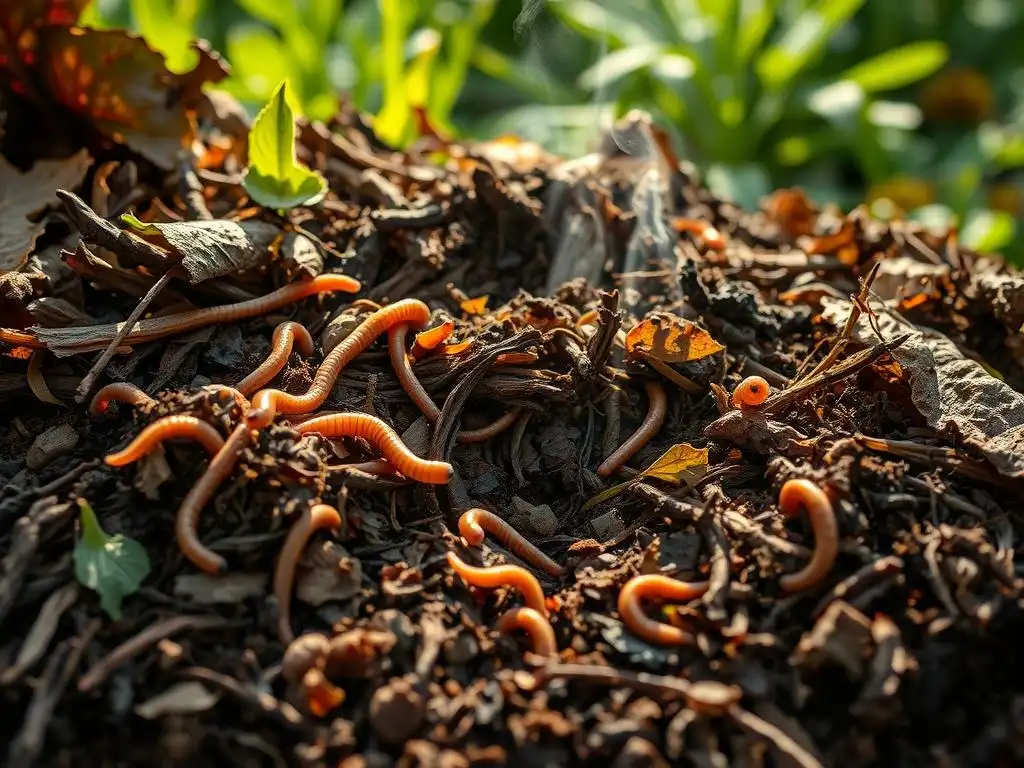
This section focuses on accelerating the natural decomposition process in your compost bin without resorting to chemical additives. Successfully speeding up compost decomposition naturally hinges on understanding and carefully managing several key factors. Let's explore effective strategies to achieve a thriving, rapidly decomposing compost pile.
Enhancing Aeration for Faster Decomposition
Insufficient aeration is a common culprit behind slow compost decomposition. Microbial activity, crucial for breaking down organic matter, requires oxygen. A poorly aerated pile becomes anaerobic, leading to foul odors and significantly slowed decomposition. To improve aeration, consider these actions:
- Turning the compost regularly: This is arguably the single most effective method. Aim for turning your pile at least once a week, or more frequently if it's particularly dense or moist. Use a garden fork or pitchfork to thoroughly mix the materials, ensuring oxygen reaches all parts of the pile. The frequency depends on the size and composition of your compost; larger piles may need turning less often.
- Building a properly structured compost bin: Well-designed compost bins facilitate aeration. Bins with slats or openings allow for better airflow. Avoid overly compacting materials during construction. Consider a three-bin system to allow for easy turning and staged decomposition.
- Adding bulky "brown" materials: Materials like shredded wood chips or dried leaves create spaces within the pile, improving aeration. These materials also provide essential carbon for balanced decomposition. Avoid packing them too tightly, however.
Optimizing Moisture Levels for Ideal Compost Conditions
Moisture is another critical factor influencing decomposition rates. Too dry, and microbial activity slows down drastically. Too wet, and the pile becomes anaerobic, leading to unpleasant smells and slowed decomposition. The ideal moisture content is similar to a wrung-out sponge.
- Regularly checking moisture levels: Stick your hand a few inches into the pile. If it feels dry, add water. If it's dripping wet, you need to add more "brown" materials to absorb excess moisture and improve aeration. A moisture meter can provide more precise readings.
- Watering strategically: Water your compost pile using a gentle spray or watering can, avoiding flooding. Water more frequently during dry spells and less often during rainy periods. The frequency and amount will depend on your climate and the materials you are composting.
- Covering the pile: A simple cover, like a tarp or compost bin lid, helps retain moisture while still allowing for some airflow. This is especially important in hot, dry climates. However, avoid creating an airtight seal, which could lead to anaerobic conditions.
Maintaining the Correct Carbon-to-Nitrogen Ratio for Balanced Decomposition
The carbon-to-nitrogen (C:N) ratio is a key factor determining decomposition speed. A balanced ratio ensures efficient microbial activity. Generally, a ratio of around 30:1 is ideal. "Brown" materials (carbon-rich) such as dried leaves, twigs, and straw, provide the carbon, while "green" materials (nitrogen-rich) such as grass clippings, fruit and vegetable scraps, and coffee grounds provide the nitrogen.
- Monitoring your material inputs: Pay close attention to the balance of "brown" and "green" materials you're adding. If decomposition is slow, you may need to add more "greens". If the pile is too wet and smelly, it might indicate an excess of "greens," requiring the addition of more "browns."
- Understanding material C:N ratios: Different materials have varying C:N ratios. Researching the approximate ratios of your common inputs can help you achieve a balanced mix. For example, shredded paper has a high carbon content, while food scraps are typically higher in nitrogen.
- Using a compost thermometer: Monitoring the temperature can also indicate the success of your composting. A healthy, actively decomposing pile will reach temperatures of 130-160°F (54-71°C). This heat is generated by the microbial activity and is a good indicator of a balanced C:N ratio. A consistently low temperature can suggest an imbalance.
By carefully managing aeration, moisture, and the C:N ratio, you can significantly speed up compost decomposition naturally, creating nutrient-rich soil amendment for your garden 🌱.
Introducing Beneficial Microbes for Accelerated Breakdown
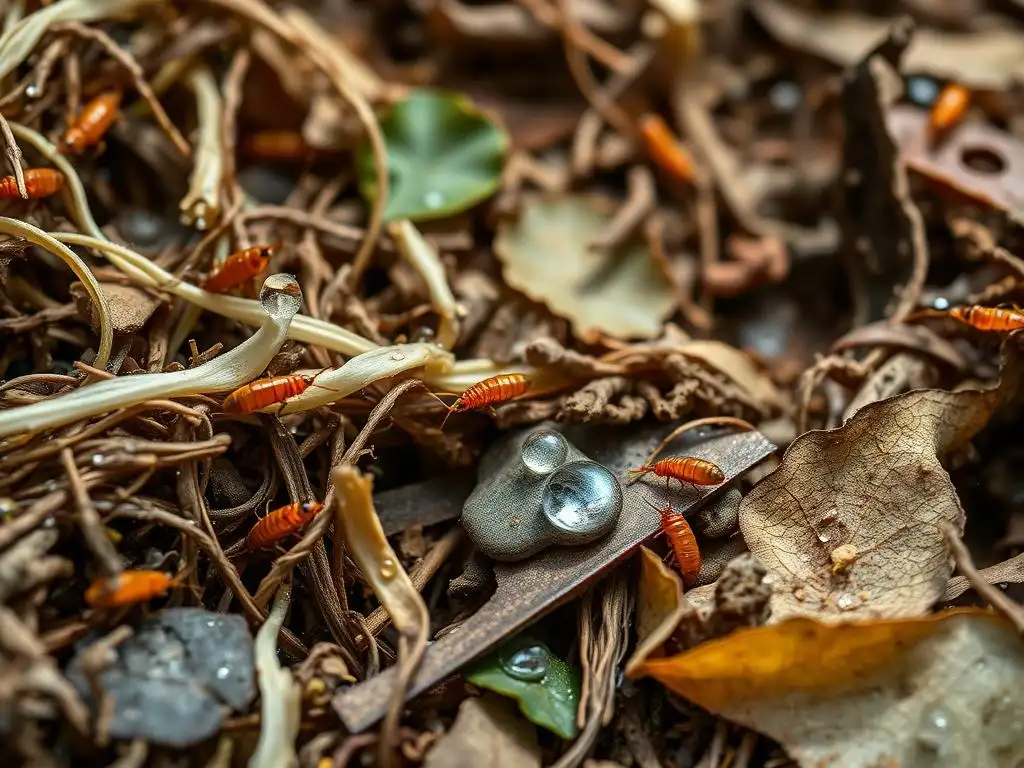
Introducing beneficial microbes is a cornerstone of speeding up compost decomposition naturally. These microscopic organisms are the true workhorses of the composting process, breaking down organic matter into nutrient-rich humus. A healthy compost pile thrives on a diverse microbial community, including bacteria, fungi, and actinomycetes.
Each plays a vital role, with bacteria often dominating the initial stages of decomposition, breaking down readily available materials like sugars and starches. Fungi then take over, tackling more complex compounds like lignin and cellulose found in woody materials. Actinomycetes, resembling both bacteria and fungi, contribute to the breakdown of stubborn substances and contribute to the earthy aroma of mature compost.
To encourage the growth of these beneficial microbes, you can take several steps. Firstly, maintaining the right moisture content is crucial. Too dry, and microbial activity slows; too wet, and anaerobic conditions develop, hindering decomposition and creating foul odors. Aim for a consistency similar to a wrung-out sponge.
Secondly, ensuring adequate aeration is essential. Turning your compost regularly introduces oxygen, which these aerobic microbes need to thrive. A well-aerated pile will exhibit a pleasant, earthy scent, while a stagnant, foul-smelling pile indicates a lack of oxygen and potentially harmful anaerobic bacteria. Finally, incorporating a variety of organic materials helps foster microbial diversity.
A blend of "greens" (nitrogen-rich materials like grass clippings and vegetable scraps) and "browns" (carbon-rich materials like dried leaves and shredded cardboard) provides a balanced food source for a wide range of microbes. Adding a small amount of finished compost to your new pile can also inoculate it with beneficial microbes, jumpstarting the decomposition process. Consider adding materials rich in beneficial microbes, such as aged manure or compost from a known healthy source.
Utilizing Compost Activators and Teas for Natural Decomposition Boost
Compost activators and teas are natural solutions to accelerate decomposition and enhance microbial activity within your compost pile. Activators often contain beneficial microbes, enzymes, or other substances that boost the breakdown process. These can range from commercially available products to homemade options using readily available ingredients.
For instance, some gardeners successfully employ readily available ingredients such as kelp meal, which is rich in nutrients and growth-stimulating compounds beneficial for microbial activity. Others use diluted molasses, providing a readily available food source for microbes and speeding up their metabolic processes. Remember to use these ingredients sparingly, as excessive amounts could lead to unwanted side effects, including unpleasant odors and potentially attracting pests.
Compost tea, another effective method, involves steeping compost in water to extract beneficial microbes and nutrients. This "tea" is then added to the compost pile or used as a liquid fertilizer for plants. Making compost tea involves steeping a portion of your finished compost in water, often aerated to encourage microbial growth.
The resulting tea is rich in beneficial bacteria, fungi, and their metabolic byproducts, which can significantly accelerate the decomposition of organic matter in your compost pile. This method promotes a healthier and more active microbial community, leading to faster decomposition and a richer, more nutrient-dense end product. Remember that proper aeration is key to successful compost tea brewing; without it, anaerobic conditions will develop, leading to a foul-smelling and ineffective tea.
The strength and application of both activators and teas should be tailored to the specific needs of your compost pile and the materials being composted. Always start with smaller amounts and monitor the results before increasing the quantity. Observe changes in temperature and smell—a slight increase in temperature and a pleasant, earthy aroma are positive indicators.
Accelerating Decomposition with Natural Additives
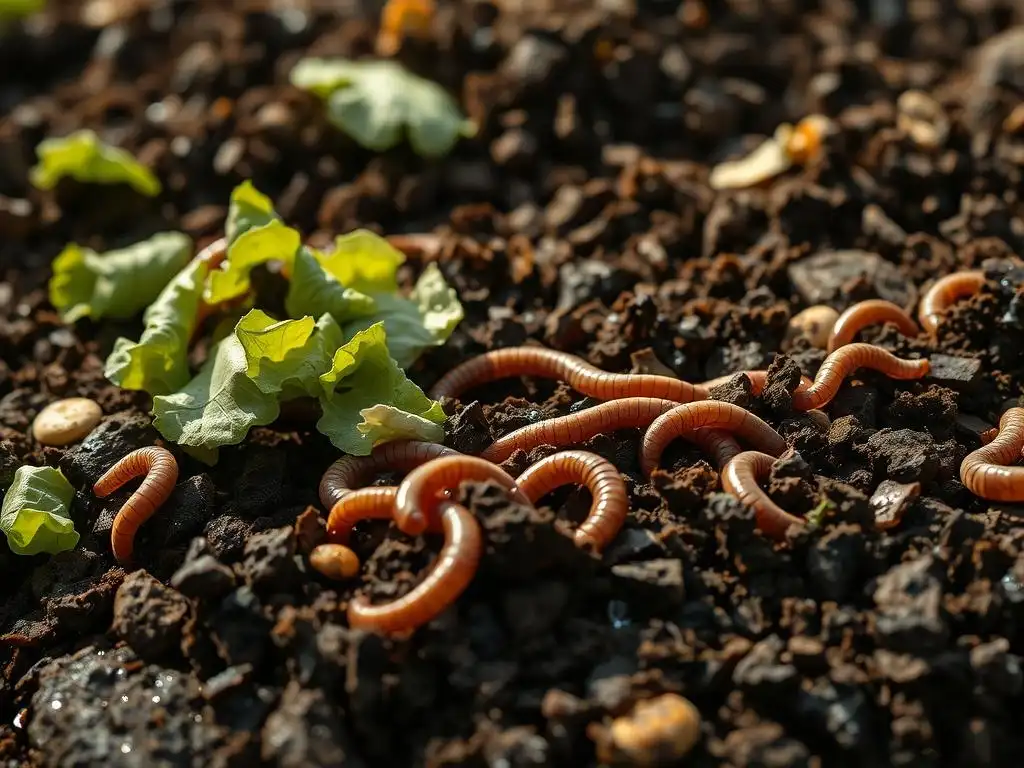
Slow compost decomposition is a common frustration for home gardeners. A pile that's stubbornly refusing to break down can be disheartening, especially when you're eager to enrich your soil. But before resorting to chemical accelerators, remember that nature provides a wealth of effective solutions to speed up compost decomposition naturally. By understanding the composting process and strategically adding specific materials, you can significantly improve the efficiency of your compost bin and get that rich, dark humus much faster. This section will explore several natural methods for boosting decomposition, focusing on techniques that enhance microbial activity and nutrient cycling.
Effective Natural Additives to Speed Up Composting
Several natural additives can dramatically accelerate the breakdown of organic matter in your compost pile. These additives work by either introducing beneficial microorganisms or improving the overall environment within the pile, encouraging faster decomposition. These aren't magic bullets, but rather carefully chosen supplements that work synergistically with the materials already present.
The most effective additions often include:
- Compost Tea: Brewing a tea from your existing compost introduces a concentrated dose of beneficial microbes directly into the pile. This jumpstarts the decomposition process by providing a ready population of microorganisms to tackle the raw materials. The tea also adds valuable nutrients and enzymes.
- Worm Castings: These are the excrement of earthworms, and they are incredibly rich in beneficial microbes and nutrients. Adding worm castings to your compost provides a potent boost to microbial activity, leading to faster breakdown. Even a small amount can make a noticeable difference.
- Activated Compost: This refers to compost that is already highly decomposed and teeming with microbial life. Adding some highly decomposed compost to a slower pile is like adding a starter culture to sourdough bread – it jumpstarts the process.
- Effective Microorganisms (EM): EM solutions are commercially available and contain a blend of beneficial bacteria, yeasts, and other microorganisms. These solutions can significantly enhance the decomposition process by increasing the population of beneficial microbes within the compost pile. However, always follow the manufacturer's instructions carefully.
Using Nitrogen-Rich Materials to Balance the Carbon-Nitrogen Ratio
Compost decomposition relies on a balanced carbon-to-nitrogen ratio. Too much carbon (brown materials like dried leaves and twigs) leads to a slow process, while too much nitrogen (green materials like grass clippings and food scraps) can result in unpleasant odors and potentially harmful runoff. Achieving the right balance is crucial for optimal decomposition.
Understanding this ratio is key to speeding things up. If your pile is slow, it likely lacks sufficient nitrogen. To remedy this, strategically add nitrogen-rich materials. Examples include:
- Grass clippings: Freshly cut grass is an excellent source of nitrogen.
- Coffee grounds: These are another readily available nitrogen source.
- Fruit and vegetable scraps: These add nitrogen and moisture, both crucial for microbial activity.
- Manure (well-rotted): Animal manure, especially from herbivores, is rich in nitrogen and other nutrients. Ensure it's well-rotted to avoid introducing weed seeds or pathogens.
By carefully monitoring your compost's decomposition rate and adjusting the nitrogen content accordingly, you can significantly improve the efficiency of the process. A good rule of thumb is to aim for a carbon-to-nitrogen ratio of approximately 30:1.
Incorporating Brown Materials to Improve Aeration and Drainage
While nitrogen is essential, don't neglect the importance of "brown" materials. These materials, while lower in nitrogen, play a critical role in aeration and drainage within the compost pile. A well-aerated pile allows for optimal oxygen flow, which is crucial for aerobic decomposition. Good drainage prevents the pile from becoming waterlogged, a condition that inhibits microbial activity and can lead to foul odors.
Adding appropriate brown materials can significantly improve the structure and drainage of your compost:
- Shredded paper: Provides excellent aeration and helps retain moisture.
- Dried leaves: A readily available source of carbon that also improves aeration.
- Sawdust (untreated): Adds bulk and improves drainage, but use sparingly as some types can lower the pH.
- Wood chips: Similar to sawdust, these contribute to aeration and drainage but should be used in moderation.
Remember, the key to successful composting is balance. By carefully combining green and brown materials, along with the natural additives discussed above, you can create an environment conducive to rapid and efficient decomposition, ultimately yielding rich, nutrient-dense compost for your garden. This natural approach not only speeds up the process but also avoids the use of potentially harmful chemicals.
Troubleshooting Specific Compost Issues
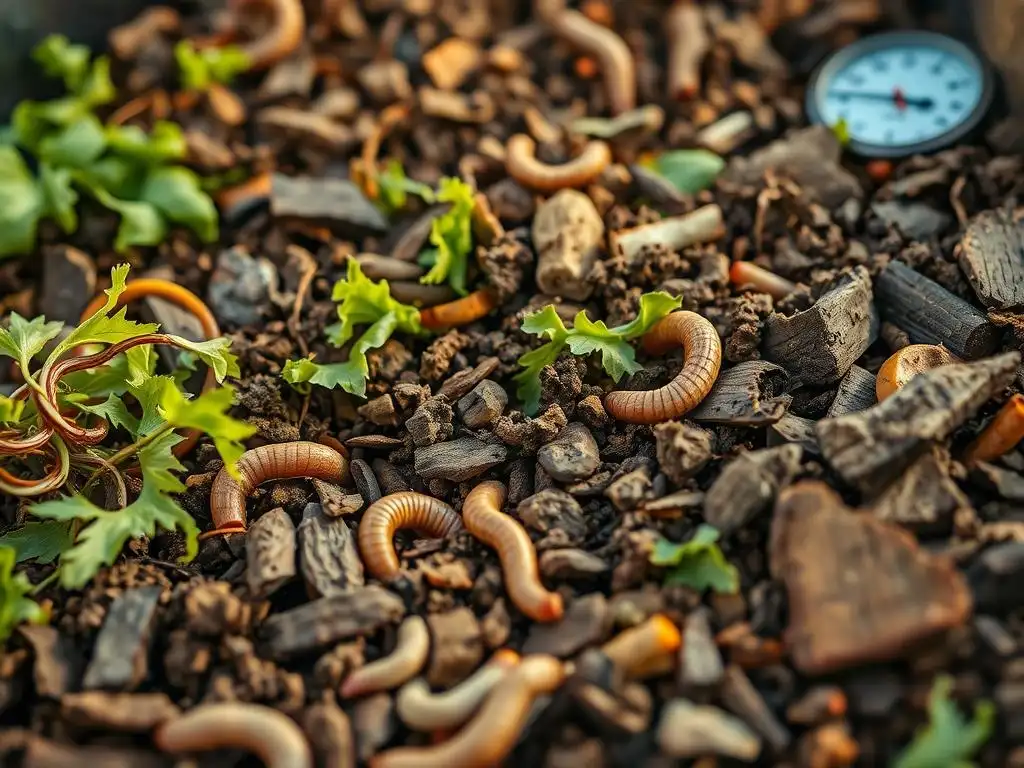
This section delves into the common causes of slow decomposition in your compost pile and offers practical, natural solutions to speed up the process. Remember, patience is key in composting, but understanding the underlying issues can significantly reduce the time it takes to achieve nutrient-rich compost. The goal is to speed up compost decomposition naturally, avoiding the use of chemical accelerators.
Dealing with Slow Decomposition Due to Excess Moisture
Excessive moisture is a frequent culprit behind sluggish compost decomposition. Waterlogged compost creates an anaerobic environment, meaning it lacks sufficient oxygen for the beneficial microorganisms responsible for breaking down organic matter to thrive. These microorganisms need oxygen to function effectively; without it, decomposition slows dramatically, and unpleasant odors may develop.
To address this, you need to improve drainage and aeration. This can be achieved in several ways:
- Improve drainage: If your compost bin sits directly on the ground, consider raising it on bricks or pallets to allow for better drainage. You can also add a layer of coarse material, such as gravel or wood chips, to the bottom of the bin to facilitate water runoff.
- Turn the compost regularly: Turning your compost pile thoroughly every few days, or at least once a week, introduces oxygen and helps to distribute moisture evenly. This simple act can dramatically improve decomposition rates.
- Add brown materials: If your compost is too wet, incorporating more "brown" materials, like dried leaves, shredded paper, or straw, will help absorb excess moisture and improve aeration. Aim for a carbon-to-nitrogen ratio of approximately 30:1.
- Reduce watering: If you've been regularly watering your compost, reduce the frequency. Many organic materials already contain sufficient moisture. Only water if the pile feels very dry.
Remember, a well-balanced compost pile should feel like a wrung-out sponge – moist but not soggy. The ideal moisture content is crucial for speeding up compost decomposition naturally.
Addressing Slow Decomposition Caused by Insufficient Nitrogen
Nitrogen is an essential element for the microorganisms that break down organic matter in your compost. Insufficient nitrogen can lead to slow decomposition and a pile that remains stubbornly uncomposted for extended periods. Nitrogen-rich "green" materials are crucial for a balanced compost.
Several strategies can help you boost the nitrogen content of your compost:
- Increase green materials: Add more nitrogen-rich "green" materials such as grass clippings, vegetable scraps, fruit peels, coffee grounds, and tea bags. These materials provide the essential nitrogen needed for microbial activity.
- Use compost activators: Certain materials naturally accelerate decomposition by providing readily available nitrogen. These include seaweed, alfalfa meal, and manure (ensure it's properly composted). These act as natural nitrogen boosters, effectively speeding up compost decomposition naturally.
- Monitor the C:N ratio: Maintaining the correct carbon-to-nitrogen ratio is key. While a ratio of around 30:1 is generally recommended, this can vary based on the specific materials used. If decomposition is slow, you likely need more green materials to increase the nitrogen content. A simple test is to check the temperature – a warm pile indicates sufficient microbial activity.
- Layer materials properly: Ensure proper layering of green and brown materials. Alternating layers helps maintain a balance and promotes efficient decomposition.
Resolving Slow Decomposition Resulting from Poor Aeration
Insufficient air circulation, or poor aeration, is another major obstacle to efficient composting. Without adequate oxygen, the aerobic microorganisms responsible for decomposition cannot function optimally, leading to slow decomposition and potentially foul odors.
Here are some ways to improve aeration in your compost pile:
- Turn the compost frequently: Regular turning is paramount for introducing oxygen into the pile. The more frequently you turn it, the better the aeration. A good rule of thumb is to turn it at least once a week, more often if the pile is large or dense.
- Use a well-ventilated compost bin: Choosing a bin with adequate ventilation holes or slats is vital. Bins with sides made of wire mesh or with strategically placed openings allow for optimal airflow.
- Add bulky materials: Incorporating bulky materials like twigs and shredded branches helps create air pockets within the compost pile, improving aeration. Avoid packing the pile too tightly.
- Avoid compacting the compost: Try to avoid compacting the pile while adding materials. Loosely layering materials ensures better airflow. Overly compressed compost restricts oxygen flow, slowing down decomposition. Think of it like this: a well-aerated pile is like a well-ventilated room, whereas a compacted pile is like a stuffy, airless closet. Good aeration is crucial for speeding up compost decomposition naturally.
Remember, consistent monitoring and adjustment are crucial for successful composting. By addressing these common issues proactively, you'll be well on your way to creating nutrient-rich compost in a timely manner.
Overcoming Slow Decomposition Due to Imbalance of Carbon and Nitrogen
A common reason for slow compost decomposition is an imbalance in the carbon-to-nitrogen (C:N) ratio. Microorganisms, the tiny engines driving decomposition, need a balanced diet of carbon-rich "browns" (like dried leaves, twigs, and shredded paper) and nitrogen-rich "greens" (like grass clippings, fruit and vegetable scraps, and coffee grounds). An excess of browns leads to slow decomposition because there isn't enough nitrogen to fuel microbial activity.
Conversely, an excess of greens can create anaerobic conditions (lack of oxygen), leading to foul odors and slowed decomposition. The ideal C:N ratio is generally considered to be around 30:1, although this can vary depending on the specific materials.
To address a C:N imbalance causing slow decomposition, you need to adjust the ratio in your compost pile. If your pile is too "brown" (too much carbon), add more nitrogen-rich "green" materials. This might involve adding more grass clippings, food scraps, or even a nitrogen-rich compost activator (like aged manure, if available). Monitor the moisture level; ensure the compost remains consistently moist, like a wrung-out sponge. This aids microbial activity. Regularly turning the pile also improves aeration, preventing anaerobic conditions and promoting faster decomposition.
If your pile is too "green" (too much nitrogen), you’ll need to add more carbon-rich materials. Increase the volume of dried leaves, shredded cardboard, or wood chips. This will help balance the ratio and provide the carbon source necessary for the microorganisms to effectively break down the excess nitrogen. Again, proper moisture and aeration are crucial. Consider layering your materials—alternating browns and greens—to create a more balanced environment right from the start.
This proactive approach reduces the likelihood of experiencing slow decomposition due to an imbalanced C:N ratio. Observe your compost regularly and adjust the ratio as needed. It’s a process of observation and adjustment to achieve optimal decomposition. Remember, patience is key; composting is a natural process that takes time, even with adjustments.
Maintaining Optimal Compost Conditions for Continuous Decomposition
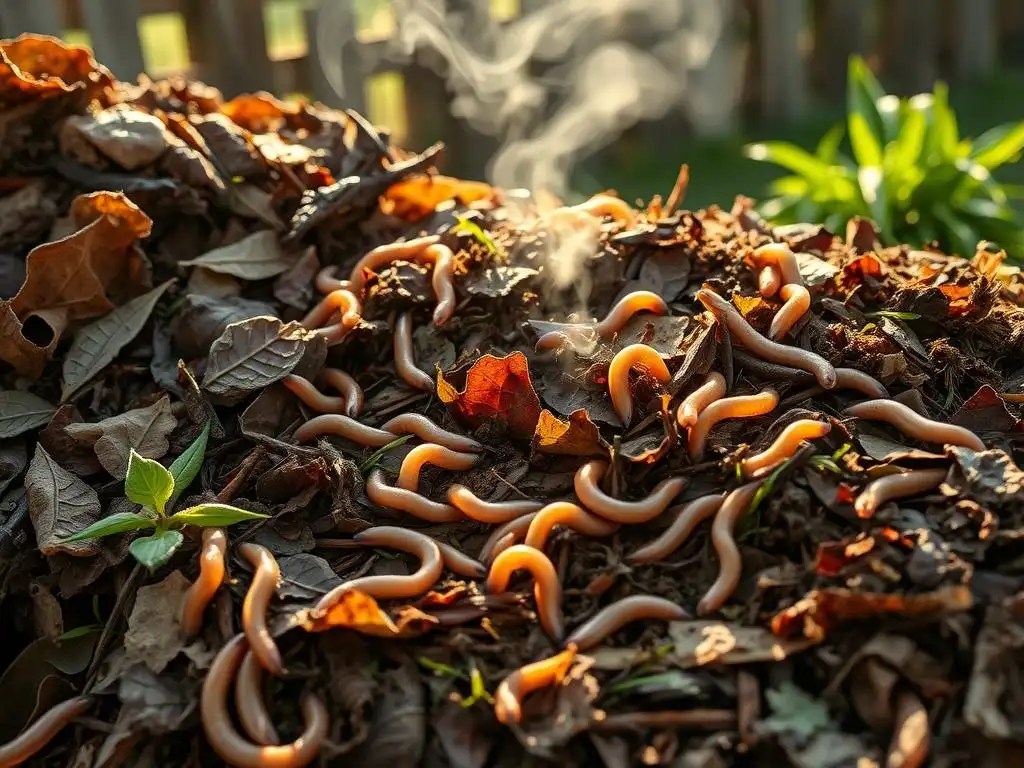
Maintaining a thriving compost pile relies on achieving and sustaining the ideal environment for microbial activity, the key driver of decomposition. This involves a delicate balance of several factors, all impacting the speed at which your organic matter breaks down. Slow decomposition often points to an imbalance in these crucial elements. Let's delve into how to optimize your compost's environment for faster, more efficient decomposition.
Monitoring your Compost Pile: Regular Checks and Adjustments
Regular monitoring is paramount to successful composting. Think of your compost pile as a living ecosystem; it requires attention and adjustments to flourish. Aim to check your pile at least once a week, paying close attention to several key indicators.
Temperature: Use a compost thermometer to gauge the internal temperature. Ideally, you want a consistently warm temperature, between 130-160°F (54-71°C). This indicates vigorous microbial activity and rapid decomposition. A consistently low temperature suggests insufficient aeration or a carbon-to-nitrogen ratio imbalance.
Moisture: Your compost should feel like a wrung-out sponge. Too dry, and microbial activity slows down dramatically. Too wet, and anaerobic conditions develop, leading to foul odors and slowed decomposition. Adjust moisture levels by adding water to dry piles or turning wetter piles more frequently to improve aeration.
Aeration: Sufficient oxygen is vital for aerobic decomposition. Turning your compost pile regularly (every few days to a week, depending on size and conditions) introduces oxygen, preventing anaerobic conditions and promoting faster decomposition. The frequency of turning depends on the size and materials of your pile. Larger piles may require more frequent turning than smaller ones.
Carbon-to-Nitrogen Ratio: This is a critical aspect often overlooked. A balanced ratio (roughly 30:1) ensures efficient decomposition. Too much carbon (brown materials like dried leaves and twigs) leads to slow decomposition. Too much nitrogen (green materials like grass clippings and vegetable scraps) can cause unpleasant odors and slow decomposition. Strive for a balanced mix of both.
Visual Inspection: Look for signs of healthy decomposition. The compost should darken in color and gradually lose its original form. The presence of earthworms, beneficial insects, and other decomposers is a good sign of a healthy compost pile. The absence of these indicates a potential problem that needs attention.
Preventing Future Slow Decomposition Issues
Proactive measures are crucial in preventing slow decomposition issues from arising in the first place. These preventative steps can save you considerable time and effort in the long run, promoting a consistently productive composting process.
- Proper Material Selection: Carefully select your composting materials. Avoid adding materials that decompose slowly, like large pieces of wood or oily foods. Smaller pieces of organic matter decompose faster.
- Layer Properly: Create layers of “greens” (nitrogen-rich) and “browns” (carbon-rich) materials to maintain a balanced C:N ratio. Proper layering ensures even decomposition throughout the pile.
- Consistent Monitoring: Consistent monitoring and adjustments are key to preventing problems before they become significant. Regularly check the temperature, moisture level, and overall condition of your compost pile.
- Regular Turning: Regular turning introduces oxygen and prevents anaerobic conditions, crucial for maintaining optimal decomposition rates. The frequency of turning should be adjusted based on the size and composition of your pile.
- Avoid Overfilling: Overfilling your compost bin can restrict airflow and lead to slow decomposition. Leave sufficient space for air circulation within the pile.
- Choosing the Right Bin: The type of compost bin you use can significantly impact decomposition. Bins that provide good ventilation and allow for easy turning will promote faster decomposition.
Harvesting and Utilizing Your Mature Compost
Harvesting your mature compost is a rewarding experience, signifying the successful culmination of your composting efforts. Mature compost is dark brown, crumbly, and earthy-smelling, devoid of recognizable food scraps or other large organic matter. It should be relatively free of odors.
Before harvesting, sift your compost to remove any remaining undecomposed materials. These can be added back to your compost pile for further decomposition. The sifted compost is now ready to enrich your garden soil, improving its structure, nutrient content, and water retention. Using mature compost is a sustainable and eco-friendly way to enhance the health and productivity of your garden. Its nutrient-rich properties provide a natural boost to plant growth, reducing the need for chemical fertilizers. Enjoy the fruits (and vegetables!) of your labor! 🍎🥕🍅
Frequently Asked Questions
Why is my compost decomposing so slowly?
Several factors can slow decomposition, including low nitrogen levels, poor aeration, and incorrect carbon-to-nitrogen ratio. Addressing these issues can significantly speed up the process.
How can I naturally speed up compost decomposition?
Introduce beneficial microbes through compost tea or worm castings. Ensure proper moisture levels and regular turning of the compost pile to improve aeration.
What's the ideal carbon-to-nitrogen ratio for fast composting?
Aim for a carbon-to-nitrogen ratio of around 30:1. Too much carbon (brown materials) will lead to slow decomposition; too much nitrogen (green materials) can cause unpleasant odors.
What role does moisture play in compost decomposition?
Maintaining consistent moisture, like a damp sponge, is crucial. Too dry, and decomposition slows; too wet, and it can become anaerobic, leading to foul smells and slowed decomposition.
Are there any natural ingredients that accelerate composting?
Yes! Adding activated charcoal improves aeration, while compost activators containing beneficial microbes significantly boost decomposition rates. Worm castings are also excellent for speeding up the process.
Final Reflection: Cultivating Life from Decay – A Journey into Faster Composting
The slow decay of organic matter is not merely a passive process; it's a vibrant ecosystem teeming with life, and understanding its intricacies is crucial for a sustainable future. Our reliance on efficient waste management systems necessitates a deeper understanding of how to accelerate natural decomposition processes, particularly in the context of home composting. The methods explored in this article – from optimizing carbon-to-nitrogen ratios to strategically managing moisture and aeration – are not just about faster compost; they are about harnessing the power of nature to create a closed-loop system that reduces waste and enriches our soil.
The journey of transforming kitchen scraps and yard waste into nutrient-rich compost has profoundly impacted my own understanding of the interconnectedness of life. It's a humbling experience to witness the intricate dance of microorganisms breaking down organic matter, a process that mirrors the larger cycles of life and death on our planet. We do not inherit the earth from our ancestors; we borrow it from our children.
– Native American Proverb. This quote underscores the responsibility we have to manage our resources sustainably, and composting, in its simplicity, embodies this responsibility. It's a small act with far-reaching consequences, contributing to healthier soil, reduced landfill waste, and a greater appreciation for the natural world.
Now, consider your own role in this cycle. What small changes can you implement to accelerate the decomposition process in your own compost bin? Perhaps it's a matter of adjusting your layering technique, monitoring moisture levels more diligently, or simply taking the time to understand the specific needs of your compost pile. Embrace the process, learn from its rhythms, and discover the profound satisfaction of nurturing life from decay. The rewards extend beyond a faster-composting process; they reach into a deeper connection with the natural world and a more sustainable way of living.
Unlock Your Compost's Potential: Faster Decomposition, Naturally!
Congratulations on taking the first step towards enriching your soil naturally! You've learned how to transform kitchen scraps and yard waste into valuable compost. Now it's time to put your knowledge into practice.
- Achieve the ideal carbon-to-nitrogen balance: This is the most crucial factor for successful composting. Assess your compost pile: is it too wet, too dry, or lacking the right balance of "browns" (carbon-rich materials) and "greens" (nitrogen-rich materials)? Make adjustments accordingly based on the guidelines provided in this guide.
- Share your composting experiences: Let us know about your composting journey in the comments below. What techniques have worked well for you? Have you encountered any unexpected challenges?
- Explore different composting methods: Experiment with various layering techniques or explore ways to improve aeration within your pile. Remember, every compost pile is unique and requires a slightly different approach.
What small change will you make to your compost pile today to optimize its decomposition process?