
How to Start a Compost Pile: Choosing Between Hot and Cold Composting

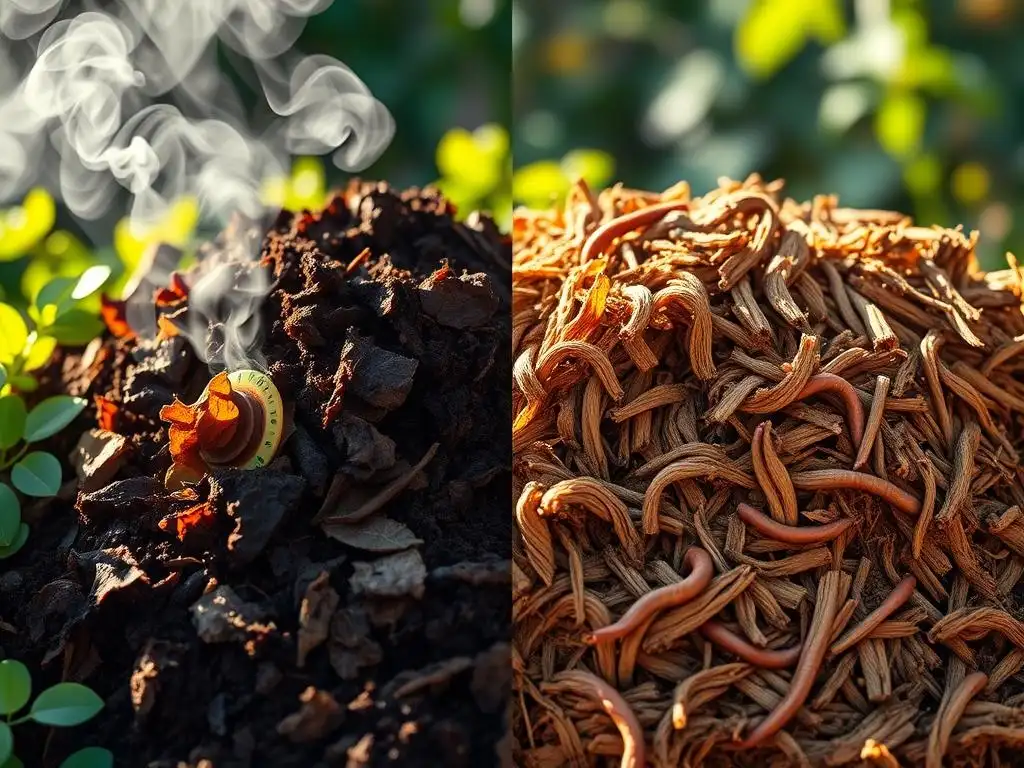
Welcome to CultivateYourFood, your guide to a thriving home garden! Ready to unlock the secrets to bountiful harvests using sustainable methods? We'll help you nurture your green thumb, from seed to table. But first, a crucial decision awaits: hot vs cold composting. Discover which method best suits your needs and embark on a composting journey that will transform your garden and enrich your soil. Let's get started!
- Understanding Hot vs Cold Composting Methods: A Comparison
- Choosing the Right Method: Hot vs Cold Composting for Your Needs
-
Building Your Compost Pile: Step-by-Step Guide
- Selecting a Location for Your Compost Pile: Ideal Site Selection
- Gathering Materials for Your Compost Pile: Essential Ingredients
- Layering Your Compost Materials: Building a Successful Pile
- Maintaining Your Compost Pile: Essential Tips for Both Methods
- Harvesting Your Compost: Knowing When Your Compost is Ready
- Troubleshooting Common Composting Issues
- Frequently Asked Questions
- Final Reflection: Cultivating a Greener Future, One Compost Pile at a Time
- Unleash Your Inner Gardener: Start Composting Today!
Understanding Hot vs Cold Composting Methods: A Comparison
Composting is a cornerstone of sustainable gardening, transforming organic waste into nutrient-rich soil amendment for your plants. But did you know there are two primary methods? This article dives deep into the differences between hot and cold composting, helping you choose the best approach for your lifestyle and gardening needs. We'll explore the pros and cons of each method, examining factors like temperature, decomposition rate, material requirements, and maintenance levels.
Understanding these distinctions will empower you to make an informed decision and successfully cultivate rich, healthy compost for your home garden, optimizing your "hot vs cold composting methods." Choosing the right method significantly impacts the speed and efficiency of your composting process, ultimately influencing the quality of your finished compost and its benefits to your plants. Let's get started!
Hot Composting: The Fast Track to Compost
Hot composting, also known as accelerated composting, is a faster method that generates heat through microbial activity. This process breaks down organic matter more quickly than cold composting, resulting in finished compost in a shorter timeframe – typically between 2 to 4 months. This speed is a significant advantage for gardeners eager to enrich their soil quickly. However, it requires more attention to detail and maintenance.
Achieving High Temperatures in Hot Composting: The Key to Success
The defining characteristic of hot composting is the high internal temperature – ideally reaching 130-160°F (54-71°C). This heat is crucial for killing weed seeds, pathogens, and pests, resulting in a safer and more effective compost. To achieve these temperatures, you need a proper carbon-to-nitrogen ratio in your compost pile, sufficient moisture, and adequate aeration (turning the pile regularly). Maintaining these factors is key to a successful hot composting process. Failure to do so will result in slower decomposition and potentially unpleasant odors.
Materials Ideal for Hot Composting: Achieving Optimal Decomposition
The success of hot composting hinges on the right mix of "brown" (carbon-rich) and "green" (nitrogen-rich) materials. A good balance is essential for optimal decomposition. Brown materials include dried leaves, shredded paper, and cardboard, while green materials encompass grass clippings, fruit and vegetable scraps, and coffee grounds. A general guideline suggests a ratio of 2:1 or 3:1 brown to green materials. Too much nitrogen can lead to anaerobic conditions (lack of oxygen), slowing down the process and creating foul smells. Conversely, too much carbon will result in slow decomposition. Careful monitoring and adjustment of the material mix are critical.
Maintaining Heat and Moisture in Your Hot Compost Pile: Essential Tips
Maintaining the temperature and moisture level in your hot compost pile is crucial. Regularly turning the pile (every few days) introduces oxygen, which is essential for aerobic decomposition. The pile should feel like a damp sponge; if it’s too dry, add water; if it’s too wet, add more brown materials. A thermometer is a valuable tool for monitoring the internal temperature, ensuring that it stays within the ideal range for optimal decomposition. Consistent monitoring and adjustment will ensure a successful hot composting experience. Neglecting these aspects can lead to slow decomposition or even the development of anaerobic conditions.
Cold Composting: The Low-Maintenance Approach
Cold composting is a passive method, requiring minimal effort and attention. It's perfect for beginner composters or those with limited time. The decomposition process is slower, typically taking 12-18 months or even longer, but it requires less active management.
Cold Composting: A Simpler Method for Beginners
Cold composting is remarkably straightforward. Simply layer brown and green materials in a designated area, such as a compost bin or directly on the ground. Unlike hot composting, you don't need to monitor the temperature or turn the pile frequently. This makes it an excellent choice for those new to composting or who prefer a less hands-on approach. The slower decomposition process allows for a more relaxed approach to material addition and management.
Suitable Materials for Cold Composting: A Broad Range of Options
Cold composting is less sensitive to the precise carbon-to-nitrogen ratio than hot composting. You can add a wider variety of materials, including larger pieces of organic matter that might be unsuitable for hot composting. However, it's still beneficial to maintain a reasonable balance of browns and greens for efficient decomposition. Avoid adding meat, dairy, or oily foods, as these can attract pests and create unpleasant odors.
Managing Moisture and Turning the Pile in Cold Composting: Minimal Effort
While turning the pile isn't strictly necessary in cold composting, occasional turning can speed up the process. Maintaining adequate moisture is important, but less critical than in hot composting. Simply add water when the pile feels dry. The slower decomposition process means you won't need to monitor the pile as closely, making it an ideal method for busy gardeners or those who prefer a more relaxed approach to composting. The finished compost will be rich and beneficial to your garden, albeit at a slower pace.
Choosing the Right Method: Hot vs Cold Composting for Your Needs
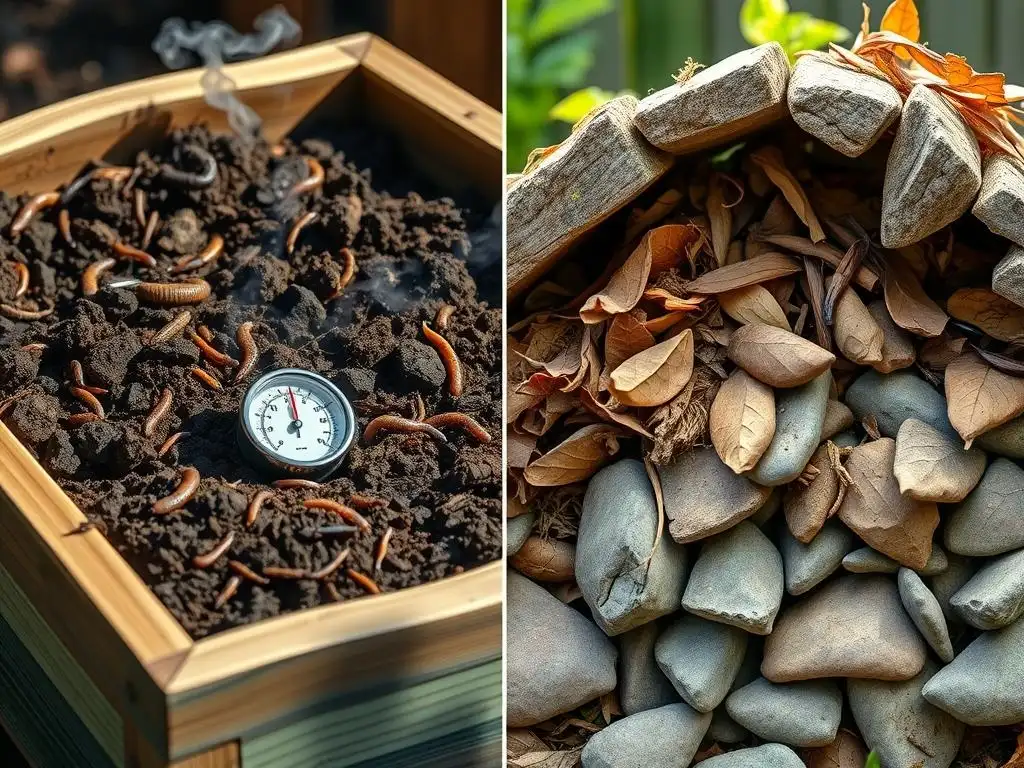
This section delves into the core differences between hot and cold composting methods, helping you determine which approach best suits your gardening needs and lifestyle. Understanding the advantages and disadvantages of each method is crucial for successful composting and maximizing the benefits for your soil. Choosing the right method depends heavily on factors like available space, your time commitment, and your level of composting experience. Let's explore the nuances of each technique.
Hot Composting: Advantages and Disadvantages
Hot composting, also known as accelerated composting, is a faster method that generates significantly more heat, leading to quicker decomposition. This is achieved through a carefully managed process focusing on the right carbon-to-nitrogen ratio and consistent moisture levels. However, it requires more active management and attention to detail.
Speed and Efficiency of Hot Composting: A Quick Breakdown
Hot composting significantly accelerates the decomposition process. While cold composting can take months, or even years, to produce usable compost, hot composting can yield mature compost within weeks, sometimes as little as 4-6 weeks. This speed is achieved by maintaining a consistently high internal temperature (130-160°F or 54-71°C), which promotes rapid microbial activity. This makes hot composting ideal for gardeners who need compost quickly for planting seasons or those with limited space who want to turn over their compost frequently. The faster turnaround allows for a continuous cycle of composting, providing a consistent supply of nutrient-rich soil amendment.
Space Requirements for Hot Composting: Considerations for Smaller Gardens
While hot composting's speed is advantageous, it typically requires a more contained system. This is because maintaining the high temperature requires a smaller volume of material to prevent heat loss. Therefore, hot composting is often best suited for enclosed bins, tumblers, or even specially designed compost bays. Smaller gardens might find that a compact tumbler or a well-insulated bin is a more efficient use of space than a large open pile. Smaller, more manageable piles also allow for easier turning and monitoring of the compost's temperature and moisture levels, which are essential for successful hot composting.
Expertise Required for Hot Composting: A Beginner-Friendly Method?
Hot composting requires a bit more knowledge and consistent effort than cold composting. Successfully managing the carbon-to-nitrogen ratio, moisture levels, and aeration is key to maintaining the high temperature necessary for rapid decomposition. While not overly complex, beginners might find the initial learning curve steeper than with cold composting. However, with some research and practice, hot composting becomes a manageable and rewarding process. Many resources, including online guides and workshops, offer support for those new to this technique, making it accessible even to novice composters.
Cold Composting: Advantages and Disadvantages
Cold composting, in contrast to hot composting, is a passive method that relies on natural decomposition processes. It's slower but requires less maintenance and is generally more forgiving of variations in material composition and moisture levels.
Simplicity and Ease of Cold Composting: Ideal for Beginners
Cold composting is exceptionally beginner-friendly. It simply involves layering organic materials in a pile or bin and letting nature take its course. There's no need for frequent turning or precise monitoring of temperature. This simplicity makes it ideal for those new to composting or those with limited time to dedicate to the process. The forgiving nature of cold composting allows for experimentation with different materials, and minor variations in the process are less likely to hinder decomposition.
Time Required for Cold Composting: Patience is Key
The primary drawback of cold composting is the time it takes. The decomposition process is much slower than in hot composting, often taking several months, or even a year or more, to produce mature compost. This extended timeframe requires patience and a willingness to wait for the finished product. However, the slow process is also an advantage; it allows for a more thorough breakdown of organic materials, resulting in a very stable and nutrient-rich compost.
Space Requirements for Cold Composting: Adaptable to Various Spaces
Cold composting is very adaptable to various spaces. It can be done in a simple pile, a large bin, or even directly in a garden bed. The lack of need for frequent turning or temperature control means that the size and shape of the compost pile are less critical than in hot composting. This flexibility makes cold composting a suitable option for gardens of all sizes, from small urban spaces to large rural properties. The ability to adapt to available space is a major advantage for those with limited areas for composting.
Building Your Compost Pile: Step-by-Step Guide
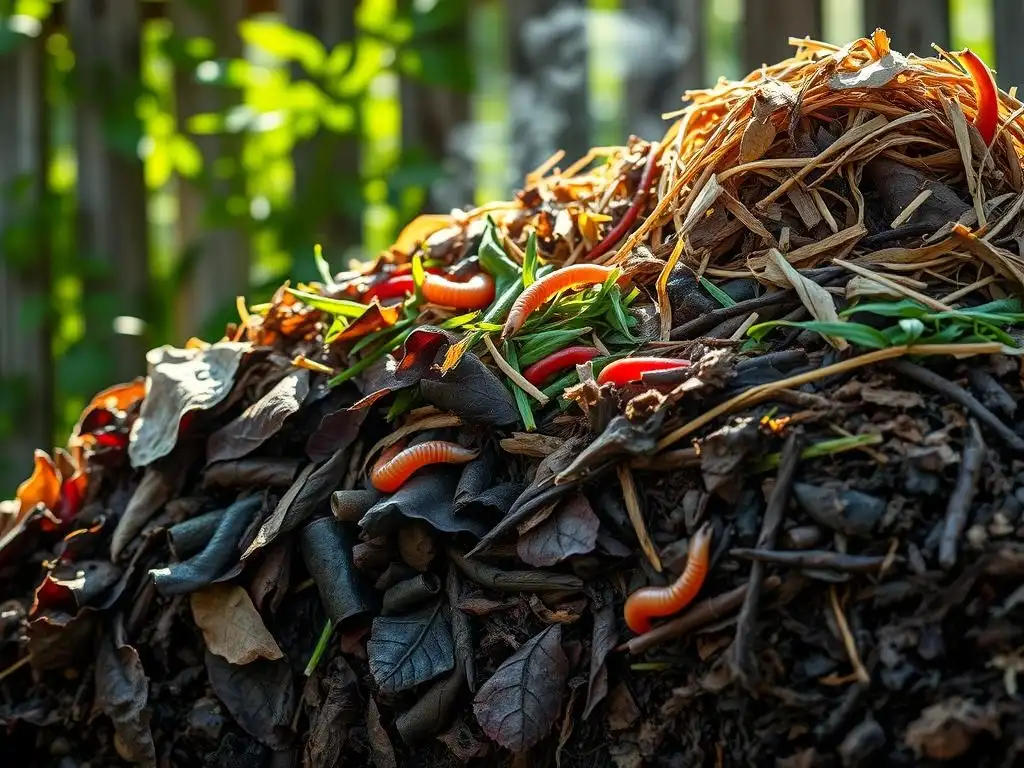
This section details the practical steps involved in constructing your compost pile, regardless of whether you choose the hot or cold composting method. Remember, proper construction is crucial for efficient decomposition, regardless of your chosen technique. Success hinges on understanding the fundamental principles of layering and maintaining the right balance of "greens" and "browns."
Selecting a Location for Your Compost Pile: Ideal Site Selection
Choosing the right spot for your compost pile is paramount for both convenience and effectiveness. An ideal location offers easy access for adding materials and turning the pile, while also considering environmental factors. Avoid placing your pile in full sun, as this can lead to excessive drying and slow down decomposition. Similarly, a completely shaded area can retain too much moisture, resulting in anaerobic conditions and unpleasant odors.
Consider these factors when selecting your location:
- Accessibility: The pile should be easily reachable for regular maintenance. This will encourage consistent additions and turning, vital for both hot and cold composting.
- Drainage: Good drainage is essential to prevent waterlogging, which can hinder decomposition and create foul smells. Slightly sloped ground is preferable.
- Shade: Partial shade is ideal. This prevents excessive drying while allowing for sufficient sunlight to aid in the decomposition process.
- Proximity to water source: Having a water source nearby simplifies the process of adding moisture to your compost pile, crucial for maintaining optimal conditions.
- Proximity to garden: A location close to your garden makes it easier to add kitchen scraps and garden waste, reducing the distance you need to transport materials.
Poor site selection can significantly impact your composting success. For instance, placing your pile in a constantly waterlogged area will inevitably lead to a foul-smelling, anaerobic mess. Conversely, a location exposed to direct, intense sunlight will lead to excessively dry compost that decomposes much more slowly.
Gathering Materials for Your Compost Pile: Essential Ingredients
The success of both hot and cold composting relies on the careful selection and balance of "green" and "brown" materials. "Greens" are nitrogen-rich materials, while "browns" are carbon-rich. Maintaining the right ratio (approximately 1:2 greens to browns) is critical for efficient decomposition. Too many greens can lead to anaerobic conditions and foul odors, while too many browns will result in a slow, inefficient process.
Here's a breakdown of suitable materials for your compost pile:
| Material Category | Examples | Nitrogen-Rich (Greens) / Carbon-Rich (Browns) |
|---|---|---|
| Greens | Grass clippings, vegetable scraps, fruit peels | Nitrogen-Rich |
| Coffee grounds, tea bags (remove staples) | ||
| Browns | Dried leaves, shredded paper, cardboard | Carbon-Rich |
| Sawdust (untreated), wood chips |
Avoid adding:
- Meat, dairy products, oily foods: These attract pests and can create unpleasant odors.
- Diseased plants: These can spread disease to your garden.
- Pet waste: This can contain harmful pathogens.
- Glossy or colored paper: These contain chemicals that may be harmful to the environment.
Remember, the quality of your compost is directly tied to the quality of your ingredients. Using a diverse range of materials ensures a balanced nutrient profile in your finished compost.
Layering Your Compost Materials: Building a Successful Pile
The layering technique plays a significant role in both hot and cold composting methods, though the specifics might vary slightly. The fundamental principle remains the same: alternating layers of greens and browns helps maintain an optimal balance of carbon and nitrogen. This fosters efficient decomposition and prevents anaerobic conditions.
For both methods, start with a layer of coarse brown material at the bottom, such as large twigs or branches, for better aeration. Then, alternate layers of greens and browns, aiming for a thickness of about 6-12 inches for each layer. As you layer, gently mix the materials to ensure even distribution and optimal decomposition. Water each layer as you go, aiming for a damp consistency, similar to a wrung-out sponge. Avoid overwatering, as this can lead to anaerobic conditions.
The final layer should be a covering of brown materials to help retain moisture and suppress weeds. Regular turning (every few weeks) is crucial for both methods, especially hot composting, to improve aeration and maintain optimal temperature. This process helps speed up the decomposition and ensures a more uniform and nutrient-rich finished compost. The frequency of turning will depend on environmental factors, the size of the pile, and your chosen composting method. Careful observation and adjustment are key to success.
Maintaining Your Compost Pile: Essential Tips for Both Methods
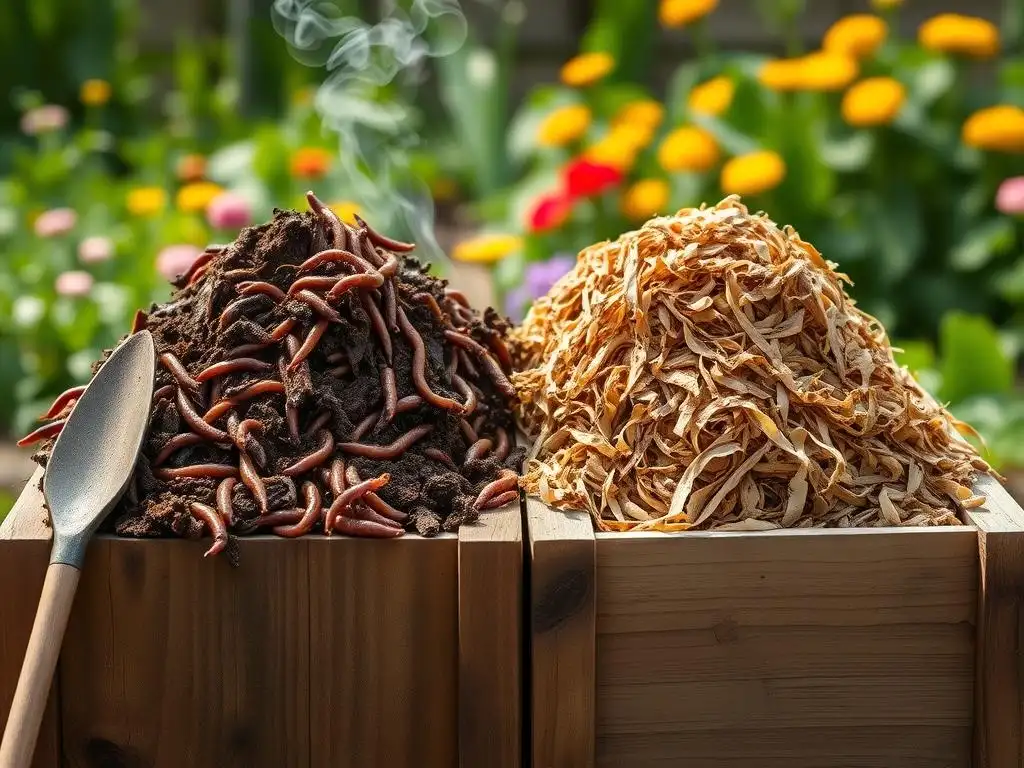
Maintaining your compost pile, regardless of whether you're using hot or cold composting methods, is crucial for successful decomposition. Consistent monitoring and adjustments are key to optimizing the process and preventing issues. Regularly turning your compost pile is essential, especially for hot composting. This introduces oxygen, speeding up the decomposition process and preventing anaerobic conditions which lead to foul odors and slow decomposition. For hot composting, aim to turn the pile every 2-3 days, while cold composting may only require turning every few weeks, depending on the moisture level and material breakdown.
Moisture content is another critical factor. A compost pile needs to be as moist as a wrung-out sponge. Too dry, and decomposition slows; too wet, and it becomes anaerobic, leading to unpleasant smells and potentially attracting pests. Regularly check the moisture level and add water if necessary, particularly during dry spells. You can also use a moisture meter to ensure accuracy. Conversely, if your pile is too wet, you might need to add more “browns” (carbon-rich materials) like shredded paper or dry leaves to balance the moisture.
Addressing potential issues proactively is essential. If you notice unpleasant odors, it often indicates anaerobic conditions. Aerate the pile immediately by turning it thoroughly and adding more “browns” to absorb excess moisture. Pest infestations, like fruit flies, can sometimes occur, especially if you add food scraps without properly burying them. Quickly removing spoiled items and incorporating them deeper into the pile can prevent this problem.
Regularly inspecting your pile for any issues allows you to address them before they escalate. Remember, patience is key; successful composting requires consistent attention and care. Even with diligent maintenance, some piles might not decompose uniformly. Don't be discouraged – adjust your approach as needed based on your observations.
Harvesting Your Compost: Knowing When Your Compost is Ready
Knowing when your compost is ready is a crucial step in the composting process. The readiness depends heavily on the method employed – hot or cold composting – and the materials used. For hot composting, the process is generally faster, typically taking between 2-6 months, depending on factors like the size of the pile, the materials used, and the ambient temperature.
A sign of readiness is a dark, rich, earthy-smelling material with a crumbly texture. You should no longer be able to identify the individual components; everything should be well-integrated. Additionally, the temperature should have returned to ambient levels, indicating the completion of the thermophilic phase.
Cold composting, on the other hand, is a slower process, often taking up to a year or even longer to fully decompose. The compost will be darker and less uniform than hot compost. While it might not reach the same high temperatures, it will still break down completely, albeit at a slower rate.
The final product will still be a valuable soil amendment, albeit possibly with more visible remnants of the original materials. The "ready" stage is determined by the degree of decomposition you're aiming for. If you need a finer compost for potting mixes, you might want to further break down the material using a garden fork or even a compost sifter.
Regardless of the composting method, a crucial sign of readiness is the lack of recognizable pieces of the original ingredients. If you still see large pieces of food scraps or yard waste, the composting process is not complete. A good test is to feel the compost: it should be dark, crumbly, and smell like fresh earth. Avoid using compost that still contains recognizable pieces, as these may contain pathogens or attract pests. The final product should be a rich, dark, and earthy material that will greatly benefit your garden. Happy harvesting! 🎉
Troubleshooting Common Composting Issues
This section addresses frequently encountered problems when establishing and maintaining a compost pile, focusing on practical solutions for both hot and cold composting methods. Successfully composting relies on understanding the nuances of the process and proactively addressing potential setbacks. Let's delve into some common issues and how to resolve them.
Dealing with Pests and Unpleasant Odors in Your Compost Pile
Unpleasant smells and pest infestations are common deterrents to successful composting. Addressing these issues promptly prevents the degradation of your compost and protects your garden.
Pests, such as fruit flies, rodents, and even raccoons, are attracted to improperly managed compost piles. Fruit flies, for example, thrive in piles with too much fresh fruit and vegetable scraps that haven't properly broken down. Rodents are drawn to the easy access to food and shelter. Raccoons and other larger animals may see your pile as a convenient source of food.
To minimize pest problems:
- Chop up materials finely: Smaller pieces decompose faster, reducing the attractiveness to pests.
- Maintain a proper carbon-to-nitrogen ratio: An imbalance can lead to slower decomposition and attract pests. Aim for a ratio of roughly 30:1 (carbon to nitrogen). Brown materials (carbon-rich) include dried leaves and twigs; green materials (nitrogen-rich) include grass clippings and food scraps.
- Turn your compost regularly: Turning aerates the pile, speeding up decomposition and reducing anaerobic conditions that attract pests and produce foul odors. For hot composting, aim for 2-3 times a week; for cold composting, once a week is usually sufficient.
- Avoid adding meat, dairy, or oily foods: These attract pests and create unpleasant odors, slowing down the decomposition process.
- Use a compost bin with a secure lid: This helps keep out larger animals.
- Consider adding beneficial insects: Certain insects, such as predatory beetles, can help control pest populations in your compost.
Unpleasant odors usually stem from anaerobic conditions – a lack of oxygen. This leads to the production of foul-smelling gases. To avoid this:
- Ensure proper aeration: Turn the pile regularly and don't pack it too tightly.
- Add more brown materials: Brown materials help with aeration.
- Avoid adding excessive amounts of nitrogen-rich materials: Overloading with green materials can lead to anaerobic conditions.
Addressing Issues with Decomposition Rate: Optimizing Your Compost
The rate of decomposition can vary greatly depending on several factors. Understanding these factors is key to optimizing your compost pile's efficiency. A slow-decomposing pile may be due to several factors, including:
- Incorrect carbon-to-nitrogen ratio: An imbalance inhibits microbial activity, slowing down decomposition. Monitor the ratio and adjust accordingly.
- Insufficient moisture: Compost needs moisture, like a wrung-out sponge. Water your pile regularly if it's too dry.
- Lack of aeration: Turning your compost regularly is crucial for oxygen circulation.
- Too much bulk material: Large pieces decompose slowly. Chop materials into smaller pieces for quicker breakdown.
- Incorrect temperature: Hot composting requires higher temperatures to break down materials faster. Monitor the temperature and adjust your pile accordingly.
To speed up decomposition:
- Increase the frequency of turning: More frequent turning enhances aeration and increases decomposition rate.
- Add more brown materials: This helps maintain the proper carbon-to-nitrogen ratio and improves aeration.
- Adjust moisture levels: Ensure the pile is consistently moist.
- Chop materials more finely: Smaller pieces decompose faster.
- Introduce compost starter: Compost starters contain beneficial microorganisms that accelerate the decomposition process.
Compost Pile Troubleshooting: Common Problems and Solutions
This section provides a concise overview of common composting problems and their solutions:
| Problem | Possible Cause(s) | Solution(s) |
|---|---|---|
| Slow Decomposition | Incorrect C:N ratio, insufficient moisture, lack of aeration, large pieces | Adjust C:N ratio, add water, turn frequently, chop materials more finely |
| Foul Odors | Anaerobic conditions, excess nitrogen, meat/dairy | Aerate, add brown materials, avoid meat/dairy |
| Pest Infestation | Excess food scraps, improper aeration, lack of lid | Chop materials, turn regularly, use a secure lid, reduce food scraps |
| Too Dry | Insufficient watering | Add water, cover to retain moisture |
| Too Wet | Excessive moisture, poor drainage | Add brown materials, improve drainage |
| Unbalanced Compost | Uneven mixing of materials | Mix thoroughly, ensure a good balance of green and brown materials |
Remember, successful composting is an iterative process. Experiment, observe, and adjust your technique as needed. With patience and attention to detail, you'll be rewarded with rich, nutrient-rich compost to enrich your garden. 🌱
Frequently Asked Questions
What is the main difference between hot and cold composting?
Hot composting involves maintaining a high internal temperature (130-160°F) to accelerate decomposition, while cold composting is a passive process with slower decomposition at lower temperatures. Hot composting requires more attention and management.
Which composting method is best for beginners?
Cold composting is generally easier for beginners as it requires less maintenance and monitoring. Hot composting requires more effort to maintain the necessary temperature and moisture levels.
How long does each composting method take?
Hot composting can produce finished compost in as little as 4-8 weeks, while cold composting can take several months or even a year. The speed depends on factors like materials and conditions.
What are the advantages of hot composting?
Hot composting breaks down materials faster, reduces the risk of weed seeds and pathogens, and produces a more mature compost in a shorter time. However, it requires more active management.
What are the advantages of cold composting?
Cold composting is low-maintenance and requires less effort. It's ideal for those with limited time or space, and it's less likely to attract pests due to its slower decomposition rate.
Final Reflection: Cultivating a Greener Future, One Compost Pile at a Time
The choice between hot and cold composting methods isn't just about faster decomposition; it's about actively participating in a more sustainable lifestyle. Understanding the nuances of each approach empowers us to make conscious choices that directly impact our environment and reduce our carbon footprint. This isn't just about waste management; it's about reclaiming our relationship with nature.
The journey of transforming kitchen scraps and yard waste into nutrient-rich soil is deeply rewarding. It's a tangible connection to the cyclical nature of life, a reminder of our interconnectedness with the earth. We do not inherit the earth from our ancestors, we borrow it from our children.
This quote underscores the responsibility we have to nurture our planet, and composting, in its simplicity, is a powerful act of stewardship. The ongoing influence of composting extends beyond individual gardens; it represents a growing movement towards mindful consumption and a reduced reliance on environmentally damaging practices.
Now, consider your own backyard, your own kitchen. Which method resonates with your lifestyle and available resources? Will you embrace the rapid heat of a hot compost pile, or the gentle patience of a cold compost system? The choice is yours, but the opportunity to contribute to a healthier planet, one compostable item at a time, is undeniable. Begin your composting journey today; the earth will thank you for it.
Unleash Your Inner Gardener: Start Composting Today!
Thank you for exploring the world of composting! We hope you feel confident in selecting the best method for your backyard garden. Ready to transform your kitchen scraps and yard waste into nutrient-rich compost?
- Start your composting journey! Choose a composting method that suits your lifestyle and available space, and begin. Even a small compost pile makes a significant difference!
- Share your composting experience! Tell us about your chosen method and any challenges (or successes!) in the comments below. Let's build a thriving community of compost enthusiasts!
- Explore other sustainable gardening practices on CultivateYourFood.org to further enhance your gardening skills.
What's your biggest challenge with composting, and how do you plan to overcome it?