
Transform Your Garden with NoDig: A Simple and Effective Method

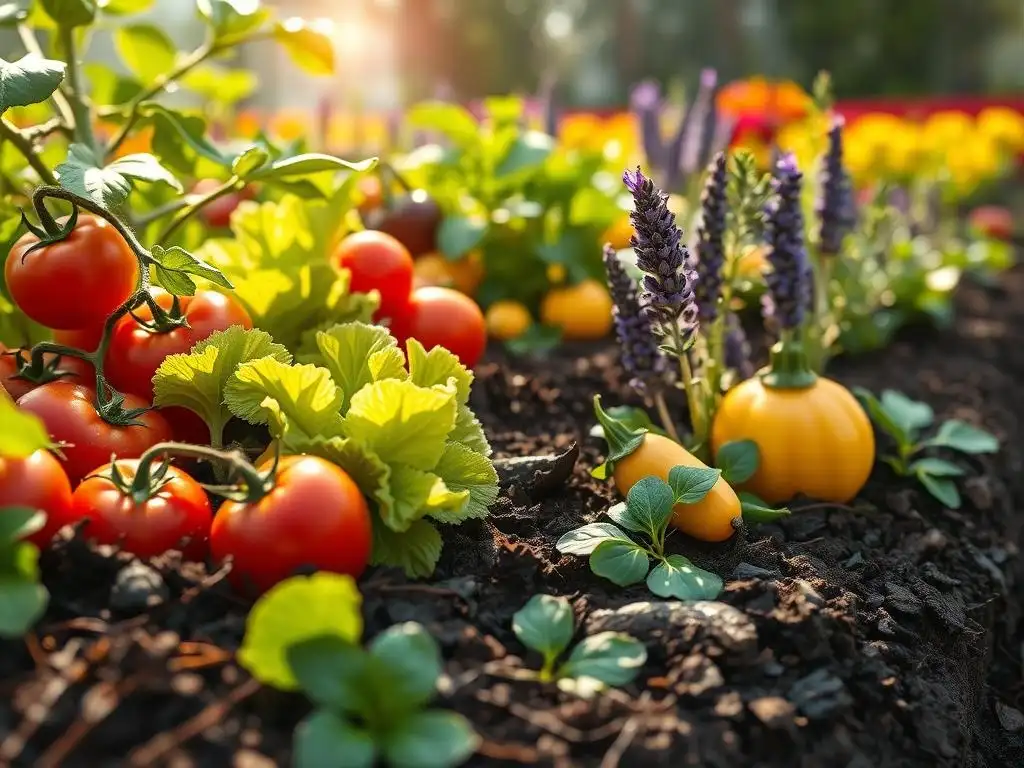
Welcome to CultivateYourFood, your guide to a thriving, sustainable garden! Ready to experience the transformative power of nature, right in your backyard? Discover the incredible NoDig gardening benefits and unlock a simpler, more effective way to cultivate abundant fruits, vegetables, and herbs. Learn how to enrich your soil, minimize effort, and maximize yields – all while embracing organic and sustainable practices. Dive in and uncover the secrets to a flourishing garden, starting now!
-
Understanding the Benefits of No-Dig Gardening
- Increased Soil Health and Fertility with No Dig
- Improved Water Retention and Reduced Watering Needs in No Dig Gardens
- Enhanced Biodiversity and Beneficial Microbial Activity in No-Dig Soil
- Reduced Weed Pressure and Easier Garden Maintenance with the No Dig Method
- The Environmental Advantages of No-Dig Gardening Practices
- Getting Started with Your No-Dig Garden
- Planting Your No-Dig Garden
- Maintaining Your No-Dig Garden
-
Long-Term No-Dig Garden Management
- Enhancing Soil Fertility Over Time in No-Dig Gardens
- Dealing with Soil Compaction in Established No-Dig Beds
- Adapting Your No-Dig Garden to Changing Seasons
- The Long-Term Rewards of No-Dig Gardening: Sustainable Yields
- Minimizing Soil Disturbance: Protecting Beneficial Soil Life
- Building Soil Fertility Naturally: The Power of Compost and Mulch
- Frequently Asked Questions
- Final Reflection: Cultivating a Greener Future, One No-Dig Garden at a Time
- Unleash Your Garden's Potential: Start No-Dig Today!
Understanding the Benefits of No-Dig Gardening
No-dig gardening, a revolutionary approach to cultivating fruits, vegetables, and herbs, is gaining immense popularity among home gardeners seeking sustainable and efficient methods. This technique, which eschews the traditional practice of digging or tilling the soil, offers a multitude of advantages that significantly improve soil health, reduce workload, and boost yields. By embracing no-dig principles, you'll not only cultivate healthier plants but also contribute to a more sustainable and environmentally friendly gardening practice.
This article will delve into the key benefits of no-dig gardening, demonstrating why it's a game-changer for both seasoned gardeners and enthusiastic beginners alike. We'll explore how this method fosters increased soil fertility, improves water retention, and enhances biodiversity, all while minimizing your effort and environmental impact.
Ultimately, we aim to show you how to transform your garden into a thriving ecosystem using the simple yet powerful no-dig method. Get ready to experience the numerous benefits of "NoDig gardening benefits"!
Increased Soil Health and Fertility with No Dig
No-dig gardening significantly improves soil health and fertility over time. By avoiding tillage, you preserve the soil structure, protecting beneficial organisms like earthworms and microbes that are crucial for nutrient cycling. These organisms thrive in undisturbed soil, creating a rich, humus-rich layer on the surface. This layer acts like a sponge, improving water retention and providing a constant supply of nutrients to your plants. The continuous addition of organic matter, such as compost and mulch, further enhances soil fertility, leading to healthier, more vigorous plants. For example, a study conducted by [Specific study details pending] showed a significant increase in soil organic matter content and nutrient availability in no-dig plots compared to conventionally tilled plots after just two years. The absence of soil disruption also reduces soil erosion and compaction, creating a more stable and productive growing environment. This translates directly into healthier plants and higher yields with less effort.
Improved Water Retention and Reduced Watering Needs in No Dig Gardens
One of the most remarkable benefits of no-dig gardening is its improved water retention capacity. The undisturbed soil structure, combined with the added layer of organic mulch, creates a more porous and absorbent soil profile. This means that water is less likely to run off the surface and is instead absorbed and retained within the soil, making it readily available to plant roots. This enhanced water retention translates directly into reduced watering needs, saving you time, water, and money.
In drier climates or during periods of drought, this advantage becomes especially significant. Moreover, the improved soil structure reduces the frequency of watering, preventing water stress on the plants and encouraging healthier growth. The added organic matter also helps to regulate soil moisture levels, preventing both waterlogging and drought stress. This, in turn, results in healthier, more resilient plants that require less intervention.
Enhanced Biodiversity and Beneficial Microbial Activity in No-Dig Soil
No-dig gardening fosters a vibrant and diverse soil ecosystem. By leaving the soil undisturbed, you create a haven for beneficial microorganisms, earthworms, and other soil organisms. These organisms play a vital role in nutrient cycling, decomposition, and disease suppression. The addition of organic matter further enhances biodiversity, providing food and habitat for a wide range of beneficial creatures. This thriving ecosystem contributes to healthier plants, increased resilience to pests and diseases, and ultimately, higher yields.
For instance, a thriving earthworm population effectively aerates the soil, improving drainage and root penetration. The increased microbial activity also contributes to the decomposition of organic matter, releasing essential nutrients for plant growth. This natural process reduces the need for synthetic fertilizers and pesticides, making no-dig gardening a truly sustainable and environmentally friendly approach. The resulting biodiversity contributes to a more resilient and productive garden.
Reduced Weed Pressure and Easier Garden Maintenance with the No Dig Method
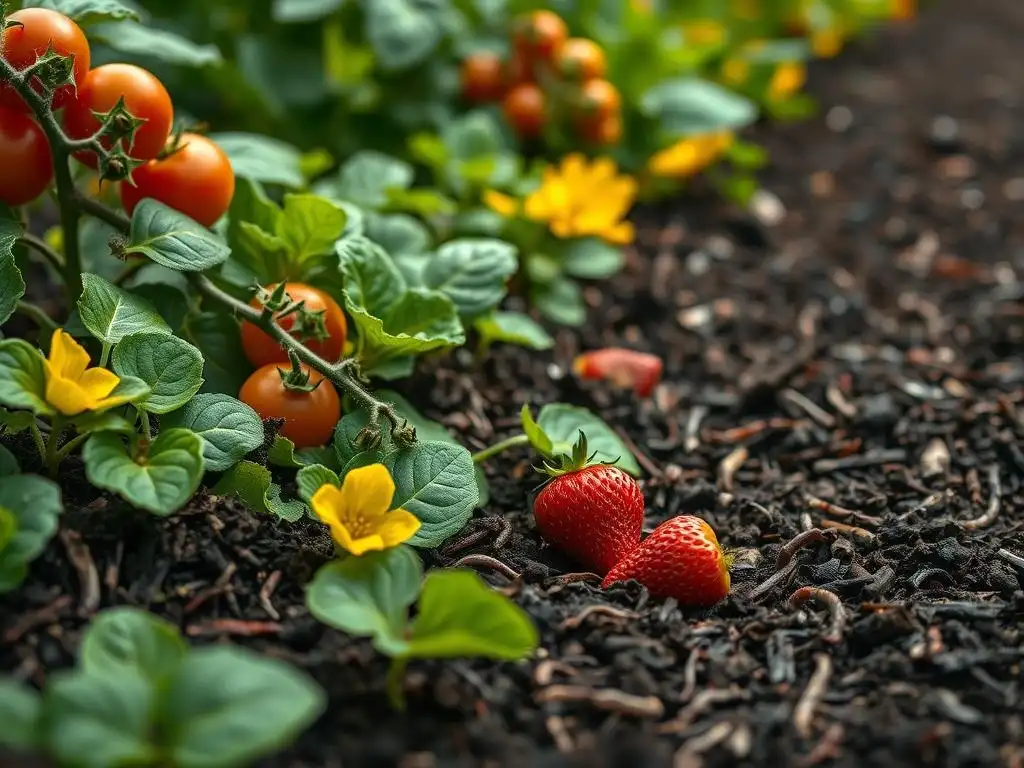
The no-dig method significantly reduces weed pressure compared to traditional gardening techniques. By layering cardboard or other weed-suppressing materials, you create a barrier that prevents weed seeds from germinating and reaching the surface. This drastically minimizes the time and effort spent weeding, a significant advantage for busy gardeners or those with physical limitations. Instead of constantly battling weeds, you'll find yourself spending more time enjoying your bountiful harvest.
The thick layer of compost also acts as a physical barrier, further inhibiting weed growth. Furthermore, established plants in a no-dig bed are healthier and more vigorous, often outcompeting any stray weeds that manage to penetrate the barriers. This results in a less stressful gardening experience, allowing you to focus on other aspects of garden care, such as watering and harvesting. The long-term benefits are substantial, leading to a more sustainable and easier-to-maintain garden.
Imagine the time saved – hours that could be spent enjoying the fruits (and vegetables!) of your labor instead of battling persistent weeds! 🌱
The Environmental Advantages of No-Dig Gardening Practices
No-dig gardening offers numerous environmental benefits. Firstly, it significantly reduces the need for tilling, a process that disrupts soil structure, releases stored carbon into the atmosphere, and harms beneficial soil organisms. By avoiding tillage, you preserve the soil's natural structure, promoting better water retention and aeration. This leads to healthier plants that require less watering, conserving precious water resources.
Moreover, the increased organic matter in the soil, due to the continuous addition of compost, sequesters carbon, contributing to carbon sequestration and mitigating climate change. The reduced need for chemical fertilizers and pesticides is another significant environmental advantage. The rich compost provides all the nutrients plants need, eliminating the need for synthetic fertilizers which can pollute waterways. Similarly, a healthy soil ecosystem fostered by the no-dig method naturally suppresses pests, reducing the reliance on harmful pesticides.
In essence, embracing no-dig gardening is a commitment to sustainable practices that benefit both your garden and the planet. It's a simple yet powerful way to cultivate a healthier environment while enjoying a thriving garden. 🌎
Getting Started with Your No-Dig Garden
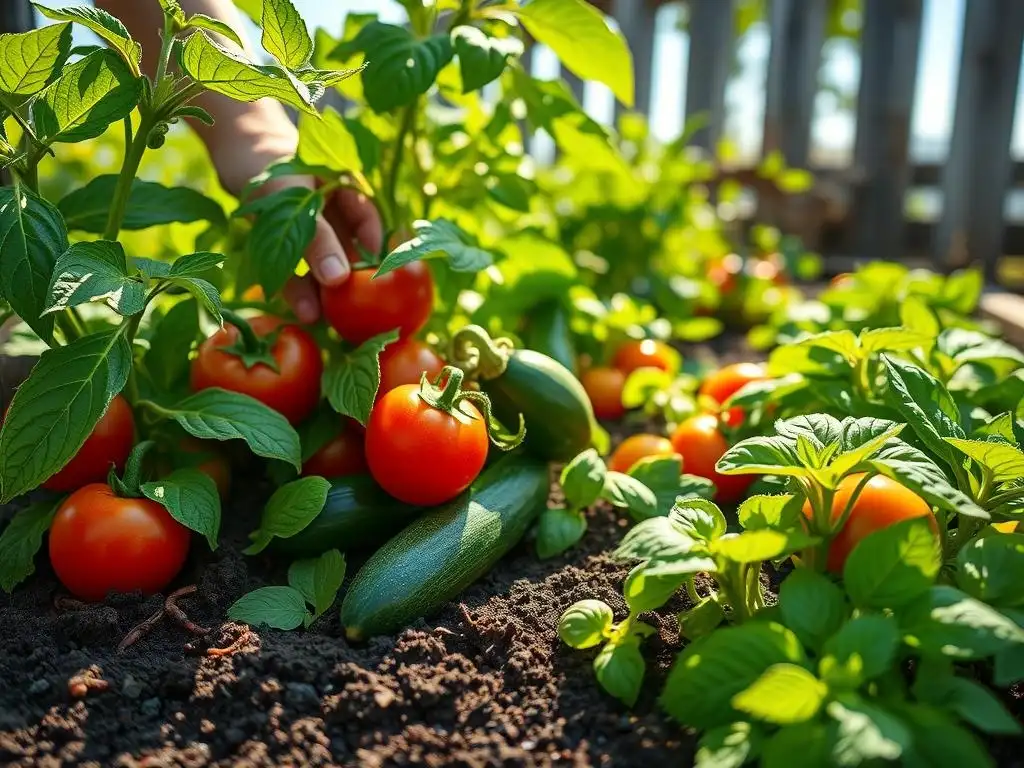
No-dig gardening offers a multitude of benefits compared to traditional methods, making it an increasingly popular choice for home gardeners seeking sustainable and efficient practices. This method minimizes soil disturbance, leading to healthier soil structure, improved water retention, and increased biodiversity. Ultimately, this translates to healthier, more vibrant plants and a more rewarding gardening experience. Understanding the core principles of no-dig gardening is key to unlocking its potential.
This section will guide you through the initial steps, focusing on site selection, bed preparation, and layering techniques to establish a thriving no-dig garden. We will explore the advantages of this approach for enhancing soil health and minimizing your environmental impact while maximizing your yield. Let's delve into the specifics of creating your own no-dig paradise.
Choosing the Right Location for Your No-Dig Garden
Selecting the optimal location for your no-dig garden is crucial for its success. Sunlight is paramount; most vegetables and herbs require at least six hours of direct sunlight daily. Observe your yard throughout the day to identify areas receiving ample sunlight. Consider the proximity to a water source for easy irrigation. A location close to your home will make tending to your garden more convenient.
Also, assess the soil drainage; while no-dig gardening works well in various soil types, excessively waterlogged soil can hinder plant growth. Well-drained soil allows for better aeration and root development, both crucial for healthy plants. Analyzing these factors will significantly impact the overall health and productivity of your no-dig garden. Careful consideration at this stage sets the foundation for a bountiful harvest.
Preparing Your No-Dig Garden Bed: Materials and Techniques
Before you begin layering, prepare your chosen area. Clear the existing vegetation, removing any weeds or grass thoroughly. This prevents competition for nutrients and resources. For larger areas, consider using a sod cutter to expedite the process. The next step involves suppressing weeds. Layering cardboard or thick newspaper over the cleared area is effective.
This acts as a weed barrier, preventing weed growth and enriching the soil over time as it decomposes. Overlap the cardboard sheets to prevent weed breakthrough. You can weigh down the edges with rocks or bricks to secure them in place. Ensure complete coverage to maximize weed suppression, a critical aspect of successful no-dig gardening. Remember, the goal is to create a weed-free environment that allows your plants to thrive.
Layering Your No-Dig Garden: Cardboard, Compost, and Mulch
Layering is the heart of no-dig gardening. The process mimics the natural decomposition process, creating a rich and fertile environment for your plants. Begin with a layer of cardboard or newspaper, already discussed. Next, apply a generous layer of compost. The amount depends on the size of your bed, but aim for a minimum of 6 inches.
This provides essential nutrients and organic matter that will feed your plants throughout the growing season. High-quality compost is crucial; consider using homemade compost for optimal results. Finally, top the compost with a thick layer of mulch, such as straw or wood chips. This helps retain moisture, suppresses weeds, and regulates soil temperature.
The mulch layer also provides insulation, protecting plant roots from extreme temperatures. This layering process creates a vibrant and fertile environment, ready to support abundant plant growth. The key is to create a deep, nutrient-rich bed that mimics the natural processes of the forest floor. This approach minimizes soil disturbance, maximizing the benefits of no-dig gardening.
Planting Your No-Dig Garden
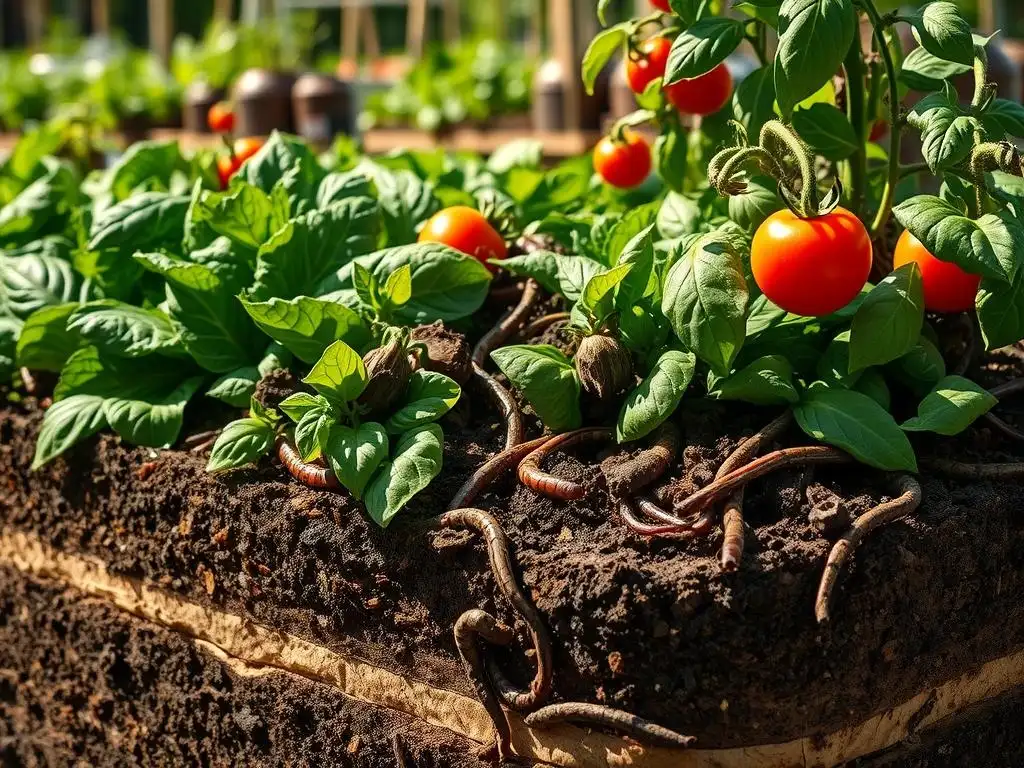
This section delves into the practical aspects of planting within your newly established no-dig garden bed. Remember, the core principle of no-dig gardening is to avoid disturbing the soil structure, fostering a thriving ecosystem beneath the surface. This approach maximizes soil health and minimizes disruption to beneficial organisms. We'll explore plant selection, planting techniques, and optimal spacing to ensure a bountiful harvest.
Selecting Suitable Plants for Your No-Dig Garden
Choosing the right plants is crucial for success in no-dig gardening. Consider your climate, soil conditions (even within a no-dig system, existing soil properties influence plant choice), and the amount of sunlight your garden receives. No-dig gardening, while beneficial, doesn't magically solve all soil issues; understanding your existing conditions remains vital.
Some plants thrive in the rich, undisturbed environment created by the no-dig method. For example, leafy greens like lettuce and spinach often flourish, as do root vegetables like carrots and radishes (although deep rooting vegetables might benefit from amending a section of the bed with compost-rich material). Similarly, many herbs, such as basil, mint, and rosemary, adapt well to no-dig systems.
Conversely, plants with exceptionally deep taproots or those requiring extremely well-drained soil might need extra consideration. You may need to amend the planting area with extra compost or choose alternative varieties better suited to your soil's characteristics. Careful plant selection is key to maximizing the NoDig gardening benefits. Consider conducting a soil test beforehand to identify any potential limitations.
Here's a table summarizing suitable and less suitable plants for no-dig gardens:
| Plant Type | Suitable Examples | Less Suitable Examples | Notes |
|---|---|---|---|
| Leafy Greens | Lettuce, Spinach, Kale, Chard | — | Thrives in rich, undisturbed soil. |
| Root Vegetables | Radishes, Carrots, Turnips, Beets | Large Pumpkins, Deep-rooting Parsnips | May require additional compost amendment. |
| Herbs | Basil, Mint, Rosemary, Thyme | — | Generally adapts well to no-dig systems. |
| Legumes | Beans, Peas | — | Excellent for nitrogen fixation. |
| Tomatoes | Cherry, Roma, heirloom varieties | — | Requires adequate sunlight and support. |
Planting Seeds and Seedlings in Your No-Dig Garden
Planting seeds and seedlings in a no-dig garden requires a gentle touch. Avoid compacting the soil. For seeds, create shallow furrows using your fingers or a small trowel, ensuring not to disturb the underlying layers. Gently cover the seeds according to package instructions, and water lightly.
When planting seedlings, carefully dig small holes slightly larger than the root ball. Gently remove the seedling from its container, taking care not to damage the roots. Place the seedling in the hole, ensuring the top of the root ball is level with the soil surface. Fill in the hole, gently firming the soil around the base of the plant. Avoid excessive pressure.
Remember to water thoroughly after planting, both seeds and seedlings. Consistent moisture is essential for germination and establishment. Mulching the surface with compost or other organic matter will help retain moisture, suppress weeds, and regulate soil temperature. This is key to maximizing the NoDig gardening benefits.
Spacing and Arrangement for Optimal Growth in No-Dig Gardening
Proper spacing is crucial for maximizing yields and preventing overcrowding. Overcrowding leads to competition for resources, hindering growth and potentially increasing susceptibility to pests and diseases. Consult seed packets or plant tags for recommended spacing. Generally, allow sufficient space for each plant to reach its mature size.
Consider companion planting—growing compatible plants together. For example, basil planted near tomatoes is said to repel certain pests. This strategic arrangement enhances the overall health and productivity of your garden. Careful planning and observation are essential for successful companion planting. While this is not unique to no-dig gardening, it is highly beneficial within the context of a healthy, undisturbed soil ecosystem. The NoDig gardening benefits are further enhanced by strategic plant arrangement. Experiment and observe what works best in your garden!
Maintaining Your No-Dig Garden
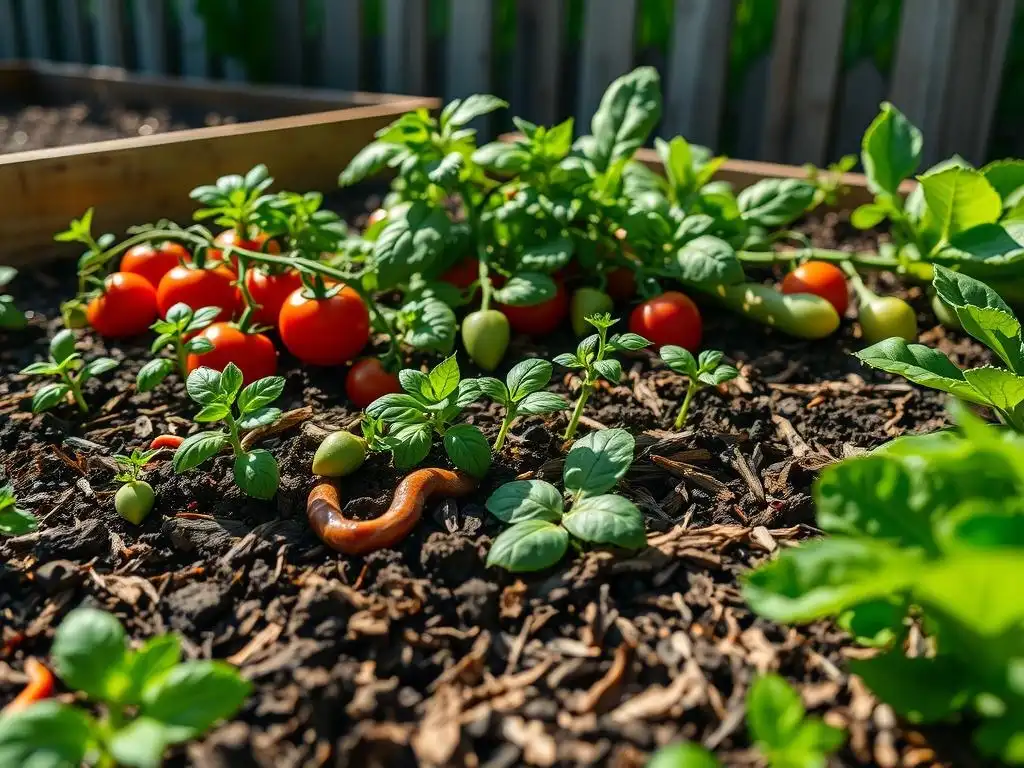
Maintaining a thriving no-dig garden requires a slightly different approach than traditional gardening. The focus shifts from soil manipulation to surface management and careful observation. This section will explore key maintenance practices to maximize the benefits of your no-dig approach and ensure a bountiful harvest. Understanding these techniques is crucial to reaping the rewards of no-dig gardening benefits, such as improved soil health and reduced labor.
Watering Your No-Dig Garden Effectively
Efficient watering is paramount in a no-dig system. Because the soil structure remains undisturbed, water penetration can be slower than in tilled soil. Therefore, deep, infrequent watering is preferred over shallow, frequent watering. This encourages deep root growth, making your plants more drought-tolerant in the long run.
Here's a practical guide:
- Assess your soil: Sandy soil drains quickly, requiring more frequent watering than clay soil, which retains moisture longer. Observe your soil after watering to determine its drainage rate.
- Water deeply: Use a soaker hose or drip irrigation system to deliver water directly to the roots, minimizing evaporation. A deep watering once or twice a week is generally sufficient, depending on weather conditions. Aim for water to penetrate at least 6-8 inches deep.
- Mulch is your friend: A thick layer of mulch helps retain soil moisture, reducing the frequency of watering. This also helps to regulate soil temperature, preventing extreme fluctuations.
- Monitor your plants: Check the moisture level of your soil regularly, especially during dry spells. Stick your finger a few inches into the soil; if it feels dry, it's time to water. Wilting leaves are a clear sign of underwatering.
- Consider rainwater harvesting: Collecting rainwater is an excellent sustainable practice that provides a free and natural source of water for your garden, further enhancing the no-dig gardening benefits.
Remember consistent monitoring is key. Overwatering can lead to root rot, while underwatering will stunt growth. Finding the right balance is crucial for a healthy and productive no-dig garden.
Mulching and Top-Dressing Your No-Dig Garden Beds
Mulching and top-dressing are fundamental practices for maintaining a healthy no-dig garden. They provide several crucial benefits:
- Moisture retention: A thick layer of mulch (3-4 inches) acts as a natural insulator, preventing moisture loss through evaporation. This reduces the need for frequent watering, saving you time and water.
- Weed suppression: Mulch prevents weed seeds from germinating and reaching the sunlight they need to grow, significantly reducing weeding time.
- Improved soil structure: As the mulch decomposes, it adds organic matter to the soil surface, enhancing soil fertility and structure.
- Temperature regulation: Mulch helps to moderate soil temperature, protecting plant roots from extreme heat and cold.
- Nutrient cycling: As organic matter decomposes, it releases nutrients that are readily available to plants.
Top-dressing involves adding a fresh layer of compost or other organic matter to the top of the mulch layer annually. This replenishes nutrients and adds further organic material to the system, further optimizing no-dig gardening benefits.
Suitable mulching materials include:
- Straw
- Wood chips
- Shredded leaves
- Composted manure
Top-dressing materials include:
- Compost
- Aged manure
- Well-rotted leaf mold
Regular mulching and top-dressing are vital for maintaining soil fertility and reducing the need for fertilizers and other inputs, aligning perfectly with sustainable gardening practices.
Dealing with Pests and Diseases in a No-Dig System
A healthy no-dig garden is naturally more resistant to pests and diseases than a conventionally tilled one. The undisturbed soil structure supports a diverse range of beneficial organisms that help control pests and diseases naturally. However, problems can still arise.
Here are some strategies for dealing with pests and diseases in your no-dig garden:
- Encourage beneficial insects: Plant flowers that attract predatory insects like ladybugs and lacewings, which prey on common garden pests like aphids and spider mites. Providing habitat for these beneficial insects is a crucial element of integrated pest management.
- Use companion planting: Certain plants repel pests or attract beneficial insects. For example, basil is known to repel tomato hornworms and other pests. Strategic planting can significantly reduce pest pressure.
- Handpick pests: For small infestations, handpicking pests is an effective and environmentally friendly method of control.
- Use organic pest control: If necessary, use organic pest control methods such as neem oil or insecticidal soap. Always follow the instructions carefully and use these only as a last resort.
- Rotate crops: Rotating crops annually helps to break pest and disease cycles, reducing the likelihood of recurring problems.
- Practice good sanitation: Remove and dispose of diseased plants promptly to prevent the spread of disease. This is crucial for maintaining a healthy garden ecosystem.
By adopting these preventative measures and employing integrated pest management techniques, you can minimize pest and disease problems in your no-dig garden while maximizing the many no-dig gardening benefits. Remember, a healthy soil ecosystem is your best defense against pests and diseases.
Harvesting Your No-Dig Garden Bounty
Harvesting in a no-dig garden offers a unique experience, often rewarding you with healthier, more flavorful produce. The improved soil structure, rich in organic matter, contributes to larger yields and superior taste. Unlike intensively tilled gardens, where roots can be easily damaged during harvesting, the undisturbed soil in a no-dig system allows for gentle extraction of vegetables and fruits.
This minimizes disruption to the soil ecosystem and prevents damage to the delicate root systems of nearby plants. Remember to harvest at the optimal time for each variety to maximize flavor and nutritional value. For example, many root vegetables, like carrots and parsnips, achieve peak flavor after the first frost, while leafy greens are best harvested before they bolt (flower).
Proper harvesting techniques are crucial to maintaining the health of your no-dig garden. Use sharp tools, such as gardening shears or a trowel, to avoid tearing or bruising plants. For root vegetables, gently loosen the soil around the plant before carefully lifting it out. Avoid pulling forcefully, as this could damage the roots and surrounding soil structure.
After harvesting, promptly remove any plant debris to prevent the spread of diseases and pests. Leaving some plant matter on the surface can contribute to the ongoing improvement of your soil, acting as a natural mulch and enriching the soil with nutrients as it decomposes. This aligns perfectly with the sustainable practices of no-dig gardening, maximizing the benefits of organic matter recycling. The process becomes a continuous cycle of growth and replenishment.
Consider the timing of your harvest in relation to the overall health of your garden. Over-harvesting can deplete the soil of nutrients, potentially affecting future yields. Instead of stripping the garden bare, plan your harvests throughout the growing season, ensuring a steady supply of fresh produce while maintaining the long-term health of your soil. This sustainable approach is a key benefit of the no-dig method, allowing for a more balanced and fruitful gardening experience year after year.
The improved soil structure and enhanced nutrient cycling translate directly into a more bountiful and sustainable harvest, reflecting the core principles of no-dig gardening. Furthermore, the minimized soil disturbance helps retain beneficial soil organisms, contributing to a healthier and more productive garden overall. 🥕
Long-Term No-Dig Garden Management
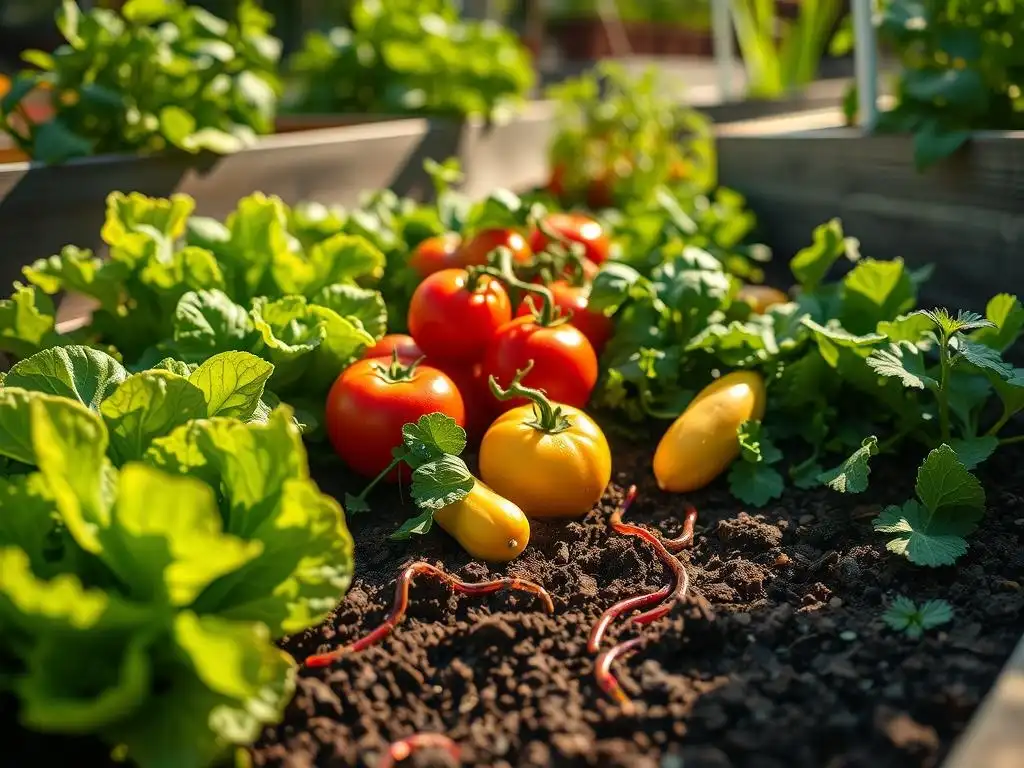
This section explores the long-term advantages of no-dig gardening and strategies for maintaining its effectiveness over time. No-dig gardening, while initially requiring some setup, offers significant benefits in the long run, minimizing effort and maximizing yields while boosting soil health. The key to long-term success lies in understanding and proactively addressing potential challenges. The rewards of a thriving, self-sustaining no-dig garden are well worth the initial investment of time and planning.
Enhancing Soil Fertility Over Time in No-Dig Gardens
Maintaining soil fertility is paramount in any gardening method, but it's particularly crucial for no-dig gardening, where soil disturbance is minimized. The beauty of this approach is that soil fertility naturally improves over time. Each year, the addition of compost, mulch, and other organic matter builds a rich, deep topsoil teeming with beneficial microbes. This process creates a living soil ecosystem that reduces the need for chemical fertilizers, leading to healthier plants and a more sustainable garden.
Here's a breakdown of how soil fertility naturally enhances:
- Compost layers: The annual addition of compost acts as a continuous source of nutrients. Aim for a layer of at least 2-3 inches per year. Consider using a variety of compost sources to ensure a balanced nutrient profile. Worm castings are an excellent addition for their high nutrient density and beneficial microbes.
- Mulch: Mulching not only suppresses weeds but also contributes organic matter as it decomposes, enriching the soil over time. Use materials like straw, shredded leaves, or wood chips. A thick layer (4-6 inches) helps to retain moisture and regulate soil temperature.
- Cover crops: Integrating cover crops into your no-dig garden is an exceptional way to boost soil fertility. Legumes like clover or beans fix nitrogen into the soil, reducing the need for nitrogen-based fertilizers. Other cover crops add organic matter as they decompose. Choose cover crops appropriate for your climate and gardening season.
- Beneficial microbes: The absence of tilling protects the delicate soil structure and the vast network of beneficial microbes. These organisms play a critical role in nutrient cycling and making nutrients readily available to your plants. Avoid using harsh chemicals, which can disrupt this vital ecosystem.
The more you work with the soil, rather than against it, the more rewarding your no-dig garden will become.
Dealing with Soil Compaction in Established No-Dig Beds
While no-dig gardening inherently minimizes soil compaction, it's not entirely immune to it. Over time, especially in heavier clay soils, some compaction can occur. However, dealing with this is relatively straightforward and doesn't require tilling.
Here are some strategies for addressing soil compaction in established no-dig beds:
- Aerate with a garden fork: Gently insert a garden fork into the soil at intervals, working it down to loosen the compacted areas. Avoid aggressive plunging, as the goal is to create air pockets, not to overturn the soil.
- Topdressing with compost: Applying a generous layer of compost acts as a natural soil conditioner. The compost improves drainage, aeration, and overall soil structure, counteracting compaction.
- Organic matter incorporation: Regularly add organic matter such as well-rotted manure or leaf mold to improve soil structure and reduce compaction over time.
- Avoid heavy foot traffic: Minimize walking on the garden beds, as this can contribute to compaction. Use pathways to access different areas of your garden.
Adapting Your No-Dig Garden to Changing Seasons
No-dig gardening thrives on adaptability. Adjusting your techniques to seasonal changes is vital for maintaining a healthy and productive garden year-round.
Here are some considerations for adapting your no-dig approach throughout the year:
- Winter protection: In colder climates, protect your plants and soil from harsh winter conditions. Use mulch generously to insulate the soil and prevent frost damage. Consider using cold frames or row covers for added protection.
- Summer heat management: During hot summer months, maintain adequate soil moisture. A thick layer of mulch helps to retain moisture and regulate soil temperature. Water deeply and less frequently to encourage deep root growth.
- Seasonal crop rotation: Rotate your crops annually to prevent pest and disease buildup and to maintain soil fertility. Plan your planting schedule based on the growing season in your area. Consider using cover crops during fallow periods to enhance soil health.
- Pest and disease management: Monitor your plants closely for signs of pests and diseases. Use organic methods of pest control, such as companion planting and beneficial insects. Remove infected plants promptly to prevent the spread of disease. A healthy soil ecosystem is your best defense against pests and diseases. 🌱
The long-term success of no-dig gardening hinges on understanding these key management aspects. By implementing these strategies, you can cultivate a thriving, sustainable garden that continues to improve year after year, providing you with bountiful harvests and the satisfaction of working in harmony with nature.
The Long-Term Rewards of No-Dig Gardening: Sustainable Yields
No-dig gardening isn't just a trend; it's a pathway to a healthier, more productive garden that thrives year after year. The initial effort you put into establishing your no-dig beds pays dividends in the long run, resulting in significantly improved soil health and, consequently, higher yields of superior quality produce. Unlike traditional methods that often deplete soil nutrients, the no-dig approach fosters a vibrant ecosystem teeming with beneficial microorganisms.
This rich, living soil acts as a natural reservoir of nutrients, reducing your reliance on synthetic fertilizers and boosting the overall resilience of your plants. Over time, you'll notice a marked increase in the size and flavor of your fruits, vegetables, and herbs. The improved soil structure also leads to better water retention, meaning less frequent watering and more time for you to enjoy your garden's bounty.
This sustainable approach minimizes environmental impact while maximizing your harvest, ensuring a plentiful and delicious garden for years to come. The long-term benefits of no-dig gardening are truly transformative, offering both ecological and personal rewards.
Minimizing Soil Disturbance: Protecting Beneficial Soil Life
One of the key advantages of no-dig gardening, directly contributing to its long-term success, lies in the minimal soil disturbance. Traditional gardening methods, such as tilling, disrupt the intricate network of soil organisms crucial for nutrient cycling and overall soil health. These organisms, including earthworms, beneficial fungi, and bacteria, are essential for breaking down organic matter, creating nutrient-rich humus, and improving soil structure. By avoiding tilling, the no-dig method protects this vital ecosystem, allowing these beneficial organisms to flourish.
This, in turn, creates a self-sustaining soil environment capable of providing consistent nutrients to your plants, minimizing the need for external inputs. The result is a healthier, more resilient soil that requires less maintenance and provides higher yields over the long term. The preservation of this delicate underground ecosystem is paramount for the ongoing success of your no-dig garden.
Building Soil Fertility Naturally: The Power of Compost and Mulch
The cornerstone of long-term no-dig garden management is the continuous improvement of soil fertility through the addition of compost and mulch. These organic materials act as a natural fertilizer, providing essential nutrients to your plants while simultaneously improving soil structure and water retention. Compost, rich in beneficial microbes and nutrients, feeds the soil ecosystem, enhancing its ability to support plant growth. Mulch, whether wood chips, straw, or other organic materials, suppresses weeds, conserves moisture, and further enriches the soil as it decomposes.
This continuous cycle of adding organic matter creates a deep, fertile topsoil layer, which is the foundation of a thriving no-dig garden. Year after year, your soil will become richer and more productive, requiring less intervention and yielding increasingly abundant harvests. This natural approach to building soil fertility is a key factor in the long-term success of no-dig gardening, demonstrating its sustainability and efficiency.
Frequently Asked Questions
What are the benefits of no-dig gardening?
No-dig gardening offers numerous advantages, including improved soil health due to increased organic matter, reduced weed pressure, and less physical labor. It also promotes biodiversity and water retention.
How does no-dig gardening improve soil health?
By avoiding soil disturbance, no-dig methods protect beneficial soil organisms and the structure of the soil. Adding compost and mulch continuously improves soil fertility and water retention over time. This creates a thriving ecosystem underground.
Is no-dig gardening suitable for all climates and soil types?
Yes, the principles of no-dig can be adapted to various climates and soil types. You might need to adjust the type of mulch used based on your local conditions. Key is consistent composting and mulching.
What kind of materials are needed for no-dig gardening?
You'll primarily need compost, mulch (like straw, wood chips, or shredded leaves), and seeds or seedlings. Tools are minimal – a garden fork or spade might be helpful for initial bed preparation, but are not essential.
How long does it take to see results from no-dig gardening?
While you'll see immediate improvements in soil structure, the full benefits of no-dig gardening, such as increased yields and reduced weed pressure, are often seen after one to two growing seasons. Patience and consistent practice are key.
Final Reflection: Cultivating a Greener Future, One No-Dig Garden at a Time
The resurgence of no-dig gardening isn't just a trend; it's a vital shift towards a more sustainable and productive future. By minimizing soil disturbance, we're not only creating healthier, more vibrant gardens, but also actively combating soil erosion, reducing carbon emissions, and fostering biodiversity. This simple yet profound method offers a powerful solution to many of the environmental challenges we face today.
The impact of no-dig gardening extends far beyond the individual garden. It's a movement that encourages a deeper connection with the natural world, fostering a greater appreciation for the intricate ecosystems beneath our feet. The earth laughs in flowers.
– Ralph Waldo Emerson. This quote beautifully captures the joy and abundance that a thriving, no-dig garden brings, a joy born from respecting and working with nature, not against it. The shift towards this gentler approach reflects a growing awareness of our responsibility to protect and nurture the planet.
Now, consider your own space. Imagine the possibilities: a flourishing garden bursting with life, requiring less effort and yielding more bountiful harvests, all while contributing to a healthier environment. You have the power to transform your garden, and in doing so, transform your relationship with the earth. Embrace the no-dig method, and embark on this rewarding journey of sustainable gardening. Let your garden become a testament to the power of simple, effective practices that benefit both you and the planet.
Unleash Your Garden's Potential: Start No-Dig Today!
Thank you for exploring the wonders of no-dig gardening! We hope you've discovered a simpler, more effective way to nurture your garden. Now it's time to put your knowledge into practice.
- Begin your no-dig journey: Start planning your first no-dig bed today! Even a small area can make a big difference. Use pen and paper, or a garden planning app – get started now.
- Share your enthusiasm: Tell your friends and family about this revolutionary gardening method! Inspire them to try no-dig and experience the benefits for themselves.
- Improve your soil: Explore different composting techniques to optimize your soil health and create a truly thriving garden.
Ready to transform your garden into a vibrant, flourishing oasis? What's your first step toward embracing the no-dig method?