
Troubleshooting a Smelly Compost: Identifying and Fixing the Causes

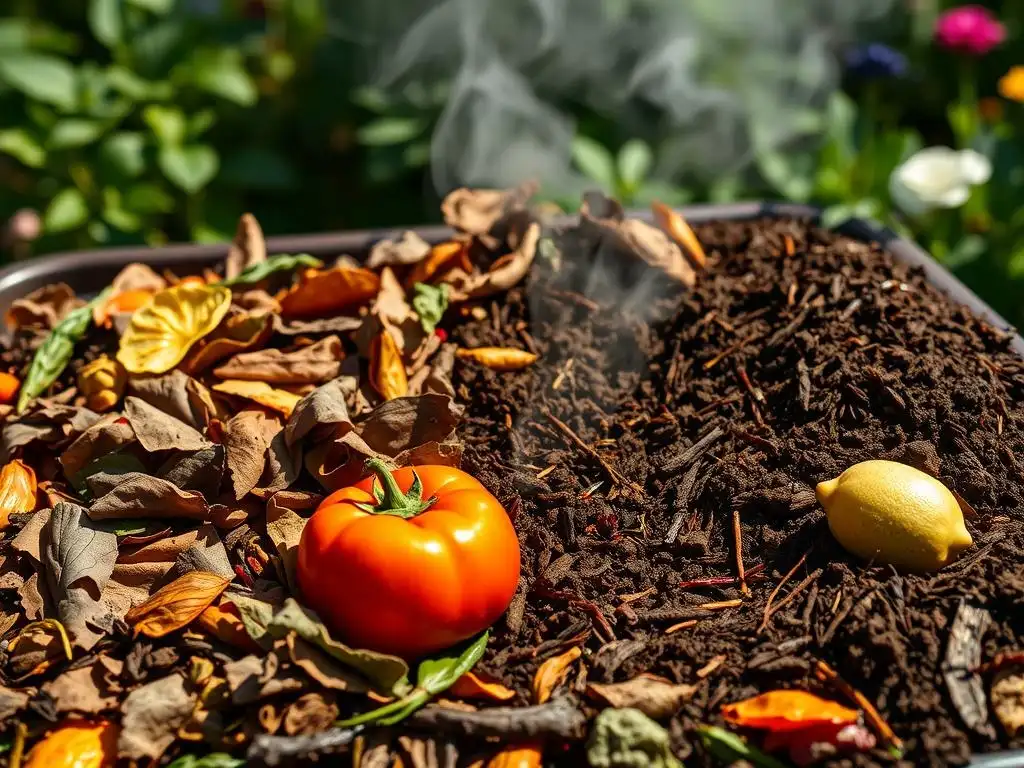
Ready to unlock the secrets of a thriving, odor-free compost bin? At CultivateYourFood, we're passionate about helping you grow your own food sustainably. But what happens when your compost starts to smell…less than pleasant? Our Smelly compost troubleshooting guide dives deep into the common causes of foul-smelling compost, offering practical solutions to get your composting back on track. Discover the simple steps to transform your smelly pile into rich, nutrient-packed soil – and start reaping the rewards of a healthy garden. Let's get started!
-
Understanding the Causes of Smelly Compost
- Identifying the Odor: A Guide to Smelly Compost Diagnosis
- Too Much Moisture: The Leading Cause of Foul-Smelling Compost
- Lack of Oxygen: Suffocation and its Impact on Compost Odor
- Incorrect Carbon-to-Nitrogen Ratio: Balancing Your Compost Ingredients
- Presence of Spoilage: Dealing with Food Waste Decomposition Issues
-
Effective Solutions for Smelly Compost
- Improving Compost Aeration: Turning and Mixing Techniques
- Adjusting Moisture Levels: The Right Balance for Healthy Compost
- Correcting the C:N Ratio: Adding More Browns or Greens
- Removing Spoiled Materials: Identifying and Removing Problematic Items
- Introducing Beneficial Microbes: Accelerating Decomposition and Odor Reduction
- Using Compost Additives: Activated Charcoal and Other Options
-
Preventing Future Smelly Compost Problems
- Choosing the Right Compost Bin: Design and Material Considerations
- Building a Healthy Compost Pile: Layering and Ingredient Selection
- Regular Monitoring and Maintenance: A Preventative Approach
- Choosing the Right Compost Ingredients: Avoiding Odor-Causing Materials
- Understanding Compost Stages: Recognizing Signs of Decomposition and Maturity
- When to Seek External Help for Your Smelly Compost
- Frequently Asked Questions
- Final Reflection: The Sweet Smell of Success (and Compost)
- Unlock Your Compost's Full Potential: Transform Trouble into Treasure!
Understanding the Causes of Smelly Compost
Composting, a cornerstone of sustainable gardening, offers numerous benefits: enriching soil, reducing waste, and fostering a healthier ecosystem. However, the process isn't always fragrant. A smelly compost pile is a common frustration for home gardeners, often signaling an imbalance in the composting process.
This comprehensive guide, your ultimate "smelly compost troubleshooting guide," will delve into the primary reasons behind unpleasant odors emanating from your compost bin, equipping you with the knowledge and strategies to transform a stinky situation into a thriving, odor-free composting system. We'll explore the most frequent culprits – excess moisture, insufficient oxygen, and improper carbon-to-nitrogen ratios – providing practical solutions to restore the balance and reclaim the pleasant, earthy aroma associated with successful composting. By understanding the underlying causes and implementing the corrective measures outlined below, you can confidently navigate the challenges of composting and enjoy the rewards of nutrient-rich, organically produced soil.
Identifying the Odor: A Guide to Smelly Compost Diagnosis
The first step in addressing a smelly compost pile is accurately identifying the type of odor. Different smells often point to different problems. A pungent, ammonia-like smell, for instance, strongly suggests an excess of nitrogen. A sour, rotten smell might indicate anaerobic decomposition (lack of oxygen). A putrid, almost sewage-like odor often points to a combination of issues, including excessive moisture and lack of aeration.
To effectively diagnose the problem, take the time to carefully observe your compost pile. Consider the following:
- Intensity of the smell: Is it a mild, barely noticeable odor, or is it overpowering and unpleasant?
- Location of the smell: Does the odor emanate from the entire pile, or is it concentrated in a specific area?
- Recent additions: Have you recently added any unusually wet or nitrogen-rich materials, such as grass clippings after a heavy rain or a large quantity of food scraps?
- Pile conditions: Is the pile too wet, too dry, or compacted?
Using a simple olfactory assessment, combined with a visual inspection of the pile's moisture content and structure, you can significantly narrow down the potential causes and tailor your remediation efforts accordingly. Remember, a keen sense of smell is your first and most valuable tool in compost troubleshooting!
Too Much Moisture: The Leading Cause of Foul-Smelling Compost
Excessive moisture is frequently the root cause of smelly compost. When the compost pile is oversaturated, it creates an anaerobic environment—one lacking sufficient oxygen. This forces the decomposition process to rely on anaerobic bacteria, which produce foul-smelling gases like methane and hydrogen sulfide. These gases are responsible for the unpleasant, often putrid odors associated with overly wet compost.
The ideal moisture content of a compost pile is similar to a wrung-out sponge. If you squeeze a handful of compost, only a small amount of liquid should drip out. If water readily flows from the squeezed compost, it's far too wet.
To remedy excessive moisture:
- Add brown materials: Incorporate more "brown" materials like dried leaves, shredded paper, or wood chips to absorb excess moisture and improve aeration.
- Turn the pile: Regularly turning the compost pile facilitates better air circulation, allowing excess moisture to evaporate. Aim to turn the pile at least once a week, or more frequently if it's very wet.
- Improve drainage: Ensure your compost bin has adequate drainage to prevent water from accumulating at the bottom. Consider elevating the bin slightly off the ground.
Lack of Oxygen: Suffocation and its Impact on Compost Odor
Just as too much moisture is detrimental, a lack of oxygen can also lead to unpleasant smells. When the compost pile becomes compacted or lacks sufficient air circulation, anaerobic decomposition occurs, resulting in the production of foul-smelling gases. This is particularly common in bins that are overly full or have poor ventilation.
Signs of insufficient oxygen include:
- A strong, unpleasant odor: Often described as sour, rotten, or sewage-like.
- Slow decomposition: The compost may not be breaking down as quickly as it should.
- Dark, slimy areas: These indicate anaerobic conditions within the pile.
To address oxygen deficiency:
- Turn the pile regularly: This is crucial for introducing oxygen into the compost and promoting aerobic decomposition.
- Aerate the pile: If your compost is already compacted, use a garden fork or pitchfork to loosen and aerate it, creating channels for air to circulate.
- Choose the right bin: Consider using a compost bin with adequate ventilation holes or a design that allows for easy turning and aeration. Avoid overfilling the bin.
By addressing these common issues, you can significantly reduce the likelihood of encountering a smelly compost pile and enjoy the benefits of a thriving, odor-free composting system. Remember, patience and consistent monitoring are key to successful composting!
Incorrect Carbon-to-Nitrogen Ratio: Balancing Your Compost Ingredients
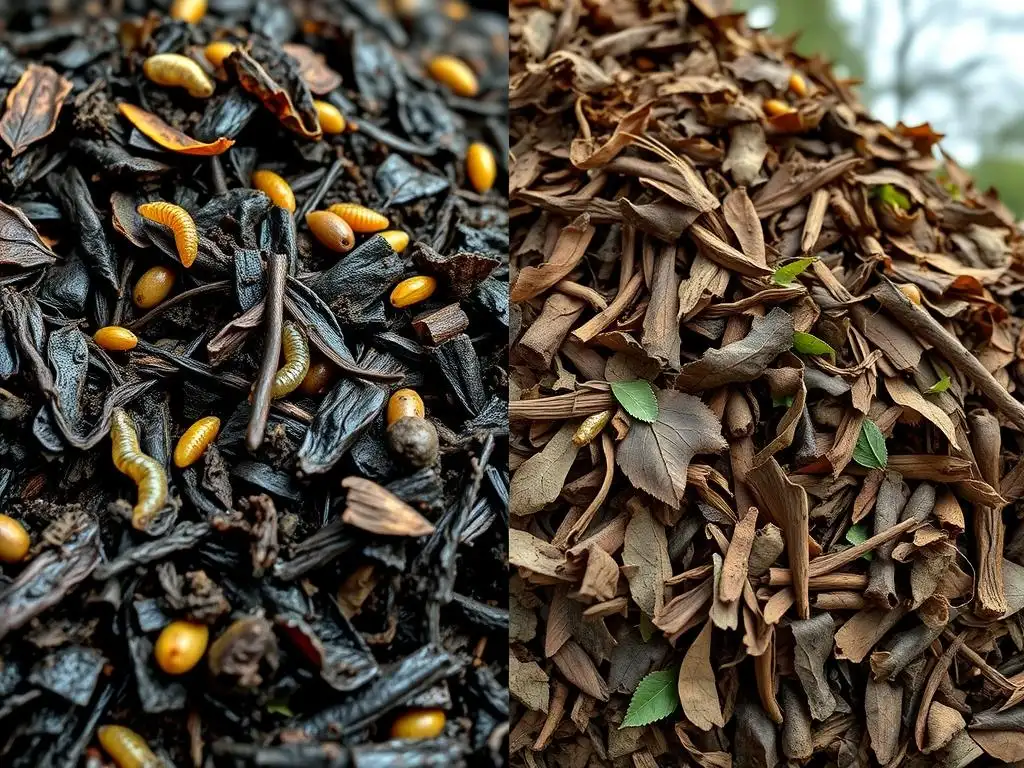
A smelly compost bin is often a sign of an imbalance in the carbon-to-nitrogen ratio. Think of it like a recipe; you need the right proportions of ingredients for a successful outcome. Carbon-rich "browns" provide the structure and energy for the decomposition process, while nitrogen-rich "greens" fuel the microbial activity. An excess of nitrogen, often from too many green materials like grass clippings or food scraps, leads to anaerobic decomposition – a process that occurs without oxygen and produces foul-smelling gases like ammonia. This creates a slimy, putrid mess rather than the rich, earthy compost you desire.
Conversely, an excess of carbon can also hinder the process. While not as smelly, a carbon-heavy pile will decompose slowly, potentially leading to a slow and inefficient composting process. The ideal ratio is generally considered to be around 30:1 (carbon to nitrogen), although this can vary depending on the specific materials used. The good news is that correcting this imbalance is relatively straightforward.
If your compost smells strongly of ammonia, indicating a high nitrogen content, add more brown materials such as shredded paper, dry leaves, or sawdust. Conversely, if decomposition is slow and the pile is too dry, introduce more green materials to boost the microbial activity. Regularly turning your compost pile helps to aerate it, ensuring sufficient oxygen for aerobic decomposition and preventing unpleasant odors.
Monitoring the temperature of your compost is also crucial; a consistently high temperature (around 130-160°F or 54-71°C) suggests healthy aerobic decomposition. A consistently low temperature might indicate a lack of nitrogen or insufficient aeration. Remember, patience is key; composting is a natural process that takes time.
Presence of Spoilage: Dealing with Food Waste Decomposition Issues
Spoiled food is a major culprit behind smelly compost. Improperly prepared food scraps, particularly meats, dairy products, and oily foods, can attract pests and create a foul odor. These items decompose slowly and anaerobically, leading to the production of unpleasant gases and attracting unwanted visitors like rodents and flies. The key to preventing spoilage-related smells is careful preparation of your food waste.
Avoid adding large chunks of food; instead, chop or shred them into smaller pieces to increase their surface area and accelerate decomposition. Avoid adding meat, dairy, and oily foods altogether, as these items can create a breeding ground for harmful bacteria and attract pests. These types of food waste are better suited for anaerobic digestion systems rather than home composting.
Furthermore, the volume of food waste added at any one time also plays a role. Adding excessive amounts of food scraps, especially those prone to spoilage, can overwhelm the composting process, leading to anaerobic decomposition and unpleasant smells. Regularly monitoring your compost bin and removing any spoiled or decaying items is crucial.
If you notice a particularly strong odor emanating from a specific area, removing and replacing that section with fresh, properly prepared materials can prevent the smell from spreading throughout the pile. In extreme cases, you may need to completely empty and rebuild your compost bin, ensuring that all spoiled materials are removed and replaced with a well-balanced mixture of browns and greens. Properly managing food waste within your compost is vital for maintaining a healthy and odor-free composting system.
Effective Solutions for Smelly Compost
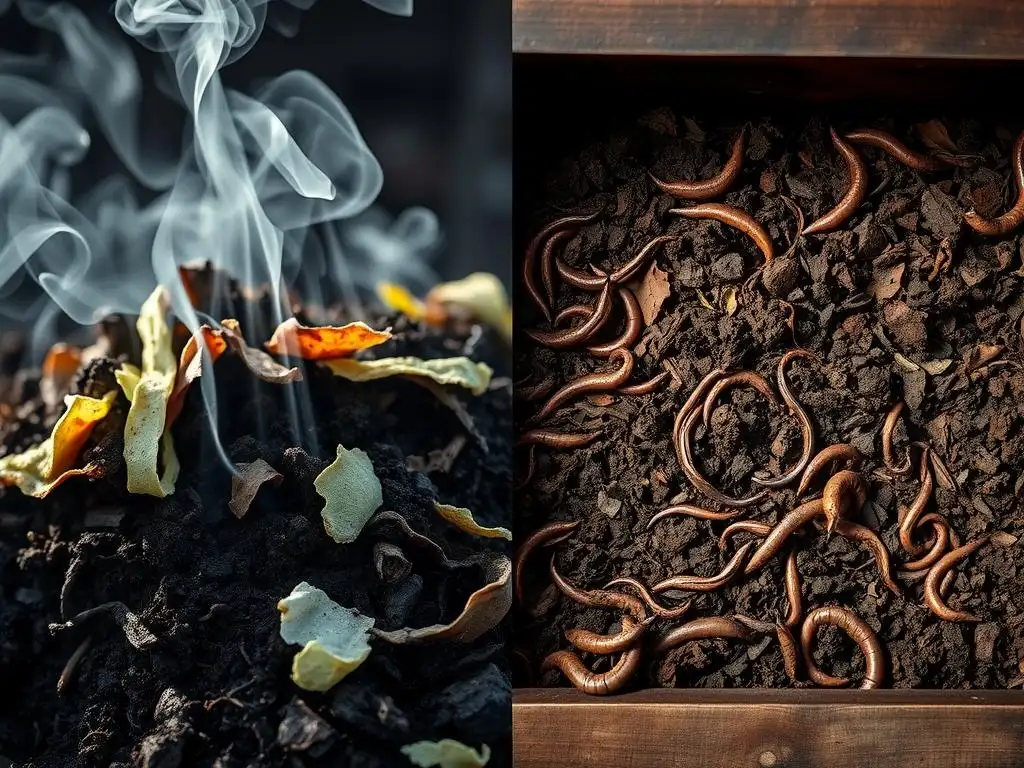
A smelly compost bin is a frustrating experience, but it's often a sign of easily correctable issues. This section focuses on practical solutions to address the most common causes of foul-smelling compost, helping you transform your pile from a stinky nuisance into a valuable garden resource. Remember, a properly managed compost heap should smell earthy, not like rotting garbage. Let's tackle the key factors influencing compost odor.
Improving Compost Aeration: Turning and Mixing Techniques
Insufficient aeration is a primary culprit behind smelly compost. Anaerobic bacteria thrive in oxygen-deprived environments, producing the unpleasant sulfurous odors associated with rotting waste. Regular turning and mixing are crucial for introducing oxygen and ensuring even decomposition.
The frequency of turning depends on several factors, including the size of your compost pile, the materials used, and the ambient temperature. As a general rule, aim for turning your compost at least once a week, or more frequently during hot weather. For smaller piles, you might simply use a garden fork to loosen and mix the materials.
Larger piles might require a more robust approach, such as using a compost aerator tool or even a shovel to completely overturn sections of the pile. This process helps distribute oxygen throughout the pile, promoting aerobic decomposition and reducing the likelihood of foul odors.
Consider the structure of your compost bin as well. Bins with good ventilation—those with adequate air gaps or holes in the sides and bottom—will require less frequent turning. However, even well-ventilated bins benefit from occasional mixing to ensure uniform decomposition. Effective turning techniques are key to achieving a well-aerated compost pile and preventing unpleasant smells. Remember, a well-aerated compost pile is a happy compost pile!
Adjusting Moisture Levels: The Right Balance for Healthy Compost
Moisture content is another critical factor influencing compost odor. Too much moisture creates anaerobic conditions, leading to the familiar unpleasant smells. Conversely, overly dry compost decomposes slowly and may also develop unpleasant odors.
The ideal moisture content should resemble a wrung-out sponge. If you squeeze a handful of compost, a small amount of liquid should drip out. If it's too dry, add water gradually, mixing it thoroughly to distribute evenly. If it's too wet, you need to add more "browns" (carbon-rich materials like shredded paper or dry leaves) to absorb excess moisture.
Monitoring moisture levels regularly is essential for maintaining a balanced and healthy compost pile. Remember to check the moisture level frequently, especially during periods of heavy rainfall or extended dry spells. Consistent monitoring and adjustments are key to preventing foul odors caused by improper moisture levels.
Correcting the C:N Ratio: Adding More Browns or Greens
The carbon-to-nitrogen (C:N) ratio is crucial for efficient decomposition. An imbalance in this ratio can lead to slow decomposition and unpleasant smells. Generally, a ratio of around 30:1 is ideal, although this can vary depending on the materials used.
Too many “greens” (nitrogen-rich materials like grass clippings and vegetable scraps) can lead to a nitrogen-rich environment, promoting anaerobic conditions and foul odors. In this case, adding more “browns” (carbon-rich materials like shredded paper, dried leaves, and twigs) helps balance the ratio and improve aeration. Conversely, too many “browns” can lead to slow decomposition. Adding more “greens” will accelerate the process and help maintain a healthy balance.
Monitoring the C:N ratio requires careful observation of your compost pile's progress. If you notice a strong ammonia smell, it's a clear sign of an excess of nitrogen. If decomposition is exceptionally slow, it might indicate a lack of nitrogen. Adjusting the balance between browns and greens is essential for maintaining a healthy and odor-free compost pile. Remember, the goal is to achieve a balanced mix that facilitates efficient decomposition and prevents unpleasant smells. Achieving the right C:N ratio is a crucial step in successfully troubleshooting smelly compost.
Removing Spoiled Materials: Identifying and Removing Problematic Items
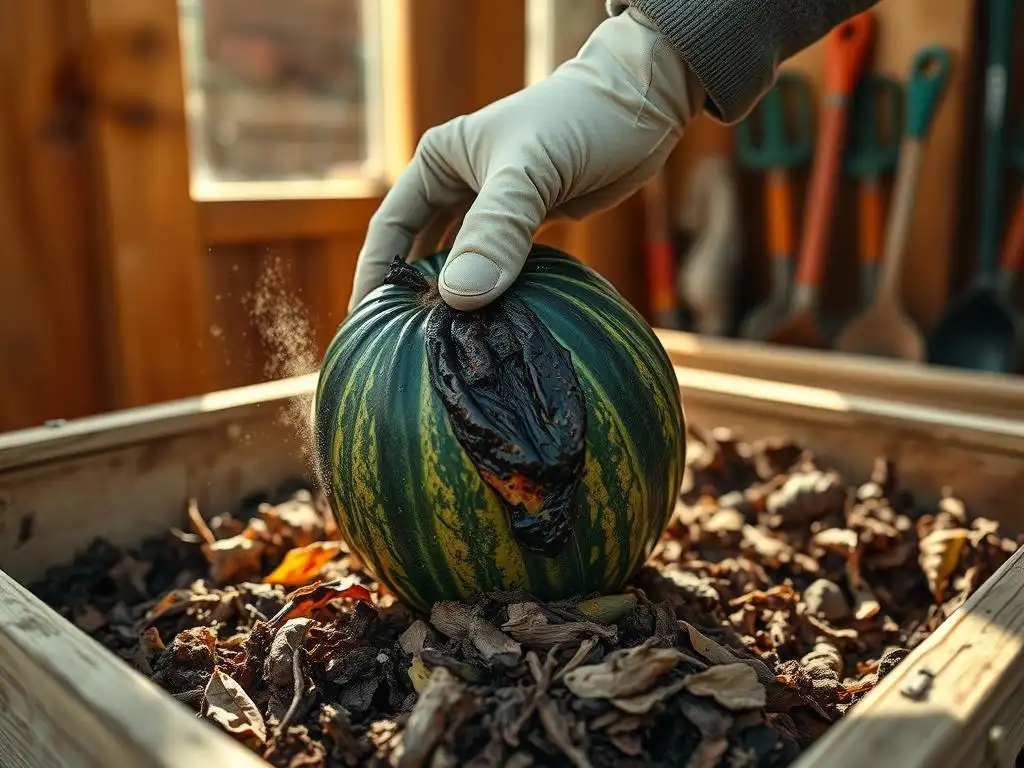
A smelly compost pile often signals an imbalance in the decomposition process. One of the most common culprits is the inclusion of spoiled or rotting materials. These items, such as overly ripe fruits, decaying meats, or diseased plants, introduce anaerobic bacteria—bacteria that thrive in oxygen-deprived environments. These bacteria produce foul-smelling gases as byproducts of their decomposition process, leading to that unpleasant odor. Successfully troubleshooting smelly compost often starts with a thorough inspection. Look for slimy, dark, or putrid-smelling areas within your pile. These areas are likely hotspots of anaerobic activity.
Carefully remove any visibly spoiled materials. This might include slimy fruit peels, moldy vegetables, or any items exhibiting signs of significant decay. Do not simply bury these items deeper; this will only worsen the anaerobic conditions. Instead, dispose of these problematic items responsibly, either by adding them to your regular trash or, if appropriate, using a separate composting system for spoiled food waste.
Remember to always wear gloves when handling potentially contaminated compost materials. Proper hygiene is crucial when dealing with decomposing organic matter. The goal is to restore the proper carbon-to-nitrogen ratio and aeration within the compost pile, favoring aerobic decomposition.
Introducing Beneficial Microbes: Accelerating Decomposition and Odor Reduction
Once you've removed the spoiled materials, the next step in your smelly compost troubleshooting guide involves introducing beneficial microbes. These microorganisms are essential for breaking down organic matter efficiently and aerobically. A healthy compost pile teems with a diverse community of bacteria, fungi, and other microorganisms. Their activity generates heat, which further accelerates decomposition and inhibits the growth of odor-causing anaerobic bacteria. There are several ways to boost the microbial population in your compost.
One effective method is to add a "compost starter." These commercially available products contain a concentrated blend of beneficial microbes. Following the product's instructions carefully is crucial for achieving optimal results. Alternatively, you can introduce "brown" materials like dried leaves, shredded cardboard, or wood chips.
These materials provide a carbon source that supports the growth of aerobic microbes. Another excellent technique is to add a small amount of well-rotted compost from a healthy pile. This "inoculum" introduces a diverse population of established microbes to your struggling pile, accelerating the decomposition process. By introducing these beneficial microbes, you encourage aerobic decomposition, which significantly reduces unpleasant smells.
Using Compost Additives: Activated Charcoal and Other Options
In addition to removing spoiled materials and introducing beneficial microbes, you can also use compost additives to help neutralize odors and improve the overall composting process. Activated charcoal is a particularly effective option. Its porous structure allows it to absorb gases and odors, effectively reducing the smell emanating from your compost pile. Simply sprinkle a small amount of activated charcoal over the surface of your compost, ensuring it's evenly distributed.
Other additives can also help. For instance, adding a layer of dry leaves or straw can help to improve aeration and reduce moisture levels, both of which are crucial for promoting aerobic decomposition. Similarly, a small amount of wood ash can help to balance the pH of the compost, potentially improving microbial activity. However, be mindful of the amount of ash you add, as excessive quantities can affect the pH balance negatively.
Remember that while these additives can be helpful, they are supplemental to the core strategies of removing spoiled materials and promoting aerobic conditions. A properly balanced compost pile, with sufficient aeration and a healthy microbial community, is the best defense against unpleasant odors. Always prioritize the fundamental aspects of composting before relying heavily on additives.
Preventing Future Smelly Compost Problems
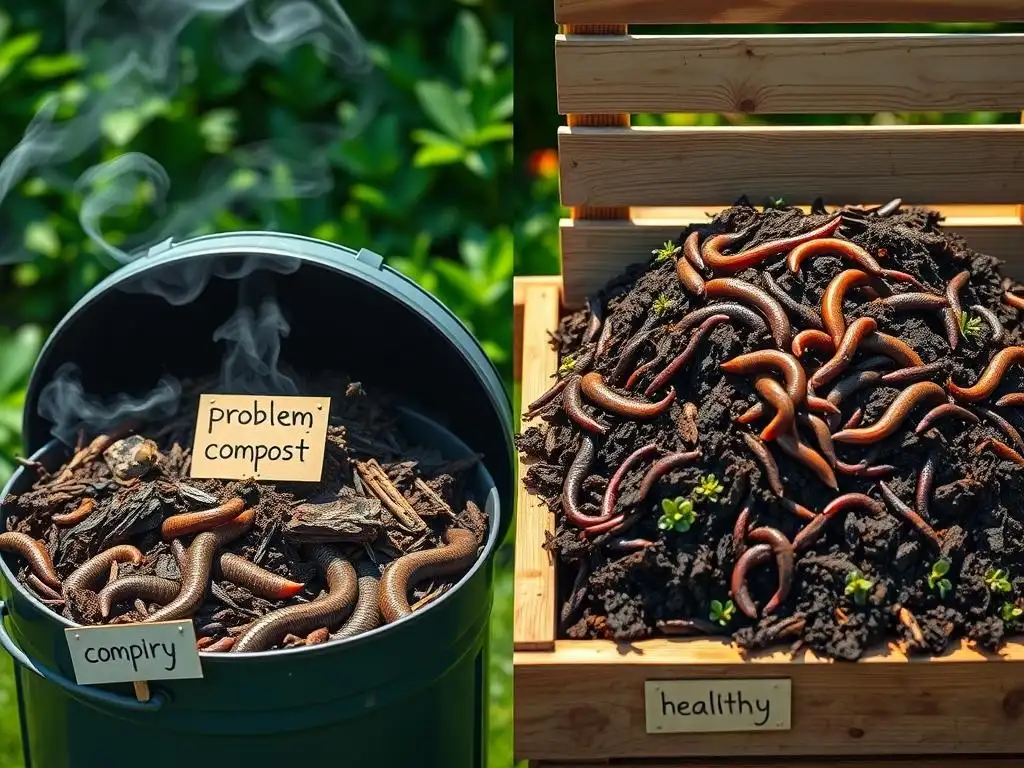
This section focuses on proactive strategies to avoid the unpleasant odors associated with improperly managed compost. A smelly compost bin is often a symptom of underlying issues, and addressing these proactively is key to maintaining a healthy and efficient composting system. This guide will help you understand the crucial steps to prevent future smelly compost episodes, ensuring your home composting journey remains a pleasant and rewarding experience. By following these preventative measures, you'll transform your compost heap from a potential source of odor into a valuable asset for your garden.
Choosing the Right Compost Bin: Design and Material Considerations
The type of compost bin you choose plays a significant role in odor control. Poorly designed bins can lead to anaerobic conditions (lack of oxygen), which are the primary culprits behind foul smells. Consider these factors when selecting a bin:
- Design: Bins with adequate ventilation are crucial. Look for designs with multiple air vents or slats to ensure sufficient airflow. Avoid sealed containers, as they trap moisture and gases, promoting anaerobic decomposition and odor. A bin with a rotating design can also aid in aeration.
- Material: The material affects both durability and ventilation. Wood is a popular choice, but ensure it's treated to withstand moisture. Plastic bins are also widely available and offer good durability, but make sure they have sufficient air holes. Avoid metal bins unless they're specifically designed for composting, as they can heat up excessively and negatively impact the composting process.
- Size: Choose a bin size appropriate for the amount of organic waste you generate. Overfilling a bin can restrict airflow and lead to anaerobic conditions. A smaller, well-managed bin is often preferable to a larger, poorly managed one.
Here's a comparison table to illustrate:
| Material | Ventilation Features | Durability | Odor Potential |
|---|---|---|---|
| Untreated Wood | Often good | Moderate | Moderate |
| Treated Wood | Often good | High | Low |
| Plastic | Varies greatly | High | Varies greatly |
| Metal | Can be poor | High | High (if poorly ventilated) |
Remember, proper bin selection is just one piece of the puzzle. Even the best bin will fail if not properly managed.
Building a Healthy Compost Pile: Layering and Ingredient Selection
The key to preventing smelly compost lies in creating and maintaining a balanced compost pile. This involves careful consideration of the ingredients and their layering. A well-balanced pile has a good carbon-to-nitrogen ratio, ensuring efficient decomposition without creating anaerobic conditions.
- Layering: Alternate layers of "browns" (carbon-rich materials like dried leaves, twigs, and shredded paper) and "greens" (nitrogen-rich materials like grass clippings, fruit and vegetable scraps, and coffee grounds). This layering promotes airflow and prevents compaction.
- Ingredient Selection: Avoid adding materials that can contribute to foul odors. These include:
- Meat and dairy products: These attract pests and decompose slowly, leading to unpleasant smells.
- Oily foods: These can create a slimy, foul-smelling mess.
- Diseased plants: These can introduce unwanted pathogens.
- Pet waste: Contains harmful bacteria and parasites.
- Moisture Content: Maintain the right moisture level. The compost should be damp like a wrung-out sponge. Too much moisture creates anaerobic conditions, while too little hinders decomposition.
Proper layering and ingredient selection are crucial for a healthy and odor-free composting process. The right balance ensures efficient decomposition and prevents the build-up of foul-smelling gases. Think of it like baking a cake – the right ingredients and the right proportions are vital for success!
Regular Monitoring and Maintenance: A Preventative Approach
Regular monitoring and maintenance are essential for preventing smelly compost. This includes:
- Turning the Pile: Regularly turning the compost pile (every few weeks) aerates it, promoting aerobic decomposition and preventing unpleasant odors. This process mixes the materials, ensuring even decomposition and preventing anaerobic pockets.
- Moisture Check: Regularly check the moisture level of your compost. If it's too dry, add water; if it's too wet, add more brown materials. This simple check helps maintain the optimal conditions for decomposition.
- Addressing Unusual Odors: If you notice unusual or unpleasant odors, investigate the cause immediately. This might involve removing problematic materials or adjusting the moisture level. Early detection and intervention prevent minor issues from escalating into major problems.
- Pest Control: While not directly related to odor, pest control is important for maintaining a healthy compost pile. Regularly inspect your compost bin for pests and take appropriate measures to control them.
Regular maintenance is a key aspect of preventing smelly compost. Think of it as preventative maintenance for your car – regular checks and adjustments prevent bigger problems down the road. By staying on top of these tasks, you'll ensure your compost remains a valuable asset, not a smelly nuisance.
Choosing the Right Compost Ingredients: Avoiding Odor-Causing Materials
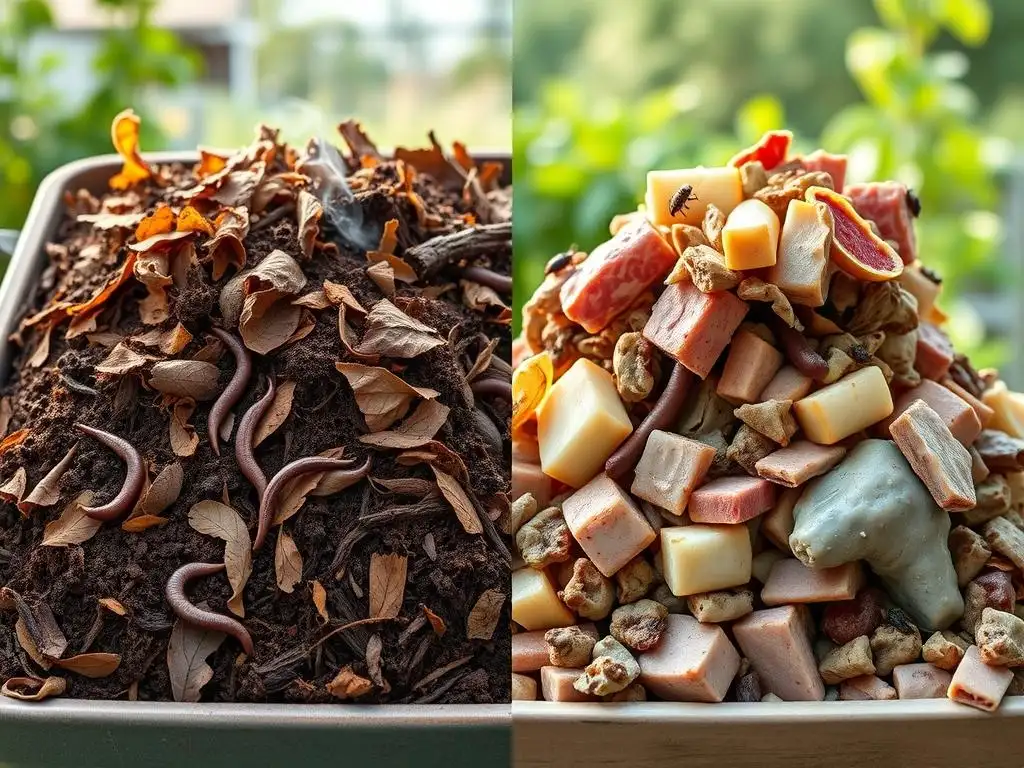
A smelly compost pile is often a sign that the wrong ingredients are present, creating an imbalance that promotes anaerobic decomposition—the oxygen-starved breakdown of organic matter that produces foul-smelling gases. Successfully avoiding a smelly compost bin starts with careful ingredient selection. Avoid adding excessive amounts of nitrogen-rich materials like grass clippings, especially if they're wet. While essential for compost, an overabundance of nitrogen can lead to a rapid, anaerobic breakdown, resulting in unpleasant odors.
Similarly, meat scraps, dairy products, and oily foods should be minimized or avoided altogether. These materials decompose slowly, attract pests, and often create a putrid smell as they break down. Instead, focus on a balanced mix of "browns" and "greens."
"Browns" are carbon-rich materials like dried leaves, shredded paper, and small twigs. These provide the structural base and help aerate the compost pile. "Greens" are the nitrogen-rich materials, including vegetable scraps, fruit peels, and coffee grounds. The ideal ratio is generally considered to be around 2:1 (browns to greens), though this can vary depending on the specific materials. Regularly assess the moisture content; a damp, but not soggy, pile is crucial for aerobic decomposition.
Overly wet compost lacks oxygen, leading to anaerobic decomposition and odor problems. Think of it like this: too much nitrogen is like adding too much fuel to a fire – it burns out of control and produces unwanted smoke (in this case, unpleasant smells). A balanced mix of browns and greens ensures a slow, steady burn, resulting in sweet-smelling, healthy compost. Proper ingredient selection is a cornerstone of successful and odor-free composting.
Understanding Compost Stages: Recognizing Signs of Decomposition and Maturity
Composting is a process that unfolds in stages, each with its own characteristics. Understanding these stages is vital for preventing a smelly compost pile. The initial stage is often characterized by a slight, earthy smell as microorganisms begin breaking down the organic matter. This is a normal and expected odor. However, as the pile progresses, you should notice a decrease in the intensity of this smell, not an increase. If a strong, unpleasant odor develops, it often indicates a problem in the decomposition process, usually due to an imbalance in the carbon-to-nitrogen ratio or excessive moisture.
The next stage involves active decomposition, where the temperature of the compost pile rises. This is a good sign, indicating that beneficial microorganisms are working hard to break down the materials. However, if the temperature gets too high (above 160°F or 71°C), it can kill off beneficial microorganisms, slowing down the process and potentially leading to unpleasant smells.
As the compost matures, the temperature will gradually decrease, and the volume of the pile will shrink. The smell should become increasingly earthy and less pungent, eventually fading to almost nothing. If a foul odor persists during this stage, it suggests that anaerobic conditions have taken hold, hindering the proper decomposition of the organic material.
Regularly turning the compost pile helps to introduce oxygen, promoting aerobic decomposition and preventing the build-up of gases that cause unpleasant smells. Monitoring the smell, temperature, and moisture content throughout the composting process allows for early detection of problems and appropriate adjustments to prevent a smelly compost pile. Learning to recognize the signs of healthy decomposition is key to successful composting.
When to Seek External Help for Your Smelly Compost
A smelly compost bin is a common problem, but sometimes the issue goes beyond simple troubleshooting. Knowing when to call in reinforcements—whether that's a more experienced gardener or a professional composting consultant—can save you time, frustration, and potentially, your entire composting system. This section will guide you on identifying situations where professional help is beneficial for your smelly compost.
Severe Odors: When Professional Assistance is Necessary
Intense, unpleasant odors emanating from your compost bin are a clear indication that something is seriously amiss. While a slight musty smell is normal during the composting process, a pungent, foul odor resembling rotten eggs (sulfur), spoiled meat, or ammonia suggests anaerobic decomposition—a process where bacteria break down organic matter without sufficient oxygen. This can be dangerous, potentially leading to the release of harmful gases.
If you've noticed:
- A sharp, overpowering stench: This is not just an unpleasant smell; it's a sign of significant imbalance in your compost heap.
- Odors that persist despite your best efforts: Even after turning, aerating, and adding brown materials, the smell remains strong and unpleasant.
- Nausea or headaches associated with the smell: This suggests the release of toxic gases which warrants immediate attention.
In such cases, seeking professional assistance is crucial. A composting expert can assess the situation, identify the specific cause of the problem (e.g., excessive moisture, incorrect carbon-to-nitrogen ratio, presence of unsuitable materials), and recommend effective solutions. Ignoring severe odors can lead to environmental issues and potential health risks.
Persistent Issues Despite Troubleshooting: Seeking Expert Advice
Even with diligent troubleshooting, some compost problems stubbornly persist. You've meticulously followed all the advice: turning the pile regularly, ensuring proper aeration, adjusting the carbon-to-nitrogen ratio, and adding more brown materials, yet the smell remains. This indicates a more complex underlying issue that may require specialized knowledge.
Consider seeking expert advice if:
- You've tried all common troubleshooting methods for at least [Number] weeks without improvement.
- You're unsure about the cause of the smell despite researching extensively.
- You're concerned about the long-term health of your compost system.
A professional can offer personalized guidance based on your specific situation, potentially identifying hidden issues such as:
- Improper bin construction: A poorly designed or damaged bin can hinder aeration and contribute to odor problems.
- Underlying soil conditions: The soil in your composting area might be impacting the decomposition process.
- Contamination with harmful substances: Certain materials, like treated wood or pet waste, can create persistent foul odors.
Remember, seeking help isn't a sign of failure; it's a proactive approach to ensuring a healthy and productive compost system.
Identifying Unusual Odors: Determining the Underlying Cause
While a general unpleasant smell points to a problem, the type of odor can provide valuable clues about its source. Different smells often indicate different underlying issues. For example:
| Odor Type | Potential Cause | Solution |
|---|---|---|
| Rotten eggs (sulfur) | Anaerobic decomposition, lack of oxygen | Aerate the compost, add more brown materials |
| Ammonia | High nitrogen levels, insufficient carbon materials | Add more brown materials, turn the compost pile |
| Spoiled meat/fish | Decomposition of unsuitable materials | Remove offending materials, improve aeration |
| Sweet, sour, or fruity | Excess moisture, fermentation of sugars | Improve aeration, add more brown materials |
If you're encountering an unusual or unfamiliar odor, documenting the smell, along with other relevant information such as the composition of your compost and recent additions, can help experts diagnose the problem more accurately. Don't hesitate to seek assistance if you're unable to identify the cause of the unusual smell yourself. This proactive approach will help ensure the success of your composting efforts and prevent further complications.
Frequently Asked Questions
Why does my compost smell bad?
A bad smell usually indicates an imbalance in your compost. This could be due to too much wet material, insufficient brown carbon-rich materials, or a lack of oxygen. Adjust the ratio of greens to browns and ensure good aeration.
My compost is too wet, how do I fix it?
Add more brown materials like shredded paper, dry leaves, or straw to absorb excess moisture. Turn the compost pile regularly to improve airflow and help it dry out. You might also consider placing it in a more sunny and airy location.
What if my compost smells like rotten eggs?
A rotten egg smell suggests an excess of sulfur, often caused by too much nitrogen-rich material. Add more carbon-rich browns, turn the pile frequently, and ensure good drainage. Consider adding activated charcoal to help absorb odors.
How can I prevent my compost from smelling in the future?
Maintain a balanced ratio of green and brown materials. Regularly turn your compost to aerate it. Ensure good drainage to prevent waterlogging. Start with a smaller pile if you are a beginner.
My compost smells musty, what should I do?
A musty smell often points to a lack of oxygen or too much moisture. Turn the pile more frequently to improve aeration. Add brown materials to absorb excess moisture and consider adding a compost aerator.
Final Reflection: The Sweet Smell of Success (and Compost)
The pungent aroma of rotting garbage is not the goal of composting; the earthy scent of rich, dark soil is. This seemingly simple truth underscores the importance of understanding the delicate balance within your compost bin. Ignoring the early warning signs of a smelly compost pile can lead to frustration, wasted resources, and a truly unpleasant experience. This guide has explored the common culprits behind smelly compost, offering practical solutions to restore the harmony of your composting system.
The journey of transforming kitchen scraps and yard waste into valuable soil amendment is a microcosm of the larger ecological challenges we face. It teaches us about the interconnectedness of nature, the importance of balance, and the power of patience. Composting is an act of faith, a belief that decay is not an end but a beginning.
This simple act, often overlooked, offers a powerful lesson in resourcefulness and environmental responsibility, reminding us of our role in nurturing the health of our planet.
Now, take a moment to reflect on your own composting practices. Are you attentively monitoring your compost's moisture levels and carbon-to-nitrogen ratio? Are you diligently addressing any imbalances before they escalate into a full-blown olfactory disaster? Remember, a successful compost bin is not just about avoiding unpleasant smells; it's about actively participating in a sustainable lifestyle, creating fertile soil, and contributing to a healthier environment. Embrace the process, learn from your mistakes, and enjoy the rewarding experience of transforming waste into wonder.
Unlock Your Compost's Full Potential: Transform Trouble into Treasure!
Thank you for learning how to troubleshoot your compost! We hope you now have the tools to resolve any unpleasant odors and create nutrient-rich soil. Ready to put your new knowledge into practice?
- Prioritize aeration: Check your compost pile's air circulation immediately. Is it properly layered? Does it need turning? Good air circulation is essential for successful composting.
- Adjust your ingredients: Consider the balance of "browns" (carbon-rich materials) and "greens" (nitrogen-rich materials) in your compost. Experiment with different ratios to achieve optimal decomposition.
- Share your experience: Let us know about your composting successes and challenges! Join our online community to share tips, ask questions, and learn from others.
What's your next step towards a thriving, odor-free compost pile?