
Vermicomposting vs Traditional Composting: Which is Right for You?

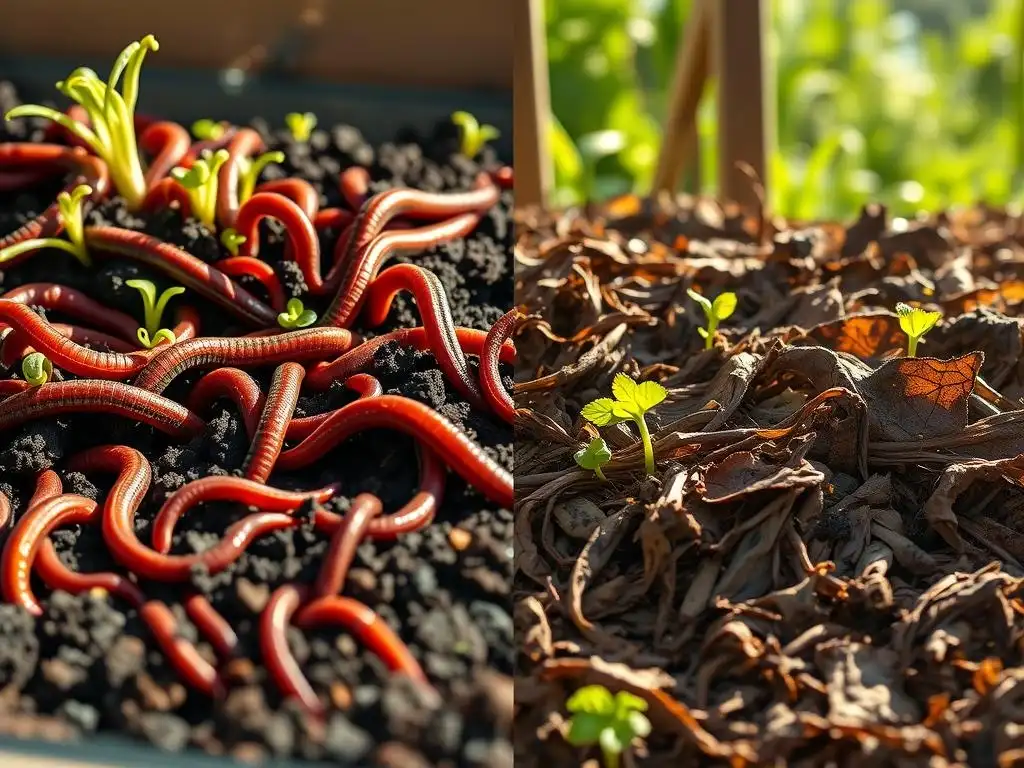
Ready to transform your kitchen scraps into garden gold? At CultivateYourFood, we empower you to grow your own delicious and healthy food using sustainable methods. Discover the secrets to a thriving home garden, starting with our in-depth comparison of vermicomposting vs. traditional composting—find the best home composting method for your needs and unlock the potential of your backyard! Let's get growing!
- Understanding Your Composting Needs: Choosing the Best Home Composting Method
- Traditional Composting: A Tried and True Method
-
Vermicomposting: The Worm Composting Advantage
- What is Vermicomposting and How it Works? Introducing Worm Composting Bins
- Choosing the Right Worms for Vermicomposting: Red Wigglers and Other Species
- Setting Up a Vermicomposting System: Bin Types and Setup Instructions
- The Vermicomposting Process: Feeding Your Worms and Maintaining the System
- Advantages of Vermicomposting: Odor Control, Faster Decomposition, and Nutrient-Rich Output
- Disadvantages of Vermicomposting: Initial Investment, Space Constraints, and Learning Curve
-
Vermicomposting vs Traditional Composting: A Detailed Comparison
- Comparing Space Requirements: Bin Size and Placement Considerations for Both Methods
- Comparing Time Commitment: Maintenance and Harvesting Schedules for Each Method
- Comparing Cost: Initial Investment and Ongoing Expenses for Both Systems
- Comparing Odor Control: Managing Odors in Traditional Composting and Worm Composting
- Comparing Nutrient Output: Comparing the Quality and Composition of Compost
- Comparing Ease of Use: A Beginner's Perspective on Each Composting Method
-
Selecting the Best Home Composting Method for Your Needs
- Choosing Based on Space Availability: Ideal Scenarios for Each Method
- Choosing Based on Time Commitment: Matching Your Lifestyle to a Composting Method
- Choosing Based on Budget: Evaluating Initial Costs and Long-Term Expenses
- Choosing Based on Waste Management Goals: Optimizing Compost for Specific Needs
- Frequently Asked Questions
- Final Reflection: Choosing Your Compost Path: A Sustainable Future
- Unlock Your Garden's Potential: Start Composting Today!
Understanding Your Composting Needs: Choosing the Best Home Composting Method
Home composting is a fantastic way to reduce waste, enrich your garden soil, and contribute to a more sustainable lifestyle. But with various methods available, selecting the best home composting method can feel overwhelming. This article dives deep into the comparison between vermicomposting (worm composting) and traditional composting, helping you determine which approach aligns best with your needs and resources. We'll explore factors like space requirements, waste output, and your overall composting goals to guide you towards the optimal solution for your home garden.
Choosing the right method ensures efficient decomposition and the production of nutrient-rich compost to nourish your plants. Ultimately, the "best" method depends entirely on your individual circumstances, and this guide will help you navigate those considerations to make an informed decision. Let's get started on your journey to creating rich, healthy soil! 🌱
Assessing Your Space and Resources for Home Composting
The first crucial step in choosing between vermicomposting and traditional composting is evaluating your available space and resources. Traditional composting, often involving large bins or piles, requires significantly more space than vermicomposting. Consider the following:
- Yard Space: Do you have a backyard, patio, or balcony with sufficient room for a compost bin or pile? Traditional composting typically needs a dedicated area, often several square feet, depending on the size of the bin and the amount of waste you generate. Vermicomposting, on the other hand, can be contained within a relatively small bin, even suitable for apartment balconies or indoor setups.
- Time Commitment: Both methods require some level of maintenance, but the level of effort differs. Traditional composting involves turning the pile regularly to aerate it, a process that can be physically demanding. Vermicomposting requires less physical labor; however, you'll still need to monitor moisture levels and occasionally add bedding material.
- Initial Investment: The initial cost can vary significantly. Traditional composting can be as simple as using a DIY bin made from pallets, requiring minimal upfront investment. However, purchasing a ready-made bin can be more expensive. Vermicomposting requires a worm bin, which can range in price, and also necessitates purchasing a starter colony of worms.
| Method | Space Required | Time Commitment | Initial Investment |
|---|---|---|---|
| Traditional | High | Moderate to High | Low to Moderate |
| Vermicomposting | Low | Low to Moderate | Moderate to High |
Evaluating Your Waste Output and Composting Goals
Your waste output and composting goals significantly influence the best method for you. Consider these points:
- Amount of Waste: Do you generate a large volume of kitchen scraps and yard waste? Traditional composting handles larger quantities more efficiently due to its greater volume capacity. Vermicomposting, while effective, is better suited for smaller amounts of organic waste. Overfilling a worm bin can lead to anaerobic conditions and undesirable odors.
- Type of Waste: Both methods can handle a wide variety of organic materials, but some differences exist. Traditional composting excels at breaking down larger, coarser materials like branches and leaves. Vermicomposting works best with smaller, readily digestible kitchen scraps. However, avoid adding oily or meat-based products to either type of compost due to potential pest and odor issues.
- Compost Quality and Use: Both methods produce nutrient-rich compost, but the composition might differ slightly. Traditional compost tends to be coarser, while vermicompost is finer and richer in beneficial microorganisms, making it particularly suitable for seedlings and delicate plants. Consider the types of plants you're growing and their specific nutrient requirements. For example, if you're growing vegetables that require a high nitrogen content, vermicompost might be a better choice.
Remember, understanding your specific needs is key to selecting the best home composting method for you. The next section will delve into a detailed comparison of vermicomposting and traditional composting, outlining their respective pros and cons to further assist you in your decision.
Traditional Composting: A Tried and True Method
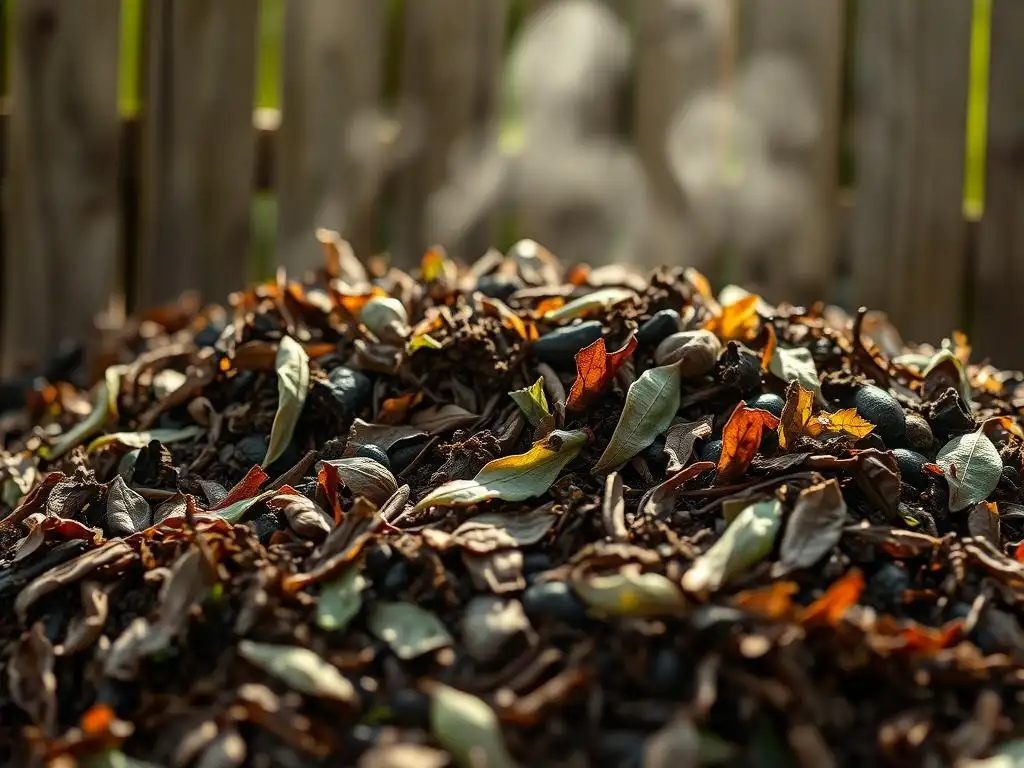
Traditional composting, a cornerstone of sustainable gardening for generations, remains a popular and effective method for transforming organic waste into nutrient-rich soil amendment. This method, often referred to as "hot composting," relies on natural decomposition processes accelerated by microbial activity within a contained environment. While it requires slightly more space and effort than vermicomposting, the rewards are plentiful, making it a strong contender for the title of "best home composting method" for many gardeners. Understanding the nuances of traditional composting can help you determine if it's the right choice for your needs.
Setting Up a Traditional Compost Bin: Materials and Construction
Constructing a traditional compost bin is a relatively straightforward process, depending on your desired level of sophistication. Simple bins can be built from readily available materials, while more complex designs offer enhanced features like aeration and drainage.
- Materials: Common materials include untreated wood planks (e.g., cedar or redwood), pallets (ensure they are untreated), wire mesh, or even repurposed containers like large plastic tubs with drilled holes. You'll also need tools like a saw, hammer, nails or screws, and possibly wire cutters.
- Construction: A basic bin can be constructed as a three-sided enclosure, allowing for easy access to the compost. The size should be proportional to the amount of waste you generate. A good rule of thumb is to have a bin that's at least 1 cubic meter in volume. Proper aeration is crucial; consider incorporating gaps between the planks or using a mesh design to allow for sufficient airflow. For drainage, you might create a base of gravel or simply let the bottom be open to the ground.
- Placement: Choose a location that is easily accessible, receives some sunlight (but not direct, intense sunlight), and is relatively shaded to maintain moisture. Avoid placing the bin near sources of contamination like pet waste or treated wood.
Many gardeners find that a simple three-bin system is ideal. This allows for a staged composting process, moving materials from one bin to the next as they decompose.
The Traditional Composting Process: Stages and Timelines
The traditional composting process involves several stages, each characterized by specific microbial activity and temperature changes. The timeline can vary depending on several factors, including the type of materials used, moisture levels, and ambient temperature.
- Stage 1: Initial Decomposition (Mesophilic Phase): This stage is dominated by mesophilic microorganisms (those that thrive at moderate temperatures). The compost will gradually heat up as bacteria break down readily available organic matter. This phase typically lasts several weeks.
- Stage 2: Active Decomposition (Thermophilic Phase): As the temperature rises, thermophilic microorganisms (those that thrive at high temperatures) take over. Temperatures can reach 130-160°F (54-71°C), effectively killing off weed seeds and pathogens. This is the "hot" composting phase and is crucial for effective decomposition. This phase can last several weeks to a couple of months.
- Stage 3: Curing (Cooling Phase): Once the heat subsides, the compost enters the curing phase. This is a period of slower decomposition, where the remaining organic matter continues to break down. This stage can last several months, depending on the material and the level of decomposition desired.
- Timeline: The entire process, from initial setup to finished compost, can take anywhere from 6 months to a year, depending on the factors mentioned above. Regular turning (aerating) of the compost pile is essential for maintaining optimal conditions and accelerating the process.
Advantages of Traditional Composting: Cost-Effectiveness and Simplicity
Traditional composting offers several compelling advantages, making it a sustainable and practical choice for many home gardeners.
- Cost-Effectiveness: The initial setup cost is relatively low, especially if you utilize readily available materials. You're essentially transforming waste into a valuable resource, reducing the need to purchase expensive soil amendments.
- Simplicity: While the process involves several stages, the fundamental principles are straightforward. With minimal technical knowledge, you can successfully create nutrient-rich compost. It's a great way to learn about the natural decomposition processes and connect with nature.
- Large-Scale Applicability: It’s well-suited for larger volumes of organic waste, making it ideal for homes with sizable gardens or those producing significant amounts of kitchen scraps and yard waste. This makes it a very practical option for the "best home composting method" for many households.
- Improved Soil Structure: The finished compost improves soil structure, aeration, and water retention, ultimately contributing to healthier plants.
While requiring more space and a bit more hands-on effort compared to vermicomposting, traditional composting offers a robust and reliable way to create high-quality compost, solidifying its place as a leading contender for the "best home composting method" for many gardeners.
Disadvantages of Traditional Composting: Odor, Space Requirements, and Time Commitment
Traditional composting, while effective, isn't without its drawbacks. One significant disadvantage is the potential for unpleasant odors. Improperly managed compost piles can become anaerobic (lacking oxygen), leading to the production of foul-smelling gases. This is especially true if the pile is too wet, compacted, or contains too much nitrogen-rich material like grass clippings without sufficient "browns" for balance.
Maintaining the correct carbon-to-nitrogen ratio and ensuring adequate aeration are crucial for odor control. Failure to do so can result in a compost pile that smells like rotten eggs or something far worse, making it a nuisance for you and your neighbors. Regular turning of the pile is essential to combat this issue.
Another significant hurdle is the space required for a traditional compost bin. Depending on the volume of organic waste you generate, you may need a sizeable bin, potentially taking up valuable space in your yard or garden. This can be a major limitation for those with smaller properties or limited outdoor space. Consider the size of your yard and the amount of waste you produce before committing to a large compost bin. Compact bins might seem like a solution, but they often exacerbate the problems of poor aeration and odor.
Finally, traditional composting requires a significant time commitment. Building and maintaining a healthy compost pile is an ongoing process that necessitates regular monitoring and maintenance. This includes turning the pile regularly to aerate it, adding water as needed to maintain moisture, and adjusting the carbon-to-nitrogen ratio to ensure optimal decomposition. The entire composting process, from initial setup to the production of usable compost, can take several months, even up to a year depending on factors like the climate and the materials used.
This time investment may not be feasible for everyone with busy lifestyles. While the rewards of rich, organic compost are undeniable, the effort required should be carefully considered. For those seeking a quicker, less labor-intensive method, vermicomposting might be a more suitable option.
Vermicomposting: The Worm Composting Advantage
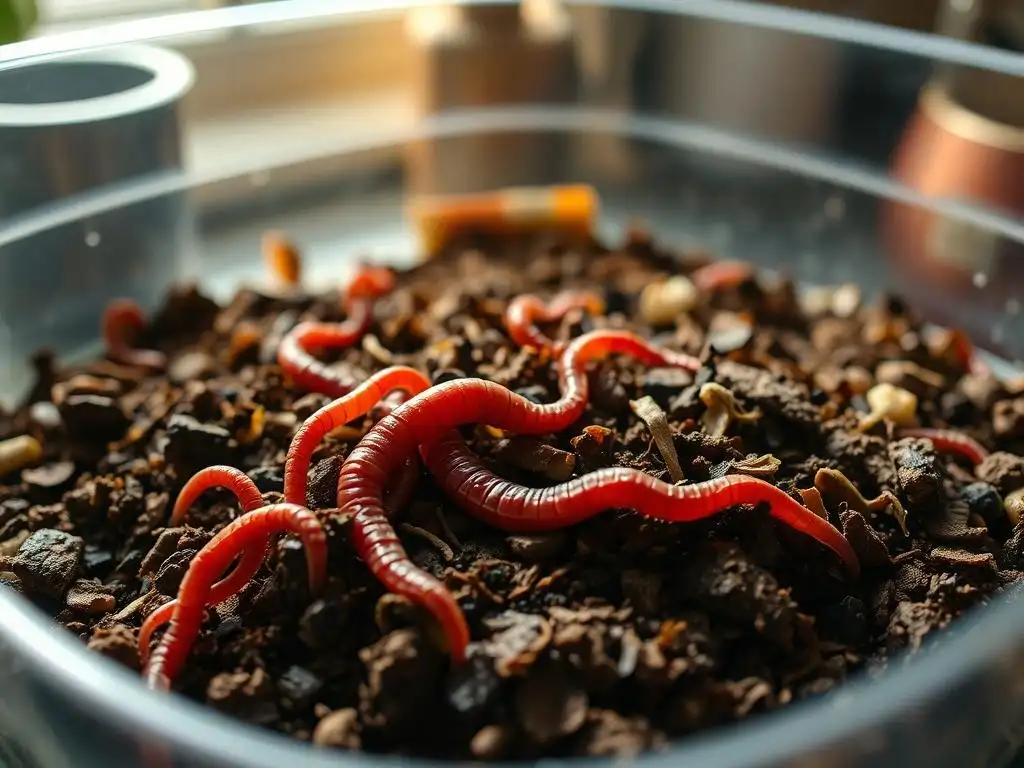
This section delves into the specifics of vermicomposting, highlighting why it's often considered the best home composting method for many home gardeners. We'll explore the process, the essential components, and the advantages this method offers over traditional composting. Vermicomposting, or worm composting, leverages the incredible appetite and efficiency of specific worm species to break down organic waste into nutrient-rich castings – a fantastic soil amendment.
This method offers a compact, odor-free, and highly effective way to manage kitchen scraps and yard waste, producing a superior compost product. The resulting castings are prized for their high nutrient content, improved soil structure, and beneficial microbial life, contributing significantly to healthier plants and a more sustainable gardening practice. This makes it a powerful tool for anyone seeking to improve their garden's health and fertility.
What is Vermicomposting and How it Works? Introducing Worm Composting Bins
Vermicomposting utilizes specific types of worms, primarily Eisenia fetida (red wigglers), to decompose organic matter. These worms thrive in a moist, dark environment, consuming significant amounts of food scraps, coffee grounds, shredded paper, and other organic materials. The process begins with establishing a suitable environment within a vermicomposting bin. These bins, available in various sizes and materials (plastic, wood), are designed to provide the worms with adequate space, aeration, and moisture.
The worms consume the organic matter, breaking it down through their digestive systems. The resulting waste product, called vermicompost or worm castings, is a rich, dark, nutrient-dense material. It's far superior to traditional compost in terms of nutrient concentration and beneficial microbial population.
Unlike traditional composting, vermicomposting doesn't rely on high temperatures or microbial decomposition alone. The worms themselves are the primary decomposers, creating a more controlled and efficient process. A well-managed vermicomposting bin should produce minimal odor, requiring minimal maintenance beyond regular feeding and occasional moisture adjustments. The compact nature of the system makes it ideal for small spaces, including apartments and balconies, making it a truly accessible best home composting method for urban gardeners. Regular harvesting of the worm castings provides a continuous supply of high-quality compost for your plants.
Choosing the Right Worms for Vermicomposting: Red Wigglers and Other Species
Selecting the correct worm species is crucial for successful vermicomposting. While various worms can contribute to decomposition, Eisenia fetida, commonly known as red wigglers or redworms, are the undisputed champions of vermicomposting. Their voracious appetites, adaptability to confined spaces, and tolerance to a wider range of conditions make them ideal for home vermicomposting systems. They reproduce readily under optimal conditions, ensuring a healthy and growing population within your bin. Other species might be used, but their efficiency and suitability for bin composting generally pale in comparison to red wigglers.
Choosing your worms carefully ensures a smooth and efficient process. Avoid using nightcrawlers or other earthworms commonly found in gardens; they are not suited for the confined environment of a vermicomposting bin and will likely perish. Purchasing red wigglers from reputable suppliers guarantees a healthy start to your vermicomposting journey, maximizing your chances of success. Consider the size of your planned system when purchasing worms; a larger bin will require a larger population. A good starting point is approximately 1 pound of worms per square foot of bin surface area.
Setting Up a Vermicomposting System: Bin Types and Setup Instructions
Establishing a successful vermicomposting system involves selecting the right bin and following proper setup instructions. Several bin types are available, each with advantages and disadvantages. Simple DIY bins can be constructed from readily available materials, while commercially available bins offer convenience and often include features such as drainage systems and tappable spigots for harvesting worm tea. Regardless of the bin type, certain key elements must be addressed for optimal performance.
The bin should provide adequate ventilation to prevent anaerobic conditions that can lead to unpleasant odors and hinder worm activity. A system of layers, typically including bedding material (shredded newspaper, cardboard), food scraps, and a layer of moist bedding for the worms is essential. Maintaining the correct moisture level is crucial; the bedding should be damp but not soggy or waterlogged.
Regular monitoring of moisture levels and the addition of bedding as needed is key to maintaining a healthy environment for your worms. A well-structured vermicomposting system provides an efficient and effective way to transform organic waste into a valuable resource, solidifying its position as a best home composting method. Careful planning and execution ensure the success of your vermicomposting endeavor.
The Vermicomposting Process: Feeding Your Worms and Maintaining the System
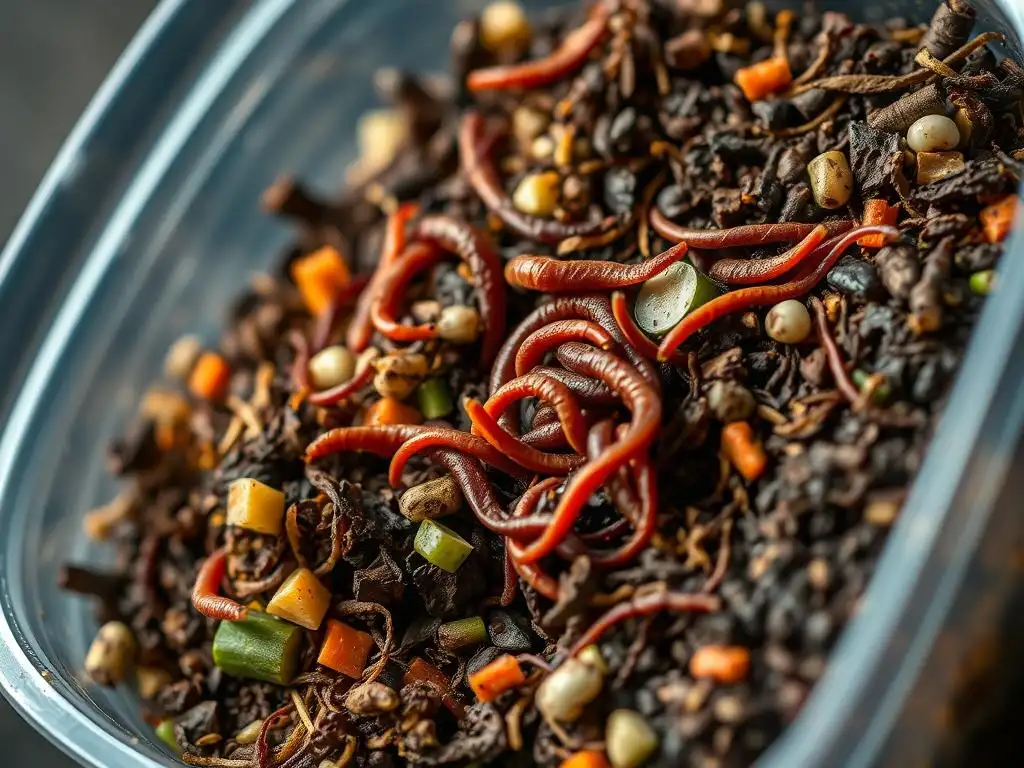
Vermicomposting, while seemingly complex, is a surprisingly straightforward process once you understand the basics. The core of the system revolves around providing your worms with a consistent diet and maintaining a suitable environment. Worms thrive on a diet primarily consisting of organic kitchen scraps. Think fruit and vegetable peels, coffee grounds, tea bags (remove staples!
), crushed eggshells, and shredded paper or cardboard. Avoid oily or greasy foods, meat, dairy, and citrus fruits, as these can harm your worm population. Feeding your worms is a simple process; simply bury the scraps within the bedding material, ensuring they are not piled on top.
Maintaining the correct moisture level is crucial. The bedding material should be damp, like a wrung-out sponge. Too dry, and the worms will dehydrate; too wet, and it will become anaerobic, leading to foul odors and potentially harming your worms. Regular monitoring and occasional misting are key to maintaining optimal moisture. The temperature should also be considered; ideal temperatures range between 55°F and 77°F (13°C and 25°C).
Extreme temperatures can negatively impact worm activity and survival. Finally, proper aeration is vital. This ensures sufficient oxygen for the worms and beneficial microorganisms involved in decomposition. Turning the bedding material regularly helps to promote aeration and prevent compaction. This process, while simple, requires consistent attention to detail for optimal results, making it a rewarding but slightly labor-intensive method.
Advantages of Vermicomposting: Odor Control, Faster Decomposition, and Nutrient-Rich Output
Vermicomposting offers several key advantages over traditional composting, making it a superior choice for many home gardeners seeking the "best home composting method." One significant benefit is superior odor control. Because the worms consume the organic matter rapidly and the system is generally contained, unpleasant smells are greatly minimized. This is in stark contrast to traditional composting, which can sometimes emit strong odors, especially during the initial stages of decomposition.
Furthermore, vermicomposting boasts a faster decomposition rate. The worms' activity significantly accelerates the breakdown of organic matter, producing nutrient-rich castings—worm poop—in a much shorter timeframe compared to traditional methods. These castings are a prized addition to gardens, acting as a natural fertilizer teeming with beneficial microorganisms.
The nutrient profile of vermicompost is exceptionally high, containing essential macro and micronutrients crucial for plant growth. This makes it a potent and effective soil amendment, boosting plant health and yield. The concentrated nature of the nutrients in vermicompost also means you need less to achieve the same effect as traditional compost.
Disadvantages of Vermicomposting: Initial Investment, Space Constraints, and Learning Curve
While vermicomposting offers numerous benefits, it's not without its drawbacks. One significant factor is the initial investment. Setting up a vermicomposting system requires purchasing a bin, bedding material (usually coco coir), and of course, the worms themselves. This initial cost can be a barrier for some. Space constraints are another consideration.
While bins come in various sizes, vermicomposting requires dedicated space, which may be a limiting factor for those with limited indoor or outdoor space. Finally, there's a learning curve involved. Successfully maintaining a thriving worm composting system requires understanding the worms' needs, maintaining the correct moisture and temperature, and carefully selecting appropriate food sources. It takes time and practice to master the art of vermicomposting, but the rewards of high-quality compost make the effort worthwhile. Despite these challenges, for many home gardeners seeking the "best home composting method," the advantages of vermicomposting often outweigh the disadvantages.
Vermicomposting vs Traditional Composting: A Detailed Comparison
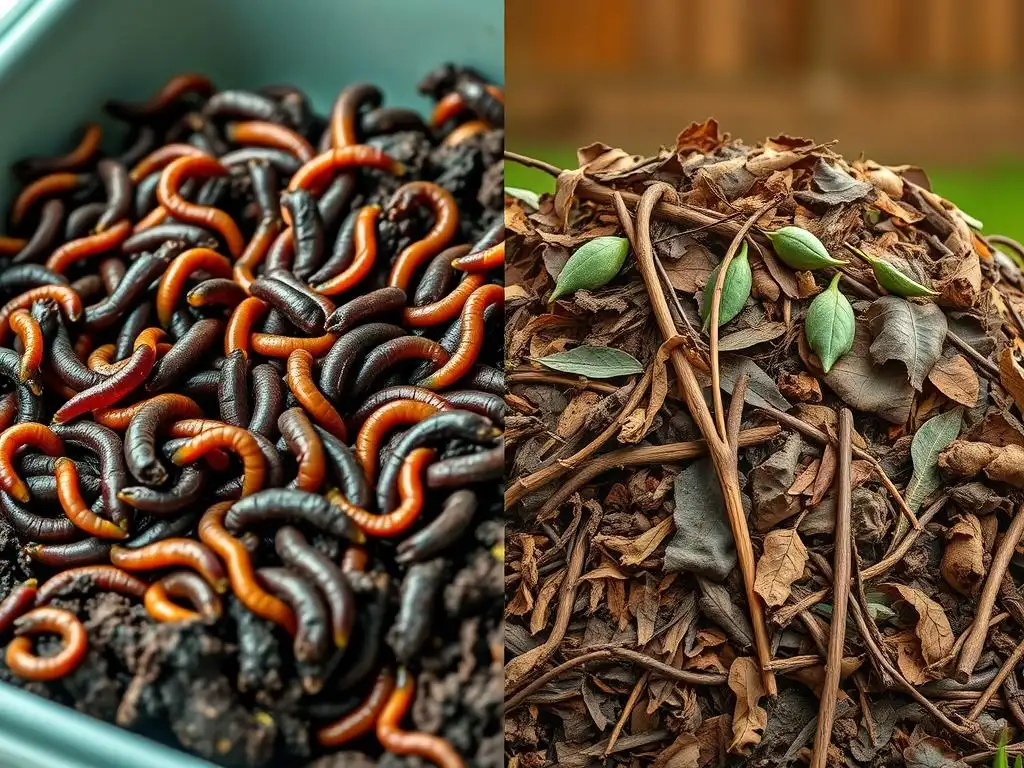
This section delves into a detailed comparison of vermicomposting and traditional composting methods, focusing on key aspects to help you determine the "best home composting method" for your needs. We'll examine space requirements, time commitment, and cost implications to provide a comprehensive overview.
Comparing Space Requirements: Bin Size and Placement Considerations for Both Methods
Choosing the right composting method often hinges on available space. Traditional composting, especially for larger households or gardens, frequently demands a significant footprint. A typical compost bin might measure 3ft x 3ft x 3ft, requiring a dedicated area in your yard. This can be problematic for those with limited outdoor space, apartments, or small balconies. Furthermore, the size of the bin directly impacts the volume of compostable material you can manage. Larger bins mean more frequent turning and potentially more unpleasant odors if not managed properly.
Vermicomposting, on the other hand, offers a significantly more compact solution. Worm composting bins are readily available in various sizes, from small tabletop units ideal for apartments to larger models suitable for more substantial organic waste generation. Even the largest vermicomposting bins typically occupy a much smaller area than traditional compost piles. Their compact nature makes them a versatile option for a wide range of spaces, including patios, garages, and even indoors (provided proper ventilation is ensured). This adaptability makes vermicomposting a strong contender for the title of "best home composting method" for space-conscious individuals.
| Composting Method | Space Requirements | Placement Considerations | Odor Potential |
|---|---|---|---|
| Traditional Composting | Large (3ft x 3ft x 3ft or larger) | Dedicated outdoor space, well-drained area | High (if not managed properly) |
| Vermicomposting | Small to Medium (highly variable depending on bin size) | Indoor or outdoor, well-ventilated area | Low to Moderate |
Comparing Time Commitment: Maintenance and Harvesting Schedules for Each Method
The time investment required for each composting method varies considerably. Traditional composting demands regular maintenance, including turning the pile every few weeks to ensure adequate aeration and decomposition. This process can be physically demanding, especially with larger piles. Harvesting mature compost from a traditional system typically involves sifting through the material to separate decomposed matter from larger, less-decomposed pieces. The entire process can take months, depending on factors like climate and material composition.
Vermicomposting, while requiring less strenuous physical labor, still demands attention. You'll need to feed your worms regularly, monitor moisture levels, and occasionally harvest “worm castings” – the rich, nutrient-rich byproduct of worm digestion. However, the frequency of these tasks is generally lower than that of traditional composting.
Harvesting worm castings is a relatively straightforward process, and the entire cycle from adding waste to harvesting castings tends to be quicker, often yielding usable compost within weeks. For those with busy schedules, vermicomposting might represent a more manageable approach to home composting and a strong claim for the "best home composting method" in terms of time efficiency.
Comparing Cost: Initial Investment and Ongoing Expenses for Both Systems
The initial investment for both methods can vary widely depending on the chosen system. Traditional composting can range from inexpensive (building a simple bin from readily available materials) to more costly (purchasing pre-fabricated bins or specialized compost tumblers). Ongoing expenses are generally minimal, primarily involving the occasional replacement of the bin if it degrades.
Vermicomposting systems also range in price, from budget-friendly DIY options to more elaborate, pre-assembled bins. The initial cost of purchasing worms is typically a relatively small expense. Ongoing expenses are again minimal, focusing mainly on maintaining the bin and ensuring an adequate supply of food scraps for the worms. Considering both initial and ongoing costs, both methods can be cost-effective, but the specific financial implications will depend on the chosen system and scale of operation. Ultimately, the "best home composting method" from a cost perspective will depend on your individual budget and preferences.
Comparing Odor Control: Managing Odors in Traditional Composting and Worm Composting
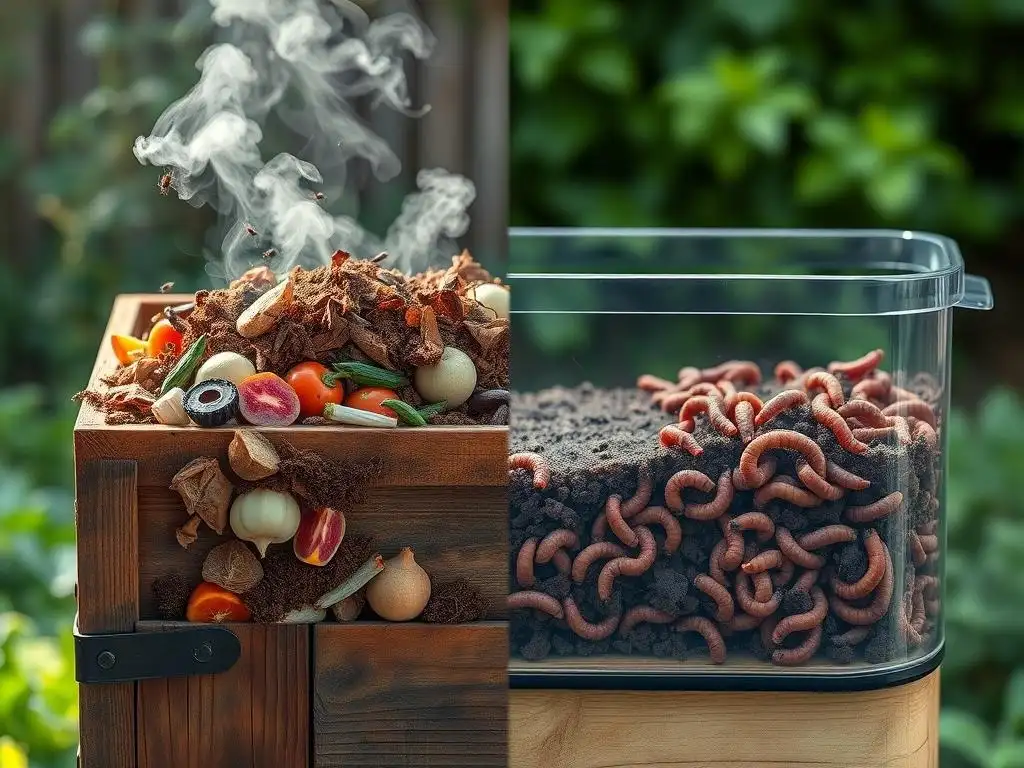
Traditional composting, particularly the heap or pile method, can sometimes produce unpleasant odors, especially during the initial stages of decomposition. This is due to the anaerobic decomposition that occurs when there is insufficient oxygen within the pile. The build-up of gases like methane and hydrogen sulfide contributes to the foul smell. Proper management, however, can significantly reduce these odors. Turning the compost pile regularly ensures proper aeration, which promotes aerobic decomposition—a process that significantly minimizes odor production.
Maintaining the correct carbon-to-nitrogen ratio is also crucial. Too much nitrogen leads to anaerobic conditions and unpleasant smells. Additionally, avoiding the addition of certain materials like meat, dairy, and oily foods can help prevent odor issues. Finally, covering the compost pile with a tarp or other material can help retain moisture and heat while also reducing the escape of odor-causing gases.
Vermicomposting, on the other hand, generally produces significantly less odor. The worms themselves consume organic matter efficiently and rapidly, reducing the build-up of decaying material that contributes to unpleasant smells. The castings (worm excrement) are relatively odorless and even have a slightly earthy aroma. However, even vermicomposting bins can produce some odor if they are overcrowded, improperly aerated, or if unsuitable materials are added.
Regular monitoring of the bin's moisture level and ensuring adequate drainage are key to maintaining a low-odor environment. Overfeeding the worms can also lead to odor issues, so it’s important to add food gradually and in appropriate amounts. Proper bin maintenance, including regular cleaning and refreshing bedding materials, is essential for odor control in vermicomposting.
Comparing Nutrient Output: Comparing the Quality and Composition of Compost
Both vermicomposting and traditional composting produce nutrient-rich compost that can improve soil health. However, there are subtle differences in the quality and composition of the end product. Traditional compost, after a proper decomposition period, provides a rich source of organic matter, improving soil structure, water retention, and aeration. Nutrient levels vary greatly depending on the source materials used and the composting method employed.
For example, compost made from a mix of yard waste and food scraps might have a different nutrient profile than compost derived primarily from leaves. Testing the compost for nutrient levels can provide a more precise understanding of its composition. However, general observations indicate good levels of nitrogen, phosphorus, and potassium.
Vermicompost, or worm castings, is often considered a superior soil amendment due to its higher concentration of beneficial microorganisms, enzymes, and readily available nutrients. Worms break down organic matter more efficiently than typical decomposition, creating a fine, granular compost that is easily incorporated into the soil. Worm castings are particularly rich in readily available plant nutrients, resulting in faster nutrient uptake by plants.
The presence of beneficial microbes further enhances soil health and plant growth by improving nutrient cycling and suppressing plant diseases. Scientific studies [specific information pending] have shown that vermicompost can lead to improved plant growth and yield compared to traditional compost. However, the nutrient content of both methods depends heavily on the initial input materials.
Comparing Ease of Use: A Beginner's Perspective on Each Composting Method
For beginners, vermicomposting often presents a gentler learning curve. The relatively contained nature of a worm bin simplifies the process and reduces the potential for messy spills and unpleasant odors. The smaller scale allows for easier management and monitoring, making it less overwhelming for those new to composting. Furthermore, the readily available information and resources specifically dedicated to vermicomposting make it easier to learn the techniques and troubleshoot any problems that may arise. The less physically demanding nature of vermicomposting, which doesn't require the turning of a large pile, makes it particularly suitable for those with physical limitations.
Traditional composting, while ultimately rewarding, can be more challenging for beginners. The larger scale necessitates more space and requires more effort in terms of turning the pile regularly to ensure proper aeration. Managing moisture levels effectively can also be tricky, and beginners may struggle with finding the right balance to avoid anaerobic conditions and odor problems.
The initial setup can also be more laborious, requiring the construction of a compost bin or pile, and the learning curve can be steeper due to the greater number of factors to consider. However, with some practice and patience, traditional composting becomes manageable, and the rewards are significant. The larger scale allows for composting larger volumes of organic waste, making it ideal for those with abundant yard waste or food scraps.
Selecting the Best Home Composting Method for Your Needs
Choosing the "best" home composting method hinges on several factors unique to each gardener. While both vermicomposting and traditional composting offer valuable benefits, the ideal choice depends heavily on your available space, time commitment, and budget. This section will help you assess these factors to determine which method aligns best with your lifestyle and gardening goals. Finding the best home composting method for you ensures a successful and rewarding composting experience.
Choosing Based on Space Availability: Ideal Scenarios for Each Method
Space constraints often dictate the feasibility of a particular composting method. Traditional composting, particularly for larger households or those with abundant yard waste, requires significantly more space than vermicomposting.
Let's consider some scenarios:
| Scenario | Traditional Composting Suitability | Vermicomposting Suitability |
|---|---|---|
| Small apartment/condo balcony | ❌ Poor, limited space | ✅ Excellent, compact setup |
| Suburban backyard | ✅ Excellent, ample space | ✅ Good, supplemental system |
| Large rural property | ✅ Excellent, can handle large volume | ✅ Good, for specific needs |
Traditional composting often involves large bins or piles, sometimes occupying several square feet. A 3x3 foot compost bin is a common size, while a sizeable pile can easily exceed that. In contrast, a vermicomposting bin, even for a larger household, can comfortably fit on a countertop or in a small corner, occupying a footprint as small as 1 square foot. This makes vermicomposting the clear winner for those with limited outdoor or indoor space. For those with ample space, either method is suitable, but a traditional setup can handle larger volumes of organic waste.
Choosing Based on Time Commitment: Matching Your Lifestyle to a Composting Method
The time investment required for each method differs significantly. Traditional composting, while relatively hands-off once established, necessitates regular turning and monitoring, particularly during warmer months. This involves physically turning the compost pile to aerate it and ensure even decomposition, which can take 15-30 minutes weekly.
Vermicomposting, while requiring daily feeding, demands less physical labor. The worms do most of the work! Daily feeding typically takes only a few minutes. However, regular monitoring of moisture levels and occasional bin cleaning is still necessary.
Consider your weekly schedule:
- Busy Lifestyle: Vermicomposting's lower time commitment makes it a more manageable option. Its smaller scale means less frequent maintenance.
- More Free Time: Traditional composting, while requiring more time initially, might suit you better if you enjoy the hands-on aspects of composting and have time for regular maintenance. The larger volume also means less frequent emptying.
Ultimately, the "best" method depends on your willingness and ability to dedicate time to the process.
Choosing Based on Budget: Evaluating Initial Costs and Long-Term Expenses
The initial investment for each composting method also varies considerably. Traditional composting can be inexpensive, ranging from free (using pallets or repurposed materials) to moderate (purchasing a ready-made compost bin). However, the cost can escalate if you invest in specialized compost tumblers or larger bins.
Vermicomposting requires a purchase of a worm bin, which can range from inexpensive DIY options to more costly, feature-rich models. You will also need to purchase red wiggler worms initially. However, the long-term cost is generally lower as you won't need to continuously buy new materials. The worms reproduce, negating the need for ongoing worm purchases. The overall cost of vermicomposting is often lower in the long run.
Here's a simplified cost comparison:
| Cost Category | Traditional Composting | Vermicomposting |
|---|---|---|
| Initial Setup Cost | Low to Moderate | Moderate |
| Ongoing Material Costs | Low (minimal additions needed) | Low (minimal additions needed) |
| Time Investment Cost | Moderate to High (depending on size and frequency of turning) | Low |
Therefore, while the initial investment might be higher for vermicomposting, its long-term cost-effectiveness and reduced time commitment often make it a financially prudent choice, especially for beginners. The best method depends on your budget and prioritization of initial vs. long-term expenses.
Choosing Based on Waste Management Goals: Optimizing Compost for Specific Needs
Choosing the "best" home composting method heavily depends on your specific waste management goals. Are you primarily focused on reducing kitchen scraps? Do you have a large yard producing significant amounts of yard waste? Or are you aiming for a nutrient-rich compost to specifically boost the growth of particular plants? The answer to these questions will significantly influence your decision between vermicomposting and traditional composting.
For instance, if your primary goal is to rapidly process kitchen scraps and produce a high-quality, readily available liquid fertilizer (worm tea), vermicomposting excels. Worms efficiently break down food waste, producing nutrient-rich castings and tea within a relatively short timeframe. This makes it ideal for smaller spaces and gardeners who prioritize rapid nutrient cycling for their plants. The resulting compost is particularly beneficial for potted plants and seedlings, offering a readily available boost of nutrients.
Conversely, traditional composting, especially large-scale methods like the three-bin system, are better suited for managing larger volumes of yard waste, such as leaves, grass clippings, and branches. This method is excellent for processing a wider variety of organic matter, including woody materials that worms struggle to break down effectively. The resulting compost, while perhaps taking longer to mature, often provides a more substantial volume suitable for amending larger garden beds. The process is also more forgiving of occasional imbalances in the carbon-to-nitrogen ratio.
Consider your specific plant needs as well. If you're growing nitrogen-loving plants like leafy greens, the readily available nitrogen in vermicompost might be ideal. However, if you're focusing on fruit trees or other plants that benefit from a more balanced nutrient profile, the mature compost from a traditional system might be a better choice. The nutrient content of the finished compost can vary depending on the input materials and the composting method.
Analyzing your soil and understanding your plants' nutrient requirements will help you make an informed decision. Remember that combining both methods can provide the best of both worlds; you could use vermicomposting for kitchen waste and traditional composting for yard waste, maximizing efficiency and resource utilization. This integrated approach allows you to tackle different waste streams effectively and achieve your specific composting goals.
Frequently Asked Questions
What is the difference between vermicomposting and traditional composting?
Vermicomposting uses red wiggler worms to break down organic matter, creating a nutrient-rich worm castings fertilizer. Traditional composting relies on bacteria and fungi, and produces a compost that's typically less nutrient-dense but still beneficial for your garden.
Which method is best for beginners?
Traditional composting is generally considered easier for beginners due to its simplicity and lack of specialized equipment. Vermicomposting requires more attention to detail, particularly regarding worm care and moisture levels.
What are the advantages of vermicomposting?
Vermicomposting produces a higher-quality fertilizer richer in nutrients than traditional compost. It also reduces odors significantly and requires less space than traditional methods.
What are the advantages of traditional composting?
Traditional composting is a low-maintenance method that can handle a larger volume of organic waste. It's also less expensive to set up, requiring only a compost bin or pile.
Which method is best for small spaces?
Vermicomposting is ideal for small spaces as it can be contained in a relatively small bin. Traditional composting requires more space, especially if you're composting a large volume of materials.
Final Reflection: Choosing Your Compost Path: A Sustainable Future
The quest for the best home composting method is not just about efficient waste reduction; it's about actively participating in a more sustainable future. The choices we make, from vermicomposting's intimate worm-powered process to the more hands-off approach of traditional composting, directly impact our environmental footprint and connect us to the cyclical nature of life.
The ongoing shift towards conscious consumption underscores the importance of understanding our waste management practices. Vermicomposting and traditional composting, while distinct, both offer valuable pathways to a greener lifestyle. The best method ultimately depends on individual circumstances, resources, and commitment. We do not inherit the earth from our ancestors, we borrow it from our children.
This quote encapsulates the responsibility we bear in choosing sustainable practices, and composting, in any form, is a powerful step in that direction.
Consider your lifestyle, available space, and the volume of organic waste you generate. Will you embrace the fascinating world of worms and their tireless work, or will you opt for the simpler, albeit potentially more space-demanding, traditional method? Whichever path you choose, remember that every effort, no matter how small, contributes to a larger movement towards environmental stewardship. Embrace the journey, learn from your experiences, and become a conscious steward of our shared planet.
Unlock Your Garden's Potential: Start Composting Today!
Thanks for joining us on this composting adventure! You now have the knowledge to choose a composting method that suits your lifestyle. Ready to transform your kitchen scraps into nutrient-rich soil for a thriving garden?
- Start vermicomposting: Setting up a worm bin is easier than you think! Order one online today and imagine the rich, healthy soil you'll create.
- Share your composting experience: Tell us (or your friends!) about your chosen composting method and why you selected it. What are you most excited to grow using your homemade compost?
- Explore advanced composting techniques: Research different worm species or try bokashi composting – the possibilities are truly endless!
So, what's the first exciting gardening project you'll enrich with your compost?