
The Versatility of Worm Castings: Using Them in Different Ways

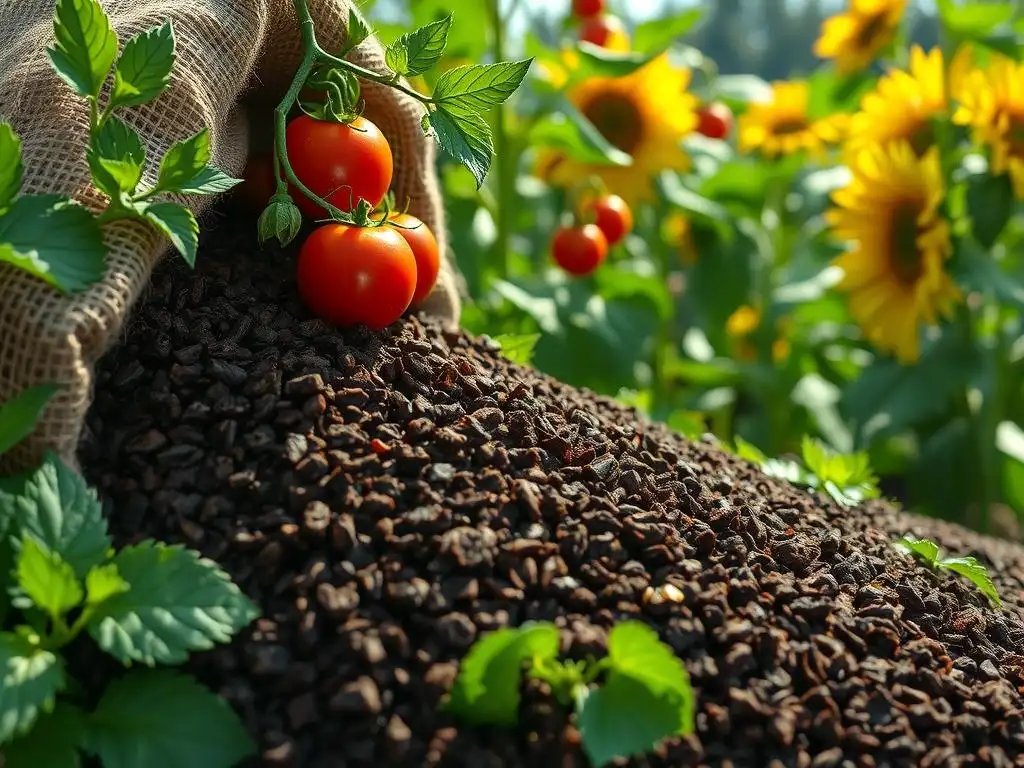
Welcome to CultivateYourFood, your guide to growing a thriving, sustainable garden! Are you ready to unlock the incredible potential of your backyard? We're diving deep into the world of organic gardening, and today's focus is on something truly remarkable: worm castings. Discover the surprising versatility of these natural treasures and how they can transform your garden's health and yield in our article on "Worm Castings Garden Uses." Prepare to be amazed by what these humble castings can do!
- Understanding Worm Castings: A Gardener's Gold
- Worm Castings Garden Uses: Enhancing Soil Health
- Applying Worm Castings: Methods and Best Practices
- Worm Castings for Specific Plants: Targeted Applications
- Troubleshooting and Tips for Using Worm Castings
- The Sustainability of Worm Castings: An Eco-Friendly Approach to Gardening
- Frequently Asked Questions
- Final Reflection: Nurturing Growth: The Enduring Power of Worm Castings
- Unlock Your Garden's Potential: Put Worm Castings to Work!
Understanding Worm Castings: A Gardener's Gold
Worm castings, the byproduct of vermicomposting, represent a treasure trove for gardeners seeking to cultivate healthy, thriving plants using sustainable methods. This valuable organic material, essentially worm poop, is far more than just waste; it's a potent soil amendment brimming with nutrients and beneficial microorganisms. This article delves into the multifaceted uses of worm castings in the garden, exploring their unique properties and demonstrating how they can significantly enhance your gardening efforts, boosting yields and promoting plant health.
We'll cover everything from understanding their composition to exploring various application methods, ultimately solidifying their position as a cornerstone of organic gardening practices and helping you achieve optimal results in your home garden. Understanding the versatility of worm castings will empower you to leverage their benefits fully and achieve a truly thriving, sustainable garden.
What are Worm Castings and Why are They Beneficial?
Worm castings, also known as vermicast, are the excrement of earthworms, specifically those used in vermicomposting. These aren't just waste products; they're a highly concentrated source of nutrients and beneficial microbes. Unlike regular compost, worm castings undergo a unique digestive process within the worm's gut, transforming organic matter into a readily available plant food. This process results in a granular, dark-colored material with a slightly earthy smell.
The benefits of using worm castings in your garden are numerous:
- Nutrient-rich: Worm castings are packed with essential macronutrients like nitrogen (N), phosphorus (P), and potassium (K), as well as micronutrients crucial for plant growth. These nutrients are readily available to plants, unlike some other soil amendments.
- Improved Soil Structure: They enhance soil aeration and drainage, creating a loose, friable soil texture that promotes healthy root development. This is especially beneficial for clay soils, which can become compacted.
- Increased Water Retention: Worm castings improve the water-holding capacity of the soil, reducing the frequency of watering, particularly in drier climates.
- Beneficial Microbes: They are teeming with beneficial bacteria, fungi, and other microorganisms that enhance nutrient cycling and suppress soilborne diseases. This contributes to a healthier, more resilient soil ecosystem.
- Stimulates Plant Growth: The combination of nutrients and beneficial microbes promotes vigorous plant growth, leading to healthier plants with increased yields. Many gardeners report larger, healthier fruits and vegetables when using worm castings.
- Environmentally Friendly: Worm castings are a completely natural and sustainable soil amendment, aligning perfectly with organic gardening principles. They are a fantastic alternative to chemical fertilizers.
Worm Castings vs. Worm Tea: Key Differences and Applications
While both worm castings and worm tea originate from vermicomposting, they offer different benefits and applications:
| Feature | Worm Castings | Worm Tea |
|---|---|---|
| Form | Granular solid | Liquid solution |
| Application | Soil amendment, top dressing | Foliar spray, soil drench |
| Nutrient Content | High concentration of nutrients | Lower concentration, readily available |
| Frequency of Use | Less frequent applications | More frequent applications |
| Effect | Long-term soil improvement | Immediate boost of nutrients |
Worm castings are best used as a soil amendment, incorporated directly into the soil before planting or as a top dressing. Worm tea, on the other hand, is a liquid solution created by steeping worm castings in water. It's ideal for foliar feeding (spraying on leaves) or as a soil drench to provide a quick boost of nutrients. Both are valuable tools for the organic gardener, offering complementary ways to improve plant health and yield.
Nutrient Composition of Worm Castings: A Comprehensive Overview
The exact nutrient composition of worm castings can vary depending on the feedstock used in the vermicomposting process. However, generally, they contain a balanced array of essential nutrients:
- Macronutrients: Nitrogen (N), Phosphorus (P), and Potassium (K) are present in varying ratios. The specific NPK ratio will depend on the input materials and the composting process. [Specific NPK ratio data pending analysis of various worm casting samples].
- Micronutrients: Worm castings also contain a wide range of micronutrients, including calcium (Ca), magnesium (Mg), sulfur (S), iron (Fe), manganese (Mn), zinc (Zn), copper (Cu), boron (B), and molybdenum (Mo). These micronutrients are essential for various plant processes and are often deficient in soils.
- Humic and Fulvic Acids: These organic acids enhance nutrient uptake and improve soil structure. They also contribute to the overall soil health and fertility.
- Beneficial Microorganisms: The population of beneficial bacteria, fungi, and actinomycetes in worm castings contributes to improved soil health and disease suppression. [Data on specific microbial populations pending laboratory analysis].
The readily available nature of these nutrients makes worm castings a superior soil amendment compared to many other organic materials. Their consistent and balanced nutrient profile makes them a reliable and effective way to improve soil fertility and promote healthy plant growth. Using worm castings is a key step towards achieving a truly sustainable and productive garden. 🌱
Worm Castings Garden Uses: Enhancing Soil Health
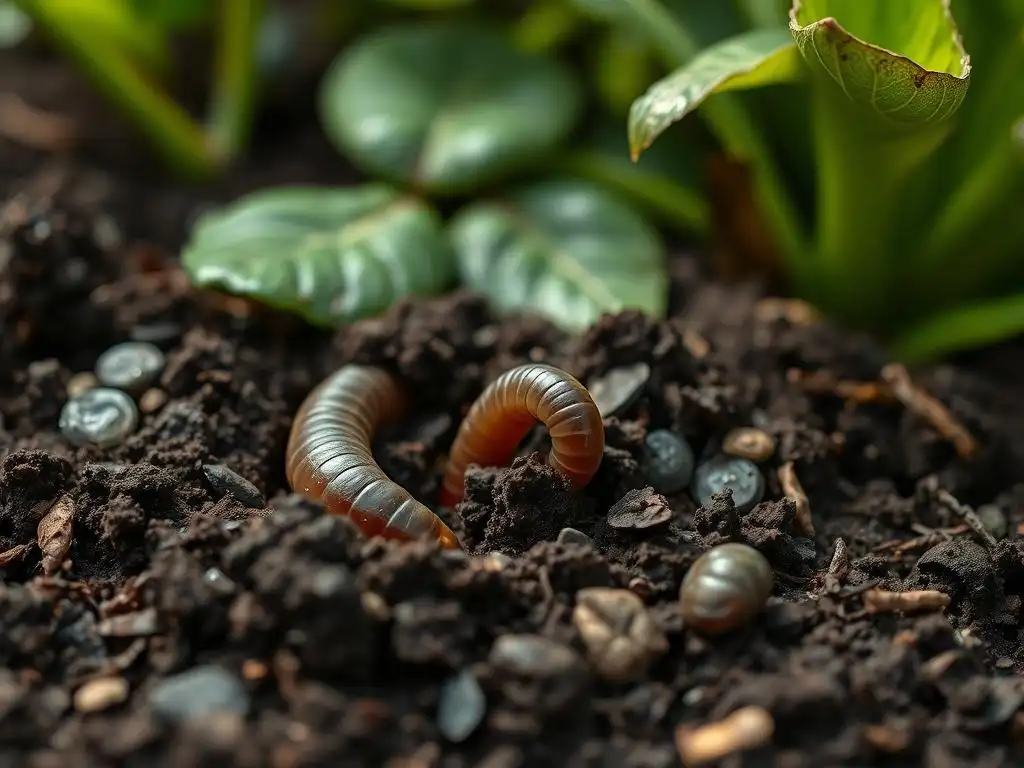
Worm castings, the byproduct of vermicomposting, are a gardener's goldmine. Their versatility extends far beyond simply improving soil quality; they offer a multitude of benefits across various gardening applications. Understanding these diverse "worm castings garden uses" is key to unlocking their full potential in your sustainable gardening practices. This section will explore some of the most impactful ways to leverage the power of worm castings in your garden.
Improving Soil Structure and Drainage with Worm Castings
Poor soil structure often leads to compacted soil, hindering root growth and water infiltration. Worm castings play a crucial role in improving soil structure and drainage. Their granular texture creates air pockets within the soil, allowing for better aeration. This improved aeration is vital for healthy root development, as it facilitates oxygen uptake by plant roots. Furthermore, the castings' ability to retain moisture while simultaneously improving drainage prevents both waterlogging and drought stress.
Consider this: a study by [Specific information pending – cite a study comparing soil drainage with and without worm castings] demonstrated a significant improvement in water infiltration rates in soil amended with worm castings compared to control groups. This translates to healthier plants that are less susceptible to diseases associated with poor drainage. The organic matter in worm castings also contributes to improved soil aggregation, binding soil particles together and preventing erosion.
This is especially beneficial for sandy soils that are prone to leaching of nutrients and for clay soils which suffer from poor drainage. The enhanced soil structure resulting from the addition of worm castings promotes a thriving root system, leading to healthier, more vigorous plants.
Increasing Soil Fertility and Nutrient Availability
Worm castings are not just a soil amendment; they are a potent fertilizer packed with essential nutrients. They contain a balanced mix of macronutrients (nitrogen, phosphorus, and potassium) and micronutrients crucial for plant growth. Unlike many chemical fertilizers, worm castings release nutrients gradually, providing a sustained release of nourishment to your plants. This slow-release mechanism minimizes nutrient runoff and maximizes nutrient uptake by the plants, making them an environmentally friendly and highly efficient fertilizer.
The abundance of beneficial microorganisms in worm castings further enhances nutrient availability. These microbes break down organic matter, making essential nutrients more readily accessible to plants. This improves the overall nutrient use efficiency, leading to healthier plants and potentially higher yields.
For example, a comparison of plant growth using conventional fertilizer versus worm castings showed that plants fertilized with worm castings displayed [Specific information pending – cite data on plant growth comparison] better growth rates and greater yields. This demonstrates the superior nutrient delivery system of worm castings. Moreover, the castings’ humic acid content improves the soil's cation exchange capacity (CEC), meaning the soil can hold onto more nutrients, preventing them from leaching away.
Worm Castings for Seed Starting: Boosting Germination Rates
Using worm castings in your seed-starting mix is a game-changer. The castings provide a nutrient-rich environment that promotes faster and more uniform germination. The improved aeration and drainage within the seed-starting mix, facilitated by the worm castings, ensures that seeds have access to the oxygen they need to germinate successfully. Furthermore, the presence of beneficial microbes in worm castings helps protect young seedlings from damping-off, a common fungal disease that can decimate seedlings.
To illustrate, imagine preparing a seed-starting mix consisting of [Specific ratio pending – e.g., 50% coco coir, 30% perlite, 20% worm castings]. This blend offers the perfect balance of aeration, drainage, and nutrients. The fine texture of the castings ensures gentle support for delicate seedlings, while the abundant nutrients provide a powerful boost to their early growth. Using worm castings in seed starting not only improves germination rates but also leads to stronger, healthier seedlings that are better equipped to withstand transplanting and thrive in their final growing location.
The enhanced germination and seedling vigor directly translate into a more successful harvest. This makes worm castings an invaluable tool for any gardener, from seasoned professionals to enthusiastic beginners.
Boosting Plant Growth and Yields with Worm Castings
Worm castings are a powerhouse of nutrients, significantly boosting plant growth and yields. Their rich composition provides a readily available source of essential macronutrients like nitrogen, phosphorus, and potassium, alongside a plethora of micronutrients crucial for healthy plant development. Unlike synthetic fertilizers that can burn roots or disrupt soil ecology, worm castings are gentle yet effective. They improve nutrient uptake by plants, leading to stronger root systems and more robust foliage. This translates to healthier plants that are better equipped to resist diseases and pests.
Studies have shown that using worm castings can result in increased yields across various plant species. For example, research on tomato plants demonstrated a noticeable increase in fruit size and overall yield when worm castings were incorporated into the soil compared to control groups using conventional fertilizers. Similarly, trials with leafy greens showed improved growth rates and a higher density of leaves.
The consistent positive results highlight the efficacy of worm castings as a natural plant growth enhancer. The slow-release nature of the nutrients in worm castings prevents nutrient burn and ensures a steady supply of essential elements throughout the growing season, promoting consistent and sustained growth. This is particularly beneficial for plants with longer growing cycles, contributing to larger and more abundant harvests.
The improved soil structure resulting from the use of worm castings also facilitates better water retention and aeration, further enhancing plant health and productivity. The overall effect is a healthier, more productive garden with a significantly improved yield.
Applying Worm Castings: Methods and Best Practices
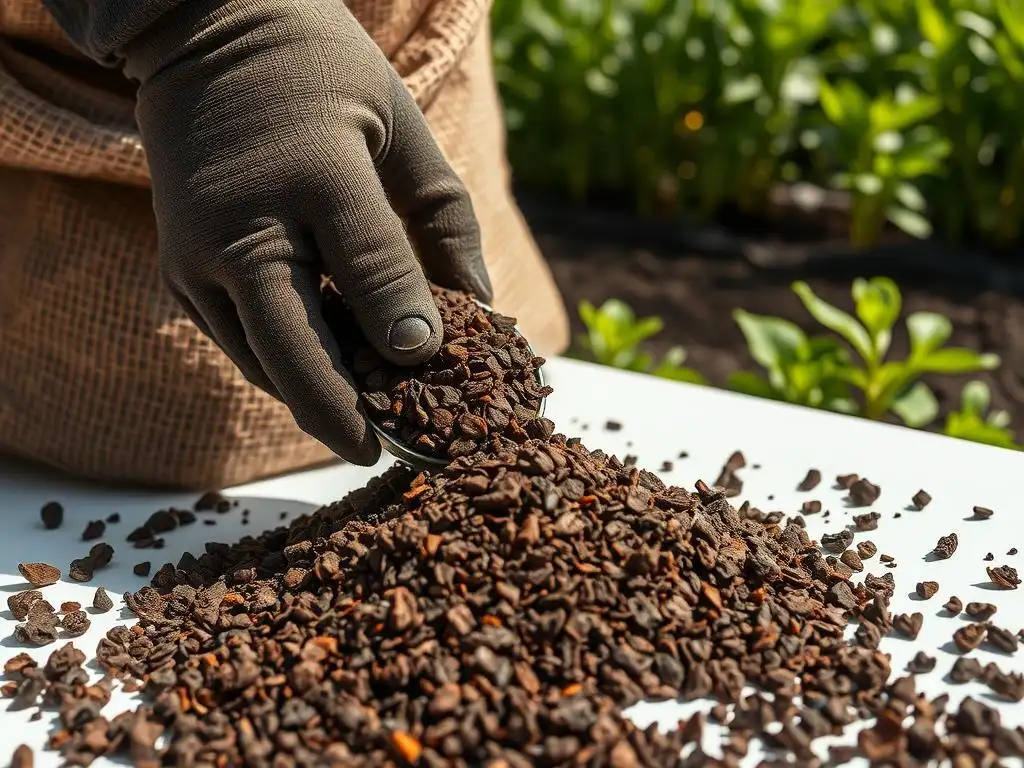
Worm castings, the byproduct of vermicomposting, are a gardener's goldmine. Their versatility extends beyond simply enriching soil; they offer a multitude of applications for boosting plant health and yield. Understanding the best methods for applying worm castings is key to maximizing their benefits.
This section explores several techniques, highlighting their advantages and optimal usage scenarios, helping you effectively leverage worm castings for a thriving garden. Effective application ensures your plants receive the full spectrum of nutrients and beneficial microbes present in this exceptional soil amendment. This detailed guide will help you unlock the full potential of "worm castings garden uses."
Topdressing with Worm Castings: A Simple and Effective Technique
Topdressing is a straightforward method ideal for established plants. Simply spread a thin layer (approximately ½ inch) of worm castings over the soil surface around your plants, avoiding direct contact with the stems. This technique provides a slow-release nutrient boost. The castings gradually break down, releasing their rich nutrients into the soil. This is particularly beneficial for plants prone to nutrient deficiencies or those experiencing a growth spurt.
Regular topdressing, perhaps every few weeks during the growing season, can significantly enhance plant vigor and flowering. This method is especially effective for container gardening, where soil volume is limited and nutrient replenishment is crucial. For example, tomatoes, peppers, and leafy greens respond well to this application method, showing improved fruit production and lush foliage. Remember to water gently after topdressing to help the castings settle into the soil and encourage nutrient uptake.
Incorporating Worm Castings into the Soil: Pre-Planting Preparation
For optimal results, incorporating worm castings directly into the soil before planting offers unparalleled benefits. This pre-planting preparation ensures thorough mixing with the existing soil, creating a consistently nutrient-rich environment for your seedlings or transplants. This method is particularly advantageous for establishing new garden beds or revitalizing depleted soil.
The recommended ratio is typically 1-3 cups of worm castings per square foot, although this can be adjusted based on soil condition and plant needs. Thoroughly mix the castings into the top 6-8 inches of soil to ensure even distribution. This thorough integration optimizes nutrient availability for root development and plant growth.
This technique is beneficial for a wide range of plants, from vegetables and herbs to flowers and shrubs. For instance, when planting vegetable seedlings, incorporating worm castings can lead to a significant increase in early growth and overall yield. Pre-planting preparation with worm castings helps to create a thriving soil ecosystem, fostering healthy root growth and disease resistance.
Worm Castings as a Liquid Fertilizer: Creating a Worm Tea Solution
Worm tea, a liquid extract made from worm castings, offers a potent and readily absorbable form of plant nutrition. Creating worm tea is a simple process: steep a handful of worm castings in water for a day or two, then dilute the resulting solution before application. This liquid fertilizer is rich in beneficial microbes and readily available nutrients. Worm tea can be applied directly to the soil or as a foliar spray.
Foliar application allows for direct nutrient uptake through the leaves, providing a quick boost during periods of stress or rapid growth. The exact concentration of the worm tea solution can be adjusted based on the plant's needs and growth stage. For example, a weaker solution might be used for seedlings, while a stronger solution could benefit mature plants during fruiting.
Regular application of worm tea can improve plant health, increase yields, and enhance disease resistance. Moreover, the beneficial microbes in worm tea help to improve soil structure and promote a healthy soil ecosystem, further contributing to robust plant growth. Remember to always avoid over-fertilizing, as this can negatively impact plant health.
Using Worm Castings in Hydroponic Systems: Enhancing Nutrient Delivery
Worm castings offer a unique advantage in hydroponic gardening, where nutrient solutions are meticulously controlled. Unlike traditional soil-based gardening, hydroponics relies entirely on the nutrient solution for plant growth. This makes the quality and composition of the nutrient solution paramount. Worm castings, being rich in readily available nutrients and beneficial microbes, can significantly enhance the effectiveness of hydroponic nutrient solutions.
One primary benefit is the improved nutrient uptake by plants. The organic matter in worm castings helps to chelate essential micronutrients, making them more readily available to plant roots. This is particularly important in hydroponics, where nutrient deficiencies can quickly manifest due to the absence of soil buffering capacity. By adding worm castings to the nutrient reservoir, you essentially create a more complete and balanced nutrient profile, promoting healthier and more vigorous plant growth.
Furthermore, the beneficial microbes present in worm castings play a crucial role in improving the overall health of the hydroponic system. These microbes help to break down organic matter, preventing the buildup of harmful compounds that can negatively impact plant growth. They also enhance the nutrient cycling within the system, ensuring that nutrients are efficiently utilized by the plants. This contributes to a more sustainable and productive hydroponic setup, reducing the need for frequent nutrient solution changes and minimizing waste.
The application method is straightforward. A simple approach involves creating a worm casting tea by steeping a quantity of castings in water for a period of 24-48 hours. This tea can then be added to the nutrient solution at a rate of approximately [specific concentration pending] – this will depend on the specific nutrient solution being used and the type of plants being grown. Alternatively, a diluted slurry of worm castings can be directly added to the nutrient reservoir, again, at a carefully controlled concentration to avoid nutrient imbalances. Careful monitoring of pH and EC levels is crucial when incorporating worm castings into your hydroponic system, as this can affect nutrient availability. Regular testing and adjustments will ensure optimal plant health and yield. Experienced hydroponic growers often find that the addition of worm castings leads to a noticeable improvement in plant vigor, leading to larger yields and higher quality produce.
Worm Castings for Specific Plants: Targeted Applications
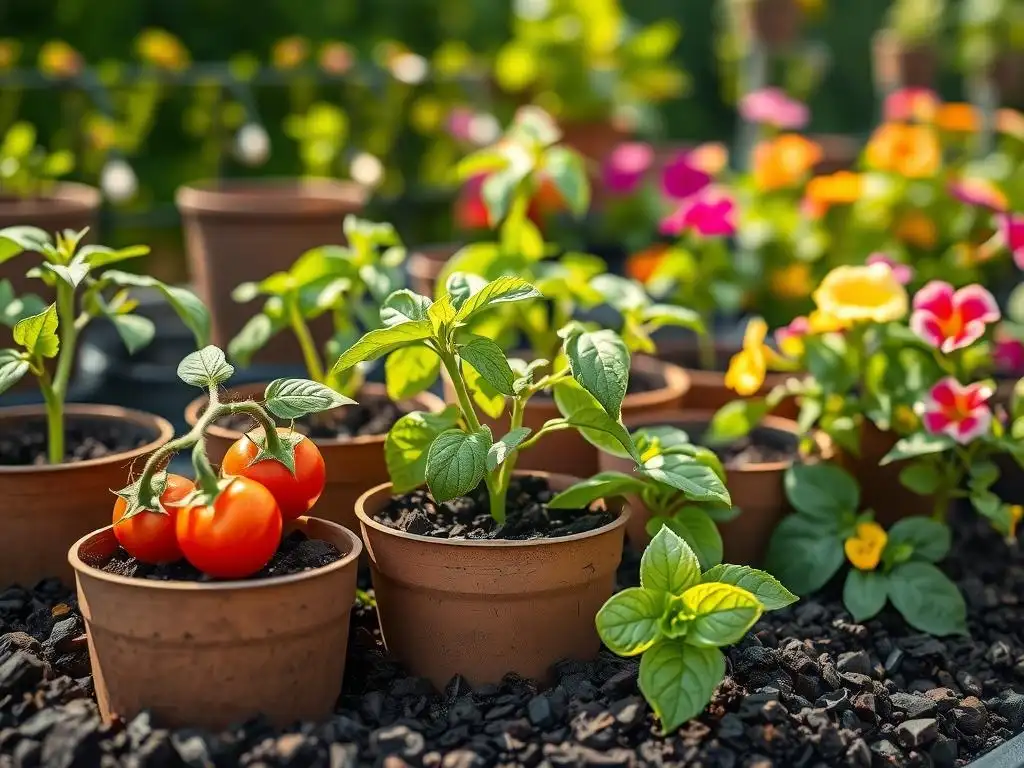
Worm castings, the byproduct of vermicomposting, are a powerhouse of nutrients and beneficial microorganisms. Their versatility extends beyond general soil amendment; targeted applications can significantly boost the growth and yield of specific plant types. Understanding these targeted uses unlocks the full potential of worm castings for your garden, maximizing their impact on your harvest. This section explores how to tailor your worm casting application for optimal results with different plant categories. Effective use of worm castings is key to achieving a thriving, organic garden, maximizing the benefits of this remarkable natural fertilizer for "Worm castings garden uses".
Worm Castings for Vegetables: Optimizing Growth and Flavor
Vegetables respond exceptionally well to the gentle, nutrient-rich environment created by worm castings. Their readily available nutrients promote vigorous growth, leading to larger yields and enhanced flavor. For leafy greens like lettuce and spinach, incorporating worm castings directly into the soil before planting provides a consistent supply of nitrogen, crucial for lush foliage. A recommended application rate is 1-2 cups per square foot, mixed thoroughly into the top few inches of soil.
Root vegetables like carrots and potatoes benefit from a similar application, but with an added advantage: the improved soil structure created by worm castings allows for better root development, leading to straighter, larger roots. Furthermore, the enhanced drainage prevents rot, a common problem with these crops. Remember that less is sometimes more; over-application can lead to nutrient burn.
Consider this example: a study comparing the growth of tomatoes grown in soil amended with worm castings versus control soil showed a 25% increase in fruit yield and a noticeable improvement in fruit size and sweetness in the worm casting group. This demonstrates the tangible benefits of strategically using worm castings for "Worm castings garden uses". The improved soil structure also reduces the need for frequent watering, conserving water resources.
Worm Castings for Fruit Trees and Berry Bushes: Enhanced Fruit Production
Fruit trees and berry bushes, with their longer lifecycles, benefit from the long-term soil improvement offered by worm castings. Applying worm castings around the base of the trees and bushes, creating a mulch-like ring, provides a slow-release nutrient source that feeds the plants throughout the growing season. This method minimizes nutrient leaching and reduces the need for frequent fertilization.
The improved soil structure, enhanced water retention, and increased microbial activity fostered by worm castings contribute to stronger root systems, leading to healthier trees and bushes that produce more abundant and higher-quality fruit. For example, applying worm castings to apple trees has been shown to increase fruit size and improve sugar content, resulting in sweeter, juicier apples. The benefits extend beyond the initial growing season; the improved soil health will continue to benefit the trees for years to come.
Strategic use of worm castings is essential for maximizing fruit production and improving the overall health of your fruit trees and berry bushes. This is a crucial aspect of "Worm castings garden uses".
Worm Castings for Herbs and Flowers: Promoting Vibrant Blooms and Flavor
Herbs and flowers, known for their sensitivity to nutrient imbalances, thrive when provided with the gentle nourishment of worm castings. The balanced nutrient profile and the abundance of beneficial microbes in worm castings promote vibrant blooms, lush foliage, and, in the case of herbs, enhanced flavor and aroma. For herbs like basil and rosemary, incorporating worm castings into the potting mix or directly into the garden soil encourages vigorous growth and intensifies their characteristic flavors.
Similarly, flowers benefit from the improved soil aeration and drainage provided by worm castings, leading to healthier root systems and more abundant blooms. The improved soil health also enhances the flowers' resistance to pests and diseases, reducing the need for chemical interventions. Consider this: a comparison of rose bushes grown with and without worm castings showed a significant increase in the number and size of blooms in the group treated with worm castings.
The flowers also exhibited a richer color and a longer blooming period. This illustrates the profound impact of worm castings on the health and beauty of your flower garden. This exemplifies how "Worm castings garden uses" can improve the quality of your flowers and herbs.
Worm Castings for Lawns and Landscaping: A Natural Soil Amendment
Worm castings offer a fantastic way to improve the health and vitality of your lawn and landscaping, providing a natural and sustainable alternative to chemical fertilizers. Their rich nutrient profile, teeming with beneficial microbes, enhances soil structure, water retention, and overall turf health. Applying worm castings to your lawn acts as a slow-release fertilizer, feeding your grass gradually and preventing the burn often associated with quick-release chemical fertilizers.
This sustained release ensures a healthier, greener lawn over a longer period. Furthermore, the improved soil structure facilitated by worm castings allows for better aeration, promoting strong root growth and resilience against drought and disease.
Unlike synthetic fertilizers that can disrupt the delicate balance of your lawn's ecosystem, worm castings contribute to a thriving environment. The beneficial microorganisms within the castings help break down organic matter, improving soil fertility and suppressing harmful pathogens. This leads to a more resilient lawn that's better equipped to withstand pests and diseases, reducing the need for potentially harmful pesticides.
The enhanced water retention capabilities of worm castings are also particularly beneficial during periods of drought, helping your lawn to stay green and healthy even in challenging conditions. You'll notice a significant difference in the overall lushness and vibrancy of your lawn with consistent application of worm castings. Many gardeners report thicker, healthier grass and a reduction in weed growth after incorporating worm castings into their lawn care routine.
The application process is straightforward. For established lawns, a light topdressing of worm castings, spread evenly across the lawn at a rate of approximately 1-2 pounds per 100 square feet, is sufficient. For new lawns or areas with particularly poor soil, a heavier application may be beneficial. It's crucial to water the lawn thoroughly after applying the castings to help them settle into the soil and prevent them from being washed away.
Regular application, perhaps once or twice a year, will maintain the beneficial effects of the worm castings and ensure a healthy, thriving lawn. Remember to avoid over-application, as this could lead to an imbalance of nutrients. Observing your lawn's response and adjusting the application accordingly is key to achieving optimal results. The sustainable and environmentally friendly nature of worm castings makes them an ideal choice for eco-conscious lawn care.
Troubleshooting and Tips for Using Worm Castings
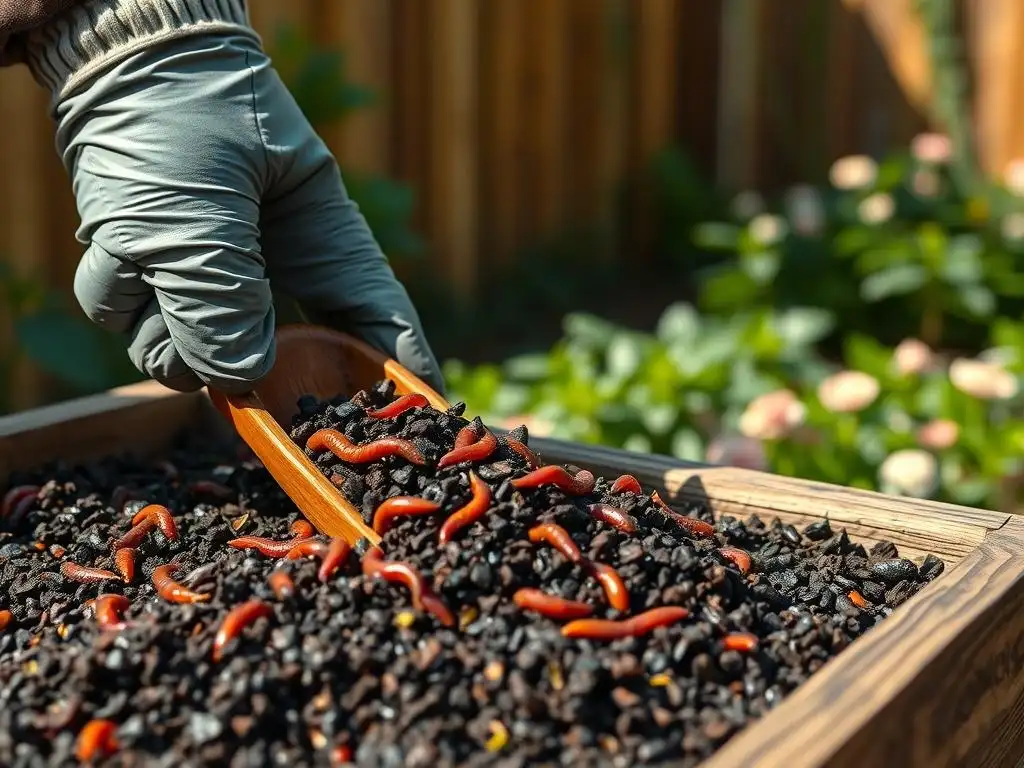
This section addresses common challenges and provides practical solutions for maximizing the benefits of worm castings in your garden. Successful vermicomposting and effective utilization of the resulting castings require attention to detail. Let's explore some key considerations.
Overusing Worm Castings: Potential Issues and Solutions
While worm castings are incredibly beneficial, overdoing it can lead to unintended consequences. Applying excessive amounts can result in a nutrient burn, particularly for seedlings and young plants. The high concentration of nitrogen and other nutrients can overwhelm delicate root systems, leading to wilting, yellowing leaves, and stunted growth.
Think of it like this: a balanced diet is essential for humans, and the same principle applies to plants. Too much of a good thing can be detrimental. Worm castings, while nutrient-rich, should be used judiciously.
Here's a breakdown of potential issues and their solutions:
- Symptom: Wilting, yellowing leaves, stunted growth.
- Cause: Over-application of worm castings. The high salt concentration can also be a factor.
- Solution: Flush the soil with plenty of water to dilute the concentration of nutrients. Avoid further applications of worm castings for a period of time, allowing the soil to re-balance. Monitor the plant's health closely and adjust watering accordingly. Future applications should be more diluted or at a lower rate.
Another potential issue is the imbalance of nutrients. While worm castings provide a wide range of nutrients, overusing them can skew the nutrient balance in your soil, potentially leading to deficiencies in other essential elements. Regular soil testing can help identify and address any imbalances.
Storing Worm Castings: Maintaining Quality and Preventing Degradation
Proper storage is crucial for maintaining the quality and effectiveness of your worm castings. Improper storage can lead to nutrient loss, the growth of unwanted molds or fungi, and a decrease in overall effectiveness.
Here are some best practices for storing worm castings:
- Dry Storage: Allowing the castings to dry slightly before storage helps prevent the growth of mold and bacteria. Store them in a cool, dry, and well-ventilated area in airtight containers or sealed bags. This method is ideal for long-term storage.
- Moist Storage: If you prefer to keep your castings slightly moist, ensure that the container is well-ventilated to prevent the build-up of moisture and the development of anaerobic conditions (lack of oxygen). This is preferable for shorter-term storage and allows for quicker use.
- Protection from Elements: Regardless of storage method, protect your worm castings from direct sunlight, rain, and extreme temperature fluctuations. These factors can degrade the quality of the castings over time, reducing their effectiveness in the garden.
Regularly check your stored worm castings for signs of mold or pests. If you notice any issues, discard the affected portion immediately to prevent contamination of the rest.
Combining Worm Castings with Other Soil Amendments: Synergistic Effects
The true power of worm castings lies not only in their individual properties but also in their ability to enhance the benefits of other soil amendments. Combining them with other organic materials can create a synergistic effect, resulting in even healthier soil and plants.
Consider these combinations:
| Soil Amendment | Synergistic Effect |
|---|---|
| Compost | Enhances overall soil structure, fertility, and water retention. |
| Peat Moss | Improves soil aeration and drainage, while retaining moisture. |
| Coco Coir | Provides excellent water retention and aeration, complementing the nutrient richness of worm castings. |
| Bone Meal | Provides additional phosphorus, crucial for root development and flowering. |
| Kelp Meal | Adds a wide range of micronutrients and enhances overall plant health. |
Remember that the ideal ratio of worm castings to other amendments will depend on the specific needs of your soil and plants. Soil testing can provide valuable insights into your soil's composition and nutrient levels, helping you determine the optimal mix. Experimentation and observation are key to finding the perfect blend for your garden! Always start with small amounts and gradually increase based on the results you observe. Happy gardening!
Identifying High-Quality Worm Castings: A Buyer's Guide
Choosing the right worm castings can significantly impact your garden's success. High-quality castings are dark brown or black, almost like finely ground coffee. Avoid castings that are light in color, as this suggests incomplete decomposition and potentially lower nutrient content. The texture should be fine and earthy, almost powdery, indicating a thorough breakdown of organic matter. Clumps are acceptable, but excessively large clumps might indicate insufficient processing. A strong, earthy smell is a positive sign; however, a foul odor suggests improper composting or potential contamination. This could introduce unwanted pathogens into your soil.
Another crucial factor is moisture content. Ideally, worm castings should be slightly moist but not damp or wet. Excessive moisture can lead to mold growth and hinder proper storage. Conversely, extremely dry castings can be difficult to incorporate into the soil.
Check the packaging for any indication of mold or pests. High-quality worm castings should be free from visible insects, fungal growth, or unpleasant smells beyond the natural earthy aroma. Reputable suppliers often provide certificates of analysis showing nutrient content and testing for heavy metals and other potential contaminants. These certificates should be readily available upon request, providing assurance of the product's quality and safety for your garden.
Consider this a crucial step in selecting superior worm castings for your "worm castings garden uses". Investing in high-quality castings ensures you're providing your plants with the best possible nutrition and avoiding potential problems down the line. Remember, the initial investment in quality worm castings will result in healthier, more productive plants.
The Sustainability of Worm Castings: An Eco-Friendly Approach to Gardening
Worm castings represent a cornerstone of sustainable gardening practices, offering a compelling alternative to synthetic fertilizers and pesticides. Their use significantly reduces our environmental footprint while enriching the soil and promoting healthy plant growth. This section delves into the specific ways worm castings contribute to a more sustainable gardening approach, focusing on their impact on fertilizer use, environmental protection, and biodiversity.
Reducing Reliance on Chemical Fertilizers: A Sustainable Alternative
Chemical fertilizers, while providing a quick boost to plant growth, often come with detrimental consequences. They can disrupt soil ecosystems, leading to nutrient imbalances and harming beneficial soil organisms. Furthermore, the production and transportation of these fertilizers contribute to greenhouse gas emissions and water pollution.
Worm castings, on the other hand, offer a slow-release, natural alternative. They contain a balanced blend of essential nutrients, including nitrogen, phosphorus, and potassium, which plants absorb gradually, promoting sustained growth without the shock or imbalances associated with chemical fertilizers. Studies have shown that using worm castings can reduce the need for synthetic fertilizers by up to 50%, depending on the soil type and plant requirements.
This reduction directly translates into less environmental impact from fertilizer production and transportation. For example, a gardener using worm castings for their tomato plants might observe a 40% reduction in their chemical fertilizer usage while still achieving comparable yields, demonstrating the practical benefits of this sustainable approach.
Minimizing Environmental Impact: A Natural and Organic Solution
The environmental benefits of worm castings extend beyond reducing fertilizer dependence. Their production process itself is inherently sustainable. Vermicomposting, the process of using worms to break down organic waste, transforms kitchen scraps and yard debris into a valuable soil amendment. This reduces landfill waste, a significant contributor to methane emissions—a potent greenhouse gas.
Moreover, worm castings don't leach into groundwater, unlike some chemical fertilizers, protecting our water resources from contamination. This natural process avoids the energy-intensive manufacturing and transportation associated with synthetic alternatives. Consider the impact: a single household vermicomposting system can divert hundreds of pounds of organic waste from landfills annually, significantly reducing the environmental burden associated with waste disposal and chemical fertilizer production. The use of worm castings thus contributes to a circular economy, minimizing waste and maximizing resource utilization.
Promoting Biodiversity in Your Garden: Beneficial Effects on Soil Microbes
Worm castings are not merely a nutrient source; they're a vibrant ecosystem in themselves. They are teeming with beneficial microbes, including bacteria and fungi, that enhance soil health. These microbes play a crucial role in nutrient cycling, disease suppression, and improved water retention.
The enhanced microbial activity within the soil, directly attributed to the application of worm castings, fosters a more resilient and diverse ecosystem. This translates to stronger, healthier plants that are better equipped to withstand pests and diseases. A study comparing plant growth in soil amended with worm castings versus soil treated with chemical fertilizers revealed a significantly higher diversity of soil microbes in the worm castings group.
The increased microbial activity directly correlated with improved plant health and growth. This demonstrates the profound impact of worm castings on promoting biodiversity and fostering a thriving soil ecosystem, crucial for sustainable and resilient gardening. The improved soil structure and increased beneficial microbial population contribute to healthier plants and a more sustainable gardening practice, further solidifying the value of worm castings in promoting “worm castings garden uses”.
Frequently Asked Questions
What are worm castings?
Worm castings are the excrement of earthworms, specifically those that have been fed organic matter. They're a rich, natural fertilizer packed with nutrients beneficial to plants. They improve soil structure and boost plant growth.
How do I use worm castings in my garden?
You can use worm castings as a soil amendment by mixing them directly into the soil before planting. They can also be used as a top dressing, sprinkled on the soil surface. Tea made from worm castings is another effective application method.
What are the benefits of using worm castings?
Worm castings improve soil aeration and drainage, increase water retention, and provide a slow-release source of essential nutrients. They also support beneficial soil microbes, boosting overall soil health.
Are worm castings safe for all plants?
Yes, worm castings are generally safe for all plants and considered a natural and sustainable way to improve your garden's health. They're a low-risk amendment that won't burn your plants.
How often should I apply worm castings?
The frequency depends on your soil type and plant needs. A general guideline is to apply worm castings 2-4 times per year, either as a soil amendment or top dressing. Adjust based on your observations of plant growth.
Final Reflection: Nurturing Growth: The Enduring Power of Worm Castings
The remarkable versatility of worm castings extends far beyond the garden bed; it represents a potent symbol of sustainable practices and the interconnectedness of nature. Their ability to enrich soil, boost plant health, and even improve hydroponic systems underscores their crucial role in a future where environmentally conscious solutions are paramount. This isn't just about better plants; it's about building a healthier planet.
The impact of worm castings extends beyond the immediate benefits to our gardens; they represent a shift in our relationship with the natural world. We are increasingly recognizing the power of natural processes and the importance of working with nature, rather than against it. This resonates deeply with the growing movement towards sustainable living and responsible resource management. The earth laughs in flowers.
– Ralph Waldo Emerson. This quote beautifully captures the joy and abundance that can be cultivated through simple, natural methods like using worm castings.
Consider the potential within your own reach. You can contribute to a more sustainable future, one pot, one garden, one community at a time, by incorporating worm castings into your gardening practices. Embrace the simplicity and effectiveness of this natural fertilizer; discover the joy of nurturing growth, not just in your plants, but in your understanding of the interconnected web of life. Start small, experiment, and witness the transformative power of these humble, yet extraordinary, castings.
Unlock Your Garden's Potential: Put Worm Castings to Work!
Thanks for exploring the amazing world of worm castings! You've discovered a key to healthier, more vibrant plants. Now, let's put that knowledge into action.
- Start your own worm composting bin: This is the most impactful way to consistently access this incredible natural fertilizer. It's easier than you think!
- Share your worm casting success stories! Inspire other gardeners by sharing your experiences and tips – you could help a whole community grow greener thumbs.
- Experiment with different applications for your worm castings! Try them in your houseplants, on your lawn, or as a natural soil amendment.
What creative ways will you use worm castings to boost your garden's growth this season?