
Air Pumps and Oxygenation: Crucial for Healthy Aquaponic Growth

Welcome to CultivateYourFood, your guide to a greener, more sustainable life through homegrown goodness! Are you ready to unlock the secrets of thriving fruits, vegetables, and herbs? We're diving deep into the fascinating world of Specialty Gardening & Unique Niches, and today we’re focusing on a crucial element for successful aquaponic systems: Aquaponics oxygenation best practices. Discover how proper air pumps and oxygenation can transform your aquaponic garden, leading to bountiful harvests. Let's explore the path to vibrant growth together – read on to learn more!
- Understanding the Importance of Aquaponics Oxygenation Best Practices
-
Choosing the Right Air Pump for Your Aquaponics Setup
- Air Pump Capacity: Matching Your Air Pump to Your Tank Size and Fish Population
- Types of Air Pumps for Aquaponics: Diaphragm Pumps vs. Piston Pumps – A Comparison
- Selecting the Best Air Pump: Features and Price Comparison
- Air Pump Accessories: Air Stones, Tubing, and Check Valves – Essential Components for Optimal Oxygenation
- Optimizing Air Distribution for Maximum Oxygenation
- Monitoring Dissolved Oxygen Levels in Your Aquaponics System
- Advanced Aquaponics Oxygenation Techniques
- Troubleshooting Common Aquaponics Oxygenation Problems
- Case Study: Successful Aquaponics Oxygenation Strategies
-
Frequently Asked Questions
- What is the importance of oxygenation in aquaponics?
- How do air pumps help with aquaponics oxygenation?
- What are some signs of insufficient oxygen in my aquaponic system?
- What factors influence the oxygen requirements of my aquaponic system?
- What are the best practices for maintaining optimal oxygen levels in my aquaponic system?
- Final Reflection: Breathing Life into Aquaponics
- Unlock Your Aquaponic Potential: Oxygenate for Growth!
Understanding the Importance of Aquaponics Oxygenation Best Practices
Aquaponics, a symbiotic system combining aquaculture (raising fish) and hydroponics (growing plants without soil), thrives on a delicate balance. While often overlooked, proper oxygenation is paramount to a successful and thriving aquaponic setup. This article delves into the crucial role of oxygen in maintaining a healthy and productive aquaponic system, exploring best practices for ensuring optimal dissolved oxygen (DO) levels.
We'll examine the consequences of insufficient oxygenation, helping you identify symptoms and prevent system failure. Mastering aquaponics oxygenation is key to achieving robust plant growth and healthy fish populations, ultimately leading to a bountiful and sustainable harvest. This guide focuses on practical strategies and solutions to optimize your system's oxygen levels, aligning with the best practices for aquaponics oxygenation.
The Role of Oxygen in Aquaponic Systems: Fish Health and Plant Growth
Oxygen is the lifeblood of your aquaponic system. For fish, sufficient dissolved oxygen is essential for respiration and overall health. Insufficient oxygen leads to stress, reduced growth rates, increased susceptibility to disease, and ultimately, mortality. Fish gasping at the surface, lethargic behavior, and unusual swimming patterns are all telltale signs of low DO.
But the benefits extend beyond fish health. The nitrifying bacteria responsible for converting fish waste into plant-usable nutrients are aerobic, meaning they require oxygen to function effectively. Without sufficient oxygen, this crucial process slows down or stops, leading to a buildup of toxic ammonia and nitrites.
Furthermore, plant roots also need oxygen for respiration, hindering nutrient uptake and overall plant growth if oxygen levels are too low. A well-oxygenated system ensures a healthy and efficient nitrogen cycle, providing the ideal environment for both fish and plants to thrive. The symbiotic relationship between fish and plants is directly impacted by the availability of oxygen, making it a critical factor for successful aquaponics.
Insufficient Oxygen: Identifying Symptoms of Low Dissolved Oxygen (DO) in Your Aquaponics System
Identifying low dissolved oxygen early is crucial for preventing serious problems. Several indicators can help you detect insufficient oxygen levels in your aquaponic system:
- Fish Behavior: As mentioned earlier, fish gasping at the surface, lethargy, and unusual swimming patterns are strong indicators. Observe your fish regularly for any changes in their behavior.
- Plant Health: Stunted growth, yellowing leaves, and wilting are signs that plants aren't receiving enough oxygen through their roots. Look for changes in the overall vigor and appearance of your plants.
- Water Appearance: While not always a direct indicator, cloudy or murky water can sometimes be associated with low oxygen levels, potentially indicating a problem with the overall system balance.
- Water Testing: Regularly testing your water for dissolved oxygen using a reliable test kit is the most accurate method. The ideal DO level varies depending on the species of fish and the temperature of the water, but generally, you should aim for at least 4-6 ppm (parts per million). Maintaining a slightly higher level provides a safety margin.
Remember, proactive monitoring is key. Regular observation and testing will allow you to address issues before they escalate.
Consequences of Poor Aquaponics Oxygenation: Plant Stress, Fish Mortality, and System Failure
Neglecting aquaponics oxygenation can have severe consequences, leading to a cascade of negative effects. Low dissolved oxygen directly impacts the health of your fish, potentially causing mass mortality if not addressed promptly. The compromised nitrogen cycle resulting from low oxygen levels causes a buildup of toxic compounds like ammonia and nitrites, further stressing your fish and damaging your plants. Plant growth will suffer due to reduced nutrient uptake and root damage from oxygen deprivation.
Ultimately, a poorly oxygenated system is a recipe for failure, potentially leading to the complete collapse of your aquaponic setup. The investment of time and resources in your system is worthless without proper oxygen management. Prioritizing oxygenation is an investment in the long-term health and productivity of your aquaponic system.
Choosing the Right Air Pump for Your Aquaponics Setup
Selecting the appropriate air pump is critical for successful aquaponics. Insufficient oxygenation leads to stressed fish, reduced plant growth, and ultimately, system failure. This section focuses on guiding you through the process of choosing the right air pump, ensuring optimal oxygenation for your thriving aquaponic garden. Proper aquaponics oxygenation best practices are essential for a healthy system. Understanding your needs and matching them to the right equipment is key to maximizing your yield.
Air Pump Capacity: Matching Your Air Pump to Your Tank Size and Fish Population
The capacity of your air pump is directly related to the size of your aquaponic system and the number of fish you're keeping. A pump that's too small will struggle to provide adequate oxygen, while one that's too large is a waste of energy and resources. To determine the right capacity, consider these factors:
- Tank Size: Larger tanks require more powerful air pumps to adequately oxygenate the water. Measure your tank's volume in gallons or liters.
- Fish Population: More fish consume more oxygen. Consider the species and size of your fish, as larger and more active fish require more oxygen. A densely populated tank needs a more robust air pump.
- Water Temperature: Warmer water holds less dissolved oxygen than colder water. If your system is in a warm environment, you may need a slightly more powerful air pump to compensate.
- Air Stone Size and Type: The type and number of air stones also affect the oxygenation efficiency. More air stones or larger ones will require a more powerful pump.
Let's look at a practical example. A 50-gallon tank with 10 adult tilapia might require a pump rated for at least 4-6 cubic feet per minute (CFM), while a smaller 20-gallon tank with only a few small fish might only need a 1-2 CFM pump. Always check the manufacturer's specifications to ensure compatibility. Remember, it's better to slightly overestimate your needs than to underestimate them. Insufficient oxygenation can quickly lead to fish kills and a compromised system. Prioritize aquaponics oxygenation best practices to avoid such issues.
Types of Air Pumps for Aquaponics: Diaphragm Pumps vs. Piston Pumps – A Comparison
Two primary types of air pumps are commonly used in aquaponics: diaphragm pumps and piston pumps. Each has its own advantages and disadvantages.
| Feature | Diaphragm Pump | Piston Pump |
|---|---|---|
| Mechanism | Uses a flexible diaphragm | Uses a piston to move air |
| Noise Level | Generally quieter | Can be louder, especially larger models |
| Maintenance | Relatively low maintenance | May require more frequent maintenance |
| Lifespan | Typically longer lifespan | Can have shorter lifespan |
| Cost | Usually more affordable | Often more expensive |
| Airflow | Often provides a steadier airflow | Airflow can be less consistent |
Diaphragm pumps are generally preferred for aquaponics due to their quieter operation, lower maintenance, and longer lifespan. However, piston pumps can offer higher airflow in some models, making them suitable for larger systems. The best choice depends on your specific needs and budget. Consider factors like tank size, fish population, and your tolerance for noise when making your decision. Always research specific models before purchasing.
Selecting the Best Air Pump: Features and Price Comparison
Beyond capacity and pump type, several other features influence the effectiveness and longevity of your air pump:
- Airflow Adjustability: The ability to adjust the airflow allows you to fine-tune oxygenation to meet the specific needs of your system.
- Durability: Look for pumps made from high-quality materials resistant to corrosion and wear.
- Warranty: A good warranty indicates the manufacturer's confidence in the product's reliability.
- Noise Level: Consider the noise level, especially if your aquaponics system is located near living areas.
- Energy Efficiency: Choose an energy-efficient pump to minimize your operating costs.
Comparing prices across different brands and models is crucial. Don't solely focus on the cheapest option; consider the pump's features, reliability, and long-term cost of ownership. Investing in a high-quality air pump upfront can prevent costly repairs or replacements down the line and ensure the long-term success of your aquaponic system. Prioritizing aquaponics oxygenation best practices, including choosing the right pump, ensures a healthy and productive system. Remember to always consult reviews and compare multiple options before making your purchase. 🐠
Air Pump Accessories: Air Stones, Tubing, and Check Valves – Essential Components for Optimal Oxygenation
Selecting the right air pump is only half the battle in achieving optimal aquaponics oxygenation. The accessories you choose are equally crucial for efficient and effective oxygen delivery to your fish tank and grow beds. Let's delve into the importance of each component:
Air Stones: These porous stones, often made of ceramic or plastic, are submerged in your fish tank and/or grow beds. They diffuse the air pushed by the pump into tiny bubbles, maximizing the surface area for oxygen absorption into the water. The size and type of air stone significantly impact oxygenation efficiency.
Larger, more porous stones generally provide better diffusion, but the ideal choice depends on the size of your system. For example, a small aquaponics setup might only need a single small air stone, while a larger system might benefit from multiple larger stones strategically placed throughout the tank. Consider the water flow in your system – a strong current might require more robust air stones capable of withstanding the pressure.
Furthermore, the material matters; ceramic air stones are generally more durable but can be more expensive than plastic alternatives. Regular cleaning is essential to maintain the porosity and prevent clogging, ensuring optimal oxygen transfer.
Air Tubing: This connects your air pump to the air stones. The tubing's material, diameter, and length all influence the efficiency of your system. High-quality, non-toxic tubing is essential, as it's in direct contact with the air that will eventually reach your fish and plants. Avoid using tubing that might leach harmful chemicals into your water.
The diameter of the tubing should be appropriately sized for your air pump's output; using tubing that is too small can restrict airflow and reduce oxygenation. Similarly, excessively long tubing can lead to pressure loss and decreased efficiency. A good rule of thumb is to minimize tubing length as much as possible while ensuring a secure and manageable setup. Regular inspection of the tubing is also crucial; cracks or leaks can significantly impact your system's performance.
Check Valves: These are small, one-way valves that prevent water from flowing back into the air line. This is particularly important to protect your air pump from water damage, a common issue in aquaponics systems that can lead to costly repairs or replacements. A check valve installed near the air stone prevents water from siphoning back into the tubing if the water level in the tank fluctuates or if there’s a power outage. This simple preventative measure can significantly extend the lifespan of your air pump and ensure the uninterrupted supply of oxygen to your system.
Choosing a reliable and durable check valve is crucial for long-term system stability and reliability. Consider investing in high-quality check valves designed specifically for aquaponic applications for optimal performance and longevity. Regularly check the check valve's functionality to ensure it continues to prevent backflow.
Implementing these best practices in choosing and maintaining your air pump accessories will significantly enhance the efficiency of your aquaponics oxygenation system, promoting the thriving growth of both your fish and plants. Remember, a well-oxygenated system is the cornerstone of successful aquaponics.
Optimizing Air Distribution for Maximum Oxygenation
Effective oxygenation is paramount for a thriving aquaponics system. Insufficient dissolved oxygen (DO) leads to stressed fish, compromised beneficial bacteria populations, and ultimately, a failed harvest. Achieving optimal oxygen levels requires careful consideration of several factors, including air pump selection (already discussed in a previous section), and, critically, the efficient distribution of air throughout your system. This section focuses on practical strategies to maximize oxygen transfer and ensure your aquaponic setup receives adequate aeration. Mastering these techniques is key to implementing Aquaponics oxygenation best practices.
Air Stone Placement and Design: Strategies for Efficient Oxygen Delivery
The placement and design of your air stones significantly impact oxygen transfer. Air stones should be strategically positioned to create optimal water circulation and maximize surface area contact with the air. Avoid placing them in corners or areas with low water flow, as this will result in localized oxygenation rather than system-wide benefit.
Consider the following:
- Multiple, smaller air stones: Instead of a single large air stone, using several smaller stones distributed throughout the fish tank and grow bed promotes more even oxygen distribution. This prevents the creation of “dead zones” with low DO levels.
- Air stone type: Porous air stones generally offer superior oxygen transfer compared to less porous options. Experiment with different designs to find the best fit for your system's size and water flow.
- Water depth: The depth of the water column affects air stone efficacy. Too shallow, and the bubbles may break the surface too quickly. Too deep and the bubbles may not reach the surface efficiently. Experiment to find the optimal depth for your air stones within your system.
- Grow bed aeration: For optimal plant growth, ensure adequate oxygenation within the grow bed. This can be achieved through carefully placed air stones or by using a system that incorporates bubbling within the grow bed media. This is crucial for root health and nutrient uptake.
Air Line Configuration: Avoiding Kinks and Blockages in Your Air Delivery System
A poorly configured air line system can severely restrict airflow, negating the efforts made in choosing a powerful air pump and strategically placing air stones. A kinked or blocked air line can lead to inconsistent oxygenation, compromising the entire system's health.
To prevent these issues:
- Use high-quality tubing: Opt for durable, flexible tubing that resists kinking and is resistant to algae growth. Avoid using cheap, brittle tubing that’s prone to cracking.
- Secure tubing: Properly secure the air lines to prevent them from becoming dislodged or accidentally pinched. Use clips or ties to keep the lines organized and prevent accidental damage.
- Regular inspection: Regularly inspect the entire air line system for any signs of kinks, blockages, or leaks. Addressing these issues promptly prevents catastrophic oxygen deprivation.
- Avoid sharp bends: Sharp bends in the tubing restrict airflow. Plan the tubing layout carefully to minimize sharp angles and maintain a smooth, continuous flow.
- Proper sizing: Ensure the air line diameter is appropriate for the air pump’s output. Using tubing that's too small will restrict airflow, while tubing that's too large may be unnecessarily bulky and prone to kinks.
Maintaining Your Air Pump and Air Lines: Regular Cleaning and Troubleshooting
Regular maintenance is essential for the long-term performance and reliability of your air pump and air line system. Neglecting maintenance can lead to reduced airflow, increased energy consumption, and ultimately, system failure.
- Air Pump Cleaning: Clean your air pump regularly, following the manufacturer’s instructions. Dust and debris can accumulate and restrict airflow. A clean pump operates more efficiently and has a longer lifespan.
- Air Line Cleaning: Periodically clean your air lines to remove algae buildup and other blockages. A simple solution of water and a mild bleach solution (followed by thorough rinsing) can effectively clean the tubing. Ensure the tubing is completely dry before reconnecting it to prevent mold growth.
- Troubleshooting: Learn to identify and troubleshoot common problems, such as reduced airflow, noisy operation, or leaks. Addressing these issues promptly prevents more serious problems from developing. Keep a record of your maintenance schedule and any troubleshooting steps taken for future reference. This proactive approach is essential for successful Aquaponics oxygenation best practices.
Remember that consistent monitoring of your dissolved oxygen levels, using a reliable DO meter, is crucial for ensuring the health and productivity of your aquaponics system. By following these best practices, you can create a thriving environment for your fish and plants, resulting in a bountiful and sustainable harvest.
Monitoring Dissolved Oxygen Levels in Your Aquaponics System
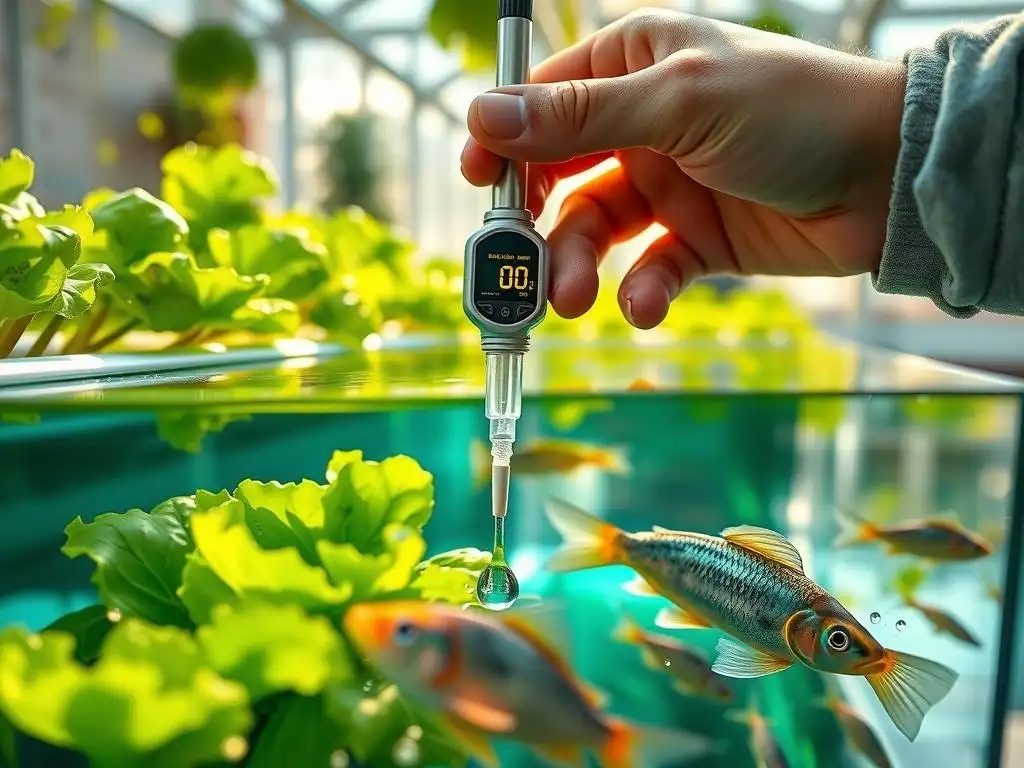
Maintaining optimal dissolved oxygen (DO) levels is paramount for a thriving aquaponic system. Insufficient oxygen leads to stressed fish, reduced plant growth, and ultimately, system failure. Regular monitoring is therefore a crucial aspect of aquaponics oxygenation best practices. This section will guide you through the process, ensuring your system receives the right amount of oxygen for healthy growth. Neglecting this critical aspect can severely impact the health and productivity of your entire aquaponic setup. Remember, happy fish and healthy plants are the cornerstone of successful aquaponics!
Using a Dissolved Oxygen Meter: Accurate Measurement of DO Levels
A dissolved oxygen meter is your most reliable tool for assessing oxygen levels in your aquaponic system. These meters provide accurate readings, allowing for precise adjustments to your aeration strategy. Different meters offer various features; some include temperature compensation for more accurate readings, while others offer data logging capabilities for long-term monitoring and trend analysis. Choosing a high-quality meter is an investment in the health of your aquaponic system, providing invaluable data for informed decision-making.
Several factors influence the accuracy of your readings. Ensure the probe is properly calibrated according to the manufacturer's instructions before each use. Calibrating your meter regularly, ideally before each use, guarantees accurate readings and helps to prevent inaccurate assessments of your system’s oxygen levels.
Furthermore, the placement of the probe is crucial; place it in the water column, away from any direct aeration source, to get a representative reading of the overall dissolved oxygen level. Avoid placing the probe near the surface, as oxygen levels tend to be higher there. Consider taking multiple readings from different locations within your system to get a more comprehensive picture of oxygen distribution.
Interpreting DO Readings: Understanding Optimal Ranges for Fish and Plants
Understanding the optimal dissolved oxygen (DO) range for your specific fish and plants is crucial for successful aquaponics. Generally, a DO level between 6 and 8 ppm (parts per million) is considered ideal for most common aquaponic species. However, some fish and plants may thrive in slightly different ranges. For example, certain fish species might tolerate slightly lower DO levels, while others are more sensitive and require higher levels. Similarly, the oxygen requirements of your plants will depend on the species and their growth stage. Researching the specific oxygen needs of your chosen species is essential.
It’s important to note that DO levels fluctuate throughout the day. Lower levels are often observed during the night due to reduced photosynthesis. Monitoring DO levels at different times of the day provides a more complete understanding of your system’s oxygen dynamics. Keeping a detailed log of your readings, noting the time and date of each measurement, allows you to identify trends and potential problems before they escalate. This data can be invaluable in optimizing your aquaponics oxygenation best practices and ensuring the long-term health of your system. Remember, consistent monitoring is key!
Adjusting Air Pump Settings Based on DO Levels: Maintaining Optimal Oxygenation
Once you understand the ideal DO range for your system and have established a baseline through regular monitoring, you can fine-tune your air pump settings to maintain optimal oxygen levels. If your readings consistently fall below the ideal range, increasing the air pump's flow rate or adding more air stones might be necessary. Conversely, if the DO levels are consistently too high, you may need to reduce the air pump's output. Remember, over-oxygenation can also be detrimental to your system.
You can also adjust the number of air stones in your system based on your DO readings. More air stones provide greater surface area for oxygen exchange, but increasing the number may not always be necessary. Experimentation, guided by your DO readings, will help you find the optimal number and placement for your specific system. Consider the size of your tank and the volume of water when making these adjustments.
Always make small adjustments at a time, giving the system time to respond before making further changes. Careful observation and data-driven decision-making are vital for maintaining a healthy and productive aquaponic system. This systematic approach ensures that you're actively managing your system's oxygenation, rather than passively reacting to problems.
Advanced Aquaponics Oxygenation Techniques
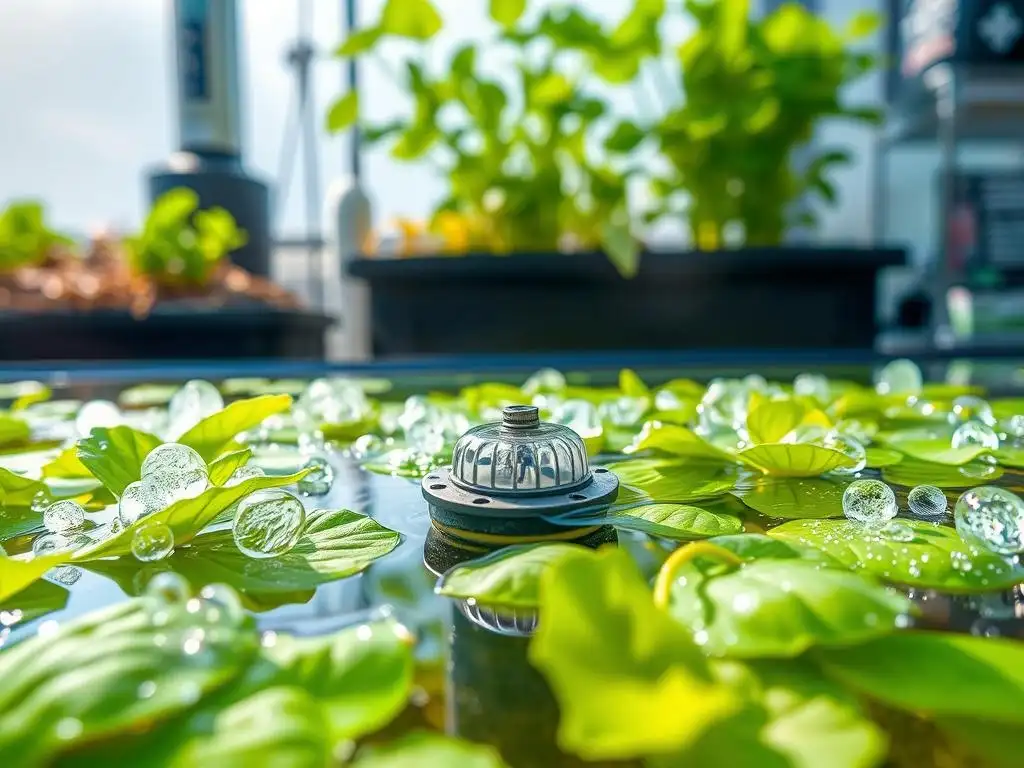
This section delves into sophisticated methods for optimizing oxygen levels in your aquaponics system, going beyond the basics. Effective oxygenation is crucial for healthy fish and thriving plants, maximizing your aquaponic yield. Mastering these techniques will significantly improve your system's efficiency and resilience, leading to better overall aquaponics performance and healthier harvests. We'll explore strategies that go beyond simply using an air pump, focusing on the synergistic effects of different components and how to integrate supplemental oxygenation methods. Remember, consistent monitoring of Dissolved Oxygen (DO) levels is key to success.
Water Circulation and Oxygenation: The Synergistic Effect of Pumps and Air Pumps
Efficient water circulation is intrinsically linked to adequate oxygenation in aquaponics. While air pumps directly introduce oxygen into the water, water pumps facilitate the distribution of this oxygen throughout the system. The combined effect is far greater than the sum of their individual contributions. A well-designed system utilizes both to ensure even oxygen distribution, preventing stagnant areas where oxygen depletion can occur.
Consider this example: A system with a powerful water pump but a weak or improperly placed air pump might experience pockets of low DO. Conversely, a system with a strong air pump but poor water circulation will only oxygenate a small area, leaving the rest of the system oxygen-deficient. The ideal setup involves strategically placed air stones in conjunction with a high-flow water pump to ensure thorough mixing and oxygen dispersion.
This synergistic effect is crucial for maintaining optimal DO levels across the entire aquaponic environment. The optimal flow rate will depend on the size of your system and the type of fish you are raising; research specific requirements for your chosen species.
Furthermore, the design of your water pump is crucial. A pump that creates a significant current will naturally incorporate more oxygen as it moves the water. This is especially important in larger systems where diffusion alone may not be sufficient. Regular maintenance of both your air and water pumps, including cleaning air stones and replacing worn-out components, is essential for maintaining peak performance and ensuring consistent aquaponics oxygenation best practices.
Biofiltration and Oxygenation: The Role of Beneficial Bacteria in Maintaining DO Levels
Beneficial bacteria are not only essential for waste breakdown in aquaponics but also play a crucial role in maintaining dissolved oxygen (DO) levels. These bacteria consume oxygen during the nitrification process, converting ammonia and nitrite into less toxic nitrates. Therefore, a healthy and efficient biofilter is vital for preventing excessive oxygen depletion.
Overstocking your system or neglecting regular maintenance of your biofilter can lead to a rapid increase in ammonia and nitrite levels, resulting in a surge in bacterial activity and subsequent oxygen depletion. This can negatively impact both your fish and plants. Proper biofilter design, including sufficient surface area and adequate media, is paramount. Consider using a combination of different filter media to maximize bacterial colonization and oxygen transfer.
The type of biofilter also influences oxygen levels. Submerged biofilters often require additional oxygenation strategies due to their limited surface area for gas exchange. Conversely, media beds with high surface area allow for increased oxygen diffusion from the air. Regular monitoring of ammonia, nitrite, and nitrate levels, along with DO levels, allows you to proactively address potential imbalances before they compromise your system's oxygen balance. Remember, maintaining a healthy balance of beneficial bacteria is key to effective and sustainable aquaponics oxygenation.
Integrating Supplemental Oxygenation Methods: Enhancing Performance
While air pumps and efficient water circulation form the foundation of aquaponics oxygenation, integrating supplemental methods can significantly enhance your system's performance, especially during periods of high temperatures or increased fish biomass. These methods provide an additional safety net, ensuring optimal DO levels even under challenging conditions.
Several options exist:
- Oxygen Concentrators: These devices enrich the air supplied to your air pump, increasing the oxygen content delivered to the water. They are particularly useful in larger systems or during periods of high stress for the fish.
- Waterfalls or Cascades: Incorporating a waterfall or cascade feature into your system increases the surface area of the water exposed to the air, facilitating natural oxygen absorption. This is a visually appealing and effective way to boost oxygen levels.
- Regular Water Changes: While not a direct oxygenation method, regular partial water changes help to remove accumulated waste and maintain optimal water quality, indirectly supporting healthy DO levels. This is a crucial aspect of maintaining a healthy aquaponics environment.
The choice of supplemental method depends on the size and complexity of your system, as well as your budget. However, integrating at least one of these methods is highly recommended for ensuring robust and reliable aquaponics oxygenation, safeguarding the health of your fish and the productivity of your plants. By implementing these advanced techniques, you'll be well on your way to mastering aquaponics oxygenation best practices and achieving optimal growth.
Troubleshooting Common Aquaponics Oxygenation Problems
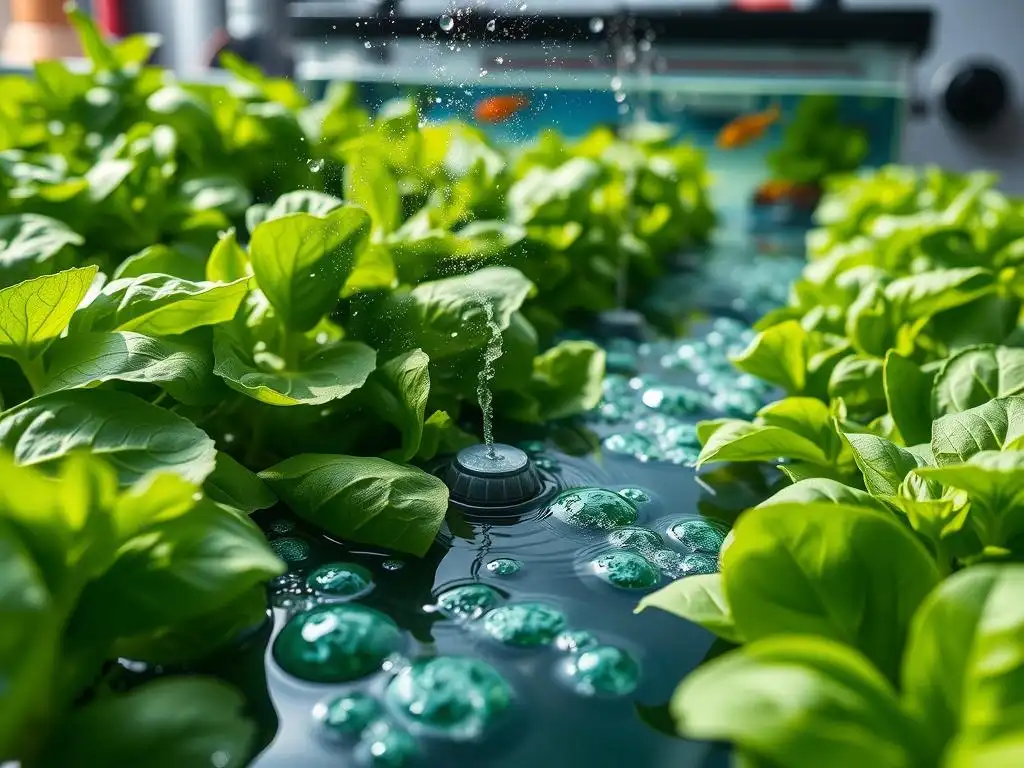
Maintaining optimal dissolved oxygen (DO) levels is paramount for a thriving aquaponics system. Insufficient oxygen can lead to fish stress, disease, and ultimately, system failure. This section details common oxygenation problems and provides practical solutions to keep your aquaponics system humming along. Mastering these techniques is key to achieving sustainable and productive aquaponics oxygenation best practices.
Low DO Levels: Identifying and Addressing Potential Causes
Low dissolved oxygen (DO) levels, often below 4 ppm, signal a problem in your aquaponics system. Several factors can contribute to this issue. Firstly, overstocking your fish tank is a major culprit. Too many fish consume more oxygen than the system can replenish, leading to rapid DO depletion. Secondly, high water temperatures reduce oxygen solubility. Warmer water holds less dissolved oxygen than cooler water. This is exacerbated by direct sunlight on the tank, particularly during summer months.
Another common cause is inadequate aeration. Insufficient air pump capacity or malfunctioning air stones can lead to oxygen deficiency. Regularly monitor your DO levels with a reliable dissolved oxygen meter. Aim for a DO level between 6 and 8 ppm for optimal fish health.
Let's consider a concrete example: A 50-gallon system stocked with 20 tilapia might experience low DO levels, especially during warmer months. Solutions include reducing the fish load, increasing water flow (which enhances oxygen transfer), and ensuring the air pump is functioning optimally. Adding aquatic plants, which produce oxygen during photosynthesis, can also help to boost DO levels naturally. Regular water changes are also crucial to remove waste and maintain water quality.
Air Pump Malfunctions: Diagnosing and Fixing Common Issues
Air pumps are the heart of your aquaponics oxygenation system. A malfunctioning air pump can quickly lead to critically low DO levels and fish mortality. Common issues include:
- Power outages: A simple solution, ensuring a backup power source (like a battery backup) is crucial.
- Clogged air filters: Regularly clean or replace air filters to maintain optimal airflow. A clogged filter restricts airflow, reducing the pump's efficiency.
- Burned-out motor: This requires replacing the entire air pump. Regular maintenance, including avoiding overheating, extends the lifespan of your air pump.
- Air leaks: Check all connections – tubing, air stones, and pump connections – for leaks. Leaks reduce the effective air pressure and oxygen delivery. Use aquarium-safe sealant to repair any leaks.
Troubleshooting an air pump involves a systematic approach. First, check the power supply. Then, visually inspect the tubing and air stone for blockages or leaks. If the pump still doesn't function, test it with a spare air stone and tubing to determine if the problem is with the pump itself or the delivery system. Regularly inspecting your air pump and performing preventative maintenance will save you from unexpected emergencies.
Clogged Air Lines: Cleaning and Maintaining Your Air Delivery System
Clogged air lines are a frequent cause of reduced oxygenation in aquaponics systems. Over time, biofilms, algae, and debris can accumulate within the air lines, restricting airflow and reducing oxygen delivery to the water. This leads to a decrease in dissolved oxygen levels, potentially harming your fish. Proactive maintenance is key to prevent this.
- Regular Cleaning: A simple solution is to regularly disconnect the air lines and rinse them thoroughly with clean water. Use a small brush to remove any stubborn biofilm or debris. This should be performed at least once a month, or more frequently depending on the bio-load in your system.
- Air Stone Cleaning: Air stones can also become clogged with debris. Soak them in a solution of white vinegar and water to remove the biofilm. Replace air stones that are severely damaged or beyond cleaning.
- Prevention: Using high-quality air tubing that is resistant to biofouling can help reduce the frequency of cleaning. Also, consider installing a filter on the air line to trap larger particles before they reach the air stone and clog the system.
Maintaining optimal aquaponics oxygenation requires vigilance and proactive maintenance. By addressing potential problems promptly and implementing preventative measures, you can ensure the health and well-being of your fish and the success of your aquaponics system. Remember, consistent monitoring and regular cleaning are crucial aspects of aquaponics oxygenation best practices.
Case Study: Successful Aquaponics Oxygenation Strategies
This section details a successful implementation of aquaponics oxygenation, highlighting practical strategies and quantifiable results. We'll examine a specific case study to illustrate how effective oxygenation directly impacts plant and fish health, ultimately boosting yields and system sustainability. Understanding these real-world examples is crucial for mastering aquaponics oxygenation best practices.
A Real-World Example of Effective Oxygenation
A small-scale aquaponics system, measuring 100 gallons, was implemented using tilapia and basil. Initial oxygen levels were monitored using a dissolved oxygen (DO) meter, revealing a concerningly low average of 3.5 ppm (parts per million). This low DO level was causing sluggish fish and stunted basil growth.
To address this, a combination of strategies was employed:
- Air pump upgrade: The original air pump was replaced with a higher-capacity model capable of delivering 200 L/min of air. This increase in air flow significantly improved oxygen transfer.
- Air stone optimization: The existing air stone was replaced with a larger, more porous air stone with a greater surface area to maximize oxygen diffusion into the water. The placement of the air stone was also optimized to create better water circulation.
- Regular water changes: Partial water changes (20% weekly) were incorporated to remove accumulated waste and maintain water quality. This helped to mitigate oxygen depletion from organic matter decomposition.
- Water temperature monitoring: Water temperature was closely monitored and maintained within the optimal range for both tilapia and basil (75-80°F). Temperature fluctuations can significantly impact DO levels.
Following these changes, the DO levels consistently remained above 6 ppm. This resulted in:
- Improved fish health: Tilapia exhibited increased activity, better feeding response, and a noticeable reduction in mortality rate.
- Enhanced plant growth: Basil growth accelerated significantly, showing increased leaf size, vibrant green color, and a higher yield. The harvest increased by approximately 30% compared to the initial low-oxygen period.
The improved DO levels directly correlated with the overall health and productivity of the aquaponics system, showcasing the importance of effective oxygenation strategies. This system demonstrates that proactive monitoring and adjustments are key to achieving optimal aquaponics oxygenation best practices.
Lessons Learned: Key Takeaways and Best Practices for Aquaponics Oxygenation
Several key lessons can be extracted from this case study, providing valuable insights for optimizing aquaponics oxygenation:
- Proactive monitoring is essential: Regular monitoring of dissolved oxygen levels using a reliable DO meter is crucial for early detection of potential problems. Aim for consistent levels above 6 ppm for optimal fish and plant health.
- System-specific solutions: The optimal oxygenation strategy will vary depending on the size, stocking density, and plant type of your aquaponics system. Experimentation and adjustment are key to finding the best approach for your specific setup.
- Multiple strategies for synergy: Combining different oxygenation techniques (air pumps, water movement, regular water changes) often yields superior results compared to relying on a single method.
- Consider environmental factors: Temperature and water flow significantly impact oxygen solubility. Maintaining optimal temperature and ensuring adequate water circulation are essential components of effective oxygenation.
- Regular maintenance is crucial: Regular cleaning of air stones and filters prevents clogging and maintains optimal air diffusion. Regular system maintenance reduces organic matter buildup, preventing oxygen depletion.
This case study underscores the critical role of aquaponics oxygenation in achieving a thriving and productive system. By implementing these best practices and adapting them to your specific setup, you can significantly improve the health and yield of your aquaponics garden. Remember, consistent monitoring and proactive adjustments are key to mastering aquaponics oxygenation best practices and reaping the rewards of a healthy and productive system. 🐠🌱
Frequently Asked Questions
What is the importance of oxygenation in aquaponics?
Oxygen is crucial for the survival of fish and the beneficial bacteria in your aquaponic system. Insufficient oxygen leads to fish death and impaired nitrification, harming plant growth. Proper oxygenation is essential for a healthy system.
How do air pumps help with aquaponics oxygenation?
Air pumps introduce dissolved oxygen into the water, combating oxygen depletion caused by fish respiration and bacterial activity. They are a cost-effective and reliable method for maintaining optimal oxygen levels, especially in larger systems. Regular maintenance is key.
What are some signs of insufficient oxygen in my aquaponic system?
Look for gasping fish, lethargic behavior, and a foul odor from the water. Plants may also show signs of stunted growth or wilting. Addressing these issues promptly is vital.
What factors influence the oxygen requirements of my aquaponic system?
The number of fish, water temperature, and water flow all affect oxygen demand. Higher fish density, warmer temperatures, and slower water flow require more vigorous oxygenation. System size is another important factor.
What are the best practices for maintaining optimal oxygen levels in my aquaponic system?
Regularly monitor dissolved oxygen levels using a test kit. Ensure your air pump is adequately sized for your system. Maintain proper water flow and regularly clean your air stones and tubing to prevent clogging and ensure efficient oxygen transfer.
Final Reflection: Breathing Life into Aquaponics
The health of your aquaponic system hinges on effective oxygenation; it's not just a best practice, it's the bedrock of a thriving ecosystem. Without sufficient dissolved oxygen, your fish will suffer, your plants will struggle, and your entire system will be at risk of collapse. This isn't just a technical detail; it's a fundamental principle that determines the success or failure of your aquaponic endeavor.
The journey of understanding optimal oxygenation in aquaponics is a continuous learning process. It's a fascinating blend of biological science and practical application, constantly reminding us of the delicate balance required for a successful system. The most beautiful thing we can experience is the mysterious. It is the source of all true art and science.
- Albert Einstein. This quote perfectly encapsulates the ongoing exploration and discovery involved in mastering aquaponics, where understanding the subtle interplay of oxygen, fish, and plants is key to unlocking its full potential.
Now, consider your own aquaponic setup. Are you actively monitoring dissolved oxygen levels? Are you employing the best practices discussed throughout this article? Take this opportunity to assess your system, identify areas for improvement, and commit to providing your fish and plants with the life-giving oxygen they need to flourish. The rewards – a healthy, productive, and sustainable aquaponic system – are well worth the effort. Embrace the challenge, and watch your aquaponic garden thrive!
Unlock Your Aquaponic Potential: Oxygenate for Growth!
Thanks for joining us on this aquaponics journey! You've learned how crucial proper oxygenation is for healthy plants and fish. Ready to put this knowledge into practice?
- Prioritize proper aeration: Carefully evaluate your current system and identify any areas needing improvement. Is your air pump sufficiently powerful? Could you benefit from adding more airstones? These adjustments will significantly enhance your system's health.
- Monitor dissolved oxygen levels regularly. This simple check provides valuable insights into your system's health, enabling timely intervention if necessary.
- Share your experiences—both successes and challenges—with the CultivateYourFood community. Let's learn from one another!
Ready to see the impact of proper oxygenation on your aquaponic garden? What's your next step towards optimizing your system's aeration?