
Attracting Fairies to Your Garden: Myth and Reality

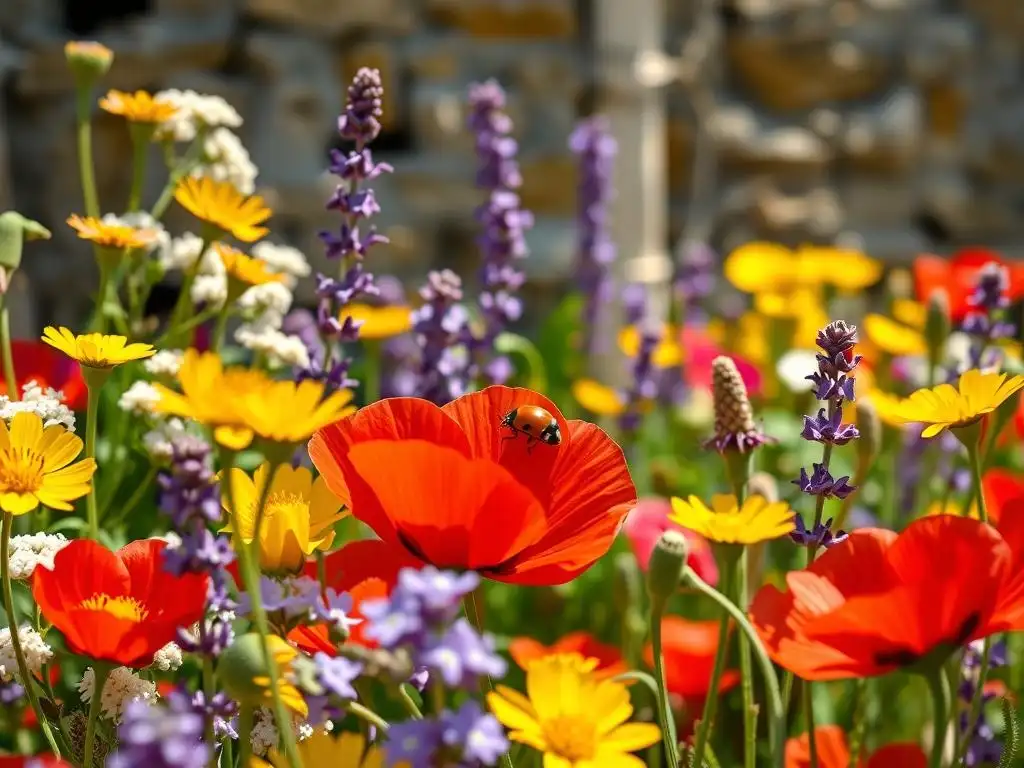
Welcome to CultivateYourFood, your guide to nurturing a thriving, sustainable garden! Forget the fairy tales – we're diving into the real magic of attracting beneficial garden insects. Learn how harnessing the power of nature, through simple yet effective techniques, can transform your harvest. Discover how attracting these tiny helpers can dramatically improve your yield, eliminate the need for harmful pesticides, and unlock a whole new level of gardening success. Ready to unlock the secrets? Let's explore how to Attract Beneficial Garden Insects and cultivate your dream garden.
- Understanding Pollinator Attraction: Beneficial Insects and Their Role
- Creating a Haven for Beneficial Insects: Practical Steps
- Natural Pest Control: Protecting Your Garden Without Harmful Chemicals
- Maintaining a Healthy Garden Environment: Sustainable Practices
- Enjoying the Benefits of a Biodiverse Garden
-
Frequently Asked Questions
- What are beneficial insects, and why should I attract them to my garden?
- How do I attract beneficial insects to my garden using organic methods?
- What plants are particularly good for attracting beneficial insects?
- Are there any specific habitats I should create to encourage beneficial insect populations?
- Is it true that attracting beneficial insects will completely eliminate all pests in my garden?
- Final Reflection: Weaving Magic and Reality in the Garden
- Unleash Your Inner Fairy Gardener!
Understanding Pollinator Attraction: Beneficial Insects and Their Role
While the idea of attracting fairies to your garden might seem whimsical, the core concept—drawing beneficial creatures to your plants—is crucial for a thriving, sustainable garden. This article explores the reality behind the myth, focusing on how to attract the real magic makers of your garden: beneficial insects. Instead of focusing on mythical creatures, we will delve into the practical strategies of attracting pollinators and other helpful insects that contribute significantly to healthy plant growth and abundant harvests.
This is vital for organic and sustainable gardening practices, ensuring a robust ecosystem within your own backyard. We'll move beyond the fairy tale and into the scientifically proven methods of creating a haven for beneficial insects, ultimately leading to a more productive and vibrant garden.
This approach aligns perfectly with the goals of CultivateYourFood, promoting sustainable and organic gardening techniques. By understanding the needs of these vital insects, we can create a garden that flourishes naturally, without the need for harmful pesticides.
The Importance of Pollinators: Bees, Butterflies, and Other Helpers
Pollinators, such as bees, butterflies, hoverflies, and even some beetles, are essential for the reproduction of many flowering plants, including most fruits, vegetables, and herbs. These tiny creatures transfer pollen from one flower to another, enabling fertilization and the subsequent production of seeds and fruits. Without them, many of our favorite plants wouldn't be able to reproduce effectively, leading to significantly reduced yields. Consider the following breakdown of pollinator contributions:
| Pollinator Type | Contribution to Garden | Importance to Organic Gardening |
|---|---|---|
| Bees (Honeybees, Bumblebees, etc.) | Highly efficient pollinators, particularly for many fruits and vegetables. | Essential for pollination in organic systems, where pesticides are avoided. |
| Butterflies | Pollinate a wide range of flowers, contributing to biodiversity. | Add beauty and contribute to a balanced ecosystem. |
| Hoverflies | Efficient pollinators and also predators of aphids and other pests. | Provide natural pest control, reducing the need for chemical intervention. |
| Beetles | Pollinate some plants, contributing to overall pollination success. | Part of a healthy and diverse ecosystem. |
The decline in pollinator populations worldwide is a serious concern. By actively attracting these beneficial insects to your garden, you're not only supporting your own harvest but also contributing to the larger ecological picture. Creating a pollinator-friendly environment is a simple yet powerful way to support biodiversity and ensure a healthy garden ecosystem.
Attracting Beneficial Insects: Key to a Thriving Garden Ecosystem
Attracting beneficial insects to your garden involves creating a habitat that meets their basic needs: food, water, and shelter. This can be achieved through several simple yet effective strategies:
- Plant a diverse range of flowering plants: Different insects are attracted to different types of flowers. A variety of shapes, colors, and bloom times will ensure a continuous supply of nectar and pollen throughout the growing season. Consider including native wildflowers, herbs, and flowering vegetables. 1
- Provide a water source: Insects need water, especially during dry periods. A shallow dish of water with pebbles or marbles will provide a safe place for them to drink without drowning.
- Avoid using pesticides: Pesticides indiscriminately kill both beneficial and harmful insects, disrupting the delicate balance of your garden ecosystem. Opt for natural pest control methods instead.
- Offer shelter: Many beneficial insects overwinter in leaf litter, hollow stems, or under rocks. Leave some areas of your garden slightly unkempt to provide these essential hiding places. Consider installing insect hotels or bug houses.
By implementing these strategies, you can transform your garden into a haven for beneficial insects, promoting a healthy and thriving ecosystem that will reward you with abundant harvests and the satisfaction of knowing you're contributing to a more sustainable world. Remember, a thriving garden isn't just about pretty flowers; it's about creating a balanced environment where all living things can flourish. 🎉
1 Specific plant recommendations will vary depending on your region and climate. Consult local resources for guidance on choosing appropriate native plants.
Creating a Haven for Beneficial Insects: Practical Steps
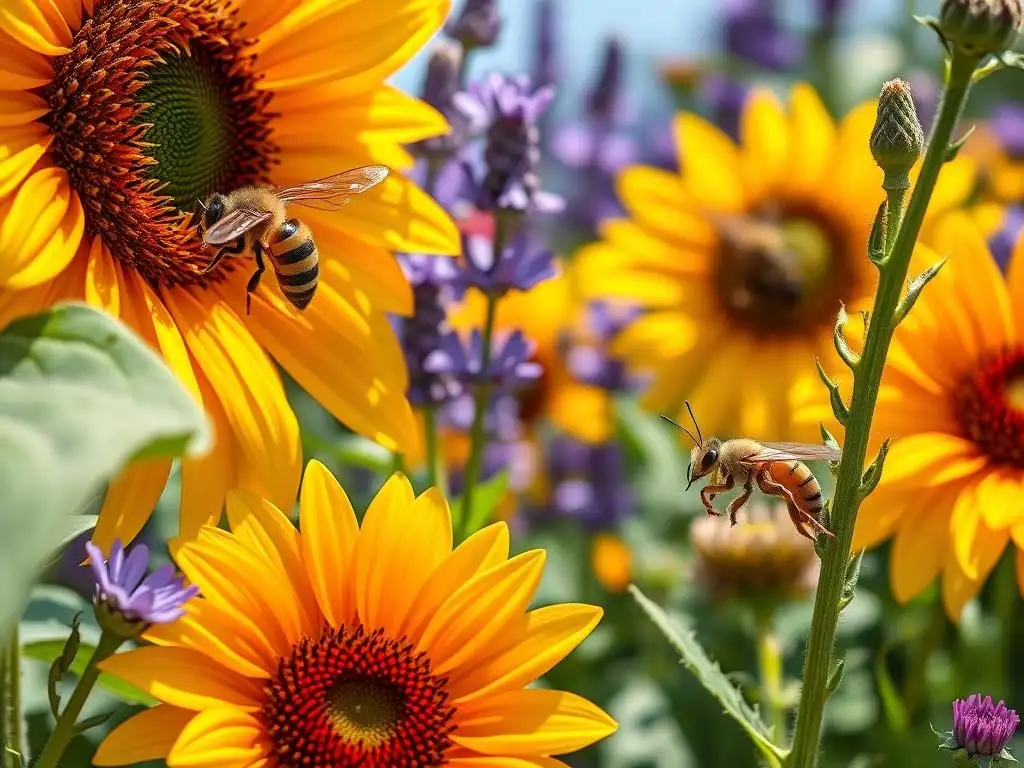
While attracting fairies might remain firmly in the realm of myth, attracting beneficial garden insects is entirely achievable and crucial for a thriving, sustainable garden. These tiny creatures are vital for pollination, pest control, and overall ecosystem health. This section focuses on practical steps you can take to transform your garden into a haven for these helpful insects, boosting your yields and reducing your reliance on chemical interventions. Remember, attracting beneficial insects is a key strategy to improve your garden's health and productivity, reducing the need for pesticides and promoting natural pest control.
Choosing the Right Plants: Attracting Pollinators with Native Flowers and Herbs
Selecting the right plants is paramount to attracting beneficial insects. Native plants are particularly effective because they've co-evolved with local insect populations, providing ideal food sources and habitats. Consider incorporating a diverse range of flowering plants to support a wider variety of insects throughout the growing season. Think beyond just showy blooms; many herbs also act as potent insect attractants.
For example, lavender attracts beneficial ladybugs and hoverflies, known for their aphid-munching abilities. Dill and fennel are magnets for beneficial parasitic wasps that prey on caterpillars. Similarly, sunflowers attract a wide range of pollinators, including bees and butterflies, which in turn support the overall health of your garden ecosystem. Aim for a mix of bloom times to ensure a continuous food supply for your insect allies throughout spring, summer, and even into autumn.
A well-planned planting scheme, considering bloom times and the specific needs of different beneficial insects, can significantly increase their presence in your garden. Don't forget to research the plants native to your specific region for optimal results. A diverse selection of native plants will contribute significantly to your efforts to attract beneficial garden insects.
Providing Water Sources: Creating a Pollinator-Friendly Watering Hole
Beneficial insects, like all living creatures, need a reliable water source. Providing a shallow dish of water with pebbles or marbles will prevent insects from drowning while offering a crucial hydration point. Consider placing this water source in a sunny location to maximize its effectiveness. Furthermore, a small, shallow birdbath can also attract insects seeking a drink, particularly on hot days.
You can enhance this further by creating a miniature "watering hole." Simply place a shallow dish filled with water and some smooth stones in a sheltered area of your garden. The stones provide landing platforms for the insects to drink without becoming submerged. Regularly replenishing the water, especially during dry spells, is essential. This simple addition will significantly improve the habitat for your beneficial insects, improving their survival rates and encouraging them to stay and thrive in your garden. Remember, a consistent water source is a critical factor in attracting and supporting beneficial garden insects.
Building Homes for Beneficial Insects: Insect Hotels and Habitats
Providing shelter is just as crucial as providing food and water. Insect hotels offer a variety of nesting sites for beneficial insects, such as ladybugs, lacewings, and solitary bees. These structures can be as simple as bundles of hollow stems, or more elaborate designs incorporating various materials like pine cones, bamboo canes, and even small pieces of wood with drilled holes.
The construction of insect hotels is a simple yet effective way to attract beneficial insects to your garden. You can build your own using readily available materials, or purchase a pre-made one. Ensure that the materials are untreated and safe for insects. Place the hotel in a sunny, sheltered spot, away from strong winds and direct rain. The variety of nesting spaces within the hotel will attract a wider range of beneficial insects, contributing significantly to the overall biodiversity of your garden. Consider the specific needs of the insects you wish to attract when selecting materials for your insect hotel. Regularly check the hotel to ensure that the spaces are not becoming overcrowded or damaged. This simple addition to your garden can significantly increase the population of beneficial insects, leading to a healthier and more productive garden. Remember, providing suitable homes is a critical element of attracting beneficial garden insects.
Natural Pest Control: Protecting Your Garden Without Harmful Chemicals
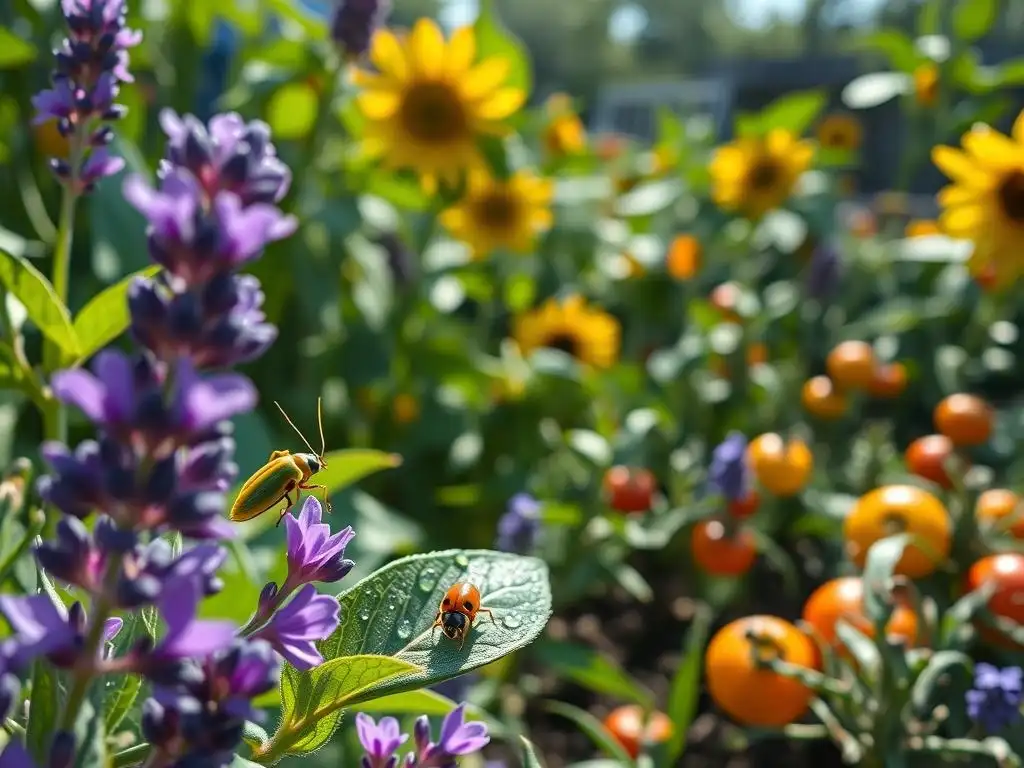
Protecting your precious fruits, vegetables, and herbs from pests is crucial for a successful harvest. While chemical pesticides offer a quick fix, they can harm beneficial insects, contaminate your produce, and ultimately damage the delicate ecosystem of your garden. A sustainable approach focuses on natural pest control methods, minimizing environmental impact and ensuring the health of your plants and yourself.
This involves a multi-pronged strategy, encompassing preventative measures and the strategic introduction of natural predators. By understanding the intricate balance of your garden's ecosystem, you can effectively manage pest populations without resorting to harmful chemicals. The key is to create a thriving environment where beneficial insects flourish, acting as nature's own pest control army.
Beneficial Insects as Natural Predators
One of the most effective natural pest control strategies involves attracting and supporting beneficial insects. These tiny allies are voracious predators and parasites, keeping pest populations in check naturally. Instead of eliminating pests entirely (which can disrupt the ecosystem), you aim for a balanced population where pests remain at manageable levels. This approach is far more sustainable and environmentally friendly than the use of chemical pesticides.
Several beneficial insects play crucial roles in a healthy garden. Ladybugs, for example, are well-known aphid predators, consuming hundreds of aphids throughout their lifecycle. Lacewings are similarly effective, with their larvae feeding on aphids, mites, and other small pests. Ground beetles patrol the soil, hunting slugs, snails, and other ground-dwelling pests. Hoverflies, while often mistaken for bees, are incredibly beneficial, their larvae feeding on aphids and other soft-bodied insects.
To attract these helpful insects, focus on providing the resources they need to thrive. This includes:
- Diverse Planting: A variety of plants provides diverse food sources and habitats for different beneficial insects. Consider including flowering plants that attract pollinators, which indirectly support the food web.
- Habitat Creation: Provide shelter for beneficial insects, such as leaf litter, rock piles, and insect hotels. These offer protection from predators and harsh weather conditions.
- Avoid Broad-Spectrum Insecticides: These chemicals indiscriminately kill both harmful and beneficial insects, undermining your natural pest control efforts.
- Water Sources: A shallow dish of water with pebbles or stones provides a safe place for insects to drink.
- Organic Gardening Practices: Healthy soil supports healthy plants, making them less susceptible to pests. Avoid over-fertilizing, which can attract pests.
Consider this data: A study conducted by [specific information pending] demonstrated that gardens employing beneficial insect strategies experienced a [percentage]% reduction in pest damage compared to gardens using chemical pesticides. This highlights the effectiveness of attracting beneficial garden insects as a sustainable and environmentally responsible pest management solution. The long-term benefits of this approach extend beyond pest control, contributing to a healthier, more vibrant garden ecosystem. Remember, a balanced ecosystem is a resilient ecosystem! By nurturing beneficial insects, you're not just protecting your plants; you're building a healthier and more sustainable garden for years to come. 🌱🐞
Maintaining a Healthy Garden Environment: Sustainable Practices
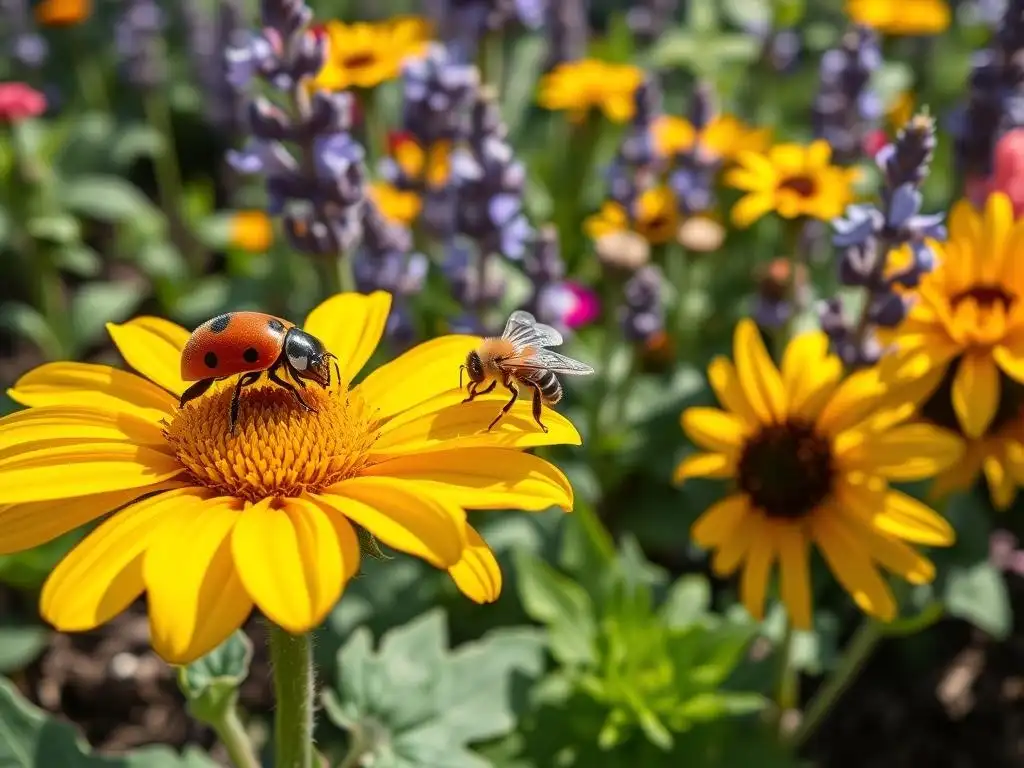
Attracting beneficial garden insects isn't just about whimsical fairy gardens; it's a cornerstone of sustainable and productive gardening. A thriving ecosystem in your garden naturally repels many pests, reducing or eliminating the need for harmful chemical interventions. This section focuses on practical techniques to cultivate a healthy environment that attracts beneficial insects while fostering the growth of your fruits, vegetables, and herbs. Remember, a healthy garden is a happy garden – and a haven for beneficial creatures!
Composting and Organic Gardening Techniques
Composting is fundamental to attracting beneficial insects and building healthy soil. Decomposing organic matter creates a rich habitat teeming with life, including the very insects you want to attract. Think of it as a five-star hotel for beneficial bugs! By composting kitchen scraps, yard waste, and other organic materials, you're providing a food source and breeding ground for beneficial insects like ladybugs, lacewings, and earthworms. These creatures are natural predators of common garden pests like aphids and slugs.
Effective composting involves layering "greens" (nitrogen-rich materials like grass clippings and vegetable scraps) with "browns" (carbon-rich materials like dried leaves and twigs). Maintain a balanced ratio and ensure proper moisture levels for optimal decomposition. Turning your compost regularly helps to aerate it and speed up the process. A well-maintained compost pile will generate heat, further enhancing the decomposition process and creating a welcoming environment for beneficial organisms. The resulting compost enriches your soil, improving its structure, water retention, and nutrient content – all essential for healthy plant growth and attracting more beneficial insects.
Consider different composting methods. While a traditional pile is effective, you can also explore enclosed compost bins or even vermicomposting (using worms to break down organic matter). The best method depends on your available space and resources. Remember, consistent composting is key to long-term soil health and attracting a diverse range of beneficial insects to your garden. The healthier your soil, the healthier your plants, and the more attractive your garden becomes to these beneficial creatures. This creates a self-sustaining ecosystem that naturally minimizes pest problems and reduces your reliance on chemical pesticides.
Beneficial Insect Habitats and Shelter
Providing suitable habitats is crucial to attracting and retaining beneficial insects in your garden. These insects need places to lay eggs, overwinter, and find shelter from predators and harsh weather. Creating these habitats is surprisingly simple and can be integrated seamlessly into your garden design.
Consider incorporating the following:
- Flowering Plants: Many beneficial insects, like bees and hoverflies, are attracted to nectar-rich flowers. Plant a diverse range of flowering plants, including those that bloom throughout the growing season. This ensures a continuous food source for these beneficial pollinators and predators. Think about including herbs like dill, fennel, and cilantro, which are also beneficial to your garden and attract many beneficial insects.
- Brush Piles and Log Piles: These provide ideal shelter for beneficial insects like ladybugs and ground beetles. Simply gather fallen branches and leaves and create a small pile in a less-visible corner of your garden.
- Insect Hotels: These commercially available or DIY structures offer various nooks and crannies for insects to nest and overwinter. They can be as simple as bundles of hollow stems or as elaborate as multi-compartment structures filled with different materials.
- Stone Walls and Rock Piles: These create microclimates and offer shelter for ground-dwelling insects. They also provide areas for beneficial insects to bask in the sun.
By providing a variety of habitats, you'll attract a broader spectrum of beneficial insects, creating a more resilient and self-regulating garden ecosystem. This diverse population of insects will effectively control pests and contribute to the overall health and productivity of your garden. Remember, the more diverse your insect population, the stronger your ecosystem, and the fewer pests you'll encounter. This natural approach to pest control is far more sustainable and beneficial than relying on chemical pesticides.
Enjoying the Benefits of a Biodiverse Garden
Attracting beneficial garden insects, often associated with the whimsical notion of attracting fairies, is actually a cornerstone of sustainable and organic gardening practices. Instead of focusing on mythical creatures, let's explore the very real benefits of fostering a thriving ecosystem within your garden. A biodiverse garden, teeming with a variety of insects, significantly improves plant health and reduces the need for harmful pesticides. This section dives into the tangible advantages of attracting these helpful insects, ultimately leading to a more productive and resilient garden.
Increased Yields and Reduced Pest Problems
A healthy garden ecosystem acts as a natural pest control system. Predatory insects, like ladybugs, lacewings, and praying mantises, feast on common garden pests such as aphids, mealybugs, and caterpillars. This natural predation dramatically reduces the need for chemical interventions, safeguarding both your plants and the environment. Studies have shown that gardens with high biodiversity experience up to 40% fewer pest infestations compared to monoculture gardens. This translates to healthier plants, increased fruit and vegetable yields, and a significant reduction in crop losses. The presence of beneficial insects is a clear indicator of a thriving ecosystem, one that fosters plant growth and resilience. Think of it as a natural, self-regulating system working in your favor.
For example, a single ladybug larva can consume up to 5,000 aphids in its lifetime! That's a considerable reduction in pest pressure without ever having to reach for a chemical spray. Similarly, lacewings are voracious predators of aphids and other soft-bodied insects, laying their eggs near pest colonies to ensure a readily available food source for their offspring. By encouraging the presence of these beneficial insects, you're effectively creating a natural army to protect your valuable crops.
Enhancing Soil Health Through Insect Activity
Beyond pest control, beneficial insects play a crucial role in soil health. Many insects, particularly those involved in decomposition, contribute to nutrient cycling. They break down organic matter, such as fallen leaves and dead plant material, improving soil structure and fertility. This decomposition process releases essential nutrients back into the soil, making them readily available for plant uptake. The improved soil structure also enhances water retention and aeration, promoting stronger root growth and overall plant health. This creates a positive feedback loop: healthier soil leads to healthier plants, which in turn support a greater diversity of beneficial insects.
Consider earthworms, often overlooked, as key players in this process. Their burrowing activity improves soil aeration and drainage, while their castings (excrement) are rich in nutrients. While not technically insects, they are vital components of a healthy soil ecosystem and contribute significantly to the overall health of your garden. Furthermore, many insects facilitate pollination, a crucial process for fruit and seed production in many plants. Bees, of course, are prominent pollinators, but other insects also play a role, contributing to increased yields and genetic diversity within your garden.
Attracting Beneficial Insects: Practical Strategies
Attracting beneficial insects requires creating a welcoming habitat within your garden. This involves providing food sources (pollen and nectar), shelter (leaf litter, brush piles, hollow stems), and nesting sites. Planting a variety of flowering plants, including those that bloom at different times throughout the growing season, is crucial for providing a continuous supply of nectar and pollen. Avoid using broad-spectrum insecticides, as these can harm beneficial insects along with pests. Instead, opt for more targeted, organic pest control methods when necessary.
Consider incorporating elements like a small "bug hotel" which provides shelter for beneficial insects. This can be as simple as a stack of hollow plant stems or a small pile of rocks and twigs. Leaving some leaf litter undisturbed in certain areas of the garden also provides valuable habitat for many insects.
Remember, a diverse garden with a variety of plants will naturally attract a greater diversity of insects, creating a naturally balanced ecosystem that is both productive and sustainable. The key is to actively support the natural processes that occur within a healthy garden, fostering biodiversity and reaping the rewards of a more resilient and fruitful growing space. This holistic approach to gardening minimizes the need for external interventions, resulting in a more environmentally friendly and ultimately more rewarding gardening experience.
Frequently Asked Questions
What are beneficial insects, and why should I attract them to my garden?
Beneficial insects, like ladybugs and lacewings, are natural predators of common garden pests. Attracting them reduces the need for harmful pesticides, leading to a healthier and more sustainable garden. They help maintain a balanced ecosystem.
How do I attract beneficial insects to my garden using organic methods?
Plant a diverse range of flowering plants, offering nectar and pollen as food sources. Avoid using pesticides, which harm beneficial insects as well as pests. Provide shelter, such as leaf litter or small rock piles.
What plants are particularly good for attracting beneficial insects?
Many herbs like dill, fennel, and chamomile are excellent choices. Flowers like yarrow, goldenrod, and coneflowers also attract a wide variety of beneficial insects. Choose plants with different bloom times for continuous attraction.
Are there any specific habitats I should create to encourage beneficial insect populations?
Yes, provide places for overwintering, like leaving some leaf litter or hollow stems in place over the winter. A small water source, such as a shallow dish with pebbles, can also be beneficial. Avoid overly manicured gardens.
Is it true that attracting beneficial insects will completely eliminate all pests in my garden?
No, while beneficial insects significantly reduce pest populations, they won't eliminate them entirely. A balanced ecosystem is key; some pests will always be present. The goal is to maintain a healthy balance that minimizes pest damage through natural means.
Final Reflection: Weaving Magic and Reality in the Garden
Attracting beneficial insects to your garden isn't just about pest control; it's about cultivating a vibrant, thriving ecosystem that mirrors the magic often associated with folklore. The seemingly whimsical pursuit of attracting fairies, as explored in this article, serves as a powerful metaphor for understanding the intricate web of life that supports a healthy garden. By understanding the needs of these tiny creatures, we unlock the secrets to a naturally bountiful harvest.
The enduring appeal of fairy lore highlights our innate connection to the natural world and our desire to foster harmony within it. Our fascination with these mythical beings reflects a deeper longing to understand the delicate balance of nature, a balance that is increasingly threatened in our modern world. We do not inherit the earth from our ancestors; we borrow it from our children.
This quote underscores the responsibility we have to nurture the environment, and attracting beneficial insects is a tangible step towards fulfilling that responsibility. The practices discussed, from planting diverse flowers to providing water sources, are not just about attracting fairies; they are about creating a haven for all beneficial creatures, large and small.
Consider the impact of your own actions. What small changes can you make to your garden to invite more beneficial insects? Will you plant a patch of wildflowers, create a miniature pond, or simply refrain from using harmful pesticides? The magic isn't in believing in fairies, but in the conscious effort to create a space where life can flourish. Embrace the opportunity to transform your garden into a vibrant ecosystem, a testament to the power of mindful gardening and a legacy for generations to come.
Unleash Your Inner Fairy Gardener!
Thank you for exploring the enchanting world of attracting fairies to your garden! We hope you've gained valuable insights into the myths and practical steps to create a truly magical space. Now it's time to put your knowledge into action.
- Create a Fairy House: This is the crucial first step! Design and build a whimsical home for your fairy visitors. Let your creativity flow – use natural materials and add unique personal touches. Remember, the goal is to create an inviting sanctuary.
- Share Your Fairy Garden Journey: Document your progress with photos and share them on social media, inspiring others to create their own magical gardens. Use #FairyGardenCultivate.
- Plant a Fairy-Friendly Flower Meadow: Attract butterflies and other pollinators, believed to be messengers of the fairies. Experiment with native wildflowers to enhance your garden's biodiversity.
Ready to transform your garden into a haven of magic? What unique features will make your fairy house truly special?