
Choosing the Perfect Location for Your Fairy Garden: Light and Soil

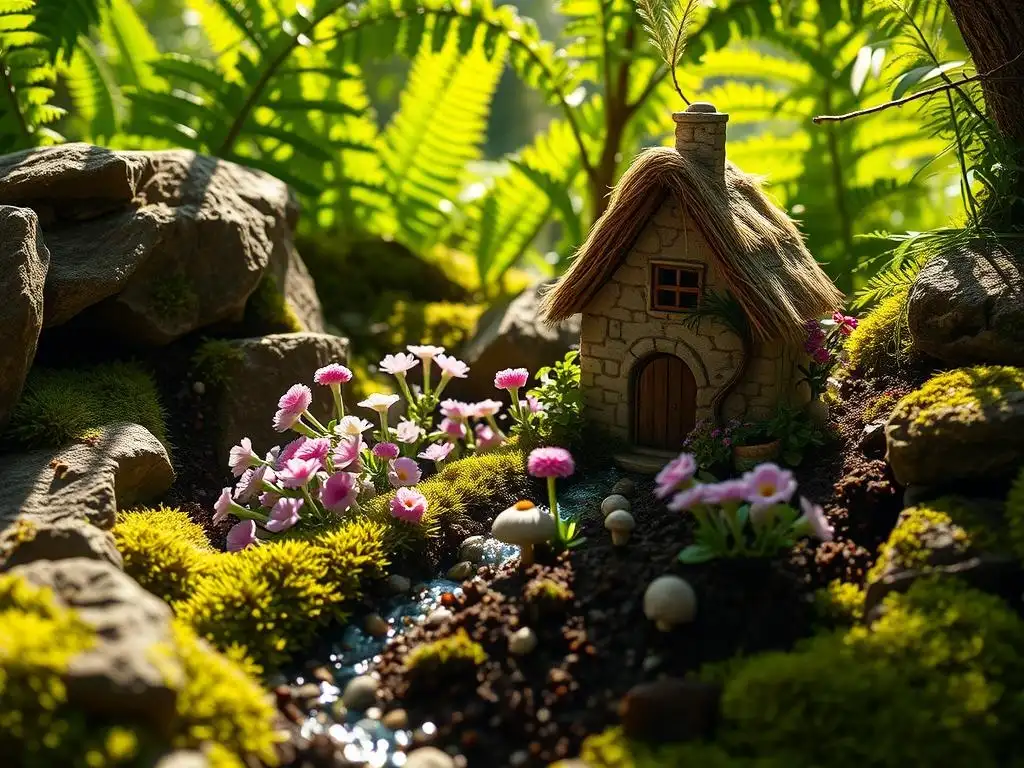
Welcome to CultivateYourFood, your guide to nurturing a thriving garden using sustainable and organic methods! Ready to create a magical space? Discover the secrets to crafting the ideal environment for your fairy garden, starting with the perfect blend of sunlight and soil. Learn how the right location can transform your miniature landscape into a flourishing haven. Unlock the mysteries of " Fairy garden best soil sunlight" and embark on a journey of miniature gardening magic – let's get started!
- Understanding Light Requirements for a Thriving Fairy Garden
-
Selecting the Perfect Soil for Your Fairy Garden
- Essential Soil Characteristics for Miniature Plants: Drainage and Moisture Retention
- Creating a Well-Draining Soil Mix
- Avoiding Soil Compaction: The Importance of Aeration for Fairy Garden Health
- Enhancing Soil Fertility: Organic Amendments for Miniature Plants
- Testing Your Soil pH: Ensuring Optimal Conditions for Fairy Garden Growth
- Optimizing Soil and Light for Specific Fairy Garden Plants
- Creating a Thriving Microclimate: Utilizing Rocks, Mulch, and Other Soil Additives
- Troubleshooting Common Fairy Garden Issues Related to Light and Soil
- Choosing the Right Containers for Your Fairy Garden Based on Sunlight and Soil
- Building a Sustainable Fairy Garden: Eco-Friendly Practices
- Long-Term Care and Maintenance: Light, Soil, and Seasonal Adjustments
- Frequently Asked Questions
- Final Reflection: Cultivating Magic: The Enduring Allure of Fairy Gardens
- Unleash Your Inner Fairy Gardener: Build Your Dream Habitat!
Understanding Light Requirements for a Thriving Fairy Garden
Creating a magical and thriving fairy garden requires careful consideration of several factors, and among the most crucial are light and soil conditions. The success of your miniature ecosystem hinges on providing the perfect balance of sunlight and shade, mimicking the natural habitats of the tiny plants you'll be cultivating. This article will guide you through selecting the ideal location for your fairy garden, focusing on the vital roles of sunlight and soil composition in ensuring the health and longevity of your miniature world.
We'll explore ideal sunlight exposure, the potential negative impacts of direct sunlight, and practical solutions for protecting your delicate fairy garden from harsh weather conditions, optimizing your chances of creating a flourishing and enchanting space. Choosing the right spot is the first step towards building a fairy garden that will flourish and bring you joy for years to come. Remember, a well-lit and appropriately protected space is key to achieving a truly magical fairy garden experience.
This guide will help you select the perfect spot, ensuring your fairy garden thrives and becomes a beautiful addition to your home. Let's delve into the specifics of light and soil requirements for your miniature paradise.
Ideal Sunlight Exposure for Miniature Plants
Most miniature plants used in fairy gardens prefer partial sunlight. This means they thrive in areas that receive dappled sunlight, filtered through trees or other structures, rather than direct, intense sunlight. Think of a gently shaded spot under a leafy tree or a covered porch area.
Direct sunlight, especially during the hottest parts of the day, can scorch delicate leaves and quickly dry out the soil, leading to plant stress and even death. The ideal amount of sunlight will vary depending on the specific plants you choose for your fairy garden, but as a general rule, aim for 4-6 hours of indirect sunlight per day.
Many miniature plants, such as succulents and sedums, are more tolerant of full sun than others, but even these hardy varieties benefit from some afternoon shade during the hottest months. Observing your plants carefully will help you determine if they are receiving the right amount of light. Signs of too much sun include wilting, yellowing leaves, and leaf burn.
On the other hand, if your plants appear leggy and weak, they may need more sunlight. Remember to consider the seasonal changes in sunlight exposure when choosing a location for your fairy garden. A spot that receives plenty of sunlight in spring may become too sunny in summer.
The Impact of Direct Sunlight on Fairy Garden Inhabitants
Direct and intense sunlight can have several detrimental effects on your fairy garden. Firstly, it can cause the soil to dry out rapidly, requiring much more frequent watering and increasing the risk of your plants becoming dehydrated. This constant need for watering can also lead to soil erosion and nutrient loss, impacting the overall health of your miniature ecosystem. Secondly, direct sunlight can overheat the soil, potentially damaging the delicate root systems of your miniature plants.
Furthermore, intense heat can also affect the tiny inhabitants of your fairy garden, such as beneficial insects and other small creatures. These creatures often require cooler, more shaded microclimates to survive and thrive. Exposure to harsh sunlight can lead to their dehydration and death, disrupting the delicate balance of your fairy garden's ecosystem. Therefore, choosing a location with appropriate shade is crucial for maintaining a thriving and diverse miniature environment. Consider adding elements like miniature rocks and logs to provide additional shade and microclimates within your fairy garden.
Protecting Your Fairy Garden from Harsh Sunlight: Shade Solutions
If your only suitable location receives more direct sunlight than ideal, don't despair! There are several ways to protect your fairy garden from harsh sunlight and create the perfect conditions for your plants and creatures. One simple solution is to strategically position your fairy garden under a tree or overhanging structure. This will provide natural shade, filtering the sunlight and reducing its intensity. Alternatively, you can create artificial shade using shade cloth or other light-filtering materials.
Another effective method is to incorporate shade-loving plants into your fairy garden design. These plants will not only provide visual interest but also help to create a cooler, more shaded microclimate for your other plants. Consider using taller plants as natural screens to block direct sunlight from reaching the more delicate specimens. Remember, the goal is to create a balanced environment that mimics the dappled sunlight found in many natural habitats.
Regularly monitor your fairy garden and adjust your shading strategies as needed, especially during the hottest months of the year. This careful attention to detail will help ensure your fairy garden thrives and becomes a source of beauty and joy for years to come. 🌳✨
Assessing Your Yard for Optimal Light: North, South, East, and West Facing Locations
Understanding the direction your yard faces is crucial for determining the amount of sunlight your fairy garden will receive. This directly impacts the types of miniature plants you can successfully cultivate. Sunlight exposure varies significantly depending on the compass direction. Let's examine each:
North-Facing Locations: North-facing areas typically receive the least amount of direct sunlight, especially in the Northern Hemisphere. This means they're ideal for shade-loving miniature plants like ferns, ivy, and certain types of moss. However, even in these locations, the amount of indirect light can vary based on surrounding structures and trees. Consider the time of year; during winter months, even north-facing areas might receive minimal sunlight.
You'll need to carefully select plants that thrive in low-light conditions and may need to supplement with grow lights, especially during shorter days. Remember, even subtle differences in shade can make a big impact on plant health. For example, a north-facing location partially shaded by a tall building will receive less light than a completely open north-facing area.
South-Facing Locations: South-facing areas receive the most direct sunlight throughout the day, particularly in the Northern Hemisphere. This intense sunlight is excellent for sun-loving miniature plants, such as succulents, sedums, and certain types of herbs (like miniature thyme or rosemary). However, this intense exposure requires careful consideration.
Too much direct sun can scorch delicate plants, leading to wilting and damage. You might need to provide some shade during the hottest parts of the day using shade cloth or strategically placing larger plants to create dappled shade. Proper watering is also crucial, as the soil in south-facing locations can dry out quickly.
East-Facing Locations: East-facing locations get morning sun, which is generally gentler than the afternoon sun. This makes them a good compromise, offering ample light without the intense heat of a full day's exposure. Many miniature plants will thrive here, providing a balance between sun and shade. You might find that you need less supplemental watering compared to south-facing locations, but still need to monitor moisture levels, especially during dry spells. Observe the specific microclimate of your east-facing area; nearby structures or trees can significantly alter the amount of sunlight received.
West-Facing Locations: West-facing locations receive afternoon sun, which can be quite intense and hot, similar to south-facing locations. This means similar considerations apply; you'll need to select sun-tolerant plants and potentially provide afternoon shade to prevent scorching. The afternoon sun can also lead to rapid drying of the soil, necessitating frequent watering.
The intensity of the west-facing sun can vary significantly depending on the time of year and the presence of any shade-providing structures. Careful observation and plant selection are crucial for success in a west-facing fairy garden. Consider using drought-tolerant plants and supplementing with a layer of mulch to retain moisture.
Remember that these are general guidelines. The actual amount of sunlight received in each location will depend on various factors, including your latitude, the time of year, and the presence of surrounding obstacles. Careful observation of your yard throughout the day is essential to accurately assess the light conditions for your fairy garden. Consider using a light meter for a more precise measurement, especially if you are unsure about the light levels in a particular area.
Selecting the Perfect Soil for Your Fairy Garden
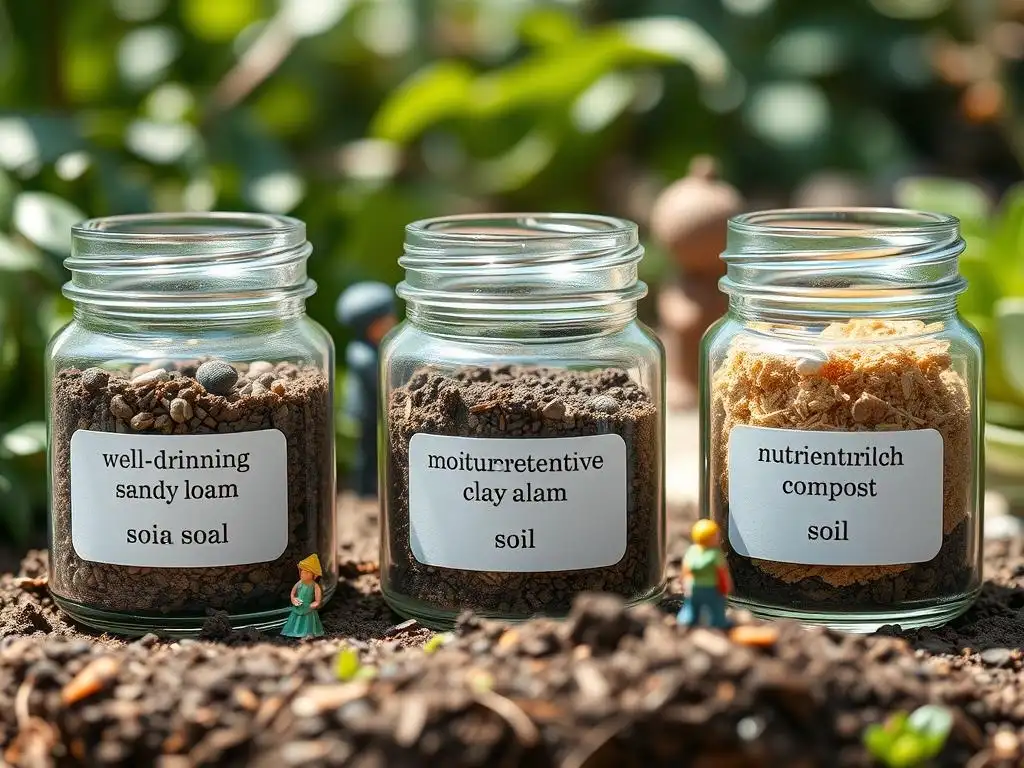
Choosing the right soil is paramount for a thriving fairy garden. Unlike larger plants, miniature plants in fairy gardens have specific needs regarding drainage, moisture retention, and aeration. The "fairy garden best soil sunlight" combination hinges on getting the soil just right – too much water, and your tiny plants will rot; too little, and they'll wilt. Let's delve into the specifics of creating the ideal soil environment.
Essential Soil Characteristics for Miniature Plants: Drainage and Moisture Retention
Miniature plants, by their very nature, require a delicate balance of moisture and drainage. They need enough water to survive but are highly susceptible to root rot if the soil remains waterlogged. The perfect soil blend for a fairy garden strikes this balance. It should be well-draining to prevent waterlogging, yet retain enough moisture to keep the plants hydrated between waterings. Think of it like this: you want the soil to be moist, not soggy.
The ideal soil texture for this purpose is a loamy mix. Loamy soil is a combination of sand, silt, and clay, offering a perfect equilibrium. Sand improves drainage, silt provides water retention, and clay adds structure. Avoid heavy clay soils, as they tend to retain too much water and become compacted, hindering root development. Similarly, sandy soils drain too quickly, leading to frequent watering and potential dehydration for your delicate fairy garden inhabitants.
The addition of organic matter, such as compost, further enhances the soil's structure and water retention capabilities. This organic material also provides essential nutrients for healthy plant growth. Remember, a happy plant is a healthy plant—and a healthy plant is a key ingredient in creating a flourishing fairy garden. Careful selection of soil is therefore a crucial step in achieving this goal.
Creating a Well-Draining Soil Mix
Creating a well-draining soil mix for your fairy garden is achievable with readily available ingredients. A good starting point is a blend of potting mix, perlite, and vermiculite. Potting mix provides a base of nutrients and organic matter. Perlite, a volcanic glass, significantly improves drainage by increasing the soil's porosity.
Vermiculite, a mineral, adds moisture retention without compromising drainage. A typical ratio might be 2 parts potting mix, 1 part perlite, and 1 part vermiculite. However, you can adjust this ratio based on your specific climate and the types of miniature plants you're using. For example, plants that prefer drier conditions might benefit from a higher proportion of perlite, while those needing more moisture could use a higher proportion of vermiculite.
Experimentation will help you find the perfect blend for your fairy garden's unique needs. Don't be afraid to adjust the ratio until you find what works best. Monitoring the soil moisture regularly will guide you in fine-tuning your soil mix. Consider using a moisture meter to check soil moisture levels to avoid both overwatering and underwatering.
Avoiding Soil Compaction: The Importance of Aeration for Fairy Garden Health
Soil compaction is a significant threat to the health of a fairy garden. Compacted soil restricts root growth, prevents proper drainage, and limits the plants' access to oxygen and nutrients. This can lead to stunted growth, yellowing leaves, and ultimately, plant death. Aeration is crucial to prevent compaction and ensure healthy root development.
Several strategies can help maintain soil aeration in your fairy garden. Firstly, avoid overwatering, as excessive watering can lead to compaction. Secondly, gently loosen the soil surface regularly with a small hand tool, such as a tiny trowel or a fork, to break up any clumps and improve airflow. Thirdly, incorporating organic matter, such as compost or leaf mold, improves soil structure and prevents compaction.
Organic matter creates spaces between soil particles, enhancing drainage and aeration. Finally, choosing the right container is also crucial. Containers with drainage holes are essential to prevent waterlogging and compaction. Furthermore, the material of the container can influence soil aeration.
Porous containers, such as terracotta pots, allow for better airflow compared to impermeable materials like plastic. Paying attention to these factors will contribute to a thriving and healthy fairy garden. Remember, proper aeration is a critical aspect of "fairy garden best soil sunlight" success, ensuring your miniature plants receive the oxygen they need to flourish.
Enhancing Soil Fertility: Organic Amendments for Miniature Plants
Creating a thriving fairy garden requires more than just potting soil; it necessitates soil rich in nutrients to support the miniature plants' growth. While commercially available potting mixes provide a decent base, amending them with organic matter significantly boosts fertility and improves drainage—crucial aspects for miniature gardens often prone to overwatering. Think of it like giving your tiny plants a delicious, nutritious meal!
Several organic amendments can work wonders. Compost, for instance, is a fantastic choice. It's readily available (you can even make your own! ), packed with beneficial microorganisms, and improves soil structure, aeration, and water retention. A small amount of well-rotted compost mixed into your potting mix will provide a slow-release of nutrients, keeping your fairy garden flourishing.
Another excellent option is worm castings, also known as vermicompost. These are the waste products of earthworms and are incredibly nutrient-rich, offering a concentrated dose of plant food. A small handful incorporated into your soil will provide a noticeable boost. However, use it sparingly as it's potent!
Finally, consider adding peat moss. While it's not technically a fertilizer, peat moss improves soil drainage and aeration. This is particularly important in fairy gardens, where overwatering is a common problem. The improved drainage prevents root rot, a frequent culprit in the demise of miniature plants. Remember to balance peat moss with other amendments to maintain the soil's nutrient levels. The key is creating a soil that's both fertile and well-draining, a perfect balance for your delicate fairy garden inhabitants.
Testing Your Soil pH: Ensuring Optimal Conditions for Fairy Garden Growth
The pH level of your soil plays a critical role in your fairy garden's success. Different plants thrive within specific pH ranges. While most fairy garden plants tolerate slightly acidic to neutral conditions (around 6.0-7.0 pH), knowing your soil's precise pH allows you to make necessary adjustments and ensure optimal growth. Ignoring this vital aspect could lead to nutrient deficiencies, hindering plant development and overall garden health. Think of it as making sure your plants have the right "digestive system" to absorb nutrients effectively.
Testing your soil pH is a straightforward process. Home soil testing kits are widely available at garden centers and online retailers. These kits typically involve adding a soil sample to a solution and comparing the resulting color to a chart to determine the pH. Many digital pH meters also exist, offering a more precise reading. Follow the kit's instructions carefully for accurate results.
Once you know your soil's pH, you can take corrective action. If the soil is too acidic (below 6.0), adding lime will raise the pH. Conversely, if the soil is too alkaline (above 7.0), adding sulfur will lower the pH. Amendments should be applied gradually and retested after a few weeks to avoid drastic changes. Remember, consistency is key! Regular monitoring and adjustments will ensure your fairy garden has the ideal environment for vigorous and healthy growth. A happy soil equals happy plants, leading to a flourishing fairy garden that will enchant you for years to come.
Optimizing Soil and Light for Specific Fairy Garden Plants
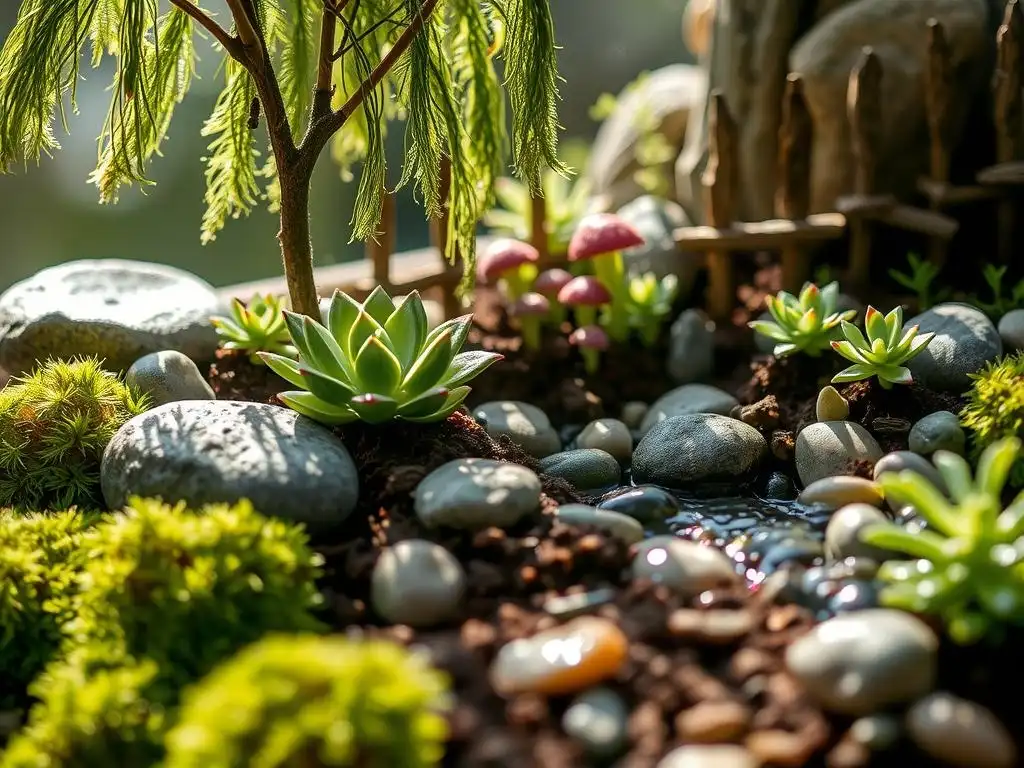
Choosing the right soil and light conditions is crucial for a thriving fairy garden. Different plants have varying needs, and understanding these nuances is key to creating a vibrant miniature landscape. Neglecting these factors can lead to stunted growth, disease, and ultimately, a less-than-magical fairy garden. The keyword "Fairy garden best soil sunlight" highlights the importance of this balance. Let's delve into the specifics.
Light and Soil Needs for Popular Fairy Garden Plants: Moss, Succulents, and Miniature Flowers
Many popular fairy garden plants share some common ground (pun intended! ), but their individual needs can vary. Let's explore the requirements for three favorites: moss, succulents, and miniature flowers.
Moss: Moss thrives in shaded areas with consistently moist soil. They prefer acidic soil with good drainage to prevent rot. Avoid direct sunlight, which can quickly dry out the moss and lead to browning. A north-facing location or a spot under the dappled shade of a larger plant works well. The ideal soil would be a mix of peat moss and perlite, maintaining consistent moisture without becoming waterlogged.
Succulents: In contrast to moss, many succulents prefer bright, indirect sunlight. They require well-draining soil to prevent root rot, a common issue with overwatering. A gritty soil mix, such as cactus potting mix, is ideal. Direct sunlight can scorch their leaves, so a spot with morning sun or filtered light is usually best. Remember, even succulents need some water, but infrequent deep watering is better than frequent shallow watering.
Miniature Flowers: Miniature flowers exhibit a wide range of light and soil preferences depending on the specific variety. Some, like pansies, tolerate partial shade, while others, like alyssum, prefer full sun. Always check the specific needs of your chosen flowers. Generally, a well-draining soil rich in organic matter is beneficial. A balanced soil mix containing compost, perlite, and potting soil is a good starting point. Consider supplementing with slow-release fertilizer for optimal blooming.
Creating a Thriving Microclimate: Utilizing Rocks, Mulch, and Other Soil Additives
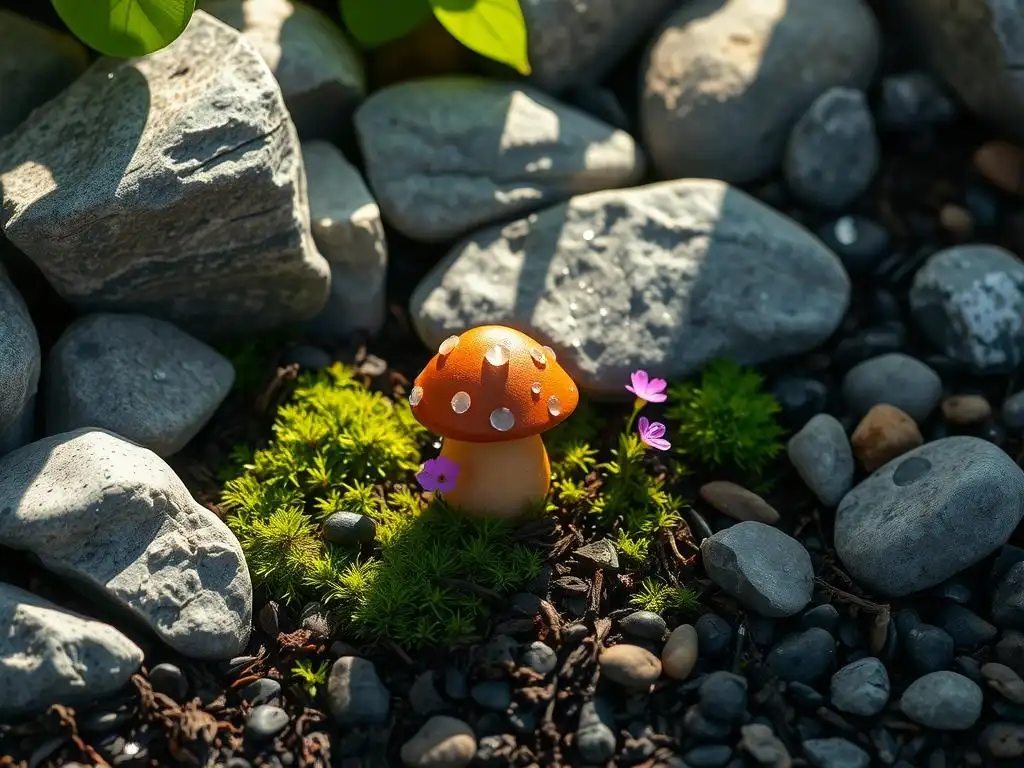
Beyond the basic soil and light, creating a thriving microclimate within your fairy garden can significantly impact plant health. Strategic use of rocks, mulch, and other additives can help regulate moisture, temperature, and even soil composition.
Creating a Thriving Microclimate: Utilizing Rocks, Mulch, and Other Soil Additives
- Rocks: Rocks serve multiple purposes. Larger rocks can provide drainage and prevent waterlogging, while smaller pebbles can improve aeration in the soil. They also add visual interest and can help create different levels and textures within your garden. Placing rocks around plants can also help to reduce evaporation.
- Mulch: A thin layer of mulch, such as fine gravel or shredded bark, helps retain moisture, suppress weeds, and regulate soil temperature. This is particularly beneficial in areas with extreme temperature fluctuations. Choose a mulch that complements the aesthetic of your fairy garden.
- Other Additives: Consider incorporating other materials such as activated charcoal, which can improve drainage and aeration while also helping to filter impurities. Vermiculite can help retain moisture and improve soil structure. The addition of organic matter, like compost, enriches the soil and provides essential nutrients for healthy plant growth.
Even with careful planning, issues can arise. Recognizing and addressing these problems promptly is key to maintaining a healthy fairy garden.
- Yellowing Leaves: Yellowing leaves often indicate either insufficient light or overwatering. Assess the lighting conditions and adjust accordingly. If the soil is waterlogged, improve drainage by adding more perlite or gravel.
- Stunted Growth: Slow growth can be due to nutrient deficiencies, poor drainage, or insufficient light. Consider adding a slow-release fertilizer and improving soil aeration. Ensure adequate light exposure.
- Root Rot: Root rot is a common problem caused by overwatering and poor drainage. The affected plants will likely exhibit wilting, even with sufficient watering. Repotting into well-draining soil is essential. Avoid overwatering in the future. Proper soil drainage is crucial for "Fairy garden best soil sunlight" conditions.
- Pest Infestations: While not directly related to soil and light, pests can thrive in damp, poorly drained conditions. Regular inspection and appropriate pest control measures are crucial for maintaining a healthy garden.
By carefully considering the specific light and soil requirements of your chosen plants and utilizing various soil additives, you can cultivate a thriving and enchanting fairy garden that flourishes for years to come. Remember, the key to success is understanding the needs of your miniature plants and providing them with the ideal microclimate.
Maintaining Optimal Soil Moisture: Watering Techniques for Fairy Gardens
Maintaining the right soil moisture is crucial for a thriving fairy garden. Overwatering can lead to root rot, a common problem for miniature plants, while underwatering causes wilting and stunted growth. Finding the sweet spot requires careful observation and adjustments based on your specific environment and plant choices.
One key aspect is understanding your soil type. Well-draining soil, such as a mix of potting soil, perlite, and vermiculite, is ideal for fairy gardens. This mix prevents waterlogging, a major culprit in root rot. Heavier clay soils retain more water, requiring less frequent watering but increasing the risk of overwatering if you're not careful. Regularly checking the soil moisture is paramount. Stick your finger about an inch into the soil; if it feels dry, it's time to water.
Watering techniques should be gentle and precise. Avoid using a forceful spray, which can dislodge delicate plants or erode the soil. A gentle watering can, a spray bottle with a fine mist setting, or even a small syringe can be effective tools. Water thoroughly until you see moisture seeping out of the drainage holes (if your fairy garden container has them), ensuring the entire root zone is moistened. However, avoid letting water sit in a saucer underneath the container, which can lead to root rot.
The frequency of watering depends on several factors: the type of soil, the size and type of your plants, the ambient temperature and humidity, and the amount of sunlight your fairy garden receives. During hot, sunny days, you may need to water daily, while during cooler, cloudier periods, watering every few days might suffice. Always observe your plants for signs of stress, such as drooping leaves or wilting. These are clear indicators that your fairy garden needs water.
Remember, consistent monitoring and adjustment are key to maintaining optimal soil moisture and a healthy fairy garden. Regularly checking your fairy garden for signs of overwatering or underwatering, and adjusting your watering schedule accordingly, is a crucial part of successful fairy gardening. A little attention to detail in this area will significantly improve the health and longevity of your miniature plants.
Don't be afraid to experiment and find the perfect watering schedule for your unique fairy garden setup! Consider using a moisture meter for more precise measurements. These handy tools take the guesswork out of watering, helping you avoid both overwatering and underwatering.
Choosing the Right Containers for Your Fairy Garden Based on Sunlight and Soil
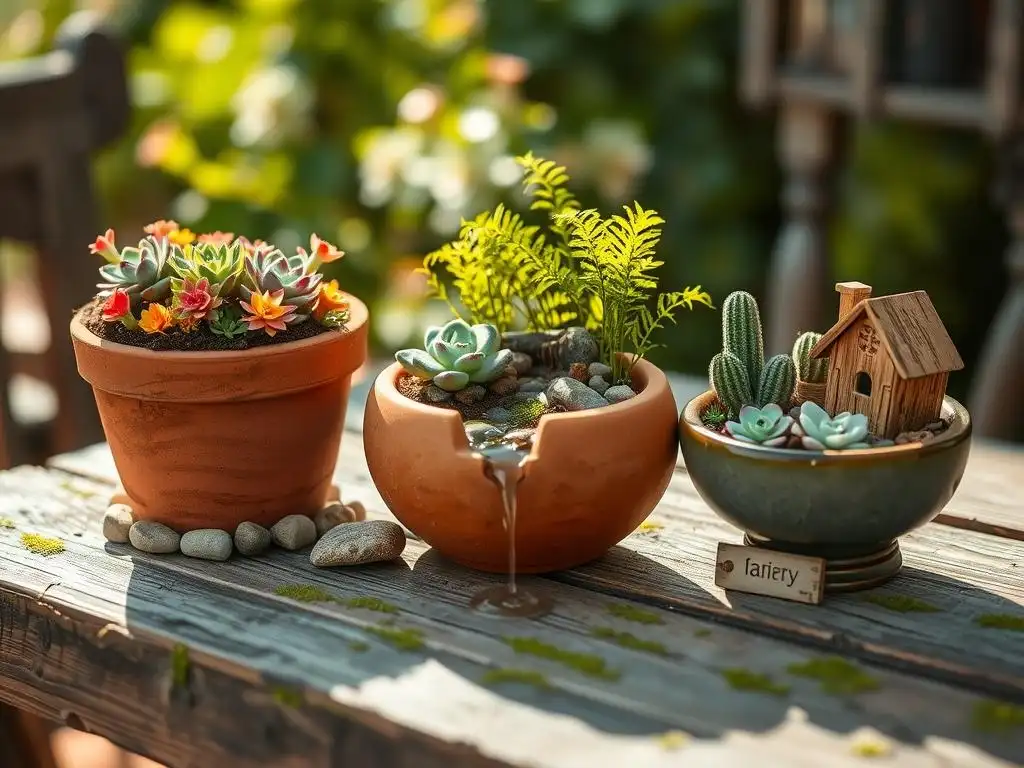
Creating a thriving fairy garden requires careful consideration of sunlight and soil conditions. The container you choose plays a crucial role in managing these factors, directly impacting the health and longevity of your miniature plants. Choosing the right container is paramount for success in your fairy garden endeavors. Different containers offer varying degrees of drainage and sun exposure, significantly affecting soil moisture and plant growth. Optimizing these factors ensures a flourishing miniature ecosystem.
Selecting Pots and Planters with Adequate Drainage
Drainage is arguably the most critical factor when choosing containers for a fairy garden. Poor drainage leads to waterlogged soil, root rot, and ultimately, plant death. Fairy garden plants, often miniature versions of larger species, are particularly susceptible to these issues. Therefore, selecting pots and planters with adequate drainage holes is paramount.
The size and number of drainage holes matter. Small holes may become clogged easily, while too few holes won't allow sufficient water escape. Aim for several holes of a decent size (at least ¼ inch in diameter) evenly distributed across the base of the container. Consider the material of the pot as well. Terracotta pots, for example, are porous and allow for some evaporation, helping to regulate soil moisture. However, they also dry out more quickly than plastic or glazed ceramic pots.
Here's a table summarizing the pros and cons of different container materials:
| Container Material | Pros | Cons | Drainage Considerations |
|---|---|---|---|
| Terracotta | Porous, allows for evaporation, aesthetically pleasing | Dries out quickly, can crack in freezing temperatures | Ensure ample drainage holes; water frequently |
| Plastic | Lightweight, durable, inexpensive | Not as aesthetically pleasing, can retain too much moisture | Use pots with multiple large drainage holes |
| Glazed Ceramic | Durable, watertight, aesthetically pleasing | Retains moisture, may require less frequent watering | Ensure at least a few large drainage holes |
| Metal | Durable, can be aesthetically pleasing | Can heat up quickly in direct sunlight, may rust | Requires excellent drainage; consider lining with plastic |
Remember, regardless of the material, always check for and maintain adequate drainage. You can improve drainage further by adding a layer of gravel or broken pottery shards at the bottom of your chosen container before adding the soil.
Using Raised Beds for Improved Drainage and Soil Management: Construction and Materials
For larger fairy gardens, raised beds offer superior control over drainage and soil composition. Raised beds provide excellent drainage, preventing waterlogging, and allow for easier soil amendment. They can be constructed from a variety of materials, each with its own advantages and disadvantages.
Constructing a raised bed for your fairy garden is a relatively straightforward process. You can choose from various materials, including:
- Wood: Cedar and redwood are naturally resistant to rot and decay, making them ideal choices. However, they are more expensive. Pressure-treated lumber should be avoided due to potential chemical leaching into the soil.
- Stone: Stone beds offer excellent durability and longevity, but they are more labor-intensive to construct and can be more expensive.
- Brick: Brick provides a durable and aesthetically pleasing option, but it can be costly and require more precise construction.
- Metal: Galvanized metal offers durability, but it can heat up quickly in direct sunlight, potentially harming plants.
Regardless of the material, ensure your raised bed has adequate drainage. This can be achieved by incorporating drainage holes in the bottom or by sloping the bed slightly. The best soil for a fairy garden in a raised bed will be a well-draining mix, potentially incorporating perlite or vermiculite to improve aeration and drainage. This allows for optimal root development and prevents waterlogging, contributing to a healthy and vibrant fairy garden.
The construction process, while varying slightly by material, generally involves assembling the sides and filling with the chosen soil mix. Consider the size and placement of your raised bed based on the sunlight requirements of your chosen plants. Proper sunlight exposure is vital for the overall health and growth of your fairy garden's miniature plants.
Building a Sustainable Fairy Garden: Eco-Friendly Practices
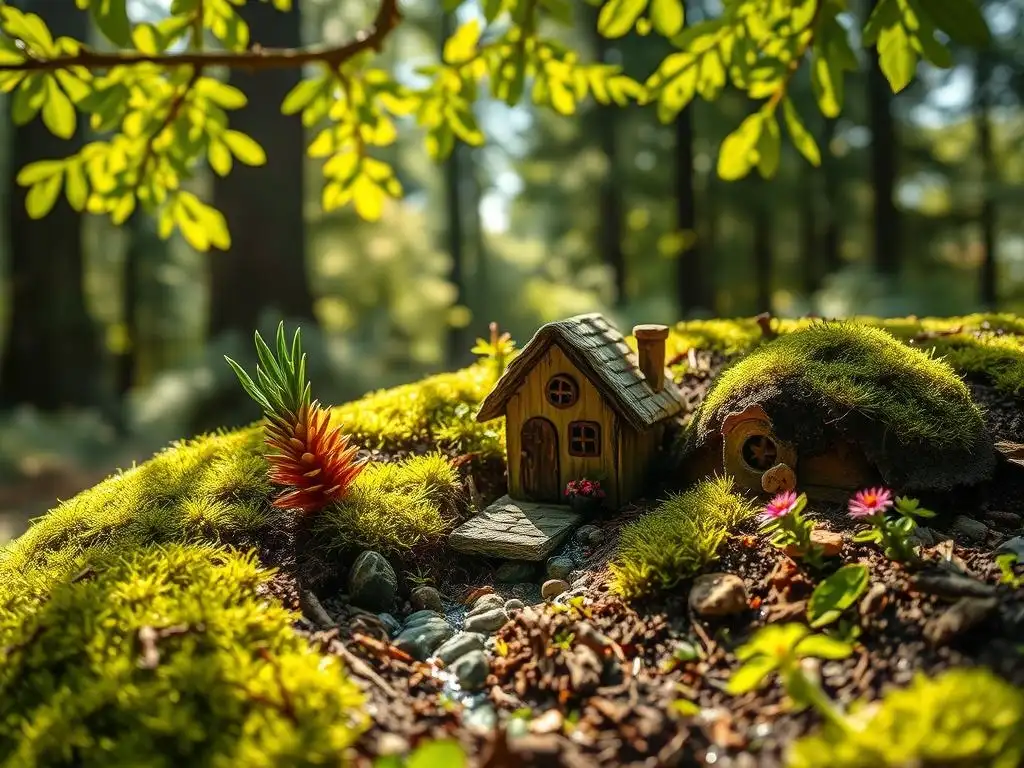
Creating a thriving fairy garden isn't just about aesthetics; it's about fostering a miniature ecosystem that's both beautiful and environmentally responsible. A sustainable approach minimizes waste, maximizes resource utilization, and promotes biodiversity within your tiny landscape. Choosing the right location, as discussed in the previous sections regarding sunlight and soil for your "Fairy garden best soil sunlight," is just the first step. Let's delve into some key eco-friendly practices to ensure your fairy garden flourishes sustainably.
Utilizing Recycled Materials for Fairy Garden Construction
Forget expensive, mass-produced fairy garden supplies! Repurposing and recycling are key to building a truly sustainable fairy garden. Think outside the box (or, better yet, reuse the box!). Many common household items can be transformed into charming fairy garden features.
- Containers: Old teacups, terracotta pots (broken ones can be creatively incorporated! ), yogurt containers, and even repurposed tin cans (thoroughly cleaned and sealed to prevent rust) can serve as charming homes and planters for your miniature plants. Consider painting them with non-toxic, eco-friendly paints to enhance their charm.
- Paths and Pathways: Broken pieces of ceramic tiles, smooth river stones, or even recycled glass (carefully handled) can create enchanting pathways through your fairy garden. Avoid using materials that might leach harmful chemicals into the soil.
- Decorations: Seashells, twigs, pebbles, and pine cones collected during nature walks add natural texture and charm. Cork pieces can become whimsical houses or furniture. Avoid using plastic decorations whenever possible; opt for natural, biodegradable alternatives.
- Furniture and Accessories: Small, discarded bottle caps can be turned into tiny tables or chairs. Wooden scraps can become fences or bridges. Let your creativity flow!
The possibilities are endless. By utilizing recycled materials, you're not only reducing waste but also adding unique character and charm to your fairy garden, making it truly one-of-a-kind. Remember to prioritize safety and avoid using materials that could be harmful to plants or pose a risk to children or pets.
Composting for Fairy Garden Soil Enrichment
Creating nutrient-rich soil is crucial for a healthy fairy garden. Composting is a fantastic way to achieve this sustainably. Compost provides essential nutrients, improves soil structure, and retains moisture, creating the ideal environment for your miniature plants to thrive.
Creating compost for your fairy garden doesn't require a large space. You can easily build a small compost bin using readily available materials, like a repurposed plastic container with holes for drainage. Use kitchen scraps like fruit and vegetable peels, coffee grounds, and eggshells. Avoid meat, dairy, and oily foods, as these can attract pests and create unpleasant odors.
Here's a simple table outlining the benefits of composting for your fairy garden:
| Benefit | Description |
|---|---|
| Improved Soil Structure | Compost improves drainage and aeration, preventing waterlogging and root rot. |
| Nutrient Enrichment | Provides essential nutrients like nitrogen, phosphorus, and potassium. |
| Moisture Retention | Helps the soil retain moisture, reducing the need for frequent watering. |
| Reduced Waste | Diverts kitchen scraps from landfills, promoting sustainability. |
| Pest Control | Healthy soil is less susceptible to pest infestations. |
By diligently composting, you'll create a rich, nutrient-dense soil that fosters healthy plant growth in your fairy garden, contributing to a vibrant and sustainable miniature ecosystem. Remember to regularly turn your compost to ensure proper decomposition and aeration. This simple practice will significantly enhance the overall health and beauty of your fairy garden while embodying sustainable gardening principles. The resulting compost will be perfect for enriching the soil, further optimizing your "Fairy garden best soil sunlight" strategy.
Long-Term Care and Maintenance: Light, Soil, and Seasonal Adjustments
Creating a thriving fairy garden isn't a one-time project; it requires ongoing care and attention to ensure the miniature ecosystem flourishes. This section focuses on the crucial aspects of light, soil management, and adapting your garden to changing seasons—key elements for a "fairy garden best soil sunlight" setup. Proper maintenance will reward you with a vibrant, enchanting space for years to come.
Adapting Your Fairy Garden to Seasonal Changes in Sunlight and Temperature
Sunlight intensity varies dramatically throughout the year. A fairy garden, even a small one, is susceptible to these changes. In spring and summer, intense sunlight can scorch delicate plants, while the shorter days and lower temperatures of autumn and winter can lead to stunted growth or dormancy. Careful monitoring and adjustments are vital.
For example, a south-facing fairy garden might require shading during the peak summer months. This can be achieved using sheer curtains or strategically placed larger plants to provide dappled shade. Conversely, during winter, you might need to supplement natural light with grow lights, particularly if your garden is indoors or in a shaded location.
Remember that even slight variations in sunlight exposure can significantly impact the health and growth of your miniature plants. Consider rotating your garden slightly to ensure even light distribution, especially if you notice uneven growth patterns. Regularly observe the leaves of your plants; discoloration or wilting are clear indicators that adjustments are needed.
Keep a journal to note your observations and the effectiveness of any changes you make. This record will prove invaluable in future years, providing a valuable dataset for optimizing your fairy garden's care based on your local climate and specific plant choices. This approach ensures your fairy garden thrives, regardless of the season.
Monitoring Soil Health and Making Adjustments as Needed
Maintaining healthy soil is paramount for a thriving fairy garden. The "best soil" for your fairy garden will depend on the specific plants you choose, but generally, a well-draining, moisture-retentive mix is ideal. However, even the best initial soil mix will degrade over time. Compaction, nutrient depletion, and changes in pH are common issues.
Regularly checking the soil moisture is crucial. Overwatering can lead to root rot, while underwatering causes wilting. Use a moisture meter or simply stick your finger into the soil; if it feels dry an inch or two below the surface, it's time to water. Avoid overwatering, as this is a common mistake leading to plant death. Remember, small containers dry out faster than larger pots.
Nutrient depletion is another common problem. Fairy garden plants, like their larger counterparts, need nutrients to grow. You can replenish nutrients by applying a balanced, slow-release fertilizer specifically formulated for container plants. Avoid using fertilizers with high salt content, as these can damage delicate roots. The frequency of fertilization will depend on the plants' growth rate and the type of fertilizer used – follow the manufacturer's instructions carefully. Additionally, consider adding organic matter such as worm castings or composted manure to improve soil structure and aeration.
This not only provides nutrients but also enhances drainage and water retention. Regularly inspect your soil for signs of pests or diseases. Early detection and treatment are key to preventing widespread problems. By carefully monitoring and adjusting your soil's condition, you'll ensure your fairy garden continues to flourish, showcasing a vibrant and healthy miniature landscape. 🌱
Frequently Asked Questions
What type of soil is best for a fairy garden?
Fairy gardens thrive in well-draining soil that is rich in organic matter. Amend heavy clay soils with compost or other organic materials to improve drainage. Avoid soggy conditions.
How much sunlight does a fairy garden need?
Most fairy garden plants prefer partial shade or dappled sunlight. Too much direct sun can scorch delicate plants, while too little can lead to leggy growth. Aim for at least 4 hours of indirect sunlight per day.
Can I use regular garden soil for my fairy garden?
While you can use regular garden soil, it's best to amend it with compost to improve drainage and fertility. This will provide the ideal conditions for your miniature plants to flourish.
What are the signs of improper sunlight for my fairy garden?
Leggy growth, pale leaves, or wilting despite watering are all signs of insufficient or excessive sunlight. Adjust the location of your fairy garden accordingly to provide optimal light conditions.
How do I improve drainage in my fairy garden soil?
Adding organic materials like compost, peat moss, or perlite to your soil will significantly improve drainage. You can also create a raised bed or use containers with drainage holes to prevent waterlogging.
Final Reflection: Cultivating Magic: The Enduring Allure of Fairy Gardens
Creating the perfect fairy garden isn't just about arranging miniature furniture; it's about nurturing a space of wonder, a microcosm of nature's artistry that reflects our own inner creativity and connection to the natural world. The meticulous selection of soil and the careful consideration of sunlight, as explored throughout this article, are not mere technicalities, but essential elements in fostering a thriving, enchanting environment. This attention to detail translates directly to the joy and peace we find in tending to these miniature landscapes.
The enduring appeal of fairy gardens lies in their ability to transport us to a realm of imagination, a place where the mundane gives way to the magical. They remind us of the beauty inherent in even the smallest details, the quiet power of nature, and the boundless potential for creativity within each of us. The earth laughs in flowers.
– Ralph Waldo Emerson. This quote perfectly encapsulates the vibrant spirit that a well-maintained fairy garden embodies, a testament to the joy found in nurturing life, no matter how small. The impact extends beyond the garden itself; it's a reminder to appreciate the small wonders in our own lives and to cultivate spaces of peace and beauty wherever we can.
Now, consider your own space. Do you have a sun-drenched corner or a shady nook yearning to be transformed? I invite you to embrace the spirit of creation and embark on your own fairy garden journey. Choose your soil wisely, select a location that bathes your miniature world in the perfect amount of light, and watch as your imagination takes root and blossoms into a haven of enchantment. Let the magic unfold, one tiny plant, one miniature house at a time.
Unleash Your Inner Fairy Gardener: Build Your Dream Habitat!
Thank you for exploring the world of fairy gardening! You've learned how light and soil are crucial for creating a thriving, magical haven. Ready to turn your vision into reality?
- Design and build your perfect fairy garden today! Gather your materials—or repurpose items you already have—and let your creativity flourish.
- Share your progress: Show us your miniature world by posting photos in the comments below! We'd love to see your creations.
- Consider adding unique elements, such as a miniature compost system, to enhance the realism of your fairy garden.
What unique features will make your fairy garden truly special and unforgettable?