
Deep Water Culture Aquaponics: A Simple Method

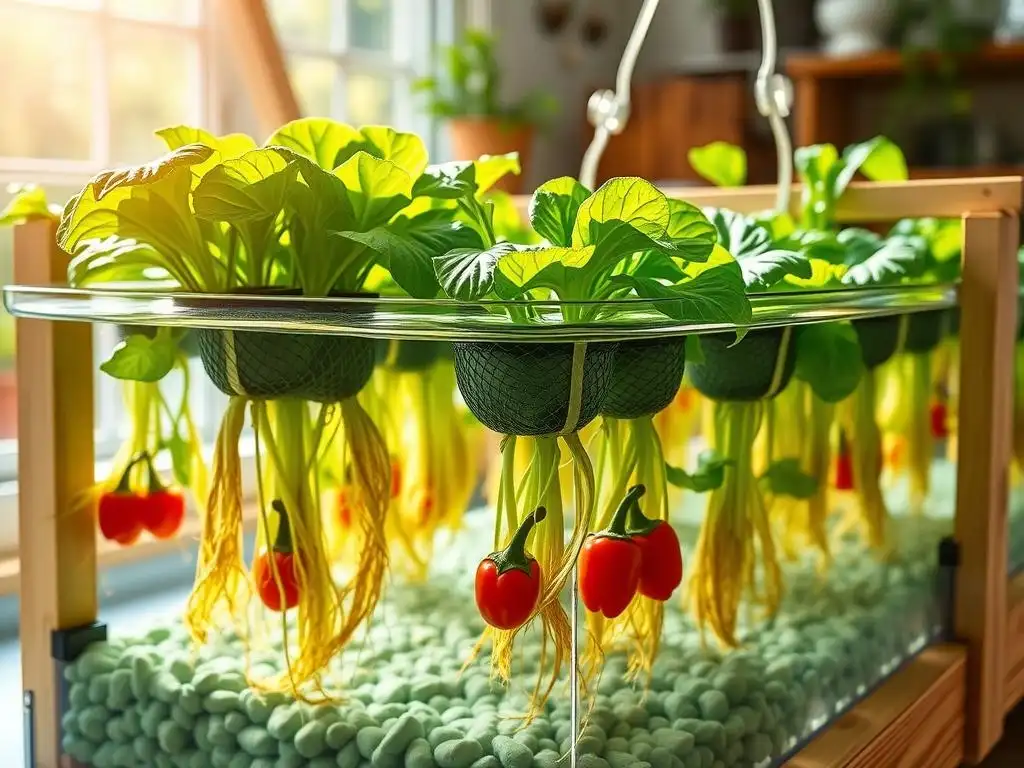
Welcome to CultivateYourFood, your guide to a greener, more fulfilling life through homegrown goodness! Are you ready to unlock the secrets of sustainable food production? Then dive into the fascinating world of DIY aquaponics deep water culture, a simple yet remarkably effective method for growing vibrant fruits, vegetables, and herbs. Discover how this innovative technique can transform your gardening experience and provide you with a bountiful harvest. Let's explore the possibilities together – your journey to a thriving, organic garden starts now!
- Understanding Deep Water Culture (DWC) Aquaponics
-
Setting Up Your DIY Deep Water Culture Aquaponics System
- Choosing the Right Tank: Size, Material, and Considerations for Your DWC Setup
- Essential Equipment for a Successful DWC Aquaponics System: Air Pumps, Air Stones, and Tubing
- Selecting the Perfect Plants for Your DWC Aquaponics System: Lettuce, Herbs, and More
- Fish Selection for Your DWC Aquaponics System: Tilapia, Koi, or Goldfish?
- Building Your DIY DWC Aquaponics System: Step-by-Step Guide with Pictures
-
Maintaining Your Deep Water Culture Aquaponics System
- Water Testing and Monitoring: pH Levels, Nutrient Levels, and Ammonia Control
- Nutrient Film Technique (NFT) Integration with DWC for Enhanced Growth
- Troubleshooting Common Problems in DWC Aquaponics: Algae Blooms, Root Rot, and Fish Diseases
- Regular Cleaning and Maintenance of Your DWC System: Preventing Buildup and Contamination
- Harvesting Your Produce from Your DWC Aquaponics System: Best Practices
- Advanced Techniques for Deep Water Culture Aquaponics
- Resources and Further Learning on DWC Aquaponics
- Frequently Asked Questions
- Final Reflection: Harvesting the Future, One Drop at a Time
- Dive Deeper into Aquaponics!
Understanding Deep Water Culture (DWC) Aquaponics
Deep water culture (DWC) aquaponics represents a simplified and highly efficient method for growing plants hydroponically while integrating fish farming. This symbiotic system leverages the natural processes of nutrient cycling to create a self-sustaining environment, minimizing water usage and maximizing plant growth. This guide will delve into the specifics of building a DIY deep water culture aquaponics system, focusing on the practical aspects and benefits, while comparing it to other popular aquaponics setups.
For the aspiring home gardener eager to embrace sustainable practices and increase their yields, understanding the fundamentals of DWC aquaponics is key. We'll explore the setup, maintenance, and advantages of this increasingly popular method, empowering you to cultivate your own thriving aquaponic garden. This article focuses specifically on the "DIY aquaponics deep water culture" approach, providing a practical, step-by-step guide for beginners.
What is Deep Water Culture Aquaponics? A Beginner's Guide
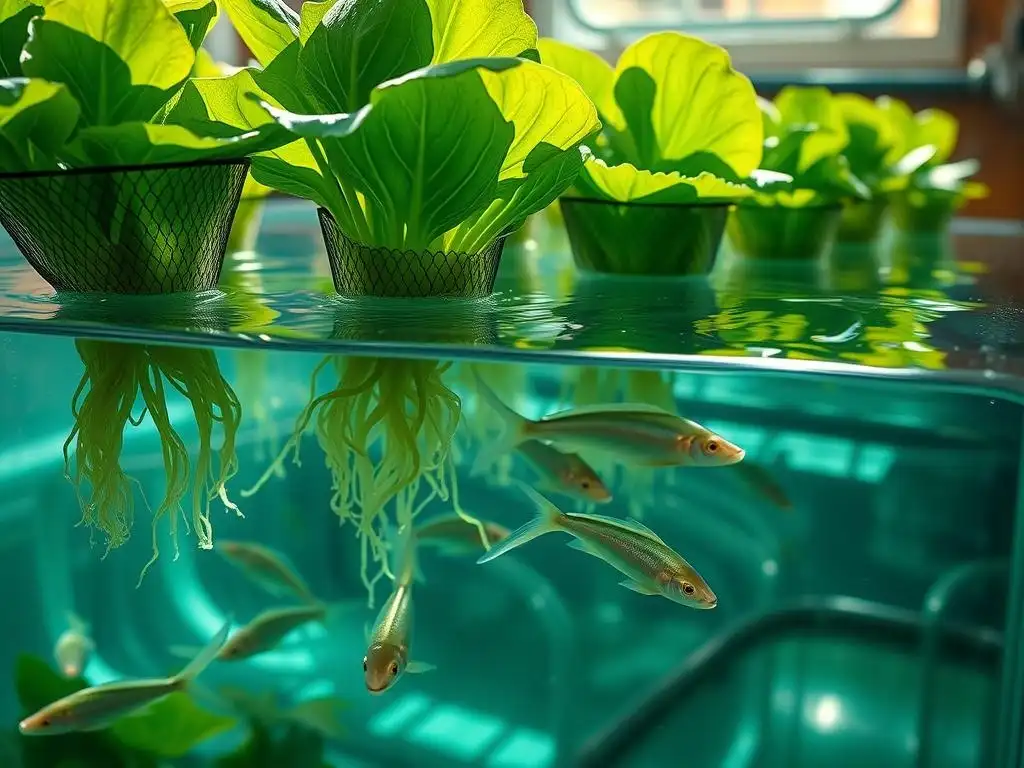
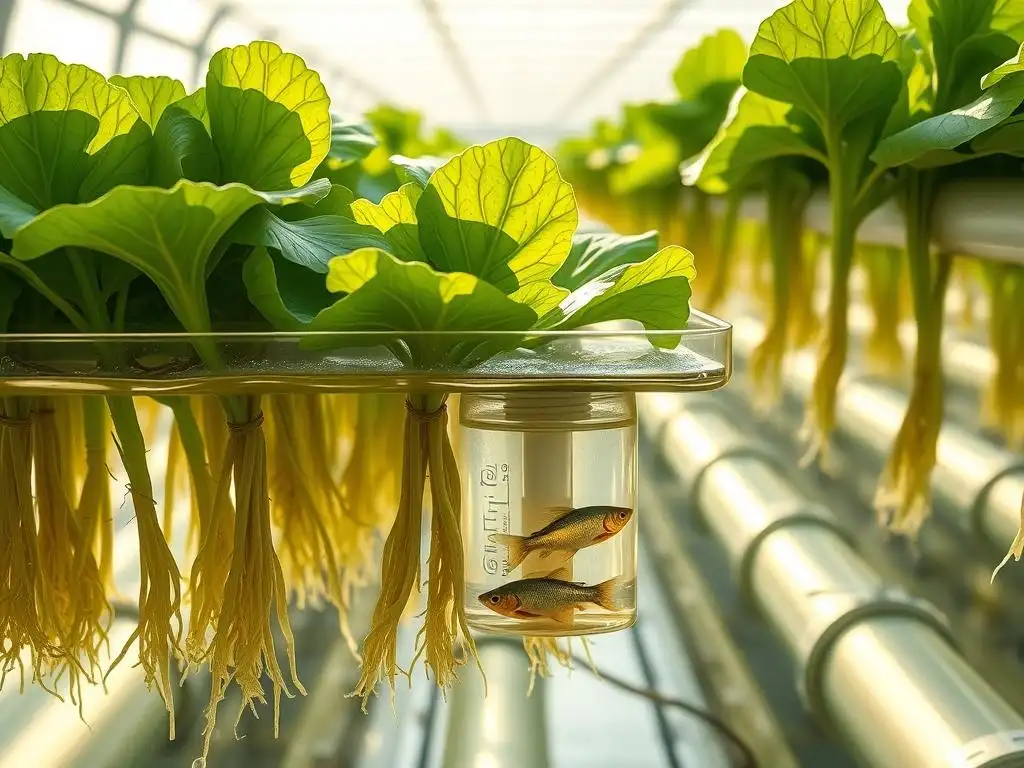
Deep Water Culture (DWC) aquaponics is a type of hydroponic system where plant roots are suspended in an oxygen-rich nutrient solution. Unlike traditional soil-based gardening, plants are not planted directly in the ground. Instead, they are placed in net pots containing a growing medium (like clay pebbles or rockwool) that allows for proper aeration and root support. These net pots are then suspended above a reservoir containing fish and their waste.
The fish waste, rich in ammonia, is converted into nitrates by beneficial bacteria in the system. These nitrates then act as the primary source of nutrients for the plants. The system works in a closed loop: fish provide nutrients, plants filter the water, and the clean water is recirculated back to the fish tank.
This creates a self-sustaining ecosystem, minimizing water waste and maximizing efficiency. Think of it as a miniature, controlled ecosystem mirroring the natural processes of a wetland. The simplicity of DWC makes it an ideal entry point into the world of aquaponics, particularly for beginners seeking a manageable and productive system.
The core components of a DWC aquaponics system typically include:
- A fish tank to house the fish (usually tilapia or koi are recommended for beginners).
- An air pump to provide continuous oxygenation to the nutrient solution.
- A water pump to circulate the nutrient solution.
- Net pots containing a growing medium (e.g., clay pebbles) to support plant roots.
- Plants suitable for DWC aquaponics (e.g., lettuce, basil, strawberries).
- A grow bed or raft to hold the net pots above the nutrient solution.
- Tubing and connectors for efficient water circulation.
Benefits of DWC Aquaponics: Faster Growth, Higher Yields
DWC aquaponics offers several compelling advantages over traditional gardening methods:
- Faster Growth: The constant supply of oxygenated nutrient solution promotes rapid root development and nutrient uptake, leading to faster plant growth compared to soil-based methods. Studies have shown growth rates up to 30% faster in some cases.
- Higher Yields: The efficient nutrient delivery system and optimized growing conditions result in significantly higher yields per square foot compared to traditional gardening. This is particularly beneficial for home gardeners with limited space.
- Reduced Water Consumption: The closed-loop system minimizes water waste, making it a highly sustainable gardening method, especially crucial in regions with water scarcity. Water usage is typically reduced by 90% compared to traditional methods.
- Reduced Pest and Disease Problems: The controlled environment minimizes the risk of soilborne pests and diseases commonly encountered in traditional gardening.
- Ease of Maintenance: While regular maintenance is needed, the overall maintenance of a DWC system is often simpler than soil-based gardening, requiring less weeding and soil management.
Comparing DWC to Other Aquaponics Systems: Media Beds vs. NFT vs. DWC
Several aquaponics systems exist, each with its own strengths and weaknesses. Let's compare DWC with two other popular methods:
| System Type | Description | Advantages | Disadvantages |
|---|---|---|---|
| Media Beds | Plants are grown in a bed filled with gravel or other media. Water is periodically flooded and drained. | Simple to construct, good for a variety of plants, relatively low maintenance. | Less efficient nutrient delivery than DWC, potential for clogging. |
| NFT (Nutrient Film Technique) | Nutrients are delivered as a thin film over plant roots. | Highly efficient nutrient delivery, excellent for leafy greens. | Requires more precise control, susceptible to clogs and pump failures. |
| DWC | Plants are grown in net pots suspended in an oxygen-rich nutrient solution. | Simple to construct and maintain, excellent oxygenation, high yields. | Requires an air pump, may be less suitable for all plant types. |
Choosing the best system depends on your experience level, available space, and desired plants. DWC's ease of use and high yields make it an excellent choice for beginners, while experienced growers might prefer the higher efficiency of NFT. Media beds offer a good middle ground for those seeking a simpler, less technically demanding setup.
Setting Up Your DIY Deep Water Culture Aquaponics System
This section details the practical steps involved in constructing a DIY deep water culture (DWC) aquaponics system. We'll cover choosing the right tank, essential equipment, and plant selection, focusing on creating a thriving and sustainable home aquaponics setup. Remember, a successful DIY aquaponics deep water culture system requires careful planning and attention to detail.
Choosing the Right Tank: Size, Material, and Considerations for Your DWC Setup
Selecting the appropriate tank is crucial for your DWC aquaponics system's success. The tank's size directly impacts the number of plants you can grow and the volume of water needed. Consider these factors:
- Size: Start small, especially if you're a beginner. A 5-10 gallon tank is ideal for a first-time DIY aquaponics deep water culture project. Larger tanks (20-50 gallons) allow for greater plant yields but require more maintenance and a larger fish population. Scaling up gradually is recommended.
- Material: Food-grade plastic is the most common and affordable choice. Avoid using recycled plastic containers, as they may contain harmful chemicals. Ensure the tank is non-toxic and suitable for holding water for extended periods. Some enthusiasts use repurposed containers, but always thoroughly clean and sanitize them before use.
- Shape: Rectangular tanks are generally preferred for their efficient use of space and ease of plant arrangement. However, round or square tanks also work.
- Considerations: The tank should be opaque to prevent algae growth. Consider adding a lid to reduce evaporation and maintain a stable temperature. Ensure the tank is sturdy and leak-proof. A slightly larger tank provides extra space for potential overflow.
Consider this example: A 10-gallon tank provides enough space for approximately 4-6 lettuce plants and a small number of herbs in a beginner's DWC setup. This allows for manageable maintenance while still yielding a satisfying harvest. Remember to always factor in the space needed for the fish tank within your overall design. Larger systems will require more careful planning to maintain a balanced ecosystem.
Essential Equipment for a Successful DWC Aquaponics System: Air Pumps, Air Stones, and Tubing
Beyond the tank, several pieces of equipment are vital for a thriving DWC aquaponics system. These ensure proper oxygenation and water circulation, both crucial for healthy plant and fish growth.
- Air Pump: An air pump provides the necessary oxygen to the water, preventing root rot and ensuring healthy plant development. The pump's size should be proportional to the tank's volume; a larger tank needs a more powerful pump. Choose a pump known for its reliability and quiet operation.
- Air Stones: Air stones diffuse the air from the pump into tiny bubbles, maximizing oxygen distribution throughout the water. Porous stones are generally preferred for their effectiveness. Ensure the air stones are appropriately sized for your tank and pump.
- Tubing: High-quality, non-toxic tubing connects the air pump to the air stones. Choose tubing that is resistant to kinking and cracking, ensuring consistent airflow. Regularly inspect the tubing for any damage.
| Equipment | Function | Considerations |
|---|---|---|
| Air Pump | Provides oxygen to the water | Size depends on tank volume; choose a reliable model |
| Air Stones | Diffuse air into tiny bubbles | Porous stones are best; size matters |
| Tubing | Connects air pump to air stones | Non-toxic, kink-resistant, regular inspection |
| Net Pots (optional) | Hold the plants and allow for root submersion | Size depends on plants; choose durable material |
This equipment ensures your DIY aquaponics deep water culture system functions optimally. Proper oxygenation is paramount for healthy plant roots and prevents anaerobic conditions that lead to root rot. Regular maintenance of this equipment is essential for long-term success.
Selecting the Perfect Plants for Your DWC Aquaponics System: Lettuce, Herbs, and More
Plant selection is a key factor in the success of your DIY aquaponics deep water culture system. Some plants thrive in DWC setups, while others are less suitable. Here are some excellent options:
- Lettuce: Various lettuce varieties, including loose-leaf and butterhead, are ideal for DWC. Their shallow root systems are well-suited to the system's design. They also grow quickly, providing a rapid return on your efforts.
- Herbs: Basil, mint, and cilantro are excellent choices. Their aromatic leaves add flavor to your meals, and they thrive in the nutrient-rich water of a DWC system. Consider planting different herb varieties to create a diverse and flavorful selection.
- Other Vegetables: Some other vegetables, like spinach and kale, can be grown successfully in a DWC setup, though they may require more attention to nutrient levels.
Choosing the right plants for your DIY aquaponics deep water culture project is important for a successful harvest. Begin with plants known for their adaptability to hydroponic systems and gradually experiment with other varieties as you gain experience. Remember that proper nutrient balance is critical, so regular monitoring is key. Consider starting with a small selection of plants to manage the system effectively before expanding. 🌱
Fish Selection for Your DWC Aquaponics System: Tilapia, Koi, or Goldfish?
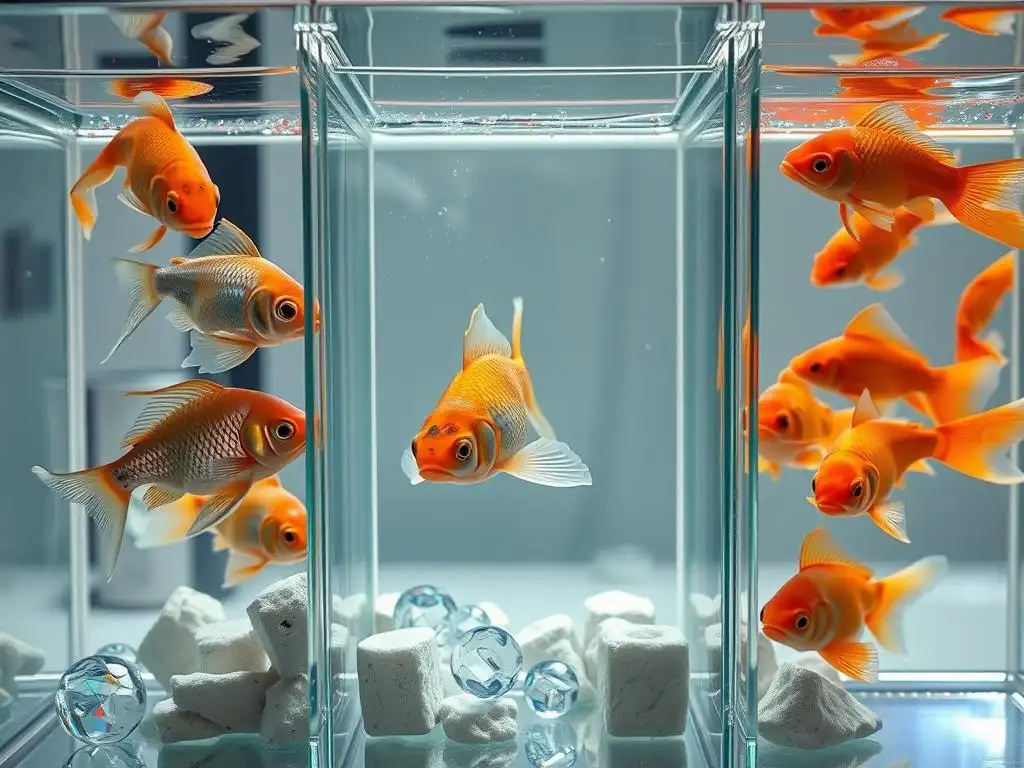
Choosing the right fish for your deep water culture (DWC) aquaponics system is crucial for its success. Different fish species have varying needs and tolerances, impacting the overall health of your system and the yield of your plants. Let's examine three popular choices: Tilapia, Koi, and Goldfish.
Tilapia are a popular choice for beginners due to their hardiness and rapid growth. They are relatively tolerant of a range of water parameters and are efficient waste producers, providing ample nutrients for your plants. However, Tilapia can be prolific breeders, requiring careful management to avoid overpopulation. Consider the space available in your system carefully before opting for Tilapia. Overcrowding leads to stress, disease, and ammonia spikes, harming both your fish and plants.
Koi, known for their beauty, are also a viable option, though they require more space and a more mature system. Koi are less tolerant of fluctuating water parameters and are more susceptible to disease than Tilapia. Their larger size necessitates a larger tank and more robust filtration. While they produce ample nutrients, their higher maintenance requirements make them a less ideal choice for beginners.
Goldfish, while readily available and relatively low-maintenance, are less efficient waste producers compared to Tilapia or Koi. This means nutrient production for your plants might be lower, potentially impacting plant growth. Additionally, goldfish are sensitive to water quality changes, necessitating careful monitoring of water parameters. They are best suited for smaller, simpler systems.
Ultimately, the best fish for your DWC aquaponics system depends on your experience level, the size of your system, and your maintenance capabilities. Research each species thoroughly before making a decision to ensure a thriving and balanced ecosystem. Consider factors like growth rate, waste production, space requirements, and disease resistance when making your selection.
Building Your DIY DWC Aquaponics System: Step-by-Step Guide with Pictures
Building your own DWC aquaponics system is a rewarding experience, allowing for customization and cost savings. While detailed pictures are unavailable here, we'll provide a comprehensive step-by-step guide. Remember to always prioritize safety and follow manufacturer instructions for any equipment used.
This guide assumes a basic understanding of aquaponics principles. If you're new to aquaponics, we recommend researching the fundamental concepts before starting your build.
Creating the Net Pots for Your Plants: Materials and Techniques
Net pots are essential for supporting your plants in a DWC system. You can purchase pre-made net pots, or create your own using readily available materials. Common materials include plastic mesh, zip ties, and scissors. You can also use PVC pipe cut into rings and covered with mesh.
To create your net pots, cut the mesh into squares slightly larger than the diameter of your chosen plant containers. Fold the edges over and secure them with zip ties, creating a sturdy pot that will hold your growing medium (clay pebbles, hydroton, etc.) and your plants. The size of the net pot should be appropriate for the size of the plant at maturity. Ensure there are sufficient drainage holes for excess water to flow back into the main reservoir.
Setting Up the Air Pump and Air Stones for Optimal Oxygenation
Oxygenation is critical for both fish and plant health in a DWC system. An air pump provides the necessary oxygen to the water, preventing anaerobic conditions that can lead to harmful bacterial growth and fish mortality. Air stones, placed strategically in the fish tank, diffuse the air, creating a gentle bubbling effect that increases oxygen levels.
Select an air pump with sufficient capacity for your tank size. The pump should be powerful enough to maintain adequate oxygen levels, even when the system is fully populated with plants and fish. Air stones should be appropriately sized for the tank to ensure even oxygen distribution. Regular cleaning of the air stones is essential to maintain optimal oxygenation.
Installing Your Water Pump: Maintaining Consistent Water Flow
A water pump is crucial for circulating the nutrient-rich water from the fish tank to the grow bed and back again. The pump should be appropriately sized for the volume of water in your system. A pump that is too small will not provide sufficient circulation, while a pump that is too large can create excessive turbulence.
Carefully position the pump to avoid creating dead zones in the system where water doesn't circulate. Regularly check the pump for proper functioning and ensure that it's not clogged or damaged. A malfunctioning pump can disrupt the entire system's balance.
Planting Your Seeds or Seedlings in the Net Pots
Once your net pots are ready, you can begin planting your seeds or seedlings. Fill each net pot with your chosen growing medium, ensuring it's adequately moistened but not waterlogged. Gently plant your seeds or seedlings, taking care not to damage the roots.
Ensure the roots have enough space to grow and that the plants are securely positioned in the net pots. Place the net pots containing your plants into the grow bed, ensuring they are submerged in the nutrient-rich water. Monitor the plants closely during the initial stages of growth, adjusting water levels and nutrient solutions as needed. Regular observation is key to early detection of any issues.
Maintaining Your Deep Water Culture Aquaponics System
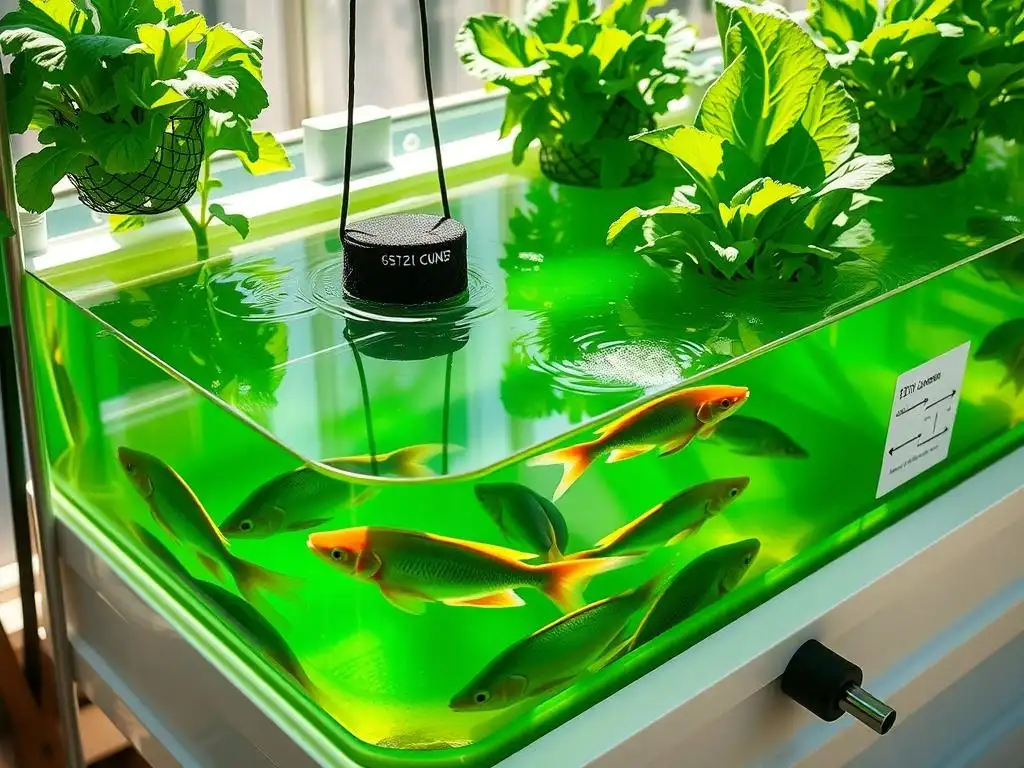
Maintaining a thriving DIY aquaponics deep water culture system requires consistent monitoring and proactive adjustments. Success hinges on understanding the delicate balance between your fish and plants, and regularly checking key parameters. Neglecting this crucial aspect can lead to system failure and loss of your hard work. Let's delve into the essential maintenance practices.
Water Testing and Monitoring: pH Levels, Nutrient Levels, and Ammonia Control
Regular water testing is paramount for a healthy deep water culture (DWC) aquaponics system. This involves monitoring three key parameters: pH, nutrient levels, and ammonia. Neglecting any of these can quickly lead to problems, impacting both fish health and plant growth.
Consistent pH levels are crucial for nutrient uptake by plants and fish survival. The ideal pH range for most aquaponic systems is between 6.0 and 7.0. Values outside this range can hinder nutrient absorption, leading to nutrient deficiencies in your plants and potentially stressing your fish. Use a reliable pH meter to test your water at least twice a week, adjusting accordingly with pH up or down solutions as needed. Remember to always add solutions slowly and monitor the pH closely after each adjustment.
Nutrient levels are equally important. Regular testing will reveal if your plants are receiving sufficient nutrients. Testing kits provide information on essential elements like nitrates and phosphates. Low levels may indicate a need to supplement your system with organic fertilizers or fish food, while excessively high levels can harm both plants and fish, leading to algae blooms. The specific nutrient requirements will depend on the plants you're growing. Consider consulting a guide specific to your chosen plants for optimal nutrient levels.
Ammonia is a byproduct of fish waste and is highly toxic to both fish and plants. Regular testing for ammonia is crucial to ensure its levels remain below 0.25 ppm (parts per million). High ammonia levels indicate a problem with your filtration or a need to reduce the fish population. Proper filtration, including biological filtration (beneficial bacteria that convert ammonia to less harmful nitrites and nitrates), is essential for ammonia control. If ammonia levels are consistently high, it may necessitate a partial water change to dilute the concentration. Regular maintenance of your filter is crucial in preventing ammonia buildup.
Nutrient Film Technique (NFT) Integration with DWC for Enhanced Growth
While DWC is a simple and effective aquaponics method, combining it with Nutrient Film Technique (NFT) can significantly enhance plant growth. NFT involves delivering a thin film of nutrient-rich water directly to the roots. Integrating NFT into your DWC system can provide several advantages.
One key benefit is increased oxygen availability to the roots. NFT delivers a constant flow of oxygenated water, promoting robust root development and nutrient uptake. This is especially beneficial for plants that require high oxygen levels. The increased aeration can also help prevent root rot, a common problem in DWC systems.
Another advantage is improved nutrient delivery. NFT ensures that the roots are constantly exposed to a fresh supply of nutrients, maximizing nutrient absorption efficiency. This can lead to faster growth and higher yields compared to a standard DWC setup alone.
Integrating NFT into your DWC system can be achieved by adding a separate NFT channel that is connected to your main DWC reservoir. This requires careful planning and construction to ensure proper water flow and distribution. Careful monitoring of water levels and nutrient concentrations in both the DWC and NFT sections is crucial to ensure both systems function optimally. Remember that adding NFT increases the complexity of the system, necessitating more frequent monitoring and maintenance.
Troubleshooting Common Problems in DWC Aquaponics: Algae Blooms, Root Rot, and Fish Diseases
Even with careful planning and maintenance, several common problems can arise in a DWC aquaponics system. Understanding these issues and their solutions is critical for maintaining a healthy and productive system.
Algae blooms are a frequent problem, often caused by excessive light, high nutrient levels, or insufficient water flow. Algae competes with your plants for nutrients and can quickly take over your system. Control measures include reducing light exposure, lowering nutrient levels, increasing water flow, and introducing beneficial bacteria to help consume excess nutrients. Regular cleaning of the system's surfaces can also help prevent algae attachment.
Root rot is another common problem, usually caused by stagnant water, low oxygen levels, or disease. Symptoms include brown, mushy roots. Improving water circulation, ensuring sufficient aeration, and maintaining a clean system are crucial preventative measures. If root rot occurs, affected plants should be removed immediately to prevent the spread of disease.
Fish diseases can devastate your system. Maintaining good water quality, avoiding overcrowding, and quarantining new fish are key preventative steps. Early detection is crucial; any signs of illness should be addressed promptly. Consult a fish health expert or a veterinarian specializing in aquatic animals for appropriate treatment options. Proper hygiene practices, such as washing hands before handling fish or plants, are also important to prevent the spread of diseases. Remember, prevention is always better than cure when it comes to fish health in your DIY aquaponics deep water culture system.
Regular Cleaning and Maintenance of Your DWC System: Preventing Buildup and Contamination
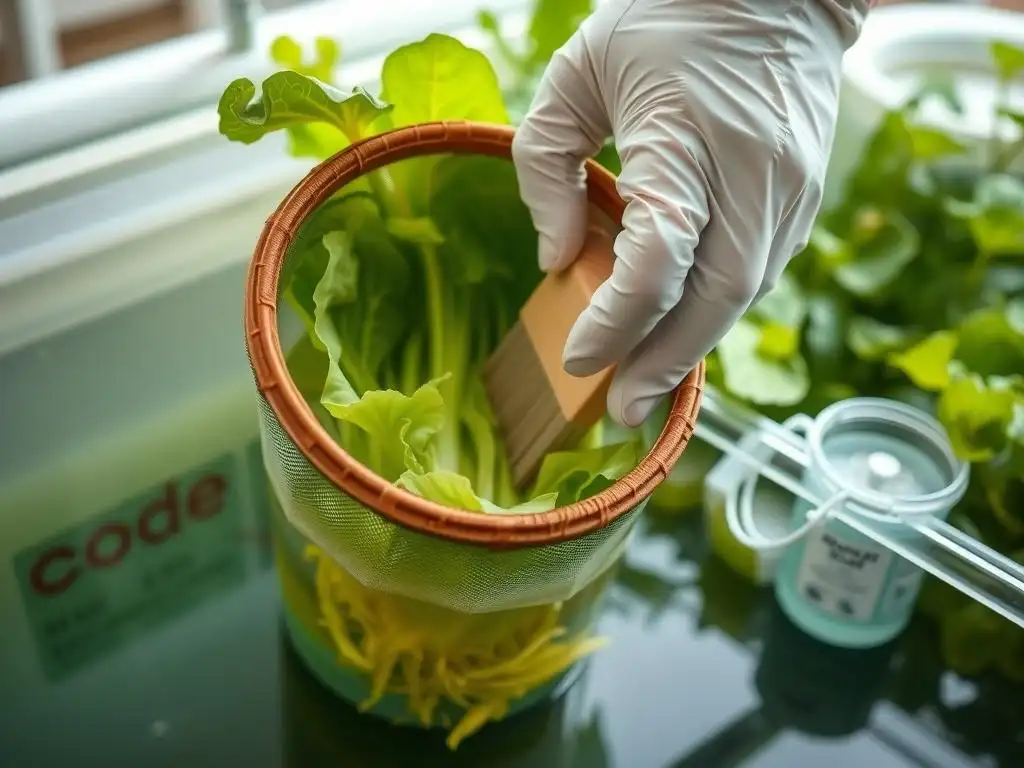
Maintaining a clean and healthy deep water culture (DWC) aquaponics system is crucial for optimal plant growth and fish health. Regular cleaning prevents the buildup of harmful bacteria, algae, and other contaminants that can negatively impact your system's productivity and the well-being of your aquatic life. Neglecting this aspect can lead to disease outbreaks, nutrient imbalances, and ultimately, system failure. A thriving DIY aquaponics deep water culture system requires proactive maintenance.
One of the most important aspects of regular cleaning is managing nutrient levels. Over time, nutrients in the water can become depleted, or conversely, accumulate to toxic levels. Regular water testing using a reliable test kit is essential to monitor these levels. This allows you to adjust nutrient solutions as needed, ensuring your plants receive the optimal balance of essential minerals. Remember, different plants have different nutrient requirements, so tailor your approach to the specific needs of your crops. For instance, leafy greens generally require higher nitrogen levels than fruiting plants.
Cleaning the net pots themselves is also vital. These pots, where your plants' roots reside, can become clogged with debris, restricting root growth and oxygen uptake. Gently rinse the net pots under running water every few weeks to remove accumulated sediment and algae. Avoid using harsh chemicals, as these can harm your plants and fish. A simple solution of water and a mild, plant-safe soap is usually sufficient. Regularly inspecting the net pots for any signs of root rot or disease is also a critical preventative measure. Promptly remove any affected roots to prevent the spread of infection.
Finally, remember to regularly inspect and clean your air pump and tubing. These components are essential for oxygenating the water, and any blockages or malfunctions can lead to oxygen deprivation for your fish and plant roots. Regularly checking for clogs and ensuring the air pump is functioning correctly is crucial for maintaining a healthy environment. A well-maintained air pump is a cornerstone of a successful DIY aquaponics deep water culture setup. Consider replacing air stones periodically, as they can degrade over time and become less efficient at oxygenating the water.
Harvesting Your Produce from Your DWC Aquaponics System: Best Practices
Harvesting your produce from your DWC aquaponics system is a rewarding experience, representing the culmination of your efforts in creating and maintaining a thriving system. However, it's important to follow best practices to ensure you get the most out of your harvest and maintain the health of your system. Proper harvesting techniques minimize stress on your plants and prevent the spread of diseases.
The timing of your harvest depends on the type of plant you're growing. Familiarize yourself with the ideal maturity stage for each plant variety, as indicated on seed packets or plant descriptions. Harvesting too early will result in smaller yields, while harvesting too late can lead to tough, fibrous produce or even spoilage. Observe the visual cues provided by the plants themselves: color changes, size, and firmness are all indicators of ripeness. For instance, tomatoes should be fully colored and slightly soft to the touch, while leafy greens should be vibrant and not showing signs of bolting.
When harvesting, use clean, sharp scissors or knives to prevent damaging the plants. Cut stems cleanly at their base, avoiding pulling or tearing, which can stress the plant and potentially damage its root system. Remove any diseased or damaged leaves or fruits to prevent the spread of pathogens. This is especially important in a closed system like a DWC aquaponics setup, where disease can spread rapidly. Remember that maintaining a healthy and clean environment is key to a successful DIY aquaponics deep water culture approach.
After harvesting, inspect the remaining plants for any signs of pest infestation or disease. Address any issues promptly to prevent further problems. Regularly monitoring your plants for signs of stress or disease is a critical aspect of successful aquaponics. By following these best practices, you can ensure a bountiful harvest and maintain the long-term health and productivity of your DWC aquaponics system. The rewards of a successful harvest, grown using sustainable practices, are well worth the effort involved in maintaining your DIY aquaponics deep water culture system.
Advanced Techniques for Deep Water Culture Aquaponics
This section delves into more advanced techniques to optimize your DIY aquaponics deep water culture (DWC) system, moving beyond the basics to achieve higher yields and greater efficiency. We'll explore strategies for nutrient delivery, automation, and scaling up your setup. Remember, consistent monitoring and adjustments are key to success in any aquaponics system.
Optimizing Nutrient Delivery in Your DWC System: Using a Balanced Nutrient Solution
Achieving optimal plant growth in your DWC aquaponics system hinges on providing a precisely balanced nutrient solution. Simply adding fish waste isn't enough; you need to supplement with specific nutrients to ensure healthy plant development. This requires regular testing and adjustments.
Nutrient deficiencies manifest in various ways. For example, nitrogen deficiency leads to stunted growth and pale yellow leaves, while phosphorus deficiency results in dark green, often purplish leaves with poor root development. Potassium deficiency shows up as yellowing leaf margins and leaf scorching. A complete nutrient solution addresses these potential shortfalls.
To create a balanced nutrient solution, you'll need a reliable testing kit to measure parameters like pH, nitrates, nitrites, phosphates, and potassium levels. Aim for a pH range of 6.0 to 6.8, which is ideal for nutrient uptake. Regular testing (at least weekly) allows you to adjust the nutrient levels accordingly, preventing deficiencies or toxicities.
Consider using a commercially available hydroponic nutrient solution tailored for aquaponics, or create your own blend based on detailed formulations found in advanced aquaponics literature. Remember to always follow the manufacturer's instructions carefully. Careful monitoring of your nutrient solution is crucial for the long-term health and productivity of your DIY aquaponics deep water culture system.
Implementing Automated Systems for Your DWC Aquaponics: Automated Water Level Control
While a basic DWC setup can be managed manually, automation significantly reduces labor and improves consistency. One crucial aspect is automated water level control. Fluctuations in water level can stress plants and disrupt the delicate balance of your system.
Automated water level control systems typically involve sensors that monitor the water level in the reservoir. When the level drops below a pre-set threshold, a pump automatically replenishes the water. This system ensures the roots are consistently submerged, promoting healthy growth. Several DIY options exist using readily available components like water level sensors, pumps, and microcontrollers (like Arduino).
These systems can be relatively inexpensive to build and offer a significant improvement in efficiency and ease of management. Consider the scale of your system when choosing components; larger systems will require more powerful pumps and larger reservoirs. A well-designed automated water level control system is a significant step towards a more efficient and productive DIY aquaponics deep water culture system.
Expanding Your DWC Aquaponics System: Scaling Up for Larger Harvests
Scaling up your DWC aquaponics system allows for larger harvests, but it requires careful planning and execution. Simply increasing the number of plants without considering other factors can lead to imbalances and reduced yields.
Scaling involves increasing the size of your reservoir, the number of net pots, and potentially the size of your fish tank. You'll also need to adjust the aeration and water circulation to ensure adequate oxygen levels and nutrient distribution throughout the expanded system. Consider using multiple smaller reservoirs instead of one large one for better management and to mitigate the risk of system-wide failure. Remember that the fish tank size must also scale appropriately to support the increased biomass of plants.
Proper planning and gradual expansion are key to successful scaling. Start with a modest increase and monitor the system closely before making further expansions. Careful consideration of all system components and their interaction is vital for successful scaling and achieving larger harvests in your DIY aquaponics deep water culture setup. This systematic approach ensures a robust and productive system as you expand your aquaponic gardening endeavors.
Resources and Further Learning on DWC Aquaponics
This section provides valuable resources to deepen your understanding and skills in DIY aquaponics deep water culture (DWC). We'll explore recommended reading and online courses, as well as the benefits of connecting with local communities. Successfully building and maintaining a DWC aquaponics system requires ongoing learning and support, and these resources will help you on your journey.
Recommended Books and Online Courses on Aquaponics
Investing in quality educational materials is crucial for successfully implementing and maintaining a thriving DWC aquaponics system. There's a wealth of information available, ranging from beginner-friendly guides to advanced techniques. Choosing the right resources will depend on your current knowledge and specific goals.
Here’s a breakdown of different learning avenues:
- Beginner Books: Look for titles that offer a comprehensive introduction to aquaponics principles, including explanations of the nitrogen cycle, plant selection, fish species compatibility, and basic system setup. These books often include step-by-step instructions and troubleshooting tips, perfect for first-time aquaponics enthusiasts. Pay attention to books focusing specifically on DWC methods for the most relevant information.
- Advanced Books and Courses: Once you have a grasp of the fundamentals, consider more advanced materials. These might cover topics like system optimization, water quality management, disease prevention, and scaling up your system. Online courses often offer interactive learning experiences, including video tutorials, quizzes, and community forums.
- Specific DWC Focused Resources: Search for resources specifically mentioning "deep water culture" or "DWC aquaponics" in their titles or descriptions. This ensures you're getting information tailored to your chosen method, avoiding irrelevant details about other aquaponics techniques.
- Online Forums and Communities: Engaging with online communities can be invaluable. These platforms offer opportunities to ask questions, share experiences, and learn from other aquaponics practitioners. Many experienced growers are happy to share their knowledge and offer advice.
Here's a sample table to help you organize your search for resources:
| Resource Type | Example Title/Author (Placeholder) | Focus | Skill Level |
|---|---|---|---|
| Beginner Book | "Aquaponics for Beginners" by [Author Name] | Basic principles, DWC setup instructions | Beginner |
| Advanced Book | "Advanced Aquaponics Techniques" by [Author Name] | System optimization, troubleshooting | Intermediate/Advanced |
| Online Course | "Mastering DWC Aquaponics" by [Platform Name] | Deep Water Culture specifics | Beginner/Advanced |
| YouTube Channel (Example) | "[Channel Name] Aquaponics" | Various DWC techniques and tips | Varies |
Remember to critically evaluate the information you find. Cross-reference information from multiple sources to ensure accuracy and reliability. Look for authors or instructors with proven experience and a strong track record in aquaponics.
Finding Local Aquaponics Communities and Support Groups
Connecting with a local aquaponics community can provide invaluable support and accelerate your learning. Sharing experiences with others facing similar challenges and celebrating successes together can significantly enhance your aquaponics journey.
Here are some ways to find local groups:
- Online Searches: Use search engines to find "aquaponics groups [your city/region]" or "DIY aquaponics deep water culture community [your city/region]". This should uncover local Facebook groups, forums, or meetups.
- Local Gardening Centers and Nurseries: Many gardening centers and nurseries have bulletin boards or community event calendars that might list local aquaponics workshops or groups. Inquire with staff about local aquaponics enthusiasts.
- University Extension Programs: Check if your local university or agricultural extension office offers aquaponics workshops, classes, or has information on local clubs or societies. These programs often have strong ties to the local community.
- Social Media: Utilize social media platforms like Facebook, Instagram, and Twitter to search for relevant hashtags (e.g., #aquaponics, #dwcaquaponics, #localaquaponics) and find groups or individuals in your area.
Joining a local group offers several benefits:
- Access to Expertise: You can learn from experienced aquaponics practitioners in your area and get personalized advice.
- Troubleshooting Assistance: When problems arise, you have a network of people to turn to for help.
- Networking Opportunities: You can meet like-minded individuals and potentially collaborate on projects.
- Shared Resources: You can exchange information, tools, and even plants with other members.
Finding and engaging with a supportive community is a crucial element of long-term success in DIY aquaponics deep water culture. The collective knowledge and shared experiences will help you overcome challenges and maintain a healthy and productive system. 🌱
Frequently Asked Questions
What is deep water culture (DWC) aquaponics?
Deep Water Culture Aquaponics is a simple and efficient aquaponic system where plant roots hang in oxygen-rich water, constantly supplied with nutrient-rich water from a fish tank. This method is ideal for beginners.
What are the benefits of using DWC in aquaponics?
DWC offers faster plant growth compared to other methods due to constant access to nutrients and oxygen. It also requires less space and is relatively easy to maintain, making it perfect for home setups.
What kind of plants are suitable for DWC aquaponics?
Many leafy greens, herbs, and some fruiting plants thrive in DWC. Lettuce, basil, strawberries, and tomatoes are popular choices. Experiment to find what works best in your climate.
How do I maintain water quality in a DWC aquaponics system?
Regular water testing is crucial. Monitor pH levels, ammonia, and nitrite, adjusting as needed. A good filtration system is also essential for maintaining water clarity and preventing disease.
What are the potential challenges of DWC aquaponics?
Potential issues include oxygen depletion, algae growth, and pest infestations. Proper system design, regular maintenance, and appropriate plant selection can help mitigate these risks.
Final Reflection: Harvesting the Future, One Drop at a Time
The simplicity of Deep Water Culture (DWC) aquaponics belies its profound potential to revolutionize food production. In a world grappling with climate change and increasing food insecurity, accessible and sustainable solutions like DWC aquaponics offer a beacon of hope, a tangible path towards a more resilient and food-secure future. This method, easily replicated with readily available materials, empowers individuals to take control of their food source and contribute to a more sustainable food system.
The impact of DWC aquaponics extends beyond the individual, fostering a growing community of passionate growers who share knowledge and experiences. It's a testament to the power of collaborative learning and the inherent human desire to connect with nature and nurture life. This shared passion reminds me of the words of Wendell Berry: The practice of gardening is a practice of hope.
This hope, cultivated in small-scale systems, can blossom into larger-scale solutions, transforming how we approach food production and resource management.
Now, consider your own role in this burgeoning movement. Will you embrace the challenge of building your own DWC aquaponics system? Will you explore the possibilities of growing your own food, reducing your environmental footprint, and connecting with the natural world in a meaningful way? The journey may begin with a simple setup, but the rewards – both personal and planetary – are immeasurable. Let's cultivate a future where sustainable food production is not a distant dream, but a vibrant reality, one drop of nutrient-rich water at a time.
Dive Deeper into Aquaponics!
Thank you for exploring the world of deep water culture aquaponics! We hope you found this simple yet effective growing method insightful. Ready to start growing your own food?
- Begin your aquaponics journey: Start planning your system design today—even a basic plan is a great first step! Consider the available space and the types of fish and plants you'd like to cultivate.
- Share your aquaponics dreams: Tell us about your planned setup or any questions you have in the comments below! Let's build a thriving community of aquaponics enthusiasts.
- Choose the right plants and fish: Researching suitable species for your local climate is crucial for success.
What's the first step you'll take to make your aquaponics vision a reality?