
Harvesting in Aquaponics: When and How to Pick

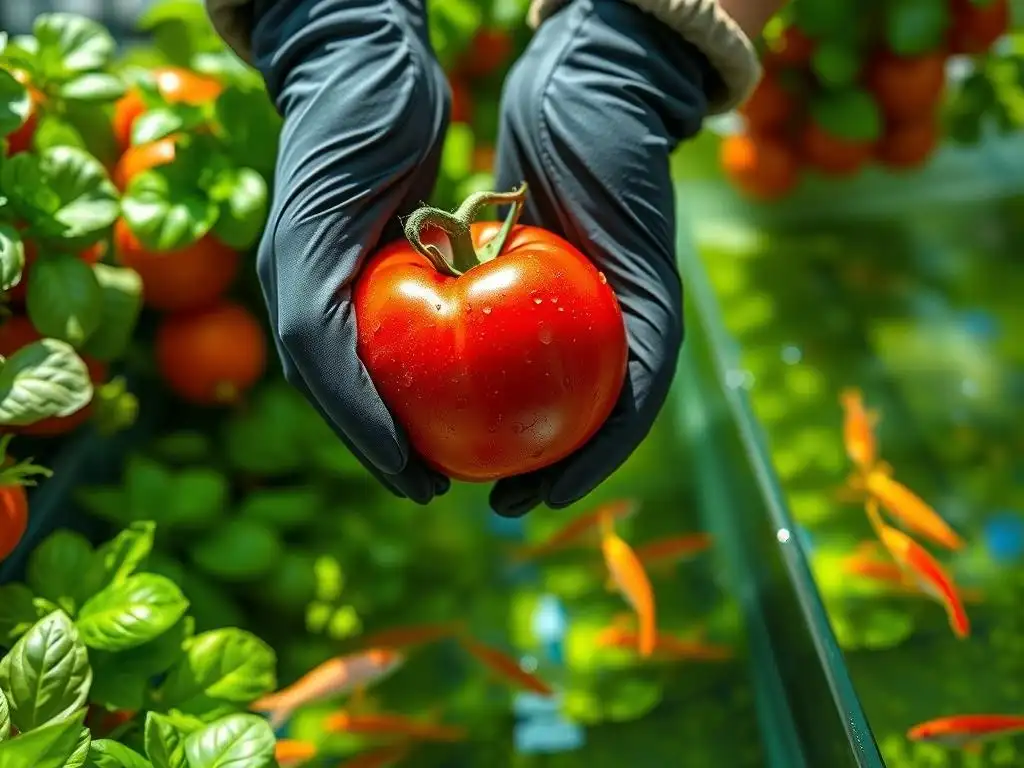
Welcome to CultivateYourFood, your guide to growing a thriving, sustainable garden! Ready to unlock the secrets of bountiful harvests? We delve into the fascinating world of organic and sustainable gardening, and today we're focusing on Aquaponics harvesting best practices. Discover the optimal timing and techniques to ensure you reap the rewards of your hard work – learn more about maximizing your yields and getting the most out of your aquaponics system. Let's get started!
- Understanding Aquaponics Harvesting Best Practices: Timing is Key
- Aquaponics Harvesting Techniques: Minimizing Damage and Maximizing Yield
-
Post-Harvest Handling and Storage: Keeping Your Aquaponics Produce Fresh
- Cleaning and Washing Aquaponics Produce: Removing Debris and Bacteria
- Proper Storage Techniques for Aquaponics Vegetables and Herbs: Extending Shelf Life
- Preserving Your Aquaponics Harvest: Freezing, Canning, and Dehydrating Options
- Utilizing Your Aquaponics Harvest: Recipes and Culinary Applications
-
Troubleshooting Common Aquaponics Harvesting Challenges
- Dealing with Pests and Diseases After Harvesting in Aquaponics
- Addressing Uneven Growth and Low Yields in Your Aquaponics System
- Maintaining Water Quality After Aquaponics Harvesting: Nutrient Levels and pH Balance
- Preventing Future Issues: Proactive Aquaponics System Management for Consistent Harvests
-
Advanced Aquaponics Harvesting Strategies for Increased Productivity
- Implementing Crop Rotation in Aquaponics for Sustainable Yields
- Utilizing Hydroponic Techniques to Supplement Aquaponics Harvesting
- Investing in Automated Aquaponics Harvesting Systems: Examples of Automated Systems
- Monitoring and Data Analysis for Optimized Aquaponics Harvesting: Utilizing Sensors and Software
- Resources for Aquaponics Harvesting Success
-
Frequently Asked Questions
- When is the best time to harvest fish in an aquaponics system?
- How do I harvest lettuce in an aquaponics system without damaging the plants?
- What are some signs that my basil is ready for harvesting in aquaponics?
- How can I prevent pests and diseases during aquaponics harvesting?
- What should I do with the harvested fish and plants from my aquaponics system?
- Final Reflection: Reaping the Rewards of Aquaponic Abundance
- Unleash Your Aquaponic Bounty: It's Harvest Time!
Understanding Aquaponics Harvesting Best Practices: Timing is Key
Aquaponics, a symbiotic system marrying aquaculture (raising fish) and hydroponics (growing plants without soil), presents unique harvesting challenges and opportunities. Unlike traditional gardening, aquaponic harvesting requires a nuanced understanding of plant maturity, growth cycles, and the overall health of your system. Mastering the art of aquaponics harvesting directly impacts the yield, taste, and overall sustainability of your homegrown produce.
This guide focuses on optimizing your aquaponic harvests by outlining best practices for determining the ideal time to pick your fruits, vegetables, and herbs, ensuring you reap the rewards of your efforts while maintaining a thriving and balanced ecosystem. We'll explore visual cues for mature plants, develop harvesting schedules, and analyze how different plant varieties influence harvest timing, providing you with the knowledge to implement successful and efficient aquaponics harvesting techniques. This will help you achieve optimal yields and contribute to the overall success and sustainability of your aquaponics system, aligning with the principles of organic and sustainable food production.
Efficient harvesting is crucial for maintaining the balance within your aquaponic system, preventing overgrowth, and ensuring the continued health of both your fish and plants. Let's dive into the specifics of achieving aquaponics harvesting best practices.
Identifying Mature Plants: Visual Cues for Optimal Aquaponics Harvesting
Knowing when to harvest in aquaponics is crucial for maximizing yield and quality. Unlike soil-based gardening, visual cues can be slightly different. For leafy greens like lettuce, look for fully developed leaves that are firm and vibrant in color. Avoid harvesting lettuce that shows signs of bolting (flowering), as this will make the leaves bitter. For herbs like basil, harvest when the leaves are large and fragrant, pinching them off just above a node to encourage bushier growth.
The size and color of the plant are important indicators. For example, a fully mature tomato will have its characteristic rich color and will give slightly when gently squeezed. Root vegetables such as radishes should be harvested when they reach their desired size, as indicated by your planting guide, and feel firm to the touch. Regularly inspect your plants for signs of disease or pest infestation; prompt harvesting of affected plants can prevent widespread damage and maintain the overall health of your system.
Remember, consistent monitoring and observation are key to successful aquaponics harvesting. Early harvesting might result in smaller yields, while waiting too long can lead to deterioration in taste and quality. The optimal harvesting time is crucial for maximizing the benefits of your aquaponics system and achieving the best possible results. Below is a simple table to help you visualize some key indicators:
| Plant Type | Maturity Indicator |
|---|---|
| Lettuce | Firm, vibrant leaves; avoid bolting |
| Basil | Large, fragrant leaves |
| Tomatoes | Rich color, slightly soft when gently squeezed |
| Radishes | Desired size, firm to the touch |
| Peppers | Full size and color, depending on the variety |
Harvesting Schedules: A Guide to Regular Aquaponics Yields
Establishing a consistent harvesting schedule is vital for maintaining a balanced aquaponics system and ensuring a steady supply of fresh produce. The frequency of harvesting will depend on the growth rate of your plants, which is influenced by factors such as water temperature, nutrient levels, and light intensity. For fast-growing crops like lettuce, you might harvest every 1-2 weeks, removing only the outer leaves to encourage continuous growth. Slower-growing plants, such as tomatoes or peppers, will require less frequent harvesting, perhaps every few days or weeks, depending on the maturity of the fruit.
A well-maintained schedule helps prevent overcrowding, which can lead to stunted growth and disease. It also allows you to monitor the health of your plants and address any issues promptly. Consider creating a calendar or spreadsheet to track your harvesting schedule, noting the type of plant, the date of harvest, and the quantity harvested. This will help you refine your schedule over time and optimize your yields.
Regular harvesting also ensures that nutrients are continuously cycled through the system, benefiting both the plants and the fish. This cyclical process is crucial for maintaining a healthy and productive aquaponics environment. Remember to always harvest gently to avoid damaging the plants or disturbing the delicate balance of your system.
The Impact of Plant Variety on Aquaponics Harvest Timing: Lettuce vs. Basil
Different plant varieties have different growth rates and maturity times, significantly impacting your harvesting schedule. For instance, some lettuce varieties mature faster than others. Fast-maturing lettuce can be ready for harvest in as little as 4-6 weeks, while slower-growing varieties may take 8-10 weeks. Similarly, basil varieties exhibit varying growth rates.
Some basil types are compact and produce a continuous harvest, while others grow taller and require more space. Understanding these variations is critical for optimizing your aquaponics system. When planning your aquaponics garden, choose a mix of fast-growing and slow-growing plants to ensure a continuous harvest throughout the growing season. This diversified approach also helps to maintain the balance of nutrients within your system.
Proper planning, selection of appropriate plant varieties, and a well-defined harvesting strategy are essential for achieving optimal yields and maximizing the benefits of your aquaponics setup. This careful consideration of plant variety is a key element in implementing successful aquaponics harvesting best practices. Careful observation of individual plant growth and adjustment of your harvesting schedule as needed will contribute significantly to your success in aquaponics.
Optimizing Aquaponics Harvest for Maximum Nutritional Value
Harvesting at the optimal time is crucial for maximizing the nutritional value of your aquaponics produce. Different plants reach peak nutritional content at different stages of maturity. For leafy greens like lettuce and kale, harvesting younger leaves generally results in a higher concentration of vitamins and minerals. Older leaves tend to be tougher and less nutrient-dense.
A good rule of thumb is to harvest outer leaves regularly, allowing the inner leaves to continue growing. This promotes continuous growth and prevents the plant from becoming overly mature and less nutritious. Regular harvesting also encourages bushier growth, leading to a higher overall yield.
Consider the specific nutritional profile of your chosen plants. Some varieties are bred for specific nutrient content, such as increased vitamin C or antioxidants. Researching your specific plant varieties will provide valuable insights into their optimal harvest times for peak nutritional value. For example, certain tomato varieties may have higher lycopene content when harvested at a specific stage of ripeness, while others might be better for flavor at a later stage. Understanding these nuances allows for a more targeted approach to maximizing the nutritional benefits of your harvest.
Beyond the stage of maturity, environmental factors also play a role. Nutrient levels in the water, light exposure, and water temperature all influence the nutritional content of your plants. Regular water testing and adjustments to your aquaponic system ensure optimal growing conditions, thereby indirectly impacting the nutritional value of your harvest. Maintaining a balanced nutrient solution, avoiding extreme temperatures, and providing adequate sunlight are essential for maximizing nutritional content.
Careful monitoring and adjustments based on the specific needs of your plants are key to success. Consistent record-keeping, noting harvest dates, plant varieties, and observed nutritional qualities, can help refine your harvesting techniques over time and lead to even better results in future harvests. This iterative process of learning and adaptation is central to achieving aquaponics harvesting best practices.
Aquaponics Harvesting Techniques: Minimizing Damage and Maximizing Yield
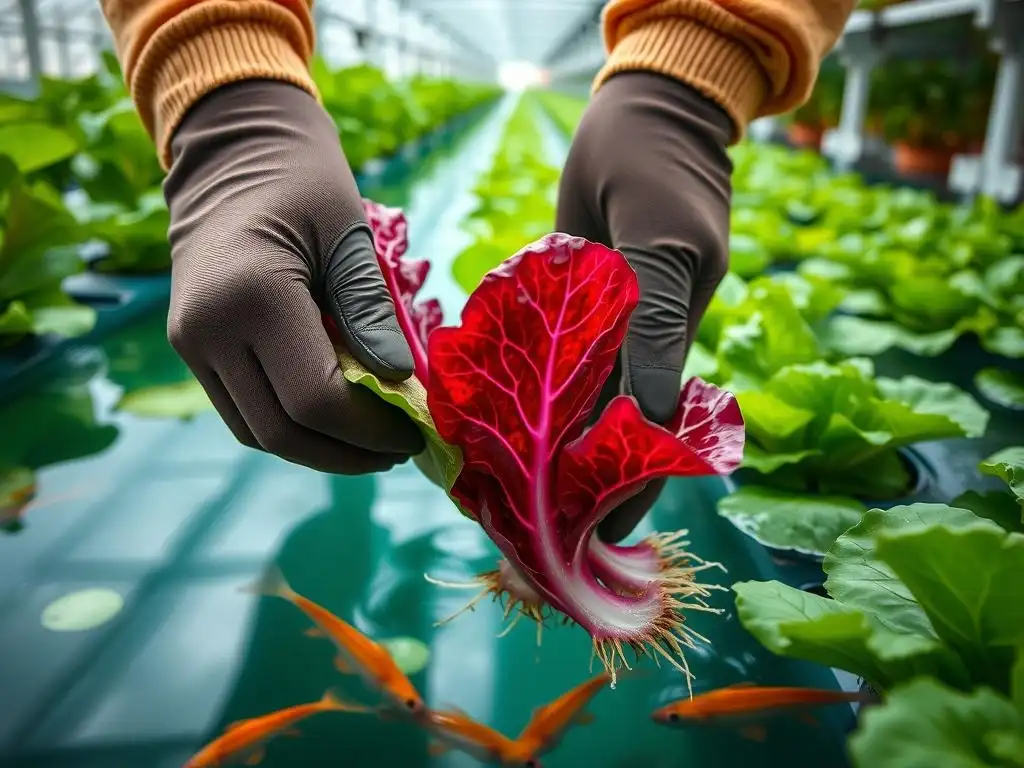
This section details the best practices for harvesting in your aquaponics system, focusing on techniques that minimize damage to plants and maximize your yield. Successful aquaponics harvesting relies on a delicate balance; you want to collect mature produce without disrupting the delicate ecosystem you've carefully cultivated. Following these guidelines will help ensure a bountiful harvest and a thriving system. Remember, the goal is to achieve sustainable yields through careful and consistent aquaponics harvesting best practices.
Gentle Harvesting Methods: Protecting Your Aquaponics System
Harvesting in aquaponics requires a gentler touch than traditional gardening. Rough handling can damage plants, reducing future yields and potentially introducing disease. Here's how to approach harvesting with care:
- Use sharp, clean tools: Dull tools bruise and tear plants, creating entry points for pathogens. Clean tools also prevent the spread of diseases between plants.
- Harvest at the optimal time: Harvest when plants are at their peak ripeness. This varies depending on the species but generally involves checking for size, color, and firmness. Overripe produce attracts pests and reduces overall quality. For lettuce, for example, harvest outer leaves first, leaving the inner leaves to continue growing. For tomatoes, harvest when they've reached their full color and have a slight give when gently squeezed.
- Support the plant: When harvesting larger fruits or vegetables like zucchini or cucumbers, support the plant's stem or vine to prevent accidental damage. Use your other hand to gently hold the plant steady as you harvest.
- Avoid pulling: Instead of yanking plants from the system, use clean, sharp scissors or pruning shears to cut stems cleanly. This minimizes stress on the plant and the surrounding roots.
- Inspect for pests and disease: During harvesting, carefully inspect plants for signs of pests or diseases. Early detection allows for prompt intervention, protecting the rest of your system.
Remember, patience is key! A gentle approach ensures the longevity and productivity of your aquaponics system. Consistent application of these gentle harvesting methods will contribute significantly to the long-term success of your aquaponics operation, reflecting best practices in aquaponics harvesting.
Harvesting Tools for Aquaponics: Appropriate Tools and Equipment
The right tools are crucial for efficient and damage-free aquaponics harvesting. Avoid using tools that could damage your plants or introduce contaminants. Here's a list of recommended tools:
- Sharp scissors or pruning shears: Essential for cleanly cutting stems and minimizing plant damage. Keep them sharp and clean to prevent disease transmission.
- Small, handheld trowel: Useful for gently lifting smaller plants or for harvesting root crops.
- Buckets or containers: Keep harvested produce separate from the aquaponics system to maintain cleanliness. Use labeled containers to organize your harvest.
- Cleaning solution: A mild bleach solution (diluted according to instructions) is useful for sanitizing harvesting tools between uses.
| Tool | Purpose | Cleaning Method |
|---|---|---|
| Sharp Scissors | Cutting stems and minimizing damage | Bleach solution (diluted) |
| Handheld Trowel | Lifting smaller plants or harvesting roots | Soap and water, then rinse thoroughly |
| Buckets/Containers | Collecting harvested produce | Soap and water, then rinse thoroughly |
This carefully selected equipment ensures that your aquaponics harvesting process remains efficient, hygienic, and minimizes any risk of damage to the plants and the overall system. Proper tool selection is a key component of aquaponics harvesting best practices.
Proper Cleaning and Sanitation After Aquaponics Harvesting: Preventing Disease
Post-harvest sanitation is crucial for maintaining a healthy aquaponics system. Contaminants introduced during harvesting can quickly spread disease, jeopardizing your entire crop. Follow these steps:
- Clean your tools immediately: Thoroughly clean all harvesting tools with a mild bleach solution (following dilution instructions) or a suitable plant-safe disinfectant. Rinse thoroughly with clean water afterward.
- Dispose of plant debris: Remove any damaged leaves, stems, or other plant debris from the system. This prevents disease and reduces the likelihood of pest infestations. Composting this material is a sustainable option, but ensure it's properly composted to kill any potential pathogens.
- Inspect the system: After harvesting, take a moment to inspect the entire aquaponics system for signs of disease or pests. Early detection is key to effective management.
- Monitor water parameters: Keep a close eye on water quality parameters (pH, ammonia, nitrite, nitrate) after harvesting. Significant changes may indicate a problem.
- Regular maintenance: Regular maintenance, including cleaning and water changes, is vital for preventing disease and maintaining a healthy aquaponics environment.
Following these sanitation steps diligently will protect your aquaponics system, minimizing the risk of disease outbreaks and ensuring continued success. This contributes to the overall success of your aquaponics venture and exemplifies aquaponics harvesting best practices.
Avoiding Common Mistakes in Aquaponics Harvesting: Root Damage and Water Contamination
Harvesting in aquaponics requires a gentle touch to avoid damaging the delicate root systems crucial for the system's health. Rough handling can lead to root breakage, creating entry points for harmful bacteria and fungi. This compromises not only the harvested plants but also the overall health of your aquaponic system. A compromised root system reduces the plant's ability to absorb nutrients, leading to stunted growth and reduced yields in subsequent harvests.
Furthermore, damaged roots release organic matter into the water, potentially increasing nutrient levels to an unhealthy point and triggering algal blooms. These blooms can then shade the plants, hindering their photosynthesis and overall growth. The resulting imbalance can negatively impact the fish population, as excess organic matter depletes dissolved oxygen in the water, potentially leading to fish kills. Therefore, careful harvesting techniques are paramount to maintaining the delicate equilibrium of your aquaponic ecosystem.
Careful consideration must also be given to preventing water contamination during the harvesting process. Dirty tools or hands can introduce pathogens into the water column, infecting both plants and fish. It's crucial to use clean, sanitized tools before each harvest. A simple solution of bleach and water (following appropriate dilution ratios for aquaponics) can effectively sanitize tools, but ensure thorough rinsing afterward to remove any residual bleach which could harm your fish and plants.
Moreover, avoid harvesting during periods of heavy rainfall, as rainwater can carry contaminants into the system. Similarly, avoid dropping harvested plants into the water, as this can introduce soil and other debris, further increasing the risk of contamination. Consistent monitoring of water parameters, such as pH and ammonia levels, is crucial to detect any imbalances caused by improper harvesting practices. Prompt action is needed to correct any deviations, ensuring the long-term health and productivity of your aquaponics system.
Regular water changes, coupled with proper filtration, can help mitigate the impact of any accidental contamination. Implementing these preventative measures is essential for upholding the pristine conditions necessary for optimal aquaponic yields and minimizing the risk of disease outbreaks amongst your fish and plants. This proactive approach to hygiene is key to the success of your aquaponics endeavor, ensuring long-term sustainability and healthy harvests.
Post-Harvest Handling and Storage: Keeping Your Aquaponics Produce Fresh
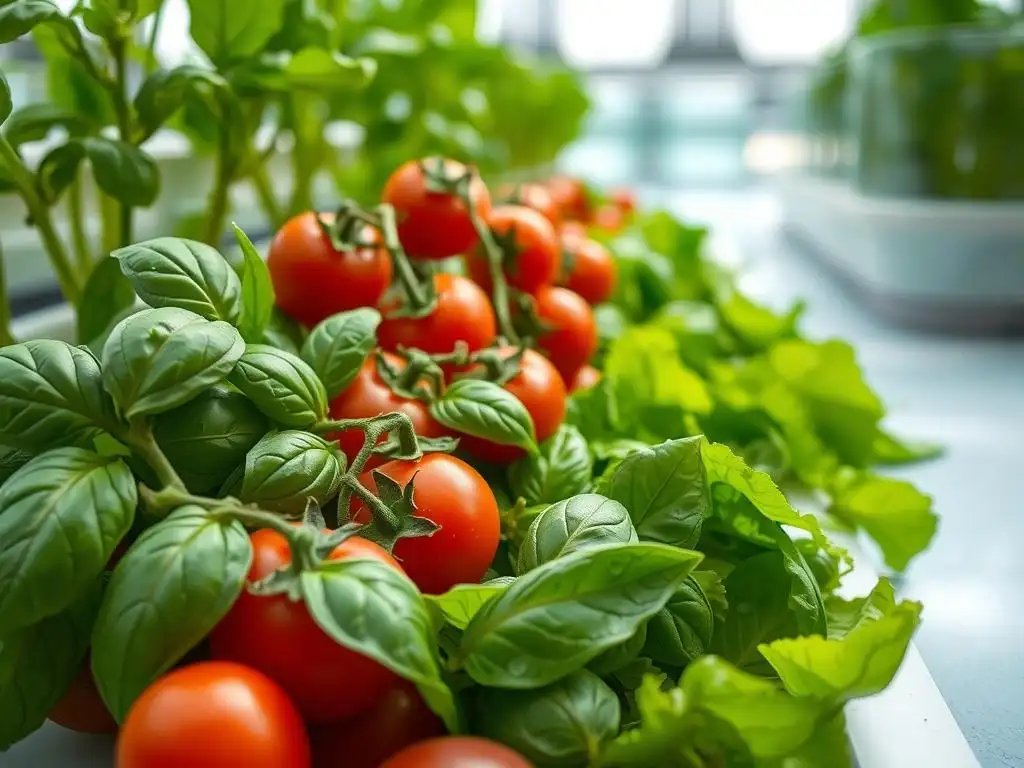
Post-harvest handling is crucial for maintaining the quality and extending the shelf life of your aquaponics harvest. Improper handling can lead to rapid deterioration, reducing the nutritional value and overall appeal of your fruits, vegetables, and herbs. Following aquaponics harvesting best practices from the moment of harvest significantly impacts the final product. This section details the essential steps to ensure your hard work doesn't go to waste. Optimal storage and preservation techniques will help you enjoy the fruits (and vegetables!) of your labor for longer.
Cleaning and Washing Aquaponics Produce: Removing Debris and Bacteria
Cleaning your aquaponics produce is paramount to ensure safety and quality. Unlike conventionally grown produce, aquaponics systems, while generally cleaner, can still harbor some debris or bacteria. Thorough washing removes any lingering fish waste, plant matter, or other contaminants.
Here's a step-by-step guide:
- Pre-wash: Gently rinse your harvested produce under cool running water to remove loose dirt and debris. Use a gentle stream to avoid damaging delicate leaves.
- Wash: Immerse your produce in a bowl of clean, cool water. Add a small amount of food-grade vinegar (approximately 1 tablespoon per quart of water) to the water for a natural antibacterial wash. Let it soak for about 5-10 minutes. This helps to remove any potential bacteria.
- Scrub (if necessary): For produce with rough surfaces like root vegetables, use a soft vegetable brush to gently scrub away any clinging soil or debris.
- Final Rinse: Rinse thoroughly under cool running water to remove all traces of vinegar and any remaining debris.
- Dry: Pat your produce dry with clean paper towels or a clean kitchen towel. Avoid leaving the produce wet, as this can promote the growth of bacteria and mold.
This meticulous cleaning process ensures your aquaponics produce is not only clean but also free from harmful bacteria, maximizing its shelf life and ensuring safe consumption. Remember, even seemingly clean aquaponics produce benefits from this process.
Proper Storage Techniques for Aquaponics Vegetables and Herbs: Extending Shelf Life
Proper storage significantly impacts the longevity of your aquaponics harvest. Different produce types require different storage methods to maintain freshness and prevent spoilage. Understanding these nuances is key to maximizing your yield's usability.
Here's a guide to optimal storage:
| Produce Type | Storage Method | Expected Shelf Life | Notes |
|---|---|---|---|
| Leafy Greens (Lettuce, Spinach) | Refrigerate in airtight containers or plastic bags. | 3-5 days | Avoid washing until ready to use. |
| Root Vegetables (Carrots, Beets) | Store in a cool, dark, and dry place. Refrigerate for longer storage. | 7-10 days (room temp), 2-3 weeks (refrigerated) | Avoid placing them in plastic bags to prevent moisture build-up. |
| Tomatoes | Store at room temperature, away from direct sunlight. | 3-7 days | Refrigerating tomatoes can affect their flavor. |
| Herbs (Basil, Parsley) | Store in a glass of water, like cut flowers, or in a damp paper towel in a plastic bag. | 5-7 days | Refrigerate for longer storage. |
Remember to inspect your produce regularly and discard any that show signs of spoilage. Proper storage practices contribute significantly to minimizing food waste and maximizing enjoyment of your aquaponics harvest.
Preserving Your Aquaponics Harvest: Freezing, Canning, and Dehydrating Options
Preserving your aquaponics harvest extends its lifespan beyond its immediate freshness. Freezing, canning, and dehydrating are excellent methods to enjoy the bounty of your system throughout the year. Each method has its advantages and disadvantages, and the best choice depends on the type of produce and your personal preferences.
- Freezing: Freezing is a simple and effective method for preserving many aquaponics vegetables and herbs. Blanching (briefly boiling) the produce before freezing helps to retain its color, texture, and nutrients. Freezing extends shelf life to several months. 🧊
- Canning: Canning is ideal for preserving tomatoes, pickles, jams, and other fruits. This method requires careful sterilization and processing to ensure safety and prevent spoilage. Canning provides a shelf life of up to a year or more. 🥫
- Dehydrating: Dehydrating is a great way to preserve herbs, tomatoes, and other fruits. This method removes moisture, inhibiting microbial growth and extending shelf life. Dehydrated produce can last for months when stored properly in an airtight container in a cool, dark, and dry place. ☀️
Choosing the right preservation method depends on the type of produce and your available resources. Each method offers a different approach to maximizing the utilization of your aquaponics harvest, ensuring you can enjoy the fruits of your labor year-round. Remember to always follow safe food preservation guidelines.
Utilizing Your Aquaponics Harvest: Recipes and Culinary Applications
Aquaponics offers a unique opportunity to enjoy incredibly fresh produce, bursting with flavor. The key to maximizing this freshness is understanding how to best utilize your harvest. Don't let your hard work go to waste! Proper post-harvest handling ensures your aquaponic bounty tastes its absolute best.
One of the greatest advantages of home aquaponics is the ability to tailor your system to your culinary preferences. Perhaps you're a basil fanatic, dreaming of pesto and caprese salads all summer long. Or maybe you're a chili head, craving vibrant salsas and fiery curries. Whatever your taste, your aquaponics system can help you achieve it.
The immediacy of harvesting in aquaponics allows for a level of culinary creativity unmatched by store-bought produce. Imagine snipping fresh herbs directly from your system to garnish a homemade pizza, or tossing vibrant, just-picked lettuce into a vibrant salad. The flavor difference is dramatic.
Let's explore some applications:
- Herbs: Basil, mint, cilantro, and chives from your aquaponic system are perfect for fresh salsas, pesto, infused oils, and as garnishes for a multitude of dishes. Their intense flavors are best appreciated immediately after harvest, minimizing any loss of essential oils.
- Leafy Greens: Lettuce, spinach, and kale harvested from your aquaponic system can be used in salads, smoothies, or as a base for wraps and sandwiches. Their delicate texture and vibrant color make them visually appealing and nutritionally dense. Consider using them in quick stir-fries to preserve their crispness.
- Vegetables: Depending on your system's setup, you might harvest tomatoes, peppers, cucumbers, or even strawberries. These offer a wide range of culinary possibilities, from simple salads and sandwiches to more complex dishes like pasta sauces and stews. Consider preserving your excess produce by canning or freezing.
Planning your aquaponics system around your favorite recipes is a rewarding way to optimize your harvest. Consider which herbs and vegetables you use most frequently and prioritize those in your system design. This ensures you always have the ingredients on hand for your favorite meals. The freshness and vibrant flavors of your homegrown aquaponics produce will elevate your culinary creations to a whole new level. Embrace the opportunity to experiment and discover your own signature dishes using your freshest ingredients!
Troubleshooting Common Aquaponics Harvesting Challenges
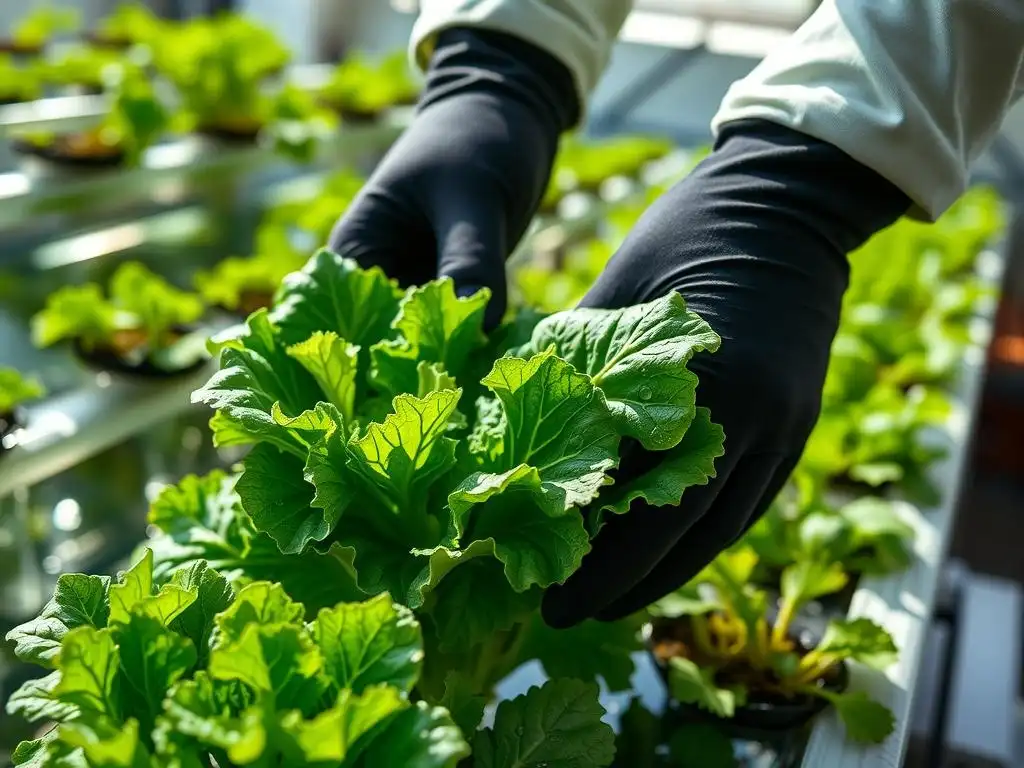
Aquaponics harvesting, while rewarding, presents unique challenges. Optimizing your system for healthy growth and efficient harvesting requires proactive management and a keen eye for detail. Understanding and addressing these challenges is crucial for maximizing your yield and maintaining a thriving aquaponics system. This section focuses on common issues and their solutions, helping you achieve the best aquaponics harvesting practices. Mastering these techniques will lead to consistently bountiful harvests, reinforcing the sustainability and productivity of your home aquaponics setup.
Dealing with Pests and Diseases After Harvesting in Aquaponics
Post-harvest, your aquaponics system remains vulnerable to pests and diseases. Removing plants can inadvertently create openings for infestations. A proactive approach is key. Regular inspection for signs of pests like aphids, whiteflies, or fungal diseases like powdery mildew is paramount. Implementing preventative measures is far more effective than reactive treatment.
Here's a breakdown of effective strategies:
- Thorough Cleaning: After each harvest, thoroughly clean all harvesting tools and surfaces with a diluted bleach solution (1 part bleach to 9 parts water) followed by a thorough rinse with clean water. This prevents the spread of pathogens.
- Beneficial Insects: Introducing beneficial insects like ladybugs or lacewings can help control pest populations naturally. These insects prey on common aquaponics pests, offering a sustainable pest control method.
- Crop Rotation: Rotating your crops helps prevent the buildup of pests and diseases associated with specific plants. Varying the types of plants grown in your system disrupts the life cycle of many pests.
- Water Monitoring: Closely monitor your water parameters, paying close attention to nutrient levels and pH. Maintaining a balanced environment is crucial for plant health and resilience to disease. Imbalances can weaken plants, making them more susceptible to pests and diseases.
- Organic Pest Control: Consider using organic pest control methods, such as neem oil or insecticidal soap. These are less harmful to beneficial insects and the overall environment than chemical pesticides.
Remember, early detection is crucial. Address any issues promptly to prevent widespread infestations or disease outbreaks.
Addressing Uneven Growth and Low Yields in Your Aquaponics System
Uneven growth and low yields in your aquaponics system can stem from several factors. Addressing these issues requires careful analysis of your system's components. Let's delve into the potential causes and solutions:
- Nutrient Deficiency: Insufficient nutrients in the water can lead to stunted growth and reduced yields. Regular water testing and supplementation with appropriate nutrients are crucial. Consider using a balanced nutrient solution specifically formulated for aquaponics.
- Light Intensity and Duration: Insufficient light can limit plant growth. Ensure your grow lights provide adequate intensity and duration for your chosen plants. Adjust lighting based on the plant's specific needs.
- Water Temperature: Extreme water temperatures can negatively impact plant growth and overall system health. Maintain a consistent and optimal water temperature for your chosen species. Temperature fluctuations can stress plants and reduce yields.
- Water Flow: Inadequate water flow can lead to nutrient imbalances and oxygen deprivation, hindering plant growth. Ensure proper water circulation throughout the system. Check for blockages in pipes or filters.
- Root Binding: Overcrowding or root binding can restrict plant growth. Ensure adequate spacing between plants and consider pruning roots if necessary. Regular monitoring of root development is essential.
- Poor Water Quality: High levels of ammonia, nitrite, or nitrate can be toxic to plants. Regular water testing and appropriate filtration are essential to maintain healthy water quality.
Maintaining Water Quality After Aquaponics Harvesting: Nutrient Levels and pH Balance
Maintaining optimal water quality after harvesting is critical for the continued health of your aquaponics system. The removal of plants impacts the nutrient balance and pH levels of the water. Addressing these changes promptly is essential for preventing issues and ensuring future harvests are successful.
Here's a guide to maintaining optimal water quality:
| Parameter | Ideal Range | Monitoring Method | Corrective Action |
|---|---|---|---|
| pH | 6.0 - 7.0 | pH Meter | Adjust using pH up/down solutions, carefully and incrementally. |
| Ammonia (NH₃) | 0 ppm | Test Kit | Address sources of contamination, improve filtration. |
| Nitrite (NO₂⁻) | 0 ppm | Test Kit | Ensure sufficient beneficial bacteria for nitrification. |
| Nitrate (NO₃⁻) | < 50 ppm | Test Kit | Partial water changes, if levels are consistently high. |
| Dissolved Oxygen | > 6 ppm | Dissolved Oxygen Meter | Increase aeration, ensure proper water circulation. |
Regular testing and adjustments are key to preventing imbalances. Remember, a stable environment is essential for a thriving aquaponics system, leading to consistent and plentiful harvests, embodying the best aquaponics harvesting practices. 🐠🌱
Preventing Future Issues: Proactive Aquaponics System Management for Consistent Harvests
Proactive management is key to avoiding many common aquaponics harvesting challenges. Regular monitoring and maintenance significantly reduce the likelihood of encountering problems during harvest time. This preventative approach ensures a consistent supply of healthy produce and minimizes stress on the system. Think of it as preventative medicine for your aquaponic garden—much easier than dealing with a crisis later.
One crucial aspect is maintaining optimal water parameters. Regularly testing the water for pH, ammonia, nitrite, and nitrate levels is essential. Consistent monitoring allows for early detection of imbalances, preventing them from escalating and harming your plants or fish. Adjustments, such as adding beneficial bacteria or adjusting the feed rate for your fish, can be made before they negatively impact your harvest.
Remember, a stable water environment is the cornerstone of a successful aquaponics system. Aim for consistent readings within the ideal ranges for your specific setup and chosen species. A detailed logbook can be invaluable in tracking these parameters over time, helping you identify trends and potential issues before they become major problems. This proactive approach to water quality management is a fundamental aspect of aquaponics harvesting best practices.
Another important preventative measure is regular plant inspection. Early detection of pests, diseases, or nutrient deficiencies allows for prompt intervention, preventing widespread damage. Regularly check your plants for signs of stress, such as wilting, discoloration, or unusual growth patterns. Addressing these issues early can often prevent a complete crop loss. This includes carefully examining leaves for insect infestations, checking for root rot, and ensuring adequate spacing between plants to promote airflow and prevent the spread of disease. Proactive plant care is as vital as water quality management in achieving consistent and plentiful harvests.
Finally, ensure your system is properly sized and designed for your chosen plants and fish. Overstocking your fish tank or planting too densely can lead to nutrient imbalances and competition for resources, ultimately impacting your harvest. Careful planning and system design are crucial to long-term success.
This includes understanding the specific nutrient requirements of your chosen plants and fish species and ensuring the system's capacity can support their growth and development. Proper system design is a crucial element of aquaponics harvesting best practices, setting the stage for consistent and abundant harvests. Don't underestimate the importance of planning; a well-designed system minimizes future problems.
Advanced Aquaponics Harvesting Strategies for Increased Productivity
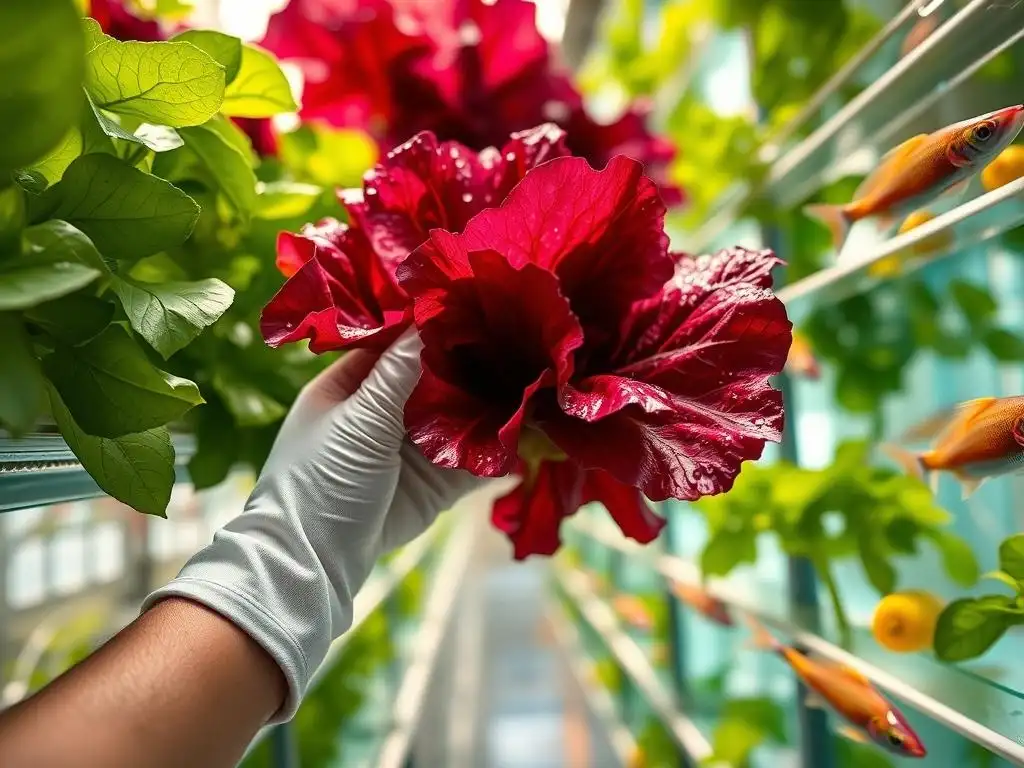
This section delves into sophisticated techniques to optimize your aquaponics harvest, moving beyond basic picking practices and focusing on maximizing yield and sustainability. We'll explore strategies that leverage the unique aspects of aquaponics to achieve superior results. Mastering these techniques will significantly contribute to your overall aquaponics success, aligning with best practices for sustainable and efficient food production. Remember, consistent monitoring and adaptation are key to achieving optimal results in aquaponics harvesting.
Implementing Crop Rotation in Aquaponics for Sustainable Yields
Crop rotation is a cornerstone of sustainable agriculture, and its benefits extend seamlessly to aquaponics. By rotating your crops, you prevent the depletion of specific nutrients in your system's water and substrate. This approach minimizes the risk of pest and disease buildup, common challenges in any intensive growing system. For example, planting leafy greens one cycle, followed by fruiting vegetables like tomatoes or peppers in the next, helps balance nutrient uptake.
This cyclical approach ensures the long-term health of your system and enhances the quality and quantity of your harvest. Consider a three-year rotation plan, carefully documenting nutrient levels and plant health for each cycle. This detailed record-keeping will allow you to refine your rotation strategy over time, maximizing its effectiveness. Proper planning and careful observation are crucial for maximizing the benefits of crop rotation in your aquaponics system.
Utilizing Hydroponic Techniques to Supplement Aquaponics Harvesting
While aquaponics seamlessly integrates fish farming and plant cultivation, incorporating elements of hydroponics can significantly boost your yields. Hydroponic techniques, such as deep water culture (DWC) or nutrient film technique (NFT), can be used to supplement your main aquaponics system. These methods allow for faster growth rates and higher yields for specific crops, particularly those with high nutrient demands. For instance, you could dedicate a smaller hydroponic setup to fast-growing leafy greens, while your main aquaponics system focuses on larger, slower-growing plants.
This strategic combination leverages the strengths of both systems, resulting in a more diverse and abundant harvest. Remember to carefully monitor nutrient levels in both systems to prevent imbalances and ensure optimal plant health. The integration of hydroponics offers a powerful way to enhance your aquaponics harvesting strategy.
Investing in Automated Aquaponics Harvesting Systems: Examples of Automated Systems
While manual harvesting is suitable for smaller setups, automated systems become increasingly beneficial as your aquaponics operation grows. Automated systems can significantly reduce labor costs and improve efficiency, especially for large-scale operations. Several automated systems are available, each with its own unique features and capabilities.
Examples include automated harvesting robots designed for specific crops, conveyor belt systems for efficient transport, and sophisticated sensors that monitor plant growth and trigger harvesting when optimal maturity is reached. The initial investment in these systems can be substantial, but the long-term benefits in terms of efficiency and increased yields often outweigh the costs. Before investing, carefully assess your specific needs and the scalability of your operation.
Consider factors such as crop type, system size, and available budget when selecting an automated harvesting system. Proper research and planning are crucial for making an informed decision that aligns with your aquaponics goals. Careful consideration of these factors is essential for implementing a successful automated harvesting system.
Monitoring and Data Analysis for Optimized Aquaponics Harvesting: Utilizing Sensors and Software
Implementing a robust monitoring system is crucial for achieving optimal aquaponics harvesting. This goes beyond simple visual inspections; it involves leveraging technology to gather precise data and analyze trends to predict ideal harvest times and maximize yields. This data-driven approach allows for proactive adjustments, minimizing losses and maximizing the efficiency of your aquaponics system.
One key aspect is the use of sensors. These sensors can continuously monitor various parameters vital to plant health and fish wellbeing. For example, dissolved oxygen (DO) sensors provide real-time readings of oxygen levels in the water, a critical factor for fish health.
Low DO levels can indicate a need for increased aeration or water circulation, potentially impacting fish growth and ultimately affecting the overall health of the system and the quality of your harvest. Similarly, pH sensors monitor the acidity or alkalinity of the water, a crucial factor influencing nutrient uptake by plants and overall system stability. Fluctuations in pH can directly impact plant growth and fruit/vegetable production, necessitating timely interventions.
Conductivity sensors measure the salt content in the water, which is directly linked to nutrient levels available for the plants. Regular monitoring ensures the nutrient solution remains balanced for optimal plant growth and timely harvesting. Finally, temperature sensors help maintain the ideal temperature range for both fish and plants, crucial for their health and productivity.
Beyond individual sensors, integrating sensor data with aquaponics software offers a significant advantage. Specialized software can collect data from multiple sensors, allowing for comprehensive analysis and trend identification. This software can generate detailed reports, providing insights into the system's performance over time. For example, it can identify correlations between water parameters and plant growth rates, helping to optimize nutrient delivery and harvesting schedules.
Furthermore, some software programs incorporate predictive modelling capabilities, allowing aquaponic growers to anticipate potential problems and adjust their strategies proactively. This predictive power is invaluable for preventing issues like nutrient deficiencies or disease outbreaks that could negatively impact the harvest. The integration of sensor data and sophisticated software transforms aquaponics harvesting from a reactive process to a proactive, data-driven strategy, leading to higher yields and more efficient resource management.
By closely monitoring key parameters and responding appropriately, aquaponics growers can significantly enhance their harvesting practices and achieve greater success. The initial investment in sensors and software pays off handsomely in the long run through increased productivity and reduced losses. The ability to predict and prevent problems, based on data analysis, is a cornerstone of successful and sustainable aquaponics.
Resources for Aquaponics Harvesting Success
This section explores valuable resources to help you master aquaponics harvesting best practices, ensuring you get the most out of your system. From in-depth literature to supportive online communities and expert guidance, these resources provide the knowledge and support needed for a successful and bountiful harvest. Optimizing your aquaponics harvesting techniques is key to maximizing yields and maintaining a healthy system.
Recommended Books on Aquaponics Gardening and Harvesting Techniques
Choosing the right resources is crucial for developing your aquaponics expertise. Several excellent books delve into the specifics of aquaponics gardening and harvesting, offering detailed guidance on various aspects of the process. These books often provide valuable insights into optimizing your harvesting techniques for different plants, maximizing yield, and minimizing waste. They also frequently cover troubleshooting common problems encountered during the harvesting process.
Here's a sample of what you might find in these resources:
- Detailed guides on identifying the optimal harvest time for various plants: Learning to recognize the visual cues indicating ripeness is paramount. Books often include detailed photos and descriptions of mature plants, highlighting key characteristics like color, size, and texture.
- Step-by-step instructions on proper harvesting methods: Gentle handling is critical to avoid damaging plants or reducing future yield. Books will illustrate the correct techniques for harvesting different types of plants, including leafy greens, fruiting vegetables, and herbs.
- Strategies for post-harvest handling and storage: Proper storage significantly impacts the longevity and quality of your aquaponic produce. Information on appropriate storage temperatures, humidity levels, and techniques like blanching or freezing are often included.
- Advice on minimizing waste and maximizing yields: Efficient harvesting practices are essential for maximizing your return on investment. Books might suggest techniques like staggered planting or selective harvesting to optimize yields throughout the growing season.
Online Communities and Forums for Aquaponics Enthusiasts
Connecting with other aquaponics enthusiasts is invaluable for sharing knowledge, troubleshooting problems, and learning from others' experiences. Online communities provide a platform to ask questions, share tips, and receive feedback on your aquaponics harvesting techniques. This collaborative environment accelerates learning and helps avoid common pitfalls.
Consider the following benefits of joining these online spaces:
- Access to a wealth of collective knowledge: Many experienced aquaponics growers are willing to share their insights and advice, providing a readily available resource for overcoming challenges.
- Opportunity to ask specific questions and receive personalized feedback: The interactive nature of these forums allows for direct engagement with experts and other enthusiasts, fostering a supportive learning environment.
- Exposure to diverse approaches and techniques: Different growers employ various methods, and observing these diverse approaches can broaden your perspective and inspire innovation in your own system.
- Sharing of successes and failures: Learning from both positive and negative experiences is a crucial aspect of mastering aquaponics. These platforms provide a safe space to share both triumphs and setbacks.
Expert Advice and Consulting Services for Aquaponics Systems
For more personalized support, consider seeking expert advice from consultants specializing in aquaponics. These professionals offer tailored guidance based on your specific system setup, plant choices, and goals. Their expertise can help you optimize your harvesting strategies and address any unique challenges you encounter.
Here's what you might expect from these services:
- On-site assessments and system evaluations: A thorough evaluation of your aquaponics system can identify areas for improvement, maximizing efficiency and yield.
- Customized harvesting plans: Based on your system and goals, an expert can develop a tailored harvesting plan specific to your needs.
- Troubleshooting and problem-solving: Experts can help diagnose and address issues that may arise during the harvesting process, preventing losses and improving overall system health.
- Training and education: Many consultants offer workshops or training sessions to further enhance your aquaponics knowledge and skills, ensuring long-term success.
The pursuit of "Aquaponics harvesting best practices" requires dedication and continuous learning. By utilizing these resources, you can build a strong foundation for a thriving and productive aquaponics system. 🌱
Suppliers of Aquaponics Equipment and Supplies: Reputable Suppliers
Finding reliable suppliers for your aquaponics system is crucial for its success. Choosing reputable suppliers ensures you receive high-quality equipment and supplies that will last, minimizing the risk of system failures and maximizing your yield. Poor quality components can lead to leaks, malfunctions, and ultimately, a less productive system. This can translate to wasted time, money, and effort. Therefore, thorough research is vital before making any purchases.
When selecting a supplier, consider factors beyond just price. Look for companies with a proven track record, positive customer reviews, and a commitment to customer service. A good supplier will offer technical support and readily answer questions, providing guidance on system setup and maintenance. This is particularly important for beginners in aquaponics, who may require more assistance. Reading online reviews and testimonials can offer valuable insights into a supplier's reliability and the quality of their products. Pay close attention to reviews mentioning issues such as shipping times, product durability, and the responsiveness of customer support.
Another important aspect to consider is the supplier's range of products. A comprehensive inventory allows you to source all your necessary components from a single provider, simplifying the ordering process and reducing potential compatibility issues. This is especially beneficial when setting up a new system or expanding an existing one.
Look for suppliers offering a wide variety of equipment, including grow beds, fish tanks, pumps, air pumps, filters, and nutrient solutions. A wide selection also enables you to compare prices and features before making a decision, allowing you to find the most suitable components for your specific needs and budget. Don't hesitate to contact multiple suppliers to compare prices and services before committing to a purchase.
This comparative approach will allow you to make an informed decision and ensure you're getting the best value for your investment. Remember, investing in high-quality equipment from a reputable supplier is an investment in the long-term success of your aquaponics system. The initial cost might seem higher, but the reduced risk of failures and the increased longevity of the equipment will pay off in the long run, leading to higher yields and reduced operational costs.
Frequently Asked Questions
When is the best time to harvest fish in an aquaponics system?
The best time to harvest fish depends on the species and your desired size. Generally, aim for harvesting when they reach their optimal market size, ensuring they're healthy and thriving. Consult species-specific guidelines for ideal harvesting weights and ages.
How do I harvest lettuce in an aquaponics system without damaging the plants?
Harvest carefully by cutting the lettuce leaves at the base of the stem with clean shears or a sharp knife. Avoid pulling the plants out, which can damage the roots and disrupt the system's balance. Harvest outer leaves first, allowing inner leaves to continue growing.
What are some signs that my basil is ready for harvesting in aquaponics?
Look for fully developed leaves that are firm and fragrant. Basil is typically ready for harvesting when it reaches about 6-8 inches tall. Harvest regularly to encourage bushier growth.
How can I prevent pests and diseases during aquaponics harvesting?
Maintain cleanliness throughout the harvesting process. Use sanitized tools and avoid touching other plants while harvesting. Inspect plants carefully for signs of pests or diseases and address any issues promptly.
What should I do with the harvested fish and plants from my aquaponics system?
Your harvested fish can be used in various recipes. Your harvested plants can be eaten fresh, stored in the refrigerator, or preserved through methods like freezing or drying. Consider selling your surplus harvest at a farmers market or locally.
Final Reflection: Reaping the Rewards of Aquaponic Abundance
The principles of successful aquaponic harvesting extend far beyond simply picking ripe produce; they represent a holistic approach to sustainable food production, crucial in a world facing increasing food insecurity. Mastering the art of harvesting in aquaponics isn't just about yield; it's about understanding the delicate balance within your system and ensuring its long-term health and productivity. This knowledge empowers you to contribute to a more resilient and environmentally conscious food system.
The journey of learning aquaponic harvesting has been a profound one, highlighting the interconnectedness of life and the rewards of patient observation. It's a constant learning process, adapting to the unique needs of your system and the ever-changing environment. The best teacher is experience, and the greatest classroom is the world.
This rings true in aquaponics, where each harvest teaches valuable lessons about timing, technique, and the overall health of your system. The satisfaction of nurturing life from seed to plate, within a closed-loop system, is deeply rewarding and underscores the potential of sustainable agriculture.
Now, consider your own journey. What steps can you take to improve your aquaponic harvesting practices? Are you meticulously tracking your harvests to optimize your system's efficiency? Are you experimenting with different harvesting techniques to find what works best for your specific setup? Embrace the ongoing learning process, celebrate each harvest, and remember that every step you take towards mastering aquaponic harvesting contributes to a more sustainable and abundant future. The potential for growth, both in your system and in your understanding, is limitless.
Unleash Your Aquaponic Bounty: It's Harvest Time!
Congratulations on embarking on your aquaponic journey! You've successfully learned to cultivate a thriving and sustainable food system. Ready to reap the rewards of your hard work?
- Prioritize your harvest: Begin by carefully selecting the ripest fruits and vegetables, ensuring you leave enough behind to sustain continued growth. Follow the guidelines previously outlined for optimal harvesting techniques.
- Share your aquaponic success! Tell us about your harvest on our CultivateYourFood community forum – let's celebrate your achievements together!
- Experiment with new varieties: Next season, try expanding your system with different plants to discover which thrive best in your unique aquaponic setup.
What exciting new flavors and varieties will your next harvest bring?