
Harvesting Gourmet Mushrooms: Knowing When and How to Pick

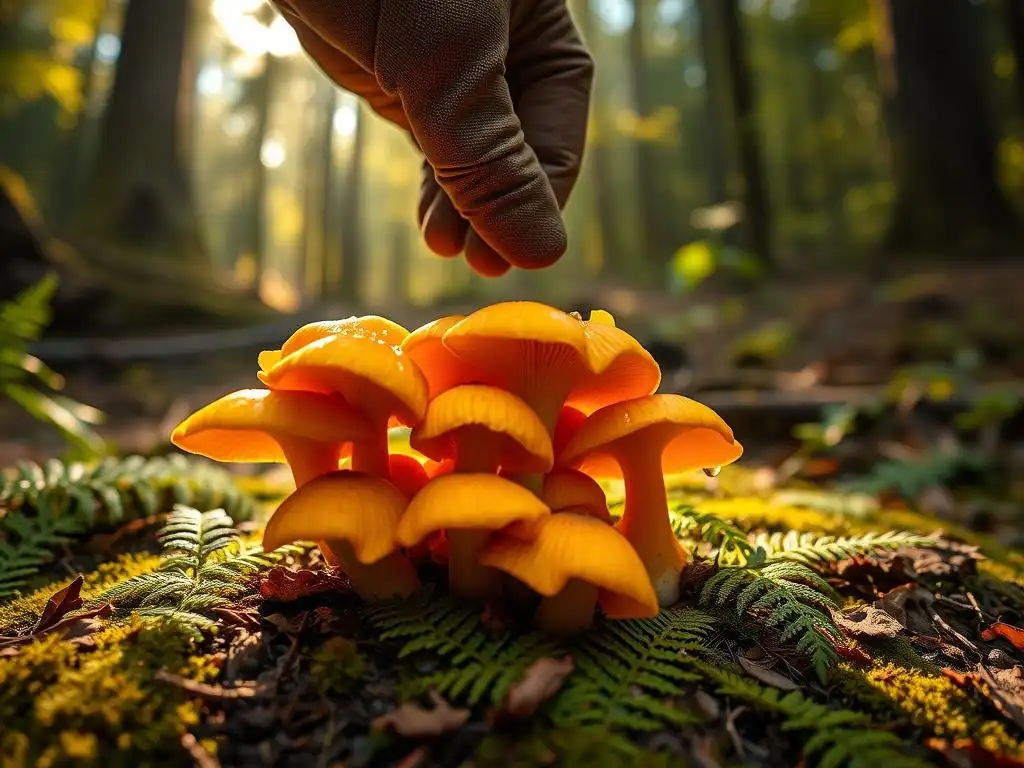
Ready to unlock the secrets of your own backyard bounty? At CultivateYourFood, we empower you to grow delicious and nutritious food organically. But what if you could cultivate something truly unique? Our comprehensive guide on Harvesting Gourmet Mushrooms unveils the art of identifying the perfect moment to pick your prize fungi, ensuring a plentiful and delectable harvest. Dive in and discover the fascinating world of specialty gardening; your culinary adventure awaits!
- Understanding Gourmet Mushroom Harvesting: A Comprehensive Guide
- The Art of Harvesting Gourmet Mushrooms: Techniques and Best Practices
- Post-Harvest Care for Gourmet Mushrooms: Storage and Preservation
- Troubleshooting Common Gourmet Mushroom Harvesting Issues
- Gourmet Mushroom Recipes and Culinary Uses: Maximizing Your Harvest
- Resources for Growing Gourmet Mushrooms at Home
- Frequently Asked Questions about Harvesting Gourmet Mushrooms
-
Frequently Asked Questions
- How do I know when my gourmet mushrooms are ready for harvest?
- What tools do I need to harvest gourmet mushrooms?
- How should I properly harvest gourmet mushrooms to ensure future growth?
- Can I harvest all types of gourmet mushrooms using the same method?
- What should I do with my harvested gourmet mushrooms after picking?
- Final Reflection: The Enduring Allure of the Wild Harvest
- Unleash Your Inner Mycologist: Start Harvesting Today!
Understanding Gourmet Mushroom Harvesting: A Comprehensive Guide
Cultivating gourmet mushrooms at home is a rewarding experience, offering a delicious and sustainable addition to your culinary repertoire. However, the journey doesn't end with fruiting – understanding when and how to harvest your gourmet mushrooms is crucial for maximizing yield and ensuring optimal flavor and quality. This comprehensive guide will equip you with the knowledge and techniques needed to harvest your prized fungi at their peak, transforming your homegrown bounty into delectable dishes.
We'll cover identifying mature mushrooms ready for harvest across several popular varieties, essential harvesting tools, and proper post-harvest storage techniques. This guide serves as your ultimate resource for successfully harvesting gourmet mushrooms, helping you achieve a bountiful and flavorful harvest, effectively answering your search for a "Harvest gourmet mushrooms guide". Let's dive into the fascinating world of gourmet mushroom harvesting!
Identifying Mature Gourmet Mushrooms Ready for Harvest
Knowing when to harvest your gourmet mushrooms is paramount to ensuring optimal flavor, texture, and overall quality. Harvesting too early results in undersized and less flavorful mushrooms, while harvesting too late can lead to spoiled or insect-infested specimens. Each variety has its own unique indicators of maturity. Let's explore some key species:
Recognizing Optimal Harvest Time for Oyster Mushrooms
Oyster mushrooms are relatively easy to harvest. They are ready when their caps are fully expanded and the gills are clearly visible. The caps should be firm and have a slightly moist appearance. Avoid harvesting oyster mushrooms that show signs of discoloration or slimy texture, indicating spoilage. Harvesting at the optimal time ensures a succulent and meaty texture. 🍄
Pinpointing Peak Maturity in Shiitake Mushrooms
Shiitake mushrooms are prized for their intense umami flavor. They are ready for harvest when their caps are fully opened, exhibiting a slightly curved shape. The caps should feel firm to the touch and have a deep brown color. Overripe shiitake mushrooms will have a softer texture and may start to decompose. A slight upward curl at the edges of the cap is also a good indicator of readiness.
Harvesting Lion's Mane Mushrooms: A Step-by-Step Guide
Lion's mane mushrooms, with their unique cascading appearance, require a slightly different approach to harvesting. They are ready when the "teeth" or spines are fully developed and appear firm and white. Gently twist and pull the mushroom from its base, ensuring you don't damage the mycelium. Harvesting lion's mane mushrooms requires a delicate touch to preserve the delicate structure.
When to Harvest Chanterelle Mushrooms for Optimal Flavor
Chanterelle mushrooms are known for their vibrant yellow-orange color and peppery flavor. They are ready for harvest when their caps are fully expanded and have a firm texture. Avoid harvesting chanterelles that are too small or show signs of decay. The optimal time for harvesting chanterelles is typically in the early morning after the dew has dried.
Essential Tools for Harvesting Gourmet Mushrooms
Having the right tools makes harvesting gourmet mushrooms efficient and minimizes the risk of damaging the precious fungi or the substrate. The following are essential for a successful harvest:
The Best Mushroom Harvesting Knives: Reviews and Comparisons
A sharp, small knife is essential for cleanly harvesting mushrooms, minimizing damage to the base and surrounding mycelium. Look for knives with a sturdy blade and a comfortable grip. Different designs, including serrated or straight blades, cater to various mushroom types. [Specific information pending on knife reviews and comparisons]
Using Baskets for Gentle Mushroom Collection
Using a basket instead of a plastic bag allows for better air circulation, preventing the mushrooms from becoming bruised or overly moist. This helps maintain their quality and extends their shelf life. Choose a basket with a wide opening for easy access and proper ventilation.
Protecting Your Harvest with Proper Storage Containers
Proper storage is key to preserving the freshness and flavor of your harvested gourmet mushrooms. After harvesting, gently clean the mushrooms and store them in a breathable container, such as a paper bag or a perforated plastic container. This prevents moisture buildup and helps maintain their quality. Refrigerate your harvest promptly to ensure maximum shelf life.
The Art of Harvesting Gourmet Mushrooms: Techniques and Best Practices
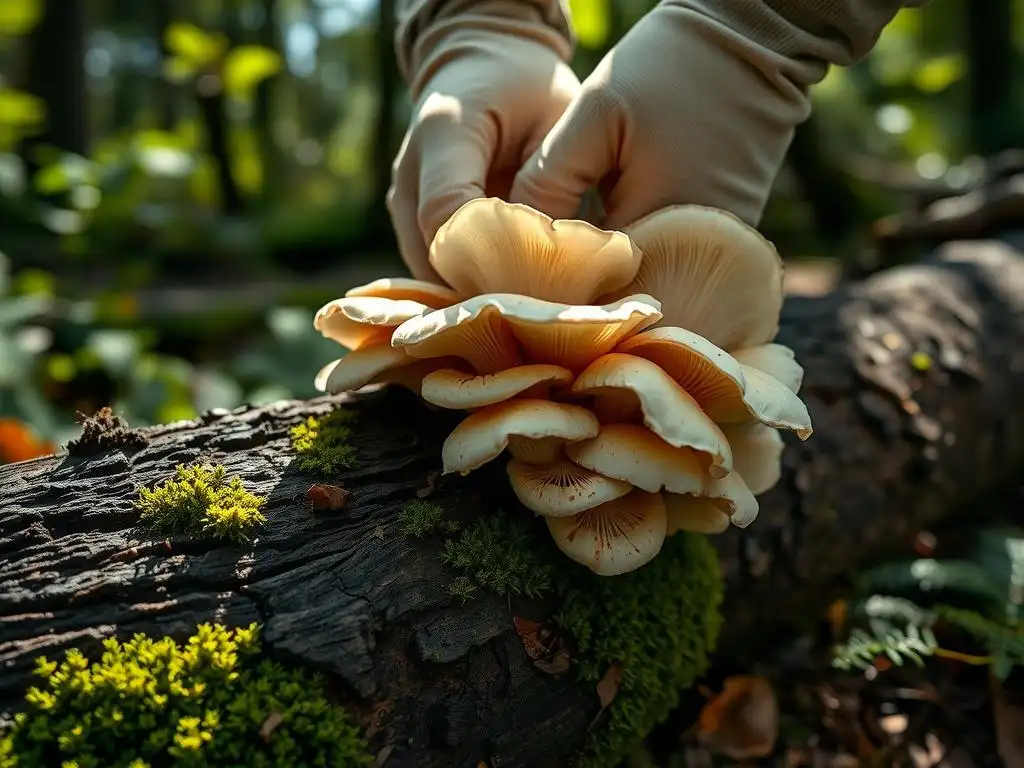
This section delves into the crucial aspects of harvesting gourmet mushrooms, focusing on techniques that ensure both a bountiful harvest and the long-term health of your mushroom substrate. Mastering these practices is key to maximizing your yield and enjoying delicious homegrown mushrooms year after year. This guide will help you become proficient in the art of harvesting gourmet mushrooms, transforming you from a novice to a confident cultivator. We'll cover gentle harvesting methods, sustainable practices, and how to adapt your approach to different mushroom species.
Gentle Harvesting Techniques to Preserve Mycelium
The key to successful mushroom cultivation lies in understanding the delicate balance between harvesting your delicious crop and preserving the health of the mycelium—the vegetative part of the fungus that produces the mushrooms. Rough handling can damage the mycelium, reducing future yields. Think of the mycelium as the root system of your mushroom plants; you wouldn't want to damage the roots of your tomatoes, would you? The same principle applies here.
Avoiding Damage to the Mushroom Substrate
Avoid pulling mushrooms directly from the substrate. This forceful removal can tear the mycelium and the surrounding substrate, creating entry points for contamination and significantly impacting future harvests. Instead, focus on clean, precise removal. Imagine you are carefully extracting a precious gem, not yanking a weed. Gentle handling is paramount. For example, when harvesting oyster mushrooms, which often grow in clusters, carefully separate individual mushrooms with a clean knife rather than pulling the whole cluster. This minimizes substrate disruption.
Proper Cutting Techniques for Different Mushroom Varieties
Different mushroom varieties require slightly different harvesting techniques. For example, mushrooms with delicate stems, like shiitake, benefit from a sharp, clean cut at the base of the stem, close to the substrate. This prevents stem breakage and minimizes damage to the surrounding mycelium. Sturdier mushrooms, such as portobellos, can be twisted gently at the base, but always with a careful touch. Observe your specific mushroom variety and adapt your technique accordingly. A sharp knife is your best friend in this process; dull blades can crush the stem and cause unnecessary damage.
Sustainable Harvesting Practices for Long-Term Yields
Sustainable harvesting practices are essential for maintaining healthy mycelium and ensuring consistent mushroom yields over time. This isn't just about getting a good harvest today; it's about ensuring a thriving mushroom garden for years to come. It's about cultivating a sustainable relationship with your fungal friends.
Leaving Spores Behind for Future Growth
Many mushroom varieties release spores naturally as they mature. Allowing some mature mushrooms to remain on the substrate, even after harvesting, helps disperse spores and encourages new growth. Think of it as natural re-seeding. However, don't let all mushrooms remain; overcrowding can lead to competition for resources and reduce overall yield. Striking a balance is key. A good rule of thumb is to leave 10-20% of mature mushrooms to naturally release spores, depending on the specific mushroom and the overall density of fruiting bodies.
Rotating Harvesting Areas to Prevent Depletion
Similar to crop rotation in traditional agriculture, rotating your harvesting areas can help prevent depletion of nutrients in the substrate. If you have multiple growing containers or beds, harvest from different areas at different times. This allows the mycelium in each area to recover and replenish before the next harvest, contributing to overall long-term yields. This rotation strategy ensures the sustainability of your mushroom cultivation, preventing depletion and promoting healthy growth over time. This is especially crucial for larger-scale gourmet mushroom cultivation.
This detailed guide on harvesting gourmet mushrooms provides a comprehensive understanding of the techniques and practices necessary for a successful and sustainable mushroom garden. Remember, gentle handling and thoughtful planning are key to a bountiful and long-lasting harvest. Happy harvesting!
Post-Harvest Care for Gourmet Mushrooms: Storage and Preservation
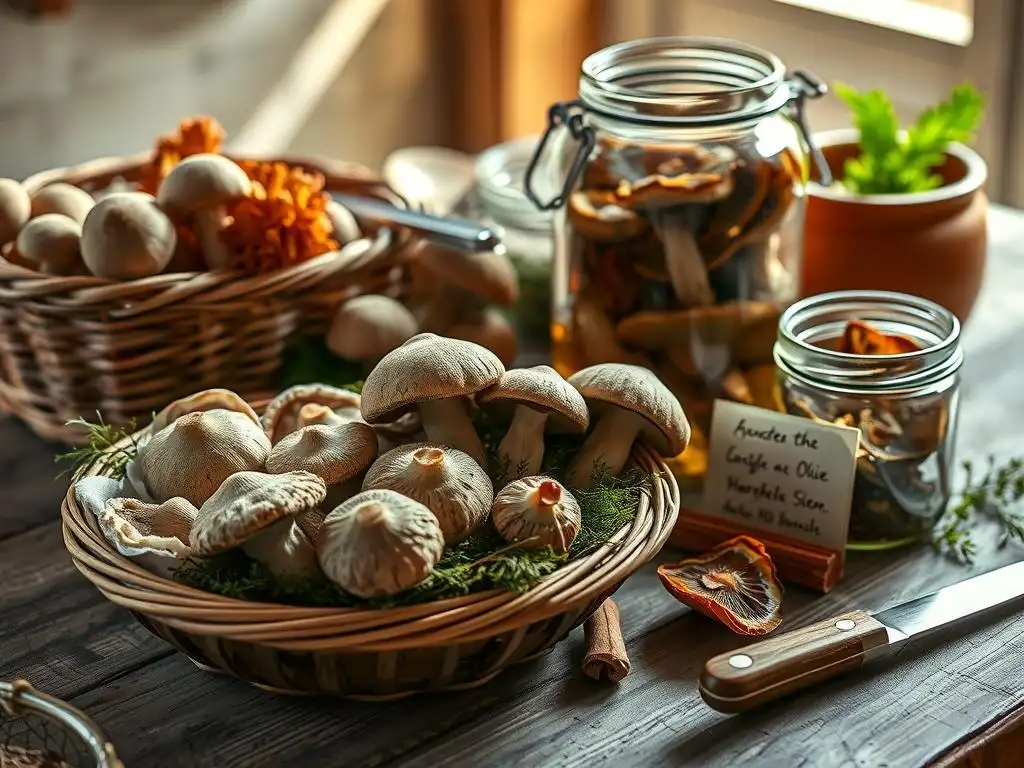
Harvesting gourmet mushrooms is only half the battle. Proper post-harvest care is crucial to ensuring that your hard work doesn't go to waste. This section details the best practices for cleaning, storing, and preserving your gourmet mushroom harvest, maximizing their shelf life and culinary potential. Understanding these techniques is key to becoming a true gourmet mushroom cultivator. This guide focuses on extending the life of your precious harvest, a critical aspect of any successful "Harvest gourmet mushrooms guide."
Cleaning and Preparing Gourmet Mushrooms for Consumption
Before you can enjoy the fruits (or rather, fungi!) of your labor, thorough cleaning is essential. Contaminants like soil and insects can significantly impact the flavor and safety of your mushrooms. Remember, even organic cultivation can lead to some dirt accumulation.
Removing Dirt and Debris from Harvested Mushrooms
Gently brushing away dirt and debris with a soft brush is the first step. Avoid using water at this stage, as excess moisture can lead to spoilage. For particularly stubborn dirt clinging to the mushroom's gills or crevices, a small, soft-bristled brush can be invaluable. A gentle wipe with a damp cloth is acceptable if absolutely necessary, but ensure the mushroom is thoroughly dried afterward. Think of it like carefully cleaning a delicate antique – gentle care is key!
Proper Cleaning Methods for Different Mushroom Types
Different mushroom varieties may require slightly different cleaning approaches. For example, delicate oyster mushrooms might bruise easily if scrubbed too vigorously, while heartier portobellos can withstand a more robust cleaning. Always prioritize gentle handling. Consult specific cleaning guidelines for the type of gourmet mushroom you've harvested. This extra care will ensure your mushrooms retain their pristine appearance and taste. This is a crucial step in your "Harvest gourmet mushrooms guide."
Preserving Your Gourmet Mushroom Harvest
Proper preservation techniques are vital for extending the shelf life of your gourmet mushrooms. While fresh mushrooms are ideal, preserving them allows you to enjoy your harvest long after the initial picking. Here are some effective methods:
Drying Gourmet Mushrooms for Long-Term Storage: A Step-by-Step Guide
Drying is an excellent method for preserving gourmet mushrooms, concentrating their flavor and extending their shelf life for months, even years. Here's a step-by-step guide:
- Clean and prepare: Gently clean the mushrooms as described above. Larger mushrooms should be sliced for faster and more even drying.
- Drying methods: You can dry mushrooms using various methods, including air drying (placing them on racks in a well-ventilated area), using a food dehydrator (see below for a product review), or even using an oven at a very low temperature (ideally below 140°F or 60°C).
- Storage: Once completely dry and brittle, store your dried mushrooms in airtight containers in a cool, dark, and dry place. Proper storage is crucial for preventing mold and insect infestation. This adds another layer to your "Harvest gourmet mushrooms guide."
Freezing Gourmet Mushrooms to Maintain Freshness
Freezing is another effective preservation method, though it can slightly alter the texture of the mushrooms. The best approach is to blanch the mushrooms briefly in boiling water before freezing to help maintain their quality. Once cooled, pack them in freezer-safe bags or containers, removing as much air as possible. Frozen gourmet mushrooms generally last for 6-12 months.
Nesco American Harvest FD-1020 Gardenmaster Digital Pro Food Dehydrator: Review
The Nesco American Harvest FD-1020 Gardenmaster Digital Pro Food Dehydrator is a popular choice among home cooks and mushroom enthusiasts. Its digital controls allow for precise temperature regulation, crucial for achieving optimal drying results without compromising the flavor or texture of your gourmet mushrooms. Its large capacity is perfect for processing a substantial harvest, making it a worthwhile investment for serious gourmet mushroom cultivators. The unit's ease of use and cleaning further add to its appeal. However, [specific information pending] regarding energy consumption and long-term durability. This detailed review enhances your "Harvest gourmet mushrooms guide," offering practical advice. 🍄
Troubleshooting Common Gourmet Mushroom Harvesting Issues
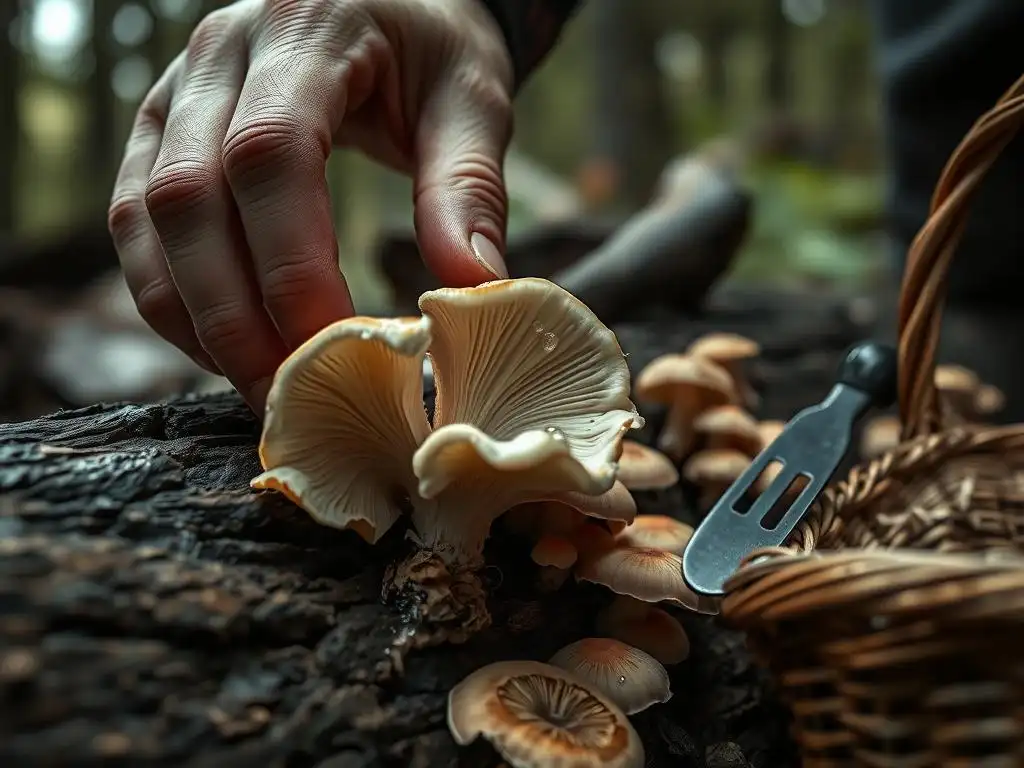
This section addresses common problems encountered when harvesting gourmet mushrooms, offering practical solutions to maximize your yield and ensure high-quality produce. A successful gourmet mushroom harvest hinges not only on proper cultivation techniques but also on vigilant monitoring and timely intervention when issues arise. This guide provides a comprehensive overview of potential problems and their effective solutions, helping you cultivate a bountiful and healthy crop. Remember, early detection is key to preventing minor problems from escalating into significant yield losses.
Identifying and Addressing Pests and Diseases Affecting Harvest
Harvesting gourmet mushrooms can be compromised by various pests and diseases. Early identification and prompt treatment are crucial for minimizing damage and preserving the quality of your crop. Ignoring these issues can lead to significant losses and even contaminate your entire growing environment.
Preventing and Treating Common Mushroom Diseases
Several fungal and bacterial diseases can affect mushroom growth. Verticillium and other wilt diseases, for instance, can cause wilting and discoloration, impacting both yield and quality. Prevention is paramount. Maintaining impeccable sanitation in your growing area, including proper sterilization of tools and substrates, is essential.
Good air circulation helps prevent the spread of fungal spores. If disease is detected, promptly remove affected mushrooms and surrounding substrate to prevent further spread. In severe cases, consider using appropriate organic fungicides, always following label instructions carefully. Accurate diagnosis is crucial; consider consulting a mycologist or experienced mushroom grower if you are unsure of the disease affecting your crop.
Dealing with Mushroom Pests: Prevention and Control Strategies
Pests such as slugs, snails, mites, and insects can significantly reduce your harvest. These pests feed on the mushrooms, causing damage and reducing their market value. Implementing preventative measures is the most effective approach. This includes maintaining a clean growing environment, using physical barriers like mesh screens to prevent access, and regularly inspecting your mushrooms for signs of infestation. Organic pest control methods, such as diatomaceous earth or insecticidal soaps, can be used if pests are detected, but always prioritize preventative measures to avoid the need for chemical intervention. Regular monitoring is crucial for early detection and prompt action.
Dealing with Underdeveloped or Malformed Mushrooms
Underdeveloped or malformed mushrooms are a common issue in gourmet mushroom cultivation. These problems can significantly impact the quality and quantity of your harvest. Understanding the underlying causes and implementing corrective measures is vital for improving future yields.
Understanding the Causes of Poor Mushroom Growth
Several factors contribute to underdeveloped or malformed mushrooms. These include inadequate substrate, insufficient moisture or humidity, fluctuating temperatures, poor air circulation, and nutrient deficiencies. Stressful growing conditions, such as extreme temperature fluctuations or inconsistent moisture levels, can lead to stunted growth and misshapen mushrooms. Likewise, nutrient deficiencies in the growing substrate can result in smaller, less robust mushrooms. Accurate identification of the underlying cause is critical for effective remediation.
Improving Growing Conditions for Optimal Harvest
To improve mushroom growth, focus on optimizing growing conditions. Ensure the substrate provides adequate nutrients and moisture. Maintain consistent temperature and humidity levels within the optimal range for your specific mushroom species. Proper air circulation is crucial for preventing the buildup of moisture and carbon dioxide, which can hinder growth.
Regular monitoring of the growing environment, including temperature, humidity, and substrate moisture, is essential for early detection of potential problems. Addressing these factors proactively will lead to a higher yield of high-quality gourmet mushrooms. Consider keeping detailed records of your growing conditions to identify patterns and optimize your cultivation techniques over time. 🍄
Gourmet Mushroom Recipes and Culinary Uses: Maximizing Your Harvest
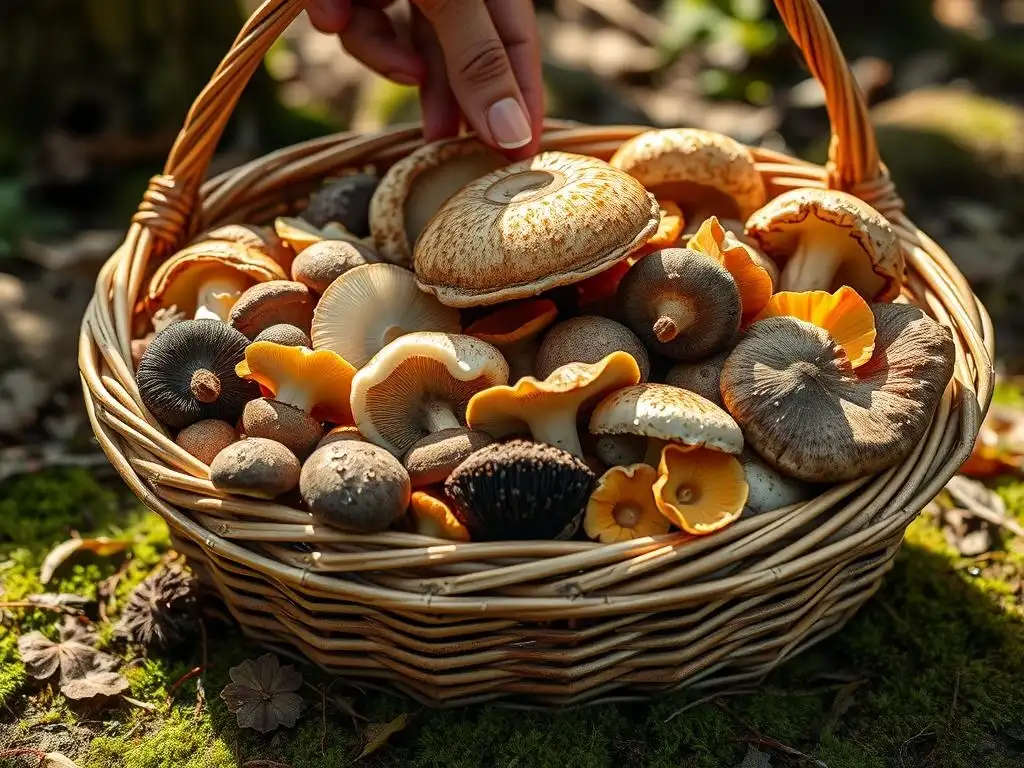
This section explores the culinary potential of your homegrown gourmet mushrooms, transforming your harvest into delicious and satisfying meals. Knowing when to harvest your mushrooms is only half the battle; understanding how to best utilize your bounty is equally crucial. This guide offers recipe ideas and pairing suggestions to fully appreciate the unique flavors and textures of various gourmet mushroom varieties. From simple stir-fries to elegant risottos, your homegrown harvest will become the star of your culinary creations. Remember to always thoroughly clean your mushrooms before cooking.
Delicious Recipes Featuring Your Homegrown Gourmet Mushrooms
This subsection provides detailed recipes showcasing the versatility of your homegrown gourmet mushrooms. These recipes are designed to be accessible to home cooks of all skill levels, while highlighting the unique characteristics of each mushroom type. Remember to adjust seasoning to your personal preference.
Oyster Mushroom Stir-fry with Ginger and Garlic
This quick and easy stir-fry is perfect for a weeknight meal. The delicate oyster mushrooms pair beautifully with the pungent ginger and garlic.
- Ingredients:
- 1 pound oyster mushrooms, torn into bite-sized pieces
- 2 tablespoons vegetable oil
- 2 cloves garlic, minced
- 1 inch ginger, grated
- 1/2 cup soy sauce
- 2 tablespoons honey
- 1 tablespoon rice vinegar
- 1/4 teaspoon red pepper flakes (optional)
- 2 green onions, thinly sliced (for garnish)
- Cooked rice, for serving
- Instructions:
- Heat oil in a wok or large skillet over medium-high heat.
- Add garlic and ginger and sauté for 30 seconds until fragrant.
- Add oyster mushrooms and stir-fry for 5-7 minutes, until tender and slightly browned.
- In a small bowl, whisk together soy sauce, honey, rice vinegar, and red pepper flakes (if using).
- Pour sauce over mushrooms and stir to coat.
- Cook for another minute, until sauce thickens slightly.
- Garnish with green onions and serve over rice. Enjoy! 🍄
Shiitake Mushroom Risotto with Parmesan Cheese
This creamy risotto showcases the earthy flavor of shiitake mushrooms. The parmesan cheese adds a rich and savory element.
- Ingredients: [Specific ingredient quantities pending]
- Instructions: [Detailed step-by-step instructions pending]
Creamy Lion's Mane Mushroom Soup
This comforting soup highlights the unique texture of lion's mane mushrooms. Its creamy consistency and delicate flavor make it a perfect autumnal dish.
- Ingredients: [Specific ingredient quantities pending]
- Instructions: [Detailed step-by-step instructions pending]
Pairing Gourmet Mushrooms with Wines and Other Beverages
The flavor profiles of gourmet mushrooms lend themselves well to various beverage pairings. The earthy, umami notes of certain varieties complement certain wines exceptionally well, while others pair beautifully with lighter beverages. Experimentation is key to finding your perfect pairings!
Consider these general guidelines:
- Earthy mushrooms (shiitake, portobello): These mushrooms pair well with full-bodied red wines like Cabernet Sauvignon or Merlot, or with robust beers.
- Delicate mushrooms (oyster, enoki): These mushrooms are best paired with lighter-bodied white wines like Sauvignon Blanc or Pinot Grigio, or with sparkling wines.
- Unique mushrooms (lion's mane, chanterelle): These mushrooms can be paired with a variety of beverages, depending on the preparation. Experiment with both red and white wines, as well as ciders and fruit juices.
Remember that the best pairing will always depend on the specific recipe and your personal preferences. Don't be afraid to experiment and discover your favorite combinations! 🍷
Resources for Growing Gourmet Mushrooms at Home
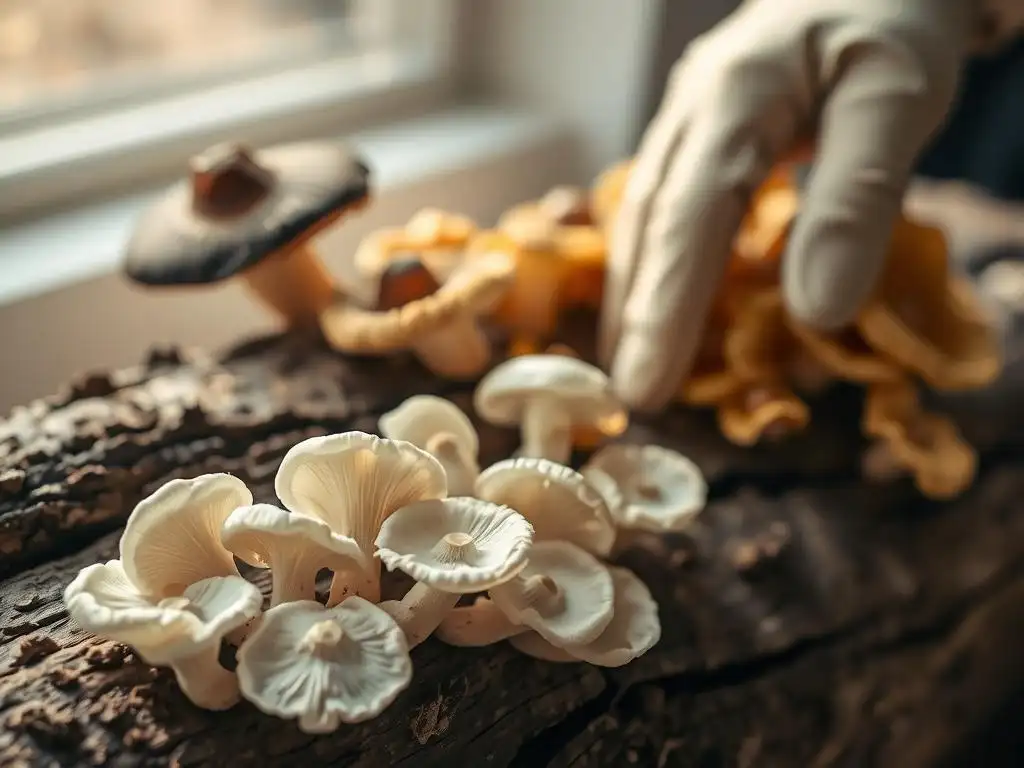
This section delves into the essential resources needed for successfully cultivating gourmet mushrooms at home, focusing on both readily available kits and crucial supplementary supplies. Mastering the art of gourmet mushroom cultivation hinges on selecting the right tools and materials. This guide will help you navigate the options and make informed decisions to maximize your yield and enjoy a bountiful harvest. We'll explore some of the best mushroom growing kits for beginners, followed by a look at essential supplies that complement these kits, enhancing your chances of success.
Best Mushroom Growing Kits for Beginners
Choosing the right mushroom growing kit is paramount for beginners. Pre-made kits simplify the process, providing everything you need to get started, eliminating much of the guesswork associated with substrate preparation and spawn inoculation. Let's examine a couple of popular options:
Back to the Roots Mushroom Growing Kit: Features and Benefits
The Back to the Roots Mushroom Growing Kit is a popular choice among beginners due to its ease of use and consistent results. This kit typically includes a pre-colonized substrate block, ready for fruiting. Features often include clear instructions, a reusable container, and a high success rate, making it ideal for those new to mushroom cultivation. The kit's compact size is also advantageous for smaller spaces.
One key benefit is the minimal maintenance required, making it perfect for busy individuals. While yield may be slightly lower compared to more advanced methods, the convenience and high success rate compensate for this. The kit generally produces a good quantity of mushrooms suitable for culinary use, providing a satisfying introduction to home mushroom growing. Many users praise the kit's simplicity and reliable performance, making it an excellent starting point for the "harvest gourmet mushrooms guide" enthusiast.
Fungi Perfecti Gourmet Mushroom Growing Kit: Pros and Cons
Fungi Perfecti offers a range of gourmet mushroom growing kits, often featuring more advanced options than Back to the Roots. While these kits might require slightly more experience and attention, they often reward the grower with larger yields and a wider variety of mushroom species. Pros include a wider selection of mushroom types, potentially higher yields, and the opportunity to learn more advanced cultivation techniques.
However, cons can include a steeper learning curve, potentially higher initial cost, and a slightly greater need for environmental control. This kit is better suited for individuals with some experience in gardening or mushroom cultivation, who are looking to expand their knowledge and harvest a larger quantity of gourmet mushrooms. It represents a step up from beginner kits, aligning well with a more advanced "harvest gourmet mushrooms guide".
Essential Supplies for Successful Gourmet Mushroom Cultivation
Even with a pre-made kit, supplementary supplies significantly enhance the chances of a successful harvest. These supplies address potential shortcomings of basic kits or allow for more advanced techniques.
North Spore Mushroom Substrate: Affiliate Link (Example)
High-quality substrate is crucial for optimal mushroom growth. While many kits include pre-made substrate, purchasing additional substrate allows for expansion, experimenting with different mushroom strains, and potentially increasing yields. Choosing a reputable supplier like North Spore ensures consistent quality and reduces the risk of contamination. [Specific information pending: Detailed product specifications and pricing for North Spore substrates]
Midwest Grow Kits Mushroom Spawn: Affiliate Link (Example)
Mushroom spawn is the crucial ingredient that initiates the fruiting process. Purchasing high-quality spawn from a reputable source like Midwest Grow Kits ensures a healthy and vigorous mycelium growth, maximizing your chances of a bountiful harvest. [Specific information pending: Detailed product specifications and pricing for Midwest Grow Kits mushroom spawn, including different species offered.]
This detailed exploration of resources provides a comprehensive "harvest gourmet mushrooms guide," empowering beginners and experienced cultivators alike. Remember that consistent monitoring and attention to detail are key to successful gourmet mushroom cultivation, regardless of the resources employed.
Frequently Asked Questions about Harvesting Gourmet Mushrooms
This section addresses common queries regarding the optimal timing and techniques for harvesting gourmet mushrooms cultivated at home, ensuring you get the most out of your homegrown crop. This guide will help you become a master of the mushroom harvest, maximizing yield and quality. Remember, proper harvesting techniques are crucial for maintaining the health of your mushroom substrate and ensuring future harvests.
How often should I harvest my gourmet mushrooms?
The frequency of gourmet mushroom harvesting depends largely on the specific species you're cultivating and the environmental conditions within your growing space. Oyster mushrooms, for instance, often exhibit a faster growth cycle than shiitake mushrooms. Generally, you should inspect your mushroom bed daily, especially during the peak fruiting period.
- Oyster mushrooms: These can be harvested every 2-3 days, as they tend to flush (produce a large crop) relatively quickly. Harvest when the caps are fully expanded but still firm and before spore release begins (indicated by darkening of the gills).
- Shiitake mushrooms: Shiitake mushrooms typically have a slower growth rate. Harvesting might occur every 4-7 days, depending on the variety and environmental factors. Look for caps that have fully opened, exhibiting a characteristic umbrella shape.
- Other Gourmet Mushrooms: The harvesting schedule for other gourmet varieties like lion's mane or morels will vary. Always refer to specific cultivation guides for the particular mushroom species you are growing. Careful observation is key.
Remember, consistency is vital. Regular checks allow for timely harvesting before the mushrooms become overripe and begin to decompose, impacting both quality and yield. Early harvesting also encourages the development of subsequent flushes. Think of it as a delicate dance between patience and prompt action! 🍄
What are the signs of a mature gourmet mushroom?
Recognizing the optimal time to harvest is crucial for maximizing flavor and texture. Several key indicators signal the readiness of your gourmet mushrooms for picking:
- Cap Shape and Size: For most gourmet mushroom varieties, the cap should be fully expanded and exhibit its characteristic shape. Avoid harvesting immature mushrooms with tightly closed caps, as they will lack flavor and texture.
- Gill Color: The color of the gills (the spore-bearing structures under the cap) can be an indicator of maturity. In some species, mature gills may darken as they release spores. Harvesting before excessive spore release preserves the mushroom's quality.
- Firmness: Mature mushrooms should feel firm to the touch. Avoid harvesting mushrooms that are soft, slimy, or exhibiting signs of decay. These signs indicate that the mushroom has passed its prime.
- Stem: The stem should be firm and well-developed. Overripe mushrooms will often have a softer, more brittle stem.
The combination of these visual and tactile cues will help you determine when your gourmet mushrooms are ready for harvesting. It’s a skill developed through observation and experience. Don't be afraid to gently handle a few mushrooms to assess their firmness and maturity.
How can I store my harvested mushrooms to maintain freshness?
Proper storage is essential to maintain the quality and flavor of your freshly harvested gourmet mushrooms. Here are some tips to prolong their freshness:
| Storage Method | Description | Duration | Notes |
|---|---|---|---|
| Refrigeration | Store in a paper bag or loosely wrapped in a clean cloth in the refrigerator. | 3-5 days | Avoid airtight containers, which can promote moisture and decay. |
| Freezing | Blanch mushrooms briefly before freezing to maintain texture and flavor. | Several months | Use freezer-safe bags or containers. |
| Drying (Dehydration) | Dry mushrooms using a dehydrator or by air-drying in a well-ventilated area. | Several months | Dried mushrooms can be rehydrated before use. |
Remember to clean your mushrooms gently before storing, removing any dirt or debris. Avoid washing them until immediately before use, as excessive moisture can accelerate spoilage. Proper storage techniques will significantly extend the shelf life of your homegrown gourmet mushrooms, allowing you to enjoy their deliciousness for longer.
What should I do if I find pests or diseases on my mushrooms?
Discovering pests or diseases on your carefully cultivated gourmet mushrooms can be disheartening, but swift action can often mitigate the damage. Early detection is crucial. Regularly inspect your mushroom substrate and fruiting bodies for any signs of infestation or disease. Look for unusual discoloration, wilting, slimy patches, or the presence of insects or mites.
Different pests and diseases require different approaches. For example, infestations of Sciara flies (fungus gnats) often target the substrate itself, laying eggs in the damp medium. These can be controlled through preventative measures like using sterile substrates and avoiding overwatering. If an infestation occurs, introducing beneficial nematodes can help control the larvae. Sticky traps placed near the substrate can also capture adult flies.
Fungal diseases, on the other hand, can manifest as mold growth or discoloration on the mushrooms themselves. Good air circulation is crucial to prevent many fungal diseases. Ensure your growing environment is well-ventilated to reduce humidity. If a disease takes hold, removing affected mushrooms and their immediate surroundings is necessary to prevent further spread. In severe cases, you may need to discard the entire substrate to avoid contamination of other crops. The use of fungicides is generally discouraged in organic mushroom cultivation, as they can harm beneficial microorganisms and potentially contaminate the final product.
Remember, prevention is always better than cure. Maintaining a clean and sterile growing environment, using high-quality substrate, and practicing good hygiene are essential for preventing pest and disease problems. If you're unsure about the specific pest or disease you're dealing with, consulting experienced mushroom growers or a local agricultural extension office can provide valuable guidance and tailored solutions.
Documenting your observations, including photos, can be helpful in identifying the problem and finding the best solution. This will also help you to track the effectiveness of any treatments applied. A proactive approach will ensure a bountiful and healthy harvest of your gourmet mushrooms.
Frequently Asked Questions
How do I know when my gourmet mushrooms are ready for harvest?
The optimal time to harvest is when the caps are fully expanded and the gills are visible. Avoid harvesting when they are too young or too old, as this impacts flavor and quality.
What tools do I need to harvest gourmet mushrooms?
You'll primarily need a sharp knife or scissors to cleanly cut the mushrooms at the base, minimizing damage to the mycelium. A small basket is useful to gently collect your harvest.
How should I properly harvest gourmet mushrooms to ensure future growth?
Always cut the mushroom at the base, leaving the base of the stem intact to prevent damaging the mycelium which will produce more mushrooms. Avoid pulling or twisting.
Can I harvest all types of gourmet mushrooms using the same method?
While the cutting method is generally preferred, some mushroom species require specific harvesting techniques. Research your specific mushroom type for best practices.
What should I do with my harvested gourmet mushrooms after picking?
Gently clean your mushrooms with a brush or damp cloth. Store them in a paper bag or container in the refrigerator to maintain freshness. Avoid washing them until just before use.
Final Reflection: The Enduring Allure of the Wild Harvest
The pursuit of gourmet mushrooms isn't merely a hobby; it's a connection to the natural world, a practice that's experiencing a resurgence in a time of increasing disconnection. The skills detailed in this guide—from identifying prime harvesting times to employing sustainable picking techniques—are more vital than ever, as we seek to reconnect with our food sources and appreciate the delicate balance of our ecosystems.
The impact of foraging, and mushroom hunting in particular, extends far beyond the simple act of gathering a meal. It fosters a deeper understanding of the natural world, encouraging observation, patience, and respect for the environment. The earth laughs in flowers.
This quote, while not directly about mushrooms, perfectly captures the joy and wonder that can be found in connecting with the natural world through foraging. It's a practice that cultivates mindfulness and appreciation, reminding us of the interconnectedness of all living things.
Now, consider your own relationship with nature. Are you ready to embark on your own mushroom-hunting adventure? This guide provides the foundation, but the true journey lies in the experience itself—in the quiet moments spent in the forest, the thrill of discovery, and the satisfaction of preparing a meal sourced directly from the earth. Embrace the challenge, learn from each foray, and savor the unique bounty that nature offers. The rewards extend far beyond a delicious meal; they nourish the soul as well.
Unleash Your Inner Mycologist: Start Harvesting Today!
Thanks for exploring the fascinating world of gourmet mushroom harvesting! You've gained valuable knowledge about identifying and harvesting perfect fungi. Ready to put your skills to the test?
- Plan your first harvest: Locate a suitable mushroom hunting spot near you and plan your first foraging trip. Remember to check local regulations and obtain any necessary permits before you begin.
- Share your success: Post photos of your harvest on social media and use the hashtag #CultivateYourFood to inspire others.
- Preserve your harvest: Consider drying or preserving your mushrooms to enjoy their flavors throughout the year. Experiment with different preservation techniques to maximize the lifespan of your bounty.
What exciting mushroom varieties do you hope to find on your next foraging adventure?