
Mushroom Grow Tents: Creating a Controlled Environment

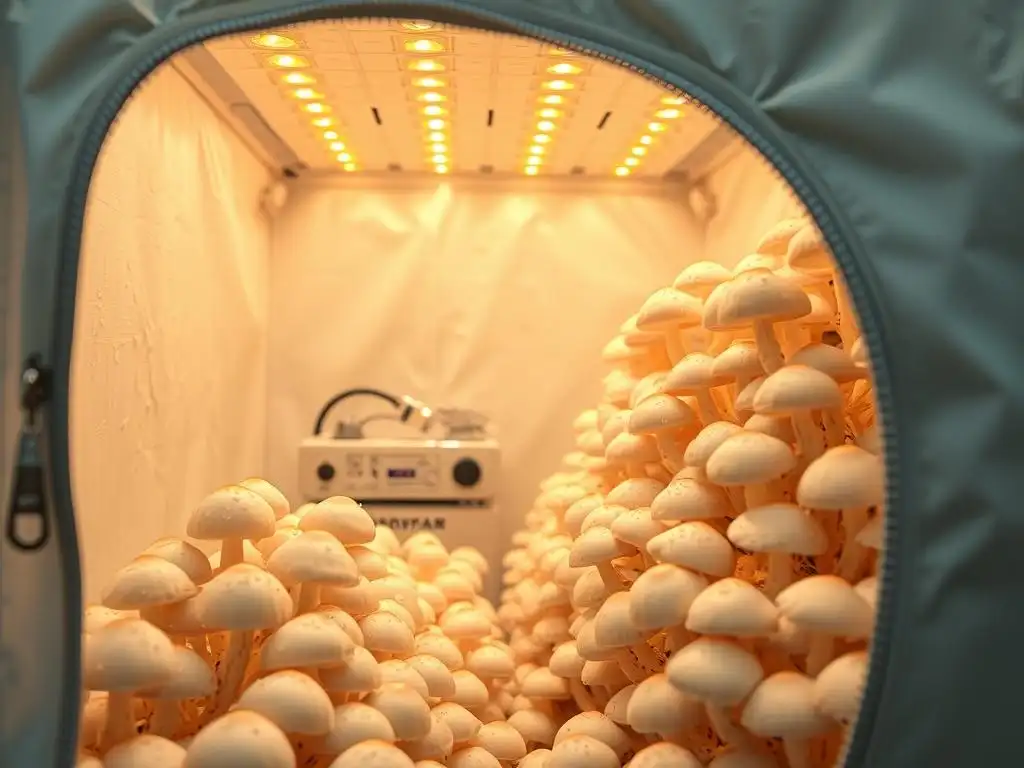
Ready to unlock the secrets of a bountiful harvest, right from your home? CultivateYourFood guides you through the world of sustainable and organic gardening. Intrigued by the potential of homegrown produce? Learn how to create the perfect environment for your crops, starting with our expert guide on the best mushroom grow tent setup – a journey into Specialty Gardening & Unique Niches that will leave you amazed. Discover the possibilities and start cultivating your own delicious, healthy food today!
- Understanding the Benefits of a Mushroom Grow Tent Setup
- Choosing the Right Mushroom Grow Tent: Size, Features, and Materials
- Setting Up Your Mushroom Grow Tent: A Step-by-Step Guide
- Essential Equipment for Your Mushroom Grow Tent Setup
- Troubleshooting Common Mushroom Grow Tent Issues
- Harvesting and Post-Harvest Care
- Advanced Techniques for Mushroom Cultivation in Grow Tents
- Resources and Further Learning
-
Frequently Asked Questions
- What is the best mushroom grow tent setup for beginners?
- What size grow tent is best for mushroom cultivation?
- What environmental controls are essential in a mushroom grow tent?
- What lighting is needed for mushroom cultivation in a grow tent?
- How important is sterilization in a mushroom grow tent setup?
- Final Reflection: Cultivating Growth, Inside and Out
- Unleash Your Inner Mycologist: Start Growing Mushrooms Today!
Understanding the Benefits of a Mushroom Grow Tent Setup
Cultivating gourmet mushrooms at home can be a rewarding experience, providing fresh, flavorful fungi for your culinary creations. However, successful mushroom cultivation requires careful attention to environmental factors like temperature, humidity, and airflow. This is where a mushroom grow tent setup truly shines.
A grow tent offers a controlled environment, allowing you to optimize these factors for optimal mushroom growth and yield, regardless of your external climate. This article will guide you through setting up the best mushroom grow tent, focusing on maximizing yield and minimizing contamination, ultimately helping you achieve a bountiful harvest of delicious homegrown mushrooms. We'll delve into the key advantages of using a grow tent for your mushroom cultivation project, exploring how this setup can significantly improve your chances of success.
By understanding the benefits and following best practices, you'll be well on your way to becoming a successful home mushroom grower. Let's explore why a controlled environment is paramount for a successful mushroom grow operation.
Why Choose a Controlled Environment for Mushroom Cultivation?
Mushrooms are delicate organisms with specific environmental needs. Fluctuations in temperature and humidity can severely impact their growth and even lead to crop failure. A mushroom grow tent provides a stable and consistent environment, crucial for healthy mycelium growth and fruiting. Unlike outdoor cultivation, where you're at the mercy of unpredictable weather, a grow tent allows you to maintain ideal conditions consistently.
This consistency translates directly into higher yields and healthier mushrooms. For example, maintaining a precise temperature range of 65-75°F (18-24°C) and a humidity level between 85-95% is critical for many popular mushroom species. Achieving and maintaining these parameters reliably is far easier within the controlled environment of a grow tent.
Moreover, a grow tent offers protection against pests and diseases, minimizing the risk of contamination and maximizing your chances of a successful harvest. This is especially important considering the susceptibility of mushrooms to various environmental stressors. By shielding your crop from harsh weather, insects, and other external contaminants, you significantly reduce the risk of losing your valuable harvest.
Avoiding Contamination: Protecting Your Mushroom Crop
Contamination is a major concern in mushroom cultivation. Unwanted bacteria, molds, and other fungi can quickly overrun your mushroom substrate, ruining your entire crop. A grow tent helps minimize the risk of contamination by creating a sterile environment.
By carefully cleaning and sterilizing the inside of the tent before use, and by maintaining good hygiene practices throughout the cultivation process, you significantly reduce the chances of introducing unwanted organisms. The enclosed nature of the tent also limits the exposure of your mushrooms to airborne contaminants. Furthermore, the ability to control airflow within the tent allows you to prevent the build-up of moisture, which can promote fungal growth and spoilage.
Proper air circulation is crucial in preventing the accumulation of excess moisture and maintaining optimal humidity levels without compromising on air quality, thus minimizing the risk of bacterial and fungal contamination. Implementing a filtration system within the grow tent further enhances the protection against external contaminants.
Maximizing Space Efficiency:
Even in small spaces, a mushroom grow tent allows for efficient use of vertical space. You can stack multiple shelves or tiers within the tent, significantly increasing your growing capacity. This is particularly beneficial for home growers with limited space. A well-designed grow tent setup can accommodate numerous mushroom substrate bags or trays, maximizing your yield within a compact footprint.
This space-saving design makes mushroom cultivation accessible even to those with limited indoor space, enabling them to cultivate gourmet mushrooms in apartments, basements, or other confined areas. The ability to tailor the size of the tent to your specific needs allows for scalable production, from small-scale personal cultivation to larger-scale projects. Proper organization within the tent is key to maximizing space and ensuring efficient airflow around your growing mushrooms.
Choosing the Right Mushroom Grow Tent: Size, Features, and Materials
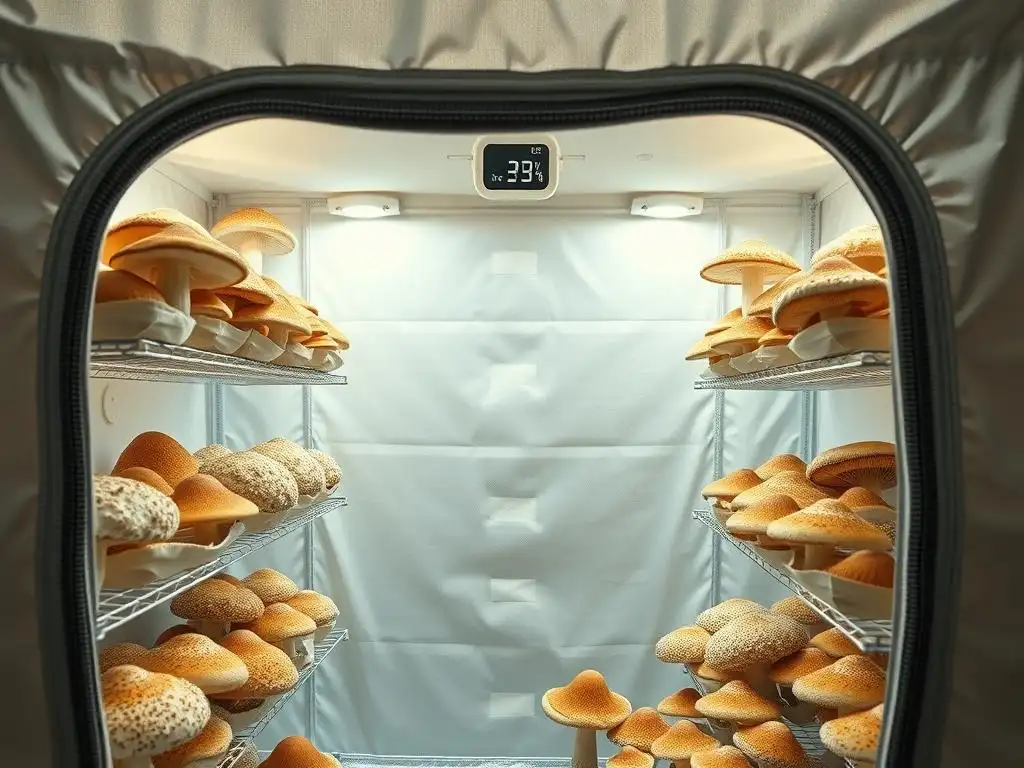
Choosing the right mushroom grow tent is crucial for a successful harvest. The best mushroom grow tent setup considers several key factors: size, features, and materials. A poorly chosen tent can lead to suboptimal growing conditions, impacting yield and potentially leading to contamination. Let's delve into the specifics to help you make an informed decision.
Essential Features of a High-Yield Mushroom Grow Tent:
A high-yield mushroom grow tent needs more than just four walls and a zipper. Several features significantly contribute to a thriving fungal environment. These features directly impact the ease of maintenance, climate control, and overall mushroom production.
- Optimal Airflow: Adequate ventilation is paramount. Look for tents with multiple vents and adjustable airflow controls. This prevents the buildup of moisture and CO2, which can lead to mold and stunted growth. Stagnant air is the enemy of a healthy mushroom crop! Consider tents with built-in fans or the ability to easily incorporate external fans for superior air circulation. This is especially critical for larger setups, or when cultivating species with high humidity requirements.
- Light Control: While mushrooms don't require photosynthesis, light exposure can still impact their growth cycle, particularly fruiting. A good grow tent will offer light-blocking material to maintain consistent darkness for specific stages of mushroom development. Complete darkness during the primordia (pinning) stage is often essential for high yields.
- Temperature Control: Maintaining a stable temperature range is essential for most mushroom species. The tent should be well-insulated to minimize temperature fluctuations. Consider the ambient temperature in your growing area when selecting a tent. You may need to supplement with external heating or cooling systems to maintain the ideal temperature range for your chosen mushroom variety.
- Humidity Control: This is arguably the most critical factor for mushroom cultivation. High humidity levels are typically required. Look for tents with features that help maintain humidity, such as humidity-monitoring ports and easy-to-clean surfaces to prevent mold growth. A hygrometer is a valuable addition to monitor humidity levels accurately. Remember, consistent humidity is key to achieving the best mushroom grow tent setup.
- Easy Access and Cleaning: Regular cleaning and maintenance are vital to prevent contamination. Choose a tent with easy-to-clean materials and ample access points for convenient cleaning and monitoring. A durable, waterproof floor is also essential for easy cleanup of spills and substrate debris.
Comparing Grow Tent Sizes:
The optimal size of your mushroom grow tent depends heavily on your cultivation goals. Are you a hobbyist looking to grow a few pounds, or are you aiming for a larger-scale operation?
| Tent Size (Cubic Feet) | Suitable for | Considerations |
|---|---|---|
| < 20 | Small-scale hobbyists, experimenting with a single mushroom species. | Limited capacity; frequent harvesting required. |
| 20-50 | Hobbyists with moderate ambitions; multiple mushroom species or larger harvests. | Requires more attention to climate control. |
| > 50 | Larger-scale cultivation, multiple harvests simultaneously. | Advanced climate control systems may be necessary; more space for equipment. |
Choosing the right size directly impacts your yield potential and the level of management required. Overcrowding can lead to increased competition for resources and increased risk of contamination. Underestimating your needs can limit your harvest, but overestimating can lead to wasted space and unnecessary costs.
Material Matters:
The materials used in constructing a mushroom grow tent significantly influence its durability, longevity, and ability to maintain a stable growing environment.
- Polyester: A popular choice due to its affordability and relative durability. However, it may not be as effective at blocking light as other materials. Look for thicker polyester options for better light blocking.
- Nylon: More durable and tear-resistant than polyester, making it a suitable option for frequent use. It generally provides better light blocking capabilities.
- PVC: Offers excellent water resistance and durability. It’s a good choice if you're using a misting system or anticipate high humidity levels. However, it can be more expensive.
The construction of seams and zippers is also crucial. Look for reinforced stitching and high-quality zippers to prevent rips and tears, ensuring the longevity of your investment. The best mushroom grow tent setup prioritizes materials that are both durable and suitable for maintaining the specific humidity and temperature requirements of your chosen mushroom species. A well-constructed tent is a sound investment in your mushroom growing journey.
Setting Up Your Mushroom Grow Tent: A Step-by-Step Guide
This section details the crucial steps for establishing the optimal environment for mushroom cultivation within your grow tent, focusing on achieving the best mushroom grow tent setup for successful harvests. We'll cover sterilization, substrate preparation, and inoculation—essential processes for maximizing your yield and minimizing contamination.
Sterilizing Your Grow Tent and Equipment:
Maintaining a sterile environment is paramount in mushroom cultivation. Contamination from unwanted bacteria, mold, or other fungi can quickly ruin your entire crop. Before introducing any substrate or spawn, thorough sterilization is absolutely necessary.
This involves several key steps:
- Cleaning: Begin by thoroughly cleaning your grow tent and all equipment (including trays, tools, and any other items that will come into contact with the substrate) with a mild detergent and warm water. Pay close attention to seams, corners, and any crevices where spores might hide. Rinse meticulously to remove all traces of soap.
- Disinfection: After cleaning, disinfection is crucial. A 10% bleach solution (1 part bleach to 9 parts water) is effective for many surfaces, but be aware that bleach can damage certain materials. Always test a small, inconspicuous area first. Alternatively, consider using a commercial disinfectant specifically designed for mushroom cultivation. Follow the manufacturer's instructions carefully. Allow the surfaces to air dry completely before proceeding.
- UV Sterilization (Optional but Recommended): UV-C sterilization is a powerful tool for eliminating spores and bacteria. If you have access to a UV-C sterilizer, expose your grow tent and equipment to the UV light for the recommended duration, ensuring all surfaces receive adequate exposure. Remember to wear appropriate safety glasses, as UV-C light is harmful to the eyes.
- Maintaining Sterility: Once sterilized, minimize the introduction of contaminants. Work in a clean area, preferably a dedicated space, and wear clean gloves and a mask throughout the entire process. Regularly clean and disinfect your work surfaces. Think of this as performing surgery for your fungi! The cleaner your environment, the better your chances of a bountiful harvest. This careful attention to detail is key to achieving the best mushroom grow tent setup.
Substrate Preparation:
Substrate preparation is a critical step influencing the overall success of your mushroom cultivation. The choice of substrate depends on the specific mushroom species you are growing, but common substrates include straw, hardwood sawdust, and coffee grounds. Regardless of the substrate you select, proper preparation is essential.
Here's a breakdown of the process:
- Substrate Selection: Choose a high-quality substrate appropriate for your chosen mushroom species. Avoid using substrates that are moldy, rotten, or show signs of infestation. The nutritional content and moisture retention of the substrate significantly impact mushroom growth.
- Soaking and Pasteurization: Most substrates require soaking to rehydrate them before use. Soak your chosen substrate in clean water for at least 24 hours, ensuring complete saturation. After soaking, you'll need to pasteurize the substrate to eliminate competing microorganisms. This can be done through several methods, including steaming, boiling, or using a pressure cooker. The exact method and duration will depend on your chosen substrate and the specific recommendations for your mushroom species. Improper pasteurization can lead to contamination, so follow detailed instructions carefully.
- Cooling and pH Adjustment (if needed): After pasteurization, allow the substrate to cool completely before proceeding. Some mushroom species may require pH adjustment to optimize growth. Use a pH meter to check the substrate's pH and adjust as needed using appropriate solutions, again, following species-specific guidelines.
Inoculating Your Substrate:
Inoculation is the process of introducing mushroom spawn (the mycelium) to your prepared substrate. This is a delicate procedure, and maintaining sterility is crucial to avoid contamination.
Here's how to inoculate your substrate correctly:
- Prepare Your Workspace: Sterilize your workspace thoroughly using the methods described in the previous section. Ensure all tools and surfaces are completely clean and dry.
- Inoculation Techniques: There are several methods for inoculating, including using a sterile syringe to inject spawn directly into the substrate, or mixing the spawn with the substrate in a sterile container. The best method will depend on your chosen mushroom species and your personal preference. Follow specific instructions for your mushroom type.
- Incubation: After inoculation, place the inoculated substrate into your grow tent. Maintain the appropriate temperature, humidity, and light levels recommended for your mushroom species. Monitor the substrate regularly for signs of mycelium growth and contamination. Pay close attention to any unusual odors or discoloration, which could indicate a problem. Consistent monitoring and prompt action are crucial to achieving the best mushroom grow tent setup and a successful harvest. Remember, patience is key during the incubation period. The mycelium will take time to colonize the substrate.
By carefully following these steps, you'll significantly increase your chances of successfully cultivating gourmet mushrooms in your grow tent, achieving a truly rewarding and productive "best mushroom grow tent setup". 🍄
Maintaining Optimal Conditions:
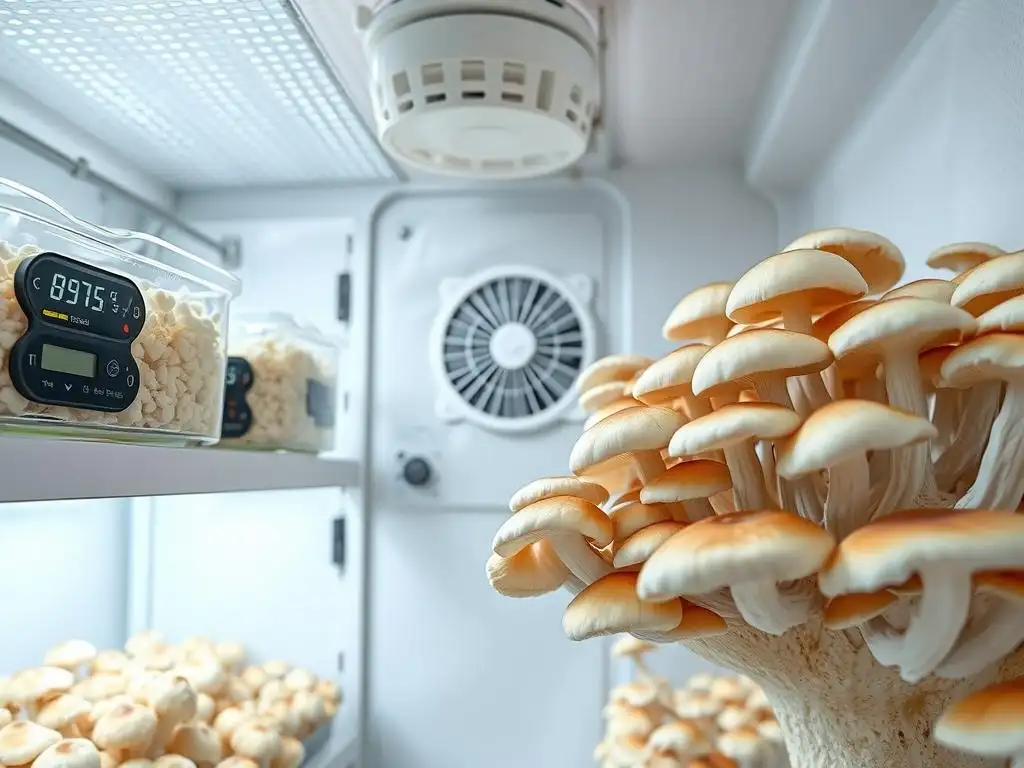
Maintaining the ideal environment within your mushroom grow tent is crucial for successful cultivation. Mushrooms are sensitive organisms, and even slight deviations from optimal conditions can significantly impact their growth and yield. Temperature is a primary factor; most gourmet mushroom species thrive within a specific temperature range, typically between 65°F and 75°F (18°C and 24°C). Fluctuations outside this range can lead to stunted growth or even death.
Regularly check the temperature using a reliable thermometer placed inside the tent. Consider using a thermostatically controlled heater or fan to maintain consistency, especially during colder months. Remember to account for the heat generated by any lighting systems you are using.
Humidity is another critical element. Mushrooms require high humidity levels, usually between 85% and 95%, to prevent dehydration. A hygrometer is essential for monitoring humidity levels. You can increase humidity by misting the substrate regularly with sterile water or by using a humidifier. However, avoid over-misting, which can lead to the development of harmful bacteria and mold. Proper ventilation is also key; adequate airflow prevents the buildup of moisture and carbon dioxide, both of which can hinder mushroom growth. A small fan placed inside the tent can help circulate air, promoting healthy growth while preventing stagnant air pockets. The balance between humidity and ventilation is a delicate act; careful monitoring and adjustments are necessary to achieve optimal results. Different mushroom species have different needs, so research the specific humidity and temperature requirements for your chosen variety. For example, oyster mushrooms generally tolerate a wider range of temperatures than shiitake mushrooms.
Monitoring and Adjusting:
Consistent monitoring is paramount for a successful mushroom grow tent setup. Regularly checking temperature and humidity levels is not enough; you also need to observe the mushrooms themselves. Look for signs of healthy growth, such as the emergence of pins (small mushroom primordia) and the steady expansion of fruiting bodies. Pay close attention to the substrate's moisture content; it should be consistently moist but not waterlogged. A slightly damp but not saturated substrate is crucial for preventing rot and promoting healthy growth.
Regularly inspect the substrate for any signs of contamination, such as mold or bacterial growth. Contamination can quickly spread throughout the tent, ruining your entire crop. If you notice any signs of contamination, immediately isolate the affected area and take steps to remove the affected substrate. This may involve discarding contaminated areas, sterilizing tools and surfaces, and ensuring proper hygiene practices.
Adjustments to your grow tent setup will be necessary based on your observations. If the temperature is consistently too high or low, adjust your heating or cooling system accordingly. If humidity is too low, increase misting frequency or use a humidifier. If humidity is too high, increase ventilation.
Remember that the optimal conditions might need slight adjustment throughout the mushroom's lifecycle. For instance, the humidity requirements may change as the mushrooms mature. Keep a detailed log of your observations and adjustments, noting temperature, humidity, and any changes you make to the setup. This log will serve as a valuable reference for future grows, helping you refine your techniques and optimize your mushroom grow tent setup for the best results.
Careful observation and timely adjustments are crucial for maximizing your yield and ensuring a successful harvest. Documenting your process allows you to learn from past experiences and continuously improve your growing practices. This iterative approach is essential for achieving consistent success in mushroom cultivation.
Essential Equipment for Your Mushroom Grow Tent Setup
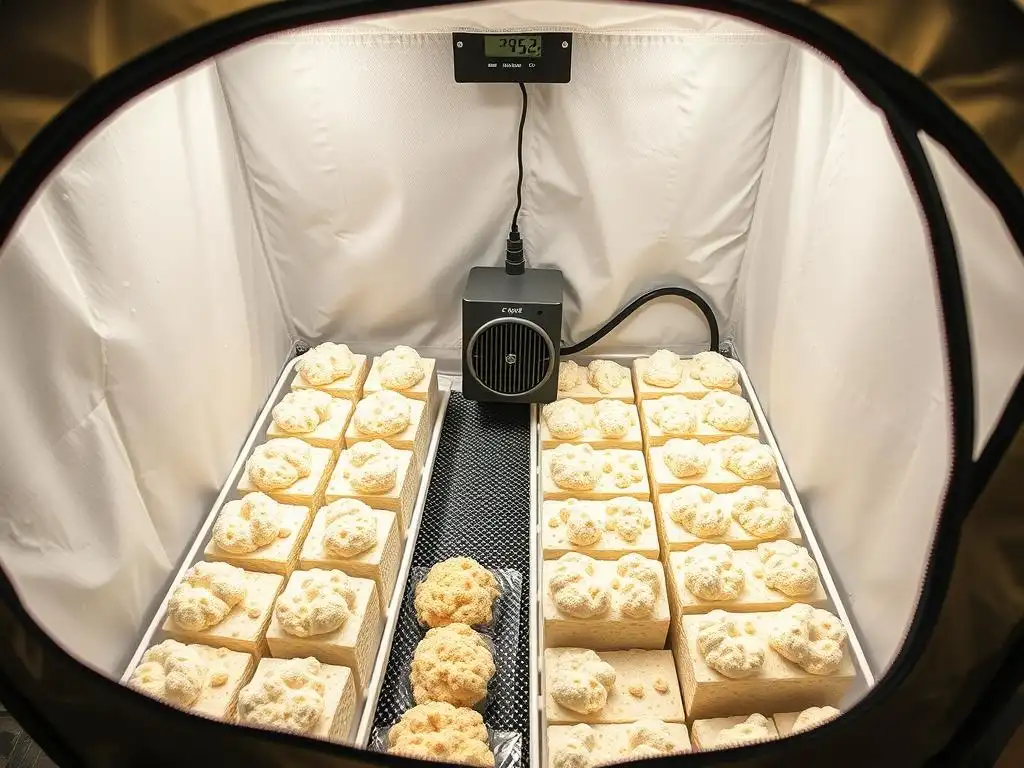
This section details the crucial equipment needed for a successful and efficient best mushroom grow tent setup. Investing in high-quality materials will significantly impact your yield and the overall health of your mushroom crop. Remember, a controlled environment is key to cultivating gourmet mushrooms at home. Let's delve into the specifics.
High-Quality Mushroom Spawn:
The foundation of any successful mushroom cultivation project lies in the quality of your spawn. Choosing the right spawn is paramount for maximizing your yield and minimizing the risk of contamination. Several factors contribute to high-quality spawn:
- Species Selection: Different mushroom species have varying needs. Carefully research which species are best suited to your climate and experience level. Oyster mushrooms, for example, are known for their relatively easy cultivation, making them an excellent choice for beginners. Shiitake mushrooms, while more challenging, offer a rewarding experience for those with more experience. Selecting the best spawn depends on your goals.
- Spawn Purity: Contamination is a significant threat to mushroom cultivation. Choose spawn from reputable suppliers known for their rigorous quality control measures. Look for spawn that is free from mold, bacteria, or other unwanted organisms. Contamination can quickly ruin an entire batch, leading to significant losses.
- Spawn Age: The age of the spawn is important. Using overly aged spawn can significantly reduce its viability and impact the overall yield. Always check the expiration date and follow the supplier's recommendations regarding storage and usage. Fresh spawn is crucial for optimal results.
- Quantity: Calculate the necessary amount of spawn based on the size of your grow tent and the chosen mushroom species. Underestimating the quantity can result in insufficient colonization, while overestimating can lead to wasted resources. Accurate calculations are essential for efficiency.
Misting System:
Maintaining optimal humidity levels is critical in mushroom cultivation. A reliable misting system is essential for providing the necessary moisture without overwatering, which can lead to fungal diseases. Here's what to consider when choosing a misting system:
- Type of System: Several types of misting systems exist, including manual spray bottles (suitable for smaller setups), automated misting systems with timers (ideal for larger grow tents), and ultrasonic humidifiers (offering a more subtle approach to humidity control). The best system will depend on your tent size and personal preference.
- Frequency and Duration: The frequency and duration of misting will vary depending on the mushroom species, the ambient temperature, and the humidity levels within the grow tent. Regular monitoring with a hygrometer is crucial for adjusting the misting schedule accordingly. Over-misting can lead to problems, so careful monitoring is vital.
- Water Quality: Use filtered or distilled water to avoid introducing contaminants that could harm your mushroom crop. Tap water often contains minerals and chemicals that can negatively impact growth and even lead to contamination. Clean water is essential for healthy mushrooms.
Ventilation System:
Adequate ventilation is crucial for preventing the buildup of excess moisture, carbon dioxide, and other gases within the grow tent. A well-designed ventilation system promotes healthy air circulation, which is essential for preventing the growth of harmful bacteria and fungi. Consider these factors:
- Air Exchange Rate: The optimal air exchange rate will depend on the size of your grow tent and the number of mushrooms you are cultivating. Insufficient ventilation can lead to a build-up of CO2, inhibiting growth. Too much ventilation can lead to excessive dryness. Finding the balance is key.
- Fan Selection: Choose a fan that is appropriately sized for your grow tent. A small fan in a large tent will be ineffective, while a large fan in a small tent can create excessive air currents. Consider a quiet fan to minimize disruption.
- Air Filtration: While not always necessary for smaller setups, an air filter can help to remove spores and other airborne particles that could contaminate your mushroom crop. This is especially important if you're cultivating multiple species simultaneously. The best filtration system depends on the environment and the scale of your grow operation.
Maintaining a perfectly balanced environment is key to achieving the best mushroom grow tent setup. Careful monitoring and adjustments are necessary to ensure optimal conditions for your chosen species throughout their lifecycle.
Lighting Considerations:
Mushroom cultivation differs significantly from growing most plants. Unlike plants that photosynthesize, mushrooms don't require light for growth. In fact, many mushroom species prefer darkness or low-light conditions. While some light might be needed for observation and maintenance, excessive or direct light can negatively impact fruiting and even cause the mycelium to die. Therefore, the lighting in your mushroom grow tent should be carefully considered, focusing primarily on functionality rather than photosynthetic needs.
For observation, a simple low-wattage LED grow light with a red spectrum is sufficient. Red light is less disruptive to the mushroom's growth cycle compared to other wavelengths. Consider a dimmable option to adjust the light intensity based on your needs. You might only need the light briefly during inspection or maintenance tasks, so keeping it dim and using it sparingly is best practice. Avoid leaving the light on for extended periods unnecessarily.
The placement of your light source is also crucial. Position it outside the tent or on the exterior side of the grow tent's clear viewing panel. This ensures you can see inside without directly exposing the mycelium to bright light. If you need to work inside the tent, use a headlamp with a red light filter to minimize disruption to the mushrooms.
Remember, the goal is to provide just enough light for visibility without hindering the growth process. Overexposure to light, even low-intensity light, can lead to stress and reduced yields in your mushroom cultivation efforts. Always prioritize the mushroom's needs for darkness over any convenience offered by brighter lighting.
Troubleshooting Common Mushroom Grow Tent Issues
Cultivating mushrooms indoors, even within the controlled environment of a grow tent, presents unique challenges. Achieving a successful harvest relies heavily on maintaining optimal conditions and proactively addressing potential problems. This section details common issues encountered when setting up the best mushroom grow tent and provides practical solutions to ensure a bountiful yield of gourmet fungi. Understanding these potential pitfalls and implementing preventative measures is crucial for maximizing your mushroom growing success.
Dealing with Contamination:
Contamination is the bane of many a mushroom grower's existence. Bacteria, mold, and other fungi can quickly overrun your carefully cultivated substrate, leading to ruined harvests. Preventing contamination requires meticulous attention to hygiene and sterile techniques.
The most common sources of contamination include airborne spores, unclean equipment, and contaminated substrate. To mitigate this risk:
- Sterilize your equipment: Before each use, thoroughly sterilize all tools and surfaces that come into contact with your substrate and mushrooms. A pressure cooker is ideal for sterilizing substrates, while a solution of bleach and water (1:10 ratio) can be used for cleaning surfaces. Remember to thoroughly rinse all equipment with sterile water afterwards to remove any lingering bleach residue.
- Maintain a clean workspace: Your grow tent should be a clean and organized environment. Regularly wipe down surfaces with a disinfectant, and avoid bringing unnecessary items into the tent. Consider using HEPA filters to remove airborne contaminants.
- Source high-quality substrate: Using a pre-sterilized substrate significantly reduces the risk of contamination. If making your own substrate, ensure it's properly pasteurized or sterilized to eliminate competing organisms.
- Monitor regularly: Daily inspections are crucial. Look for any signs of discoloration, unusual growths, or unpleasant odors. Addressing contamination early is key to preventing widespread issues. Early signs of contamination might include fuzzy growths of a different color than your mycelium, slimy patches, or an off-putting smell. Immediate removal of contaminated areas is critical. In severe cases, discarding the entire batch might be necessary to prevent further spread.
Low Yields:
Low yields can stem from several factors, including suboptimal environmental conditions, nutrient deficiencies, or improper fruiting techniques.
- Environmental Factors: Mushrooms are sensitive to temperature and humidity fluctuations. Maintaining consistent temperature and humidity levels within the ideal range for your specific mushroom species is critical. Using a reliable thermometer and hygrometer is essential for monitoring these parameters. Insufficient fresh air exchange can also lead to low yields. Ensure adequate ventilation within your grow tent.
- Nutrient Deficiencies: The substrate needs to provide adequate nutrition for mushroom growth. Using a nutrient-rich substrate formulated specifically for your chosen mushroom species is crucial. Insufficient nutrients will significantly impact yield.
- Fruiting Techniques: Improper fruiting techniques, such as inadequate light exposure or incorrect watering, can also reduce yield. Follow the specific instructions for your chosen mushroom species regarding fruiting conditions. Overwatering can lead to anaerobic conditions, while underwatering can stunt growth.
- Genetics: The genetic strain of the mushroom can also impact yield. Opting for high-yielding strains can significantly improve your harvest.
Pest Control:
While mushroom grow tents offer a degree of protection, pests can still find their way inside. Preventing pest infestations is crucial to protect your crop.
- Prevention is key: Maintain a clean and sanitary environment within your tent. Regularly inspect for any signs of pests, such as insects or mites. Using sticky traps can help monitor pest activity.
- Natural Pest Control: Consider using natural pest control methods, such as introducing beneficial insects or using insecticidal soaps. These methods are less harmful to your mushrooms than chemical pesticides. Avoid using strong chemical pesticides inside the grow tent, as they could harm your mushrooms and contaminate the environment.
- Quarantine: If you suspect a pest infestation, immediately quarantine the affected area to prevent the spread to other parts of your grow tent or other growing areas. This involves isolating the contaminated area to prevent the pests from moving to other mushrooms. Consider using physical barriers or other containment methods.
- Regular monitoring: Consistent monitoring and quick action are essential to controlling pest infestations before they become major problems. Regularly check your mushrooms for any signs of pest damage, and address any issues promptly. 🍄
Remember, consistent monitoring and proactive measures are essential for a successful mushroom grow tent setup. By addressing these common issues and implementing preventative strategies, you can significantly improve your chances of achieving a bountiful harvest and enjoy the fruits (or rather, fungi!) of your labor.
Harvesting and Post-Harvest Care
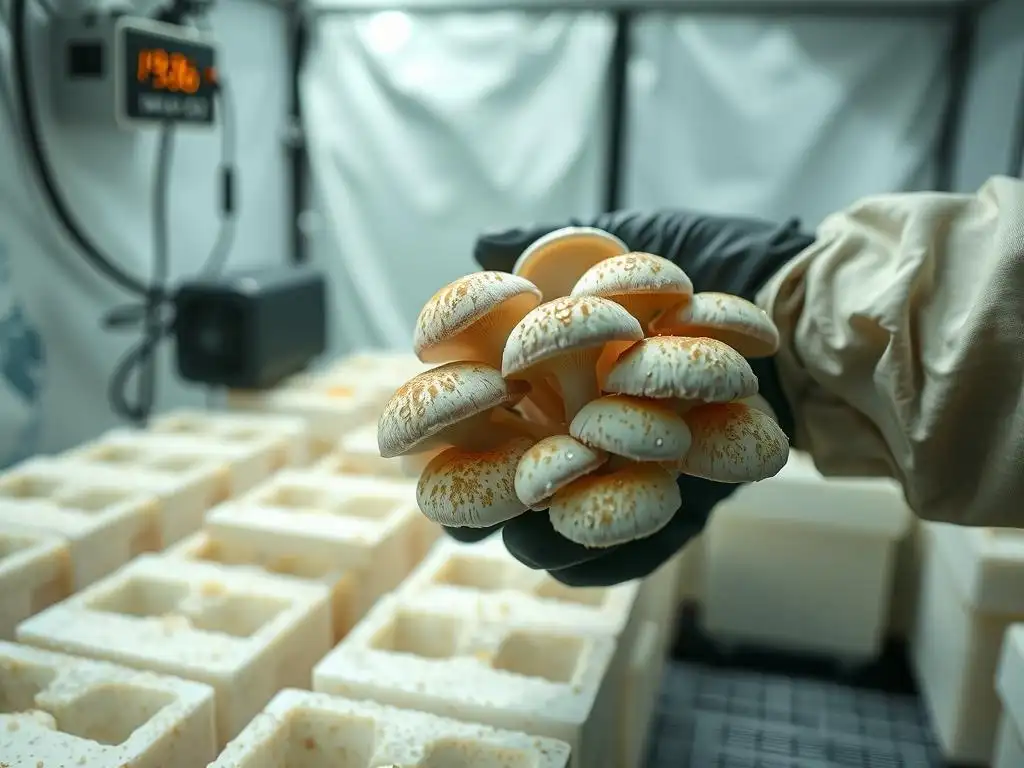
This section focuses on the crucial post-production steps in your mushroom cultivation journey, ensuring you maximize the yield and quality of your homegrown gourmet mushrooms. Proper harvesting and storage are key to reaping the rewards of your carefully cultivated environment, even impacting the success of future harvests. Mastering these techniques will elevate your "best mushroom grow tent setup" from good to exceptional.
Knowing When to Harvest:
Determining the optimal harvest time is critical for achieving the best flavor and texture. Different mushroom varieties have slightly different indicators of ripeness. Generally, you should harvest when the mushroom caps have fully expanded but are still firm to the touch, showing no signs of browning or decay. Avoid harvesting mushrooms that are too young or too old.
- Visual Cues: Look for fully opened caps, often exhibiting a slight curvature. The gills (the underside of the cap) should be fully developed and may show spore release, depending on the species. Overripe mushrooms will exhibit browning, wilting, or slimy textures.
- Tactile Assessment: Gently press the cap. A firm, resilient feel indicates ripeness. A soft or spongy texture suggests the mushroom is overripe.
- Species-Specific Considerations: Oyster mushrooms, for example, can be harvested earlier than shiitake mushrooms. Always research the specific harvesting guidelines for the mushroom variety you are cultivating. Detailed information on optimal harvest timing for various species is essential for a successful harvest and is readily available in specialized mycology resources. Knowing when to harvest is a key component of the "best mushroom grow tent setup".
- Example: For button mushrooms (Agaricus bisporus), the ideal harvest time is when the caps are fully expanded and the veils have just broken, exposing the gills.
Proper Harvesting Techniques:
Gentle handling is paramount to avoid damaging the mycelium and compromising future harvests. Using the right techniques ensures you harvest the entire mushroom without leaving behind fragments that could rot and contaminate your growing substrate.
- Twist and Pull: Most mushrooms can be harvested by gently twisting the base of the stem, pulling it away from the substrate. Avoid pulling forcefully, which could damage the mycelium.
- Sharp Knife: For some mushrooms with tough stems, a sharp knife can be used to cleanly sever the base. Always sterilize your knife with alcohol before each use to prevent the spread of contamination.
- Cleaning: Avoid washing the mushrooms in the field. Instead, gently brush off any visible debris with a soft brush. Thorough cleaning should be done after harvesting, using a damp cloth.
- Harvesting Frequency: The frequency of harvesting depends on the species and growing conditions. Some mushrooms produce flushes (waves of growth) over several weeks, requiring regular harvesting. Regular monitoring and prompt harvest of mature mushrooms are crucial for optimizing yield and maintaining a healthy growing environment. This is an important factor in achieving a "best mushroom grow tent setup".
- Table of Harvesting Techniques:
| Mushroom Type | Harvesting Method | Notes |
|---|---|---|
| Button Mushrooms | Twist and Pull | Gentle twisting is crucial |
| Oyster Mushrooms | Twist and Pull | Easier to harvest, less delicate |
| Shiitake Mushrooms | Sharp Knife (at stem base) | More robust stems, clean cut recommended |
Storing Your Harvested Mushrooms:
Proper storage is essential to maintain the quality and extend the shelf life of your harvested mushrooms. Improper storage can lead to rapid spoilage and loss of flavor.
- Refrigeration: Store harvested mushrooms in a perforated plastic bag or container in the refrigerator. This allows for air circulation, preventing moisture buildup that can lead to decay.
- Avoid Washing Before Storing: Washing mushrooms before storage increases their susceptibility to spoilage. Cleaning should be done just before use.
- Freezing: Mushrooms can be frozen for longer storage, although freezing can affect their texture. Blanching before freezing can help to retain quality.
- Drying: Drying is another excellent method for preserving mushrooms, extending their shelf life for months. This method concentrates the flavor and is ideal for long-term storage.
The "best mushroom grow tent setup" includes not only the creation of ideal growing conditions but also the implementation of these post-harvest techniques. Careful attention to harvesting and storage ensures you get the most out of your homegrown gourmet mushrooms, enhancing your culinary experiences and encouraging continued cultivation. 🍄
Advanced Techniques for Mushroom Cultivation in Grow Tents
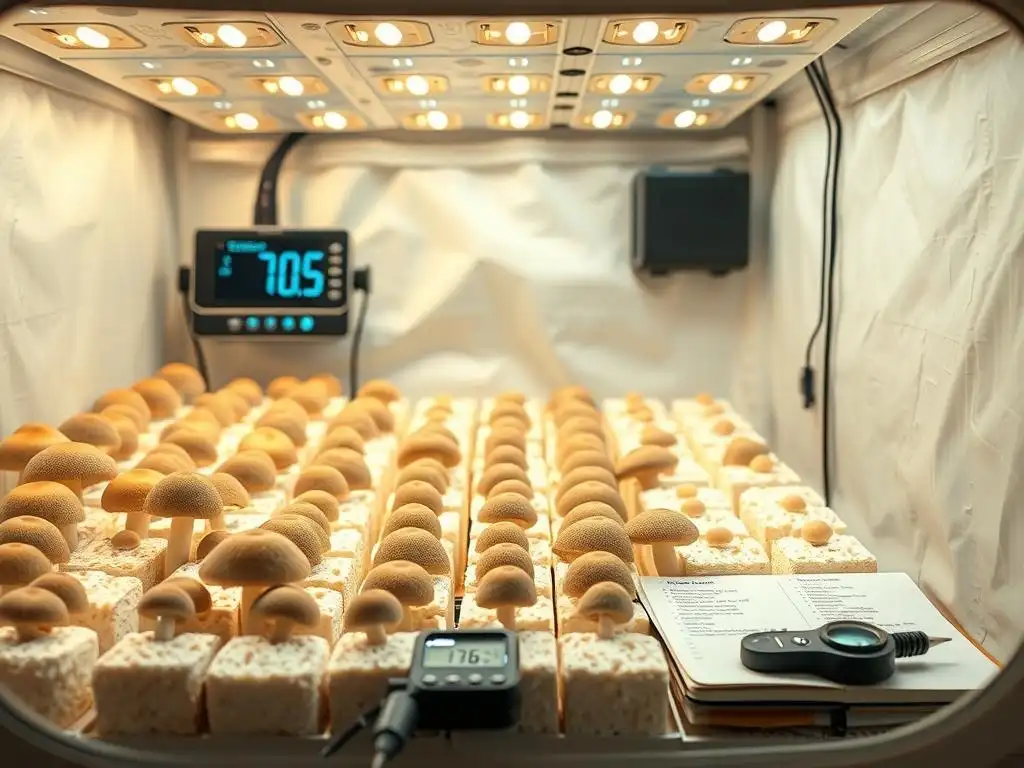
This section delves into advanced techniques to optimize your mushroom grow tent setup for maximum yield and diverse species cultivation. Mastering these techniques will elevate your home mushroom growing from hobby to potentially bountiful harvest. Remember, even with the best mushroom grow tent setup, consistent monitoring and attention to detail are key to success.
Techniques for Increasing Yields:
Several factors significantly influence mushroom yield within a controlled environment. Optimizing these can dramatically improve your harvest. Let's explore some key strategies:
First, substrate sterilization is paramount. Insufficient sterilization can lead to contamination, drastically reducing yields or even ruining your entire crop. While pasteurization is simpler, it doesn't eliminate all competing organisms. For optimal results, consider using a pressure cooker to achieve true sterilization, ensuring a higher chance of a successful spawn run. Proper sterilization is arguably the most crucial step in achieving a high-yield mushroom grow tent setup.
Second, air exchange and humidity control are critical. Mushrooms require specific humidity levels for optimal growth. A poorly ventilated tent can lead to condensation, increasing the risk of bacterial or fungal contamination. Implementing a reliable ventilation system, coupled with a humidifier or dehumidifier as needed, is essential for maintaining the ideal environment. Monitoring both temperature and humidity with accurate digital gauges is recommended for precise control, leading to a better yield and healthier mushrooms.
Third, substrate composition plays a vital role. Different mushroom species have varying substrate preferences. Experimenting with different ratios of ingredients, such as straw, wood chips, and other organic materials, can significantly impact yield. Research the specific needs of your chosen mushroom species to tailor the substrate for optimal results. For instance, oyster mushrooms thrive on a variety of substrates, while shiitake mushrooms often prefer hardwood logs or sawdust. Careful substrate preparation is a cornerstone of any high-yield mushroom grow tent setup.
Finally, supplementing with nutrients can boost yields. While the base substrate provides essential nutrients, adding supplements like coffee grounds or spent grain can provide additional nourishment, resulting in larger and more abundant harvests. However, introducing supplements requires careful consideration to avoid introducing unwanted organisms.
Cultivating Different Mushroom Species:
The beauty of a mushroom grow tent lies in its adaptability to various species. Each species has unique requirements, demanding a tailored approach. Let's explore some considerations:
- Oyster Mushrooms: These are known for their ease of cultivation and rapid growth. They tolerate a wider range of conditions than many other species, making them ideal for beginners. However, even with oyster mushrooms, maintaining proper humidity and ventilation is crucial for preventing mold growth. They are a great starting point for anyone aiming for a diverse mushroom grow tent setup.
- Shiitake Mushrooms: These prized culinary mushrooms require more precise conditions. They prefer a hardwood substrate and a longer incubation period. Careful attention to temperature and humidity is essential throughout the entire growth cycle. The reward, however, is a delicious and highly sought-after mushroom. Shiitake cultivation demonstrates the versatility of a well-designed mushroom grow tent setup.
- Lion's Mane Mushrooms: These medicinal mushrooms are gaining popularity for their purported health benefits. They require a specialized substrate and specific environmental conditions for optimal growth. Their cultivation demands a higher level of expertise, making them a more advanced project for experienced cultivators. Lion's Mane represents a more challenging but potentially rewarding addition to any mushroom grow tent setup.
| Mushroom Species | Substrate Preference | Temperature (°C) | Humidity (%) | Difficulty |
|---|---|---|---|---|
| Oyster Mushrooms | Straw, hardwood sawdust | 20-25 | 85-95 | Easy |
| Shiitake Mushrooms | Hardwood logs, sawdust | 15-25 | 80-90 | Medium |
| Lion's Mane Mushrooms | Hardwood sawdust, grain spawn | 20-25 | 85-95 | Hard |
This table summarizes the key differences in cultivating these popular mushroom species. Remember, successful cultivation hinges on meticulous attention to detail and a deep understanding of each species' unique needs. A successful mushroom grow tent setup is built upon this knowledge and careful execution.
Resources and Further Learning
This section delves into valuable resources to enhance your understanding and skills in mushroom cultivation, particularly within the controlled environment of a mushroom grow tent. Mastering the art of mushroom farming requires consistent learning and community engagement. We'll explore both avenues to help you achieve optimal results in your "best mushroom grow tent setup."
Recommended Books and Online Resources for Mushroom Cultivation
Successfully cultivating mushrooms at home requires more than just a grow tent; it demands a solid foundation of knowledge. Fortunately, numerous resources exist to guide you through every stage, from spore selection to harvesting. Here's a curated list to jumpstart your learning journey:
- Books:
- The Mushroom Cultivator: A Comprehensive Guide to Growing Mushrooms – This book is considered a bible for many mushroom growers, offering detailed information on various species and cultivation techniques. It's a comprehensive resource covering everything from substrate preparation to troubleshooting common problems.
- Growing Gourmet and Medicinal Mushrooms – This book provides a practical, hands-on approach to cultivating a wide array of mushrooms, including oyster, shiitake, and lion's mane. It emphasizes organic methods and sustainable practices, aligning perfectly with the CultivateYourFood ethos.
- Mycelium Running: How Mushrooms Can Help Save the World – While not solely focused on home cultivation, this book provides a deeper understanding of the fascinating world of fungi and their ecological importance, enriching your overall appreciation for mushroom growing.
- Online Resources:
- Mushroom cultivation forums: Numerous online communities dedicated to mushroom cultivation offer invaluable peer-to-peer support. Members share their experiences, troubleshoot problems, and offer advice based on real-world results. This interactive learning environment is crucial for refining your skills and avoiding common pitfalls.
- University extension websites: Many universities offer extensive resources on mushroom cultivation, often including research papers, best practices, and guides tailored to specific regions. These sites provide scientifically-backed information, ensuring you're basing your practices on solid research.
- YouTube channels: Numerous YouTube channels feature detailed video tutorials on various aspects of mushroom cultivation, from preparing substrates to harvesting mature mushrooms. Visual learning can be extremely beneficial, especially for beginners. Look for channels with a focus on organic and sustainable practices to align with your goals.
This combined approach – books for foundational knowledge and online resources for practical tips and community support – will significantly improve your chances of success in creating your ideal "best mushroom grow tent setup." Remember, consistent learning is key to mastering this rewarding hobby.
Joining Online Mushroom Growing Communities:
Participating in online mushroom growing communities offers numerous advantages beyond simply accessing information. It provides a supportive network where you can:
- Share your experiences: Documenting your successes and failures helps you learn from both, and sharing this information with the community benefits everyone.
- Seek expert advice: Experienced growers can provide valuable insights and solutions to problems you might encounter.
- Stay updated: The world of mushroom cultivation is constantly evolving, and online communities are a great way to stay abreast of new techniques and discoveries.
- Find reliable suppliers: Members often recommend reputable suppliers of spores, substrates, and other essential materials.
- Collaborate on projects: You might find others interested in experimenting with new techniques or sharing resources, enhancing your learning journey.
Examples of Online Mushroom Growing Communities
While specific website names are omitted to avoid the appearance of endorsement, a simple search for "mushroom growing forums" or "mushroom cultivation communities" will reveal a wealth of online resources. Look for active communities with engaged members and a focus on sustainable practices.
Remember to always approach online information with a critical eye, verifying information with multiple sources before implementing any new techniques in your "best mushroom grow tent setup." Active participation in these communities, combined with the knowledge gained from books and other resources, will significantly enhance your mushroom growing journey.
Frequently Asked Questions
What is the best mushroom grow tent setup for beginners?
A simple setup is ideal for beginners. Consider a small tent (2x2 feet or 3x3 feet) with basic climate control (a small fan and a humidifier). Focus on sterile techniques first.
What size grow tent is best for mushroom cultivation?
The optimal size depends on your scale of cultivation. A smaller tent (2x4 feet) is suitable for small-scale projects, while larger tents are better for more extensive cultivation. Consider your space constraints and yield goals.
What environmental controls are essential in a mushroom grow tent?
Temperature and humidity are crucial. Mushrooms require specific temperature and humidity ranges for optimal growth, which vary depending on the species. Good ventilation is also necessary to prevent the buildup of CO2 and moisture.
What lighting is needed for mushroom cultivation in a grow tent?
Mushrooms don't require light for fruiting; they are actually more likely to fruit in the dark. Focus on maintaining the correct temperature and humidity instead of investing in grow lights.
How important is sterilization in a mushroom grow tent setup?
Sterilization is absolutely critical to prevent contamination by unwanted molds and bacteria. Proper sanitation of equipment and the environment is key to a successful mushroom grow.
Final Reflection: Cultivating Growth, Inside and Out
The quest for the perfect mushroom grow tent setup isn't just about maximizing yield; it's about mastering a delicate ecosystem, mirroring the intricate balance of nature itself. This pursuit, increasingly popular in a world seeking sustainable food sources and mindful living, highlights a growing desire for self-sufficiency and connection with the natural world. The controlled environment of a grow tent offers a microcosm of this larger aspiration, allowing us to nurture life from its earliest stages.
The impact of this controlled cultivation extends beyond the simple act of growing mushrooms. It represents a broader shift towards conscious consumption and a deeper understanding of the interconnectedness of life. We do not inherit the earth from our ancestors, we borrow it from our children.
This quote underscores the responsibility we bear in cultivating our food sources sustainably, and the mushroom grow tent, in its small way, embodies this responsibility. It allows us to participate actively in the food cycle, fostering a sense of connection and agency often missing in our modern, industrialized food systems.
Now, consider your own potential for growth. What aspects of your life could benefit from the same careful cultivation and controlled environment that we've explored in the context of mushroom cultivation? Perhaps it's a project you've been putting off, a skill you'd like to learn, or a relationship you'd like to nurture. Embrace the principles of controlled environment – careful planning, consistent monitoring, and patient nurturing – and watch your own potential blossom, just like the mushrooms within their carefully crafted tents.
Unleash Your Inner Mycologist: Start Growing Mushrooms Today!
Thanks for exploring the fascinating world of mushroom cultivation with us! You've gained valuable insights into creating the perfect environment for growing mushrooms. Ready to put your knowledge into practice?
Here's how to get started:
- Begin your mushroom-growing journey: Ordering your mushroom spawn and supplies is easier than you think! This is the first step towards a bountiful harvest.
- Share your excitement: Tell your friends and family about your new hobby and inspire them to grow their own food! Post a picture of your mushroom setup on social media and tag us! #CultivateYourFood
- Consider joining our online forum to connect with other mushroom enthusiasts – exchange tips, share photos, and celebrate your successes together.
Ready to transform your space into a thriving mushroom farm? What type of mushroom will you cultivate first?