
Reishi Mushroom Cultivation: A Deep Dive into the Medicinal Fungi

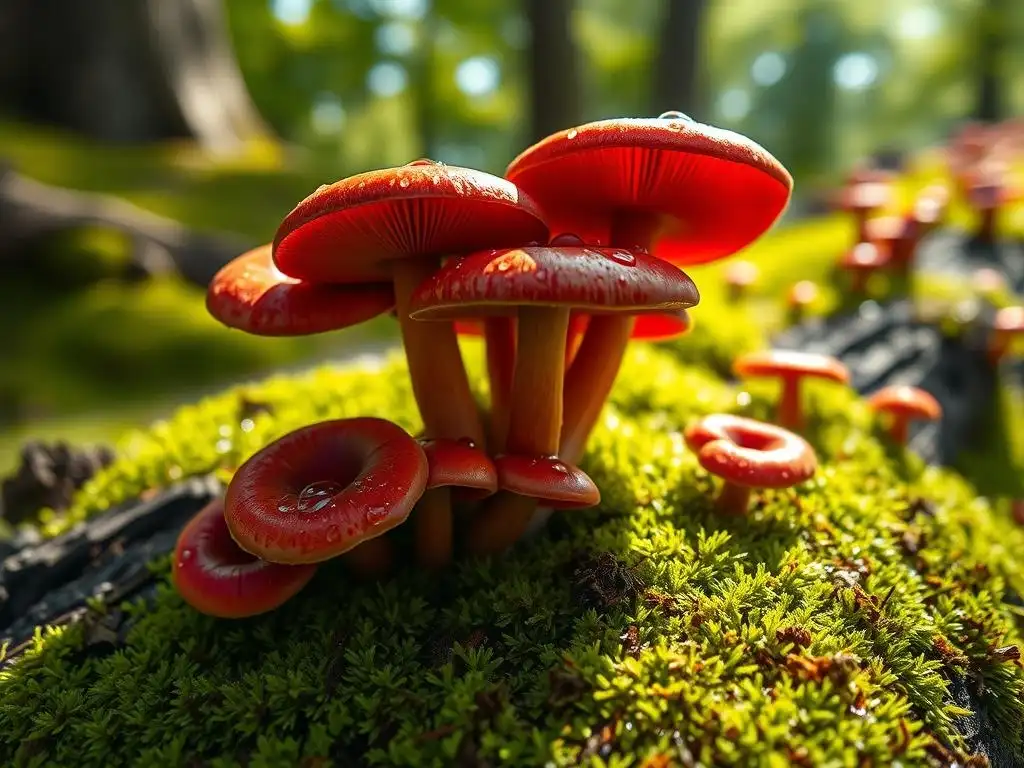
Welcome to CultivateYourFood, your guide to a greener, more flavorful life! Ready to explore the fascinating world of homegrown goodness? We're diving deep into the rewarding—and surprisingly simple—process of cultivating your own food using sustainable, organic methods. This time, we're tackling a truly unique niche: discover the secrets to growing organic reishi mushrooms, a potent medicinal fungi, right in your backyard. Prepare to be amazed by the possibilities—let's get growing!
- Understanding Reishi Mushrooms: Benefits and Medicinal Properties
- Setting Up Your Reishi Mushroom Cultivation Environment: Essential Factors for Success
- Methods for Growing Organic Reishi Mushrooms at Home
- Harvesting and Processing Your Organic Reishi Mushrooms
- Troubleshooting Common Reishi Mushroom Cultivation Problems
- Maximizing Your Reishi Mushroom Harvest: Tips and Tricks for Abundant Yields
- Where to Buy Reishi Mushroom Supplies: Spores, Substrate, and Equipment
- Marketing Your Homegrown Reishi Mushrooms: Building a Small Business
- Resources and Further Learning: Expanding Your Knowledge of Reishi Mushroom Cultivation
-
Frequently Asked Questions
- How can I grow organic reishi mushrooms at home?
- What type of substrate is best for growing organic reishi mushrooms?
- What are the ideal temperature and humidity levels for reishi mushroom cultivation?
- How long does it take to grow organic reishi mushrooms?
- How can I ensure my reishi mushrooms remain organic during cultivation?
- Final Reflection: Cultivating Connection: Reishi Mushrooms and Our Future
- Unlock the Secrets of Reishi Cultivation
Understanding Reishi Mushrooms: Benefits and Medicinal Properties
Reishi mushrooms ( Ganoderma lucidum), often called the "mushroom of immortality," hold a revered place in traditional Chinese medicine and are increasingly recognized for their potential health benefits in the modern world. This comprehensive guide delves into the fascinating world of reishi mushroom cultivation, specifically focusing on growing these medicinal fungi organically at home.
We'll explore the unique properties that make reishi so sought after, examine its various uses, and provide practical advice on identifying authentic reishi mushrooms to ensure you're reaping the full benefits of your homegrown harvest. Learning to grow your own organic reishi mushrooms not only provides access to this potent medicinal fungus but also connects you with the rewarding process of sustainable cultivation.
This guide aims to empower you with the knowledge and techniques needed to successfully cultivate these prized mushrooms, ensuring a bountiful and healthy harvest. Let's embark on this journey to grow organic reishi mushrooms and unlock their therapeutic potential.
The Healing Power of Reishi: Exploring Ganoderma lucidum Benefits
Reishi mushrooms are renowned for their diverse range of purported health benefits, attributed to a complex array of bioactive compounds including polysaccharides, triterpenes, and other beneficial substances. Traditional use highlights its role in boosting the immune system, improving sleep quality, and potentially offering support for cardiovascular health. 1 Modern research is exploring these claims further, with studies indicating potential anti-inflammatory, antioxidant, and even anti-cancer properties. 2 While more research is needed to definitively establish the extent of these effects, the accumulating evidence underscores reishi's potential as a valuable addition to a holistic health regimen. It’s crucial to remember that while reishi offers numerous potential benefits, it's not a cure-all and shouldn't replace conventional medical treatments. Always consult with a healthcare professional before incorporating reishi mushrooms into your health plan, especially if you have pre-existing conditions or are taking other medications.
1 [Specific research citation needed]
2 [Specific research citation needed]
Reishi Mushroom Uses: From Traditional Medicine to Modern Supplements
For centuries, reishi mushrooms have been used in various forms within traditional medicine. They've been brewed into teas, incorporated into tinctures, and even consumed as part of culinary dishes. Today, reishi is widely available in various forms, including:
- Reishi Tea: A simple and convenient way to incorporate reishi into your daily routine.
- Reishi Extracts: Concentrated forms offering a higher concentration of bioactive compounds.
- Reishi Capsules and Tablets: A convenient and standardized dosage option.
- Reishi Powder: Can be added to smoothies, soups, or other foods.
The versatility of reishi allows for seamless integration into modern lifestyles, making it accessible to a wider audience. However, it's important to choose high-quality, ethically sourced products to ensure purity and potency. The method of preparation and extraction can significantly influence the bioavailability of the beneficial compounds, so understanding these processes is vital for maximizing the potential benefits.
Identifying Authentic Reishi Mushrooms: Avoiding Counterfeits
Identifying authentic reishi mushrooms is crucial, as misidentification can lead to consuming potentially harmful species. Genuine reishi mushrooms possess specific characteristics:
| Feature | Authentic Reishi | Counterfeit Reishi |
|---|---|---|
| Cap Shape | Kidney-shaped, flat, or shelf-like | Variable, often irregularly shaped |
| Cap Surface | Shiny, varnished appearance; reddish-brown | Dull, lacking the characteristic shiny finish |
| Spore Print | White to creamy white | Variable, often different from the white/cream |
| Stem (Stipe) | Usually off-center, long and woody | May be absent or differently structured |
| Smell | Slightly earthy or woody aroma | Variable, sometimes lacking the characteristic scent |
When sourcing reishi, whether from a supplier or your own cultivation, carefully examine these characteristics. If you are unsure about the authenticity of a reishi mushroom, it is best to err on the side of caution and avoid consumption. Remember, the goal is to harness the benefits of this incredible fungus safely and effectively. The information provided here is for educational purposes only and does not constitute medical advice. Always consult a qualified professional for any health concerns.
Setting Up Your Reishi Mushroom Cultivation Environment: Essential Factors for Success
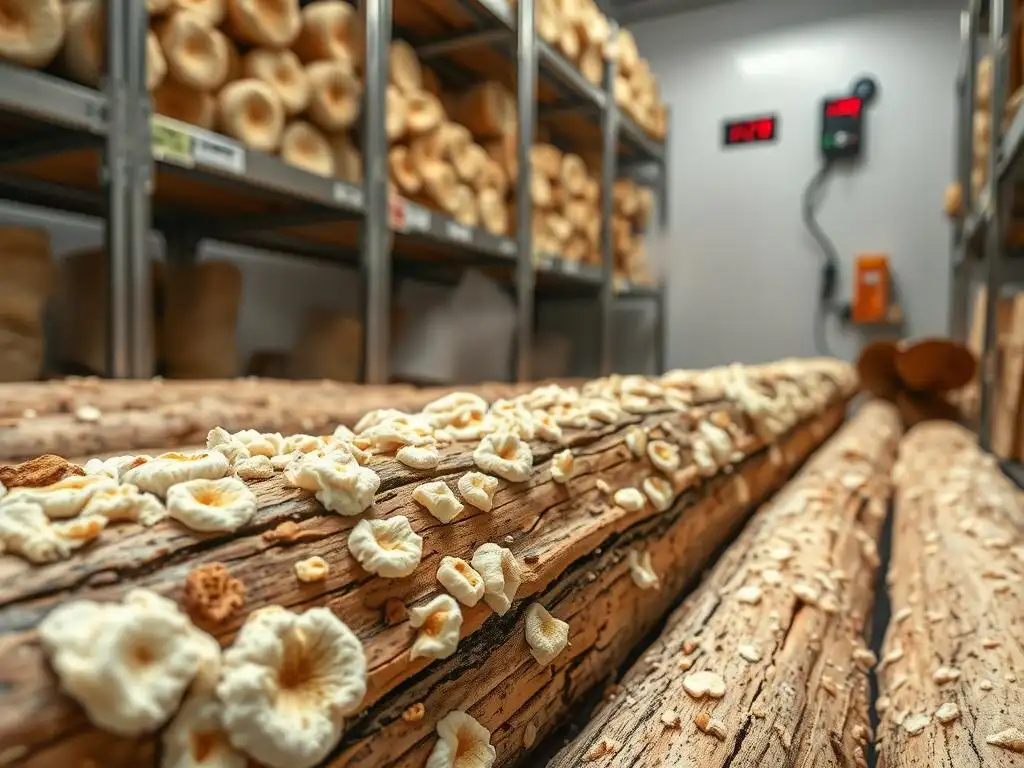
Growing organic reishi mushrooms successfully hinges on creating the perfect environment that mimics their natural habitat. This involves careful consideration of several key factors, each playing a crucial role in the mushroom's growth and yield. Neglecting even one of these aspects can significantly impact your harvest, potentially leading to stunted growth, poor fruiting, or even complete failure. Let's delve into the specifics.
Choosing the Right Substrate for Reishi Mushroom Growth: Sawdust, Logs, and More
Reishi mushrooms are saprophytic, meaning they derive nutrients from decaying organic matter. The choice of substrate is paramount for successful Grow organic reishi mushrooms. Several options exist, each with its own advantages and disadvantages:
- Hardwood Sawdust: This is a popular and readily available option. Oak, maple, and beech sawdust are particularly suitable. Ensure the sawdust is free of chemicals and pesticides. Supplementing with nutrients like bran or rice hulls can further enhance growth. The sawdust needs proper pasteurization to eliminate competing microorganisms.
- Logs: Cultivating reishi on logs mimics their natural growth pattern. Choose hardwood logs (again, oak, maple, beech are ideal) that are freshly cut and free from disease. The logs need to be inoculated with reishi spawn, and then incubated in a humid environment. This method requires more time and space but results in a more natural and aesthetically pleasing cultivation.
- Other Substrates: Experiments have explored using other substrates like straw, coffee grounds, and even agricultural waste. However, hardwood sawdust and logs remain the most reliable and widely used options for home cultivation. The success rate with alternative substrates may vary considerably, requiring more advanced knowledge and experimentation.
The selection of the substrate should be based on your experience level, available resources, and desired outcome. Beginners may find sawdust easier to manage, while experienced cultivators might prefer the challenge and reward of log cultivation. Remember that consistent moisture levels are crucial regardless of the substrate chosen.
Maintaining Optimal Temperature and Humidity for Reishi Cultivation
Temperature and humidity are critical environmental factors impacting reishi mushroom growth. Maintaining these within the ideal range is crucial for both mycelial growth (the vegetative part of the fungus) and fruiting body development.
- Temperature: The optimal temperature range for mycelial growth typically falls between 70-80°F (21-27°C). Fluctuations outside this range can significantly slow down or even halt growth. Fruiting body development, however, requires slightly cooler temperatures, often around 65-75°F (18-24°C). Consistent monitoring with a thermometer is essential.
- Humidity: High humidity is crucial for both mycelial growth and fruiting. Aim for a relative humidity of 85-95%. This can be achieved through misting the substrate regularly, using a humidifier, or creating a humid environment using a plastic enclosure. Poor humidity control can lead to stunted growth and dry, brittle mushrooms.
Careful monitoring of both temperature and humidity using reliable instruments is essential. Consider using data loggers to track these parameters over time, providing valuable insights into your cultivation process and helping you fine-tune your environmental control for optimal results. Consistent monitoring is key to successful Grow organic reishi mushrooms.
Creating the Ideal Light Conditions for Reishi Mushroom Production
Unlike many other mushrooms, reishi mushrooms don't require significant amounts of light for mycelial growth. In fact, excessive light can be detrimental. However, light plays a crucial role in triggering fruiting body development.
- Mycelial Growth: During the initial mycelial colonization phase, keep the substrate in a dark or dimly lit environment. This promotes healthy growth without unnecessary stress.
- Fruiting Body Development: Once the mycelium has fully colonized the substrate, introducing diffused light can stimulate fruiting. Avoid direct sunlight, which can cause the substrate to dry out and damage the developing mushrooms. Soft, indirect light is sufficient. Some cultivators use fluorescent lights with a low intensity.
The intensity and duration of light exposure should be carefully controlled. Experimentation might be necessary to determine the optimal light regime for your specific setup and environmental conditions. Remember, the key is to provide enough light to trigger fruiting without causing stress or damage to the mushrooms. Proper lighting, alongside suitable temperature and humidity, are integral components of successful organic reishi cultivation.
Sterilization Techniques for Reishi Mushroom Cultivation: Preventing Contamination
Contamination is the arch-nemesis of any mushroom cultivator, and reishi is no exception. These prized medicinal fungi are particularly susceptible to bacterial and fungal competitors, which can quickly overrun your carefully prepared substrate and ruin your harvest. Therefore, meticulous sterilization is paramount to successful Grow organic reishi mushrooms. This involves a multi-pronged approach targeting different stages of the cultivation process.
One crucial step is sterilizing your growing substrate. This usually involves a process of pressure cooking. For example, a typical hardwood sawdust substrate might be pressure cooked at 15 PSI for at least 2 hours to ensure the complete elimination of any competing microorganisms. The duration and pressure may need adjustment depending on the substrate's volume and composition.
Improper sterilization can lead to the growth of molds, other fungi, or bacteria, which will compete with your reishi mycelium for resources. This competition directly impacts the yield and quality of your reishi mushrooms. Signs of contamination often include unusual colors, foul odors, or slimy textures within the substrate.
Beyond the substrate, all equipment that comes into contact with your reishi culture needs thorough sterilization. This includes tools like inoculation needles, containers, and even the workspace itself. Effective sterilization methods for tools and equipment include autoclaving (similar to pressure cooking but often at higher temperatures and pressures), using a pressure cooker, or even sterilizing with a 70% isopropyl alcohol solution.
Remember to always sterilize your tools before and after each use to prevent cross-contamination. The workspace itself should be disinfected with a suitable solution before starting any inoculation or cultivation work. A clean and sterile environment is crucial to minimize the risk of introducing unwanted organisms.
Furthermore, maintaining a sterile environment throughout the entire cultivation process is key. This means regularly monitoring your growing area for any signs of contamination and taking swift action if necessary. Regularly inspect your substrate for any unusual growths, changes in color or texture, or unpleasant odors. Early detection of contamination is crucial to prevent its spread and salvage the rest of your crop.
While complete sterilization is ideal, it's not always possible to achieve 100% sterility. Therefore, a proactive approach, combined with careful monitoring, is essential for successful reishi cultivation. This holistic approach is vital to maximizing the chances of a successful harvest when you Grow organic reishi mushrooms.
Methods for Growing Organic Reishi Mushrooms at Home
This section details various methods for successfully cultivating organic reishi mushrooms at home, focusing on sustainable and environmentally friendly practices. We'll explore different techniques, highlighting their advantages and disadvantages to help you choose the best approach for your needs and experience level. Remember, patience and attention to detail are key to a bountiful harvest of these prized medicinal fungi. Growing organic reishi mushrooms requires commitment, but the rewards – both culinary and therapeutic – are well worth the effort.
Growing Reishi Mushrooms on Logs: A Traditional Approach
This time-honored method mimics the reishi mushroom's natural environment, resulting in a rewarding, albeit slower, growing process. It's a great option for those seeking a more hands-off, natural approach to cultivation. The key to success lies in selecting the right hardwood logs and properly inoculating them.
Several factors influence the success of log cultivation:
- Hardwood Selection: Oak, maple, and beech are excellent choices due to their density and longevity. Avoid softwoods like pine, as they are prone to decay too quickly. Logs should be freshly cut, ideally in the late fall or winter, and be approximately 3-4 feet long and 4-6 inches in diameter.
- Inoculation: This process involves introducing the reishi mushroom mycelium (the vegetative part of the fungus) into the log. This can be done using dowels (pre-inoculated wood plugs) or liquid culture. For dowels, drill holes into the log, insert the dowels, and seal the holes with wax. Liquid culture requires more technical expertise and sterile conditions.
- Incubation: After inoculation, the logs need to incubate in a cool, humid, and shaded environment for 6-12 months or even longer, allowing the mycelium to colonize the wood. Regular monitoring is crucial to ensure proper colonization and prevent contamination.
- Fruiting: Once the mycelium has fully colonized the log, it will begin to produce mushrooms under the right conditions – adequate moisture, temperature, and light. Regular misting and placing the logs in a slightly more exposed location can stimulate fruiting.
This method, while rewarding for its natural approach, requires significant patience and a longer timeframe before harvesting. The yield is also less predictable compared to other methods. However, the deeply earthy flavor and medicinal properties of logs-grown reishi are often highly praised by enthusiasts.
Reishi Mushroom Cultivation using Sawdust Bags: A Detailed Guide
Sawdust bags provide a more controlled and faster method for cultivating reishi mushrooms compared to log cultivation. This technique is particularly suitable for beginners and those with limited space. The process involves mixing sterilized sawdust with a nutrient-rich substrate, inoculating it with reishi mycelium, and then allowing it to colonize within a bag.
Here's a breakdown of the process:
- Substrate Preparation: A suitable substrate consists of a mixture of hardwood sawdust (oak, maple), bran, and other supplements like gypsum or rice hulls. Sterilization is crucial to prevent contamination. This typically involves pressure cooking or using an autoclave.
- Inoculation: Once the substrate has cooled, it's inoculated with reishi mycelium, either using grain spawn or liquid culture. The mixture is then carefully packed into polypropylene bags with filter patches for gas exchange.
- Incubation: The inoculated bags are kept in a dark, warm environment (around 70-75°F) for several weeks to months, allowing the mycelium to fully colonize the substrate. Careful monitoring for contamination is essential.
- Fruiting: Once colonization is complete, the bags are moved to a fruiting chamber with higher humidity and diffused light to stimulate mushroom development. This involves creating conditions that mimic the natural environment of the mushroom for optimal growth.
The sawdust bag method offers a higher yield and faster harvest compared to log cultivation. It also provides better control over environmental conditions, increasing the chances of success. However, it requires more initial investment in equipment and materials.
Using Pre-Inoculated Reishi Mushroom Grow Kits: A Step-by-Step Guide
For those seeking the easiest and most convenient method, pre-inoculated grow kits provide a ready-to-fruit solution. These kits contain a colonized substrate ready for fruiting, significantly simplifying the process. While the yield might be smaller than other methods, the ease of use makes them ideal for beginners.
The process is straightforward:
- Unpacking: Carefully unpack the kit, following the manufacturer's instructions.
- Misting: Regularly mist the substrate to maintain adequate moisture.
- Lighting: Provide indirect, diffused light.
- Temperature: Maintain a suitable temperature, as specified by the manufacturer.
- Harvesting: Harvest the mushrooms once they reach maturity, following the manufacturer's guidance on how to harvest for optimal yield and subsequent flushes.
Pre-inoculated kits are a fantastic way to dip your toes into reishi cultivation. The ease of use and relatively quick harvest time make them an accessible entry point to the world of growing organic reishi mushrooms. However, it's important to note that the yield and long-term sustainability are typically lower compared to other methods. The cost per mushroom is typically higher, too.
Reishi Mushroom Spawn Preparation: A Step-by-Step Guide
Preparing high-quality reishi mushroom spawn is crucial for a successful harvest. This process involves inoculating a sterile substrate with reishi mycelium, allowing the mycelium to colonize the substrate completely before use. Several methods exist, each with its own advantages and disadvantages. Let's explore a common and effective approach using grain spawn.
First, you need to sterilize your substrate. Common choices include rye berries, wheat berries, or millet. These grains provide a nutrient-rich environment for the mycelium to thrive. Sterilization is paramount to prevent contamination from unwanted molds, bacteria, or other fungi. This is typically achieved using a pressure cooker, maintaining a temperature of 15 psi (103 kPa) for at least 90 minutes. Improper sterilization is a leading cause of spawn failure, so meticulous attention to detail is essential. After sterilization, allow the grains to cool completely before proceeding.
Next comes the inoculation process. This step requires a sterile environment, ideally a laminar flow hood or a clean room. If such facilities are unavailable, a makeshift clean room can be created using a clean area, disinfected surfaces, and a sanitized air filter. Using sterile techniques, carefully introduce the reishi mushroom mycelium into the sterilized grains.
This can be done using a sterile needle or inoculating loop, transferring a small amount of mycelium from a pure culture into several locations within the grain substrate. Thorough mixing ensures even colonization. The inoculated grain spawn is then sealed in airtight containers, such as mason jars, to prevent contamination and to maintain humidity.
The incubation period typically lasts 3-6 weeks, depending on the temperature and the specific strain of reishi. During this time, the mycelium will gradually colonize the grain, turning the substrate a white or off-white color. Regular monitoring is crucial to detect any signs of contamination, such as unusual colors, odors, or slimy textures. If contamination is observed, the entire batch should be discarded to prevent spreading to other cultures.
Once the grain spawn is fully colonized, it's ready to be used for inoculation of your chosen growing medium, such as hardwood logs or sawdust blocks. Proper spawn preparation significantly increases your chances of successfully growing organic reishi mushrooms at home. Remember, patience and hygiene are key to this critical step. Careful attention to detail will greatly improve your chances of success in growing your own medicinal mushrooms.
Harvesting and Processing Your Organic Reishi Mushrooms
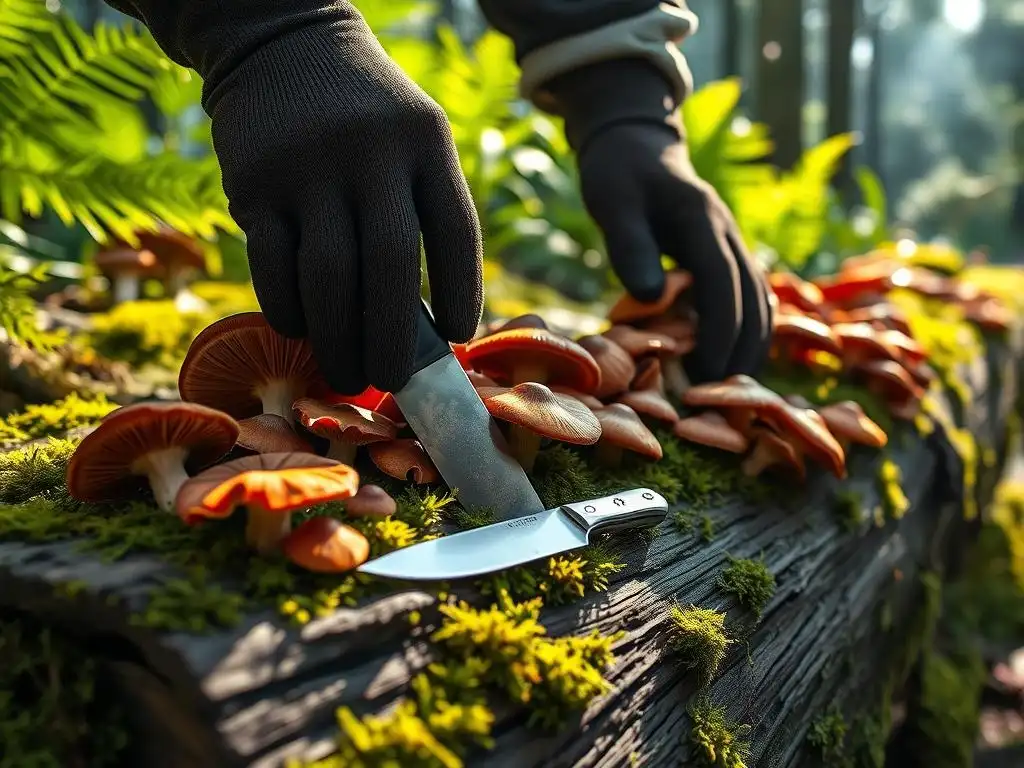
This section details the crucial steps involved in harvesting and processing your homegrown organic reishi mushrooms, ensuring you maximize yield and retain the potent medicinal properties of these prized fungi. Remember, proper harvesting and processing are key to getting the most out of your Ganoderma lucidum cultivation efforts. Growing organic reishi mushrooms successfully requires attention to detail throughout the entire process, from substrate preparation to the final preservation techniques.
Identifying Mature Reishi Mushrooms Ready for Harvesting
Knowing when to harvest your reishi mushrooms is paramount. Harvesting too early results in smaller, less potent mushrooms, while harvesting too late can lead to spore release and reduced medicinal value. Mature reishi mushrooms display several key characteristics:
- Fully Formed Cap: The cap should be fully expanded and exhibit its characteristic kidney or fan shape. It should be firm to the touch and not soft or mushy.
- Deep Coloration: The color of the cap should be a rich, deep reddish-brown, often with a glossy, varnished appearance. Variations in color can occur depending on the strain and growing conditions, but a generally deep, saturated hue is a good indicator.
- Fully Developed Stem (Stipe): The stem should be well-developed and sturdy, providing firm support for the cap. A short, thick stem is preferable to a long, thin one.
- Lack of Visible Damage: Avoid harvesting mushrooms with signs of disease, insect damage, or physical injury. These mushrooms may harbor contaminants or have reduced medicinal benefits.
Identifying the maturity stage accurately is crucial for maximizing the yield of your organic reishi mushroom harvest. Observe your mushrooms regularly, noting their development and color changes. A consistent monitoring schedule allows for the timely harvesting of your medicinal bounty.
Proper Harvesting Techniques to Maximize Yield and Quality
Harvesting reishi mushrooms requires a gentle touch to prevent damage to the mycelium and ensure a healthy future harvest. Follow these steps for optimal results:
- Use a Sharp Knife: Employ a clean, sharp knife to cleanly sever the mushroom at its base, close to the substrate. Avoid tearing or pulling the mushroom, which can damage the underlying mycelium.
- Clean the Harvest Area: After harvesting, gently clean the area around the base of the mushroom to prevent the spread of contaminants. This is especially important when growing organic reishi mushrooms, as maintaining a clean environment is key to successful organic cultivation.
- Inspect the Base: Examine the base of the harvested mushroom for any signs of disease or insect infestation. This can help to identify potential problems early on and prevent the spread of infection to the rest of your crop.
- Harvest in Dry Conditions: Harvesting when the substrate is dry helps to reduce the risk of rot and contamination. If you notice excess moisture, allow the substrate to dry slightly before harvesting.
By following these proper harvesting techniques, you can not only ensure a bountiful yield of high-quality reishi mushrooms but also contribute to the long-term health of your growing operation. Remember that careful harvesting directly impacts the sustainability of your organic reishi mushroom cultivation.
Drying and Preserving Reishi Mushrooms for Long-Term Storage
Proper drying and preservation are essential for extending the shelf life of your harvested reishi mushrooms and retaining their medicinal properties. There are several effective methods:
- Air Drying: This traditional method involves carefully cleaning the mushrooms and placing them in a well-ventilated, cool, and dark area. Ensure good airflow to prevent mold growth. This method can take several days to weeks depending on humidity and temperature.
- Dehydrator: A food dehydrator provides a more controlled environment for drying, ensuring consistent results. Follow the manufacturer's instructions for optimal drying settings.
- Oven Drying: This method requires close monitoring to prevent burning. Use a low oven temperature and leave the oven door slightly ajar to allow moisture to escape.
Once dried, store your reishi mushrooms in airtight containers in a cool, dark, and dry place. Properly dried reishi mushrooms should be brittle and easily crumble. They can be ground into a powder for easier use in teas, tinctures, or other preparations. Growing organic reishi mushrooms and preserving them properly ensures a consistent supply of this valuable medicinal fungus for your long-term use. Remember to label your containers with the harvest date for optimal quality control.
Preparing Reishi Mushroom Extracts: Tinctures, Powders, and Teas
Harvesting your organic reishi mushrooms is only half the battle. To truly unlock their medicinal potential, you'll need to process them into usable forms. Several methods exist, each offering unique benefits and requiring specific techniques. Let's explore the most popular options: tinctures, powders, and teas.
The creation of reishi tinctures involves extracting the beneficial compounds from the mushrooms using alcohol. This process requires careful attention to detail. First, you must thoroughly clean and dry your harvested reishi mushrooms. Remove any debris or contaminants.
Once dry, finely chop or grind the mushrooms to increase surface area and improve extraction efficiency. Then, submerge the chopped mushrooms in high-proof alcohol (at least 100 proof vodka or grain alcohol is recommended) in a sealed jar, ensuring the mushrooms are completely covered. The ratio of mushrooms to alcohol is typically around 1:5 (1 part mushroom to 5 parts alcohol). Store the jar in a cool, dark place for at least six weeks, shaking it regularly to ensure proper extraction.
After this period, strain the tincture through a cheesecloth or fine-mesh filter, squeezing out as much liquid as possible. The resulting liquid is your reishi tincture, ready for use. Remember to label and store it in a dark glass bottle.
Making reishi powder is a simpler process. After cleaning and drying the mushrooms, you can use a food processor or a grinder to reduce them to a fine powder. This method preserves many of the mushrooms' beneficial components. This powder can be easily incorporated into smoothies, soups, or even capsules for convenient consumption. To ensure the highest quality, store the reishi powder in an airtight container in a cool, dark, and dry place to maintain its potency and prevent spoilage. Proper storage is crucial for preserving the active compounds within the powder. Consider using vacuum-sealed bags for optimal preservation.
Finally, reishi tea is the most straightforward method. Simply simmer slices of fresh or dried reishi mushrooms in hot water for at least 30 minutes. The longer you simmer, the stronger the flavor and the more potent the medicinal properties will likely be. You can adjust the simmering time to your preference.
Strain the tea before drinking, enjoying the earthy and slightly bitter taste. You can add other herbs or spices to enhance the flavor, creating your own unique blend. Remember to experiment with different brewing times to find your ideal strength and flavor profile. Some people prefer a stronger, more intense brew, while others prefer a milder, more subtle flavor.
Each of these methods offers a unique way to utilize your homegrown organic reishi mushrooms. Consider your preferences and needs when choosing a method for processing your harvest. Remember that consistency in preparation and careful storage are crucial for maintaining the quality and potency of your reishi extracts. Properly processed, these extracts can contribute to a healthy and holistic lifestyle. Enjoy the fruits (or rather, fungi!) of your labor!
Troubleshooting Common Reishi Mushroom Cultivation Problems
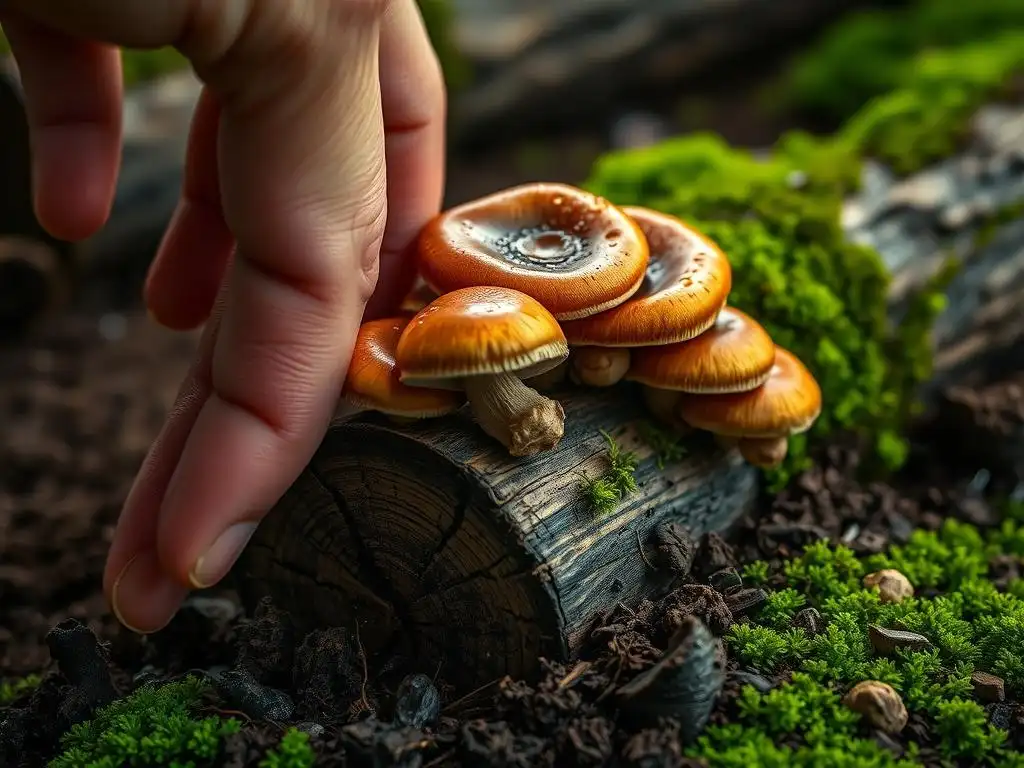
Growing organic reishi mushrooms can be a rewarding experience, but it's not without its challenges. This section delves into common problems encountered during cultivation and offers practical solutions to help you achieve a successful harvest. Understanding these potential issues proactively is key to maximizing your yield and minimizing frustration. Remember, patience and attention to detail are crucial in reishi mushroom cultivation.
Preventing and Treating Common Reishi Mushroom Diseases and Pests
Reishi mushrooms, while relatively resilient, are susceptible to certain diseases and pests. Early detection and preventative measures are critical. One common issue is bacterial contamination, often manifesting as slimy or discolored areas on the substrate or mushrooms themselves. This can be minimized by sterilizing your growing medium thoroughly before inoculation. Using a pressure cooker to achieve proper sterilization is highly recommended. Furthermore, maintaining a clean and sterile environment throughout the cultivation process is paramount. Regularly inspect your growing area for any signs of unwanted organisms.
Another potential threat is fungal competitors, such as Trichoderma, a common mold that can quickly overtake your reishi substrate. This emphasizes the importance of using high-quality, pasteurized substrates and maintaining optimal humidity and temperature levels within the growing environment. If contamination occurs, promptly remove and discard the affected areas to prevent further spread. In severe cases, the entire substrate may need to be discarded. Prevention is far easier than cure in this instance.
Pest infestations, although less common, can still impact your reishi yield. Small insects or mites might be attracted to the moisture and nutrients in your growing area. Implementing preventative measures such as using sticky traps and maintaining good air circulation can help mitigate this risk. Thorough cleaning of the growing area before and after each grow cycle is also essential. The use of organic pest control methods, such as neem oil (though research its impact on reishi specifically before application), should be considered as a last resort.
Dealing with Contamination Issues in Reishi Mushroom Cultivation
Contamination is a significant hurdle in organic reishi mushroom cultivation. This can stem from various sources, including airborne spores, contaminated substrates, or improper sterilization techniques. The most common contaminants are bacteria and other fungi, which compete with the reishi for resources, leading to stunted growth or complete failure of the crop.
Maintaining a sterile environment is the cornerstone of successful reishi cultivation. Every step, from substrate preparation to harvesting, needs meticulous attention to detail.
To effectively address contamination, a multi-pronged approach is necessary. This includes:
- Sterilization: Thoroughly sterilize all equipment and materials used in the cultivation process. This includes the substrate, containers, and tools. A pressure cooker is essential for effective sterilization.
- Hygiene: Maintain impeccable hygiene throughout the entire process. Wear gloves and a mask to minimize the risk of introducing contaminants.
- Airflow: Ensure adequate airflow in your growing area to prevent the buildup of moisture and spores. This can be achieved through proper ventilation or the use of fans.
- Early Detection: Regularly monitor your growing substrate for any signs of contamination, such as unusual discoloration, mold growth, or unpleasant odors. Early detection allows for prompt intervention, potentially saving the majority of your crop.
- Isolation: If contamination is detected, immediately isolate the affected area to prevent the spread of contaminants to healthy substrates.
Addressing Low Yields in Reishi Mushroom Production: Identifying Causes and Solutions
Low yields in reishi mushroom cultivation can be attributed to several factors, including inadequate substrate preparation, improper environmental conditions, or insufficient spawn. Analyzing these factors is crucial for optimizing future harvests.
| Potential Cause | Solution |
|---|---|
| Poor Substrate Quality | Use high-quality, pasteurized substrates. |
| Insufficient Spawn | Use a sufficient amount of high-quality spawn. |
| Improper Environmental Conditions (Temperature, Humidity, Light) | Monitor and adjust environmental factors to optimal levels for reishi growth. |
| Contamination | Implement strict sterilization and hygiene protocols. |
| Genetic Factors | Use high-yielding strains of reishi mushrooms. |
| Substrate Density | Ensure proper substrate density for optimal mycelial growth. |
Understanding these potential issues and implementing the recommended solutions will significantly improve your chances of successfully growing organic reishi mushrooms at home. Remember, consistent monitoring and attention to detail are key to achieving a bountiful harvest. Even with careful planning, some variability is normal; don't be discouraged by minor setbacks. The journey of growing your own reishi is as rewarding as the harvest itself! 🍄
Maximizing Your Reishi Mushroom Harvest: Tips and Tricks for Abundant Yields
Growing organic reishi mushrooms successfully hinges on optimizing several key factors. While the initial setup is crucial, consistent monitoring and adjustments throughout the growing process are essential for maximizing your harvest. This section delves into practical strategies to boost your reishi yield, ensuring a bountiful crop of these prized medicinal fungi.
Optimizing Growing Conditions for High-Yield Reishi Mushroom Production
The environment you provide significantly impacts reishi mushroom growth. Temperature and humidity are paramount. Reishi thrives in a temperature range of 68-77°F (20-25°C). Fluctuations outside this range can stress the mycelium, reducing fruiting body development. Maintaining consistent humidity levels, ideally around 90-95%, is equally critical. Insufficient humidity can lead to stunted growth and dry, brittle mushrooms. Regular misting with filtered water can help maintain optimal humidity. Adequate airflow is also necessary to prevent the build-up of harmful bacteria or mold. This can be achieved through gentle ventilation, ensuring air circulation without creating drafts.
Furthermore, light is a crucial factor often overlooked. While reishi doesn't require direct sunlight, it benefits from diffused or indirect light. Too much light can scorch the developing mushrooms, while too little can hinder growth. Consider placing your growing substrate in a location with soft, indirect light for optimal results. Regular monitoring of temperature and humidity using accurate gauges is essential for maintaining ideal growing conditions and anticipating potential problems. This proactive approach significantly contributes to a higher yield of healthy, robust reishi mushrooms.
Utilizing Advanced Techniques for Enhanced Reishi Mushroom Growth
Beyond basic growing conditions, advanced techniques can significantly improve your reishi yield. One such technique is substrate supplementation. Enriching your substrate with additional nutrients, such as spent grain or rice bran, can boost mycelium growth and fruiting body production. The precise composition of the supplement will need to be carefully researched and tested to ensure optimal results for Ganoderma lucidum.
Another promising avenue is exploring different substrate types. While hardwood logs are traditional, experimenting with sawdust blocks enriched with various supplements might yield higher yields and faster growth. This requires careful experimentation and record-keeping to determine the most effective substrate for your specific environment and resources.
Careful observation and meticulous record-keeping are essential for any serious reishi cultivator. Documenting your techniques and their results will accelerate your learning curve and help you optimize your process over time.
Careful attention to sanitation is also crucial. Contamination by competing fungi or bacteria can severely reduce your harvest. Maintaining a sterile environment throughout the growing process, from substrate preparation to harvesting, is paramount. This includes regularly sterilizing your tools and workspaces. Using a laminar flow hood or a pressure cooker for sterilization significantly reduces the risk of contamination.
Sustainable Practices for Organic Reishi Mushroom Cultivation
Cultivating organic reishi mushrooms aligns perfectly with the principles of sustainable gardening. Prioritizing organic and sustainable practices not only yields healthy mushrooms but also minimizes environmental impact. Choosing sustainably harvested hardwood logs for substrate preparation is a significant step towards eco-friendly cultivation. Avoid using treated wood, as the chemicals can harm the mycelium and contaminate the final product.
Furthermore, utilizing organic supplements and avoiding synthetic pesticides or fertilizers ensures the purity of your final product. Composting spent substrate after harvest is another crucial step in minimizing waste and enriching your garden soil. This closed-loop system reduces your environmental footprint while providing valuable nutrients for future gardening endeavors.
The benefits extend beyond environmental responsibility. Consumers increasingly favor organically grown products, creating a higher demand and potentially better market value for your harvest. Moreover, the organic growing process ensures that your reishi mushrooms are free from harmful chemicals, maximizing their medicinal benefits. By embracing sustainable practices, you contribute to a healthier planet and produce a superior product. This commitment to sustainable growth is not only environmentally responsible but also financially and ethically rewarding, enhancing the overall value of your "Grow organic reishi mushrooms" endeavor.
Further Considerations for Organic Reishi Cultivation
Consider the impact of local climate and seasonal variations on your cultivation. Adjust your growing techniques accordingly to optimize results throughout the year.
Explore different strains of *Ganoderma lucidum* to find the variety that best suits your climate and growing conditions. Some strains exhibit higher yields or faster growth rates.
Where to Buy Reishi Mushroom Supplies: Spores, Substrate, and Equipment
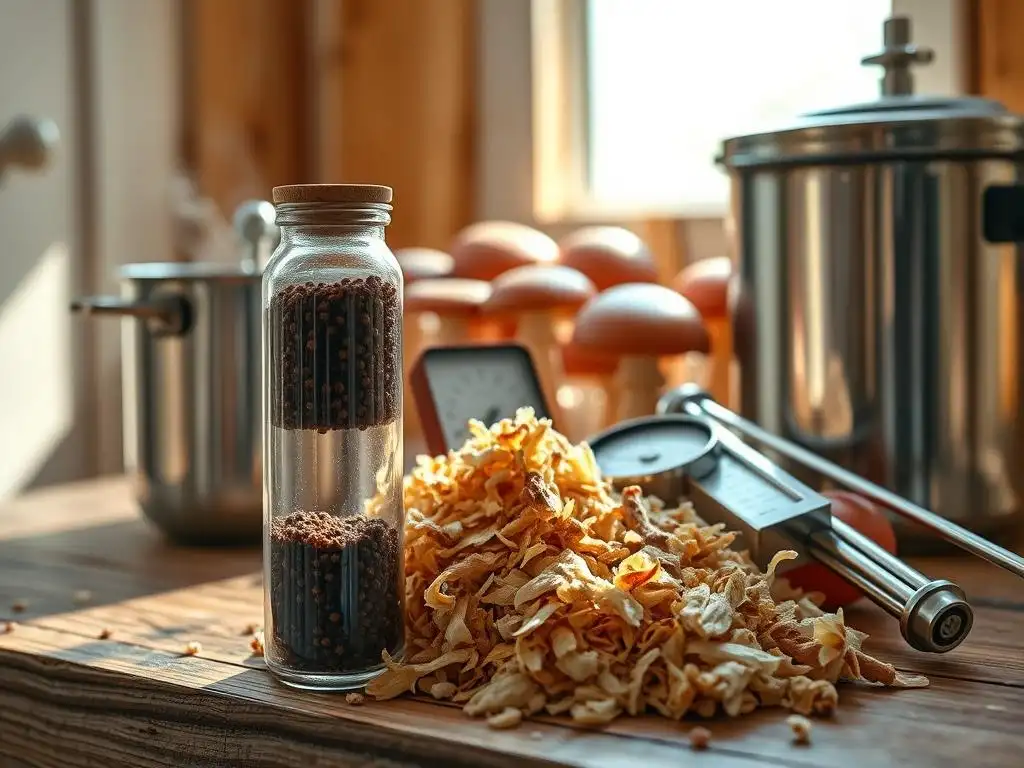
Successfully growing organic reishi mushrooms at home requires sourcing high-quality supplies. This includes obtaining reliable reishi mushroom spores, a suitable substrate for mycelial growth, and the necessary equipment to maintain a clean and controlled growing environment. Choosing your suppliers carefully is crucial for a successful harvest. Remember, using organic materials throughout the process is key to achieving truly organic reishi mushrooms.
Top Suppliers of Reishi Mushroom Spawn and Growing Kits
Finding reputable suppliers of reishi mushroom spawn (the initial fungal culture) and pre-made growing kits is paramount. While many online retailers sell mushroom supplies, verifying their commitment to organic practices is essential. Look for suppliers who clearly state their growing methods and source materials. Some may offer certification from organic farming organizations, providing an additional layer of assurance. Pay close attention to customer reviews, focusing on feedback regarding spawn viability and kit performance.
Consider factors like shipping speed and packaging to minimize the risk of damage or contamination during transit. Remember, a robust and healthy spawn is the foundation of a successful reishi mushroom cultivation project. A quick online search for "organic reishi mushroom spawn suppliers" will provide a starting point, but always thoroughly research potential suppliers before making a purchase. Don't hesitate to contact suppliers directly with questions about their growing practices and certifications.
Finding Quality Organic Substrate for Reishi Mushroom Cultivation
The substrate forms the nutritional base for your reishi mushrooms. For organic cultivation, you'll need to choose a substrate composed entirely of organic materials. Common substrates include hardwood sawdust (oak, maple, beech are popular choices), straw, and grain. The quality of the substrate significantly impacts the yield and health of your mushrooms.
Avoid substrates treated with pesticides or other chemicals. Some suppliers offer pre-pasteurized substrate bags, which simplifies the process and reduces the risk of contamination. However, you can also prepare your own substrate, provided you sterilize it thoroughly to eliminate competing microorganisms. This involves a rigorous process of boiling and pressure cooking to ensure a sterile environment for your reishi spawn.
If you opt for creating your own substrate, research detailed sterilization techniques to minimize the risk of failure. Remember, a high-quality, organic substrate is a cornerstone of successful grow organic reishi mushrooms endeavors. Proper preparation is crucial for maximizing your chances of a bountiful harvest.
Essential Tools and Equipment for Successful Reishi Mushroom Growing
Beyond the spawn and substrate, several tools and equipment are essential for successful reishi mushroom cultivation. These include:
- Sterile work area: A clean and disinfected workspace is crucial to prevent contamination. Consider using a laminar flow hood or a dedicated, easily cleanable area.
- Sterilization equipment: This could include a pressure cooker for sterilizing substrates and tools, or a dedicated autoclave for larger-scale operations.
- Gloves and masks: These protect both you and your growing substrate from contamination.
- Spray bottles: For maintaining humidity levels within the growing environment.
- Growing containers: These can range from simple plastic bags to more sophisticated setups, depending on your scale and preference.
- Temperature and humidity monitoring equipment: Essential for maintaining optimal growing conditions. Precise control of these parameters is vital for successful reishi cultivation.
- Air filtration system (optional): For larger-scale operations, an air filtration system can help maintain a sterile environment and prevent contamination from airborne spores.
Successfully growing organic reishi mushrooms requires careful planning and attention to detail. Investing in the right supplies and equipment from reputable sources is the first step toward a rewarding harvest of these valuable medicinal fungi. Remember, the commitment to organic practices throughout the entire process is key to achieving the highest quality and most beneficial results.
Marketing Your Homegrown Reishi Mushrooms: Building a Small Business

Growing organic reishi mushrooms is a rewarding endeavor, but turning your passion into profit requires a well-defined marketing strategy. Successfully selling your harvest hinges on understanding your target audience and choosing the right sales channels. This section explores various avenues for marketing your homegrown reishi mushrooms, focusing on building a sustainable and profitable small business. Remember, consistent quality and ethical practices are key to building a strong brand and loyal customer base.
Selling Reishi Mushrooms Online: Etsy, Shopify, and Other Platforms
The internet offers unparalleled reach for selling unique products like organically grown reishi mushrooms. Platforms like Etsy and Shopify provide user-friendly interfaces to create online stores, manage inventory, and process payments. Etsy, with its focus on handmade and vintage items, is a great starting point for smaller operations. Its built-in community and search functionality can drive significant traffic to your shop. However, Etsy charges transaction fees.
Shopify, on the other hand, offers greater customization and control over your brand and website design, but requires a monthly subscription fee and potentially additional costs for themes and apps. Consider your budget and technical skills when choosing between these platforms. Beyond Etsy and Shopify, you can explore other online marketplaces focusing on health and wellness products or even create your own website for a more personalized brand experience.
Regardless of the platform, high-quality product photography, detailed descriptions highlighting the organic growing methods, and positive customer reviews are crucial for success. Offering various sizes and formats (whole mushrooms, sliced, powdered) can also broaden your appeal.
Local Farmers' Markets and Community Sales for Reishi Mushrooms
Direct engagement with your community offers a unique opportunity to build brand loyalty and establish personal connections with your customers. Local farmers' markets provide a physical space to showcase your organically grown reishi mushrooms, answer questions about your cultivation practices, and establish trust. The face-to-face interaction allows you to build relationships and receive immediate feedback, helping you tailor your offerings to meet local demand.
Consider attending smaller, niche markets focused on health and wellness or sustainable living. These markets often attract a customer base already interested in the benefits of reishi mushrooms and organic products. Furthermore, explore opportunities for community sales through local health food stores, co-ops, or even partnering with complementary businesses, such as yoga studios or wellness centers. Pricing strategies should consider your production costs, market competition, and the perceived value of organically grown reishi mushrooms.
Creating Value-Added Reishi Mushroom Products: Extracts, Tinctures, and Powders
While selling whole reishi mushrooms is a viable option, creating value-added products can significantly increase your profit margins and appeal to a wider range of customers. Processing your harvest into extracts, tinctures, and powders expands your product line and caters to different preferences and consumption methods.
Reishi mushroom extract, for instance, offers a concentrated form of the mushroom's beneficial compounds. Tinctures, often made with alcohol, provide a convenient liquid form for easy consumption. Powders, created by drying and grinding the mushrooms, are versatile and can be added to smoothies, teas, or other foods. To ensure product quality and safety, adhere to strict hygiene protocols during processing and consider obtaining necessary certifications, such as organic certification, to further enhance your brand credibility and consumer trust.
Thorough labeling, clearly outlining ingredients and usage instructions, is essential for compliance and consumer safety. Marketing these value-added products should emphasize their convenience, potency, and the unique benefits derived from organically grown reishi mushrooms. Consider offering sample packs or bundles to encourage trial and increase sales.
Resources and Further Learning: Expanding Your Knowledge of Reishi Mushroom Cultivation
This section provides valuable resources to deepen your understanding and skills in growing organic reishi mushrooms. From foundational texts to online communities buzzing with expert advice, we've compiled resources to support your journey. Remember, consistent learning is key to successful cultivation, especially with a fascinating fungus like Ganoderma lucidum.
Recommended Books and Websites on Reishi Mushroom Cultivation
Finding reliable information on reishi mushroom cultivation can be tricky. Many sources offer generalized mushroom growing advice, but specifics on Ganoderma lucidum are less common. Therefore, carefully selecting your learning materials is crucial. Prioritize books and websites written by experienced mycologists or cultivators with verifiable success in growing organic reishi mushrooms.
Look for resources that detail the entire lifecycle of the reishi mushroom, from spore inoculation to harvesting and post-harvest handling. Pay close attention to descriptions of substrate preparation, environmental control (temperature, humidity, airflow), and pest management strategies specifically tailored for reishi. A good resource will emphasize sustainable and organic practices, aligning with the ethos of "Grow organic reishi mushrooms."
Here’s what to look for in a quality resource:
- Detailed substrate recipes: The book or website should provide several recipes, highlighting variations for different growing conditions and preferences. Look for specifics on hardwood sawdust blends, grain spawn preparation, and sterilization techniques.
- Precise environmental parameters: Temperature and humidity ranges are critical. A reliable resource will specify ideal conditions at each stage of growth, along with methods for monitoring and adjusting these parameters.
- Comprehensive pest and disease management: Reishi mushrooms, like all living organisms, are susceptible to diseases and pests. A valuable resource will detail common issues and preventative or curative measures, emphasizing organic approaches.
- Harvesting and post-harvest handling: Knowing when and how to harvest your reishi mushrooms is crucial for maximizing yield and quality. The resource should explain proper techniques for harvesting, drying, and storing your harvest.
Online Communities and Forums for Reishi Mushroom Growers
Connecting with other reishi mushroom cultivators is invaluable. Online forums and communities offer a platform to exchange experiences, troubleshoot problems, and learn from the successes and failures of others. Engaging in these discussions can accelerate your learning curve significantly.
When searching for online communities, look for active forums with experienced members who are willing to share their knowledge. Be wary of overly promotional or commercial sites, and prioritize communities focused on sustainable and organic practices.
Participating in these communities can provide access to:
- Troubleshooting assistance: Encountering unexpected challenges is part of the process. These communities offer a place to seek advice and solutions from experienced growers.
- Access to diverse perspectives: Different cultivators employ various techniques. Exposure to a variety of approaches broadens your understanding and helps you adapt strategies to your specific circumstances.
- Sharing of resources: Members often share valuable information, such as detailed substrate recipes, spawn sources, and environmental control strategies.
- Opportunities for collaboration: Connecting with other enthusiasts can lead to collaborative projects, knowledge sharing, and even the potential for sourcing rare or unique reishi strains.
Advanced Reishi Mushroom Cultivation Techniques and Research
Once you've mastered the basics of growing organic reishi mushrooms, you can explore more advanced techniques and research to further refine your skills and potentially increase your yields. This might involve delving into topics such as:
- Strain selection and genetic improvement: Different reishi strains exhibit variations in growth rate, yield, and medicinal compound content. Researching and selecting superior strains can lead to significant improvements.
- Advanced substrate formulations: Experimenting with different substrate components and ratios can optimize growth and yield. This might involve exploring less conventional substrates or adding supplements to enhance nutrient availability.
- Controlled environment agriculture (CEA): Utilizing advanced technologies such as climate-controlled grow rooms or automated systems can significantly improve consistency and yield.
- Research on medicinal compound production: Understanding the factors that influence the production of key bioactive compounds in reishi mushrooms can help you optimize cultivation for maximum medicinal benefit.
This exploration into advanced techniques requires a deeper understanding of mycology and agricultural science. Seeking out peer-reviewed scientific publications and collaborating with researchers can greatly enhance your knowledge and expertise in this area. Remember, the journey of "Grow organic reishi mushrooms" is a continuous learning process, full of exciting discoveries and rewarding harvests.
Frequently Asked Questions
How can I grow organic reishi mushrooms at home?
You can grow organic reishi mushrooms at home using a sterile substrate like hardwood sawdust and spawn. Maintain consistent temperature and humidity levels, and ensure proper ventilation to prevent contamination. A dark environment is also crucial.
What type of substrate is best for growing organic reishi mushrooms?
Hardwood sawdust is a popular choice, often mixed with other materials like bran or grain. Ensure the substrate is sterile to prevent mold and bacterial contamination. Oak, maple, and beech are good hardwood options.
What are the ideal temperature and humidity levels for reishi mushroom cultivation?
The ideal temperature range is typically between 70-80°F (21-27°C). Maintain a high humidity level, around 90-95%, using a humidifier or misting regularly.
How long does it take to grow organic reishi mushrooms?
The entire process, from inoculation to harvest, can take several months, even up to a year or more, depending on the specific growing conditions and mushroom strain. Patience is key.
How can I ensure my reishi mushrooms remain organic during cultivation?
Use organic substrates and avoid using any chemical pesticides or fertilizers. Maintain a clean and sterile growing environment to prevent contamination. Proper sanitation practices are crucial.
Final Reflection: Cultivating Connection: Reishi Mushrooms and Our Future
The resurgence of interest in organic, medicinal fungi like Reishi signifies a powerful shift towards holistic wellness and sustainable practices. We are actively seeking natural alternatives, recognizing the limitations of purely pharmaceutical approaches and the interconnectedness of our health with the environment. This renewed focus on cultivating our own remedies, like Reishi mushrooms, represents a return to ancestral wisdom and a conscious effort to reclaim our agency in health and well-being.
The journey of cultivating Reishi mushrooms, as detailed in this article, is more than just a process of growing fungi; it's a journey of connection – a connection to nature, to ancient healing traditions, and to ourselves. We do not inherit the earth from our ancestors, we borrow it from our children.
This quote underscores the responsibility we have to cultivate not only Reishi mushrooms but also a sustainable future where such practices are accessible and valued. The knowledge shared here empowers us to participate actively in this future, fostering a deeper understanding of the natural world and its capacity to heal.
Now, consider your own connection to nature. What small step can you take today to cultivate a more sustainable and holistic lifestyle? Perhaps it's starting a small herb garden, learning about local foraging, or simply spending more time in nature. The path to a healthier, more connected future begins with a single seed, a single spore, a single conscious choice. Embrace the opportunity to cultivate not only Reishi mushrooms, but also a deeper relationship with the natural world and the profound healing it offers.
Unlock the Secrets of Reishi Cultivation
Thank you for exploring the fascinating world of Reishi mushrooms with us! You've gained valuable insights into cultivating these powerful fungi. Ready to put your knowledge into practice?
- Start your own Reishi patch: Even a small indoor setup can yield impressive results. We've provided all the essential information you need to get started.
- Share your Reishi journey: Connect with other enthusiasts on our CultivateYourFood community forums and share your experiences, tips, challenges, and successes.
- Explore other medicinal mushrooms: Expand your knowledge by learning about other fascinating medicinal fungi, such as Lion's Mane and Chaga. We have many resources available to help you.
What challenges and successes do you anticipate in your Reishi cultivation journey?