
Troubleshooting Common Aquaponics Problems: A Practical Guide

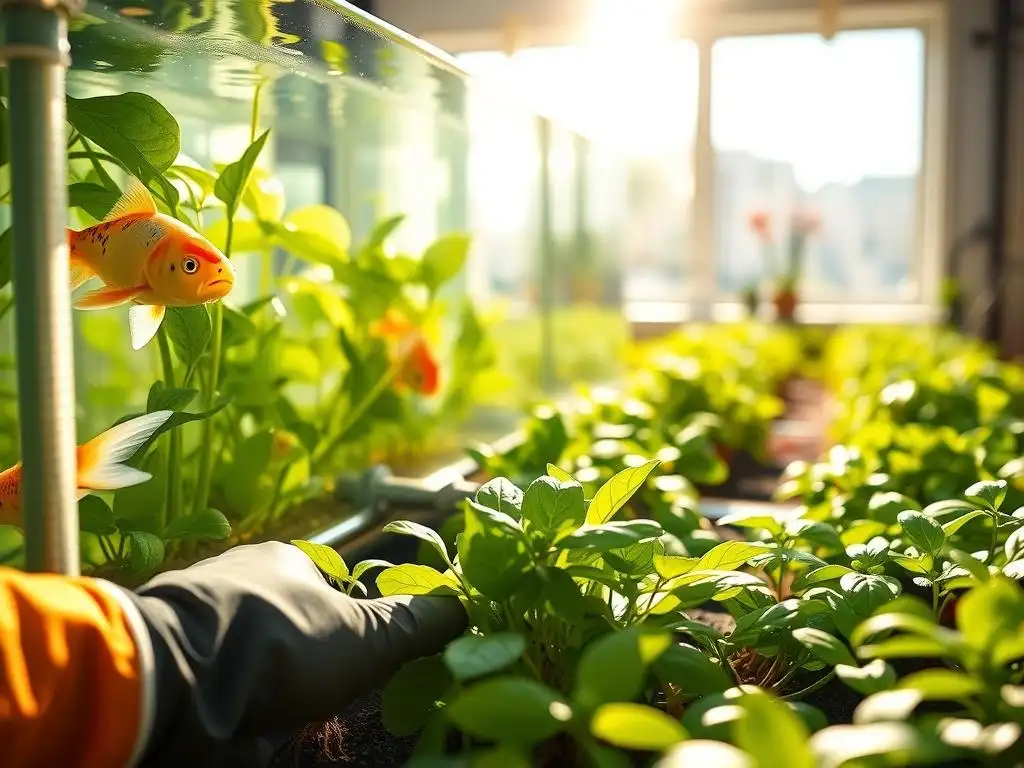
Ready to unlock the secrets of bountiful homegrown harvests? CultivateYourFood is your guide to sustainable and organic gardening. We're passionate about helping you grow your own fruits, vegetables, and herbs, and this journey begins with mastering the art of aquaponics. Facing challenges with your system? Our Aquaponics system troubleshooting guide will equip you with the practical solutions you need to overcome common problems and achieve thriving yields. Dive in and discover the answers you've been searching for!
-
Understanding Your Aquaponics System: Initial Setup and Diagnostics
- Identifying Common Aquaponics System Issues: A Checklist for Beginners
- Diagnosing Water Quality Problems in Your Aquaponics System: pH Levels, Ammonia, Nitrites, and Nitrates
- Essential Aquaponics Water Testing Kits: A Comparison of Popular Brands
- Understanding Your Fish's Behavior: Indicators of Aquaponics System Health
-
Addressing Common Aquaponic Plant Problems
- Nutrient Deficiencies in Aquaponic Plants: Identifying and Correcting Issues
- Common Aquaponic Plant Diseases: Prevention and Treatment Strategies
- Pest Control in Aquaponics: Organic and Sustainable Solutions
- Optimizing Light Exposure for Aquaponic Plants: LED Grow Lights vs. Natural Sunlight
- Choosing the Right Aquaponic Plants: Selecting Species Suitable for Your System
-
Troubleshooting Fish Health Issues in Your Aquaponics System
- Common Fish Diseases in Aquaponics: Symptoms, Diagnosis, and Treatment
- Maintaining Optimal Water Temperature for Your Fish: Heaters and Chillers for Aquaponics
- Overstocking Your Aquaponics System: Signs and Solutions
- Fish Behavior and Health Monitoring: A Practical Guide
- Choosing the Right Fish Species for Your Aquaponics Setup
-
Maintaining Your Aquaponics System: Preventative Measures
- Regular Maintenance Schedule for Your Aquaponics System: A Step-by-Step Guide
- Cleaning Your Aquaponics System: Effective Methods and Tools
- Preventing Algae Blooms in Your Aquaponics System: Tips and Tricks
- Troubleshooting Pump Issues in Your Aquaponics System: Common Problems and Solutions
- Regular Water Changes and System Flushing: Best Practices for Aquaponics
-
Advanced Aquaponics Troubleshooting: Addressing Complex Issues
- Troubleshooting Biofilter Problems: Restoring Beneficial Bacteria
- Dealing with Unexpected System Failures: Emergency Procedures
- Advanced Water Quality Management Techniques: Optimizing Nutrient Levels
- Troubleshooting System Leaks and Plumbing Issues: Repair and Maintenance
- Optimizing Your Aquaponics System Design: Improving Efficiency and Yield
- Resources for Aquaponics System Troubleshooting
- Frequently Asked Questions
- Final Reflection: Cultivating Resilience in Your Aquaponic Ecosystem
- Dive Deeper into Aquaponics Success!
Understanding Your Aquaponics System: Initial Setup and Diagnostics
Aquaponics, the symbiotic marriage of aquaculture (raising fish) and hydroponics (growing plants without soil), offers a sustainable and efficient way to cultivate food at home. However, this integrated system requires careful monitoring and understanding to thrive. This comprehensive guide provides a practical, step-by-step approach to troubleshooting common aquaponics problems, empowering you to successfully cultivate your own fruits, vegetables, and herbs organically.
We'll cover everything from identifying initial issues to advanced water quality diagnostics, ensuring your aquaponics system flourishes and yields a bountiful harvest. This guide serves as your ultimate "aquaponics system troubleshooting guide," equipping you with the knowledge to resolve issues quickly and effectively, maximizing your yield and minimizing frustration. Let's dive into the fascinating world of aquaponics troubleshooting!
Identifying Common Aquaponics System Issues: A Checklist for Beginners
Starting an aquaponics system can be exciting, but encountering problems is a normal part of the learning curve. Before diving into complex diagnostics, let's establish a basic checklist to identify common issues. This checklist helps you pinpoint potential problems early, preventing them from escalating into larger issues. Remember, early detection is key in aquaponics!
Here's a simple checklist to guide you:
| Issue | Description | Possible Causes | Solution |
|---|---|---|---|
| Fish Showing Distress | Lethargy, unusual swimming patterns, loss of appetite, discoloration | Poor water quality (high ammonia, nitrite, low oxygen), disease, parasites | Test water parameters, improve aeration, treat disease if necessary |
| Plant Wilting/Yellowing | Plants appear unhealthy, leaves yellow or brown, stunted growth | Nutrient deficiencies, improper pH, root rot, insufficient light | Adjust nutrient levels, check pH, address root rot, improve lighting |
| Cloudy Water | Water appears murky or cloudy | High organic load (uneaten fish food, decaying plant matter), bacterial bloom | Increase water changes, improve filtration, monitor nutrient levels |
| Unpleasant Odor | Water has a foul or unusual smell | High ammonia levels, decaying matter, bacterial imbalance | Improve filtration, increase water changes, address the source of the odor |
| Algae Growth | Excessive algae growth in the system | Excessive light, high nutrient levels, insufficient water flow | Reduce light exposure, adjust nutrient levels, improve water circulation |
| Low Fish Growth | Fish aren't growing as expected | Poor water quality, inadequate feeding, overcrowding | Improve water quality, adjust feeding schedule, ensure sufficient space |
Remember to regularly inspect your system for any unusual signs. A proactive approach to maintenance and monitoring will prevent many potential problems. Early detection is crucial for successful aquaponics!
Diagnosing Water Quality Problems in Your Aquaponics System: pH Levels, Ammonia, Nitrites, and Nitrates
Water quality is paramount in a thriving aquaponics system. Regular testing is essential to maintain the delicate balance necessary for both fish and plants to flourish. Let's delve into the key parameters:
- pH: The pH level should ideally be between 6.0 and 7.0. A pH outside this range can negatively impact both fish health and nutrient uptake by plants. Use a reliable pH meter for accurate readings.
- Ammonia (NH₃): Ammonia is toxic to fish, even at low concentrations. Levels should always be close to 0 ppm (parts per million). High ammonia indicates a problem with the nitrogen cycle.
- Nitrites (NO₂⁻): Nitrites are also toxic to fish. They are an intermediate product in the nitrogen cycle. Levels should also be near 0 ppm.
- Nitrates (NO₃⁻): Nitrates are a less toxic form of nitrogen and are essential plant nutrients. While nitrates are essential, excessively high levels can still be detrimental. Aim for nitrates below 50 ppm.
Regular testing and adjustments are crucial for maintaining optimal water quality. Remember to consistently monitor these parameters and take corrective action as needed to ensure a healthy and productive aquaponics system.
Essential Aquaponics Water Testing Kits: A Comparison of Popular Brands
Choosing the right water testing kit is vital for effective aquaponics system management. Several brands offer kits with varying features and price points. Consider these factors when selecting a kit:
| Feature | Importance |
|---|---|
| Test Parameters | Ensure the kit tests for pH, ammonia, nitrite, and nitrate. Some kits may include additional tests. |
| Accuracy | Opt for a kit with high accuracy for reliable results. |
| Ease of Use | Choose a kit with clear instructions and easy-to-understand results. |
| Cost | Consider the overall cost and the frequency of testing needed. |
| Reagent Lifespan | Check how long the testing reagents last to determine replacement costs. |
Detailed Comparison (Information Pending)
A detailed comparison of popular aquaponics testing kits with specific brand names, pricing, and feature breakdowns will be added here soon. We are currently collecting data on various brands and models to provide a comprehensive overview for our readers.
Choosing the right kit will significantly impact your ability to effectively monitor and maintain your aquaponics system. Accurate and timely testing is key to preventing problems before they escalate.
Understanding Your Fish's Behavior: Indicators of Aquaponics System Health
Observing your fish is paramount in aquaponics system troubleshooting. Their behavior acts as a crucial early warning system, signaling potential problems before they escalate into major issues impacting your entire system. Healthy fish are active, exhibiting natural swimming patterns and a keen appetite. They should readily accept food and maintain a bright, alert appearance. Their scales should be shiny, and their gills should be a healthy pink color, moving rhythmically. Any deviation from this baseline warrants immediate attention.
For example, lethargic fish, frequently resting at the bottom of the tank or exhibiting unusual swimming patterns (such as erratic movements or constantly staying near the surface gasping for air), are clear signs of distress. This could indicate low dissolved oxygen levels, high ammonia or nitrite concentrations, or even a disease outbreak. Similarly, a loss of appetite is a significant red flag, potentially suggesting a problem with water quality or a parasitic infection. Careful observation of feeding behavior—how eagerly they eat, how much they consume, and any signs of difficulty swallowing—can provide valuable insights.
Furthermore, changes in fish coloration can be indicative of underlying problems. Fading or dull coloration often signals stress or illness. Conversely, unusually bright or vibrant colors might suggest a temporary imbalance, but it's crucial to monitor for further symptoms. Inspecting the fish for external parasites, such as white spots or unusual growths, is also essential. These visual checks, combined with regular water testing, form the cornerstone of proactive aquaponics system management.
Remember, proactive monitoring can help prevent smaller problems from becoming larger, more costly issues. Early detection and intervention are key to maintaining a thriving aquaponics system and healthy fish. Regularly documenting your observations in a journal can also prove invaluable in tracking long-term trends and identifying recurring patterns. This proactive approach allows for timely intervention, preventing significant losses and ensuring the long-term success of your aquaponics setup.
Addressing Common Aquaponic Plant Problems
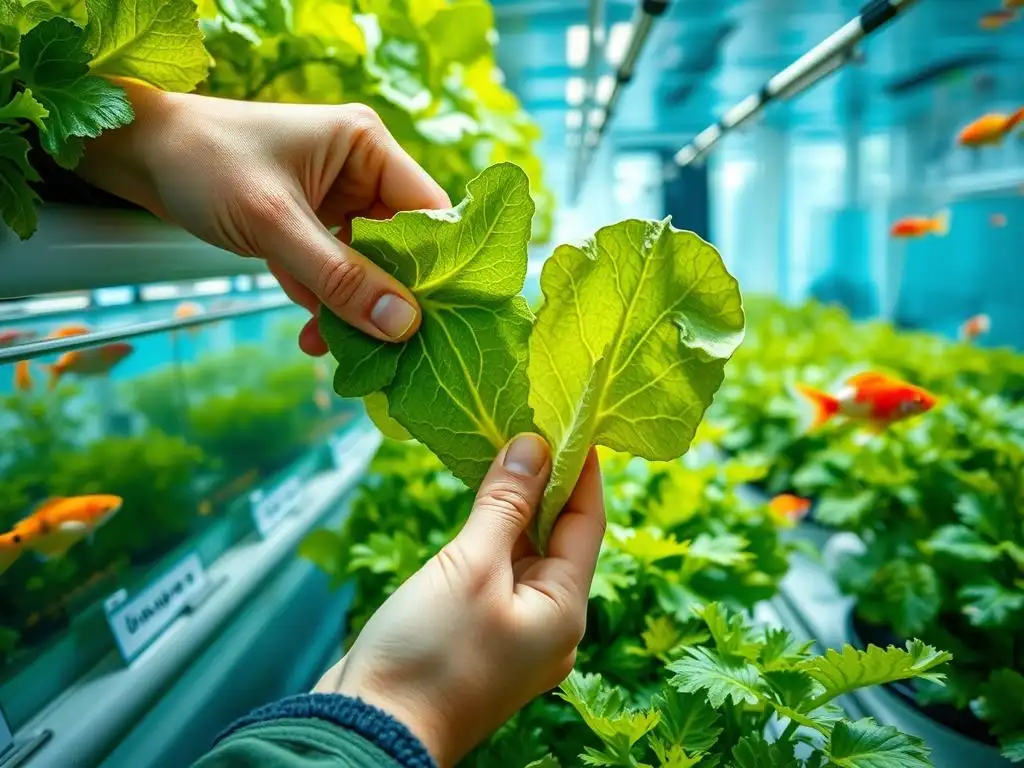
This section delves into the most frequent plant-related issues encountered in aquaponics systems, offering practical solutions for maintaining healthy and productive crops. We'll explore nutrient deficiencies, common diseases, and effective pest control strategies, all within the framework of sustainable and organic practices. Remember, proactive monitoring is key to preventing major problems in your aquaponics system. Early detection significantly improves the chances of successful intervention.
Nutrient Deficiencies in Aquaponic Plants: Identifying and Correcting Issues
Nutrient deficiencies are a common problem in aquaponics, often manifesting as visible symptoms on your plants. These deficiencies arise from imbalances in the nutrient solution circulating within your system. Accurate diagnosis is crucial for effective treatment. Let's examine some key indicators:
- Nitrogen (N) Deficiency: Symptoms include stunted growth, pale green or yellowish leaves, and overall wilting. Older leaves are usually affected first. This is often the most common deficiency.
- Phosphorus (P) Deficiency: Plants exhibit dark green or purplish leaves, particularly on older leaves. Growth is stunted, and flowering and fruiting may be reduced. Root development can be impaired.
- Potassium (K) Deficiency: This deficiency shows up as yellowing and browning of leaf margins, with leaf curling and scorching. Plants become weak and susceptible to diseases.
- Magnesium (Mg) Deficiency: Characterized by yellowing between leaf veins (interveinal chlorosis), often starting with older leaves. This resembles nitrogen deficiency but progresses differently.
Correcting Nutrient Deficiencies:
The best approach is prevention through regular water testing and monitoring of nutrient levels. Use a reliable test kit to measure the levels of essential nutrients in your water. Based on the test results, you can adjust the nutrient balance by adding appropriate fertilizers. Consider using organic fertilizers such as fish emulsion or seaweed extract to maintain a balanced and healthy environment. Remember to always follow the manufacturer's instructions when adding any fertilizer to your system.
| Nutrient Deficiency | Symptoms | Correction |
|---|---|---|
| Nitrogen (N) | Stunted growth, pale leaves, wilting | Add nitrogen-rich organic fertilizer |
| Phosphorus (P) | Dark green/purplish leaves, stunted growth | Add phosphorus-rich organic fertilizer |
| Potassium (K) | Yellowing/browning leaf margins, leaf curl | Add potassium-rich organic fertilizer |
| Magnesium (Mg) | Interveinal chlorosis, yellowing between veins | Add magnesium sulfate (Epsom salt) – sparingly |
Regular water changes and maintaining good water quality are also essential for preventing nutrient deficiencies. A healthy aquatic environment promotes healthy plant growth.
Common Aquaponic Plant Diseases: Prevention and Treatment Strategies
Several diseases can affect plants in aquaponics systems. Maintaining a clean and healthy environment is crucial for disease prevention. Let's explore some common issues and their management:
- Root Rot: Caused by excessive moisture and poor aeration. Symptoms include wilting, yellowing leaves, and soft, mushy roots. Improving water circulation and aeration can help prevent this.
- Damping-off: A fungal disease affecting seedlings, causing them to collapse and die. Ensure proper seed starting techniques and avoid overwatering.
- Leaf Spot Diseases: Various fungal or bacterial diseases causing spots or lesions on leaves. Good sanitation and air circulation are key. Remove affected leaves promptly.
Treatment Strategies:
The best approach is prevention. Proper sanitation, adequate water flow, and appropriate spacing between plants are vital. If diseases occur, consider using organic fungicides or bactericides. Always identify the specific disease before applying any treatment. In severe cases, removing affected plants may be necessary to prevent the spread of disease. This minimizes the impact on the rest of your aquaponic system. Remember to always prioritize organic and sustainable solutions.
Pest Control in Aquaponics: Organic and Sustainable Solutions
Pest control in aquaponics requires a holistic approach that prioritizes prevention and natural methods. Here are some effective strategies:
- Beneficial Insects: Introducing beneficial insects like ladybugs or lacewings can help control aphids and other pests.
- Neem Oil: A natural insecticide derived from the neem tree, effective against a broad range of pests. Use as directed.
- Diatomaceous Earth: A fine powder that dehydrates and kills insects. Apply carefully to avoid inhalation.
- Physical Removal: Manually removing pests is often the most effective method, especially for smaller infestations.
Sustainable Pest Management:
Focus on creating a healthy environment that is less hospitable to pests. This includes maintaining proper water quality, avoiding overcrowding, and choosing pest-resistant plant varieties. Regular inspection of your plants is crucial for early detection of any infestations. Early intervention is key to minimizing the damage and avoiding the need for harsh chemicals. This approach ensures a sustainable and healthy aquaponics system. Remember, a thriving ecosystem is your best defense against pests.
Optimizing Light Exposure for Aquaponic Plants: LED Grow Lights vs. Natural Sunlight
Aquaponic systems, by their very nature, present unique challenges when it comes to providing optimal light for plant growth. The balance between sufficient light and avoiding algae blooms requires careful consideration. The choice between LED grow lights and natural sunlight significantly impacts this balance, influencing both plant health and the overall system's stability.
Natural sunlight, while free and seemingly ideal, presents several drawbacks in an aquaponics setup. The intensity of sunlight fluctuates throughout the day and across seasons, making consistent light exposure difficult to maintain. This inconsistency can lead to uneven plant growth and stress. Furthermore, excessive sunlight can promote rapid algae growth in the water, potentially harming fish and clogging filters.
The optimal amount of sunlight can also vary significantly based on geographical location and the time of year. For example, a system located in a high-latitude region during winter will receive substantially less sunlight than one in a tropical climate. Therefore, relying solely on natural sunlight requires meticulous monitoring and adjustments, often proving less predictable than artificial lighting.
LED grow lights, on the other hand, offer greater control and consistency. They provide a stable light spectrum tailored to the specific needs of the aquaponic plants. This allows for precise light intensity and duration adjustments, promoting healthy growth and minimizing the risk of algae blooms. Modern LED grow lights are energy-efficient, reducing operational costs compared to other lighting options like high-pressure sodium (HPS) lamps.
However, LED grow lights represent an upfront investment, and choosing the correct spectrum and intensity is crucial for success. Inadequate lighting can still lead to poor growth, while overly intense lighting can still cause plant stress. Careful research and understanding of the light requirements for your chosen plant species are essential. Additionally, the placement of LED grow lights needs careful planning to ensure even light distribution across all plants within the system.
The decision between LED grow lights and natural sunlight hinges on several factors, including budget, geographic location, and the level of control desired. While natural sunlight provides a cost-effective option, it necessitates greater vigilance and adaptation. LED grow lights, while demanding an initial investment, offer superior control and predictability, potentially leading to more consistent and robust plant growth. A hybrid approach, combining natural sunlight with supplemental LED lighting, may prove the most effective strategy in many cases.
Choosing the Right Aquaponic Plants: Selecting Species Suitable for Your System
Selecting appropriate plants for your aquaponic system is paramount to its success. The wrong plant choices can lead to imbalances in the system, affecting both plant and fish health. Several factors must be considered when making these crucial decisions. The plants' growth rate, nutrient requirements, and their tolerance for varying water conditions all play a vital role in the overall system's equilibrium.
Firstly, consider the growth rate of your chosen plant species. Fast-growing plants, such as lettuce, basil, and certain types of leafy greens, are often preferred as they efficiently consume the nutrients produced by the fish waste. This helps maintain a healthy balance within the system and prevents nutrient build-up, which can lead to algae blooms and water quality issues. Slower-growing plants, such as tomatoes or peppers, can still be incorporated, but they may require more careful monitoring of nutrient levels to avoid deficiencies.
Secondly, examine the nutrient requirements of each plant. Different plants have different nutrient needs. Some plants are more tolerant of fluctuating nutrient levels than others. Choosing a diverse range of plants with varying nutrient requirements can help balance the system and improve overall efficiency. For instance, combining fast-growing leafy greens with slower-growing fruiting plants can create a well-rounded and sustainable aquaponic system. Knowing the specific nutrient needs of your chosen plants allows for better management of the system's overall nutrient balance.
Finally, assess the plants' tolerance for varying water conditions. Aquaponic systems, unlike traditional soil-based gardening, expose plants to a constantly circulating water environment. The water's pH, temperature, and dissolved oxygen levels significantly affect plant health. Choosing plants that are tolerant of fluctuations in these parameters is essential for system stability. Certain plants are more adaptable than others, making them better suited for the dynamic environment of an aquaponic system. Researching the specific requirements of your chosen plants before introducing them to the system is crucial for long-term success.
Selecting the right aquaponic plants involves careful consideration of their growth rate, nutrient demands, and tolerance to fluctuating water conditions. A well-planned plant selection, incorporating a diverse range of species, is key to creating a thriving and balanced aquaponic system. Prioritizing plants known for their adaptability and efficient nutrient uptake will significantly contribute to the overall success and sustainability of your aquaponics endeavor.
Troubleshooting Fish Health Issues in Your Aquaponics System
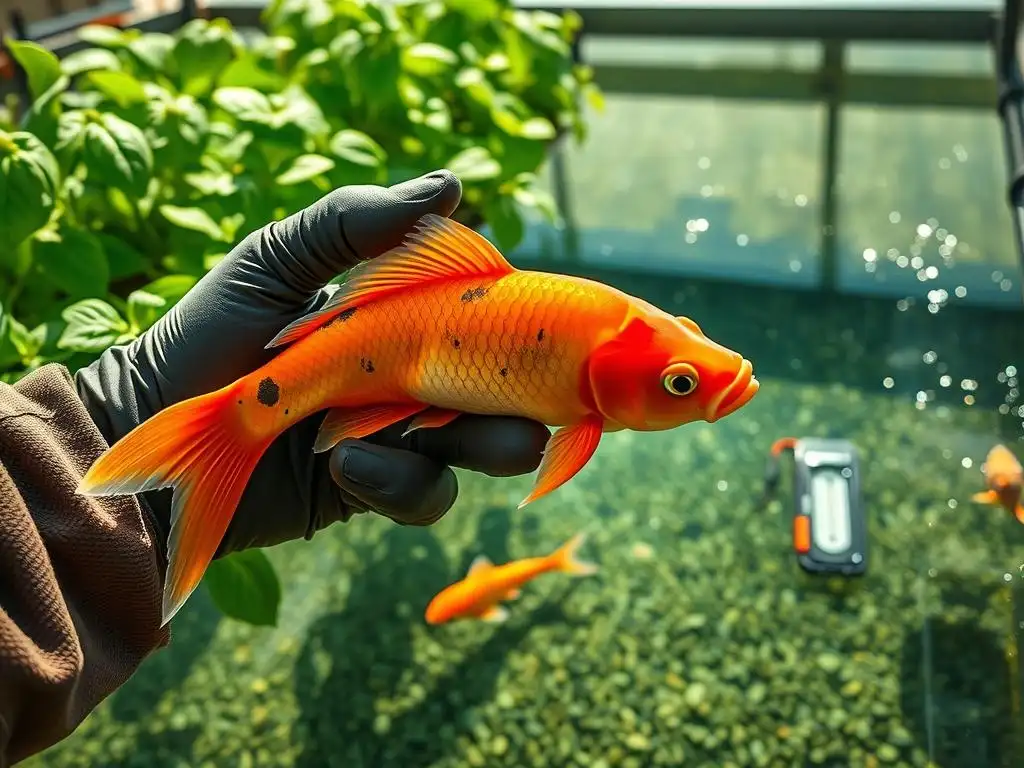
Aquaponics system troubleshooting guide often begins with assessing the health of your fish. Healthy fish are crucial for a thriving aquaponics system; they're the engine driving the nutrient cycle. Ignoring fish health problems can quickly lead to system failure. This section focuses on identifying and addressing common fish health issues. Early detection and prompt action are key to preventing widespread illness and maintaining a balanced ecosystem.
Common Fish Diseases in Aquaponics: Symptoms, Diagnosis, and Treatment
Fish diseases in aquaponics can stem from various factors, including poor water quality, stress, overcrowding, and parasitic infections. Early identification is critical. Let's explore some common ailments:
- Ich (White Spot Disease): This highly contagious parasitic infection manifests as small white spots on the fish's skin and fins. Infected fish may also exhibit lethargy, loss of appetite, and rapid gill movements. Treatment involves raising the water temperature (slightly, within the fish's tolerance), adding aquarium salt (following dosage instructions carefully! ), and potentially using a parasite medication specifically formulated for aquaponics, always ensuring it's safe for your chosen fish species and the beneficial bacteria in your system. Regular water changes are also vital.
- Fin Rot: Characterized by frayed, damaged, or decaying fins, fin rot is often caused by poor water quality (high ammonia or nitrite levels) or bacterial infections. Improved water quality through regular testing and appropriate filtration is crucial. In severe cases, an antibiotic treatment specifically designed for aquatic use might be necessary. Remember to always research the specific needs of your fish species before introducing any medication.
- Columnaris: This bacterial infection is characterized by cotton-like growths on the fish's body and fins, often accompanied by lethargy and loss of appetite. Treatment typically involves antibiotics, though success depends on early detection and prompt action. Improving water quality and reducing stress factors are also vital components of treatment.
- Bacterial Infections (General): Many bacterial infections in aquaponics present similarly, causing lethargy, loss of appetite, and unusual swimming behavior. Water testing to pinpoint the problem (high ammonia, nitrite, etc.) is crucial. Treatment may involve antibiotics, but improving water quality and reducing stress is paramount.
It's crucial to quarantine any newly introduced fish before adding them to your main system to prevent the introduction of diseases. Regular observation of your fish's behavior and appearance is essential for early detection of problems. Maintaining a healthy and stable aquaponics environment is the best preventative measure against fish diseases. Remember to always consult a fish health expert or experienced aquaponics practitioner for specific diagnoses and treatment plans.
Maintaining Optimal Water Temperature for Your Fish: Heaters and Chillers for Aquaponics
Maintaining the correct water temperature is paramount for fish health and overall aquaponics system success. Fish have specific temperature ranges they thrive in; deviating from these can lead to stress, reduced immunity, and increased susceptibility to disease. The ideal temperature depends on the fish species; research your specific fish's needs thoroughly.
Temperature fluctuations can be mitigated with the use of aquarium heaters and chillers. Heaters are essential in colder climates, while chillers are necessary in warmer regions to prevent overheating. Consider the following:
- Heater Selection: Choose a submersible heater appropriate for your tank size and the desired temperature range. Ensure the heater has a thermostat for precise temperature control and safety features to prevent overheating.
- Chiller Selection: Chillers are more complex and expensive than heaters. Their selection requires careful consideration of tank size, water flow rate, and ambient temperature. Consult with an aquaponics specialist for accurate sizing and installation.
- Temperature Monitoring: Invest in a reliable aquarium thermometer to regularly monitor the water temperature. Accurate monitoring allows for timely adjustments and prevents drastic temperature swings.
| Fish Species | Optimal Temperature Range (°C) |
|---|---|
| Tilapia | 24-30 |
| Trout | 10-15 |
| Catfish (Channel) | 20-28 |
| Koi | 18-24 |
| (Note: These are general ranges; consult specific species guides for precise requirements.) |
Consistent temperature control is vital for a healthy and productive aquaponics system. Regular maintenance and monitoring of your heating and cooling equipment are essential to ensure optimal fish health and system performance.
Overstocking Your Aquaponics System: Signs and Solutions
Overstocking your aquaponics system is a common mistake with severe consequences. Too many fish produce excessive waste, overwhelming the system's capacity to process ammonia and nitrites. This leads to toxic build-up, harming fish and potentially killing them.
Signs of overstocking:
- High ammonia and nitrite levels in water tests.
- Fish exhibiting signs of stress (lethargy, rapid gill movement).
- Poor plant growth.
- Cloudy or foul-smelling water.
- Increased algae growth.
Solutions:
- Reduce fish population: This is the most immediate solution. Carefully remove some fish to reduce the bioload. Consider donating excess fish to a local aquaponics farm or responsible pet owner.
- Increase system size: If feasible, expanding your aquaponics system (larger tank, more grow beds) will increase its processing capacity. This is a long-term solution requiring careful planning and execution.
- Improve filtration: Enhance your system's filtration capacity with additional mechanical and biological filters to better manage waste. Regular maintenance of existing filters is also crucial.
- Improve aeration: Adequate aeration is essential for oxygenating the water and reducing ammonia levels. Ensure your air pump and airstones are functioning optimally and providing sufficient oxygenation.
Careful planning and monitoring are crucial to avoid overstocking. Calculate the appropriate stocking density based on your tank's size and the fish species you've chosen, considering their growth rate and waste production. Regular water testing and observation of your fish and plants are vital for early detection of problems. A healthy aquaponics system is a balanced ecosystem; maintaining that balance requires careful management and attention to detail.
Fish Behavior and Health Monitoring: A Practical Guide
Regular observation is crucial for maintaining a thriving aquaponics system. Healthy fish exhibit vibrant colors, active swimming patterns, and a healthy appetite. They should be alert and responsive to their environment. Deviations from this baseline can indicate underlying problems. For example, lethargy, loss of appetite, clamped fins, unusual swimming patterns (such as erratic movements or staying at the bottom of the tank), or changes in coloration (fading or discoloration) are all warning signs that require immediate attention.
A daily visual inspection, even for just a few minutes, can make a significant difference in early detection. Note any changes in their behavior or appearance. Keep a detailed log of your observations, including date, time, and any specific symptoms noticed. This log will be invaluable in tracking the progression of any illness and assessing the effectiveness of any treatment. Furthermore, regularly checking water parameters – temperature, pH, ammonia, nitrite, and nitrate levels – is essential.
These parameters directly impact fish health. Maintaining optimal water quality is paramount in preventing and addressing many common aquaponics problems. Significant fluctuations or deviations from ideal ranges can severely compromise the health of your fish and the overall success of your system. Invest in a reliable water testing kit and utilize it consistently.
Choosing the Right Fish Species for Your Aquaponics Setup
Selecting the appropriate fish species is fundamental to the success of your aquaponics system. Different fish species have varying tolerances for water parameters and environmental conditions. Choosing a species suited to your specific climate and system setup is vital. Consider factors such as water temperature, pH levels, and the available space in your fish tank.
For beginners, hardy and adaptable species are recommended. Tilapia, for example, are known for their resilience and fast growth rate, making them a popular choice for aquaponics novices. However, tilapia can be prone to certain diseases if not properly managed. Other suitable options include catfish, certain carp species, and some types of trout, depending on your climate. Researching the specific needs of your chosen species is essential.
Understanding their ideal water parameters, dietary requirements, and potential health vulnerabilities will allow you to create a supportive environment that promotes their well-being. Avoid overstocking your tank, as this can lead to stress, disease outbreaks, and compromised water quality. Appropriate stocking density varies depending on the species and the size of your tank; consulting reliable resources on aquaponics system design is crucial for accurate calculations. Remember that a healthy fish population is the cornerstone of a productive and sustainable aquaponics system. 🐠
Maintaining Your Aquaponics System: Preventative Measures
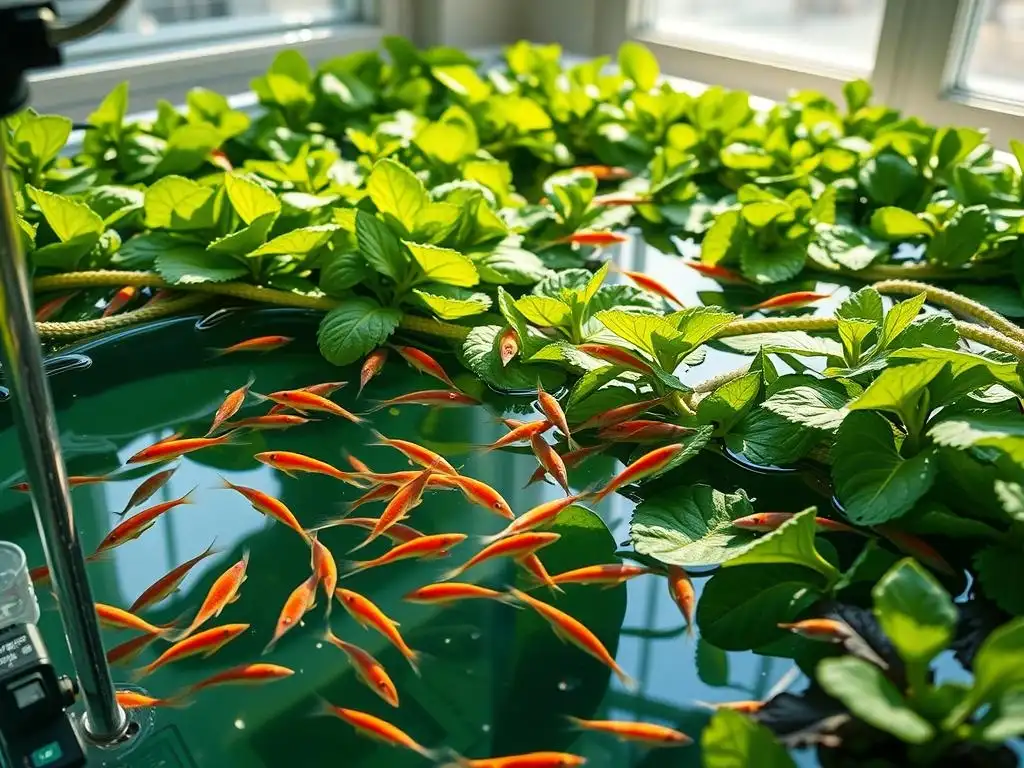
Regular maintenance is crucial for a thriving aquaponics system. Neglecting this aspect can lead to a cascade of problems, from poor plant growth to fish disease. Proactive maintenance minimizes troubleshooting and maximizes your yield. Think of it as preventative medicine for your miniature ecosystem. A well-maintained aquaponics system is a happy, productive one. This section focuses on practical steps you can take to keep your system running smoothly and prevent common issues before they arise. Remember, a little effort upfront saves significant headaches down the line.
Regular Maintenance Schedule for Your Aquaponics System: A Step-by-Step Guide
Establishing a regular maintenance schedule is paramount. This isn't about daily intensive work, but rather consistent, short checks and minor adjustments. Here's a sample schedule, adaptable to your specific system size and setup:
Weekly:
- Water Level Check: Ensure the water level in your fish tank remains consistent. Top up as needed. Significant fluctuations can stress your fish and disrupt the nitrogen cycle.
- Visual Inspection: Observe your fish for any signs of disease or stress (lethargy, unusual swimming patterns, loss of appetite). Inspect plants for signs of nutrient deficiency or pests.
- Water Quality Test: Use a reliable test kit to check ammonia, nitrite, nitrate, and pH levels. Maintaining optimal water parameters is fundamental to aquaponics success. Aim for:
- Ammonia: 0 ppm
- Nitrite: 0 ppm
- Nitrate: Ideally between 10-50 ppm (adjust based on your specific plant needs)
- pH: Ideally between 6.0-7.0 (adjust based on your specific plant needs)
Monthly:
- Partial Water Change: A 10-20% water change helps remove accumulated waste and maintain water quality. Always use dechlorinated water.
- Filter Cleaning: Clean your biofilter media (e.g., gravel, lava rock) gently to remove excess debris. Avoid using harsh chemicals.
- System Inspection: Conduct a thorough inspection of all system components, checking for leaks, clogs, or any signs of damage.
Quarterly:
- Deep Cleaning: A more thorough cleaning of the entire system, including a more extensive cleaning of the biofilter and a more significant water change. This is a good opportunity to inspect and clean any pumps, air stones, or other equipment.
This schedule provides a framework; adjust it based on your observations and the specific needs of your system. Regular monitoring is key to early detection and prevention of problems. 💦
Cleaning Your Aquaponics System: Effective Methods and Tools
Cleaning your aquaponics system is crucial for maintaining its health and preventing disease. However, aggressive cleaning can disrupt the delicate balance of your ecosystem. Gentle, regular cleaning is far more effective than infrequent, harsh scrubbing.
Here are some effective cleaning methods:
- Siphoning: Use a siphon to remove accumulated waste and debris from the bottom of the fish tank and grow bed. This is a gentle method that avoids disturbing the beneficial bacteria.
- Gentle scrubbing: For stubborn algae or biofilm, use a soft brush or sponge to gently scrub surfaces. Avoid harsh chemicals, as these can harm your fish and plants.
- Water changes: Regular partial water changes are essential for removing dissolved waste and maintaining water quality.
- Biofilter maintenance: Regularly inspect and clean your biofilter media. Remove any large debris, but avoid disturbing the beneficial bacteria colonies too much.
Tools:
- Siphon: A must-have tool for removing waste and debris.
- Soft brush or sponge: For gently scrubbing surfaces.
- Bucket: For collecting water during cleaning.
- Dechlorinator: To remove chlorine from tap water before adding it to the system.
Remember: Cleanliness is essential, but avoid over-cleaning. A balanced ecosystem thrives on a certain level of natural biofilm.
Preventing Algae Blooms in Your Aquaponics System: Tips and Tricks
Algae blooms are a common problem in aquaponics systems, often caused by excessive nutrients and light. While some algae are beneficial, excessive growth can block sunlight, reduce oxygen levels, and negatively impact fish and plant health. Preventing algae blooms requires a multi-pronged approach:
- Control nutrient levels: Regular water testing and adjustments are crucial. High levels of nitrates and phosphates fuel algae growth.
- Manage light exposure: Reduce direct sunlight exposure, especially during peak hours. Consider using shade cloth or adjusting the location of your system.
- Maintain good water flow: Adequate water circulation helps to prevent nutrient build-up and oxygen depletion, both of which contribute to algae growth.
- Introduce algae-eating organisms: Some fish species and invertebrates can help control algae growth.
- Regular cleaning: Remove any visible algae growth promptly. A small amount of algae is normal, but large blooms need to be addressed.
By implementing these strategies, you can significantly reduce the risk of algae blooms and maintain a healthy and productive aquaponics system. Remember, prevention is always better than cure when it comes to aquaponics system management. Careful monitoring and proactive maintenance are key to long-term success. 🌱
Troubleshooting Pump Issues in Your Aquaponics System: Common Problems and Solutions
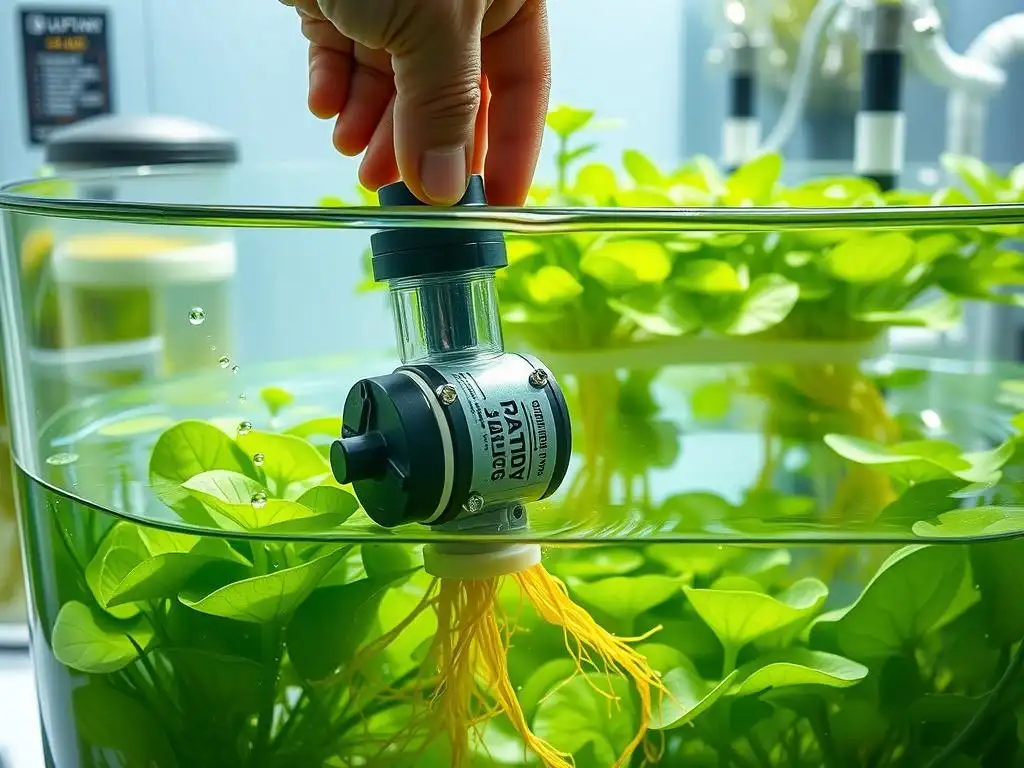
A reliable pump is the heart of any successful aquaponics system. Malfunctioning pumps can lead to oxygen depletion in the fish tank, insufficient nutrient delivery to the plants, and ultimately, system failure. Understanding common pump problems and their solutions is crucial for maintaining a healthy and productive system.
One frequent issue is reduced water flow. This could stem from several sources. Clogged intake filters are a primary culprit. Debris like fish waste, uneaten food, or plant matter can accumulate, restricting water flow. Regular cleaning, ideally weekly, is essential. Inspect the filter regularly and replace or clean it as needed. Another potential cause is a faulty impeller.
This rotating component within the pump can become damaged or worn, reducing its efficiency. If cleaning the filter doesn't resolve the issue, inspect the impeller for damage. Replacement might be necessary. Finally, airlocks can significantly impede pump performance. Air trapped within the pump's lines prevents proper water flow. This can often be remedied by carefully checking and bleeding any air bubbles from the system's pipes.
Another common problem is noisy operation. A pump that makes unusual noises, such as grinding or rattling, is a sign of potential trouble. This could indicate wear and tear on the pump's internal components, perhaps bearing failure or impeller damage. A noisy pump should be addressed promptly to prevent complete failure. Check the pump's mounting; loose connections can amplify noise and cause vibration. If the noise persists after checking the mounting, professional inspection or replacement might be necessary.
Finally, complete pump failure is a serious issue. This necessitates immediate action to prevent fish mortality and plant damage. Always have a backup pump readily available as a preventative measure. Regular maintenance, including cleaning and occasional inspection of the pump's internal components, can significantly extend its lifespan and reduce the likelihood of unexpected failure. Remember to always disconnect the pump from the power source before any maintenance or inspection.
Regular Water Changes and System Flushing: Best Practices for Aquaponics
Maintaining water quality is paramount in aquaponics. Regular water changes and system flushing are essential preventative measures to avoid the buildup of harmful toxins and maintain a healthy environment for both fish and plants. The frequency of water changes depends on several factors, including the size of your system, the number of fish, and the type of fish. However, a general guideline is to perform partial water changes (around 10-20% of the total water volume) weekly. This helps remove accumulated waste and maintain optimal nutrient levels.
Before performing a water change, it's crucial to test the water parameters. Use a reliable test kit to measure ammonia, nitrite, nitrate, and pH levels. These readings will guide you in adjusting the water change accordingly. High levels of ammonia and nitrite are particularly dangerous to fish.
Always use dechlorinated water for water changes, as chlorine is highly toxic to aquatic life. Let the replacement water sit for at least 24 hours to allow chlorine to dissipate naturally. During water changes, gently siphon out the water from the bottom of the fish tank to remove accumulated waste and debris more effectively.
System flushing is a more thorough process usually performed less frequently, perhaps monthly or every two months, depending on your system's needs. This involves draining a larger portion of the water (up to 50%, or even more in some cases) and thoroughly cleaning the system components, including the grow bed, pipes, and the fish tank. This helps remove any biofilms or stubborn deposits that may accumulate over time. During the flushing process, pay close attention to the grow bed media. Remove any clogged or decaying media and replace it with fresh media if necessary.
Remember to always disconnect the pump and any other electrical components before starting any cleaning or maintenance procedures. Proper system flushing, coupled with regular partial water changes, contributes significantly to the longevity and productivity of your aquaponics system. A clean system is a healthy system. 🐠💧🌱
Advanced Aquaponics Troubleshooting: Addressing Complex Issues
This section delves into more complex aquaponics system issues that require a deeper understanding of the symbiotic relationship between fish and plants. While basic troubleshooting addresses readily apparent problems, advanced issues often require a more nuanced approach, combining observation, analysis, and strategic intervention. This guide provides the tools and knowledge to tackle these challenges effectively, ensuring the long-term health and productivity of your aquaponics system. Mastering these techniques will elevate your aquaponics game, moving you from beginner to confident aquaponics cultivator.
Troubleshooting Biofilter Problems: Restoring Beneficial Bacteria
A healthy biofilter is the cornerstone of a successful aquaponics system. Problems within the biofilter often manifest as cloudy water, foul odors, or a decline in plant health. Identifying the root cause is crucial. Several factors can compromise beneficial bacteria populations:
- Insufficient Surface Area: A biofilter lacking sufficient surface area for colonization by nitrifying bacteria ( Nitrosomonas and Nitrobacter) will struggle to process ammonia and nitrite effectively. This necessitates an increase in media volume or the addition of more media to the existing filter. Consider adding more lava rock, bio balls, or other suitable media to increase the surface area significantly.
- Toxic Chemical Introduction: Accidental introduction of chlorine, chloramine, or other harsh chemicals can decimate beneficial bacteria colonies. Always dechlorinate your water source thoroughly before introducing it to the system. Regular water testing is crucial to prevent unexpected chemical imbalances.
- Temperature Fluctuations: Extreme temperature swings can negatively impact bacterial activity. Maintaining a stable temperature range is essential for optimal biofilter performance. Consider using insulation or a heater to regulate temperature, especially in colder climates.
- Nutrient Imbalance: An excess or deficiency of specific nutrients can affect the growth and activity of nitrifying bacteria. Regular water testing to monitor ammonia, nitrite, and nitrate levels is vital. Adjusting nutrient levels using appropriate fertilizers or water changes can restore balance.
Example: Addressing a Biofilter Clog
Imagine your biofilter is clogged, leading to ammonia buildup. First, carefully inspect the filter media for signs of clogging. If significant clogging is observed, gently rinse the media with system water – *never* use tap water. This removes accumulated debris without harming the beneficial bacteria. After rinsing, return the media to the biofilter and monitor water parameters closely. If the problem persists, consider replacing a portion of the aged media with fresh media to repopulate the biofilter with vigorous bacteria.
Dealing with Unexpected System Failures: Emergency Procedures
Unexpected system failures, such as pump malfunctions or leaks, can severely compromise your aquaponics setup. Having a plan in place for such emergencies is critical. A proactive approach minimizes damage and ensures the survival of your fish and plants.
- Backup Power Source: Investing in a backup power source, such as a generator or battery backup system, is highly recommended, especially for systems with air pumps crucial for fish oxygenation. This safeguards your fish during power outages.
- Emergency Water Supply: Having a readily available source of dechlorinated water is essential to address leaks or unexpected water loss. Store a supply of dechlorinated water in a clean container for emergency use.
- Leak Detection and Repair: Regularly inspect all system components for leaks. Address minor leaks promptly to prevent major problems. Having spare parts on hand, such as tubing and connectors, is crucial for quick repairs.
- Fish Relocation: In the event of a major system failure, be prepared to temporarily relocate your fish to a separate container with appropriately oxygenated water. This protects them during repairs or system restarts.
| Emergency Situation | Immediate Action | Long-Term Solution |
|---|---|---|
| Pump Malfunction | Check power supply, fuses, and pump impeller; use backup pump if available. | Replace faulty pump; consider a redundant pump system. |
| Leak | Locate and address the leak; temporarily patch if needed. | Repair or replace damaged components; improve system durability. |
| Power Outage | Use backup power source; monitor fish and water parameters. | Invest in a reliable backup power system; consider solar power. |
Advanced Water Quality Management Techniques: Optimizing Nutrient Levels
Maintaining optimal nutrient levels is crucial for both fish and plant health. Advanced techniques go beyond simple testing and involve a deeper understanding of nutrient cycling and plant uptake.
- Nutrient Film Technique (NFT) Optimization: NFT systems require precise nutrient delivery. Regular monitoring of nutrient solution concentration and flow rate is essential. Adjustments based on plant growth stage and species are critical.
- Water Change Strategies: Developing a strategic water change schedule based on fish waste production and nutrient levels helps maintain water quality. Partial water changes are generally preferred to avoid disrupting the delicate balance of the system.
- Advanced Testing Methods: Using advanced testing kits that measure specific nutrient levels, such as potassium and phosphorus, provides a more comprehensive understanding of water quality beyond basic ammonia, nitrite, and nitrate tests. This precision allows for more targeted nutrient adjustments.
- Bioaugmentation: Introducing beneficial bacteria strains specifically designed to enhance nutrient cycling can improve overall system efficiency. This advanced technique can address specific nutrient imbalances or improve the biofilter's efficiency.
Example: Addressing Nitrate Buildup
High nitrate levels indicate an imbalance. Before adding more plants to consume the excess nitrates, consider the possibility of insufficient water changes or an overfeeding of fish. Adjust the feeding regime and increase the frequency of partial water changes. Regular monitoring of nitrate levels will show the efficacy of these adjustments. If the problem persists, consider using a nitrate-reducing bioaugmentation product.
Troubleshooting System Leaks and Plumbing Issues: Repair and Maintenance
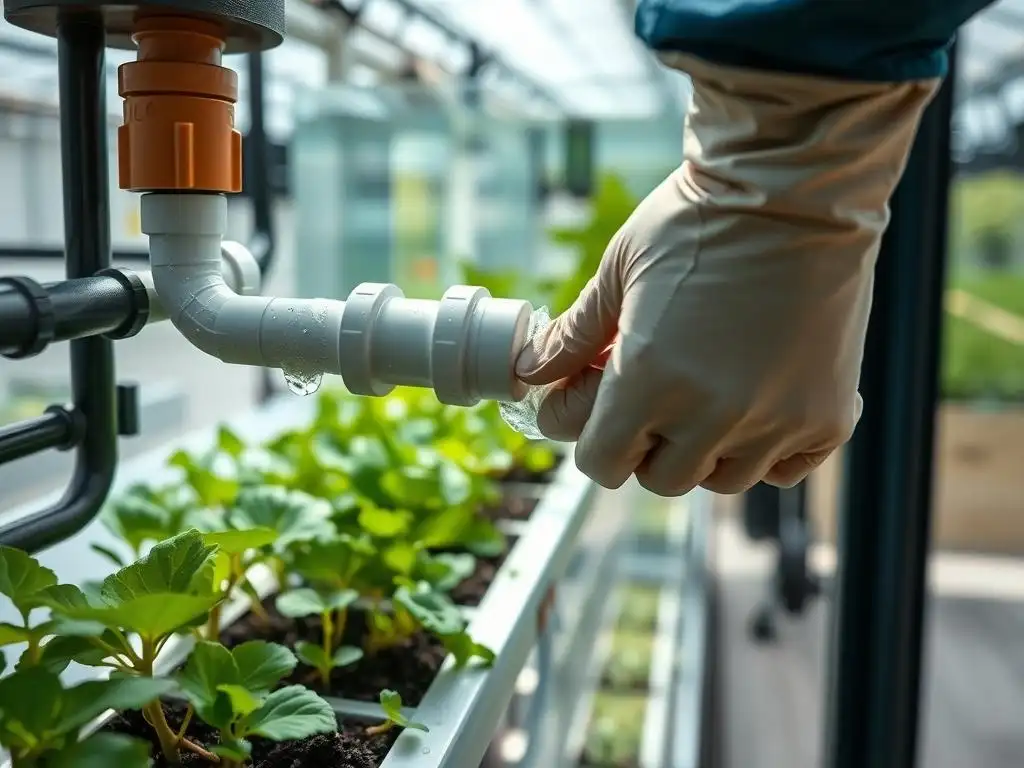
Leaks in an aquaponics system can be devastating, leading to water loss, nutrient imbalances, and even system failure. Identifying the source of a leak is the first crucial step. Carefully inspect all connections, pipes, and fittings for cracks, loose seals, or worn-out components. Pay close attention to areas subject to high pressure or vibration. A simple visual inspection often reveals the culprit. However, sometimes, the leak might be more subtle, requiring a more thorough investigation. For example, a slow drip from a seemingly secure joint could indicate a microscopic crack, requiring replacement of the affected component.
Repairing leaks depends on their nature and location. Minor leaks in flexible tubing can often be fixed with waterproof tape, but this is a temporary solution. For more significant leaks or damage to rigid pipes, replacement is usually necessary.
Always ensure that any new components are compatible with your system's materials and pressure ratings. Using the wrong type of sealant or pipe can lead to further problems down the line. Remember to turn off the water supply before attempting any repairs to prevent further water loss and potential damage.
Regular maintenance, including checking connections and replacing worn parts proactively, significantly reduces the risk of leaks and extends the lifespan of your aquaponics system. This preventative approach is far more cost-effective than dealing with the consequences of a major leak. Consider keeping a log of maintenance activities, noting any repairs and replacements made, to easily track system performance and anticipate potential issues.
Optimizing Your Aquaponics System Design: Improving Efficiency and Yield
Optimizing your aquaponics system's design is a continuous process aimed at maximizing efficiency and yield. This involves evaluating various aspects of your setup, from the size and placement of your fish tank to the layout of your grow beds. For instance, a poorly designed grow bed might lead to uneven water distribution, hindering plant growth in certain areas. Similarly, inadequate water flow can result in oxygen depletion in the fish tank, compromising fish health and overall system productivity.
One key aspect of optimization is ensuring adequate water flow. Insufficient flow can lead to stagnant water, promoting the growth of harmful bacteria and algae. Conversely, excessive flow can stress both plants and fish. Finding the optimal balance requires careful monitoring and adjustment of pumps and other flow-control mechanisms. Regular monitoring of water parameters like pH, dissolved oxygen, and nutrient levels is essential for fine-tuning the system. Consider using sensors and automated systems to monitor these factors continuously and alert you to potential problems. Regular water testing helps identify imbalances and allows for timely corrective actions.
Another critical factor is the balance between fish biomass and plant growth. An overstocked fish tank can overwhelm the system's biofiltration capacity, leading to ammonia buildup and fish mortality. Similarly, insufficient plant growth may not be able to process the waste produced by the fish. Careful planning and monitoring are necessary to maintain the right balance between fish and plants.
This might involve adjusting the stocking density of your fish or increasing the number or size of your grow beds as your system matures. Regular pruning and harvesting of plants are crucial to maintain optimal growth and prevent overcrowding. Careful consideration of these factors, coupled with continuous monitoring and adaptation, can significantly improve the efficiency and yield of your aquaponics system, leading to a thriving and productive setup.
Resources for Aquaponics System Troubleshooting
This section provides valuable resources to aid in troubleshooting your aquaponics system. Successfully navigating the challenges of aquaponics requires a combination of practical knowledge and access to reliable support networks. We'll explore various avenues for acquiring the necessary information and assistance.
Recommended Books and Online Resources for Aquaponics Success
Building a thriving aquaponics system requires ongoing learning and adaptation. Several excellent resources offer in-depth knowledge and practical guidance to help you diagnose and resolve common issues. These resources cover a wide range of topics, from understanding the nitrification cycle to managing common pests and diseases.
Investing in a few key books can provide a solid foundation. Look for books that offer detailed explanations of aquaponics principles, practical troubleshooting tips, and case studies of successful systems. Pay close attention to the author's credentials and experience; reputable authors will often have a proven track record in the field.
Beyond books, the internet offers a wealth of information. Many reputable websites and online forums dedicated to aquaponics provide valuable insights and community support. However, it's crucial to be discerning about the sources you consult. Prioritize information from established experts and organizations with a proven commitment to sustainable practices. Look for resources with detailed explanations, scientific backing, and practical examples. Avoid advice from unreliable sources or those promoting unsubstantiated methods.
Here's a suggested approach to finding reliable online resources:
- Search for reputable aquaponics organizations: These organizations often publish articles, guides, and research papers on various aspects of aquaponics, including troubleshooting.
- Use specific keywords: Instead of general searches, use precise keywords like "aquaponics algae bloom solutions," "aquaponics ammonia levels," or "aquaponics fish disease identification" to find targeted information.
- Cross-reference information: Don't rely on a single source. Compare information from multiple reputable sources to ensure accuracy and consistency.
Finding Local Aquaponics Experts and Communities for Support
While online resources are invaluable, direct access to local expertise can significantly improve your troubleshooting success rate. Engaging with local aquaponics communities offers several advantages:
- Personalized advice: Local experts can offer tailored advice based on your specific system setup, climate, and local conditions. This personalized approach can be far more effective than generic online advice.
- Hands-on assistance: In some cases, local experts might be able to provide hands-on assistance with diagnosing and fixing problems.
- Networking opportunities: Connecting with fellow aquaponics enthusiasts allows you to share experiences, learn from others' mistakes, and build a supportive network.
To find local experts and communities, consider the following:
- Search online directories: Many online directories list local aquaponics businesses, consultants, and community groups.
- Contact local agricultural extension offices: These offices often have resources and contacts related to sustainable agriculture, including aquaponics.
- Attend local gardening events and workshops: These events often feature experts and enthusiasts who can provide valuable advice and support.
- Join online forums and social media groups: Connect with aquaponics enthusiasts in your region through online platforms.
Aquaponics System Maintenance and Repair Services: Finding Local Help
Even with careful planning and diligent maintenance, your aquaponics system may require professional assistance from time to time. Finding reliable maintenance and repair services is crucial for ensuring the long-term health and productivity of your system.
When searching for local services, consider the following:
- Experience and expertise: Look for service providers with proven experience in aquaponics system maintenance and repair. Check reviews and testimonials to gauge their reputation and quality of work.
- Range of services: Ensure the provider offers the specific services you require, such as system cleaning, equipment repair, and troubleshooting assistance.
- Pricing and contracts: Obtain clear quotes and contracts outlining the services offered, the cost, and the terms of service.
- Emergency services: Inquire about the availability of emergency services in case of unexpected problems. A prompt response can be crucial in preventing significant damage to your system.
Remember, proactive maintenance is key to preventing many common aquaponics problems. Regular monitoring of water parameters, cleaning of filters, and timely attention to any unusual occurrences will significantly reduce the need for extensive repairs. However, having access to reliable local support is crucial for ensuring the long-term success of your aquaponics endeavor. 🐠
Frequently Asked Questions
What are some common problems in an aquaponics system?
Common issues include algae blooms, fish diseases, low nutrient levels, and poor water quality. Addressing these promptly is key to a healthy system.
How do I deal with an algae bloom in my aquaponics system?
Reduce light exposure to the grow bed, increase water flow, and consider adding beneficial bacteria to improve water quality. Regular maintenance is crucial for prevention.
My fish seem sick. What should I do?
Observe your fish closely for symptoms and quarantine any affected fish. Check water parameters (ammonia, nitrite, nitrate) and adjust accordingly. Consider consulting a veterinarian specializing in aquatic animals.
What are the signs of nutrient deficiencies in my plants?
Look for yellowing leaves, stunted growth, or unusual discoloration. This could indicate a problem with your nutrient balance or water flow. Test your water for nutrient levels.
How can I improve the water quality in my aquaponics system?
Regular water changes are essential. Ensure adequate filtration and aeration. Monitor pH levels and adjust as needed to maintain a healthy environment for both fish and plants.
Final Reflection: Cultivating Resilience in Your Aquaponic Ecosystem
The delicate balance within an aquaponic system mirrors the intricate relationships within our own world. Successfully troubleshooting common problems isn't just about fixing a faulty pump or addressing a nutrient imbalance; it's about understanding the interconnectedness of life and learning to adapt to unexpected challenges. This understanding translates directly to a more sustainable and resilient approach to food production, a crucial skill in our increasingly unpredictable climate.
The journey of building and maintaining a thriving aquaponic system is a constant lesson in observation, patience, and adaptation. It's a humbling experience that teaches us to respect the natural world and the delicate ecosystems we strive to create. The best way to predict the future is to create it,
and in the world of aquaponics, this means actively learning from setbacks and continuously refining our techniques to foster a healthier, more productive system. This mirrors our own lives, where resilience and adaptability are key to navigating uncertainty and achieving our goals.
You've now equipped yourself with the knowledge to tackle many common aquaponics challenges. But more importantly, you've gained a deeper appreciation for the interconnectedness of life and the importance of proactive problem-solving. Now, take this knowledge and apply it to your own system – observe closely, learn from your mistakes, and celebrate your successes. The journey of aquaponics is a rewarding one, filled with continuous learning and the satisfaction of nurturing life, from seed to plate. Embrace the challenge, and watch your aquaponic garden flourish.
Dive Deeper into Aquaponics Success!
Thank you for exploring the world of aquaponics! We hope this guide provided practical solutions to common challenges. Now it's time to apply your new knowledge.
- Address your biggest aquaponics challenge today: Identify the most pressing issue in your system and dedicate 30 minutes to implementing a solution. This focused effort will yield noticeable results.
- Share your aquaponics journey: Inspire others by posting a photo of your system, or a specific problem you're solving, on social media using #CultivateYourFood.
- Learn more: Explore our extensive collection of aquaponics articles on cultivateyourfood.org to discover advanced techniques and solutions.
Ready to transform your aquaponics system from a challenge into a thriving ecosystem? What's your first step?