
Warm Climate Aquaponics: Adapting Your Setup for Heat

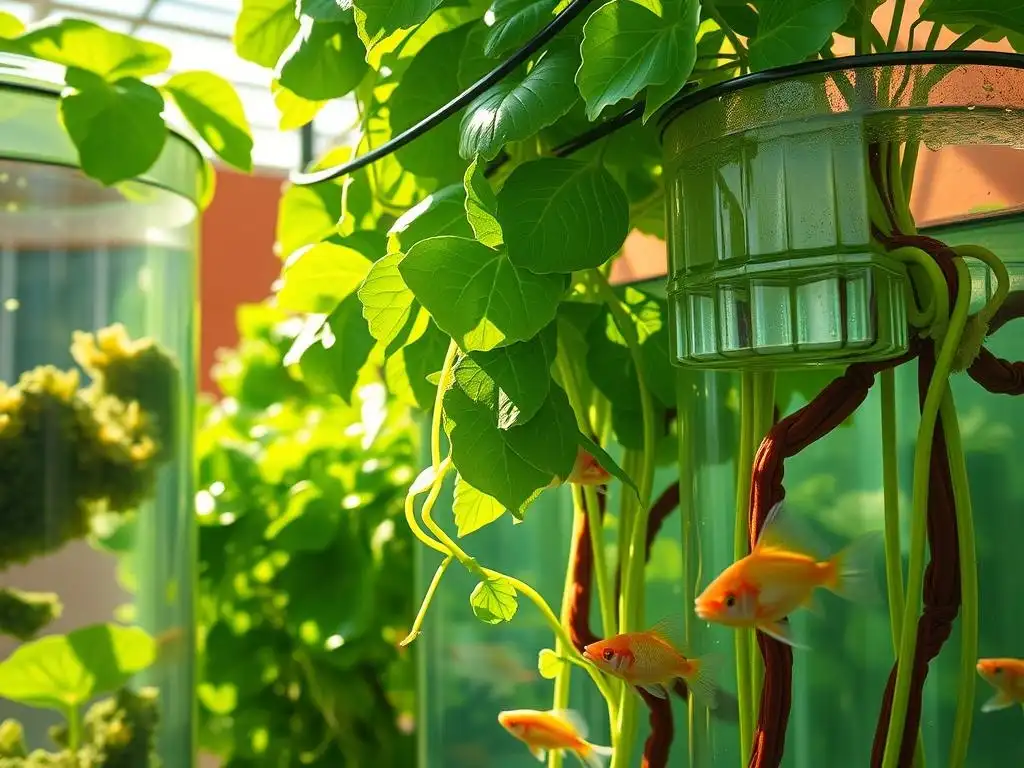
Ready to unlock the secrets of bountiful harvests, even in the heat? CultivateYourFood is your guide to sustainable and organic home gardening. This website is dedicated to empowering you to grow your own fruits, vegetables, and herbs. Intrigued by the possibilities of a thriving aquaponics warm climate setup? Discover how to adapt your system for optimal growth in warmer regions – learn more now and transform your garden into a year-round paradise!
- Understanding the Challenges of Warm Climate Aquaponics
- Choosing the Right Equipment for Warm Weather Aquaponics
- Effective Water Cooling Techniques for Aquaponic Systems
- Adapting Your Plant Choices for Hot Climates
- Maintaining Water Quality in High Temperatures
- Case Studies: Successful Warm Climate Aquaponics Setups
- Troubleshooting Common Warm Weather Aquaponics Problems
- Resources for Warm Climate Aquaponics Success
-
Frequently Asked Questions
- What are the unique challenges of setting up an aquaponics system in a warm climate?
- How can I mitigate the effects of high temperatures on my warm climate aquaponics system?
- Which fish species are best suited for warm climate aquaponics?
- What adjustments should I make to my grow bed for a warm climate setup?
- How important is water quality monitoring in a warm climate aquaponics system?
- Final Reflection: Thriving in the Heat: Aquaponics for a Warmer World
- Unlock Your Aquaponic Oasis in the Heat!
Understanding the Challenges of Warm Climate Aquaponics
Aquaponics, the symbiotic marriage of aquaculture (raising fish) and hydroponics (growing plants without soil), presents unique challenges in warm climates. While the warm temperatures might seem ideal for plant growth, they can significantly impact the delicate balance of this system, potentially leading to decreased yields and even system failure.
This article will delve into the specific adaptations needed to successfully operate an aquaponics system in hot, humid environments, focusing on strategies to mitigate the increased risks associated with high temperatures. Successfully navigating these challenges will allow you to enjoy a thriving aquaponics system year-round, even in the warmest regions, producing fresh, organic food sustainably.
We'll explore practical solutions to address issues like high water temperatures, algae blooms, and increased evaporation, ensuring your aquaponics setup remains healthy and productive throughout the hottest months. This guide is essential for anyone looking to establish a robust and resilient aquaponics system in a warm climate, optimizing your setup for "Aquaponics warm climate setup" success.
High Water Temperatures and Their Impact on Fish and Plants
High water temperatures pose a significant threat to both the fish and plants in your aquaponics system. Fish, particularly those commonly used in aquaponics like tilapia and catfish, have optimal temperature ranges. Exceeding these ranges can lead to stress, reduced growth rates, and increased susceptibility to disease.
Similarly, plants have temperature preferences, and excessively high water temperatures can hinder nutrient uptake, causing stunted growth and reduced yields. The increased water temperature also lowers the dissolved oxygen levels in the water, further stressing the fish and creating an environment less conducive to healthy plant growth. This is exacerbated in warmer climates by increased sunlight and ambient air temperatures.
To mitigate this, several strategies are crucial:
- Shading: Employing shade cloth or strategically positioning your system in partial shade can significantly reduce water temperature fluctuations.
- Water Circulation: Ensuring adequate water flow and aeration helps to maintain consistent water temperatures and oxygen levels throughout the system. Increased circulation can help dissipate heat and prevent localized hot spots.
- Water Cooling: In extremely hot climates, consider incorporating a water chiller or using other cooling methods such as submersible pumps with cooling capabilities. This may involve a larger initial investment, but it can be crucial for maintaining optimal temperatures, especially during heat waves.
- Deep Water Culture (DWC): This method, often used in aquaponics, can help to buffer temperature changes more effectively than other methods due to the larger volume of water.
Preventing Algae Blooms in Hot Weather: Effective Strategies
Warm weather and increased sunlight intensity create ideal conditions for algae blooms in aquaponics systems. These blooms can quickly take over, blocking sunlight from reaching the plants, reducing oxygen levels, and potentially harming your fish. Algae blooms are not only unsightly but can also disrupt the delicate balance of your aquaponics system. The overgrowth can lead to a cascade of negative effects, including a decrease in dissolved oxygen, an increase in ammonia, and a disruption of the beneficial bacteria crucial for the nitrogen cycle.
Here are some effective strategies to prevent and manage algae blooms:
- Shading: As mentioned previously, shading is vital in reducing light penetration that fuels algae growth.
- Water Quality Monitoring: Regularly testing for nitrates, phosphates, and other nutrients can help identify imbalances that contribute to algae blooms. Addressing these imbalances proactively is key.
- Beneficial Bacteria: Maintaining a healthy population of beneficial bacteria is crucial for breaking down organic matter and preventing nutrient buildup, which fuels algae growth.
- Regular Cleaning: Regularly cleaning the system of any debris or accumulated organic matter will prevent nutrient buildup and algae proliferation. This includes removing any dead plant matter or fish waste promptly.
- Water Changes (Partial): Regular partial water changes can help dilute excess nutrients and reduce the available resources for algae growth.
Managing Evaporation Rates in High-Temperature Environments
High temperatures and strong sunlight lead to increased evaporation in aquaponics systems. This can result in a significant loss of water, concentrating nutrients and potentially harming your fish and plants. Consistent water level monitoring is essential to prevent the system from drying out. Evaporation also leads to a concentration of salts and other minerals in the remaining water, potentially reaching toxic levels for the aquatic life. Regularly topping up the system with fresh water is necessary, but it should be done carefully to maintain the balance of the system.
To manage evaporation effectively:
- System Covering: Using a cover, such as a greenhouse cover or shade cloth, can significantly reduce evaporation by limiting the surface area exposed to the sun and wind.
- Water Level Monitoring: Regularly monitor the water level and top up as needed with clean, dechlorinated water. Consider using an automatic water level controller for added convenience and consistency.
- System Design: Designing your system to minimize surface area can help reduce evaporation. This may involve selecting specific grow bed designs or utilizing covered grow beds.
- Location: Strategic placement of your system can also help minimize evaporation. Avoid locations exposed to strong winds or direct sunlight for extended periods.
This detailed overview provides a solid foundation for establishing a successful aquaponics system in a warm climate. Remember, proactive monitoring and management are essential for maintaining a healthy and productive system throughout the year. By implementing these strategies, you can significantly improve the resilience of your aquaponics setup and enjoy a bountiful harvest even in the hottest of conditions.
Choosing the Right Equipment for Warm Weather Aquaponics
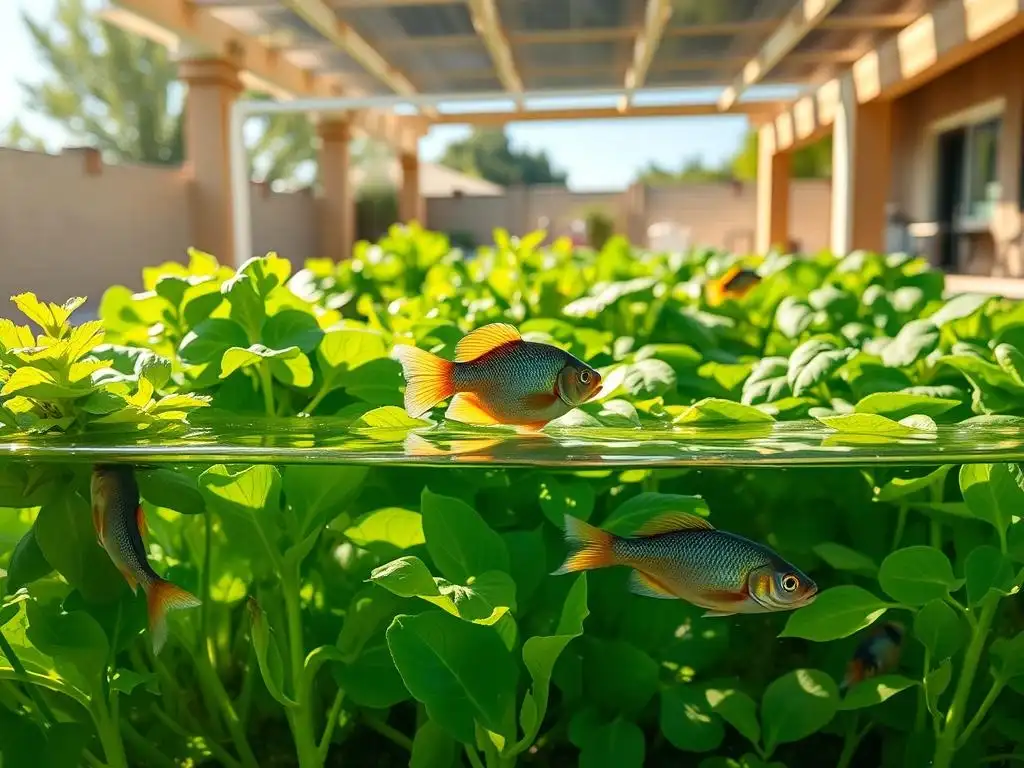
Successfully operating an aquaponics system in a warm climate requires careful equipment selection. The intense heat can significantly impact the health of your fish and plants if not properly mitigated. Choosing the right equipment is crucial for maintaining optimal growing conditions and preventing system failure. This section focuses on key equipment choices for a thriving warm-climate aquaponics setup.
We'll explore how specific choices can directly impact temperature regulation, water quality, and overall system efficiency. Remember, the goal is to create a resilient and productive aquaponics system, even under challenging environmental conditions. This requires a proactive approach to equipment selection and system design.
Selecting a Shade Cloth for Optimal Temperature Control
Maintaining ideal water temperatures is paramount in warm-climate aquaponics. Excessive heat can lead to fish stress, reduced plant growth, and the proliferation of harmful bacteria. A high-quality shade cloth is essential for protecting your system from direct sunlight. The percentage of shade offered by the cloth is crucial; a 50-70% shade cloth is generally recommended for most warm climates. This allows sufficient light penetration for plant photosynthesis while preventing excessive heat buildup in the water.
Consider the material of the shade cloth. Durable, UV-resistant fabrics are preferable to ensure longevity and continued protection. The installation method is also important. Ensure your shade cloth is securely fastened to provide consistent shade and prevent sagging, which can create uneven temperature distribution within your system.
Regularly inspect your shade cloth for tears or damage, replacing it as needed to maintain optimal temperature control. Investing in a high-quality shade cloth is a cost-effective way to significantly improve the resilience of your warm-climate aquaponics setup. Proper shading minimizes the need for more expensive cooling solutions, leading to long-term cost savings.
Efficient & Durable Water Pumps for High Temperatures
Water pumps are the heart of any aquaponics system, constantly circulating water between the fish tank and grow beds. In warm climates, these pumps are subjected to higher temperatures, potentially impacting their efficiency and lifespan. Selecting a pump designed for continuous operation in higher temperatures is vital. Look for pumps with robust materials that can withstand prolonged exposure to heat without degrading. Stainless steel or high-impact plastic are good choices.
Consider the pump's flow rate. A higher flow rate ensures efficient water circulation, which is crucial for oxygenation and preventing temperature stratification within the system. However, excessively high flow rates can stress the system and increase energy consumption. Find a balance between efficient circulation and energy efficiency.
Regular maintenance, including cleaning the pump impeller, is vital for maintaining optimal performance, especially in warm climates where debris buildup can be more rapid. A well-maintained pump will ensure consistent water circulation, leading to healthier fish and plants. Regularly monitoring the pump's performance is crucial for early detection of any issues, preventing potential system failures.
Aquaponics System Design for Warm Climates: Maximizing Shade and Airflow
Effective system design is crucial for mitigating the challenges of warm-climate aquaponics. Strategic positioning of the system to maximize natural shade is the first step. Locate your aquaponics setup in an area that receives morning sun but is shaded during the hottest part of the day. This approach minimizes the need for artificial shade, reducing costs and simplifying maintenance. If full shade isn't possible, consider supplementing natural shade with a shade cloth, as described above.
Beyond shade, maximizing airflow is equally important. Good airflow helps dissipate heat, preventing excessive temperature buildup in the water and grow beds. Consider using fans to increase air circulation, especially in enclosed systems. The design of your grow beds also plays a role.
Raised grow beds with adequate spacing between plants promote better airflow, reducing the risk of overheating. Proper system design is a critical aspect of successful warm-climate aquaponics, ensuring a balance between sufficient sunlight for plant growth and effective temperature regulation for both plants and fish. A well-designed system will be more resilient and productive, even in challenging warm weather conditions. Careful consideration of these factors is key to creating a thriving aquaponics system in warm climates.
Optimizing Tank and Grow Bed Materials for Heat Retention and Prevention
Choosing the right materials for your aquaponics system in a warm climate is crucial for maintaining stable water temperatures and preventing overheating. The goal is to find a balance: minimizing heat absorption during the hottest parts of the day while also preventing excessive heat loss at night. This delicate balance is key to successful warm-climate aquaponics.
One important consideration is the color of your tanks and grow beds. Darker colors absorb more heat than lighter colors. In warm climates, opting for lighter-colored materials, such as white or light gray, for your tanks and grow beds can significantly reduce the amount of heat absorbed from direct sunlight. This passive cooling method can help prevent your system from overheating, especially during the peak sun hours. Consider using reflective materials like aluminum foil strategically placed to further minimize heat absorption.
The material itself also plays a significant role. While plastic is a common choice due to its affordability and ease of use, some plastics absorb heat more readily than others. High-density polyethylene (HDPE) is a better choice than some other plastics, offering better insulation properties. However, even HDPE can benefit from additional insulation in extremely hot environments. For example, you could consider wrapping the tanks with a reflective insulation material.
For grow beds, the material you choose influences both heat retention and moisture retention. While wood is a popular choice, it can be susceptible to warping and rot in constantly moist conditions, especially in warm climates with high humidity. Consider using treated lumber specifically designed for outdoor use and ensuring proper drainage to prevent waterlogging.
Alternatively, explore using more durable and waterproof materials like fiberglass or concrete for your grow beds to create a more stable and long-lasting system. Remember, the goal is to have a material that prevents rapid temperature fluctuations while providing adequate drainage to maintain healthy plant growth. Always ensure that any materials used are non-toxic and safe for both fish and plants.
The impact of material choice on water temperature can be substantial. A study [specific information pending] compared water temperatures in tanks made of different materials under similar conditions. This would provide quantitative data to support the claims made here about the differences in heat absorption between various materials. This kind of data would help aquaponics enthusiasts in warm climates make informed decisions about their tank materials. Without this specific data, we can only offer general guidelines based on common practices and observations.
Effective Water Cooling Techniques for Aquaponic Systems
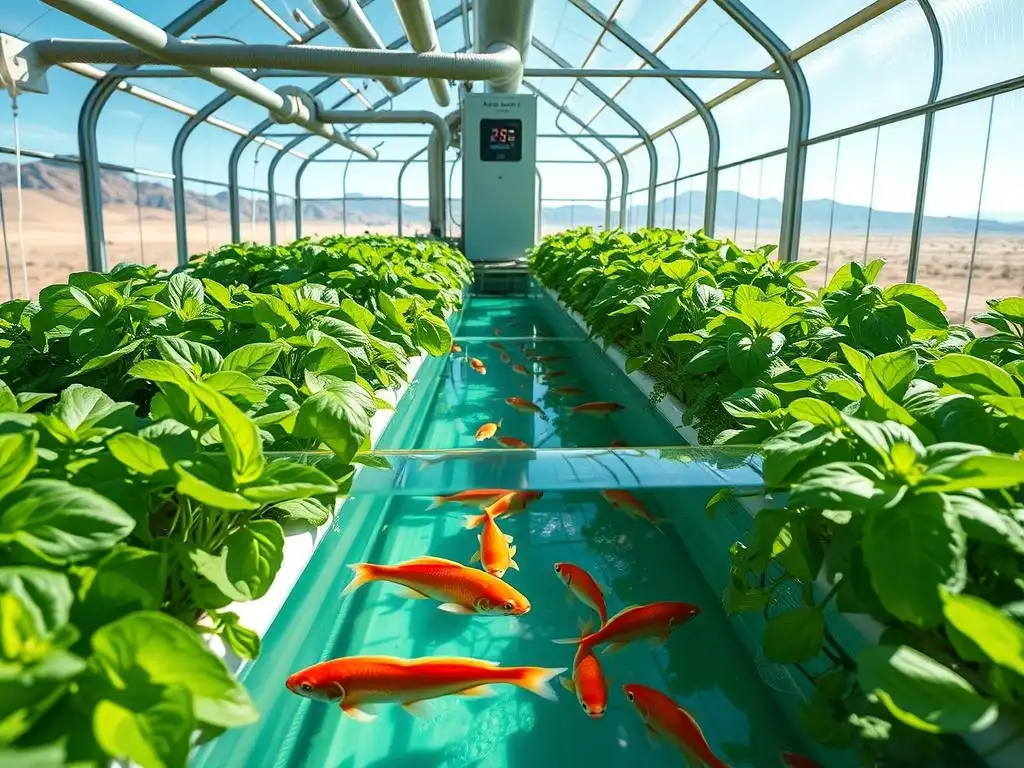
Maintaining optimal water temperature is crucial for successful aquaponics, especially in warm climates. High temperatures can stress fish, hinder beneficial bacteria in the biofilter, and negatively impact plant growth. This section explores effective water cooling strategies specifically tailored for an aquaponics warm climate setup, ensuring a thriving system year-round. Understanding these techniques is paramount for achieving a robust and productive aquaponic garden even in intense heat.
We'll cover both commercially available solutions and resourceful DIY methods to help you choose the best approach for your needs and budget. Remember, consistent monitoring of water temperature is key to preventing thermal stress and maximizing your aquaponic system's potential. The right approach to cooling will directly contribute to the overall health and productivity of your aquaponics warm climate setup.
Using a Water Chiller for Temperature Regulation
Commercial water chillers offer a precise and efficient method for regulating water temperature in aquaponics. These units, commonly used in industrial settings, are also increasingly accessible for home aquaponics enthusiasts. They work by circulating water through a refrigeration system, lowering the temperature before it returns to the system. This provides a consistent and reliable way to maintain the ideal temperature range, regardless of the ambient air temperature.
Choosing the right chiller involves considering the size of your system (measured in gallons) and the desired temperature range. Larger systems require more powerful chillers with higher BTU ratings (British Thermal Units). You should also consider energy efficiency and noise levels, especially if your aquaponics system is located near living spaces.
While initial investment is higher compared to DIY methods, the precision and convenience provided by a water chiller can be invaluable, especially in regions experiencing extreme heat. Regular maintenance, including cleaning and filter changes as recommended by the manufacturer, is crucial for optimal performance and longevity. Proper installation is also vital to avoid any potential issues.
DIY Water Cooling Methods: Utilizing Evaporation and Shade
For those seeking more budget-friendly options, several DIY methods can effectively cool your aquaponic water. Harnessing the power of evaporation is a simple yet effective technique. This can be achieved by increasing the surface area of the water exposed to the air. For example, you could use a larger grow bed or add a shallow, wide basin to your system.
The water will evaporate, taking heat with it, resulting in a drop in temperature. However, this method is most effective in dry climates with low humidity. In humid climates, the effectiveness of evaporative cooling is significantly reduced. Complementing evaporation with shade is crucial.
Strategic placement of your aquaponics system in a shaded area, perhaps under trees or a pergola, will significantly reduce direct sunlight exposure and minimize temperature increases. Using reflective materials such as white paint or aluminum foil to cover certain parts of your system can further reduce heat absorption. Remember to consider the overall design of your system, ensuring that it's well-ventilated to prevent overheating. These DIY methods are excellent for smaller systems, but might need supplementing with other techniques for larger setups or during periods of extreme heat.
The Importance of Water Depth and Flow Rate in Heat Management
Water depth and flow rate are important factors influencing water temperature in your aquaponic warm climate setup. Shallower water generally heats up faster than deeper water due to increased surface area exposure to sunlight and ambient air. Maintaining an appropriate water depth can help mitigate rapid temperature fluctuations. Conversely, deeper water retains heat longer, potentially creating a challenge during cooler periods.
Finding the optimal depth will depend on your specific climate and system design. Similarly, the flow rate of water through your system impacts temperature regulation. Adequate water flow helps to distribute heat more evenly and prevent localized hot spots. A slow flow rate can lead to stagnant water, increasing the risk of overheating, especially in areas with direct sunlight.
Therefore, designing your system with a sufficient pump capacity to ensure adequate water circulation is crucial. Regularly monitoring both water depth and flow rate will allow you to make necessary adjustments to maintain optimal temperature conditions and prevent thermal stress on your fish and plants. Careful consideration of these factors is vital for a healthy and productive aquaponics warm climate setup.
Adapting Your Plant Choices for Hot Climates
Choosing the right plants is crucial for a successful aquaponics system, especially in warm climates. High temperatures and intense sunlight can significantly impact plant growth and overall system health. Therefore, selecting heat-tolerant varieties is paramount for maximizing yields and minimizing stress on your system. This section focuses on optimizing your plant selection for a thriving aquaponics setup in hot weather. Ignoring this crucial aspect can lead to poor plant performance and ultimately, system failure.
Heat-Tolerant Vegetables and Herbs for Aquaponic Systems: A Comprehensive Guide
Successfully cultivating an aquaponics system in a warm climate hinges on choosing plant varieties that can withstand high temperatures and intense sunlight. Many common vegetables and herbs struggle in extreme heat, exhibiting stunted growth, wilting, and reduced yields. However, several varieties thrive under these conditions. Here’s a curated list, categorized for easier selection:
- Leafy Greens: While many leafy greens prefer cooler temperatures, some varieties demonstrate surprising heat tolerance. Consider amaranth, red spinach, and certain types of lettuce bred for heat resistance. These plants, while not ideal for the peak heat of summer, can often still produce decent yields with proper shade and consistent watering.
- Solanaceae (Nightshades): Many plants in the nightshade family, including tomatoes, peppers, and eggplants, are naturally heat-tolerant. However, selecting heat-resistant cultivars is essential. Look for varieties specifically labeled as heat-tolerant or suitable for warm climates. For example, certain heirloom tomato varieties are known for their resilience in hot weather. Similarly, some bell pepper and chili pepper varieties thrive in high temperatures.
- Cucurbits: While many squash and melon varieties struggle in extreme heat, some, such as certain zucchini and summer squash cultivars, can tolerate warm temperatures. Proper spacing and adequate shade during the hottest part of the day can significantly enhance their performance.
- Herbs: Many herbs are surprisingly adaptable to warm climates. Basil, cilantro (although it bolts quickly in heat), oregano, thyme, and rosemary are generally well-suited for hot and sunny conditions. However, even these herbs benefit from some afternoon shade during the hottest months.
Pro Tip: Always check seed packets or plant tags for specific heat tolerance information. This will help you make informed choices and maximize your chances of success.
Optimizing Nutrient Levels for Warm Weather Aquaponics
Nutrient uptake and metabolism are significantly affected by temperature. Warm-weather aquaponics requires careful monitoring and adjustment of nutrient levels to ensure optimal plant health. In hotter climates, plants often require more frequent feeding due to increased metabolic rates and water evaporation.
| Nutrient | Effect of High Temperatures | Adjustment Strategy |
|---|---|---|
| Nitrogen (N) | Increased demand | Increase feeding frequency, monitor for algae blooms |
| Phosphorus (P) | Increased demand | Maintain consistent levels, avoid over-fertilization |
| Potassium (K) | Increased demand | Monitor closely, adjust based on plant growth and health |
| Calcium (Ca) | Moderate increase | Regular monitoring and supplementation as needed |
| Magnesium (Mg) | Moderate increase | Similar to Calcium |
| Micronutrients | Variable, monitor closely | Regular testing and supplementation as needed |
Note: Over-fertilization can lead to algae blooms and other water quality issues. Regular water testing is crucial for maintaining a balanced nutrient profile in your warm-weather aquaponics system. Consider using a high-quality aquaponics nutrient solution tailored for warm climates.
Pest and Disease Management in Hot and Humid Conditions
Hot and humid climates often create ideal breeding grounds for pests and diseases. Proactive pest and disease management is essential for a successful aquaponics system in these conditions.
- Increased Monitoring: Regularly inspect your plants for signs of pests and diseases. Early detection is crucial for effective treatment.
- Beneficial Insects: Introducing beneficial insects, such as ladybugs and lacewings, can help control pest populations naturally.
- Organic Pest Control: Employ organic pest control methods, such as neem oil or insecticidal soap, to minimize the use of harmful chemicals. Always follow label instructions carefully.
- Improved Water Quality: Maintaining excellent water quality helps prevent many diseases. Regular water changes and filtration are essential.
- Resistant Varieties: Choosing plant varieties resistant to common pests and diseases in your region is a proactive measure to minimize problems.
Important: In hot, humid climates, fungal diseases can be particularly problematic. Ensure adequate air circulation around your plants to reduce humidity and prevent fungal growth. Proper sanitation practices are also essential in preventing the spread of diseases. Consider using beneficial microbes to improve overall plant health and resilience. Remember to always research and implement appropriate pest and disease control strategies specific to your region and the plants you are growing. This proactive approach will help ensure a healthy and productive aquaponics system, even in challenging warm-climate conditions.
Maintaining Water Quality in High Temperatures
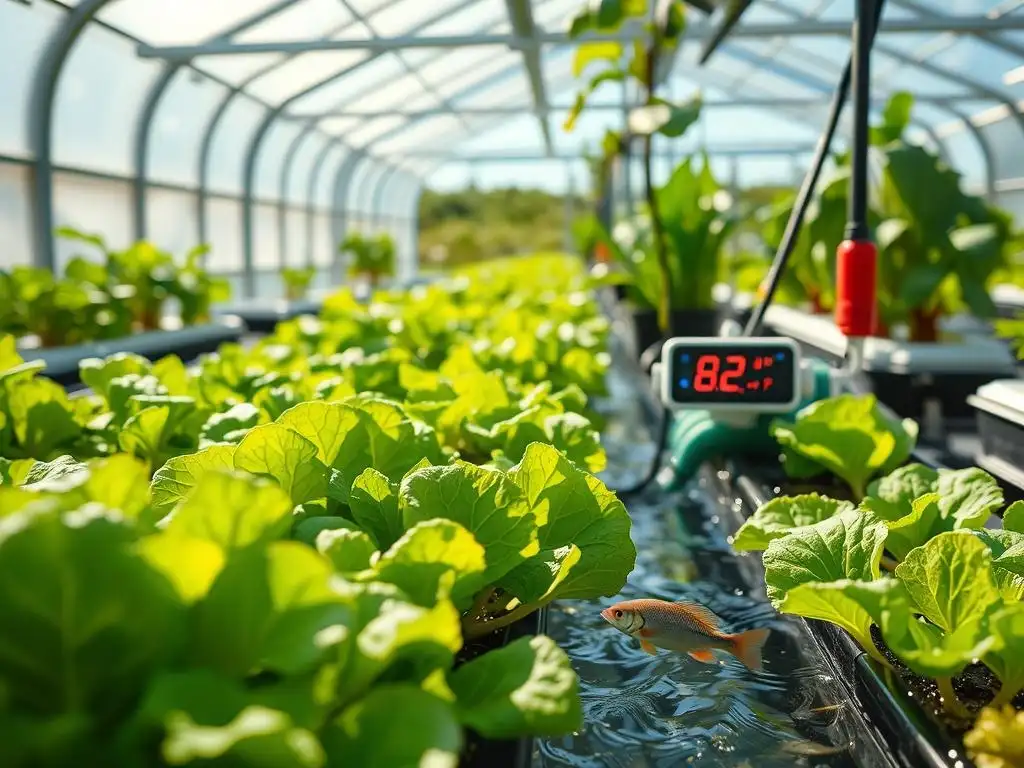
Maintaining optimal water quality is crucial for successful aquaponics, especially in warm climates where higher temperatures accelerate biological processes and increase the risk of harmful algal blooms and bacterial imbalances. The warmer the water, the faster the nitrogen cycle operates, demanding more vigilant monitoring and proactive adjustments. This section focuses on practical strategies to ensure your aquaponics system thrives even under intense heat.
Ignoring these critical aspects can lead to fish mortality, plant stress, and ultimately, system failure. Effective management of water quality directly translates to a healthy and productive aquaponics system. The key is proactive monitoring and rapid response to any deviations from ideal parameters.
Regular Water Testing and Adjustment
Regular water testing is paramount for a thriving warm-climate aquaponics setup. You should aim for daily testing, especially during heatwaves, to detect problems early. Key parameters to monitor include:
- Temperature: Maintain your water temperature within the optimal range for your chosen fish species and plants. Excessive heat can stress fish and slow plant growth. Consider using a water chiller for particularly hot days.
- pH: The pH level should be consistently maintained within the 6.0-7.0 range. Fluctuations outside this range can negatively impact beneficial bacteria and plant uptake of nutrients. Use pH up or down solutions to adjust as needed.
- Ammonia (NH3), Nitrite (NO2), and Nitrate (NO3): These are crucial indicators of nitrogen cycle health. High ammonia levels are toxic to fish, while nitrite is also harmful. Nitrate is the final product and should be monitored to avoid excessive levels which can harm plants. Regular testing allows for timely adjustments to prevent harmful spikes.
| Parameter | Ideal Range | Action if Outside Range | Frequency of Testing |
|---|---|---|---|
| Temperature (°C) | Species-Specific | Adjust using shading, water chiller, or water changes | Daily |
| pH | 6.0 - 7.0 | Use pH up/down solutions to adjust; investigate the cause | Daily |
| Ammonia (ppm) | 0 | Investigate source of ammonia; perform partial water change | Daily |
| Nitrite (ppm) | 0 | Check for bacterial imbalances; adjust feeding schedule | Daily |
| Nitrate (ppm) | < 50 | Perform partial water changes; consider reducing fish stock | Every 2-3 days |
Remember to always use a reliable test kit and follow the manufacturer's instructions carefully. Accurate measurements are essential for making informed decisions about water adjustments. Maintaining a detailed log of your test results can also help you identify trends and predict potential problems. This proactive approach is essential for successful aquaponics, especially in warm weather.
Preventing Ammonia Buildup in Warm Water
Ammonia buildup is a significant concern in warm-climate aquaponics systems because higher temperatures increase the rate of fish metabolism and waste production. This accelerates the nitrogen cycle, potentially overwhelming the beneficial bacteria responsible for ammonia conversion. Several strategies can help prevent ammonia spikes:
- Proper Stocking Density: Avoid overstocking your system. Overcrowding increases waste production, leading to higher ammonia levels. Calculate your stocking density based on the size of your tank and the species of fish you're keeping.
- Regular Water Changes: Partial water changes help dilute accumulated ammonia and other waste products. The frequency of water changes will depend on your system's size, stocking density, and water temperature. More frequent changes are often necessary in warm climates.
- Effective Filtration: A robust filtration system is essential for removing solid waste and improving water quality. Ensure your filter is adequately sized for your system and that it's cleaned regularly to maintain optimal performance.
- Monitoring Fish Health: Sick or stressed fish produce more waste, increasing the risk of ammonia buildup. Monitor your fish closely for signs of illness and address any problems promptly.
Ignoring ammonia control in a warm climate setup can quickly lead to a system crash. Early detection and swift action are crucial to prevent fish kills and maintain a healthy environment for both fish and plants. Regular observation, coupled with consistent testing, forms the foundation of successful ammonia management.
Utilizing Beneficial Bacteria for Water Purification in Hot Climates
Beneficial bacteria are the heart of the aquaponics nitrogen cycle, converting toxic ammonia into less harmful nitrite and then nitrate, a usable nutrient for plants. Maintaining a healthy population of these bacteria is especially crucial in warm climates where their activity is accelerated. Several strategies can support a robust bacterial colony:
- Seed Your System: When setting up your system, inoculate it with beneficial bacteria to jumpstart the nitrogen cycle. This can be done using commercially available bacterial cultures or by transferring media from an established aquaponics system.
- Avoid Harsh Chemicals: Avoid using harsh chemicals like chlorine or bleach, as these can kill beneficial bacteria. Use dechlorinator if necessary.
- Maintain Stable Conditions: Sudden changes in water temperature, pH, or other parameters can stress beneficial bacteria and disrupt the nitrogen cycle. Strive for stable conditions within the ideal ranges.
- Sufficient Surface Area: Provide ample surface area for bacterial colonization. This can be achieved through the use of biomedia in your filter or by incorporating other surfaces where bacteria can thrive.
A thriving bacterial population is essential for efficient waste processing and nutrient cycling in warm-climate aquaponics. By supporting these beneficial microorganisms, you can create a self-regulating system that minimizes the risk of ammonia buildup and ensures a healthy environment for your fish and plants. Remember that a healthy bacterial population is the cornerstone of a successful aquaponics system, especially when dealing with the added challenges of high temperatures.
Case Studies: Successful Warm Climate Aquaponics Setups
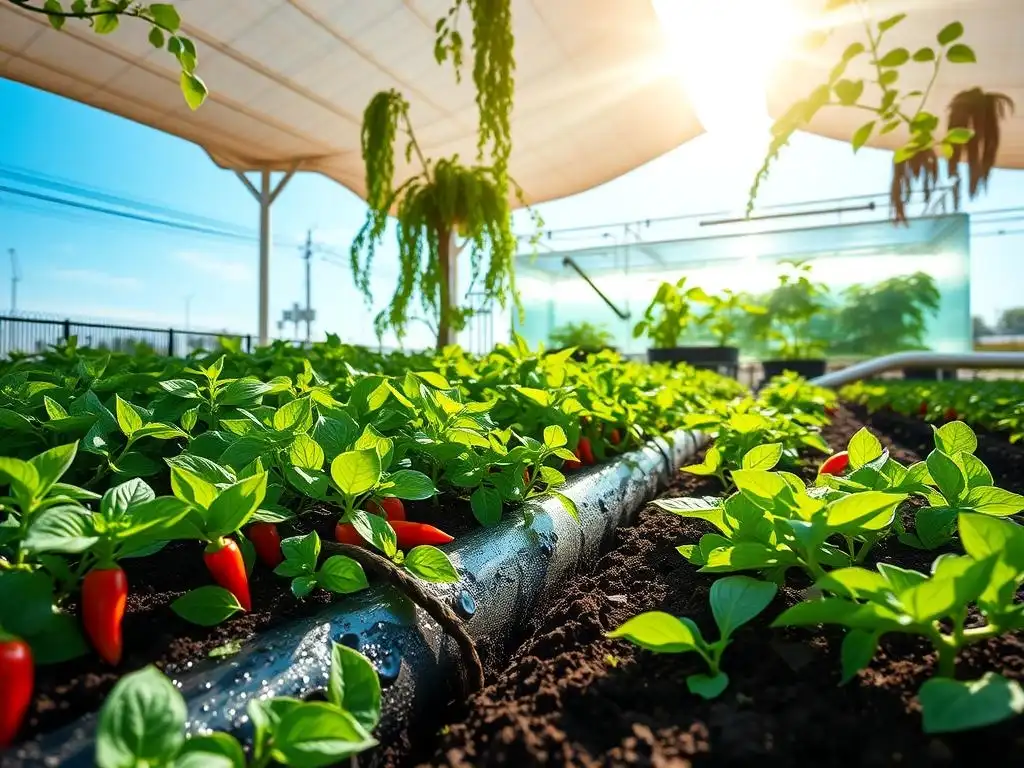
This section showcases real-world examples of thriving aquaponics systems in warm climates, highlighting successful strategies and adaptations for optimal performance in high-temperature environments. Understanding how others have overcome the unique challenges of warm-weather aquaponics can significantly improve your own system's efficiency and yield. We'll explore different approaches to water temperature management, fish species selection, and plant choices, demonstrating the versatility and adaptability of aquaponics in diverse climates. Remember, the key to success lies in careful planning, proactive monitoring, and responsive adjustments based on your specific environment.
Successful Warm Climate Aquaponics Setup in Southern Arizona
One particularly impressive example of a successful warm-climate aquaponics setup is located in Southern Arizona. The arid climate presents significant challenges, including intense sunlight, high evaporation rates, and fluctuating temperatures. However, this system demonstrates how careful design and management can overcome these obstacles.
The system utilizes a deep-water culture (DWC) setup with tilapia as the chosen fish species. Tilapia are known for their tolerance to warmer water temperatures, a crucial factor in this climate. To mitigate the effects of intense sunlight and high evaporation, the system incorporates a shaded structure, partially covered with shade cloth to reduce direct sun exposure and maintain a more stable water temperature. The system also includes a sophisticated water cooling system using a submersible pump and a series of strategically placed pipes to circulate and cool the water.
Furthermore, the plant selection is crucial. Drought-tolerant varieties of lettuce, peppers, and tomatoes thrive in this system. Regular monitoring of water parameters, including temperature, pH, and dissolved oxygen, is essential for maintaining a healthy environment for both fish and plants. Data logging, either manually or with automated sensors, provides invaluable insights for adjusting the system's performance over time. This system consistently yields high-quality produce, demonstrating that even in challenging desert environments, a well-designed aquaponics system can flourish. The key elements of success here include careful species selection, effective shade management, and diligent monitoring of water parameters.
Overcoming Challenges in a Humid Tropical Aquaponics System
A different set of challenges arises in humid tropical climates. High humidity and consistently warm temperatures can lead to increased algae growth, rapid water evaporation, and potential disease outbreaks in both fish and plants. A successful aquaponics system in this environment requires a different approach.
One example focuses on a system situated in a humid tropical region. The primary challenge here was managing algae blooms. To combat this, the system incorporates a robust filtration system, including mechanical filtration to remove larger debris and biological filtration to process waste and reduce nutrient levels that fuel algae growth. The selection of fish species is equally important. Species less susceptible to disease in warm, humid environments are preferred. Regular partial water changes are implemented to maintain water quality and prevent nutrient buildup.
Additionally, the system uses a combination of shade cloth and strategic placement to minimize direct sunlight exposure and reduce water temperature fluctuations. Regular cleaning of the system is essential to prevent the accumulation of organic matter, which can contribute to disease and poor water quality. This system shows how careful attention to filtration, water management, and fish species selection can lead to a successful aquaponics operation even in a humid tropical climate.
The emphasis here is on proactive maintenance and a robust filtration system to combat the challenges of algae and disease. Careful monitoring and adjustments are crucial for maintaining optimal water quality and preventing issues.
Troubleshooting Common Warm Weather Aquaponics Problems
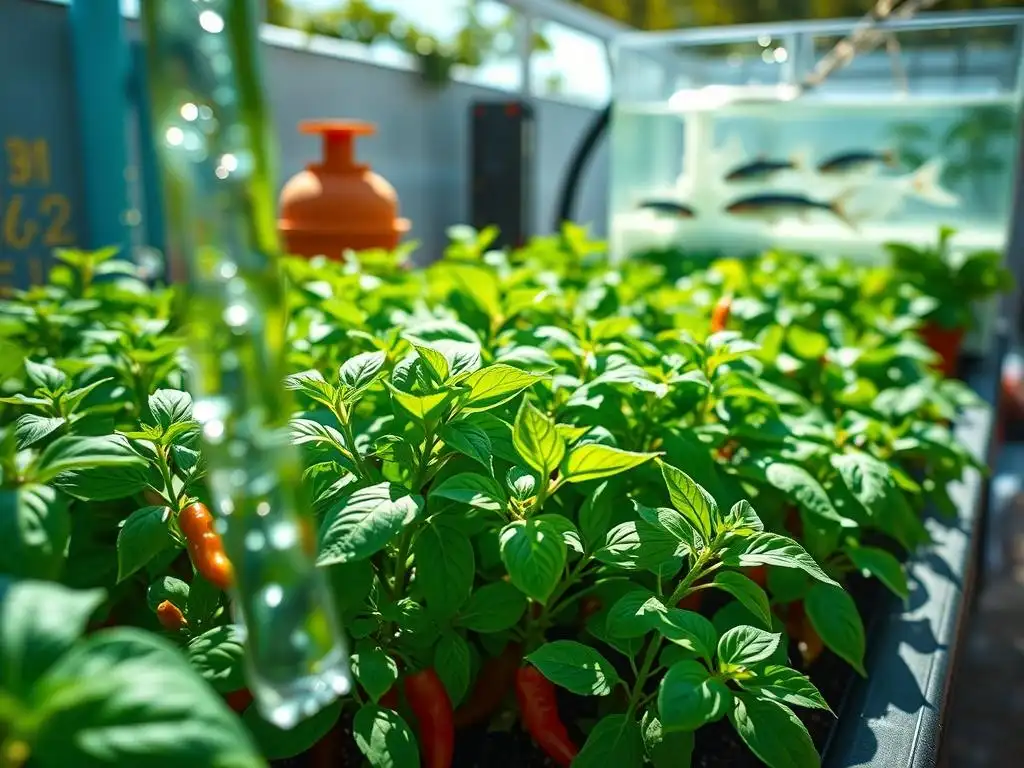
This section focuses on practical solutions for common issues encountered when operating an aquaponics system in warm climates. Successfully navigating these challenges is crucial for maintaining a healthy and productive system, maximizing yields, and ensuring the long-term viability of your aquaponics setup in hot weather conditions. Remember, proactive monitoring and adjustments are key to preventing larger problems. Let's explore some specific challenges and their effective solutions.
Addressing High Water Temperatures and Their Effects
High water temperatures are a significant concern in warm climate aquaponics setups. Temperatures exceeding 85°F (29°C) can negatively impact the beneficial bacteria crucial for the nitrogen cycle, leading to ammonia spikes and harming your fish and plants. This can significantly compromise the entire system's health.
Several strategies can mitigate high water temperatures. Shading is crucial. Consider using shade cloth over your grow beds and fish tanks to reduce direct sunlight exposure. This simple measure can drastically lower water temperatures. Another effective technique is increasing water flow. A higher flow rate helps dissipate heat more effectively. Regularly checking water temperature with a reliable thermometer is essential. You should aim for a temperature range between 68-77°F (20-25°C) for optimal bacterial activity and fish health.
Furthermore, consider the positioning of your system. Placing the system in a partially shaded area or utilizing reflective materials to redirect sunlight away from the tanks and beds can significantly reduce temperature fluctuations. For larger systems, investing in a cooling system, such as a chiller or a submersible pump circulating water through a shaded reservoir, may be necessary. Remember, consistently monitoring water temperature and proactively implementing cooling strategies is vital for a thriving warm climate aquaponics setup. This proactive approach is essential for preventing major system failures and ensuring the long-term success of your aquaponics garden.
Dealing with Excessive Algae Growth in Hot Conditions
Excessive algae growth is another common problem in warm weather aquaponics. High temperatures and increased sunlight stimulate algae proliferation, which can cloud the water, block sunlight from reaching your plants, and deplete oxygen levels. This can ultimately harm both your fish and plants, hindering the overall productivity of your aquaponics system.
Effective algae control requires a multi-pronged approach. Firstly, shading, as discussed above, is crucial in limiting sunlight penetration, thereby curbing algae growth. Secondly, maintaining good water quality is essential. Regular water changes, although labor-intensive, can help control algae populations. Thirdly, consider introducing beneficial bacteria that compete with algae for nutrients.
These bacteria can help tip the balance in favor of a healthier ecosystem. Finally, mechanical removal of algae using a net or siphon can be necessary for larger growths. Regularly monitoring the water clarity and taking swift action to address algae blooms are vital steps in maintaining a healthy aquaponics system in a warm climate. Ignoring algae growth can quickly lead to a system crash.
Managing Nutrient Deficiencies in Warm Weather Aquaponics
Warm weather can accelerate nutrient uptake by plants, increasing the risk of nutrient deficiencies. Rapid plant growth in warm conditions can deplete essential nutrients faster than they can be replenished, leading to stunted growth, yellowing leaves, and reduced yields. This is especially important in aquaponics where the balance of nutrients is crucial for both plant and fish health.
Regular water testing is paramount for identifying potential nutrient deficiencies. Testing kits can reveal imbalances in essential nutrients such as nitrogen, phosphorus, and potassium. Addressing these deficiencies requires careful supplementation. Organic fertilizers, such as fish emulsion or compost tea, can provide a slow-release source of nutrients.
However, it's crucial to avoid over-fertilizing, which can lead to harmful algae blooms. Monitoring nutrient levels regularly and making appropriate adjustments based on test results is vital for maintaining a balanced and productive aquaponics system in warm weather. A well-balanced nutrient profile is the cornerstone of a successful warm climate aquaponics setup. Remember, prevention is better than cure – regular testing and proactive adjustments are key.
Resources for Warm Climate Aquaponics Success
This section delves into the crucial resources you'll need to successfully establish and maintain a thriving aquaponics system in a warm climate. Successfully navigating the unique challenges presented by heat requires access to reliable information and a supportive community. Let's explore the best avenues for acquiring this knowledge and building connections.
Recommended Books and Online Courses
Finding the right resources is key to mastering aquaponics in warm climates. Generic aquaponics guides often overlook the specific needs of warmer regions. Therefore, focusing on materials that directly address high-temperature challenges is vital. Look for resources that cover topics like:
- Temperature control strategies: Effective methods for maintaining optimal water temperatures, including shading techniques, evaporative cooling, and the use of specialized equipment.
- Species selection for warm climates: Identifying fish and plants that thrive in warmer temperatures and are resilient to heat stress. Consider the specific temperature ranges of your region when making selections.
- Nutrient management in hot weather: Understanding how nutrient uptake and cycling change in higher temperatures and adjusting feeding schedules and nutrient solutions accordingly.
- Disease prevention and management in warm conditions: Warm temperatures can exacerbate certain diseases. Resources addressing specific diseases common in your region are essential.
While specific book titles and online courses will vary depending on your location and the availability of materials, prioritize those with detailed case studies of successful warm-climate aquaponics systems. Look for courses that offer practical, hands-on advice and address troubleshooting common problems encountered in hot environments. A good resource should provide detailed information, not just general advice. For example, instead of simply saying "use shade cloth," a valuable resource will specify the type of shade cloth best suited for your climate, the optimal percentage of shade, and how to install it effectively.
Local Aquaponics Communities and Support Groups
Connecting with experienced aquaponics practitioners in your area is invaluable, especially in a warm climate. Local knowledge is crucial for navigating the specific challenges of your region. These communities can provide invaluable insights into:
- Locally adapted techniques: Learning best practices tailored to your climate, including specific plant and fish varieties that thrive in your area.
- Troubleshooting assistance: Getting prompt support when facing unexpected problems, like algae blooms or unexpected temperature spikes.
- Resource sharing: Connecting with others to source equipment, plants, and even fish. This can save you time and money.
- Collaboration and learning: Sharing experiences and learning from the successes and failures of others.
Finding these groups might involve searching online forums, attending local gardening events, or contacting your local agricultural extension office. Don't underestimate the power of connecting with like-minded individuals; their experience and support can significantly improve your chances of success in cultivating your aquaponics system in a warm climate. The exchange of information and practical tips within a community dedicated to "Aquaponics warm climate setup" is crucial for long-term success. 🧑🌾 Remember, a strong support network can be the difference between a flourishing system and a frustrating experience.
Frequently Asked Questions
What are the unique challenges of setting up an aquaponics system in a warm climate?
High temperatures can lead to rapid algae growth, increased water evaporation, and higher oxygen demand for fish. Careful system design and monitoring are crucial.
How can I mitigate the effects of high temperatures on my warm climate aquaponics system?
Employ shade structures to reduce direct sunlight and implement efficient cooling methods, such as using a water chiller or strategically placing your system in a shaded area.
Which fish species are best suited for warm climate aquaponics?
Tilapia and certain catfish species are known for their tolerance to warmer water temperatures and are commonly used in warm climate aquaponics systems.
What adjustments should I make to my grow bed for a warm climate setup?
Consider using deeper grow beds to retain moisture and reduce temperature fluctuations. Increased water flow can also help to manage heat.
How important is water quality monitoring in a warm climate aquaponics system?
Regular monitoring of water temperature, pH, and dissolved oxygen is essential due to the increased risk of rapid changes and potential problems in warmer conditions. This ensures the health of both your fish and plants.
Final Reflection: Thriving in the Heat: Aquaponics for a Warmer World
The future of sustainable food production hinges on our ability to adapt to changing climates, and aquaponics offers a powerful solution, particularly in warmer regions. The techniques discussed in this article – from shade structures and enhanced water circulation to choosing heat-tolerant species – are not merely theoretical; they are crucial for ensuring the viability and success of aquaponics systems in increasingly hotter environments worldwide. This isn't just about growing food; it's about building resilience.
The journey of adapting my own aquaponics system to the intense heat of my region has been a testament to the ingenuity and adaptability of this symbiotic system. It's a constant learning process, a dance between nature and technology, and a deep connection to the food I produce. The best way to predict the future is to create it,
and by embracing innovative solutions like those explored here, we can actively shape a more sustainable and food-secure future, even in the face of rising temperatures.
Now, consider your own environment. What adjustments could you make to your existing aquaponics setup, or what considerations should you prioritize if you're planning to build one in a warm climate? The principles outlined in this article are a starting point – a foundation upon which you can build your own thriving, heat-resistant aquaponics system. Embrace the challenge, experiment, and contribute to a future where sustainable food production flourishes, even under the warmest sun.
Unlock Your Aquaponic Oasis in the Heat!
Thanks for exploring the world of warm-climate aquaponics! You've already learned valuable techniques to ensure success even in hotter temperatures. Now, let's put that knowledge into practice.
- Prioritize shade and airflow: Protecting your system from extreme heat stress is crucial. Consider adding shade cloth or strategically placing fans to ensure optimal conditions.
- Experiment with diverse, heat-tolerant plant varieties: Explore the many species that thrive in your climate. You might be surprised at what flourishes!
- Share your experiences (and challenges!): Let's build a supportive community. Share your successes and lessons learned in the comments below – your insights could be invaluable to others.
What innovative solutions are you most excited to implement in your aquaponics system this season?