
Attract Parasitic Wasps: Tiny Allies Against Garden Pests

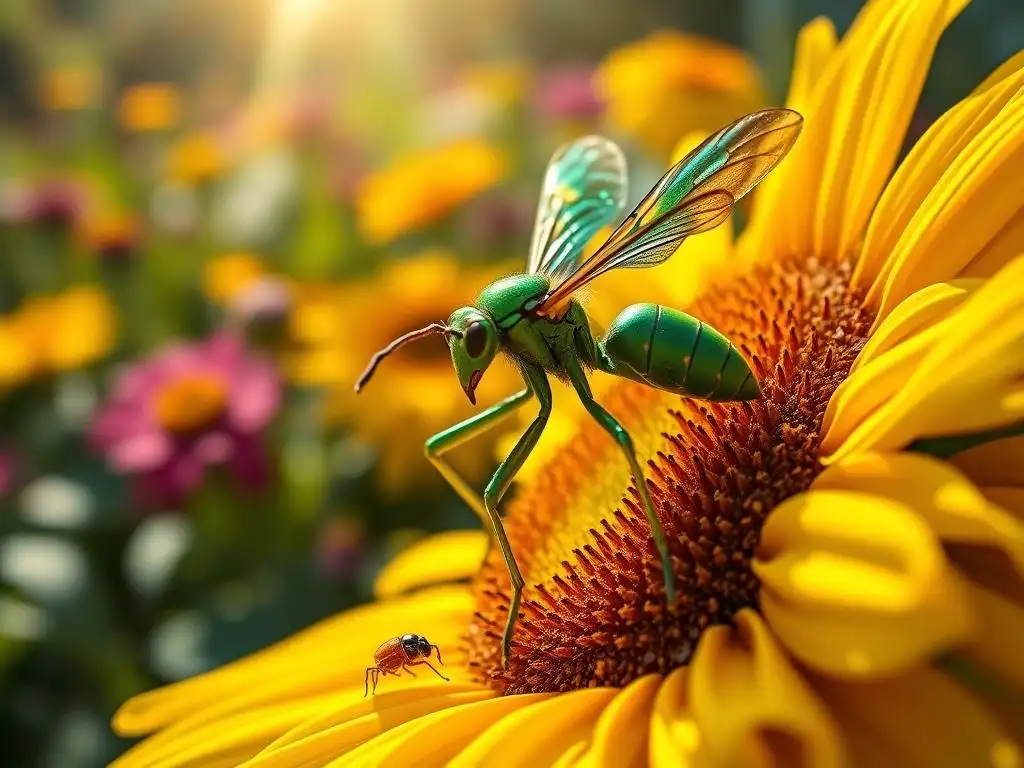
Welcome to CultivateYourFood, your guide to growing a thriving, organic garden! Are you ready to discover the secrets to a bountiful harvest without harmful pesticides? Learn how to harness the power of nature itself by attracting beneficial parasitic wasps – tiny allies that will revolutionize your pest control strategy. Dive into our "Sustainable Practices" section and unlock the key to a healthier, more productive garden, naturally.
- Understanding the Role of Parasitic Wasps in Pest Control
- Creating a Habitat to Attract Parasitic Wasps
- Enhancing Your Garden for Parasitic Wasp Attraction
- Monitoring and Maintaining Your Parasitic Wasp Population
- Frequently Asked Questions
- Final Reflection: A Tiny Army for a Thriving Garden
- Unleash Your Inner Bio-Gardener: Attract Beneficial Insects Now!
Understanding the Role of Parasitic Wasps in Pest Control
Parasitic wasps are often overlooked, yet they are incredibly valuable allies in the fight for a healthy and thriving organic garden. These tiny insects play a crucial role in naturally controlling many common garden pests, significantly reducing the need for harmful chemical pesticides. This article will delve into the fascinating world of parasitic wasps, explaining how to attract them to your garden and harness their power to cultivate a flourishing ecosystem teeming with life, but free from the devastation of common pests.
We'll explore the identification of beneficial species, understand their predatory mechanisms, and highlight the importance of maintaining biodiversity to support thriving wasp populations. By understanding and implementing the strategies discussed here, you can cultivate a truly sustainable and productive garden, minimizing your environmental impact while maximizing your harvest.
This approach aligns perfectly with the principles of organic gardening and contributes to a healthier planet. Let's discover how to invite these miniature guardians into your green space.
Identifying Beneficial Parasitic Wasps in Your Garden
Identifying beneficial parasitic wasps can seem daunting, as many species exist. However, focusing on recognizing the types of wasps beneficial to your garden rather than specific species is a more practical approach. Beneficial parasitic wasps are generally small, often less than an inch long, and may have a slender body with long antennae. Their appearance can vary greatly depending on the species, with some exhibiting vibrant colors while others blend seamlessly into their environment.
Instead of focusing on precise identification, concentrate on observing their behavior. Are they actively investigating plants known to harbor common pests like aphids or caterpillars? Do they seem to be probing or laying eggs near these pests?
These behavioral clues are more reliable indicators than attempting intricate species identification. Remember, even if you can't identify the exact species, their presence is a positive sign of a healthy and balanced ecosystem. A diverse garden will naturally attract a variety of beneficial insects, including many different types of parasitic wasps.
Here's a simple guide to help you:
| Feature | Description |
|---|---|
| Size | Generally small, often less than an inch long. |
| Body Shape | Slender body, often with a long abdomen. |
| Antennae | Long and thin antennae. |
| Color | Varies greatly; some are brightly colored, others are camouflaged. |
| Behavior | Investigating plants with pests; probing or laying eggs near pests. |
How Parasitic Wasps Control Common Garden Pests (Aphids, Caterpillars, etc.)
Parasitic wasps employ a remarkable strategy to control garden pests. Many species are parasitoids, meaning their larvae develop inside or on the body of a host insect (like aphids, caterpillars, or other larvae). The adult female wasp carefully locates a suitable host, then lays her eggs either on or inside the host. The wasp larvae then hatch and feed on the host, eventually killing it.
This process effectively reduces pest populations without resorting to harmful chemicals. Different wasp species target different pests, ensuring broad-spectrum pest control within a diverse garden ecosystem. For example, some species specialize in aphids, while others target caterpillars or other larval stages of various insects.
The effectiveness of this biological control method is significantly enhanced by a diverse range of plant species that provide both food and shelter for the wasps and their hosts. This natural balance ensures a healthy and productive garden ecosystem. The number of pests controlled depends on the wasp population and the prevalence of hosts, highlighting the importance of attracting and sustaining these beneficial insects.
The Importance of Biodiversity for Parasitic Wasp Populations
Maintaining biodiversity in your garden is paramount for supporting healthy parasitic wasp populations. A diverse range of flowering plants provides essential nectar and pollen sources for adult wasps, fueling their energy and reproductive capabilities. Similarly, a variety of host insects provides ample food sources for the developing wasp larvae. Avoid using broad-spectrum insecticides, as these can harm not only target pests but also beneficial insects like parasitic wasps. Instead, opt for targeted pest control methods or utilize natural pest deterrents.
Creating a habitat that supports a wide range of plant and insect life is crucial for establishing a self-regulating ecosystem, where parasitic wasps play a vital role in maintaining the balance. This natural approach to pest control is not only effective but also contributes to a healthier environment. A thriving garden ecosystem is a testament to the power of biodiversity and the symbiotic relationships that sustain it. 🌱
Creating a Habitat to Attract Parasitic Wasps
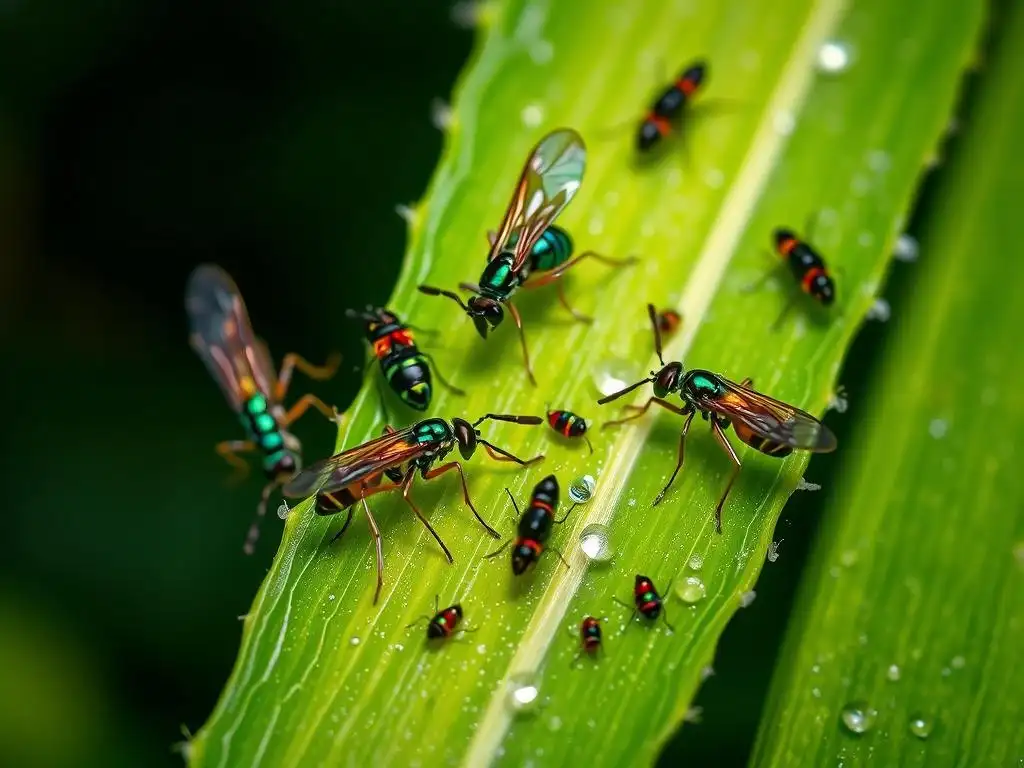
Attracting beneficial parasitic wasps to your garden is a cornerstone of effective, sustainable pest control. These tiny insects are natural predators of many common garden pests, significantly reducing the need for harmful chemical pesticides. Creating a welcoming habitat is key to attracting and sustaining a healthy population of these invaluable allies. This involves providing the essential elements for their survival: nesting sites, food sources, and a safe environment.
By focusing on these aspects, you can cultivate a thriving ecosystem where parasitic wasps flourish, keeping your plants healthy and productive. Remember, the more diverse your garden, the more likely you are to attract a wider variety of beneficial insects, including these crucial parasitic wasps. Let's explore the specific steps you can take.
Providing Nesting Sites for Parasitic Wasps (Hollow stems, leaf litter)
Parasitic wasps, unlike many other beneficial insects, don't require elaborate nesting structures. Simple, readily available materials in your garden can provide ideal nesting sites. Think of them as miniature apartments for your tiny helpers! Leaving standing dead stems from plants like sunflowers, fennel, and Queen Anne’s lace provides excellent hollow spaces for overwintering and egg-laying. These hollow stems offer protection from the elements and predators.
The key here is diversity. Don't just focus on one type of plant; a variety of stem thicknesses and heights will attract a broader range of wasp species. Similarly, avoid meticulously cleaning up leaf litter. Allowing a layer of leaves and other organic debris to accumulate in less-used areas of your garden provides a haven for these beneficial insects. This leaf litter mimics their natural habitat and provides crucial shelter and moisture. Think of it as providing a "hotel" with various room types to cater to different wasp preferences.
Planting Nectar and Pollen Sources for Adult Wasps
Adult parasitic wasps, like all insects, require a reliable source of nectar and pollen for energy. Providing these food sources is crucial for their survival and reproduction. This means strategically incorporating flowering plants into your garden design. These aren't just for aesthetic appeal; they're vital for supporting the wasp population.
Consider these options: Dill, cilantro, yarrow, goldenrod, and buckwheat are excellent choices, offering a continuous supply of nectar and pollen throughout the growing season. Choose a mix of plants with varying bloom times to ensure a consistent food source from spring to fall. The timing is critical: adult wasps need food to survive and reproduce, ensuring a steady supply of larvae to control your garden pests. Avoid using pesticides on these flowering plants as this will directly harm your beneficial wasp population. This is a crucial step in attracting and maintaining a healthy population of these beneficial insects.
Choosing Companion Plants that Attract Parasitic Wasps
Certain plants are known to attract parasitic wasps more effectively than others. These "companion plants" act as magnets, drawing these beneficial insects into your garden. Integrating them strategically can significantly enhance your pest control efforts without resorting to harmful chemicals.
Here's a selection of proven companion plants: Many herbs, such as rosemary, thyme, and mint, are known to attract beneficial insects. These plants also contribute to a healthy and fragrant garden environment. Additionally, incorporating flowering plants that attract other beneficial insects, such as ladybugs, can create a supportive ecosystem where parasitic wasps thrive. The synergy between different beneficial insects is a powerful tool in natural pest management. Remember, attracting beneficial insects is a holistic approach; by diversifying your plantings, you maximize your chances of success. This integrated strategy is far more effective than relying on a single tactic.
Avoiding the Use of Harmful Pesticides
Parasitic wasps are incredibly sensitive to chemical pesticides. Broad-spectrum insecticides, fungicides, and herbicides indiscriminately kill beneficial insects alongside the pests they're targeting. This includes the very parasitic wasps you're trying to attract. The use of these chemicals disrupts the delicate balance of your garden ecosystem, eliminating natural pest control mechanisms and potentially leading to even greater pest problems in the long run.
Remember, a healthy garden thrives on biodiversity. Eliminating beneficial insects weakens this biodiversity. The loss of parasitic wasps can lead to a surge in pest populations, requiring more intervention and potentially even the use of harsher chemicals—a vicious cycle you want to avoid. Instead of reaching for harmful pesticides, consider more sustainable pest control methods.
Many organic gardeners have found success with simple, non-toxic solutions. These include handpicking pests, using insecticidal soaps, introducing beneficial nematodes (microscopic worms that prey on certain garden pests), or employing companion planting techniques. Companion planting involves strategically positioning certain plants together to repel pests or attract beneficial insects. For instance, planting marigolds near susceptible crops can deter nematodes and other pests.
Researching which plants work well together in your specific climate and with your chosen crops is an excellent starting point for a more holistic approach to pest management. Remember, patience is key. Building a healthy ecosystem takes time, but the long-term rewards are well worth the effort. Focusing on building a thriving, diverse garden will naturally discourage many pests.
Enhancing Your Garden for Parasitic Wasp Attraction
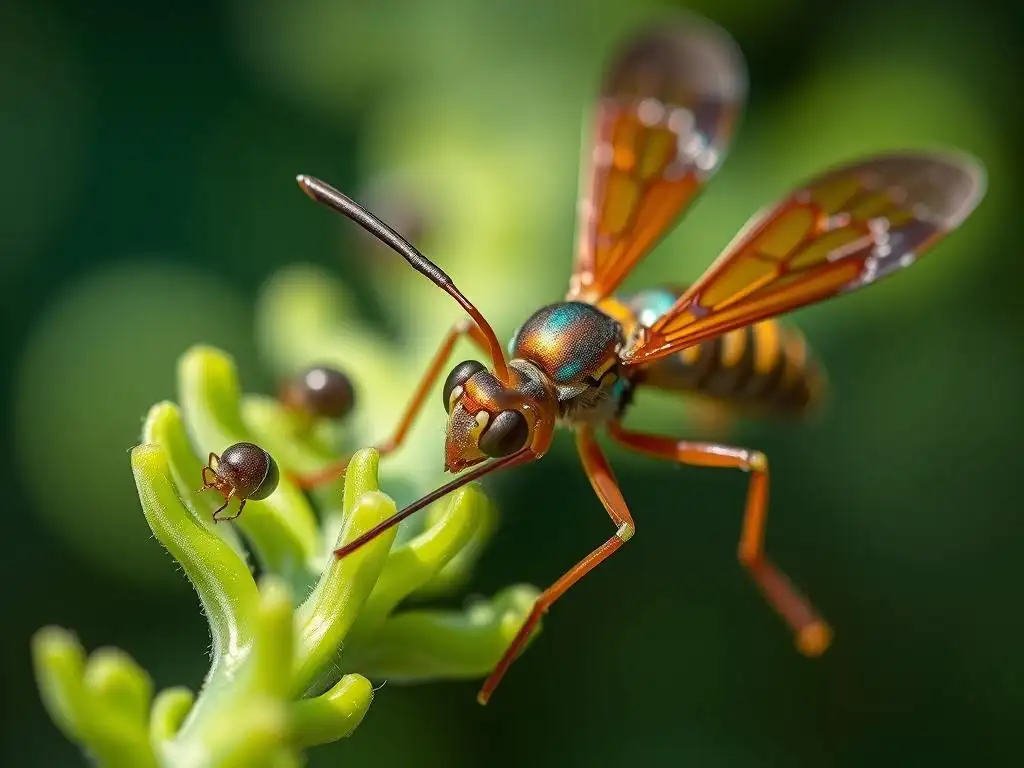
This section delves into the specifics of creating a haven for beneficial parasitic wasps in your home garden. These tiny insects are invaluable allies in the fight against common garden pests, providing a natural and sustainable pest control solution. Attracting them requires understanding their needs and creating an environment conducive to their life cycle. Successfully attracting beneficial parasitic wasps hinges on providing the right resources and minimizing actions that could harm their populations. Remember, a healthy ecosystem supports a diverse range of beneficial insects, including these crucial predators.
Water Sources for Parasitic Wasps
Parasitic wasps, like all living creatures, require a reliable water source. However, unlike larger insects, they don't need large, open water sources that might drown them. Instead, they prefer access to moisture in the form of dew, humidity, or small droplets on foliage. Providing a consistently moist environment is key. Consider these strategies:
- Mulching: A thick layer of organic mulch (wood chips, straw, shredded leaves) helps retain soil moisture, creating a humid microclimate beneficial to wasps. This also moderates soil temperature, providing a more stable environment for their larvae and pupae. Aim for a mulch layer of at least 2-3 inches.
- Strategic Watering: Instead of overhead watering which can wash away beneficial insects and their eggs, opt for drip irrigation or soaker hoses. This delivers water directly to the roots, maintaining soil moisture without disrupting the delicate wasp habitat.
- Avoid Pesticides: The use of broad-spectrum insecticides will indiscriminately kill beneficial insects, including parasitic wasps. Choose organic pest control methods whenever possible.
Maintaining a Healthy Soil Ecosystem
A healthy soil ecosystem is fundamental to attracting beneficial parasitic wasps. The soil provides the habitat for their prey (many of which are also soil-dwelling), and a rich soil supports a thriving population of beneficial nematodes and other organisms that form part of the food web.
- Organic Matter: Incorporating ample organic matter into your soil is crucial. This improves soil structure, drainage, and fertility, providing a suitable environment for the insects that parasitic wasps prey upon. Compost, aged manure, and cover crops are excellent sources of organic matter.
- Avoid Chemical Fertilizers: Chemical fertilizers can disrupt the delicate balance of the soil ecosystem, harming beneficial microorganisms and indirectly impacting parasitic wasp populations. Opt for organic fertilizers like compost tea or well-rotted manure to nourish your plants without harming beneficial insects. These provide slow-release nutrients, promoting a sustained and healthy environment.
- Soil Biodiversity: A diverse soil microbial community is essential. This biodiversity supports a healthy food web, ensuring an adequate supply of prey for parasitic wasps. Avoid practices that might sterilize the soil, such as excessive tillage.
Reducing Soil Disturbance to Protect Wasp Cocoons
Many parasitic wasps lay their eggs within or near their host insect's larvae or pupae. These eggs then develop into cocoons in the soil. Disturbing the soil can destroy these cocoons, significantly reducing the next generation of beneficial wasps.
- Minimize Tillage: Avoid excessive tilling or digging in areas where you suspect parasitic wasps are active. This protects the cocoons and allows the wasps to complete their life cycle. Consider using no-till gardening techniques whenever possible.
- Careful Weeding: When weeding, be mindful of disturbing the soil around plant bases. Use hand-weeding techniques whenever possible to avoid damaging potential wasp cocoons.
- Leave Leaf Litter: Resist the urge to completely clear away fallen leaves. Some parasitic wasps overwinter in leaf litter, and removing it can eliminate their winter habitat. Leaving some leaf litter in less-used parts of your garden provides a safe haven. This provides essential shelter and protection from harsh weather conditions. 🍂
By implementing these strategies, you can significantly increase the number of beneficial parasitic wasps in your garden, fostering a more balanced and sustainable ecosystem and naturally reducing pest populations. Remember, patience is key; building a thriving population takes time.
Creating a Diverse and Lush Garden Environment
A diverse garden is a thriving garden, and this principle holds especially true when attracting beneficial parasitic wasps. These tiny creatures require a variety of resources to survive and reproduce, and a monotonous landscape simply won't cut it. Think of it like providing a buffet for your wasp allies – the more options you offer, the more likely they are to stay and establish a colony.
One key aspect is incorporating a wide range of flowering plants. Parasitic wasps, like many other beneficial insects, need nectar and pollen as a food source. Choose plants that bloom at different times throughout the growing season to ensure a continuous supply of sustenance. Consider including plants with varying flower shapes and colors to attract a broader spectrum of wasp species.
For example, a combination of umbellifers (like dill and fennel), daisies, and legumes can provide diverse food sources. Remember, native plants are often best, as they are adapted to your local climate and will support native wasp populations most effectively. Avoid using pesticides, as these can harm the wasps and disrupt the delicate balance of your ecosystem.
Beyond flowering plants, consider the overall structure of your garden. Providing diverse habitats, such as areas with leaf litter, brush piles, and standing deadwood, offers shelter and nesting sites for parasitic wasps and their hosts (the pest insects). This creates a more complex ecosystem that supports a greater biodiversity of insects, including the beneficial ones you're trying to attract. Leaving some areas slightly unkempt can dramatically increase the number of beneficial insects that find your garden a suitable habitat.
The key is to strike a balance between a tidy garden and one that provides sufficient shelter and resources. A truly thriving garden is one that embraces a level of natural chaos, offering a variety of microhabitats for different creatures. This creates a resilient and self-sustaining ecosystem that is naturally resistant to pest infestations.
Monitoring and Maintaining Your Parasitic Wasp Population
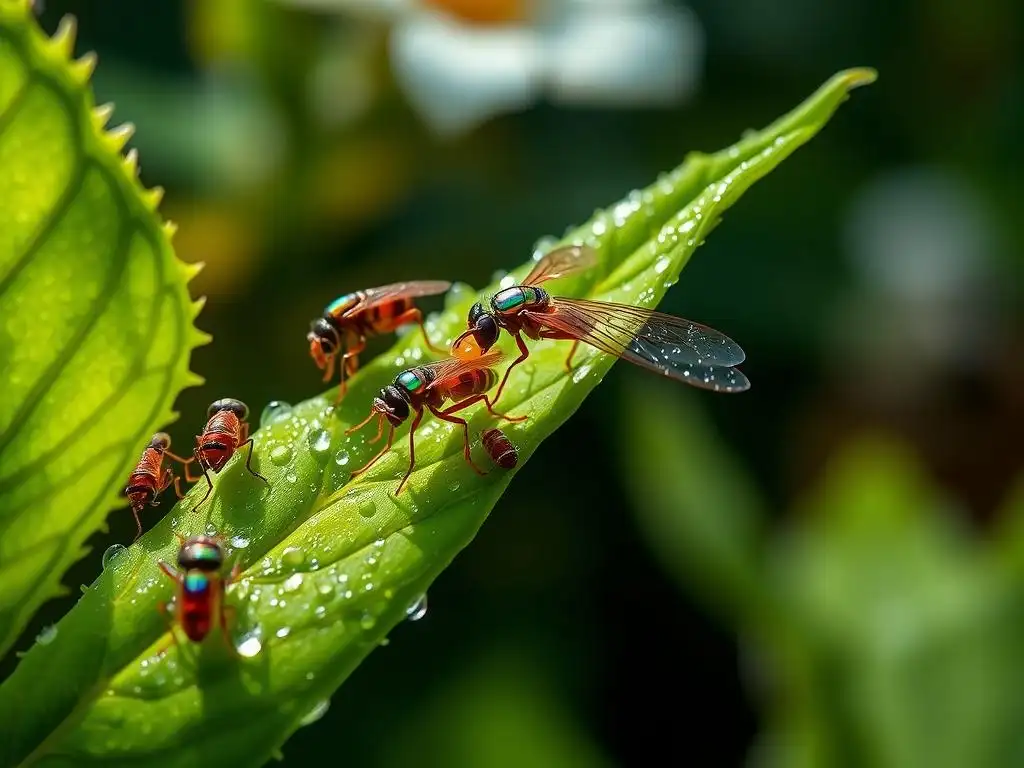
Attracting beneficial parasitic wasps is a cornerstone of sustainable pest control, but simply attracting them isn't enough. You need to monitor their presence and ensure their populations thrive to maximize their effectiveness in controlling garden pests. Regular observation and proactive management are key to reaping the rewards of this natural pest control method. This section details how to monitor your parasitic wasp population and address any issues that may arise.
Observing Parasitic Wasp Activity in Your Garden
Regularly inspect your plants, paying close attention to areas where pests are known to congregate. Look for signs of parasitic wasp activity, which can be subtle but revealing. These tiny insects are often active during warmer parts of the day. The best time to observe them is during sunny periods in the morning or late afternoon when they are most active.
Parasitic wasps are rarely seen in large numbers, but you can still detect their presence. Look for:
- Tiny cocoons: These are often attached to leaves or stems, and can be various colors depending on the species. They may appear as small, silken pouches or slightly raised bumps on plant tissues.
- Parasitized pests: Examine aphids, caterpillars, and other common garden pests. A parasitized insect may appear sluggish, swollen, or discolored. Some parasitic wasps leave behind characteristic markings or exit holes.
- Adult wasps: While small and easily missed, adult parasitic wasps are often active near their host insects. They are usually slender with long antennae and a distinctive wasp-like waist. Use a magnifying glass to get a closer look if necessary.
Keep a detailed journal of your observations, noting the date, location, species (if identifiable), and number of observed wasps or signs of activity. This record will help you track population trends over time and inform your management strategies. Remember that consistency is key; regular monitoring is more effective than sporadic checks.
Signs of a Thriving Parasitic Wasp Population
A healthy parasitic wasp population contributes significantly to natural pest control. Several indicators suggest a successful integration of these beneficial insects into your garden ecosystem. These indicators can help you evaluate the effectiveness of your attractant strategies and adjust them as needed. A thriving population is characterized by:
- Reduced pest numbers: The most obvious sign of success is a noticeable decrease in the number of target pests in your garden. This reduction should be sustained over time, indicating the parasitic wasps are effectively controlling the pest population.
- Presence of multiple wasp species: A diverse range of parasitic wasps often indicates a healthy and balanced ecosystem. Different species target different pests, offering broader protection.
- Consistent observation of all life stages: Seeing adult wasps, cocoons, and parasitized pests all present in your garden suggests a stable and reproducing population. This shows a successful life cycle completion for the wasps.
- Increased cocoon density in pest-prone areas: Observe if the number of cocoons increases in areas where you previously saw high pest activity. This signifies that the wasps are effectively targeting the pests in those specific locations.
Remember, the absence of visible pests doesn't automatically mean failure. Many parasitic wasps are highly effective even when their presence is not readily apparent. Sustained monitoring and a holistic approach to pest control are essential for assessing the true impact of your parasitic wasp population.
Strategies to Address Low Parasitic Wasp Numbers
If your observations indicate low parasitic wasp numbers, don't despair. Several strategies can help boost their populations. These actions are complementary to creating a habitat that attracts them and should be considered in addition to your initial efforts.
- Improve habitat diversity: Ensure a diverse range of flowering plants provides continuous nectar and pollen sources throughout the growing season. This is crucial for sustaining wasp populations.
- Reduce pesticide use: Pesticides, even those marketed as "organic," can harm beneficial insects, including parasitic wasps. Minimize or eliminate pesticide use to create a safer environment for these valuable allies.
- Introduce supplemental food sources: In some cases, providing supplemental food sources, such as small amounts of honey diluted with water, can temporarily boost wasp populations. However, this shouldn't replace the primary strategy of providing a diverse and abundant natural food source.
- Consider adding additional habitat features: Features like insect hotels or brush piles can provide additional shelter and nesting sites for parasitic wasps.
- Patience is key: Building a thriving population of beneficial insects takes time. Consistent effort and patience are essential for long-term success. Don't get discouraged if you don't see immediate results; continue monitoring and refining your approach.
Remember, attracting beneficial parasitic wasps is a long-term strategy. Consistent monitoring and proactive management are vital for harnessing their power in creating a healthy and sustainable garden ecosystem. By understanding the signs of a thriving population and implementing appropriate strategies, you can effectively utilize these tiny allies in your fight against garden pests.
Frequently Asked Questions
What are beneficial parasitic wasps?
Beneficial parasitic wasps are tiny insects that help control garden pests. They lay their eggs in or on other insects, effectively parasitizing and killing them. This is a natural and environmentally friendly pest control method.
How do I attract parasitic wasps to my garden?
Attract these beneficial insects by planting diverse flowering plants, providing sources of water, and avoiding the use of broad-spectrum insecticides. A healthy, diverse garden is key.
What pests do parasitic wasps control?
Parasitic wasps are effective against a wide range of common garden pests, including aphids, caterpillars, and whiteflies. The specific wasp species will target specific pests.
Are parasitic wasps harmful to humans or pets?
No, parasitic wasps are generally harmless to humans and pets. They are too small to sting and pose no threat. Focus on their beneficial role in pest control.
When is the best time to attract parasitic wasps to my garden?
The best time is during the growing season, when pest populations are high and the wasps are actively breeding. Planting beneficial flowers throughout the season will attract them consistently.
Final Reflection: A Tiny Army for a Thriving Garden
The delicate dance between predator and prey, as exemplified by the relationship between parasitic wasps and garden pests, is more crucial than ever in our increasingly fragile ecosystems. Understanding and actively supporting this natural pest control mechanism is not just a gardening tip; it's a vital step towards building resilient and sustainable food systems.
The quiet work of these tiny insects underscores the interconnectedness of nature, a lesson often overlooked in our fast-paced world. Their presence, or absence, is a powerful indicator of the overall health of our gardens and, by extension, our environment. Nature's balance is a delicate thing, and we must strive to understand and protect it.
This quote, though not directly about parasitic wasps, perfectly encapsulates the importance of appreciating the intricate roles these beneficial insects play in maintaining that balance. Their effectiveness highlights the power of natural solutions over harmful pesticides, a shift in thinking that is becoming increasingly vital for the health of our planet.
Consider the impact you can have. By planting diverse flowering plants, providing nesting sites, and avoiding harmful pesticides, you are not just improving your garden; you are actively participating in the creation of a healthier, more vibrant ecosystem. You are becoming a steward of this intricate web of life, one tiny wasp at a time. Embrace the power of natural pest control, and watch your garden—and your understanding of the natural world—flourish.
Unleash Your Inner Bio-Gardener: Attract Beneficial Insects Now!
Thank you for exploring the fascinating world of parasitic wasps and their vital role in creating a thriving, pest-free garden! You've discovered a powerful natural pest control method—now let's put your knowledge into practice.
- Create a haven for beneficial insects: Plant a dedicated area with flowers that attract these helpful creatures. This is crucial for building a healthier garden ecosystem. Consider including plants like yarrow, dill, and fennel, which are known to attract many beneficial insects.
- Share your success: Tell your friends and family about the surprising effectiveness of using parasitic wasps for pest control. Inspire others to adopt natural pest control methods.
- Document your progress: Take photos of the beneficial insects you attract and share them on social media using #BioGardenBoost. Let's build a thriving community of bio-gardeners!
Ready to transform your garden into a vibrant hub of biodiversity? Which flower will you plant first to attract these tiny helpers?