
Attracting Beneficial Insects with Specific Colors: A Visual Guide

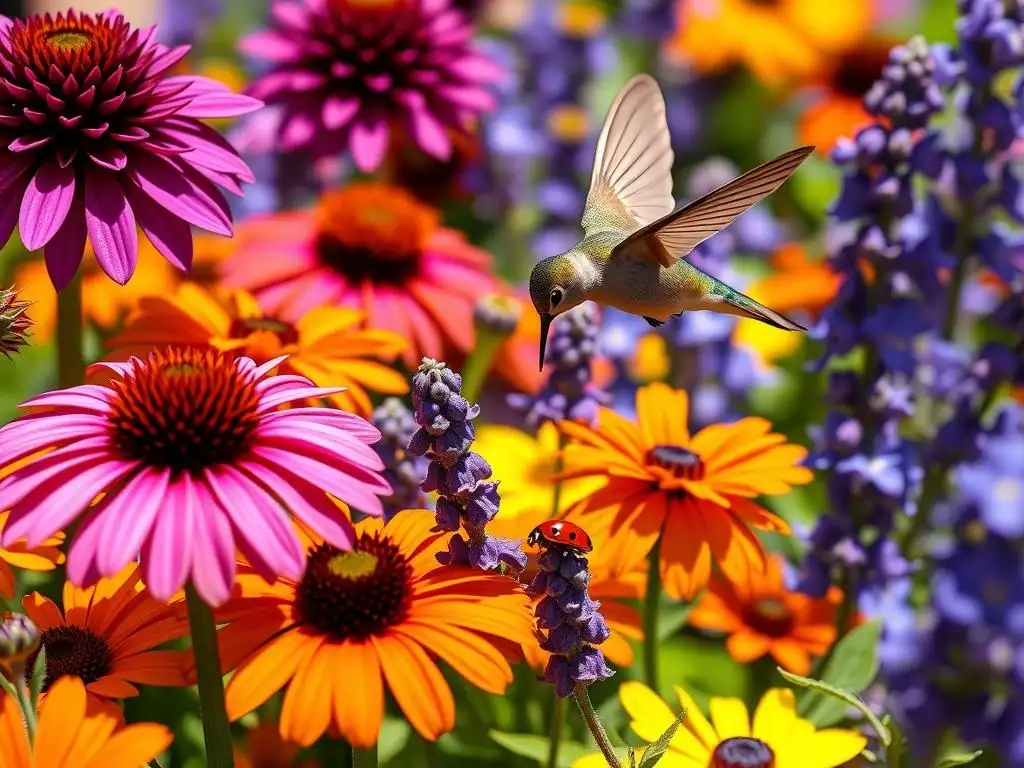
Welcome to CultivateYourFood, your guide to nurturing a thriving garden using sustainable and organic methods! Ready to transform your backyard into a vibrant ecosystem? Discover how strategically using garden colors can attract beneficial insects, crucial allies in creating a healthy and productive garden. Learn the secrets to naturally pest control and unlock the power of Attract beneficial insects garden colors in our comprehensive guide – let's cultivate a bountiful harvest together!
- Understanding the Role of Color in Attracting Beneficial Insects
- Choosing the Right Colors to Attract Beneficial Insects to Your Garden
- Practical Applications: Designing Your Color-Coded Garden
- Beyond Color: Other Factors for Attracting Beneficial Insects
- Maintaining a Thriving Beneficial Insect Population
-
Frequently Asked Questions
- What colors attract the most beneficial insects to my garden?
- Do specific plant colors deter pests?
- How can I use color strategically to attract beneficial insects and repel pests?
- Are there any colors to avoid when attracting beneficial insects?
- What other factors besides color influence beneficial insect attraction?
- Final Reflection: The Vibrant Symphony of a Healthy Garden
- Unleash Your Garden's Natural Allies: Attract Beneficial Insects Now!
Understanding the Role of Color in Attracting Beneficial Insects
Attracting beneficial insects to your garden is crucial for successful, sustainable, and organic cultivation. These tiny allies play a vital role in pollination, pest control, and overall garden health. While many factors influence insect attraction, such as scent and plant type, the visual appeal of your garden, specifically the colors you incorporate, plays a surprisingly significant role.
This article serves as a visual guide, exploring how specific colors can attract beneficial insects, helping you cultivate a thriving ecosystem in your home garden. We will delve into the science behind color attraction, examine the color preferences of various beneficial insects, and provide practical tips on using color strategically to enhance your garden's biodiversity and productivity.
Learning to utilize color effectively is a key component in attracting beneficial insects to your garden and reducing your reliance on harmful pesticides, aligning perfectly with the sustainable practices promoted by CultivateYourFood. This approach is not only environmentally friendly but also contributes to a healthier and more abundant harvest.
Why Color Matters for Beneficial Insect Attraction
Beneficial insects, like pollinators and predatory insects, rely on visual cues to locate food sources, mates, and suitable habitats. Their vision, while different from ours, is highly sensitive to specific wavelengths of light, making certain colors more attractive than others. For example, many pollinators, like bees, are strongly attracted to ultraviolet (UV) light, which is reflected differently by various flower colors and plant structures.
Predatory insects, on the other hand, might be drawn to specific colors associated with their prey or suitable nesting sites. Understanding these color preferences is essential for creating a garden environment that actively attracts these valuable insects. Studies have shown a direct correlation between the color palette of a garden and the diversity and abundance of beneficial insect populations.
For instance, a garden dominated by bright yellows and blues often attracts a greater variety of pollinators compared to a garden with primarily red or white flowers. This is because different colors reflect different wavelengths of light, and these wavelengths trigger different responses in the insect's visual system.
Beneficial Insects and Their Color Preferences: A Quick Overview
The following table provides a simplified overview of some common beneficial insects and their general color preferences. Keep in mind that these are generalizations, and individual preferences can vary depending on species, life stage, and environmental factors. Further research into specific species found in your region is always recommended for optimal results.
| Beneficial Insect | Preferred Colors | Notes |
|---|---|---|
| Bees | Yellow, Blue, Purple, UV-reflective white | Highly attracted to UV patterns; avoid deep reds. |
| Hoverflies (Syrphidae) | Yellow, White | Mimic bees and wasps, often found on yellow and white flowers. |
| Ladybugs (Coccinellidae) | Yellow, Green, White | Predatory insects attracted to aphid-infested plants, often yellow-green. |
| Lacewings (Chrysopidae) | White, Green | Predatory insects, drawn to plants with white or light-green flowers. |
| Praying Mantises | Green, Brown | Camouflage masters, attracted to plants that offer good hiding spots. |
Using Color to Enhance Garden Biodiversity
Creating a vibrant and colorful garden is not just aesthetically pleasing; it's a strategic approach to attracting a wider range of beneficial insects. By strategically planting flowers and herbs in various colors, you can create a welcoming environment that supports a healthy insect population. Consider incorporating a variety of colors, textures and heights to create visual interest and provide diverse habitats. For example, a mix of yellow, blue, and white flowering plants can attract a diverse array of pollinators, while adding green and brown foliage provides camouflage and shelter for predatory insects. Remember to choose plants native to your region, as they are often better suited to the local climate and insect populations. Avoid using synthetic pesticides, as these can harm beneficial insects along with pests. By focusing on color diversity and sustainable practices, you can cultivate a garden that thrives naturally, attracting beneficial insects and ensuring a bountiful harvest.
Choosing the Right Colors to Attract Beneficial Insects to Your Garden
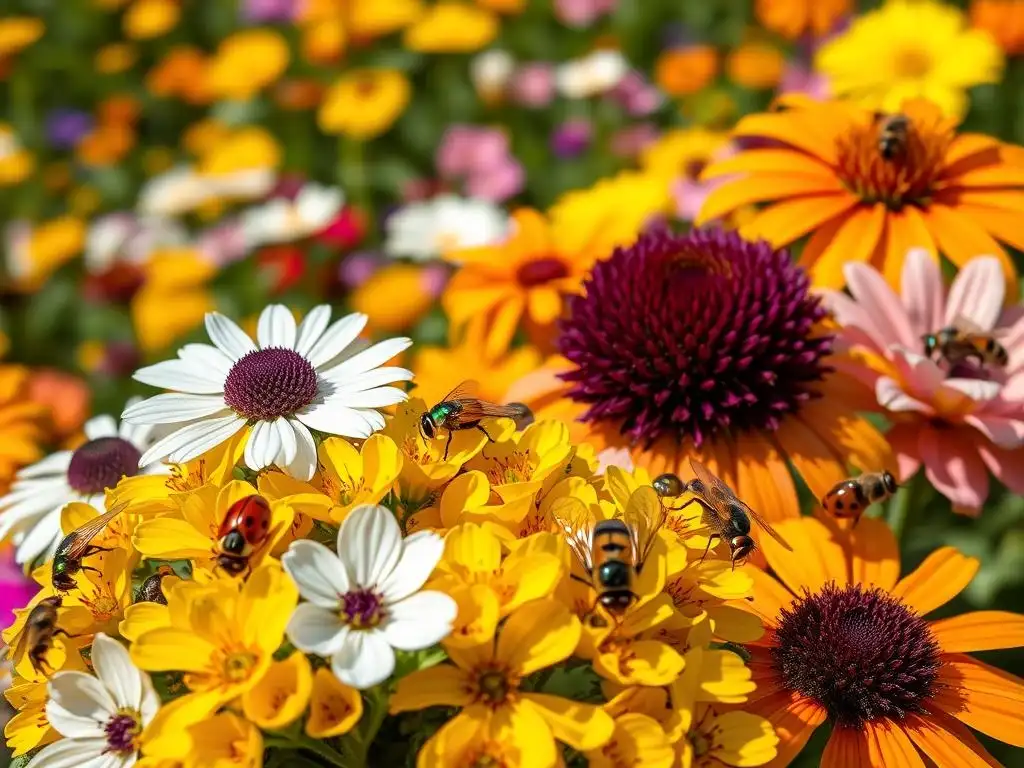
Attracting beneficial insects to your garden is crucial for successful, sustainable cultivation. These tiny allies help pollinate your plants, control pest populations, and contribute to a thriving ecosystem. But did you know that color plays a significant role in attracting them? By strategically using color in your garden design, you can significantly increase the number of beneficial insects visiting your plants and improve your overall yield.
Understanding which colors attract which insects is key to maximizing this natural pest control and pollination strategy. This section will explore the science behind color attraction and provide practical advice for incorporating these principles into your garden. Remember, a diverse palette is crucial – a monoculture of color will not be as effective as a vibrant mix.
Colors that Attract Pollinators: Bees, Butterflies, and More
Pollinators, such as bees and butterflies, are vital for the reproduction of many fruits, vegetables, and herbs. These insects are particularly drawn to certain colors. Research shows that bees are highly attracted to blue, purple, violet, and yellow flowers. Think lavender, borage, and sunflowers – all excellent choices for attracting these industrious pollinators. Butterflies, on the other hand, while also appreciating purples and yellows, exhibit a strong preference for reds, oranges, and pinks. Consider planting zinnias, poppies, and bee balm to entice these beautiful creatures into your garden.
The intensity of the color also matters. Brighter, more saturated colors generally attract more attention than paler shades. Furthermore, the shape of the flower also plays a role; flat, open flowers are easier for bees to access than deeply tubular ones. A diverse range of flower shapes and sizes will ensure a wide range of pollinators are attracted.
Attracting Predatory Insects: Using Color to Control Pests
Predatory insects, such as ladybugs and lacewings, are natural pest controllers. While they aren't as picky about color as pollinators, certain hues can still improve their attraction. Studies suggest that these beneficial insects are drawn to yellow and white, possibly because these colors contrast sharply with their surroundings, making them easier to spot potential prey.
Planting plants with yellow or white flowers, or even incorporating yellow or white mulch, can help to draw these helpful insects into your garden. Remember, these predatory insects often feed on aphids and other common garden pests, so attracting them is crucial for organic pest control.
It's important to note that the effectiveness of color attraction can vary depending on factors such as light intensity, plant species, and the specific insect species involved. However, using a combination of colors, particularly those mentioned above, is a relatively simple and effective method to boost the populations of beneficial insects in your garden. Consider using a variety of plants with different bloom times to ensure a constant supply of attractive colors throughout the growing season.
Creating a Colorful Habitat for Beneficial Insects: Plant Selection Guide
To maximize the beneficial insect population in your garden, consider diversifying your plant selection based on the colors that attract different insect types. Here's a simple guide:
| Color | Beneficial Insect(s) Attracted | Suggested Plants | Notes |
|---|---|---|---|
| Blue/Purple | Bees, Butterflies | Lavender, Salvia, Borage, Catmint | Strong preference for bees; butterflies also attracted. |
| Yellow | Bees, Ladybugs, Lacewings | Sunflowers, Coreopsis, Goldenrod, Daisies | Attracts a wide range of beneficial insects. |
| Red/Orange/Pink | Butterflies, Hummingbirds | Zinnias, Poppies, Bee Balm, Cosmos | Particularly appealing to butterflies and hummingbirds. |
| White | Lacewings, Moths | Yarrow, Dill, Queen Anne's Lace | Often overlooked, but important for nocturnal pollinators and predators. |
Remember, attracting beneficial insects is a holistic approach. Providing a diverse range of colors is just one part of the puzzle. Other crucial factors include providing water sources, avoiding the use of harmful pesticides, and offering shelter in the form of leaf litter or insect hotels. By combining these strategies, you can create a vibrant and thriving garden ecosystem that supports both your plants and the beneficial insects that help them flourish. This will lead to a healthier, more productive, and ultimately more sustainable garden.
Practical Applications: Designing Your Color-Coded Garden
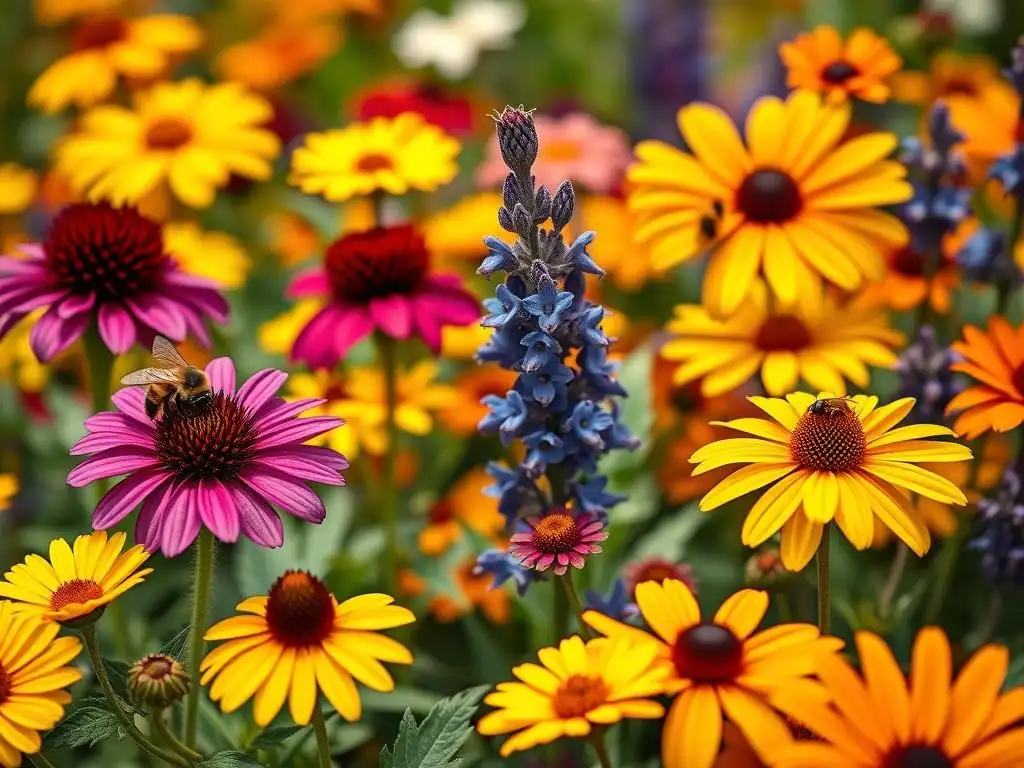
This section translates the theoretical understanding of beneficial insect attraction through color into practical gardening strategies. By carefully selecting plant colors, you can significantly increase the biodiversity and health of your garden ecosystem, reducing reliance on chemical pest control. Remember, attracting beneficial insects is a key component of sustainable gardening practices and helps you cultivate your food organically. This approach to "Attract beneficial insects garden colors" is both effective and environmentally friendly.
Planting Strategies for Maximum Beneficial Insect Attraction
Effective implementation requires a strategic approach. Consider these planting tips to maximize the impact of your color-coded garden:
- Intersperse colors: Don't plant all the yellow flowers together, for example. Mix yellow, blue, white, and purple flowering plants throughout your garden beds and borders. This creates a more varied and appealing habitat for a wider range of beneficial insects. Think of it as creating a buffet, rather than a single dish.
- Consider plant height: Taller plants can provide shelter and shade for beneficial insects. Combine tall, brightly colored plants with shorter, similarly colored ones to create layers of visual appeal and habitat complexity. This enhances the "Attract beneficial insects garden colors" strategy.
- Group similar colors strategically: While mixing is important, grouping similar colors in specific areas can be beneficial. For instance, a cluster of white flowers might attract a particular species of lacewing, while a patch of blue attracts hoverflies. Observe which insects are drawn to which colors in your specific region and adjust accordingly.
- Succession planting: To ensure a continuous supply of nectar and pollen throughout the growing season, plan for succession planting. This means planting different species with staggered bloom times, ensuring a constant source of attraction for beneficial insects. This is crucial for maintaining a healthy population throughout the year, maximizing the effectiveness of your "Attract beneficial insects garden colors" plan.
- Native plants are key: Prioritize native plants. They are naturally adapted to your local climate and are more likely to attract native beneficial insects that are best suited to controlling local pests. These plants often have colors that are naturally appealing to these insects.
Using Color in Different Garden Areas: Borders, Beds, and More
The strategic application of color isn't limited to simply planting flowers. Consider how color can be used effectively in different areas of your garden:
| Garden Area | Color Recommendations | Beneficial Insect Attraction | Notes |
|---|---|---|---|
| Garden Borders | White, Yellow, Blue | Various pollinators, parasitic wasps, lacewings | Creates a welcoming "entrance" for beneficial insects. |
| Vegetable Beds | Purple, White, interspersed with yellow and blue | Pollinators, predatory beetles, hoverflies | Strategically placed to protect vegetable crops from pests. |
| Herb Gardens | Lavender (purple), Chamomile (white), other herbs with contrasting flower colors | Specific herb-loving insects beneficial for pollination and pest control | Many herbs themselves are beneficial insect attractants. |
| Compost Area | Low-growing white and yellow flowers | Fly species that help break down organic matter | Enhances the composting process by attracting beneficial decomposers. |
Combining Colors for Synergistic Effects: Effective Color Combinations
Certain color combinations appear to be particularly attractive to beneficial insects. This isn't a strict rule, but observing these combinations can enhance your garden's appeal:
- Yellow and Blue: This classic combination attracts a wide range of pollinators and beneficial insects. Think of sunflowers and borage.
- White and Purple: White flowers are often very attractive to nocturnal pollinators, while purple attracts many daytime pollinators and predatory insects.
- Red and Orange (with caution): While some beneficial insects are drawn to these colors, they are less commonly used. Many beneficial insects are more attracted to other colors. Focus on the higher-performing colors first.
Remember that the effectiveness of color combinations can vary depending on your geographical location and the specific species of beneficial insects you are trying to attract. Careful observation and experimentation are key to fine-tuning your color-coded garden for optimal results. Continuous monitoring and adjusting your "Attract beneficial insects garden colors" strategy based on observation will yield the best results.
Beyond Color: Other Factors for Attracting Beneficial Insects
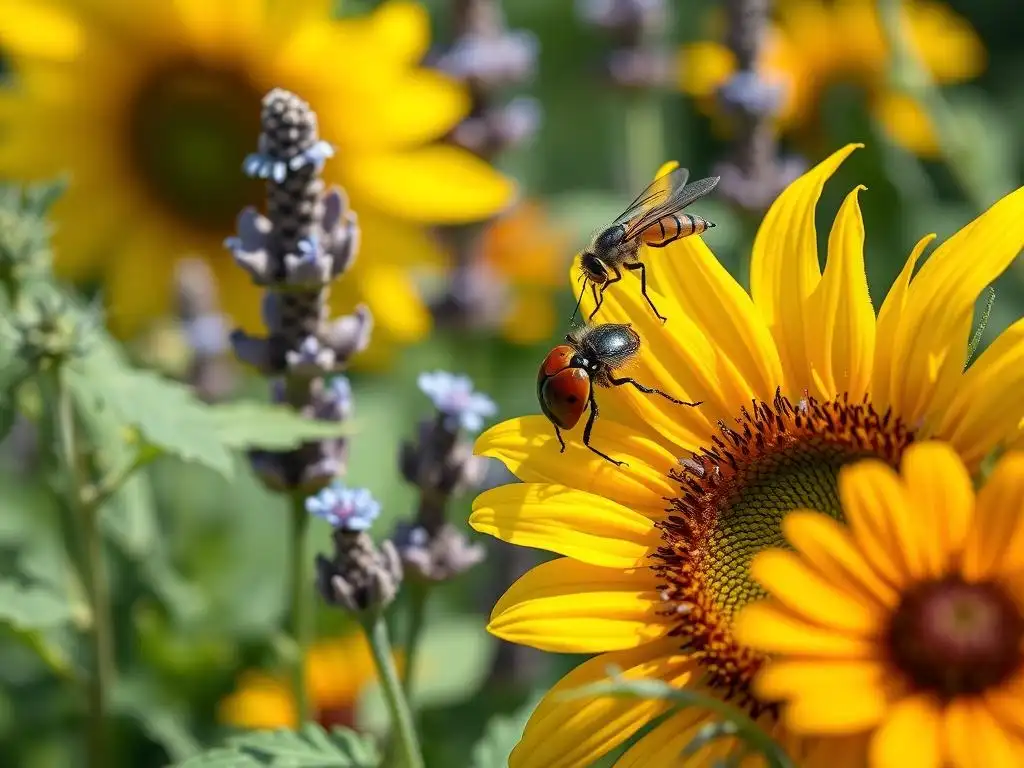
While color plays a significant role in attracting beneficial insects to your garden, it's not the only factor. A holistic approach, incorporating several key elements, will significantly increase your chances of attracting and retaining these helpful creatures. Remember, beneficial insects are attracted to a garden that provides for their basic needs – food, shelter, and safety. Optimizing these aspects, in conjunction with strategic color choices, will transform your garden into a haven for these vital pollinators and pest controllers. Successfully attracting beneficial insects garden colors is just one piece of a larger puzzle.
Providing Food Sources: Nectar-Rich Plants and Pollen Sources
Beneficial insects, like ladybugs and lacewings, require a constant supply of nectar and pollen for energy. Simply planting flowers of the right color isn't enough; you need to ensure those flowers provide substantial sustenance. Consider these options for your garden:
- Nectar sources: Yarrow ( Achillea millefolium), dill ( Anethum graveolens), and cosmos ( Cosmos bipinnatus) are excellent choices, offering abundant nectar throughout the growing season. These plants often boast colors attractive to a wide range of beneficial insects.
- Pollen sources: Sunflowers ( Helianthus annuus), borage ( Borago officinalis), and calendula ( Calendula officinalis) are rich in pollen, crucial for the development and reproduction of many beneficial insects. These plants also offer a variety of colors and bloom times to attract insects throughout the growing season.
Think of it like this: imagine attracting customers to a restaurant with beautiful signage (color), but offering only a limited and unappealing menu. Similarly, attractive colors alone won't suffice without providing ample food. A diverse selection of nectar-rich and pollen-rich plants ensures a continuous food supply, keeping your beneficial insect population thriving. The diversity of plant types also helps ensure a continuous supply of food throughout the growing season, attracting a wider variety of beneficial insects.
Creating Suitable Habitat: Shelter and Nesting Sites
Providing shelter and nesting sites is equally crucial for attracting and retaining beneficial insects. Many beneficial insects require protection from harsh weather and predators. Consider incorporating these elements:
- Overwintering sites: Leave leaf litter and brush piles undisturbed in certain areas of your garden. These provide excellent overwintering habitats for many beneficial insects. This is especially important for species that spend the winter in the pupal or larval stage.
- Nesting structures: You can create or purchase insect hotels, which offer various compartments for different insect species to nest. These can be as simple as bundles of hollow stems or as elaborate as purpose-built structures with varied materials.
- Ground cover: Ground cover plants provide shelter for many insects, particularly those that spend their lives close to the soil surface. They also help retain soil moisture, creating a more favorable environment for beneficial insects.
Remember, a healthy ecosystem needs diversity. Providing a variety of shelter options caters to the diverse needs of various beneficial insect species. Creating a habitat that mimics their natural environment will significantly increase their presence in your garden. The more comfortable they are, the more likely they are to stay and help control pests.
Minimizing Pesticide Use: Protecting Beneficial Insects
The use of broad-spectrum pesticides is detrimental to beneficial insects, often killing them alongside the pests you're trying to control. This undermines the whole purpose of attracting them in the first place! Instead, prioritize these sustainable pest control methods:
- Natural predators: Encourage the presence of beneficial insects by creating a favorable habitat and providing food sources. These insects will naturally control pest populations. This often requires a more patient approach than using chemical pesticides, but the long-term benefits significantly outweigh the short-term convenience of chemical controls.
- Organic pest control: Employ organic pest control methods such as neem oil, insecticidal soap, or diatomaceous earth. These are less harmful to beneficial insects compared to synthetic pesticides. Always read and follow the instructions carefully.
- Crop rotation and companion planting: These practices can help prevent pest infestations, reducing the need for any pest control measures. They also encourage biodiversity, creating a more resilient and balanced ecosystem in your garden.
By minimizing or eliminating pesticide use, you create a safe haven for beneficial insects, allowing their populations to thrive and naturally regulate pest populations. This is a cornerstone of sustainable gardening practices and crucial for creating a vibrant, healthy garden ecosystem. The long-term success of attracting beneficial insects relies heavily on creating a safe and pesticide-free environment.
Maintaining a Thriving Beneficial Insect Population
This section delves into the crucial aspects of nurturing a healthy population of beneficial insects in your garden, ensuring long-term success in your sustainable pest control strategy. Attracting beneficial insects with specific colors is only the first step; maintaining their presence requires consistent effort and understanding. Remember, these insects are vital for a balanced ecosystem and a thriving, healthy garden. The right approach will minimize the need for harmful chemical pesticides, maximizing your harvest while protecting the environment.
Monitoring Your Garden: Observing Insect Activity
Regular observation is paramount to understanding the dynamics of your garden's insect population. Consistent monitoring allows you to identify beneficial insects, assess their numbers, and detect any potential imbalances early on. This proactive approach helps prevent larger pest problems.
Consider implementing a simple monitoring schedule: Aim for at least twice a week, focusing on different times of day (morning and evening) as insect activity varies. Use a notebook or digital record to note down your observations, including:
- Species Identification: Try to identify the beneficial insects you see (e.g., ladybugs, lacewings, hoverflies). There are many online resources and field guides that can assist you.
- Population Density: Estimate the number of each beneficial insect species you observe in a given area. This helps track population trends over time.
- Plant Preferences: Note which plants seem to attract more beneficial insects. This information can help you strategically plant to maximize their presence.
- Signs of Pest Activity: Document any signs of pest damage, such as chewed leaves or holes in fruits. This helps you correlate beneficial insect activity with pest control effectiveness.
Example: "July 10th: Observed 5 ladybugs and 3 lacewings on the dill plants. Minimal aphid damage noted."
Regular monitoring, even with simple observations, provides invaluable data for understanding your garden's ecosystem and making informed decisions about your pest management strategy. Remember, the goal is not to eliminate all insects, but to maintain a balance that favors beneficial species. This balance is crucial for attracting beneficial insects with garden colors and maintaining a healthy ecosystem.
Addressing Potential Issues: Troubleshooting Common Problems
Even with careful planning, you might encounter challenges. Understanding common problems and implementing effective solutions is key to maintaining a thriving beneficial insect population.
Here are some potential issues and solutions:
| Problem | Potential Causes | Solutions |
|---|---|---|
| Low Beneficial Insect Numbers | Insufficient habitat, lack of food sources, pesticide use | Plant diverse flowering plants, provide nesting sites, avoid chemical pesticides. |
| Predation of Beneficial Insects | Birds, other insects, or even other beneficial insects | Provide shelter (e.g., leaf litter, brush piles), consider strategic planting. |
| Disease among Beneficial Insects | Poor environmental conditions, overcrowding | Ensure adequate humidity and avoid overcrowding nesting sites. |
Remember, a holistic approach is crucial. Addressing potential issues requires careful observation and a willingness to adapt your strategies based on your specific garden environment. The goal is to support the natural balance of your ecosystem, rather than trying to artificially control it.
Long-Term Strategies for Sustainable Pest Control
Sustainable pest control relies heavily on fostering a diverse and healthy beneficial insect population. Long-term success demands a commitment to creating a garden environment that supports these insects year after year.
Here are some key strategies for long-term success:
- Diverse Planting: A wide variety of plants provides diverse food sources and habitats for beneficial insects. Include flowering plants, herbs, and vegetables to attract a broad range of species.
- Habitat Creation: Provide nesting sites and overwintering locations for beneficial insects. This can include leaving leaf litter, creating brush piles, or installing insect hotels.
- Water Sources: Ensure a reliable water source, especially during dry periods. A shallow dish with pebbles or a bird bath can provide hydration for many insects.
- Avoid Pesticides: Chemical pesticides can harm beneficial insects alongside pests. Opt for organic pest control methods whenever possible.
- Integrated Pest Management (IPM): IPM involves monitoring pest populations and using various methods (including beneficial insects) to control them only when necessary.
By implementing these long-term strategies, you'll create a self-sustaining ecosystem that minimizes pest problems and maximizes the health and productivity of your garden. Remember, attracting beneficial insects with garden colors is a valuable part of this strategy, but it's just one piece of a much larger puzzle. Consistent effort and a thoughtful approach are key to achieving long-term success in sustainable pest control.
Frequently Asked Questions
What colors attract the most beneficial insects to my garden?
Many beneficial insects are drawn to bright colors, particularly blues, purples, and yellows. These colors often mimic the flowers that provide them with nectar and pollen.
Do specific plant colors deter pests?
While not directly deterring pests, planting a variety of colors can create a diverse habitat that attracts beneficial insects which in turn control pest populations. This is a more effective strategy than relying on color alone.
How can I use color strategically to attract beneficial insects and repel pests?
Plant brightly colored flowers near your vegetables to attract beneficial insects like ladybugs and lacewings. These will help control aphid and other pest populations.
Are there any colors to avoid when attracting beneficial insects?
While no colors actively repel beneficial insects, avoid using monochromatic plantings. A diverse palette attracts a wider range of beneficial species.
What other factors besides color influence beneficial insect attraction?
Color is only one factor. Providing sources of food and water, along with shelter (like leaf litter or brush piles), is crucial for creating a thriving beneficial insect population in your garden.
Final Reflection: The Vibrant Symphony of a Healthy Garden
The strategic use of color in our gardens isn't just about aesthetics; it's a powerful tool for cultivating a thriving ecosystem. By understanding which hues attract beneficial insects, we can significantly reduce our reliance on harmful pesticides and create a naturally balanced garden environment. This knowledge, once a niche interest, is now more crucial than ever as we face the challenges of climate change and biodiversity loss.
The impact of color on insect behavior is a fascinating and ongoing area of study, constantly revealing new layers of complexity. It's humbling to realize how much we can influence the delicate balance of nature simply by choosing the right plants. The earth laughs in flowers.
– Ralph Waldo Emerson. This quote speaks to the inherent joy and interconnectedness found within a biodiverse garden, a joy we can actively cultivate through mindful color choices. The vibrant hues we choose aren't just decorations; they are invitations to a richer, more resilient garden ecosystem.
Now, consider your own garden, your own space. What colors are currently dominating? Are you consciously attracting the beneficial insects that will protect your plants and contribute to a healthier environment? Take a moment to reflect on this, and then, armed with the knowledge from this guide, make a change. Plant a few strategically chosen flowers, paint a section of your fence, or even simply rearrange your existing plants to maximize their color impact. Let your garden become a vibrant testament to the power of mindful design and the beauty of a thriving natural world.
Unleash Your Garden's Natural Allies: Attract Beneficial Insects Now!
Thank you for learning how color can transform your garden into a haven for beneficial insects! You now have the knowledge to create a vibrant and pest-resistant ecosystem. Let's put that knowledge into action:
- Design your dream insect haven: Begin by planning areas in your garden where you can plant flowers in colors that attract beneficial insects, such as yellows, blues, whites, and purples. Consider incorporating these colors into existing flowerbeds or creating new areas specifically designed to attract these helpful insects.
- Share your colorful creations: Show us your progress! Share a photo of your redesigned garden on social media using #CultivateYourFood. Let's inspire each other to create vibrant, thriving gardens that support beneficial insects.
- Learn more: Explore our other articles on natural pest control for more tips and tricks to create the best possible environment for your plants.
Ready to transform your garden into a buzzing paradise? What's the first color you'll add to attract beneficial insects?