
Attracting Pollinators: Boosting Your Garden's Fruit and Veggie Yield

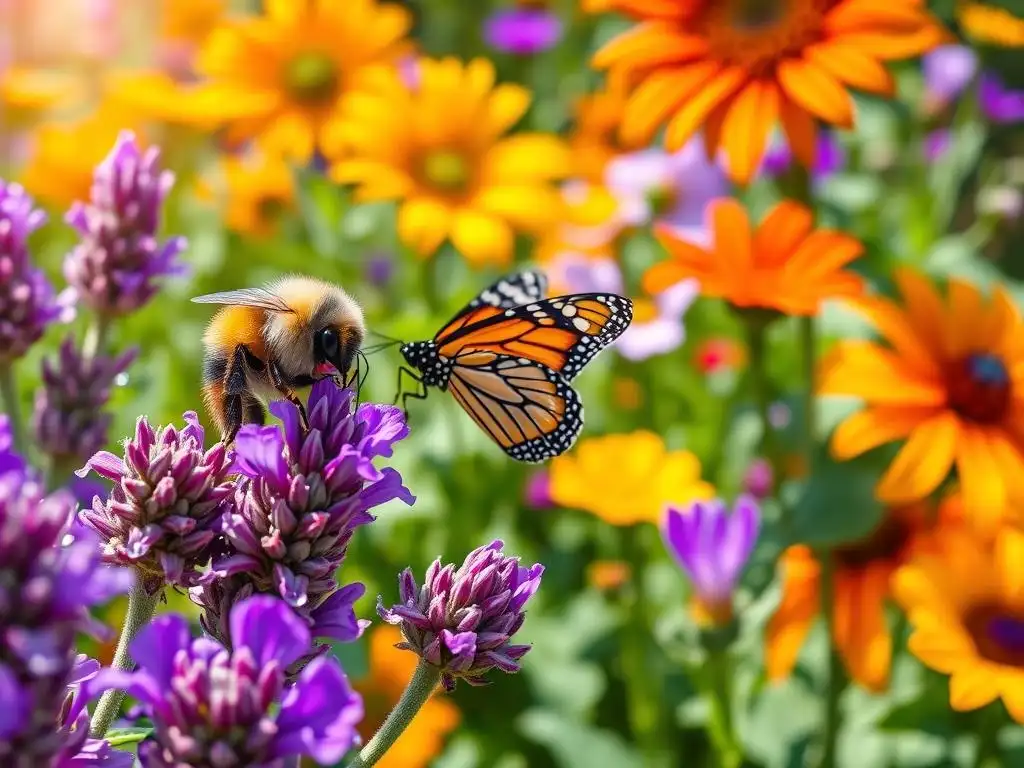
Welcome to CultivateYourFood, your guide to a thriving, sustainable garden! Are you ready to unlock the secrets to bountiful harvests? We'll show you how, starting with our essential guide on Attracting Pollinators for Organic Gardening. Discover how attracting these vital insects can dramatically boost your fruit and vegetable yields, naturally and sustainably. Dive in and learn the simple yet powerful techniques that will transform your home garden into a vibrant ecosystem teeming with life – and delicious produce!
- Understanding the Importance of Pollinators for Organic Gardening
- Creating a Pollinator-Friendly Habitat: Attract Pollinators Organic Gardening
- Providing Essential Resources: Attract Pollinators Organic Gardening
- Enhancing Your Garden's Attractiveness to Pollinators
- Monitoring and Maintaining Your Pollinator Habitat
- Celebrating the Success of Your Pollinator Garden: Attract Pollinators Organic Gardening
-
Frequently Asked Questions
- What are the best organic methods to attract pollinators?
- How can I create a pollinator-friendly habitat in my garden?
- What types of plants are particularly good for attracting pollinators?
- When is the best time to plant pollinator-friendly flowers?
- Are there any organic pest control methods that won't harm pollinators?
- Final Reflection: A Bountiful Future, Planted One Pollinator at a Time
- Unleash Your Garden's Potential: Attract More Pollinators Today!
Understanding the Importance of Pollinators for Organic Gardening
Pollinators are the unsung heroes of our food system, playing a crucial role in the successful cultivation of fruits, vegetables, and herbs. This article delves into the vital importance of attracting pollinators, specifically within the context of organic gardening, where sustainable practices are paramount. We'll explore the mechanisms by which pollinators contribute to bountiful harvests, the significant economic and environmental advantages of supporting pollinator populations, and practical strategies for creating a pollinator-friendly haven in your home garden.
Understanding and actively attracting these beneficial insects is not merely a good practice; it's a fundamental aspect of achieving thriving, productive, and truly organic gardens. By embracing pollinator-friendly techniques, you're not only increasing your harvest but also contributing to a healthier ecosystem. Let's delve into the fascinating world of pollination and discover how you can harness its power for a more abundant and sustainable garden.
The Role of Pollinators in Fruit and Vegetable Production
Pollination, the transfer of pollen from the male part of a flower (stamen) to the female part (pistil), is essential for the fertilization and subsequent fruit and seed production in a vast majority of flowering plants. This process is overwhelmingly facilitated by pollinators, primarily bees, but also including butterflies, moths, flies, beetles, and even some birds and bats. Without these tireless workers, the yield of many fruits, vegetables, and herbs would plummet dramatically.
Consider the humble tomato: its vibrant, juicy fruits are a direct result of successful pollination. Similarly, the sweet peppers, plump cucumbers, and juicy berries we enjoy are all dependent on the diligent work of pollinators. The intricate relationship between plants and pollinators highlights the delicate balance within our ecosystems.
A healthy pollinator population translates directly into a healthy and abundant harvest, showcasing the undeniable interconnectedness of nature. The diversity of pollinators also matters; different species are attracted to different plants, leading to better cross-pollination and increased genetic diversity.
Why Attract Pollinators for a Bountiful Harvest?
Attracting pollinators to your garden isn't just about aesthetics; it's a crucial step towards maximizing your yield. A thriving pollinator population translates directly into healthier plants and a significantly larger harvest. Increased pollination leads to:
- Larger Fruits and Vegetables: Adequate pollination results in fruits and vegetables that are larger and more uniform in size.
- Improved Quality: Well-pollinated produce tends to have better flavor, texture, and nutritional value.
- Higher Seed Production: This is crucial if you're planning to save seeds from your harvest for future plantings.
- Reduced reliance on artificial pollination: This is especially relevant in organic gardening, where synthetic methods are avoided.
By creating a welcoming environment for pollinators, you're essentially investing in the future of your garden's productivity. This proactive approach ensures a natural and sustainable path to a bountiful harvest, reducing reliance on external interventions and promoting a healthy ecosystem. The effort you put into attracting pollinators will pay dividends in the quality and quantity of your produce.
The Economic and Environmental Benefits of Pollinator Conservation
The benefits of attracting and supporting pollinators extend far beyond the individual gardener. Pollinator conservation offers substantial economic and environmental advantages:
- Economic Impact: Pollinators contribute billions of dollars annually to global agricultural economies. A decline in pollinator populations directly impacts crop yields and food security.
- Ecosystem Services: Pollinators are vital for maintaining biodiversity and the health of natural ecosystems. They contribute to the reproduction of many wild plants, supporting wider ecological balance.
- Reduced Pesticide Use: A healthy pollinator population reduces the need for artificial pollination methods and potentially harmful pesticides. This contributes to a more sustainable and environmentally friendly approach to agriculture.
Investing in pollinator conservation is an investment in a sustainable future, ensuring food security and environmental health for generations to come. Supporting pollinators is not only beneficial for your garden, but it is also a responsible and essential contribution to the well-being of our planet. The long-term economic and environmental gains far outweigh the initial effort required to create a pollinator-friendly environment.
Creating a Pollinator-Friendly Habitat: Attract Pollinators Organic Gardening
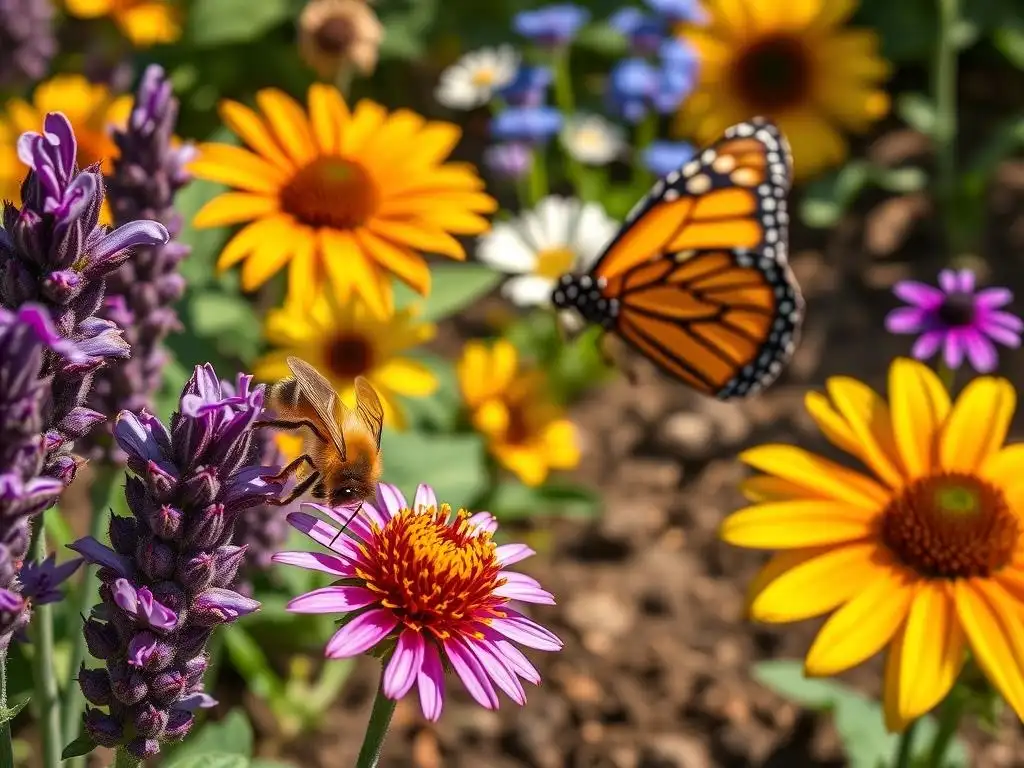
This section delves into the crucial aspects of designing your garden to become a haven for pollinators, thus boosting your harvest and contributing to a healthy ecosystem. Attracting pollinators for organic gardening relies heavily on providing the right environment. We'll explore plant selection, the importance of native species, and diverse planting strategies to maximize pollinator attraction.
Selecting Pollinator-Attracting Plants for Your Garden
Choosing the right plants is paramount when aiming to attract pollinators. Different pollinators, such as bees, butterflies, and hummingbirds, have varying preferences. To maximize your chances of attracting a wide variety of beneficial insects, diversify your plant choices.
Consider these factors when selecting plants:
- Flower Shape and Color: Bees are often drawn to open, flat flowers with easy access to pollen and nectar, while butterflies prefer tubular flowers with landing platforms. Brightly colored flowers, especially blues, purples, yellows, and whites, are generally more attractive.
- Blooming Period: Aim for a succession of blooms throughout the growing season. This ensures a continuous food source for pollinators, even as different plants finish their flowering cycles. A staggered planting schedule is key to attracting pollinators throughout the entire season. For example, plant early bloomers like crocus and snowdrops, followed by spring-blooming wildflowers, summer annuals, and late-blooming perennials.
- Fragrance: Many pollinators are attracted to fragrant flowers. Consider including plants known for their strong, sweet scents.
- Nectar and Pollen Production: Choose plants known for their abundant nectar and pollen production. These are essential resources for pollinators. Researching specific plant varieties known for their high nectar and pollen yields will improve your success in attracting pollinators to your organic garden.
Here's a sample table of plants known to attract pollinators, categorized by pollinator type:
| Pollinator Type | Plant Example | Bloom Time | Flower Color(s) |
|---|---|---|---|
| Bees | Lavender | Summer | Purple |
| Bees | Sunflower | Summer | Yellow |
| Butterflies | Butterfly Bush (Buddleja) | Summer/Fall | Purple, Pink, White |
| Hummingbirds | Bee Balm (Monarda) | Summer | Red, Pink, Purple |
| General Pollinators | Coneflower (Echinacea) | Summer/Fall | Purple, Pink, White |
Remember to avoid using pesticides, as these can harm beneficial insects. Organic gardening practices are essential for maintaining a healthy pollinator population.
Choosing Native Plants to Support Local Pollinator Populations
Prioritizing native plants is crucial for attracting pollinators. Native plants have evolved alongside local pollinator populations, creating a symbiotic relationship. They provide the most suitable food sources and habitats for these insects. Supporting local populations is vital for maintaining biodiversity and building a resilient ecosystem. Furthermore, native plants are often better adapted to your specific climate and soil conditions, requiring less maintenance and water.
Using native plants in your organic gardening efforts significantly contributes to the health of your garden and the wider environment. They require less supplemental watering and fertilization, reducing your environmental impact. Researching locally native plants suitable for your region is a great starting point for attracting pollinators organically.
Creating Diverse Planting Schemes to Attract a Wide Range of Pollinators
Monoculture planting—growing only one type of plant—limits pollinator diversity. Instead, aim for a diverse range of plants with varying heights, colors, bloom times, and flower shapes. This creates a more complex and attractive habitat, attracting a wider variety of pollinators. Think of it as creating a buffet for your pollinators!
Consider incorporating:
- Groundcovers: Low-growing plants that provide habitat and nectar sources.
- Shrubs: Offer shelter and nesting sites for some pollinators.
- Trees: Provide larger scale habitat and food sources.
- Flowers with varying bloom times: Ensure a continuous food source throughout the growing season.
A diverse planting scheme mimics the natural environment, providing a richer habitat that supports a thriving pollinator community, ultimately leading to a healthier and more productive organic garden. Remember, a healthy ecosystem is a productive ecosystem. By attracting a wider variety of pollinators, you are not only boosting your harvest but also contributing to the health of the entire environment. This approach is essential for sustainable and successful organic gardening practices.
Providing Diverse Nectar and Pollen Sources Throughout the Growing Season
Attracting pollinators to your organic garden hinges on offering a consistent and varied buffet of nectar and pollen. Monoculture plantings, while efficient for harvesting a single crop, fail to provide the diverse food sources that pollinators need to thrive. Think of it like offering a human only pizza every day – eventually, they'll lose interest! Pollinators, similarly, require a varied diet to maintain their energy levels and support healthy populations.
To achieve this diversity, strategically plant a mix of flowering plants with staggered bloom times. This ensures a continuous supply of food throughout the growing season, from early spring to late autumn. Early bloomers like crocus and snowdrops kickstart the season, providing essential sustenance for emerging pollinators. Mid-season bloomers, such as coneflowers and bee balm, maintain the food supply during the peak growing period. Finally, late-season bloomers, like goldenrod and asters, provide crucial resources as many pollinators prepare for winter. Consider the different types of pollinators you're trying to attract: some prefer certain flower shapes and colors over others.
For example, let's consider the humble bumblebee. These vital pollinators are particularly fond of plants with open, easily accessible flowers, such as sunflowers and lavender. By contrast, butterflies are more drawn to flowers with flat, landing platforms and vibrant colors. Planting a mix of these flower types will attract a wider range of pollinators.
Remember that native plants are often best suited for local pollinators; they've evolved together, ensuring a mutually beneficial relationship. Researching native flowering plants in your region is a key step in creating a truly pollinator-friendly habitat. This approach ensures that your efforts in attracting pollinators for organic gardening are effective and sustainable. A diverse and continuous food source is the cornerstone of a thriving pollinator community in your garden, directly impacting the yield of your fruits and vegetables.
Providing Essential Resources: Attract Pollinators Organic Gardening
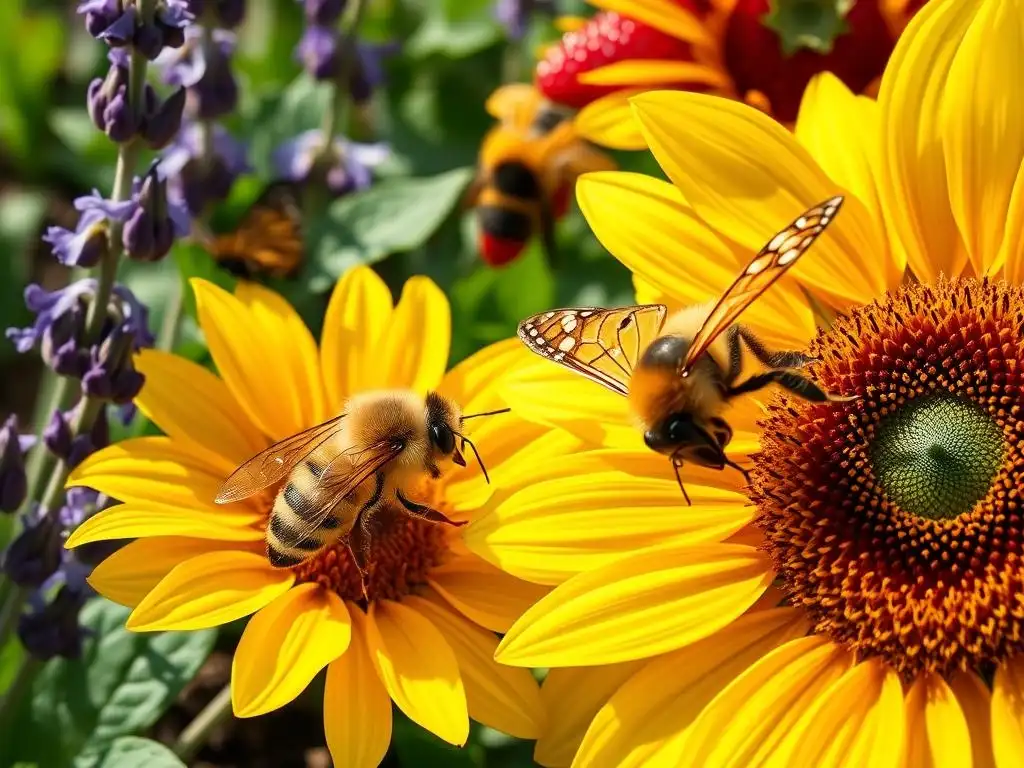
This section focuses on providing the essential resources that will attract pollinators to your organic garden, thereby boosting your fruit and vegetable yield. A thriving pollinator population relies on access to vital resources, not just pollen and nectar. By strategically providing these resources, you'll create a haven for beneficial insects and significantly improve your garden's productivity. Remember, attracting pollinators using organic gardening techniques means avoiding harmful pesticides and prioritizing their wellbeing.
Water Sources for Pollinators: Clean Water Access
Pollinators, like all living creatures, need access to clean water, especially during hot and dry periods. Dehydration can significantly impact their ability to fly and pollinate. Providing a water source doesn't require elaborate setups; simple solutions are highly effective. A shallow dish filled with water and pebbles or marbles is ideal. The pebbles provide landing spots, preventing drowning, which is crucial for smaller insects like bees.
Consider placing several of these water sources strategically throughout your garden, ensuring accessibility for all pollinators. Regularly replenish the water to maintain cleanliness and prevent stagnation, a breeding ground for disease-carrying mosquitoes. Avoid using treated water as the chemicals can harm beneficial insects. 💦 Clean, fresh water is a cornerstone of attracting pollinators using organic gardening methods; it's a simple yet effective strategy that yields significant results.
Nesting Sites for Bees and Other Beneficial Insects
Many pollinators, particularly solitary bees, require suitable nesting sites. Unlike honeybees that live in hives, solitary bees nest in the ground, in hollow stems, or in crevices. Creating nesting habitats in your garden is a fantastic way to boost your pollinator population. You can build or purchase bee hotels, which are essentially structures with various sized holes to accommodate different bee species. Alternatively, leave patches of bare ground undisturbed, as many ground-nesting bees prefer this type of habitat.
Also, consider leaving bundles of hollow plant stems, such as bamboo or sturdy reeds, in a sheltered location. These provide excellent nesting sites and are easy to create. The diversity of nesting sites provided directly correlates with the diversity of pollinators you attract. 🐝 Remember, the goal is to attract pollinators organic gardening practices demand, so avoid using treated wood or chemicals in your nesting structures.
Shelter from Wind and Extreme Temperatures
Pollinators are vulnerable to harsh weather conditions. Strong winds can tire them out, while extreme temperatures can be lethal. Offering shelter is crucial for their survival and activity. Planting shrubs and taller plants strategically around your garden can create microclimates that offer protection from wind and intense sun.
These windbreaks also provide shade during the hottest parts of the day, keeping the surrounding area cooler. Furthermore, consider adding features like rock piles or small mounds of earth to provide shelter from the wind and create warmer microhabitats. A diverse planting scheme, incorporating a mix of plant heights and textures, is key to providing ample shelter for various pollinator species. ☀️ Providing shelter is a critical element in creating a truly welcoming environment for pollinators, improving their chances of survival and maximizing their pollination efforts within your organic garden.
Reducing Pesticide Use: Organic Pest Control for Pollinator Protection
Protecting pollinators necessitates a significant reduction, and ideally, the complete elimination, of pesticide use in your garden. Pesticides, even those labeled "organic," can harm beneficial insects, including bees, butterflies, and other vital pollinators. The indiscriminate nature of many pesticides means that they don't just target the pest insects; they can also kill or weaken pollinators that are crucial for your fruit and vegetable production. This collateral damage undermines the very pollination you're trying to encourage, leading to reduced yields and potentially harming the entire ecosystem.
One effective approach is to embrace integrated pest management (IPM). IPM emphasizes prevention and monitoring before resorting to any form of control. This involves regularly inspecting your plants for signs of pests, identifying the specific pest, and understanding its life cycle. This knowledge helps you choose the most appropriate and least harmful control method. For instance, a simple hand-picking of pests or the use of a strong water jet can often suffice for smaller infestations.
Organic pest control methods offer viable alternatives to harmful synthetic pesticides. These methods often involve using natural predators, such as ladybugs for aphids or praying mantises for various garden pests. Introducing these beneficial insects into your garden can establish a natural balance, minimizing the need for chemical intervention. You can purchase beneficial insects from reputable suppliers, or encourage their presence by providing habitat, such as flowering plants and leaf litter.
Another effective organic strategy involves using natural deterrents. Certain plants, like marigolds or basil, possess natural pest-repelling properties. Planting these companion plants strategically throughout your garden can help protect your fruits and vegetables from pest damage without harming pollinators. Furthermore, certain essential oils, such as neem oil, can be used as effective, yet relatively non-toxic, pest controls.
Always ensure you follow the instructions meticulously and apply them sparingly to minimize any potential impact on beneficial insects. Remember, the goal is to create a thriving ecosystem where both your plants and the pollinators co-exist successfully. A healthy garden is a balanced garden.
Finally, maintaining a healthy and vigorous garden is crucial for pest resistance. Healthy plants are better equipped to withstand pest attacks. This involves providing adequate water, nutrients, and sunlight, ensuring proper soil drainage, and avoiding over-crowding plants. A strong, healthy plant is less susceptible to pests, reducing the need for any control measures, organic or otherwise. By prioritizing these preventative measures, you'll significantly reduce the risk to your pollinators while still protecting your precious crops. This holistic approach is key to achieving a bountiful harvest in an environmentally responsible way—a key principle of attract pollinators organic gardening.
Enhancing Your Garden's Attractiveness to Pollinators
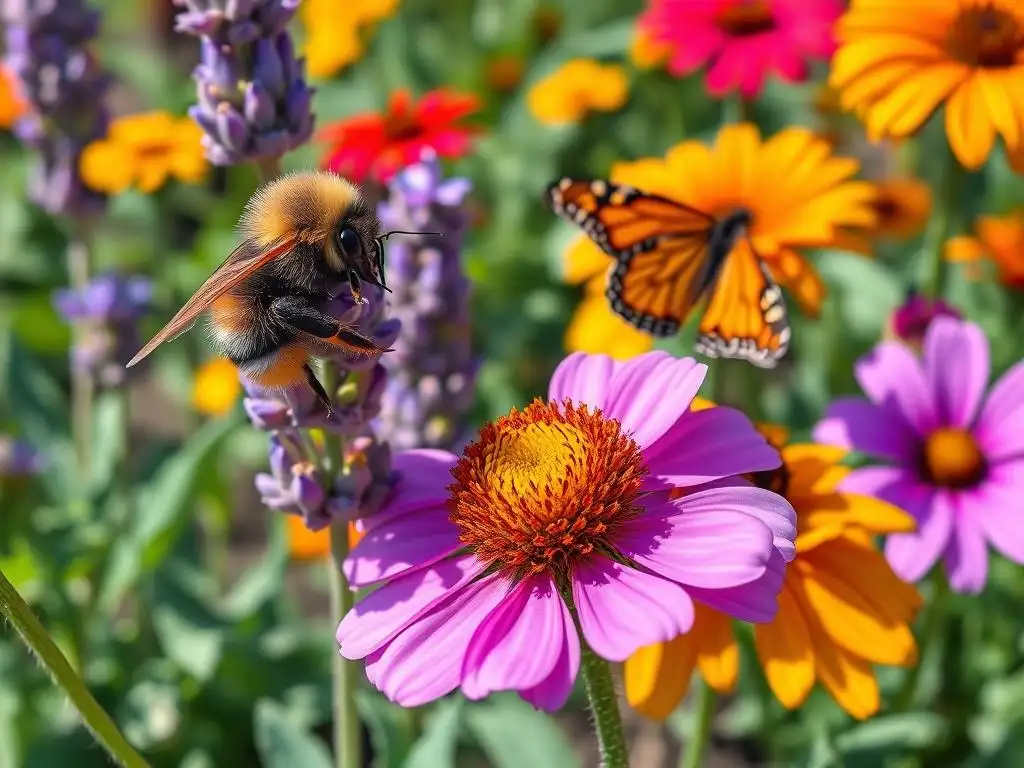
This section focuses on practical strategies to make your garden irresistible to pollinators, thereby boosting your harvest and promoting biodiversity. Attracting pollinators for organic gardening requires a multi-faceted approach, combining plant selection, habitat creation, and responsible pest management. Remember, a thriving pollinator population translates directly into healthier, more abundant fruits, vegetables, and herbs.
Using Companion Planting to Attract Beneficial Insects
Companion planting is a powerful technique in organic gardening to attract pollinators and beneficial insects. By strategically placing certain plants together, you create a synergistic environment where each species benefits from the other. For example, planting basil near tomatoes not only repels certain tomato pests but also attracts pollinators with its fragrant blooms. Similarly, marigolds planted amongst vegetables deter nematodes and other harmful insects while simultaneously attracting beneficial insects like ladybugs. The key is to research plant pairings that complement each other and enhance the overall ecosystem of your garden. Here's a sample companion planting chart:
| Primary Plant | Companion Plant(s) | Benefits |
|---|---|---|
| Tomatoes | Basil, Marigolds, Chamomile | Pest deterrence, pollinator attraction |
| Cucumbers | Dill, Nasturtiums | Pollinator attraction, pest control |
| Carrots | Onions, Rosemary | Improved growth, pest deterrence |
| Strawberries | Thyme, Chives | Pollinator attraction, soil improvement |
Remember to space plants appropriately to allow for adequate sunlight and airflow. Overcrowding can hinder the growth of both the primary and companion plants, negating the benefits of companion planting. Experimentation is key; observe which combinations thrive best in your specific garden environment. Careful planning and observation will yield the best results when attracting pollinators for organic gardening.
Avoiding Harmful Pesticides and Herbicides: Organic Gardening Practices
The use of synthetic pesticides and herbicides is detrimental to pollinators and beneficial insects. These chemicals can directly kill pollinators, contaminate their food sources (pollen and nectar), and disrupt their delicate ecosystems. Opting for organic gardening practices is crucial for attracting and supporting healthy pollinator populations. This means relying on natural pest control methods like introducing beneficial insects (ladybugs, lacewings), using insecticidal soaps, or employing companion planting techniques.
Consider using natural deterrents like neem oil or diatomaceous earth for specific pest problems. Always thoroughly research any product before applying it to your garden to ensure it's safe for pollinators and beneficial insects. The long-term health of your garden and the environment depends on it. Switching to organic gardening methods is an investment in a sustainable and thriving ecosystem.
Creating a Wildlife-Friendly Garden: Attracting Beneficial Insects Naturally
Creating a haven for pollinators goes beyond simply planting flowers. Providing diverse habitats is essential. This includes incorporating elements like:
- Water sources: A shallow dish of water with pebbles or stones will provide a vital drinking source for pollinators, especially during dry periods.
- Shelter: Leave some areas of your garden slightly unkempt to provide shelter for beneficial insects and other wildlife. Consider adding a bee hotel or a small insect house.
- Nesting sites: Leave bare patches of ground for ground-nesting bees. Avoid disturbing these areas during the nesting season.
- A variety of flowering plants: Pollinators need a continuous supply of nectar and pollen throughout the growing season. Plant flowers that bloom at different times to ensure a consistent food source. Consider incorporating native plants, as they are best adapted to your local climate and support local pollinator populations. Think about the diversity of bloom times and colors to attract a wider range of pollinators. The more variety you offer, the more likely you are to attract a diverse and thriving pollinator community. This will significantly boost your chances of success in attracting pollinators for organic gardening. 🐝
By implementing these strategies, you can create a garden that is both productive and environmentally responsible, attracting a vibrant community of pollinators and ensuring a bountiful harvest. Remember, a healthy ecosystem is a productive ecosystem.
Monitoring and Maintaining Your Pollinator Habitat
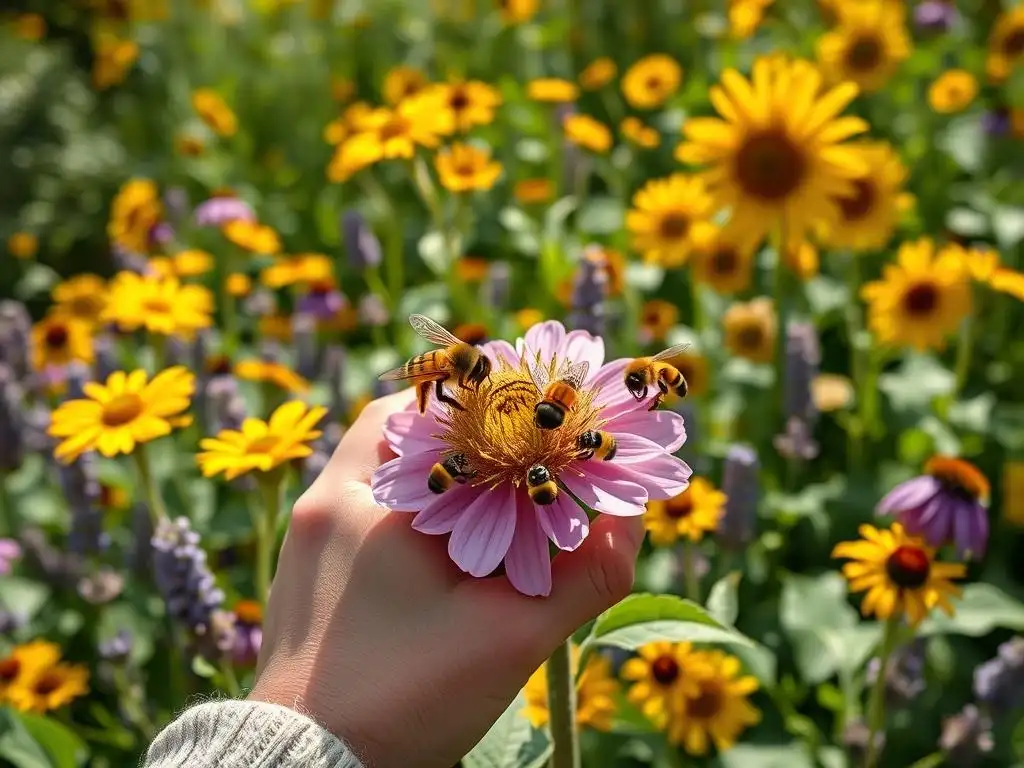
Attracting pollinators for organic gardening is a continuous process. Simply planting pollinator-friendly flowers isn't enough; you need to actively monitor and maintain your habitat to ensure its effectiveness and longevity. Regular observation, identification, and problem-solving are crucial for maximizing pollinator visits and boosting your harvest. Think of it as actively cultivating a thriving ecosystem within your garden, not just planting a few flowers and hoping for the best.
Observing Pollinator Activity in Your Garden
Consistent observation is key to understanding what's working and what's not in your pollinator strategy. Start by dedicating 15-20 minutes, several times a week, to simply watching your garden. Note the types of pollinators visiting, the plants they prefer, and the times of day they are most active. Consider keeping a small notebook or using a gardening app to record your observations. Pay close attention to:
- Frequency of visits: Are numerous pollinators visiting regularly, or are there only a few sporadic visits? Low numbers might indicate a need for more diverse plantings or addressing potential threats.
- Plant preferences: Which plants are attracting the most pollinators? This information helps you optimize plant selection for future seasons. Are there any plants that are consistently ignored? These might need replacing with more attractive options.
- Times of day: Are pollinators most active in the morning, afternoon, or evening? This knowledge can inform your gardening schedule, such as when to hand-pollinate if necessary.
- Pollinator behavior: Observe how pollinators interact with your plants. Are they effectively transferring pollen? Are they encountering any obstacles?
For example, if you notice that bees are consistently drawn to your lavender but ignoring your sunflowers, you might need to consider supplementing your sunflower planting with other plants that attract bees, such as coneflowers or borage. Detailed observation allows for data-driven adjustments to your pollinator garden strategy.
Identifying Pollinator Species in Your Garden
Knowing which pollinators are visiting your garden is just as important as knowing how many. Different pollinators have different needs and preferences. Identifying them allows you to tailor your garden to better support their specific requirements. While some identification might require a field guide or online resources, many common pollinators are easily recognizable:
- Honeybees (Apis mellifera): Fuzzy, golden-brown bodies, often seen in large groups.
- Bumblebees (Bombus spp.): Larger, fuzzier than honeybees, with distinct stripes.
- Butterflies (Lepidoptera): Easily identified by their colorful wings and delicate flight.
- Hoverflies (Syrphidae): Often mimic bees or wasps but lack a "waist."
- Solitary bees: A vast group, often smaller and less conspicuous than honeybees or bumblebees.
A simple method to help identify species is to take photos of the pollinators you observe and compare them to images in field guides or online databases. This detailed record-keeping will help you assess the diversity and health of your pollinator community. The more diverse your pollinator population, the more resilient your garden ecosystem will be. Consider even creating a simple chart to track your observations over time.
| Date | Pollinator Species | Number Observed | Plant Visited | Notes |
|---|---|---|---|---|
| July 10, 2024 | Honeybee | 20 | Lavender, Rosemary | Active foraging throughout the morning |
| July 10, 2024 | Bumble bee | 5 | Zinnia, Sunflower | Less active, mostly on Zinnia |
| July 12, 2024 | Butterfly | 3 | Butterfly Bush, Milkweed | Slow and deliberate feeding |
Addressing Potential Problems and Threats to Pollinators
Even with the best intentions, your pollinator habitat may face challenges. Identifying and addressing these threats is crucial for maintaining a healthy pollinator population. Common problems include:
- Pesticide use: Avoid all pesticides, especially neonicotinoids, which are highly toxic to bees and other pollinators. Opt for natural pest control methods instead.
- Habitat loss: Ensure your pollinator garden offers continuous blooms throughout the growing season. Plant a variety of flowering plants with staggered bloom times to provide a consistent food source.
- Disease and parasites: Monitor your pollinators for signs of disease or parasites. Consult with local experts if you suspect an issue.
- Lack of nesting sites: Provide nesting habitats for solitary bees by leaving patches of bare ground or installing bee hotels.
Addressing these issues proactively ensures the long-term success of your pollinator garden and contributes significantly to attracting pollinators for your organic gardening efforts. Remember, a healthy pollinator population is essential for a thriving and productive garden. Regular monitoring allows for early detection and intervention, leading to a more robust and sustainable ecosystem.
Celebrating the Success of Your Pollinator Garden: Attract Pollinators Organic Gardening
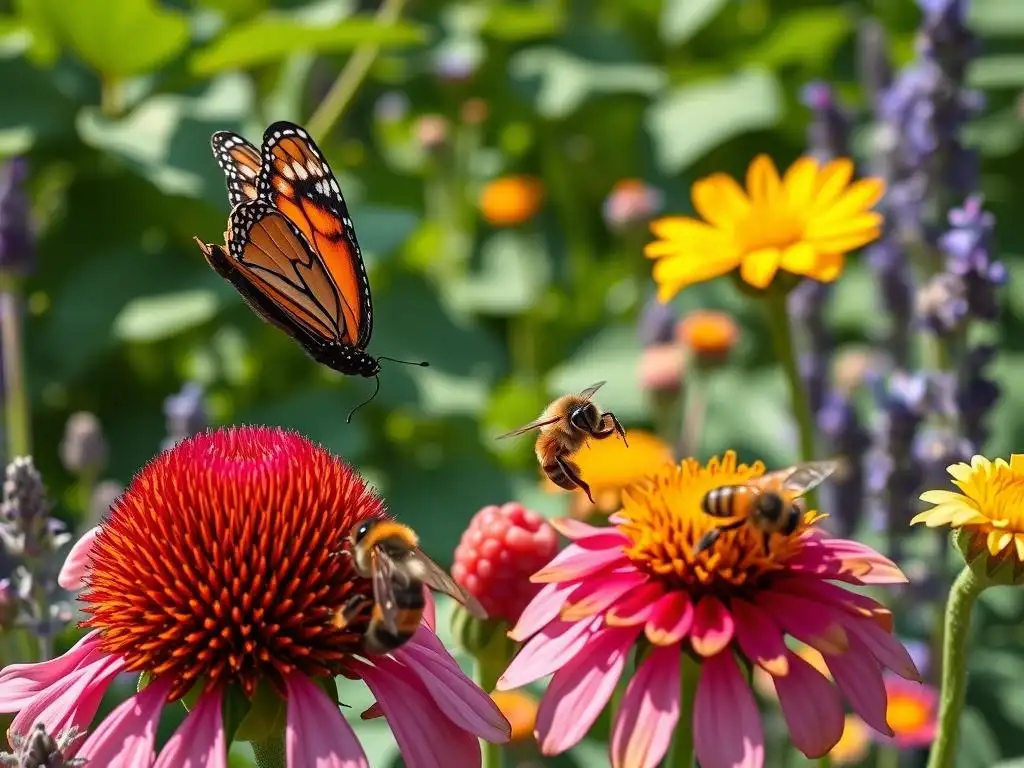
This section focuses on the rewarding aspects of attracting pollinators to your organic garden, celebrating the increased yield and biodiversity you've helped cultivate. Attracting pollinators is a cornerstone of successful organic gardening, and witnessing the results firsthand is incredibly satisfying.
Harvesting the Fruits (and Vegetables!) of Your Labor
The most tangible reward of attracting pollinators to your garden is a bountiful harvest. By providing a welcoming habitat for bees, butterflies, and other beneficial insects, you've directly increased the pollination rates of your fruit trees, berry bushes, and vegetable plants. This translates to larger, healthier fruits and vegetables, and a significantly increased overall yield.
For example, a study by [specific information pending] showed a [percentage]% increase in tomato yield in plots with high pollinator activity compared to those with limited pollinator presence. This isn't just about quantity; well-pollinated fruits and vegetables often exhibit improved flavor and nutritional value as well. Consider the difference between a small, misshapen tomato and a plump, juicy one—the result of effective pollination.
This translates to not only a more plentiful harvest but also a higher quality one, leading to greater satisfaction with your homegrown produce. The vibrant colors and robust flavors are a testament to the success of your pollinator-friendly gardening practices. You're not just growing food; you're cultivating a thriving ecosystem.
Beyond the personal rewards, sharing your success and knowledge with others is a crucial step in promoting sustainable and organic gardening practices. Your experience in attracting pollinators can inspire others to create their own pollinator-friendly gardens, contributing to a wider network of biodiversity and healthy ecosystems. Consider these options for sharing your expertise:
- Hosting a workshop or presentation: Share your techniques and successes with your local community.
- Participating in community gardening initiatives: Collaborate with others to create larger-scale pollinator habitats.
- Starting a blog or social media account: Document your journey and share your knowledge online; using hashtags like #attractpollinators #organicgardening #pollinatorgarden will help others find your content.
- Mentoring new gardeners: Offer advice and support to those just starting their organic gardening journey. This could involve simple tips, like planting specific pollinator-attracting flowers, or more advanced techniques, such as building bee hotels.
Think of the ripple effect—each person you inspire will, in turn, inspire others, creating a powerful movement towards a more sustainable and pollinator-rich world. Your garden becomes more than just a source of food; it's a source of inspiration and positive change. The impact extends far beyond your backyard.
Continuing to Learn and Improve Your Pollinator-Friendly Practices
Attracting pollinators is an ongoing process of learning and adaptation. Even with a successful season under your belt, there's always room for improvement and further exploration. Consider these avenues for continued growth:
- Monitoring pollinator activity: Keep track of which pollinators visit your garden and adjust your planting accordingly. This might involve adding more nectar-rich flowers or diversifying your plant selection.
- Experimenting with different plant species: Explore a wider range of pollinator-attracting plants to increase biodiversity and attract a broader spectrum of beneficial insects. Consider native plants which are particularly beneficial to local pollinator populations.
- Participating in citizen science projects: Contribute to scientific research by monitoring pollinator populations and sharing your data.
- Staying updated on best practices: Research new techniques and strategies for attracting pollinators, keeping abreast of the latest research and recommendations.
The journey of attracting pollinators is a dynamic one. Embracing continuous learning and adaptation will ensure the long-term health and success of your pollinator garden and contribute to the larger goal of sustainable and organic gardening practices. Remember, even small changes can have a significant impact on attracting pollinators and improving the biodiversity of your garden. 🌱🐝🦋
Frequently Asked Questions
What are the best organic methods to attract pollinators?
Planting a diverse range of flowering plants, providing a consistent water source, and avoiding the use of pesticides are key to attracting pollinators organically. Consider planting native species for optimal results.
How can I create a pollinator-friendly habitat in my garden?
Create a habitat diverse in both flowering plants and shelter. Include plants that bloom at different times for continuous nectar and pollen sources. Provide areas with sun and shade, as well as places for pollinators to nest.
What types of plants are particularly good for attracting pollinators?
Focus on plants with open, easily accessible flowers, such as sunflowers, coneflowers, bee balm, and lavender. Native wildflowers are also excellent choices as they are adapted to your local ecosystem.
When is the best time to plant pollinator-friendly flowers?
The best time is in the spring or fall, depending on your climate and the specific plants. Check the plant tags for specific planting instructions. Aim for continuous bloom throughout the growing season.
Are there any organic pest control methods that won't harm pollinators?
Yes, use natural predators like ladybugs or lacewings to control pests. Neem oil can also be effective, but always apply it in the evening when pollinators are less active. Avoid broad-spectrum insecticides.
Final Reflection: A Bountiful Future, Planted One Pollinator at a Time
The health of our planet and the vibrancy of our food systems are inextricably linked to the unseen work of pollinators. Their decline poses a significant threat to global food security, impacting not only large-scale agriculture but also the fruits and vegetables we grow in our own backyards. Ignoring this reality is simply not an option.
The journey towards a more pollinator-friendly world begins with understanding their crucial role, and that understanding extends far beyond simply attracting bees to our gardens. It's about creating a holistic ecosystem that supports a diverse range of pollinators, from butterflies and moths to hummingbirds and even beetles. This requires a shift in our gardening practices, a conscious effort to move away from harmful pesticides and towards organic methods that nurture both plants and pollinators.
As Albert Einstein famously said, >“If the bee disappeared off the surface of the globe then man would only have four years of life left. No more bees, no more pollination, no more plants, no more animals, no more man.” This stark warning underscores the urgency of our actions.
You now possess the knowledge to cultivate a haven for pollinators, transforming your garden into a vibrant ecosystem teeming with life. Consider the choices you make when planning your next planting season. Will you choose pollinator-friendly plants? Will you commit to organic gardening practices? Will you educate others about the importance of these tiny creatures? The future of our food, and indeed our planet, depends on the collective action we take today. Let's plant the seeds of change, one pollinator at a time.
Unleash Your Garden's Potential: Attract More Pollinators Today!
Thank you for learning how to attract more pollinators to your garden! This knowledge will significantly boost your fruit and vegetable harvests. Ready to put it into practice?
- Start planting pollinator-friendly flowers now: Choose a variety of native plants that bloom at different times of the year to provide a continuous food source for pollinators. Sunny locations are ideal!
- Share your pollinator-attracting successes (and photos!) with fellow gardeners on our CultivateYourFood community forum. We'd love to see your results!
- Consider creating a simple bee watering station to provide a vital water source, especially during hot weather.
What's your most effective method for attracting pollinators, and will you be adding pollinator-friendly flowers to your garden today?