
Why Your Backyard Garden is a Haven for Beneficial Insects

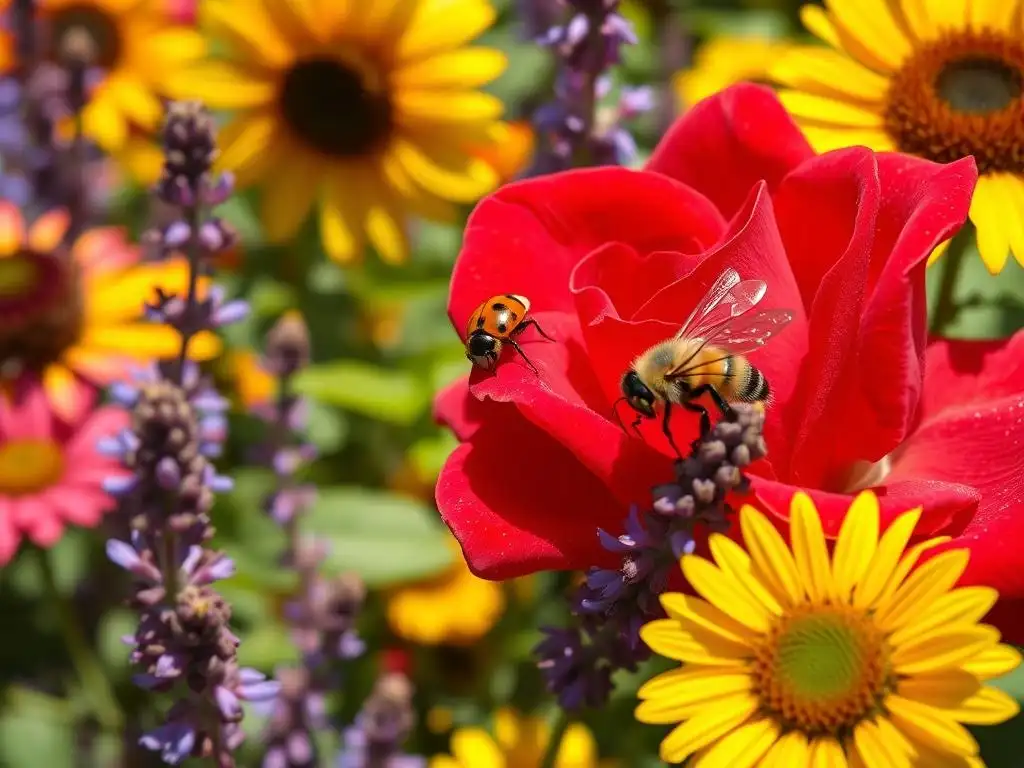
Welcome to CultivateYourFood, your guide to a thriving, sustainable garden! Are you ready to transform your backyard into a vibrant ecosystem teeming with life? Discover how attracting beneficial garden insects can revolutionize your harvests, eliminating the need for harmful pesticides. Learn the secrets to a naturally flourishing garden in our latest article on sustainable practices—and unlock the key to healthier, more abundant yields. Let's cultivate a greener future, together.
- Understanding the Importance of Beneficial Insects in Your Garden
-
Attracting Beneficial Garden Insects to Your Backyard
- Creating a Habitat that Attracts Beneficial Insects: Plant Diversity is Key
- Choosing the Right Plants to Attract Beneficial Insects: Flowers, Herbs, and More
- Providing Water Sources for Beneficial Insects: Simple Solutions for Hydration
- Avoiding Harmful Pesticides: Protecting Beneficial Insects and Your Health
- Boosting Your Garden's Biodiversity to Attract Beneficial Insects
- Monitoring and Maintaining Your Beneficial Insect Population
- Long-Term Benefits of a Thriving Beneficial Insect Population
- Frequently Asked Questions
- Final Reflection: Cultivating a Thriving Ecosystem, One Backyard at a Time
- Unleash Your Garden's Buzz: Attract More Beneficial Insects!
Understanding the Importance of Beneficial Insects in Your Garden
Cultivating a thriving and sustainable home garden isn't just about nurturing your plants; it's about fostering a balanced ecosystem. A key component of this balance lies in attracting and supporting beneficial insects. These tiny creatures are far from pests; they're vital allies in the fight against garden invaders, contributing significantly to a healthy and productive growing environment.
This article explores the crucial role beneficial insects play in your backyard garden, highlighting their contribution to natural pest control, ecosystem health, and the overall success of your organic gardening efforts. By understanding the importance of these miniature guardians, you can actively cultivate a garden that thrives naturally, minimizing the need for harmful pesticides and maximizing your harvest. Learning to attract beneficial garden insects is a cornerstone of sustainable gardening practices, allowing you to create a vibrant and resilient ecosystem right in your own backyard.
The Role of Beneficial Insects in Natural Pest Control
Beneficial insects are nature's own pest control system. Instead of relying on chemical pesticides that can harm beneficial insects, pollinate plants, and contaminate your produce, you can harness the power of these tiny predators. They effectively manage pest populations, reducing the need for, or even eliminating the necessity of, harmful interventions. For example, ladybugs are voracious aphid eaters, consuming hundreds throughout their lifecycle.
Lacewings, with their equally voracious larvae, target a wide range of soft-bodied insects like aphids, mealybugs, and spider mites. This natural pest control not only protects your plants but also safeguards the environment and your health. The reduction of chemical use translates to cleaner air, cleaner water, and healthier food for you and your family. The benefits extend beyond simple pest control; a balanced ecosystem is inherently more resilient to disease and environmental stresses.
Identifying Key Beneficial Insects: Ladybugs, Lacewings, and More
Knowing your allies is the first step to attracting them. Several beneficial insects play crucial roles in maintaining a healthy garden. Here are some key players and their preferred prey:
| Beneficial Insect | Common Prey | Description |
|---|---|---|
| Ladybugs | Aphids, mites, scale insects | Red or orange dome-shaped beetles with black spots; adults and larvae are predatory |
| Lacewings | Aphids, mealybugs, spider mites, whiteflies | Delicate, green insects with large, iridescent wings; larvae are voracious predators |
| Praying Mantises | A wide variety of insects | Large, camouflaged insects with grasping forelegs; both adults and nymphs are predatory |
| Hoverflies | Aphids | Fly resembling a small bee; larvae are voracious aphid eaters |
| Ground Beetles | Slugs, snails, caterpillars, insect eggs | Dark-colored beetles that live on the ground; both adults and larvae are predatory |
Beyond these, many other beneficial insects contribute to the overall health of your garden. Observing your garden closely will reveal the presence of these helpful creatures. Providing suitable habitat and food sources will encourage them to stay and thrive.
How Beneficial Insects Contribute to a Thriving Ecosystem
The presence of beneficial insects is an indicator of a healthy and balanced ecosystem. Their presence fosters biodiversity, enhancing the overall resilience of your garden. A diverse ecosystem is better equipped to withstand environmental stresses like drought or disease. Moreover, many beneficial insects are pollinators, contributing to the fruit and seed production of your plants.
This natural pollination process ensures a higher yield and healthier plants. By attracting and supporting beneficial insects, you create a self-regulating system that minimizes the need for external interventions, leading to a more sustainable and environmentally friendly gardening practice. This symbiotic relationship between plants and beneficial insects underscores the importance of creating a welcoming habitat for these essential allies in your home garden. Remember, a healthy garden is a thriving ecosystem – and beneficial insects are fundamental to its success.
Attracting Beneficial Garden Insects to Your Backyard
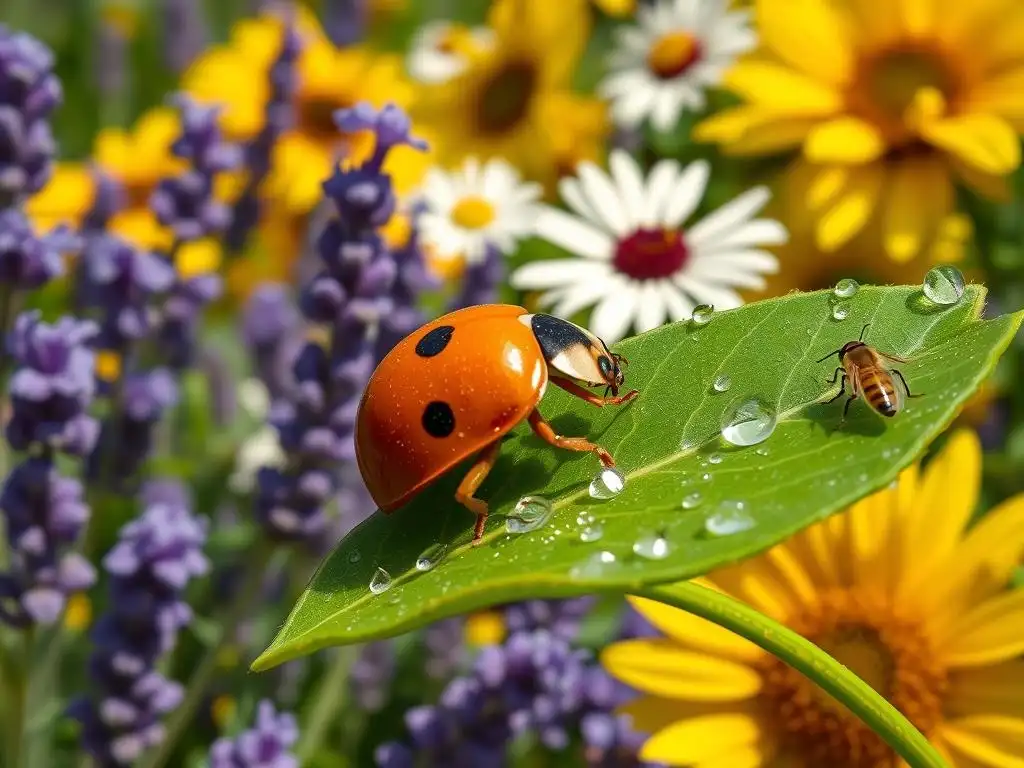
This section delves into the crucial role of attracting beneficial insects to your home garden. These tiny creatures are vital for a thriving, healthy ecosystem, acting as natural pest control and contributing significantly to the overall biodiversity of your space. By understanding their needs and creating a welcoming environment, you can drastically reduce your reliance on chemical pesticides while simultaneously boosting your harvest. Successfully attracting beneficial garden insects is not merely about pest control; it's about building a resilient and self-regulating garden ecosystem.
Creating a Habitat that Attracts Beneficial Insects: Plant Diversity is Key
A diverse planting scheme is the cornerstone of attracting a wide array of beneficial insects. Monocultures, or planting large areas with a single species, offer limited resources and fail to support diverse insect populations. Instead, strive for a variety of plants with differing bloom times, heights, and textures. This creates a continuous food source throughout the growing season. Think of it as a buffet for your insect allies!
Consider incorporating:
- Native plants: These are perfectly adapted to your local climate and often attract native beneficial insects. They require less maintenance and are more resilient to pests and diseases.
- Plants with varied flowering periods: This ensures a constant supply of nectar and pollen, supporting insects throughout their life cycles. Aim for a succession of blooms from early spring to late autumn. For example, early spring bloomers like crocuses can be followed by summer-blooming sunflowers and late-blooming asters.
- Different plant heights: Taller plants offer shelter and shade, while shorter plants provide ground cover and access to different microclimates. This layered approach creates a complex habitat that appeals to a wider variety of insects.
- A mix of plant families: Beneficial insects often specialize on particular plant families. Including representatives from various families (e.g., Asteraceae, Apiaceae, Lamiaceae) increases the chances of attracting a diverse range of beneficial insects.
The key is to mimic the complexity of a natural ecosystem, providing a variety of resources and microhabitats to support insect biodiversity. A well-planned, diverse garden is not just visually appealing; it's a thriving community supporting a natural balance.
Choosing the Right Plants to Attract Beneficial Insects: Flowers, Herbs, and More
Specific plants are known to attract specific beneficial insects. For example, yarrow is a magnet for hoverflies, whose larvae feed on aphids. Dill and fennel attract beneficial parasitic wasps that prey on caterpillars. Knowing which plants attract which insects allows you to strategically design your garden to attract specific beneficials to target particular pests.
Here's a table summarizing some excellent plant choices:
| Plant | Attracts | Pest Control Benefit |
|---|---|---|
| Yarrow | Hoverflies, lacewings | Aphids, mites |
| Dill/Fennel | Parasitic wasps, ladybugs | Caterpillars, aphids |
| Calendula | Ladybugs, lacewings, hoverflies | Aphids, whiteflies, spider mites |
| Chamomile | Ladybugs, parasitic wasps | Aphids, caterpillars |
| Lavender | Bees, parasitic wasps, beneficial beetles | Various pests |
| Borage | Bees, hoverflies, beneficial predatory bugs | Aphids, whiteflies |
Remember that even seemingly "unattractive" plants like weeds can support beneficial insects. Consider allowing some wildflowers to flourish in less prominent areas of your garden.
Providing Water Sources for Beneficial Insects: Simple Solutions for Hydration
Access to water is as crucial as food for beneficial insects. Dehydration is a significant threat, especially during hot and dry periods. Providing a water source, however, doesn't require elaborate installations. Simple solutions can make a big difference.
- Shallow dishes of water: Place shallow dishes filled with water and pebbles or marbles. The pebbles provide insects with a place to land and prevent them from drowning.
- A dripping hose: A slow drip from a hose can create a miniature watering hole.
- Bird bath: A bird bath can also serve as a water source for insects.
- Misting plants: Regularly misting plants, especially during dry spells, helps to provide insects with moisture.
Regularly replenish the water to ensure a constant supply. By providing a reliable water source, you further enhance the attractiveness of your garden to beneficial insects, creating a truly thriving and self-sustaining ecosystem. Remember, these small actions contribute significantly to the overall health and productivity of your home garden, promoting a natural and sustainable approach to pest management.
Avoiding Harmful Pesticides: Protecting Beneficial Insects and Your Health
Harmful pesticides indiscriminately kill insects, eliminating not only pests but also the beneficial insects crucial for a thriving garden ecosystem. These beneficial insects, such as ladybugs, lacewings, and parasitic wasps, are natural predators of common garden pests, significantly reducing the need for chemical intervention. By avoiding pesticides, you create a haven for these allies, fostering a naturally balanced and healthy garden. The impact extends beyond just your plants; eliminating synthetic pesticides protects your family's health and the surrounding environment from harmful chemical exposure.
Many pesticides contain neurotoxins that can accumulate in the soil and water, impacting wildlife and human health alike. Choosing organic pest control methods is a crucial step in creating a sustainable and healthy garden environment. This approach not only protects beneficial insects but also contributes to a healthier and safer ecosystem for you and your family.
The long-term benefits of avoiding harmful pesticides far outweigh the short-term convenience they may offer. While a quick spray might seem to solve a pest problem immediately, it often disrupts the natural balance of your garden, leading to recurring pest infestations in the future. Beneficial insects play a vital role in regulating pest populations, ensuring a long-term solution that requires less intervention from you. Furthermore, many organic alternatives are readily available and highly effective, requiring less effort and cost in the long run.
Consider using companion planting techniques, introducing beneficial nematodes, or deploying simple physical barriers to deter pests. These methods not only protect beneficial insects but also contribute to the overall health and sustainability of your garden. Remember, a healthy soil microbiome is also essential for a robust and resilient garden, and the use of pesticides can severely disrupt this crucial balance.
Boosting Your Garden's Biodiversity to Attract Beneficial Insects
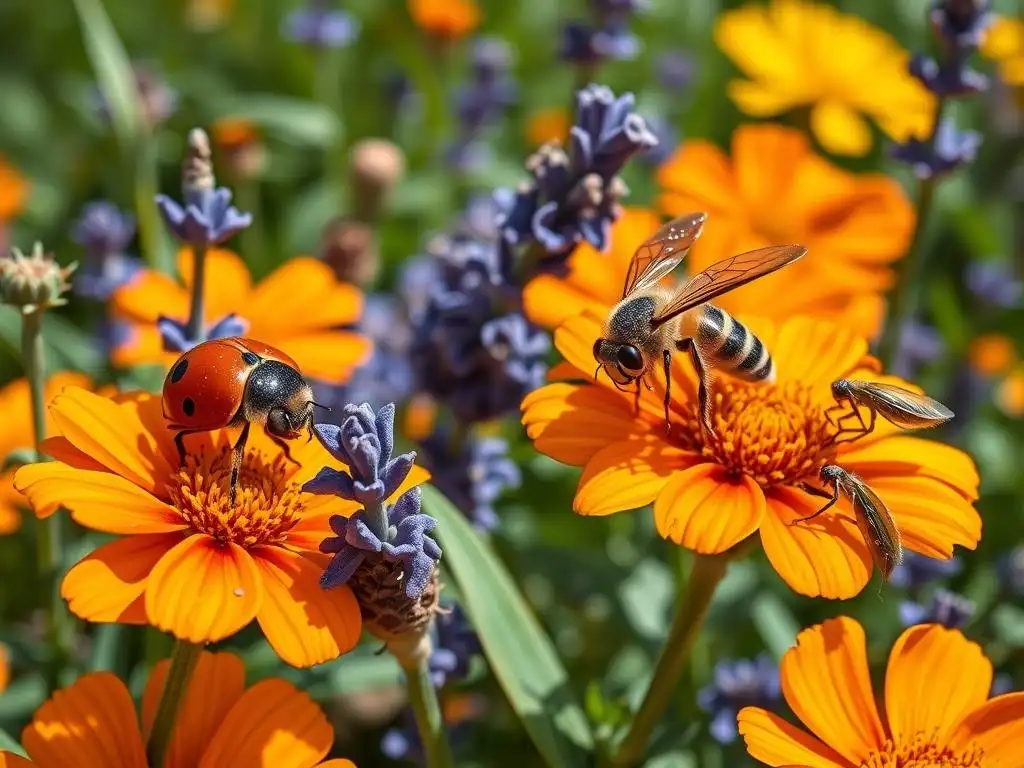
This section explores practical strategies to transform your backyard garden into a haven for beneficial insects, crucial allies in achieving a thriving and sustainable ecosystem. Attracting beneficial garden insects is paramount for natural pest control and improved pollination, significantly reducing the need for chemical interventions. By understanding their needs and creating a welcoming environment, you can foster a balanced garden that flourishes naturally.
This involves more than simply planting flowers; it's about creating a complex and diverse habitat that caters to a wide range of insect species. The more biodiversity you cultivate, the more robust and resilient your garden will become. Let's delve into specific techniques to achieve this.
Companion Planting: Strategic Combinations for Enhanced Pest Control and Pollination
Companion planting, the art of strategically placing plants together based on their synergistic effects, is a powerful tool for attracting beneficial insects. Certain plant pairings enhance the environment for beneficial insects while deterring pests. For example, planting basil near tomatoes not only repels tomato hornworms but also attracts pollinators like bees, which are attracted to the basil's flowers. Similarly, marigolds planted amongst vegetables release compounds that repel nematodes and other harmful insects while simultaneously attracting ladybugs, a voracious predator of aphids.
Consider this table illustrating beneficial companion plant pairings:
| Primary Plant | Companion Plant | Beneficial Insect Attracted | Pest Repelled |
|---|---|---|---|
| Tomatoes | Basil | Bees, hoverflies | Tomato hornworms |
| Cabbage | Dill | Ladybugs, parasitic wasps | Cabbage worms |
| Carrots | Onions | Hoverflies, lacewings | Carrot rust flies |
| Cucumbers | Chamomile | Bees, beneficial mites | Cucumber beetles |
Careful planning and observation are key. Note that the effectiveness of companion planting can vary depending on your specific climate and soil conditions. Experimentation and meticulous record-keeping are crucial for optimizing your approach. Remember, the goal is to create a complex tapestry of scents and textures that appeals to a wide range of beneficial species. This approach minimizes the risk of any single pest overwhelming your garden.
Creating a Diverse Habitat: Different Microclimates for Different Insects
Beneficial insects thrive in diverse environments. A monoculture, with only one or two plant types, offers limited resources and doesn't attract a wide variety of insects. Instead, aim for a mix of plant heights, textures, and flowering times. This creates different microclimates, providing shelter and food sources for various beneficial insect species throughout the growing season.
For instance, taller plants offer shade and protection for insects that prefer cooler, damper environments, while shorter, sun-loving plants attract different species. Including plants with different flowering times ensures a continuous supply of nectar and pollen, sustaining beneficial insects throughout the year. This biodiversity is vital; it helps to attract a diverse population of natural predators and pollinators, making your garden more resilient to pest outbreaks. The more varied your planting scheme, the more likely you are to attract a wide range of beneficial insects that will contribute to a healthy ecosystem.
Integrating Natural Elements: Rocks, Logs, and Leaf Litter
Beyond plant diversity, incorporating natural elements into your garden provides crucial habitat for beneficial insects. Rocks, logs, and leaf litter offer shelter, overwintering sites, and breeding grounds. These seemingly insignificant elements create microhabitats that are vital for the survival and reproduction of many insect species.
- Rocks: Provide basking spots for sun-loving insects and shelter from harsh weather.
- Logs: Offer nesting sites for ground beetles and other beneficial insects. Partially decayed logs are particularly attractive.
- Leaf litter: Provides overwintering sites for many beneficial insects and helps to maintain soil moisture.
Leaving some areas of your garden slightly unkempt, with a layer of leaf litter and other natural debris, is far from detrimental; it's actually crucial for supporting biodiversity. Avoid excessive tidiness, as this can inadvertently eliminate essential habitats for beneficial insects. A balance between a well-maintained garden and areas that allow for natural processes is key to attracting and sustaining beneficial insects. Remember, attracting beneficial garden insects is a long-term strategy that fosters a healthy and naturally pest-resistant garden.
Monitoring and Maintaining Your Beneficial Insect Population
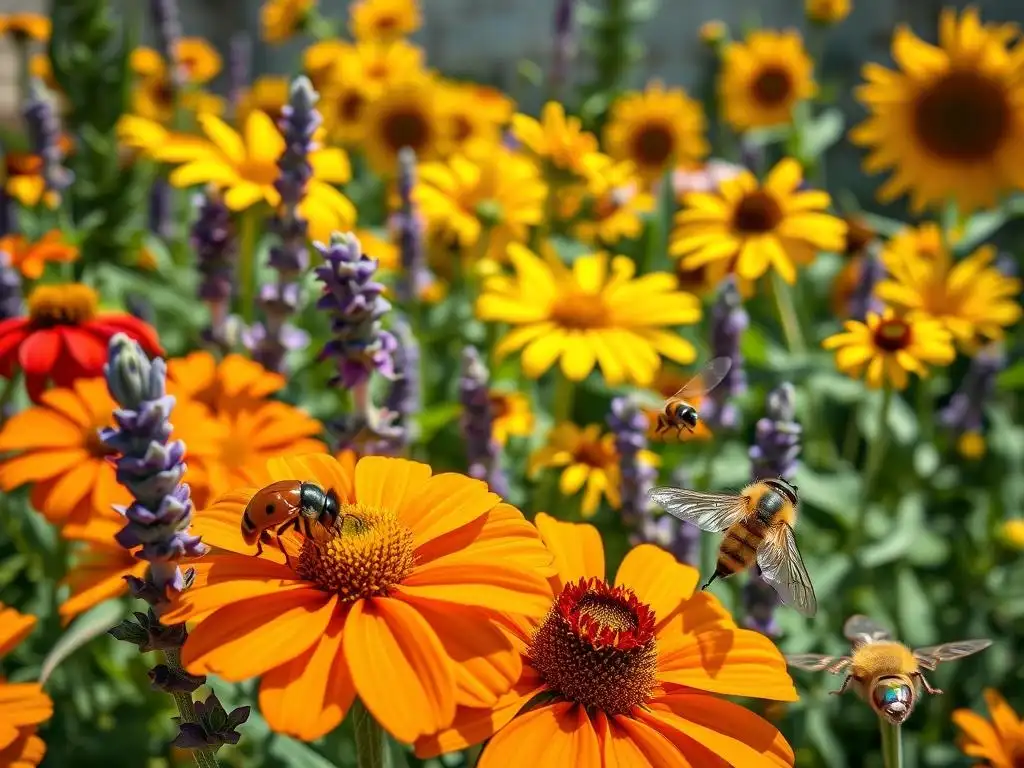
Attracting beneficial garden insects is a crucial step towards establishing a thriving and sustainable ecosystem in your backyard. However, simply attracting them isn't enough; monitoring and maintaining a healthy population requires consistent effort and observation. This section details the practices needed to ensure your beneficial insects flourish and contribute to a vibrant, pest-free garden. Understanding the dynamics of your insect community is key to successfully attracting beneficial garden insects and minimizing the impact of harmful ones.
Regular Observation: Identifying Beneficial and Harmful Insects
Regular observation is the cornerstone of successful beneficial insect management. You need to be able to distinguish between beneficial insects, which help control pests and pollinate your plants, and harmful insects that can damage your crops. This requires a keen eye and some basic entomological knowledge.
Start by familiarizing yourself with common beneficial insects in your region. Ladybugs, lacewings, praying mantises, and hoverflies are just a few examples of insects that prey on common garden pests like aphids, mealybugs, and spider mites. Conversely, learn to identify the pests that are causing problems in your garden. Knowing your enemy is just as important as knowing your allies.
Keep a detailed garden journal. Note the types of insects you observe, their numbers, the plants they are associated with, and the date of observation. This record will help you track population changes over time and identify potential problems early on. Consider using a simple grid system in your journal to track insect numbers per plant or per garden section. For example:
| Date | Insect Type | Location (Plant/Area) | Number Observed | Notes |
|---|---|---|---|---|
| July 15, 2024 | Ladybugs | Tomato plants | 20 | Abundant; good aphid control |
| July 15, 2024 | Aphids | Tomato plants | 5 | Small population, under control |
| July 22, 2024 | Green Lacewings | Cucumber plants | 10 | Good sign; potential for pest control |
Taking high-quality photographs can also be invaluable. A picture can provide a clear record of the insect, making identification easier later. Remember to photograph both the insect and its surroundings to provide context.
Encouraging Natural Predators: Supporting the Food Web
A healthy garden ecosystem is a complex web of interactions. To attract and maintain beneficial insects, you need to provide them with the resources they need to thrive, including food and shelter.
- Provide food sources: Plant a variety of flowering plants that attract beneficial insects. Many beneficial insects feed on pollen and nectar, and diverse plantings ensure a continuous supply throughout the growing season. Consider including plants like dill, fennel, yarrow, and goldenrod.
- Offer shelter: Leave some areas of your garden slightly unkempt. Allow some leaf litter and brush piles to remain as these provide shelter and overwintering sites for beneficial insects. Consider building insect hotels, providing small spaces for insects to live and lay their eggs.
- Reduce pesticide use: Pesticides indiscriminately kill both beneficial and harmful insects. Minimize or eliminate pesticide use in your garden to protect your beneficial insect population. Focus on natural pest control methods instead.
Addressing Imbalances: Strategies for Maintaining a Healthy Ecosystem
Even with careful planning, imbalances can occur in your garden ecosystem. Outbreaks of certain pests can overwhelm your beneficial insect population. Knowing how to address these imbalances is crucial for maintaining a healthy and productive garden.
- Introduce natural predators: If you notice a significant pest infestation, consider introducing natural predators. For example, if you have an aphid problem, you could introduce ladybugs or lacewings. However, ensure you are introducing species native to your region.
- Handpicking pests: For smaller infestations, handpicking pests can be an effective and environmentally friendly control method. Simply remove the pests from your plants and dispose of them.
- Monitor plant health: Healthy plants are less susceptible to pest infestations. Ensure your plants are receiving adequate water, sunlight, and nutrients. Proper plant care is the first line of defense against pests.
Remember, attracting beneficial garden insects is a long-term commitment. By consistently monitoring your garden, providing resources for beneficial insects, and addressing imbalances promptly, you can create a thriving ecosystem that supports both your plants and the beneficial insects that help them flourish. This holistic approach to pest management contributes significantly to a sustainable and productive home garden.
Long-Term Benefits of a Thriving Beneficial Insect Population
A vibrant ecosystem in your backyard garden, teeming with beneficial insects, offers a multitude of long-term advantages that extend far beyond simply attracting pretty butterflies. By actively attracting these helpful creatures, you're investing in the health and sustainability of your garden for years to come. This section delves into the significant, long-term benefits of fostering a diverse beneficial insect population. Understanding these advantages will empower you to make informed decisions about your gardening practices and create a truly thriving and resilient garden space.
Reduced Reliance on Chemical Pesticides: Sustainable Pest Management
One of the most compelling reasons to attract beneficial insects is their crucial role in natural pest control. Predatory insects such as ladybugs, lacewings, and praying mantises actively hunt down common garden pests like aphids, mealybugs, and caterpillars. This natural pest control significantly reduces—and in many cases eliminates—the need for chemical pesticides. Using chemical pesticides disrupts the delicate balance of your garden ecosystem, harming not only target pests but also beneficial insects and pollinators. They can also contaminate the soil and your crops.
By encouraging a robust population of beneficial insects, you're implementing a sustainable pest management strategy. This approach is environmentally friendly, protects beneficial insects and pollinators, and ensures healthier, safer food for your family. Consider this: a single ladybug can consume up to 5,000 aphids in its lifetime! That's a considerable reduction in pest pressure without resorting to harmful chemicals. The long-term savings on pesticide purchases are an added bonus.
Improved Crop Yields: Healthy Plants, Abundant Harvests
A healthy garden ecosystem, rich in beneficial insects, directly translates to improved crop yields. Beneficial insects contribute to plant health in several ways. Pollinators, such as bees and hoverflies, are essential for fruit and vegetable production, ensuring successful fertilization and fruit set. Predatory insects control pest populations, preventing damage to plants and minimizing crop loss. Healthy plants, free from pest damage, produce more robust and plentiful harvests.
Let's illustrate with an example. Imagine a tomato plant plagued by aphids. These sap-sucking insects weaken the plant, reducing its ability to produce fruit. However, with a healthy population of ladybugs present, the aphids are quickly controlled, allowing the tomato plant to thrive and produce a bountiful harvest. This illustrates the direct link between beneficial insects and increased crop yields. The healthier your plants, the more abundant your harvest will be – a testament to the power of attracting beneficial insects to your garden.
Enhanced Garden Biodiversity: A Vibrant and Resilient Ecosystem
Attracting beneficial insects is not just about pest control and increased yields; it's about creating a vibrant and resilient garden ecosystem. Biodiversity is crucial for a healthy garden, providing a buffer against disease and environmental stressors. A diverse range of insects contributes to a balanced ecosystem, making your garden more resistant to pests and diseases. This approach promotes a more self-regulating environment, reducing your reliance on external interventions.
Think of your garden as a complex web of life. Each beneficial insect plays a vital role, contributing to the overall health and stability of the system. The more diverse your insect population, the stronger and more resilient your garden will be. This approach to gardening not only ensures a productive space but also contributes to the larger environmental picture, fostering a healthier planet. Attracting beneficial garden insects is a cornerstone of sustainable gardening practices, building a thriving and resilient ecosystem in your own backyard. 🌱
Frequently Asked Questions
What are beneficial insects, and why are they important for my garden?
Beneficial insects are predators and pollinators that help keep your garden healthy. They control pests naturally, reducing the need for harmful pesticides, and aid in plant pollination, leading to increased yields.
How can I attract beneficial insects to my garden?
Attract beneficial insects by planting a diverse range of flowering plants, providing sources of water, and minimizing the use of pesticides. Leaving some areas slightly unkempt can also provide habitat.
What types of plants attract beneficial insects?
Many plants attract beneficial insects! Yarrow, dill, fennel, and goldenrod are excellent choices. Consider plants with umbel-shaped flowers which are particularly attractive to many species.
What are some common beneficial insects I might find in my garden?
You might find ladybugs, lacewings, hoverflies, and parasitic wasps. These insects prey on common garden pests such as aphids and caterpillars.
Is it difficult to attract beneficial insects?
No, it's surprisingly easy! By following simple steps like planting diverse flowers and avoiding harsh chemicals, you can significantly increase the number of beneficial insects in your garden. Patience is key, as it takes time to establish a thriving ecosystem.
Final Reflection: Cultivating a Thriving Ecosystem, One Backyard at a Time
The health of our planet hinges on the intricate balance of its ecosystems, and our own backyards offer a powerful microcosm of this vital interconnectedness. Ignoring the crucial role of beneficial insects in our gardens is not only short-sighted but actively detrimental to the health of our environment and the sustainability of our food systems. Their presence is a silent testament to the biodiversity we must strive to protect.
The more I researched the fascinating world of beneficial insects, the more I realized how deeply intertwined their well-being is with our own. Their quiet work—pollination, pest control, soil enrichment—underpins the very fabric of a healthy garden and, by extension, a healthy planet. We do not inherit the earth from our ancestors, we borrow it from our children.
This quote, often attributed to Native American proverb, perfectly encapsulates the responsibility we have to nurture the environment, and supporting beneficial insects is a crucial step in fulfilling that responsibility.
Consider the simple act of planting a pollinator-friendly flower, or providing a water source for thirsty insects. These small actions, multiplied across countless gardens, create a ripple effect of positive change. You have the power to transform your backyard into a vibrant haven for these essential creatures, contributing to a healthier planet, one beneficial insect at a time. Start small, learn more, and watch your garden—and your understanding of the natural world—flourish.
Unleash Your Garden's Buzz: Attract More Beneficial Insects!
Thanks for learning about the incredible world of beneficial insects and their vital role in a healthy garden ecosystem. Ready to put this knowledge into action?
- Prioritize planting a diverse range of flowering plants. This is key to creating a haven for beneficial insects. Choose varieties with staggered bloom times to ensure a continuous food source throughout the growing season.
- Share your knowledge! Discuss garden insects with neighbors and friends—you might inspire them to create their own beneficial insect habitats.
- Build a mini-insect hotel. This surprisingly easy project significantly enhances insect habitats.
What will you plant first to welcome nature's little helpers into your garden?