
The Benefits of BirdFriendly Gardening

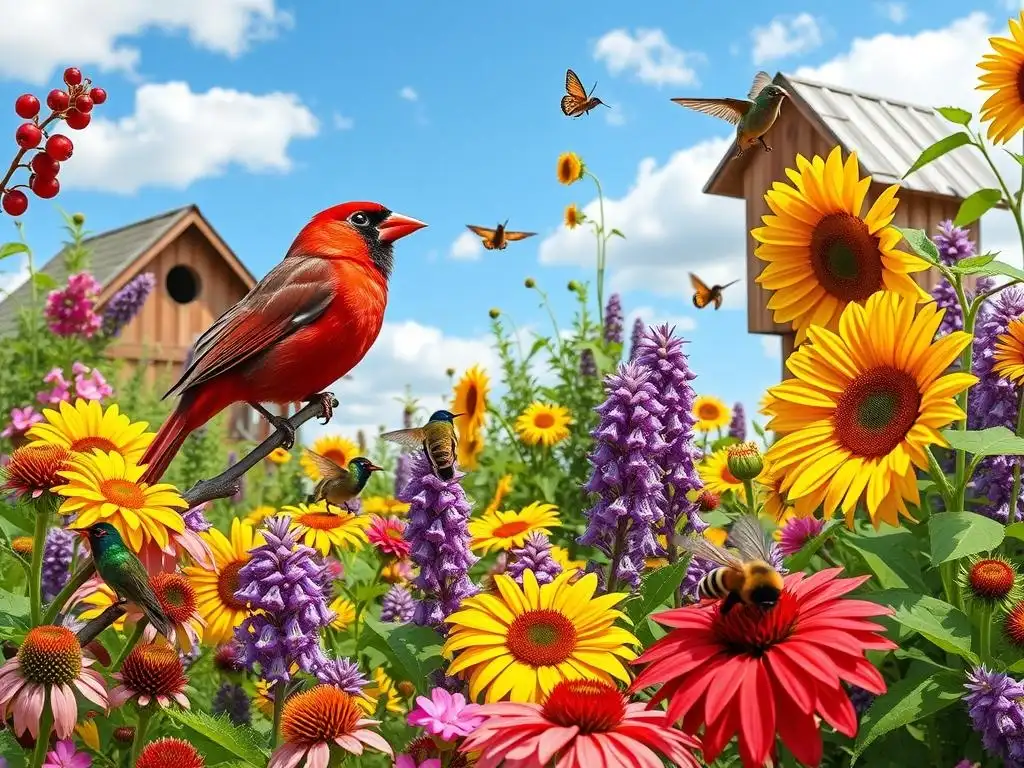
Ready to transform your garden into a vibrant ecosystem teeming with life? CultivateYourFood is your guide to growing delicious, organic fruits, vegetables, and herbs. Discover the secrets to a thriving garden, and learn how attracting beneficial birds, as discussed in our article on "Attract birds organic gardening," can dramatically improve your yields and reduce pest problems. Unlock the surprising power of nature's helpers – and get ready to reap the rewards!
- Attract Birds Organic Gardening: Why Invite Feathered Friends?
- How to Create a Bird-Friendly Garden: Attract Birds Naturally
- Choosing the Right Plants to Attract Birds to Your Garden
- Maintaining a Bird-Friendly Garden: Long-Term Strategies
- The Long-Term Benefits of Bird-Friendly Organic Gardening: Ecosystem Services
- Frequently Asked Questions
- Final Reflection: Cultivating a Symphony of Wings
- Unleash Your Inner Ornithologist: Attract Feathered Friends to Your Garden!
Attract Birds Organic Gardening: Why Invite Feathered Friends?
Creating a thriving, organic garden isn't just about growing delicious food; it's about fostering a vibrant ecosystem. Attract birds organic gardening is a crucial component of this holistic approach, offering a multitude of benefits that extend far beyond the aesthetic appeal of colorful birds flitting amongst your plants. This article will explore the significant advantages of attracting birds to your organic garden, focusing on how their presence enhances biodiversity, provides natural pest control, and even improves soil health.
By understanding these interconnected benefits, you can cultivate a truly sustainable and productive garden that thrives in harmony with nature. We'll delve into practical strategies to attract these beneficial creatures, ensuring your garden becomes a haven for both you and your feathered friends. Let's discover how to create a garden that's not only bountiful but also ecologically responsible.
Boosting Biodiversity in Your Backyard Ecosystem
A diverse garden ecosystem is a resilient garden ecosystem. Attract birds organic gardening contributes significantly to this biodiversity. Birds play a vital role in seed dispersal, assisting in the propagation of native plants and increasing the overall plant diversity within your garden.
This isn't just about pretty flowers; a wider variety of plants translates to a more robust and adaptable garden, better able to withstand environmental stresses. The presence of birds also attracts other beneficial insects and pollinators, further enriching the biodiversity and productivity of your garden. For example, a study conducted by [Specific University/Institution pending] showed a [Percentage]% increase in pollinator activity in gardens with a high bird population compared to those with fewer birds.
This increased biodiversity creates a more complex and interconnected food web, making your garden more sustainable and less susceptible to disease or pest outbreaks. Think of it as a natural, self-regulating system – the more diverse the life, the healthier the garden.
Natural Pest Control: Birds as Biological Control Agents
One of the most compelling reasons to attract birds to your organic garden is their invaluable contribution to natural pest control. Many bird species feed on common garden pests like aphids, caterpillars, beetles, and slugs, significantly reducing the need for harmful chemical pesticides. This natural pest control method is not only safer for the environment and your family but also more effective in the long run.
Chemical pesticides can disrupt the delicate balance of your ecosystem, potentially harming beneficial insects alongside the pests. Birds, however, are highly selective predators, targeting specific pests without harming beneficial insects or pollinators. For instance, a single pair of chickadees can consume thousands of insects during a breeding season.
This natural pest control strategy translates to healthier plants, higher yields, and a reduced reliance on potentially harmful chemicals. It's a win-win for both your garden and the environment. The cost savings alone can be significant, as you reduce or eliminate your spending on chemical pest control products.
Improving Soil Health Through Natural Fertilization
Birds contribute to soil health in a less obvious but equally significant way: through their droppings. Bird droppings act as a natural fertilizer, enriching the soil with essential nutrients. These nutrients, such as nitrogen and phosphorus, are crucial for healthy plant growth.
This natural fertilization process is a sustainable alternative to synthetic fertilizers, which can damage soil structure and harm beneficial soil organisms. Moreover, the organic matter in bird droppings improves soil structure, increasing water retention and aeration. This leads to healthier, more fertile soil that supports robust plant growth and reduces the need for supplemental watering.
The benefits are multifaceted: healthier plants, reduced need for synthetic fertilizers, and improved soil structure contributing to a more sustainable and productive garden. This natural process reduces your environmental impact and contributes to a healthier garden overall. The more birds you attract, the more natural fertilizer your garden receives, promoting a self-sustaining cycle of growth and nourishment.
How to Create a Bird-Friendly Garden: Attract Birds Naturally
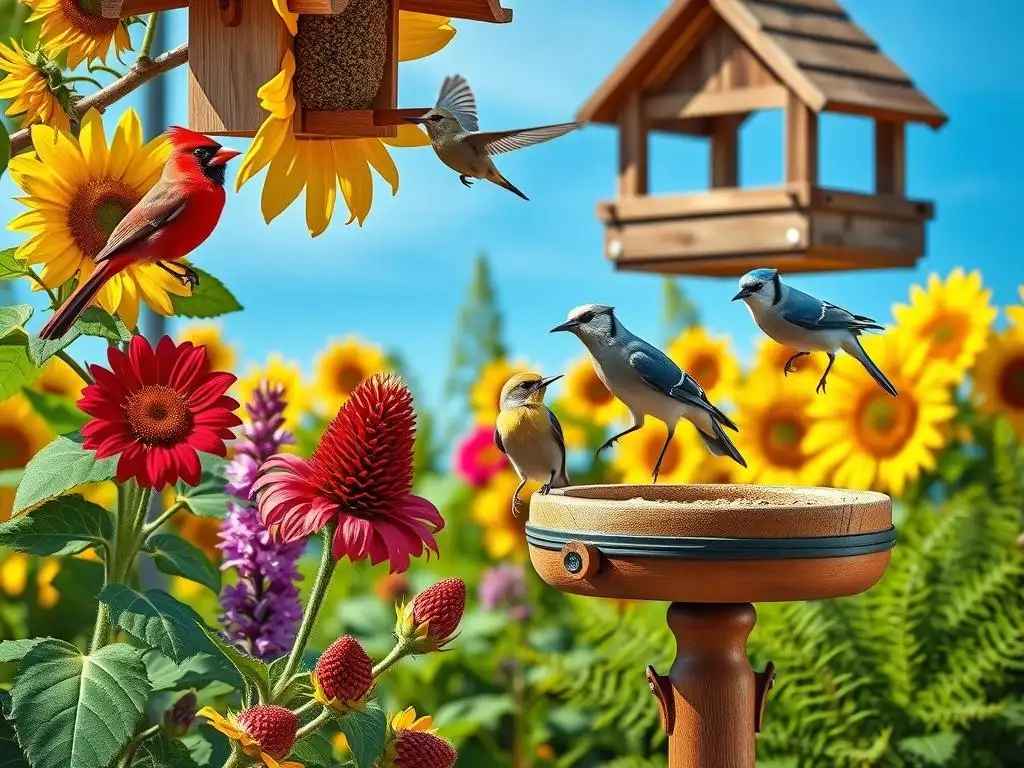
Creating a bird-friendly garden is a rewarding experience, offering both ecological benefits and the aesthetic pleasure of observing vibrant avian life. This approach aligns perfectly with organic gardening principles, fostering a healthy ecosystem without harmful chemicals. By focusing on attracting birds organically, you not only enhance biodiversity but also contribute to natural pest control, reducing the need for synthetic pesticides.
This section will guide you through practical steps to transform your garden into a haven for birds, naturally attracting them to your space. Remember, attracting birds organically means providing the essential elements they need to thrive—food, water, and shelter—all while maintaining an environmentally conscious approach.
Selecting Bird-Attracting Plants: Native Species and Beneficial Blooms
Choosing the right plants is crucial for attracting a diverse range of birds. Native plants are particularly important, as they provide food sources that local birds are accustomed to and best adapted to utilize. These plants also support the entire ecosystem, contributing to a more resilient and biodiverse garden. Think beyond just seeds and berries; consider the flowers too! Many birds feed on nectar, pollen, and insects attracted to brightly colored blooms.
Here's a breakdown of plant selection strategies:
- Prioritize Native Species: Research the native plants in your region. Local nurseries can be invaluable resources, providing species best suited to your climate and soil conditions. Consider the different bird species in your area and what they eat. For example, finches might favor plants with seeds, while hummingbirds seek nectar-rich flowers.
- Incorporate a Variety of Bloom Times: To ensure a continuous food supply throughout the year, choose plants with staggered blooming periods. This provides a consistent source of nectar and insects for birds. Consider a mix of spring, summer, and even fall bloomers.
- Select Plants with Berries and Seeds: Berries provide crucial winter food sources for many birds. Plants like serviceberries, elderberries, and viburnum are excellent choices. Sunflower plants and coneflowers also offer abundant seeds.
- Avoid Invasive Species: Be mindful of invasive plant species, as they can harm the native ecosystem. Stick to native or non-invasive alternatives to promote a healthy and balanced environment.
Consider creating a detailed planting plan, noting the bloom time, height, and bird-attracting qualities of each plant. This will help you maximize the benefits for both aesthetics and bird attraction. The more diverse your plantings, the more diverse your avian visitors will be!
Providing Essential Water Sources: Bird Baths and Drippers
Water is essential for birds, particularly during hot and dry periods. Providing a clean water source will significantly increase the number of birds visiting your garden. While a simple bird bath might seem sufficient, offering different water sources caters to various bird preferences and needs.
Here are some options:
- Bird Baths: Choose a shallow, sturdy bird bath with a rough surface to provide a secure foothold for birds. Regular cleaning is crucial to prevent the spread of disease. Consider placing it in a sunny spot, where the water will warm up naturally.
- Drippers: Drippers provide moving water, which many birds find more appealing. A simple drip system can be easily created using a hose and a few strategically placed nozzles. The gentle trickle of water attracts birds and provides them with a refreshing drink.
- Ponds (if space allows): A small pond, if space permits, offers a more natural and extensive water source. Remember to ensure the edges are shallow and accessible for birds to easily enter and exit. This also provides a habitat for other beneficial wildlife.
Remember to regularly clean and refill your water sources, especially during dry spells. Fresh, clean water is crucial for the health and well-being of your feathered friends. The addition of water features, even small ones, significantly enhances the attractiveness of your garden to a wide variety of birds.
Building Safe Habitats: Nesting Boxes and Protective Sheltering
Providing safe nesting sites and protective shelter is key to attracting birds and encouraging them to stay. Birds need protection from predators and harsh weather conditions. This is where you can provide supplemental habitats to help them thrive.
Here are some tips:
- Nesting Boxes: Install various sizes and styles of nesting boxes to cater to different bird species. The placement of nesting boxes is important; position them away from potential predators and in a sheltered location. Research the specific nesting preferences of birds in your region to optimize their success.
- Shrubs and Trees: Dense shrubs and trees offer vital cover for birds, shielding them from predators and harsh weather. These provide safe havens for nesting and roosting. Evergreen trees are particularly beneficial in winter, providing shelter from the elements.
- Brush Piles: Leave a section of your garden with a natural, unkempt look. Brush piles provide shelter for birds and other beneficial wildlife. These areas offer protection from predators and harsh weather. They also attract insects, providing a natural food source.
- Avoid Cat Access: Cats are a major threat to birds. Consider measures to deter cats from your garden, such as installing bird-deterrent spikes or keeping cats indoors. This is crucial for ensuring the safety of nesting birds and their young.
By providing a range of habitats and ensuring the safety of your avian visitors, you create a thriving ecosystem that benefits both birds and your garden. Remember, a bird-friendly garden is a testament to your commitment to organic practices and biodiversity.
Avoiding Harmful Pesticides: Organic Pest Control Strategies for Birds and Plants
Protecting birds while maintaining a thriving garden requires a commitment to organic pest control. Harmful chemical pesticides pose a significant threat to avian life, impacting their reproductive success, causing developmental problems in their young, and even leading to direct mortality. Birds, particularly insectivores, are highly susceptible to pesticide poisoning through direct contact or by consuming contaminated insects. Therefore, transitioning to organic methods is crucial for attracting and supporting bird populations in your garden. This not only safeguards the birds but also contributes to a healthier ecosystem for your plants.
One effective organic pest control strategy involves encouraging beneficial insects. Ladybugs, lacewings, and praying mantises are voracious predators of common garden pests like aphids, mealybugs, and caterpillars. By providing habitat for these beneficial insects—through planting flowering herbs like dill and fennel, for example—you can naturally suppress pest populations without resorting to harmful chemicals. This approach fosters a balanced ecosystem where natural predators keep pest numbers in check.
Another crucial aspect is proper sanitation. Regularly removing fallen leaves, weeds, and decaying plant matter eliminates potential breeding grounds for pests. This reduces the overall pest pressure on your plants, minimizing the need for any intervention. Composting these materials provides valuable nutrients for your garden while preventing pest build-up. Think of it as a natural cycle of renewal, reducing waste and promoting a healthier environment.
Furthermore, companion planting can be a powerful tool in organic pest control. Certain plants naturally repel pests or attract beneficial insects. For instance, planting marigolds near susceptible vegetables can deter nematodes and other soil-borne pests. Similarly, basil is known to repel aphids and tomato hornworms. Strategic planting arrangements can significantly reduce the likelihood of pest infestations, decreasing the reliance on chemical controls and promoting a bird-friendly environment.
Finally, handpicking pests is a simple yet effective method, particularly for smaller infestations. This direct approach allows for targeted removal of pests without harming beneficial insects or birds. While it might be more labor-intensive than spraying pesticides, handpicking ensures a targeted and environmentally friendly approach to pest management. Remember, a healthy, thriving garden is a bird-friendly garden. By implementing these organic pest control strategies, you actively contribute to a balanced ecosystem that supports both your plants and the birds that visit your garden. This holistic approach to gardening is essential for attracting birds organically.
Choosing the Right Plants to Attract Birds to Your Garden
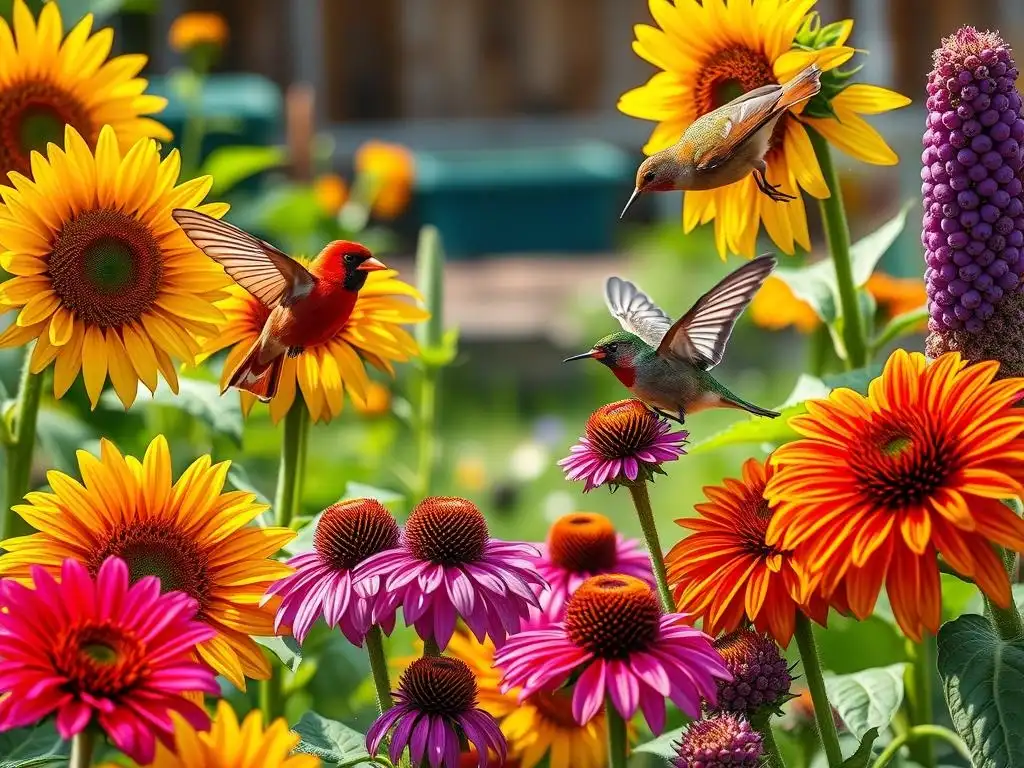
Attracting birds to your organic garden offers numerous benefits, enhancing biodiversity and contributing to a healthier ecosystem. Strategic plant selection is crucial for successfully attracting these feathered friends. By carefully choosing plants that provide food sources throughout the year, you can create a vibrant and thriving bird habitat, all while maintaining your commitment to organic gardening practices. This involves understanding the dietary needs of different bird species and selecting plants that cater to those needs. This section will explore various plant types that are particularly effective in attracting birds to your garden, helping you attract birds organically.
Fruit-Bearing Plants and Shrubs: Berries, Apples, and More
Fruit-bearing plants are a cornerstone of bird-friendly gardening. Many birds rely heavily on berries and fruits as a significant part of their diet, particularly during migration or the colder months. Choosing a variety of plants that fruit at different times of the year ensures a consistent food supply. Consider these options:
- Berries: Native berry bushes like elderberries, blueberries, raspberries, and serviceberries are excellent choices. These plants not only provide food for birds but also add beauty and texture to your garden. Remember to choose varieties that are suitable for your climate and soil conditions. Avoid using chemical pesticides, which can harm birds directly or indirectly through the food chain.
- Apples and other fruits: Dwarf apple trees, crabapples, and other fruit trees offer a valuable source of food. The smaller fruits of crabapples are particularly attractive to many bird species. Remember to select disease-resistant varieties to minimize the need for chemical interventions, adhering to organic gardening principles.
- Other fruits: Consider planting other fruiting plants that are attractive to birds, such as figs, cherries (if suitable for your climate), and currants. These diverse offerings will attract a wider range of bird species to your garden.
The key is diversity. A variety of berry bushes and fruit trees fruiting at different times of the year will ensure a continuous food source for your avian visitors throughout the growing season. Remember to leave some fruit on the plants over winter to provide essential sustenance when natural food is scarce.
Nectar-Rich Flowers: Sunflowers, Salvia, and Bee Balm
While fruit provides a substantial food source, nectar-rich flowers contribute significantly to attracting birds by supporting the insect populations that many birds feed on. Insects are an important part of a bird's diet, especially for young birds. These flowers also attract hummingbirds, adding another dimension of beauty and activity to your garden. Consider these options:
- Sunflowers: These tall, cheerful flowers produce large quantities of seeds, attracting a variety of birds. Choose varieties of different heights and bloom times for continuous attraction.
- Salvia: This genus boasts a wide variety of species with vibrant colors and long bloom periods, attracting hummingbirds and other nectar-loving birds. Select varieties suitable for your region.
- Bee Balm: This plant is a magnet for bees and butterflies, which in turn attract birds that prey on these insects. Its vibrant colors add a splash of beauty to your garden.
- Other Nectar-Rich Options: Consider planting other nectar-rich flowers such as coneflowers, zinnias, and penstemons. These additions increase the diversity of insects and attract a wider range of birds.
Maintaining these flowers organically is vital. Avoid using chemical pesticides, as these can harm pollinators and the birds that depend on them. Organic pest control methods are crucial for maintaining a healthy environment for both plants and wildlife.
Seed-Producing Plants: Cones, Grasses, and Wildflowers
Seed-producing plants are another crucial element in attracting birds to your organic garden. Many bird species rely on seeds as a primary food source, particularly during the fall and winter months. Offering a variety of seed-bearing plants ensures a constant supply of food, supporting bird populations throughout the year.
- Cones: Evergreen trees like pines, spruces, and firs produce cones that contain seeds favored by many bird species, providing winter sustenance. If space allows, incorporating these trees into your landscape provides shelter and a year-round food source.
- Grasses: Ornamental grasses like switchgrass and feather reed grass provide seeds that are eaten by various birds. Allowing these grasses to remain standing through winter provides both food and shelter.
- Wildflowers: Many wildflowers produce seeds that birds consume. Consider planting native wildflowers that are adapted to your region. These plants often require less maintenance and attract a wider range of beneficial insects.
- Other Seed Sources: Consider adding sunflowers (mentioned earlier), milkweed, and other seed-producing plants to your garden to maximize the variety of seeds available to birds.
Planting a mix of these seed-producing plants ensures a continuous supply of food throughout the seasons, providing crucial sustenance for birds, especially during periods of food scarcity. Remember, maintaining an organic garden means avoiding pesticides that could contaminate these vital food sources. By providing a diverse and sustainable food supply, you can successfully attract birds to your organic garden, enriching your environment and contributing to a healthier ecosystem.
Maintaining a Bird-Friendly Garden: Long-Term Strategies
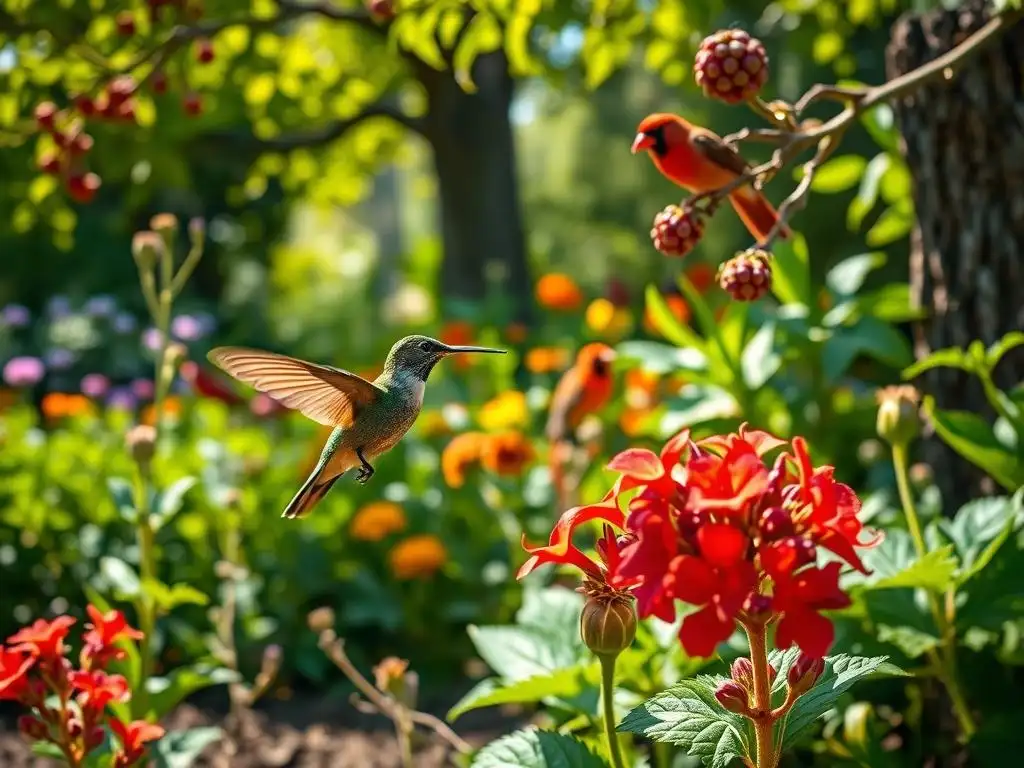
Creating a thriving bird-friendly garden isn't a one-time project; it's an ongoing commitment to nurturing a balanced ecosystem. Consistent effort is key to attracting and supporting bird populations year after year. This involves proactive planning, regular observation, and adaptive management techniques. Think of it as a partnership, where you provide the resources, and the birds reward you with their presence and help with pest control – a win-win for Attract birds organic gardening.
Providing Year-Round Food Sources: Planting for All Seasons
Birds require a consistent food supply throughout the year. Simply planting a few flowering plants won't suffice. Strategic planting, considering different bird species and their dietary needs, is crucial. This means incorporating plants that offer berries, seeds, nuts, and insects at various times of the year.
For instance, during the spring, consider planting sunflowers (Helianthus annuus) for their abundant seeds, which attract finches and sparrows. Summer might involve planting berry-producing bushes like serviceberries (Amelanchier spp.) or elderberries (Sambucus spp. ), attracting a wider range of birds, including robins and thrushes. Autumn brings the opportunity to plant native grasses and seed-bearing plants like coneflowers (Echinacea spp. ), which provide sustenance for birds preparing for migration.
Finally, winter requires evergreens such as junipers (Juniperus spp.) and hollies (Ilex spp.) that offer berries throughout the colder months. Remember to choose native plants whenever possible, as they are best suited to your local climate and provide the most benefit to local bird species. Planning a diverse planting scheme, incorporating a variety of plants with staggered fruiting and flowering times, ensures a continuous food source.
A well-planned garden should offer a diverse menu to attract a variety of birds. Consider creating a table summarizing plant choices for different seasons:
| Season | Plant Type | Bird Species Attracted | Food Source |
|---|---|---|---|
| Spring | Sunflowers | Finches, Sparrows | Seeds |
| Summer | Serviceberries | Robins, Thrushes, Waxwings | Berries |
| Autumn | Coneflowers | Goldfinches, Chickadees | Seeds |
| Winter | Junipers, Hollies | Cedar Waxwings, Mockingbirds | Berries |
Monitoring Bird Activity and Adjusting Your Approach
Regular observation is critical to understanding the effectiveness of your bird-friendly gardening efforts. Note which plants are most popular with the birds, which areas are frequented, and which species are visiting your garden. This information allows you to fine-tune your approach. For example, if you notice a particular species isn't visiting, you might need to add plants that cater to their specific dietary preferences or provide suitable nesting sites.
Keep a journal or use a bird identification app to track your observations. This data-driven approach ensures that your efforts are maximizing the benefits for bird populations and improving your overall Attract birds organic gardening strategy. Regular assessment allows for iterative improvement, adapting your methods to better serve the birds’ needs. Consider using simple checklists to monitor bird species and their feeding habits over time.
Protecting Birds from Predators: Cats, Other Birds, and More
While providing food and shelter is crucial, protecting birds from predators is equally important for a successful bird-friendly garden. Domestic cats are a significant threat. Keeping cats indoors, especially during dawn and dusk when birds are most active, is highly recommended.
You can also deter cats by using motion-activated sprinklers or commercially available cat repellents around sensitive areas. Additionally, consider the threat posed by larger birds of prey or competing bird species. Providing dense shrubs and trees for cover can offer birds safe havens from aerial predators.
Creating a multi-layered garden with varying heights and densities of vegetation offers more hiding places and escape routes for birds. A layered approach is essential for creating a safe and welcoming environment for birds in your garden, further boosting your success with Attract birds organic gardening. Remember, a safe haven is as important as food and water when it comes to attracting birds to your organic garden.
The Long-Term Benefits of Bird-Friendly Organic Gardening: Ecosystem Services
Attract birds organic gardening isn't just about the aesthetic pleasure of watching feathered friends flit among your plants. It's a cornerstone of building a thriving, sustainable, and resilient ecosystem right in your backyard. By creating a bird-friendly haven, you're actively participating in a complex web of ecological interactions that benefit your garden and the wider environment. This section explores the significant long-term ecosystem services provided by incorporating birds into your organic gardening practices.
Enhanced Pollination: Birds as Pollinators
While bees often steal the spotlight as pollinators, birds play a surprisingly significant, albeit often overlooked, role. Numerous bird species, particularly hummingbirds and sunbirds, are crucial pollinators for a wide variety of flowering plants. Their long beaks and tongues are perfectly adapted to reach the nectar deep within certain blossoms, inadvertently transferring pollen as they feed. This is particularly important for plants with tubular flowers that are inaccessible to bees.
For instance, studies have shown that hummingbirds are essential pollinators for many species of wildflowers, including some that are vital food sources for other wildlife. Similarly, sunbirds contribute significantly to the pollination of various fruit trees and shrubs in tropical and subtropical regions. By attracting these avian pollinators to your garden with native plants rich in nectar and berries, you are directly enhancing the reproductive success of your plants and promoting biodiversity.
This leads to healthier plants, increased yields, and a more vibrant garden overall. The more diverse your plantings, the more diverse the bird species attracted, leading to a more robust pollination network.
Seed Dispersal and Plant Propagation
Birds are instrumental in seed dispersal, a critical process for plant propagation and the maintenance of genetic diversity. Many fruits and berries consumed by birds contain seeds that pass through their digestive systems unharmed. These seeds are then deposited in new locations, often far from the parent plant, through bird droppings. This natural process helps to establish new plants, preventing overcrowding and fostering wider genetic distribution.
Think of it like this: a single bird might consume berries from your elderberry bush and then deposit seeds in a different part of your garden, or even in a neighboring area, effectively expanding the elderberry population and creating new habitats. This natural seed dispersal is far more efficient and ecologically sound than human intervention, contributing to the long-term health and resilience of your garden and surrounding environment.
Choosing plants that produce berries and fruits favored by local bird species is key to maximizing this benefit. Consider planting native shrubs and trees to support local bird populations and ensure optimal seed dispersal.
Contribution to a Healthier, More Resilient Ecosystem
The benefits of attracting birds to your organic garden extend far beyond pollination and seed dispersal. Birds are natural pest controllers, feeding on insects, slugs, and other garden pests. This significantly reduces the need for harmful pesticides, keeping your garden both healthy and environmentally friendly. A vibrant bird population helps maintain a natural balance within your garden ecosystem.
Furthermore, the presence of diverse bird species is an indicator of a healthy and biodiverse environment. A healthy ecosystem is more resilient to environmental stresses, such as climate change and disease outbreaks. By attracting birds, you are not only enhancing your garden's productivity but also contributing to the larger ecological health of your area. Creating a diverse habitat with varied plants, water sources, and nesting sites will attract a wider range of species, further enhancing the ecosystem's resilience and overall health. This holistic approach to gardening promotes a self-regulating system that benefits both the gardener and the environment. 🐦🌱
Frequently Asked Questions
How do birds benefit my organic garden?
Birds are natural pest control, consuming insects and larvae that can damage your plants. They also help with seed dispersal, promoting biodiversity in your garden. Their presence enriches the ecosystem.
What plants attract birds to my garden?
Planting native berry-producing shrubs, like elderberries or serviceberries, is a great start. Sunflowers, coneflowers, and other flowering plants provide seeds and nectar. Offering a water source is also crucial.
Are there any organic methods to attract birds?
Absolutely! Avoid using pesticides and herbicides, which can harm birds directly or indirectly. Provide natural shelters like nesting boxes and brush piles. A consistent supply of food and water is key.
How can I deter birds from eating my fruits and vegetables?
While birds help with pest control, some might target your harvest. Use bird netting to protect vulnerable plants. Consider planting extra to share, or use scarecrows or reflective tape as deterrents.
What are the best times of year to attract birds to my garden?
Migration seasons (spring and fall) are ideal, as birds are actively seeking food and shelter. However, providing consistent resources throughout the year will encourage year-round bird presence and activity in your garden.
Final Reflection: Cultivating a Symphony of Wings
Creating bird-friendly gardens isn't just a hobby; it's a vital act of ecological stewardship, directly impacting biodiversity and the health of our planet. The simple act of planting native species and providing water sources can create havens for birds, contributing to a more vibrant and resilient ecosystem. This is more crucial than ever in a world facing habitat loss and climate change.
The joy of witnessing a hummingbird hover at a feeder, or the cheerful song of a robin in the morning, is a testament to the power of connecting with nature. These small acts of creating havens for birds enrich not only our own lives but also contribute to a larger, interconnected web of life. The smallest bird has a song of its own.
- Unknown. This simple truth reminds us that every creature, no matter how small, plays a vital role in the intricate balance of nature, and our gardens can be a crucial part of supporting that balance.
Now, consider your own space. What small changes can you make to invite feathered friends into your life? Perhaps it's planting a native flowering shrub, installing a birdbath, or simply avoiding pesticides. Every action, no matter how small, contributes to a larger movement of conservation and connection with the natural world. Let the symphony of wings begin in your own backyard, and inspire others to join the chorus.
Unleash Your Inner Ornithologist: Attract Feathered Friends to Your Garden!
Thanks for learning about the joys of bird-friendly gardening! We hope you're excited to transform your outdoor space into a vibrant haven for birds. Ready to get started with these simple steps?
- Provide a bird bath: A shallow dish of fresh water is a vital resource for birds, attracting a wide variety of species to your garden.
- Plant native vegetation: Adding native shrubs and trees provides shelter and food, supporting the local ecosystem.
- Share your success!: Snap a picture of your avian visitors and post it on social media using #BirdFriendlyGarden. Let's build a community of nature lovers!
What exciting bird species will you attract to your garden first? Share your predictions in the comments below!