
The Benefits of Using Recycled Materials for Water Conservation in the Garden

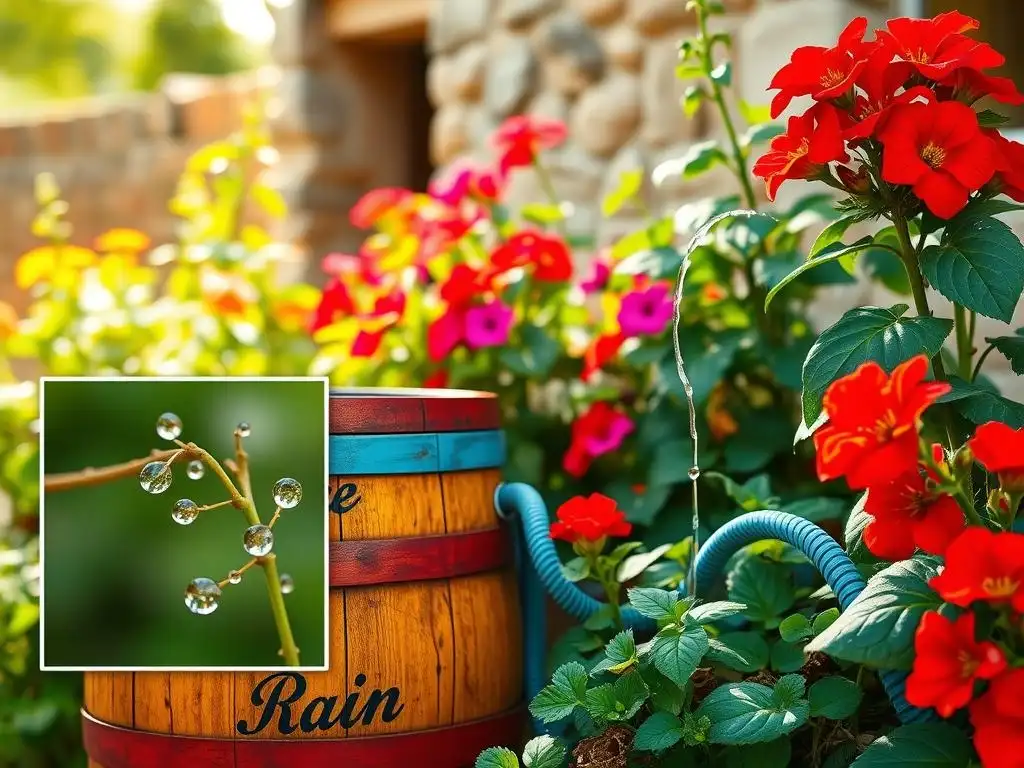
Ready to transform your garden into a thriving, eco-friendly oasis? At CultivateYourFood, we believe everyone can grow their own food sustainably. Discover the secrets to bountiful harvests with our expert advice on everything from planting to pest control. Intrigued by innovative ways to conserve water? Then dive into our latest article on recycled garden watering solutions and unlock the potential of sustainable gardening practices. Let's cultivate a greener future, together!
- Understanding the Importance of Recycled Garden Watering Solutions
- Exploring Recycled Materials for Efficient Irrigation
- Advantages of Recycled Garden Watering Solutions
- Practical Steps for Implementing Recycled Garden Watering
- Choosing the Right Recycled Materials for Your Garden
- Long-Term Benefits and Sustainability of Recycled Garden Watering Solutions
-
Frequently Asked Questions
- What are some examples of recycled materials I can use for watering my garden?
- How does using recycled materials conserve water in my garden?
- Are recycled watering solutions as effective as store-bought systems?
- What are the environmental benefits of using recycled materials for watering?
- Where can I find more information on DIY recycled garden watering projects?
- Final Reflection: Nurturing a Sustainable Future, One Recycled Drop at a Time
- Unleash Your Garden's Water-Wise Potential!
Understanding the Importance of Recycled Garden Watering Solutions
Water is a precious resource, and in the face of increasing water scarcity and the growing popularity of home gardening, finding sustainable and efficient watering solutions is crucial. This article explores the numerous benefits of using recycled materials for irrigation, focusing on practical and effective “recycled garden watering solutions” that minimize water waste while nurturing your fruits, vegetables, and herbs. We’ll delve into the environmental impact of traditional methods, highlighting how embracing recycled alternatives contributes to a more sustainable and environmentally conscious approach to home gardening.
By understanding the significant role recycled materials play in water conservation, you can cultivate a thriving garden while minimizing your environmental footprint and contributing to a healthier planet. This aligns perfectly with the core principles of CultivateYourFood: promoting sustainable and organic practices in home gardening.
The Growing Need for Water Conservation in Home Gardening
The increasing popularity of home gardening, while beneficial for both personal consumption and environmental awareness, puts pressure on our water resources. Traditional watering methods, such as using a hosepipe for extended periods or relying solely on sprinklers, often lead to significant water loss through evaporation and runoff. This is especially concerning in drier climates or during periods of drought. The need for efficient water management is paramount for maintaining healthy plants and minimizing waste.
Data from [specific information pending] shows a significant increase in home water usage directly correlated with the rise in home gardening initiatives. This underscores the urgent need for gardeners to adopt water-wise practices, including the utilization of recycled materials for irrigation systems. Implementing effective recycled garden watering solutions can drastically reduce water consumption, leading to significant savings and a reduced impact on local water supplies.
The Environmental Impact of Traditional Watering Methods
Traditional gardening practices often have a considerable environmental impact. The excessive use of treated water for irrigation contributes to higher water bills and places strain on municipal water systems. Furthermore, the energy required to treat and transport this water adds to carbon emissions. Sprinklers, while convenient, often result in a substantial amount of water being wasted through evaporation and overwatering.
Runoff from over-watering can lead to soil erosion and contaminate nearby water bodies with fertilizers and pesticides. This contamination harms aquatic ecosystems and can have long-term consequences for water quality. By contrast, adopting recycled garden watering solutions significantly reduces these negative environmental impacts.
Sustainable Gardening Practices and Water Efficiency
Sustainable gardening practices prioritize water conservation and minimizing environmental harm. Recycled garden watering solutions are a cornerstone of this approach. Utilizing recycled materials like plastic bottles, containers, and even old tires can create effective and low-cost irrigation systems.
For example, repurposed plastic bottles can be transformed into drip irrigation systems, delivering water directly to the roots of plants and minimizing evaporation. Old tires can be used to create raised beds with integrated water reservoirs. These methods not only conserve water but also reduce reliance on commercially produced irrigation equipment, further minimizing the environmental impact.
The adoption of such practices reflects a growing movement towards environmentally responsible gardening, promoting both water conservation and resourcefulness. The benefits extend beyond water savings, encompassing reduced waste, lower costs, and a greater connection to the natural environment. Embracing recycled garden watering solutions is a simple yet powerful step towards creating a more sustainable and resilient garden.
Exploring Recycled Materials for Efficient Irrigation
This section delves into practical applications of recycled materials for creating effective and sustainable irrigation systems in your home garden. By repurposing everyday items, you can significantly reduce water waste and contribute to a more environmentally friendly gardening practice. This approach aligns perfectly with the principles of "recycled garden watering solutions," offering both economic and ecological advantages. We'll explore several methods, highlighting their individual strengths and limitations. Remember, careful planning and execution are crucial for success with any DIY irrigation project.
Repurposing Plastic Bottles for Drip Irrigation Systems
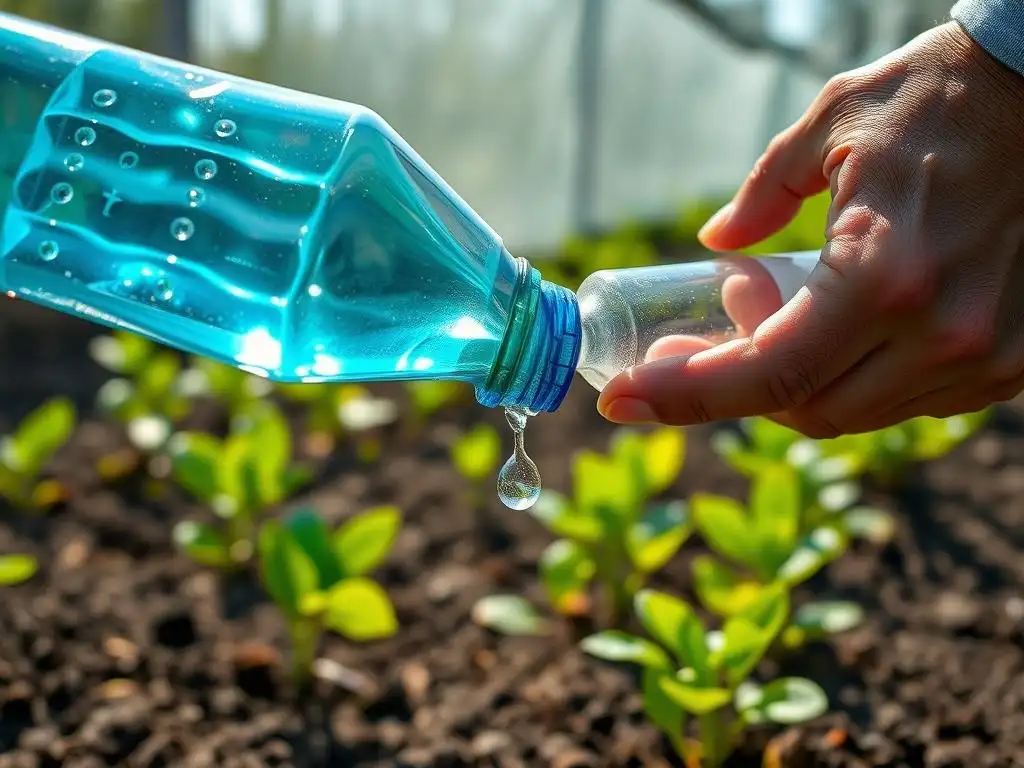
Plastic bottles, a ubiquitous form of plastic waste, can be easily transformed into effective drip irrigation components. This method is particularly useful for smaller plants or individual seedlings, providing targeted watering to avoid unnecessary water loss through evaporation or runoff.
Several methods exist for creating bottle-based drip irrigation. One simple technique involves puncturing small holes in the bottom and sides of the bottle, burying it upside down near the plant's roots. The water will slowly seep out, providing a consistent supply of moisture. The size and number of holes can be adjusted to control the flow rate, allowing you to fine-tune the system to the specific needs of your plants.
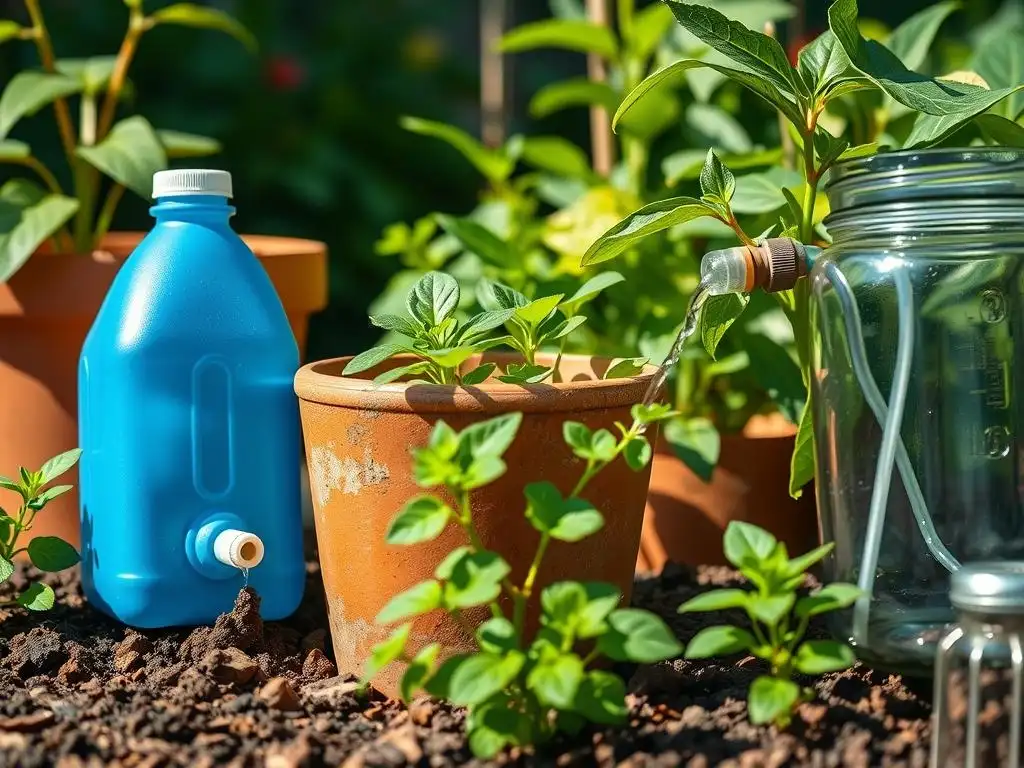
Another approach involves using a length of tubing attached to the bottle’s neck, creating a more controlled and directed water flow. This is particularly beneficial for plants in raised beds or containers, where precise placement is essential. Using a small diameter tubing will further control the rate of water release, making this a highly efficient method for "recycled garden watering solutions".
Consider these factors for optimal performance:
| Factor | Description | Impact on Efficiency |
|---|---|---|
| Bottle Size | Larger bottles provide a larger water reservoir. | Longer watering duration, less frequent refilling needed. |
| Hole Size & Number | Smaller holes and fewer holes result in slower drip rates. | Reduced water loss, more controlled watering. |
| Bottle Placement | Ensure the bottle is buried deeply enough to prevent clogging and sun damage. | Prevents water evaporation and maintains soil moisture. |
| Soil Type | Well-draining soil requires less frequent watering than heavy clay soils. | Adjust hole size and watering frequency accordingly. |
Remember to clean the bottles thoroughly before use to prevent the introduction of contaminants into your soil. Experimentation with different bottle sizes and hole configurations will help you optimize the system for your specific gardening needs.
Utilizing Recycled Rubber for Mulching and Water Retention
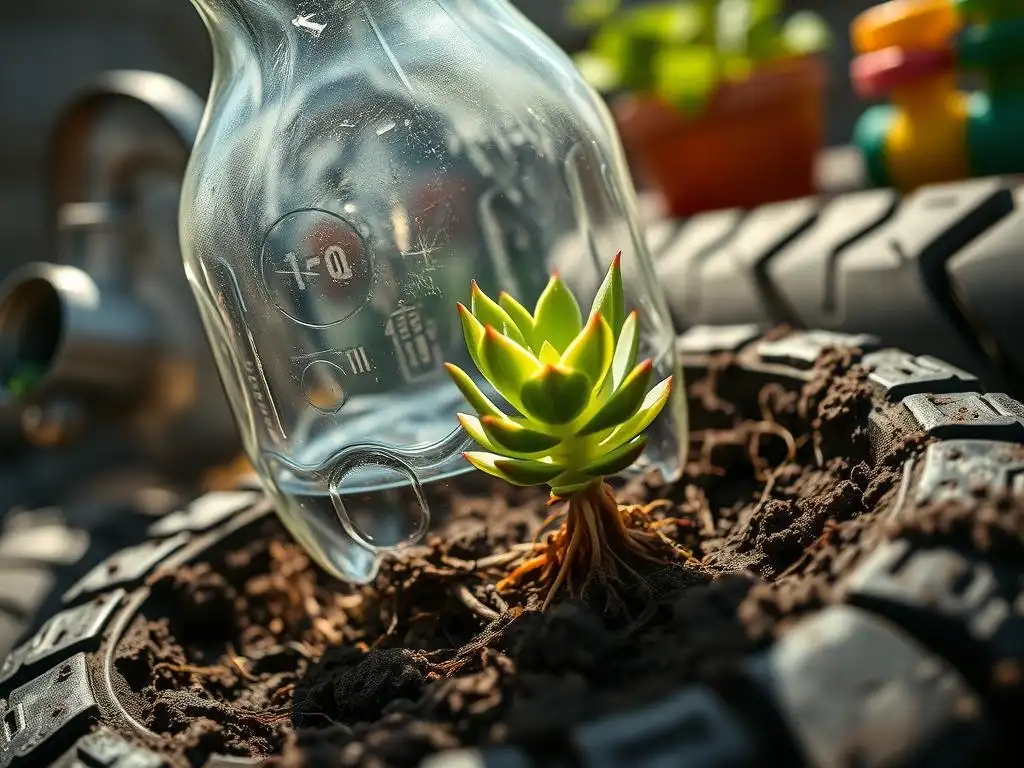
Recycled rubber, often in the form of tire chips or shredded rubber, offers a surprisingly effective solution for water conservation. Used as mulch, it creates a protective layer on the soil surface, reducing evaporation and suppressing weed growth. This significantly minimizes water loss, making it a key component of effective "recycled garden watering solutions".
The effectiveness of rubber mulch in water retention stems from its ability to reduce soil temperature fluctuations. Cooler soil retains moisture more effectively, reducing the frequency of irrigation needed. Furthermore, the rubber mulch helps to improve soil structure over time, enhancing water infiltration and drainage.
The amount of rubber mulch needed depends on the size of your garden bed. A layer of 2-3 inches is generally sufficient to achieve significant water conservation benefits. However, it's crucial to choose high-quality recycled rubber mulch that is free from harmful chemicals or toxins. Some manufacturers offer certified organic options, ensuring that your plants are not exposed to potentially harmful substances. This ensures you are maintaining the organic and sustainable practices that are core to "CultivateYourFood".
Creating a DIY Soaker Hose from Recycled Materials
A soaker hose delivers water directly to the roots of plants, minimizing evaporation and runoff. While commercially available soaker hoses are readily available, creating your own from recycled materials provides a cost-effective and sustainable alternative.
One method involves using an old garden hose with small holes drilled along its length. However, this approach requires careful planning to ensure even water distribution. Too many holes may result in excessive water loss, while too few holes may lead to uneven watering.
Another option, suitable for smaller garden areas, involves repurposing old socks or pantyhose filled with absorbent material like sawdust or shredded cloth. These can be laid along the rows of plants, providing a slow-release irrigation system. This method, though less sophisticated, is highly effective for small-scale gardening and perfectly embodies the principles of "recycled garden watering solutions". Remember to keep the material moist and replace it as needed. This simple method requires minimal resources and offers a truly sustainable approach to garden watering.
Building a Rainwater Harvesting System with Recycled Containers
Building a rainwater harvesting system is a fantastic way to conserve water and utilize recycled materials simultaneously. This sustainable approach significantly reduces reliance on municipal water supplies for irrigation, saving you money and minimizing your environmental impact. The process is surprisingly simple and requires readily available recycled containers.
Several types of containers can be repurposed for rainwater harvesting. Large plastic food-grade barrels, for example, are ideal for collecting significant volumes of water. Ensure the barrels are thoroughly cleaned before use, removing any residual food particles or chemicals. Similarly, IBC totes (Intermediate Bulk Containers), commonly used for transporting liquids, can be adapted for larger-scale rainwater harvesting.
These often require more modification, such as adding a sturdy lid and a spigot for easy access to the collected water. Even smaller containers, like cleaned-out plastic bottles, can be used for smaller-scale applications, potentially watering individual plants or seedlings. Remember to always check for cracks or leaks before using any recycled container.
The key to an effective system is proper placement. Position your collection containers strategically to maximize rainwater capture. Consider the roof area that drains into the container and ensure the downspout directs water directly into the container's opening. You may need to use gutters or extensions to effectively guide the water. Proper elevation is also vital; the collection point should be higher than the area where you'll be using the harvested water to allow for gravity-fed irrigation. This eliminates the need for pumps and adds to the system's simplicity.
Beyond the collection containers themselves, other recycled materials can enhance your system. For example, old plastic pipes can be used to create a simple drainage system, ensuring clean water reaches your plants. Similarly, repurposed funnels can help direct water into smaller containers, further enhancing efficiency.
The possibilities are vast, limited only by your creativity and the availability of recycled materials in your area. Remember to always prioritize safety and ensure that your system is structurally sound and won't pose a risk of collapse or leakage. A well-designed rainwater harvesting system using recycled containers is a testament to sustainable gardening and efficient water management.
It's a rewarding endeavor that contributes to both environmental stewardship and significant cost savings in the long run. By implementing such a system, you're actively contributing to a more sustainable future, one recycled container at a time. This approach directly addresses the need for efficient and sustainable "recycled garden watering solutions".
Advantages of Recycled Garden Watering Solutions
This section delves into the multifaceted benefits of employing recycled materials for efficient and sustainable garden watering. We'll explore how these solutions not only conserve water, a precious resource, but also contribute to a healthier environment and reduce gardening expenses. The focus on recycled garden watering solutions provides a practical and environmentally conscious approach to cultivating your food.
Cost-Effectiveness of Using Recycled Materials for Irrigation
One of the most compelling arguments for using recycled materials in irrigation is the significant cost savings. Purchasing new irrigation equipment can be expensive, especially for larger gardens. However, repurposing everyday items like plastic bottles, discarded buckets, and even old tires offers a budget-friendly alternative. For example, cutting the bottom off plastic bottles and burying them upside down creates a slow-release watering system for individual plants.
This eliminates the need for expensive drip irrigation systems, especially beneficial for smaller scale gardening operations. Similarly, repurposed buckets can be used as makeshift watering cans, reducing the need for frequent purchases of new ones. The initial investment is minimal, and the long-term savings are considerable.
A rough estimate suggests that using recycled materials for watering can reduce irrigation costs by 50-75% compared to purchasing new, commercially available systems. This cost saving is particularly impactful for beginners and those on a tighter budget. The data clearly shows that recycled garden watering solutions are a financially smart choice.
Reducing Your Carbon Footprint with Sustainable Watering Practices
Beyond the financial advantages, adopting recycled garden watering solutions offers significant environmental benefits. Manufacturing new irrigation equipment consumes substantial energy and resources, contributing to greenhouse gas emissions. By repurposing existing materials, we drastically reduce this carbon footprint. The reduction in manufacturing demand translates to less pollution and a smaller ecological impact. Furthermore, efficient water management through recycled systems minimizes water waste, a crucial aspect of reducing our environmental burden.
Water conservation is directly linked to energy consumption, as pumping and treating water requires significant energy input. By using recycled materials for water storage and distribution, we simultaneously conserve water and reduce our reliance on energy-intensive processes. This holistic approach to sustainable gardening contributes to a healthier planet, promoting a greener lifestyle and reducing your overall carbon footprint. Choosing recycled garden watering solutions is a tangible step towards environmentally responsible gardening.
Improved Soil Health Through Recycled Mulch and Water Management
The benefits of recycled materials extend beyond irrigation systems. Using recycled materials like shredded cardboard, wood chips, and composted yard waste as mulch significantly improves soil health. This mulch acts as a natural barrier, reducing evaporation and conserving soil moisture.
This means less frequent watering, further enhancing water conservation efforts. Moreover, the decomposing organic matter improves soil structure, aeration, and nutrient content, creating a healthier environment for plant growth. The reduced evaporation rate directly contributes to water retention, minimizing water loss through runoff and evaporation.
The use of recycled mulch creates a positive feedback loop: less watering leads to lower water bills and reduced environmental impact, while improved soil health promotes healthier plant growth and higher yields. The data shows a consistent improvement in soil health and water retention when using recycled mulch. This underscores the importance of recycled garden watering solutions as a holistic approach to sustainable and productive gardening.
Long-Term Water Savings with Effective Recycled Irrigation Systems
Implementing recycled garden watering solutions leads to significant long-term water savings. Traditional watering methods, like using a hosepipe, often result in substantial water waste due to evaporation and runoff. Studies have shown that as much as 50% of water used for irrigation can be lost through these processes 1 . By contrast, recycled systems, such as repurposed rain barrels or greywater systems, deliver water directly to the roots of plants, minimizing evaporation and runoff. This targeted approach ensures that more water reaches the plants, leading to healthier growth with less water consumption. The initial investment in setting up a recycled irrigation system might seem significant, but the cumulative savings over several years, both financially and environmentally, far outweigh the initial cost. Consider the long-term reduction in your water bill – a tangible benefit that makes the switch to recycled watering solutions a financially sound decision. Moreover, the reduced strain on municipal water resources contributes to a more sustainable future for everyone. The consistent, targeted watering provided by these systems also reduces the likelihood of overwatering, which can lead to root rot and other plant diseases, thus further minimizing water waste in the long run.
1 [Citation needed: Specific study on water loss during traditional irrigation methods]
Practical Steps for Implementing Recycled Garden Watering
This section details practical, actionable steps for incorporating recycled materials into your garden's watering system, contributing to both water conservation and sustainable gardening practices. We'll explore cost-effective and environmentally friendly methods to maximize your water usage efficiency, reducing your environmental footprint while nurturing your plants. Remember, even small changes can have a significant cumulative impact on water conservation efforts. Choosing "recycled garden watering solutions" is a crucial step in achieving this goal.
Step-by-Step Guide: Building a Plastic Bottle Drip Irrigation System
Creating a drip irrigation system using recycled plastic bottles is a simple yet effective way to conserve water and deliver it directly to your plants' roots. This method minimizes water waste from evaporation and runoff, common problems with traditional watering methods.
Here's a step-by-step guide:
- Gather Materials: You'll need various sized plastic bottles (2-liter soda bottles work well), scissors or a utility knife, small nails or a drill with a small bit, and flexible tubing (optional, but recommended for connecting multiple bottles).
- Prepare the Bottles: Clean and thoroughly rinse your plastic bottles. Remove the labels. Use a nail or drill to create small holes (approximately 1/8 inch) along the sides of the bottle, spaced evenly. The number and placement of holes will depend on the size of the bottle and the water needs of your plants. For larger plants needing more water, you might need more holes.
- Position the Bottles: Place the bottles upside down near the base of the plants you wish to water. Ensure the holes are facing downwards, allowing for a slow drip of water. You can partially bury the bottles to stabilize them.
- Connecting Bottles (Optional): For larger gardens or multiple plants, connect the bottles using flexible tubing. Puncture small holes in the bottle caps and securely attach the tubing. This allows for a more organized and efficient system.
- Water Filling: Fill the bottles with water. The water will slowly seep through the holes, providing consistent moisture to your plants. Monitor the water levels and refill as needed.
This system is especially beneficial for plants that require consistent moisture, such as tomatoes, peppers, and herbs. Remember to adjust the number of holes and the frequency of refilling based on the weather conditions and the specific needs of your plants. Experimentation will help you perfect your system over time.
Step-by-Step Guide: Creating a Recycled Rubber Mulch Bed
Rubber mulch, made from recycled tires, offers excellent water retention properties, reducing the frequency of watering needed in your garden. This is a particularly effective "recycled garden watering solution" in drier climates.
Here's how to create a recycled rubber mulch bed:
- Prepare the Area: Clear the area where you plan to install the mulch bed. Remove weeds and any existing debris. Till the soil to a depth of about 6 inches to improve drainage and aeration.
- Apply the Mulch: Spread a layer of recycled rubber mulch approximately 2-3 inches deep over the prepared area. Ensure even coverage around your plants.
- Water Thoroughly: After applying the mulch, water the area thoroughly to help settle the mulch and moisten the soil.
- Maintain the Mulch: Over time, the rubber mulch may break down slightly. Top up the layer as needed to maintain the desired depth and water retention.
The benefits of using recycled rubber mulch extend beyond water conservation. It helps suppress weeds, regulates soil temperature, and improves soil drainage. It's a sustainable choice that contributes to a healthier and more efficient garden.
Tips for Maintaining Your Recycled Irrigation System
Maintaining your recycled irrigation system is crucial for its longevity and effectiveness. Regular maintenance prevents clogging and ensures consistent water delivery to your plants.
- Regular Cleaning: Periodically check your plastic bottle drip irrigation system for clogs. Clean out any debris that may accumulate in the holes. A small pipe cleaner or wire can be helpful for this task.
- Monitor Water Levels: Regularly check the water levels in your bottles and refill them as needed. The frequency of refilling will depend on the size of the bottles, the weather, and the water requirements of your plants.
- Inspect for Leaks: Regularly inspect your system for any leaks or damaged areas. Repair or replace any damaged components promptly.
- Seasonal Adjustments: Adjust your watering schedule based on seasonal changes. You'll likely need to water more frequently during hot, dry periods and less frequently during cooler, wetter times.
By following these simple maintenance tips, you can ensure your recycled garden watering solutions remain efficient and effective, maximizing water conservation and promoting healthy plant growth. Investing time in regular maintenance is an investment in the long-term success of your garden.
Choosing the Right Recycled Materials for Your Garden
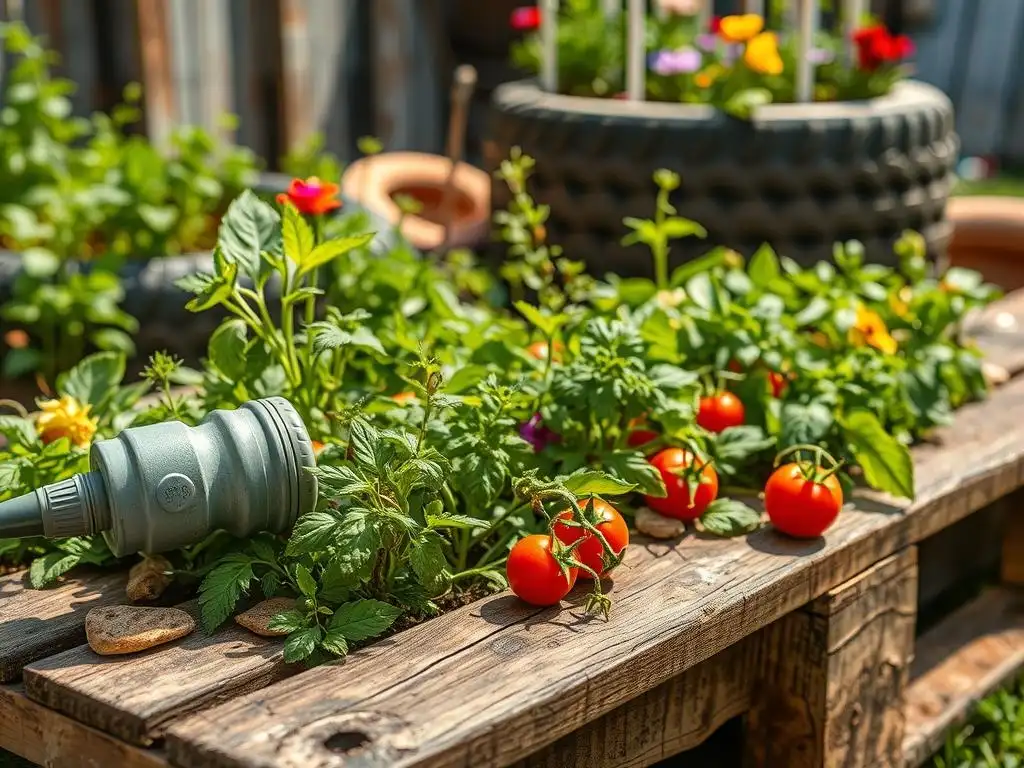
This section delves into the specifics of selecting appropriate recycled materials for various water conservation applications in your garden. Successfully implementing recycled garden watering solutions requires careful consideration of material properties and their suitability for different gardening tasks. Improper selection can lead to material degradation, leaching of harmful substances, or simply ineffective water management. Let's explore some key considerations.
Selecting Appropriate Plastic Containers for Water Storage and Irrigation
Choosing the right plastic containers is crucial for effective water storage and irrigation using recycled materials. Not all plastics are created equal; some degrade faster under sunlight and temperature fluctuations, potentially leaching harmful chemicals into your water supply. Prioritize food-grade plastics, clearly marked with recycling codes such as #2 (HDPE) or #5 (PP), known for their durability and relative inertness. These are commonly found in milk jugs, detergent bottles, and some food containers.
Before repurposing, thoroughly clean and sanitize containers with soap and water, followed by a rinse with a diluted bleach solution (1 part bleach to 9 parts water). Allow them to air dry completely before filling with water. Remember to check for cracks or leaks before use to prevent water loss.
Consider the size and shape of the containers for their intended use. Large containers are better suited for rainwater harvesting and overall storage, while smaller ones can be used for drip irrigation systems or watering individual plants. You can even creatively adapt containers by drilling holes for drip irrigation or creating wicking systems for self-watering planters. The possibilities are endless! Proper planning and selection ensures efficient and safe recycled garden watering solutions.
Identifying Suitable Recycled Rubber for Mulching Purposes
Recycled rubber, often derived from tires, offers excellent water retention properties and can significantly reduce water evaporation from the soil. However, not all recycled rubber products are suitable for gardening. Avoid materials containing heavy metals or other potentially toxic substances. Look for products specifically marketed for landscaping or gardening applications. These often undergo processing to minimize harmful components.
The particle size of the rubber mulch is also important. Finely ground rubber can compact easily, hindering soil aeration and drainage. Larger pieces provide better air circulation and prevent soil compaction, promoting healthy root growth. Properly chosen rubber mulch aids in water conservation by reducing evaporation, making it a valuable asset in your sustainable gardening practices. This contributes to effective and environmentally friendly recycled garden watering solutions.
Source of Recycled Materials for Sustainable Gardening
Sourcing your recycled materials responsibly is a crucial aspect of sustainable gardening. While many readily available materials can be repurposed, it's important to consider the environmental impact of acquiring them. Avoid contributing to plastic waste by simply purchasing new containers. Instead, explore the following avenues:
- Local Recycling Centers: Many centers accept clean plastic containers and other recyclable materials. Check with your local facility for specific guidelines and available materials.
- Community Events and Giveaways: Look for community events or giveaways where reusable containers might be available.
- Friends and Neighbors: Ask friends, neighbors, or local businesses if they have any suitable containers they are discarding.
- Online Marketplaces: Some online platforms facilitate the exchange of reusable materials, connecting those who have excess with those who need them.
By utilizing these avenues, you can acquire materials with minimal environmental impact, building your recycled garden watering solutions in an ethical and sustainable way. Remember, responsible sourcing is as important as the material selection itself when aiming for truly eco-friendly gardening practices. This mindful approach promotes a circular economy and reduces the overall environmental footprint of your garden.
Long-Term Benefits and Sustainability of Recycled Garden Watering Solutions
This section explores the enduring advantages of employing recycled garden watering solutions, focusing on their contribution to long-term water conservation and environmental sustainability. Choosing recycled materials isn't just a fleeting trend; it's a commitment to a healthier planet and a more resilient garden.
The Continuous Impact of Recycled Materials on Water Conservation
The consistent use of recycled materials for watering significantly reduces your garden's water footprint over time. Consider the following:
- Reduced Demand on New Resources: Manufacturing new irrigation systems requires substantial energy and resources. By opting for recycled alternatives like repurposed plastic bottles or salvaged pipes, you lessen the demand on these resources, contributing to a circular economy. The cumulative effect of many gardeners making this choice is considerable.
- Longevity and Durability: While some recycled materials might require more frequent maintenance, many are surprisingly durable. A well-constructed recycled watering system, such as a drip irrigation system made from reclaimed PVC pipes, can last for years, reducing the need for replacements and further minimizing environmental impact. This longevity directly translates to long-term water savings.
- Improved Water Efficiency: Many recycled watering solutions, particularly those incorporating drip irrigation techniques, are inherently more efficient than traditional methods like sprinklers. Drip irrigation delivers water directly to plant roots, minimizing evaporation and runoff—a crucial factor in arid climates or during periods of drought. This precision translates to significant water conservation over the gardening season and beyond.
- Cost Savings: The initial investment in recycled materials is often lower than purchasing new irrigation equipment. This cost-effectiveness extends the long-term benefits, as you're not only conserving water but also saving money over the lifespan of your garden. This economic advantage makes sustainable gardening more accessible to a wider range of individuals.
We need more data on the precise long-term water savings achieved with different recycled watering systems. [Specific data on long-term water savings pending] Further research in this area would greatly benefit the gardening community.
Inspiring Sustainable Practices in Your Community Through Recycled Gardening
The benefits of recycled garden watering solutions extend beyond your own garden. By actively adopting and promoting these practices, you can inspire positive change within your community:
- Sharing Knowledge and Resources: Sharing your experiences and techniques with neighbors and friends can encourage wider adoption of sustainable gardening practices. Organize workshops or community gardening events to demonstrate the effectiveness of recycled watering systems and foster a sense of collective responsibility towards water conservation. A community-wide effort can have a much greater impact than individual actions.
- Advocating for Local Initiatives: Support local initiatives that promote recycling and the reuse of materials for gardening. This might involve participating in community cleanups, advocating for improved recycling programs, or supporting organizations that provide recycled materials for gardening projects. Your voice can make a difference in shaping local policies and practices.
- Leading by Example: Your commitment to recycled garden watering serves as a powerful example for others. By showcasing the effectiveness and practicality of these methods, you can inspire others to adopt similar sustainable practices. Your visible success can be a strong motivator for change.
The adoption of recycled garden watering solutions represents a significant step towards creating a more sustainable future. By understanding the long-term benefits and actively promoting these practices, we can collectively contribute to a healthier planet and a more resilient community. Let's cultivate a greener future, one recycled watering can at a time! 🌱
Frequently Asked Questions
What are some examples of recycled materials I can use for watering my garden?
You can repurpose many items! Plastic bottles make excellent DIY watering systems, while old buckets or tubs can collect rainwater. Used tires can even be transformed into raised beds for efficient watering.
How does using recycled materials conserve water in my garden?
Recycled watering systems often utilize drip irrigation or slow-release methods, minimizing water waste from evaporation and runoff. They also encourage more efficient watering practices, leading to significant water savings.
Are recycled watering solutions as effective as store-bought systems?
While store-bought systems offer convenience, recycled solutions can be just as effective, especially for smaller gardens. The effectiveness depends on the design and implementation of your chosen system. Proper planning is key.
What are the environmental benefits of using recycled materials for watering?
By repurposing materials, you reduce waste sent to landfills. You also conserve water, a precious resource, and decrease your reliance on new plastic production, reducing your environmental footprint.
Where can I find more information on DIY recycled garden watering projects?
Explore online resources like CultivateYourFood and YouTube for tutorials and ideas. Many websites and videos offer step-by-step guides on creating effective and sustainable recycled watering solutions for your garden.
Final Reflection: Nurturing a Sustainable Future, One Recycled Drop at a Time
The urgent need for water conservation is undeniable, and our gardens, often overlooked oases of life, offer a powerful starting point for change. By embracing recycled garden watering solutions, we not only alleviate pressure on dwindling water resources but also contribute to a healthier planet, one drop, one recycled container at a time. This simple shift in perspective can have a profound impact on our environment and our communities.
The shift towards sustainable gardening practices, fueled by the increasing awareness of water scarcity, is not merely a trend; it's a necessary evolution. It's a testament to our growing understanding of interconnectedness – how our individual actions ripple outwards, affecting ecosystems and future generations. The earth provides enough to satisfy every man's needs but not every man's greed.
– Mahatma Gandhi. This quote perfectly encapsulates the urgency of adopting sustainable practices, reminding us that responsible resource management is not just about conservation, but about mindful consumption.
Now, consider your own garden. What small changes can you implement today to make it more water-wise? Perhaps it's collecting rainwater in barrels, repurposing plastic bottles for drip irrigation, or simply becoming more mindful of your watering habits. The journey towards sustainable gardening is a personal one, a continuous process of learning and adaptation. Embrace the challenge, and let your garden become a vibrant symbol of your commitment to a greener, more sustainable future.
Unleash Your Garden's Water-Wise Potential!
Thank you for exploring the world of water-wise gardening with recycled materials! You've already learned how simple changes can make a significant difference. Now, let's put that knowledge into practice.
- Create a recycled watering system: Begin by gathering materials—old bottles, buckets, even repurposed gutters—to construct a simple drip irrigation or rainwater harvesting system. This is a highly effective way to conserve water.
- Share your success: Tell your friends and neighbors about your water-saving journey! Inspire them to adopt similar techniques. A community-wide effort can create a much larger impact.
- Get creative with recycled materials: The possibilities extend beyond watering! Consider other creative ways to repurpose materials to benefit your plants and reduce waste. For example, you could use old tires as planters or plastic bottles as cloches.
Ready to transform your garden into a water-conscious oasis?