
Cardboard Magic: Using Cardboard to Suppress Weeds and Enrich Soil

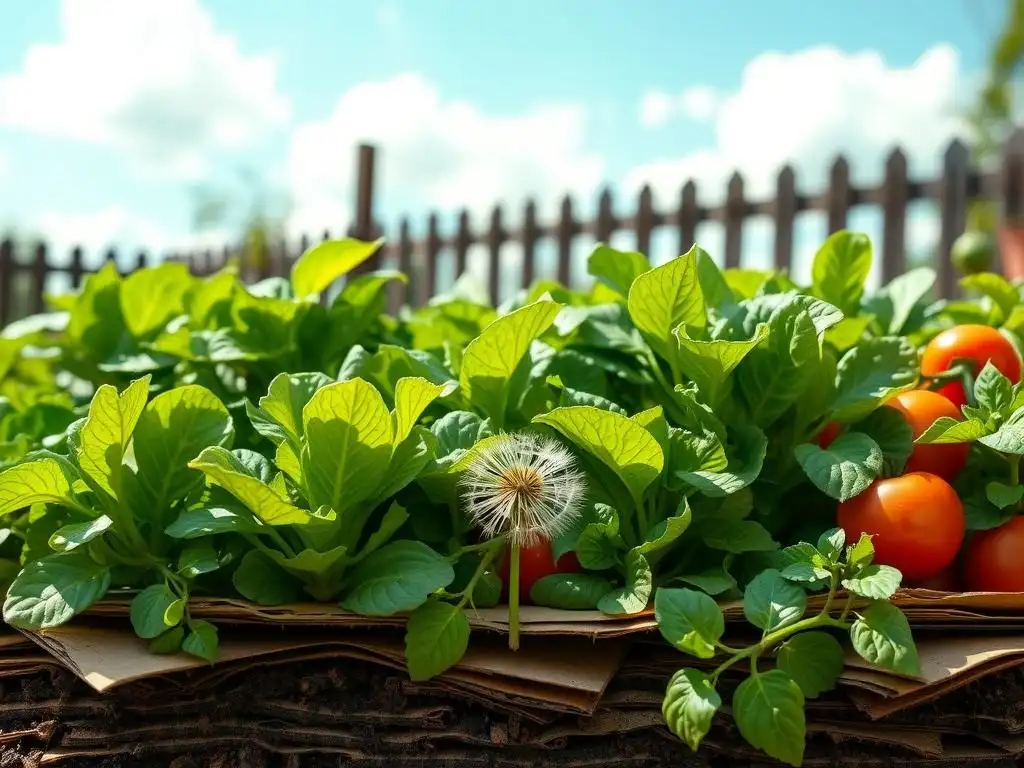
Ready to transform your backyard into a thriving, organic oasis? At CultivateYourFood, we empower you to grow your own delicious fruits, vegetables, and herbs. Discover the surprising power of cardboard gardening and how this simple, sustainable method can revolutionize your weed suppression and soil enrichment. Uncover the secrets to a bountiful harvest – let's get growing!
- Understanding Cardboard Gardening Weed Suppression
- Preparing Your Garden Bed for Cardboard Mulching
- Applying Cardboard Mulch for Effective Weed Suppression
- Maintaining Your Cardboard Mulched Garden
- Harvesting and Future Gardening with Cardboard Mulch
- Cardboard Gardening: A Sustainable and Eco-Friendly Approach
-
Frequently Asked Questions
- How effective is cardboard for weed suppression in gardening?
- What type of cardboard is best for gardening?
- How long does it take for cardboard to decompose in the garden?
- Can I put cardboard directly on top of existing weeds?
- What are the benefits of using cardboard for weed suppression compared to other methods?
- Final Reflection: The Enduring Power of Cardboard in the Garden
- Unlock Your Garden's Potential: Embrace Cardboard Gardening!
Understanding Cardboard Gardening Weed Suppression
Cardboard gardening, a surprisingly effective and eco-friendly method, offers a powerful solution for weed suppression while simultaneously enriching your soil. This technique leverages readily available cardboard to smother weeds, preventing their growth and reducing the need for harsh chemical herbicides. By understanding the multifaceted benefits of cardboard in the garden, you'll discover a sustainable and cost-effective approach to cultivating healthy plants while minimizing waste. This article will delve into the specifics of using cardboard for weed control, exploring its advantages for soil health, and guiding you through the selection process for appropriate cardboard materials.
We'll uncover how this simple yet ingenious method contributes to a thriving, organic garden, perfectly aligning with the principles of sustainable gardening and reducing your environmental footprint. Let's explore the "Cardboard Magic" of weed suppression and soil improvement! 🎉
Benefits of Using Cardboard for Weed Control
Cardboard gardening offers a multitude of advantages when it comes to weed control. Its effectiveness stems from its ability to block sunlight, depriving weeds of the energy they need to grow. This sunlight deprivation, combined with the cardboard's physical barrier, effectively suffocates existing weeds and prevents new ones from sprouting. This method is particularly useful for tackling persistent weeds that are resistant to other control methods.
Beyond its weed-suppressing capabilities, cardboard offers several additional benefits:
- Reduced Herbicide Use: Cardboard significantly reduces, or even eliminates, the need for chemical herbicides, contributing to a healthier environment and safer growing conditions.
- Ease of Application: Simply laying down cardboard is significantly less labor-intensive than other weed control methods like hand-weeding or tilling.
- Cost-Effectiveness: Cardboard is a readily available and inexpensive material, making it an economically sound choice for gardeners of all budgets.
- Improved Soil Structure: As the cardboard decomposes, it improves soil structure, creating better aeration and drainage.
How Cardboard Improves Soil Health and Fertility
The benefits of cardboard extend beyond weed suppression; it actively contributes to improving soil health and fertility. As the cardboard decomposes, it acts as a natural mulch, gradually breaking down and enriching the soil with organic matter. This organic matter enhances soil structure, improving drainage and aeration, creating an ideal environment for healthy root development. Furthermore, the decomposition process releases essential nutrients into the soil, boosting its fertility and reducing the need for synthetic fertilizers.
The improved soil structure resulting from cardboard decomposition leads to:
- Increased Water Retention: The organic matter holds water more effectively, reducing the frequency of watering.
- Enhanced Nutrient Availability: The decomposition process releases nutrients that are readily available to plants.
- Reduced Soil Erosion: The cardboard acts as a protective layer, minimizing soil erosion from wind and rain.
- Suppressed Soil-Borne Diseases: The cardboard barrier can help suppress the spread of certain soil-borne diseases.
Selecting Appropriate Cardboard for Gardening
Not all cardboard is created equal when it comes to gardening. Choosing the right type of cardboard is crucial for maximizing its effectiveness and minimizing potential problems. Avoid using cardboard that is:
- Recycled Cardboard: This type of cardboard might contain harmful chemicals, such as inks or coatings, that could leach into the soil and harm your plants.
- Glossy or Coated Cardboard: Similar to recycled cardboard, glossy or coated cardboard may contain chemicals that are detrimental to soil health.
- Cardboard Containing Staples or Wire: These can damage your gardening tools and are difficult to work with.
Instead, opt for plain, uncoated cardboard, ideally sourced from packaging that is free from inks and coatings. Consider using cardboard boxes from grocery stores, or other sources where the cardboard is likely to be uncoated. Remember to remove any tape or labels before using the cardboard in your garden. Proper selection ensures a safe and effective gardening experience, maximizing the benefits of this sustainable practice.
Preparing Your Garden Bed for Cardboard Mulching
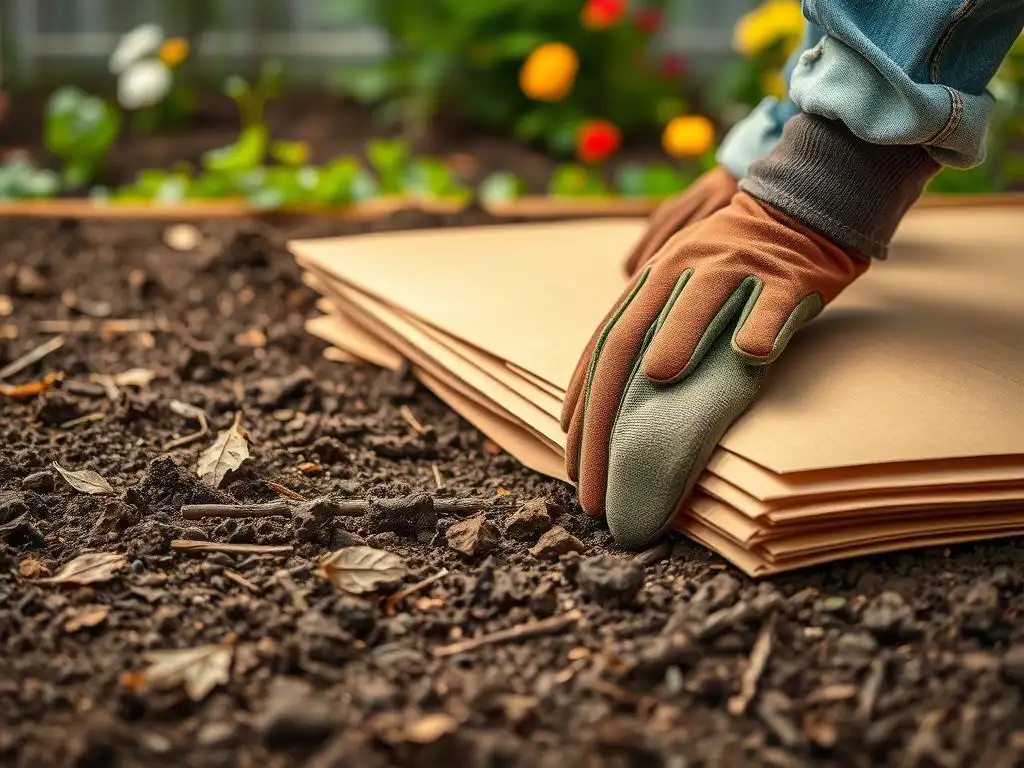
This section details the crucial steps involved in preparing your garden bed before applying cardboard as a weed suppressant and soil enhancer. Proper preparation ensures optimal results and maximizes the benefits of this sustainable gardening technique. Remember, effective "Cardboard gardening weed suppression" begins with a well-prepared planting area.
Site Preparation and Weed Removal
Before laying down any cardboard, thorough weed removal is paramount. Failing to do so will allow weeds to push through the cardboard, negating its effectiveness. Begin by mowing or trimming down existing vegetation as low as possible. Then, physically remove as many weeds as you can, including their roots.
For persistent perennial weeds, consider using a hoe or cultivator to loosen the soil and remove the root systems. The goal is to create a relatively weed-free surface before applying the cardboard. Don't worry about getting every single weed; the cardboard will help prevent new weeds from germinating. However, minimizing the initial weed population significantly improves the overall success rate of this method.
Remember, consistent and thorough weed removal is key to successful "Cardboard gardening weed suppression". Investing time in this initial step significantly reduces future weeding efforts. A clean slate allows the cardboard to work most effectively. Think of it as laying the foundation for a thriving, weed-free garden. 🌱
Soil Analysis and Amendment Strategies
Analyzing your soil's composition is crucial for successful gardening, regardless of your chosen weed suppression method. A soil test will reveal its pH level, nutrient content, and overall health. This information informs you about necessary amendments to create an optimal growing environment.
For example, if your soil is highly acidic (low pH), adding lime can raise the pH to a more suitable range for many plants. Similarly, if your soil is lacking essential nutrients like nitrogen, phosphorus, or potassium, incorporating compost, manure, or other organic fertilizers will improve its fertility and support healthy plant growth. Improving soil health is a core element of sustainable practices, and "Cardboard gardening weed suppression" complements this philosophy.
Consider these soil amendment strategies:
- Composting: Adding compost enriches the soil with organic matter, improving its structure, drainage, and water retention. This is especially beneficial when using cardboard, as it can initially suppress soil aeration.
- Manure: Well-rotted manure provides a rich source of nutrients and improves soil fertility. Ensure it's fully composted to avoid burning your plants.
- Other Organic Amendments: Consider using things like peat moss, coco coir, or other organic matter to improve soil structure and water retention.
A healthy soil structure is essential for thriving plants. Don't underestimate the importance of soil health in your "Cardboard gardening weed suppression" strategy.
Cardboard Cutting and Sizing for Garden Beds
Once your garden bed is prepared, you'll need to cut and size the cardboard appropriately. The size of your cardboard pieces should correspond to the size of your planting area. Overlapping edges are crucial for effective weed suppression. Aim for an overlap of at least 6 inches. Using larger pieces minimizes the number of seams and reduces the potential for weeds to sprout through gaps.
Consider using a utility knife or heavy-duty scissors for cutting. Avoid using corrugated cardboard that has been treated with chemicals, as this could harm your plants. Choose plain, untreated cardboard boxes whenever possible. Recycled cardboard is a perfect sustainable solution for "Cardboard gardening weed suppression".
Here's a simple guide for preparing your cardboard:
| Cardboard Type | Advantages | Disadvantages |
|---|---|---|
| Single-layer | Easy to cut, lightweight | Less durable, may tear more easily |
| Double-layer (Corrugated) | More durable, better weed suppression | More difficult to cut, heavier |
| Untreated Cardboard | Safe for plants, environmentally friendly | May require more layers for optimal results |
Remember to always prioritize untreated cardboard for your garden to avoid any potential harm to your plants or the soil. Properly sized and overlapped cardboard is the cornerstone of successful "Cardboard gardening weed suppression."
Applying Cardboard Mulch for Effective Weed Suppression
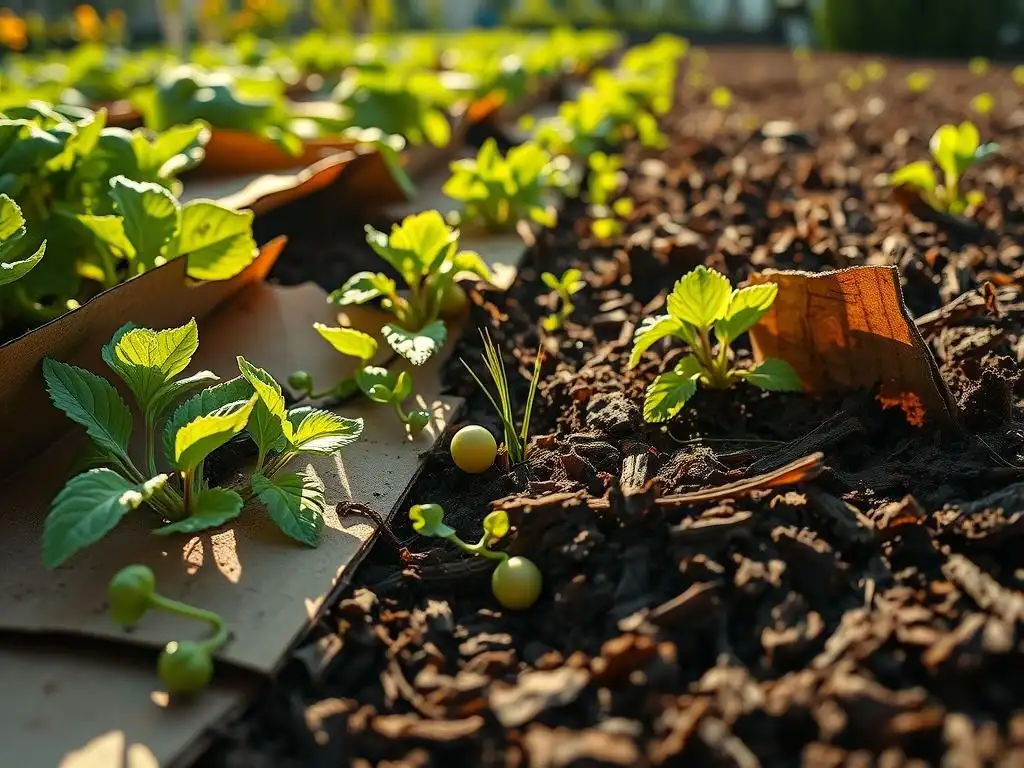
Cardboard gardening, specifically using cardboard for weed suppression, offers a remarkably effective and sustainable alternative to chemical herbicides. Its success hinges on proper application. Before laying down cardboard, ensure the area is free of existing weeds. Pulling them out by hand is ideal; otherwise, their persistence under the cardboard can negate the benefits. The key is to suffocate the weeds by blocking sunlight.
Optimizing Cardboard Layering for Weed Control
The effectiveness of cardboard mulch for weed suppression is directly related to its thickness and layering. A single layer of thin cardboard might allow some stubborn weeds to push through. For optimal results, consider layering: First, lay down a thick layer of corrugated cardboard – the more layers, the better. Aim for at least two layers, overlapping edges to prevent weed penetration.
Then, top this with a layer of newspaper (black and white is preferable; avoid glossy magazines due to inks) for added weed suppression and to further break down over time. Finally, complete the layering with a generous layer of organic mulch like wood chips, straw, or shredded leaves. This final layer prevents the cardboard from blowing away, retains moisture, and adds crucial organic matter to your soil. Think of it as a layered defense against weeds, gradually enriching your soil as the cardboard decomposes.
Securing Cardboard Mulch Against Wind
Wind can be a significant challenge when using cardboard as mulch, especially in exposed areas. To secure the cardboard and prevent it from blowing away, consider using various methods. Heavy objects like rocks or bricks placed strategically on the edges are effective and readily available. Alternatively, you can use landscape pins or sturdy stakes to secure the cardboard in place, particularly around the perimeter.
For larger areas, consider partially burying the edges of the cardboard into the soil. This provides added weight and helps anchor it down, preventing wind damage and ensuring effective weed suppression throughout the growing season. Remember, a secure mulch layer is crucial for successful cardboard gardening. Don't underestimate the power of the wind!
Enhancing Soil Fertility with Compost
The decomposition of cardboard contributes to soil health. However, adding compost significantly accelerates this process and enhances soil fertility. Compost acts as a nutrient-rich amendment, improving soil structure, aeration, and water retention. Layering compost over the cardboard mulch provides essential nutrients for your plants and helps to speed up the cardboard's breakdown.
Aim for a layer of at least 2-3 inches of finished compost. This will not only enrich the soil but also provide a beneficial environment for beneficial microorganisms that aid in decomposition and nutrient cycling. The combination of cardboard and compost creates a powerful one-two punch against weeds, while simultaneously nurturing your soil and promoting healthy plant growth – a true win-win for your "Cardboard gardening weed suppression" strategy. Consider adding compost tea for an extra boost to the soil's microbial activity 🌱.
Maintaining Your Cardboard Mulched Garden
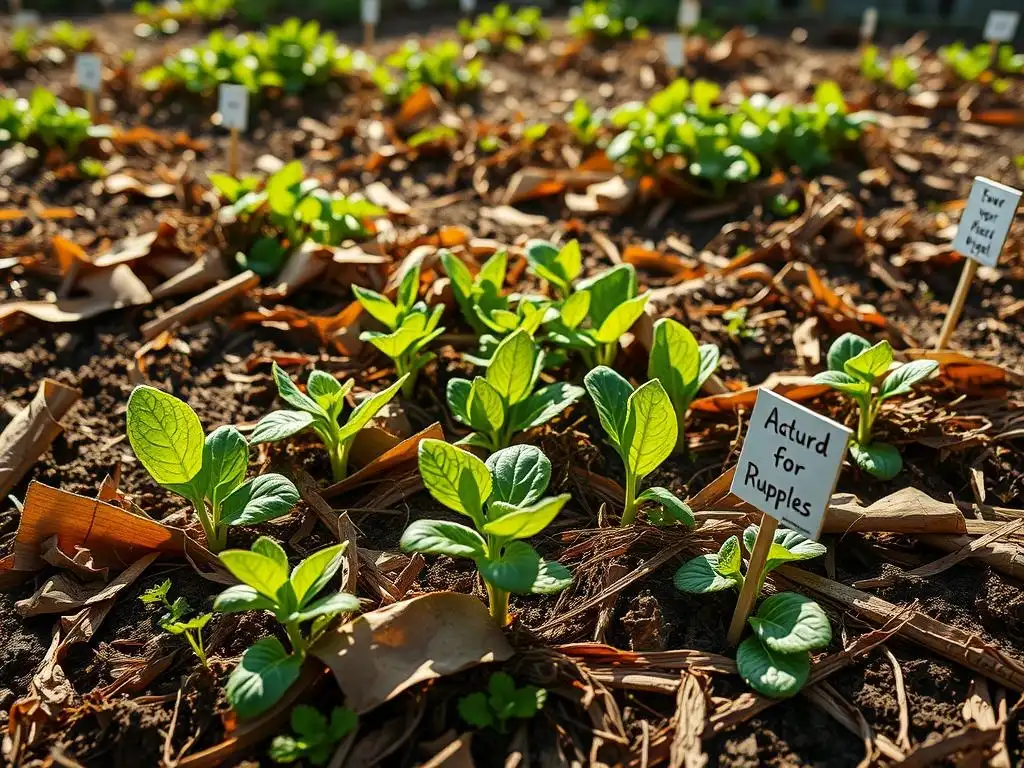
This section delves into the ongoing care required for a garden employing cardboard mulch for weed suppression. Successfully utilizing cardboard as a gardening tool requires consistent attention to detail, ensuring its effectiveness in suppressing weeds and enriching your soil over time. We will explore key aspects of maintaining a thriving garden using this eco-friendly method.
Moisture Management and Irrigation
Maintaining adequate moisture levels is crucial for the success of your cardboard-mulched garden. Cardboard, while effective at weed suppression, can initially hinder water penetration. This requires a thoughtful approach to irrigation. Initially, water deeply and thoroughly to saturate the soil beneath the cardboard.
Subsequent watering should be adjusted based on weather conditions and plant needs. Consider using a soaker hose or drip irrigation system to deliver water directly to the plants' roots, minimizing water loss through evaporation. This method ensures efficient water use, a cornerstone of sustainable gardening practices. Overwatering should be avoided, as it can lead to root rot.
Regular monitoring of soil moisture, by gently probing the soil beneath the cardboard with your finger, will help you determine the appropriate watering schedule. Remember, the goal is to keep the soil consistently moist, but not waterlogged. Proper moisture management is key to healthy plant growth and successful cardboard gardening weed suppression.
Addressing Slug and Snail Infestations
Cardboard mulch, while beneficial for many aspects of garden health, can unfortunately create a moist, sheltered environment attractive to slugs and snails. These pests can quickly decimate young seedlings and mature plants alike. Implementing preventative measures is crucial for maintaining a healthy crop. Regularly inspect your garden for signs of slug and snail activity, such as slime trails or chewed foliage.
Consider using diatomaceous earth, a natural and effective pest control, sprinkled around the base of plants. This powder-like substance damages the slugs' and snails' bodies, deterring them from feeding on your plants. Another effective organic control method involves creating beer traps.
Simply bury shallow dishes filled with beer near the plants; the fermented beverage attracts the pests, which then drown in the liquid. These methods are environmentally friendly alternatives to chemical pesticides, aligning perfectly with sustainable cardboard gardening weed suppression practices. Removing weeds and debris that provide shelter to slugs and snails is also crucial for minimizing their populations.
Cardboard Mulch Replacement and Long-Term Sustainability
Cardboard mulch, while durable, will eventually decompose, losing its effectiveness in weed suppression. The rate of decomposition depends on factors such as the type of cardboard used, weather conditions, and soil microorganisms. Typically, you can expect the cardboard to break down within 6 to 12 months. Regular monitoring is essential.
As the cardboard begins to decompose, you'll notice it becoming thinner and less effective at suppressing weeds. At this point, it’s time to replenish the mulch. Before adding new cardboard, consider adding a layer of compost or other organic matter to further enrich the soil. This will provide essential nutrients and improve soil structure, enhancing the overall health of your garden.
The process of replacing the cardboard mulch is a continuous cycle, ensuring long-term soil improvement and weed control. By employing this sustainable practice, you contribute to a healthier environment while maximizing the benefits of cardboard gardening weed suppression. Remember, the key is to view this as an ongoing process of soil improvement and not a one-time fix. The long-term sustainability of this method is a testament to its effectiveness and environmental friendliness.
Harvesting and Future Gardening with Cardboard Mulch
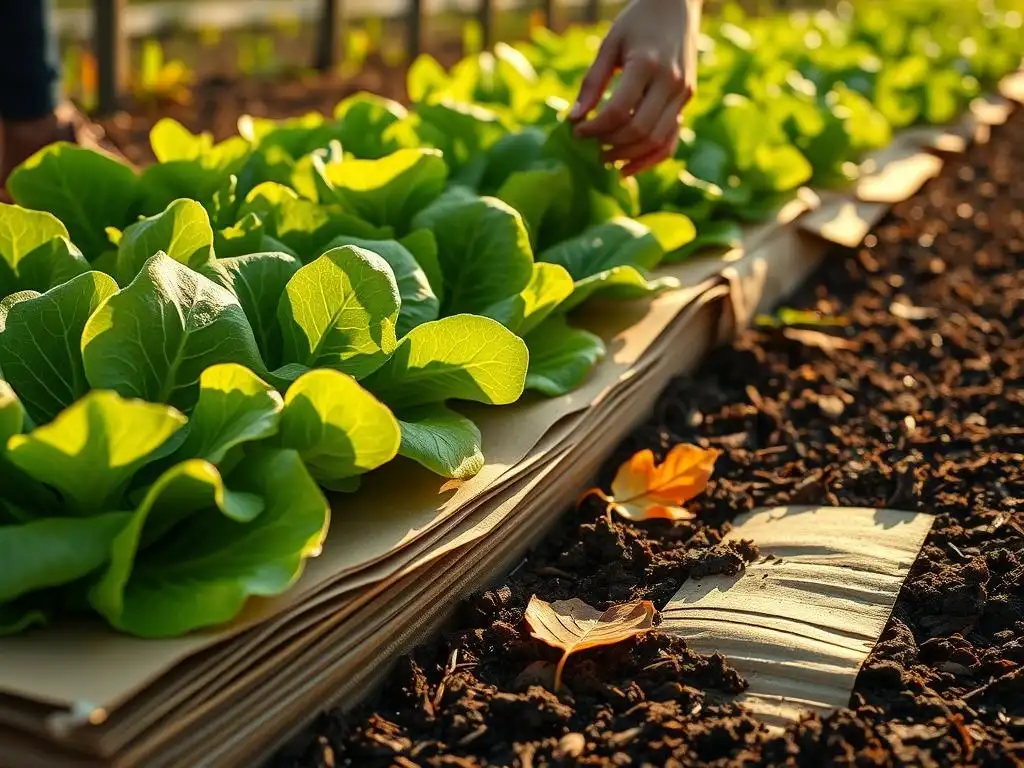
Harvesting your crops amidst a layer of cardboard mulch might seem daunting, but it's surprisingly straightforward. The key is planning and careful execution. This section details techniques for harvesting while minimizing disruption to your cardboard mulch system and maximizing its long-term benefits for your garden soil.
Harvesting Techniques with Cardboard Mulch in Place
Harvesting with cardboard mulch requires a delicate touch, prioritizing minimal disturbance to the protective layer. For low-growing vegetables like lettuce and strawberries, simply lift the plants carefully, ensuring you don't rip large sections of cardboard. For larger plants like tomatoes or peppers, you might need to cut small access points in the cardboard around the base of the plant, carefully lifting and harvesting. Remember to replace the removed cardboard pieces to maintain soil cover. This technique reduces weed growth and preserves soil moisture.
Consider using a small trowel or hand cultivator to gently loosen the soil around the plant before harvesting, especially for root vegetables. This minimizes damage to both the plant and the underlying cardboard. Always try to replace the cardboard as much as possible after harvesting to maintain the benefits of weed suppression and soil improvement. For larger harvests, consider removing only a section of the cardboard, harvesting, and then carefully replacing the cardboard.
The benefits of this careful approach extend beyond the current harvest. By maintaining the cardboard mulch, you're actively improving soil health for subsequent plantings, thus reducing the need for intensive soil preparation. This "Cardboard gardening weed suppression" technique is a sustainable and efficient method for managing your garden.
Soil Preparation for Subsequent Planting
After harvesting, the cardboard mulch layer will have begun to decompose, enriching the soil with organic matter. This decomposition process provides several benefits for future plantings. Firstly, it improves soil structure, creating better aeration and drainage. Secondly, it increases the soil's water retention capacity, reducing the need for frequent watering. Finally, it adds essential nutrients, reducing the need for chemical fertilizers.
However, before planting again, some minimal preparation might be needed. Depending on the level of decomposition, you may need to gently loosen the top layer of soil to allow for easy seed or seedling planting. Avoid turning the soil deeply, as this could disturb the decomposing cardboard and potentially release weed seeds.
A simple tilling or raking of the top few inches should suffice. The residual cardboard will continue to decompose, further improving soil health over time, offering a natural and sustainable approach to soil amendment. This approach aligns perfectly with the principles of "Cardboard gardening weed suppression" by promoting healthy soil and reducing the need for harsh chemicals.
Long-Term Soil Improvement from Cardboard Mulching
The long-term advantages of using cardboard for weed suppression and soil improvement are significant. Over time, the decomposing cardboard acts as a slow-release organic fertilizer, providing consistent nutrients to your plants. This reduces reliance on external fertilizers, promoting sustainable gardening practices. Moreover, the continuous layer of cardboard helps to regulate soil temperature, protecting plant roots from extreme heat and cold. This temperature regulation contributes to healthier plant growth and higher yields.
Regular monitoring of the soil's condition is essential to ensure optimal results. Observe the decomposition rate of the cardboard and adjust the frequency of adding new layers as needed. The rate of decomposition will depend on factors like climate, moisture levels, and the type of cardboard used. By paying attention to these factors, you can fine-tune your cardboard mulching strategy to maximize its effectiveness.
This holistic approach to soil management, combined with the effectiveness of "Cardboard gardening weed suppression," contributes to a thriving and sustainable garden. The benefits extend beyond simple weed control, creating a healthier and more productive gardening environment year after year. The long-term impact on soil health makes cardboard mulching a truly valuable sustainable gardening technique.
Cardboard Gardening: A Sustainable and Eco-Friendly Approach
Cardboard gardening, specifically utilizing cardboard for weed suppression, offers a compelling alternative to traditional methods. It aligns perfectly with the principles of sustainable gardening, minimizing environmental impact while boosting soil health. This approach tackles the pervasive problem of weeds without resorting to harmful herbicides, contributing to a healthier garden and a healthier planet.
The beauty of cardboard gardening lies in its simplicity and accessibility; readily available cardboard boxes, often destined for landfills, are repurposed to create a beneficial layer in your garden beds. This method not only suppresses weed growth but also contributes to improved soil structure and moisture retention over time.
Reducing Landfill Waste Through Cardboard Reuse
The environmental benefits of using cardboard for weed suppression are significant. Every year, tons of cardboard end up in landfills, contributing to greenhouse gas emissions and environmental pollution. By diverting cardboard from landfills and using it in your garden, you directly reduce your carbon footprint and participate in a circular economy. Consider the sheer volume of cardboard generated by online shopping and grocery deliveries – this readily available material can be transformed from waste into a valuable gardening resource.
A single large appliance box can cover a substantial area of your garden bed, effectively suppressing weeds and enriching the soil. This simple act of repurposing transforms waste into a valuable asset, demonstrating the power of mindful consumption and responsible waste management. Think of it as a double win: a cleaner garden and a smaller environmental impact!
Comparing Cardboard Mulching to Chemical Weed Control
Chemical weed control, while often effective in the short term, carries significant drawbacks. Herbicides can harm beneficial insects, contaminate soil and groundwater, and pose health risks to gardeners and wildlife. In contrast, cardboard mulching offers a completely natural and safe alternative. It effectively prevents weed seeds from germinating and reaching the surface, reducing the need for harsh chemicals entirely.
Moreover, as the cardboard decomposes, it enriches the soil with organic matter, improving its structure and fertility. A study by [Specific information pending – source on comparison of cardboard mulching vs. chemical weed control effectiveness and environmental impact] compared the effectiveness of cardboard mulching to chemical weed control, demonstrating that cardboard is a viable and environmentally superior option. The long-term benefits of improved soil health and reduced environmental contamination significantly outweigh the initial effort involved in preparing and applying the cardboard.
The Role of Cardboard in Sustainable Gardening Practices
Cardboard plays a multifaceted role in the context of sustainable gardening. Beyond weed suppression, it contributes to soil improvement, moisture retention, and reduced erosion. As the cardboard breaks down, it creates a rich layer of organic matter that enhances soil fertility, providing essential nutrients for plant growth. This process reduces the need for chemical fertilizers, further reinforcing the sustainable nature of this gardening technique.
Furthermore, the cardboard layer helps retain moisture in the soil, reducing the frequency of watering and conserving valuable water resources. By reducing water needs and minimizing soil erosion, cardboard mulching contributes to a more resilient and environmentally friendly garden. The use of cardboard aligns perfectly with the broader principles of sustainable living, promoting responsible resource management and minimizing environmental impact. Choosing cardboard for weed suppression is a small step with a significant positive impact on your garden and the planet.
Frequently Asked Questions
How effective is cardboard for weed suppression in gardening?
Cardboard is very effective at suppressing weeds, especially when layered and kept moist. It blocks sunlight, preventing weed seeds from germinating. Decomposition adds organic matter to the soil.
What type of cardboard is best for gardening?
Use corrugated cardboard, avoiding glossy or waxed varieties. These will decompose more slowly and potentially contain harmful chemicals. Break down larger pieces for easier decomposition.
How long does it take for cardboard to decompose in the garden?
Decomposition time depends on factors like thickness, moisture, and soil conditions. It can take anywhere from a few months to a year or more for complete breakdown.
Can I put cardboard directly on top of existing weeds?
Yes, but ensure the weeds are completely covered to prevent them from growing back through. You can also layer cardboard with other materials such as mulch for added effectiveness.
What are the benefits of using cardboard for weed suppression compared to other methods?
Cardboard offers a sustainable, inexpensive, and environmentally friendly alternative to chemical weed killers. It improves soil health while suppressing weeds, unlike plastic alternatives.
Final Reflection: The Enduring Power of Cardboard in the Garden
Cardboard gardening, once a niche practice, is rapidly becoming a vital tool in the fight against weeds and the quest for healthier soil; its simplicity and effectiveness are undeniable. This isn't just about suppressing weeds; it's about creating a more sustainable and resilient gardening ecosystem, one that minimizes our environmental impact while maximizing yields. The potential for widespread adoption is enormous, offering a readily available, cost-effective solution to a persistent gardening challenge.
The shift towards more sustainable gardening practices is deeply personal for me; witnessing the transformative power of cardboard on my own garden beds has been incredibly rewarding. It's a tangible demonstration of how small changes can have a significant impact. The earth laughs in flowers.
– Ralph Waldo Emerson. This quote perfectly encapsulates the joy and satisfaction derived from nurturing life from the earth, a process significantly aided by the simple act of laying down cardboard. The ongoing influence of this method extends beyond individual gardens, promoting a broader conversation about responsible land management and resource utilization.
You, the reader, now hold the key to unlocking the potential of cardboard gardening. Consider the weeds choking your garden beds, the chemical-laden solutions you might have considered, and the potential for a healthier, more vibrant garden. Embrace the simplicity and effectiveness of cardboard; experiment, adapt, and share your experiences. Let's cultivate a future where sustainable gardening practices are not just a trend, but a cornerstone of a thriving, eco-conscious community.
Unlock Your Garden's Potential: Embrace Cardboard Gardening!
Thanks for exploring the amazing world of cardboard gardening! You've discovered a simple, sustainable way to improve your soil and eliminate weeds. Ready to get started?
- Begin your cardboard gardening project today! Gather your materials, plan your garden bed, and prepare for incredible results. This is the first step toward a healthier, more productive garden.
- Share your successes (and challenges!) with our community on social media using #CardboardGardeningCultivate. Let's inspire one another!
- Experiment with different cardboard types and layering techniques. You might be surprised by the results!
Ready to transform your garden using this simple yet powerful technique? How will you creatively use cardboard to improve your soil and grow amazing food?