
How to Choose the Right Watering Can: Practical Tips for Efficient Watering

Ready to transform your backyard into a thriving oasis? At CultivateYourFood, we empower you to grow your own fruits, vegetables, and herbs using sustainable methods. But even the most dedicated gardener needs the right tools. That's why we're diving deep into the world of watering cans, exploring how choosing the best watering can for gardening can significantly impact your plant's health and your gardening experience. Discover the secrets to efficient watering and unlock the potential of your homegrown harvest – let's get started!
- Understanding Your Watering Needs: Choosing the Best Watering Can for Gardening
-
Types of Watering Cans: A Comprehensive Guide
- Traditional Watering Cans: Materials, Sizes, and Benefits
- Rose Head Watering Cans: Gentle Watering for Delicate Plants
- Long-Spout Watering Cans: Reaching Difficult-to-Access Plants
- Trigger Sprayer Watering Cans: Precise Watering for Seedlings and Small Plants
- Self-Watering Cans: Efficiency and Convenience for Busy Gardeners
-
Key Features to Consider When Buying a Watering Can
- Material Durability and Longevity: Choosing the Right Material for Your Needs
- Capacity and Weight: Balancing Convenience with Watering Needs
- Spout Design and Functionality: Optimizing Water Flow and Precision
- Handle Comfort and Ergonomics: Reducing Strain During Watering
- Price and Value: Finding the Best Watering Can Within Your Budget
- Maintaining Your Watering Can for Optimal Performance
- Sustainable Watering Practices: Conserving Water in Your Garden
- Frequently Asked Questions
- Final Reflection: The Humble Watering Can: A Symbol of Nurturing and Growth
- Unlock Your Garden's Potential: Water Wisely!
Understanding Your Watering Needs: Choosing the Best Watering Can for Gardening
Choosing the right watering can is crucial for efficient and sustainable gardening. This seemingly simple task significantly impacts your plants' health, water conservation efforts, and even your physical comfort. This guide will walk you through the essential factors to consider when selecting a watering can, helping you find the "best watering can for gardening" tailored to your specific needs and gardening style.
We'll explore everything from garden size and plant types to water pressure and your physical capabilities, ensuring you make an informed decision that optimizes your watering routine and promotes thriving plants. Ultimately, selecting the perfect watering can is about understanding your unique gardening context and choosing a tool that supports your sustainable practices. Let's get started!
Assessing Your Garden Size and Plant Types
The size of your garden directly influences the capacity of the watering can you need. A small herb garden on a balcony will require a much smaller can than a large vegetable patch. Consider the total area you need to water and the number of plants involved. For example, a 2-gallon watering can might suffice for a small balcony garden with a few herbs and seedlings, while a 5-gallon or even larger capacity might be necessary for a larger vegetable garden with numerous mature plants.
Furthermore, the type of plants you grow impacts your watering can choice. Delicate seedlings need gentle watering, perhaps best achieved with a rose head watering can that provides a soft spray. Larger, more established plants, on the other hand, might benefit from a watering can with a wider spout for faster, more efficient watering. Think about the specific needs of your plants; some prefer a consistent drip while others can tolerate a more forceful stream. Matching your watering can to these needs ensures optimal hydration and minimizes water waste.
Evaluating Watering Frequency and Soil Type
The frequency with which you water your garden is another crucial factor. If you're gardening in a hot, arid climate and need to water daily, a larger-capacity watering can might save you time and effort. Conversely, if you're gardening in a humid climate or using a well-draining soil, you may water less frequently, potentially making a smaller watering can sufficient.
Soil type also plays a significant role. Sandy soils drain quickly, requiring more frequent but potentially less voluminous watering. Clay soils, on the other hand, retain water for longer periods, allowing for less frequent but potentially more substantial watering sessions. Understanding your soil's water retention capabilities helps you choose a watering can size appropriate for the amount of water your plants need to absorb effectively. Consider using a soil moisture meter to accurately gauge your soil's moisture levels and optimize your watering schedule.
Considering Water Pressure and Your Physical Capabilities
The weight of a full watering can can become substantial, especially when dealing with larger capacities. If you have mobility issues or prefer lighter-weight options, consider a smaller watering can made of lightweight materials like plastic. However, remember that smaller cans might require more frequent refills, increasing your overall effort.
Water pressure is another important factor, especially if you're dealing with a long hose or elevated watering positions. A watering can with a good nozzle and adequate pressure will ensure efficient watering, even when reaching distant plants. Consider the distance you need to cover and the height you need to reach when choosing the appropriate watering can with a robust spout and nozzle to provide consistent water pressure.
Some watering cans even offer adjustable nozzles allowing for customized water flow and spray patterns. Choosing a watering can that complements your physical capabilities and gardening setup ensures a comfortable and efficient watering experience.
Types of Watering Cans: A Comprehensive Guide
Choosing the right watering can is crucial for efficient and sustainable gardening. The "best watering can for gardening" depends heavily on your individual needs and the specific plants you're cultivating. This section explores the different types available, highlighting their advantages and disadvantages to help you make an informed decision. Understanding the nuances of each type will significantly improve your watering technique and contribute to healthier, more vibrant plants.
Traditional Watering Cans: Materials, Sizes, and Benefits
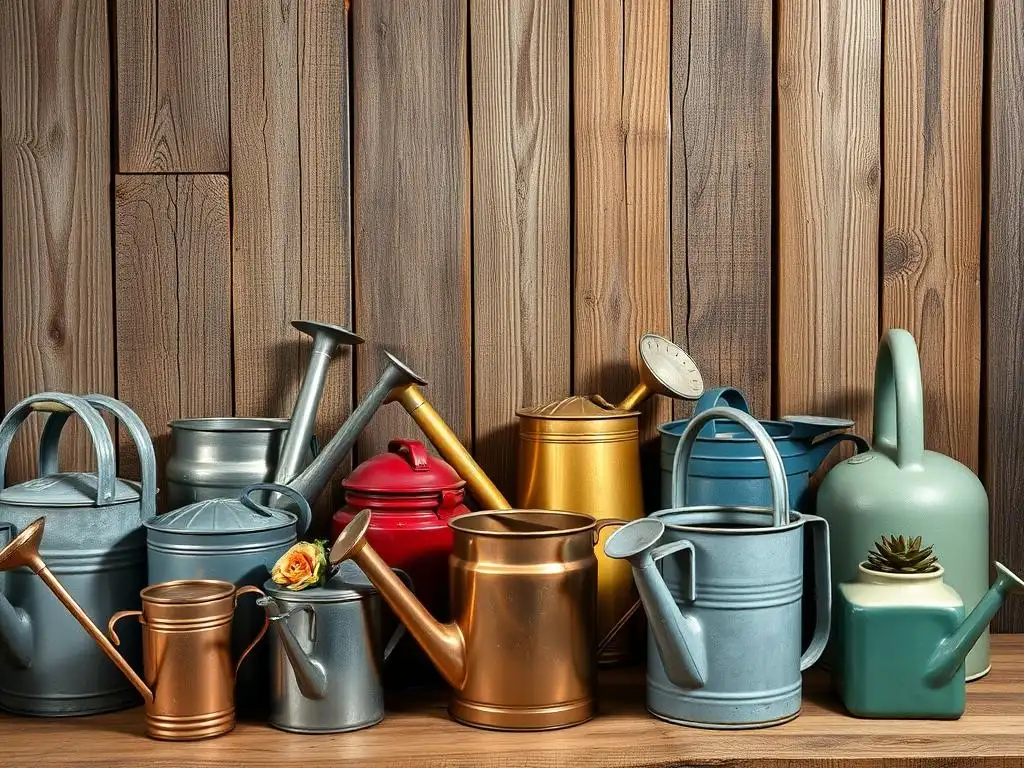
Traditional watering cans are the workhorses of the gardening world. Their simple design and wide availability make them a popular choice for many gardeners. However, the variations within this category are substantial, influencing both their functionality and longevity.
Material plays a significant role. Galvanized steel cans are durable and rust-resistant, offering excellent value for money. However, they can be heavy when full. Plastic watering cans are lightweight and inexpensive, making them ideal for smaller gardens or those with mobility issues. However, they are less durable and may crack or fade over time. Finally, stainless steel watering cans are the premium option; they are incredibly durable, rust-proof, and often come with attractive designs. They represent a significant investment, though their longevity justifies the cost for serious gardeners.
Size is another important factor. Smaller cans (under 2 gallons) are easier to handle and maneuver, perfect for detailed watering of potted plants or smaller gardens. Larger cans (2-5 gallons) are more efficient for larger gardens and reduce the frequency of refills. Consider the size of your garden and your physical capabilities when making your selection.
The benefits of traditional watering cans include their simplicity, ease of use, and relatively low cost (especially plastic options). They provide a good balance between control and water delivery for a wide range of gardening tasks. They also allow for a thorough soaking of the soil, promoting healthy root development.
Rose Head Watering Cans: Gentle Watering for Delicate Plants
Rose head watering cans feature a perforated rose head nozzle, which distributes water in a gentle, fine spray. This makes them perfect for delicate seedlings, herbs, and other plants susceptible to damage from forceful water streams. The soft spray minimizes soil erosion and prevents damage to tender leaves and stems.
The size and density of the holes in the rose head can vary, offering different spray patterns. A finer spray is ideal for seedlings and delicate plants, while a coarser spray is suitable for established plants needing a more thorough watering. Many rose head watering cans also include a switch to adjust the spray pattern, offering greater versatility.
The key benefit of a rose head watering can is its ability to provide gentle, even watering. This is especially important for plants with shallow root systems or those grown in containers, where forceful watering can easily wash away soil and damage roots. It's also a great option for watering hanging baskets and other hard-to-reach plants. However, they can be slower to use than traditional watering cans, especially for larger gardens.
Long-Spout Watering Cans: Reaching Difficult-to-Access Plants
Long-spout watering cans are specifically designed to reach plants in tight spaces or those positioned in areas that are difficult to access with standard watering cans. These cans often feature a narrow spout that extends several inches, allowing for precise watering of individual plants without disturbing surrounding vegetation.
The length of the spout is crucial. Consider the spacing of your plants and the height of your raised beds or containers to determine the ideal spout length. Longer spouts are particularly useful for hanging baskets, tall potted plants, and plants positioned under overhanging branches or other obstacles.
These watering cans are highly beneficial for gardeners with densely planted gardens or those who cultivate plants in elevated containers. They minimize water wastage by directing the water precisely to the target plant. However, the long spout can make them less maneuverable than traditional watering cans, and filling them can sometimes be more challenging. The narrow spout may also clog more easily than wider nozzles. Regular cleaning is essential to maintain optimal performance.
Trigger Sprayer Watering Cans: Precise Watering for Seedlings and Small Plants
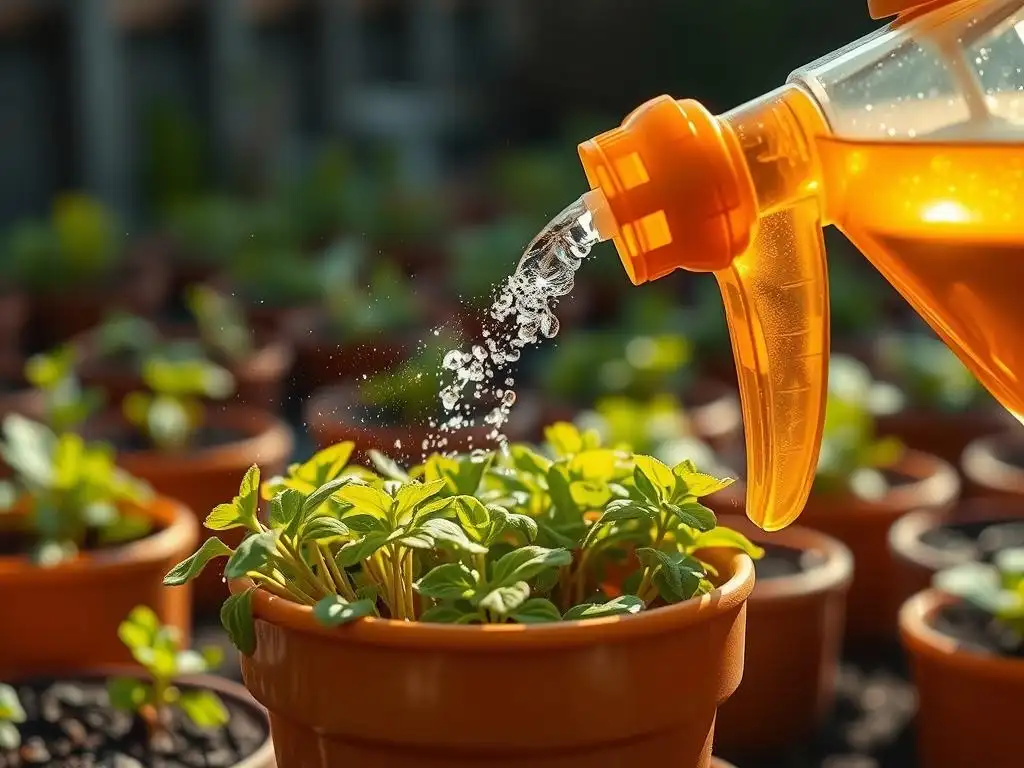
Trigger sprayer watering cans are ideal for delicate seedlings and smaller plants that require gentle, precise watering. Their fine mist setting minimizes soil erosion and prevents damage to fragile stems and leaves. This makes them a favorite among home gardeners cultivating herbs, starting seeds indoors, or nurturing young vegetable plants. The controlled spray allows for targeted watering, ensuring that only the necessary areas receive moisture, reducing water waste and preventing overwatering.
This precision is particularly crucial during the germination phase of seeds, where excessive moisture can lead to fungal diseases like damping off. Furthermore, the lightweight design and ergonomic handle of many trigger sprayers make them comfortable to use for extended periods, even for gardeners with hand or wrist issues. The varying nozzle settings on many models also provide flexibility, allowing you to switch between a fine mist for seedlings and a more concentrated stream for slightly larger plants.
A key benefit is the ability to easily reach plants in tight spaces, making them perfect for containers, hanging baskets, and densely packed gardens. However, their smaller capacity often necessitates more frequent refills, which might be a drawback for gardeners with larger gardens or many plants to water. Choosing a trigger sprayer with a comfortable grip and adjustable nozzle is paramount for optimal user experience.
Self-Watering Cans: Efficiency and Convenience for Busy Gardeners
Self-watering cans, also known as watering globes or watering balls, offer a unique approach to irrigation, particularly beneficial for busy gardeners or those who are away from their gardens for extended periods. These cans typically consist of a reservoir that slowly releases water into the soil over time, eliminating the need for daily watering. This feature is especially valuable during hot and dry spells, providing consistent moisture to plants without requiring constant attention. The self-watering mechanism usually involves a porous material or a slow-release valve that regulates the water flow.
Some models are designed to be buried near the plant's root system, while others are placed on the soil surface. The effectiveness of a self-watering can depends on several factors, including the size of the reservoir, the porosity of the material, and the soil type. Clay soils, for instance, may absorb water more slowly than sandy soils, potentially affecting the release rate. While self-watering cans offer convenience and efficiency in water usage, they are not suitable for all plants or situations.
They are best suited for plants with moderate to low water requirements, as they cannot provide the immediate hydration needed during periods of extreme heat or drought. Moreover, they may not be as effective in preventing overwatering in overly compacted or poorly draining soil. Careful consideration of the plant's needs and soil conditions is crucial when choosing and using a self-watering can to maximize its benefits and prevent potential problems. For instance, a small self-watering device might be ideal for a single potted herb, whereas a larger, more robust system might be needed for a thirsty tomato plant.
Key Features to Consider When Buying a Watering Can
Choosing the right watering can is crucial for efficient and sustainable gardening. The "best watering can for gardening" isn't a one-size-fits-all answer; it depends on your specific needs and gardening style. This section will delve into the key features to consider before making your purchase, ensuring you select a watering can that optimizes water usage and simplifies your gardening routine. We'll explore material durability, capacity, and spout design to help you make an informed decision.
Material Durability and Longevity: Choosing the Right Material for Your Needs
The material of your watering can directly impacts its lifespan and environmental impact. Durability is key; you want a watering can that can withstand regular use and the occasional accidental drop without cracking or leaking. Let's examine some common materials:
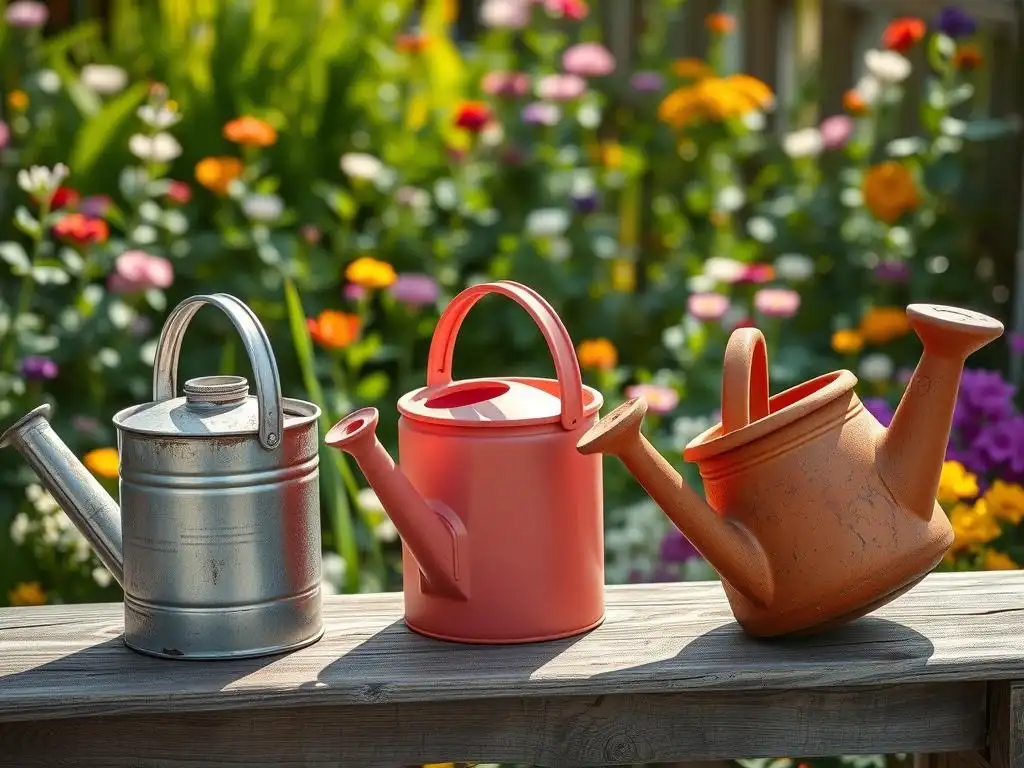
- Galvanized Steel: Known for its robustness and longevity. Galvanized steel watering cans are resistant to rust and dents, making them a long-term investment. However, they can be heavier than other options. They are also recyclable, making them a good sustainable choice.
- Plastic: Plastic watering cans are lightweight and affordable, making them a popular choice for beginners. However, their durability varies greatly depending on the type of plastic used. Lower-quality plastics can crack easily, leading to shorter lifespans and potential environmental concerns. Look for recycled plastic options whenever possible.
- Stainless Steel: A premium choice, stainless steel watering cans offer superior durability, rust resistance, and a sleek aesthetic. They are typically more expensive but boast exceptional longevity. Their recyclability also adds to their sustainable appeal.
- Copper: Copper watering cans are both beautiful and durable, developing a unique patina over time. They are naturally antimicrobial, which can be beneficial for plant health. However, they are typically the most expensive option and require more careful maintenance.
Consider your budget and the intensity of your gardening when selecting a material. For frequent, heavy use, galvanized steel or stainless steel are excellent choices. For occasional use or smaller gardens, a high-quality plastic option might suffice. Remember to always prioritize recycled materials whenever available to minimize your environmental footprint.
Capacity and Weight: Balancing Convenience with Watering Needs
The capacity of your watering can should align with your watering needs and physical capabilities. A larger capacity means fewer refills, but it also increases the weight, especially when full. This is particularly important for those with mobility limitations or larger gardens requiring extensive watering.
Consider these points:
| Capacity (Liters) | Weight (Approximate, when full) | Suitable for |
|---|---|---|
| 2-5 | Lightweight | Small gardens, indoor plants, seedlings |
| 5-10 | Moderate weight | Medium-sized gardens, established plants |
| 10+ | Heavy | Large gardens, frequent watering needs |
The weight of the watering can, especially when filled, is a significant factor. A heavier can can strain your back and arms, especially during extended watering sessions. For larger gardens, consider a watering can with a wheeled base or a larger capacity with a more ergonomic handle. Always prioritize comfort and safety.
Spout Design and Functionality: Optimizing Water Flow and Precision
The spout design significantly impacts the precision and efficiency of your watering. Different spout designs cater to various watering needs. Consider these options:
- Rose Spout: A rose-shaped spout distributes water evenly over a wider area, ideal for watering seedlings or delicate plants. The fine spray minimizes soil erosion and prevents damage to fragile foliage.
- Long Spout: A long, slender spout allows for precise watering of individual plants, reaching into tight spaces and avoiding overwatering.
- Wide Spout: A wide spout is better suited for filling larger containers or watering areas with less precision required.
The functionality of the spout goes beyond just the shape. Look for a spout that is easy to control, doesn't drip excessively, and provides a consistent water flow. A well-designed spout will help you conserve water and avoid overwatering, promoting healthy plant growth. Consider the ergonomic design of the handle and spout together for optimal comfort during use. A comfortable grip is essential for preventing hand strain during longer watering sessions.
Handle Comfort and Ergonomics: Reducing Strain During Watering
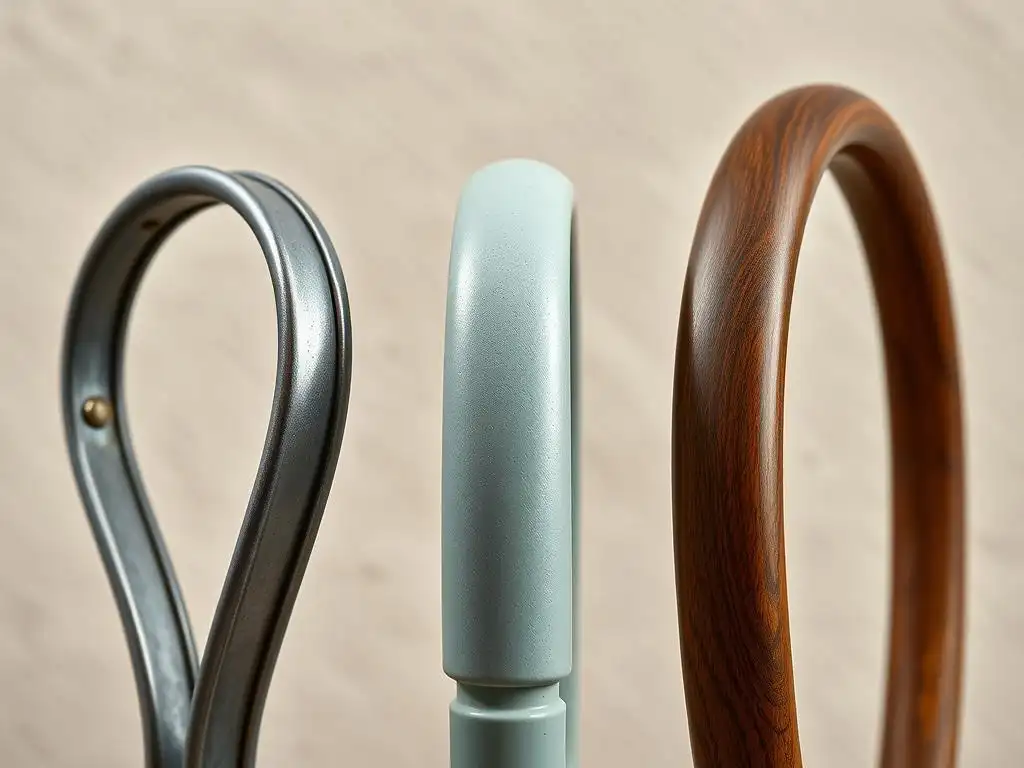
Choosing a watering can with a comfortable and ergonomic handle is crucial for preventing strain and fatigue, especially during prolonged gardening sessions. A poorly designed handle can lead to wrist pain, backaches, and even more serious injuries over time. Look for watering cans with handles that are appropriately sized for your hand, offering a secure and comfortable grip. The handle should be positioned in a way that minimizes twisting and reaching, allowing for a natural and relaxed posture while watering.
Consider the material of the handle as well; a padded or rubberized handle can significantly improve grip and reduce discomfort, especially on hot or humid days. Avoid handles that are too thin, too short, or awkwardly shaped. The best watering cans for gardening often prioritize ergonomic design, ensuring a pleasant and efficient watering experience.
Many manufacturers are now incorporating features like curved handles or integrated grips to further enhance comfort and reduce strain. Pay close attention to the handle's overall design and how it feels in your hand before making a purchase – a few minutes of testing can save you a lot of discomfort in the long run. Remember, a comfortable watering can makes the entire gardening process more enjoyable and sustainable.
Price and Value: Finding the Best Watering Can Within Your Budget
The price of a watering can can vary significantly, depending on factors such as material, size, features, and brand. While a high price doesn't always guarantee superior quality, investing in a durable and well-designed watering can can save you money in the long run by preventing the need for frequent replacements. Consider your budget and prioritize features that are essential for your gardening needs. For example, a larger capacity watering can may be more cost-effective in the long run if you have a large garden, despite its higher initial price.
On the other hand, a smaller, more affordable can might suffice if you only have a few potted plants. Don't be afraid to compare prices from different retailers and consider purchasing a slightly used watering can in good condition to save money. 💦 Remember, the "best" watering can for gardening is the one that best fits your budget and your individual needs.
Don't overspend on features you don't need, but don't compromise on quality either. Look for watering cans that offer a good balance of price and value, ensuring long-lasting performance and a positive gardening experience. Carefully weigh the pros and cons of different options before making your decision to ensure you're making a smart, sustainable investment.
Maintaining Your Watering Can for Optimal Performance
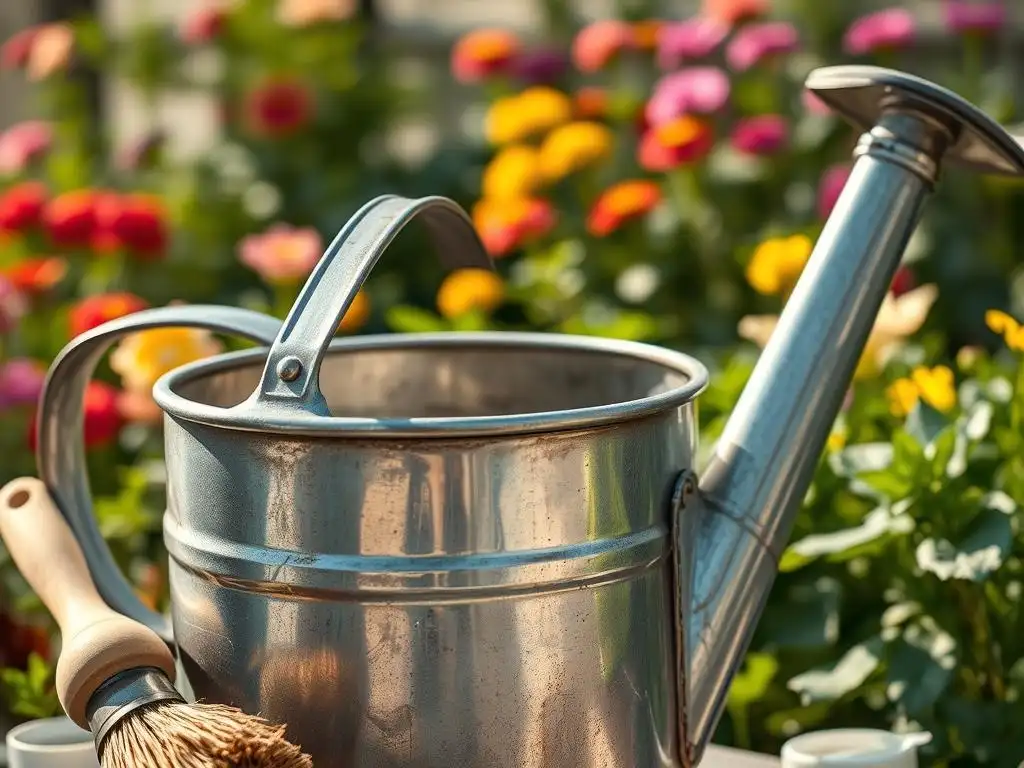
Proper maintenance of your watering can is crucial for ensuring its longevity and preventing the spread of diseases and pests in your garden. A well-maintained watering can contributes significantly to efficient watering and, consequently, water conservation – a key aspect of sustainable gardening practices. Neglecting maintenance can lead to premature wear and tear, requiring you to replace your watering can more frequently, thus impacting both your budget and the environment. Let's delve into the specifics of keeping your watering can in top condition.
Cleaning and Storage: Preventing Mold and Algae Growth
Regular cleaning is paramount to preventing the growth of mold and algae within your watering can. These microorganisms not only affect the aesthetic appeal but can also introduce harmful pathogens to your plants. After each watering session, especially if you're using water containing fertilizer or other additives, rinse your watering can thoroughly with clean water. This simple step significantly reduces the buildup of residue.
For a more thorough cleaning, consider the following steps:
- Weekly Deep Clean: Once a week, use a mild soap solution (avoid harsh chemicals that could damage the watering can material) and a soft brush or sponge to scrub the interior and exterior surfaces. Pay close attention to the spout and rose, where residue tends to accumulate.
- Vinegar Solution: For stubborn stains or signs of mold, a solution of equal parts white vinegar and water can be highly effective. Let the solution sit inside the can for about 30 minutes before scrubbing.
- Baking Soda Paste: A paste of baking soda and water can also be used for scrubbing tough stains. This is a natural and environmentally friendly option.
- Drying Thoroughly: After cleaning, ensure your watering can is completely dry before storing it. Leaving moisture inside can create a breeding ground for mold and algae. Store it upside down in a well-ventilated area to promote air circulation.
Following these steps will not only keep your watering can clean and aesthetically pleasing but also contribute to the health of your plants by preventing the introduction of harmful microorganisms. Remember, a clean watering can is a key component of a healthy and productive garden, aligning perfectly with the principles of sustainable gardening practices. The best watering can for gardening is one that’s well maintained!
Repairing Minor Leaks and Damages: Extending the Lifespan of Your Watering Can
Even with careful use, minor leaks or damages can occur over time. Addressing these promptly can significantly extend the lifespan of your watering can and save you the expense of a premature replacement. Minor leaks can often be repaired using readily available materials.
Here's how to tackle common issues:
- Small Leaks: For small leaks in plastic watering cans, a waterproof sealant or epoxy resin can effectively seal the crack or hole. Ensure the surface is clean and dry before applying the sealant, following the manufacturer's instructions carefully.
- Loose Spouts or Roses: If the spout or rose is loose, try tightening any screws or bolts. If the connection is damaged, you might need to replace the part, which is often readily available from gardening supply stores.
- Dents in Metal Watering Cans: Minor dents in metal watering cans can sometimes be carefully pushed back into place using a blunt object. However, significant dents might be more difficult to repair and may warrant replacing the watering can.
Regular inspection of your watering can for any signs of damage is crucial for early detection and timely repair. Early intervention can prevent small problems from escalating into major issues, ultimately saving you money and ensuring the continued efficient performance of your best watering can for gardening. Proactive maintenance promotes sustainability by reducing waste and maximizing the use of your gardening tools.
Sustainable Watering Practices: Conserving Water in Your Garden
Efficient watering is crucial for a thriving garden, but it's equally important to minimize water waste. Sustainable gardening practices prioritize water conservation, ensuring your plants receive the hydration they need while reducing your environmental impact. This section delves into effective strategies for optimizing your watering routine and making the most of every drop. Finding the best watering can for gardening is just one piece of the puzzle; understanding broader water conservation techniques is equally vital for successful and responsible cultivation.
Water Conservation Techniques: Optimizing Watering Efficiency
Beyond selecting the right watering can, several techniques significantly improve watering efficiency. Deep, infrequent watering encourages strong root growth, making plants more drought-tolerant. Instead of frequent, shallow watering which only moistens the topsoil, aim for thorough soaking that reaches the roots. This reduces the frequency of watering and minimizes evaporation.
Consider using a soil moisture meter to check the moisture level before watering. This prevents overwatering, a common problem leading to root rot and wasted water. Mulching around plants helps retain soil moisture, reducing the need for frequent watering. Organic mulches like wood chips or straw not only conserve water but also suppress weeds and improve soil health. A 2-3 inch layer of mulch can make a significant difference.
Implementing a drip irrigation system or soaker hoses can also drastically reduce water waste. These methods deliver water directly to the plant's roots, minimizing evaporation and runoff compared to overhead watering with a hose or sprinkler. Data shows that drip irrigation can save up to 50% of water compared to traditional methods. The initial investment pays off in the long run through reduced water bills and a healthier garden.
Choosing the Right Watering Time: Avoiding Water Loss Through Evaporation
The time of day you water significantly impacts water conservation. Watering during the hottest part of the day, typically midday, leads to significant water loss through evaporation. The sun's heat quickly evaporates water before it can reach the roots. Early morning watering is ideal; the cooler temperatures minimize evaporation, allowing the water to penetrate the soil effectively. Evening watering can also be effective, but be mindful of potential fungal diseases that can develop in consistently damp conditions.
The choice of watering can also plays a role. A watering can with a rose head that produces a fine spray is more susceptible to evaporation than a watering can with a spout that delivers water directly to the base of the plant. This is particularly true on windy days. Understanding these factors enables you to choose the best watering can for gardening based on your specific needs and climate.
Collecting Rainwater: A Sustainable Approach to Gardening
Rainwater harvesting is a highly effective way to conserve water and reduce reliance on municipal water supplies. Collecting rainwater for your garden reduces your water bill and minimizes your environmental footprint. Installing a rain barrel or constructing a simple collection system is relatively straightforward. Even a small barrel can collect a substantial amount of water over time, enough to supplement your watering needs, especially during drier periods.
Remember to filter the collected water to remove debris before using it on your plants. A simple filter made from layers of cloth can be effective. Using rainwater on your plants provides them with naturally soft water, free from chemicals often found in treated tap water.
This gentle approach nurtures your plants and reduces the risk of chemical buildup in the soil. Collecting rainwater is a simple yet powerful step towards sustainable gardening practices and finding the best watering can for gardening becomes less critical as a larger portion of your watering needs are met by a more sustainable source.
Frequently Asked Questions
What makes a watering can "best" for gardening?
The "best" watering can depends on your needs. Consider factors like size and capacity, rose head type (for gentle or forceful watering), and material (for durability and weight). A good watering can will be comfortable to use and effectively water your plants.
What are the different types of watering can rose heads?
Watering can rose heads vary in spray pattern and intensity. Some offer a fine mist, ideal for seedlings, while others provide a more forceful spray for established plants. Choose the rose head that best suits your plants' needs.
What materials are watering cans typically made from?
Common materials include plastic (lightweight and affordable), galvanized steel (durable but heavier), and stainless steel (high-end and rust-resistant). Consider your budget and the level of durability you require when making your choice.
How much water should a watering can hold for efficient gardening?
The ideal capacity depends on the size of your garden and plants. A larger capacity is better for larger gardens, while a smaller can might be more manageable for smaller spaces or container gardening. Consider how far you need to carry the water.
Where can I find the best watering can for my gardening needs?
Many retailers, both online (like Amazon) and in physical stores (garden centers, home improvement stores), sell watering cans. Reading customer reviews can help you determine which watering can best meets your specific requirements and budget.
Final Reflection: The Humble Watering Can: A Symbol of Nurturing and Growth
The seemingly simple act of watering plants is far more significant than we often realize; it's a fundamental act of nurturing that mirrors our own need for careful attention and mindful choices. Choosing the right watering can, as explored throughout this article, is not merely about practicality; it's about optimizing our connection with the natural world and fostering healthy growth, both in our gardens and in ourselves.
The impact of mindful gardening, and the tools we use to achieve it, extends far beyond the aesthetic beauty of a flourishing garden. It's a practice that connects us to the rhythms of nature, encouraging patience, observation, and a deep appreciation for the delicate balance of life. The glory of gardening: hands in the dirt, head in the sun, heart with nature. To nurture a garden is to feed not just the body, but the soul.
This quote perfectly captures the profound connection between our actions and the results we see, a connection that extends to every aspect of our lives, from the smallest seed to the largest ambition.
Consider the lessons learned here – the importance of choosing a watering can that suits your needs, the benefits of efficient watering techniques, and the joy of nurturing life. Now, take a moment to reflect on your own approach to nurturing, whether it's in your garden, your relationships, or your personal growth. What tools and techniques are you using to foster growth in your own life?
Are they as effective as they could be? Embrace the opportunity to refine your approach, to choose the "right watering can" for every aspect of your life, and watch as your efforts blossom into something truly remarkable.
Unlock Your Garden's Potential: Water Wisely!
Thank you for learning about choosing the perfect watering can! We hope you feel confident selecting the best tool for your gardening needs. Ready to put your new knowledge into practice?
- Invest in a watering can that suits your needs! Consider factors like size, material, and spout design to find the perfect fit for your garden.
- Share your watering expertise! Let other gardeners know about your favorite watering can and what makes it special. Discuss your experiences in the comments below!
- Experiment with different watering techniques to optimize your plants' health. Discover what works best for you and your garden.
What watering techniques are you excited to try?