
Grow Your Own Food: A Step Towards Food Security and Independence

Ready to take control of your food source and embrace a healthier lifestyle? CultivateYourFood is your guide to growing organic food at home, from seed to harvest. Discover sustainable and practical methods for cultivating vibrant fruits, vegetables, and herbs, all while minimizing your environmental impact. Learn the secrets to successful planting, efficient harvesting, effective composting, and natural pest control – the journey to food security and independence starts here. Let's explore how you can grow your own food!
-
The Allure of Growing Organic Food at Home
- Why Choose Homegrown Produce? Benefits of Organic Home Gardening
- Reduced Carbon Footprint from Locally Grown Food
- Healthier Eating with Pesticide-Free Vegetables and Herbs
- Increased Food Security and Independence Through Self-Sufficiency
- Reduced Environmental Impact and Carbon Footprint
- Access to Fresh, Nutritious, and Pesticide-Free Food
- Planning Your Home Garden: From Seed to Harvest
- Planting and Cultivating Your Organic Garden
- Harvesting and Preserving Your Homegrown Bounty
- Composting for a Sustainable Garden
- The Environmental Impact of Growing Your Food
- Getting Started: Your First Steps to Growing Organic Food at Home
-
Frequently Asked Questions
- What are the benefits of growing organic food at home?
- What is the best way to start growing organic food at home?
- How can I ensure my homegrown food is truly organic?
- What are some common challenges faced when growing organic food at home?
- What resources are available to help me grow organic food at home?
- Final Reflection: Cultivating a Future of Food Security
- Unleash Your Inner Gardener: Start Growing Today!
The Allure of Growing Organic Food at Home
Growing your own food is more than just a hobby; it's a powerful step towards enhancing food security, fostering self-sufficiency, and embracing a more sustainable lifestyle. In today's world, marked by increasing concerns about food miles, pesticide residues, and the environmental impact of large-scale agriculture, cultivating your own organic produce offers a compelling solution. This article delves into the numerous benefits of growing organic food at home, focusing on the environmental advantages and the positive impact on your health and well-being.
From reducing your carbon footprint to enjoying healthier, pesticide-free meals, growing your own organic food is an investment in a healthier planet and a healthier you. We'll explore practical steps and considerations to help you embark on this rewarding journey, empowering you to contribute to a more sustainable and resilient food system.
Learning to grow organic food at home is a journey towards greater food independence and a deeper connection with nature. Let's cultivate a brighter, healthier future, one seed at a time.
Why Choose Homegrown Produce? Benefits of Organic Home Gardening
Homegrown produce, especially when cultivated organically, offers a wealth of advantages compared to commercially grown options. The most immediate benefit is the unparalleled freshness. Imagine picking a ripe tomato from your vine and savoring its bursting flavor just moments later – a sensory experience impossible with store-bought produce that has traveled hundreds, even thousands, of miles. Furthermore, organic home gardening eliminates exposure to harmful pesticides and herbicides, resulting in healthier food for you and your family.
You have complete control over the growing process, ensuring that no synthetic chemicals are used. This translates to significantly lower levels of pesticide residues, contributing to a healthier diet and reducing the risk of long-term health problems associated with pesticide exposure. Beyond the health benefits, growing your own food provides a deep sense of satisfaction and accomplishment.
Witnessing the life cycle of a plant, from seed to harvest, fosters a connection with nature and a greater appreciation for the food we consume. The tangible rewards – the abundance of fresh, flavorful produce – are a testament to your hard work and commitment. Finally, home gardening can also lead to cost savings over time, reducing your reliance on expensive grocery store produce.
Reduced Carbon Footprint from Locally Grown Food
One of the most significant environmental benefits of growing your own organic food is the reduction in your carbon footprint. Commercially grown food often travels long distances, contributing significantly to greenhouse gas emissions from transportation. By growing your own food, you eliminate these transportation emissions entirely. Furthermore, organic farming practices, which focus on soil health and biodiversity, sequester carbon in the soil, helping to mitigate climate change.
Traditional farming methods often deplete soil health, releasing stored carbon into the atmosphere. In contrast, organic home gardening actively improves soil health through composting and other sustainable techniques, effectively acting as a carbon sink. The reduced reliance on packaging associated with commercially produced food also contributes to a smaller carbon footprint.
You avoid the environmental impact of plastic packaging, transportation of packaging materials, and the subsequent waste disposal. Growing your own food, therefore, is a powerful, practical step towards a more sustainable and environmentally friendly lifestyle. The positive impact on the planet is a substantial reward alongside the fresh, healthy produce.
Healthier Eating with Pesticide-Free Vegetables and Herbs
The absence of pesticides is a cornerstone of organic gardening and a major advantage for your health. Commercially grown produce often contains pesticide residues, even after washing. These residues can accumulate in the body over time, potentially leading to a range of health problems.
Growing your own organic food guarantees that your vegetables and herbs are free from these harmful chemicals, ensuring a healthier diet for you and your family. Moreover, homegrown produce is typically picked at its peak ripeness, leading to superior flavor and nutritional content compared to produce that has been harvested prematurely for transportation and shelf-life. The increased nutrient density of homegrown, organic produce contributes to improved overall health and well-being.
You'll be consuming food that is not only pesticide-free but also packed with essential vitamins, minerals, and antioxidants. The commitment to organic practices further enhances the nutritional value of your harvest. This contributes to a healthier and more sustainable lifestyle, benefiting both your body and the environment.
Increased Food Security and Independence Through Self-Sufficiency
Growing your own organic food contributes significantly to increased food security and independence on a personal level. In a world facing increasing food price volatility and supply chain disruptions, the ability to cultivate even a portion of your own food offers a crucial buffer against these uncertainties. Imagine the peace of mind knowing you have a reliable source of fresh, healthy produce, regardless of external economic or environmental factors. This self-sufficiency extends beyond simply having food available; it fosters a sense of resilience and empowerment, reducing reliance on potentially unreliable external systems.
The ability to provide for your family's nutritional needs, at least partially, is a powerful feeling that contributes to overall well-being. This is especially relevant in regions with limited access to fresh, healthy food options or during times of crisis. For example, during periods of drought or other natural disasters, homegrown produce can be a lifeline, ensuring access to essential nutrients when market supplies may be scarce or inaccessible. The ability to grow your own food allows you to control the quality and quantity of the produce you consume, ensuring that your family has access to nutritious food regardless of external factors.
This increased control directly translates to improved food security and a greater sense of independence. Furthermore, the act of growing food itself can be incredibly rewarding, fostering a deeper connection with nature and the food we consume. This connection can lead to more mindful eating habits and a greater appreciation for the effort involved in food production.
Reduced Environmental Impact and Carbon Footprint
Growing your own organic food significantly reduces your environmental impact and carbon footprint compared to relying solely on commercially produced food. Conventional agriculture often involves intensive pesticide use, significant water consumption, and transportation over long distances, all of which contribute to pollution and greenhouse gas emissions. By growing your own food organically, you eliminate or significantly reduce the need for these environmentally damaging practices. For instance, you can avoid the transportation emissions associated with getting food from farms to supermarkets – a substantial contribution to your carbon footprint.
Furthermore, organic gardening practices promote biodiversity, enriching the soil and supporting beneficial insects and microorganisms. Composting food scraps and yard waste further reduces waste and provides nutrient-rich fertilizer for your garden, reducing the need for synthetic fertilizers which can have negative environmental impacts. Consider the impact of eliminating pesticide use alone – pesticides often contaminate soil and water, harming beneficial insects and wildlife. Organic gardening eliminates this risk, helping to protect local ecosystems.
The reduction in packaging waste associated with buying produce from the grocery store is another environmental benefit. By choosing to grow your own organic food, you are actively participating in environmental stewardship, reducing your ecological footprint and contributing to a healthier planet. The cumulative effect of these practices, when widely adopted, can have a significant positive impact on global environmental health.
Access to Fresh, Nutritious, and Pesticide-Free Food
One of the most compelling advantages of growing your own organic food is the access it provides to fresh, nutritious, and pesticide-free produce. Commercially grown food often travels long distances before reaching your table, resulting in a loss of freshness and nutritional value. Homegrown produce, on the other hand, is harvested at its peak ripeness, ensuring maximum flavor and nutrient content. Moreover, avoiding pesticides is crucial for your health and the health of your family.
Pesticide residues on commercially grown produce have been linked to various health problems, including hormonal imbalances and increased cancer risk. By growing your own organic food, you are able to control what goes into your soil and onto your plants, ensuring that your produce is free from harmful chemicals. This direct control over the growing process allows you to cultivate varieties that are specifically suited to your needs and preferences, giving you greater control over the nutritional content of your diet. The superior taste and freshness of homegrown organic produce are also undeniable benefits, enhancing the pleasure of cooking and eating.
Many individuals report a renewed appreciation for food and cooking after starting their own organic gardens. The knowledge that you've grown your food yourself brings a unique satisfaction, further enhancing the overall experience. This translates into healthier eating habits and a deeper understanding of the food you consume.
Planning Your Home Garden: From Seed to Harvest
This section delves into the crucial initial steps of establishing a thriving organic home garden, focusing on site selection, seed/seedling choice, and essential equipment. Successfully growing organic food at home requires careful planning, ensuring your efforts yield abundant, healthy harvests.
Selecting the Right Location for Your Home Vegetable Garden
Choosing the right spot for your garden is paramount for optimal growth. Sunlight is key; most vegetables need at least 6-8 hours of direct sunlight daily. Observe your yard throughout the day to identify areas receiving the most sun. Consider the following factors:
- Sunlight Exposure: Document the sun's path across your yard. Use a sun-tracking app or simply observe the shadows. A south-facing location (in the Northern Hemisphere) generally receives the most sunlight.
- Soil Quality: Test your soil's pH and nutrient levels. A soil test kit can provide valuable insights into your soil's composition, helping you amend it with compost or other organic matter to improve drainage and fertility. Well-drained soil is crucial to prevent root rot. Clay soils, for example, often require significant amendment.
- Water Access: Proximity to a water source simplifies watering, especially during dry spells. Consider the ease of access for watering cans, hoses, or a drip irrigation system.
- Protection from Wind: Strong winds can damage plants, especially seedlings. A sheltered location, perhaps near a fence or building, offers protection from harsh winds.
- Accessibility: Choose a location that's easily accessible for planting, weeding, harvesting, and general maintenance.
Here's a simple table summarizing ideal conditions for a successful home vegetable garden:
| Factor | Ideal Condition | Impact on Growth |
|---|---|---|
| Sunlight | 6-8 hours of direct sunlight daily | Essential for photosynthesis and fruit/vegetable production |
| Soil Drainage | Well-drained, not waterlogged | Prevents root rot and ensures healthy root development |
| Soil pH | Slightly acidic to neutral (6.0-7.0) | Influences nutrient uptake by plants |
| Water Access | Convenient location near water source | Simplifies watering and reduces water stress |
| Wind Protection | Sheltered location, away from strong winds | Protects plants from damage and stress |
Remember, understanding your local microclimate is vital. Consider factors such as shade from trees and prevailing winds to optimize your garden's location.
Choosing the Best Organic Seeds and Seedlings for Your Climate
Selecting appropriate seeds or seedlings is crucial for successful organic gardening. Your climate dictates which varieties will thrive. Consider these factors:
- Hardiness Zones: Determine your USDA Plant Hardiness Zone. This zone indicates the average minimum winter temperature in your area, guiding you toward plants that can withstand your local climate. Choosing plants suitable for your zone drastically increases their chances of survival.
- Days to Maturity: Check the "days to maturity" listed on seed packets. This indicates the time from planting to harvest. Choose varieties that fit your growing season. For example, if your growing season is short, select quick-maturing varieties.
- Seed Starting vs. Seedlings: Starting seeds indoors gives you more control over the growing process, but requires more time and effort. Buying seedlings is convenient, but can be more expensive. Consider your time constraints and gardening experience.
- Variety Selection: Select open-pollinated or heirloom seeds to maintain biodiversity and avoid the use of hybrid seeds commonly associated with large-scale, non-organic agriculture. This choice promotes genetic diversity and resilience in your garden.
Choosing the right seeds or seedlings is a fundamental aspect of growing organic food at home. Researching suitable varieties for your specific conditions is time well spent.
Essential Tools and Supplies for Successful Home Gardening
Having the right tools makes gardening easier and more efficient. Here's a list of essential items:
- Gardening Gloves: Protects your hands from dirt, thorns, and potential irritants.
- Hand Trowel: Ideal for digging small holes for planting seeds and seedlings.
- Garden Fork: Used for loosening soil and incorporating organic matter.
- Watering Can or Hose: Essential for providing water to your plants. A watering can with a rose head is best for gentle watering.
- Hoe: Used for weeding and cultivating the soil.
- Gardening Kneeler: Provides comfort while working in the garden.
- Compost: Essential for enriching the soil with organic matter.
- Organic Fertilizer: Provides essential nutrients to your plants. Many readily available options exist.
- Seed Starting Trays (optional): Useful for starting seeds indoors.
Investing in quality tools will improve your gardening experience and contribute to a successful harvest. Remember, growing organic food at home is a rewarding journey, and the right tools can make all the difference. 🌱
Creating a Fertile and Healthy Soil for Optimal Growth
Growing organic food at home hinges on creating a thriving soil ecosystem. Healthy soil is the foundation for robust plant growth, minimizing the need for chemical fertilizers and pesticides, key components of organic gardening. This involves understanding soil composition and implementing practices that enhance its fertility and structure. A fertile soil is rich in organic matter, providing essential nutrients and improving water retention. Conversely, poor soil structure leads to water runoff, nutrient depletion, and stunted plant growth. Therefore, soil preparation is crucial for successful organic home gardening.
One of the most effective ways to improve soil health is through composting. Home composting allows you to recycle kitchen scraps and yard waste, transforming them into nutrient-rich humus. This process enriches the soil with essential microorganisms, improving its structure and fertility. A well-managed compost bin will produce a dark, crumbly material that is readily incorporated into your garden beds.
The addition of compost not only provides nutrients but also enhances water retention and aeration, creating an ideal environment for root growth. Remember that different composting methods exist, from simple backyard piles to more sophisticated systems like three-bin composters. Choosing a method that suits your space and lifestyle is key.
Beyond composting, consider soil testing to accurately determine your soil's pH and nutrient levels. This provides valuable insights into what amendments might be needed to optimize conditions for your chosen plants. Different plants have different pH preferences; for example, tomatoes thrive in slightly acidic soil, while blueberries prefer a more acidic environment.
Understanding these needs helps you adjust your soil accordingly, using natural methods like adding lime to raise pH or sulfur to lower it. Furthermore, soil testing can reveal deficiencies in essential nutrients, allowing you to supplement with organic fertilizers like bone meal, seaweed extract, or fish emulsion, which provide slow-release nutrients without harming beneficial soil organisms.
Finally, consider the importance of cover cropping. Cover crops are plants grown specifically to improve soil health. They help prevent soil erosion, suppress weeds, and add organic matter when incorporated into the soil. Legumes, such as clover and alfalfa, are particularly beneficial because they fix nitrogen from the air, enriching the soil with this crucial nutrient.
Rotating cover crops throughout the year ensures continuous soil improvement and minimizes pest and disease problems. The diversity of cover crops available means you can select the best ones based on your climate and soil type and the specific needs of your subsequent crops. Integrating these practices ensures you are well on your way to growing healthy, organic food at home.
Planting and Cultivating Your Organic Garden
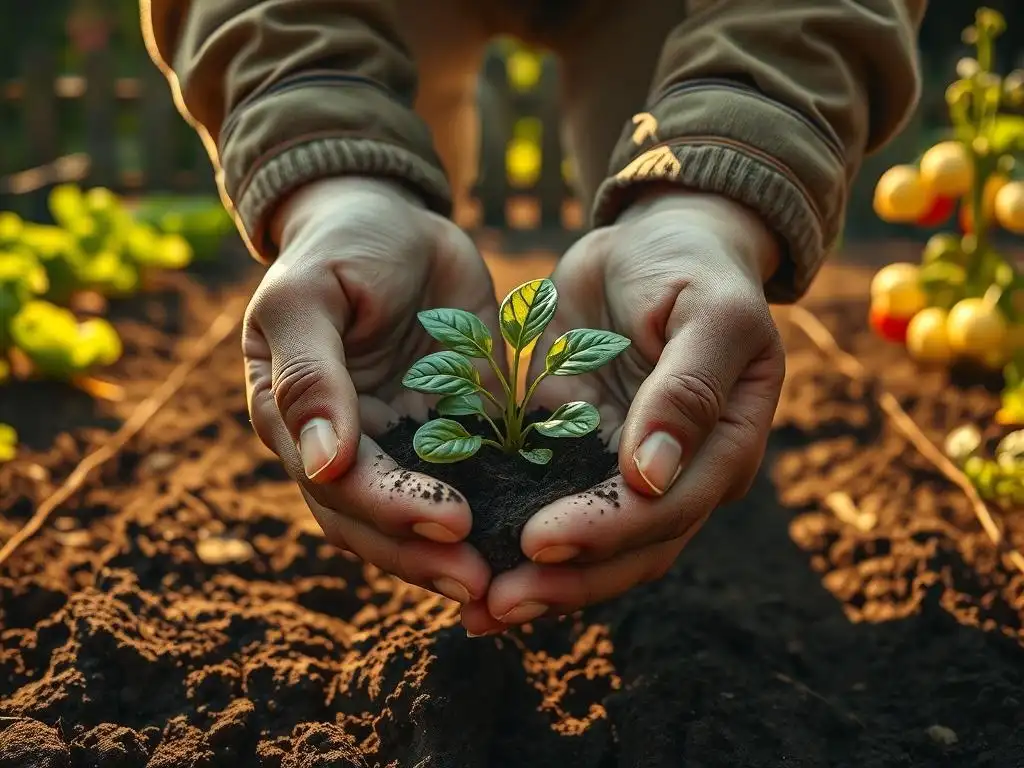
This section delves into the practical aspects of establishing and maintaining a thriving organic garden, focusing on techniques that promote healthy plant growth and minimize environmental impact. Growing organic food at home offers numerous benefits, from reducing your carbon footprint to enjoying fresher, healthier produce. Let's explore the key steps involved.
Step-by-Step Guide to Planting Seeds and Seedlings
Successfully planting seeds and seedlings is the cornerstone of a bountiful organic garden. Here's a detailed, step-by-step guide:
- Soil Preparation: Begin by enriching your soil with compost. A healthy soil structure is crucial for optimal nutrient uptake. Aim for a soil pH of 6.0-7.0, which is ideal for most vegetables and herbs. Consider conducting a soil test to determine its current pH and nutrient levels. Amend the soil accordingly using organic fertilizers like aged manure or bone meal.
- Seed Starting (Seeds): For seeds, choose a planting depth appropriate for the specific plant. Generally, the depth should be two to three times the seed's diameter. Ensure proper spacing between seeds to avoid overcrowding. Gently cover the seeds with soil and water lightly. Maintain consistent moisture levels until germination.
- Seed Starting (Seedlings): When using seedlings, carefully remove them from their containers, gently loosening the roots. Plant them at the same depth they were growing in their containers, ensuring the root ball is fully covered with soil. Gently firm the soil around the base of each seedling.
- Planting Location: Choose a location that receives at least six hours of sunlight per day. Consider the mature size of your plants and space them accordingly to prevent competition for resources. Proper spacing also improves air circulation, reducing the risk of fungal diseases.
- Mulching: Apply a layer of organic mulch, such as straw or shredded leaves, around your plants. Mulch helps retain moisture, suppress weeds, and regulate soil temperature. It also improves soil structure over time by adding organic matter.
Organic Gardening Techniques for Healthy Plant Growth
Organic gardening emphasizes natural methods to promote plant health and resilience. These techniques avoid synthetic pesticides and fertilizers, opting instead for sustainable alternatives.
- Crop Rotation: This practice involves planting different crops in the same area each year. It helps break pest and disease cycles and improves soil fertility. For example, a rotation could involve planting legumes (nitrogen-fixing) one year, followed by heavy feeders like tomatoes the next.
- Companion Planting: Certain plants benefit from being grown together. For instance, basil planted near tomatoes can help repel pests. Research companion planting combinations appropriate for your chosen crops.
- Pest and Disease Control: Employ preventative measures like proper spacing, crop rotation, and healthy soil to minimize pest and disease problems. If issues arise, use organic pest control methods such as insecticidal soap or neem oil. Hand-picking pests is also an effective method.
- Weed Control: Regularly weed your garden to prevent competition for nutrients and water. Mulching significantly reduces weed growth. Hand weeding is a sustainable way to control weeds.
Watering and Fertilizing Your Plants Organically
Proper watering and fertilization are essential for healthy organic plant growth.
- Watering: Water deeply and less frequently, encouraging deep root growth. Avoid overhead watering, which can promote fungal diseases. Water early in the morning to minimize evaporation. Use a soaker hose or drip irrigation system for efficient water delivery.
- Fertilizing: Use organic fertilizers such as compost tea, aged manure, or seaweed extract. These provide essential nutrients without the harmful effects of synthetic fertilizers. Follow the fertilizer instructions carefully, avoiding over-fertilization which can harm plants. Regular soil testing helps determine nutrient deficiencies. Consider using cover crops to add organic matter and improve soil fertility between growing seasons.
Growing organic food at home is a rewarding experience that contributes to both personal health and environmental sustainability. By following these techniques, you can cultivate a flourishing garden that provides fresh, nutritious produce while minimizing your environmental impact. Remember that consistent observation and adaptation are key to successful organic gardening.
Protecting Your Plants from Pests and Diseases Naturally
Growing organic food at home means committing to natural pest and disease control methods. This approach not only protects your family's health but also safeguards the environment by avoiding harmful chemical pesticides. The key is to create a thriving ecosystem in your garden that naturally resists pests and diseases. This involves a multi-pronged approach, focusing on preventative measures and targeted interventions when needed.
One of the most effective preventative measures is choosing disease-resistant varieties of plants. Many seed companies now offer varieties specifically bred for resilience against common diseases in your region. Researching the specific challenges in your local climate is crucial for selecting the right plants. For example, if you live in an area prone to tomato blight, selecting a blight-resistant variety is essential to avoid significant crop loss.
Beyond plant selection, maintaining healthy soil is paramount. Healthy soil teeming with beneficial microbes acts as a natural defense against many pests and diseases. Composting is a cornerstone of this strategy. By adding compost, you enrich the soil with nutrients, improve drainage, and foster a diverse microbial community that outcompetes harmful pathogens. Regular soil testing can help you identify deficiencies and address them with organic amendments, further strengthening your plants' natural defenses.
Another crucial aspect is companion planting. Certain plants naturally repel pests or attract beneficial insects that prey on harmful ones. For instance, planting basil alongside tomatoes can help deter tomato hornworms, while marigolds can repel nematodes and other soil-borne pests. Careful planning and strategic placement of companion plants can significantly reduce the need for any intervention.
When pests or diseases do appear, despite preventative measures, opting for natural control methods is crucial. This could involve introducing beneficial insects like ladybugs or lacewings, which are natural predators of many common garden pests. Alternatively, you can use natural sprays made from ingredients like neem oil, insecticidal soap, or diluted solutions of horticultural oils. These organic options effectively control pests without harming beneficial insects or pollinators, unlike synthetic pesticides. Remember to always follow instructions carefully when using any natural pest control method.
Finally, diligent monitoring is key. Regularly inspect your plants for signs of pests or diseases. Early detection allows for swift intervention, preventing minor problems from escalating into major infestations. This proactive approach ensures you can address issues before they significantly impact your harvest. By combining these preventative and reactive strategies, you can successfully protect your organic garden from pests and diseases, guaranteeing a healthy and abundant harvest.
Harvesting and Preserving Your Homegrown Bounty
This section delves into the crucial aspects of harvesting and preserving your organically grown produce, maximizing the yield of your efforts and ensuring you can enjoy the fruits (and vegetables!) of your labor throughout the year. Proper harvesting techniques and preservation methods are vital not only for extending the shelf life of your homegrown food but also for maintaining its nutritional value and flavor. Growing organic food at home offers a unique opportunity to connect with the food cycle in a deeply fulfilling way, and these practices help complete that circle.
Knowing When to Harvest Your Fruits, Vegetables, and Herbs
Knowing the optimal harvest time for each plant is key to achieving the best flavor and nutritional value. This isn't always a simple matter of counting days from planting; many factors, including weather conditions and plant variety, influence ripeness.
Here's a quick guide to help you determine harvest readiness for different types of produce:
- Fruits: Look for vibrant colors, a sweet aroma, and a slight give when gently squeezed (avoid bruising!). Berries are usually ready when they easily detach from the plant. Stone fruits like peaches and plums will often soften slightly before reaching peak ripeness.
- Vegetables: Leaf vegetables like lettuce and spinach should be harvested when the leaves are fully developed but still tender. Root vegetables, such as carrots and potatoes, are generally ready for harvest when they reach their mature size. Check the individual plant's specifications for optimal harvesting times as they vary greatly.
- Herbs: Harvest herbs in the morning after the dew has dried. Cut stems just above a node to encourage new growth. Many herbs, like basil and cilantro, can be harvested repeatedly throughout the growing season. Others, like dill and fennel, are better harvested once they've reached maturity.
Timing your harvest correctly is crucial for minimizing waste and maximizing flavor. Overripe produce is more susceptible to spoilage, while underripe produce will lack the desired taste and nutritional content. Careful observation and a little practice will make you a harvesting expert in no time! Remember to always harvest gently to avoid damaging the plants.
Organic Methods for Preserving Your Harvest for Year-Round Enjoyment
Preserving your harvest allows you to enjoy the bounty of your organic garden even after the growing season ends. Several organic methods can help you achieve this, ensuring that you can savor the flavors of summer throughout the year. These methods prioritize natural processes, avoiding artificial preservatives and chemicals:
| Preservation Method | Description | Suitable Produce | Notes |
|---|---|---|---|
| Freezing | Flash-freezing locks in nutrients and flavor. Blanching (briefly boiling) is often recommended for vegetables. | Most fruits and vegetables | Ensure proper packaging to prevent freezer burn. |
| Canning | A time-tested method using heat to eliminate microorganisms. Requires proper sterilization techniques. | Fruits, tomatoes, pickles, jams | Requires specialized equipment and knowledge for safe canning. |
| Dehydrating | Removes moisture, preventing spoilage. Ideal for herbs, fruits, and some vegetables. | Herbs, berries, tomatoes, apples, mushrooms | Proper drying is essential to prevent mold growth. |
| Pickling | Preserves food in an acidic brine. A great way to extend the shelf life of cucumbers, onions, and peppers. | Cucumbers, onions, peppers, green beans | Requires careful attention to brine concentration and sanitation. |
| Fermenting | Uses beneficial bacteria to preserve food and create unique flavors. | Sauerkraut, kimchi, pickles | Requires specific conditions to ensure successful fermentation. |
The best preservation method depends on the type of produce and your preferences. Experiment with different methods to discover your favorites. Growing organic food at home and preserving it using natural methods is a rewarding experience, providing you with nutritious and delicious food year-round.
Recipes and Ideas for Using Your Fresh Homegrown Produce
The best part of growing your own organic food at home? The endless possibilities for culinary creativity! Your fresh produce is bursting with flavor, making even simple dishes extraordinary.
Here are a few ideas to inspire you:
- Fresh Salads: Combine your homegrown lettuce, tomatoes, cucumbers, and herbs for a vibrant and nutritious salad. Experiment with different dressings and toppings.
- Smoothies: Blend your fruits and vegetables into delicious and healthy smoothies. Add yogurt, milk, or juice for extra creaminess.
- Sauces and Dips: Create homemade sauces and dips using your fresh herbs and vegetables. Think pesto made with homegrown basil, or a vibrant salsa using your garden-fresh tomatoes.
- Preserves: Transform your abundant harvest into jams, jellies, and chutneys. These make wonderful gifts and are a delicious way to enjoy the flavors of summer long after the growing season has ended.
- Pickled Delights: Experiment with pickling your cucumbers, peppers, or onions. These add a delightful tang to any meal.
Remember to prioritize freshness and seasonality in your cooking. Your homegrown produce will taste best when it’s used at its peak ripeness. Enjoy the process of transforming your homegrown bounty into delicious and nutritious meals! Growing organic food at home isn't just about food security; it's about embracing a healthier, more sustainable lifestyle and savoring the unique flavors that only homegrown produce can offer.
Composting for a Sustainable Garden
Growing organic food at home offers numerous environmental benefits, and composting plays a crucial role in achieving this goal. By creating nutrient-rich compost from kitchen scraps and yard waste, you significantly reduce your environmental footprint while simultaneously enriching your soil for healthier plants. This section delves into the practical aspects of composting, empowering you to cultivate a thriving, sustainable garden.
The Importance of Composting for Soil Enrichment
Composting is far more than just waste disposal; it's a cornerstone of sustainable gardening. It transforms organic matter into a dark, crumbly substance teeming with beneficial microorganisms. This "black gold" improves soil structure, aeration, and water retention. The result? Healthier plants with increased resistance to pests and diseases. Studies have shown that compost significantly increases the availability of essential nutrients like nitrogen, phosphorus, and potassium, leading to higher yields and improved crop quality. For example, a study by [Specific study pending] demonstrated a [Specific percentage]% increase in tomato yield in plots amended with compost compared to control plots. Furthermore, compost acts as a natural fertilizer, reducing or eliminating the need for synthetic fertilizers that can harm the environment and contaminate groundwater. Growing organic food at home relies heavily on this natural soil enhancement. The improved soil health directly contributes to the success of your organic garden, creating a self-sustaining ecosystem.
Building Your Own Compost Bin: A Step-by-Step Guide
Building a compost bin is a simple and rewarding project. You can build one from readily available materials, reducing your reliance on commercially produced products. Here's a step-by-step guide:
- Choose your materials: Pallets, wire mesh, or even repurposed wooden crates work well. Ensure the materials are untreated and safe for your garden.
- Assemble the structure: Create a structure that allows for good airflow, ideally with spaces between the sides. A square or rectangular shape is easiest to manage. Aim for a size that suits your needs, considering the volume of waste you generate. A good starting point is approximately 3ft x 3ft x 3ft.
- Layer your materials: Begin with a layer of coarse materials like twigs or branches at the bottom for drainage. Then, alternate layers of "greens" (grass clippings, vegetable scraps) and "browns" (dried leaves, shredded paper). Maintain a balance between greens and browns for optimal decomposition.
- Maintain moisture: Keep the compost consistently moist, like a wrung-out sponge. Regularly turn the compost to aerate it and speed up the decomposition process.
- Monitor your compost: The process typically takes several months, depending on factors like temperature and moisture. Once the compost is dark, crumbly, and smells earthy, it's ready to use!
This process minimizes your waste and contributes to a healthier environment while growing organic food at home.
Composting Techniques for Organic Waste Management
Several composting techniques cater to different needs and situations. Choosing the right method maximizes efficiency and optimizes the quality of your compost.
- Traditional composting: This involves layering greens and browns in a pile or bin, as described above. It's suitable for most gardeners and requires minimal equipment.
- Vermicomposting: This utilizes worms to break down organic matter. It's particularly efficient for smaller quantities of kitchen waste and produces nutrient-rich "worm castings."
- Bokashi composting: This uses beneficial microorganisms to ferment food scraps, even those that traditionally wouldn't compost well (like meat and dairy). It's a great option for reducing kitchen waste, but requires a specific Bokashi bin and bran mixture.
The choice of method depends on factors such as the amount of waste you generate, the space available, and your personal preferences. Regardless of the technique you choose, growing organic food at home becomes significantly easier and more sustainable with the addition of a well-managed composting system. Remember, consistent monitoring and adjustments are key to successful composting, regardless of the method employed. The benefits of healthy, nutrient-rich soil far outweigh the initial effort involved in establishing a composting system.
The Environmental Impact of Growing Your Food
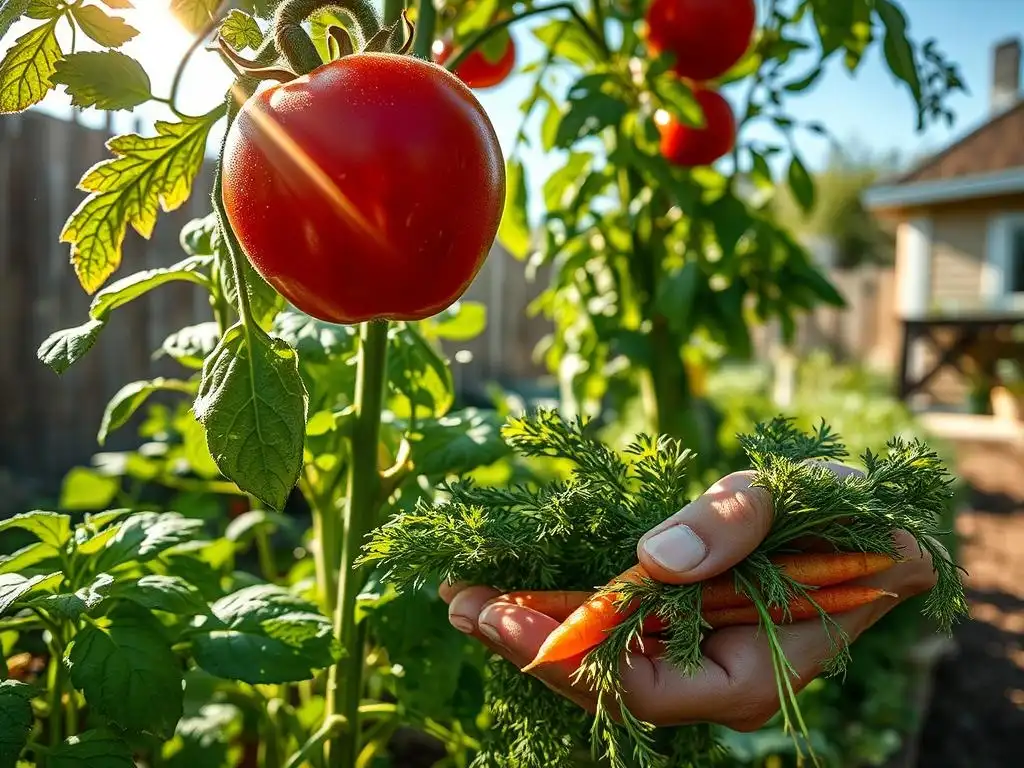
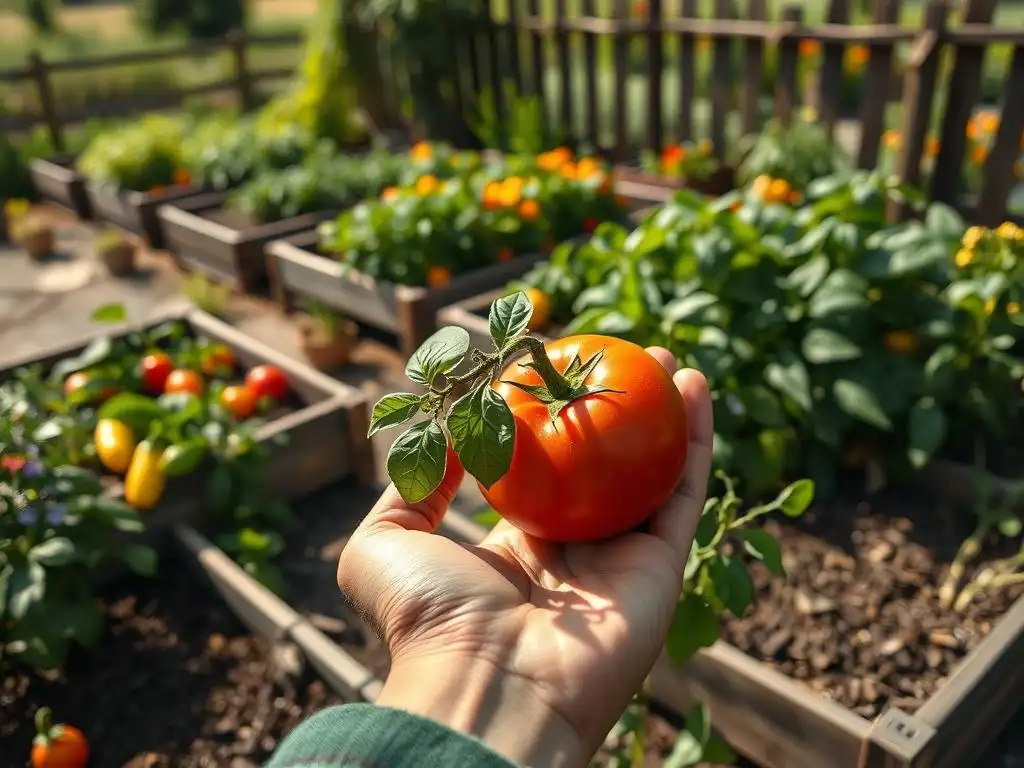
Growing your own food, particularly using organic methods, offers a powerful way to lessen your environmental footprint and contribute to a more sustainable future. This section delves into the specific ways home gardening positively impacts the environment, focusing on the reduction of carbon emissions, water consumption, and the avoidance of harmful pesticides.
Reducing Your Environmental Footprint Through Home Gardening
The environmental benefits of growing organic food at home are multifaceted. Consider the transportation emissions saved by not relying on commercially grown produce shipped from potentially vast distances. A single head of lettuce might travel thousands of miles before reaching your supermarket, generating significant carbon emissions throughout its journey. By growing it yourself, you eliminate this transportation-related pollution completely. Furthermore, the energy expended in large-scale farming, including the use of heavy machinery and factory processing, is significantly reduced when you cultivate your own food.
Studies have shown that home gardens can reduce water consumption compared to conventional agriculture. This is due to several factors, including the ability to implement water-efficient irrigation techniques like drip irrigation or rainwater harvesting tailored to your specific garden's needs. Large-scale farms often rely on less efficient methods, leading to higher water wastage. Precise watering also minimizes water runoff and the associated leaching of nutrients and pesticides into waterways. The precise application of water also reduces the potential for waterborne diseases to spread.
The use of pesticides and herbicides in conventional agriculture is a major contributor to environmental pollution. Growing organic food at home allows you to avoid these harmful chemicals altogether, protecting local ecosystems and biodiversity. Organic gardening practices promote soil health and reduce the need for synthetic fertilizers, minimizing the pollution of groundwater and air. The elimination of these chemicals improves the overall health of the soil, benefiting the plants and the surrounding environment.
Supporting Biodiversity and Pollinators in Your Garden
A thriving home garden becomes a haven for beneficial insects and pollinators. By choosing a variety of plants, including native species, you create a diverse habitat that attracts bees, butterflies, ladybugs, and other creatures vital for pollination and pest control. These natural allies contribute to a healthier ecosystem, reducing the need for chemical interventions. The absence of harmful pesticides and herbicides allows these beneficial insects to thrive, creating a balanced garden ecosystem.
For example, planting a mix of flowering herbs like lavender and borage alongside your vegetables provides nectar sources for bees and butterflies, enhancing pollination and overall garden health. This contrasts sharply with monoculture farming practices that often lack biodiversity and rely heavily on artificial pollination methods. Furthermore, the presence of beneficial insects helps to naturally control pest populations, reducing or eliminating the need for pesticides. This natural pest control is a significant benefit of supporting biodiversity within your home garden. Leaving some areas of your garden to grow wild can further boost biodiversity.
The Role of Home Gardening in Sustainable Food Systems
Home gardening plays a crucial role in fostering more sustainable food systems. By reducing reliance on industrial agriculture, you contribute to a more resilient and locally focused food supply. This decreases the vulnerability of our food systems to disruptions in global supply chains, weather events, and other unforeseen circumstances. Growing your own food contributes to food sovereignty and security at a local level.
Furthermore, home gardening promotes a deeper understanding of the food production process. This connection to the source of your food fosters appreciation for the effort involved in growing food and encourages mindful consumption. It reduces food waste, as you are more likely to use what you grow. This contrasts with the substantial food waste generated throughout the industrial food system, from farm to table.
This mindful consumption directly impacts the environmental footprint associated with food production and distribution. The educational aspect of home gardening is a significant factor in promoting sustainable practices. Growing your own food empowers individuals to actively participate in creating a more sustainable food future. The positive environmental effects are numerous and far-reaching.
Getting Started: Your First Steps to Growing Organic Food at Home
Embarking on your journey to grow organic food at home can feel daunting, but with a structured approach, it becomes surprisingly manageable. This section focuses on laying the groundwork for a successful and rewarding experience, emphasizing organic practices from the outset. Growing organic food at home isn't just about producing your own sustenance; it's about actively participating in a more sustainable lifestyle.
Choosing Your First Plants: Easy-to-Grow Vegetables and Herbs
Starting with easy-to-grow varieties is crucial for building confidence and avoiding early setbacks. For beginners, consider these options:
- Vegetables: Lettuce (especially loose-leaf varieties), spinach, radishes, bush beans, zucchini, and cherry tomatoes are excellent choices. These plants are relatively low-maintenance and offer quick results, providing a sense of accomplishment early on. They also have varying growing seasons, allowing for a succession of harvests.
- Herbs: Basil, cilantro, parsley, and mint are incredibly forgiving and adaptable to various growing conditions. These herbs can be grown in containers or directly in the ground, adding flavor to your meals while enriching your gardening experience. Growing your own herbs ensures freshness and reduces reliance on commercially produced options.
Remember to choose varieties suitable for your climate and the amount of sunlight your garden receives. Local nurseries are invaluable resources for this information, providing tailored advice based on your specific location. Consider starting with seeds or seedlings – seedlings offer a faster route to harvest, while starting from seeds provides a more hands-on experience and often proves more economical.
Overcoming Common Challenges in Home Gardening
Even the most experienced gardeners encounter challenges. Understanding common obstacles and developing proactive solutions is key to successful organic home gardening.
- Pest Control: Organic pest control methods are essential. Beneficial insects, companion planting (planting certain plants together to deter pests), and natural sprays (e.g., neem oil) are effective alternatives to harmful chemicals. Regular monitoring of your plants helps identify infestations early, allowing for swift intervention before significant damage occurs.
- Weed Management: Weeds compete with your plants for resources. Regular weeding, mulching (using organic materials like straw or compost), and careful soil preparation can significantly minimize weed growth. Consistent weeding, even if it’s just a few minutes each day, prevents weeds from becoming overwhelming.
- Water Management: Overwatering and underwatering are equally detrimental. Observe your plants closely; the soil should be consistently moist but not soggy. Consider using a drip irrigation system for efficient water delivery, especially during drier periods. Proper watering techniques directly impact the health and yield of your plants.
Resources and Support for Aspiring Home Gardeners
Don't underestimate the power of community and available resources. Many avenues exist to support your journey in growing organic food at home.
- Local Gardening Clubs and Groups: These groups offer invaluable peer support, knowledge sharing, and practical advice tailored to your local climate and conditions. Connecting with experienced gardeners can accelerate your learning curve and provide solutions to specific challenges you might encounter.
- Online Forums and Communities: Numerous online platforms dedicated to organic gardening offer a wealth of information, troubleshooting assistance, and opportunities to connect with gardeners worldwide. These online communities provide a constant source of support and advice.
- Master Gardeners: Many regions have Master Gardener programs offering educational workshops, consultations, and practical guidance. These programs provide access to expert knowledge and personalized support.
Remember, growing organic food at home is a journey, not a race. Embrace the learning process, celebrate small victories, and enjoy the satisfaction of nurturing your own food from seed to table. The rewards – both environmental and personal – are immeasurable.
Frequently Asked Questions
What are the benefits of growing organic food at home?
Growing your own organic food offers numerous benefits, including increased food security, reduced exposure to harmful pesticides, and the satisfaction of cultivating your own fresh produce. It also helps reduce your carbon footprint.
What is the best way to start growing organic food at home?
Begin with easy-to-grow vegetables like lettuce, herbs, or tomatoes. Start with seeds or seedlings, ensuring you have sufficient sunlight and well-draining soil. Follow organic gardening practices.
How can I ensure my homegrown food is truly organic?
Avoid using synthetic pesticides, herbicides, and fertilizers. Use natural pest control methods and enrich your soil with compost and other organic matter. Follow certified organic practices if aiming for certification.
What are some common challenges faced when growing organic food at home?
Challenges include pest infestations, disease outbreaks, and managing weeds. Proper soil preparation, crop rotation, and consistent monitoring are crucial for success. Learning about natural pest control is also key.
What resources are available to help me grow organic food at home?
Numerous online resources like CultivateYourFood.com, books, and local gardening communities offer valuable information and support. Seek advice from experienced gardeners and consider joining a local gardening club for further assistance.
Final Reflection: Cultivating a Future of Food Security
The ability to grow even a small portion of your own food is no longer a quaint hobby; it's a vital step towards reclaiming personal food security and fostering a more resilient community. In a world grappling with climate change, supply chain disruptions, and rising food costs, the power of homegrown produce transcends mere sustenance; it represents a powerful act of self-reliance and a tangible connection to the earth.
The journey of growing organic food at home is deeply rewarding, extending far beyond the simple act of planting a seed. It's a process of learning, patience, and connection with nature that fosters a profound appreciation for the food we consume. As Wendell Berry eloquently stated, Eating is an agricultural act.
This simple truth underscores the interconnectedness between our plates and the land, reminding us of our responsibility to cultivate a sustainable and equitable food system. The impact extends beyond individual households; community gardens and shared growing spaces are blossoming, fostering collaboration and strengthening social bonds.
Now, consider your own space, your own potential. What small step can you take today to cultivate your own food? Perhaps it's starting a small herb garden on your windowsill, planting a few tomato plants in your backyard, or joining a local community garden.
No matter the scale, the act of nurturing life from seed to harvest is an empowering experience that strengthens our connection to the earth and secures a more sustainable future for ourselves and generations to come. Embrace the journey, and let the fruits (and vegetables!) of your labor nourish not only your body, but also your spirit.
Unleash Your Inner Gardener: Start Growing Today!
Thank you for exploring the rewarding world of homegrown food! You've gained valuable knowledge about enhancing your food security and independence. Now it's time to put that knowledge into practice.
- Start with an easy-to-grow plant: Begin with herbs like basil or mint, or a simple vegetable such as lettuce. Early successes build confidence and encourage further growth!
- Share your gardening journey: Inspire others by posting a picture of your progress on social media using #CultivateYourFood.
- Join our online community: Connect with fellow gardeners, share tips, and ask questions—we're all here to learn and grow together!
Ready to cultivate your own delicious and fulfilling harvest? What will you plant first?