
The Importance of Biodiversity: Why a Variety of Wildlife Is Crucial

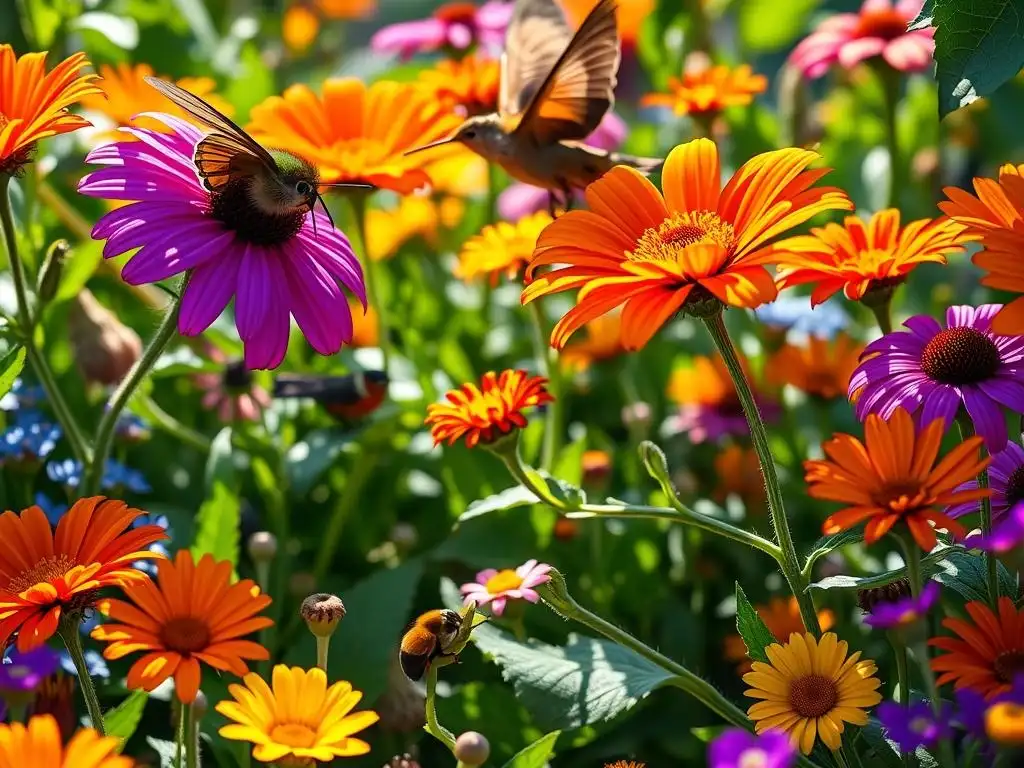
Welcome to CultivateYourFood, your guide to nurturing a thriving home garden! Are you ready to unlock the secrets to bountiful harvests and a healthier ecosystem? We delve into the fascinating world of sustainable gardening, and in our latest article, "Garden biodiversity benefits," we explore how fostering a diverse range of wildlife dramatically improves your garden's productivity and resilience. Discover the surprising ways that increased biodiversity can transform your garden—and prepare to be amazed by what nature can offer!
- Garden Biodiversity Benefits: A Thriving Ecosystem in Your Backyard
- Attracting Beneficial Insects to Your Home Garden: A Guide to Biodiversity
- Biodiversity and Sustainable Gardening Practices: A Synergistic Relationship
-
Measuring the Impact of Biodiversity in Your Garden: Observation and Assessment
- Monitoring Pollinator Activity: Observing Bees, Butterflies, and Other Beneficial Insects
- Assessing Pest Populations: Tracking Pests and Their Natural Predators
- Evaluating Soil Health: Indicators of a Thriving Soil Ecosystem
- Long-Term Observation and Adaptation: Continuous Improvement of your Garden Biodiversity
- Resources for Enhancing Garden Biodiversity: Further Learning and Support
- Frequently Asked Questions
- Final Reflection: Nurturing Life, Nurturing Ourselves
- Unleash Your Inner Conservationist: Take Action for Biodiversity!
Garden Biodiversity Benefits: A Thriving Ecosystem in Your Backyard
Creating a vibrant and productive garden isn't just about cultivating your favorite fruits, vegetables, and herbs; it's about fostering a thriving ecosystem. This involves embracing garden biodiversity – the variety of plant and animal life within your garden space. A biodiverse garden isn't just aesthetically pleasing; it's fundamentally more resilient, productive, and sustainable.
This article will explore the significant benefits of incorporating biodiversity into your gardening practices, highlighting how a rich tapestry of life contributes to a healthier and more bountiful harvest while minimizing your environmental impact. Understanding these "Garden biodiversity benefits" will empower you to cultivate a truly flourishing and self-regulating garden ecosystem, reducing your reliance on external inputs and enhancing the overall health of your plants. We'll delve into the specific roles various organisms play, illustrating how a diverse garden is a more robust and productive garden.
Enhanced Pollination for Fruit, Vegetable, and Herb Production
Pollinators, such as bees, butterflies, moths, and even some birds and bats, are essential for the reproduction of many fruit, vegetable, and herb plants. A diverse range of flowering plants attracts a wider variety of pollinators, ensuring efficient and effective pollination. This leads to increased fruit and seed set, resulting in a higher yield and improved quality of your harvest.
For instance, a garden with only a few types of flowers might attract only a limited number of bee species, potentially leading to insufficient pollination for certain plants. However, a garden teeming with diverse flowering plants – including native species – will attract a broader range of pollinators, increasing the chances of successful pollination across all your crops.
This natural pollination process is far more efficient and sustainable than relying on manual pollination techniques. The presence of diverse pollinators significantly contributes to the overall health and productivity of your garden, leading to healthier and more abundant harvests.
Natural Pest Control: Reducing Reliance on Chemical Pesticides
A diverse garden naturally supports a complex food web, where predatory insects and other beneficial organisms help to control pest populations. Ladybugs, lacewings, and praying mantises, for example, are voracious predators of common garden pests like aphids and caterpillars. By fostering a habitat that attracts these beneficial insects, you can significantly reduce the need for chemical pesticides. This approach not only protects the environment and your health but also promotes a more balanced and sustainable ecosystem.
Consider planting herbs known to repel pests, such as mint, basil, or rosemary, to further enhance natural pest control. The presence of these predators creates a natural equilibrium, minimizing pest outbreaks and allowing for a healthier, more sustainable garden. This natural pest control mechanism is a keystone element of a thriving biodiverse garden.
Improved Soil Health and Nutrient Cycling: The Role of Beneficial Organisms
A rich and diverse soil ecosystem is crucial for healthy plant growth. Earthworms, beneficial fungi, and bacteria play vital roles in breaking down organic matter, improving soil structure, and increasing nutrient availability to plants. This natural process of nutrient cycling reduces the need for synthetic fertilizers, contributing to a more sustainable and environmentally friendly gardening practice. The presence of diverse soil organisms enhances water retention, improves aeration, and creates a more fertile environment for your plants to thrive in.
A healthy soil ecosystem is a cornerstone of a successful and sustainable garden, and biodiversity plays a crucial role in achieving this. The complex interplay of organisms within the soil creates a self-regulating system that supports plant growth and overall garden health. Investing in soil biodiversity is an investment in the long-term health and productivity of your garden.
Increased Resilience to Environmental Stressors: Disease and Drought Resistance
A diverse garden ecosystem exhibits significantly enhanced resilience against environmental stressors. This resilience manifests primarily through improved disease and drought resistance. Monocultures, where a single plant species dominates, are notoriously susceptible to widespread disease outbreaks. A single pathogen can decimate an entire crop, leading to significant losses. However, a diverse garden, teeming with various plant species, acts as a natural buffer.
The presence of diverse plant species disrupts the life cycle of pathogens, making it harder for diseases to spread rapidly. This is because pathogens often have specific host plants; a diverse garden limits the availability of suitable hosts, thereby reducing the overall disease pressure. For example, a garden filled with only tomatoes is highly vulnerable to tomato blight, while a mixed garden with herbs, vegetables, and flowers would significantly reduce the risk. The diverse plant community can compete for resources, limiting the pathogen's access to susceptible hosts.
Furthermore, a biodiverse garden displays greater drought tolerance. Different plant species have varying water requirements and root systems. Some plants have deep root systems that access water deep within the soil, while others have shallow roots that capture moisture from the surface. In a drought, the plants with deep roots can continue to thrive, providing a more stable ecosystem overall.
The diverse root systems also improve soil structure, enhancing water retention capacity. This means the soil can hold onto water for longer periods, benefiting all the plants in the garden, even during dry spells. The presence of diverse ground cover also helps to reduce evaporation, further conserving soil moisture.
In essence, a biodiverse garden is a more robust and adaptable system, better equipped to weather environmental challenges like disease outbreaks and periods of drought. This resilience translates into a healthier, more productive, and ultimately more sustainable garden. This resilience is a key benefit of incorporating garden biodiversity benefits into your gardening practices.
Attracting Beneficial Insects to Your Home Garden: A Guide to Biodiversity
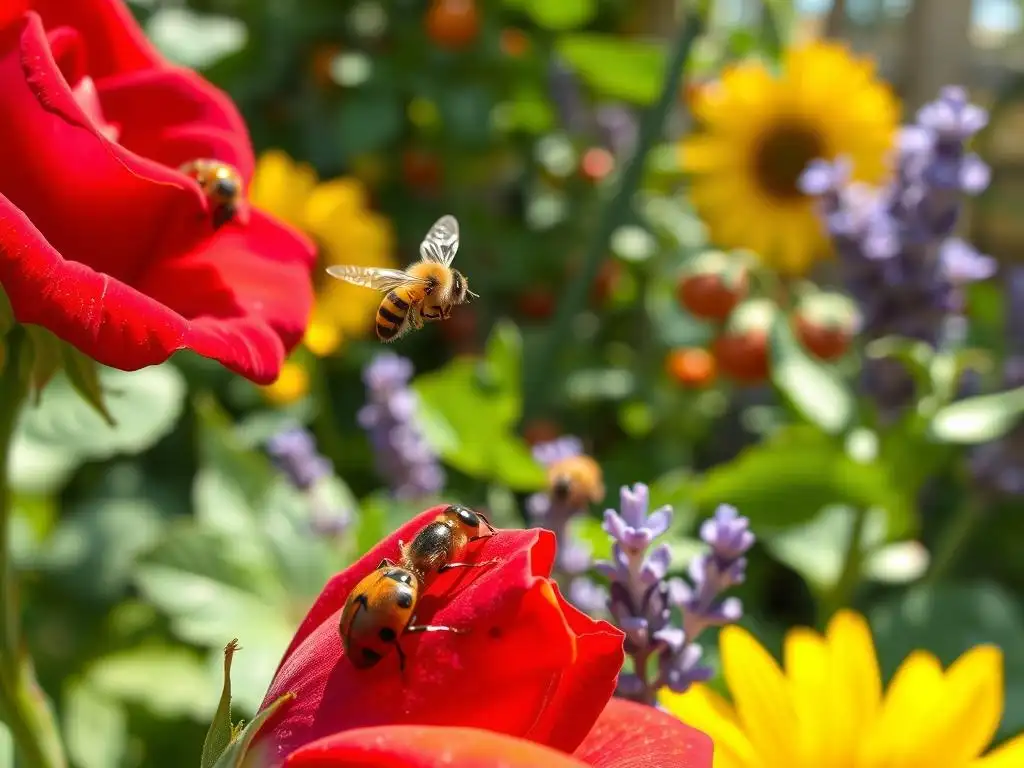
Garden biodiversity benefits extend far beyond aesthetic appeal. A thriving ecosystem within your garden, teeming with diverse insect life, is crucial for healthy plant growth and a naturally pest-controlled environment. This section focuses on attracting beneficial insects, key players in maintaining a balanced and productive garden. Ignoring this aspect can lead to increased reliance on chemical pesticides, undermining the very principles of sustainable gardening. The key is understanding the needs of these beneficial creatures and actively providing for them. This involves careful plant selection, habitat creation, and providing reliable water sources.
Choosing Biodiversity-Friendly Plants for Your Garden
The foundation of attracting beneficial insects lies in selecting plants that provide them with food and shelter. Avoid monocultures – planting only one type of plant – as this limits the variety of insects that can thrive. Instead, opt for a diverse range of flowering plants, herbs, and vegetables. Consider these examples:
- Flowering Plants: Marigolds, sunflowers, coneflowers, and lavender attract a wide range of beneficial insects, including ladybugs, lacewings, and hoverflies. These insects prey on common garden pests like aphids and caterpillars, reducing the need for pesticides. The vibrant colors and varied bloom times ensure a continuous food source throughout the growing season.
- Herbs: Dill, fennel, and parsley are not only culinary delights but also attract beneficial insects like parasitic wasps, which control pest populations. These herbs also offer a source of nectar and pollen, further enhancing the biodiversity of your garden.
- Vegetables: Certain vegetables, like carrots and broccoli, attract beneficial insects indirectly by supporting the growth of other plants that these insects rely on. Planting a diverse mix of vegetables ensures a more complex and resilient ecosystem.
Remember to choose native plants whenever possible. Native plants are better adapted to your local climate and are more likely to attract native beneficial insects. This approach contributes significantly to enhancing local biodiversity. Careful planning and selection of plant diversity is a cornerstone of achieving lasting Garden biodiversity benefits.
Creating Habitats for Beneficial Insects: Providing Food and Shelter
Beneficial insects need more than just food; they require suitable habitats for nesting, overwintering, and protection from predators. Here's how you can create insect-friendly habitats:
- Leave some leaf litter: Don't meticulously rake up every fallen leaf! Many beneficial insects overwinter in leaf litter, utilizing it as shelter and protection during the colder months. Leave a small area undisturbed to provide crucial habitat.
- Create a bug hotel: A simple bug hotel, constructed from various materials like hollow stems, wood, and pine cones, provides nesting sites for numerous beneficial insects. This is a particularly effective method for attracting solitary bees and other beneficial insects.
- Plant hedges and shrubs: Hedges and shrubs offer shelter and protection from predators. They also provide nesting sites for many insects. Consider native shrubs and hedges to maximize the positive impact on local biodiversity.
- Avoid excessive tilling: Excessive tilling disrupts the soil ecosystem and destroys the habitats of many beneficial insects. Minimize tilling to protect the soil's biodiversity and the insects that live within it.
Water Sources for Pollinators and Beneficial Insects
Access to a reliable water source is crucial for the survival of beneficial insects. However, a simple bowl of water can be dangerous; insects can drown. Here are safer alternatives:
- Shallow dishes with pebbles: Fill a shallow dish with water and add pebbles or marbles. The pebbles provide a place for insects to land and drink without drowning. This simple method provides a safe and effective water source.
- A birdbath: While primarily for birds, a birdbath also provides a water source for insects. The shallow edges offer a safe place for them to drink.
- Misting plants: Regularly misting your plants can also provide a source of moisture for insects. This is particularly beneficial during dry periods.
Providing water sources, along with diverse plants and suitable habitats, significantly enhances garden biodiversity benefits, leading to a healthier, more resilient, and naturally pest-controlled garden. This sustainable approach minimizes the need for chemical interventions, resulting in a more environmentally friendly and productive garden.
Avoiding Harmful Pesticides: Protecting Beneficial Wildlife
Harmful pesticides indiscriminately kill insects, including beneficial ones that help control pests and pollinate your plants. Broad-spectrum insecticides, in particular, wipe out a wide range of insects, disrupting the delicate balance of your garden ecosystem. This can lead to a resurgence of the very pests you're trying to eliminate, as their natural predators are gone. For example, using a broad-spectrum insecticide to control aphids might also kill ladybugs, which are voracious aphid predators.
This ultimately results in a greater aphid infestation later on, requiring even more intervention and potentially leading to a vicious cycle of pesticide use. The long-term effects on the soil are also detrimental, harming beneficial microorganisms crucial for healthy plant growth. Furthermore, pesticide runoff can contaminate nearby waterways, harming aquatic life and potentially even entering the food chain.
The impact of these chemicals extends beyond insects. Birds and other wildlife that consume poisoned insects can also suffer harm, leading to a decline in their populations. Protecting beneficial wildlife is crucial for maintaining a healthy and productive garden ecosystem. The loss of biodiversity weakens the resilience of your garden, making it more vulnerable to pest outbreaks and diseases. A thriving ecosystem, on the other hand, is naturally better equipped to handle these challenges.
Instead of relying on harmful pesticides, consider implementing integrated pest management (IPM) strategies. IPM emphasizes prevention and uses pesticides only as a last resort, employing more environmentally friendly methods first. This approach prioritizes cultural controls, such as proper plant spacing and crop rotation, to minimize pest infestations. Biological controls, like introducing beneficial insects or employing natural predators, are also key components of IPM.
Finally, monitoring your plants regularly for signs of pests and diseases helps you catch problems early, before they become major infestations requiring harsh chemical intervention. This proactive approach is far more effective and sustainable in the long run, promoting a vibrant and healthy garden environment. Remember, a biodiverse garden is a resilient garden, better equipped to handle challenges naturally and sustainably. This aligns perfectly with the principles of sustainable gardening and contributes significantly to the overall health of your garden and the environment.
Biodiversity and Sustainable Gardening Practices: A Synergistic Relationship
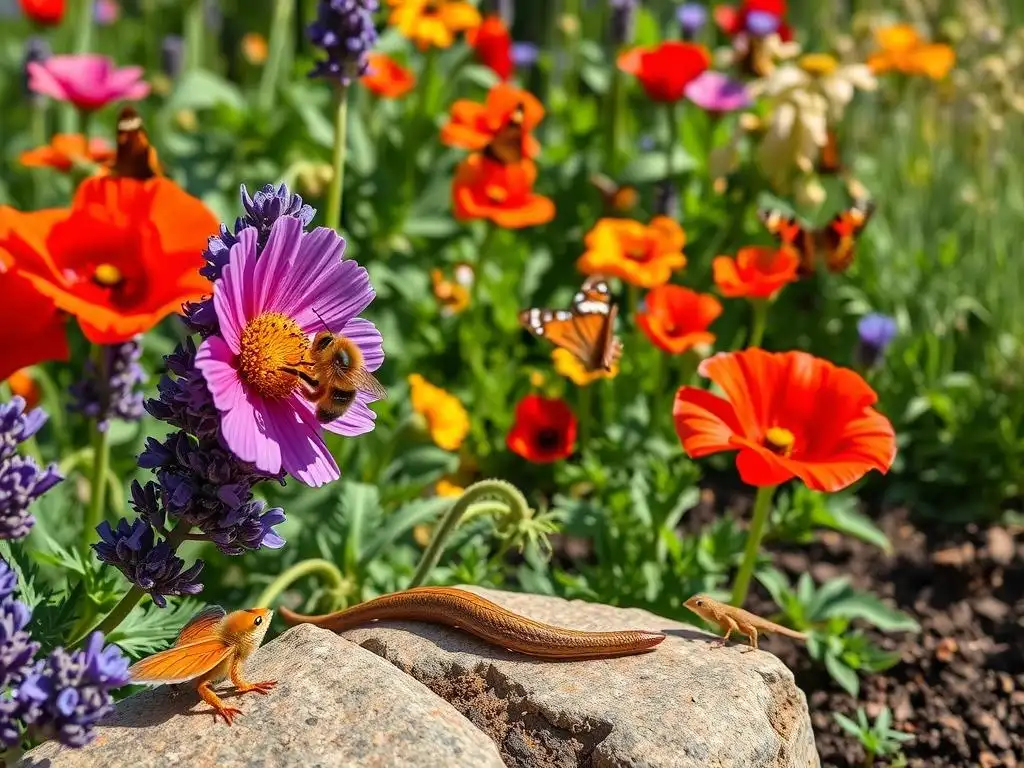
The concept of "Garden biodiversity benefits" extends far beyond aesthetic appeal. A thriving, biodiverse garden is the cornerstone of a truly sustainable and productive growing system. It's a delicate ecosystem where the health of plants, insects, birds, and other organisms are intrinsically linked.
Increased biodiversity translates directly into enhanced resilience against pests and diseases, improved soil health, and ultimately, a more abundant and flavorful harvest. This section explores the interwoven relationship between biodiversity and sustainable gardening practices, showcasing how nurturing a variety of life forms within your garden space contributes to a healthier and more productive environment. We'll delve into specific practices that actively promote biodiversity, demonstrating the tangible benefits for both your garden and the wider ecosystem.
Composting and its Role in Supporting Biodiversity
Composting is more than just waste reduction; it's a fundamental pillar of building a biodiverse garden. The decomposition process itself fosters a rich ecosystem teeming with microorganisms, fungi, and invertebrates. These organisms break down organic matter, creating nutrient-rich compost that nourishes your plants.
This compost acts as a natural fertilizer, reducing the need for synthetic inputs. Furthermore, the diverse community of organisms within the compost pile attracts beneficial insects and other creatures to your garden, contributing to natural pest control. A well-managed compost pile, therefore, acts as a microcosm of biodiversity, directly influencing the overall health and vitality of your garden.
Consider this: a single cubic yard of compost can contain billions of microorganisms, including bacteria, actinomycetes, and fungi. These organisms work synergistically, transforming organic waste into a valuable resource. The resulting compost not only provides essential nutrients for plant growth but also improves soil structure, aeration, and water retention.
This improved soil health, in turn, supports a wider range of plant life, creating a more robust and resilient ecosystem. The presence of earthworms, for instance, is a key indicator of healthy compost and soil, as they further enhance soil structure and nutrient cycling. Actively managing your compost pile, ensuring proper moisture and aeration, directly contributes to this thriving ecosystem and increases the "Garden biodiversity benefits" you will see.
Organic Gardening Techniques that Promote Biodiversity
Organic gardening practices inherently support biodiversity. By avoiding synthetic pesticides and fertilizers, you create a safer haven for beneficial insects, pollinators, and other wildlife. These organisms play vital roles in the health of your garden, from pollination to natural pest control. The absence of harsh chemicals also allows for the development of a diverse microbial community in the soil, further enhancing its fertility and resilience.
For example, the use of companion planting, where different plant species are grown together to benefit one another, promotes biodiversity and enhances pest control. Marigolds, for example, are known to repel certain pests while attracting beneficial insects. Similarly, planting flowering plants attracts pollinators like bees and butterflies, which are essential for fruit and vegetable production. These practices not only contribute to a healthier garden but also support the wider ecosystem, showcasing the interconnectedness of plant and animal life.
By embracing organic techniques and understanding the intricate relationships within your garden ecosystem, you contribute to a more sustainable and vibrant growing environment. This directly impacts the "Garden biodiversity benefits" you reap. Remember, even seemingly small actions, like leaving some areas of your garden unkempt, can create habitats for beneficial insects and other wildlife.
The Importance of Native Plants in Supporting Local Ecosystems
Choosing native plants is crucial for maximizing "Garden biodiversity benefits." Native plants are adapted to the local climate and soil conditions, requiring less water and fewer inputs. More importantly, they provide essential food and habitat for local wildlife, including insects, birds, and other animals. This creates a self-sustaining ecosystem within your garden, reducing your reliance on external interventions and contributing to a healthier environment. Native plants are also more resilient to local pests and diseases, further reducing the need for pesticides.
Consider the impact of a single oak tree: it supports hundreds of species of insects, birds, and other animals. In contrast, a non-native plant may offer little sustenance for local wildlife. By selecting native plants, you're actively contributing to the health of the local ecosystem, supporting the intricate web of life that sustains your garden and the wider environment. This mindful selection of plants directly contributes to increased biodiversity and reinforces the principles of sustainable gardening. The benefits extend beyond your immediate garden, fostering a healthier and more resilient ecosystem for the long term.
Biodiversity and Water Conservation in Your Garden
A diverse garden ecosystem, teeming with various plant and animal life, plays a crucial role in efficient water management. This is achieved through a complex interplay of factors, significantly impacting the overall water needs of your garden. For example, a well-established network of plant roots from a variety of species creates a more extensive and robust root system. This expanded root network improves soil structure, increasing its water retention capacity.
The soil becomes more porous, allowing for better water infiltration and reducing runoff, which is a significant contributor to water waste. This means less frequent and less intense watering is required, leading to considerable water savings over time. The benefits extend beyond simple water retention; diverse root systems also help prevent soil erosion, further protecting the precious water resources within your soil.
Moreover, the presence of beneficial insects and other wildlife contributes indirectly to water conservation. Predatory insects, such as ladybugs and lacewings, help control pest populations. Uncontrolled pests can damage plants, leading to wilting and increased water stress, forcing you to water more frequently to compensate. By maintaining a healthy balance of beneficial and harmful insects, you minimize plant damage and the subsequent need for extra watering.
Additionally, earthworms, often overlooked, play a critical role in improving soil aeration and drainage. Well-aerated soil allows water to penetrate more effectively, minimizing surface runoff and maximizing water absorption by plant roots. This interconnectedness highlights the importance of fostering a thriving ecosystem in your garden for optimal water conservation.
A biodiverse garden acts as a self-regulating system, reducing the need for human intervention and minimizing water consumption. This is a crucial aspect of sustainable gardening practices, promoting both environmental responsibility and resource efficiency. The long-term economic benefits are also substantial, as reduced water bills reflect the positive impact of a biodiverse garden.
Measuring the Impact of Biodiversity in Your Garden: Observation and Assessment
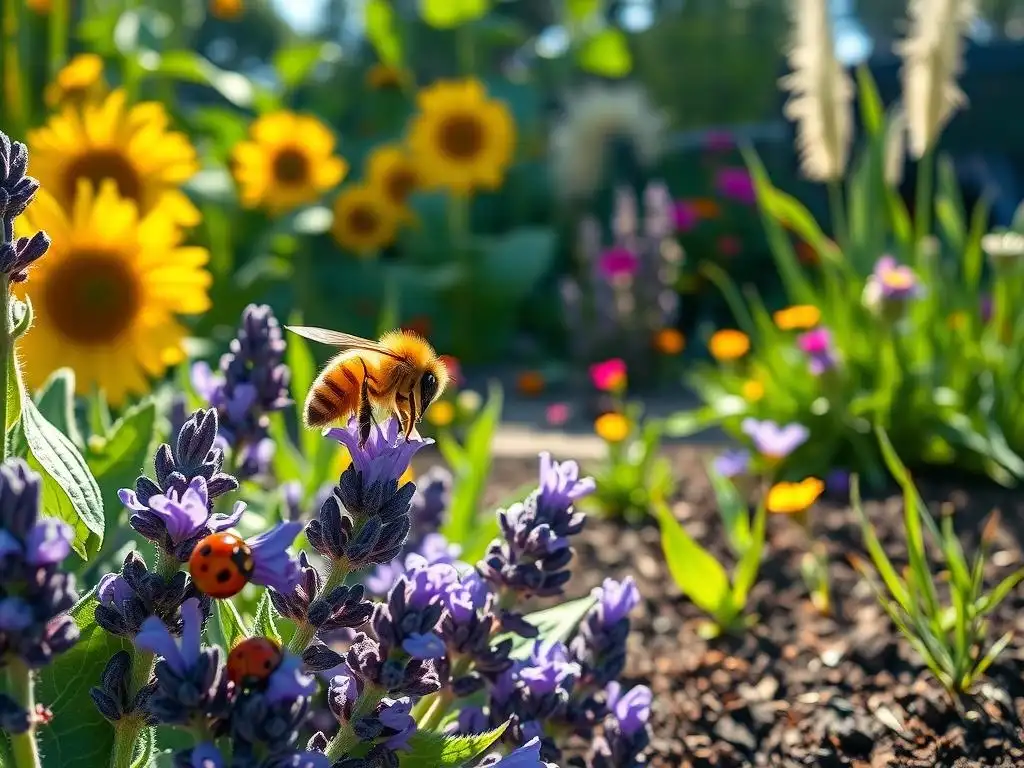
Understanding the biodiversity flourishing in your garden isn't just about admiring pretty flowers and buzzing bees; it's about assessing the health and resilience of your entire ecosystem. A diverse garden is a productive garden, offering increased yields, natural pest control, and enhanced soil fertility. Measuring this impact requires careful observation and consistent assessment over time.
By tracking key indicators, you can gain valuable insights into the effectiveness of your biodiversity-boosting efforts and make adjustments as needed. This section will guide you through practical methods to monitor and evaluate the impact of your garden's biodiversity, focusing on key areas crucial for sustainable gardening practices. Remember, consistent monitoring is key to understanding the long-term benefits of Garden biodiversity benefits.
Monitoring Pollinator Activity: Observing Bees, Butterflies, and Other Beneficial Insects
Pollinators are the unsung heroes of any productive garden. Their presence is a direct indicator of a healthy and thriving ecosystem. Monitoring their activity provides valuable insights into the effectiveness of your biodiversity-enhancing strategies. You can start by simply observing your garden regularly, noting the types and numbers of pollinators you see. Consider using a simple notebook or a dedicated gardening app to record your observations.
Here's how to effectively track pollinator activity:
- Species Identification: Try to identify the different species of bees, butterflies, hoverflies, and other pollinators visiting your plants. Field guides or online resources can be helpful. Note the diversity – are you seeing many different species, or just a few?
- Frequency and Duration: Record how often you see pollinators visiting your plants. Also, note how long they spend on each plant. Increased frequency and longer durations suggest a successful pollinator habitat.
- Plant Preferences: Observe which plants attract the most pollinators. This information can help you plan future plantings to further support pollinator populations.
- Time of Day: Pollinator activity often varies throughout the day. Consider observing your garden at different times to get a complete picture.
For a more quantitative approach, you could consider using standardized methods for pollinator surveys, although these often require more expertise. Even simple observations, consistently recorded, can provide valuable data on the Garden biodiversity benefits you are achieving. The more data you collect, the better you'll understand the dynamics of your garden's pollinator community.
Assessing Pest Populations: Tracking Pests and Their Natural Predators
A balanced ecosystem naturally regulates pest populations. The presence of beneficial insects, birds, and other predators helps keep pest numbers in check, minimizing the need for chemical interventions. Monitoring pest populations and their natural enemies allows you to gauge the effectiveness of your biodiversity management strategies.
To assess pest populations:
- Regular Inspections: Regularly inspect your plants for signs of pest damage, such as holes in leaves, wilting, or unusual growth patterns. Note the specific pests you identify.
- Predator Observation: Look for evidence of natural predators, such as ladybug larvae feeding on aphids, or birds preying on caterpillars. Their presence indicates a healthy balance within your garden's ecosystem.
- Pest Population Trends: Track the changes in pest populations over time. Are they increasing, decreasing, or remaining stable? This data will help you understand the effectiveness of your biodiversity-enhancing practices.
- Data Recording: Maintain a record of your observations, noting the date, location, type of pest, and the estimated population size. You can use a simple spreadsheet or a dedicated gardening app.
By understanding the interplay between pests and their natural predators, you can better appreciate the Garden biodiversity benefits and make informed decisions about managing your garden sustainably. A healthy, biodiverse garden will often regulate pest populations naturally, significantly reducing the need for chemical controls.
Evaluating Soil Health: Indicators of a Thriving Soil Ecosystem
Healthy soil is the foundation of a thriving garden. Biodiversity plays a crucial role in maintaining soil health by contributing to nutrient cycling, water retention, and disease suppression. Assessing your soil's health provides valuable insights into the overall success of your biodiversity efforts.
Several indicators point to a thriving soil ecosystem:
- Soil Structure: Healthy soil has a good structure, with a crumbly texture that allows for good air and water penetration. Poor soil structure is often an indication of poor soil health and low biodiversity.
- Earthworm Population: Earthworms are excellent indicators of soil health. A high earthworm population suggests good soil structure, nutrient cycling, and overall soil biodiversity.
- Organic Matter Content: High organic matter content indicates a rich and fertile soil, supporting a diverse range of soil organisms. This can be assessed through a soil test.
- Plant Growth: Healthy plants are a clear indicator of healthy soil. Observe the vigor and overall health of your plants. Stunted growth or yellowing leaves may indicate soil problems.
By monitoring these indicators, you can gain a better understanding of the Garden biodiversity benefits in your soil and make informed decisions about soil management practices. Remember, healthy soil is essential for a productive and sustainable garden. Regular soil testing and observation are crucial for maintaining soil health and maximizing the benefits of a biodiverse garden.
Long-Term Observation and Adaptation: Continuous Improvement of your Garden Biodiversity
Long-term observation is the cornerstone of understanding and enhancing garden biodiversity. It's not a one-time snapshot but a continuous process of learning and adapting. Think of your garden as a living laboratory, constantly evolving and responding to environmental changes and your interventions. By meticulously recording your observations over several seasons, you'll gain invaluable insights into the dynamics of your ecosystem.
This includes noting the arrival and departure of different bird species, the abundance of pollinators like bees and butterflies, the presence of beneficial insects, and the health of your plants. A simple notebook or a dedicated gardening journal can suffice, allowing you to track these changes over time. You might even consider using a digital spreadsheet or app for easier data management and analysis.
Consistent monitoring allows you to identify patterns and trends. For instance, you might observe a decline in a particular pollinator population during a specific time of year. This could indicate a need for supplemental planting of nectar-rich flowers to support their survival. Alternatively, you might notice an increase in pest infestations following a period of drought, suggesting the need for improved water management practices. These observations become invaluable feedback, informing your future gardening decisions and your ongoing efforts to cultivate a thriving and biodiverse garden.
Adapting your gardening strategies based on these observations is key to long-term success. It might involve adjusting planting schedules to better coincide with the life cycles of beneficial insects, experimenting with different companion planting techniques to deter pests, or introducing habitat features such as birdhouses or bug hotels to attract and support wildlife.
Remember, garden biodiversity is a dynamic process; it's not about achieving a static ideal but about continuously improving and refining your approach based on the feedback you receive from your garden itself. The more you observe, the better you understand, and the more effectively you can manage and enhance the biodiversity within your green space.
This iterative process of observation, analysis, and adaptation is crucial for building a resilient and thriving garden ecosystem that supports both your plants and a wide variety of wildlife. The rewards – a healthier, more productive, and more beautiful garden – are well worth the effort.
Resources for Enhancing Garden Biodiversity: Further Learning and Support
This section provides valuable resources to help you delve deeper into the fascinating world of garden biodiversity and discover how to implement these principles in your own green space. Understanding the benefits of biodiversity is only the first step; actively cultivating it requires knowledge and support. We've compiled a selection of resources to assist you in your journey towards a thriving, biodiverse garden.
List of Recommended Books/Websites on Garden Biodiversity
Gaining a comprehensive understanding of garden biodiversity requires dedicated learning. Fortunately, numerous excellent resources are available to guide you. Below, we list some notable books and websites offering detailed information and practical advice on fostering biodiversity in your garden. These resources cover various aspects, from choosing the right plants to attracting beneficial insects and creating habitats for wildlife.
- Books:
- The Wildlife Gardener: Creating a haven for nature – This book provides detailed guidance on creating a wildlife-friendly garden, focusing on plant selection and habitat creation. It offers practical tips and insightful observations on attracting a variety of species.
- Bringing Nature Home: How You Can Sustain Wildlife with Native Plants – A comprehensive guide emphasizing the importance of native plants in supporting local ecosystems. It explores the ecological connections between plants and animals and offers practical advice on selecting and cultivating native species.
- Gardening for the Birds: How to Attract and Feed Birds in Your Backyard – While focused on birds, this book highlights the interconnectedness of wildlife and provides valuable insights into habitat creation that benefits a broader range of species.
- Websites:
- [Website Name Placeholder 1]: This website (information pending) offers a wealth of information on sustainable gardening practices, including detailed guides on attracting pollinators and creating wildlife habitats.
- [Website Name Placeholder 2]: This resource (information pending) provides practical advice and resources for creating biodiverse gardens, focusing on specific plant selections and gardening techniques.
Local Organizations Promoting Biodiversity in Gardening
Connecting with local organizations dedicated to promoting biodiversity is invaluable. These groups often offer workshops, volunteer opportunities, and valuable local knowledge tailored to your specific region's flora and fauna. They can provide crucial information on native plants, pest control strategies, and community initiatives supporting biodiversity.
Finding these organizations is often as simple as searching online for "[Your Location] Biodiversity Gardening" or "[Your Location] Native Plant Society". Many local chapters of national organizations also exist, focusing on conservation and sustainable gardening practices. Engaging with these groups allows you to learn from experienced gardeners, share your experiences, and contribute to broader conservation efforts within your community.
Participation in these groups can significantly enhance your understanding of Garden biodiversity benefits and equip you with the practical skills needed to create a thriving ecosystem in your own backyard.
Seed Suppliers Specializing in Biodiversity-Friendly Plants
Choosing the right seeds is crucial for establishing a biodiverse garden. Many seed suppliers now specialize in providing a wide variety of native plants and wildflowers, crucial for supporting local wildlife. These suppliers often prioritize organic and sustainably sourced seeds, ensuring your garden contributes to a healthier environment.
When selecting seeds, look for suppliers explicitly promoting biodiversity. They often offer detailed descriptions of the plants' ecological benefits, including their ability to attract pollinators, provide food sources for birds and insects, and support other wildlife. Prioritizing these suppliers directly supports sustainable agriculture and contributes to the larger goal of enhancing biodiversity in your garden and beyond. Choosing these seeds helps you actively participate in building a more resilient and biodiverse ecosystem, reaping the numerous Garden biodiversity benefits in the process. Remember to consider the specific needs of your local ecosystem when making your selections. 🌱
Frequently Asked Questions
What are the main benefits of garden biodiversity?
A biodiverse garden offers increased resilience to pests and diseases, improved soil health through diverse microbial activity, and a more productive and abundant harvest. It also supports beneficial pollinators.
How can I increase biodiversity in my home garden?
Incorporate a variety of plant species with different heights, flowering times, and colors. Provide habitats for wildlife, such as birdhouses, insect hotels, and water sources. Avoid the use of harmful pesticides.
What role do pollinators play in a biodiverse garden?
Pollinators like bees and butterflies are essential for fruit and seed production in many plants. A diverse garden attracts a wider range of pollinators, leading to better fruit set and higher yields.
Does biodiversity help with pest control in my garden?
Yes, a diverse garden naturally supports beneficial insects and other predators that feed on common garden pests. This reduces the need for chemical pest control, promoting a healthier ecosystem.
How does a biodiverse garden improve soil health?
Different plants have different root systems and nutrient requirements. This increases soil structure and fertility, leading to healthier plants and a more sustainable garden overall. Improved microbial activity also contributes to better soil health.
Final Reflection: Nurturing Life, Nurturing Ourselves
The vibrant tapestry of life on Earth, encompassing the intricate web of biodiversity, is not merely a spectacle to behold; it's the very foundation upon which our survival rests. The health of our planet, and consequently our own well-being, is inextricably linked to the richness and diversity of its plant and animal life. Ignoring this fundamental truth has dire consequences, as we are increasingly witnessing through climate change and ecosystem collapse.
The impact of biodiversity loss extends far beyond the immediate decline of specific species. It ripples outwards, affecting everything from the stability of our food systems to the resilience of our communities. The benefits are not just ecological; they are profoundly economic and social. The diversity of life is what makes our planet habitable. It provides us with food, clean water, medicine, and countless other essential resources.
This simple statement underscores the urgent need to protect and enhance biodiversity, not just in vast wilderness areas, but also in our own backyards. The small actions we take, like cultivating diverse gardens, contribute significantly to the larger picture.
Consider the implications of this for your own life. What steps can you take, starting today, to increase the biodiversity in your immediate environment? Perhaps it's planting native flowers to attract pollinators, creating a small wildlife habitat, or simply reducing your reliance on pesticides. Every action, no matter how small, contributes to a larger movement towards a healthier, more vibrant planet. Let us all be stewards of this precious biodiversity, ensuring a thriving future for generations to come.
Unleash Your Inner Conservationist: Take Action for Biodiversity!
Learn about and protect the incredible variety of life on Earth. We hope you've gained a new appreciation for the interconnectedness of all living things and the vital role biodiversity plays in our well-being. Now let's turn that understanding into action.
- Become a Biodiversity Champion: Start small! Find local conservation organizations and volunteer your time, even if it's just a few hours a month. You could help plant native trees, participate in a wildlife count, or simply educate your friends and family about the importance of biodiversity.
- Make Sustainable Choices: Consider the environmental impact of your purchases. Choose sustainably sourced products whenever possible. This supports businesses that prioritize environmental protection and helps reduce your impact on the planet.
- Share Your Passion: Spread the word! Share this article or other resources about biodiversity with your network. Start a conversation about protecting Earth's amazing variety of life.
What small step will you take today to help create a more biodiverse future?