
The Importance of Using Recycled Materials in Home Gardening

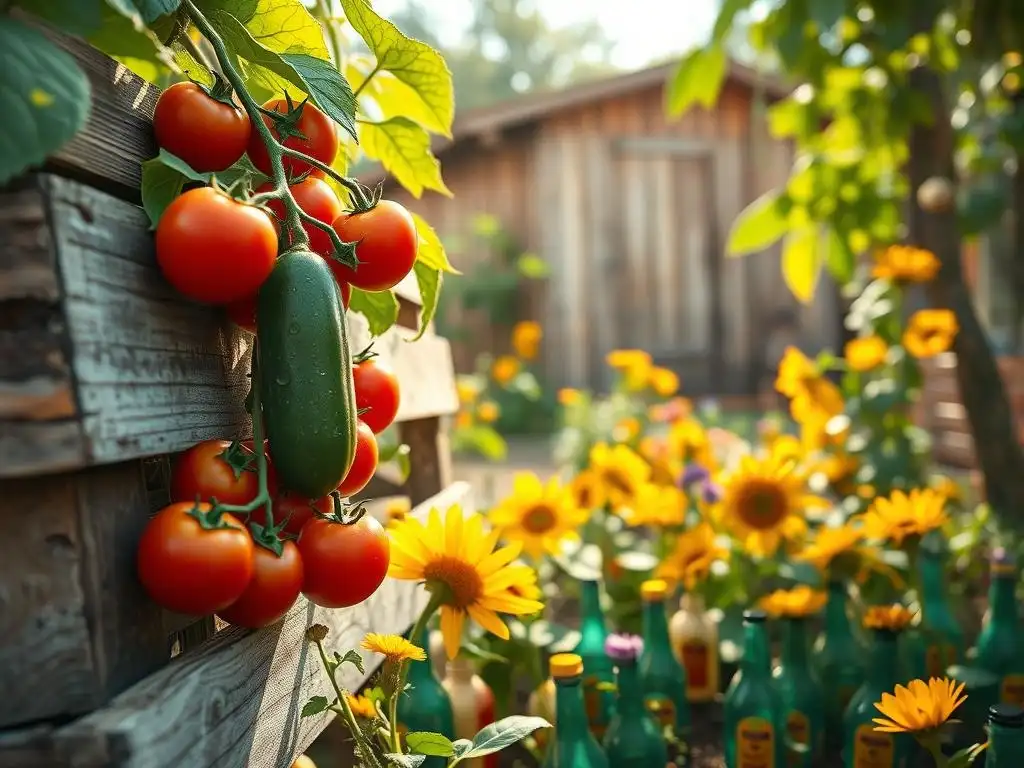
Welcome to CultivateYourFood, your guide to growing a thriving garden using sustainable methods! Are you ready to transform your backyard into a vibrant oasis while minimizing your environmental footprint? Discover the incredible potential of recycled materials home gardening – a surprisingly effective and eco-conscious approach to cultivating your own fruits, vegetables, and herbs. Learn how to repurpose everyday items and unlock a world of gardening possibilities, all while creating a healthier, more sustainable lifestyle. Let's get started!
- Benefits of Recycled Materials for Sustainable Home Gardening
- Creative Uses of Recycled Materials in Your Garden
- Choosing the Right Recycled Materials for Your Garden
- Examples of Successful Recycled Material Gardening Projects
- Getting Started with Recycled Materials in Your Home Garden
- Maintaining Your Recycled Material Garden
-
Frequently Asked Questions
- What are some examples of recycled materials I can use in my home garden?
- How does using recycled materials benefit my garden and the environment?
- Are there any drawbacks to using recycled materials in gardening?
- How can I make sure the recycled materials I use are safe for my plants and my family?
- Where can I find recycled materials for my home garden?
- Final Reflection: Cultivating a Greener Future, One Recycled Pot at a Time
- Grow Your Green Thumb: Take Action for a Sustainable Garden
Benefits of Recycled Materials for Sustainable Home Gardening
Home gardening offers a rewarding connection to nature, providing fresh, healthy produce while reducing your carbon footprint. But did you know that your gardening practices can become even more sustainable by incorporating recycled materials? This article explores the significant advantages of using recycled materials in your home garden, demonstrating how repurposing everyday items can contribute to a greener, more cost-effective, and ultimately more productive growing experience.
We'll delve into the environmental benefits, the financial savings, and the positive impacts on soil health that utilizing recycled materials can bring to your homegrown food production, all while aligning with the principles of sustainable and organic gardening practices. This approach helps reduce waste, minimizes environmental impact, and fosters a more responsible and rewarding gardening journey. Let's discover how embracing recycled materials can transform your home garden into a truly sustainable and flourishing ecosystem.
Reducing Landfill Waste: A Greener Approach to Homegrown Food
Landfills are overflowing with materials that could be repurposed. By using recycled materials in our gardens, we actively participate in reducing waste and its associated environmental consequences. Consider the sheer volume of plastic containers, glass jars, and cardboard boxes that end up in landfills each year. These materials can be easily repurposed for a variety of gardening tasks.
For instance, plastic bottles can be transformed into simple watering systems or seedling protectors, while glass jars offer excellent containers for starting seeds or storing harvested produce. Cardboard boxes, after appropriate preparation, can be used to suppress weeds or create protective barriers. The benefits extend beyond simply diverting waste from landfills; repurposing reduces the demand for new materials, thereby decreasing the energy consumption and pollution associated with manufacturing.
This ultimately contributes to a smaller carbon footprint for your homegrown food. The positive environmental impact is substantial – less waste in landfills translates to reduced greenhouse gas emissions and less pollution of our soil and water resources. By choosing to recycle and repurpose, you're not just gardening; you're actively contributing to a healthier planet.
Cost-Effective Gardening: Repurposing Materials for Budget-Friendly Cultivation
Embracing recycled materials significantly reduces the financial burden of home gardening. New gardening supplies can be expensive, but many readily available recycled materials can serve as effective and affordable alternatives. Instead of purchasing expensive plant markers, use recycled plastic forks or spoons labeled with a permanent marker.
Old tires can be transformed into vertical gardens, providing extra space for cultivation without the need for costly raised beds. Even broken pottery or discarded bricks can be used to create unique and attractive pathways or borders. The cost savings can be substantial, especially for those just starting their gardening journey.
Repurposing allows you to allocate your budget towards other essential gardening needs such as high-quality soil amendments or seeds. This budget-friendly approach makes home gardening accessible to a wider range of people, promoting a more inclusive and sustainable practice. The financial benefits, coupled with the environmental advantages, make recycled materials a compelling choice for budget-conscious gardeners.
Improving Soil Health with Recycled Materials
The use of recycled materials extends beyond simply containing plants; it can also actively improve soil health. Composting is a prime example. Composting kitchen scraps, yard waste, and other organic materials creates nutrient-rich soil amendments that enhance the quality of your garden soil.
This improves drainage, aeration, and water retention, creating a more optimal environment for plant growth. Furthermore, the addition of composted materials reduces the need for synthetic fertilizers, further promoting sustainable and organic gardening practices. Beyond composting, materials like shredded newspaper or cardboard can be used as mulch, suppressing weeds and retaining soil moisture.
These materials gradually decompose, adding organic matter to the soil and improving its structure over time. This natural approach to soil enrichment is not only environmentally friendly but also improves the overall health and productivity of your garden, resulting in healthier, more vibrant plants. The long-term benefits of using recycled materials for soil improvement are undeniable, contributing to a thriving and sustainable garden ecosystem.
Creative Uses of Recycled Materials in Your Garden
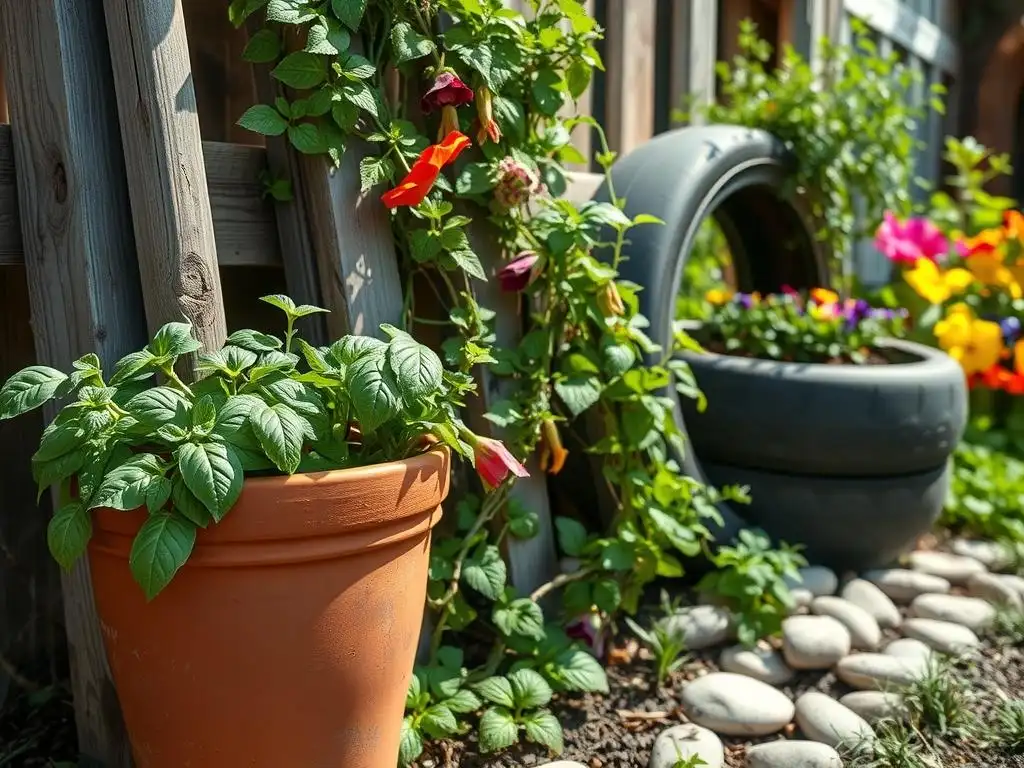
This section explores practical and innovative ways to incorporate recycled materials into your home gardening practices, minimizing waste and maximizing resource efficiency. By repurposing everyday items, you can create a thriving, sustainable garden while reducing your environmental footprint. This approach aligns perfectly with the principles of "Recycled materials home gardening," offering both cost savings and ecological benefits.
Repurposing Plastic Bottles for Watering and Seed Starting
Plastic bottles, a ubiquitous form of plastic waste, can be easily transformed into valuable gardening tools. Instead of contributing to landfill waste, these bottles can be repurposed for efficient watering and seed starting, fostering healthy plant growth.
One simple method involves cutting the bottom off a plastic bottle and using it as a makeshift watering can. The narrow neck allows for precise watering of seedlings and delicate plants, preventing overwatering and soil erosion. This technique is particularly useful for reaching plants in hard-to-access areas of your garden. For seed starting, you can cut the bottle in half, fill the bottom half with potting mix, and sow your seeds directly into the recycled container.
Once seedlings emerge, you can transplant the entire bottle into your garden bed, minimizing root disturbance. This method reduces the need for disposable seed starting trays, promoting a more sustainable approach to plant propagation. Consider using clear plastic bottles to monitor moisture levels and root development easily. Remember to thoroughly clean and rinse the bottles before use to remove any chemical residues.
Furthermore, larger plastic bottles can be adapted into self-watering systems for potted plants. Simply drill holes in the cap and the bottom of the bottle, fill it with water, and insert it upside down into the soil. This provides a slow and steady release of water, preventing overwatering and ensuring consistent moisture for your plants. This creative use of recycled materials not only reduces waste but also improves water management in your garden.
Utilizing Cardboard and Newspaper for Mulching and Weed Suppression
Cardboard and newspaper, often discarded as waste, offer excellent mulching and weed suppression solutions for your garden. This aligns perfectly with the concept of "Recycled materials home gardening," providing a natural and cost-effective alternative to commercially produced mulches.
Cardboard, broken down into smaller pieces, can effectively suppress weeds by blocking sunlight. Layering cardboard directly onto the soil before planting helps prevent weed growth and retains soil moisture. This method is particularly useful for preparing new garden beds or suppressing persistent weeds. Ensure that the cardboard is free of any glossy print or plastic coatings, as these can prevent decomposition. You can further enhance its effectiveness by covering the cardboard with a layer of organic mulch, such as wood chips or straw, to improve aesthetics and soil health.
Similarly, newspaper can be used as a mulch, especially when preparing raised beds. Layering several sheets of newspaper creates a barrier against weeds, while the newspaper itself will eventually decompose, adding organic matter to the soil. Avoid using glossy or colored newspaper, as these may contain inks harmful to plants. The decomposition process enriches the soil with nutrients, improving its structure and fertility. This method is particularly effective for suppressing weeds in areas where frequent weeding is challenging. Remember to water the soil thoroughly before applying the newspaper mulch to ensure proper decomposition.
Turning Old Tires into Vertical Garden Beds
Old tires, often discarded as bulky waste, can be repurposed into creative and functional vertical garden beds. This innovative use of recycled materials is a visually interesting and space-saving way to increase your garden's yield and promote the principles of "Recycled materials home gardening".
The process involves cleaning and preparing the tires, ensuring they are free of any harmful substances. You can then stack the tires vertically or horizontally, creating a tiered planting system. Ensure adequate drainage by drilling holes in the bottom of each tire. Fill each tire with a suitable potting mix, suitable for the plants you intend to grow.
This method is particularly useful for growing vining plants, such as tomatoes, cucumbers, and beans, which can climb and thrive in the vertical space. The tires provide a unique, visually appealing structure, adding a touch of creativity to your garden landscape. This vertical gardening approach maximizes space utilization, especially in smaller gardens or patios.
Consider painting the tires to enhance their aesthetic appeal and protect them from the elements. Remember to choose tires that are free from chemicals and contaminants. Proper preparation is crucial to ensure the safety of your plants and the environment.
Creating Trellises and Supports from Reclaimed Wood
Reclaimed wood offers a fantastic, sustainable alternative to purchasing new lumber for garden trellises and plant supports. The rustic charm adds a unique aesthetic to your garden while minimizing your environmental impact. Think about old pallets, discarded fence posts, or even salvaged lumber from demolition projects. Before using any reclaimed wood, it's crucial to inspect it thoroughly. Remove any loose nails, staples, or sharp pieces that could pose a safety hazard.
Clean the wood to remove dirt, debris, and any potential pest infestations. A good scrub with soap and water, followed by a thorough drying, is usually sufficient. Consider pressure-treating the wood if you're using it for supports that will be in direct contact with soil, especially if you're growing edible plants. This will help prevent rot and the leaching of harmful chemicals into your soil.
You can easily construct simple trellises by arranging reclaimed wood planks in a lattice pattern, securing them with screws or strong twine. More complex designs are achievable with a little carpentry skill, allowing you to create unique and personalized structures tailored to your specific plants' needs. For climbing plants like beans, peas, or cucumbers, a sturdy trellis is essential for optimal growth and yield. Using reclaimed wood for these structures not only reduces waste but also provides a robust and long-lasting support system.
Remember to consider the weight your plants will eventually carry when designing your trellis, ensuring adequate strength and stability. Larger pieces of wood, like salvaged fence posts, can be used as individual supports for larger plants or as corner posts for a more elaborate trellis system. The possibilities are truly endless, limited only by your creativity and the available materials.
The character and unique marks of reclaimed wood add a touch of rustic elegance to any garden, making your recycled creations a beautiful and functional addition to your sustainable gardening practice. The slightly weathered appearance of reclaimed wood can even blend seamlessly into a more natural garden setting. This approach aligns perfectly with the principles of "recycled materials home gardening" and promotes environmentally conscious practices.
Choosing the Right Recycled Materials for Your Garden
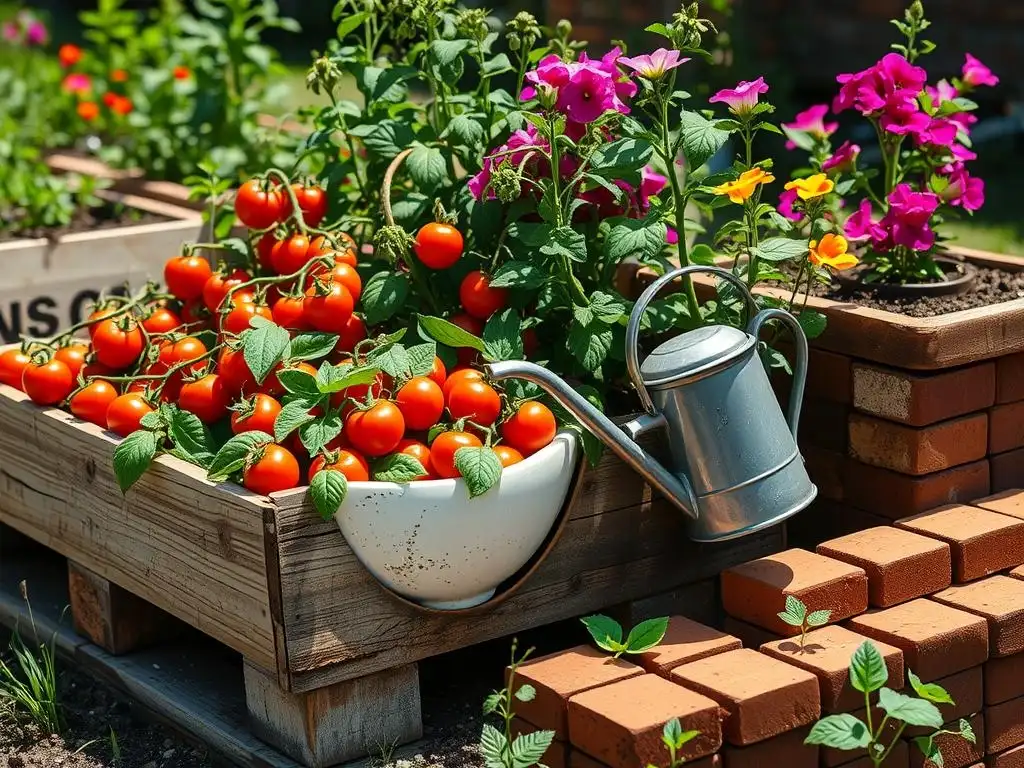
This section focuses on selecting appropriate recycled materials for your home garden, maximizing their benefits while minimizing potential risks. Successfully integrating recycled materials into your gardening practices hinges on careful selection. Not all recycled materials are created equal, and some may even be detrimental to plant health and soil quality. Let's explore how to make informed choices.
Selecting Safe and Non-Toxic Materials for Planting
When choosing recycled materials for planting, prioritize safety and avoid materials that could harm your plants or contaminate your soil. Think about direct contact with the soil and plants. For example, using plastic containers for seedlings is common, but it's crucial to ensure they are food-grade and free from harmful chemicals. Look for containers labeled as “food-safe recycled plastic.” Avoid using containers that previously held hazardous materials like pesticides or paints. These could leach harmful substances into the soil, affecting plant growth and potentially harming beneficial microorganisms.
Similarly, when using recycled textiles like old t-shirts or burlap for mulch or plant covers, make sure they are clean and haven't been treated with harsh chemicals. Natural fibers like cotton or jute are generally safer options than synthetic fabrics, which may take longer to decompose and could release microplastics into the environment. Always wash used textiles thoroughly before using them in your garden to remove any residual dirt, detergent, or chemicals.
Remember, the goal is to enhance your garden, not endanger it. Prioritizing safe materials is a fundamental aspect of sustainable and organic gardening practices.
Avoiding Materials that Could Leach Harmful Chemicals into the Soil
The potential for leaching harmful chemicals from recycled materials is a significant concern. Many plastics, especially those used in industrial applications, contain additives that can leach into the soil over time. These additives can disrupt plant growth, inhibit nutrient uptake, and even pose risks to human health if the contaminated produce is consumed.
Here's a table summarizing materials to avoid:
| Material | Potential Hazards | Safer Alternatives |
|---|---|---|
| Treated lumber | Preservatives (e.g., arsenic, chromated copper arsenate) | Untreated reclaimed wood |
| Plastic food containers (unspecified) | Unknown chemicals and potential for leaching | Food-grade recycled plastics |
| Painted or varnished materials | Paints and varnishes contain toxins | Unpainted, unvarnished materials |
| Rubber tires | Heavy metals, petroleum-based compounds | Compost, wood chips |
The use of recycled materials should always be carefully considered. A thorough assessment of the material's history and composition is crucial before incorporating it into your gardening practices. When in doubt, err on the side of caution and choose a safer alternative.
Sourcing Recycled Materials Responsibly
Sourcing recycled materials responsibly is vital for minimizing environmental impact and ensuring the sustainability of your gardening efforts. Simply using recycled materials isn't enough; the process of acquiring them should also align with sustainable principles.
Consider these points:
- Local sourcing: Reduce transportation emissions by sourcing materials locally. Check with local recycling centers, community gardens, and construction sites for reclaimed materials.
- Reputable suppliers: Choose suppliers who prioritize ethical and environmentally sound practices. Inquire about their sourcing methods and material certifications.
- Material verification: Whenever possible, verify the composition and safety of the materials. Look for certifications or labels indicating their suitability for gardening use.
- Reduce, Reuse, Recycle: Always prioritize reducing your consumption of new materials, followed by reusing existing items before recycling. This reduces the overall demand for new resources.
By incorporating these responsible sourcing practices, you can contribute to a more sustainable and environmentally friendly home gardening experience. The responsible selection and utilization of recycled materials are key components of environmentally conscious gardening. Remember, sustainable gardening is a holistic approach, and responsible sourcing is an integral part of that commitment. ♻️
Examples of Successful Recycled Material Gardening Projects
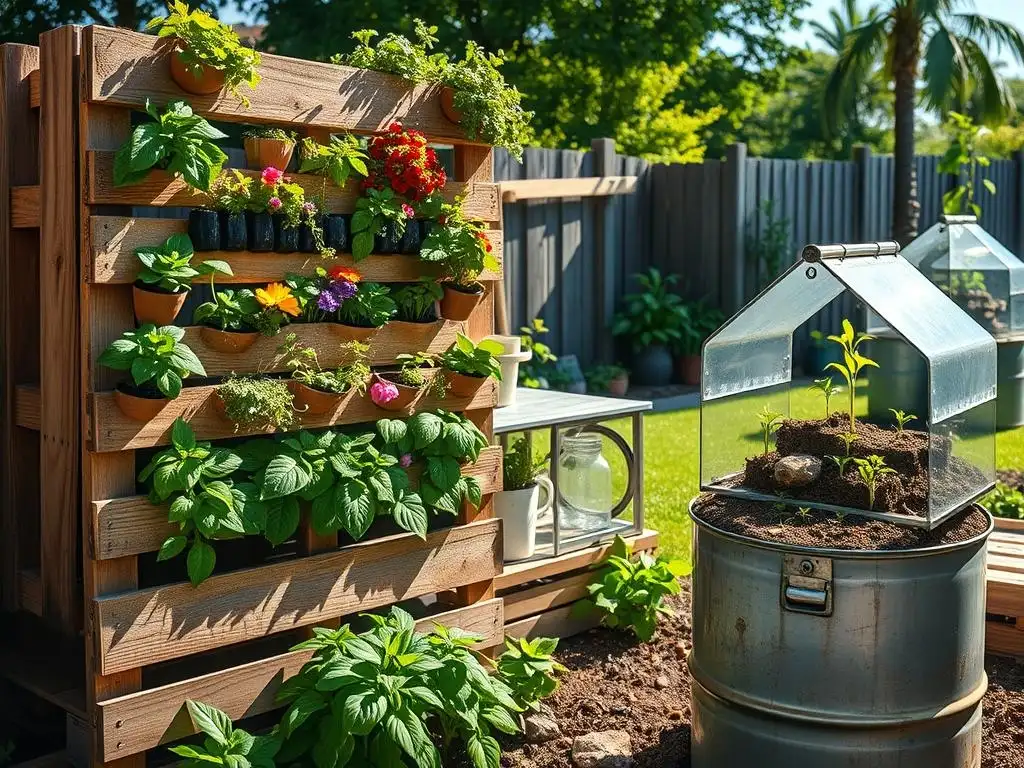
This section showcases practical examples of how recycled materials can be effectively incorporated into home gardening, demonstrating the versatility and sustainability of this approach. We'll explore specific projects, highlighting the materials used, the construction process, and the resulting benefits. Successfully integrating recycled materials into your gardening practices not only reduces waste but also provides creative and cost-effective solutions for cultivating your food. Remember, even small changes can contribute significantly to a more sustainable lifestyle and healthier environment. The creative reuse of materials is a cornerstone of environmentally friendly "Recycled materials home gardening".
Case Study 1: Vertical Herb Garden from Recycled Plastic Bottles
Transforming discarded plastic bottles into a thriving vertical herb garden is a fantastic way to maximize space and minimize environmental impact. This project is perfect for small balconies, patios, or even indoor gardening enthusiasts. The key to success lies in proper drainage and sunlight exposure.
To begin, you'll need a variety of plastic bottles – different sizes add visual interest. Thoroughly clean and dry the bottles. Cut off the bottom of each bottle, leaving enough space for soil and roots. You can drill small drainage holes in the bottom of the cut section to prevent waterlogging. Then, arrange the bottles in a vertical configuration, using strong string or wire to secure them to a sturdy support structure like a fence or wall.
Next, fill each bottle with a well-draining potting mix suitable for herbs. Plant your chosen herbs, ensuring the roots have ample space to grow. Regular watering and fertilization are crucial for healthy growth. This project not only repurposes plastic waste but also offers a visually appealing and productive gardening solution. The vertical design optimizes space, perfect for those with limited outdoor areas. The use of recycled plastic bottles in this context is a prime example of sustainable "Recycled materials home gardening" practices.
Case Study 2: Raised Beds from Reclaimed Pallets
Reclaimed wooden pallets offer a robust and aesthetically pleasing option for creating raised garden beds. These pallets, often discarded by businesses, can be easily repurposed into functional and attractive gardening features. The strength and durability of the wood make them ideal for supporting heavier plants and providing excellent drainage. However, careful preparation is necessary to ensure the safety and longevity of the raised beds.
Before using reclaimed pallets, it's crucial to inspect them thoroughly for any signs of damage, rot, or chemical treatment. Treat the wood with a non-toxic, environmentally friendly sealant to protect against rot and pests. This step is essential for ensuring the longevity of your raised beds and the health of your plants. Once treated, assemble the pallets to form the desired bed shape and size. Secure them using screws or other suitable fasteners.
Line the interior of the raised bed with landscape fabric to prevent soil from escaping and to suppress weeds. This helps maintain soil moisture and creates a clean, organized growing space. Then, fill the bed with a nutrient-rich soil mix. The raised bed structure provides excellent drainage and aeration, crucial for healthy plant growth. This project showcases how easily waste materials can be transformed into valuable gardening assets, promoting sustainable "Recycled materials home gardening" and minimizing landfill waste. The rustic charm of the reclaimed wood also adds a unique aesthetic to your garden.
This exploration of practical examples demonstrates the significant role recycled materials can play in home gardening. By embracing these sustainable practices, you contribute to a healthier environment while creating beautiful and productive gardening spaces. Remember, the possibilities are endless when it comes to reusing materials creatively in your garden! The success of these projects hinges on careful planning, proper preparation, and a commitment to sustainable practices.
Getting Started with Recycled Materials in Your Home Garden
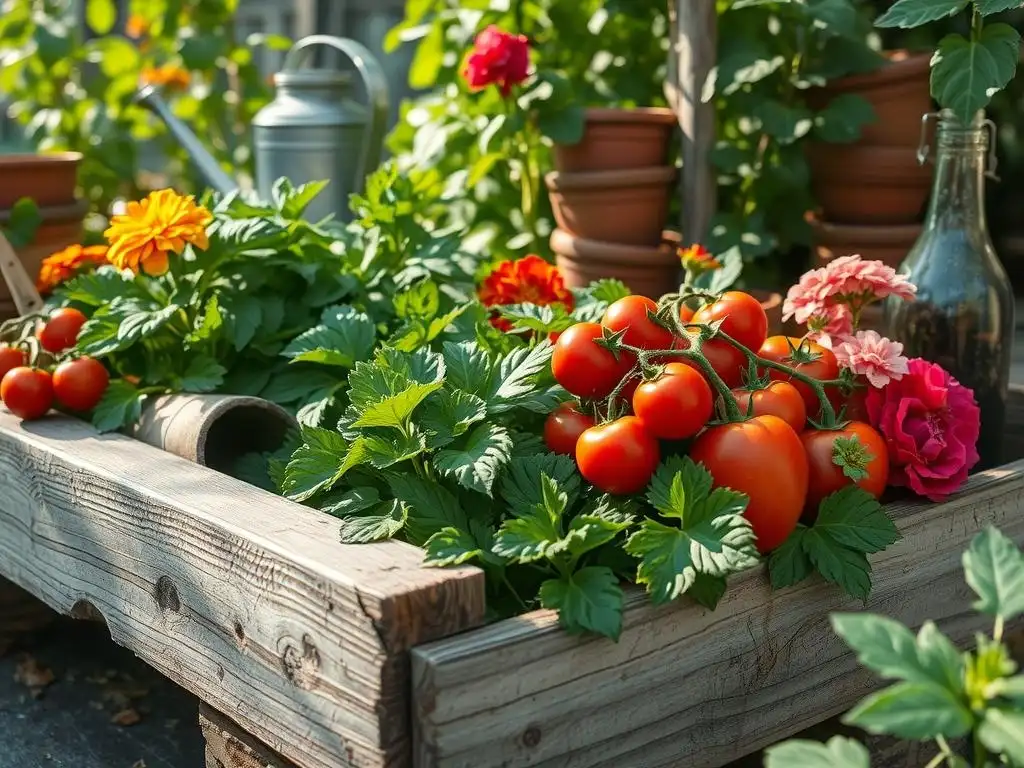
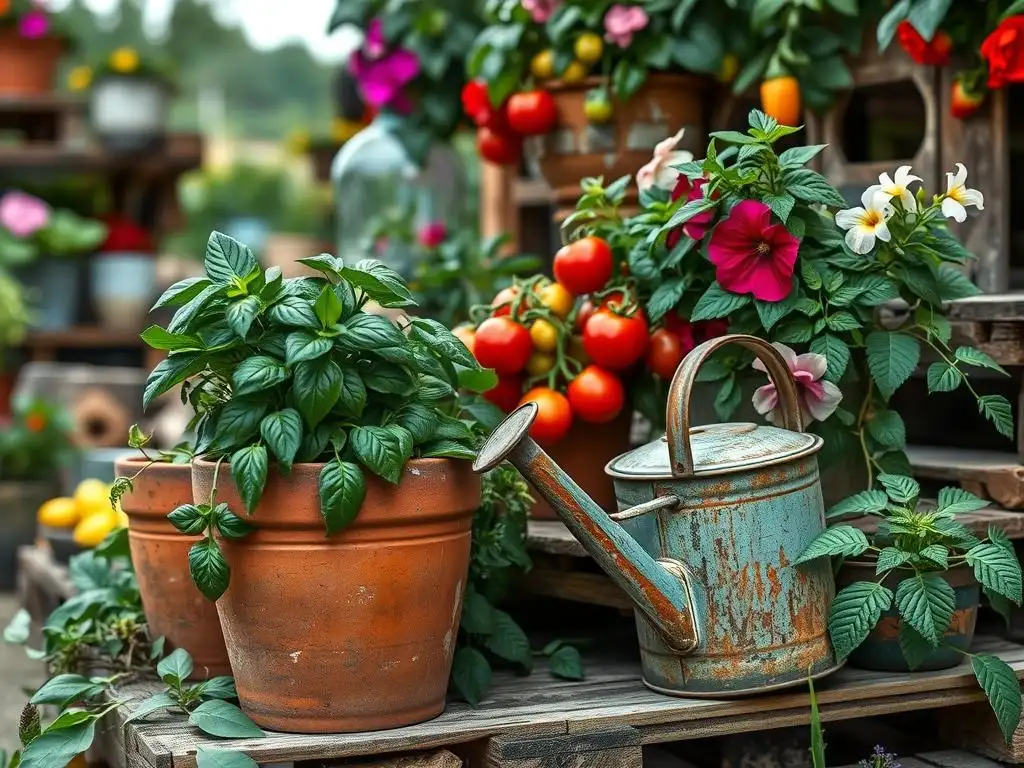
This section delves into the practical application of recycled materials in your home garden. We'll explore how readily available household items can be transformed into valuable gardening tools and structures, minimizing waste and maximizing your garden's potential. Embracing "recycled materials home gardening" practices not only reduces your environmental impact but also often saves you money.
A Step-by-Step Guide to Repurposing Common Household Items
Transforming everyday waste into gardening assets is easier than you think! Let's explore some common household items and their potential uses:
1. Plastic Bottles:
- Seed Starters: Cut the bottom off plastic bottles, fill with potting mix, and sow your seeds directly into the bottles. This method allows for easy transplanting, minimizing root disturbance. You can even create small drainage holes for better aeration. Using clear plastic allows you to monitor seed germination easily.
- Watering Cans: Cut off the tops and create a spout for a simple watering can, perfect for delicate seedlings. The sturdy plastic is durable and less prone to rust than metal cans.
- Miniature Greenhouses: Larger bottles can be cut in half and used to create mini-greenhouses for seedlings or cuttings. The plastic helps retain moisture and protect from harsh weather.
2. Cardboard Boxes:
- Seed Starting Trays: Cut cardboard boxes into small squares or rectangles to create seed starting trays. These are biodegradable, offering a sustainable alternative to plastic trays. Remember to use sturdy cardboard that won't easily disintegrate.
- Weed Barriers: Lay down flattened cardboard boxes around plants to suppress weeds. This method helps retain soil moisture and reduces the need for herbicides. Cover the cardboard with mulch to prevent it from blowing away.
- Compost Accelerator: Shredded cardboard can be added to your compost pile to increase aeration and accelerate decomposition. It provides a good carbon source, balancing the nitrogen from other organic materials.
3. Egg Cartons:
- Seed Starters: The individual cups of egg cartons are ideal for starting seeds. They provide individual compartments, allowing for easy separation and transplanting. They are biodegradable, but might not last as long as plastic bottles.
4. Newspaper & Magazines:
- Seed Starting Mix: Shredded newspaper or magazines can be added to your seed starting mix to improve drainage and aeration. Ensure the paper is completely free of ink or glossy coatings before using.
- Mulch: Use shredded paper as a lightweight mulch to retain moisture and suppress weeds. This is particularly useful in areas where the soil is prone to drying out quickly.
5. Plastic Yogurt Containers & Food Containers:
- Seed Starters: Similar to egg cartons, these containers can be used as small seed starting pots. Ensure they are thoroughly cleaned before use. This is a great way to reuse your plastic waste and help the environment.
Table 1: Recycled Material Uses in Home Gardening
| Material | Uses | Benefits | Considerations |
|---|---|---|---|
| Plastic Bottles | Seed starters, watering cans, greenhouses | Durable, reusable, inexpensive | Ensure they are clean and free of chemicals |
| Cardboard Boxes | Seed trays, weed barriers, compost | Biodegradable, readily available | Use sturdy cardboard, avoid glossy coatings |
| Egg Cartons | Seed starters | Biodegradable, readily available | May not be as durable as plastic |
| Newspaper/Magazines | Seed mix, mulch | Biodegradable, readily available | Ensure ink-free and avoid glossy coatings |
| Yogurt Containers | Seed starters | Reusable, readily available | Thoroughly clean before use |
By implementing these simple techniques, you can significantly reduce your environmental footprint while cultivating a thriving and sustainable home garden. Remember to always prioritize safety and ensure that any recycled materials used are clean and free from harmful chemicals. Happy gardening! 🌱
Maintaining Your Recycled Material Garden
Maintaining your garden built with recycled materials requires a slightly different approach than traditional gardening. The longevity and effectiveness of your repurposed items depend heavily on proper care and maintenance. This section focuses on extending the lifespan of your recycled gardening elements, ensuring a thriving and sustainable garden for years to come. Understanding the specific needs of each material is key to maximizing its usefulness and minimizing environmental impact. This is crucial for the success of your "recycled materials home gardening" endeavors.
Tips for Long-Term Use and Durability of Recycled Materials
The success of using recycled materials in home gardening hinges on selecting durable materials and implementing proper maintenance strategies. Let's explore some practical tips for extending the life of your recycled garden elements:
- Plastic Bottles & Containers: Thoroughly clean and rinse all plastic containers before use to remove any harmful residues. Avoid using containers exposed to harsh chemicals. To enhance durability, consider reinforcing weak points with strong tape or glue. Direct sunlight can degrade plastic over time, so consider shading plants grown in plastic containers, especially during peak sun hours. Regularly inspect for cracks or leaks, replacing damaged containers promptly to prevent water loss and potential soil contamination.
- Wooden Pallets: Before using pallets, check for any signs of pest infestation (like termites) or rot. Treat wooden pallets with a natural wood preservative to protect them from moisture damage and insect infestation. Regularly inspect for any signs of decay or structural weakness. Avoid placing pallets directly on the ground; elevate them slightly using bricks or stones to improve air circulation and prevent rot.
- Metal Containers: Clean metal containers thoroughly to remove rust and debris. Apply a rust-resistant paint or sealant to prevent corrosion and extend their lifespan. Regularly inspect for signs of rust or damage and repair or replace as needed. Consider using non-toxic paints to minimize environmental impact.
- Tires: Ensure tires are clean and free of any harmful chemicals before use. Tires can accumulate water, creating a breeding ground for mosquitoes. Regularly empty any standing water to prevent pest problems. Tires are susceptible to UV degradation; consider protecting them from prolonged sun exposure.
- Fabric Scraps: Use natural fabrics whenever possible, as they tend to biodegrade more easily. Avoid using fabrics treated with harsh chemicals. For better durability, consider sewing multiple layers together. Regularly inspect for tears or damage and repair or replace as needed.
The proper care and maintenance of your recycled materials are essential for a successful and sustainable "recycled materials home gardening" project. By following these tips, you can significantly extend the life of your repurposed items and reduce waste. Remember, a little preventative maintenance goes a long way!
Addressing Potential Issues with Recycled Materials in Gardening
While using recycled materials offers significant environmental benefits, it's crucial to be aware of potential challenges. Understanding these potential issues and proactively addressing them will ensure a healthy and productive garden.
- Pest and Disease: Some recycled materials might harbor pests or diseases. Thoroughly clean and disinfect all materials before use. Regular inspection of plants for signs of pests or diseases is crucial. Implement organic pest control methods to address any issues that may arise.
- Chemical Leaching: Certain recycled plastics or metals might leach harmful chemicals into the soil. Always prioritize using food-safe recycled materials. Consider using a barrier layer (such as landscape fabric) between the recycled material and the soil.
- Durability and Longevity: Recycled materials might not be as durable as new materials. Choose sturdy, high-quality recycled materials whenever possible. Regularly inspect and repair or replace damaged items as needed.
- Aesthetics: The appearance of recycled materials might not be as uniform or aesthetically pleasing as new materials. Consider ways to blend your recycled materials into your garden's overall design to create a cohesive look. Creativity is key to making your recycled garden both functional and visually appealing.
Choosing the right recycled materials and implementing proper maintenance practices are crucial for a successful and sustainable "recycled materials home gardening" experience. Addressing potential issues proactively will ensure a thriving and environmentally friendly garden for years to come. Remember that proactive maintenance minimizes problems and maximizes the benefits of your sustainable gardening choices.
Frequently Asked Questions
What are some examples of recycled materials I can use in my home garden?
You can use a wide variety of materials! Plastic bottles can become mini-greenhouses or watering devices. Cardboard boxes make excellent seed starters, and old tires can be transformed into raised garden beds.
How does using recycled materials benefit my garden and the environment?
Using recycled materials reduces landfill waste and conserves natural resources. It also often results in cost savings compared to buying new gardening supplies, and can even improve soil health.
Are there any drawbacks to using recycled materials in gardening?
Some materials may break down too quickly, or may contain harmful chemicals that could leach into your soil. Always thoroughly clean and inspect any recycled material before use.
How can I make sure the recycled materials I use are safe for my plants and my family?
Choose materials that are non-toxic and won't contaminate your soil. Avoid using materials that have contained pesticides, paints, or other harmful substances. Thorough cleaning is essential.
Where can I find recycled materials for my home garden?
Look around your home for suitable items. You can also check local recycling centers, thrift stores, and community gardening groups for discarded materials. Many people are happy to donate their used containers or materials to fellow gardeners.
Final Reflection: Cultivating a Greener Future, One Recycled Pot at a Time
The conscious choice to utilize recycled materials in home gardening isn't merely a trend; it's a vital step towards building a sustainable future. Our planet's resources are finite, and embracing eco-friendly practices like repurposing everyday items for gardening directly combats waste and reduces our environmental footprint. This shift towards mindful consumption is not just beneficial for the environment, but also incredibly rewarding for the gardener.
The impact of this simple act extends far beyond our individual gardens. By choosing to reuse materials, we actively participate in a larger cultural shift towards sustainability. We challenge the throwaway culture that dominates modern society, inspiring others to adopt similar practices. This ripple effect is powerful, demonstrating that even small changes can have a significant collective impact. The Earth provides enough to satisfy every man's needs but not every man's greed.
- Mahatma Gandhi. This quote perfectly encapsulates the urgency and importance of our collective responsibility to protect our planet.
Now, consider your own garden. What materials could you repurpose? What creative solutions can you implement to minimize waste and maximize the potential of your green space? Let this article serve as a springboard for your own journey towards sustainable gardening. Embrace the challenge, experiment with different materials, and share your successes with others. Together, we can cultivate a greener, more sustainable future, one recycled pot at a time.
Grow Your Green Thumb: Take Action for a Sustainable Garden
Thanks for exploring the world of sustainable gardening with us! You've learned about the incredible benefits of using recycled materials – now it's time to put that knowledge into practice. Let's cultivate a greener future, together.
- Start small: Begin by repurposing household items for your garden. Old plastic containers, discarded tires, or even used coffee grounds can be creatively reused. This is your first step towards a more sustainable gardening practice.
- Share your newfound knowledge! Tell your friends and family about the simple ways they can incorporate recycled materials into their gardens. Let's inspire a community of eco-conscious gardeners.
- Explore creative upcycling: Research different ways to transform unexpected materials into unique gardening tools or planters. You might be surprised by your creativity!
What innovative ways will you incorporate recycled materials into your garden this season? Let's discuss your ideas in the comments below!