
Lasagna Gardening: Build Rich Soil and Reduce Waste with this NoDig Method

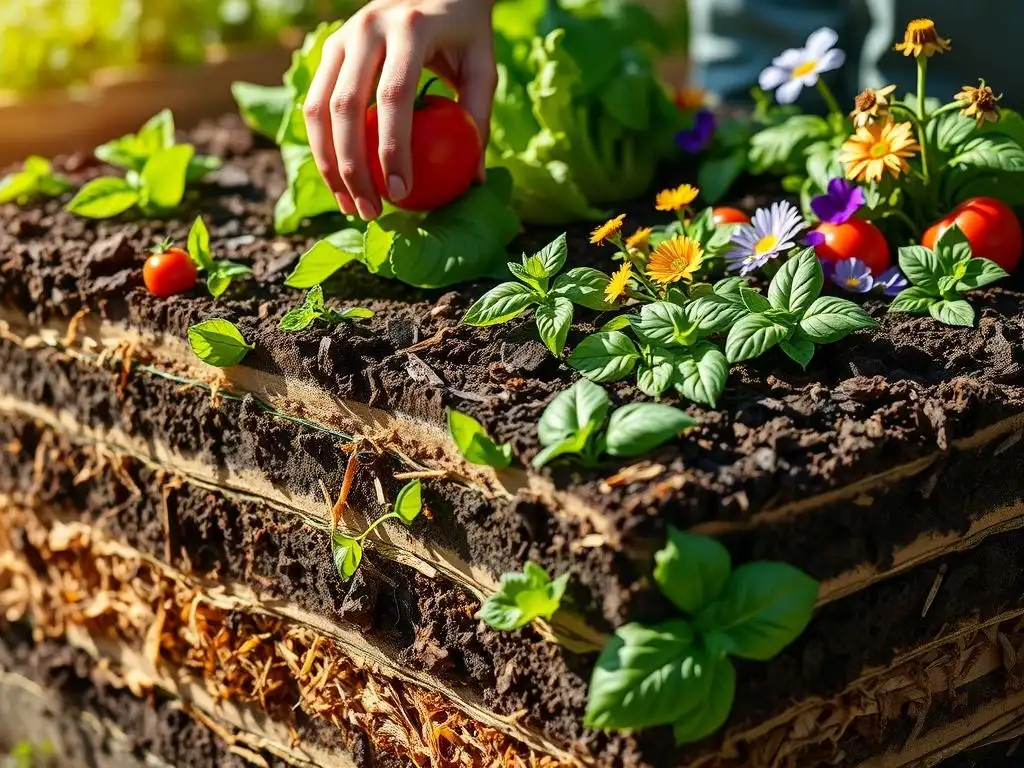
Welcome to CultivateYourFood, your guide to growing a thriving garden using sustainable and organic methods! Are you ready to experience the remarkable rewards of lasagna gardening? This revolutionary no-dig method builds incredibly fertile soil while minimizing waste, making it the perfect choice for beginners. Discover how this simple technique can transform your gardening journey and unlock bountiful harvests – explore the lasagna gardening benefits and start cultivating your own food paradise today!
- Understanding Lasagna Gardening Benefits for Beginners
-
Building Your Lasagna Garden Layer by Layer: A Step-by-Step Guide
- Step 1: Site Selection and Preparation for Your Lasagna Garden Bed
- Step 2: Layering Your Lasagna Garden: Cardboard, Compost, and More
- Step 3: Choosing the Right Materials for Your Lasagna Garden Layers
- Step 4: Watering and Maintaining Your Lasagna Garden Bed
- Step 5: Planting Your Seeds or Seedlings in the Lasagna Garden
- Lasagna Gardening for Different Vegetables: Tips and Techniques
- Harvesting and Maintaining Your Lasagna Garden Long-Term
- Advanced Lasagna Gardening Techniques for Experienced Growers
- Frequently Asked Questions
- Final Reflection: Harvesting Abundance: The Lasting Legacy of Lasagna Gardening
- Unleash Your Inner Gardener: Start Your No-Dig Lasagna Garden Today!
Understanding Lasagna Gardening Benefits for Beginners
Lasagna gardening, also known as sheet mulching, is a revolutionary no-dig gardening method that offers a wealth of benefits for both seasoned gardeners and enthusiastic beginners. This innovative approach mimics the natural process of soil creation, building rich, fertile soil layers without the need for tilling. This article will delve into the core principles of lasagna gardening, exploring its advantages over traditional methods and highlighting why it's particularly well-suited for those just starting their gardening journey.
We'll uncover how this sustainable practice helps create healthy, thriving plants while simultaneously reducing waste and minimizing your environmental impact. Ultimately, you'll understand why lasagna gardening has become a favorite among environmentally conscious gardeners seeking a simpler, more rewarding way to cultivate their food. This guide is specifically designed to address the needs of beginners, providing clear, concise information to empower you to start your own lasagna garden with confidence.
What is Lasagna Gardening? A Beginner's Introduction to No-Dig Gardening
Lasagna gardening is a remarkably simple yet effective method of soil building that avoids the disruptive practice of tilling. Instead of digging and turning the soil, you create layered "lasagna" of organic materials directly on top of existing ground. This method, often referred to as sheet mulching, involves layering various organic materials such as cardboard, compost, manure, and mulch to create a rich, nutrient-dense soil environment. Think of it like making a delicious lasagna, but instead of pasta, you're layering organic matter!
The process is surprisingly straightforward. You begin by laying down a base layer of cardboard or newspaper to suppress weeds. Next, you add layers of "brown" materials (carbon-rich) like dried leaves, straw, or shredded paper, followed by "green" materials (nitrogen-rich) such as grass clippings, food scraps, and compost. You then add a layer of topsoil and finish with a layer of mulch.
This layering process creates a thriving ecosystem within the soil, attracting beneficial microorganisms and improving soil structure. Over time, these layers decompose, enriching the soil and providing a perfect bed for planting. This method is incredibly gentle on the soil, preserving its natural structure and beneficial organisms, unlike traditional tilling which can disrupt this delicate balance.
Key Benefits of Lasagna Gardening: Rich Soil, Reduced Waste, and Easy Implementation
Lasagna gardening offers a multitude of advantages, making it an attractive option for beginners and experienced gardeners alike. The primary benefits include:
- Improved Soil Health: The layering process creates a rich, fertile soil teeming with beneficial microorganisms. This results in healthier plants with increased yields.
- Reduced Waste: Lasagna gardening provides an excellent way to recycle organic kitchen and yard waste, reducing landfill contributions and promoting sustainability.
- Weed Suppression: The base layer of cardboard or newspaper effectively suppresses weed growth, reducing the need for herbicides and saving you time and effort.
- Water Retention: The organic layers improve soil water retention, reducing the frequency of watering, especially beneficial during dry periods.
- Ease of Implementation: The no-dig approach makes lasagna gardening significantly easier than traditional methods, particularly appealing to beginners who may lack experience with intensive soil preparation.
- Cost-Effectiveness: Many of the materials used in lasagna gardening are readily available and often free, such as yard waste and shredded paper.
- Environmentally Friendly: By reducing the need for chemical fertilizers and pesticides, lasagna gardening contributes to a healthier environment.
| Benefit | Description |
|---|---|
| Soil Improvement | Creates rich, fertile soil full of beneficial microbes. |
| Waste Reduction | Uses kitchen and yard scraps, reducing landfill waste. |
| Weed Control | Suppresses weeds, reducing the need for herbicides. |
| Water Conservation | Improves water retention, reducing watering frequency. |
| Ease of Use | Simple process, ideal for beginners. |
| Cost Savings | Uses readily available and often free materials. |
| Environmental Impact | Reduces the need for harmful chemicals, promoting a healthier environment. |
Comparing Lasagna Gardening to Traditional Methods: A Side-by-Side Analysis
Traditional gardening methods often involve intensive tilling, which can disrupt soil structure, damage beneficial microorganisms, and lead to soil erosion. In contrast, lasagna gardening offers a gentler, more sustainable approach.
| Feature | Traditional Gardening | Lasagna Gardening |
|---|---|---|
| Soil Preparation | Intensive tilling, often requiring significant effort | No tilling required; layers are simply added. |
| Soil Health | Can disrupt soil structure and beneficial microbes | Improves soil structure and microbial activity. |
| Weed Control | Often requires herbicides or frequent weeding | Effective weed suppression through cardboard/newspaper. |
| Water Retention | Can lead to poor water retention | Improves water retention. |
| Time Commitment | More time-consuming | Less time-consuming, especially for initial setup. |
| Environmental Impact | Can be environmentally damaging due to chemical use | Environmentally friendly and sustainable. |
Choosing lasagna gardening over traditional methods offers numerous advantages, particularly for beginners seeking a simpler, more sustainable, and ultimately more rewarding gardening experience. The benefits of rich soil, reduced waste, and ease of implementation make it an excellent choice for cultivating a thriving and healthy garden. 🌱
Addressing Common Concerns: Is Lasagna Gardening Right for You?
Lasagna gardening, while incredibly beneficial, isn't a one-size-fits-all solution. Beginners often have questions about its suitability for their specific circumstances. Let's address some common concerns:
One frequent worry revolves around cost. While purchasing materials upfront might seem expensive, consider the long-term savings. You'll significantly reduce or eliminate the need for expensive fertilizers and soil amendments in subsequent years. The initial investment pays off handsomely in the long run, particularly when you factor in the reduced need for frequent watering and the improved soil health leading to healthier, more productive plants. Using readily available compost and other organic materials, like fallen leaves, drastically minimizes the financial burden.
Another common concern is time commitment. Building a lasagna garden does require a significant initial time investment, more so than simply planting seeds in pre-existing soil. However, the long-term maintenance is considerably less demanding. The rich, well-amended soil retains moisture better, meaning less frequent watering. Furthermore, the improved soil structure reduces the need for weeding and soil cultivation. The upfront effort translates to a more relaxed gardening experience over the growing season.
Some beginners are hesitant due to the perceived complexity. The layered approach might seem daunting at first glance. However, the process is surprisingly straightforward once you understand the basic principles. Each layer serves a specific purpose, and the overall structure is logical and easy to replicate.
Numerous online resources and guides offer step-by-step instructions and visual aids to simplify the process, making it accessible even to complete novices. Think of it like building a delicious lasagna—each layer adds flavor and texture, contributing to the overall success of the dish! Similarly, each layer in your lasagna garden contributes to the overall health and fertility of your soil.
Finally, some gardeners question the effectiveness of lasagna gardening compared to traditional methods. However, numerous studies and anecdotal evidence support the superior performance of lasagna gardens. They demonstrate improved soil structure, increased water retention, enhanced nutrient availability, and better overall plant growth compared to conventionally tilled gardens. The reduced soil compaction and improved aeration create an ideal environment for root development, leading to healthier, more vigorous plants and increased yields.
The sustained release of nutrients from the decomposing organic matter provides a constant supply of nourishment throughout the growing season, minimizing the need for external inputs. This approach reduces your environmental footprint, improves soil health, and results in a more bountiful harvest. Ultimately, understanding the benefits and addressing these concerns can help you decide if lasagna gardening is the right sustainable choice for you.
Building Your Lasagna Garden Layer by Layer: A Step-by-Step Guide
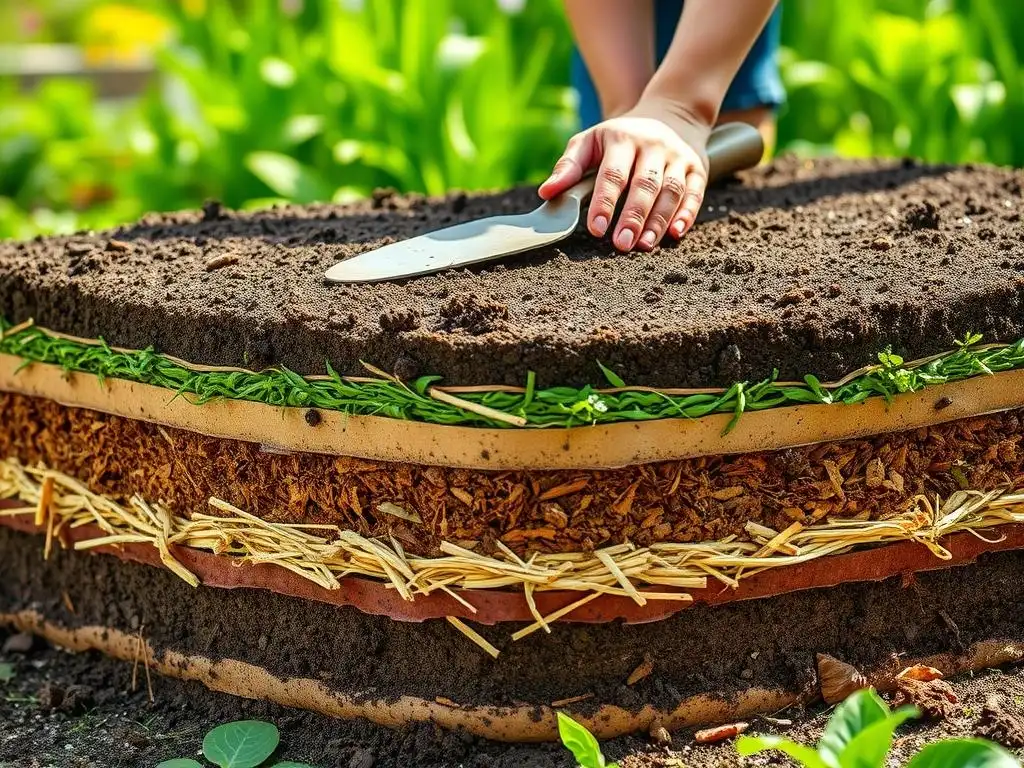
This section details the practical steps involved in building a successful lasagna garden, perfect for beginners eager to reap the benefits of this no-dig method. We'll break down the process layer by layer, ensuring you understand each stage and can confidently create your own thriving garden. Remember, patience and attention to detail are key to lasagna gardening success!
Step 1: Site Selection and Preparation for Your Lasagna Garden Bed
Before you start layering, careful site selection is crucial. Lasagna gardening, while relatively low-maintenance, still needs the right conditions to flourish. Sunlight is paramount; aim for at least six hours of direct sunlight per day. This ensures sufficient energy for photosynthesis and robust plant growth. Areas with excessive shade will result in weak, spindly plants. Consider the existing soil conditions too; while lasagna gardening improves soil health dramatically, starting with well-drained soil will prevent waterlogging and root rot.
Next, prepare the area. Clear the space of any existing vegetation, rocks, and debris. Removing weeds is especially important, as their roots can compete with your new plants. A thorough clearing will provide a clean, level base for your lasagna layers.
Measuring the area you want to cultivate is essential for planning the quantity of materials you’ll need. For beginners, a smaller bed (e.g., 4ft x 4ft) is recommended to manage the process effectively. Remember to consider accessibility; you'll need easy access to water and to tend to your plants. Proper site selection and preparation are the foundation for a thriving lasagna garden.
Step 2: Layering Your Lasagna Garden: Cardboard, Compost, and More
The layering process is where the magic of lasagna gardening truly unfolds. Each layer contributes specific benefits, building a rich, fertile soil environment. The first layer is typically a thick layer of cardboard or several layers of newspaper, covering the entire area. This suppresses weeds and prevents existing grass from growing through. Ensure the cardboard is completely flat to prevent air pockets.
Next comes the "brown" layers – these are carbon-rich materials that provide structure and aeration. Examples include shredded leaves, dried grass clippings, and straw. These layers should be several inches thick, providing a substantial base. Following the brown layers, add "green" layers – nitrogen-rich materials. These layers decompose quickly, adding valuable nutrients to the soil. Excellent choices include grass clippings (fresh, not dried), kitchen scraps (avoid meat and dairy), and green plant material.
The layering continues with a layer of compost, at least 4-6 inches thick. This is the heart of your lasagna garden, providing a rich source of nutrients and beneficial microorganisms. Finally, add a top layer of topsoil, about 2-3 inches thick, to provide a suitable planting medium. This final layer allows for easy seed sowing or transplanting. The layering process should be repeated, creating multiple layers of brown and green materials to build a deeper, more fertile soil profile. This method mimics nature's decomposition process, creating ideal conditions for plant growth.
Step 3: Choosing the Right Materials for Your Lasagna Garden Layers
Selecting the right materials is crucial for a successful lasagna garden. Using the wrong materials can hinder decomposition, attract pests, or even introduce diseases. For brown layers, avoid using diseased plants or chemically treated materials. Use only naturally dried leaves and grass clippings and ensure they are free of pesticides. For green layers, avoid meat and dairy products, as these can attract unwanted pests and create unpleasant odors during decomposition.
The quality of your compost is also paramount. High-quality compost is dark brown, crumbly, and earthy-smelling. Avoid using compost that is still actively decomposing, as this can produce excessive heat and damage your plants. The topsoil layer should be free of weeds and rocks, providing a smooth surface for planting.
The proper selection of materials ensures the long-term health and productivity of your lasagna garden. Consider sourcing materials locally and sustainably to minimize your environmental impact, further enhancing the benefits of this eco-friendly gardening technique. Remember, planning and thoughtful material selection are key to building a thriving lasagna garden that provides both excellent vegetables and a sustainable gardening experience. 🌱
Step 4: Watering and Maintaining Your Lasagna Garden Bed
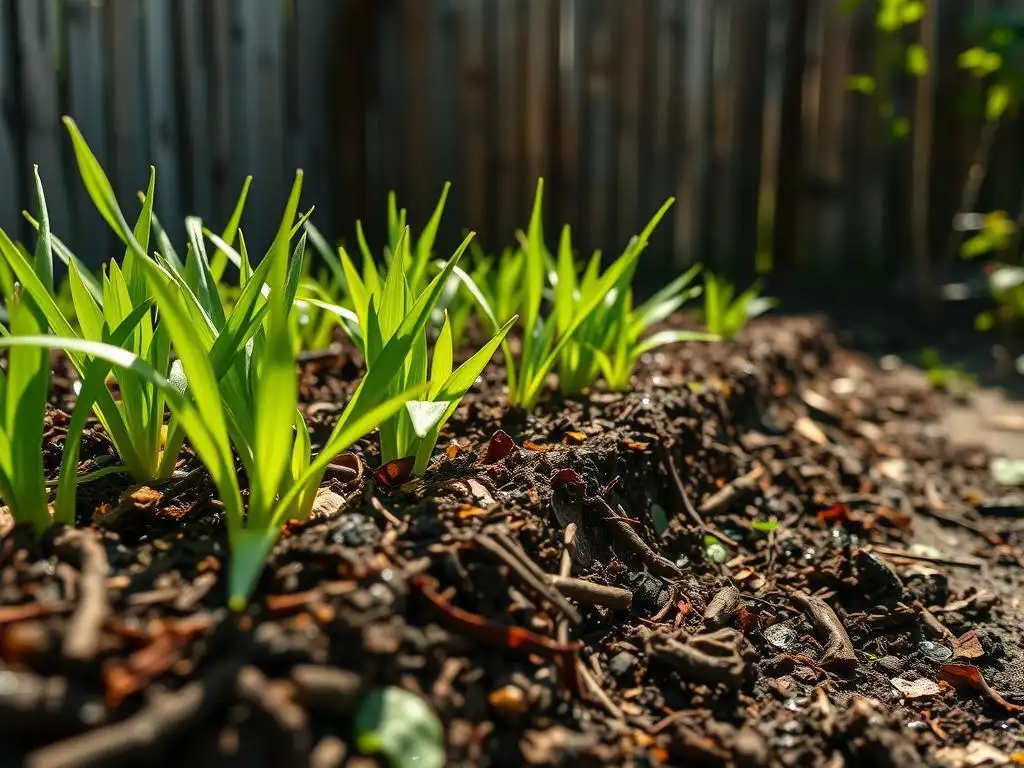
After constructing your lasagna garden, the initial watering is crucial. You want to thoroughly soak the layers to help them settle and begin the decomposition process. This might require a significant amount of water, especially in drier climates. Use a soaker hose or drip irrigation system to avoid surface erosion and water runoff. This method ensures even moisture penetration throughout the layers. Avoid using a forceful spray from a hose, as this can disrupt the carefully layered structure.
The ideal watering schedule will depend on your local climate and the season. During hotter, drier months, you'll likely need to water more frequently, perhaps every few days, monitoring the soil moisture regularly. In cooler, wetter climates, less frequent watering may suffice. A good rule of thumb is to water deeply but less often, encouraging deep root growth in your plants. Always check the soil moisture before watering; sticking your finger a few inches into the soil is a simple and effective way to determine if watering is needed. Overwatering can lead to root rot, so it's better to underwater slightly than to overwater.
Regularly inspect your garden bed for signs of weed growth; addressing weeds promptly prevents them from competing with your desired plants for nutrients and water. Mulching the top layer with straw or shredded leaves can help retain moisture, suppress weeds, and regulate soil temperature. This is particularly beneficial during hotter months. Maintaining your lasagna garden involves regular observation and adjustments based on the specific needs of your plants and the prevailing weather conditions. Remember, patience is key; the decomposition process takes time, and your garden will improve with each passing season.
Step 5: Planting Your Seeds or Seedlings in the Lasagna Garden
Once your lasagna garden bed has settled and the initial decomposition has begun (typically a few weeks after construction), you're ready to plant! The beauty of lasagna gardening is its versatility; you can plant directly into the rich soil or transplant seedlings. When planting seeds directly, create small holes or furrows in the top layer of compost, ensuring they are deep enough for the specific seeds you're using. Refer to seed packet instructions for optimal planting depth and spacing. Gently firm the soil around the seeds after planting to ensure good contact. For seedlings, carefully dig holes slightly larger than the root ball of each seedling. Gently remove the seedling from its container, taking care not to damage the roots.
Place the seedling in the hole and backfill with the compost, ensuring the top of the root ball is level with the soil surface. Water gently after planting to settle the soil around the roots. The established layers provide excellent drainage and aeration, promoting healthy root development. The rich compost layer offers ample nutrients, reducing the need for supplemental fertilizers. When choosing plants, consider those that thrive in your climate and the specific conditions of your lasagna garden. For example, leafy greens like lettuce and spinach are excellent choices for lasagna gardens, as are many herbs such as basil and rosemary.
Root vegetables like carrots and radishes also do well. Remember to consider the spacing requirements for each plant to prevent overcrowding and promote optimal growth. Proper spacing ensures each plant has access to sufficient sunlight, water, and nutrients. You might want to consider companion planting—placing plants that benefit each other near one another. For instance, marigolds are known to deter certain pests, so planting them among your vegetables can be beneficial. Careful planning and observation will help you create a thriving and productive lasagna garden teeming with healthy plants.
Lasagna Gardening for Different Vegetables: Tips and Techniques
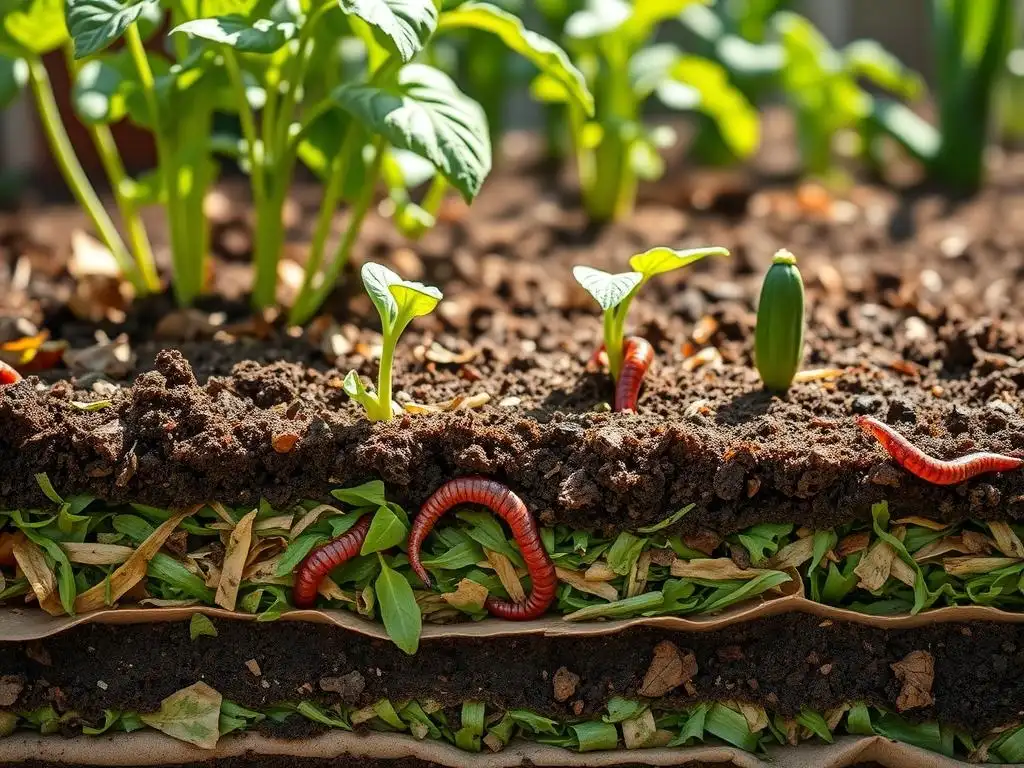
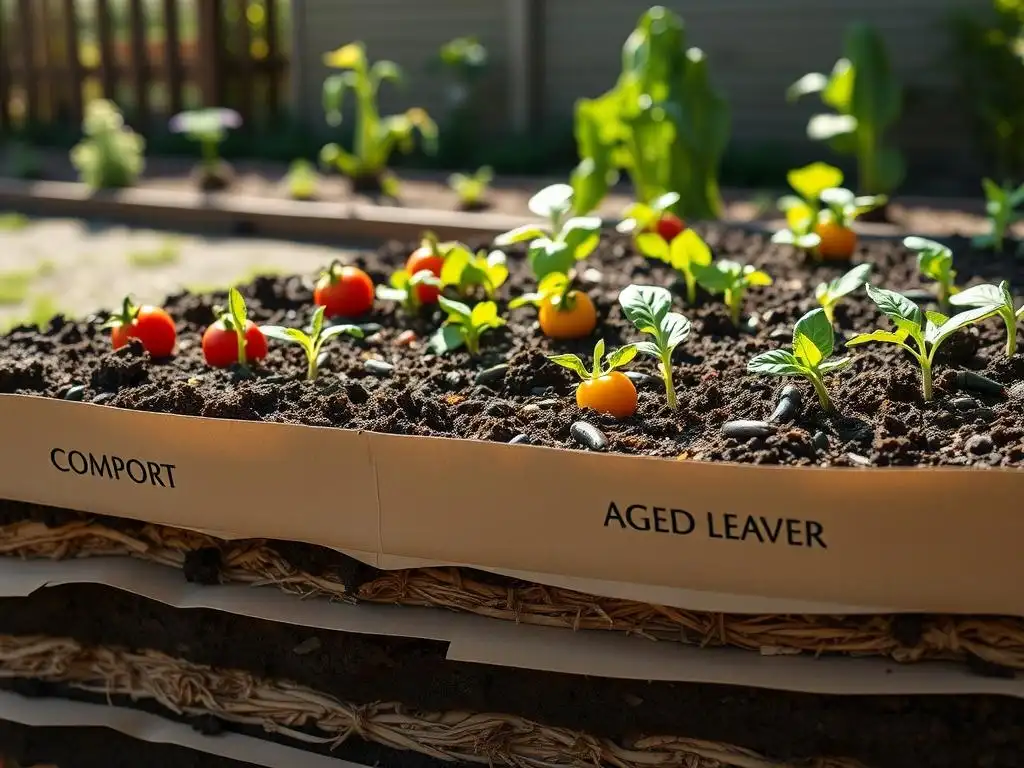
Lasagna gardening, a no-dig method ideal for beginners, offers unique benefits for a wide variety of vegetables. While the basic principles remain consistent—layering compost, cardboard, and other organic matter—adapting the technique to specific vegetable needs is crucial for optimal growth and yield. Understanding the individual requirements of each plant will significantly improve your success with this sustainable gardening method. This section focuses on optimizing your lasagna garden for various vegetables, highlighting key considerations for successful cultivation.
Best Vegetables for Lasagna Gardening: A Comprehensive List
Many vegetables thrive in the rich, well-drained environment created by a lasagna garden. The method's inherent moisture retention and nutrient density make it particularly suitable for plants with high nutrient demands. Here's a list of vegetables that excel in lasagna gardens:
- Leafy Greens: Lettuce, spinach, kale, and chard benefit immensely from the consistent moisture and nutrient-rich soil. Their shallow root systems readily access the readily available nutrients.
- Root Vegetables: While deep-rooted vegetables like carrots and parsnips might require some initial soil amendment beyond the lasagna layering, they can still prosper. Consider adding loose soil to the top layer to accommodate their growth. Beets and radishes, however, are excellent choices for lasagna gardening due to their relatively shallow root systems.
- Vining Vegetables: Cucumbers, zucchini, and squash thrive in the rich soil and benefit from the added moisture retention. Provide adequate support structures like trellises to optimize their growth.
- Solanaceae: Eggplants, peppers, and tomatoes (discussed in detail below) benefit from the improved soil structure and fertility of lasagna gardening.
| Vegetable | Ideal Lasagna Layer Placement | Notes |
|---|---|---|
| Lettuce | Top layer | Thrives in consistently moist conditions |
| Spinach | Top layer | Similar to lettuce |
| Kale | Top layer | Tolerates slightly drier conditions |
| Beets | Slightly below top layer | Needs some depth for root development |
| Radishes | Top layer | Fast-growing, ideal for lasagna gardens |
| Zucchini | Slightly below top layer | Needs space for vine growth |
| Cucumber | Slightly below top layer | Similar to zucchini |
| Peppers | Mid-layer | Benefits from well-drained soil |
| Eggplant | Mid-layer | Similar to peppers |
Remember to choose varieties appropriate for your climate and growing season. Careful planning and thoughtful layering will enhance the success of your lasagna garden.
Adapting Your Lasagna Garden for Specific Vegetable Needs: Tomatoes
Tomatoes, known for their high nutrient demands and susceptibility to soilborne diseases, can particularly benefit from lasagna gardening. The improved soil structure and enhanced drainage offered by this no-dig method help prevent common tomato diseases like root rot.
The key to successful tomato cultivation in a lasagna garden is proper layering and support. Because tomatoes are heavy feeders, ensure you incorporate a generous amount of well-rotted compost and aged manure into the mid-layers of your garden bed. This provides a steady supply of nutrients throughout the growing season. Additionally, providing sturdy staking or caging is essential to support the weight of the tomato plants and their fruit.
Consider adding a layer of slightly coarser material (such as wood chips) underneath the compost to enhance drainage. This will prevent waterlogging, a common problem that can lead to root rot in tomatoes. Regular watering, but avoiding overwatering, is crucial. Mulching the surface with straw or shredded leaves helps retain moisture and suppress weeds.
Troubleshooting Common Problems: Pests, Diseases, and Nutrient Deficiencies in Lasagna Gardens
While lasagna gardening offers many advantages, it's not immune to common gardening challenges. Addressing potential problems proactively is key to maintaining a healthy and productive garden.
Pests: Common garden pests like slugs, snails, and aphids can still affect a lasagna garden. Employ preventative measures like diatomaceous earth or companion planting to deter pests. Regular monitoring and prompt action are crucial to prevent infestations.
Diseases: Proper layering and well-drained soil help minimize the risk of fungal diseases. However, maintaining good air circulation around plants is important to prevent issues. Avoid overcrowding plants to promote airflow.
Nutrient Deficiencies: While lasagna gardening provides a nutrient-rich environment, monitoring your plants for signs of nutrient deficiencies is essential. Regular soil testing can help identify any imbalances and guide appropriate amendments. Yellowing leaves, for example, might indicate a nitrogen deficiency, which can be addressed by adding additional compost or a nitrogen-rich fertilizer. Remember that the initial layering provides a long-term nutrient supply, but regular monitoring and adjustments are crucial for optimal growth. Using a balanced organic fertilizer can help address potential imbalances. Always follow product instructions carefully.
Harvesting and Maintaining Your Lasagna Garden Long-Term
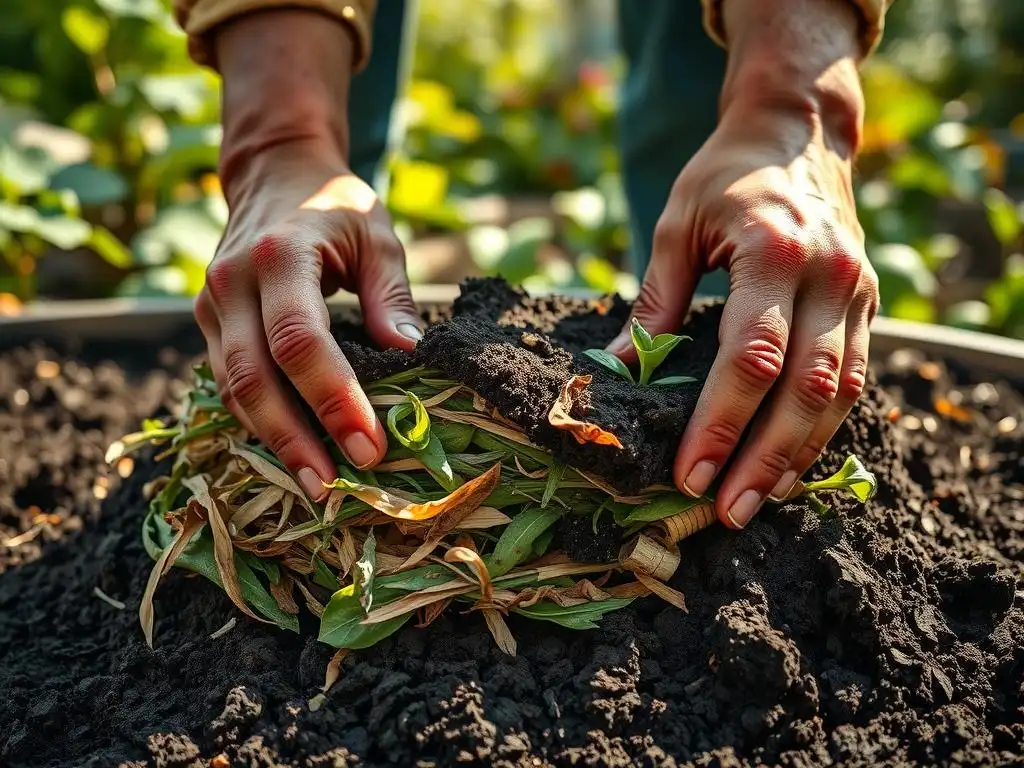
This section delves into the rewarding aspects of reaping the fruits (and vegetables!) of your labor, as well as the ongoing care required to keep your lasagna garden thriving year after year. Lasagna gardening, while initially labor-intensive, offers significant long-term advantages in terms of reduced maintenance and increased soil fertility. Let's explore these aspects further.
Harvesting Your Lasagna Garden Bounty: Timing and Techniques
Harvesting from your lasagna garden is a joyful experience, rewarding your hard work with fresh, organic produce. The timing depends entirely on the plants you've chosen. For example, early-season crops like lettuce and radishes will be ready to harvest much sooner than later-season crops such as tomatoes or peppers. Always check the seed packet or plant tag for specific harvest times.
- Timing is Key: Overripe vegetables can lose flavor and nutritional value, while underripe ones may lack taste and texture. Regularly inspect your plants for signs of ripeness, such as color changes, firmness, and size.
- Gentle Harvesting: Handle your plants with care. Avoid pulling or tugging, which could damage the roots and surrounding plants. Use clean tools, such as sharp knives or shears, for a clean cut.
- Succession Planting: To ensure a continuous harvest, consider succession planting. This involves planting new seeds or seedlings at regular intervals to replace those that have been harvested. This technique ensures a steady supply of fresh produce throughout the growing season. For instance, you could plant lettuce seeds every two weeks for a continuous harvest.
- Preservation Techniques: Once harvested, consider preserving your excess produce. Freezing, canning, pickling, and drying are all excellent ways to extend the life of your harvest and enjoy the fruits of your labor throughout the year. This reduces waste and maximizes your yield.
For beginners, starting with easy-to-grow, fast-maturing crops can be highly motivating. Consider leafy greens, radishes, and bush beans as your first lasagna garden harvests!
Long-Term Maintenance of Your Lasagna Garden: Soil Enrichment and Sustainability
The beauty of lasagna gardening lies in its self-sustaining nature. The layered composting process continually enriches the soil, reducing the need for frequent fertilization and tilling. However, some ongoing maintenance is necessary to maintain its productivity.
- Mulching: Maintaining a thick layer of mulch on the surface of your garden bed is crucial. This helps retain moisture, suppress weeds, and regulate soil temperature. Adding a fresh layer of organic matter, such as shredded leaves or grass clippings, every few months will help replenish nutrients and maintain soil health.
- Watering: Consistent watering is vital, especially during dry periods. However, avoid overwatering, which can lead to root rot. The lasagna garden's layered structure helps retain moisture, reducing the need for frequent watering compared to traditional gardens.
- Weed Control: While lasagna gardening significantly reduces weeds, some may still emerge. Regularly remove weeds by hand to prevent them from competing with your plants for resources. Mulching helps to further suppress weed growth.
- Soil Testing (Optional): Periodic soil testing can provide valuable insights into nutrient levels. This can guide you in making adjustments to your composting strategy or supplementing with specific nutrients as needed. This is especially beneficial in areas with nutrient-poor soil.
Composting and Recycling in Lasagna Gardening: A Closed-Loop System
Lasagna gardening embodies the principles of a closed-loop system, minimizing waste and maximizing resource utilization. Composting plays a vital role in this process. The layers of organic matter within the garden bed continuously decompose, enriching the soil and reducing the need for external inputs.
- Kitchen Scraps: Avoid sending food scraps to the landfill. Instead, incorporate them into your lasagna garden's layers or into a separate compost bin. Vegetable peels, coffee grounds, and eggshells are all excellent additions to your compost.
- Yard Waste: Grass clippings, leaves, and twigs can also be incorporated into your lasagna garden. These materials add carbon to the compost mix, balancing the nitrogen-rich kitchen scraps.
- Brown vs. Green: Maintaining a balance of "brown" (carbon-rich) and "green" (nitrogen-rich) materials is key to effective composting. This ensures proper decomposition and prevents unpleasant odors.
- Worm Composting: Consider incorporating a worm composting system into your lasagna garden. Worms efficiently break down organic matter, creating nutrient-rich castings that further enhance soil fertility. This adds an extra layer of sustainability to your lasagna gardening practices.
The continuous composting process within your lasagna garden creates a rich, fertile soil that reduces the need for external fertilizers and improves the overall health and productivity of your plants, making it an ideal choice for beginners seeking sustainable and efficient gardening solutions. 🌱
Advanced Lasagna Gardening Techniques for Experienced Growers
This section delves into more advanced lasagna gardening techniques, moving beyond the basics for those seeking to optimize their no-dig method. We'll explore how to adapt lasagna gardening to various situations and maximize its benefits. Experienced gardeners will find valuable tips to refine their techniques and achieve even better results. This information is specifically tailored for those already familiar with the fundamental principles of lasagna gardening.
Creating a Lasagna Garden in Containers: A Guide for Small Spaces
Lasagna gardening isn't limited to in-ground beds. Adapting the technique to containers opens up opportunities for those with limited space, like apartment dwellers or those with small balconies. The key is to create a deep enough container to accommodate the layered structure. Containers made of durable, non-toxic materials like wood or recycled plastic are ideal.
For optimal results, choose containers at least 18 inches deep. This allows for sufficient layering to mimic the depth and richness of an in-ground lasagna bed. The layering process remains largely the same, starting with a coarse drainage layer (e.g., gravel or broken pottery), followed by cardboard, brown materials (shredded leaves, straw), green materials (compost, grass clippings), and finally, topsoil. Remember to choose plants appropriate for container gardening, considering the container's size and the plants' mature size.
Regular watering is crucial, as containers dry out faster than in-ground beds. Consider using a moisture-retaining potting mix in the top layer to help retain water and nutrients. Using self-watering containers can significantly simplify this process. Smaller containers might require more frequent watering and fertilization.
Careful selection of plants is crucial for container lasagna gardening. Compact varieties are ideal to avoid overcrowding. Consider using herbs, small vegetables like lettuce or peppers, and low-growing flowers. Regular monitoring of nutrient levels is recommended, potentially necessitating supplemental feeding with liquid fertilizers. This approach helps maximize yields in smaller spaces, making lasagna gardening accessible to everyone.
Improving Soil Drainage and Aeration in Your Lasagna Garden
Even with careful layering, drainage and aeration can sometimes be problematic in lasagna gardens, especially in clay-heavy soils or excessively humid climates. Poor drainage leads to waterlogging, which can suffocate plant roots and invite diseases. Insufficient aeration limits root growth and nutrient uptake. Addressing these issues is critical for healthy plant growth.
To improve drainage, you can amend the base layer with materials like coarse gravel or perlite. This creates a more porous base, allowing excess water to drain away. For better aeration, incorporate materials like shredded bark or coconut coir into the brown layer. These materials increase the air pockets within the soil, allowing for better oxygen circulation to the roots. The addition of compost worms to the lasagna bed also significantly aids aeration and decomposition. They create tunnels within the layers, improving drainage and aeration.
Regular monitoring of soil moisture is key. Avoid overwatering, which can compact the soil and hinder drainage. Consider using a soil moisture meter to check the moisture level before watering. In areas with high humidity, ensure good air circulation around plants by spacing them appropriately and providing adequate ventilation. Aeration can also be improved through the use of soil aerators or by carefully tilling the top layer (although this slightly compromises the no-dig principle). Careful attention to these details will lead to a healthier and more productive lasagna garden.
Advanced Layering Techniques for Specific Soil Types and Climates
The beauty of lasagna gardening lies in its adaptability. You can adjust the layering techniques to suit your specific soil type and climate. For example, in areas with heavy clay soils, increasing the proportion of coarse materials in the base layer is crucial for improving drainage. Similarly, in arid climates, incorporating water-retaining materials like compost or hydrogel into the layers can help maintain soil moisture.
For sandy soils, which tend to drain too quickly, adding more organic matter, like composted manure or well-rotted leaves, can increase water retention. In cold climates, adding a thicker layer of insulation (such as shredded leaves or straw) can protect plant roots from frost. Conversely, in hot climates, lighter-colored mulches can help to reflect sunlight and prevent the soil from overheating.
Consider these modifications:
| Soil Type | Modification | Climate | Modification |
|---|---|---|---|
| Clay Soil | Increased gravel/perlite in base layer | Arid | Increased compost/hydrogel in layers |
| Sandy Soil | Increased organic matter in brown and green layers | Cold | Thicker insulating layer (leaves, straw) |
| Loamy Soil | Minimal adjustments needed; maintain balance | Hot | Lighter-colored mulch to reflect sunlight |
Careful observation of your soil and climate will allow you to fine-tune your layering techniques for optimal results. Experimentation and adaptation are key to mastering advanced lasagna gardening. Remember, the goal is to create a rich, fertile, and well-draining soil environment that supports healthy plant growth, regardless of your starting conditions. This adaptability is one of the key benefits of this method for beginners and experienced gardeners alike.
Frequently Asked Questions
What is lasagna gardening?
Lasagna gardening, also known as no-dig gardening, is a method of building raised garden beds by layering organic materials like cardboard, compost, and mulch. This creates rich, fertile soil without the need for tilling.
What are the benefits of lasagna gardening for beginners?
Lasagna gardening is ideal for beginners because it's simple, requires minimal effort, and produces healthy plants. It also helps improve soil health quickly and reduces the need for weeding.
How does lasagna gardening reduce waste?
It utilizes kitchen scraps, yard waste, and other organic materials that would otherwise end up in landfills. This composting process enriches the soil and minimizes waste.
What are the key ingredients for a lasagna garden?
The key layers typically include cardboard or newspaper (to suppress weeds), compost, manure, shredded leaves or other brown materials, and topsoil. Adjust layers based on your soil needs.
How long does it take to see results from a lasagna garden?
You'll start to see results relatively quickly, with plants thriving within a few months. However, the soil will continue to improve over time, leading to even better results in subsequent years. Patience is key for optimal growth.
Final Reflection: Harvesting Abundance: The Lasting Legacy of Lasagna Gardening
Lasagna gardening isn't just a trendy gardening technique; it's a powerful tool for building a more sustainable and resilient food system, one layer at a time. The benefits extend far beyond simply growing vegetables; it's about fostering healthier soil, reducing waste, and connecting more deeply with the natural world. This method offers a tangible path towards a more environmentally conscious lifestyle, accessible to even the most novice gardener.
The impact of lasagna gardening extends beyond the individual garden. By embracing this no-dig method, we actively participate in reversing soil degradation, a critical issue facing our planet. The land is what gives us our food, and it is our responsibility to take care of it.
This simple truth underscores the importance of practices like lasagna gardening, which prioritize soil health and minimize environmental impact. Witnessing the transformation of a barren patch of earth into a thriving ecosystem, teeming with life, is a deeply rewarding experience that fosters a greater appreciation for the interconnectedness of all things.
Now, consider your own space. Imagine the possibilities: a vibrant garden bursting with life, built on principles of sustainability and abundance. You don't need extensive experience or a large plot of land to begin. Start small, experiment with different layers, and observe the magic unfold. Embrace the journey of learning and growing, both literally and figuratively, and discover the profound satisfaction of nurturing life from the ground up. The rewards of lasagna gardening extend far beyond the harvest; they nourish the soul and inspire a deeper connection with the earth.
Unleash Your Inner Gardener: Start Your No-Dig Lasagna Garden Today!
Thanks for exploring the world of lasagna gardening! You've discovered a powerful method for creating rich soil, reducing waste, and growing abundant food—all without the strenuous work of traditional digging. Ready to transform your garden?
- Start with your first layer: Use your compost scraps and yard waste; it's time to put them to good use! Begin today, even if it's just a small garden bed.
- Share your progress: Inspire others by posting updates on social media using #LasagnaGardening and tagging @CultivateYourFood. Let's build a thriving community of no-dig gardeners!
- Experiment with diverse materials: Don't be afraid to get creative! What unexpected materials could you incorporate into your lasagna garden? Share your innovative layering ideas!
What's the first ingredient you'll add to your lasagna garden? Let's hear about it in the comments!