
How to Maintain Your Rainwater Harvesting System for Longevity

Ready to unlock the secrets of a thriving, sustainable garden? CultivateYourFood is your guide to growing your own delicious fruits, vegetables, and herbs. But a bountiful harvest starts long before planting! Learn how to effectively Maintain rainwater harvesting system – a crucial step towards ensuring your garden’s long-term health and productivity, and discover the simple yet powerful techniques to achieve a truly organic and flourishing ecosystem. Dive in and unlock the potential of your own backyard oasis!
- Understanding Your Rainwater Harvesting System: A Crucial First Step
- Regular Cleaning and Maintenance of Your Rainwater Harvesting System
- Preventing Common Problems in Your Rainwater Harvesting System
- Optimizing Your Rainwater Harvesting System for Efficiency
- Troubleshooting Common Rainwater Harvesting System Problems
- Long-Term Strategies for Rainwater Harvesting System Sustainability
-
Frequently Asked Questions
- How often should I clean my rainwater harvesting system?
- What are the common problems with rainwater harvesting systems?
- How can I prevent mosquito breeding in my rainwater tank?
- What type of filter is best for a rainwater harvesting system?
- How can I ensure the longevity of my rainwater harvesting system?
- Final Reflection: The Enduring Gift of Harvested Rain
- Unlock the Full Potential of Your Rainwater Harvest
Understanding Your Rainwater Harvesting System: A Crucial First Step
Maintaining a rainwater harvesting system is crucial for ensuring its longevity and maximizing its benefits for your garden. A well-maintained system provides a consistent supply of clean, free water for irrigation, reducing your reliance on municipal water and promoting sustainable gardening practices. This guide will walk you through a comprehensive inspection and maintenance routine, ensuring your system continues to thrive and provide years of reliable service. Ignoring regular maintenance can lead to costly repairs, reduced water quality, and ultimately, system failure.
By proactively addressing potential issues, you'll protect your investment and guarantee a bountiful harvest year after year. Let's delve into the key components requiring attention to keep your rainwater harvesting system in top condition. 💦
Inspecting Gutters and Downspouts for Leaks and Blockages
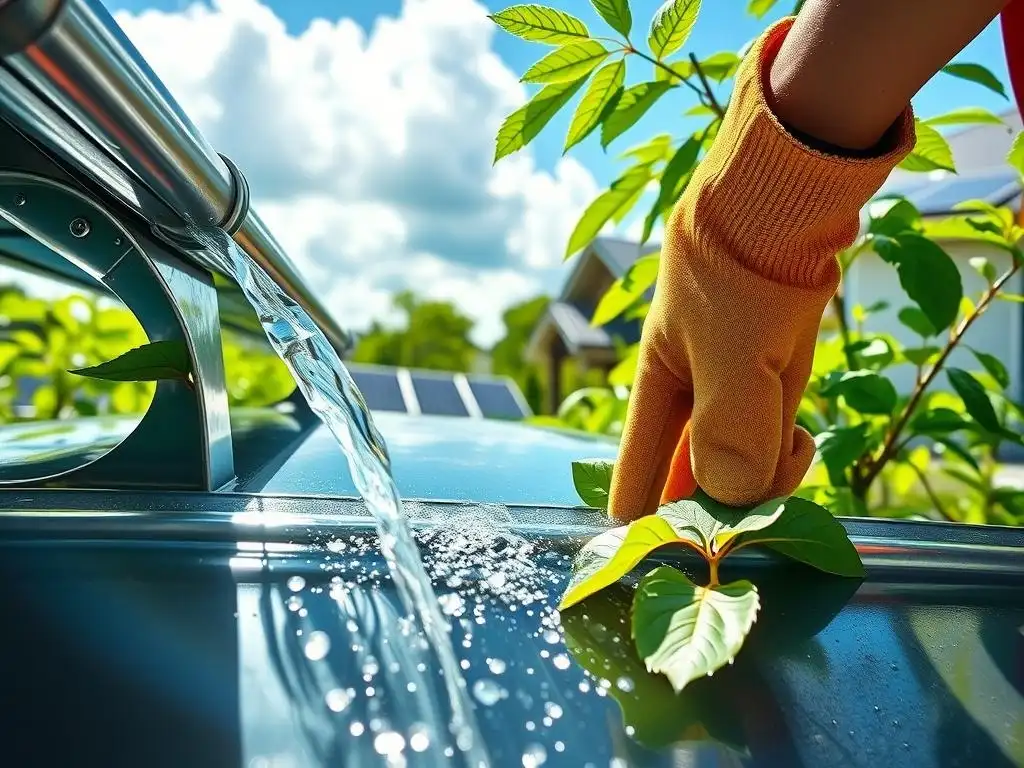
The first line of defense in your rainwater harvesting system is your roof's gutter and downspout system. These components are responsible for collecting rainwater and directing it to your storage tank. Regular inspection is vital to prevent leaks and blockages that can significantly reduce the amount of water collected.
Begin by visually inspecting your gutters and downspouts for any signs of damage, such as cracks, holes, or rust. Pay close attention to the joints and connections, as these are common areas for leaks. A small leak might seem insignificant, but over time, it can lead to substantial water loss. You should also check for clogs caused by leaves, debris, or nests.
A clogged gutter system can overflow, potentially damaging your house and reducing the amount of water collected. Consider using a gutter cleaning tool or a garden hose to flush out any debris. For stubborn clogs, you might need to remove sections of the gutter to clear the blockage thoroughly.
Remember to always prioritize safety when working at heights; consider using a sturdy ladder and safety harness if necessary. Regular cleaning, ideally every season, is key to preventing these issues. Consider installing gutter guards to minimize the accumulation of debris.
Evaluating the Condition of Your Rainwater Collection Tank
Your rainwater collection tank is the heart of your system. Its condition directly impacts the quality and quantity of water stored. A thorough inspection is critical to identifying and addressing any potential problems.
Start by visually inspecting the tank for any signs of damage, such as cracks, leaks, or rust. Pay close attention to the seams and connections, as these are vulnerable points. If you find any cracks or leaks, they need to be repaired immediately to prevent water loss and contamination. Depending on the material of your tank, repair methods will vary. For minor cracks, a sealant may suffice. However, major damage may require professional repair or replacement.
Also check the tank's foundation; ensure it's stable and level to prevent shifting or damage. Regularly check the water level in your tank and note any unusual fluctuations. This can indicate a problem with the inflow or outflow. Finally, consider the overall cleanliness of the tank. Sediment and debris can accumulate over time, affecting water quality. Cleaning your tank, perhaps annually, is essential to maintain water purity.
Checking the Filtration System: Cleaning and Replacement
A crucial aspect of maintaining a rainwater harvesting system is ensuring the filtration system remains effective in removing debris and contaminants. The filtration method you employ will determine the specifics of your maintenance routine, but the core principle remains: regular cleaning and timely replacement of filters are essential for optimal water quality.
The frequency of cleaning depends on the type of filter used and the amount of rainfall. However, a general guideline is to inspect and clean your filter at least once a year or after periods of heavy rainfall. For some filters, simple rinsing with water may suffice. Others might require more thorough cleaning using a brush or pressure washer. Remember to always follow the manufacturer's instructions for cleaning and maintenance.
Over time, filters become less effective and may require replacement. The lifespan of a filter varies depending on usage and the type of filter, but be sure to replace filters when they show signs of significant wear and tear or reduced efficiency. This ensures that the water collected remains clean and suitable for your garden. Failing to do so can lead to contaminated water and potential harm to your plants.
Regular Cleaning and Maintenance of Your Rainwater Harvesting System
Maintaining a rainwater harvesting system is crucial for ensuring its longevity and providing clean water for your garden. Neglecting regular maintenance can lead to system failure, water contamination, and ultimately, reduced yields from your plants. This section details the essential cleaning and maintenance tasks needed to keep your system functioning optimally, maximizing its lifespan and providing you with high-quality water for irrigation. Remember, proactive maintenance is far more cost-effective than reactive repairs. Consistent attention to detail will reward you with a thriving garden fueled by clean, harvested rainwater.
Cleaning Gutters and Downspouts: A Step-by-Step Guide
Clean gutters and downspouts are the foundation of a successful rainwater harvesting system. Leaves, twigs, and other debris can clog these crucial components, preventing rainwater from reaching your collection tank. Regular cleaning, ideally every three months or after significant weather events, is essential. Here's a step-by-step guide:
- Safety First: Always wear appropriate safety gear, including gloves and safety glasses. Work on a stable ladder and ensure someone is spotting you if necessary.
- Clear the Debris: Use a trowel or gutter scoop to remove large debris from the gutters. A long-handled brush can be helpful for reaching difficult areas.
- Flush the Gutters: Use a garden hose with a strong nozzle to flush away any remaining dirt and sediment. Pay close attention to bends and corners where debris tends to accumulate.
- Inspect Downspouts: Check the downspouts for blockages. A plumber's snake can help clear stubborn clogs.
- Check for Damage: Inspect gutters and downspouts for any signs of damage, such as rust, holes, or loose connections. Repair or replace damaged sections as needed. Ignoring minor damage can lead to significant problems down the line.
Cleaning the Rainwater Collection Tank: Removing Sediment and Debris
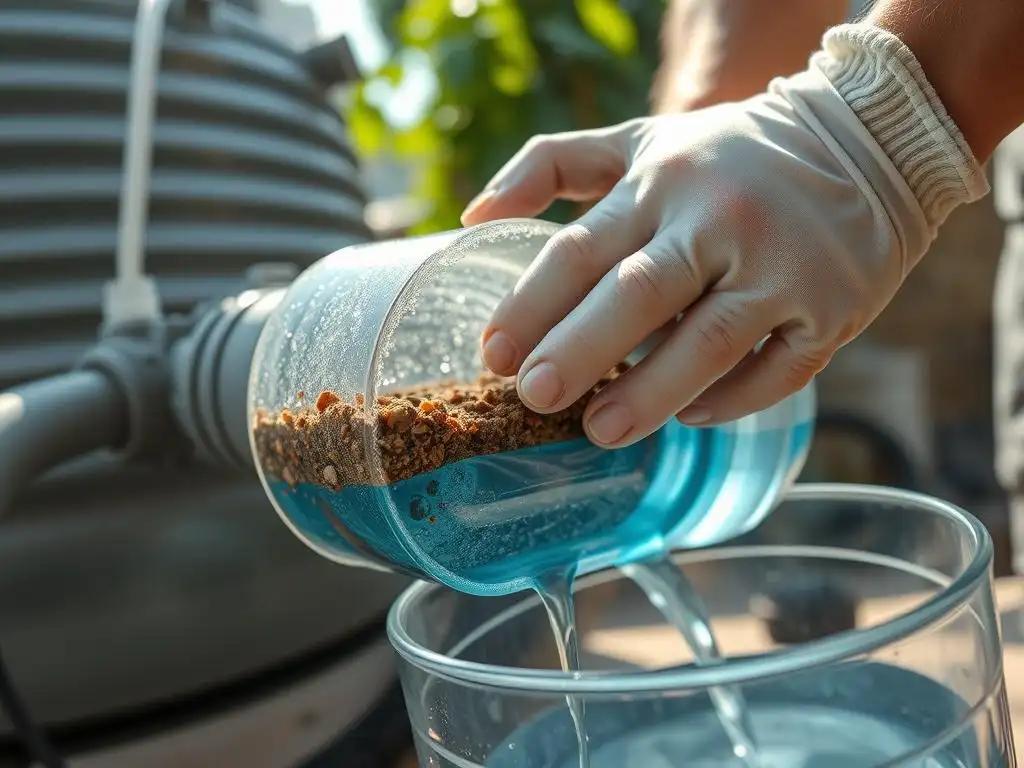
The rainwater collection tank is the heart of your system. Over time, sediment, leaves, and other debris will accumulate at the bottom, reducing the tank's capacity and potentially contaminating the water. Cleaning the tank requires careful planning and execution. The frequency of cleaning depends on factors such as the size of your tank, the amount of rainfall, and the surrounding environment. However, at least an annual cleaning is recommended.
- Preparation: Before starting, ensure the tank is completely emptied. This may involve using a submersible pump to transfer the water to another container or directly onto your garden. Always disconnect the system before cleaning.
- Cleaning Process: Use a stiff brush and a solution of mild detergent and water to scrub the tank's interior walls and bottom. For stubborn stains, a pressure washer (used carefully to avoid damage) can be effective. Thoroughly rinse the tank with clean water after scrubbing.
- Sediment Removal: Remove accumulated sediment from the bottom. This can be done manually using a scoop or a wet/dry vacuum. Dispose of the sediment responsibly, perhaps by adding it to your compost pile (avoiding any contaminated material).
- Inspection: Once clean, inspect the tank for cracks, leaks, or other damage. Address any issues immediately to prevent water loss and contamination.
Cleaning and Maintaining Filters: Ensuring Water Purity
Filters are crucial for removing impurities from rainwater before it reaches your garden. The type of filter you use will determine the specifics of its maintenance, but the general principle is consistent: regular cleaning prevents clogging and ensures optimal water purity. Neglecting filter maintenance can lead to reduced water flow and potentially introduce contaminants into your irrigation system.
| Filter Type | Cleaning Frequency | Cleaning Method |
|---|---|---|
| First-flush Diverter | After each rainfall | Flush with water; remove debris manually |
| Mesh Filter | Every 3-6 months | Rinse with water; replace if damaged or severely clogged |
| Sediment Filter | Every 6-12 months | Backwash according to manufacturer's instructions |
| Charcoal Filter | Every 12-18 months | Replace (generally not cleaned) |
Remember to always consult your filter's manufacturer instructions for specific cleaning and replacement guidelines. Regular maintenance of your filters is essential for maintaining the quality of your harvested rainwater and ensuring the health of your garden. Using clean rainwater for irrigation is a crucial component of sustainable gardening practices, contributing to healthier plants and a more environmentally responsible approach to cultivating your food. 🌱
Disinfecting Your Rainwater System: Preventing Algae and Bacteria Growth
Regular cleaning is crucial for maintaining the quality of your harvested rainwater, but sometimes, more robust measures are needed. Disinfection helps prevent the growth of algae and bacteria, ensuring your water remains safe for your plants and, if applicable, for other uses. Neglecting disinfection can lead to a slimy, foul-smelling buildup within your system, rendering the water unsuitable for irrigation and potentially harming your plants. This can manifest as stunted growth, discoloration of leaves, or even disease.
Several methods exist for disinfecting your rainwater harvesting system. One common and effective approach uses a diluted bleach solution. However, it's crucial to follow specific guidelines to avoid harming your plants or the system itself. A typical solution involves mixing one cup of unscented household bleach with 10 gallons of water.
This solution should be thoroughly circulated throughout the entire system, ensuring all surfaces come into contact. Allow the solution to remain in the system for several hours, ideally overnight, before flushing it out completely with clean water. It's essential to thoroughly rinse the system to remove all traces of bleach, as residual bleach can harm sensitive plants. Remember to always wear protective gear, such as gloves and eye protection, when handling bleach.
Another option, particularly suitable for larger systems, is using chlorine dioxide. This is a powerful disinfectant that effectively eliminates a broader range of microorganisms. However, it requires careful handling and precise dosing, often necessitating professional assistance for large-scale systems. Always follow the manufacturer's instructions meticulously when using chlorine dioxide. This method is generally more expensive than bleach, but it offers a more comprehensive disinfection. The application process is similar to bleach – circulating the solution throughout the system and then rinsing thoroughly.
Regardless of the chosen method, regular inspection is paramount. Visual checks for algae or biofilm buildup should be performed frequently, allowing for timely intervention and preventing significant contamination. Early detection can prevent the need for harsh disinfection methods, preserving the longevity of your system and maintaining the health of your plants. Remember that the frequency of disinfection will depend on factors such as climate, the system's material, and the presence of leaves and debris.
In warmer climates with abundant sunlight, more frequent disinfection may be necessary. Keeping your gutters and collection area clean also significantly reduces the need for frequent disinfection. A well-maintained system requires less intervention overall.
Preventing Common Problems in Your Rainwater Harvesting System
Maintaining a rainwater harvesting system requires proactive measures to ensure its longevity and efficiency. Neglect can lead to costly repairs and reduced water availability for your garden. This section focuses on preventing common issues, helping you maximize the lifespan of your system and enjoy the benefits of sustainable gardening. Understanding how to effectively maintain rainwater harvesting system components is key to success.
Addressing Leaks and Repairs: Identifying and Fixing Issues
Leaks are a significant concern in rainwater harvesting systems, leading to water loss and potential structural damage. Regular inspection is crucial. Start by visually examining all connections, pipes, and the collection tank itself. Look for signs of water staining, damp patches, or pooling. A simple test involves filling the system and carefully observing for any dripping or seepage.
Leaks can stem from various sources: loose connections, cracked pipes, deteriorated seals, or even holes in the collection tank. Smaller leaks in pipes can often be repaired with waterproof tape specifically designed for plumbing. For more significant damage, replacing the affected section of pipe may be necessary. Cracks in the collection tank are more serious and might require professional repair or, depending on the extent of the damage and the tank's age, replacement. Remember to always turn off the water supply before attempting any repairs.
Consider the material of your system when addressing leaks. Plastic systems might be more susceptible to cracking due to freezing temperatures or physical impact. Metal systems may corrode over time, leading to leaks. Regular maintenance, including cleaning and inspection, can help identify and address these issues early on, preventing major problems down the line. This proactive approach to maintain rainwater harvesting system integrity will save you time, money, and frustration.
Preventing Clogging: Maintaining Optimal Water Flow
Clogging is a common problem, often stemming from debris like leaves, twigs, and sediment entering the system. This blockage reduces the system's efficiency, limiting the amount of water collected. Prevention is key. Install gutter guards on your downspouts to filter out larger debris before it enters the collection system. Regular cleaning of gutters and downspouts is also vital, especially during the fall season when leaves accumulate.
For the collection tank, consider adding a filter at the inlet point. This filter can be a simple mesh screen or a more sophisticated filter system depending on your needs and budget. Regularly inspect and clean this filter to remove accumulated sediment and debris. The frequency of cleaning will depend on the amount of debris in your area and the size of your system.
Some systems benefit from a periodic flushing to remove accumulated silt and sediment from the bottom of the tank. This process involves carefully draining a portion of the water, removing the sediment, and refilling the tank. Always follow safety precautions when working with large volumes of water. A well-maintained filtration system is crucial to effectively maintain rainwater harvesting system flow.
Dealing with Overflow Issues: Managing Excess Water
Overflow is a potential problem, especially during periods of heavy rainfall. An overflowing system can lead to water damage and wasted water resources. Understanding your system's capacity is essential. Ensure your collection tank is appropriately sized for your needs and the typical rainfall in your area. Consider installing an overflow system that redirects excess water to a safe location, such as a drainage ditch or a secondary storage area. This prevents water from backing up into your gutters and causing damage.
Regularly monitor the water level in your tank. A simple float level indicator can provide a visual warning when the tank is nearing capacity. This allows you to take appropriate action, such as diverting excess water or using the stored water for irrigation before it overflows. Proper planning and installation of an overflow system are critical aspects of knowing how to effectively maintain rainwater harvesting system and prevent water damage. Remember, efficient overflow management is crucial for the long-term health and functionality of your system.
Protecting Your System from Pests: Preventing Contamination
Rainwater harvesting systems, while beneficial for sustainable gardening, can unfortunately attract pests and potentially contaminate your precious water supply. Preventing contamination is crucial for maintaining the integrity of your system and ensuring the health of your plants. This requires a multi-pronged approach focusing on both proactive measures and reactive solutions.
One key strategy is to ensure proper sealing and screening. Mosquitoes, for instance, are a common nuisance, readily breeding in stagnant water. Using fine mesh screens on all inlets and outlets of your system effectively prevents these insects from accessing the stored water. Regularly inspect these screens for tears or damage and replace them promptly to maintain their effectiveness. Similarly, meticulously sealing all joints and connections prevents unwanted creatures from entering the system. Consider using high-quality sealant specifically designed for outdoor use and capable of withstanding weathering.
Beyond insects, larger animals like rodents can also pose a significant threat. These animals may seek shelter within the system or contaminate the water through droppings. Protecting your system involves implementing physical barriers. This might include using sturdy materials for the construction of your storage tank, ensuring a secure lid, and employing rodent-deterrent measures around the perimeter of the system. Regular inspections are crucial to identify any signs of rodent activity, such as gnaw marks or droppings, allowing for timely intervention.
Regular cleaning is paramount in preventing contamination. Debris, leaves, and other organic matter can accumulate, creating breeding grounds for bacteria and other microorganisms. A scheduled cleaning regime, perhaps every few months depending on your climate and system design, should involve thoroughly rinsing the tank and filters. Use non-toxic cleaning agents to avoid introducing harmful chemicals into your water supply. Remember to always flush the system completely with clean water after cleaning to remove any residual cleaning solution.
Finally, consider the positioning of your rainwater harvesting system. Avoid placing it near areas prone to high pest activity, such as compost heaps or areas with dense vegetation. Strategic placement minimizes the likelihood of pests being attracted to your system in the first place. Maintaining a clean and well-maintained surrounding area also contributes significantly to pest prevention. A tidy environment reduces potential breeding sites and makes your system less appealing to unwanted visitors. Remember, proactive pest control is far more effective and less disruptive than dealing with a full-blown infestation.
Optimizing Your Rainwater Harvesting System for Efficiency
This section focuses on maximizing the effectiveness and lifespan of your rainwater harvesting system. Proper maintenance isn't just about fixing problems; it's about proactive strategies that ensure your system operates at peak performance, providing a consistent supply of clean water for your garden. Ignoring maintenance can lead to costly repairs, reduced water quality, and ultimately, system failure. Let's explore key aspects to enhance efficiency and longevity.
Regular Inspection Schedule: Creating a Maintenance Calendar
A well-structured maintenance calendar is crucial for the long-term health of your rainwater harvesting system. This isn't about daily checks, but rather a planned approach focusing on key inspection points at regular intervals. Consider this sample schedule, adaptable to your specific climate and system design:
| Inspection Task | Frequency | Notes |
|---|---|---|
| Visual Inspection (Entire System) | Monthly | Check for leaks, clogs, debris buildup in gutters, downspouts, and tanks. |
| Gutter Cleaning | Quarterly (Spring, Summer, Autumn, Winter) | Remove leaves, twigs, and other debris to ensure optimal water flow. |
| Filter Inspection & Cleaning | Bi-monthly | Clean or replace filters as needed to remove sediment and contaminants. |
| Tank Level Check | Weekly | Monitor water levels to anticipate refill needs and identify potential leaks. |
| Pump Inspection (if applicable) | Annually | Check for wear and tear, lubricate moving parts, and ensure proper function. |
| Full System Flush | Annually | Flush the entire system to remove accumulated sediment and algae. |
Remember to document each inspection, noting any issues found and the actions taken. This record will prove invaluable for future maintenance and troubleshooting. Proactive maintenance, even minor tasks, prevents small problems from escalating into major, costly repairs. Think of it as preventative medicine for your water harvesting system! 💦
Water Quality Testing: Monitoring Purity and Safety
Maintaining the purity of your harvested rainwater is paramount for the health of your plants. Contaminants can range from simple sediment to harmful chemicals. Regular water quality testing provides essential data to inform your maintenance strategy and ensure the safety of your plants.
Several key parameters should be monitored:
- pH Level: Ideal pH for most plants is between 6.0 and 7.0. Regular testing allows you to adjust the pH using readily available garden lime or other pH balancers if needed.
- Nutrient Levels: Testing for essential nutrients like nitrogen, phosphorus, and potassium helps determine if supplemental fertilization is necessary. Overly high nutrient levels can also harm your plants.
- Presence of Contaminants: Testing for heavy metals, pesticides, and other harmful substances is crucial, especially if your collection area is near potential sources of pollution. If contaminants are detected, investigate the source and take appropriate remediation measures. This might involve installing additional filtration systems or relocating your collection points.
- Microbial Contamination: Testing for bacteria and other microorganisms can help prevent diseases in your plants. Regular cleaning and disinfection of your storage tanks can mitigate this risk.
The frequency of water quality testing depends on your location, rainfall patterns, and the potential for contamination. Consider testing at least twice a year – once before the main growing season and once after.
System Upgrades and Improvements: Enhancing Performance and Longevity
Regular maintenance is essential, but strategically planned upgrades can significantly improve the long-term performance and efficiency of your rainwater harvesting system. Consider these enhancements:
- Larger Storage Capacity: If you consistently find yourself running low on water, increasing your storage capacity might be beneficial. This could involve adding another tank or upgrading to a larger model.
- Improved Filtration: Consider upgrading to a more efficient filtration system to remove a wider range of contaminants. This could involve adding multiple filter stages or switching to a higher-quality filter media.
- Automated System Controls: Installing automated controls, such as level sensors and automatic pumps, can streamline operation and reduce manual intervention. These systems can alert you to low water levels or potential problems.
- Diversion System for First Flush: The first rainfall after a dry spell often contains high levels of pollutants. A first-flush diversion system can redirect this initial water flow, preventing contamination of your stored water.
Regularly evaluate your system's performance. Are you consistently getting the water you need? Are there any recurring issues? Addressing these questions proactively through strategic upgrades will ensure your rainwater harvesting system remains a valuable asset for years to come. Investing in these improvements is an investment in the long-term health and productivity of your garden.
Extending the Lifespan of Your Rainwater Harvesting System: Proactive Measures
Regular maintenance is key to maximizing the lifespan of your rainwater harvesting system. Neglecting even minor issues can lead to significant problems down the line, potentially rendering your entire system unusable and requiring costly repairs or even complete replacement. Proactive measures, however, can significantly extend the life of your system and ensure its continued efficient operation. This involves a multi-faceted approach encompassing regular inspections, preventative cleaning, and timely repairs.
One crucial aspect of proactive maintenance involves regular visual inspections. Ideally, you should inspect your system at least once a month, more frequently during periods of heavy rainfall or extended dry spells. Look for signs of leaks in pipes, connections, and the storage tank itself. Check for any cracks, corrosion, or damage to the gutters, downspouts, and filters.
Pay close attention to the condition of the first flush diverter, ensuring it's functioning correctly to prevent the initial, debris-laden rainwater from entering your storage tank. Early detection of these issues allows for timely repairs, preventing minor problems from escalating into major, costly ones. For example, a small crack in a pipe, if left unaddressed, could lead to significant water loss and potential structural damage to your system over time.
Cleaning your rainwater harvesting system is another critical proactive measure. This prevents the buildup of sediment, algae, and other organic matter that can clog filters, reduce water quality, and damage the system's components. The frequency of cleaning will depend on factors such as your climate, the amount of rainfall you receive, and the type of vegetation surrounding your collection area.
In areas with significant tree cover, more frequent cleaning might be necessary to remove leaves and debris. Cleaning involves thoroughly flushing the gutters, downspouts, and filters. For larger storage tanks, periodic emptying and cleaning might be required, depending on the tank's material and design.
Remember to always disconnect the system from the house plumbing before undertaking any cleaning activities to avoid contamination. A clean system ensures the quality of the harvested water, protecting your plants from potential damage caused by contaminated water. This proactive measure helps to maintain the system’s efficiency and prolong its lifespan.
Finally, preventative maintenance also includes addressing minor issues promptly. Don't delay repairing leaks, replacing damaged parts, or fixing malfunctioning components. A small leak might seem insignificant initially, but it can quickly lead to substantial water loss and potential damage to the system's structural integrity. Similarly, a clogged filter can reduce the system's efficiency and lead to water quality issues.
Addressing these issues promptly helps prevent further damage and ensures the long-term functionality of your rainwater harvesting system. Investing in high-quality components and ensuring proper installation from the outset can also minimize the need for future repairs and contribute to a longer lifespan. Remember, a stitch in time saves nine – this adage applies perfectly to rainwater harvesting system maintenance. Regular maintenance, coupled with a proactive approach, ensures your system provides clean, sustainable water for your garden for years to come.
Troubleshooting Common Rainwater Harvesting System Problems
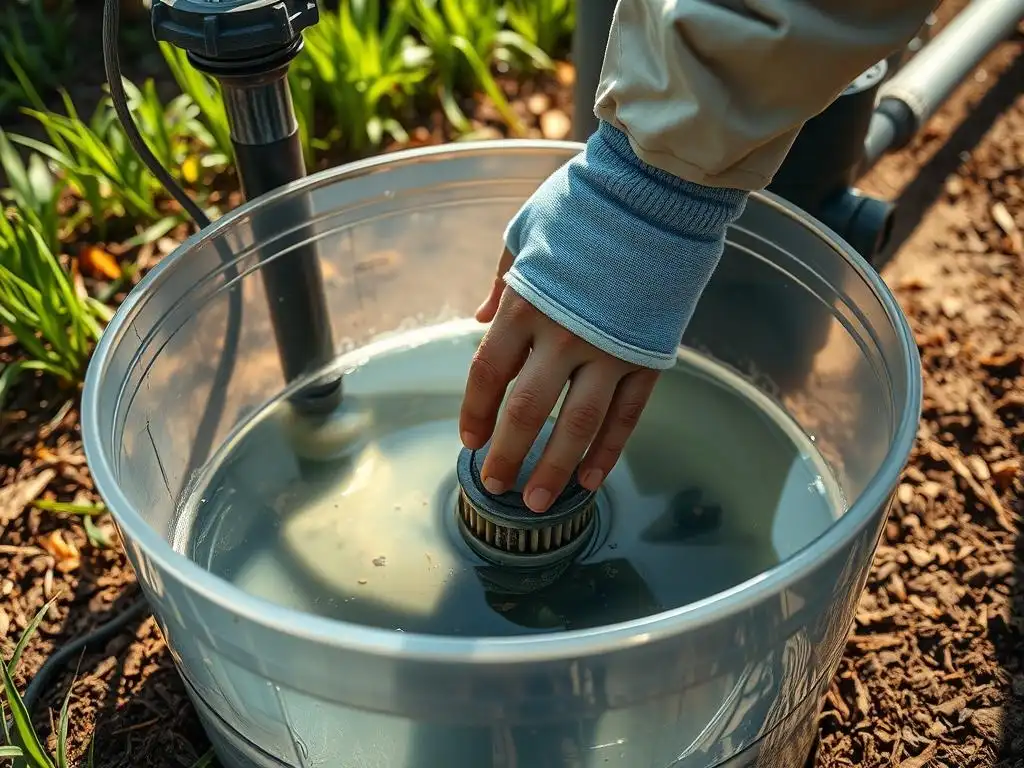
Maintaining a rainwater harvesting system requires proactive attention to detail. While a well-installed system should provide years of reliable service, understanding and addressing potential issues is crucial for maximizing its lifespan and efficiency. This section focuses on troubleshooting three common problems: low water yield, cloudy or discolored water, and system leaks. Addressing these promptly can prevent larger, more costly repairs down the line and ensure your system continues to provide a sustainable water source for your garden.
Low Water Yield and its Solutions
A lower-than-expected water yield from your rainwater harvesting system can stem from several factors. Insufficient collection is the most common culprit. Let's explore some reasons why you might be experiencing this and how to solve them.
First, check your gutters and downspouts. Clogged gutters, damaged downspouts, or improperly positioned downspouts can significantly reduce the amount of water reaching your storage tank. Regular cleaning of gutters and downspouts, especially after leaf-fall seasons, is paramount. Consider installing gutter guards to minimize clogging. Inspect the downspouts for any leaks or bends that could divert water away from your collection system.
Secondly, evaluate the size of your collection area. The surface area of your roof directly impacts the amount of water collected. While you can't easily change your roof size, you can maximize collection by ensuring that your gutters and downspouts efficiently channel all the rainwater towards your tank. Consider adding additional downspouts if your roof is particularly large.
Thirdly, examine your storage tank. A damaged or improperly sealed tank can lead to significant water loss through leaks or evaporation. Regularly inspect your tank for cracks, holes, or loose connections. Ensure the lid or cover is securely fastened to prevent evaporation, especially in drier climates. If your tank is underground, check for any signs of water seeping out around it.
Finally, consider the local rainfall. Low water yield might simply reflect a period of low rainfall. Keep accurate records of rainfall and water collected to establish a baseline for your system's performance. This data will help you identify trends and more easily spot anomalies.
Cloudy or Discolored Water and its Solutions
Cloudy or discolored water in your rainwater harvesting system is often an indicator of contamination. This can range from simple sediment to more concerning pollutants. Understanding the cause is key to implementing the right solution.
The most common cause is sediment. Roof debris, such as leaves, twigs, and dust, can wash into the collection system and cloud the water. A simple solution is to install a first-flush diverter. This device diverts the initial flow of rainwater, which typically carries the highest concentration of debris, away from the storage tank. Regular cleaning of the gutters and downspouts also helps minimize sediment.
Another potential cause is algae growth. Algae can thrive in stagnant water, particularly in tanks that receive limited sunlight. Regular tank cleaning and the use of an algaecide (following label instructions carefully) can help control algae growth. Consider adding a small amount of copper sulfate to the tank (only as a last resort and in accordance with local regulations), as it acts as a natural algaecide.
Chemical contamination is a more serious concern. Runoff from roofs treated with pesticides, herbicides, or other chemicals can contaminate your rainwater. If you suspect chemical contamination, you may need to conduct water testing to determine the type and level of contamination. In such cases, consult with a water quality specialist to determine the appropriate remediation steps. Using organic and sustainable practices in your garden will minimize the risk of such contamination.
Finally, mineral deposits from your roof and gutters can sometimes cause discoloration. Regular cleaning and maintenance can mitigate this issue.
System Leaks and their Solutions
Leaks in your rainwater harvesting system can lead to significant water loss and potential damage to your property. Prompt detection and repair are essential.
Begin by visually inspecting the entire system. Check all connections, pipes, valves, and the tank itself for any signs of leaks. Look for damp spots, water stains, or dripping water. Pay close attention to joints and seals, as these are common points of failure.
Next, check the pressure. High water pressure can strain the system and lead to leaks. If your system uses a pump, ensure it's functioning correctly and isn't causing excessive pressure. Consider installing a pressure regulator if necessary.
If you find a leak, repair it immediately. Minor leaks can often be fixed with sealant or tape. However, larger leaks may require professional assistance. For leaks in the tank, you may need to patch the hole or, in severe cases, replace the tank entirely.
Regular system maintenance will help prevent leaks. This includes periodic inspections, cleaning, and tightening of connections. Consider using high-quality materials during the initial installation to increase durability and longevity. Remember, proactive maintenance is key to preventing costly repairs and ensuring your rainwater harvesting system continues to function efficiently for many years to come.
Overflow Issues and their Solutions
Overflowing rainwater harvesting systems are a common problem, often stemming from insufficient storage capacity or blockages within the system. Addressing these issues requires a systematic approach. First, assess the frequency and volume of overflows. Are they occurring during particularly heavy rainfall events, or even during moderately intense storms? This helps determine if the problem lies in the system's capacity or its efficiency.
If overflows are frequent even during moderate rainfall, your storage tank might simply be too small for your catchment area. Consider upgrading to a larger tank or adding a secondary storage solution. Remember to factor in future needs; your water requirements might increase as your garden grows.
Accurate calculation of your roof's surface area and typical rainfall amounts in your region is crucial for determining appropriate tank size. Consult a professional if you are unsure about the calculations, as an incorrectly sized tank leads to wasted water or recurring overflow problems. Many online calculators can help estimate the necessary tank volume based on your rainfall data and roof area.
However, if overflows only happen during exceptionally heavy downpours, the problem might be a blockage elsewhere in the system. Check your gutters, downspouts, and filters for debris like leaves, twigs, and sediment. Regular cleaning, ideally before and after the rainy season, is essential for maintaining a smooth flow. Consider installing a larger-capacity filter to prevent small debris from entering the storage tank. A mesh filter at the downspout inlet can significantly reduce the amount of debris entering the system.
Furthermore, inspect the connection points between your gutters, downspouts, and the tank for any leaks or blockages. Loose connections can cause water to overflow before it reaches the tank. Ensure all connections are secure and properly sealed to prevent leakage and maintain the system's integrity. Regular visual inspections can help identify potential problems before they escalate into significant issues.
A well-maintained system minimizes the risk of overflows and ensures the longevity of your rainwater harvesting setup. Remember to always prioritize safety when cleaning and inspecting your system, and consider seeking professional help if you're uncertain about any aspect of the maintenance process. A small investment in preventative maintenance can save you from larger, more costly repairs down the line.
Long-Term Strategies for Rainwater Harvesting System Sustainability
This section focuses on proactive measures to ensure the longevity and efficiency of your rainwater harvesting system. By implementing these strategies, you'll not only extend the lifespan of your system but also enhance its effectiveness in providing clean, sustainable water for your garden. Maintaining a rainwater harvesting system effectively requires a holistic approach encompassing material selection, system design, and environmentally conscious practices. Let's delve into the key aspects.
Choosing Durable Materials: Investing in Quality Components
The initial investment in high-quality materials significantly impacts the long-term sustainability of your rainwater harvesting system. Choosing durable components translates to fewer repairs, replacements, and overall lower maintenance costs. Consider these factors when selecting materials:
- Gutters and Downspouts: Opt for galvanized steel or aluminum gutters and downspouts. These materials are resistant to corrosion and can withstand harsh weather conditions. Avoid cheaper plastic alternatives, which are prone to cracking and degradation over time, especially under intense sunlight. Regular inspection for clogs and damage is crucial regardless of material choice.
- Storage Tanks: Food-grade plastic tanks are a popular choice due to their affordability and resistance to rust. However, ensure the tank is UV-resistant to prevent degradation from prolonged sun exposure. Consider the tank's capacity based on your needs and rainfall patterns. Oversized tanks might be unnecessary and take up valuable space. Alternatively, concrete or stainless steel tanks offer exceptional durability but are more expensive.
- Filters and Pumps: Invest in high-quality filters to remove debris and sediment. Regular cleaning and replacement of filter cartridges are essential for maintaining water quality. Pumps should be appropriately sized for your system's capacity and chosen for their reliability and energy efficiency. A well-maintained pump significantly extends the life of your entire system.
| Material | Pros | Cons | Expected Lifespan (Years) |
|---|---|---|---|
| Galvanized Steel | Durable, corrosion-resistant | Can rust over time if not properly maintained | 20+ |
| Aluminum | Lightweight, corrosion-resistant | More expensive than galvanized steel | 25+ |
| Food-Grade Plastic | Affordable, lightweight | Prone to UV degradation, can crack | 10-15 |
| Concrete | Extremely durable, long lifespan | Expensive, requires professional installation | 50+ |
| Stainless Steel | Highly durable, resistant to corrosion | Very expensive | 50+ |
Regular maintenance, including cleaning gutters and downspouts, inspecting tanks for leaks, and checking pump functionality, is crucial regardless of the materials used.
Proper System Design: Optimizing for Your Needs
A well-designed rainwater harvesting system is crucial for efficient operation and longevity. Consider these design elements:
- Roof Area: The size of your roof directly influences the amount of rainwater collected. Larger roofs naturally yield more water. Accurate calculation of your roof's surface area is vital for determining appropriate tank size.
- Catchment Area: Ensure the system effectively captures rainwater from the entire roof area. Properly sealed gutters and downspouts prevent leakage and maximize water collection. Regular cleaning of leaves and debris from the catchment area is essential for optimal performance.
- Filtration System: A multi-stage filtration system removes sediment, debris, and other contaminants. This safeguards the quality of the harvested water and prevents damage to pumps and other system components. Consider the type of filtration best suited for your local environment and water quality.
- Overflow System: An overflow system redirects excess rainwater to prevent damage to the storage tank and surrounding areas during heavy rainfall. This is a critical safety feature that prevents flooding and ensures system integrity.
Careful planning and professional installation minimize the risk of future problems, leading to a more sustainable and longer-lasting system. Remember to account for potential future expansion as your needs evolve.
Sustainable Practices: Minimizing Environmental Impact
Beyond material selection and system design, embracing sustainable practices further enhances the longevity and environmental friendliness of your rainwater harvesting system.
- Water Conservation: Utilize the harvested rainwater efficiently. Implement water-wise gardening techniques like drip irrigation to minimize water waste. Regularly monitor water levels in the storage tank to avoid overfilling and ensure optimal usage.
- Natural Pest Control: Employ natural pest control methods to reduce the need for harmful chemicals that could contaminate the harvested water. This approach maintains the water's purity and protects beneficial insects and other organisms.
- Composting: Compost organic garden waste to enrich your soil and reduce the need for chemical fertilizers. Composting reduces reliance on external resources and improves soil health, enhancing your plants' water uptake efficiency.
- Regular Maintenance: Consistent maintenance is key to preventing problems and extending the life of your system. Regular cleaning of gutters, downspouts, filters, and tanks minimizes the risk of clogs, leaks, and damage. This proactive approach significantly reduces repair costs and ensures the system's long-term sustainability.
By prioritizing these sustainable practices, you are not only prolonging the life of your rainwater harvesting system but also contributing to a healthier environment and a more sustainable approach to gardening. Remember, a well-maintained system is a testament to responsible resource management and environmental stewardship.
Future-proofing your system: Adapting to changing needs
Future-proofing your rainwater harvesting system involves anticipating and adapting to potential changes in your needs and the environment. This proactive approach ensures your system remains efficient and effective for years to come, maximizing its contribution to your sustainable gardening practices. Consider these key aspects:
One crucial element is scalability. As your garden grows, so too might your water demands. Initially, a smaller system might suffice, but as you plant more fruit trees, vegetables, and herbs, you might need to increase its capacity. This could involve adding additional collection tanks, extending your guttering network, or even installing a more powerful pump. Planning for expansion from the outset, even if it seems excessive at the time, is a wise investment in the long-term viability of your system. Think modular design – components that can be easily added or upgraded as needed.
Another important aspect is adaptability to climate change. Rainfall patterns are shifting globally, with some regions experiencing more intense downpours and others enduring prolonged droughts. Your system should be designed to handle both extremes. This might include incorporating overflow mechanisms to prevent damage during heavy rainfall and implementing efficient water storage solutions to conserve water during dry spells. Regularly reviewing weather forecasts and adjusting your water usage accordingly can also be beneficial. Perhaps consider integrating smart sensors that monitor rainfall and tank levels, automating your irrigation system for optimal water conservation.
Furthermore, consider the potential for future technological advancements. New materials, filtration technologies, and water management systems are constantly emerging. Staying informed about these developments allows you to upgrade your system gradually, incorporating improvements as they become available. Regularly reviewing your system's performance and identifying areas for optimization is crucial for maintaining its efficiency and longevity.
This proactive approach ensures your system remains at the forefront of sustainable water management techniques, contributing to both your garden's health and environmental responsibility. Think about the possibility of integrating greywater recycling in the future to further enhance water conservation. This would require careful planning and consideration of potential contamination issues, but the long-term benefits could be significant.
Frequently Asked Questions
How often should I clean my rainwater harvesting system?
You should clean your system at least once a year, and more frequently if you notice debris buildup or discolored water. Regular cleaning ensures optimal water quality and system efficiency.
What are the common problems with rainwater harvesting systems?
Common issues include clogged gutters and filters, leaky pipes or tanks, and algae growth. Addressing these problems promptly prevents larger, more costly repairs.
How can I prevent mosquito breeding in my rainwater tank?
Install a fine mesh screen over the tank opening to prevent mosquito entry. Regularly check for stagnant water and empty any standing water outside the tank.
What type of filter is best for a rainwater harvesting system?
The best filter depends on your needs and water quality. First-flush diverters remove initial runoff, while sediment filters remove larger particles. Consider a combination system for optimal results.
How can I ensure the longevity of my rainwater harvesting system?
Regular maintenance and cleaning are crucial. Protecting the system from extreme weather and addressing problems promptly also contributes to its longevity and ensures a reliable water supply.
Final Reflection: The Enduring Gift of Harvested Rain
The responsible management of our water resources is no longer a luxury; it's a necessity. The increasing frequency and intensity of droughts worldwide underscore the critical importance of sustainable water practices, making rainwater harvesting a vital tool for individual and community resilience. This simple yet powerful technique offers a tangible solution to water scarcity, empowering us to take control of our water future.
The shift towards water conservation is not merely an environmental imperative; it's a deeply personal journey. It's about recognizing our interconnectedness with the natural world and actively participating in its preservation. As we learn to maintain our rainwater harvesting systems, we cultivate a deeper appreciation for the preciousness of water, fostering a sense of stewardship that extends beyond our own needs. Water is the driving force of nature.
– Leonardo da Vinci. This quote resonates deeply, reminding us of the fundamental role water plays in sustaining life and the profound responsibility we bear in its protection.
Consider the impact you can make. By diligently maintaining your rainwater harvesting system, you are not only securing a reliable water source for your home but also contributing to a larger movement towards water security. Think about the potential for community-based initiatives, sharing knowledge and resources to maximize the benefits of rainwater harvesting. You have the power to make a difference, one drop at a time. Begin today by reviewing your system, making necessary repairs, and sharing this knowledge with others. Let's build a future where the gift of rain is cherished and sustainably utilized for generations to come.
Unlock the Full Potential of Your Rainwater Harvest
Thanks for exploring the world of rainwater harvesting! You've gained valuable knowledge to ensure your system's long-term efficiency. Now let's put that knowledge to work.
Here are some immediate actions you can take:
- Prioritize annual system maintenance: Schedule a cleaning and inspection this month—think of it as your system's spring cleaning! This is crucial for maximizing its lifespan.
- Expand your use of harvested water: Consider applications beyond your garden. Where else on your property could you utilize this free, clean resource?
- Share your experiences—both successes and challenges—with our community in the comments below. Let's learn from one another!
Ready to optimize your rainwater system for years to come? What's your first step to ensure its smooth operation?