
Smart Watering Tools: Gadgets That Help You Conserve Water in the Garden

Ready to transform your backyard into a thriving oasis? At CultivateYourFood, we empower you to grow your own delicious and healthy produce using sustainable methods. Discover the secrets to a bountiful harvest, from seed to table. But first, let's talk about efficiency: Are you maximizing your water usage? Dive into our latest article on the best garden watering tools and unlock the key to a healthier, more productive, and environmentally conscious garden. Learn how smart watering can revolutionize your gardening journey!
- Understanding the Need for Water Conservation in Your Garden
-
Best Garden Watering Tools for Water Conservation
- Smart Irrigation Controllers: Automated Watering Schedules
- Soil Moisture Sensors: Precise Watering Based on Real-Time Data
- Drip Irrigation Systems: Targeted Water Delivery to Plant Roots
- Soaker Hoses: Gentle and Efficient Watering for Rows and Beds
- Rain Barrels: Harvesting and Reusing Rainwater for Irrigation
- Choosing the Right Smart Watering Tools for Your Garden
- Budget-Friendly Options for Water Conservation
- Advanced Smart Watering Systems for Large Gardens
- Installing and Maintaining Your Smart Watering System
- Maximizing Water Conservation with Smart Watering Tools
- Frequently Asked Questions
- Final Reflection: The Future of Thirsty Gardens is Smart
- Unlock Your Garden's Water-Wise Potential!
Understanding the Need for Water Conservation in Your Garden
Water is the lifeblood of any thriving garden, fueling the growth of fruits, vegetables, and herbs. However, in today's world, where water resources are increasingly strained, conserving this precious resource is not just environmentally responsible but also economically savvy for the home gardener. This article explores the crucial role of water conservation in sustainable gardening and introduces some of the best garden watering tools available to help you optimize your watering practices.
We'll delve into the impact of water waste, explore efficient watering techniques, and guide you through determining your garden's specific water needs. By adopting smart watering strategies and utilizing innovative tools, you can cultivate a bountiful harvest while minimizing your environmental footprint and maximizing your water efficiency.
Learning to effectively manage your garden's water consumption is key to both sustainable and successful gardening, ensuring healthy plants and a greener future. This guide will help you become a more responsible and effective gardener, equipped to make informed choices about your water usage.
The Impact of Water Waste on Your Garden and the Environment
Overwatering is a common mistake among home gardeners, leading to a cascade of negative consequences. Excessive watering not only wastes a precious resource but also harms your plants and the environment. The impact extends beyond simply wasted water:
- Root Rot: Overwatering deprives plant roots of oxygen, leading to root rot, a devastating condition that can kill plants. This is especially true for plants that prefer well-drained soil.
- Nutrient Leaching: Excess water washes away essential nutrients from the soil, leaving your plants nutrient-deficient and impacting their growth and yield.
- Pest and Disease: Waterlogged soil creates the perfect breeding ground for fungal diseases and attracts pests, compromising the health of your entire garden.
- Environmental Damage: Wasting water contributes to water scarcity, impacting local ecosystems and wildlife. It also increases the energy consumption associated with water pumping and treatment.
- Increased Costs: Excessive water usage translates directly into higher water bills, adding unnecessary expenses to your gardening budget.
Understanding these impacts underscores the importance of adopting water-wise gardening practices. Efficient watering, combined with smart tools, can significantly mitigate these negative consequences and create a healthier, more sustainable garden.
Efficient Watering Techniques for Healthy Plants
Efficient watering is not just about reducing water consumption; it's about delivering the right amount of water at the right time to your plants. Several techniques can help you achieve this:
- Deep Watering: Instead of frequent shallow watering, opt for deep, infrequent watering. This encourages deep root growth, making plants more drought-tolerant.
- Watering at the Base: Avoid overhead watering, which leads to water loss through evaporation and can promote fungal diseases. Direct water to the base of the plant.
- Mulching: Applying a layer of mulch around your plants helps retain soil moisture, reducing the frequency of watering.
- Drip Irrigation: This method delivers water directly to the roots, minimizing evaporation and runoff. It's particularly efficient for larger gardens.
- Soaker Hoses: Similar to drip irrigation, soaker hoses provide a slow, even release of water, minimizing waste.
By implementing these techniques, you can significantly improve your water efficiency and promote healthier plant growth. The use of smart watering tools, discussed later, can further enhance these techniques.
Determining Your Garden's Unique Water Requirements
Every garden has unique water requirements, influenced by factors such as:
- Climate: Hot, dry climates require more frequent watering than cooler, wetter climates.
- Soil Type: Sandy soil drains quickly, requiring more frequent watering than clay soil, which retains moisture longer.
- Plant Type: Different plants have different water needs. Some are drought-tolerant, while others require more frequent watering.
- Sunlight Exposure: Plants in full sun generally require more water than those in shade.
Understanding these factors is essential for developing an effective watering schedule. Regularly monitoring your soil moisture using a soil moisture meter (a smart watering tool!) can help you fine-tune your watering practices and avoid both overwatering and underwatering. Careful observation of your plants, paying attention to signs of wilting or stress, is also crucial in determining their water needs. By combining your understanding of your garden's specific needs with the right tools, you can create a thriving and sustainable garden while conserving water effectively.
Best Garden Watering Tools for Water Conservation
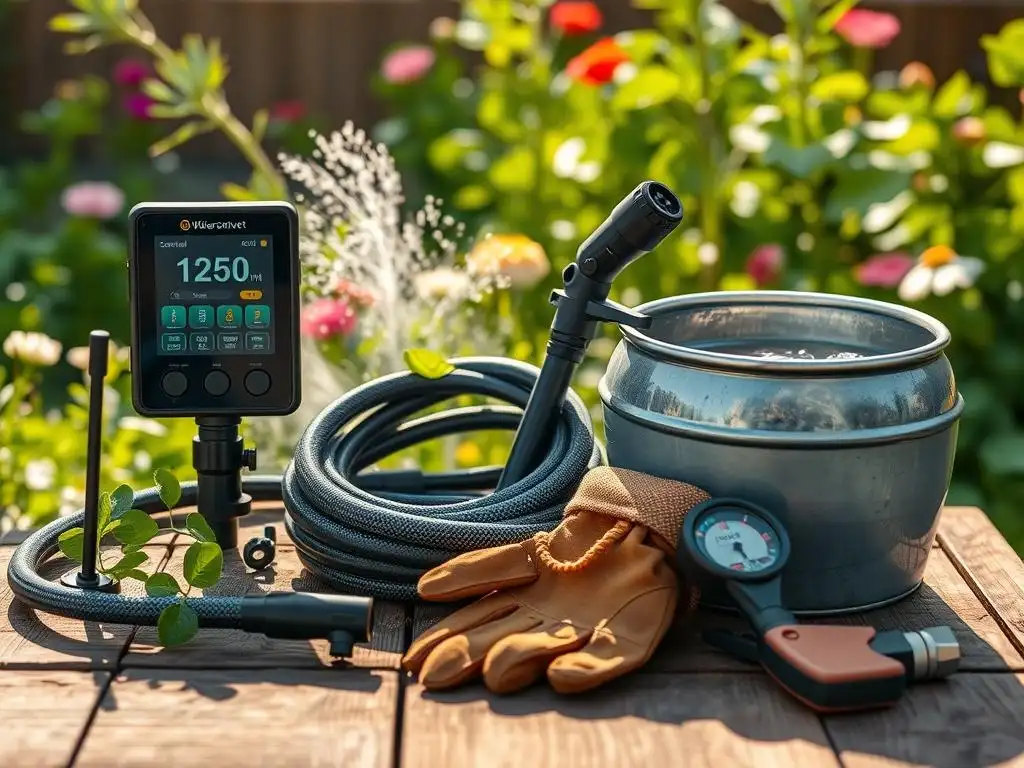
This section explores some of the best garden watering tools available for efficient and sustainable water management in your home garden. Choosing the right tools can significantly reduce water waste while ensuring your plants thrive. We'll examine several options, focusing on their features and benefits for achieving optimal water conservation. Remember, efficient watering is crucial for healthy plant growth and a reduced environmental impact.
Smart Irrigation Controllers: Automated Watering Schedules
Smart irrigation controllers represent a significant advancement in water conservation technology. These devices automate your watering schedule, taking the guesswork out of when and how much to water. Instead of relying on a fixed timer, they utilize weather data, soil moisture information (if integrated with sensors), and even evapotranspiration rates to adjust watering schedules dynamically. This ensures your plants receive the precise amount of water they need, preventing both overwatering and underwatering.
Several key features make smart controllers stand out:
- Weather-Based Adjustments: Many models automatically reduce or skip watering during periods of rain or high humidity, saving considerable water. This feature alone can dramatically reduce water consumption compared to traditional timers.
- Customizable Zones: You can divide your garden into different zones based on plant type, sunlight exposure, and soil conditions. This allows for tailored watering schedules for each area, optimizing water use.
- Remote Control: Many smart controllers offer smartphone apps, enabling you to monitor and adjust watering schedules remotely, even when you're away from home. This offers unparalleled convenience and control.
- Water Budget Management: Advanced models allow you to set a water budget, limiting the total amount of water used over a specific period. This helps you stay within your water allowance and promotes responsible water usage.
For example, a high-end smart controller might integrate with a local weather station to receive hyperlocal weather forecasts, predicting rainfall with high accuracy and adjusting watering schedules accordingly. This level of precision minimizes water waste and maximizes plant health.
Soil Moisture Sensors: Precise Watering Based on Real-Time Data
Soil moisture sensors provide real-time data on the moisture levels in your garden soil. Unlike relying on a predetermined schedule, these sensors allow you to water only when necessary, preventing overwatering, a common cause of plant stress and root rot. This data-driven approach ensures that your plants receive the optimal amount of water, promoting healthy growth while conserving water resources.
The benefits of using soil moisture sensors are numerous:
- Eliminates Guesswork: No more guessing if your plants need watering. The sensor provides accurate, objective data.
- Reduces Water Waste: Watering is triggered only when the soil is dry enough, preventing unnecessary water usage.
- Improved Plant Health: Consistent moisture levels promote healthy root development and strong plant growth.
- Variety of Sensor Types: Sensors are available in various forms, including probes that are inserted directly into the soil and wireless sensors that transmit data to a central hub or smartphone app.
Consider a scenario where you have a mix of plants with varying water requirements. A soil moisture sensor placed near each plant allows for individualized watering, ensuring each plant receives the precise amount of water it needs, without overwatering some and underwatering others. This personalized approach maximizes water efficiency and plant health.
Drip Irrigation Systems: Targeted Water Delivery to Plant Roots
Drip irrigation systems deliver water directly to the roots of your plants, minimizing water loss through evaporation and runoff. This targeted approach is far more efficient than traditional watering methods like sprinklers, which often lose a significant portion of water to evaporation or wind. Drip irrigation systems provide a precise and consistent supply of water, promoting healthy plant growth while significantly reducing water consumption.
Here's why drip irrigation excels in water conservation:
- Reduced Evaporation: Water is delivered directly to the roots, minimizing exposure to the sun and wind, and thus reducing evaporation.
- Targeted Watering: Water is delivered only to the areas where it's needed, avoiding wasted water on pathways or other areas.
- Improved Soil Health: The gentle application of water helps maintain soil structure and prevents soil compaction.
- Reduced Weed Growth: Targeted watering keeps the soil around plants moist, discouraging weed growth.
For instance, a vegetable garden with densely planted rows would benefit greatly from a drip irrigation system. The system can be designed to deliver water directly to each plant's root zone, ensuring optimal hydration without wasting water on the surrounding soil. This targeted approach is particularly beneficial in arid or semi-arid climates where water conservation is paramount. The efficiency of drip irrigation makes it a top choice for the environmentally conscious gardener seeking the best garden watering tools.
Soaker Hoses: Gentle and Efficient Watering for Rows and Beds
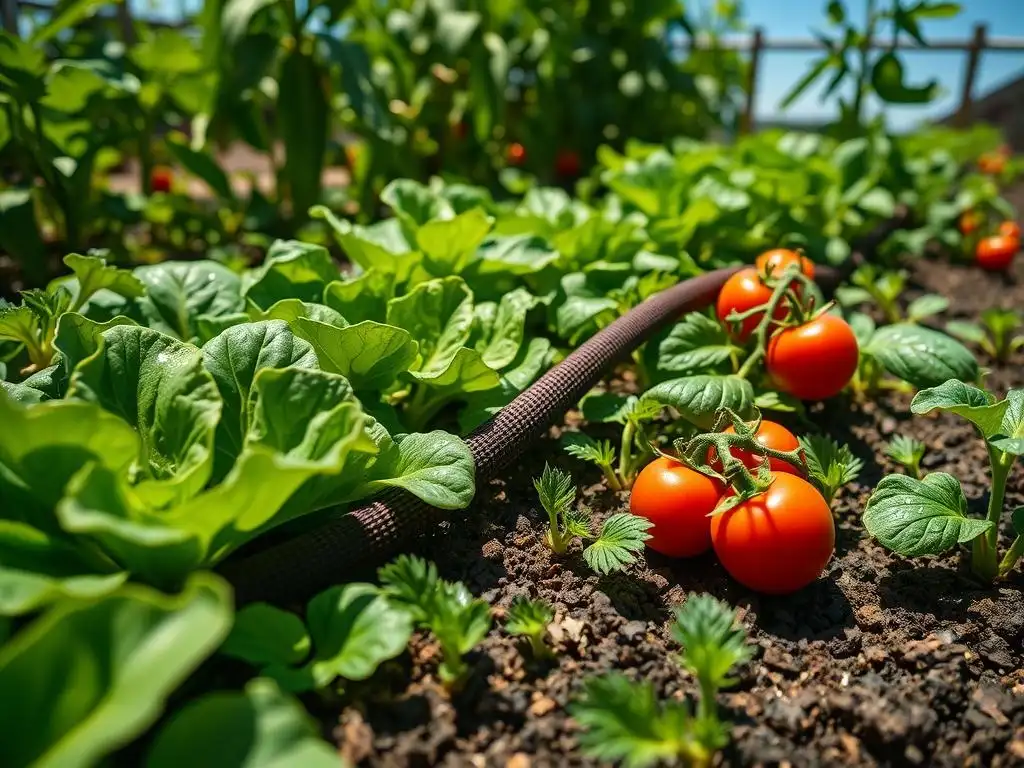
Soaker hoses represent a fantastic advancement in water conservation for home gardeners. Unlike sprinklers that lose a significant portion of water to evaporation and runoff, soaker hoses deliver water directly to the roots of your plants. This targeted approach minimizes water waste and promotes healthier, more vigorous growth. The slow, gentle release of water also prevents soil erosion and reduces the risk of fungal diseases that can thrive in overly wet foliage.
Several types of soaker hoses exist, offering varying levels of permeability and durability. Some are made from porous materials that allow for a consistent drip along their length. Others incorporate small emitters spaced at regular intervals, providing even more precise water distribution. When choosing a soaker hose, consider the size of your garden beds and the water pressure in your system.
A higher-pressure system may require a more durable hose to withstand the increased strain. Proper installation is key to maximizing efficiency; ensure the hose is laid along the rows or beds, ensuring good contact with the soil to prevent water pooling. Regularly inspect the hose for leaks or clogs to maintain optimal performance.
Investing in a quality soaker hose is a worthwhile investment for any gardener committed to sustainable practices and maximizing water efficiency in their "best garden watering tools" arsenal. The initial cost is quickly offset by the long-term savings in water and the improved health of your plants. Remember to consider the length needed to cover your planting area adequately.
Rain Barrels: Harvesting and Reusing Rainwater for Irrigation
Rain barrels are an excellent way to conserve water and simultaneously provide a readily available source of irrigation for your garden. By collecting rainwater from your roof gutters, you create a sustainable water supply that reduces reliance on municipal water sources. This is particularly beneficial during dry spells or in regions with water restrictions. The collected water is naturally soft and free of chemicals, making it ideal for nurturing your plants.
The size of the rain barrel you choose will depend on the size of your roof catchment area and your watering needs. Larger barrels can store more water, providing a more substantial reserve for extended dry periods. It's crucial to ensure the barrel is properly installed to prevent leaks and overflow.
Consider adding a filter to remove debris from the collected water, and a spigot for easy access to the water. Many gardeners use rain barrels in conjunction with other watering systems, like soaker hoses or drip irrigation, to maximize water efficiency. Rain barrels are not just a water conservation tool; they are a testament to sustainable gardening practices and a step towards building a more environmentally responsible garden.
The environmental benefits extend beyond water conservation; reducing reliance on municipal water also lessens the energy consumption associated with water treatment and distribution, contributing to a more sustainable overall approach to gardening – a key element when deciding on your "best garden watering tools." Remember to regularly clean your rain barrel to prevent mosquito breeding and maintain water quality.
Choosing the Right Smart Watering Tools for Your Garden
This section helps you navigate the diverse world of smart watering tools, ensuring you select the best fit for your garden's needs and your budget. Choosing the right tool is crucial for effective water conservation and healthy plant growth. The market offers a wide array of options, from simple soil moisture sensors to sophisticated, app-controlled irrigation systems. Understanding the key factors will empower you to make an informed decision and optimize your water usage. We'll explore various features and functionalities to guide your selection process for the best garden watering tools.
Factors to Consider When Selecting Smart Watering Tools
Several crucial factors influence the selection of the best garden watering tools for your specific situation. These factors ensure that your chosen system effectively conserves water while catering to your garden's unique requirements. Let's delve into the details:
- Garden Size and Layout: The size and complexity of your garden directly impact the type of smart watering system you need. A small herb garden might only require a basic soil moisture sensor, while a large vegetable patch might benefit from a more comprehensive, zone-controlled irrigation system. Consider the number of plants, their spacing, and the overall shape of your garden. For example, a sprawling, irregularly shaped garden might require a system with greater flexibility and adjustability than a neatly organized, rectangular plot.
- Type of Plants: Different plants have varying water requirements. Succulents, for instance, need significantly less water than thirsty vegetables like tomatoes or cucumbers. The best garden watering tools will allow you to customize watering schedules based on the specific needs of each plant or plant group. A system with multiple zones and adjustable watering durations is advantageous here.
- Soil Type: Soil composition greatly affects water retention. Sandy soil drains quickly, requiring more frequent watering, while clay soil retains water longer, necessitating less frequent irrigation. Smart watering systems that consider soil type through sensors or adjustable parameters are essential for efficient water management. Understanding your soil's characteristics is paramount in selecting the appropriate tools.
- Water Source: Consider your water source – municipal water, well water, or rainwater harvesting. Some systems are compatible with specific water sources, and understanding this compatibility is crucial for proper functionality. The pressure of your water source also plays a role in selecting compatible irrigation components.
- Budget: Smart watering tools range significantly in price. From inexpensive soil moisture meters to high-end, automated systems, the cost varies greatly. Determine your budget beforehand to narrow down your options and avoid overspending. Consider the long-term cost savings from reduced water bills against the initial investment.
- Ease of Use and Installation: The complexity of installation and the user-friendliness of the system are important considerations, especially for beginners. Some systems are plug-and-play, while others might require professional installation. Choose a system that matches your technical skills and comfort level.
Budget-Friendly Options for Water Conservation
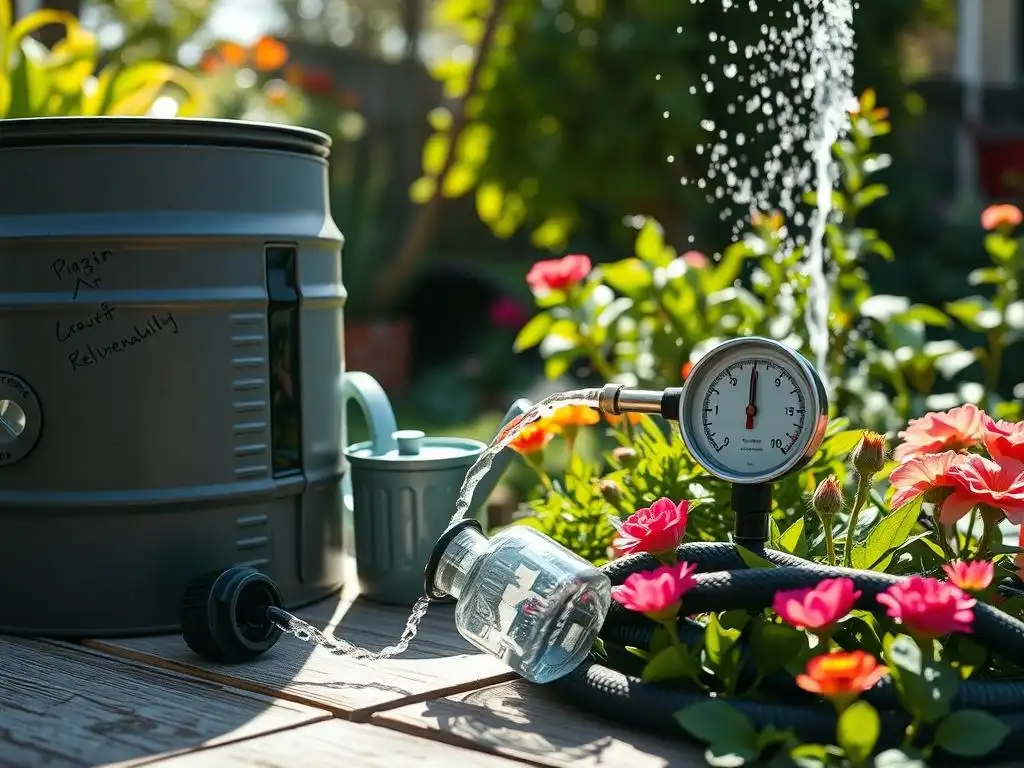
Even on a tight budget, you can significantly improve your garden's water efficiency. Several affordable options provide excellent water conservation without breaking the bank. These options often focus on simple, effective techniques that maximize water retention and minimize waste.
Simple Soil Moisture Meters:
These inexpensive tools directly measure the moisture level in your soil, providing a clear indication of when your plants need watering. This prevents overwatering, a common cause of water waste and plant damage. Regular monitoring with a soil moisture meter allows for precise watering, ensuring your plants receive the optimal amount of water without excess. This approach is particularly effective for smaller gardens or individual plants.
Rain Barrels and DIY Irrigation Systems:
Harvesting rainwater using rain barrels offers a sustainable and cost-effective way to supplement your garden's water needs. Combined with a simple DIY drip irrigation system, you can create a low-cost, efficient watering solution. This approach not only conserves water but also reduces reliance on municipal water supplies, contributing to environmentally responsible gardening practices.
Timer-Based Irrigation Systems:
While not "smart" in the connected-device sense, basic timer-based irrigation systems offer a significant improvement over manual watering. By setting a schedule, you can ensure consistent watering without the need for constant monitoring, minimizing water waste associated with inconsistent watering practices. This is a cost-effective upgrade that provides a balance between automation and affordability.
Advanced Smart Watering Systems for Large Gardens
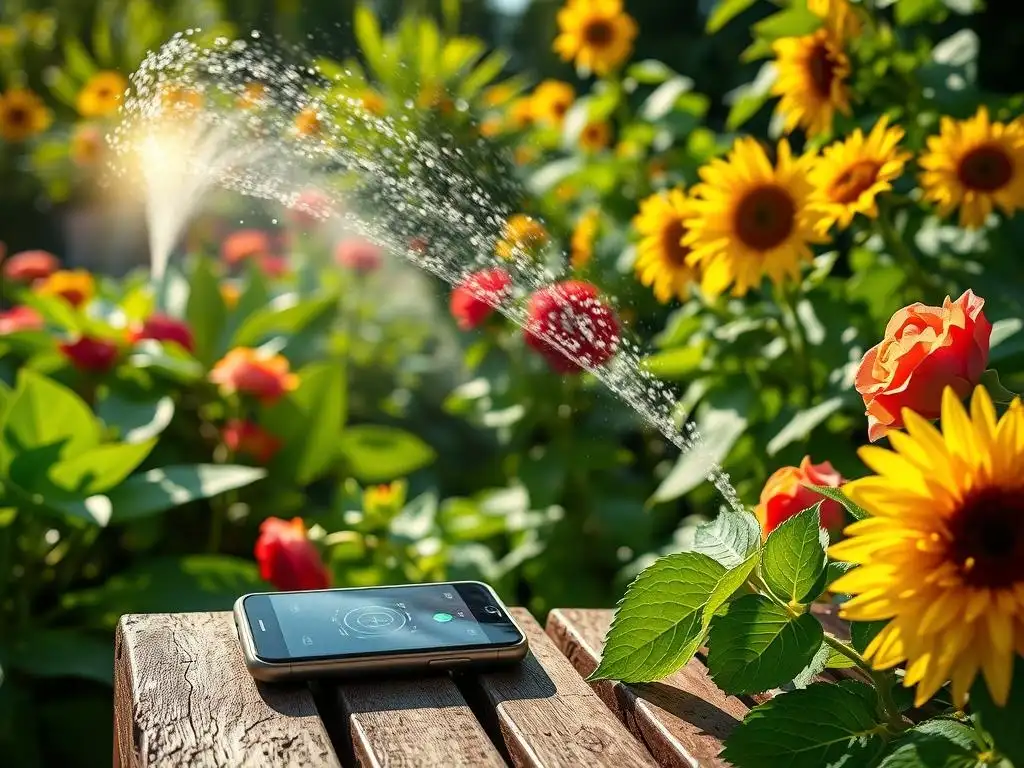
For larger gardens or those requiring more sophisticated water management, advanced smart watering systems offer unparalleled control and efficiency. These systems leverage technology to optimize water usage, leading to significant water savings and healthier plants.
App-Controlled Irrigation Systems:
These systems allow you to monitor and control your irrigation remotely through a smartphone app. Many offer features such as weather integration, soil moisture sensing, and customized watering schedules for different plant zones. This level of precision ensures that your plants receive exactly the right amount of water at the optimal time, regardless of your location. Advanced features like rain sensors automatically adjust watering schedules based on weather conditions, further enhancing water conservation.
Zone-Controlled Irrigation:
Zone-controlled systems divide your garden into distinct areas, allowing for customized watering schedules based on the specific needs of each zone. This feature is particularly useful for gardens with a variety of plants requiring different watering frequencies and amounts. By tailoring the watering to each zone, you avoid overwatering some areas while underwatering others, maximizing water efficiency and plant health. This level of control is invaluable for large and diverse gardens.
Smart Soil Moisture Sensors with Automated Irrigation:
Combining smart soil moisture sensors with an automated irrigation system provides a highly efficient solution for precise water delivery. The sensors monitor soil moisture levels in real-time, triggering the irrigation system only when necessary. This eliminates guesswork and prevents both overwatering and underwatering, leading to significant water savings and optimal plant growth. This integrated approach represents the pinnacle of smart garden watering technology, offering the most precise and efficient water management capabilities.
Comparing Different Smart Irrigation Controller Features
Choosing the right smart irrigation controller can feel overwhelming given the variety available. To help you navigate this, let's compare key features across different models. Understanding these differences will ensure you select a system perfectly tailored to your garden's needs and your level of tech-savviness. One crucial aspect is the type of control.
Some controllers offer basic on/off scheduling, while others provide more sophisticated options like weather-based adjustments and soil moisture sensing. Weather-based controllers use local weather data to automatically adjust watering schedules, preventing overwatering during rainy periods. This significantly contributes to water conservation, a key aspect of sustainable gardening. Soil moisture sensors, on the other hand, directly measure the moisture levels in your soil, providing even more precise control and eliminating the guesswork.
Another important factor is the connectivity and app integration. Many smart controllers offer smartphone app control, allowing you to monitor and adjust your irrigation system remotely. This is particularly useful for those who travel frequently or want to manage their garden from the comfort of their home.
Consider the app's user-friendliness, features (like historical data analysis and custom zone scheduling), and compatibility with your existing smart home ecosystem. Some higher-end models even integrate with other smart devices, creating a fully automated and interconnected gardening system. Think about whether you need features like voice control or integration with your weather station.
The number of zones a controller can manage is also crucial. A zone refers to a section of your garden with similar watering needs. If you have a large and diverse garden with different plant types, you'll likely need a controller with multiple zones to optimize watering for each area. Controllers range from simple two-zone models suitable for small gardens to complex systems capable of managing dozens of zones, perfect for larger landscapes or commercial settings. Consider the layout of your garden and the specific watering requirements of your plants when determining the necessary number of zones.
Finally, consider the power source. Most smart irrigation controllers are battery-powered or use low-voltage wiring, enhancing safety and reducing energy consumption. However, battery life and charging requirements vary significantly between models, so check the specifications carefully before purchasing. Some models offer solar-powered charging options, further contributing to their eco-friendly nature and minimizing your environmental impact. Choosing a smart watering tool with a long battery life or renewable energy source helps you minimize your carbon footprint while optimizing water usage in your garden.
Installing and Maintaining Your Smart Watering System
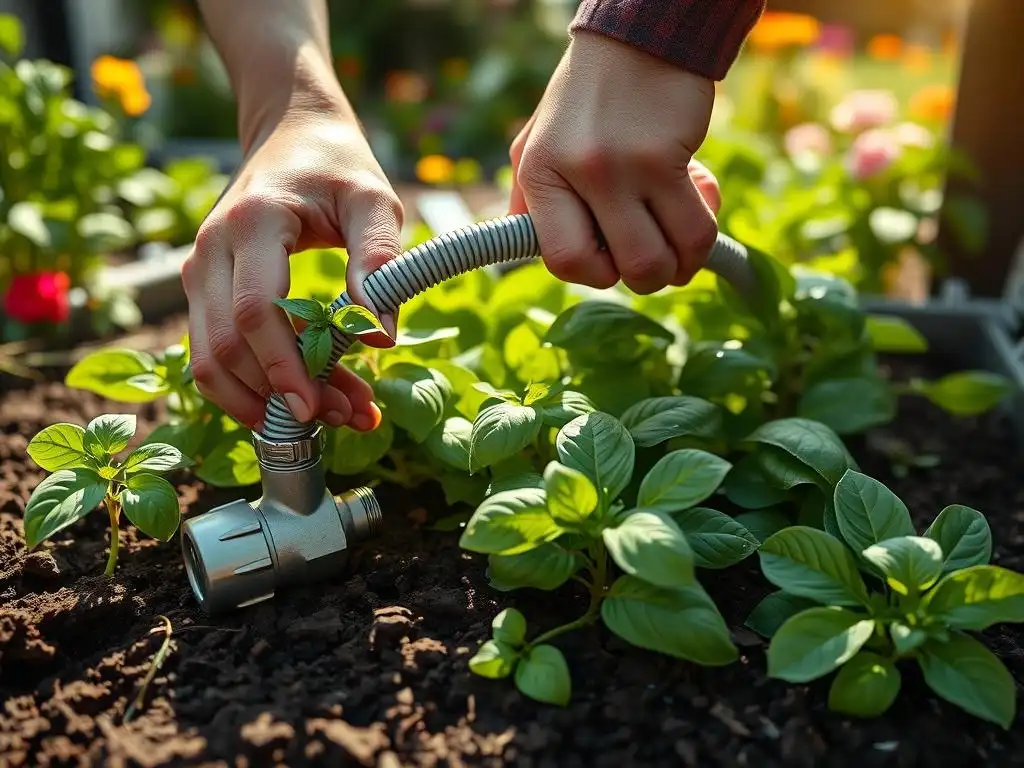
This section details the practical aspects of setting up and maintaining your smart watering system, crucial for maximizing its water-saving benefits and ensuring longevity. We'll focus on common systems and offer troubleshooting tips for common issues. Remember, proper installation is key to achieving optimal performance and conserving precious water resources. Choosing the best garden watering tools often involves careful consideration of installation and maintenance needs.
Step-by-Step Guide to Installing a Drip Irrigation System
Drip irrigation is a highly efficient method for water conservation, delivering water directly to plant roots, minimizing evaporation and runoff. Here's a step-by-step guide:
- Planning and Design: Before you begin, map out your garden layout. Note the location of each plant and its water requirements. This planning phase is crucial for maximizing efficiency and minimizing wasted water. Consider grouping plants with similar water needs together for easier management.
- Gathering Materials: You'll need a water source (e.g., a hose bib), a pressure regulator (to prevent damage to delicate plants), a filter (to prevent clogging), tubing, emitters (drip heads), connectors, and stakes. The quality of your materials directly impacts the longevity and efficiency of your system. Investing in durable, high-quality components will save you money and headaches in the long run.
- Laying the Tubing: Begin by laying the main tubing along the garden beds. Use stakes to secure the tubing and ensure a relatively straight path. Ensure proper spacing between the tubing and plants to avoid root damage.
- Installing Emitters: Attach the emitters to the main tubing at the appropriate intervals, ensuring consistent water distribution to each plant. The spacing and type of emitter will depend on the specific plant's water needs.
- Connecting to the Water Source: Connect the main tubing to the pressure regulator, filter, and then to your water source. Carefully tighten all connections to prevent leaks.
- Testing the System: Before burying the tubing, thoroughly test the entire system to identify and fix any leaks or clogs. Observe the water pressure and adjust the pressure regulator as needed.
- Burying the Tubing (Optional): If desired, carefully bury the tubing to improve aesthetics and protect it from damage. Ensure the emitters remain accessible for maintenance.
Setting Up and Programming Your Smart Irrigation Controller
A smart irrigation controller is the brain of your water-saving system. It allows you to automate watering schedules based on weather data, soil moisture sensors, and your plants' specific needs. Setting it up correctly is crucial for efficient water usage.
Programming your smart controller usually involves:
- Connecting to Wi-Fi: Most controllers connect to your home Wi-Fi network, allowing for remote control and monitoring. Ensure a strong Wi-Fi signal in your garden area.
- Setting Up Zones: Divide your garden into zones based on plant type and water requirements. This allows for customized watering schedules for different areas.
- Scheduling Watering Times: Program watering schedules based on your plants’ needs, considering factors like weather conditions and soil type. Start with conservative watering times and adjust as needed based on observations.
- Utilizing Soil Moisture Sensors (if applicable): Many smart controllers can integrate with soil moisture sensors, providing real-time data on soil moisture levels and optimizing watering schedules accordingly.
- Setting up Rain Delay: A rain delay feature will prevent unnecessary watering during periods of rainfall, conserving water and energy.
Regular Maintenance for Optimal Performance and Longevity
Regular maintenance is essential for the long-term performance and efficiency of your smart watering system. Neglecting maintenance can lead to clogs, leaks, and ultimately, wasted water. Here's a maintenance checklist:
| Task | Frequency | Description |
|---|---|---|
| Check for leaks | Weekly | Inspect all connections and tubing for any signs of leaks. |
| Clean the filter | Monthly | Remove and clean the filter to remove debris and prevent clogging. |
| Check emitter functionality | Monthly | Verify that all emitters are functioning correctly and delivering water evenly. |
| Inspect tubing for damage | Bi-annually | Check for cracks, holes, or other damage that could lead to leaks or malfunctions. |
| Update controller software | As needed (check updates) | Regularly update the controller's firmware to ensure optimal performance and bug fixes. |
Regular maintenance not only prolongs the life of your system but also ensures its continued efficiency in conserving water, making it one of the best garden watering tools for sustainable gardening. Remember, a well-maintained system is a water-saving system. 💦
Troubleshooting Common Smart Watering System Issues
Smart watering systems, while incredibly convenient and water-saving, aren't immune to problems. Understanding how to troubleshoot common issues can save you time, water, and frustration. Let's explore some typical problems and their solutions.
One frequent issue is inconsistent watering. This can manifest as some zones receiving too much water while others receive too little, or even completely dry spells in certain areas. This often stems from a clogged emitter or sprinkler head. Regularly inspect your system's emitters and sprinkler heads for debris buildup, especially after periods of heavy rain or windy conditions. A simple cleaning with a pin or small wire brush can often resolve the problem. If the problem persists, consider replacing the faulty component. Remember to always turn off the water supply before performing any maintenance.
Another common problem is low water pressure. Insufficient water pressure can lead to inadequate watering, especially in areas farther from the water source. Check your main water supply for any restrictions. Low water pressure could also indicate a leak somewhere in your main water line or within the irrigation system itself.
A gradual decline in water pressure over time might point to a leak that needs professional attention. Inspect all connections and fittings for signs of leakage. Consider using a pressure gauge to measure the water pressure at different points in your system to pinpoint the location of any pressure drop.
Finally, connectivity issues can be a frustrating aspect of smart watering systems. A weak Wi-Fi signal can disrupt communication between the controller and your smartphone app. Try moving your controller closer to your router or consider using a Wi-Fi extender to improve the signal strength. Ensure that your controller's firmware is up-to-date, as outdated software can sometimes cause connectivity problems.
Restarting both your controller and your smartphone can also resolve temporary glitches. If problems persist, contact the manufacturer's customer support for assistance. They may be able to diagnose more complex issues remotely or provide further troubleshooting steps. Keeping detailed records of your system's performance, including any error messages, can be invaluable when seeking support.
Remember, proactive maintenance is key to preventing many of these issues. Regularly checking your system, cleaning emitters, and ensuring proper water pressure can significantly reduce the likelihood of encountering problems. By addressing these common issues promptly and effectively, you can ensure your smart watering system continues to provide efficient and reliable irrigation for your garden, maximizing water conservation and promoting healthy plant growth.
Maximizing Water Conservation with Smart Watering Tools
Smart watering tools represent a significant advancement in efficient irrigation, moving beyond traditional methods to offer precise control and significant water savings. These tools, ranging from simple soil moisture sensors to sophisticated automated systems, allow gardeners to tailor watering schedules to the specific needs of their plants, eliminating unnecessary water waste. This section will delve into how to maximize the water conservation potential of these tools.
The key is understanding not just how the technology works, but when and where to apply it for optimal results. For example, using a smart sprinkler system alongside a soil moisture sensor provides a layered approach. The sensor informs the system when and how much water is needed, preventing overwatering in already-moist areas.
This targeted approach minimizes runoff and evaporation, two major culprits of water loss in traditional gardening. Optimizing this synergy is crucial for achieving the best results in water conservation and maximizing the effectiveness of your "best garden watering tools."
Combining Smart Watering with Other Water-Saving Practices
Smart watering systems are most effective when integrated into a holistic water conservation strategy. Simply installing a smart sprinkler isn't enough; combining it with other techniques amplifies its benefits. Consider these complementary practices:
- Mulching: Applying a layer of mulch around plants helps retain soil moisture, reducing the frequency of watering. This reduces the workload on your smart system and further conserves water. Different mulches offer varying levels of water retention; experiment to find the best option for your climate and plants.
- Drip Irrigation: While some smart systems incorporate drip irrigation, supplementing a smart sprinkler system with a drip irrigation network for individual plants can provide hyper-localized watering. This ensures that water reaches the roots directly, minimizing evaporation.
- Rainwater Harvesting: Collecting rainwater and using it to supplement your irrigation system significantly reduces reliance on municipal water supplies. Combine this with a smart system to manage the stored water efficiently.
- Xeriscaping: Selecting drought-tolerant plants significantly reduces overall water needs. The smart system then fine-tunes the watering schedule for these plants, ensuring their health while minimizing water waste. This combination represents a powerful approach to long-term water conservation.
Understanding the interplay between these different techniques is crucial. For example, using a smart system with a heavily mulched garden will require less frequent watering cycles than one without mulch. Careful observation and adjustment are key to optimizing your water conservation efforts.
Monitoring Your Water Usage and Making Adjustments
The beauty of many smart watering systems lies in their ability to track and report water usage. This data is invaluable for making informed adjustments to your watering schedule and identifying areas for improvement. Regularly reviewing these reports allows you to fine-tune the system's performance and ensure that your water conservation efforts are maximizing their impact.
For example, consistently high water usage in a specific zone might indicate a leak in the irrigation system or a need for better mulching in that area. Similarly, if a particular plant consistently requires more water than others, it might suggest a problem with the plant's health or its placement in the garden.
Analyzing this data provides valuable insights into your garden's water needs. This data-driven approach allows for a dynamic and adaptive water management strategy, far surpassing the static approach of traditional irrigation methods. Remember, "best garden watering tools" aren't just about the technology; it's about effectively using the data they provide. Regular monitoring and adjustments ensure you're constantly refining your water conservation strategies.
Long-Term Benefits of Investing in Smart Watering Technology
Investing in smart watering technology offers numerous long-term benefits beyond immediate water savings. These extend beyond simple cost reduction and encompass environmental responsibility and improved plant health.
- Reduced Water Bills: The most immediate benefit is the reduction in water consumption, translating directly into lower water bills. The extent of savings depends on factors like garden size, climate, and the efficiency of the chosen system.
- Enhanced Plant Health: Precise watering prevents both underwatering and overwatering, leading to healthier, more vigorous plants. This translates into higher yields and improved overall garden productivity.
- Environmental Sustainability: Conserving water is crucial for environmental sustainability. By reducing your water footprint, you contribute to the responsible use of this precious resource. Smart watering is a tangible step towards more environmentally conscious gardening practices.
- Increased Convenience: Automated watering systems free up valuable time and effort, allowing you to focus on other aspects of gardening. This convenience is a significant advantage for busy gardeners.
The selection of the "best garden watering tools" should consider these long-term implications. The initial investment is offset by the long-term savings and the positive impact on your garden's health and the environment. Choosing a reliable and adaptable system ensures you reap the maximum benefits for years to come.
A Case Study: Water Savings with Smart Irrigation in a Suburban Garden
A suburban homeowner in California, facing increasingly strict water restrictions, decided to implement a smart irrigation system in their 1,000 square foot garden. Prior to installation, their traditional sprinkler system, operating on a timer, resulted in significant water waste. Overwatering was common, leading to runoff and reduced efficiency. The homeowner estimated they were using approximately 300 gallons of water per week for irrigation. This figure was based on their water bill and an approximation of the sprinkler system's runtime.
The new smart irrigation system, equipped with soil moisture sensors and weather monitoring capabilities, drastically altered their water usage. The system adjusted watering schedules based on real-time soil conditions and weather forecasts, preventing overwatering. It also utilized drip irrigation in flower beds and vegetable patches, minimizing evaporation losses associated with traditional sprinklers. This targeted approach resulted in a significant reduction in water consumption.
After three months of using the smart irrigation system, the homeowner observed a 45% reduction in water usage, decreasing their weekly consumption from 300 gallons to approximately 165 gallons. This represents substantial savings not only in terms of water conservation but also on their monthly water bill. The system's cost-effectiveness, combined with its environmental benefits, proved to be a significant investment for the homeowner.
The improved efficiency also led to healthier plants, as the precise watering avoided both underwatering and the negative effects of overwatering. The case study highlights the potential for substantial water savings through the adoption of smart irrigation technologies, even in relatively small garden spaces. The homeowner's experience underscores the importance of considering smart watering solutions as a vital component of sustainable gardening practices.
Frequently Asked Questions
What are the best garden watering tools for conserving water?
Several tools promote water conservation. Drip irrigation systems and soaker hoses deliver water directly to plant roots, minimizing evaporation. Rain barrels collect rainwater for later use, reducing reliance on municipal water.
How do I choose the right watering tool for my garden size?
Consider your garden's size and layout. Smaller gardens might benefit from a watering can or hose-end sprayer. Larger areas are better suited to drip irrigation or soaker hoses. Timer attachments are useful for any size.
Are there any smart watering tools available?
Yes! Many smart irrigation controllers connect to your Wi-Fi and adjust watering schedules based on weather data and soil moisture sensors. These automate watering, optimizing water usage.
What's the most efficient way to water my garden?
The most efficient method is watering deeply and less frequently, encouraging deep root growth. This reduces the need for constant watering and minimizes water loss through evaporation. Mulching also helps retain soil moisture.
How can I maintain my watering tools to extend their lifespan?
Regular cleaning is crucial. Flush drip irrigation systems to remove clogs. Store hoses properly to prevent cracking. Proper maintenance ensures your tools remain efficient and long-lasting, saving you money in the long run.
Final Reflection: The Future of Thirsty Gardens is Smart
The efficient use of water in our gardens is no longer a luxury; it's a necessity. Facing increasing water scarcity and the urgent need for sustainable practices, the smart watering tools discussed in this article represent a crucial step towards a greener future. These innovative gadgets aren't just convenient; they are essential tools for responsible gardening in the 21st century.
The shift towards smart irrigation systems reflects a broader cultural awakening to our environmental responsibilities. We are moving beyond simply admiring lush landscapes to actively participating in their sustainable upkeep. This change is deeply personal; the satisfaction of nurturing a thriving garden while minimizing water waste is incredibly rewarding. The land nourishes us. We must, in turn, nourish the land.
This simple truth underscores the importance of mindful gardening practices, and smart watering tools are a powerful ally in this endeavor.
Consider the impact you can have. By choosing to implement even one of the smart watering solutions highlighted here, you are not only conserving a precious resource but also contributing to a larger movement towards environmental stewardship. Choose to be part of the solution. Choose to water wisely. Choose a smarter, greener garden.
Unlock Your Garden's Water-Wise Potential!
Congratulations on learning about smart watering! You now have the knowledge to cultivate a thriving garden while conserving water. Ready to put your new skills into practice?
- Start by implementing at least one smart watering technique from this article. Even a small change can make a significant difference.
- Share this article with a fellow gardening enthusiast—let's spread the word about water-wise gardening!
- Explore other water-saving techniques on CultivateYourFood.org—we have many resources to help you create a sustainable garden.
What's the first water-saving method you'll try in your garden this week?