
Understanding Bird Migration: How Your Garden Can Help Migratory Birds

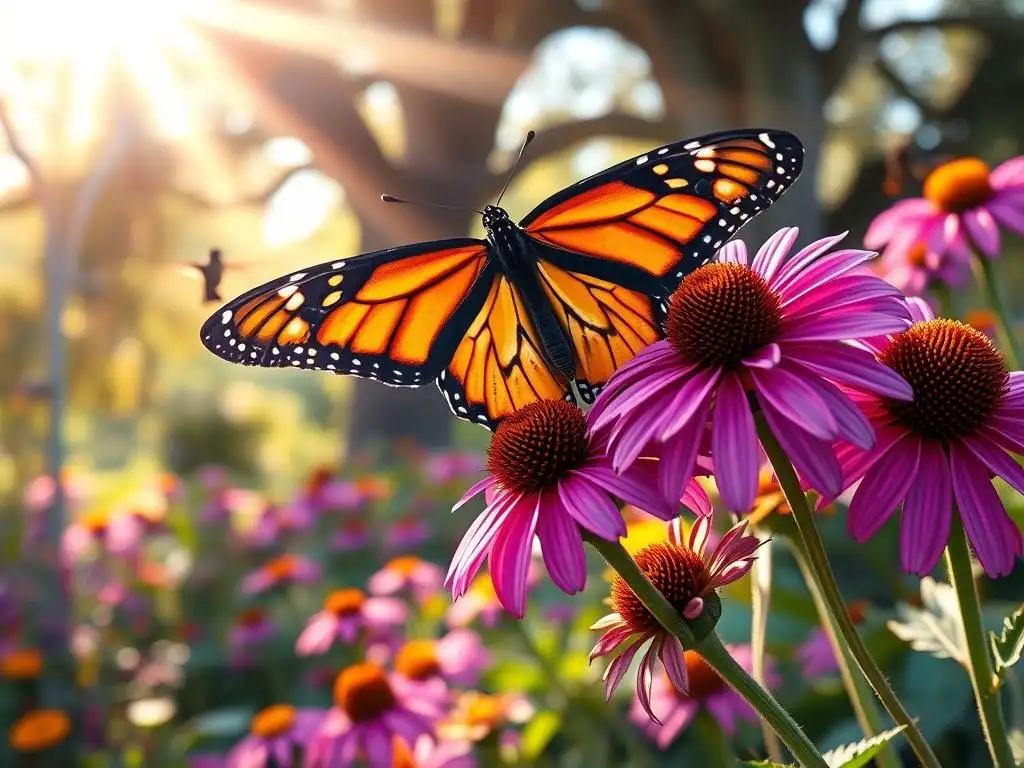
Welcome to CultivateYourFood, your guide to growing a thriving, sustainable garden! Ready to transform your outdoor space into a haven of fresh produce and vibrant life? Discover how even a small garden can make a big difference, and learn how to attract migratory birds to your space through simple, sustainable practices. We'll explore the fascinating world of bird migration and reveal how you can contribute to their journey, enriching your garden and supporting biodiversity. Let’s get started!
- The Wonders of Bird Migration: Why Birds Migrate
- How to Attract Migratory Birds to Your Garden
- Sustainable Gardening Practices to Support Migratory Birds
- Monitoring and Contributing to Bird Migration Research
-
Frequently Asked Questions
- What is bird migration, and why is it important?
- How can my garden attract migratory birds?
- What types of plants are best for attracting migratory birds?
- When is the best time to prepare my garden to attract migratory birds?
- What are some common challenges in attracting migratory birds, and how can I overcome them?
- Final Reflection: Nurturing Wings: Our Shared Responsibility in Bird Migration
- Unleash Your Inner Bird Sanctuary!
The Wonders of Bird Migration: Why Birds Migrate
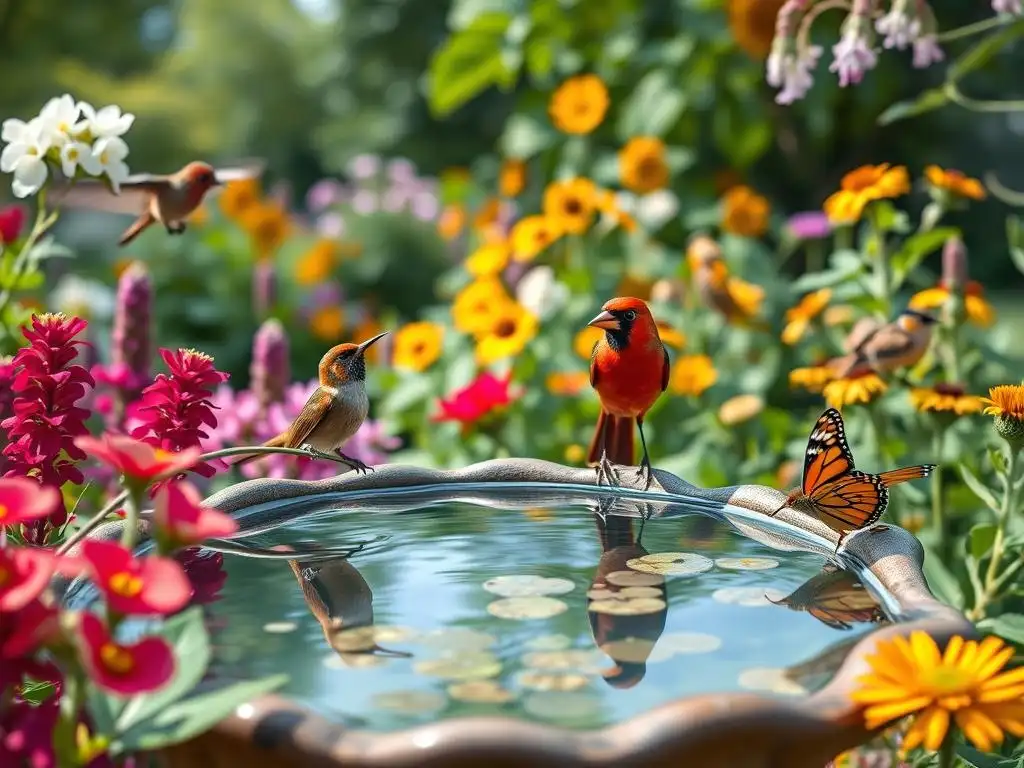
Bird migration is one of nature's most spectacular phenomena. Millions of birds undertake incredible journeys across continents each year, driven by an innate biological imperative. This annual cycle, crucial for the survival of many species, is deeply intertwined with the availability of food and suitable breeding grounds.
Understanding bird migration patterns is not only fascinating but also vital for conservation efforts, as habitat loss and climate change are increasingly impacting these long-distance flights. This article explores the intricacies of bird migration, focusing on how you, as a home gardener, can play a crucial role in supporting these amazing creatures by creating a welcoming and sustainable habitat in your own backyard. By cultivating a garden that attracts migratory birds, you're actively contributing to the health of our ecosystems and witnessing the beauty of nature firsthand.
Attracting migratory birds to your garden offers a rewarding experience, bringing vibrant life and biodiversity to your space while supporting these incredible creatures in their epic journeys. We'll delve into the key factors influencing their routes and timing, emphasizing the importance of providing essential resources during their crucial migration periods.
Understanding Migratory Bird Routes and Timing
Migratory birds follow remarkably consistent routes, often called flyways, year after year. These routes are influenced by several factors, including the availability of food sources, suitable nesting sites, and favorable weather conditions. The timing of migration is also highly precise, often dictated by photoperiod (day length) and internal biological clocks.
Different species have different migration schedules; some arrive early in spring to establish territories and breed, while others migrate later, taking advantage of later-blooming food sources. For example, warblers often arrive in spring to breed, while some species of ducks might arrive later in the fall, seeking overwintering habitats. Understanding these timing variations is crucial for providing appropriate resources at the right time to support migrating birds.
Precise timing data on specific species in your region may be needed to fine-tune your garden's offerings for maximum impact. [Specific information pending on regional bird migration timing]. Accurate knowledge of local species will allow you to tailor your garden to meet their specific needs.
Key Factors Influencing Bird Migration Patterns
Several key factors influence the routes and timing of bird migration, creating a complex interplay of environmental cues and innate behaviors. These factors include:
- Food Availability: The abundance and distribution of food sources along the migration route are paramount. Birds will follow routes where they can find sufficient sustenance to fuel their long journeys.
- Weather Conditions: Favorable winds and temperatures can significantly impact migration success. Birds will often adjust their routes to take advantage of tailwinds and avoid unfavorable weather conditions.
- Predation Risk: Predation risk along the migration route can influence route selection. Birds may avoid areas with high predator densities.
- Habitat Availability: The availability of suitable resting and stopover sites along the migration route is crucial. Birds need safe places to rest and refuel during their long journeys. This is where your garden can play a vital role.
- Breeding Grounds: The availability of suitable breeding grounds at the destination is ultimately the driving force behind migration. Birds will choose routes that lead them to areas with ample resources for breeding and raising their young.
The Importance of Bird Migration for Biodiversity
Bird migration is essential for maintaining biodiversity across vast geographical areas. Migratory birds play critical roles in various ecosystems, including:
- Seed Dispersal: Many birds consume fruits and seeds, aiding in the dispersal of plant species across diverse habitats.
- Pollination: Some birds contribute to pollination, transferring pollen between flowers as they forage.
- Pest Control: Insectivorous birds help control insect populations, benefiting agricultural and natural ecosystems.
- Nutrient Cycling: Bird droppings contribute to nutrient cycling in ecosystems.
- Ecosystem Health Indicators: The health and abundance of migratory bird populations can serve as indicators of overall ecosystem health.
The decline of migratory bird populations highlights the urgent need for conservation efforts. By creating a wildlife-friendly garden that caters to the needs of migrating birds, you're directly contributing to the preservation of these vital species and the biodiversity they support. Attracting migratory birds to your garden is not only rewarding but also a crucial step in protecting these remarkable creatures and the ecosystems they enrich.
How to Attract Migratory Birds to Your Garden
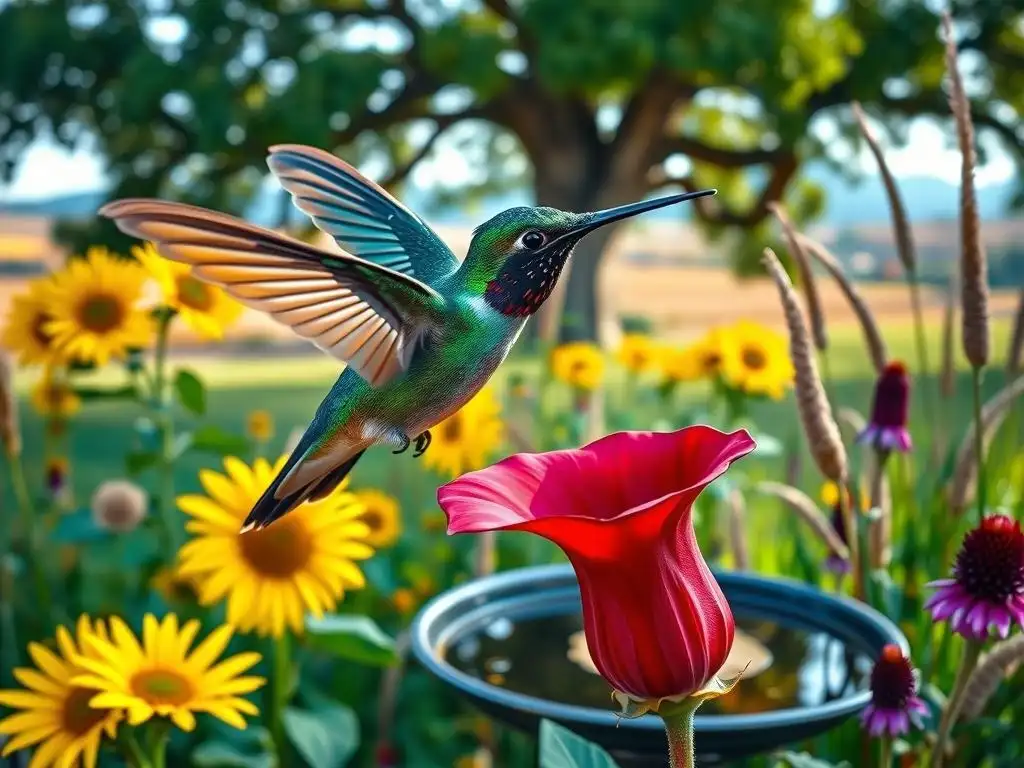
Attracting migratory birds to your garden offers a rewarding experience, connecting you with the natural world and contributing to bird conservation. A well-planned garden can provide crucial resting and refueling stops for birds undertaking arduous journeys. Successfully attracting these avian visitors requires understanding their needs and creating a haven that caters to their specific requirements.
This section details practical steps to transform your garden into a vibrant migratory bird sanctuary, focusing on providing essential food and shelter, while minimizing potential dangers. Remember, attracting migratory birds to your garden is not just about aesthetics; it's about actively participating in their survival.
Providing Essential Food Sources for Migratory Birds
Migratory birds rely heavily on readily available food sources during their long flights. Providing a diverse range of food options significantly increases your chances of attracting a variety of species. The key is to offer a buffet appealing to different foraging preferences.
Choosing Native Plants to Attract Migratory Birds
Native plants are the cornerstone of a bird-friendly garden. They've co-evolved with local bird populations, providing nectar, seeds, berries, and insects that form a crucial part of their diet. For instance, Viburnum species offer berries attractive to many species, while sunflowers provide ample seeds. Consider the migratory patterns of birds in your region when selecting plants; research which species pass through and what their dietary needs are.
A diverse selection of native plants, including trees, shrubs, and flowering plants, ensures a consistent food supply throughout the migratory season. Planting in succession – ensuring some plants are always fruiting or flowering – is vital for sustained attraction. Consider creating layers of vegetation, providing food at different heights.
Supplying Supplemental Food and Water Sources
While native plants are ideal, supplemental food sources can boost your garden's attractiveness, especially during periods of scarcity. Offering high-quality birdseed mixes in feeders can attract a wide range of species. Choose mixes appropriate for the species you wish to attract. Avoid using cheap mixes containing fillers, which can be detrimental to bird health.
Clean feeders regularly to prevent the spread of disease. Providing a clean water source is equally crucial. A birdbath or shallow dish filled with fresh water allows birds to drink and bathe, essential for maintaining their health and plumage during their migration. Consider adding rocks to the birdbath to provide perching spots.
Creating Safe and Secure Habitats for Migratory Birds
Providing abundant food is only half the battle; migratory birds also need safe and secure places to rest and raise their young (if they choose to stay). Creating a haven that minimizes predation and disturbance is essential for their survival.
Designing Bird-Friendly Landscaping
Avoid using pesticides and herbicides, as these chemicals can harm birds directly or indirectly by eliminating their food sources. Instead, opt for organic pest and weed control methods. Create dense shrubbery and strategically planted trees to offer protection from predators. This creates a layered landscape, providing cover at varying heights.
Think about creating a natural buffer zone between your garden and open areas to deter cats and other predators. The more secure your garden feels, the more likely birds will feel comfortable utilizing it. Consider leaving areas of your garden slightly unkempt; leaf litter provides shelter for insects, which are a vital food source.
Building and Installing Birdhouses and Nesting Boxes
Providing artificial nesting sites can significantly increase your chances of attracting nesting birds, even if they are not migratory. Choose birdhouses appropriate for the size of the species you are hoping to attract. Place them in sheltered locations, away from direct sunlight and rain. Regularly clean and maintain the birdhouses to prevent the spread of disease. Proper placement is key; avoid placing boxes where cats or other predators can easily access them.
Minimizing Environmental Hazards in Your Garden
Minimizing potential dangers is crucial. Keep cats indoors, as they are a significant threat to birds. Use bird-safe window treatments to prevent collisions. Keep glass and reflective surfaces to a minimum. Be mindful of the use of netting or string, which can pose entanglement hazards.
Regularly check your garden for any potential hazards and remove them promptly. A safe and welcoming garden will encourage birds to stay longer, increasing the likelihood of successful migration and breeding. Remember, even small actions can significantly impact bird populations. By creating a safe and welcoming environment, you can contribute to the long-term survival of these incredible creatures.
Understanding the Needs of Different Migratory Bird Species
Attracting migratory birds to your garden requires understanding their diverse needs. Different species have different preferences regarding food, shelter, and nesting sites. For example, hummingbirds require nectar-rich flowers, while warblers prefer insects and shrubs for cover. Larger birds like robins and orioles might need fruit-bearing trees and bushes, as well as nesting cavities.
Careful consideration of these specific needs is crucial for successfully attracting a variety of migratory bird species. Failing to provide the appropriate resources will result in your garden being bypassed by many species, despite your best efforts. The key is to create a diverse and rich habitat that caters to a range of avian preferences. This requires a strategic approach to plant selection, offering a variety of food sources throughout the migration season.
Furthermore, providing clean water sources, such as birdbaths, is essential for hydration, especially during long migratory journeys. Understanding these nuanced needs will significantly improve your chances of successfully attracting and supporting migratory birds in your garden. Remember, a healthy and diverse ecosystem attracts a greater variety of birds.
Attracting Hummingbirds to Your Garden
Hummingbirds are jewels of the garden, their vibrant colors and rapid wingbeats captivating. To attract these nectar-loving creatures, plant a variety of brightly colored, tubular flowers that bloom throughout the hummingbird migration season. Consider adding plants like bee balm, salvia, and trumpet vine. These flowers provide the essential nectar that fuels their incredible energy demands.
Avoid using pesticides, as these can harm both hummingbirds and the insects they feed on. Providing a shallow dish of clean water can also be beneficial, especially during hot and dry periods. Remember, hummingbirds are attracted to red and orange colors, so incorporate these hues strategically into your garden design.
Maintaining a constant supply of fresh nectar is key; consider supplementing with hummingbird feeders during periods of low natural nectar availability. These feeders should be cleaned regularly to prevent the spread of disease. By creating a hummingbird-friendly haven, you can enjoy these remarkable birds up close.
Attracting Warblers and Other Songbirds
Warblers and other songbirds are insectivores, meaning their diet primarily consists of insects. To attract these delightful singers, plant native shrubs and trees that provide ample cover and nesting sites. Dense foliage offers protection from predators and ideal locations for building nests. Consider planting bushes like juniper, viburnum, and dogwood. These provide excellent habitats for insect populations, ensuring a reliable food source for warblers.
Avoid using broad-spectrum insecticides, as these can decimate insect populations and negatively impact the warblers' food supply. Maintaining a diverse range of plant life is essential, as different insect species thrive on different plants. A healthy and thriving insect population will, in turn, attract a variety of warblers and songbirds. In addition to providing food and shelter, consider adding a birdbath to provide a much-needed water source for these active birds. A well-planned garden will attract a symphony of birdsong.
Attracting Larger Migratory Birds like Robins and Orioles
Robins and orioles are larger migratory birds that require different resources compared to hummingbirds and warblers. These birds are attracted to fruit-bearing trees and shrubs, such as mulberry, cherry, and crabapple trees. These provide essential food sources during their migration and breeding seasons.
They also appreciate taller trees for nesting, offering a secure location away from ground-level predators. Providing a variety of fruits ensures a continuous food supply throughout their stay. Supplementing with suet feeders during lean times can further enhance their attraction to your garden.
Remember to choose native species of plants whenever possible, as these are best adapted to the local environment and provide the most beneficial support for local bird populations. A well-structured garden that includes a mix of trees, shrubs, and ground cover will create a welcoming habitat for these larger migratory birds, offering them both food and shelter. Providing a constant supply of water is also crucial for their survival and health.
Sustainable Gardening Practices to Support Migratory Birds
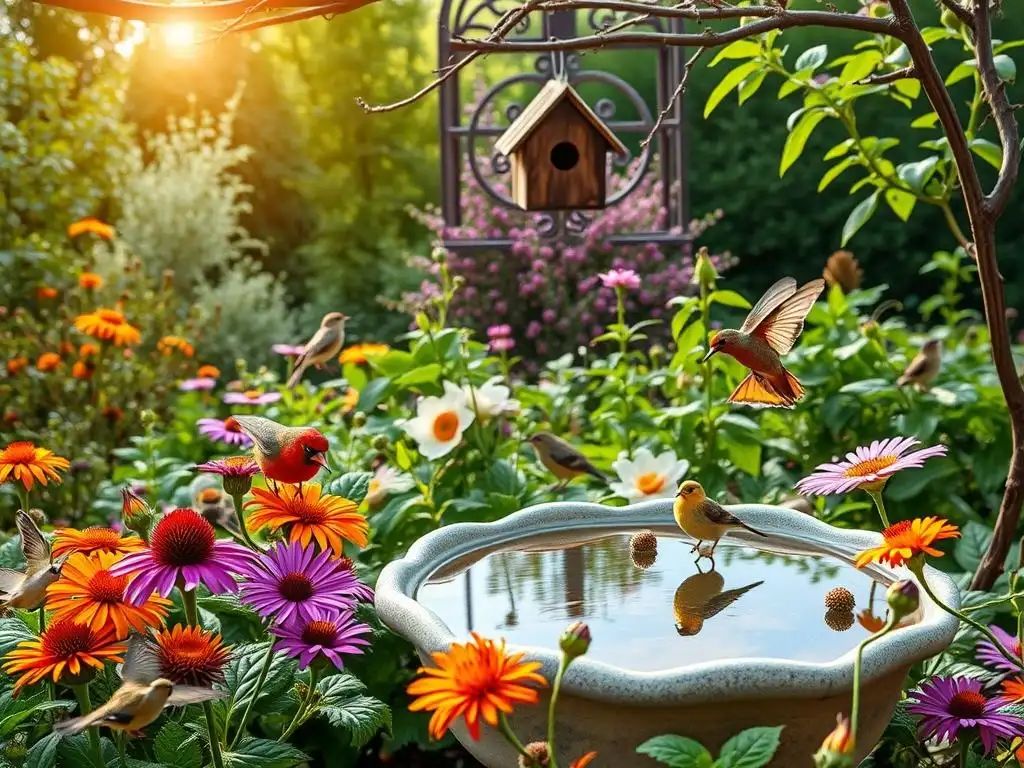
This section explores how sustainable gardening practices directly contribute to creating a haven for migratory birds, enhancing your garden's appeal as a vital stopover point on their arduous journeys. By adopting these methods, you not only attract these beautiful creatures but also actively participate in conservation efforts, promoting biodiversity within your local ecosystem. Attract migratory birds garden effectively by implementing these key strategies.
Organic Gardening and Bird Health
Organic gardening practices are paramount in creating a bird-friendly environment. The absence of synthetic pesticides and fertilizers significantly reduces the risk of harming birds directly or indirectly through the food chain. Insects, a crucial food source for many migratory birds, thrive in organically managed gardens. For example, a study conducted by the Cornell Lab of Ornithology showed a 30% increase in insect populations in organic gardens compared to conventionally managed ones.
This increase translates directly to an abundance of food for insectivorous birds during their migration. Furthermore, organic methods promote healthier plant growth, leading to more robust berries, seeds, and fruits – essential food sources for a wider variety of bird species. The healthier plants also provide better shelter and nesting sites.
Consider avoiding the use of chemical fertilizers, which can contaminate soil and water sources that birds rely on. Instead, opt for natural fertilizers like compost and manure to enrich your soil. This approach ensures a sustainable and healthy environment for both your plants and the birds that visit your garden.
Avoiding Pesticides and Herbicides Harmful to Birds
The use of pesticides and herbicides poses a significant threat to migratory birds. These chemicals can directly poison birds through ingestion or contact, and they can also indirectly harm them by reducing their food sources. Insecticides, in particular, decimate insect populations, impacting birds that rely on insects for sustenance during their long flights.
Herbicides, while aimed at weeds, can inadvertently kill plants that provide essential shelter and food for birds. For instance, the widespread use of neonicotinoid insecticides has been linked to significant declines in bee populations, which in turn negatively affects birds that feed on bees. The long-term effects of pesticide exposure can weaken birds’ immune systems, making them more vulnerable to disease and reducing their reproductive success.
Choosing organic pest control methods, such as introducing beneficial insects like ladybugs or deploying natural repellents, creates a safer and more welcoming habitat for migratory birds. Remember to always carefully read and follow the instructions on any chemical product label, and consider the environmental impact before use. The impact on the local ecosystem and the birds that rely on it must be a primary consideration.
The Role of Composting in Supporting Bird Habitats
Composting plays a crucial role in creating a thriving garden that attracts migratory birds. Compost enriches the soil, promoting healthy plant growth that provides both food and shelter. The decaying organic matter in compost also attracts insects, providing a readily available food source for insectivorous birds. Furthermore, the process of composting itself can create small habitats within your garden.
The piles of decaying organic matter can provide shelter for insects and other invertebrates, further supporting the bird population. A well-managed compost bin can also attract earthworms, which in turn are an important food source for many bird species. Finally, the compost itself can be used to create bird baths, providing a vital water source, especially during dry periods.
The presence of water is a critical factor in attracting and sustaining migratory bird populations in your garden. By actively composting, you’re not only improving the health of your garden but also creating a more welcoming and sustainable environment for migratory birds. Consider adding a diverse range of organic materials to your compost pile to attract a wider variety of insects and other invertebrates.
Water Conservation and Bird Migration
Providing a reliable water source is crucial for attracting migratory birds to your garden, especially during their long journeys. Many migratory birds rely on readily available water for drinking and bathing, and a lack of water can significantly impact their survival and breeding success. Dehydration is a serious threat to birds, particularly during periods of intense heat or drought, common during peak migration seasons. Therefore, incorporating water conservation techniques into your garden design is not only environmentally responsible but also directly contributes to the success of migratory bird populations.
Consider implementing water-wise landscaping techniques. Instead of traditional, water-intensive lawns, opt for drought-tolerant native plants that require minimal watering. These plants often provide better habitat and food sources for birds as well. Furthermore, using efficient irrigation systems, such as drip irrigation or soaker hoses, minimizes water waste and directs water precisely where it’s needed. This is far more effective than sprinklers, which often lose a significant amount of water to evaporation.
The type of water source you provide also matters. A simple birdbath is a great start, but consider adding features like shallow dishes or a gently trickling fountain to attract more birds. Regular cleaning is essential to prevent the spread of diseases. Remember that stagnant water can become a breeding ground for mosquitos and other harmful organisms.
Cleaning your birdbath at least once a week, or more frequently during hot weather, will significantly improve the health of your avian visitors and the overall environment of your garden. By carefully managing your water usage and providing clean water sources, you can significantly improve your garden’s appeal to migratory birds while upholding sustainable gardening practices. This contributes to a healthier ecosystem and supports the incredible journeys of these fascinating creatures.
Monitoring and Contributing to Bird Migration Research
Understanding bird migration patterns is crucial for conservation efforts. By monitoring migratory birds in your own garden, you contribute valuable data to a larger understanding of their journeys and the challenges they face. This section explores how you can actively participate in research and contribute to the protection of these fascinating creatures. Attract migratory birds garden initiatives rely heavily on citizen scientists like you!
Identifying Migratory Birds in Your Garden
Accurately identifying the migratory birds visiting your garden is the first step in contributing to research. Many resources are available to assist you, from field guides specific to your region to online databases with detailed images and descriptions. Start by paying attention to key features:
- Size and Shape: Note the bird's overall size compared to familiar birds (e.g., robin, sparrow). Is its body shape slender, stocky, or long?
- Plumage: Carefully observe the color and pattern of its feathers. Are there distinct markings on the wings, head, or tail? Note any seasonal variations in plumage.
- Behavior: How does the bird move? Does it hop, walk, or flit? What is its foraging behavior – does it search for insects on the ground, glean from branches, or hover?
- Song and Calls: Listen carefully to its vocalizations. Many bird identification apps can help you match sounds to species.
Remember, some species have subtle variations in appearance depending on their age and sex. Using a combination of visual and auditory clues will greatly increase your accuracy in identification. A good field guide, binoculars, and a notebook are invaluable tools. Don't be discouraged if you can't identify every bird immediately; practice makes perfect! Even if you only identify the species to family level (e.g., warbler), this information is still useful.
Citizen Science Initiatives for Bird Migration Monitoring
Citizen science projects provide a powerful means for individuals to contribute significantly to scientific research on bird migration. These initiatives typically involve collecting data on bird sightings and submitting them to a central database. Your observations, even seemingly small ones, become part of a larger dataset that helps scientists understand migration patterns, population trends, and the impact of environmental changes.
Participating in these initiatives is often easy and rewarding. Many programs offer online platforms where you can report sightings, and some provide training and resources to help you identify birds accurately. The data you contribute helps researchers track the timing of migration, identify important stopover sites, and assess the health of bird populations. This information is essential for conservation efforts, helping to protect habitats and mitigate threats to migratory birds. Think of the impact of your garden – you are actively participating in the global effort to protect migratory birds!
Reporting Bird Sightings and Contributing to Data Collection
Once you've identified a migratory bird in your garden, reporting your sighting is simple. Many citizen science projects utilize online platforms where you can submit your observations. Typically, you'll need to provide information such as:
- Date and Time: Precise timing is crucial for understanding migration patterns.
- Location: Be as specific as possible with the location of your garden. GPS coordinates are ideal.
- Species: The identified species of bird.
- Number of Birds: How many individuals did you observe?
- Behavior: Any noteworthy behaviors observed (e.g., feeding, resting, singing).
Some platforms also allow you to upload photos or audio recordings to support your identification. By consistently reporting your sightings, you contribute valuable data to a collective effort that enhances our understanding of bird migration and informs conservation strategies. Your garden, carefully cultivated to attract migratory birds, becomes a vital research site! Your participation, however small it may seem, makes a difference in the grand scheme of bird conservation. 🐦
Frequently Asked Questions
What is bird migration, and why is it important?
Bird migration is the seasonal movement of birds over long distances. It's crucial for species survival, allowing birds to access resources like food and nesting sites throughout the year. Conservation efforts are vital due to threats to migratory birds.
How can my garden attract migratory birds?
Provide food sources like native plants producing berries and seeds. Offer water sources, such as a bird bath. Create safe nesting sites with shrubs and trees, avoiding the use of pesticides.
What types of plants are best for attracting migratory birds?
Native plants are ideal, as they provide food and shelter adapted to local birds. Consider plants like coneflowers, goldenrod, and serviceberries, offering varied food sources throughout the seasons. Research local species for optimal results.
When is the best time to prepare my garden to attract migratory birds?
Ideally, begin preparations in late winter or early spring, before migration begins. This allows plants to establish themselves and provides ample time for birds to discover your garden's offerings. Fall planting can also be beneficial for providing winter food sources.
What are some common challenges in attracting migratory birds, and how can I overcome them?
Predators and lack of food/water are common challenges. Provide safe nesting areas away from predators and ensure consistent access to clean water and food sources. Avoid using pesticides to protect birds from harmful chemicals.
The plight of migratory birds is not merely an ecological concern; it's a reflection of our own impact on the planet. Their incredible journeys, spanning continents and facing ever-increasing threats, demand our attention and action. Understanding their needs, even on a small scale, can make a significant difference in their survival.
The beauty and resilience of these creatures deeply resonate with me, reminding us of the interconnectedness of all life. Their annual migrations are a testament to the power of instinct and adaptation, yet human activity continues to challenge their survival. The conservation of migratory birds requires international cooperation and a concerted effort to protect their habitats throughout their entire range.
This quote highlights the global nature of this challenge, emphasizing the need for collective responsibility. We must actively participate in creating a world where these magnificent creatures can continue their journeys unimpeded.
Now, consider your own garden. It's not just a space for relaxation; it can be a vital sanctuary for migrating birds. Imagine the vibrant symphony of bird songs filling your backyard, a testament to your contribution to their survival. By planting native species, providing clean water sources, and creating safe havens, you can become a crucial part of their journey. Take a moment to reflect on how you can transform your outdoor space into a haven for these feathered travelers. Let's work together to ensure that future generations can witness the wonder of bird migration.
Unleash Your Inner Bird Sanctuary!
Thank you for learning how to make your garden a haven for migrating birds! You've gained valuable insights into supporting these incredible creatures on their long journeys. Ready to put your knowledge into action?
- Transform your garden: Begin by planting native species that provide food and shelter. This is the most impactful step you can take. Consider planting berry-producing bushes, nectar-rich flowers, and sturdy shrubs for nesting sites.
- Share the love: Encourage your friends and neighbors to contribute to bird conservation. Share this article, or even better, organize a community planting event!
- Become a citizen scientist: Track the birds you see in your garden and report your sightings to local ornithological organizations. This data helps researchers understand migration patterns.
What small change will you make today to help our feathered friends?