
Understanding Rainwater Acidity and Its Effect on Your Garden

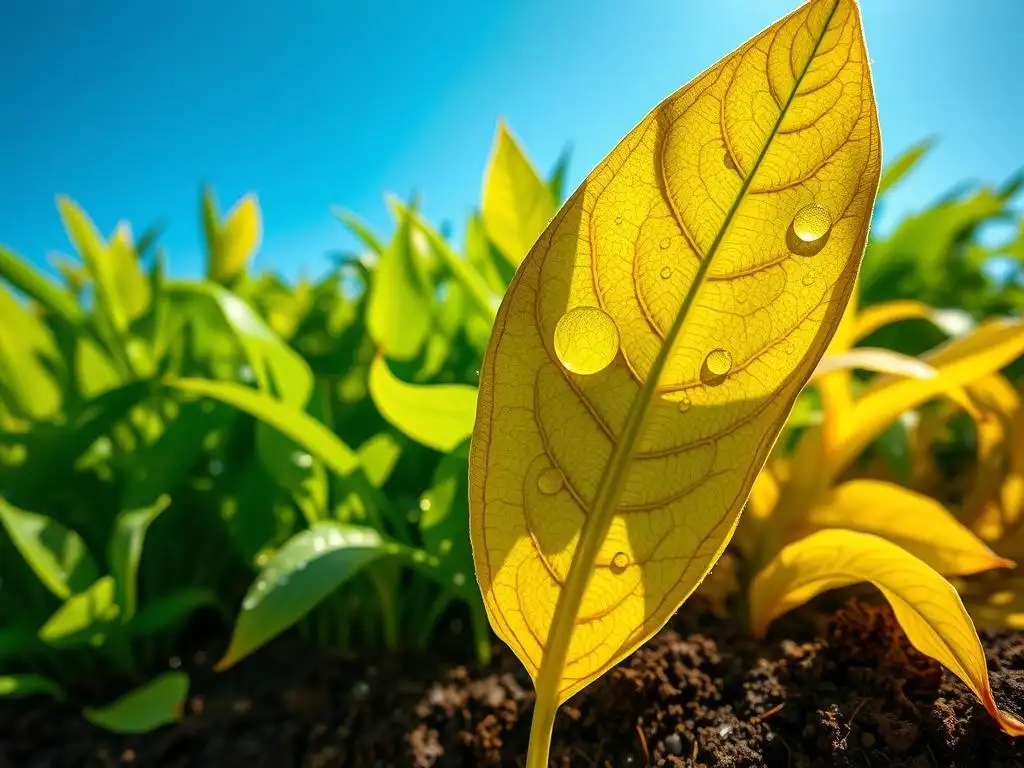
Welcome to CultivateYourFood, your guide to a thriving, sustainable garden! Are you ready to unlock the secrets to a bountiful harvest? We delve into the often-overlooked impact of rainwater acidity on your garden's health, exploring how this seemingly natural element can significantly affect your plants' growth and yield. Discover how understanding and addressing this crucial factor can transform your sustainable gardening journey. Let's explore the fascinating world of rainwater acidity and its impact – read on to learn more!
- Measuring Rainwater pH: A Crucial First Step
- The Impact of Acidic Rainwater on Soil Health
- Rainwater Acidity Garden Impact: Effects on Plant Growth
- Strategies for Managing Acidic Rainwater in Your Garden
- Rainwater Harvesting and pH Management: Best Practices
- Long-Term Monitoring and Soil Health Improvement
- Frequently Asked Questions
- Final Reflection: Nurturing Life in a Changing Climate
- Unlock Your Garden's Potential: Nurture Thriving Plants
Measuring Rainwater pH: A Crucial First Step
Rainwater, while a seemingly natural and beneficial resource for your garden, isn't always as pure as it appears. Its acidity, measured by pH, can significantly impact the health and growth of your plants. This article delves into the importance of understanding rainwater pH levels and their effects on your fruits, vegetables, and herbs, empowering you to cultivate a thriving garden using sustainable rainwater harvesting techniques.
We will explore how to measure your rainwater's pH, interpret the results, and ultimately, take steps to mitigate any negative impacts of acidity on your precious plants. Understanding rainwater acidity is a crucial step in optimizing your sustainable gardening practices and achieving bountiful harvests. This knowledge is key to answering the crucial question: what is the impact of rainwater acidity on your garden?
Understanding the pH Scale and its Relevance to Plants
The pH scale, ranging from 0 to 14, measures the acidity or alkalinity of a substance. A pH of 7 is neutral; anything below 7 is acidic, and anything above 7 is alkaline. Most plants thrive in a slightly acidic to neutral pH range, typically between 6.0 and 7.0. However, the ideal pH range varies depending on the specific plant species.
For example, blueberries prefer a more acidic environment (pH 4.5-5.5), while many vegetables prefer a slightly more alkaline range (pH 6.5-7.5). Deviations from the optimal pH can lead to nutrient deficiencies, hindering plant growth and potentially causing chlorosis (yellowing of leaves) or other problems. The acidity of rainwater is influenced by various factors, including atmospheric pollution and the presence of acidic gases like sulfur dioxide and nitrogen oxides.
These pollutants dissolve in rainwater, lowering its pH. Understanding this relationship is critical for ensuring the health of your garden. The effects of low pH can manifest in several ways, including reduced nutrient availability, root damage, and increased susceptibility to pests and diseases.
Testing Your Rainwater: Simple Methods and Tools
Testing the pH of your rainwater is a straightforward process that can be accomplished using several readily available methods. The most common and accurate method involves using a pH meter, a digital device that provides a precise pH reading. These meters are relatively inexpensive and easy to use. Simply calibrate the meter according to the manufacturer's instructions, then immerse the probe in your collected rainwater sample.
The digital display will show the pH level. Alternatively, you can utilize pH test strips, which are inexpensive paper strips that change color depending on the pH of the solution. Compare the color of the strip to the color chart provided to obtain an approximate pH reading. While less precise than a pH meter, test strips are a convenient option for quick checks.
Finally, some home soil testing kits also include a component for testing the pH of liquids, providing a convenient all-in-one solution for gardeners who also need to monitor soil pH. Remember to always follow the instructions provided with your chosen method to ensure accurate results. Regular testing, particularly after periods of rain or storms, is recommended to monitor any fluctuations in your rainwater's pH.
Interpreting Your Results: What Different pH Levels Mean for Your Garden
Once you've tested your rainwater, understanding what the results mean for your garden is crucial. A pH reading below 5.5 generally indicates acidic rainwater, which may necessitate adjustments to your gardening practices. This could involve amending your soil with lime to raise the pH, or selecting plants that tolerate acidic conditions.
A pH reading between 6.0 and 7.0 is generally ideal for most plants, suggesting that your rainwater is suitable for irrigation without significant modifications. However, it’s important to remember that this is a general guideline, and the ideal pH can vary depending on the specific plants you're growing. A pH above 7.0 indicates alkaline rainwater, which can also affect nutrient availability.
In such cases, you might need to use soil amendments to adjust the pH downward or choose plants that thrive in slightly alkaline conditions. Regular monitoring and adjustments based on your specific findings will ensure the long-term health and productivity of your garden, maximizing the benefits of your sustainable rainwater harvesting system. Remember to always consult resources specific to the plants you are growing to determine their ideal pH range.
The Impact of Acidic Rainwater on Soil Health
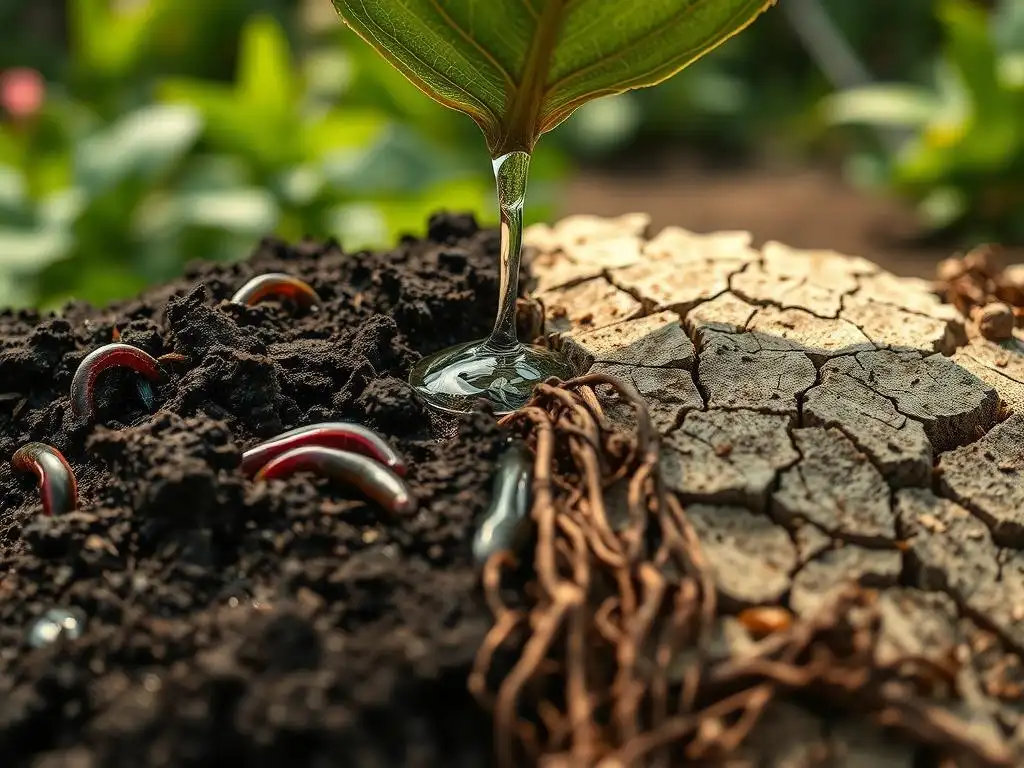
Acid rain, or more accurately, rainwater with a low pH, significantly impacts the health and productivity of your garden. The effects aren't always immediately apparent, but over time, the cumulative impact can lead to reduced yields and even plant death. Understanding how acidic rainwater affects your soil is crucial for implementing effective mitigation strategies and ensuring a thriving garden. The primary concern is the alteration of soil pH and the subsequent impact on nutrient availability.
This section will delve into the specifics of how rainwater acidity affects your garden soil and plants. We will explore the mechanisms of damage and discuss ways to counteract the negative effects, focusing on sustainable and organic solutions. The keyword "Rainwater acidity garden impact" is central to our discussion, highlighting the direct relationship between acidic rainwater and garden health.
How Acid Rain Affects Soil pH and Nutrient Availability
Rainwater naturally has a slightly acidic pH, typically around 5.6, due to the presence of carbon dioxide in the atmosphere. However, pollution from industrial emissions and vehicle exhaust can significantly lower this pH, resulting in "acid rain" with a pH below 5.0. This increased acidity directly affects soil pH. Soil pH is a measure of the hydrogen ion concentration in the soil solution, influencing the availability of essential nutrients for plant uptake.
Optimal pH ranges vary depending on the specific plant species, but most garden plants thrive in a slightly acidic to neutral range (pH 6.0-7.0). Acidic rainwater pushes the soil pH lower, making it more acidic. This increased acidity can lead to several problems:
- Nutrient leaching: Essential nutrients like calcium, magnesium, and potassium become more soluble in acidic conditions and are leached out of the soil, leaving plants nutrient-deficient. This is particularly detrimental as these nutrients are crucial for plant growth and overall health. For example, calcium deficiency can lead to blossom-end rot in tomatoes.
- Aluminum toxicity: Acidic conditions increase the solubility of aluminum in the soil. High levels of aluminum are toxic to many plants, inhibiting root growth and nutrient uptake. This can significantly reduce plant vigor and yield. Symptoms of aluminum toxicity can include stunted growth and yellowing leaves.
- Microbial imbalance: Soil microorganisms, crucial for nutrient cycling and disease suppression, are sensitive to pH changes. Excessive acidity can disrupt the balance of the soil microbial community, impacting nutrient availability and plant health.
Recognizing the Signs of Acidic Soil in Your Garden
Identifying acidic soil in your garden early is crucial for implementing corrective measures. Several visual cues and simple tests can help you determine if your soil is suffering from the effects of acidic rainwater:
- Plant health issues: Stunted growth, yellowing leaves (chlorosis), and poor flowering are common indicators. Certain plants are more sensitive to acidic soil than others. Observe your plants closely for any signs of stress or unusual symptoms.
- Soil color: Acidic soils tend to be lighter in color, often appearing grayish or whitish. This is due to the leaching of minerals and organic matter.
- Weed species: Certain weeds thrive in acidic conditions. The presence of these specific weeds can be an indirect indicator of low soil pH.
- Simple soil test: Home soil testing kits are readily available and provide a quick and relatively accurate measure of your soil's pH. These kits usually involve mixing a soil sample with a testing solution and comparing the resulting color to a chart. Regular testing, especially after periods of heavy rainfall, is recommended.
The Role of Soil Buffering Capacity in Mitigating Acidity
Soil buffering capacity refers to the soil's ability to resist changes in pH. Soils with high buffering capacity are less susceptible to the effects of acidic rainwater. This capacity is primarily determined by the presence of:
- Organic matter: High organic matter content enhances soil buffering capacity. Organic matter acts as a reservoir of nutrients and helps regulate soil pH. Composting and adding organic mulch are effective ways to increase organic matter content.
- Clay minerals: Certain clay minerals have a high cation exchange capacity (CEC), contributing to soil buffering capacity. Clayey soils generally exhibit better buffering capacity than sandy soils.
- Limestone: Limestone (calcium carbonate) is a common soil amendment used to raise soil pH. It reacts with acids in the soil, neutralizing their effect. However, the application of limestone should be done carefully and based on a soil test to avoid over-liming.
Understanding and enhancing your soil's buffering capacity is a crucial aspect of mitigating the negative impacts of acidic rainwater. By increasing organic matter, improving soil structure, and using appropriate soil amendments, you can create a more resilient and productive garden, even in the face of acidic rainfall. This proactive approach aligns with sustainable gardening practices, promoting long-term soil health and reducing the need for chemical interventions.
Rainwater Acidity Garden Impact: Effects on Plant Growth
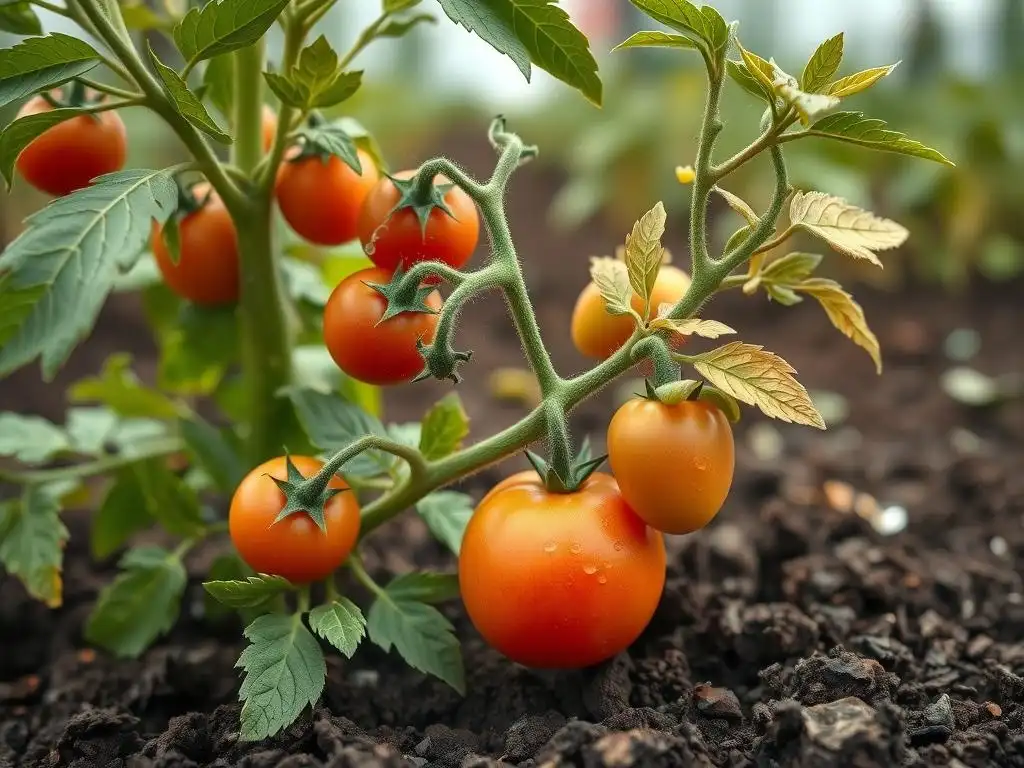
Understanding the impact of rainwater acidity on your garden is crucial for successful organic cultivation. While rainwater is generally considered a beneficial, free irrigation source, its pH level can significantly affect plant health and yield. The acidity of rainwater, often expressed as pH, varies depending on several factors including atmospheric pollution (primarily sulfur dioxide and nitrogen oxides from industrial emissions and vehicle exhaust), proximity to industrial areas, and even local geology.
Rainwater naturally tends to be slightly acidic, typically ranging from 5.0 to 6.0, but pollution can drastically lower this pH, resulting in what's commonly known as "acid rain," with pH levels sometimes dropping below 4.0. This significantly impacts the soil's pH and its ability to support healthy plant growth.
Consistent monitoring of rainwater pH using a simple home testing kit is highly recommended for informed gardening practices. This section will explore the various ways acidic rainwater affects your plants, helping you mitigate potential problems and maintain a thriving, sustainable garden.
Common Symptoms of Acidic Soil Stress in Plants
Acidic soil conditions, often a direct result of acidic rainwater, manifest in several ways in your plants. Recognizing these symptoms early is key to implementing corrective measures. Some common indicators include:
- Chlorosis: Yellowing of leaves, particularly between the veins, is a classic sign of nutrient deficiency often associated with low pH. This occurs because acidic soil hinders the availability of essential nutrients like magnesium and iron.
- Necrosis: Browning and dying of leaf tissue, often starting at the edges and progressing inwards. This indicates severe stress and potential nutrient toxicity from increased solubility of certain metals in acidic conditions.
- Stunted Growth: Plants struggling in acidic soil often exhibit slower growth rates and reduced overall size compared to plants grown in optimal conditions. This is a direct consequence of impaired nutrient uptake and overall plant health.
- Reduced Flowering and Fruiting: Acidic soil can drastically reduce the quantity and quality of flowers and fruits produced. The plant may simply not have the resources to invest in reproduction under stressful conditions.
- Root Damage: Prolonged exposure to highly acidic soil can directly damage plant roots, impacting their ability to absorb water and nutrients, leading to wilting and eventual plant death.
For example, a tomato plant ( Solanum lycopersicum) exhibiting chlorosis and stunted growth in an area receiving consistently acidic rainwater might benefit from soil pH adjustment using lime or other suitable amendments. Similarly, blueberries ( Vaccinium) which thrive in acidic conditions might show improved growth with addition of organic matter that helps buffer soil pH fluctuations caused by acidic rain. Careful observation of your plants, combined with regular soil testing, is essential for early detection and effective management of acidity-related problems.
Specific Plant Sensitivity to Low pH Levels
Not all plants react equally to acidic rainwater. Some plants are highly tolerant of acidic conditions, thriving in low pH environments, while others are extremely sensitive and quickly show signs of distress. Understanding the specific pH tolerance of your chosen plants is therefore crucial for successful gardening.
| Plant Type | pH Tolerance Range | Sensitivity to Acidic Rain | Symptoms of Acidic Stress |
|---|---|---|---|
| Azaleas & Rhododendrons | 4.5 - 6.0 | Low | Minimal, often thrive in slightly acidic conditions |
| Blueberries | 4.5 - 5.5 | Low | Minimal, often thrive in slightly acidic conditions |
| Tomatoes | 6.0 - 7.0 | Moderate | Chlorosis, stunted growth, reduced fruit production |
| Roses | 6.0 - 7.0 | Moderate | Chlorosis, reduced flowering, weakened stems |
| Potatoes | 5.5 - 6.5 | Moderate | Stunted growth, reduced tuber yield |
| Kale | 6.0 - 7.0 | Moderate | Chlorosis, reduced leaf size and vigor |
This table demonstrates that while some plants like azaleas and blueberries tolerate low pH, many common garden vegetables and flowers are more sensitive and require a more neutral soil pH. Regular soil testing, combined with knowledge of your plants' specific needs, allows for proactive measures to mitigate the effects of acidic rainwater.
Acid Rain's Effect on Nutrient Uptake and Plant Health
Acid rain significantly impacts nutrient availability in the soil. While some nutrients, like iron and manganese, become more soluble and available in acidic conditions, many essential macronutrients—such as phosphorus, calcium, magnesium, and potassium—become less available. This is because their solubility decreases at lower pH levels. The reduced availability of these essential nutrients directly restricts plant growth and development. Furthermore, increased solubility of toxic metals, like aluminum, in acidic soil poses a threat to plant health. Aluminum toxicity can severely damage plant roots, hindering nutrient and water uptake, leading to stunted growth and reduced yields.
The impact on nutrient uptake is multifaceted. The increased solubility of certain metals can lead to metal toxicity, which can interfere with the plant's ability to absorb essential nutrients. For instance, high aluminum levels can disrupt root function and reduce the uptake of phosphorus. Conversely, the decreased solubility of other essential nutrients, like phosphorus and calcium, leads to deficiencies, even if these nutrients are present in the soil.
This complex interplay of increased toxicity and decreased availability of essential nutrients highlights the importance of managing soil pH to ensure optimal plant health and productivity. Regular soil testing, coupled with appropriate soil amendments, can help buffer against the negative effects of acidic rainwater on nutrient availability and ensure healthy plant growth. 🌱
Strategies for Managing Acidic Rainwater in Your Garden
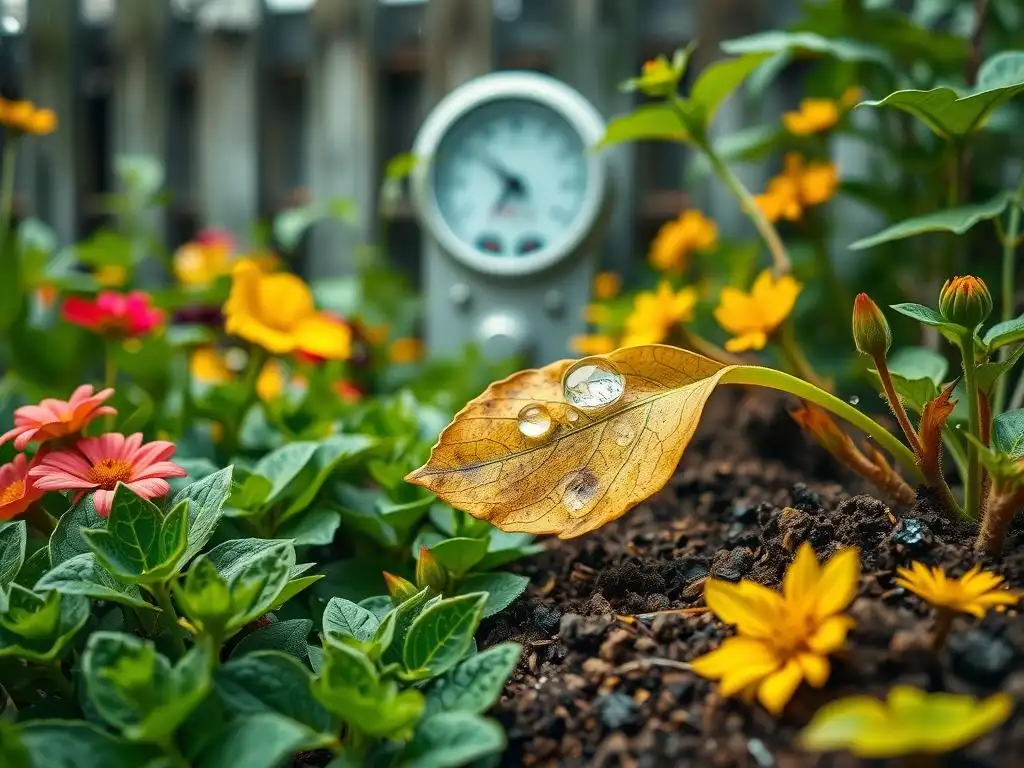
Acid rain, a significant environmental concern, can negatively impact your garden's health and productivity. Understanding the effects of rainwater acidity on your garden is the first step towards mitigating its harmful impacts. This section will outline practical strategies for managing acidic rainwater and protecting your plants. The level of acidity, measured by pH, directly affects nutrient availability and soil microbial activity.
While some plants thrive in slightly acidic conditions, prolonged exposure to highly acidic rainwater can lead to nutrient deficiencies, stunted growth, and even plant death. Therefore, proactive measures are crucial for maintaining a thriving garden, even in regions prone to acid rain. This is particularly relevant for those practicing rainwater harvesting, as stored rainwater can also become acidic over time.
Liming Your Soil: A Natural Solution to Raise pH
Liming your soil is a proven method for neutralizing acidity. Lime, primarily calcium carbonate (CaCO₃), reacts with acidic compounds in the soil, raising the pH and making essential nutrients more readily available to plants. The type of lime used matters; agricultural lime, also known as ground limestone, is the most common and effective choice for gardening purposes. Dolomitic lime, containing both calcium and magnesium, offers additional benefits, providing essential minerals to your plants.
The application rate of lime depends on your soil's initial pH and texture. A soil test is highly recommended before applying lime to determine the precise amount needed. Over-liming can also be harmful, creating an alkaline environment that can hinder nutrient uptake.
Applying lime in small, incremental amounts, followed by regular soil testing, is a safer and more effective approach. For example, a soil test might reveal a pH of 5.0, indicating high acidity. Based on the test results and soil type, you might apply 1-2 pounds of agricultural lime per 10 square feet, then retest after a few months to assess the effectiveness.
Remember to always follow the instructions on the lime packaging. The application method is also important; evenly spreading the lime over the soil surface and incorporating it into the top few inches ensures optimal distribution and effectiveness. This process can help counteract the effects of acidic rainwater and create a more hospitable environment for your plants.
Using Organic Mulches to Buffer Soil Acidity
Organic mulches, such as compost, shredded leaves, and wood chips, provide a natural buffer against acidic rainwater. These materials act as a physical barrier, preventing direct contact between the acidic water and the soil. Furthermore, as they decompose, they release nutrients into the soil, improving its overall quality and buffering capacity. Different mulches offer varying levels of buffering capacity.
For instance, well-rotted compost tends to have a higher buffering capacity than freshly cut wood chips. The thickness of the mulch layer also plays a role; a thicker layer provides greater protection against acidic rain. Aim for a layer of 2-4 inches of mulch around your plants. Regularly replenishing the mulch layer, especially after heavy rainfall, ensures continued protection against acidity.
This natural approach minimizes the need for chemical amendments and promotes a healthier soil ecosystem. By combining mulching with other strategies like liming, you can create a truly resilient garden that can withstand the effects of acidic rainwater. The use of organic mulches is an environmentally friendly way to improve soil health and protect your plants from the impacts of acid rain.
Choosing Acid-Tolerant Plants for Your Garden
Adapting your plant choices to your garden's conditions is a crucial strategy for dealing with acidic rainwater. Many plants are naturally tolerant to slightly acidic conditions, and selecting these varieties can minimize the negative impacts of acid rain. Researching the specific pH requirements of the plants you intend to grow is essential.
For example, blueberries, azaleas, and rhododendrons thrive in acidic soil, making them suitable choices for gardens affected by acidic rainwater. Conversely, plants that prefer neutral or alkaline conditions might struggle in consistently acidic soil. By choosing plants that naturally thrive in acidic environments, you reduce the need for extensive soil amendments and simplify garden management.
This approach complements other strategies, such as liming and mulching, creating a more holistic and sustainable approach to gardening in the face of acid rain. Consider creating a diverse planting scheme, incorporating both acid-tolerant and less-acid-tolerant species to ensure a balanced and thriving garden ecosystem. Careful plant selection can significantly reduce the stress caused by acidic rainwater, promoting healthy growth and vibrant blooms.
Rainwater Harvesting and pH Management: Best Practices
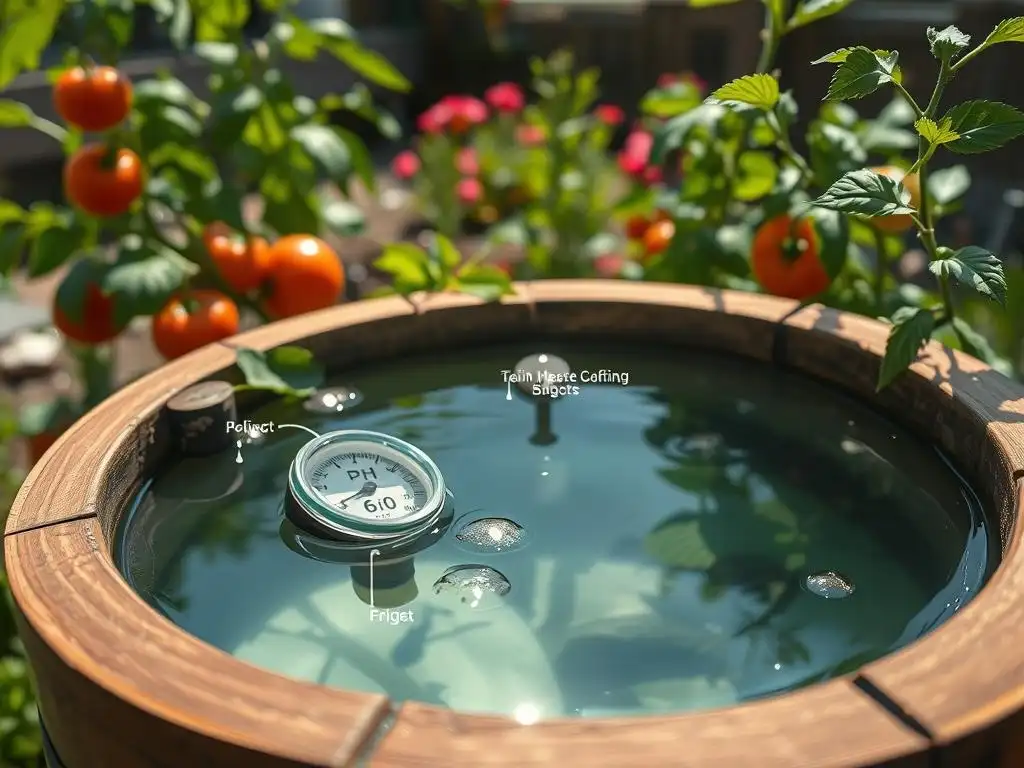
Understanding the impact of rainwater acidity on your garden is crucial for successful rainwater harvesting. While rainwater is a natural and sustainable irrigation source, its pH can vary significantly depending on several factors, including atmospheric pollution, soil composition in your catchment area, and even the type of roofing material on your house. Ignoring these variations can lead to nutrient deficiencies, stunted plant growth, and even damage to sensitive plants. This section will delve into best practices for managing rainwater pH to ensure it benefits, rather than harms, your garden.
Collecting and Storing Rainwater for Irrigation
The way you collect and store rainwater can influence its acidity. For example, using a galvanized steel or copper roof for rainwater harvesting can introduce metals that lower the pH. Ideally, aim for a collection system that minimizes contamination. Consider using a clean, non-reactive material such as food-grade plastic or stainless steel for your gutters and storage tanks. Regular cleaning of your gutters and storage tanks is also vital.
Accumulated leaves, bird droppings, and other debris can significantly alter the pH and introduce pathogens. A well-maintained system reduces the risk of introducing unwanted substances into your rainwater, thus helping to maintain a healthier pH level. Regularly inspect your system for leaks and signs of corrosion. Remember, the goal is to collect clean, relatively neutral rainwater to avoid unnecessary pH adjustments later.
Remember to consider the size of your storage tank in relation to your garden's water needs. A larger tank allows for more even pH distribution and reduces the frequency of testing. Think about the potential for algae growth in larger tanks, as algae can impact pH and water quality. Implementing measures like shading or adding a small amount of copper sulfate (while being mindful of environmental impacts) can help control algae growth.
Testing and Adjusting Rainwater pH Before Use
Before using rainwater for irrigation, testing its pH is crucial. You can purchase a simple pH meter or test strips from most gardening supply stores. The ideal pH range for most garden plants is between 6.0 and 7.0, although some plants prefer slightly more acidic or alkaline conditions. Knowing the specific pH requirements of your plants is important for tailored management. Regular testing allows you to monitor fluctuations and take corrective actions.
If your rainwater's pH is too acidic (below 6.0), you can raise it by adding agricultural lime (calcium carbonate). Conversely, if it's too alkaline (above 7.0), you can lower it with elemental sulfur. Always follow the instructions on the packaging carefully and add the amendment gradually, testing the pH after each addition. Avoid making drastic changes, as this can shock your plants.
Accurate measurement and gradual adjustments are key to success. Remember to document your pH measurements and adjustments for future reference and to track trends over time. This data can help you optimize your rainwater harvesting and pH management strategies over the long term.
Optimizing Your Rainwater Harvesting System for pH Control
Optimizing your system involves a holistic approach. Choosing appropriate materials for your gutters and storage tanks is just the beginning. Consider the location of your collection system. Areas with high levels of air pollution may have more acidic rainwater. Similarly, the type of vegetation surrounding your collection area can also influence the rainwater's pH. Regular cleaning and maintenance remain vital for preventing contamination and maintaining a consistent pH.
Implementing a filtration system can further improve rainwater quality and reduce the need for pH adjustments. A simple filter can remove larger debris, while more advanced systems can remove dissolved impurities. Moreover, consider the material of your storage tank.
Stainless steel is a good choice as it's less prone to leaching metals compared to some other materials. Regularly monitor your system for leaks, as this can introduce contaminants that can further alter the pH. By adopting a proactive approach to maintenance and monitoring, you can optimize your rainwater harvesting system for consistent and suitable pH levels for your garden, minimizing the need for frequent adjustments and maximizing the benefits of this sustainable resource.
Long-Term Monitoring and Soil Health Improvement
Understanding the long-term impact of rainwater acidity on your garden requires consistent monitoring and proactive measures to maintain soil health. Simply measuring the pH of rainwater once isn't enough; consistent observation over time reveals trends and allows for timely interventions. This is crucial for preventing cumulative damage that can negatively impact plant growth and overall yield. The phrase "rainwater acidity garden impact" highlights the critical need for this ongoing assessment.
Regular Soil Testing to Track pH Levels
Regular soil testing is paramount in mitigating the negative effects of acidic rainwater. Ideally, you should test your soil at least twice a year – once in spring before planting and again in autumn after harvest. This provides a baseline measurement and helps track changes in soil pH throughout the growing season. Use a reliable soil testing kit, following the manufacturer's instructions carefully.
Note down the pH levels, along with the date, location within your garden, and any other relevant observations, such as recent rainfall amounts or fertilizer application. This detailed record allows you to identify patterns and trends over time, enabling informed decisions about soil amendments. Consistent monitoring allows you to accurately assess the "rainwater acidity garden impact" and take corrective actions. For example, if you notice a consistent drop in pH over several seasons, you can implement strategies to counteract the increased acidity.
Sustainable Practices for Maintaining Soil Health
Maintaining healthy soil is key to mitigating the effects of acidic rainwater. Several sustainable practices can help buffer against pH fluctuations and improve overall soil health. These practices contribute to a resilient garden ecosystem less susceptible to the negative "rainwater acidity garden impact."
- Composting: Adding compost regularly improves soil structure, increases water retention, and provides essential nutrients. Compost acts as a natural buffer, helping to stabilize soil pH.
- Mulching: Applying a layer of organic mulch, such as wood chips or straw, helps regulate soil temperature, reduces evaporation, and prevents soil erosion. The mulch also slowly decomposes, adding organic matter and nutrients to the soil, further enhancing its buffering capacity against acid rain.
- Cover Cropping: Planting cover crops during fallow periods helps improve soil structure, add organic matter, and suppress weeds. Certain cover crops, such as legumes, also fix nitrogen in the soil, enriching it and improving its overall health.
- Crop Rotation: Rotating crops helps prevent nutrient depletion and reduces the build-up of pests and diseases. This diverse approach contributes to a healthier and more resilient soil ecosystem, better equipped to handle the challenges posed by acidic rainwater.
Remember, these practices work synergistically. Combining composting, mulching, cover cropping, and crop rotation creates a robust defense against the adverse "rainwater acidity garden impact," promoting thriving plants and bountiful harvests.
The Importance of Biodiversity in a Healthy Garden Ecosystem
A diverse garden ecosystem is more resilient to environmental stressors, including acidic rainwater. A variety of plants with different nutrient requirements and tolerances contributes to a balanced soil environment. Consider incorporating:
- Nitrogen-fixing plants: These plants, like legumes (beans, peas, clover), enrich the soil with nitrogen, counteracting the effects of acidity.
- Deep-rooted plants: These plants help improve soil aeration and drainage, making it less susceptible to waterlogging which can exacerbate the impact of acidic rain.
- Plants with varying pH tolerances: Including plants with a range of pH preferences helps ensure that at least some plants thrive even if the overall soil pH is slightly acidic.
The increased biodiversity strengthens the overall ecosystem. A healthy, diverse garden is less susceptible to pests and diseases, and better able to withstand environmental stresses, minimizing the long-term "rainwater acidity garden impact" and maximizing your harvest. The interplay of these factors creates a robust and resilient garden, capable of thriving even in challenging conditions. Monitoring soil pH and implementing these sustainable practices are key to ensuring a healthy and productive garden, minimizing the negative effects of acidic rainwater and maximizing your harvest.
Frequently Asked Questions
How does rainwater acidity affect my garden plants?
Rainwater naturally has a slightly acidic pH, but acid rain, with a lower pH, can damage plants by leaching essential nutrients from the soil and making it difficult for plants to absorb them. This can lead to stunted growth and yellowing leaves.
What is the ideal pH range for most garden plants?
Most garden plants thrive in a slightly acidic to neutral pH range, generally between 6.0 and 7.0. However, individual plant needs vary, so checking the specific requirements of your plants is crucial.
Can I measure the pH of my rainwater?
Yes, you can use a pH meter or pH test strips readily available online or at garden centers to measure the acidity of your rainwater. Regular testing can help you monitor changes over time.
What can I do if my rainwater is too acidic?
If your rainwater is too acidic, you can amend your soil with lime to raise the pH. Alternatively, you can collect rainwater in a container and allow it to sit for a few days to allow some of the acidity to dissipate.
How does rainwater acidity affect my compost?
While slightly acidic rainwater won't significantly harm your compost, extremely acidic rain can lower the pH of your compost pile, potentially hindering the decomposition process. Monitor your compost's pH and adjust accordingly.
Final Reflection: Nurturing Life in a Changing Climate
Understanding rainwater acidity's impact on our gardens is not merely an academic exercise; it's a crucial step towards ensuring the health and vitality of our green spaces in a world facing increasing environmental challenges. The subtle shifts in pH levels, often overlooked, can have profound and lasting consequences on plant growth, soil health, and the overall biodiversity of our gardens. Ignoring this silent threat means risking the beauty and bounty our gardens provide.
The pervasive influence of atmospheric pollution on rainwater acidity underscores the interconnectedness of our actions and the environment. We are witnessing firsthand the consequences of industrialization and climate change in the very soil beneath our feet. This isn't just about protecting our prize-winning roses; it's about safeguarding the entire ecosystem that supports us. The Earth provides enough to satisfy every man's needs but not every man's greed.
- Mahatma Gandhi. This quote resonates deeply, highlighting the unsustainable practices that contribute to acid rain and the urgent need for change in our relationship with nature.
Now, consider your own garden. What steps can you take to mitigate the effects of acid rain? Perhaps it's as simple as regularly testing your soil's pH, amending it with lime when necessary, or choosing plant varieties known for their tolerance to acidic conditions.
But more importantly, let this knowledge inspire you to become a more conscious steward of the environment. By understanding the impact of rainwater acidity, you are empowered to make informed choices that protect not only your garden, but the planet we all share. Let's cultivate a future where our gardens thrive, reflecting a healthier and more sustainable world.
Unlock Your Garden's Potential: Nurture Thriving Plants
Thanks for exploring the impact of rainwater acidity on your garden! You've learned how to protect your plants. Ready to apply this knowledge?
- Test your soil's pH: This crucial first step helps you understand your garden's needs and tailor your approach. A soil testing kit will reveal your soil's pH level.
- Share your results: Join our thriving gardening community! Share your soil pH and any challenges you're facing in the comments below.
- Adjust your soil's pH naturally: Explore eco-friendly methods to balance your soil's pH if necessary and watch your plants thrive.
What will your soil test reveal about your garden's unique needs?