
How to Water Your Garden When You’re Away: Simple Solutions

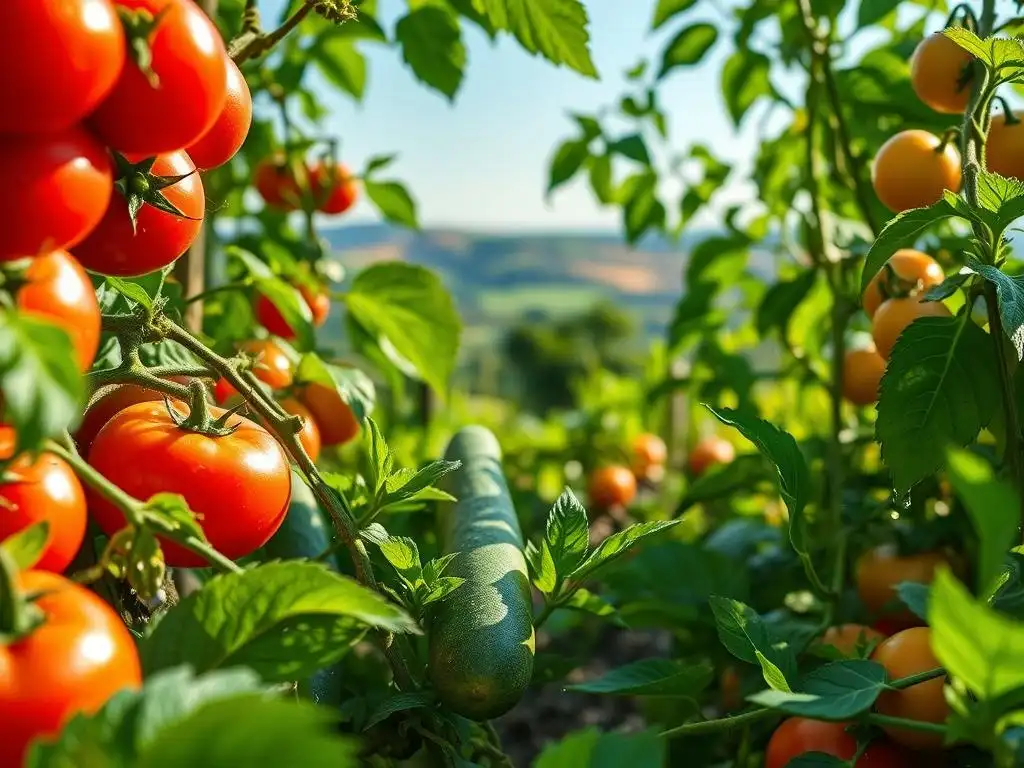
Ready to unlock the secrets of a thriving garden, even while you're away? At CultivateYourFood, we empower you to grow your own fruits, vegetables, and herbs using sustainable methods. This commitment to organic practices extends to every aspect of gardening, including the often-overlooked challenge of watering your garden while traveling. Discover simple yet effective solutions that will keep your plants flourishing, no matter where your adventures take you. Let's dive into the details and ensure your garden thrives!
- Planning for Your Garden's Hydration While Traveling
- DIY Watering Systems for a Worry-Free Vacation
- Automatic Watering Systems: Investing in Convenience
- Maintaining Your Garden's Health During Extended Absences
- Sustainable Watering Practices for a Healthier Garden
-
Frequently Asked Questions
- How can I water my garden while I'm on vacation?
- What's the best way to water my plants for a week-long trip?
- Are there any DIY solutions for watering my garden while traveling?
- My garden is quite large; what's the most efficient watering solution for a longer trip?
- What if I forget to set up a watering system before leaving?
- Final Reflection: The Enduring Legacy of a Thriving Garden
- Ready to Give Your Garden a Vacation, Too?
Planning for Your Garden's Hydration While Traveling
Leaving your beloved garden unattended while traveling can be a source of anxiety, especially concerning its water supply. This comprehensive guide provides simple yet effective solutions to ensure your plants thrive even when you're away, focusing on sustainable and organic watering methods that minimize water waste. We'll explore various techniques, from simple DIY solutions for shorter trips to more sophisticated systems for extended vacations, all while keeping your garden's unique needs in mind.
Proper watering is crucial for maintaining healthy, productive plants, and understanding your plants' water requirements before you leave is the first step in ensuring a thriving garden upon your return. This article will help you confidently plan your garden's hydration, allowing you to enjoy your trip without worrying about wilting vegetables or thirsty herbs. Let's dive into the practical steps to keep your garden flourishing while you're exploring the world!
Assessing Your Plants' Water Needs Before You Leave
Before you even think about packing your bags, take some time to evaluate your garden's specific needs. Different plants have different water requirements. A succulent will tolerate dryness far better than a leafy green vegetable. Consider these factors:
- Plant Type: Identify each plant in your garden and research its individual water needs. Some plants are drought-tolerant, while others require more frequent watering.
- Soil Type: Sandy soil drains faster than clay soil, meaning plants in sandy soil will need more frequent watering.
- Pot Size: Plants in smaller pots dry out much faster than those in larger containers.
- Current Weather Conditions: Check the forecast before you leave. A heatwave will obviously increase your plants' water needs.
Create a simple chart to track your plants' water needs. For example:
| Plant Type | Water Needs (Days) | Notes |
|---|---|---|
| Tomatoes | 2 | Water deeply, less frequently |
| Lettuce | 1 | Needs consistent moisture |
| Lavender | 5 | Drought-tolerant, water sparingly |
| Rosemary | 4 | Drought-tolerant, water sparingly |
Remember to water deeply before you leave to provide a good initial reservoir of moisture. This will help your plants survive for a longer period without additional watering. A good soaking is key! 💦
Choosing the Right Watering System for Your Trip Length
The ideal watering system depends entirely on the length of your trip. For shorter trips (under a week), simple methods often suffice. For longer trips, more advanced systems are necessary.
- Short Trips (1-3 days): A thorough watering before you leave is often enough, especially if you have drought-tolerant plants. Consider grouping plants with similar water needs together for easier watering.
- Medium Trips (4-7 days): Self-watering pots or DIY wicking systems are excellent choices for this timeframe. These systems slowly release water to the plants over several days.
- Long Trips (7+ days): For extended absences, an automated drip irrigation system or soaker hoses connected to a timer are the most reliable options. These systems provide consistent, controlled watering without your intervention. Consider a backup system in case of power outages.
Choosing the right system is crucial for the success of your watering strategy. Don't underestimate the importance of selecting a method appropriate for the duration of your absence.
Gathering Necessary Supplies: A Pre-Departure Checklist
Before you embark on your journey, ensure you have all the necessary supplies to keep your garden hydrated. This checklist will help you avoid last-minute rushes and ensure a smooth, worry-free trip.
- [ ] Watering can (for pre-departure watering): A large capacity watering can will speed up the process.
- [ ] Soaker hoses or drip irrigation system (if applicable): Make sure all components are in good working order.
- [ ] Timer (if using automated systems): Program the timer accurately to match your plants' needs and trip length.
- [ ] Self-watering pots or DIY wicking system (if applicable): Prepare these systems well in advance to ensure proper function.
- [ ] Mulch (optional): Mulch helps retain soil moisture, extending the time between waterings.
- [ ] Backup water source (optional): In case your primary system fails, a secondary water source provides a safety net.
This checklist ensures you're fully prepared to maintain your garden's hydration while you're away. Remember to check your system regularly before you leave to prevent any unforeseen issues! 🧰
DIY Watering Systems for a Worry-Free Vacation
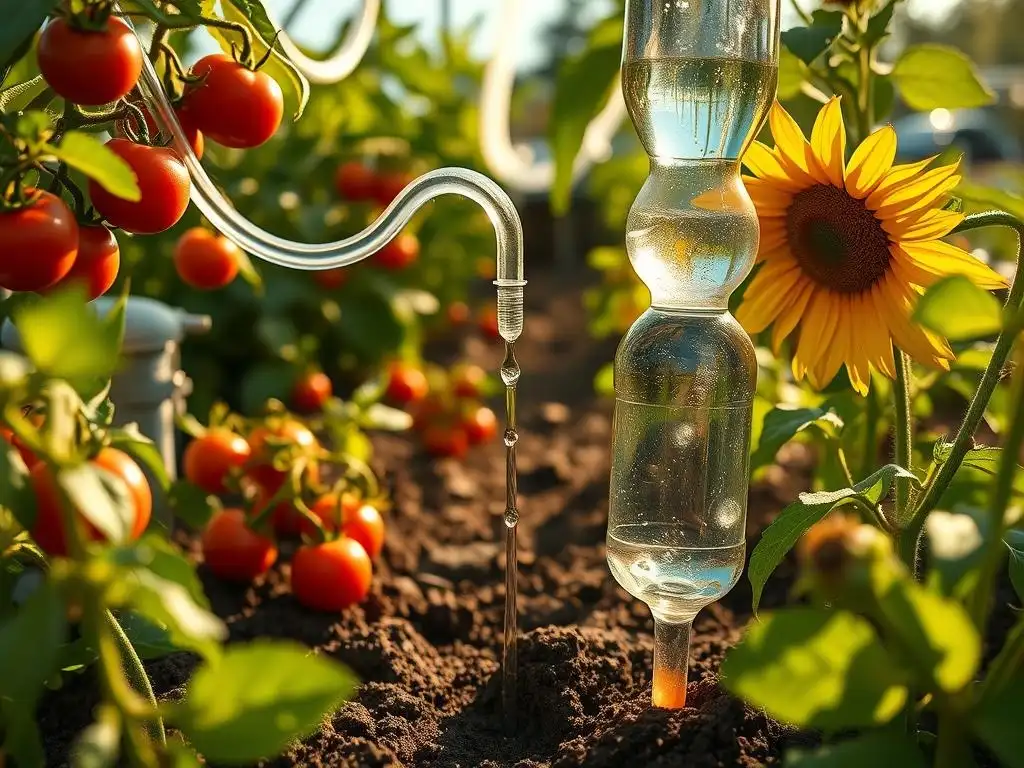
Leaving your garden unattended while traveling can be stressful, especially concerning watering. Fortunately, several DIY watering systems can provide consistent hydration, ensuring your plants thrive even during your absence. These methods are not only effective for "watering garden while traveling" but also contribute to water conservation, a crucial aspect of sustainable gardening practices. Let's explore some simple yet reliable options.
The Classic Bottle Drip System: A Simple and Effective Method
This age-old method is incredibly effective for individual plants or small groups. It's inexpensive, requiring only plastic bottles (soda bottles work perfectly) and some basic tools.
Here's how it works:
- Prepare the bottles: Clean and thoroughly rinse empty plastic bottles. Remove the labels. Poke several small holes (approximately 1/8 inch) near the bottle cap. The number of holes will depend on the size of the bottle and the plant's water needs. More holes mean faster water release.
- Fill and invert: Fill the bottles with water. Carefully invert the bottles, burying the bottom portion slightly in the soil near the plant's base. Ensure the holes are below the soil surface to avoid surface runoff.
- Adjust for plant needs: Experiment with different hole sizes and the amount of water in the bottle to find the optimal watering schedule for your plants. Smaller holes and less water will provide a slow, controlled release, ideal for longer trips. Larger holes and more water are suitable for shorter absences.
This method is particularly well-suited for potted plants or individual vegetables needing supplemental watering. It's a great solution for "watering garden while traveling" for shorter periods, offering a simple and reliable way to keep your plants hydrated. Remember to consider the climate and the plant's water requirements when designing your system.
Soaker Hose Irrigation: Gentle and Efficient Watering for Extended Trips
For larger gardens or raised beds, a soaker hose system provides a more comprehensive and efficient solution for extended absences. Soaker hoses deliver water directly to the roots, minimizing evaporation and runoff – a key element in water conservation strategies. This makes it an excellent choice for those concerned about "watering garden while traveling" for longer durations.
Setting up a soaker hose system involves:
- Planning your layout: Determine the optimal placement of the hoses to reach all your plants. Consider using multiple shorter hoses instead of one long hose to ensure even water distribution.
- Connecting to a water source: You'll need a reliable water source, such as a garden hose bib or a rain barrel. Connect the soaker hose to the source using appropriate connectors. A timer is highly recommended for controlled watering.
- Monitoring and adjustment: Regularly check the soil moisture to fine-tune the watering schedule. Adjust the timer or hose placement as needed to ensure optimal hydration without overwatering. The effectiveness of this method for "watering garden while traveling" greatly depends on accurate initial setup and monitoring.
The gentleness of soaker hoses prevents soil erosion and keeps foliage dry, reducing the risk of fungal diseases. This method is superior to overhead watering, especially in hot, sunny climates, due to its reduced water loss through evaporation.
DIY Self-Watering Planters: Preparing Your Pots for Absence
Self-watering planters are a fantastic solution for potted plants, offering a reliable hydration system while you're away. These planters can be easily built or purchased, providing a simple yet effective way to ensure your plants remain healthy during your travels. The key to their success is a reservoir that slowly releases water to the plant's roots.
Creating a self-watering planter can involve:
- Using a double-pot system: Place a smaller pot inside a larger pot. Fill the space between the pots with a water-retaining material such as coco coir or peat moss. This creates a reservoir that slowly releases water to the inner pot, keeping the plant's roots consistently moist.
- Adding a wicking system: Use fabric strips or rope to create a wicking system that draws water from a reservoir at the bottom of the planter up to the plant's roots. This system ensures consistent water delivery.
- Utilizing commercially available self-watering pots: Many commercially available self-watering pots incorporate reservoir systems and wicking mechanisms, providing a convenient and effective solution.
These methods ensure consistent moisture for your potted plants, making them ideal for "watering garden while traveling." The choice depends on your potting skills and available materials. Properly designed self-watering planters minimize the need for frequent watering, promoting healthy plant growth and efficient water usage. Remember to choose a planter size appropriate for your plant's needs and to monitor the water levels regularly, especially during hotter months.
Automatic Watering Systems: Investing in Convenience
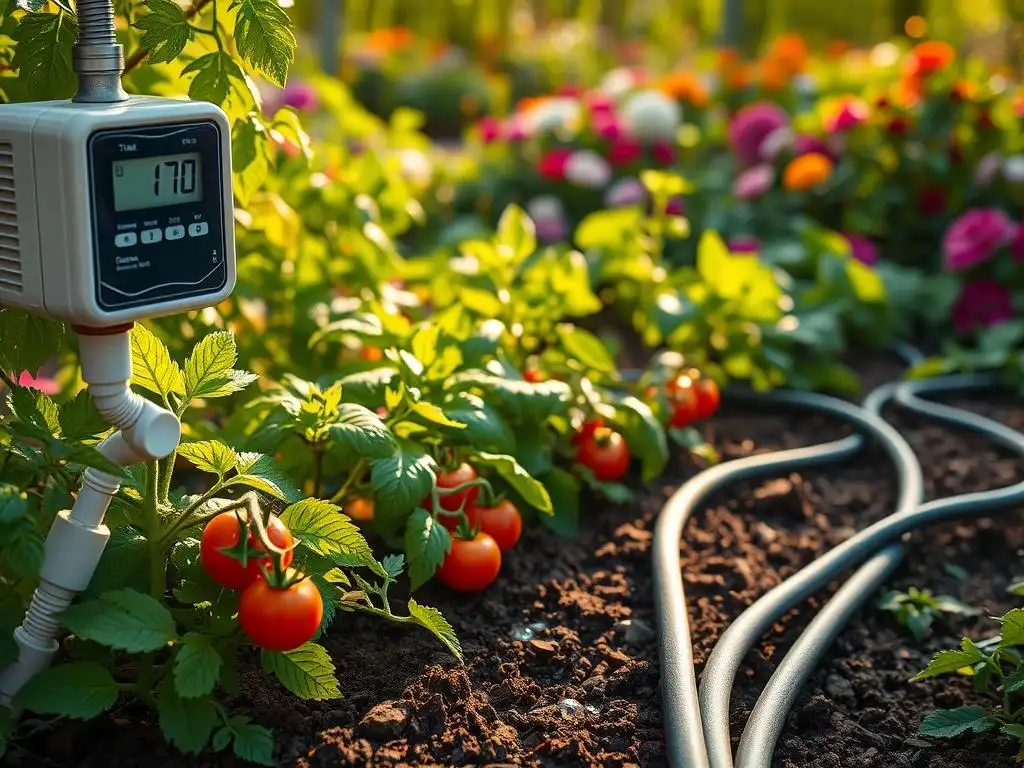
Leaving your garden unattended while traveling can be stressful, especially concerning its water needs. Automatic watering systems offer a convenient and often efficient solution to ensure your plants thrive even in your absence. These systems range from simple timers to sophisticated smart controllers, each offering varying levels of control and automation. Choosing the right system depends on factors such as garden size, plant type, budget, and your level of technical expertise. Proper installation and maintenance are key to maximizing their effectiveness and ensuring long-term water conservation. Let's explore some popular options.
Smart Irrigation Controllers: Technology for Precise Watering Schedules
Smart irrigation controllers represent the pinnacle of automatic watering technology. These devices use weather data, soil moisture sensors, and even evapotranspiration rates to optimize watering schedules. This means your plants receive precisely the amount of water they need, minimizing waste and maximizing efficiency.
Many smart controllers offer app-based control, allowing you to monitor and adjust watering schedules remotely, even while you're away on a long trip. This level of control is invaluable for maintaining a healthy garden regardless of your location. For example, a smart controller could automatically reduce watering during periods of rain and increase watering during extended heat waves, ensuring your plants always have the optimal amount of hydration.
The initial investment might be higher than simpler timers, but the long-term benefits in terms of water conservation and plant health often outweigh the cost. Consider factors like compatibility with existing irrigation systems and the availability of features like rain sensors and soil moisture monitoring when making your selection.
Automatic Drip Irrigation Systems: Setting Up a Permanent Solution
Automatic drip irrigation systems provide a highly efficient method of watering individual plants. Water is delivered directly to the roots via a network of tubes and emitters, minimizing evaporation and runoff. This targeted approach reduces water consumption compared to overhead sprinklers, which can lose a significant amount of water to evaporation, especially in hot and windy conditions.
Installing a drip irrigation system can seem daunting, but with careful planning and the right tools, it's a manageable DIY project. You'll need to design a layout that caters to your specific garden layout and plant needs, considering factors such as plant spacing and water requirements. Components include a water source (e.g., a hose bib), a pressure regulator, tubing, emitters, and potentially a timer or controller.
Properly designed and maintained drip irrigation systems can significantly reduce water usage and ensure consistent hydration for your plants, even during extended absences. This makes them an excellent solution for "watering garden while traveling" scenarios.
Evaluating the Pros and Cons of Different Automatic Systems
Choosing the best automatic watering system involves weighing the pros and cons of various options. Here's a comparison table to help you decide:
| System Type | Pros | Cons | Best Suited For |
|---|---|---|---|
| Smart Irrigation Controller | Precise scheduling, remote control, weather-based adjustments | Higher initial cost, requires internet connectivity | Large gardens, users prioritizing convenience and efficiency |
| Basic Timer | Simple to install and use, affordable | Less precise watering, no remote control, susceptible to weather changes | Small gardens, users on a tight budget |
| Automatic Drip Irrigation | Highly efficient, minimizes water waste, targeted watering | More complex installation, higher initial cost | Any garden size, users prioritizing water conservation |
Remember, the "best" system depends heavily on your individual needs and resources. Consider your budget, garden size, plant types, and your comfort level with technology when making your choice. Proper planning and installation are crucial for any automatic watering system to effectively address the challenge of "watering garden while traveling" and contribute to overall sustainable gardening practices. Careful consideration of these factors will contribute to a successful and environmentally conscious approach to watering your garden.
Maintaining Your Garden's Health During Extended Absences
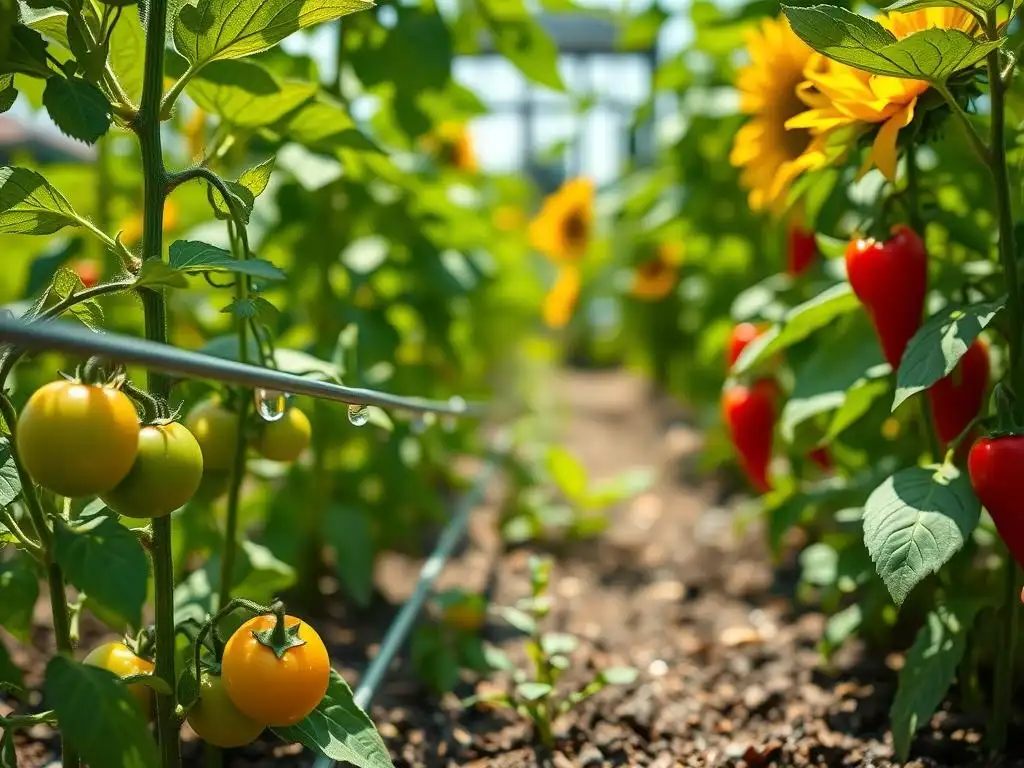
This section focuses on proactive measures to ensure your garden thrives even when you're away, minimizing the risks associated with extended absences. Proper planning and preparation are key to successful "watering garden while traveling." Neglecting these steps can lead to wilting plants, reduced yields, and even plant death. We'll explore practical strategies to maintain your garden's health and resilience during your travels.
Monitoring Soil Moisture Before and After Installation
Before installing any automated watering system, it's crucial to understand your garden's unique water needs. This involves regularly monitoring soil moisture levels using a simple soil moisture meter. Different plants have varying water requirements; for example, succulents need far less frequent watering than leafy greens. Take readings at various points in your garden, noting the moisture levels in different soil types and sun exposures.
This baseline data is essential for calibrating your chosen watering system (drip irrigation, soaker hoses, etc.) to deliver the precise amount of water your plants need, avoiding both underwatering and overwatering. Record these readings in a journal or spreadsheet, noting the date, time, location in the garden, and the moisture level reading.
After installation, continue monitoring soil moisture. Regular checks (at least once a week, or more frequently during hot, dry periods) will help you fine-tune your system and identify potential problems early. Compare your post-installation readings with your pre-installation baseline. Significant discrepancies may indicate issues with your system's efficiency or uniformity of water distribution.
For example, consistently dry patches might point to clogged drip emitters or insufficient water pressure. Remember, consistent monitoring is key to adapting your watering strategy to changing weather conditions and the evolving needs of your plants throughout their growth cycle. This proactive approach to "watering garden while traveling" ensures your plants receive optimal hydration even in your absence.
Troubleshooting Common Watering System Issues
Even the most reliable automated watering systems can encounter problems. Understanding common issues and their solutions is essential for maintaining a healthy garden while you're away. One frequent problem is clogged emitters in drip irrigation systems. Mineral deposits and debris can restrict water flow, leading to uneven watering. Regular flushing of the system with a solution of vinegar and water can prevent this.
Another common issue is inconsistent water pressure, which can be caused by leaks in the system or problems with the water source. A thorough inspection of all tubing and connections is crucial to identify and repair leaks promptly. Malfunctioning timers can also lead to inadequate watering. Ensure your timer is properly programmed and functioning correctly before leaving.
Here's a table summarizing common issues and their solutions:
| Problem | Cause | Solution |
|---|---|---|
| Clogged Emitters | Mineral deposits, debris | Flush system with vinegar and water solution |
| Inconsistent Pressure | Leaks, water source problems | Inspect tubing, check water source |
| Malfunctioning Timer | Programming error, battery failure | Check programming, replace batteries |
| Uneven Water Distribution | Incorrect emitter spacing, slope issues | Adjust emitter spacing, improve soil drainage |
| Low Water Pressure | Clogged filter, kinked tubing | Clean filter, straighten tubing |
Regular maintenance, even before you embark on your trip, is crucial for preventing these problems and ensuring your automated watering system functions flawlessly during your absence. This preventative approach is vital for successful "watering garden while traveling."
Protecting Your Plants from Pests and Diseases While Away
While an automated watering system addresses hydration needs, pest and disease control requires additional attention, especially during extended absences. Leaving your garden vulnerable can lead to significant damage. Proactive measures before your departure are crucial. Implementing preventative strategies helps minimize the risk of infestation or disease outbreak.
Consider these steps:
- Pest Control: Apply appropriate organic pest control methods before leaving. This might involve introducing beneficial insects like ladybugs or lacewings, which prey on common garden pests. You could also use neem oil or other organic pesticides according to the manufacturer's instructions. Make sure to follow all safety guidelines and choose products suitable for your specific plants and pests.
- Disease Prevention: Ensure good air circulation around your plants by pruning overcrowded branches or leaves. This helps prevent fungal diseases that thrive in humid, stagnant air. Mulching around your plants can also help to regulate soil moisture and prevent disease.
- Physical Barriers: Use row covers or netting to protect plants from birds, insects, and other potential pests. These barriers create a physical barrier, preventing access to your valuable plants.
- Monitoring (if possible): If you have a neighbor or friend who can check on your garden, request them to monitor for signs of pests or diseases. Early detection allows for timely intervention and minimizes potential damage.
Remember, a healthy, thriving garden starts with proactive planning. By taking these steps, you can significantly reduce the risks associated with leaving your garden unattended, ensuring its health and beauty upon your return. This proactive approach is key to successful "watering garden while traveling" and contributes to a more sustainable gardening practice. 🌱
Sustainable Watering Practices for a Healthier Garden
This section delves into effective and environmentally conscious methods for keeping your garden thriving even when you're away. We'll explore techniques that minimize water waste while maximizing plant health, aligning with the principles of sustainable gardening and addressing the challenges of "watering garden while traveling." These practices not only benefit your plants but also contribute to responsible water usage.
Water Conservation Tips for Your Plants
Conserving water is crucial for a healthy and sustainable garden, especially when you're away. Simple adjustments to your watering routine can significantly reduce water consumption without compromising plant vigor. Here are some key strategies:
- Deep Watering, Less Often: Instead of frequent, shallow watering, opt for infrequent, deep watering. This encourages deeper root growth, making plants more drought-tolerant. Aim to water thoroughly until the soil is moist several inches down. You can check this using your finger or a soil moisture meter.
- Water Early in the Morning: Watering early in the morning minimizes evaporation. The cooler temperatures allow water to penetrate the soil more effectively, reducing loss to the atmosphere.
- Use Drip Irrigation or Soaker Hoses: These methods deliver water directly to the roots, minimizing water waste through runoff or evaporation compared to overhead sprinklers. Drip irrigation systems are particularly effective for larger gardens, while soaker hoses are ideal for smaller areas or individual plants. Proper setup is key to efficient water delivery.
- Group Plants with Similar Water Needs: Clustering plants with similar water requirements together allows for more efficient watering. You can avoid overwatering plants that need less water by separating them from those that need more frequent irrigation.
- Monitor Soil Moisture: Regularly check your soil's moisture level before watering. Avoid overwatering, which can lead to root rot and other plant diseases. This is especially important when dealing with the challenges of "watering garden while traveling".
- Mulch, Mulch, Mulch: (See the section below for more detail on mulching techniques.) Mulching significantly reduces water evaporation from the soil, keeping roots cool and moist for longer periods.
Collecting and Utilizing Rainwater for Irrigation
Rainwater harvesting is a highly sustainable way to irrigate your garden, especially beneficial when addressing the concerns of "watering garden while traveling." By collecting rainwater, you reduce reliance on municipal water supplies and conserve precious resources. Here's how you can implement this practice:
- Install a Rain Barrel: Rain barrels are readily available and relatively inexpensive. They collect rainwater from your roof gutters, providing a ready supply for your garden. Ensure your barrel is properly screened to prevent mosquito breeding.
- Divert Gutters: Direct your downspouts to designated areas in your garden, allowing rainwater to soak directly into the soil. This can be particularly effective for larger garden beds.
- Create Swales: Swales are shallow, gently sloping channels that capture and store rainwater. They're excellent for water conservation and can be incorporated into the design of your garden.
- Water Wisely: Remember that collected rainwater is a valuable resource. Use it judiciously and avoid overwatering. Using a timer with your irrigation system can help prevent waste. Efficient use helps to overcome the challenges of "watering garden while traveling".
The implementation of a rainwater harvesting system can significantly reduce your reliance on municipal water, making your garden more sustainable and resilient, especially during periods when you are away.
Mulching Techniques to Reduce Water Evaporation
Mulching is a crucial practice for water conservation in any garden, particularly relevant when considering how to address "watering garden while traveling." A good layer of mulch acts as a barrier, significantly reducing water evaporation from the soil. Here's how to effectively use mulch:
- Types of Mulch: Organic mulches, such as straw, wood chips, and shredded leaves, are excellent choices. They decompose over time, enriching the soil. Inorganic mulches, like plastic sheeting or landscape fabric, also reduce evaporation but don't improve soil quality.
- Application: Apply a layer of mulch 2-4 inches thick around your plants, leaving a small gap near the stem to prevent rot. Avoid piling mulch directly against the plant stems.
- Benefits Beyond Water Conservation: Mulch offers numerous benefits beyond water conservation. It suppresses weeds, regulates soil temperature, and improves soil structure. This contributes to a healthier and more resilient garden overall. The ease of use makes it a great solution for "watering garden while traveling".
By implementing these mulching techniques, you can create a more efficient and sustainable watering system for your garden, ensuring its health even when you are away. The combination of these methods provides a comprehensive approach to water conservation.
Frequently Asked Questions
How can I water my garden while I'm on vacation?
Several options exist! You can use a soaker hose connected to a timer, install a drip irrigation system, or ask a neighbor for help. Consider the length of your trip when choosing a method.
What's the best way to water my plants for a week-long trip?
For a week, a drip irrigation system or large-capacity watering globes are ideal. These provide slow, consistent watering, minimizing water waste and ensuring your plants stay hydrated. Soaker hoses with a timer are also a good option.
Are there any DIY solutions for watering my garden while traveling?
Yes! You can create a DIY wicking system using bottles filled with water and buried upside down near the plants' roots. Alternatively, you can use self-watering containers for potted plants.
My garden is quite large; what's the most efficient watering solution for a longer trip?
For larger gardens and longer trips (over a week), a professional irrigation system might be the best investment. These systems offer precise control and efficient water distribution, keeping your plants healthy even during extended absences.
What if I forget to set up a watering system before leaving?
If you're caught off guard, ask a trustworthy neighbor or friend to water your plants. Alternatively, group plants together and deep water them thoroughly before leaving; they may survive a few extra days.
Final Reflection: The Enduring Legacy of a Thriving Garden
Leaving your garden unattended doesn't have to mean leaving it to wither; proactive planning ensures its continued flourishing, even in your absence. The simple solutions explored in this article – from DIY drip systems to smart irrigation technology – offer a powerful reminder that nurturing life, even the seemingly small life of a garden, requires foresight and dedication. This isn't just about keeping plants alive; it's about cultivating a connection with nature that transcends our physical presence.
The impact of a well-maintained garden extends far beyond its aesthetic appeal. It's a testament to our ability to plan, adapt, and nurture life, mirroring our own personal journeys of growth and resilience. The glory of gardening: hands in the dirt, head in the sun, heart with nature. To nurture a garden is to feed not just the body, but the soul.
This quote perfectly encapsulates the deeper meaning behind tending to our green spaces; it's a practice that nourishes not only the plants but also our own well-being. The responsibility we take on when we cultivate a garden reflects the responsibility we should take in caring for our planet and ourselves.
Now, consider your own "garden" – be it literal or metaphorical. What aspects of your life require the same foresight and planning as watering your plants while away? What systems can you put in place to ensure continued growth and flourishing, even when faced with temporary absence or unforeseen challenges? Take a moment to reflect on this, and commit to nurturing the things that truly matter, ensuring their continued growth and beauty, no matter where your journey takes you.
Ready to Give Your Garden a Vacation, Too?
Thanks for learning how to keep your garden thriving even when you're away! You now have the knowledge to prevent wilting worries. Let's put that knowledge into action:
- Design your perfect automated watering system: Choose the best watering method for your garden and budget from the options discussed: soaker hoses, drip irrigation, or self-watering planters. Start planning your setup today!
- Share your watering tips: Tell your friends and family about the simple solutions you've discovered—they'll thank you (and so will their plants)!
- Experiment with different watering techniques: Next time you're away, try a new approach and see what works best for your plants.
What innovative watering solution will you try next?