
Winter Wildlife Care: Providing Food and Shelter During Cold Months

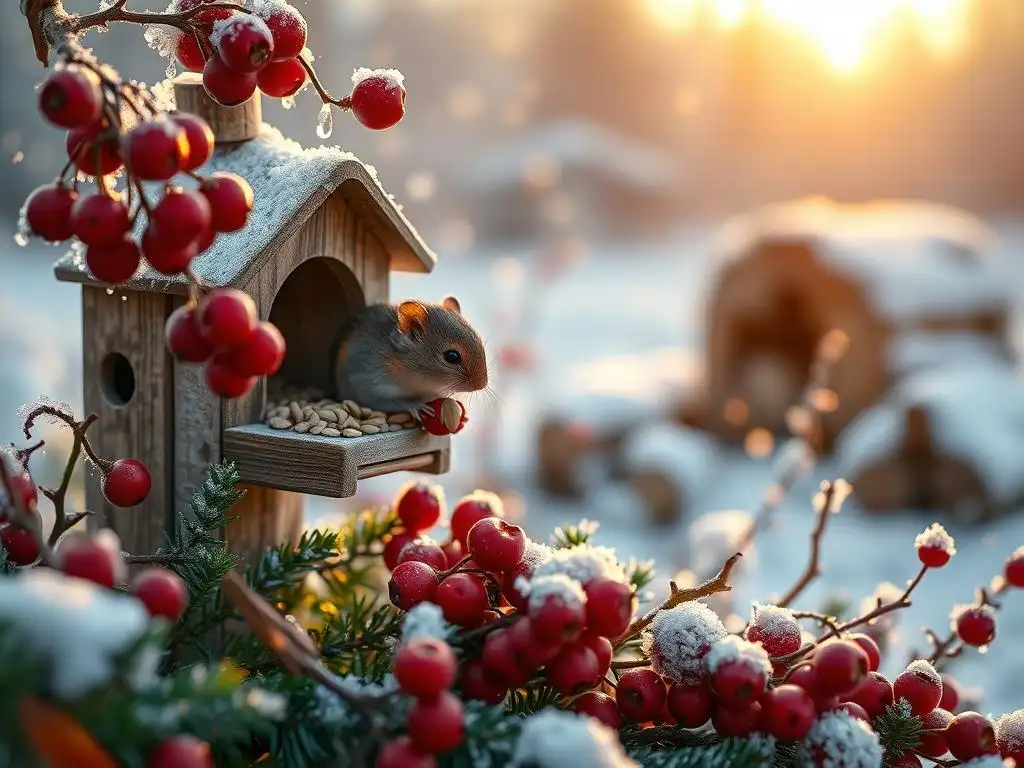
Ready to transform your garden into a thriving haven, even during the harshest winter months? CultivateYourFood is your guide to sustainable and organic home cultivation. Learn how to protect your precious plants and attract beneficial wildlife with our expert advice on Winter wildlife garden protection. Discover the secrets to ensuring a bountiful harvest year-round, no matter the season. Let's explore how you can create a resilient and thriving ecosystem in your own backyard.
- Understanding Winter Wildlife Needs in Your Backyard
- Providing Food Sources for Winter Wildlife
- Building and Maintaining Winter Shelters
- Protecting Wildlife from Harsh Winter Conditions
- Sustainable Practices for Winter Wildlife Care
- Monitoring and Adapting Your Winter Wildlife Care Plan
-
Frequently Asked Questions
- What are the biggest threats to wildlife during winter?
- How can I create a winter wildlife garden that provides food?
- What kind of shelter can I provide for wildlife in my garden?
- What are some sustainable practices for winter wildlife care?
- How can I protect my garden plants while providing for wildlife?
- Final Reflection: Nurturing Nature's Resilience Through Winter
- Unleash Your Inner Wildlife Guardian!
Understanding Winter Wildlife Needs in Your Backyard
Winter can be a challenging time for wildlife, especially in areas with harsh climates. Providing food and shelter for these creatures in your backyard is not only a rewarding act of kindness but also a crucial step in supporting biodiversity and maintaining a healthy ecosystem.
This guide will walk you through assessing your existing garden space, identifying the local animals that need your help, and providing them with the essential nutrients and safe havens to survive the cold months. By creating a winter-friendly habitat, you contribute to "Winter wildlife garden protection" and ensure the flourishing of your local wildlife population, all while aligning with the sustainable and organic practices promoted by CultivateYourFood.
This is particularly relevant to our focus on sustainable gardening practices, as a healthy ecosystem directly supports the health and productivity of your own garden. A thriving natural environment means fewer pests and healthier plants in the long run – a true win-win situation!
Assessing Your Backyard's Winter Habitat for Wildlife
Before you start providing supplemental food and shelter, it's essential to evaluate your backyard's current suitability for winter wildlife. Consider the following factors:
- Shelter: Are there existing structures, like dense shrubs, evergreens, rock piles, or hollow logs, that can provide protection from the elements? Insufficient natural shelter may require you to add elements like brush piles or birdhouses.
- Food Sources: What natural food sources are available during winter? Berries that persist through the cold, seed heads left on plants, and nuts from trees all contribute to a wildlife-friendly environment. A lack of natural food sources will require supplemental feeding.
- Water Sources: Is there a readily available source of fresh, unfrozen water? Birds and other animals need access to water even in freezing temperatures. Consider installing a heated bird bath or ensuring a portion of a larger water source remains accessible.
- Predator Protection: Are there areas where wildlife can feel safe from predators? Dense vegetation and strategically placed shelters can reduce the risk of predation.
A thorough assessment will reveal the gaps in your current setup, allowing you to focus your efforts on the most critical areas for improvement. Remember, even small changes can make a significant difference in providing a safe and nurturing winter habitat. For example, leaving leaf litter undisturbed provides valuable insulation and shelter for insects and other small creatures.
Identifying Local Wildlife Species Requiring Winter Support
The specific needs of winter wildlife vary greatly depending on your geographic location and the species present in your area. Researching your local fauna is crucial for providing effective support. Common species that often require supplemental winter care include:
- Birds: Many bird species overwinter in your area, relying on readily available food sources. Different species prefer different types of food, so understanding local species is key.
- Squirrels: These creatures need access to nuts, seeds, and other high-energy foods to survive the cold. Providing supplemental food sources can greatly improve their chances of survival.
- Rabbits: Rabbits seek shelter from the cold and wind. Providing dense shrubs or brush piles offers essential protection.
- Insects: Many insects overwinter in various stages of their life cycle, often relying on leaf litter and other organic materials for insulation and protection. Maintaining a healthy layer of leaf litter is crucial.
Consider consulting local wildlife rehabilitation centers or nature organizations for a comprehensive list of species in your region and their specific needs. This tailored approach ensures that your efforts are most effective in supporting your local wildlife population.
Essential Nutritional Needs of Winter Wildlife: Seeds, Berries, and Nuts
Providing supplemental food is crucial in areas with limited natural winter food sources. Focus on offering high-energy foods that are readily digestible and provide the necessary nutrients for survival:
| Food Type | Wildlife Benefiting | Specific Examples | Notes |
|---|---|---|---|
| Seeds | Birds, squirrels, chipmunks | Sunflower seeds, pumpkin seeds, millet | Offer a variety of seed types to attract a broader range of species. |
| Berries | Birds, mammals | Dried cranberries, rosehips (if available) | Choose berries that are naturally high in sugars and fats for energy. |
| Nuts | Squirrels, jays, other rodents | Peanuts (unsalted), acorns, walnuts | Avoid salted or processed nuts, which can be harmful. |
| Suet (rendered fat) | Woodpeckers, nuthatches, other birds | Commercial suet cakes or homemade mixtures | Provides a high-energy source, especially important during cold snaps. |
Remember to avoid bread and other processed foods, which lack nutritional value and can be harmful to wildlife. Always place food in a safe and accessible location, away from potential hazards like predators or roads. Providing a variety of foods caters to the diverse dietary needs of your local wildlife. 🍜
Providing Food Sources for Winter Wildlife
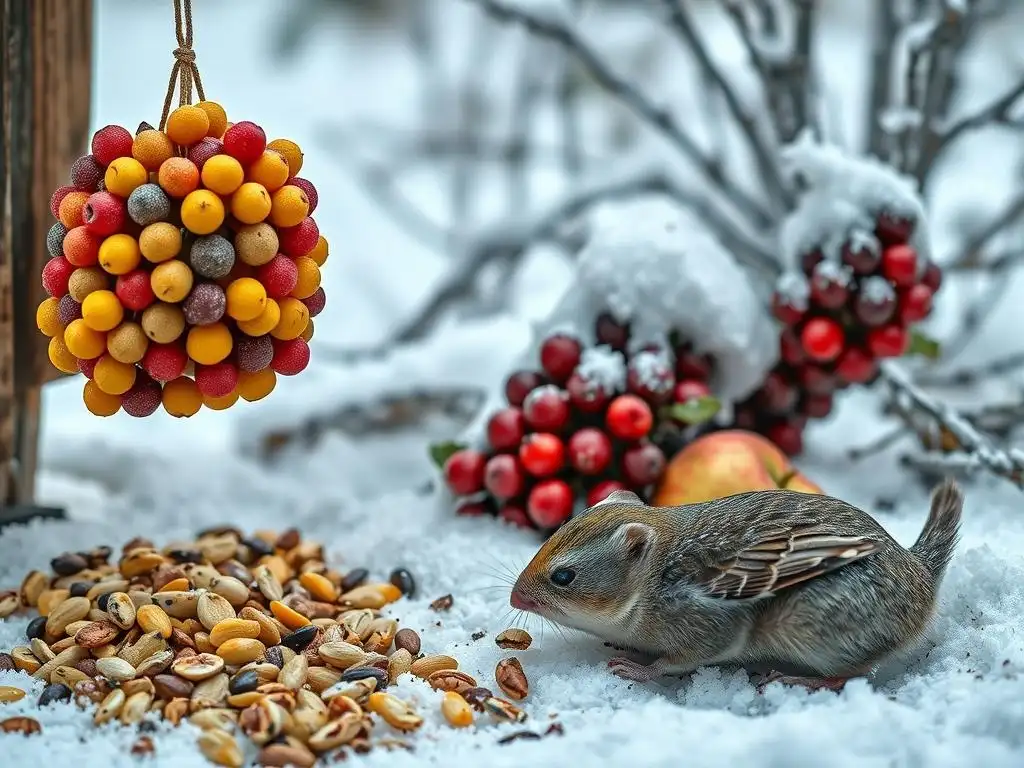
Winter can be a challenging time for wildlife, with food scarcity often being a significant factor in survival rates. Providing supplemental food sources in your garden can significantly impact local populations, contributing to "Winter wildlife garden protection." This section focuses on creating a safe and effective feeding strategy that benefits wildlife without causing unintended consequences. Remember, responsible feeding is crucial; improperly managed feeding stations can attract unwanted pests and disease.
Creating a Winter Feeding Station: Location and Design Considerations
The location and design of your winter feeding station are critical for maximizing its effectiveness and minimizing risks. Ideally, the station should be situated:
- Away from buildings and high-traffic areas: This reduces the risk of collisions with animals and provides wildlife with a sense of security.
- Near natural cover: Shrubs, trees, or tall grasses offer protection from predators and inclement weather. This is crucial for "Winter wildlife garden protection" as it creates a safe haven.
- On stable, elevated ground: This prevents food from becoming contaminated with moisture and provides easier access for smaller animals.
- Away from water sources: This helps prevent the spread of disease.
The design of the feeder itself should also consider the needs of your local wildlife. For example:
| Feature | Considerations | Example |
|---|---|---|
| Type of Feeder | Platform feeders are versatile, while specialized feeders cater to specific species. | Platform feeder for ground-feeding birds, tube feeder for hummingbirds |
| Material | Durable, weather-resistant materials are essential. | Metal or treated wood |
| Size and Shape | Should accommodate the size and feeding habits of target wildlife. | Larger platform for squirrels, smaller for birds |
| Accessibility | Easy access for target wildlife, difficult access for unwanted visitors. | Use baffles to prevent larger animals from reaching food meant for smaller ones |
Remember to clean your feeding station regularly to prevent the buildup of mold, bacteria, and parasites. This is a vital aspect of "Winter wildlife garden protection." Regular cleaning minimizes the risk of disease transmission amongst animals.
Choosing Appropriate Winter Foods for Local Wildlife
Selecting the right food is crucial for effective winter wildlife care. Different species have varying dietary needs, and improper feeding can be detrimental. Research your local wildlife to determine their preferred food sources. Generally, suitable options include:
- Birds: Sunflower seeds, cracked corn, suet, and nyjer seeds.
- Squirrels: Nuts (acorns, walnuts, pecans), seeds, and fruits.
- Rabbits: Hay, leafy greens, and vegetables (in moderation).
- Deer: Browse (twigs, buds, and leaves of woody plants). Note: Providing food for deer should be done cautiously and only in areas where it’s permitted and necessary, as it can disrupt natural foraging patterns.
Avoid providing processed foods, bread, or anything containing salt or sugar. These can be harmful to wildlife. Always opt for natural, unprocessed food sources. Remember, providing a variety of food items caters to a wider range of wildlife species, further enhancing your "Winter wildlife garden protection" efforts.
Safe Food Sources to Avoid Attracting Undesirable Pests
While providing food for beneficial wildlife is a rewarding endeavor, it's essential to avoid attracting unwanted guests. Certain foods can inadvertently lure pests like rodents and raccoons, which can damage your garden and spread disease. Therefore, consider the following:
- Avoid leaving out large quantities of food at once: This minimizes the attraction of larger, potentially destructive animals.
- Choose foods that are less appealing to pests: For instance, while squirrels will enjoy nuts, they are less likely to be a significant attraction to rats than discarded bread crumbs would be.
- Secure feeders to prevent access by unwanted animals: Using baffles, hanging feeders out of reach, or building enclosed feeders helps maintain control.
- Clean up spilled food immediately: This prevents attracting unwanted animals and maintains a clean and healthy environment.
By implementing these strategies, you can successfully provide winter sustenance for local wildlife while mitigating the risk of attracting unwanted pests. This holistic approach is fundamental to achieving effective and safe "Winter wildlife garden protection."
Maintaining Cleanliness and Preventing Food Spoilage at Feeding Stations
Maintaining hygiene at wildlife feeding stations is crucial for preventing the spread of disease and attracting unwanted pests. Cleanliness is paramount to winter wildlife garden protection, ensuring the animals you're trying to help remain healthy. A dirty feeder can quickly become a breeding ground for bacteria and parasites, potentially harming the very creatures you're attempting to support. Regular cleaning schedules, tailored to the frequency of use and the type of food offered, are essential.
For example, bird feeders should be cleaned at least once a week, or more frequently during periods of high humidity or rainfall. This involves thoroughly scrubbing the feeder with a solution of warm water and mild dish soap, rinsing it completely, and allowing it to dry thoroughly before refilling. Never use harsh chemicals or detergents, as these can be harmful to wildlife. Similarly, any spilled food should be promptly removed to discourage the growth of mold and mildew. This is especially important with softer foods like fruits and vegetables, which spoil more quickly than seeds or nuts.
Regular inspection is vital. Look for signs of mold, mildew, or insect infestation. Any signs of spoilage necessitate immediate cleaning and, if necessary, replacement of the feeder. Remember, a contaminated feeding station can attract unwanted visitors like rats or raccoons, creating a competition for resources and potentially harming the intended beneficiaries.
By prioritizing cleanliness, you contribute significantly to the health and well-being of winter wildlife and the overall success of your winter wildlife garden protection strategy. A clean feeding station is a safe feeding station, and a safe feeding station is a key component of a successful wildlife conservation effort. This proactive approach ensures that your efforts support thriving wildlife populations, not contribute to their decline.
Building and Maintaining Winter Shelters
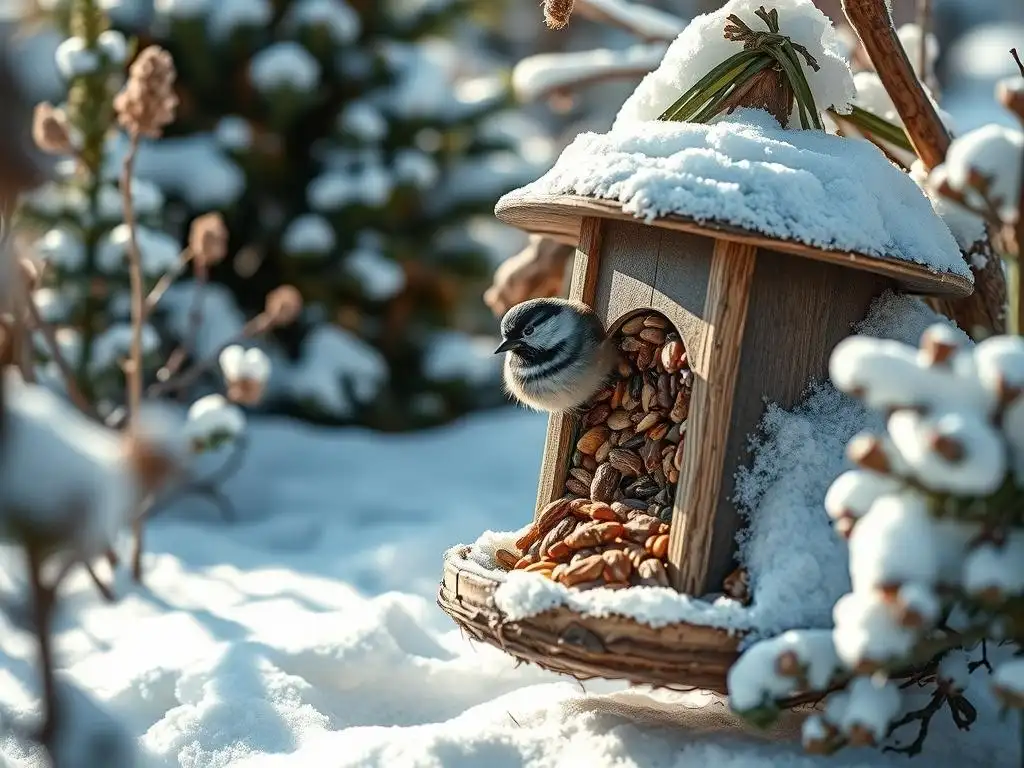
Winter wildlife garden protection often hinges on providing adequate shelter. Harsh winter conditions can severely impact wildlife populations, leading to increased mortality if animals lack proper protection from the elements and predators. Creating and maintaining winter shelters is a crucial aspect of responsible gardening, particularly for those committed to sustainable and organic practices. The right shelter can make a significant difference in the survival rates of beneficial creatures in your garden.
Constructing Simple, Affordable Wildlife Shelters: Types and Designs
Creating winter shelters doesn't require expensive materials or complex designs. Simple, affordable options can be highly effective. Consider these types and designs:
- Brush piles: These are perhaps the easiest and most cost-effective option. Simply gather fallen branches, twigs, and leaves and pile them loosely in a sheltered corner of your garden. The gaps between the branches provide spaces for small mammals like hedgehogs and voles to nest, while the pile offers insulation from the cold. Aim for a pile at least 3 feet wide and 2 feet high for optimal protection.
- Rock piles: Similar to brush piles, rock piles offer excellent insulation and protection from the wind. Use a variety of rock sizes to create crevices and hiding places. This is particularly beneficial for reptiles and amphibians seeking winter hibernation sites. Ensure there are enough smaller rocks to fill gaps and provide a more secure environment.
- Birdhouses and feeders: These are essential for providing shelter and sustenance to birds during winter. Choose birdhouses with adequate insulation and ventilation. Consider adding a small amount of soft material, such as straw or dried leaves, to the bottom to provide additional warmth. Keep bird feeders consistently stocked with high-energy foods like seeds and suet.
- Log piles: Larger logs create more substantial and durable shelters. The spaces between the logs offer excellent protection from predators and the elements. Consider positioning logs in a way that creates a natural barrier, offering wind protection and concealing the shelter from view.
Using Natural Materials for Wildlife Shelter Construction
Prioritizing natural materials is key to maintaining a sustainable and organic winter wildlife garden. Avoid using treated wood or chemicals that could harm wildlife. The following materials are ideal:
- Untreated wood: This includes fallen branches, logs, and even scrap wood from construction projects, as long as it's untreated. Avoid using pressure-treated lumber, as it contains chemicals that can be harmful to animals.
- Leaves and pine needles: These provide excellent insulation and create a soft, comfortable nesting material. Gathering fallen leaves from your own yard is a sustainable and readily available option.
- Twigs and branches: These create structure and support within the shelter, providing spaces for animals to move around and nest. They also help to trap air, adding to the overall insulation of the shelter.
- Stone and rock: These provide durable, long-lasting shelters that can withstand the elements. They also offer additional protection from predators and provide a stable base for other materials.
Providing Protection from Predators: Safe Shelter Placement
The placement of winter shelters is critical for ensuring the safety of the animals they protect. Consider these factors for optimal predator protection:
- Location: Place shelters in secluded areas of the garden, away from open spaces where predators can easily spot their prey. Utilize existing natural cover, such as dense shrubs or tall grasses, to further conceal the shelter.
- Access: Ensure that the shelter has multiple entry and exit points to allow animals to escape quickly if a predator approaches. Avoid creating dead ends that could trap animals.
- Height: For ground-dwelling animals, place shelters close to the ground to minimize exposure. For birds, elevate birdhouses to a safe height away from ground-based predators like cats.
- Maintenance: Regularly check the shelters for damage or signs of predator activity. Repair any damage promptly and remove any debris or potential hazards. A well-maintained shelter is crucial for successful winter wildlife garden protection. Regular monitoring will ensure the continued safety and well-being of the animals utilizing your shelters. Remember, providing safe and effective shelter is a vital component of creating a truly wildlife-friendly garden.
Maintaining Shelter Integrity Throughout the Winter Months
Maintaining the structural integrity of winter shelters for wildlife is crucial for their survival throughout the harsh winter months. Exposure to the elements can quickly render a shelter useless, leading to hypothermia and potential death for the animals relying on it. Regular inspections are therefore paramount. Ideally, these checks should occur at least weekly, but more frequently during periods of heavy snowfall or extreme cold.
One of the most significant threats to shelter integrity is the accumulation of snow and ice. Heavy snow can collapse flimsy structures, while ice can damage materials and create hazardous conditions for entering animals. Regularly clearing snow from roofs and entrances is essential. Consider using a broom or a soft-bristled brush to prevent damage to the shelter itself. For ice removal, warm water (never boiling) can be carefully applied, but avoid using sharp tools that could puncture or weaken the shelter's materials.
Furthermore, strong winds can also compromise shelter stability. Ensure that the shelter is securely anchored to the ground, using stakes or weights as needed. Consider reinforcing any weak points, such as seams or joints, with additional materials like strong twine or waterproof tape. If you notice any significant damage, such as broken branches or loose panels, address these promptly to prevent further deterioration and ensure the shelter remains safe and effective.
Regular maintenance not only protects the animals but also extends the lifespan of the shelter, minimizing the need for frequent replacements and reducing waste. Remember that even small repairs can make a big difference in providing a safe haven for winter wildlife. A well-maintained shelter is a testament to your commitment to winter wildlife garden protection.
The materials used in constructing the shelter also play a crucial role in its longevity. Natural materials like wood and thatch are susceptible to rotting and decay if exposed to prolonged moisture. While these materials offer excellent insulation, selecting weather-resistant varieties and applying protective treatments, such as water-repellent sealants, can significantly enhance their lifespan and provide better winter wildlife garden protection.
Regularly checking for signs of rot or decay is essential, and damaged sections should be replaced as soon as possible. Synthetic materials, on the other hand, are often more durable but may not provide the same level of insulation as natural materials. Careful consideration of material choice and proactive maintenance are key elements for successful winter wildlife garden protection.
Protecting Wildlife from Harsh Winter Conditions
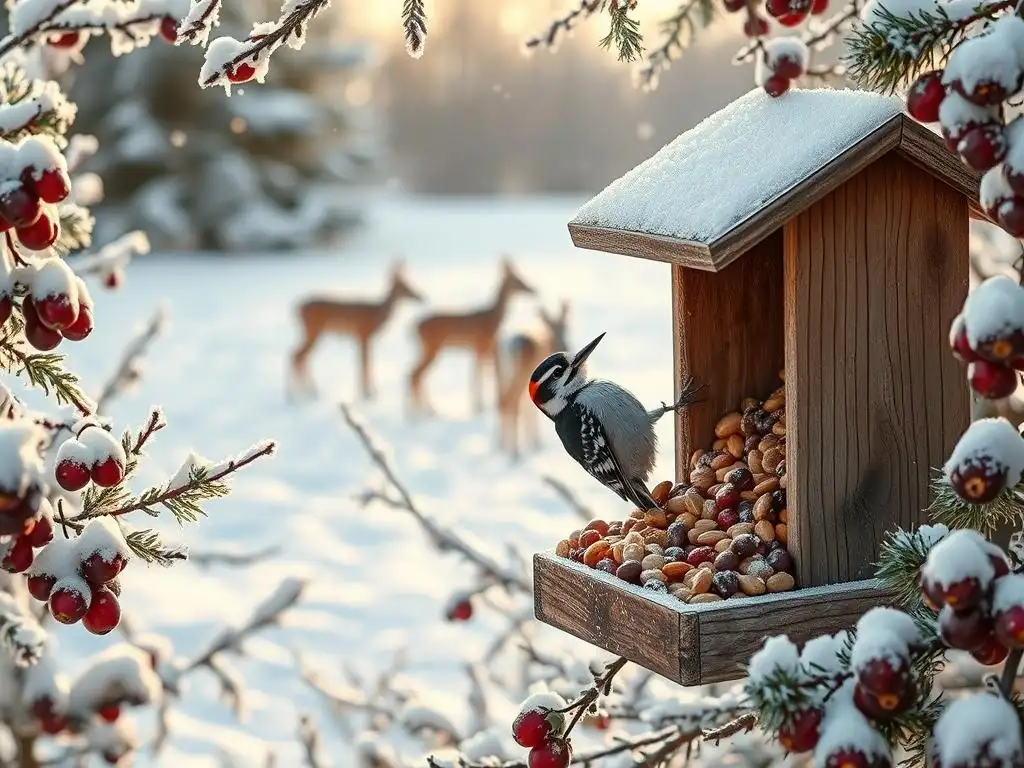
Winter can be a challenging time for wildlife, particularly small mammals, birds, and insects that rely on your garden for food and shelter. Implementing effective "winter wildlife garden protection" strategies is crucial for their survival. This section focuses on practical steps you can take to ensure your garden continues to be a haven, even during the coldest months. The impact of human intervention can be significant, potentially increasing the survival rate of local populations. We'll explore ways to provide essential resources and safeguard vulnerable creatures from the elements.
Providing Water Sources During Freezing Temperatures
Access to fresh water is critical for wildlife survival, even more so in winter. Frozen water sources render them inaccessible, leading to dehydration and potential death. Here's how to ensure a consistent water supply throughout the freezing months:
- Heated Bird Baths: These are specifically designed to prevent water from freezing, providing a reliable source of hydration for birds. Regular cleaning is essential to prevent the spread of disease. Consider adding a shallow dish of pebbles or marbles to provide perching space for smaller birds.
- Shallow Dishes: Place several shallow dishes in sheltered areas of your garden. The shallower the water, the less likely it is to freeze completely. Change the water frequently to prevent ice formation and contamination.
- Running Water: If possible, a small, gently flowing stream or fountain, even a dribbling tap, can resist freezing more effectively than stagnant water. However, ensure safety and prevent any potential hazards.
- Monitoring and Maintenance: Regularly check water sources, especially during periods of extreme cold. You might need to manually break up ice or replace frozen water with fresh water. Remember, consistent access is key. This proactive approach contributes significantly to "winter wildlife garden protection."
Strategies for Protecting Wildlife from Extreme Cold and Snow
Beyond water, shelter and protection from the elements are crucial for winter survival. Consider these strategies for implementing effective "winter wildlife garden protection":
- Leave Leaf Litter and Brush Piles: Resist the urge to completely clear your garden of fallen leaves and brush. These provide vital insulation and shelter for many small creatures, such as hedgehogs, insects, and amphibians. A diverse range of microhabitats is crucial for biodiversity.
- Construct Artificial Shelters: You can build or purchase simple shelters, such as nesting boxes for birds or hedgehog houses, providing safe havens from harsh weather. Placement is key; choose sheltered locations away from strong winds and direct sunlight.
- Provide Natural Cover: Evergreen shrubs and trees offer excellent windbreaks and shelter from snow. Planting them strategically around your garden can significantly improve the winter habitat. Consider species native to your region for optimal impact.
- Reduce Disturbances: Minimize activities in areas where wildlife shelters are located, especially during periods of heavy snow or freezing temperatures. Unnecessary disturbance can stress animals, reducing their chances of survival. This silent support is a key element of effective "winter wildlife garden protection."
Recognizing Signs of Wildlife Distress and Taking Appropriate Action
Observing signs of wildlife distress is crucial for effective "winter wildlife garden protection." Knowing what to look for and how to respond appropriately can make a real difference in an animal's survival:
- Lethargy and Weakness: Animals struggling with cold or hunger will appear lethargic and weak. They may be unable to move quickly or maintain their normal activity levels.
- Dehydration: Dehydrated animals will exhibit signs such as sunken eyes, dry mouth, and lethargy. Providing fresh water is essential.
- Injuries: Look out for animals with visible injuries, such as broken limbs or wounds. In such cases, contact your local wildlife rescue organization for assistance.
- Unusual Behavior: Any significant deviation from normal behavior can indicate distress. For example, birds that are unusually tame or slow to fly away may be weak or ill.
| Sign of Distress | Description | Action to Take |
|---|---|---|
| Lethargy/Weakness | Slow movement, lack of energy | Provide food and shelter, contact wildlife rescue if needed |
| Dehydration | Sunken eyes, dry mouth | Provide fresh water |
| Visible Injuries | Broken limbs, wounds | Contact wildlife rescue immediately |
| Unusual Behavior | Uncharacteristic tameness, unusual vocalizations | Observe from a distance, contact wildlife rescue if concerned |
Remember, observing wildlife should be done from a safe distance, minimizing disturbance. Your actions, however small, contribute significantly to "winter wildlife garden protection."
Sustainable Practices for Winter Wildlife Care
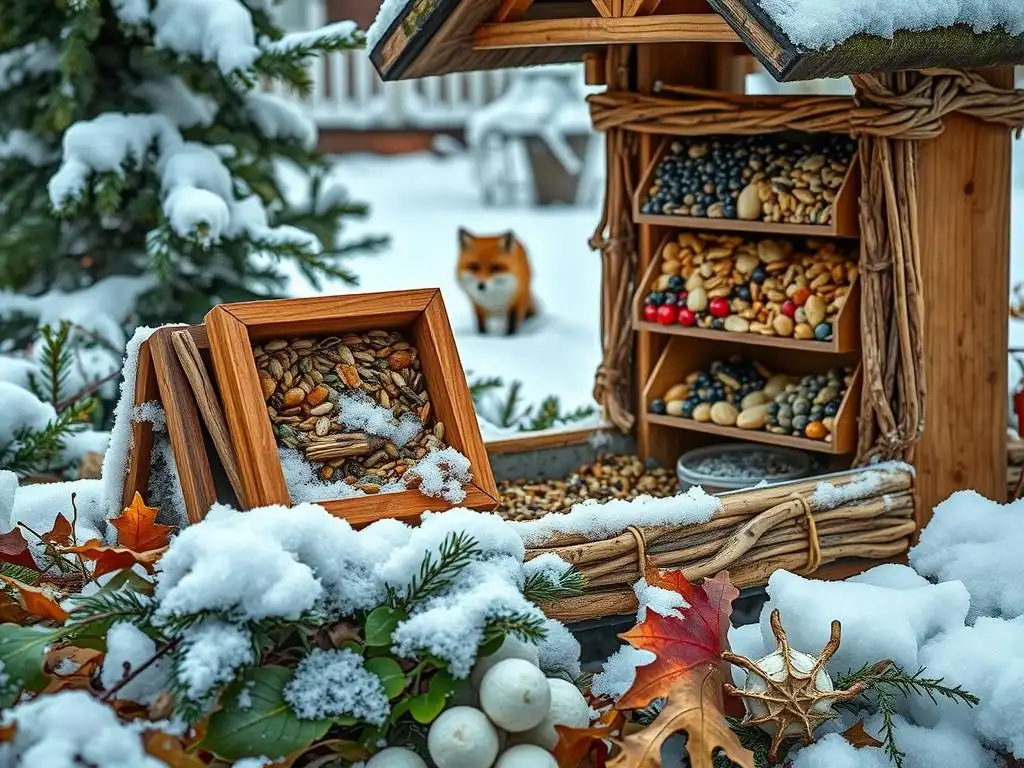
This section focuses on integrating sustainable and organic practices into your winter wildlife care strategy. Protecting wildlife during the harsh winter months requires careful consideration, ensuring our actions support, rather than hinder, their natural survival mechanisms. Effective "Winter wildlife garden protection" hinges on understanding and respecting their needs.
Minimizing Human Interference with Natural Winter Behaviors
Winter is a crucial time for wildlife; their natural behaviors are finely tuned to survive the cold and scarcity of food. Unnecessary human intervention can disrupt these delicate balances, potentially causing more harm than good. For example, providing food sources that are unnatural or inappropriate can lead to dependency and reduce their ability to forage independently. This can be detrimental to their long-term survival and the overall health of the ecosystem. Instead of directly interfering, focus on creating a habitat that supports their natural foraging and shelter-seeking behaviors.
Consider these points to minimize disruption:
- Avoid disturbing hibernation sites: Many animals hibernate during winter. Avoid disturbing areas where they might be denning, such as under brush piles or in hollow logs. Unexpected disturbances can force them out into the elements, significantly impacting their energy reserves.
- Observe from a distance: Resist the urge to get too close to wildlife, especially during winter when they are already stressed. Maintain a safe distance for both your safety and theirs. Using binoculars can allow for close observation without causing disturbance.
- Let nature take its course: Sometimes, animals will unfortunately perish during winter. While this is difficult to witness, intervention isn't always the best approach. Interfering can be counterproductive and might disrupt the natural selection process that strengthens the population over time.
Avoiding the Use of Harmful Chemicals During Winter Months
The use of pesticides and herbicides should be strictly avoided during winter, as these chemicals can have devastating effects on wildlife already struggling with food scarcity and cold temperatures. Many animals are more vulnerable during winter due to weakened immune systems and reduced food availability. Exposure to toxins can be fatal. Instead, embrace organic and sustainable pest and weed control methods. This is crucial for effective "Winter wildlife garden protection."
Here are some sustainable alternatives:
- Natural predators: Encourage the presence of natural predators, like birds of prey, which can help control rodent populations without the use of harmful poisons. Providing nesting boxes and feeders can attract these beneficial creatures.
- Beneficial insects: Support beneficial insects that prey on garden pests. These insects can help to keep pest populations under control naturally. Providing overwintering habitat for beneficial insects such as ladybugs is crucial.
- Organic mulching: Use organic mulch to suppress weeds and improve soil health. This reduces the need for herbicides and creates a more hospitable environment for wildlife. Organic mulch also provides insulation for the soil, protecting beneficial organisms over winter.
- Hand weeding: Regular hand weeding helps control weeds without the use of chemicals. While time-consuming, this method ensures no harmful chemicals are introduced to the environment.
Remember, a healthy and balanced ecosystem is the best defense against pest infestations.
Long-Term Planning for Year-Round Wildlife Support in Your Backyard
Protecting wildlife during winter is not a one-time effort but rather a continuous commitment to creating a supportive habitat throughout the year. Your "Winter wildlife garden protection" strategy should be part of a broader plan that encompasses all seasons. Planning ahead ensures that wildlife have consistent access to food, water, and shelter, regardless of the time of year.
Consider these long-term strategies:
| Season | Action | Benefits |
|---|---|---|
| Spring | Plant native flowers and shrubs that provide food and shelter. | Supports pollinators and provides food sources for various animals. |
| Summer | Allow some areas of your garden to grow wild. | Provides nesting and foraging habitats. |
| Autumn | Leave some fallen leaves and branches for shelter. | Provides insulation and protection from harsh weather conditions. |
| Winter | Provide supplemental food (seeds, nuts) sparingly. | Provides extra sustenance during periods of scarcity. Avoid dependency! |
By integrating these sustainable practices, you can effectively contribute to "Winter wildlife garden protection" while promoting biodiversity and a healthy ecosystem in your backyard. Remember, even small actions can make a significant difference in the lives of these creatures during the challenging winter months. 🌱
Monitoring and Adapting Your Winter Wildlife Care Plan
Winter wildlife garden protection isn't a set-it-and-forget-it endeavor. Successful strategies require consistent monitoring and adaptation to ensure your efforts effectively support local fauna throughout the harshest months. Regular observation allows you to fine-tune your approach, maximizing its impact and ensuring the well-being of your winter visitors. This involves tracking wildlife activity, assessing food consumption, and making necessary adjustments to your plan based on observed needs. Remember, a flexible approach is key to effective winter wildlife care.
Tracking Wildlife Activity and Food Consumption
Effective winter wildlife garden protection hinges on understanding which species are utilizing your resources and how effectively those resources are being used. Regular monitoring is crucial. Consider implementing the following strategies:
- Wildlife cameras: Motion-activated cameras provide invaluable data, capturing images and videos of visiting animals at different times of day. This helps identify species, track their frequency of visits, and assess overall activity levels. Analyzing this data can reveal patterns and preferences, informing future provisioning strategies.
- Food source monitoring: Regularly check food sources, noting consumption rates. Empty feeders or depleted food stations indicate high demand and may necessitate increased provisioning. Conversely, untouched food suggests adjustments might be needed in terms of food type or placement. Keep a detailed log of your observations, including dates, species observed, and estimated food consumption. For example, you might note: "December 15th: Observed two deer at the salt lick; significant reduction in salt levels."
- Tracks and signs: Even without cameras, you can gather valuable information by observing tracks in the snow or mud, droppings, and other signs of wildlife activity. Learning to identify these signs can provide insights into the species present and their movements within your garden. This contributes to a more holistic understanding of the effectiveness of your winter wildlife backyard protection plan.
- Visual observations: Dedicate specific times each day for direct observation. Note the species present, their behavior, and any interactions. This direct observation, combined with other data collection methods, provides a comprehensive picture of wildlife activity in your garden.
Adjusting Your Strategy Based on Observed Wildlife Needs
Your initial winter wildlife care plan might not perfectly meet the evolving needs of your garden's inhabitants. Data gathered through monitoring allows for informed adjustments. For instance:
- Insufficient food: If you observe rapid depletion of food sources, increase the amount or variety of food provided. Consider supplementing with additional feeders, strategically placing supplementary food sources in different areas, or switching to higher-energy foods like suet or nuts.
- Species imbalance: If one species is dominating food sources, consider adjusting the placement or type of food offered to encourage a more balanced distribution of resources among different species. Providing food at different heights or in different locations can aid in this.
- Shelter inadequacy: If you notice animals struggling to find adequate shelter, consider adding more natural shelters such as brush piles, rock piles, or birdhouses. Remember that different species require different types of shelter, so tailor your additions accordingly.
- Predator presence: The presence of predators might discourage smaller animals from accessing food. Strategies to mitigate this include strategic placement of feeders to minimize exposure and providing more concealed shelter options. This requires careful consideration of your garden's layout and the behaviors of both prey and predator species.
The key is to be flexible and proactive. Continuously evaluate the effectiveness of your approach and adapt accordingly. Your winter wildlife garden protection plan should be a dynamic document, updated based on your observations.
Evaluating the Success of Your Winter Wildlife Backyard Protection Plan
After a winter of providing food and shelter, it's crucial to evaluate the success of your winter wildlife backyard protection plan. This involves assessing the overall impact of your efforts on the local wildlife population. Consider the following:
- Species diversity: Did you observe a greater diversity of species in your garden this winter compared to previous years? Did new species appear?
- Population numbers: While precise population counts might be difficult, did you observe a noticeable increase in the number of individuals of certain species compared to previous winters?
- Overall health: Did the animals you observed appear healthy and robust? Were they able to successfully navigate the harsh winter conditions?
- Food consumption: Did the rate of food consumption align with your expectations based on the number and species of animals you observed?
- Shelter utilization: Were the shelter options you provided adequately used by animals?
Document your findings. This data is invaluable for refining your strategies for the following year. By systematically tracking your progress and adapting your approach, you can continuously improve your winter wildlife garden protection efforts, contributing to the health and well-being of your local ecosystem. Remember, successful winter wildlife garden protection is an ongoing process of learning, adapting, and refining your strategies.
Frequently Asked Questions
What are the biggest threats to wildlife during winter?
The biggest threats are lack of food and exposure to harsh weather conditions. Finding shelter from freezing temperatures and strong winds is crucial for survival. Providing supplementary food can significantly increase their chances of survival.
How can I create a winter wildlife garden that provides food?
Plant winter berries, seed-bearing plants, and leave some standing seed heads from summer flowers. Consider planting species like sunflowers, coneflowers, and grasses that provide seeds and shelter. Supplement with bird feeders filled with appropriate seeds and nuts.
What kind of shelter can I provide for wildlife in my garden?
Offer natural shelters like dense shrubs, brush piles, and rock piles. You can also build or purchase birdhouses, bat houses, or hedgehog houses, depending on the wildlife in your area. Ensure these are appropriately sized and placed for the target species.
What are some sustainable practices for winter wildlife care?
Focus on native plants to support local wildlife and avoid introducing invasive species. Use organic pest control methods to protect both the plants and the animals that rely on them. Minimize the use of chemicals, and opt for natural solutions whenever possible.
How can I protect my garden plants while providing for wildlife?
Balance the needs of both. Use protective netting over vulnerable plants to deter birds while still providing other food sources. Consider planting wildlife-friendly plants away from your most precious specimens. Encourage natural predators such as ladybugs to control pests.
Final Reflection: Nurturing Nature's Resilience Through Winter
The plight of winter wildlife is not merely a seasonal concern; it's a critical aspect of maintaining biodiversity and ecological balance. Ignoring the challenges faced by animals during the coldest months can have devastating long-term consequences for entire ecosystems, impacting the delicate web of life that sustains us all. The simple act of providing food and shelter, as explored in this article, becomes a powerful tool in conservation efforts.
Creating a winter wildlife garden, even on a small scale, profoundly impacts the survival rates of local fauna. It's a deeply rewarding experience to witness the resilience of nature firsthand, to see creatures thrive despite the harsh conditions. The best way to find yourself is to lose yourself in the service of others.
– Mahatma Gandhi. This quote resonates deeply, as our efforts to protect wildlife become a journey of self-discovery and connection with the natural world. We find ourselves enriched by the responsibility we take on.
Now, consider your own backyard, your local park, or even a small balcony. What small steps can you take to create a haven for wildlife struggling through the winter? Perhaps it's planting native berry bushes, leaving out a bird feeder, or simply ensuring a source of fresh water remains accessible. Remember, every action, no matter how small, contributes to a larger movement of compassion and conservation. Let's work together to ensure that winter, a season often associated with hardship, becomes a time of resilience and survival for all creatures great and small.
Unleash Your Inner Wildlife Guardian!
Thank you for learning how to support winter wildlife! You've gained valuable knowledge to help animals survive the colder months. Now, let's put that knowledge into action!
- Create a wildlife-friendly haven: Building a simple shelter or supplementing natural food sources in your backyard, even a small act, can make a big difference for local animals.
- Share this information with your friends and neighbors. Together, we can build a community dedicated to protecting wildlife.
- Learn more about the specific needs of animals in your region to discover which creatures need help and how you can best assist them.
What will you do today to protect winter wildlife in your community?