
Winterizing Your Rain Barrel: Essential Steps for Cold Climates

Ready to unlock the secrets of a thriving garden, even in the harshest winter? At CultivateYourFood, we're passionate about helping you grow your own food organically and sustainably. This winter, protect your precious water resource and learn how to successfully winterize your rain barrel in cold climates. Discover the essential steps to ensure your barrel survives the freeze and is ready for spring's bounty. Let's get started!
- Preparing Your Rain Barrel for Freezing Temperatures
- Protecting Your Rain Barrel from Freezing Damage
- Winterizing Your Rain Barrel in Different Climates
- Maintaining Your Rain Barrel Through the Winter Months
- Storing Your Rain Barrel for the Winter (If Necessary)
-
Frequently Asked Questions
- How do I winterize my rain barrel in a cold climate to prevent damage?
- What happens if I leave water in my rain barrel during winter?
- Can I use antifreeze in my rain barrel to prevent freezing?
- At what temperature should I start winterizing my rain barrel?
- What if I don't have space to store my rain barrel indoors?
- Final Reflection: Preserving the Gift of Rain Through Winter's Embrace
- Ready to Conquer Winter? Protect Your Rain Barrel Now!
Preparing Your Rain Barrel for Freezing Temperatures
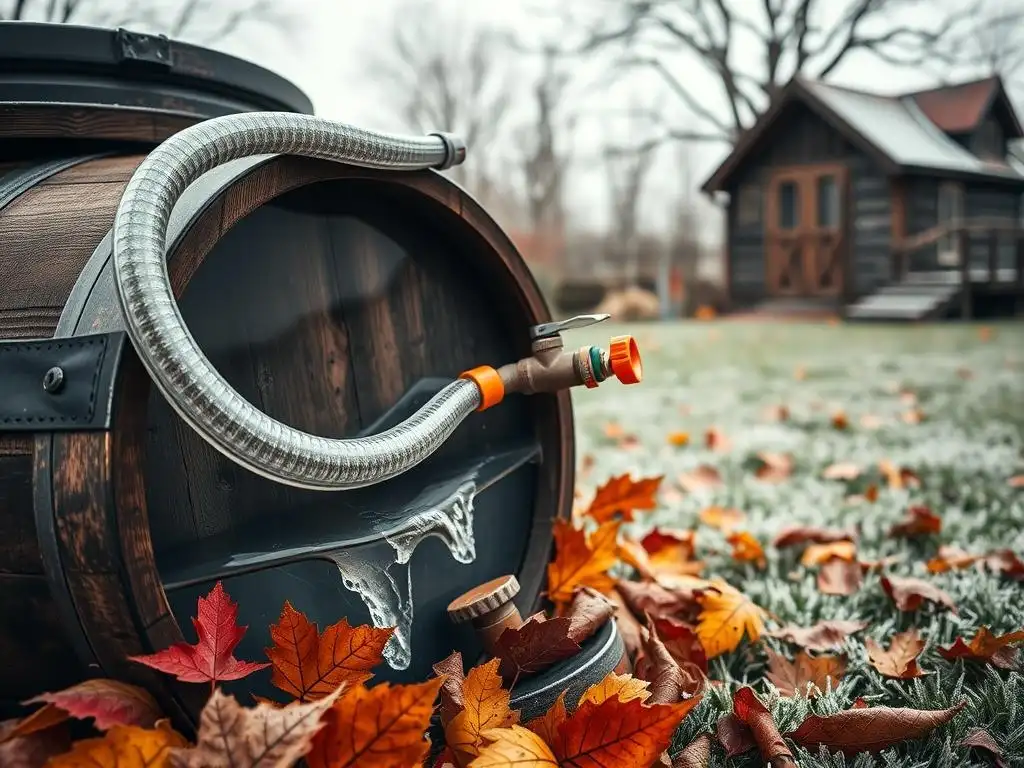
Winterizing your rain barrel is crucial in cold climates to prevent damage from freezing temperatures and ensure its longevity for the next growing season. Neglecting this important step can lead to cracked barrels, broken connectors, and a compromised water supply for your spring gardening efforts. This comprehensive guide outlines the essential steps to successfully winterize your rain barrel, helping you maintain a sustainable and efficient rainwater harvesting system even during the harshest winter months.
We'll cover everything from assessing your barrel's current state to disconnecting the entire system, ensuring your rain barrel remains in optimal condition until spring's thaw. This process is vital for anyone in a region experiencing freezing temperatures, effectively protecting your investment and preparing for a successful next gardening season. Following these steps will significantly improve the lifespan of your rain barrel and ensure its continued contribution to your sustainable gardening practices.
Assessing Rain Barrel Condition Before Winter
Before you begin the winterization process, a thorough inspection of your rain barrel is essential. This preventative step can help identify potential problems before they worsen during the winter months. Look for any cracks, significant scratches, or signs of significant wear and tear. Pay close attention to the seams and the base of the barrel, as these areas are particularly vulnerable to damage.
Also, check the condition of all connectors, spigots, and any other fittings attached to your rain barrel. Examine the mesh screen or filter at the inlet to ensure it's free of debris and in good working order. A damaged or clogged filter can cause problems during the winter, potentially leading to water backup and barrel damage.
📝 Remember to note any issues you discover; this will help you prioritize repairs or replacements before the onset of freezing temperatures. A simple visual inspection can save you significant time and money in the long run. Don't forget to check the overall stability of your barrel's placement; a secure location is key to preventing damage during winter storms and potential freezing expansion.
Cleaning Your Rain Barrel
A clean rain barrel is a healthy rain barrel, especially before winter storage. Cleaning removes debris, algae, and mosquito larvae that could cause problems during the off-season. Begin by emptying your rain barrel completely. Then, use a stiff brush and a solution of mild soap and water to scrub the inside of the barrel thoroughly.
Pay particular attention to the bottom and corners, where sediment tends to accumulate. For stubborn stains or algae buildup, a solution of white vinegar and water can be effective. Rinse the barrel thoroughly with clean water after scrubbing to remove all traces of soap or vinegar.
💧 Thoroughly cleaning your rain barrel not only prevents the build-up of harmful bacteria or contaminants but also helps to maintain the integrity of the plastic or other materials, extending its lifespan. After cleaning, allow the barrel to dry completely before proceeding to the next steps. This thorough cleaning is a critical step in preventing damage and ensuring your rain barrel is ready for reuse in the spring.
Disconnecting Your Rain Barrel System
Once your rain barrel is clean and dry, it's time to disconnect the entire system. This prevents water from freezing inside the pipes and causing damage to the barrel and its components. Begin by disconnecting the downspout from the rain barrel. Carefully remove any connectors or fittings, ensuring you store them in a safe, dry place for the winter. If you have a spigot, remember to close it tightly.
If your system includes overflow pipes or other attachments, disconnect these as well. Consider using protective covers or storing components indoors to prevent damage from the elements. ❄️ This disconnection is crucial in preventing damage from freezing, ensuring your rain barrel and system are ready for use next spring. Remember to label all components clearly to facilitate reassembly when the time comes. By taking these steps, you are safeguarding your investment and ensuring the longevity of your rainwater harvesting system.
Protecting Your Rain Barrel from Freezing Damage

Winterizing your rain barrel is crucial in cold climates to prevent damage from freezing temperatures. Water expands when it freezes, exerting immense pressure that can crack or even shatter your rain barrel. This section details essential steps to protect your valuable rainwater harvesting system throughout the winter months, ensuring its longevity and readiness for the next growing season. Proper winterization safeguards your investment and contributes to sustainable gardening practices.
Ignoring this vital step can lead to costly repairs or replacements, undermining your commitment to eco-friendly water management. Let's explore the most effective methods for safeguarding your rain barrel against the harsh realities of winter's freeze-thaw cycles. The key is to minimize water expansion and insulate against the cold.
Preventing Ice Formation in Rain Barrels
The most effective way to prevent damage from freezing is to minimize the amount of water in your rain barrel during winter. Completely emptying the barrel is ideal, but often impractical. Instead, aim to reduce the water level significantly, ideally to below the frost line in your region. The frost line varies depending on your geographic location and the severity of your winters. You can find information on your local frost line depth online by searching for "[your location] frost line depth." This information is crucial for effective winterization.
Remember, even a small amount of water can expand significantly upon freezing. Therefore, reducing the water volume drastically lessens the risk of damage. Consider using the stored water for indoor plants or other household needs before winterizing. After lowering the water level, thoroughly clean the barrel to remove any debris or sediment that could contribute to ice formation or damage. A clean barrel also helps prevent the growth of algae and other organisms during the off-season.
Remember to check your local weather forecast regularly. Unexpected thaws followed by freezing temperatures can still cause damage, even with a low water level. Regular monitoring is key to adapting your winterization strategy as needed. Proactive monitoring and adjustments are essential for successful rain barrel winterization in unpredictable cold climates.
Insulating Your Rain Barrel
Insulating your rain barrel provides an additional layer of protection against freezing temperatures. Several effective insulation methods exist, ranging from simple to more elaborate solutions. A simple approach involves wrapping the barrel with insulating materials such as bubble wrap, old blankets, or even layers of newspaper. Secure the insulation with twine or rope to prevent it from blowing away in windy conditions.
For more robust insulation, consider using purpose-built insulation products designed for outdoor use. These materials often offer superior thermal protection and weather resistance. They are readily available at most hardware stores. Look for products specifically rated for outdoor use and capable of withstanding freezing temperatures. When choosing insulation, prioritize materials that are durable, water-resistant, and environmentally friendly. Avoid materials that could leach harmful chemicals into the water.
Consider the barrel's location. If it's in a particularly exposed spot, additional insulation might be necessary. A sheltered location will naturally provide some level of protection. Placement plays a significant role in the overall effectiveness of your winterization plan. The goal is to create a thermal barrier to slow down heat loss from the water, thus reducing the risk of freezing.
Using Rain Barrel Covers and Blankets
Rain barrel covers and blankets are specifically designed to protect rain barrels from freezing and other weather conditions. These covers often incorporate insulating materials and provide a waterproof barrier to prevent snow and ice from accumulating inside the barrel. They are often made from durable, weather-resistant materials capable of withstanding the elements. Choosing a well-fitting cover is essential to maximize its effectiveness.
Many commercial rain barrel covers are available, offering varying levels of insulation and protection. When selecting a cover, check its size to ensure it fits your rain barrel snugly. A loose-fitting cover will reduce its insulation effectiveness. Additionally, consider features like UV protection and water resistance. A high-quality cover is a worthwhile investment to ensure the long-term health of your rain barrel. Investing in a good cover is a simple yet effective way to winterize your rain barrel and protect your investment. You'll be ready for spring with a protected and functional system.
Winterizing Your Rain Barrel in Different Climates
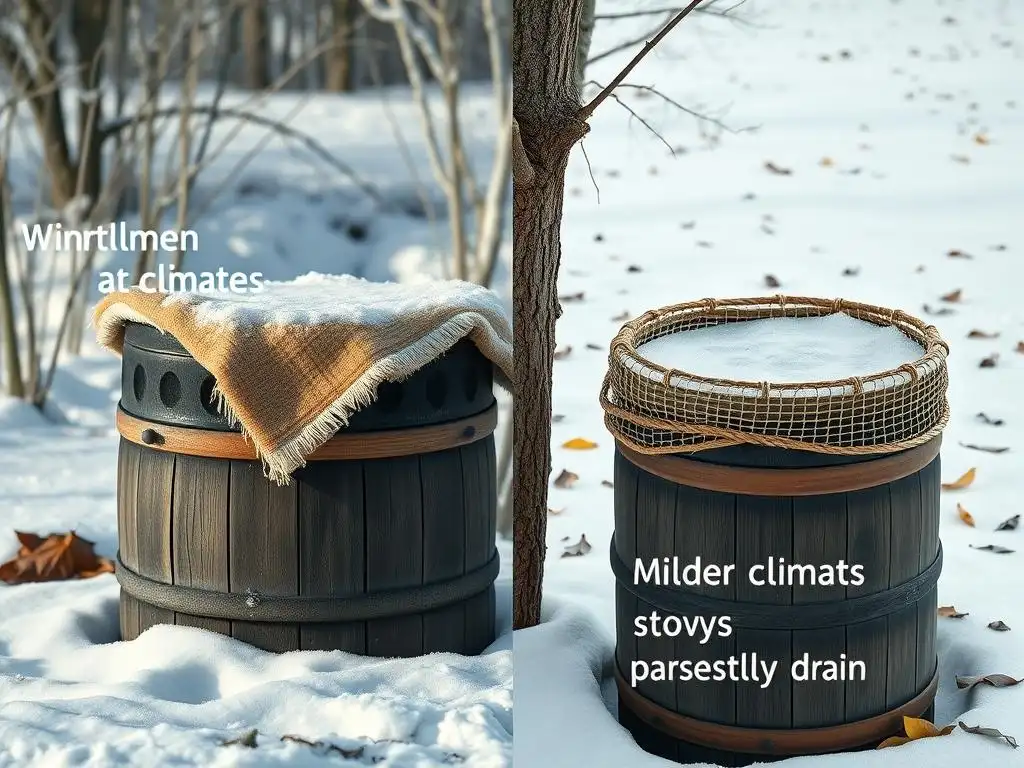
Winterizing your rain barrel is crucial for protecting it from damage and ensuring its longevity, especially in cold climates. The intensity of winterization depends heavily on the severity of your local winter. Failing to adequately prepare your rain barrel can lead to cracks, leaks, and even complete destruction, rendering it unusable for the next growing season. This section will guide you through the process, differentiating between mild and severe winter conditions. Proper winterization helps extend the lifespan of your rain barrel, saving you money and contributing to sustainable gardening practices.
Winterizing Rain Barrels in Mild Winters
Mild winters, characterized by temperatures rarely dipping below freezing for extended periods, require a less intensive winterization process. The focus here is primarily on preventing stagnation and potential mosquito breeding. Even in mild climates, preventative measures are necessary to maximize the lifespan of your rain barrel.
- Emptying the Barrel: While not always strictly necessary, emptying the barrel is a good preventative measure. This reduces the risk of freezing and expansion which could damage the barrel. A partially filled barrel can still freeze, causing damage.
- Cleaning the Barrel: Thoroughly clean the barrel to remove any debris, leaves, or algae that may have accumulated. A simple solution of water and mild soap is usually sufficient. Remember to rinse thoroughly afterward.
- Covering the Barrel: Use a mesh screen or a loose-fitting lid to prevent debris from entering the barrel while allowing for some ventilation. This prevents mosquitoes from breeding and keeps the interior relatively clean.
- Protecting from UV Rays: Even in mild climates, prolonged sun exposure can degrade the barrel's material. Consider using a light-colored cover to reflect sunlight and reduce UV damage. This is particularly important for barrels made of plastic.
Winterizing Rain Barrels in Severe Winters
Severe winters, with prolonged periods of sub-freezing temperatures, demand a more robust winterization strategy. Freezing water expands, putting immense pressure on the rain barrel and potentially causing irreparable damage.
- Complete Emptying: In severe winters, completely emptying the barrel is absolutely essential. Even a small amount of residual water can freeze and cause cracks or damage the barrel's structure.
- Thorough Cleaning: Similar to mild winters, a thorough cleaning is important to eliminate any remaining organic matter that could freeze and expand.
- Protecting from Freezing: The most critical step is protecting the barrel from freezing temperatures. This can be achieved by storing the barrel upside down in a sheltered location, such as a garage or shed. If storage isn't an option, tightly covering the barrel with insulation (e.g., old blankets, bubble wrap) can help mitigate freezing.
- Consider Drain Valves: Some rain barrels are equipped with drain valves. Utilizing these valves to completely drain the barrel is highly recommended in severe winters. This simplifies the emptying process and reduces the risk of residual water causing problems.
Regional Variations in Winterizing Rain Barrels: Northern US, Southern US, Canadian Prairies
The specific winterization techniques required vary significantly depending on geographical location. The intensity and duration of freezing temperatures differ drastically between regions.
| Region | Average Winter Temperature | Winterization Recommendations |
|---|---|---|
| Northern US | Sub-zero for extended periods | Complete emptying, thorough cleaning, insulation, and potentially indoor storage are crucial. |
| Southern US | Mild, infrequent freezing | Emptying, cleaning, and covering are sufficient; less emphasis on insulation or indoor storage. |
| Canadian Prairies | Extremely cold, prolonged | Complete emptying, thorough cleaning, robust insulation, and indoor storage are highly recommended. |
Proper winterization of your rain barrel, tailored to your specific climate, is a vital component of successful rainwater harvesting. By following these guidelines, you can ensure your rain barrel remains in excellent condition throughout the winter and is ready for use when the warmer weather returns. Remember, a well-maintained rain barrel contributes not only to your garden's health but also to sustainable water management practices. Careful consideration of your local climate is key to successful long-term rainwater harvesting.
Maintaining Your Rain Barrel Through the Winter Months
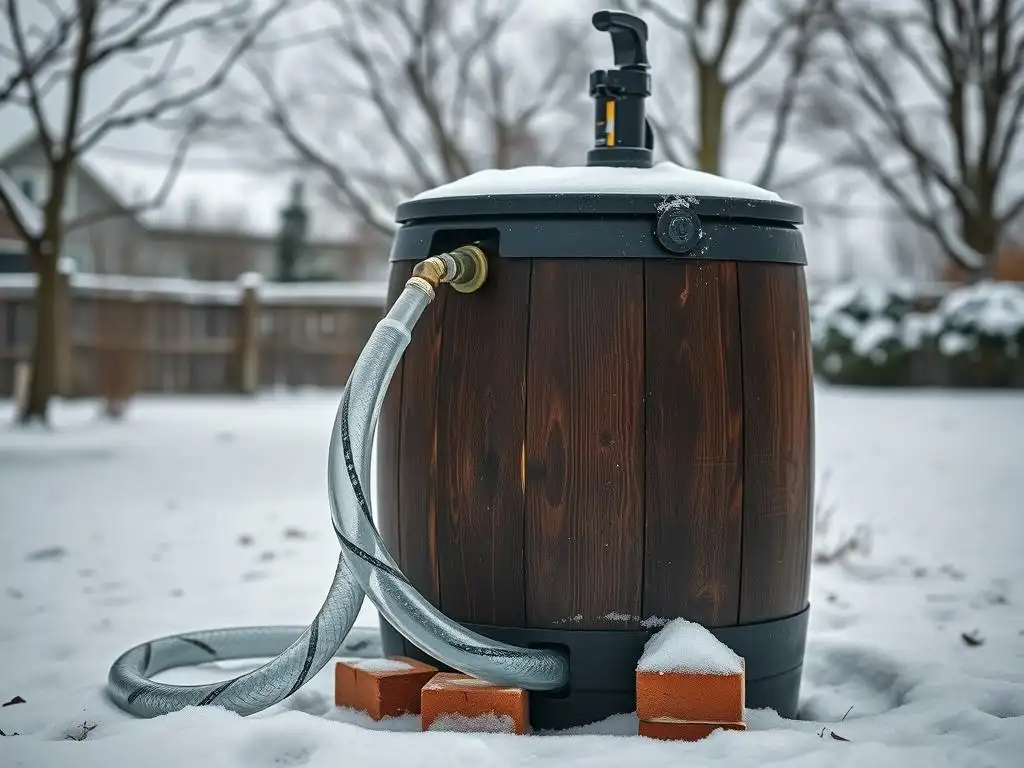
Winterizing your rain barrel isn't just about protecting it from freezing temperatures; it's about ensuring its longevity and readiness for the next growing season. Proper maintenance minimizes the risk of damage and maximizes the benefits of rainwater harvesting throughout the year. This section details crucial steps to keep your rain barrel in top condition during the colder months, even in harsh cold climates. Remember, consistent monitoring and proactive measures are key to successful winterization.
Monitoring Your Rain Barrel During Winter
Regular checks, even during the coldest months, are essential to prevent problems before they escalate. The frequency of these checks depends on the severity of your local winter conditions. In areas with frequent freeze-thaw cycles, more frequent inspections are recommended. Here's what to look for:
- Water Level: Monitor the water level to ensure it doesn't get too low, which can lead to freezing and cracking. Consider adding water if needed, especially after periods of significant evaporation or use. Aim to keep a consistent water level throughout the winter.
- Ice Formation: Observe the extent of ice formation. While some ice is expected, excessive ice buildup can put stress on the barrel's structure. If you notice significant expansion or bulging, take steps to mitigate the pressure (see section on protecting your rain barrel from pests and animals).
- Leaks and Cracks: Examine the barrel carefully for any signs of leaks or cracks. Even small cracks can worsen over time, leading to significant water loss. Address any issues promptly with appropriate sealant.
- Connections and Fittings: Check all connections, including spigots and overflow pipes, for any signs of damage or loosening. Secure any loose fittings to prevent leaks or water damage.
Regular monitoring allows for early detection and prevention of potential problems, saving you time, effort, and costly repairs down the line. Remember to prioritize safety when inspecting your rain barrel, especially if there's ice present.
Protecting Your Rain Barrel from Pests and Animals
While the cold weather may deter some pests, others might still seek shelter in your rain barrel, especially rodents or insects seeking warmth. Additionally, the structure itself might be at risk from animals. Protecting your rain barrel from these threats is crucial for maintaining its integrity throughout the winter.
- Rodent Deterrents: Consider using rodent mesh or screens to cover the opening of your rain barrel to prevent entry. This simple measure can significantly reduce the risk of rodent infestation.
- Insect Prevention: If you notice insect activity, a mesh cover can also prevent insects from taking up residence. Ensure the mesh is appropriately secured to the barrel.
- Animal Protection: Larger animals might attempt to use your rain barrel as a water source or even to climb on it. If this is a concern, consider placing protective barriers around your barrel. This can be as simple as placing some large rocks or even a small fence to deter animals.
- Overfilling Prevention: Avoid overfilling your rain barrel, as this can increase the risk of damage from expansion due to ice formation. Maintaining a reasonable water level minimizes stress on the barrel.
Preparing for Spring
Once the threat of freezing temperatures has passed, it's time to prepare your rain barrel for the upcoming growing season. This involves cleaning and inspecting the barrel to ensure it's ready for collecting rainwater.
- Cleaning the Barrel: Remove any debris, leaves, or other material that accumulated during the winter. A thorough cleaning will ensure the quality of the collected rainwater.
- Inspecting for Damage: Carefully inspect the barrel for any signs of damage that may have occurred during the winter. Address any cracks, leaks, or damaged fittings before the rainy season begins.
- Refilling and Testing: After cleaning, refill the barrel and check for any leaks or malfunctions. Ensure all connections are secure and functioning correctly.
- Prepare for Collection: Clean the gutters and downspouts leading to your rain barrel. This will ensure that the water flows smoothly into the barrel.
By following these steps, you can successfully winterize your rain barrel and ensure it remains a valuable asset for your sustainable gardening practices year after year. Remember, proactive maintenance is key to long-term success in rainwater harvesting, especially in cold climates. 💧
Storing Your Rain Barrel for the Winter (If Necessary)
Winterizing your rain barrel doesn't always mean completely dismantling it. Many barrels, particularly those made of durable plastic, can withstand freezing temperatures if properly prepared. However, in regions experiencing extremely harsh winters with prolonged periods of sub-zero temperatures and frequent freeze-thaw cycles, complete storage might be necessary to prevent cracking or damage.
The decision depends on your specific climate and the material of your rain barrel. Consider factors like the barrel's material (plastic, metal, wood), its size, and the lowest expected temperatures in your area. For instance, a small plastic barrel might survive a mild winter, but a large metal barrel in a region with extreme cold may require storage.
Safely Disassembling and Storing Your Rain Barrel
If you decide to store your rain barrel, safety and proper technique are paramount. Begin by completely emptying the barrel. Use a siphon hose or a bucket to remove all the water. Then, thoroughly clean the barrel to prevent mold and mildew growth during storage. A solution of water and mild soap works well.
Rinse thoroughly afterward. Once clean and dry, carefully disassemble any connected components like spigots, overflow pipes, or screens. Store these separately in a dry location, ideally in a protected area like a shed or garage, to prevent damage or loss. If your barrel is large or heavy, enlist help for moving it.
Avoid dragging it across surfaces that could scratch or damage it. Ideally, store the barrel upside down to prevent water accumulation and minimize the risk of damage. Remember to label the stored components clearly to simplify reassembly in the spring. Protecting your investment with proper storage significantly extends its lifespan and saves you money in the long run.
Cleaning and Storing Rain Barrel Accessories
Don't forget about the smaller, often overlooked components of your rainwater harvesting system. These accessories, such as filters, screens, and spigots, often require specific cleaning and storage methods to avoid damage or contamination. For example, mesh filters should be thoroughly cleaned with a brush and water, removing any accumulated debris. Allow them to dry completely before storing in a sealed bag or container.
Similarly, spigots should be cleaned and lubricated with a suitable lubricant to prevent sticking or corrosion. Store them in a dry place to prevent rust. Proper cleaning and storage of these accessories ensures their longevity and maintains the efficiency of your rain barrel system when you reinstall it in the spring. This meticulous approach helps ensure your system performs optimally when you need it most.
Preparing Your Rain Barrel System for Spring Reinstallation
Before winter's grip loosens, take the time to prepare your system for a smooth and efficient reinstallation in the spring. This proactive approach saves you time and effort when the warmer weather arrives. Make a checklist of all components, ensuring you have everything accounted for before dismantling. Take photos of the setup to aid in reassembly. If you are storing the barrel, note its location clearly.
When spring arrives, you'll appreciate having a clear plan for reinstallation. Proper documentation saves you headaches and ensures you're ready to collect rainwater as soon as the weather permits. Additionally, consider inspecting the barrel and its accessories for any damage sustained during storage or winter conditions. Addressing any potential issues early on ensures a trouble-free harvesting season. The proactive approach to spring preparation ensures a seamless transition back to rainwater harvesting.
Frequently Asked Questions
How do I winterize my rain barrel in a cold climate to prevent damage?
To prevent damage, completely empty your rain barrel. Then, clean it thoroughly and store it upside down in a protected location like a garage or shed to prevent cracking from freezing water.
What happens if I leave water in my rain barrel during winter?
Leaving water in your rain barrel during freezing temperatures can cause the water to expand and crack the barrel. This can lead to leaks and damage, rendering it unusable.
Can I use antifreeze in my rain barrel to prevent freezing?
No, do not use antifreeze in your rain barrel. Antifreeze is toxic and can contaminate your soil and plants if used. Instead, empty and store the barrel properly.
At what temperature should I start winterizing my rain barrel?
You should start winterizing your rain barrel when temperatures consistently fall below freezing (0°C or 32°F). This prevents water from freezing and causing damage.
What if I don't have space to store my rain barrel indoors?
If indoor storage isn't possible, consider insulating your rain barrel with materials like bubble wrap or old blankets. However, completely emptying it remains the most effective method.
Final Reflection: Preserving the Gift of Rain Through Winter's Embrace
The simple act of winterizing a rain barrel is more than just a chore; it's a commitment to sustainable living in the face of harsh weather. In a world increasingly concerned with water conservation and the impact of climate change, ensuring the longevity of our water-harvesting systems becomes crucial, especially in regions experiencing prolonged periods of freezing temperatures. The steps outlined in this article are not merely practical; they represent a proactive approach to responsible resource management.
Winterizing a rain barrel is a small act with significant implications, reflecting a larger shift in our relationship with nature. It's about recognizing the preciousness of water, not just as a commodity, but as a vital element sustaining life. This mindful approach resonates deeply with the growing awareness of environmental stewardship. The earth provides enough to satisfy every man's needs but not every man's greed.
- Mahatma Gandhi. This quote highlights the importance of responsible resource management, and winterizing our rain barrels is a tangible expression of that responsibility.
Now, consider your own water usage. Think about the small changes you can make to conserve this precious resource, not just in the winter months, but throughout the year. Will you commit to winterizing your rain barrel, ensuring its readiness for the next rainy season? Will you share this knowledge with your community, inspiring others to adopt similar practices? The future of water conservation depends on our collective action, and even the smallest steps, like protecting your rain barrel from the winter's chill, can make a significant difference.
Ready to Conquer Winter? Protect Your Rain Barrel Now!
Thanks for learning how to winterize your rain barrel! You've gained valuable knowledge to safeguard your water supply and protect your investment. Now let's put that knowledge to use.
- Prioritize draining and cleaning: Thoroughly empty your rain barrel, scrub it clean, and ensure it's completely dry to prevent damage from freezing. This is the most crucial step!
- Share your winterizing tips: Inspire your fellow gardeners by sharing your experiences—both successes and challenges—in the comments below. Let's build a supportive community of rain collectors.
- Explore further: Consider investing in a barrel insulator or other winterizing accessories to further protect your rain barrel for next spring.
What simple step will you take today to ensure your rain barrel survives the winter?