
Beyond the Seeds: Uncovering the Financial Rewards of Backyard Gardening

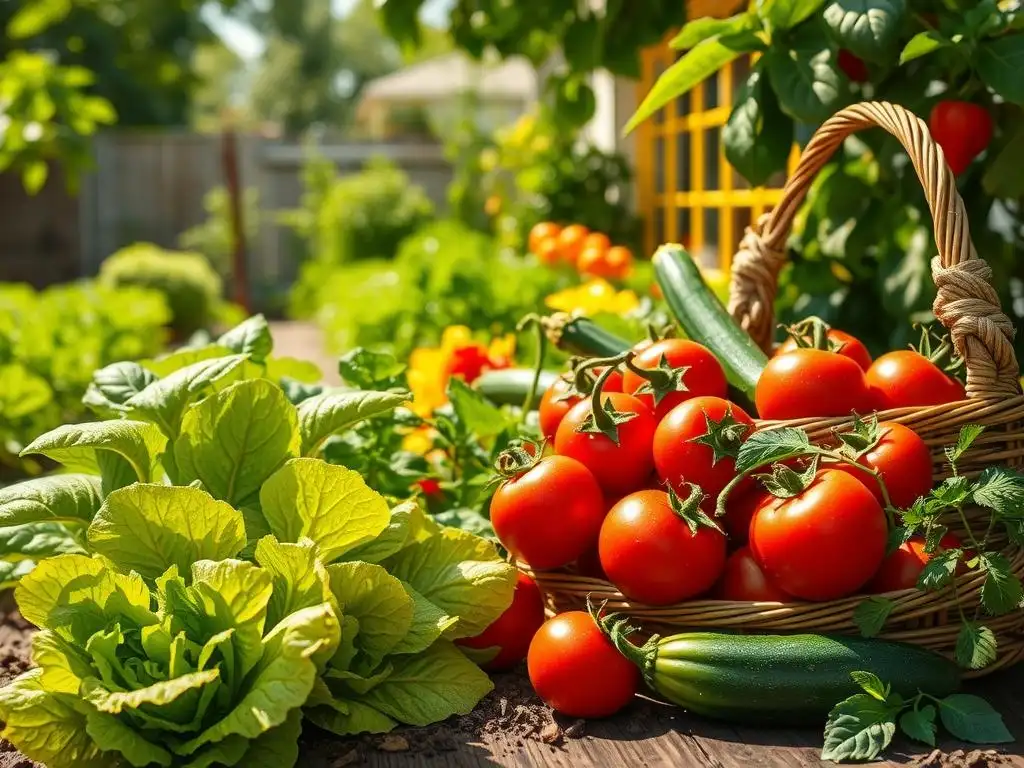
Welcome to CultivateYourFood, your guide to a greener and more rewarding life! Are you ready to discover a hidden path to financial wellness? We delve into the surprising Home garden financial benefits often overlooked by aspiring home gardeners, revealing how cultivating your own fruits, vegetables, and herbs can significantly impact your wallet – and the planet. Uncover the secrets to a bountiful harvest and a healthier bank account; let's explore the unexpected financial rewards of sustainable gardening together.
- The Economic Advantages of Homegrown Produce
- Beyond the Harvest: Additional Financial Benefits of a Home Garden
- Calculating Your Home Garden's ROI: Tracking Savings and Expenses
- Maximizing the Financial Benefits of Your Backyard Garden
- Beyond the Dollars and Cents: The Intangible Value of a Home Garden
- Frequently Asked Questions
- Final Reflection: Harvesting the Bounty of Self-Sufficiency
- Unleash Your Inner Gardener & Reap the Rewards!
The Economic Advantages of Homegrown Produce
Embarking on the journey of cultivating your own fruits, vegetables, and herbs offers more than just the satisfaction of nurturing life from seed to harvest. Beyond the undeniable pleasure of connecting with nature and producing healthy food, a thriving home garden presents significant financial advantages. This article delves into the substantial economic benefits of backyard gardening, demonstrating how cultivating your own food can lead to significant savings and a healthier lifestyle, ultimately impacting your financial well-being.
From drastically reducing your grocery bills to minimizing food waste and reaping the benefits of superior nutritional value, the financial rewards of home gardening are surprisingly substantial and often overlooked. This exploration will illuminate the practical ways in which a home garden can become a valuable asset in your household budget, proving that tending to your own plot can yield significant returns beyond the simple pleasure of fresh produce.
Lower Grocery Bills: Saving Money on Fruits and Vegetables
One of the most immediate and tangible benefits of home gardening is the reduction in your monthly grocery bill. The cost of fresh produce can be surprisingly high, particularly for organically grown items. By cultivating even a small selection of fruits, vegetables, or herbs, you can significantly reduce your reliance on the supermarket, leading to substantial savings over time.
Consider the cost of a single head of lettuce, a bunch of basil, or a pint of cherry tomatoes – these seemingly small purchases accumulate quickly. A home garden, even a modest one, can produce enough of these staples to noticeably lessen your spending at the grocery store. The more you grow, the greater the savings.
For example, a family that successfully cultivates tomatoes, zucchini, peppers, and leafy greens could potentially save [specific data on average savings pending] annually on their grocery bill alone. This figure can vary greatly depending on the size of the garden, the types of produce grown, and the local market prices, but the potential for savings is undeniably substantial. The initial investment in seeds, soil, and tools is quickly recouped through the reduced need to purchase these items at the supermarket.
Reducing Food Waste: Harvesting Only What You Need
Another significant financial advantage of home gardening is the reduction in food waste. Supermarkets often stock large quantities of produce, leading to inevitable spoilage before consumption. Homegrown produce, on the other hand, is harvested only when needed, minimizing waste and maximizing the return on your investment of time and resources. Imagine the money wasted on wilting lettuce or overripe tomatoes that end up in the compost bin. With a home garden, you pick only what you need, when you need it, ensuring that your produce is at its peak freshness and flavor.
This directly translates to less money spent on replacing spoiled items, contributing to significant long-term savings. The ability to harvest small quantities frequently also allows for better meal planning, reducing the likelihood of purchasing more than you can consume. This mindful approach to food production directly addresses the significant environmental and financial problem of food waste. 🥕
Increased Nutritional Value: Higher Quality Produce, Better Health
Beyond the financial benefits, homegrown produce often boasts superior nutritional value compared to commercially grown options. Organically grown fruits and vegetables, free from synthetic pesticides and herbicides, are naturally richer in vitamins, minerals, and antioxidants. This higher nutritional content contributes to better health, reducing the potential need for expensive medical treatments in the long run. While quantifying this benefit in purely financial terms is challenging, the potential savings on healthcare costs associated with improved diet and increased well-being are undeniable.
The enhanced flavor and freshness of homegrown produce also contribute to a more enjoyable and satisfying eating experience, potentially reducing the temptation to purchase processed foods that are often less healthy and more expensive. Investing in your health through home gardening is a long-term investment that can yield significant financial and health-related returns. 🍎
Beyond the Harvest: Additional Financial Benefits of a Home Garden
This section explores the financial advantages of home gardening that extend beyond simply reducing grocery bills. While the cost savings from harvesting your own fruits, vegetables, and herbs are significant, a well-planned home garden can offer further economic rewards. Let's delve into some less obvious, yet equally impactful, financial benefits of cultivating your own food.
We'll examine how a home garden can become a source of supplemental income, how it can reduce your reliance on expensive store-bought spices, and the long-term financial implications of supporting a healthy local ecosystem. Understanding these broader financial aspects can significantly enhance the appeal and viability of your home gardening endeavors, solidifying its position as a financially sound and rewarding pursuit. The keyword "Home garden financial benefits" is central to understanding the full potential of this endeavor.
Selling Surplus Produce: Turning Your Hobby into Profit
Many home gardeners find themselves with an abundance of produce, far exceeding their family's consumption needs. This surplus presents a fantastic opportunity to generate extra income. Consider these options for monetizing your homegrown bounty:
- Farmers' Markets: These vibrant marketplaces offer direct access to consumers eager to purchase fresh, locally grown food. The potential for profit depends on factors like market demand, pricing strategies, and the quality and quantity of your produce. Research your local markets to understand their requirements and typical pricing structures. A well-presented stall with high-quality produce can significantly improve your sales.
- Community Supported Agriculture (CSA): CSAs connect local farmers and gardeners directly with consumers through subscription boxes or shares. Participating in a CSA program can provide a steady stream of income and build a loyal customer base. You'll need to plan your production carefully to meet the demands of your CSA members.
- Online Sales: Platforms like Etsy and social media groups offer avenues to sell excess produce directly to consumers in your area. High-quality photos, detailed descriptions, and prompt communication are key to successfully selling online. Consider specializing in certain high-demand items or unique varieties to stand out from the competition.
- Local Restaurants and Businesses: Many restaurants and cafes are actively seeking fresh, locally sourced ingredients. Establishing relationships with these businesses can lead to consistent orders and a reliable source of income. Focus on consistently delivering high-quality products that meet their specific requirements.
The key to successful selling is understanding your local market, producing high-quality products, and adopting effective marketing strategies. Accurate record-keeping is essential for tracking income, expenses, and overall profitability. Careful planning and diligent effort can transform your home garden from a hobby into a profitable venture, offering substantial financial returns.
Homegrown Herbs and Spices: Saving on Culinary Expenses
The cost of store-bought herbs and spices can quickly add up. Growing your own herbs and spices is a simple and effective way to significantly reduce these expenses. Many herbs, such as basil, rosemary, thyme, and oregano, thrive in containers, making them suitable even for small gardens or balconies. These plants can be easily harvested throughout the growing season, providing a continuous supply of fresh ingredients for your culinary creations.
Consider the following cost savings: A single small jar of dried oregano can cost $5-$10, while a single oregano plant can provide enough fresh oregano for months, resulting in significant savings over time. Similarly, the cost of fresh herbs at the grocery store can be much higher than growing your own. This translates into considerable savings over the course of a year, especially if you regularly use a variety of herbs and spices in your cooking.
Growing your own herbs and spices not only saves money but also ensures the freshness and quality of your ingredients, enhancing the flavor of your meals. Furthermore, growing these plants contributes to a more sustainable and environmentally conscious lifestyle, aligning with the overall ethos of CultivateYourFood.
Attracting Pollinators: Supporting Your Local Ecosystem and Future Yields
Attracting pollinators like bees and butterflies to your garden isn't just beneficial for the environment; it also has long-term financial implications. Pollinators are essential for the successful production of many fruits, vegetables, and herbs. By creating a pollinator-friendly environment, you're investing in the future productivity of your garden, ensuring higher yields and greater cost savings in the long run.
Planting a diverse range of flowering plants that attract pollinators, such as lavender, sunflowers, and coneflowers, is a simple and cost-effective way to support their populations. This investment in biodiversity translates into increased fruit and vegetable production, reducing your reliance on store-bought produce and ultimately saving you money. A healthy pollinator population contributes to a thriving ecosystem, which is crucial for maintaining the long-term health and productivity of your home garden.
This holistic approach demonstrates that sustainable gardening practices are not only environmentally responsible but also financially advantageous in the long term, enhancing the overall "Home garden financial benefits". The financial rewards extend beyond immediate savings, encompassing the long-term sustainability and productivity of your garden.
Calculating Your Home Garden's ROI: Tracking Savings and Expenses
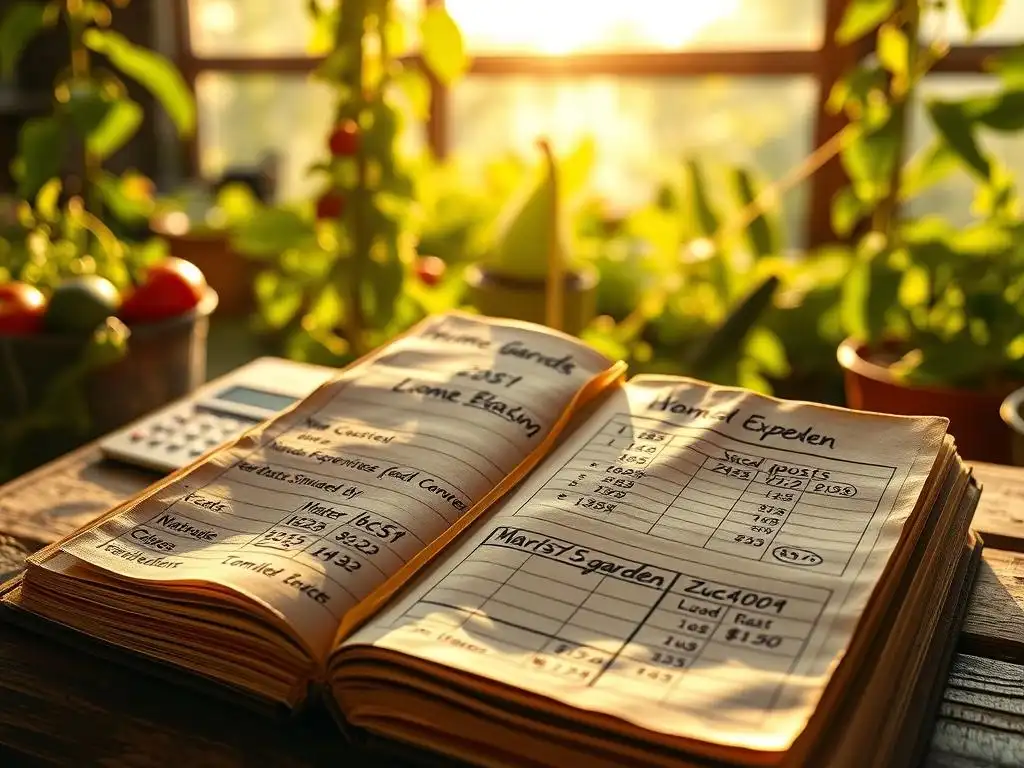

Home garden financial benefits are often underestimated. A well-planned and maintained home garden can significantly reduce your grocery bill and even generate extra income. To truly understand the financial impact, however, it's crucial to track both your initial investment and ongoing expenses against the savings you realize from homegrown produce. This section will guide you through this process, helping you calculate your return on investment (ROI) for your backyard garden. Understanding these "home garden financial benefits" is key to maximizing your yield, both literally and financially.
Initial Investment Costs: Seeds, Tools, and Supplies
Starting a home garden requires an upfront investment. This initial outlay varies based on the size of your garden, the types of plants you choose, and the existing tools you already possess. Let's break down the typical components:
- Seeds and Seedlings: The cost of seeds varies dramatically. A packet of heirloom tomato seeds might cost a few dollars, while purchasing established seedlings can cost significantly more, especially for rarer varieties. Consider the quantity needed to meet your family's needs.
- Tools: Essential tools include a shovel, trowel, hand rake, garden hose, and watering can. More advanced tools, such as a tiller or cultivator, can be rented or purchased depending on your budget and garden size. The initial investment in tools can be substantial, but many are long-lasting and can be reused year after year.
- Soil and Amendments: High-quality soil is crucial for healthy plant growth. You might need to purchase potting mix, compost, or other soil amendments to enrich your existing soil. The cost depends on the quality and quantity needed.
- Other Supplies: Consider the cost of garden markers, trellises (for climbing plants), row covers (for protection from frost or pests), and other miscellaneous supplies.
To illustrate, let's look at a sample budget for a small vegetable garden:
| Item | Estimated Cost |
|---|---|
| Seeds/Seedlings | $25 |
| Basic Gardening Tools | $50 |
| Soil & Amendments | $30 |
| Miscellaneous Supplies | $15 |
| Total Initial Investment | $120 |
This is just an estimate; your costs may vary. Keeping detailed records of these expenses is crucial for calculating your ROI.
Ongoing Maintenance Expenses: Water, Fertilizer, and Pest Control
Beyond the initial investment, maintaining a thriving garden requires ongoing expenses. These costs may seem small individually, but they add up over time.
- Water: The cost of water can be substantial, especially during dry spells. Consider installing a drip irrigation system to conserve water and reduce costs. The cost will vary greatly depending on your location and water usage.
- Fertilizer: Organic fertilizers are preferred for sustainable gardening. Composting your kitchen scraps significantly reduces this expense, but you may still need to purchase additional fertilizer or compost.
- Pest Control: Dealing with pests is inevitable in gardening. Organic pest control methods are generally more expensive than chemical pesticides, but they protect the environment and your health. The cost depends on the severity of the infestation and the chosen control methods.
- Other Maintenance: Consider factors such as weeding, mulching, and plant support, which may require additional time and potentially small material costs.
A sample monthly budget for ongoing maintenance could look like this:
| Item | Estimated Monthly Cost |
|---|---|
| Water | $10 |
| Fertilizer | $5 |
| Pest Control | $5 |
| Other Maintenance | $5 |
| Total Monthly Maintenance | $25 |
Again, these figures are estimates and will vary significantly based on your garden's size, location, and specific needs.
Long-Term Savings: The Cumulative Effect of Homegrown Food
The real "home garden financial benefits" become apparent over time. The cumulative savings from reduced grocery bills can significantly outweigh the initial investment and ongoing maintenance costs.
Consider the cost of purchasing the same quantity of produce you grow in your garden. Compare the price of organically grown produce from a farmers market or grocery store to the cost of your homegrown equivalent. The savings can be substantial, especially for high-cost items like organic berries or heirloom tomatoes. This long-term saving represents the true return on your investment.
For example, if your garden produces $500 worth of fruits and vegetables annually, and your total annual costs (initial investment plus ongoing maintenance) are $200, your net savings are $300. This demonstrates a clear financial advantage to home gardening, highlighting the significant "home garden financial benefits." By meticulously tracking your expenses and produce yields, you can accurately calculate your ROI and demonstrate the compelling financial reasons for cultivating your own food. Remember, the benefits extend beyond the purely financial; the fresh, healthy food and the satisfaction of growing your own produce are priceless.
Maximizing the Financial Benefits of Your Backyard Garden
This section delves into practical strategies to amplify the financial returns from your home garden. By implementing smart planning, efficient techniques, and effective preservation methods, you can significantly increase the value of your homegrown produce, turning your hobby into a rewarding investment. Understanding the financial aspects of gardening, beyond simply the enjoyment of fresh food, can unlock substantial savings and potential profit. This is key to understanding the full spectrum of home garden financial benefits.
Strategic Planning and Crop Selection: Choosing High-Value Produce
Strategic planning is crucial for maximizing your home garden's financial yield. Careful crop selection, considering both market value and personal consumption, is paramount. Prioritize high-value crops that command premium prices at farmers' markets or grocery stores. For example, cultivating heirloom tomatoes, organic berries, or specialty herbs can generate a higher return on investment compared to mass-produced vegetables.
Consider the following factors when choosing your crops:
- Market Demand: Research local demand for specific produce. What's popular in your area? What's in short supply? This information can be obtained by visiting local farmers' markets, talking to local grocers, or checking online resources.
- Growth Cycle: Select crops with varying growth cycles to ensure a continuous harvest throughout the growing season. This allows for staggered planting and consistent income generation.
- Space Optimization: Choose compact varieties of high-value crops to maximize yield per square foot. Vertical gardening techniques can also significantly increase your growing space in limited areas.
- Personal Preference: While focusing on high-value crops, don't forget about your own needs! Balancing high-value items with personal favorites ensures you enjoy the fruits (and vegetables!) of your labor.
Let's illustrate with a simple example: A single heirloom tomato plant can yield dozens of tomatoes, potentially earning you $20-$30 at a farmers' market, significantly more than the initial cost of seeds and soil. Contrast this with a less valuable crop like zucchini, where an abundance of produce might lead to surplus and reduced profitability.
Efficient Gardening Techniques: Optimizing Space and Resources
Efficient gardening practices are essential to maximize your financial return while minimizing waste. Optimizing space and resource utilization directly impacts your overall profitability. Consider these effective strategies:
- Vertical Gardening: Utilizing vertical space through trellises, hanging baskets, or stacked planters significantly increases your growing area, especially in smaller gardens. This allows you to grow more high-value crops in a limited space, enhancing your home garden financial benefits.
- Companion Planting: Strategic companion planting uses the synergistic relationships between different plants to improve yields and reduce pest problems. This minimizes the need for chemical pesticides, reducing costs and improving the overall quality and value of your produce.
- Water Conservation: Efficient irrigation systems, such as drip irrigation or rainwater harvesting, conserve water and reduce your expenses. This is particularly important during periods of drought, ensuring healthy plant growth without excessive water bills.
- Composting: Composting kitchen and yard waste provides nutrient-rich fertilizer for your garden, eliminating the need to purchase expensive commercial fertilizers. This reduces costs and promotes sustainable gardening practices. The financial benefits extend beyond just monetary savings, encompassing the environmental benefits as well.
By implementing these techniques, you can significantly reduce your input costs while maximizing the yield and quality of your harvest.
Preserving Your Harvest: Extending the Lifespan of Your Produce
Preserving your harvest is crucial for maximizing the financial return on your investment. Proper preservation techniques extend the lifespan of your produce, allowing you to sell or consume it over a longer period, even after the growing season ends. Consider these methods:
- Freezing: Freezing fruits and vegetables is a simple and effective preservation method that retains much of their nutritional value. This allows you to enjoy your homegrown produce throughout the year, reducing reliance on store-bought produce.
- Canning: Canning is a longer-term preservation method suitable for fruits, vegetables, and even jams. While requiring more time and equipment, it offers a longer shelf life and can be a profitable avenue for selling your preserved goods.
- Dehydrating: Dehydration is a great method for preserving herbs, fruits, and vegetables. Dried produce has a long shelf life and can be used in various culinary applications. Dried herbs, for example, command higher prices than fresh herbs, increasing your potential profit margin.
- Pickling: Pickling is a traditional preservation method that adds a unique flavor profile to your produce, making it more desirable in the market. Pickled vegetables, like cucumbers or peppers, can be sold at farmers' markets or specialty stores.
The choice of preservation method depends on the type of produce, available resources, and your personal preferences. However, implementing these methods can significantly extend the lifespan and value of your homegrown produce, contributing to the overall financial success of your backyard garden. Careful planning and efficient preservation directly impact your ability to effectively utilize your homegrown harvest, maximizing the home garden financial benefits.
Beyond the Dollars and Cents: The Intangible Value of a Home Garden
While the financial benefits of a home garden are undeniable, the true value extends far beyond simple cost savings. Cultivating your own food offers a wealth of intangible rewards that significantly enrich your life and contribute to a more fulfilling existence. This section explores the less quantifiable, yet equally important, aspects of home gardening. Understanding these benefits can solidify your commitment to this rewarding practice and highlight the holistic advantages of growing your own produce. This section focuses on the less tangible, but equally compelling reasons why cultivating your own food is a worthwhile endeavor.
Improved Mental and Physical Wellbeing: The Therapeutic Benefits of Gardening
Gardening is increasingly recognized for its therapeutic effects. The act of nurturing plants, witnessing their growth, and harvesting the fruits (or vegetables!) of your labor provides a powerful sense of accomplishment and connection to nature.
Studies have shown a strong correlation between gardening and reduced stress levels, improved mood, and increased feelings of wellbeing. The physical activity involved, from digging and weeding to planting and harvesting, contributes to improved cardiovascular health and overall physical fitness. Spending time outdoors, even in a small urban garden, exposes you to sunlight, providing vital vitamin D and boosting serotonin levels, further enhancing your mental and physical health.
The gentle rhythm of gardening, the feel of soil in your hands, and the beauty of flourishing plants offer a powerful antidote to the stresses of modern life. This mindful engagement with nature offers a unique form of therapy, accessible to everyone, regardless of their gardening experience. The simple act of tending to plants can be profoundly calming and restorative, offering a much-needed escape from the demands of daily life.
A home garden is more than just a source of fresh produce; it's a platform for shared experiences and the development of healthy habits within the family. Involving children in the gardening process fosters a sense of responsibility, teaches them about the origins of food, and encourages healthy eating habits. Planting seeds, tending to plants, and harvesting the bounty together creates lasting memories and strengthens family bonds.
The shared effort involved in maintaining a garden promotes teamwork and collaboration, teaching valuable life skills. Moreover, children who are involved in growing their own food are more likely to try new vegetables and fruits, leading to a more varied and nutritious diet.
Family gardening time can be a fun and educational experience for all ages, fostering a deeper appreciation for nature and the importance of sustainable food practices. The sense of accomplishment derived from a shared harvest strengthens family relationships and creates positive associations with healthy eating.
Environmental Sustainability: Reducing Your Carbon Footprint
Beyond the personal benefits, home gardening contributes to environmental sustainability. By growing your own food, you reduce your reliance on industrially produced food, which often involves significant transportation, packaging, and pesticide use. Homegrown produce has a drastically smaller carbon footprint compared to supermarket alternatives.
Furthermore, composting food scraps and yard waste from your garden creates nutrient-rich soil amendment, reducing landfill waste and improving soil health. The reduced reliance on chemical fertilizers and pesticides minimizes the environmental impact associated with conventional farming practices. Choosing to grow your own food is a conscious decision that promotes biodiversity and supports a more sustainable food system.
The home garden becomes a microcosm of a healthier environment, contributing to a larger movement towards eco-conscious living. By embracing sustainable gardening techniques, you actively participate in preserving the environment and reducing your impact on the planet. This commitment to sustainability extends beyond your garden, impacting your overall lifestyle and values.
Frequently Asked Questions
How much money can I realistically save by growing my own food?
The amount you save depends on what you grow and your local grocery prices. You could save hundreds of dollars annually by reducing grocery bills for fruits, vegetables, and herbs. Careful planning and efficient gardening maximize savings.
Are there any upfront costs associated with starting a home garden?
Yes, initial investments include seeds or seedlings, soil, tools (e.g., trowel, watering can), and potentially raised beds or containers. However, many costs are one-time purchases, leading to long-term savings.
Can I make money from my home garden?
While primarily focused on saving money, you can potentially generate income by selling excess produce at farmers' markets or to local restaurants. This requires more planning and effort, but offers a potential revenue stream.
What are the long-term financial benefits of home gardening?
Beyond immediate savings, home gardening fosters self-sufficiency, reducing reliance on fluctuating market prices and ensuring access to fresh, healthy food. This translates to long-term cost stability and improved health.
Does home gardening always result in financial savings?
While the aim is to save money, factors like initial investment, space constraints, and crop yield can influence the financial outcome. Successful gardening requires planning and effort, but the potential for significant savings is substantial.
Final Reflection: Harvesting the Bounty of Self-Sufficiency
The rising cost of groceries and the increasing awareness of sustainable living have brought the financial benefits of backyard gardening into sharp focus. It's no longer just a hobby; it's a powerful tool for mitigating economic hardship and building a more resilient future, one seed at a time. The potential for significant savings, coupled with the environmental advantages, makes home gardening a compelling investment for families and individuals alike.
The impact of homegrown produce extends far beyond the immediate financial gains; it fosters a deeper connection with the land, our food sources, and the cyclical nature of life. It's a return to simpler times, a reclaiming of agency over our sustenance, and a powerful antidote to the alienation often felt in our modern, fast-paced world. The glory of gardening: hands in the dirt, head in the sun, heart with nature. To nurture a garden is to feed not just the body, but the soul.
This quote perfectly encapsulates the holistic rewards of tending a backyard garden, highlighting its profound influence on our well-being.
Now, consider your own space, your own potential. What seeds of change can you plant? Perhaps it's a single tomato plant on your balcony, a small herb garden in a window box, or a fully fledged vegetable patch in your backyard. No matter the scale, the act of cultivating your own food is an act of empowerment, a step towards greater self-sufficiency, and a tangible contribution to a healthier, more sustainable future. Embrace the opportunity; begin your journey towards harvesting the bountiful rewards of your own backyard garden.
Unleash Your Inner Gardener & Reap the Rewards!
Thank you for exploring the financial and health benefits of backyard gardening! We hope you've discovered how growing your own food can significantly improve your budget and well-being. Now, let's put that knowledge into practice.
- Start small, but start today! Begin with one easy-to-grow vegetable or herb, dedicating a small space to it. Even a single pot on your balcony can make a difference.
- Share your gardening journey! Post a picture of your first harvest on social media using #CultivateYourFood and inspire others to join you.
- Explore our extensive online resources for more tips and inspiration.
Ready to transform your backyard into a thriving, budget-friendly garden? What will you plant first?