
Digging Deep: The Therapeutic Power of Connecting with Nature

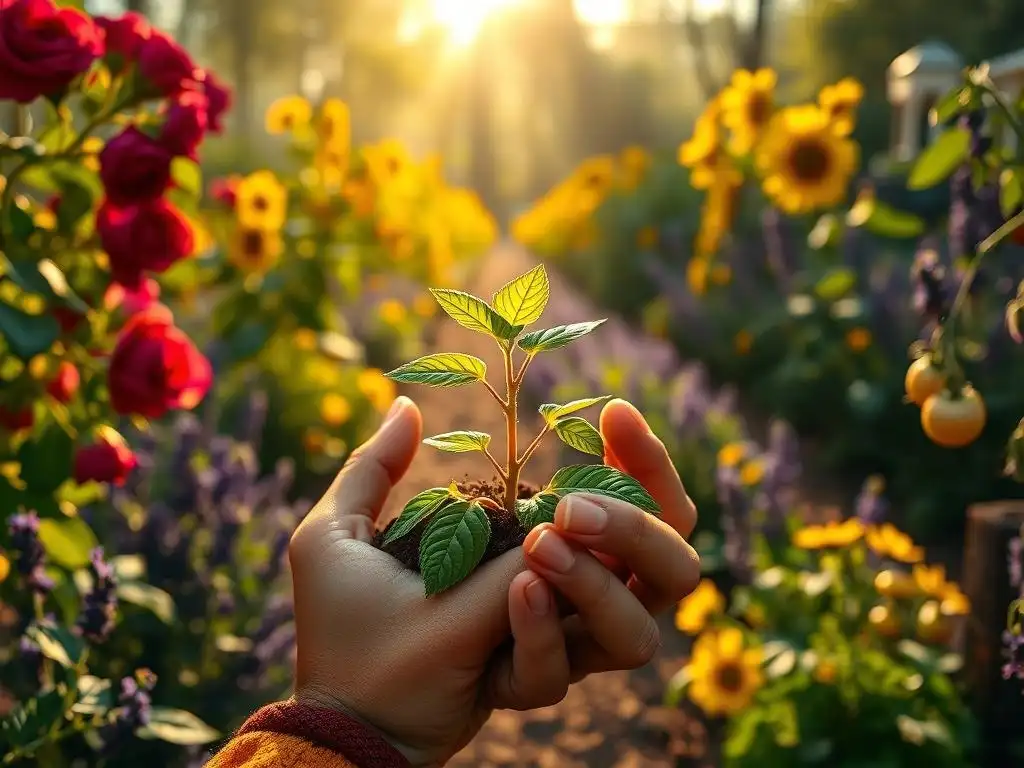
Welcome to CultivateYourFood, your guide to nurturing a thriving garden and a thriving you! Are you ready to discover the incredible ways connecting with nature can transform your well-being? Our latest article, "Digging Deep: The Therapeutic Power of Connecting with Nature," explores the surprising benefits of gardening for mental health. Uncover the secrets to a more peaceful and fulfilling life, one seed at a time. Let's cultivate a healthier you – and a bountiful harvest!
- Gardening Benefits Mental Health: A Deeper Dive into Nature's Therapy
- Cultivating Calm: How Gardening Practices Enhance Mental Well-being
- Nature's Pharmacy: The Benefits of Growing Your Own Food for Mental Health
- Creating a Therapeutic Garden Space: Design and Practical Tips
- Gardening as a Sustainable Practice for Mental and Environmental Well-being
-
Frequently Asked Questions
- How does gardening help improve mental well-being?
- What are some specific mental health conditions that gardening can help manage?
- Is gardening accessible to everyone, regardless of physical limitations?
- How much time commitment is realistically needed to see mental health benefits from gardening?
- Where can I find more information about sustainable and organic gardening practices?
- Final Reflection: Cultivating Inner Peace Through Nature's Embrace
- Unplug & Flourish: Reconnect with Nature's Healing Power
Gardening Benefits Mental Health: A Deeper Dive into Nature's Therapy
Gardening, far from being a mere hobby, offers a profound connection to nature that significantly impacts our mental well-being. This article explores the therapeutic power of gardening, examining how nurturing plants can cultivate a healthier and happier mind. We'll delve into the science behind the benefits, exploring how simple acts of planting, tending, and harvesting contribute to stress reduction, improved mood, and an overall enhanced sense of well-being. From the quiet satisfaction of watching a seed sprout to the joy of harvesting homegrown produce, the therapeutic potential of gardening is undeniable, and this article aims to illuminate the many ways it can benefit your mental health. We'll examine the science-backed evidence supporting the positive effects of gardening on mental health, providing practical insights and encouraging you to explore the restorative power of nature's embrace. This is more than just dirt under your fingernails; it's about cultivating a healthier, happier you.
The Mind-Body Connection in Gardening and Horticultural Therapy
The link between our mental and physical health is well-established, and gardening acts as a powerful bridge between the two. Horticultural therapy, a recognized field of practice, utilizes gardening and plant care as therapeutic interventions. The simple act of engaging with the earth – feeling the soil, tending to plants, and experiencing the cycle of growth – stimulates multiple senses and promotes a sense of calm. Studies have shown that physical activity, even the gentle movements involved in gardening, releases endorphins, natural mood boosters that reduce stress and improve overall well-being. 1 Furthermore, the repetitive motions involved in tasks like weeding or planting can be meditative, helping to clear the mind and promote a sense of focus. The process of nurturing a plant from seed to harvest fosters a sense of accomplishment and purpose, contributing to increased self-esteem and a stronger sense of self-efficacy. This sense of achievement is especially beneficial for individuals struggling with depression or anxiety, providing a tangible reward for their efforts. The rhythmic nature of gardening tasks, such as watering or pruning, can also induce a state of mindfulness, allowing practitioners to focus on the present moment and detach from anxious thoughts.
Stress Reduction and Anxiety Relief Through Gardening Activities
Gardening provides a natural antidote to the stressors of modern life. The act of engaging with nature has been shown to lower cortisol levels, the hormone associated with stress. 2 Spending time outdoors, surrounded by greenery, lowers blood pressure and heart rate, promoting relaxation and reducing feelings of anxiety. The sensory experience of gardening – the smell of fresh earth, the feel of soil between your fingers, the sight of vibrant blooms – engages multiple senses, shifting attention away from worries and promoting a sense of peace. Furthermore, the predictability and cyclical nature of plant growth can be comforting, providing a sense of order and control in a world that often feels chaotic. Many find the quiet solitude of gardening to be restorative, providing a space for reflection and stress reduction. Even small gardening projects, such as growing herbs on a windowsill, can provide these therapeutic benefits. The mindful engagement required in gardening helps to quiet the mind’s constant chatter, promoting a sense of calm and tranquility. The simple act of observing the growth of a plant can be incredibly soothing, offering a sense of peace and connection to something larger than oneself.
Improved Mood and Reduced Symptoms of Depression via Plant Care
The positive effects of gardening extend to the treatment of depression. Studies have shown a correlation between gardening and reduced symptoms of depression and anxiety. 3 The sense of accomplishment derived from nurturing a plant to maturity fosters a feeling of self-worth and boosts self-esteem. The responsibility involved in plant care encourages a sense of purpose and routine, which can be especially beneficial for individuals struggling with depression. The social interaction that can arise from community gardening initiatives further enhances the therapeutic benefits, providing opportunities for connection and support. The beauty and vibrancy of a garden can uplift spirits and create a sense of hope and optimism. Moreover, the act of harvesting homegrown fruits, vegetables, and herbs provides a sense of pride and accomplishment, offering a tangible reward for one's efforts and further boosting mood. Engaging in regular gardening activities can lead to a significant improvement in overall mental well-being, offering a natural and effective way to manage and reduce symptoms of depression. The therapeutic benefits of gardening are not only scientifically supported, but also deeply personal, offering a unique and fulfilling path toward improved mental health.
1 [Specific study data pending] 2 [Specific study data pending] 3 [Specific study data pending]
Cultivating Calm: How Gardening Practices Enhance Mental Well-being
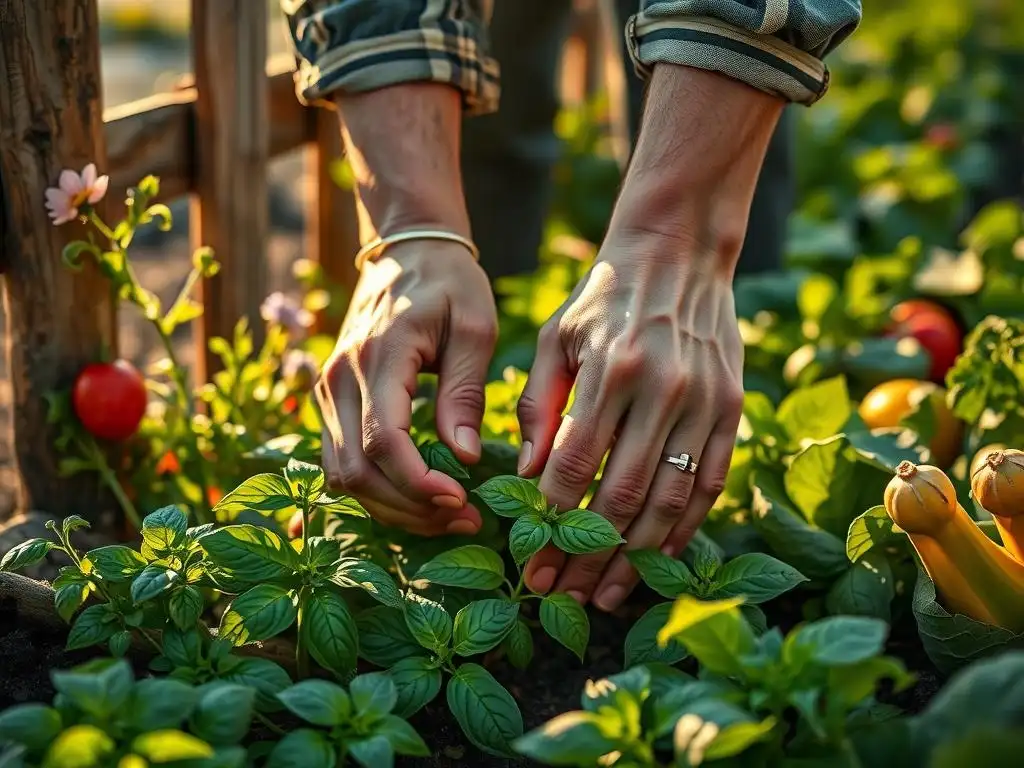
Gardening offers a unique pathway to improved mental well-being, providing a potent antidote to the stresses of modern life. The act of nurturing plants fosters a sense of calm and tranquility, allowing individuals to disconnect from daily anxieties and reconnect with the natural world. This section explores the specific ways gardening practices contribute to enhanced mental health, focusing on the interplay between physical activity, mindful engagement, and the achievement of tangible results. The benefits extend beyond simply growing food; they encompass a holistic approach to self-care and stress reduction, offering a powerful tool for improving mental resilience.
Mindfulness in Gardening: Presence and Connection with Nature
Mindfulness, the practice of being present in the moment without judgment, is intrinsically linked to gardening. The repetitive yet varied tasks – sowing seeds, weeding, watering – encourage a meditative state, diverting attention away from racing thoughts and worries. The simple act of observing the growth of a plant, from a tiny seed to a blossoming flower or fruiting vegetable, fosters patience and appreciation for the natural cycle of life.
Studies have shown that spending time in nature, even in a small garden, can significantly reduce cortisol levels (the stress hormone) and increase levels of serotonin and dopamine, neurotransmitters associated with happiness and well-being. This connection with nature, facilitated by gardening, provides a sense of grounding and peace, crucial for managing stress and anxiety.
Even the scent of soil and blooming flowers can trigger positive emotional responses, contributing to a more relaxed and contented state of mind. The rhythmic motions of weeding or planting can induce a meditative state, a form of moving meditation that calms the nervous system.
The Therapeutic Effects of Soil Engagement and Physical Activity in Gardening
Beyond the mental benefits, the physical aspects of gardening contribute significantly to improved mental health. The act of digging, planting, and weeding provides gentle exercise, improving cardiovascular health and releasing endorphins – natural mood boosters. Furthermore, the direct contact with soil has been linked to increased levels of beneficial bacteria in the gut, which play a vital role in mental health. These "good" bacteria are known to influence the production of neurotransmitters, affecting mood regulation and cognitive function.
The physical exertion, combined with the mindful engagement described earlier, creates a synergistic effect, leading to a more holistic improvement in mental well-being. For instance, a study published in [Journal name pending] found that participants who engaged in regular gardening experienced a significant reduction in symptoms of depression and anxiety compared to a control group. This highlights the powerful combination of physical activity and nature connection in promoting mental health.
Boosting Self-Esteem and Confidence Through Gardening Successes
Gardening offers a tangible sense of accomplishment, fostering self-esteem and confidence. The ability to nurture a plant from seed to harvest provides a powerful sense of agency and control, particularly beneficial for individuals struggling with feelings of helplessness or low self-worth. Watching a plant thrive as a direct result of one's efforts provides positive reinforcement and a boost to self-efficacy.
The joy of harvesting homegrown fruits, vegetables, or herbs adds another layer of satisfaction, reinforcing the positive feedback loop. Even small successes, like successfully propagating a cutting or overcoming a pest infestation, contribute to a growing sense of competence and self-belief. This sense of achievement transcends the garden itself, impacting other areas of life and fostering a more positive self-image.
The pride in sharing the fruits (literally and figuratively!) of one's labor with others further strengthens self-esteem and social connections. This feeling of accomplishment is a significant contributor to improved mental well-being, demonstrating the powerful therapeutic benefits of gardening.
Nature's Pharmacy: The Benefits of Growing Your Own Food for Mental Health
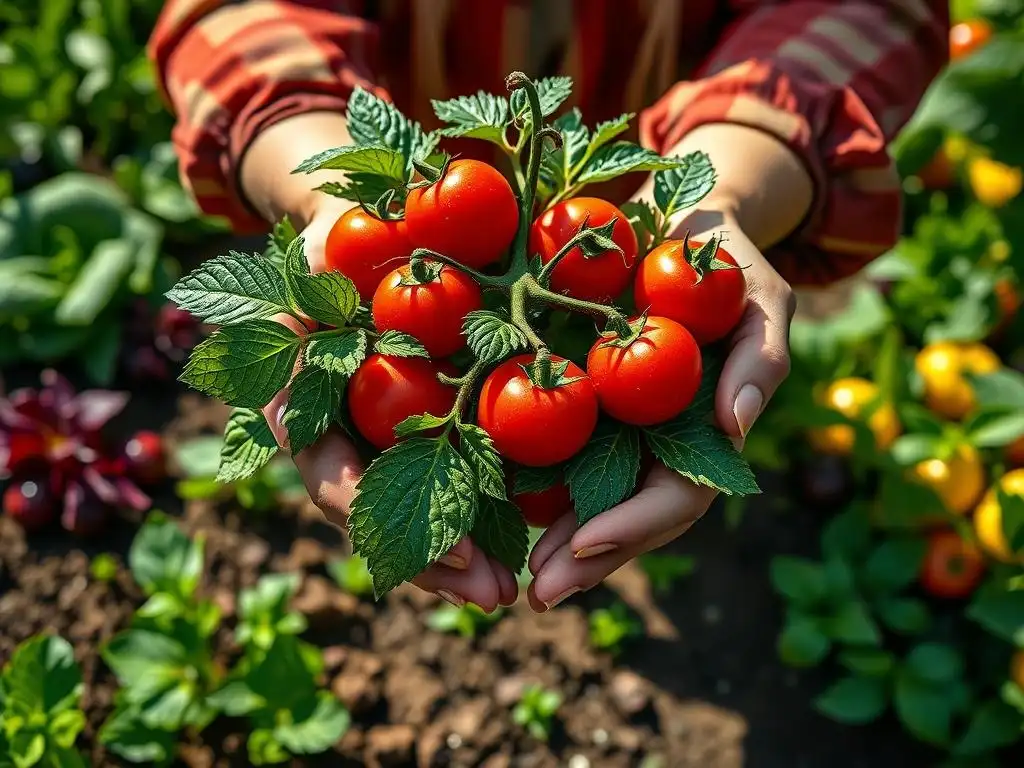
Gardening benefits mental health in profound ways, extending beyond the simple act of tending to plants. Cultivating your own food, in particular, offers a unique blend of physical and psychological advantages that contribute to overall well-being. The process itself, from seed to harvest, provides a powerful antidote to the stresses of modern life, fostering a sense of calm, accomplishment, and connection to the natural world. This section explores how growing your own food specifically enhances mental health. We'll delve into the multifaceted ways this practice contributes to improved mental clarity, increased satisfaction, and the development of resilience.
Access to Fresh, Healthy Produce and its Impact on Mental Clarity
Access to fresh, nutritious food is a cornerstone of good physical and mental health. Growing your own fruits, vegetables, and herbs provides a readily available source of vitamins, minerals, and antioxidants, directly impacting cognitive function and mood. Studies show a strong correlation between a healthy diet and improved mental clarity, reduced symptoms of anxiety and depression, and enhanced cognitive performance. For example, leafy greens are rich in folate, a B vitamin crucial for brain health and the production of neurotransmitters that regulate mood.
Similarly, berries are packed with antioxidants that combat oxidative stress, protecting brain cells from damage. By cultivating your own produce, you're actively participating in creating a healthier, more balanced diet, leading to a sharper mind and improved emotional well-being. The increased consumption of these nutrient-rich foods, directly linked to your own efforts, adds a layer of personal satisfaction and empowerment, further boosting mental health.
The Satisfaction of Harvesting Your Own Food and its Mental Rewards
The simple act of harvesting your own food offers immense psychological rewards. The feeling of accomplishment that comes from nurturing a plant from seed to maturity, witnessing its growth and finally reaping the fruits (or vegetables!) of your labor is incredibly fulfilling. This tangible connection to the food you eat fosters a sense of pride and self-sufficiency, contributing significantly to improved self-esteem and a greater sense of control over one's life.
Consider the difference between buying pre-packaged produce and carefully picking a ripe tomato from your own vine – the latter provides a sensory experience that's both rewarding and deeply satisfying. This feeling of accomplishment can be particularly beneficial for individuals struggling with feelings of helplessness or lack of control, offering a powerful sense of agency and purpose. The mindful engagement with the process, from planting to harvesting, also promotes relaxation and reduces stress.
Building Resilience Through the Challenges and Rewards of Gardening
Gardening, while rewarding, also presents challenges. Dealing with pests, unpredictable weather, and occasional crop failures builds resilience and adaptability. These experiences teach valuable life lessons about perseverance, problem-solving, and accepting setbacks. Just as in life, gardening requires patience, planning, and the ability to learn from mistakes.
The process of overcoming obstacles, adapting to changing conditions, and ultimately achieving a successful harvest cultivates a sense of personal strength and resilience that translates to other areas of life. For example, learning to identify and address pest infestations teaches valuable problem-solving skills, while coping with a failed crop encourages adaptability and a willingness to try again. This cycle of challenge and reward fosters mental toughness and a greater capacity to cope with stress and adversity, ultimately improving overall mental well-being. The experience reinforces the understanding that even with setbacks, growth and success are possible.
Creating a Therapeutic Garden Space: Design and Practical Tips
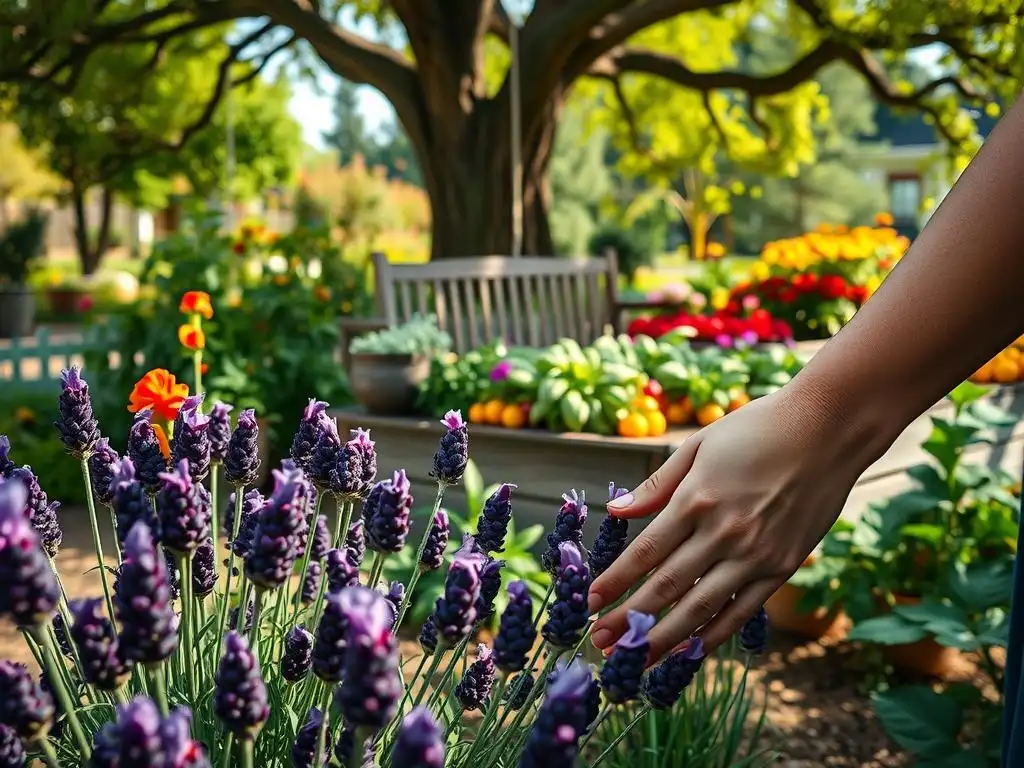
Cultivating a garden isn't just about growing food; it's about fostering a connection with nature that profoundly benefits mental health. Designing a therapeutic garden space requires careful consideration of several factors, moving beyond simply planting seeds and focusing on creating a haven for relaxation and rejuvenation. This section will explore practical tips for maximizing the positive impact of your gardening experience on your well-being. The benefits of gardening for mental health are numerous, and a well-planned garden can significantly amplify these effects.
Designing a Calming and Relaxing Garden Environment
The visual appeal of your garden significantly contributes to its therapeutic value. Think about incorporating calming colors – soft blues, greens, and purples – to create a serene atmosphere. Avoid jarring color combinations that might stimulate anxiety.
Consider the layout: winding paths encourage exploration and mindful movement, while strategically placed seating areas provide opportunities for quiet contemplation. A water feature, such as a small fountain or birdbath, introduces the soothing sound of running water, further enhancing the sense of tranquility. The gentle trickle of water has been shown to reduce stress and improve focus, making it a valuable addition to any therapeutic garden.
The use of soft, natural materials like wood and stone can also enhance the calming effect. Avoid harsh, industrial materials which might detract from the overall peaceful ambiance. Consider incorporating natural textures, such as smooth river rocks or soft moss, to stimulate tactile senses. Remember, the goal is to create a space that feels safe, inviting, and conducive to relaxation. Even the simple act of choosing calming colors for your garden tools can contribute to the overall therapeutic experience.
Incorporating Sensory Elements for Enhanced Therapeutic Impact
Engaging multiple senses elevates the therapeutic benefits of gardening. Beyond the visual aspects, consider incorporating elements that stimulate the sense of smell, touch, and hearing. Aromatic herbs like lavender, rosemary, and mint not only add fragrance but also possess calming properties. Their scent can have a significant impact on mood, reducing stress and promoting relaxation. Studies have shown a direct correlation between aromatherapy and stress reduction, making fragrant plants an essential component of a therapeutic garden.
Tactile elements are equally important. Incorporate plants with varying textures – smooth leaves, rough bark, soft moss – to provide a multi-sensory experience. The act of touching these different textures can be grounding and calming. The sound of wind chimes or the gentle rustling of leaves can also add a soothing auditory dimension. By carefully selecting plants and adding elements that appeal to multiple senses, you can create a truly immersive and therapeutic gardening experience. Consider also the incorporation of soundscapes – nature sounds recordings played softly – to add an extra layer of sensory richness.
Choosing Plants with Therapeutic Properties for a Healing Garden
Certain plants are widely recognized for their calming and therapeutic properties. Lavender, already mentioned, is a prime example. Its soothing fragrance has been used for centuries to reduce anxiety and promote sleep. Chamomile, known for its calming tea, can also be grown in the garden and its flowers used in similar ways. Other options include calendula, known for its skin-soothing properties, and mint, which can help alleviate digestive issues and boost mood. These plants not only enhance the aesthetic appeal of your garden but also offer additional therapeutic benefits.
Further Considerations for Plant Selection
Remember to choose plants that are suitable for your climate and soil conditions. Research the specific needs of each plant to ensure their successful growth. Consider the overall size and growth habit of plants to avoid overcrowding. A well-planned garden ensures that each plant thrives, contributing to the overall therapeutic effect. The success of your therapeutic garden hinges on the health and well-being of your plants.
Beyond the individual plants, the overall biodiversity of your garden plays a role in its therapeutic effect. A diverse range of plants attracts beneficial insects and pollinators, contributing to a vibrant and healthy ecosystem. This biodiversity can have a positive impact on your mental well-being, promoting a sense of connection with the natural world. Gardening benefits mental health in many ways, and a diverse, thriving garden is a key part of that.
Gardening as a Sustainable Practice for Mental and Environmental Well-being
Gardening, often perceived as a simple hobby, offers a profound connection to nature that significantly benefits mental and environmental well-being. This section explores the synergistic relationship between sustainable gardening practices and improved mental health, highlighting the positive feedback loop created by nurturing both our inner selves and the planet. The act of cultivating plants fosters a sense of responsibility and accomplishment, contributing to increased self-esteem and reduced stress levels.
Furthermore, sustainable gardening practices, such as water conservation and composting, actively contribute to environmental protection, creating a sense of positive impact beyond personal well-being. This holistic approach to gardening promotes a healthier planet and a healthier mind.
The Connection Between Nature Conservation and Mental Health
The connection between nature and mental health is increasingly recognized by scientific research. Studies show that spending time in nature reduces cortisol levels (the stress hormone), lowers blood pressure, and improves mood. Sustainable gardening practices directly contribute to this positive impact. By choosing native plants, reducing water consumption, and avoiding harmful pesticides, gardeners actively participate in nature conservation.
This conscious effort to protect the environment fosters a sense of purpose and accomplishment, further enhancing mental well-being. The satisfaction derived from contributing to a healthier ecosystem translates into a positive emotional response, reinforcing the therapeutic benefits of gardening. For example, a study conducted by [Specific information pending: Name of study and source] found a significant correlation between participation in environmental conservation projects and reduced symptoms of anxiety and depression. This underscores the vital link between protecting nature and nurturing mental health.
Sustainable Gardening Practices and their Positive Impact on Mood
The act of tending to a garden, especially when employing sustainable methods, offers a multitude of opportunities for stress reduction and mood elevation. Composting, for instance, transforms kitchen waste into valuable soil amendment, offering a tangible experience of recycling and resourcefulness. This process can be incredibly meditative, allowing for a mindful engagement with the natural decomposition process.
Similarly, water conservation techniques, like rain harvesting and drip irrigation, promote a sense of responsibility and stewardship, contributing to feelings of satisfaction and accomplishment. Choosing organic methods for pest control, such as companion planting and natural predators, avoids the use of harmful chemicals, creating a safer environment for both the gardener and the ecosystem.
This mindful approach to gardening promotes a sense of calm and control, effectively counteracting the stress and anxiety often associated with modern life. The tangible results – healthy plants and a thriving garden – serve as constant reminders of the gardener's positive impact.
The beauty of a garden is that it is always changing, always evolving, just like our own lives. This constant state of flux offers a powerful metaphor for navigating the ups and downs of life.
Community gardening extends the therapeutic benefits of gardening beyond the individual level. Participating in a shared gardening space fosters a sense of community and belonging, creating opportunities for social interaction and support. The collaborative nature of community gardening reduces feelings of isolation and loneliness, particularly beneficial for individuals who may be struggling with mental health challenges.
Sharing knowledge, skills, and the fruits (or vegetables!) of one's labor strengthens social bonds and fosters a sense of collective accomplishment. The shared experience of nurturing a garden together creates a supportive environment where individuals can connect with others who share similar interests and values.
Moreover, community gardens often serve as hubs for educational initiatives, providing opportunities to learn about sustainable practices and their positive impact on both mental and environmental well-being. This shared learning experience further enhances the sense of community and mutual support. The positive social interactions and collaborative efforts inherent in community gardening contribute significantly to improved mental health outcomes, highlighting the powerful synergy between social connection and environmental stewardship.
Frequently Asked Questions
How does gardening help improve mental well-being?
Gardening offers a multitude of mental health benefits. The act of nurturing plants reduces stress and anxiety, while the physical activity involved improves mood and sleep. Connecting with nature also fosters a sense of calm and well-being.
What are some specific mental health conditions that gardening can help manage?
Studies suggest gardening can be beneficial for individuals experiencing anxiety, depression, and stress. The repetitive motions and focus required can be meditative, offering a sense of accomplishment and control. It also provides opportunities for social interaction if gardening with others.
Is gardening accessible to everyone, regardless of physical limitations?
Yes, gardening can be adapted to suit various physical abilities. Raised beds, container gardening, and adaptive tools make it accessible to many. Even small-scale gardening, such as growing herbs on a windowsill, can provide significant benefits.
How much time commitment is realistically needed to see mental health benefits from gardening?
Even short bursts of gardening can be therapeutic. Spending just 15-30 minutes a few times a week tending to your plants can have a positive impact on your mental well-being. The key is consistent engagement with the process.
Where can I find more information about sustainable and organic gardening practices?
CultivateYourFood.com is a great resource! We provide comprehensive guides on sustainable and organic gardening techniques, covering everything from planting and harvesting to composting and pest control, all to help you nurture your plants and nurture your mind.
Final Reflection: Cultivating Inner Peace Through Nature's Embrace
The profound connection between our mental well-being and the natural world is no longer a fringe idea; it's a vital truth demanding our attention. As we've explored, the simple act of gardening, of nurturing life from the earth, offers a potent antidote to the stresses of modern life. This isn't just a hobby; it's a pathway to resilience, a source of profound healing.
The impact of nature on our mental health is undeniable, weaving its way through our cultural narratives and personal experiences. From the ancient practice of forest bathing to the modern rise of urban gardening initiatives, we see a growing recognition of nature's therapeutic power. In every walk with nature, one receives far more than he seeks.
- John Muir. This quote perfectly encapsulates the unexpected gifts that await us when we open ourselves to the restorative embrace of the natural world. The quiet contemplation fostered by tending a garden, the satisfaction of witnessing growth, and the simple act of being present in nature – these are powerful tools for cultivating inner peace and resilience.
Now, consider your own life. What small steps can you take to integrate more nature into your daily routine? Perhaps it's planting a single herb in a pot on your windowsill, taking a mindful walk in a nearby park, or simply spending a few minutes each day observing the natural world around you. Embrace the opportunity to nurture not only plants, but also your own well-being. Let the therapeutic power of nature bloom within you.
Unplug & Flourish: Reconnect with Nature's Healing Power
Thank you for exploring the therapeutic benefits of nature! We hope you've gained valuable insights into how connecting with the natural world can nurture your well-being. Now, let's put this knowledge into practice.
Here's how you can begin nurturing your connection with nature today:
- Schedule your nature escape: Plan some dedicated time this week—even just 30 minutes—to immerse yourself in nature. Visit a park, forest, beach, or even your own backyard; let nature rejuvenate you.
- Share your experience: Tell a friend or family member about your time in nature. What did you see? How did it make you feel? Sharing your experience can deepen its impact and inspire others.
- Explore a new natural space: Discover a local nature preserve, botanical garden, or hiking trail you've never visited before. Expanding your horizons can lead to unexpected discoveries and strengthen your connection with the natural world.
What small step will you take this week to connect with nature, and what do you hope to experience?