
The Financial Advantages of a Sustainable Home Garden

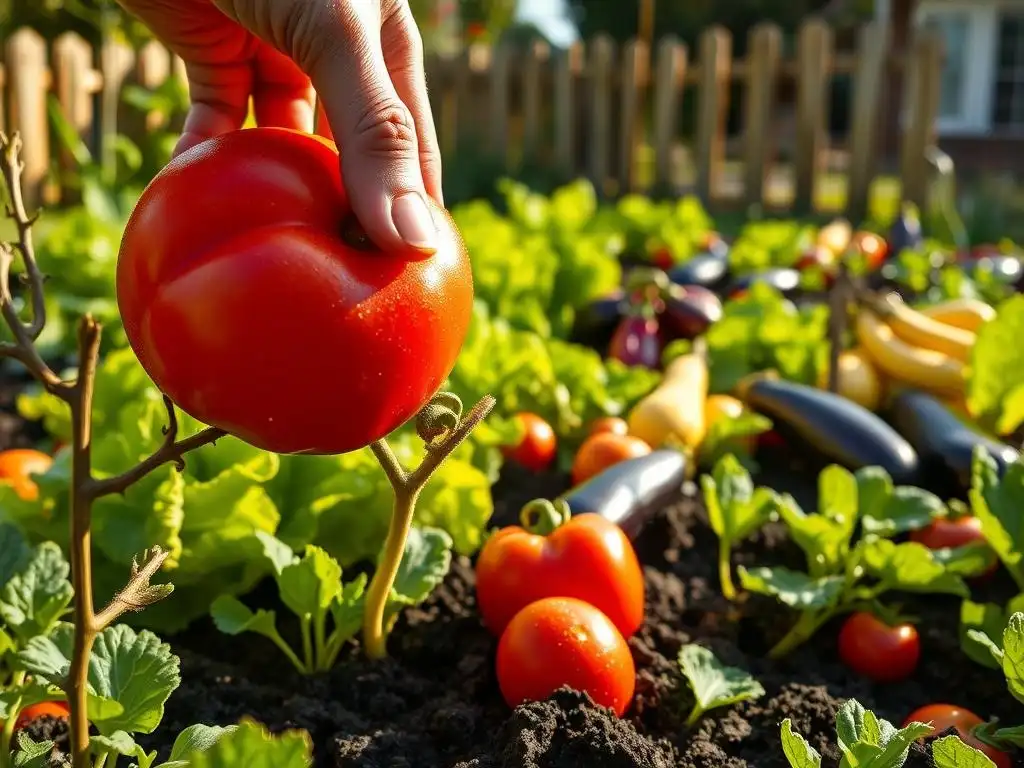
Ready to transform your backyard into a thriving oasis and significantly reduce your grocery bill? At CultivateYourFood, we empower you to grow your own delicious fruits, vegetables, and herbs using sustainable methods. Discover how you can save money homegrown vegetables and experience the immense satisfaction of harvesting your own organic produce. Learn more about the surprising financial advantages of a home garden and begin your journey towards a healthier, more sustainable lifestyle today!
- Save Money Homegrown Vegetables: Reducing Grocery Bills
- Investing in Long-Term Savings with Sustainable Gardening
- Boosting Your Income with Surplus Produce
- Sustainable Practices for Maximum Savings
- The Financial Benefits of Self-Sufficiency
-
Frequently Asked Questions
- How much money can I really save by growing my own vegetables?
- What are the initial costs of starting a home garden?
- Are homegrown vegetables always cheaper than store-bought ones?
- What vegetables are best for beginner home gardeners to save money?
- Besides saving money, what other benefits does growing my own food offer?
- Final Reflection: Cultivating Abundance: The Enduring Power of the Home Garden
- Unleash Your Garden's Financial Potential!
Save Money Homegrown Vegetables: Reducing Grocery Bills
Growing your own fruits, vegetables, and herbs isn't just a rewarding hobby; it's a powerful way to significantly reduce your household expenses. In today's economic climate, where grocery prices continue to climb, cultivating a sustainable home garden offers a tangible solution to stretch your food budget further. This article will explore the various financial advantages of embracing homegrown produce, demonstrating how you can effectively "save money homegrown vegetables" and reduce your reliance on expensive supermarket options.
We'll delve into specific examples, comparing the costs of homegrown versus store-bought produce, and highlighting the surprising impact of reduced food waste on your overall savings. By the end, you'll understand not just the potential savings, but also the practical steps to build a thriving, budget-friendly garden.
Lowering Costs of Fresh Produce
The most immediate financial benefit of a home garden is the substantial reduction in your weekly grocery bill. Supermarkets often inflate prices due to transportation, packaging, and marketing costs. These added expenses are eliminated when you grow your own food. For example, a single head of organic lettuce can cost upwards of $4 at a grocery store, while the seeds to grow multiple heads at home cost only a few dollars. Similarly, the cost of homegrown tomatoes, peppers, and herbs is drastically lower compared to their store-bought counterparts.
Consider the following table illustrating the potential savings:
| Produce Item | Average Store Price (per unit) | Estimated Homegrown Cost (per unit) | Savings per Unit |
|---|---|---|---|
| Lettuce (Head) | $4.00 | $0.50 | $3.50 |
| Tomatoes (1 lb) | $5.00 | $1.00 | $4.00 |
| Basil (small bunch) | $3.00 | $0.25 | $2.75 |
| Zucchini (1 medium) | $2.50 | $0.20 | $2.30 |
The cumulative savings can be substantial, especially if you consistently grow a wide variety of fruits and vegetables throughout the growing season. The initial investment in seeds, soil, and tools is quickly offset by the ongoing savings on your grocery bill. This approach allows you to enjoy fresh, high-quality produce without breaking the bank. Furthermore, the quality of homegrown produce often surpasses that of store-bought produce, offering superior taste and nutritional value.
The Impact of Reduced Food Waste on Your Budget
Beyond the direct cost savings of producing your own food, a home garden significantly minimizes food waste. When you buy produce from the supermarket, there’s a higher likelihood of spoilage before you can consume it all. This is due to factors like pre-packaged quantities, less-than-ideal storage conditions, and the temptation to buy more than you need.
With a home garden, you harvest only what you need, when you need it. This "just-in-time" approach drastically cuts down on spoilage, saving you money and reducing your environmental impact. The freshness of homegrown produce also encourages more frequent consumption, further reducing waste. This aspect alone can represent a significant portion of your overall savings, especially when considering the cost of discarding spoiled fruits and vegetables. The reduction in waste also translates to less money spent replacing spoiled items, adding another layer to your financial savings.
Comparing the Cost of Homegrown vs. Store-Bought Produce
To illustrate the financial advantages more clearly, let's compare the cost of growing a specific crop at home versus buying it from a store. Let's take tomatoes as an example. A single tomato plant can yield, on average, 10 pounds of tomatoes throughout the growing season. The cost of seeds and soil for one plant might be around $5. This means each pound of homegrown tomatoes costs approximately $0.50.
Compare this to the average price of store-bought tomatoes, which can range from $3 to $5 per pound, depending on the season and variety. The savings are evident, even considering the initial investment in the plant. This cost comparison can be replicated for many other vegetables and herbs, consistently highlighting the financial benefits of home gardening. The more you grow, the more significant the savings become, making it a truly worthwhile investment.
Investing in Long-Term Savings with Sustainable Gardening
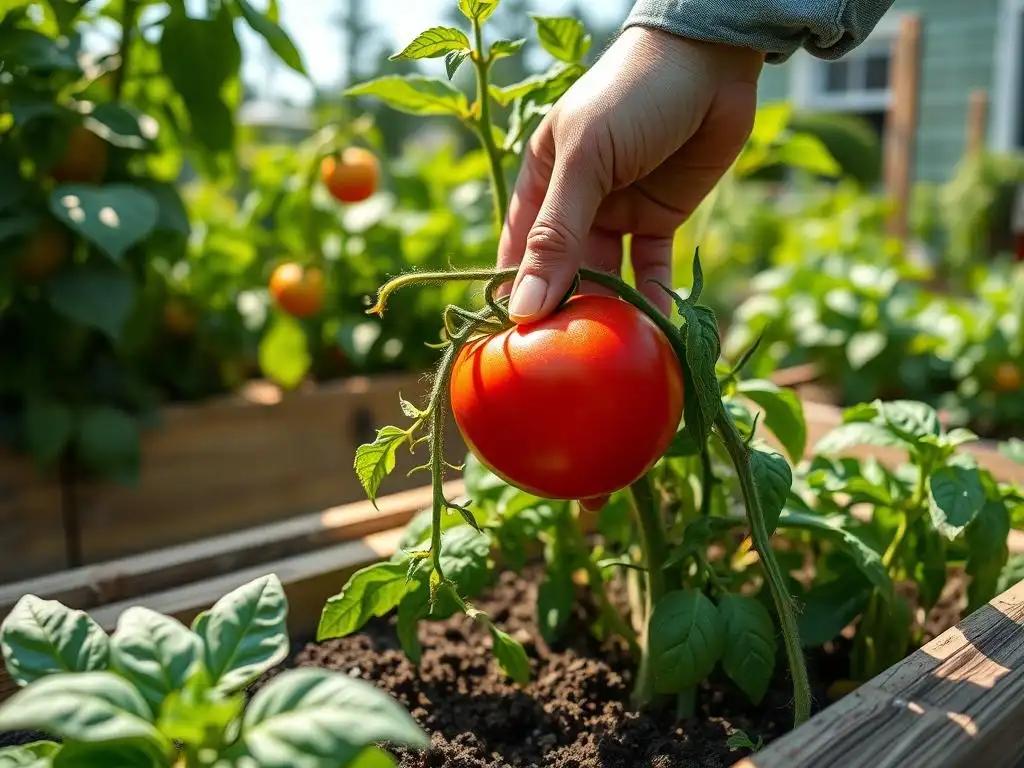
This section delves into the significant financial benefits of embracing sustainable home gardening as a long-term investment strategy. While initial setup costs might seem daunting, the cumulative savings over time far outweigh the initial expenditure, making it a financially savvy decision for anyone looking to save money homegrown vegetables and other produce. We'll explore how this approach translates into substantial long-term returns.
Return on Investment: The Long-Term Savings of a Home Garden
The return on investment (ROI) in home gardening is not immediately apparent, but it accrues steadily over time. Consider the cost of purchasing fresh, organic produce from grocery stores. Prices fluctuate seasonally, often spiking during periods of low supply. A home garden, however, offers a consistent and predictable supply of fresh produce, significantly reducing your grocery bill. Let's illustrate with an example:
A family of four might spend, on average, $150 per month on fresh fruits and vegetables. This translates to $1800 annually. Even with the initial investment in seeds, soil, tools, and perhaps a small raised bed or greenhouse, the savings accumulate rapidly.
Over five years, the potential savings could reach $9000. This doesn't account for the superior quality and flavor of homegrown produce – a benefit that's difficult to quantify financially but adds significant value. Furthermore, the longer you maintain your garden, the lower your annual costs become, as you can save seeds from year to year and reuse many materials.
Reducing reliance on expensive grocery stores.
Supermarkets often mark up prices to cover transportation, storage, and other operational costs. Homegrown vegetables bypass these intermediaries, resulting in significant savings. The cost savings are particularly noticeable for specialty items or organic produce, which often command premium prices in stores. By cultivating your own, you eliminate these markups and gain control over the quality and origin of your food.
This is especially crucial for those seeking pesticide-free or organically-grown produce, which can be substantially more expensive in commercial settings. This strategy allows you to save money homegrown vegetables while ensuring healthier options for your family. For example, a single head of organic romaine lettuce can cost $4-$5 at the grocery store; growing your own reduces this cost to pennies per head, factoring in seeds and labor.
The financial benefits of homegrown herbs and spices.
Often overlooked, homegrown herbs and spices offer substantial financial advantages. Even small quantities of fresh herbs purchased at the grocery store can be surprisingly expensive. Growing your own basil, oregano, rosemary, thyme, and other culinary staples eliminates these costs entirely. Moreover, homegrown herbs typically possess a far superior flavor profile compared to their dried or pre-packaged counterparts. This leads to improved culinary experiences and a reduction in the need to purchase expensive spice blends.
Consider the cost of a single jar of high-quality dried oregano – easily $5-$8. A small oregano plant, in contrast, can provide a continuous supply for many months, effectively eliminating this recurring expense. The cumulative savings from homegrown herbs and spices, though seemingly small individually, add up significantly over time. This is another way to successfully save money homegrown vegetables and spices.
This approach to sustainable home gardening not only provides fresh, healthy food but also offers a significant return on investment, reducing reliance on expensive grocery stores and eliminating the recurring costs of purchasing herbs and spices. The long-term financial benefits are undeniable, making home gardening a smart and rewarding endeavor.
Boosting Your Income with Surplus Produce
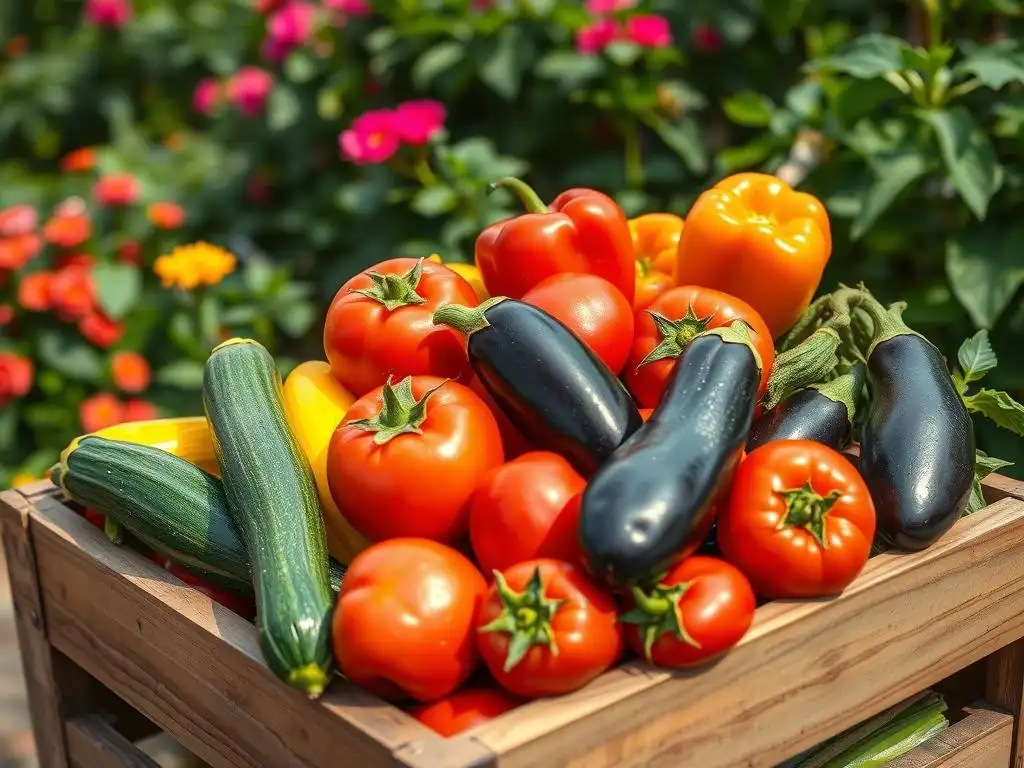
Growing your own food isn't just about saving money; with a little planning and effort, it can even boost your income. A bountiful harvest often yields more than a family can consume, presenting opportunities to turn your surplus produce into extra cash. This section explores various avenues for monetizing your homegrown abundance, helping you to truly maximize the financial benefits of your sustainable garden. Clever strategies for "Save money homegrown vegetables" can even lead to supplemental income.
Selling Excess Produce at Farmers' Markets and Local Shops
Farmers' markets and local shops offer excellent platforms to sell your extra fruits, vegetables, and herbs. The key to success lies in understanding your local market. Research which products are in high demand and at what price point they sell. Consider specializing in unique or heirloom varieties to stand out from the competition.
For instance, a surplus of heirloom tomatoes, particularly unusual colors like green or black, might command a higher price than standard red varieties. Similarly, organically grown herbs, especially those less common in supermarkets like lemon verbena or shiso, can be quite profitable.
Proper presentation is crucial. Use attractive baskets, containers, and signage. Clear labeling with the name of the product, growing method (organic! ), and price is essential. Excellent customer service and friendly interactions will encourage repeat business. Remember to comply with any local regulations regarding food sales, obtaining necessary permits if required. This meticulous approach to selling your homegrown goods is a reliable way to "Save money homegrown vegetables" and even earn a profit.
Community Supported Agriculture (CSA) Participation
Community Supported Agriculture (CSA) programs provide another avenue for selling your surplus produce. CSAs operate on a subscription basis, where consumers pay upfront for a share of the harvest throughout the growing season. This model offers a guaranteed market for your produce, reducing the risks associated with fluctuating market demands.
Participating in a CSA can be particularly advantageous if you specialize in a specific niche or produce a wide variety of seasonal items. For example, a gardener specializing in unusual varieties of peppers or a wide array of seasonal greens could attract a loyal customer base through a CSA. The upfront payment from subscribers provides a steady income stream, allowing for better financial planning and resource allocation for the next growing season. This consistent income stream is a reliable approach to "Save money homegrown vegetables" while creating a sustainable business model.
Before joining a CSA, carefully research programs in your area to ensure they align with your production capacity and goals. Understanding the program's terms, including payment schedules and member expectations, is paramount to a successful partnership.
Bartering and Sharing with Neighbors
While not directly generating cash, bartering and sharing with neighbors offers a valuable way to utilize surplus produce and build community relationships. This approach is ideal for smaller surpluses or for building goodwill within your neighborhood.
For instance, you might trade extra zucchini for homemade bread, or share your excess herbs with a neighbor in exchange for childcare services or other favors. This informal system of exchange fosters local connections and reduces food waste. It's a sustainable and community-oriented approach to managing your harvest, offering a different way to truly "Save money homegrown vegetables" by reducing reliance on store-bought produce. Moreover, this method promotes a sense of community and mutual support, enriching your life beyond mere financial gains.
Sustainable Practices for Maximum Savings
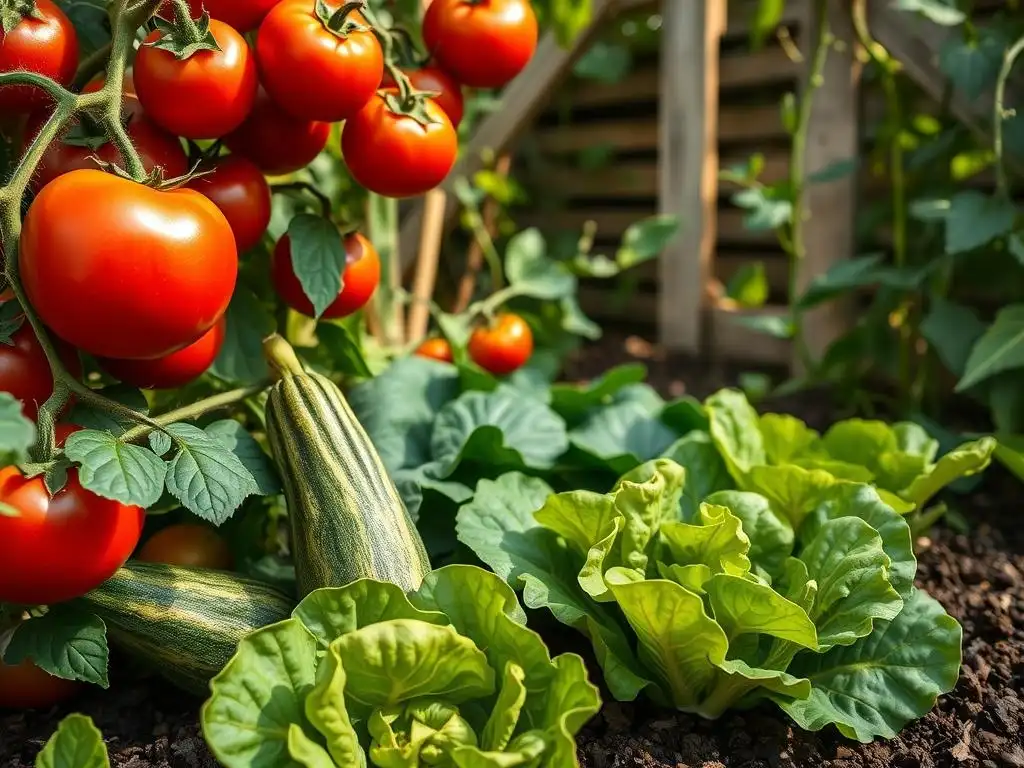
Growing your own food isn't just about fresh, healthy produce; it's a powerful way to save money homegrown vegetables and contribute to a healthier planet. By embracing sustainable practices, you can significantly reduce your overall gardening expenses and maximize your yield. This section details how implementing these eco-friendly methods translates directly into financial benefits. We'll explore how smart choices in composting, water management, and pest control can dramatically lower your costs.
Utilizing Composting to Reduce Waste and Fertilizer Costs
Composting is the cornerstone of sustainable gardening, offering numerous financial advantages. Instead of purchasing expensive commercial fertilizers, you can create your own nutrient-rich soil amendment from kitchen scraps, yard waste, and other organic materials. This significantly reduces reliance on store-bought fertilizers, resulting in substantial savings over time.
Consider this: a 50-pound bag of high-quality compost can cost between $15 and $30. By composting your own materials, you're essentially producing this valuable resource for free. The savings accumulate rapidly, especially for gardeners with larger plots or those who grow many plants.
Furthermore, composting reduces your household waste. Many municipalities charge for trash disposal, and diverting organic materials from landfills saves you money on garbage collection fees. This is a double win: you save on fertilizer and waste disposal!
Here’s a simple breakdown of potential savings:
| Item | Estimated Annual Cost (without composting) | Estimated Annual Cost (with composting) | Savings |
|---|---|---|---|
| Fertilizer | $50 - $100 | $10 - $20 (for occasional supplements) | $40 - $90 |
| Waste Disposal (estimated) | $50 - $150 | $10 - $30 (reduced waste) | $40 - $120 |
| Total Estimated Savings | $90 - $250 | $80 - $210 |
The actual savings will vary depending on your gardening scale and waste generation. However, the potential for significant cost reduction is evident. The initial investment in a compost bin is quickly recouped through these ongoing savings.
Water Conservation Techniques for Lower Utility Bills
Water is a precious resource, and its cost is steadily increasing. Efficient irrigation strategies are crucial for minimizing your water bill while ensuring a healthy garden. Implementing water-wise gardening techniques directly translates into lower utility expenses.
Drip irrigation systems, for example, deliver water directly to the roots, minimizing evaporation and runoff. This method is far more efficient than traditional overhead sprinklers, leading to substantial water savings. Consider the cost difference between a typical water bill and one significantly reduced by efficient irrigation.
Furthermore, choosing drought-tolerant plant varieties reduces the frequency and duration of watering. Selecting species that thrive in your local climate drastically cuts down on water consumption, leading to significant long-term savings.
By implementing these methods, you can lower your water bill, contributing to both your budget and environmental sustainability. The initial investment in a drip irrigation system is a worthwhile expenditure that pays for itself in reduced water costs over time.
Pest Control Strategies: Avoiding Expensive Chemical Treatments
Chemical pesticides can be expensive and harmful to the environment. Sustainable pest control focuses on preventative measures and natural solutions, significantly reducing your reliance on costly chemical treatments.
Employing companion planting, for instance, involves strategically placing plants that repel pests near vulnerable crops. This natural pest control method is free and highly effective. Moreover, attracting beneficial insects like ladybugs and lacewings—natural predators of many garden pests—also helps to control pest populations without the need for chemicals.
Regular garden maintenance, including removing weeds and dead leaves, minimizes pest habitats. This simple practice significantly reduces the likelihood of infestations, thus lowering the need for expensive pesticides.
By prioritizing these sustainable pest control strategies, you can avoid the recurring costs associated with chemical treatments, saving money while promoting a healthy and balanced ecosystem in your garden. The long-term savings from adopting these natural methods far outweigh the initial effort involved.
The Financial Benefits of Self-Sufficiency
This section explores the significant financial advantages of cultivating your own fruits, vegetables, and herbs. By growing your own food, you directly reduce your reliance on commercial food systems, leading to substantial savings and increased financial stability. This is particularly relevant for those seeking to save money homegrown vegetables and build a more resilient and affordable lifestyle. We'll delve into specific areas where homegrown produce translates to tangible financial gains.
Increased Food Security and Reduced Vulnerability to Price Fluctuations
The rising cost of groceries is a universal concern. Supermarket prices fluctuate based on numerous factors, including weather patterns, fuel costs, and global supply chain issues. This volatility can significantly impact household budgets. Growing your own food offers a powerful buffer against these unpredictable price swings. For example, a family that grows its own tomatoes avoids the price spikes often seen during the off-season. This translates directly into saving money homegrown vegetables like tomatoes, and other seasonal produce.
Consider this scenario: A family of four spends approximately $150 per month on fresh produce. By successfully growing even a portion of their vegetables at home – let's say 25% – they could save $37.50 monthly. This equates to $450 annually, a substantial amount that can be used for other household needs or invested for the future.
Furthermore, growing your own food reduces your reliance on potentially expensive and less nutritious processed foods, leading to further cost savings and improved health. The ability to save money homegrown vegetables contributes significantly to overall food security, reducing the stress associated with fluctuating food costs.
The Psychological and Emotional Benefits of Financial Independence through Food Production
The financial benefits of homegrown food extend beyond mere monetary savings. The act of cultivating your own food fosters a sense of self-reliance and independence. Knowing you can provide for your family's nutritional needs, even in times of economic uncertainty, offers a significant psychological boost.
This reduced reliance on external systems contributes to a greater sense of financial security and control, reducing stress and anxiety often associated with fluctuating food prices. The satisfaction of harvesting your own produce adds an immeasurable value that contributes to overall well-being and improves mental health. This feeling of accomplishment directly contributes to a more positive and financially stable outlook, proving that saving money homegrown vegetables is about more than just the monetary savings.
Long-term financial planning through homegrown food
Growing your own food can be integrated into a comprehensive long-term financial strategy. The initial investment in seeds, tools, and soil can be seen as a long-term investment, providing returns year after year. Furthermore, the savings accumulated from reduced grocery bills can be reinvested in expanding your garden, improving its efficiency, or exploring other sustainable practices.
This approach creates a positive feedback loop, where financial gains from homegrown food contribute to greater self-sufficiency and further cost reductions. This cyclical approach emphasizes the long-term value proposition of home gardening as a tool for financial planning and security. By actively engaging in saving money homegrown vegetables and other produce, you are building a sustainable and resilient financial foundation for the future.
The consistent savings from reduced grocery bills can be channeled into other financial goals, such as paying down debt, investing, or building an emergency fund. This proactive approach to financial planning, fueled by the rewards of homegrown food, positions you for long-term financial stability and peace of mind.
Frequently Asked Questions
How much money can I really save by growing my own vegetables?
The amount you save depends on what you grow and your local grocery prices. You can easily save hundreds of dollars annually by replacing frequently purchased items like tomatoes, lettuce, and herbs with homegrown produce. Savings are maximized when you grow crops that are expensive to buy.
What are the initial costs of starting a home garden?
Initial costs include seeds or seedlings, soil, tools (some are optional), and potentially a raised bed or other garden structure. However, many of these costs are one-time investments, and many tools can be found secondhand, significantly reducing the initial outlay.
Are homegrown vegetables always cheaper than store-bought ones?
While not always cheaper per unit, homegrown vegetables are often more cost-effective in the long run due to reduced transportation, packaging, and marketing costs. Plus, you control the quality and freshness.
What vegetables are best for beginner home gardeners to save money?
Easy-to-grow, high-yield vegetables like leaf lettuce, zucchini, beans, and radishes offer a great return on investment for beginners. These require minimal space and experience, leading to quick and substantial savings.
Besides saving money, what other benefits does growing my own food offer?
Beyond financial savings, home gardening provides fresh, nutritious food, reduces your carbon footprint through local sourcing, and offers opportunities for physical activity and stress reduction. It's a rewarding and sustainable lifestyle choice.
Final Reflection: Cultivating Abundance: The Enduring Power of the Home Garden
The rising cost of groceries and the increasing awareness of environmental sustainability are converging to make the home garden not just a hobby, but a powerful tool for financial resilience. Growing your own food is no longer a quaint pastime; it's a strategic move towards a more secure and environmentally conscious future. The benefits extend far beyond simply saving money on produce; it's about reclaiming control over your food source and contributing to a healthier planet.
The impact of the home garden extends beyond the immediate financial savings; it fosters a deeper connection with the natural world and cultivates a sense of self-sufficiency that is increasingly valuable in our rapidly changing world. It's a tangible reminder of the cyclical nature of life and the rewarding process of nurturing something from seed to harvest. As Wendell Berry so eloquently put it: Eating is an agricultural act. What you eat is a political decision.
By choosing to grow our own food, we are actively participating in a more sustainable and equitable food system.
Consider the seeds you plant, not just literally, but metaphorically. Think about the potential for growth, both in your garden and in your own life. This article has provided you with the tools to begin your journey towards a more financially secure and environmentally responsible future; now it's time to put them into practice. Start small, learn as you go, and savor the fruits (and vegetables!) of your labor. The rewards, both tangible and intangible, are well worth the effort.
Unleash Your Garden's Financial Potential!
Thank you for exploring the financial benefits of a sustainable home garden! We hope you've discovered new ways to save money and live more sustainably. Now it's time to put your knowledge into practice.
- Start small, but start now: Begin with one or two easy-to-grow vegetables or herbs, such as lettuce and basil. Even a small harvest will noticeably reduce your grocery bill. This is the most impactful first step toward achieving significant savings.
- Share your bounty: Invite friends for a meal featuring your homegrown produce, or donate any surplus to a local food bank. This is a wonderful way to build community and inspire others to grow their own food.
- Track your savings: Monitor how much money you save each month on groceries. Seeing your progress will be incredibly motivating and help you better predict future savings.
Ready to experience the financial and environmental rewards of gardening? What's your first step toward a more financially rewarding and environmentally friendly garden?