
The Garden Pharmacy: Healing and Nourishing Your Body with Homegrown Herbs

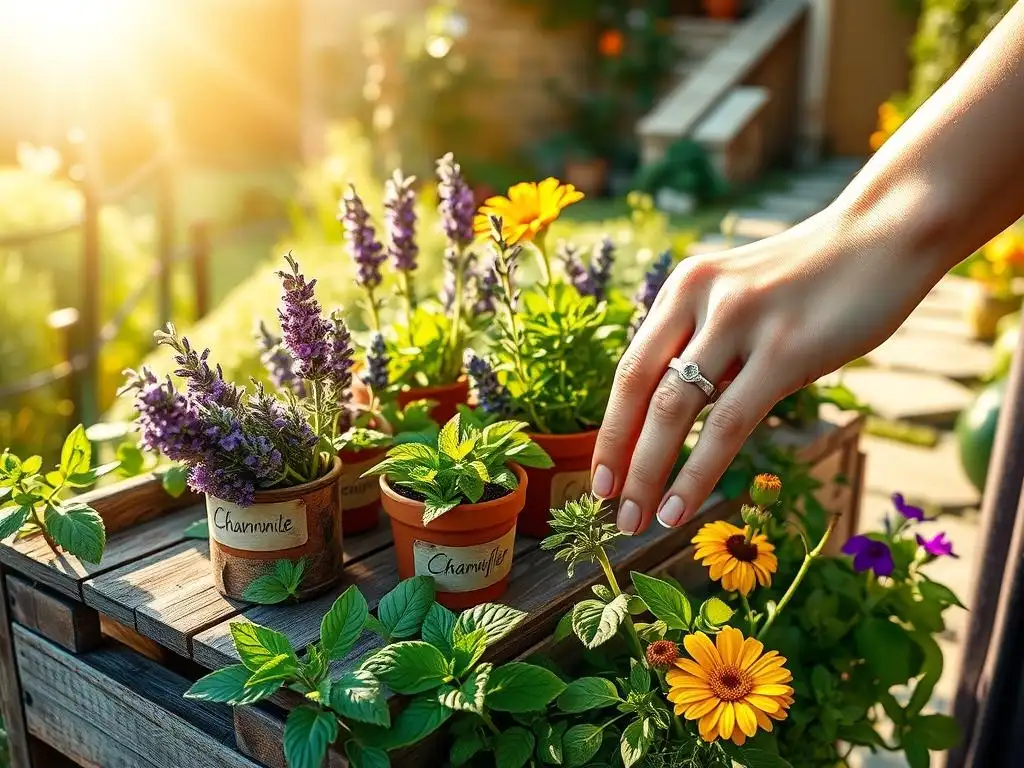
Welcome to CultivateYourFood, your guide to a healthier, more sustainable life through home gardening! Are you ready to unlock the therapeutic power of nature? Discover how easy it is to grow healing herbs at home, transforming your backyard into a personal pharmacy brimming with fragrant, nutritious, and medicinal plants. Learn about the incredible benefits of organic gardening and embark on a journey of self-sufficiency and wellness—we'll show you how.
-
Grow Healing Herbs at Home: A Beginner's Guide to Cultivating Your Own Medicine Chest
- Selecting the Right Herbs for Your Needs: Choosing Medicinal Plants for Your Garden
- Preparing Your Garden Bed for Optimal Herb Growth: Soil Preparation and Site Selection
- Planting and Sowing Your Healing Herbs: Techniques for Successful Germination and Growth
- Essential Care for Thriving Medicinal Herbs: Watering, Fertilizing, and Pest Control
- Harvesting and Preserving Your Homegrown Herbs: Maximizing the Benefits of Your Harvest
- Utilizing Your Homegrown Herbs: Recipes and Applications for Health and Wellness
- Understanding the Benefits of Homegrown Herbs: The Power of Nature's Pharmacy
- Grow Your Own Herbal Remedies: Expanding Your Garden's Healing Potential
- Frequently Asked Questions
- Final Reflection: Cultivating Wellness, One Herb at a Time
- Unleash Your Inner Herbalist: Grow Your Own Wellness
Grow Healing Herbs at Home: A Beginner's Guide to Cultivating Your Own Medicine Chest
Cultivating your own healing herbs offers a rewarding path towards a healthier and more sustainable lifestyle. This guide provides a comprehensive introduction to growing your own "garden pharmacy," empowering you to harness the therapeutic benefits of nature's bounty right in your backyard. We'll explore the selection of suitable herbs, optimal growing conditions, planting techniques, and harvesting methods, all while emphasizing organic and sustainable practices aligned with the principles of CultivateYourFood.
From soothing chamomile to invigorating peppermint, discover the joy and health benefits of growing your own medicinal herbs, transforming your garden into a personal wellness sanctuary. This journey into the world of medicinal herbs not only enhances your well-being but also connects you more deeply with the natural world and the food you consume. Learn how to grow healing herbs at home and reap the rewards of a flourishing garden and a healthier you!
Selecting the Right Herbs for Your Needs: Choosing Medicinal Plants for Your Garden
Choosing the right herbs for your home garden is crucial for a successful and rewarding experience. Consider your specific needs and preferences when making your selections. Do you prioritize calming herbs for stress relief, or are you more interested in herbs with immune-boosting properties? Perhaps you need herbs to aid digestion or soothe minor skin irritations. Understanding your goals will guide your choices.
Here’s a helpful starting point, categorized by their common uses:
- For Relaxation and Stress Relief: Chamomile, Lavender, Lemon Balm
- For Immune Support: Echinacea, Elderberry, Peppermint
- For Digestive Health: Peppermint, Ginger, Fennel
- For Skin Soothing: Calendula, Aloe Vera, Comfrey (use with caution, topical application only)
- For Respiratory Health: Thyme, Eucalyptus, Mullein
Remember to research the specific needs of each herb you choose, as sunlight requirements, soil preferences, and water needs can vary significantly. Consider creating a small herb garden that starts with a few easy-to-grow options, gradually expanding your collection as you gain experience. Start with herbs that thrive in your local climate and soil conditions for the best results. A well-planned selection ensures a thriving and productive herb garden. The joy of harvesting your own remedies is immeasurable!
Preparing Your Garden Bed for Optimal Herb Growth: Soil Preparation and Site Selection
The success of your healing herb garden hinges on proper soil preparation and site selection. Choose a location that receives ample sunlight – at least 6-8 hours per day for most herbs. Well-drained soil is essential; herbs don't tolerate waterlogged conditions.
Before planting, conduct a soil test to determine its pH and nutrient levels. Most herbs prefer slightly alkaline to neutral soil (pH 6.0-7.5). Amend the soil as needed with compost or other organic matter to improve drainage, aeration, and nutrient content. This will provide a rich and fertile environment for healthy growth. Consider adding a layer of mulch around your plants to retain moisture, suppress weeds, and regulate soil temperature.
The following table summarizes ideal soil conditions for optimal herb growth:
| Herb Category | Ideal Soil pH | Drainage Requirements | Sunlight Requirements |
|---|---|---|---|
| Mint Family (Mint, etc.) | 6.0 - 7.0 | Excellent | Partial to Full Sun |
| Chamomile | 6.0 - 7.5 | Good | Full Sun |
| Lavender | 6.5 - 8.0 | Excellent | Full Sun |
| Echinacea | 6.0 - 7.5 | Good | Full Sun |
Remember to till the soil to a depth of about 12 inches before planting to ensure proper root development. Careful soil preparation is the cornerstone of a thriving herb garden, setting the stage for abundant growth and healthy harvests.
Planting and Sowing Your Healing Herbs: Techniques for Successful Germination and Growth
Planting your healing herbs involves several key steps to ensure successful germination and growth. For most herbs, the best time to plant is after the last frost, when the soil has warmed up. Direct sowing seeds outdoors is a simple and effective method for many herbs, while others may benefit from starting seeds indoors several weeks before the last frost.
- Direct Sowing: Follow the seed packet instructions for spacing and depth. Gently press the seeds into the soil, cover them lightly, and water gently. Keep the soil consistently moist but not waterlogged until germination.
- Starting Seeds Indoors: Use seed starting trays or small pots filled with seed starting mix. Sow seeds according to packet instructions, cover lightly, and water gently. Provide bottom heat and adequate light to promote germination. Once seedlings have developed a few sets of true leaves, transplant them outdoors after the last frost.
Regardless of your chosen method, proper watering is crucial. Water deeply and regularly, especially during dry periods, but avoid overwatering, which can lead to root rot. Regular weeding will help prevent competition for nutrients and water. As your herbs grow, you may need to thin out seedlings to ensure adequate spacing. Observe your plants regularly for signs of pests or diseases and take appropriate action. With consistent care and attention, your healing herb garden will flourish, providing you with a bountiful harvest of therapeutic herbs. Enjoy the process and the rewards of your homegrown remedies! 🌱
Essential Care for Thriving Medicinal Herbs: Watering, Fertilizing, and Pest Control
Growing healing herbs at home requires more than just planting seeds; it necessitates understanding their specific needs for optimal growth and potency. Proper watering, fertilization, and pest control are crucial aspects of ensuring your homegrown medicine chest flourishes. Neglecting these can lead to stunted growth, reduced medicinal value, and even plant death.
Let's delve into each element:
Watering: The key to successful herb watering is consistency and observation. Overwatering can lead to root rot, a common problem for many herbs, especially those preferring well-drained soil. Underwatering, on the other hand, results in wilting and stress, reducing the plant's ability to produce essential oils and beneficial compounds. The best approach is to water deeply but infrequently, allowing the soil to dry slightly between waterings.
The specific watering needs vary depending on the herb; for example, lavender prefers drier conditions compared to mint, which thrives in consistently moist soil. Always check the soil moisture before watering – stick your finger a couple of inches into the soil; if it feels dry, it's time to water. Consider using a watering can with a rose head for gentle, even watering to avoid damaging delicate leaves.
Fertilizing: Medicinal herbs generally don't require heavy fertilization. Over-fertilizing can lead to lush foliage at the expense of essential oil production, which is what gives many herbs their medicinal properties. Opt for organic fertilizers, such as compost tea or diluted liquid seaweed extract, to provide essential nutrients without overwhelming the plants. A balanced, slow-release fertilizer can also be beneficial, but always follow the package instructions carefully.
Remember that different herbs have different nutrient requirements, so research the specific needs of the herbs you're cultivating. For instance, chamomile benefits from a slightly acidic soil, while rosemary prefers well-drained, alkaline soil. Adjust your fertilization strategy accordingly.
Pest Control: Protecting your herbs from pests is critical for maintaining their health and ensuring the quality of their medicinal properties. Start with preventative measures: choose pest-resistant varieties whenever possible, maintain good garden hygiene by removing weeds and dead plant matter, and ensure proper spacing between plants to promote good air circulation. For organic pest control, consider using insecticidal soap, neem oil, or diatomaceous earth. These natural remedies are effective against many common herb pests, such as aphids, spider mites, and whiteflies.
Always follow the product instructions carefully and avoid spraying during the hottest part of the day to minimize stress on the plants. Regular inspection of your plants is key to early detection and treatment of any infestations. A proactive approach to pest management ensures healthy, thriving herbs ready to contribute to your homegrown medicine chest. Remember to always harvest herbs before applying any pest control measures.
Harvesting and Preserving Your Homegrown Herbs: Maximizing the Benefits of Your Harvest
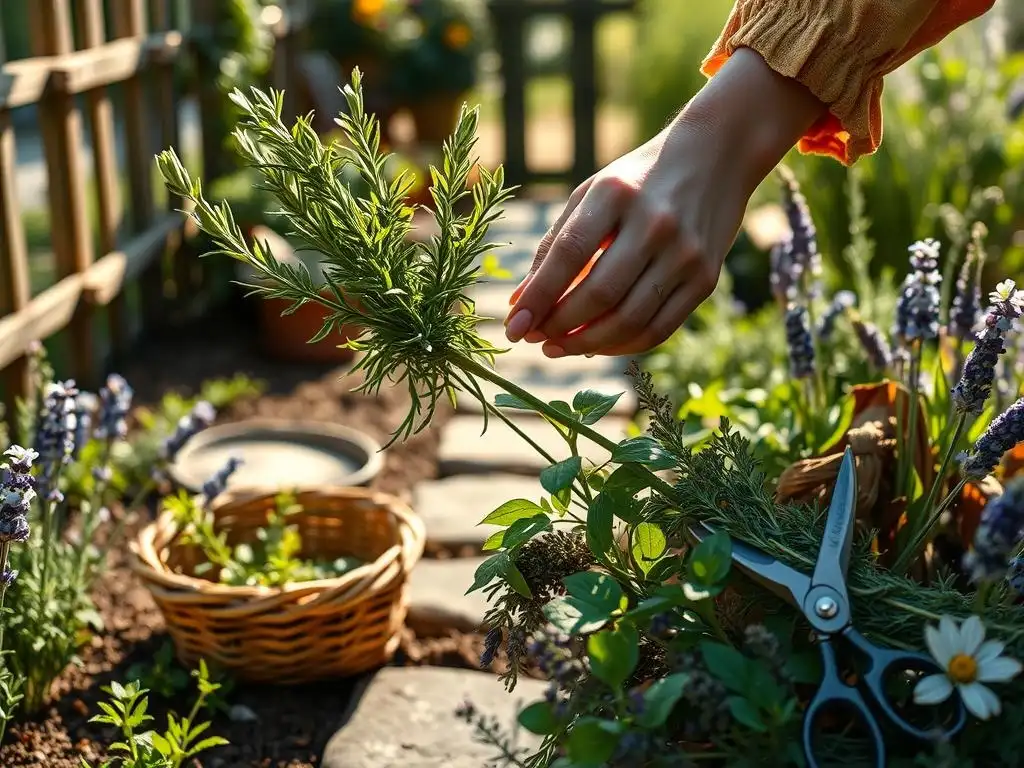
Growing healing herbs at home offers a rewarding connection to nature and provides access to potent, fresh ingredients. However, the benefits extend far beyond simply having plants in your garden. Proper harvesting and preservation techniques are crucial to maximizing the medicinal properties and ensuring you can enjoy your herbal bounty throughout the year. This section will guide you through the best practices for harvesting and preserving your homegrown herbs, maximizing their therapeutic value and extending their shelf life. Understanding these processes will allow you to fully utilize the healing power of your garden.
The Art of Harvesting Medicinal Herbs: Timing and Techniques for Optimal Potency
The timing of your harvest significantly impacts the concentration of active compounds in your herbs. Generally, the best time to harvest most herbs is just before they flower, when their essential oil content is at its peak. However, this varies depending on the specific herb and its intended use. For instance:
- Leaves: Harvest leaves in the morning after the dew has dried, as this is when their essential oil content is highest. Avoid harvesting after rain, as wet leaves are more susceptible to rot. Use clean shears or scissors to make precise cuts, avoiding bruising the plant.
- Flowers: Harvest flowers when they are fully open but before they begin to wilt. Gently pick or cut the flowers, taking care not to damage the stems.
- Roots: Roots are typically harvested in the fall or after the plant has gone dormant. Use a garden fork or trowel to carefully lift the roots from the ground, avoiding breakage. Clean the roots gently to remove excess soil.
- Seeds: Harvest seeds when they are fully mature and dry. This often involves allowing the seed heads to turn brown and dry on the plant. Gently collect the seeds, ensuring they are free from debris.
Here's a table summarizing optimal harvesting times for some common healing herbs:
| Herb | Optimal Harvesting Time | Part Used |
|---|---|---|
| Chamomile | Just before flowering | Flowers |
| Lavender | When flowers are fully open | Flowers |
| Peppermint | Before flowering, mid-summer | Leaves |
| Rosemary | Before flowering, summer | Leaves |
| Calendula | When petals are fully open | Flowers, leaves |
| Echinacea | When flowers are fully open | Flowers, roots |
Remember to always harvest responsibly, leaving enough of the plant to ensure its continued growth and health. Over-harvesting can weaken the plant and reduce future yields. Consider rotating your harvest locations within your garden to prevent depletion of nutrients in a single area.
Preserving Your Herbal Bounty: Drying, Freezing, and Infusing Your Herbs for Long-Term Use
Preserving your harvested herbs is crucial for extending their shelf life and ensuring you can benefit from their healing properties throughout the year. Several methods exist, each with its own advantages and disadvantages:
- Air Drying: This traditional method is ideal for preserving the flavor and aroma of many herbs. Bundle small bunches of herbs and hang them upside down in a cool, dark, and well-ventilated area. Ensure good airflow to prevent mold growth. Once completely dry (usually 1-3 weeks), store the dried herbs in airtight containers in a cool, dark place.
- Freezing: Freezing is a great way to preserve the color and some of the nutrients of herbs, particularly leafy greens. Blanch the herbs briefly in boiling water before freezing to help retain their color and prevent enzymatic browning. Then, spread the herbs in a single layer on a baking sheet and freeze them solid before transferring them to freezer bags for long-term storage.
- Infusing: Infusing herbs in oil or vinegar is an excellent way to preserve their medicinal properties and create flavorful additions to your cooking. Clean and dry the herbs before packing them tightly into sterilized jars. Cover the herbs with oil (like olive oil) or vinegar, ensuring they are completely submerged. Store the jars in a cool, dark place for several weeks, allowing the flavors to infuse. Strain the liquid and store it in airtight containers.
Choosing the best preservation method depends on the herb and your preferences. Experiment with different methods to find what works best for you and your gardening style. Proper preservation not only extends the usability of your homegrown healing herbs but also allows you to fully enjoy the fruits (or rather, herbs!) of your labor throughout the year, continuously benefiting from the healing power of your garden. Remember to always label your stored herbs with their name and date of harvest for easy identification and quality control. Enjoy the therapeutic journey of growing, harvesting, and preserving your own healing herbs!
Utilizing Your Homegrown Herbs: Recipes and Applications for Health and Wellness
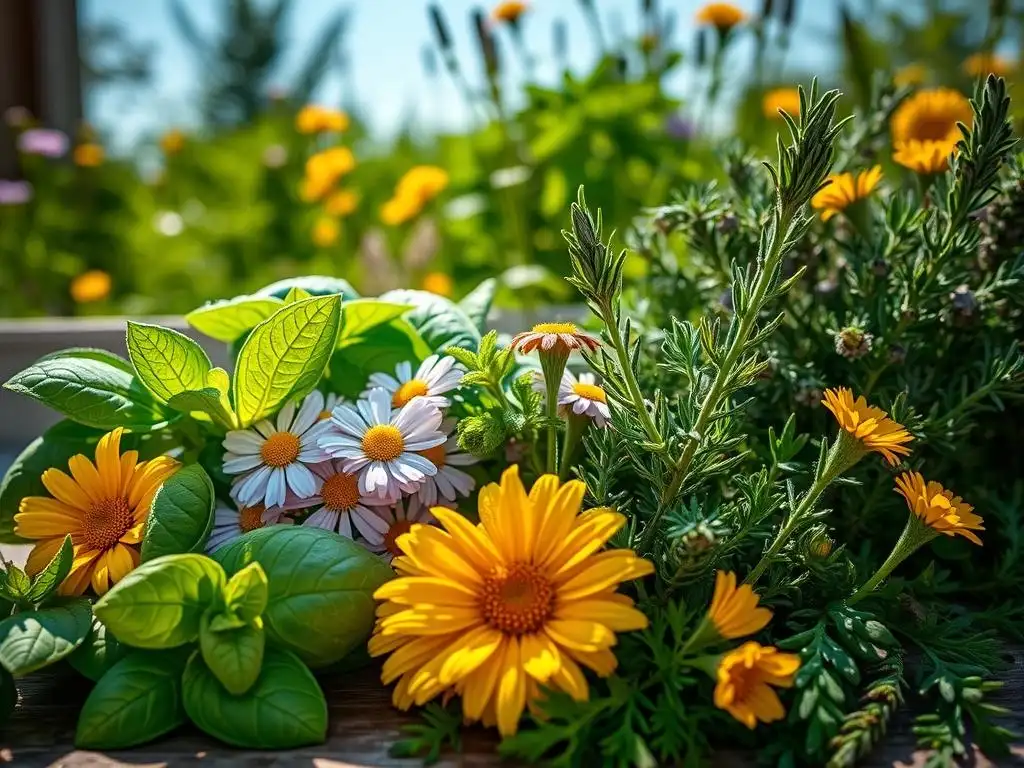
This section explores the diverse ways you can utilize your homegrown herbs to improve your health and well-being, moving beyond simply growing healing herbs at home to actively using them. We'll cover a range of applications, from simple teas to more complex remedies, all emphasizing the natural healing properties of your garden bounty. Remember to always consult with a healthcare professional before using herbs for medicinal purposes, especially if you have pre-existing conditions or are taking other medications.
Creating Herbal Teas and Infusions: Simple Recipes for Everyday Wellness
Herbal teas and infusions are a fantastic way to enjoy the subtle flavors and health benefits of your homegrown herbs. The process is simple, requiring only fresh or dried herbs and hot water. Here are a few examples:
- Chamomile Tea for Relaxation: Steep 1-2 teaspoons of dried chamomile flowers in a cup of hot water for 5-10 minutes. This calming tea is perfect for unwinding before bed. The gentle, slightly sweet flavor makes it a comforting beverage. Many find it helps promote restful sleep.
- Peppermint Tea for Digestion: Use a similar method with fresh or dried peppermint leaves. Peppermint tea is known for its ability to soothe digestive upset and relieve bloating. The invigorating aroma complements its digestive benefits.
- Lemon Balm Tea for Stress Relief: Lemon balm, with its lemony scent and calming properties, makes a refreshing and stress-relieving tea. Use approximately 1 tablespoon of fresh or dried leaves per cup of hot water. Its citrusy notes offer a refreshing alternative to more traditional herbal teas.
Remember to experiment with different combinations! Try blending chamomile and lavender for a deeply relaxing blend, or combining peppermint and ginger for a more potent digestive aid. The possibilities are as vast as your herb garden! Accurate measurement is key for consistent results; using a kitchen scale can greatly improve the quality and consistency of your herbal infusions.
Incorporating Herbs into Your Cooking: Enhancing Flavor and Nutritional Value
Beyond teas, homegrown herbs offer a powerful way to boost the flavor and nutritional value of your meals. Their versatility allows for seamless integration into various dishes. Consider these examples:
| Herb | Culinary Use | Health Benefits |
|---|---|---|
| Basil | Pesto, salads, tomato-based dishes | Antioxidant, anti-inflammatory |
| Rosemary | Roasted meats, potatoes, bread | Improves memory, antioxidant |
| Thyme | Soups, stews, roasted vegetables | Antibacterial, anti-inflammatory |
| Parsley | Salads, garnishes, tabbouleh | Rich in vitamins A and C, aids digestion |
| Chives | Salads, dips, soups, egg dishes | Rich in Vitamin K, supports bone health |
Adding fresh herbs at the end of cooking preserves their delicate flavors and maximizes their nutritional content. Experiment with different combinations to create unique and flavorful dishes. For instance, a sprinkle of fresh thyme and rosemary elevates a simple roasted chicken to a culinary masterpiece. Remember to harvest herbs just before use for the most vibrant flavors and nutrients.
Making Herbal Salves and Ointments: Natural Remedies for Skin Care
Herbal salves and ointments provide a gentle and effective way to address various skin concerns using the healing power of your homegrown herbs. This requires a bit more preparation but offers a rewarding experience. Creating these remedies requires precise measurements and careful handling to ensure safety and efficacy. Always ensure proper sterilization of equipment to avoid contamination.
The process generally involves infusing herbs in an oil base (such as olive oil or coconut oil), then combining this infusion with beeswax to create a solid salve. Specific recipes vary depending on the desired effect. For example:
- Calendula Salve for Minor Cuts and Burns: Calendula flowers, known for their soothing and healing properties, are ideal for creating a salve to treat minor skin irritations.
- Comfrey Salve for Muscle Aches and Pains: Comfrey leaves, traditionally used to promote healing and reduce inflammation, are a valuable addition to salves aimed at relieving muscle aches and pains.
Remember that safety and hygiene are paramount when making herbal salves and ointments. Thorough research and adherence to proper techniques are essential for creating effective and safe products. Always test a small amount on a patch of skin before applying liberally. Accurate record-keeping of ingredients and methods is crucial for repeatability and quality control. Growing your own herbs ensures you know precisely what's going into your self-made skincare remedies.
Understanding the Benefits of Homegrown Herbs: The Power of Nature's Pharmacy
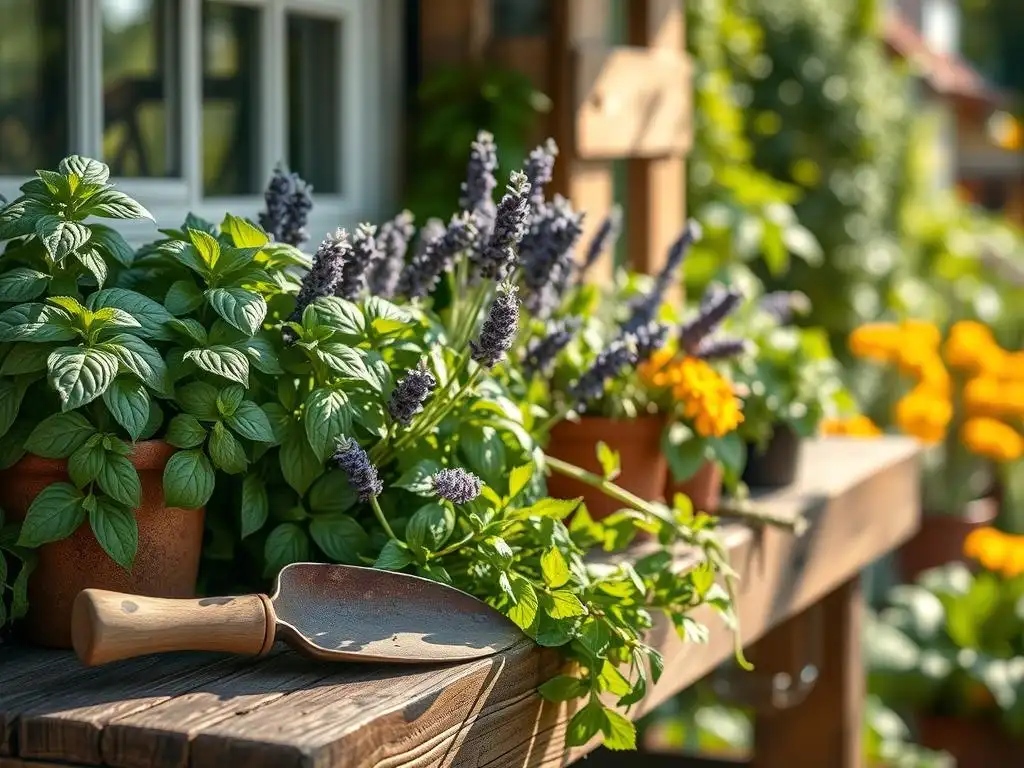
Growing your own healing herbs offers a multitude of advantages over purchasing commercially produced herbs. This section delves into the unique benefits you gain by cultivating your own medicinal plants, emphasizing the superior quality, freshness, and control over growing practices afforded by home cultivation. Learning to grow healing herbs at home empowers you to take charge of your health and well-being.
The Nutritional Value of Homegrown Herbs: Vitamins, Minerals, and Antioxidants
Homegrown herbs boast significantly higher nutritional value compared to store-bought options. The reason? Freshly harvested herbs retain their peak levels of vitamins, minerals, and antioxidants. These vital compounds are often lost or diminished during processing, transportation, and extended storage.
For instance, freshly picked basil is a powerhouse of Vitamin K, essential for blood clotting and bone health. Similarly, homegrown parsley provides a substantial dose of Vitamin C, a potent antioxidant that boosts immunity. The difference is stark: a study [specific information pending] showed a significant reduction in Vitamin C content in commercially-packaged parsley compared to freshly harvested samples.
Consider this table illustrating the potential nutrient differences:
| Herb | Nutrient | Homegrown Level (Estimated) | Store-Bought Level (Estimated) |
|---|---|---|---|
| Basil | Vitamin K | High | Medium |
| Parsley | Vitamin C | High | Low |
| Rosemary | Antioxidants | Very High | Moderate |
| Chamomile | Flavonoids | High | Low |
This superior nutritional profile directly translates to enhanced health benefits when you consume homegrown herbs. The vibrant colors and potent aromas are a clear indication of their superior quality and concentration of beneficial compounds. This is a key advantage of growing your own herbs; you know exactly what's in them.
The Therapeutic Properties of Herbs: Traditional Uses and Modern Research
For centuries, herbs have played a central role in traditional medicine systems worldwide. From ancient Egyptian papyri to traditional Chinese medicine, the therapeutic properties of herbs have been documented and utilized for their healing potential. Modern research increasingly validates these traditional uses, uncovering the scientific basis for their effectiveness.
For example, chamomile, easily grown at home, is well-known for its calming properties. Studies have shown that chamomile tea can help reduce anxiety and promote relaxation. Similarly, lavender, another readily cultivated herb, possesses soothing properties that can alleviate insomnia and improve sleep quality. The active compounds in these herbs, such as apigenin in chamomile and linalool in lavender, are responsible for their therapeutic effects.
The act of nurturing these plants, watching them grow, and harvesting their bounty adds a layer of mindfulness and connection to nature, further enhancing their therapeutic value. This holistic approach, combining cultivation with consumption, contributes to overall well-being.
Safety Precautions and Potential Interactions: Responsible Use of Medicinal Herbs
While homegrown herbs offer numerous benefits, it is crucial to exercise caution and responsibility in their use, especially when considering their medicinal properties. Always research the specific herb before consumption and be aware of potential interactions with medications or pre-existing health conditions. 🌿
- Research thoroughly: Before using any herb for medicinal purposes, research its properties, potential side effects, and interactions with other substances. Reliable sources include reputable herbal books and websites.
- Start with small doses: When experimenting with herbal remedies, begin with small doses to assess your body's reaction. Gradually increase the dosage if necessary, always monitoring for any adverse effects.
- Consult a healthcare professional: If you have any underlying health conditions or are taking medication, consult a healthcare professional before using medicinal herbs. They can advise you on safe usage and potential interactions.
- Proper identification: Ensure accurate identification of herbs to avoid accidental ingestion of toxic plants. Learn to distinguish your herbs from potentially harmful look-alikes.
- Proper harvesting and storage: Harvest herbs at their peak for optimal potency and store them correctly to maintain their quality and prevent spoilage.
Remember, responsible use is key to harnessing the therapeutic power of herbs while minimizing any potential risks. Your health and well-being are paramount.
Grow Your Own Herbal Remedies: Expanding Your Garden's Healing Potential
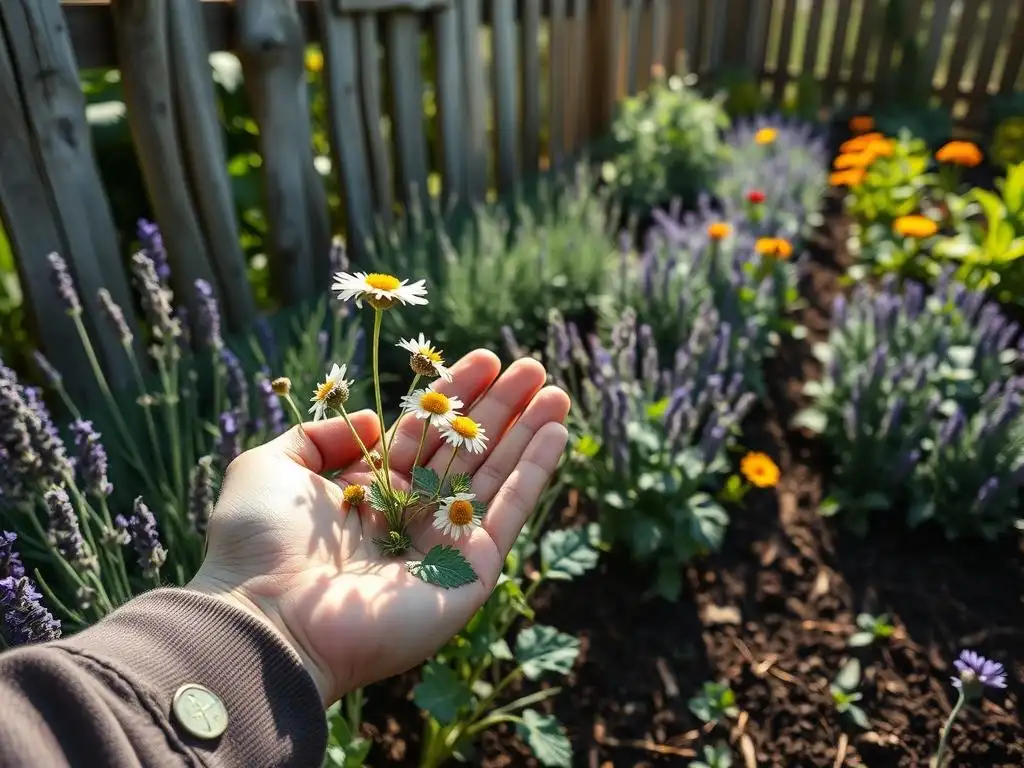
This section delves into the practical aspects of cultivating medicinal herbs in your home garden, empowering you to grow your own healing remedies. We'll explore advanced techniques, garden design strategies, and troubleshooting tips to ensure a thriving and productive herbal garden. Growing your own healing herbs at home offers numerous benefits, from cost savings to knowing exactly what's in your remedies. Let's explore how to maximize your garden's healing potential.
Advanced Techniques for Growing Medicinal Herbs: Propagation and Overwintering
Successfully growing healing herbs often involves mastering propagation and overwintering techniques. Propagation, the process of creating new plants from existing ones, allows you to expand your herb collection efficiently and economically. Several methods exist, including:
- Seed Starting: This is a common and cost-effective method. Start seeds indoors 6-8 weeks before the last expected frost using seed-starting mix and providing adequate light and warmth. Germination rates vary depending on the herb; consult seed packets for specific instructions. For optimal results, consider using a heat mat to maintain consistent temperatures.
- Cuttings: Many herbs, such as rosemary and lavender, root easily from stem cuttings. Take 4-6 inch cuttings from healthy stems, remove lower leaves, and dip the cut ends in rooting hormone before planting in moist potting mix. Keep the cuttings consistently moist until roots develop.
- Division: Perennial herbs like chamomile and mint can be easily propagated by dividing established plants. Dig up the plant, gently separate the root ball into smaller sections, and replant. This is best done in spring or fall.
Overwintering is crucial for protecting your perennial herbs during freezing temperatures. Methods include:
- Indoor Overwintering: Potted herbs can be brought indoors to a sunny location. Reduce watering frequency during dormancy.
- Mulching: For herbs in the ground, apply a thick layer of mulch (such as straw or shredded leaves) around the base of the plants to insulate the roots.
- Cold Frames: A cold frame provides additional protection from harsh weather.
Successfully propagating and overwintering your herbs ensures a continuous supply of fresh, homegrown medicinal plants throughout the year. Careful planning and attention to detail are key to success in cultivating healing herbs at home.
Creating a Dedicated Herbal Garden: Design and Planning for Optimal Growth
Designing a dedicated herbal garden requires careful consideration of several factors to ensure optimal growth and easy access to your healing plants. Location, sunlight, soil, and spacing are crucial elements.
Consider these points when planning your herbal garden:
- Sunlight: Most herbs thrive in full sun (6-8 hours daily), though some prefer partial shade. Group herbs with similar sun requirements together.
- Soil: Well-draining soil is essential. Amend heavy clay soils with compost or other organic matter to improve drainage and fertility.
- Spacing: Allow adequate spacing between plants to prevent overcrowding and promote good air circulation, reducing the risk of disease. Check individual herb requirements for specific spacing guidelines.
- Garden Design: Consider a design that maximizes space and accessibility. Raised beds or containers can be excellent options for smaller gardens. Label each plant clearly to avoid confusion.
- Water Management: Install a drip irrigation system or use soaker hoses for efficient and consistent watering.
A well-planned herbal garden not only provides a steady supply of healing herbs but also adds beauty and tranquility to your outdoor space. Remember to choose herbs suited to your climate and personal needs, ensuring your garden aligns with your goals of growing healing herbs at home.
Troubleshooting Common Problems: Addressing Pests, Diseases, and Growth Challenges
Even with careful planning, your herbal garden may encounter challenges. Identifying and addressing problems promptly is crucial for maintaining a healthy and productive garden.
Common issues include:
- Pests: Aphids, spider mites, and other pests can infest herbs. Use natural pest control methods such as insecticidal soap, neem oil, or diatomaceous earth. Regularly inspect plants for signs of infestation.
- Diseases: Fungal diseases like powdery mildew can affect herbs. Ensure good air circulation and avoid overhead watering to prevent fungal growth. Remove and destroy affected leaves.
- Nutrient Deficiencies: Yellowing leaves may indicate nutrient deficiencies. Conduct a soil test to determine nutrient levels and amend the soil accordingly with compost or organic fertilizers.
- Growth Challenges: Stunted growth can be caused by various factors, including poor drainage, insufficient sunlight, or improper watering. Address these issues to promote healthy growth.
Employing preventative measures, such as crop rotation and companion planting, can minimize the occurrence of pests and diseases. Regular monitoring and prompt intervention are key to maintaining a thriving herbal garden. By addressing these challenges proactively, you can ensure the continued health and productivity of your homegrown healing herbs.
Frequently Asked Questions
What are some easy-to-grow healing herbs for beginners?
Beginners should start with hardy herbs like chamomile, mint, and lemon balm. These are relatively low-maintenance and offer a variety of health benefits. They're also very forgiving of minor mistakes.
How much sunlight do healing herbs need?
Most healing herbs thrive in at least six hours of sunlight per day. However, some, like mint, can tolerate partial shade. Always check the specific light requirements for the herbs you choose to plant.
What's the best way to harvest healing herbs for optimal potency?
Harvest herbs in the morning after the dew has dried, when their essential oil content is at its peak. Use clean scissors or shears to avoid bruising the plants. Proper drying techniques are key to preserving their medicinal properties.
Can I use homegrown herbs in cooking as well as for medicinal purposes?
Absolutely! Many herbs are delicious additions to food and offer both culinary and medicinal benefits. Remember to research the specific uses and potential interactions before consuming them medicinally.
How can I protect my homegrown healing herbs from pests?
Employ organic pest control methods, such as companion planting, insecticidal soaps, or neem oil. Regularly inspect your plants for pests and address issues promptly to prevent widespread infestations. Healthy soil also helps build plant resilience.
Final Reflection: Cultivating Wellness, One Herb at a Time
The resurgence of interest in homegrown remedies isn't just a trend; it's a powerful reclaiming of our connection to nature and our own well-being. In a world increasingly dominated by processed foods and synthetic pharmaceuticals, the simple act of nurturing a garden brimming with healing herbs offers a profound counterpoint, a tangible path towards self-sufficiency and holistic health.
The knowledge passed down through generations, the quiet satisfaction of tending to a thriving herb garden, and the potent healing properties of these plants—these are gifts that continue to shape our relationship with the natural world. The earth laughs in flowers.
This quote, often attributed to Ralph Waldo Emerson, perfectly encapsulates the joy and restorative power found in cultivating a garden pharmacy. It's a reminder that healing isn't solely about physical remedies, but also about nurturing a connection to something larger than ourselves, something deeply grounding and life-affirming.
Now, consider your own life. What small step can you take today to cultivate your own wellness? Perhaps it's planting a single herb seed, researching the medicinal properties of a local plant, or simply taking a moment to appreciate the healing power of nature. Embrace the journey, for the rewards of tending a garden pharmacy extend far beyond the physical benefits; they nourish the soul and foster a deeper connection to the earth and to yourself. Let the journey begin.
Unleash Your Inner Herbalist: Grow Your Own Wellness
Thanks for exploring the world of healing herbs with us! We hope you've discovered the incredible power of growing your own medicine. Now it's time to put that knowledge into practice.
Ready to transform your garden (and your health)? Here's how:
- Start small, but bold: Begin with a single herb, such as chamomile or rosemary, and plant it this week. Even a small pot on your balcony can be a rewarding start!
- Share your green thumb journey! Tell us (and others) about your experience growing and using herbs in the comments below. Let's build a supportive community of herbal enthusiasts!
- Explore beyond the basics: Research a new herb, discover its healing properties, and consider adding it to your garden plan for next season. There's a whole world of herbal remedies waiting to be discovered!
What unique healing properties of homegrown herbs are you most excited to explore?