
The Garden as Teacher: Lessons in Life, Growth, and Resilience

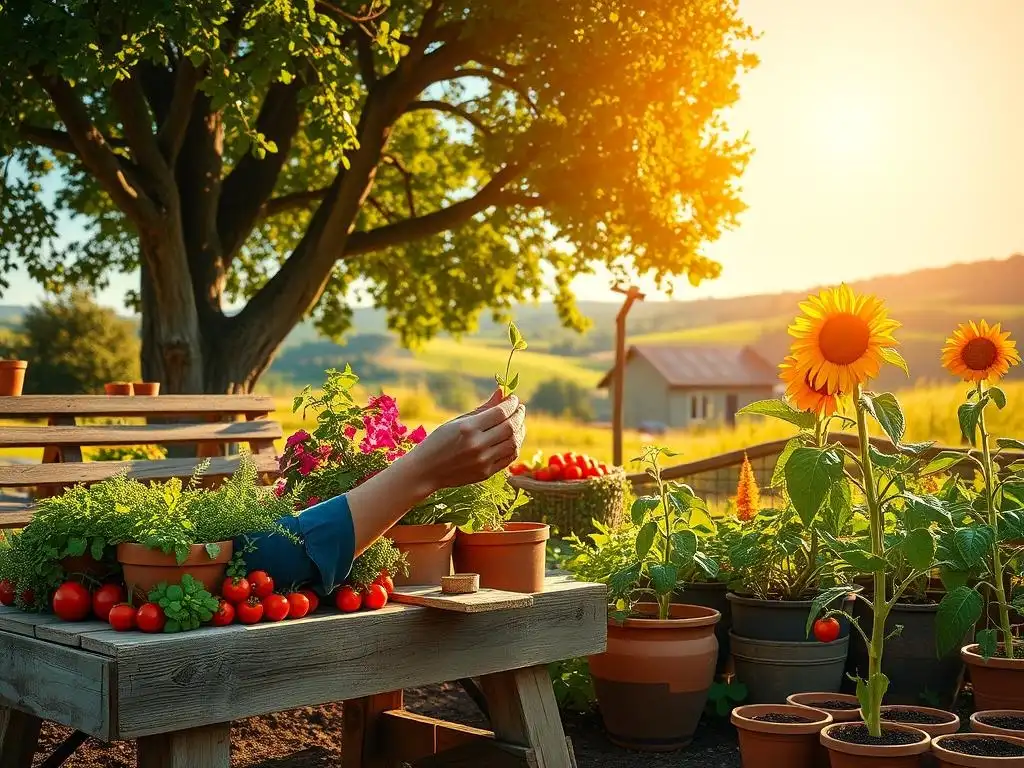
Welcome to CultivateYourFood, your guide to nurturing a thriving garden and a sustainable lifestyle. Are you ready to unlock the secrets of sustainable home gardening lessons? Discover how cultivating your own fruits, vegetables, and herbs can transform not only your meals but also your connection with nature. We'll explore the rewarding journey from planting your first seed to harvesting bountiful yields, all while embracing organic practices. Prepare to be inspired – let's cultivate a greener, healthier future, together.
- Sustainable Home Gardening Lessons: Patience and Persistence
- Growth and Development: Parallels Between Plants and People
- Harvesting the Rewards: Lessons in Abundance and Gratitude
- Sustainable Home Gardening Lessons: The Interconnectedness of Life
- Sustainable Home Gardening Lessons: A Path to Self-Sufficiency
-
Frequently Asked Questions
- What are some key sustainable practices highlighted in "The Garden as Teacher"?
- How does the article connect gardening to broader life lessons?
- What specific gardening skills are covered in "The Garden as Teacher"?
- Is the article suitable for beginner gardeners?
- Where can I find more information on sustainable home gardening?
- Final Reflection: Cultivating Resilience, One Seed at a Time
- Unleash Your Inner Gardener: Grow Your Life, One Seed at a Time
Sustainable Home Gardening Lessons: Patience and Persistence
Embarking on a journey of sustainable home gardening is more than just planting seeds and harvesting crops; it's a profound lesson in patience, persistence, and the interconnectedness of life. This article explores the valuable life lessons gleaned from nurturing a thriving, organic garden, highlighting the rewards of embracing a slower pace, understanding natural cycles, and developing resilience in the face of challenges. Cultivating a sustainable garden teaches us valuable skills applicable far beyond the garden fence, fostering a deeper connection with nature and ourselves.
We'll delve into the specific practices that build patience, resilience, and a deeper understanding of the natural world, all while promoting sustainable and organic gardening techniques. This holistic approach to gardening emphasizes not only the bounty of fresh produce but also the personal growth and therapeutic benefits inherent in the process.
From the meticulous care of seedlings to the triumphant harvest, each stage offers unique insights into the rhythm of nature and the importance of nurturing both plants and ourselves. Let's explore how sustainable home gardening can become a powerful teacher.
Cultivating Patience: The Slow Pace of Nature in Sustainable Gardening
Sustainable gardening thrives on patience. Unlike instant gratification found in other pursuits, gardening demands a slower, more deliberate approach. The process unfolds at nature's pace, requiring us to appreciate the time it takes for seeds to germinate, seedlings to mature, and fruits to ripen. This inherent slowness encourages mindfulness and a deeper appreciation for the natural world.
Think of the meticulous process of preparing the soil, choosing the right seeds, and tending to the delicate seedlings. Each step requires careful attention and a willingness to wait. For example, preparing compost requires patience – allowing organic matter to decompose properly takes time. Similarly, certain plants, like heirloom tomatoes, demand a longer growing season and a slower maturation process.
This extended timeline cultivates patience and a profound respect for the time-sensitive nature of growth. The reward for this patient approach is not only a bountiful harvest but also a cultivated sense of calm and contentment. This mindful engagement with the process itself is a key component of the therapeutic benefits of gardening.
Understanding Plant Cycles: From Seed to Harvest in Organic Gardening
A sustainable garden flourishes through a deep understanding of plant cycles. Observing the stages of growth – from seed germination to flowering and fruiting – provides invaluable insights into the needs of each plant. This knowledge allows for better timing of planting, watering, and fertilization, maximizing yields and minimizing waste.
Understanding the specific needs of different plants, like the varying sunlight requirements of herbs versus vegetables, is crucial for success. For instance, knowing the ideal time to harvest specific vegetables ensures optimal flavor and nutritional value. Keeping detailed gardening journals, meticulously tracking planting dates, growth stages, and harvest times, helps cultivate this understanding and allows for improved planning in subsequent seasons.
This cyclical process mirrors life's own rhythms, teaching us about the importance of planning, adapting, and embracing the natural flow of time. The constant cycle of planting, nurturing, harvesting, and composting reinforces the cyclical nature of life and the importance of sustainability.
Overcoming Setbacks: Resilience in the Face of Pests and Diseases in Your Sustainable Garden
Even the most meticulously planned garden will face challenges. Pests, diseases, and unexpected weather events are inevitable. However, these setbacks offer valuable lessons in resilience and problem-solving. Sustainable gardening practices emphasize preventative measures, such as companion planting and crop rotation, to minimize pest and disease issues.
But when problems arise, they require creative solutions. For example, using natural pest control methods like introducing beneficial insects or using homemade sprays encourages resourcefulness and a deeper understanding of ecological balance. Learning to identify problems early, experiment with different solutions, and adapt our strategies as needed builds resilience not only in our gardening endeavors but also in our approach to life’s inevitable challenges.
The ability to learn from mistakes and adjust our practices is crucial for both garden success and personal growth. The garden becomes a metaphor for life, teaching us to adapt, persevere, and find solutions in the face of adversity. This adaptability is a crucial life skill fostered by the challenges inherent in sustainable home gardening.
Growth and Development: Parallels Between Plants and People
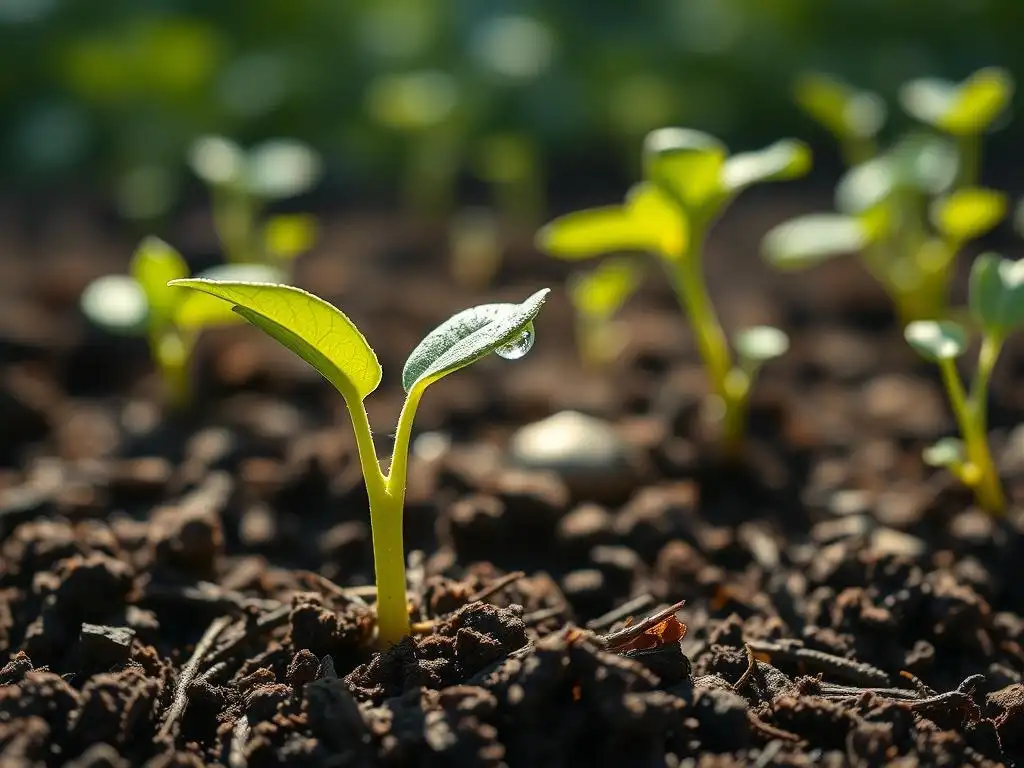
Sustainable home gardening lessons often extend far beyond the practicalities of planting and harvesting. The process itself offers profound insights into personal growth and development, mirroring many of life's challenges and triumphs. Just as a seed needs the right conditions to germinate and flourish, so too do we require nurturing environments to reach our full potential. Understanding this parallel can be incredibly rewarding, fostering a deeper connection with both our gardens and ourselves. This section explores the powerful parallels between plant and human development, emphasizing the lessons learned through observation and adaptation.
Nurturing Growth: Providing Optimal Conditions for Plant and Personal Flourishing
Optimal growth, whether for plants or people, requires a holistic approach. For plants, this means providing adequate sunlight, water, nutrients, and a suitable growing medium. Neglecting any of these elements can stunt growth or lead to disease.
Similarly, human flourishing requires attention to physical, emotional, and mental well-being. A balanced diet, sufficient sleep, regular exercise, and strong social connections are all crucial components of a nurturing environment for personal growth. Consider the analogy: depriving a plant of sunlight is akin to neglecting one's mental health; insufficient water mirrors emotional dehydration; a lack of nutrients parallels poor nutrition.
Sustainable home gardening lessons highlight the interconnectedness of these factors, emphasizing the importance of holistic care for both plants and ourselves. A thriving garden, therefore, becomes a visual representation of the balanced life we strive to cultivate. We learn to recognize the signs of deficiency – wilting leaves, fatigue, irritability – and respond accordingly with targeted interventions.
The Importance of Observation: Learning from Plant Signals in Sustainable Home Gardening
Sustainable home gardening teaches the invaluable skill of observation. Paying close attention to your plants allows you to identify problems early and intervene effectively. A change in leaf color, drooping stems, or pest infestations are all signals that something needs to be addressed.
Similarly, in our personal lives, observation is key to understanding our own needs and responding appropriately. Recognizing patterns of stress, anxiety, or burnout allows us to implement strategies for self-care and prevent more significant issues. This mindful observation, a central tenet of sustainable home gardening lessons, fosters a deeper self-awareness and empowers us to make informed decisions about our well-being.
For example, noticing that your tomatoes are yellowing might indicate a nutrient deficiency, prompting you to amend the soil. Similarly, noticing persistent fatigue might prompt you to prioritize rest and relaxation. The ability to interpret these signals – whether from plants or our own bodies – is crucial for both growth and resilience.
Responding to Challenges: Adapting Gardening Practices to Life’s Changes
Gardening, much like life, presents unexpected challenges. Pest infestations, harsh weather conditions, and disease outbreaks are inevitable. The successful gardener learns to adapt, employing various strategies to overcome these obstacles. This adaptability translates directly to personal resilience.
Life throws curveballs; job loss, relationship difficulties, or health issues can significantly impact our well-being. However, by adopting a similar mindset to the gardener facing adversity, we can learn to navigate these challenges with grace and resilience. Sustainable home gardening lessons emphasize the importance of flexibility and resourcefulness. For instance, using companion planting to deter pests mirrors the strategic alliances we build in life to overcome challenges.
Similarly, rotating crops to maintain soil health reflects the importance of diversifying our skills and resources to ensure long-term sustainability. The garden becomes a living laboratory, teaching us the vital lesson that setbacks are opportunities for growth and adaptation. Learning to respond effectively to challenges in the garden builds confidence and equips us to face life's inevitable storms with renewed strength and determination.
Harvesting the Rewards: Lessons in Abundance and Gratitude
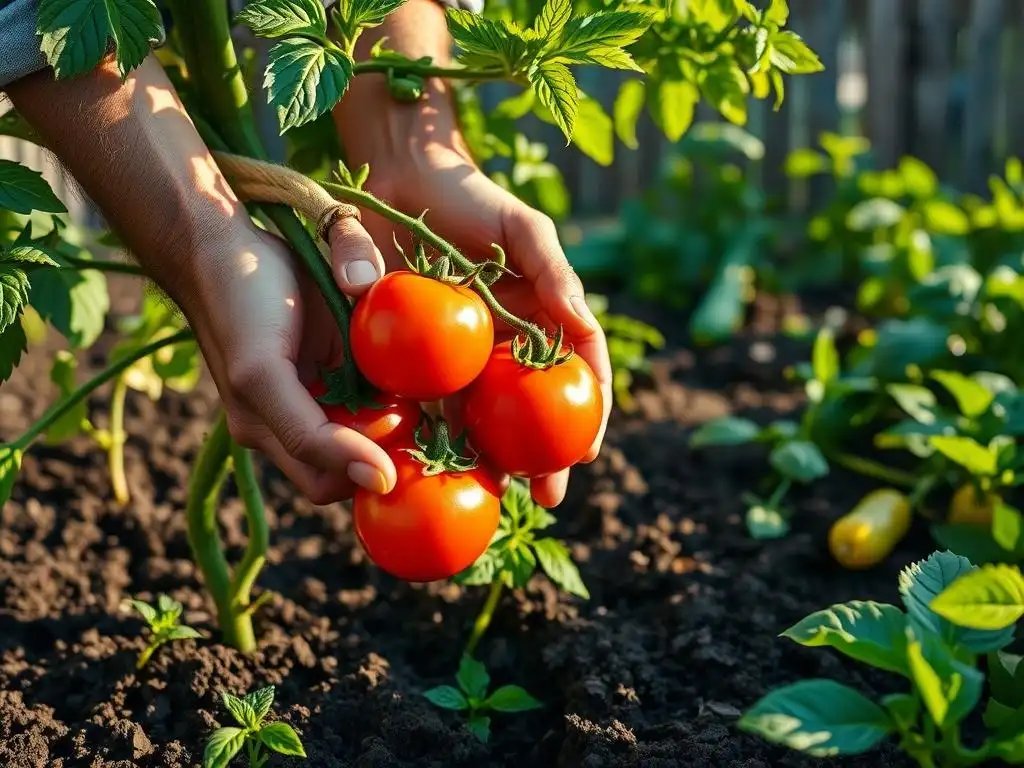
This section explores the profound sense of accomplishment and gratitude that arises from harvesting the fruits (and vegetables!) of your labor in a sustainable home garden. It's more than just picking ripe tomatoes; it's about connecting with the natural cycle of growth and appreciating the abundance provided by nature, nurtured by your own hands. Sustainable home gardening lessons often emphasize this aspect, highlighting the emotional rewards alongside the tangible ones.
The Joy of Harvesting: Celebrating the Fruits (and Vegetables!) of Your Labor
The simple act of harvesting your homegrown produce is incredibly rewarding. Imagine the feeling of gently plucking a sun-ripened strawberry, its sweet fragrance filling the air. Or the satisfying crunch of a freshly picked carrot, bursting with natural sweetness. These sensory experiences are far richer than anything purchased from a supermarket.
This connection to the food's journey from seed to plate fosters a deeper appreciation for the process and the effort involved. Sustainable home gardening lessons teach us to savor these moments, to celebrate the bounty we've cultivated, and to find joy in the simple act of harvesting. This mindful harvesting cultivates a sense of accomplishment and self-sufficiency, boosting self-esteem and providing a sense of pride in one's ability to nurture life.
The abundance of the harvest is a tangible representation of your dedication and care. It's a celebration of resilience, demonstrating that with patience and effort, even small seeds can grow into something beautiful and bountiful. The joy isn't just in the harvest itself, but in the anticipation, the daily tending, and the final moment of reaping the rewards.
Sustainable home gardening often extends beyond personal consumption. Sharing your harvest with friends, family, or neighbors creates a powerful sense of community and connection. The act of giving away your homegrown produce fosters generosity and strengthens social bonds.
It's a tangible way to express gratitude for the abundance you've received and to share the joy of your gardening experience. This sharing can take many forms: a simple gift of fresh herbs to a neighbor, a potluck contribution of homegrown vegetables, or even a community garden project where everyone contributes and shares the harvest. These interactions build social capital, fostering a sense of belonging and mutual support within the community.
The act of sharing also provides a platform for exchanging sustainable home gardening lessons, sharing tips and advice, and reinforcing the values of sustainability and community engagement. This positive feedback loop strengthens the community and promotes the adoption of sustainable practices on a wider scale. The positive emotional impact of sharing your bounty contributes significantly to the therapeutic benefits of sustainable home gardening.
Mindful Consumption: Appreciating the Effort and Resources Involved in Sustainable Food Production
Sustainable home gardening lessons also emphasize mindful consumption. When you've personally invested time, effort, and resources into growing your food, you're more likely to appreciate its value and consume it mindfully. You become more aware of the resources required for food production, from water and soil to sunlight and nutrients.
This awareness promotes a sense of responsibility and encourages you to reduce food waste. By understanding the labor and resources involved, you develop a deeper respect for the food on your plate and a greater appreciation for the interconnectedness of nature and human effort. This mindful consumption extends beyond simply eating your produce; it also includes composting food scraps to enrich your garden soil, creating a closed-loop system that minimizes waste and maximizes resources.
Tracking your garden's progress, noting the amount of water used, and calculating the yield per plant can provide a deeper understanding of the resources used and the efficiency of your gardening practices, reinforcing the principles of sustainable home gardening. This process fosters a greater appreciation for the effort and resources involved in producing food, leading to more conscious consumption habits and a reduced environmental footprint.
Sustainable Home Gardening Lessons: The Interconnectedness of Life
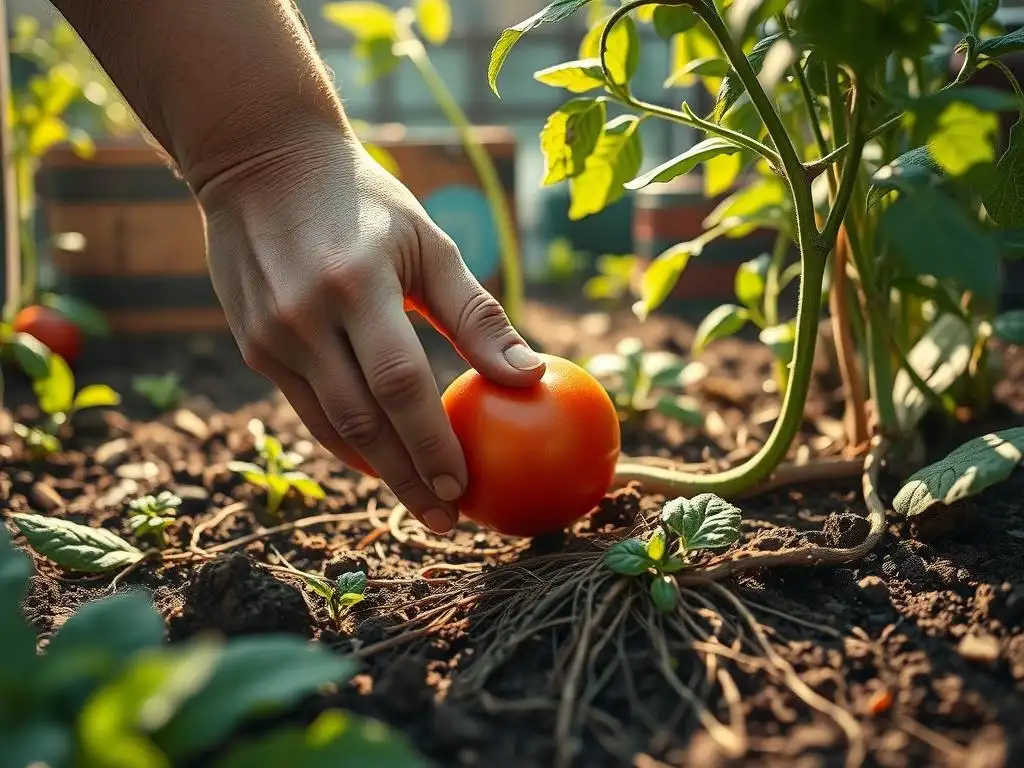
This section explores the interconnectedness of life within a sustainable home garden, highlighting how understanding ecological principles translates into practical gardening success and enriching life lessons. We'll examine biodiversity's crucial role, natural pest control methods, and the vital practice of composting, showcasing how these elements intertwine to create a thriving and resilient garden—a microcosm reflecting the larger world's ecological balance. Embracing these sustainable home gardening lessons fosters not only bountiful harvests but also a deeper appreciation for the natural world and its intricate workings.
Understanding Ecosystems: The Importance of Biodiversity in a Thriving Garden
Biodiversity is the cornerstone of a healthy and resilient garden ecosystem. A diverse range of plants attracts a diverse range of beneficial insects, pollinators, and microorganisms, creating a natural balance that minimizes the need for chemical interventions. Think of it as a complex web: each element plays a vital role, supporting and strengthening the whole.
For example, a monoculture—planting only one type of vegetable—is vulnerable to pests and diseases. A diverse planting scheme, however, offers natural resistance. If one plant is affected, others are less likely to be, ensuring a healthier and more productive garden overall. Consider interplanting herbs like basil or rosemary amongst your vegetables. These herbs often repel common pests while simultaneously enriching the soil.
The benefits extend beyond pest control. Different plants have different nutrient needs, and diverse planting strategies help to maintain soil health by preventing nutrient depletion. Some plants, like legumes, even fix nitrogen in the soil, benefiting neighboring plants. This natural nutrient cycling reduces or eliminates the need for synthetic fertilizers, a key element of sustainable home gardening. Think of it as nature’s own balanced fertilizer program! 🌱
Working with Nature: Beneficial Insects and Natural Pest Control Strategies
Instead of resorting to harmful pesticides, sustainable gardening embraces natural pest control methods. This involves understanding the roles of beneficial insects and creating a garden environment that attracts them while deterring pests. Ladybugs, lacewings, and praying mantises are just a few examples of beneficial insects that prey on common garden pests like aphids and caterpillars.
Creating habitats for these beneficial insects is crucial. This can involve planting flowering plants that provide nectar and pollen, leaving some areas of the garden slightly unkempt to provide shelter, and avoiding the use of broad-spectrum insecticides that kill both beneficial and harmful insects. A healthy, thriving garden ecosystem will naturally regulate pest populations. This approach requires patience and observation, but the rewards—a healthy garden without the use of harmful chemicals—are immense.
Here’s a simple table illustrating some common pests and their natural predators:
| Pest | Natural Predator(s) |
|---|---|
| Aphids | Ladybugs, Lacewings |
| Cabbage Worms | Braconid Wasps |
| Spider Mites | Predatory Mites |
| Slugs & Snails | Ducks, Toads, Ground Beetles |
Composting and Recycling: Closing the Loop in Sustainable Gardening Practices
Composting is a cornerstone of sustainable gardening, transforming organic waste into nutrient-rich compost that nourishes your plants. This process mimics nature's cycle of decomposition, reducing waste and enriching the soil without the need for synthetic fertilizers. It's a truly circular system—closing the loop between waste and nourishment.
Composting involves layering different organic materials, such as kitchen scraps, yard waste, and brown materials (like dried leaves and twigs), in a compost bin or pile. Regular turning ensures proper aeration and decomposition. The resulting compost is a dark, crumbly material rich in nutrients that improves soil structure, water retention, and overall soil health. This drastically reduces your reliance on external inputs, making your gardening practice inherently more sustainable.
The benefits of composting extend beyond soil improvement. It reduces the amount of organic waste sent to landfills, decreasing methane emissions and conserving resources. It's a simple yet powerful way to contribute to a healthier environment while simultaneously enriching your garden. By embracing composting, you're not just gardening sustainably; you're actively participating in a more eco-conscious lifestyle.
Sustainable Home Gardening Lessons: A Path to Self-Sufficiency
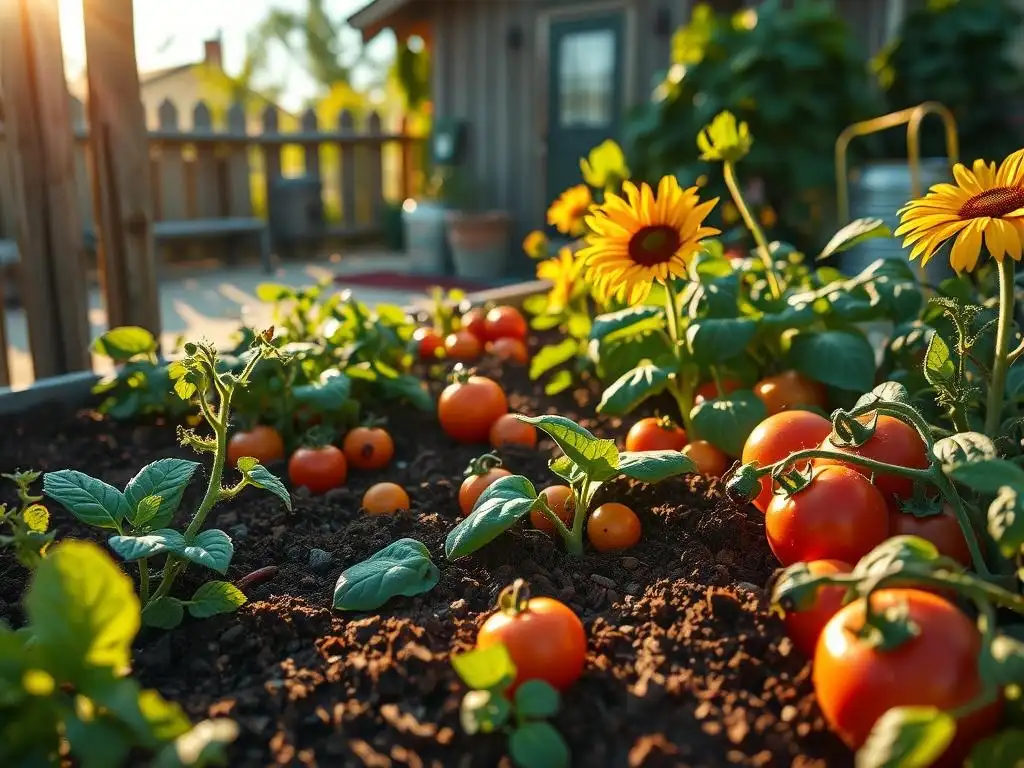
This section explores the practical and philosophical aspects of sustainable home gardening as a pathway towards self-sufficiency. We'll delve into how cultivating your own food directly contributes to a more resilient and independent lifestyle, reducing reliance on potentially unsustainable industrial food systems. The lessons learned extend far beyond the harvest, fostering a deeper connection with nature and a greater understanding of ecological principles.
Growing Your Own Food: Reducing Reliance on Industrial Food Systems
Growing your own food, even on a small scale, significantly reduces your dependence on large-scale industrial agriculture. This dependence often comes with hidden costs: long transportation distances leading to increased carbon emissions, reliance on potentially harmful pesticides and fertilizers, and a disconnect from the origins of your food. Sustainable home gardening offers a powerful alternative.
By cultivating your own fruits, vegetables, and herbs, you gain control over the entire process, from seed to table. You can choose organic methods, avoiding synthetic inputs that can harm the environment and your health. Consider the impact: a single tomato plant can yield dozens of tomatoes, providing a substantial portion of your family's needs for a season.
Scaling this up with various crops drastically reduces the need for purchasing produce from potentially less sustainable sources. This shift towards self-sufficiency empowers you to make conscious choices about the food you consume, promoting both personal and planetary well-being. The satisfaction of harvesting your own organically grown food is an invaluable reward, far surpassing the convenience of store-bought produce.
Furthermore, home gardening fosters a deeper understanding of food production. You witness firsthand the effort required to grow food, appreciating its value and potentially reducing food waste. This firsthand experience can inspire mindful consumption and a greater respect for the resources involved in bringing food to your table.
Connecting with Nature: The Therapeutic Benefits of Sustainable Home Gardening
Sustainable home gardening offers profound therapeutic benefits, fostering a deep connection with nature and promoting mental and emotional well-being. The act of nurturing plants, observing their growth, and experiencing the cycle of life provides a sense of purpose and accomplishment. The physical activity involved, from digging and weeding to harvesting, contributes to physical health and reduces stress.
Studies have shown a correlation between gardening and reduced anxiety and depression. The repetitive motions involved in tasks like weeding can be meditative, allowing for a mindful escape from daily stressors. The sensory experience of working with soil, feeling the sun on your skin, and smelling the fragrant blossoms further enhances this therapeutic effect.
Moreover, engaging with nature has been linked to improved mood, reduced blood pressure, and increased cognitive function – all vital components of overall health and well-being. The beauty of a thriving garden, a testament to your effort and care, is a constant source of joy and satisfaction. This connection to nature, cultivated through sustainable practices, provides a profound sense of peace and tranquility.
Long-Term Sustainability: Planning for a Thriving Garden Year After Year
Sustainable home gardening is not a one-season endeavor; it's a long-term commitment that requires careful planning and consistent effort. To ensure a thriving garden year after year, several key strategies are crucial. Careful soil management is paramount. Regular composting enriches the soil with vital nutrients, reducing the need for synthetic fertilizers. Crop rotation helps prevent soil depletion and pest build-up. Understanding your local climate and choosing appropriate plant varieties is essential for success.
Planning for the future also involves considering water conservation techniques. Drip irrigation systems and rainwater harvesting methods can significantly reduce water consumption. Protecting your garden from pests using natural methods, such as companion planting and beneficial insects, minimizes the need for harmful pesticides. Regularly assessing your garden's health and making adjustments as needed ensures its continued productivity and resilience.
This continuous learning and adaptation are key to the long-term success of your sustainable home gardening efforts. The investment in time and knowledge pays off handsomely in the form of a productive and resilient garden that provides nourishment, beauty, and therapeutic benefits for years to come. This commitment to long-term sustainability ensures a continuous cycle of growth, renewal, and abundance. 🌱
Frequently Asked Questions
What are some key sustainable practices highlighted in "The Garden as Teacher"?
The article emphasizes organic methods, water conservation techniques, and composting to minimize environmental impact. It also promotes pest control using natural methods rather than harsh chemicals.
How does the article connect gardening to broader life lessons?
The article draws parallels between the growth cycle of plants and the challenges and rewards of life. It highlights the importance of patience, resilience, and adaptability in both gardening and personal development.
What specific gardening skills are covered in "The Garden as Teacher"?
The article covers a range of skills, including seed starting, planting techniques, harvesting, and basic composting. It also touches upon identifying and addressing common plant problems.
Is the article suitable for beginner gardeners?
Yes, absolutely! The article uses clear and accessible language, making it ideal for beginners. It provides foundational knowledge suitable for those just starting their sustainable gardening journey.
Where can I find more information on sustainable home gardening?
The CultivateYourFood website offers numerous resources on sustainable gardening practices. Explore their articles on specific topics like composting, pest control, and organic fertilization for in-depth guidance.
Final Reflection: Cultivating Resilience, One Seed at a Time
The lessons learned from tending a garden are not confined to the plot of land; they are potent metaphors for navigating the complexities of life itself. Sustainable home gardening, far from being a mere hobby, offers a powerful pathway to self-sufficiency, mindful living, and a deeper connection with the natural world – a connection desperately needed in our increasingly urbanized and technology-driven society.
The act of planting a seed, nurturing its growth, and harvesting its fruits is a profound reflection of our own journey of self-discovery and resilience. We learn patience, the importance of consistent effort, and the acceptance of both triumphs and setbacks. The garden becomes a living testament to the interconnectedness of all things, mirroring the delicate balance we must strive for in our own lives. The glory of gardening: hands in the dirt, head in the sun, heart with nature. To nurture a garden is to feed not just the body, but the soul.
This quote perfectly encapsulates the holistic experience of gardening and its impact on our well-being.
Now, consider your own life. What seeds of potential are you nurturing? What challenges are you tending to with patience and care? Take a moment to reflect on the parallels between your personal growth and the cyclical nature of the garden. Embrace the lessons of resilience, adaptability, and the enduring power of connection with the natural world. Let the garden be your teacher, guiding you towards a more sustainable and fulfilling life, one seed, one lesson, at a time.
Unleash Your Inner Gardener: Grow Your Life, One Seed at a Time
Thank you for exploring the powerful parallels between gardening and life! We hope you found inspiration in the lessons of growth, resilience, and nurturing. Now, it's time to put those lessons into practice.
- Start small, start now: Begin with a single plant—perhaps a fragrant herb, a vibrant flower, or anything that captures your interest—and nurture its growth. Observe its journey as a reflection of your own personal development. This is the first step towards a richer, more fulfilling life.
- Share your knowledge: Tell us (and others!) about your gardening experiences! What's your best tip? Share your successes and challenges, and encourage others to embark on their own journey of self-improvement.
- Join our community: Connect with fellow gardening enthusiasts and share your experiences in our online forum, [Name of Fictional Forum]. Find support, inspiration, and grow together!
What small step will you take today to nurture your personal growth, inspired by the wisdom of nature?