
How to Grow Your Own Groceries on a Budget

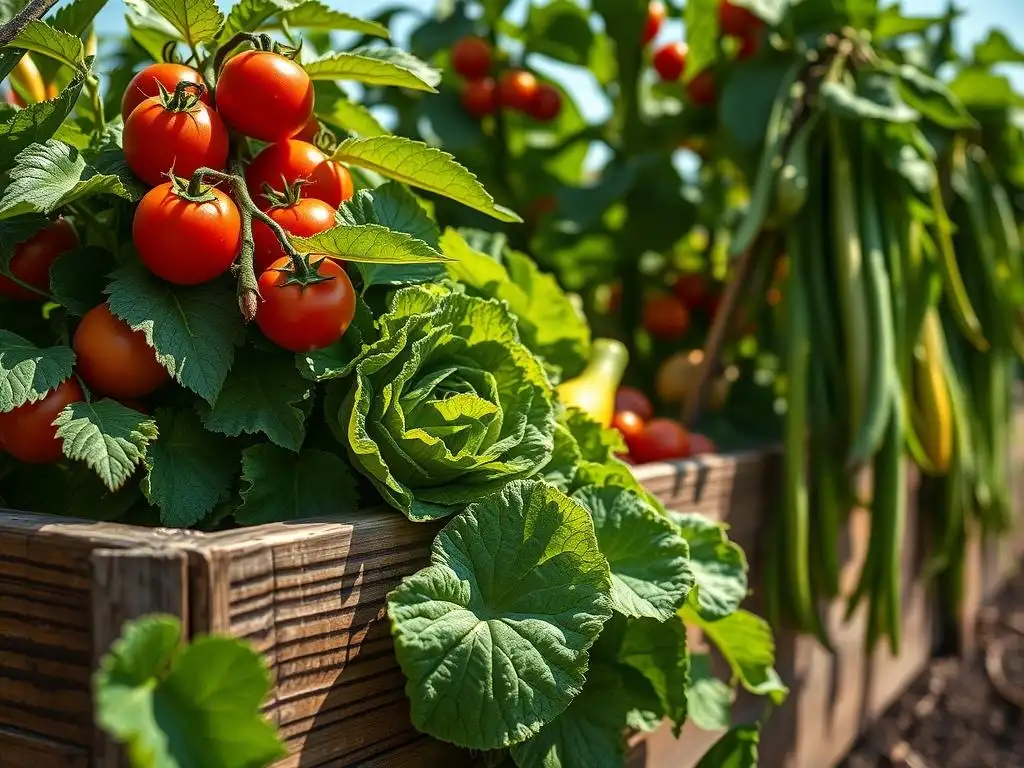
Welcome to CultivateYourFood, your guide to a greener, healthier, and more affordable life! Are you dreaming of fresh, organic produce without the hefty price tag? Discover the secrets to cheap organic home gardening and unlock the joy of growing your own fruits, vegetables, and herbs. We'll show you how simple and rewarding it can be, from seed to harvest, using sustainable practices that benefit both your garden and the planet. Ready to cultivate your own food paradise? Let's get started!
- Planning Your Budget-Friendly Organic Garden
- Getting Started: Planting on a Shoestring
- Maintaining Your Budget-Friendly Organic Garden
- Harvesting and Preserving Your Homegrown Groceries
- Long-Term Strategies for Cheap Organic Home Gardening
-
Frequently Asked Questions
- How can I start an organic garden without spending a fortune?
- What are some cheap alternatives to expensive organic fertilizers?
- Are there any low-cost pest control methods for organic gardening?
- What are the best low-cost vegetables to start with for a beginner?
- Where can I find free or cheap seeds for my organic garden?
- Final Reflection: Cultivating Abundance, One Seed at a Time
- Unleash Your Inner Gardener: Grow Your Own Food Today!
Planning Your Budget-Friendly Organic Garden
Growing your own organic groceries doesn't have to break the bank! This comprehensive guide will show you how to cultivate a thriving, sustainable garden while minimizing costs. We'll explore practical strategies for maximizing yield and minimizing expenses, focusing on techniques that align with cheap organic home gardening principles. From intelligently choosing your plants to creatively sourcing supplies, you'll discover how to enjoy the freshest, healthiest food possible without sacrificing your budget.
This approach emphasizes resourcefulness and sustainable practices, transforming your backyard into a productive and economical food source. We'll cover everything from assessing your available space and resources to finding affordable, high-quality seeds and repurposing everyday items for gardening needs. Let's get started on your journey to a flourishing and affordable organic garden!
Assessing Your Space and Resources for Cheap Organic Gardening
Before you even think about seeds, take stock of what you already have. The first step in cheap organic home gardening is a realistic assessment of your available space and resources. How much sunlight does your yard receive? Is your soil fertile, or will you need to amend it? Do you have access to water sources? Consider these factors:
- Sunlight: Most vegetables need at least 6 hours of direct sunlight daily. Observe your yard throughout the day to identify the sunniest spots.
- Soil: Healthy soil is the foundation of a successful garden. Conduct a simple soil test (kits are readily available at affordable prices) to determine its pH and nutrient levels. Amend your soil with compost or other organic matter as needed. This can significantly reduce the need for expensive fertilizers.
- Water: Access to a reliable water source is crucial. A garden hose or rain barrel can significantly reduce water costs. Consider the water needs of your chosen plants and plan accordingly.
- Existing Structures: Can you repurpose old pallets, containers, or other materials to create raised beds or vertical gardens? This is a fantastic way to save money on gardening structures.
This initial assessment will help you determine the scale and type of garden that's best suited to your circumstances, optimizing your resources and minimizing unnecessary expenses. Remember, a small, well-planned garden can be just as productive as a large, poorly managed one.
Choosing the Right Seeds and Seedlings for Maximum Yield and Minimal Cost
Selecting the right seeds and seedlings is crucial for a cost-effective and bountiful harvest. Starting seeds from seed is generally cheaper than buying seedlings, but requires more time and effort. Consider these strategies:
- Seed Saving: Save seeds from your harvest each year to reduce costs significantly in subsequent seasons. This practice is a cornerstone of sustainable and cheap organic home gardening.
- Open-Pollinated Varieties: Opt for open-pollinated varieties rather than hybrids. These seeds can be saved and replanted, offering long-term cost savings.
- Choosing High-Yielding Varieties: Research varieties known for their high yields, ensuring you get the most out of your limited space and resources.
- Starting Seeds Indoors: Starting seeds indoors allows you to get a head start on the growing season, potentially leading to an earlier and more abundant harvest. This method also reduces the need to purchase expensive seedlings.
- Seed Swapping: Connect with local gardeners and participate in seed exchanges to obtain a variety of seeds at no cost.
By carefully selecting your seeds and seedlings, you can maximize your harvest while minimizing your expenses, making your cheap organic home gardening journey even more rewarding.
Sourcing Affordable Gardening Supplies: Composting, Recycling, and Repurposing
One of the most significant cost savings in organic gardening comes from creative sourcing of materials. Instead of buying expensive supplies, embrace the principles of reduce, reuse, and recycle:
| Material | Alternative Source | Cost Savings | Environmental Benefit |
|---|---|---|---|
| Fertilizer | Compost, worm castings, aged manure | Significant | Reduces reliance on synthetic fertilizers |
| Pots & Containers | Repurposed containers (plastic bottles, yogurt cups), old buckets, etc. | Substantial | Reduces plastic waste |
| Trellises | Repurposed materials (sticks, branches, old lattice) | Significant | Reduces reliance on new materials |
| Pest Control | Natural methods (companion planting, neem oil) | Moderate | Reduces use of harmful pesticides |
| Mulch | Grass clippings, shredded leaves, straw | Moderate | Reduces soil erosion and moisture loss |
This table highlights the significant cost savings and environmental benefits associated with repurposing materials. By adopting these resourceful practices, you can drastically reduce the overall cost of your cheap organic home gardening venture, proving that sustainable practices are not only beneficial for the environment but also for your wallet! 🌱
Creating a Realistic Budget for Cheap Organic Home Gardening
Creating a truly cheap organic home gardening setup requires careful planning and budgeting. Many assume organic gardening is inherently expensive, but with smart choices, it can be surprisingly affordable. The key is to prioritize your needs and strategically allocate your resources. Start by assessing your existing resources. Do you already have some gardening tools? Perhaps you have containers or a suitable plot of land you can use? Inventorying your existing resources can significantly reduce upfront costs.
Next, realistically estimate the costs associated with each aspect of your garden. Consider seeds or seedlings, soil amendments (like compost—which we'll discuss later! ), and any necessary tools or supplies you may need to purchase. Don't forget to factor in the cost of water, especially if you live in a drier climate and need to supplement rainfall. A detailed breakdown, perhaps even a spreadsheet, can help you visualize where your money is going and identify potential areas for savings.
For instance, instead of buying expensive, pre-mixed organic soil, you can significantly reduce costs by creating your own compost. Composting kitchen scraps and yard waste is not only environmentally friendly but also a fantastic way to enrich your soil organically without breaking the bank. We'll delve deeper into composting techniques later in this article. Similarly, starting seeds indoors from inexpensive seed packets is far cheaper than buying established plants from a nursery. While it requires more time and effort, the cost savings are substantial.
Remember, cheap organic home gardening isn't about sacrificing quality. It's about making smart choices and prioritizing your spending. By focusing on essential needs first and gradually expanding as your budget allows, you can create a thriving organic garden without emptying your wallet. This phased approach allows for flexibility and prevents overwhelming yourself with upfront costs.
Think long-term: investing in quality tools, even if it means buying them gradually, can save you money in the long run by avoiding frequent replacements of cheaper, lower-quality items. Consider borrowing or renting specialized tools you might only need occasionally, further minimizing expenses. Finally, remember that the rewards of fresh, homegrown, organic produce far outweigh the initial investment.
Getting Started: Planting on a Shoestring
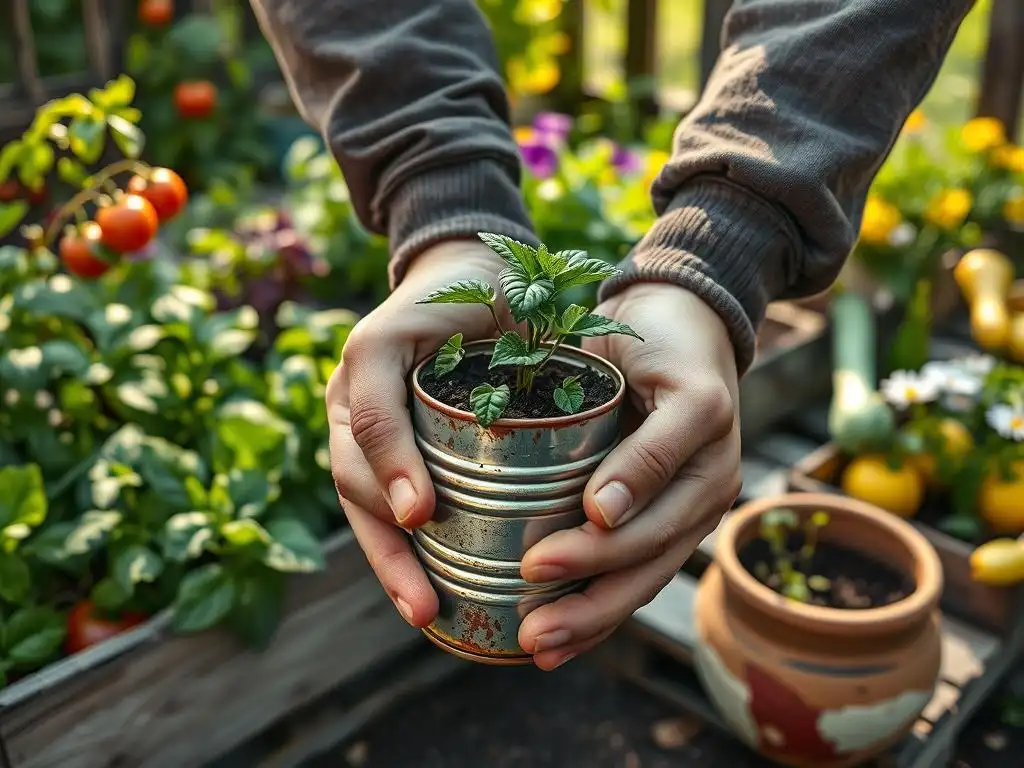
This section focuses on initiating your cheap organic home gardening journey with minimal financial investment. We'll explore practical strategies to establish a thriving garden without compromising on quality or sustainability. Remember, the initial investment in time and planning pays off handsomely in the long run with bountiful harvests and significant cost savings.
Preparing Your Soil for Optimal Growth Without Breaking the Bank
Forget expensive commercial soil mixes! The key to cheap organic home gardening lies in understanding your existing soil and enriching it naturally. A simple soil test (many local agricultural extension offices offer these at low or no cost) will pinpoint deficiencies. Based on the results, you can amend your soil with readily available and affordable materials.
For example, if your soil lacks nitrogen, consider incorporating compost. Composting kitchen scraps and yard waste is a fantastic way to create nutrient-rich soil amendment completely for free! Simply gather your organic materials (fruit and vegetable peels, coffee grounds, grass clippings), layer them in a designated area, and turn the pile regularly to accelerate decomposition. This process not only provides free fertilizer but also reduces waste.
Another cost-effective method is using cover crops. Planting inexpensive legumes like clover or fava beans before your main crop enriches the soil with nitrogen and improves its structure, reducing the need for expensive fertilizers. These cover crops can then be tilled into the soil, further enriching it. This practice is beneficial for both soil health and your budget. The initial seed investment for cover crops is minimal, and the long-term benefits are substantial.
Finally, consider using mulch. Mulching with readily available materials such as shredded leaves, straw, or even cardboard (remove any tape or labels first!) helps retain soil moisture, suppress weeds (reducing the need for herbicides), and regulate soil temperature. This reduces your watering needs and minimizes the need for weeding, saving you both time and money. This simple technique significantly contributes to cheap organic home gardening.
Seed Starting Techniques for Beginners on a Budget
Starting seeds indoors can be a cost-effective way to boost your harvest and save money compared to buying seedlings. However, sophisticated seed starting kits aren't necessary. Cheap organic home gardening thrives on resourcefulness!
Instead of buying expensive seed trays, repurpose containers like egg cartons, yogurt cups, or even toilet paper rolls. Ensure adequate drainage holes are present. Use a mixture of seed-starting mix (you can often find affordable options at garden centers or even make your own using a blend of compost and vermiculite) or even simply use your prepared garden soil. Label your containers clearly to track your seeds. A simple marker and some masking tape will suffice.
Remember to provide adequate light. While a dedicated grow light is ideal, a sunny windowsill can work perfectly, especially during the early stages of growth. Rotate your containers regularly to ensure even growth. Consistent watering is crucial, but avoid overwatering, which can lead to root rot. A simple spray bottle can be more effective than constantly pouring water.
Germination times vary depending on the seed type. Consult seed packets for specific instructions. Once seedlings have developed a few sets of true leaves, they're ready for transplanting. This method substantially contributes to the principles of cheap organic home gardening. Careful planning and resourcefulness are key to success.
Transplanting Seedlings: A Cost-Effective Approach to Cheap Organic Gardening
Transplanting seedlings from your seed-starting containers to your garden bed is a crucial step in your cheap organic home gardening journey. This process, done correctly, maximizes the success of your plants and minimizes waste.
Before transplanting, prepare the garden bed by loosening the soil and removing any weeds. Dig holes slightly larger than the root ball of your seedlings. Gently remove seedlings from their containers, being careful not to damage the roots. If the roots are root-bound (a tight circle of roots), gently loosen them before planting.
Plant seedlings at the same depth they were growing in their containers. Space them according to the recommended spacing for the specific plant. Water thoroughly after transplanting to help the seedlings settle into their new home. Mulching around the base of the seedlings will help retain moisture and suppress weeds.
Consider using a "companion planting" strategy to further optimize your space and reduce the need for pesticides. Certain plant combinations repel pests or attract beneficial insects, creating a more resilient and productive garden. Research which plants work well together for the vegetables you're growing. This integrated approach is a cornerstone of successful and cheap organic home gardening.
Choosing the Right Location for Sunlight and Water Conservation
Sunlight is the lifeblood of any garden, so choosing a location that maximizes sun exposure is crucial for successful, cheap organic home gardening. Most vegetables and herbs thrive in at least six hours of direct sunlight per day. Observe your yard throughout the day to identify areas that receive the most sunlight. Consider the seasonal changes; the sun's path shifts throughout the year, so a spot sunny in summer might be shaded in winter.
A south-facing location (in the Northern Hemisphere) generally receives the most sunlight. For those in the Southern Hemisphere, a north-facing location is ideal. Remember to account for any obstructions like trees or buildings that could cast shadows and reduce sunlight penetration. Proper sunlight selection is key to maximizing yield and minimizing the need for supplemental lighting, a significant cost saver.
Water conservation is another key aspect of cheap organic home gardening. Choosing a location that minimizes water waste is essential, both for your budget and the environment. Consider proximity to a water source, such as a hose bib, to reduce the distance you need to carry water. Slightly sloped areas can be advantageous, as they allow for better drainage and prevent waterlogging, which can harm plants.
However, avoid extremely steep slopes, which can lead to soil erosion and nutrient loss. Observe the natural drainage patterns of your yard. Areas prone to pooling water after rain are not suitable for most vegetables, as they can lead to root rot. Well-drained soil is crucial for healthy plant growth and reduces the need for excessive watering.
Furthermore, strategically placing taller plants to the north (in the Northern Hemisphere) or south (in the Southern Hemisphere) can provide shade, reducing evaporation from the soil and conserving water. This simple tactic can save you money on your water bill while promoting healthier plants. Careful site selection is a foundational step in building a thriving and cost-effective organic garden.
Maintaining Your Budget-Friendly Organic Garden
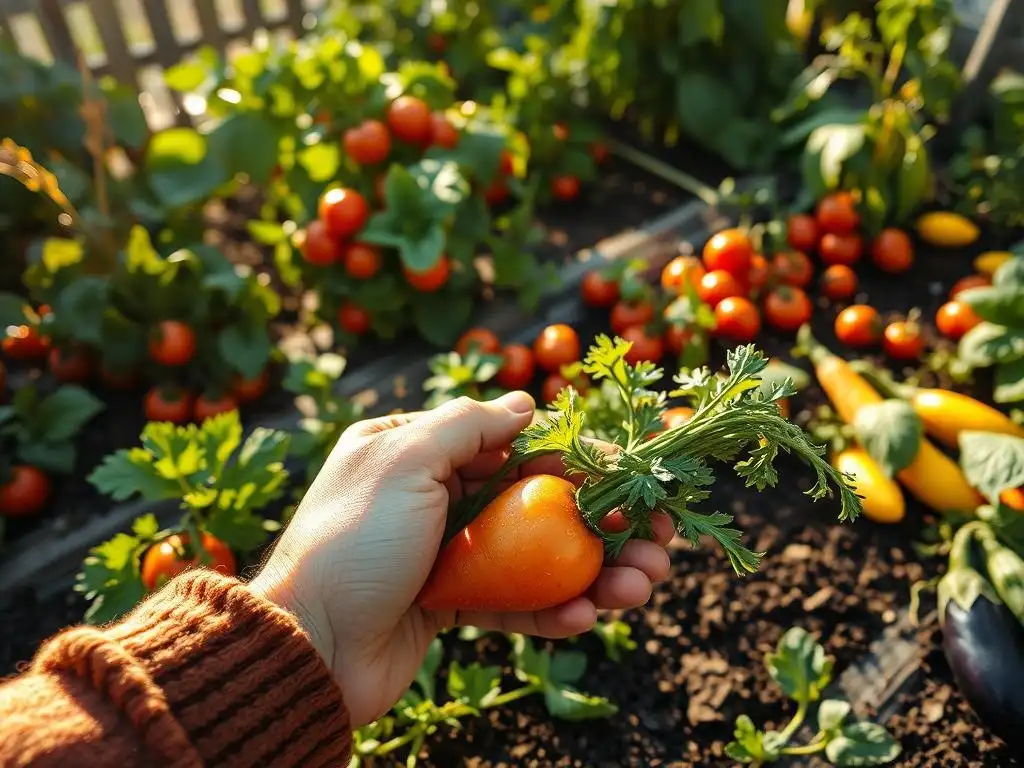
This section focuses on practical strategies to keep your organic home garden thriving without breaking the bank. We'll explore techniques that minimize costs while maximizing yields, ensuring your "cheap organic home gardening" endeavor remains both sustainable and affordable. Remember, the initial investment in seeds and tools is a long-term investment in fresh, healthy food.
Water-Wise Gardening Techniques for Saving Money and Resources
Water conservation is crucial for budget-conscious gardeners. Overwatering wastes money and can harm plants. Implementing efficient watering techniques is key to successful and cheap organic home gardening.
Here are some practical strategies:
- Use a soaker hose or drip irrigation: These methods deliver water directly to the roots, minimizing evaporation and runoff. This is far more efficient than using a sprinkler, which can lose a significant portion of water to evaporation, especially on hot, sunny days. Consider the initial cost of the equipment versus the long-term savings on your water bill.
- Water deeply but less frequently: Encourage deep root growth by watering thoroughly but less often. This helps plants become more drought-tolerant. A deeply watered plant will be more resilient to temporary dry spells, reducing the need for frequent watering.
- Mulch your garden beds: A layer of mulch (such as straw, shredded leaves, or wood chips) helps retain soil moisture, reducing the frequency of watering. This also suppresses weeds, saving you time and effort on weeding, which can be a surprisingly time-consuming task. Mulching is a simple yet powerful technique for cheap organic home gardening.
- Harvest rainwater: Collect rainwater in barrels or containers to use for irrigation. This is a fantastic way to reduce reliance on municipal water sources, saving significant money over time. Consider the initial cost of rain barrels as an investment in long-term water savings.
- Monitor soil moisture: Check the soil moisture before watering. Use your finger to check the top few inches of soil; if it's moist, you don't need to water yet. Overwatering is a common mistake that can lead to root rot and other problems.
The initial investment in water-saving equipment may seem high, but the long-term savings on your water bill will quickly offset the cost, making it a worthwhile investment in your cheap organic home gardening journey.
Natural Pest Control Methods: Protecting Your Plants Without Harmful Chemicals
Organic gardening prioritizes natural pest control methods, avoiding harmful chemicals that can be expensive and detrimental to the environment. This is a cornerstone of cheap organic home gardening, as it avoids the ongoing expense of buying pesticides.
Here are some effective and affordable strategies:
- Beneficial insects: Attract beneficial insects like ladybugs and lacewings that prey on common garden pests. Planting flowers that attract these insects can be a simple and effective way to control pests naturally.
- Companion planting: Strategically planting certain plants together can deter pests. For example, basil is known to repel many insects. Research companion planting combinations suitable for your specific garden.
- Handpicking pests: Regularly inspect your plants and handpick any visible pests. This may seem time-consuming, but it's highly effective for small infestations and avoids the need for chemical intervention.
- Neem oil: Neem oil is a natural insecticide derived from the neem tree. It's effective against a wide range of pests and is relatively inexpensive. Always follow instructions carefully when using neem oil, and remember to test it on a small area of your plants first.
- Diatomaceous earth: This natural powder is effective against many crawling insects. It's a cost-effective and environmentally friendly option for pest control. Remember to use food-grade diatomaceous earth if using it near edible plants.
By employing these natural pest control methods, you can significantly reduce or eliminate the need for expensive and potentially harmful chemical pesticides, making your cheap organic home gardening project both effective and environmentally responsible.
DIY Composting: Creating Nutrient-Rich Soil for Free
Composting is a cornerstone of sustainable and affordable gardening. By composting your kitchen scraps and yard waste, you create nutrient-rich soil amendments for free, eliminating the need to purchase expensive commercial fertilizers. This is essential for cheap organic home gardening.
Here's how to get started:
- Choose a composting method: Several methods exist, including simple compost piles, bins, and even indoor worm composting. Select a method that suits your space and resources.
- Gather your materials: Kitchen scraps (fruit and vegetable peels, coffee grounds, eggshells), yard waste (grass clippings, leaves, twigs), and brown materials (cardboard, shredded paper) are all excellent composting ingredients. Avoid meat, dairy, and oily foods, as these can attract pests and create unpleasant odors.
- Maintain proper moisture and aeration: Regularly turn your compost pile or bin to ensure adequate aeration. Keep the compost moist, but not soggy. A good mix of green and brown materials helps achieve the right balance.
- Patience is key: The composting process takes time. Depending on the method and conditions, it can take several weeks or months for your compost to be ready. Don't be discouraged if it takes longer than expected.
By creating your own compost, you significantly reduce waste and create a valuable resource for your garden, saving money and contributing to a sustainable gardening practice. This is a vital element of achieving cheap organic home gardening success.
Affordable Organic Fertilizer Options: Maximizing Plant Growth
Growing organic food doesn't have to break the bank. While commercial organic fertilizers can be expensive, there are many affordable and readily available alternatives that will nourish your plants and boost your yields. The key is to understand the fundamental needs of your plants and utilize readily available resources. This approach not only saves money but also minimizes your environmental impact.
One of the most effective and economical ways to fertilize your garden organically is through composting. Composting kitchen scraps, yard waste, and even shredded paper creates a nutrient-rich soil amendment that's essentially free. The process requires minimal effort – simply collect your organic materials in a designated compost bin or pile, ensuring a proper carbon-to-nitrogen ratio for optimal decomposition.
Regular turning ensures proper aeration and speeds up the decomposition process. The resulting compost is teeming with beneficial microorganisms and provides a slow-release source of essential nutrients for your plants. A well-maintained compost system can significantly reduce your reliance on purchased fertilizers.
Another excellent and cheap organic fertilizer option is worm castings. These are the excrement of earthworms, and they are incredibly rich in nutrients. You can either purchase a small quantity of worm castings to start your own worm composting bin, or you can even source them from local worm farms, often at significantly lower prices than commercial fertilizers. Worm castings are gentle on plants and improve soil structure, leading to healthier, more productive plants. They're a fantastic addition to seed starting mixes and can be incorporated directly into the soil around established plants.
Beyond composting and worm castings, many readily available materials can act as effective organic fertilizers. Grass clippings (from untreated lawns), seaweed, and wood ash (from untreated hardwood) are all excellent sources of nutrients. Remember to use these materials sparingly, as excessive amounts can alter your soil pH. Seaweed, in particular, is rich in micronutrients and can be used as a liquid fertilizer by steeping it in water for a few days.
Finally, consider cover cropping. Planting cover crops like clover or alfalfa in between your main crops not only helps prevent soil erosion and suppress weeds but also adds significant nutrients to the soil when tilled under or incorporated as green manure. These plants fix nitrogen from the atmosphere, enriching the soil naturally and reducing the need for supplemental nitrogen fertilizers.
This is a sustainable and cost-effective way to enhance soil fertility. Choosing appropriate cover crops for your climate and soil type is key to maximizing their benefits. By employing these resourceful techniques, you can nurture a thriving and productive organic garden without the high cost of commercial fertilizers.
Harvesting and Preserving Your Homegrown Groceries
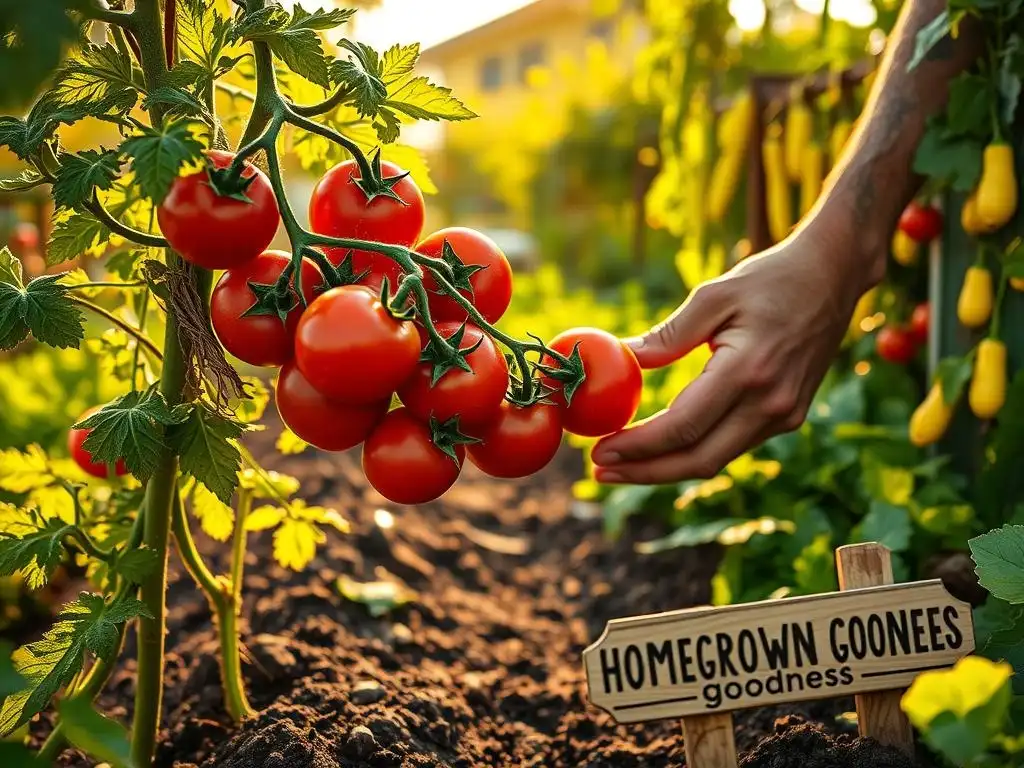
This section focuses on maximizing the return on your investment in cheap organic home gardening by efficiently harvesting and preserving your bounty. Proper harvesting and preservation techniques are crucial not only for enjoying your produce throughout the year but also for minimizing waste and extending the lifespan of your hard work.
Harvesting Techniques for Maximum Yield and Quality
Harvesting at the optimal time is key to achieving the best flavor and nutritional value from your homegrown groceries. Different fruits and vegetables have different ideal harvesting times. For example, tomatoes should be harvested when they are fully colored and slightly soft to the touch, while peppers are ready when they've reached their mature color (this varies depending on the pepper variety). Leafy greens, like lettuce and spinach, are best harvested when young and tender, before they become bitter.
Timing your harvest also affects the plant's overall yield. For example, consistently harvesting zucchini before it becomes overly large encourages the plant to produce more fruit. Similarly, regular picking of herbs like basil promotes bushier growth and more leaves.
Here's a simple table summarizing optimal harvesting times for some common vegetables:
| Vegetable | Harvesting Stage | Signs of Readiness |
|---|---|---|
| Tomatoes | Fully colored, slightly soft | Deep color, gives slightly to gentle pressure |
| Peppers | Mature color (varies by variety) | Firm, vibrant color |
| Zucchini | Young, small (6-8 inches) | Tender skin, easily cut |
| Lettuce/Spinach | Young, tender leaves | Bright green, crisp leaves |
| Beans | When pods are full and plump | Pods are firm and well-filled |
| Carrots | When roots are full-sized and firm | Roots are firm, easily pulled from the ground |
Remember to always use clean tools and handle your produce gently to avoid bruising or damage. A sharp knife or pruning shears will ensure clean cuts, minimizing the risk of disease. Harvesting in the morning, after the dew has dried, is often recommended as it minimizes the risk of spreading diseases. This careful approach is essential for maximizing the yield and quality of your cheap organic home gardening efforts.
Preserving Your Harvest: Canning, Freezing, and Drying on a Budget
Preserving your harvest extends the enjoyment of your homegrown produce far beyond the growing season. Several methods allow you to preserve your harvest affordably. Canning, freezing, and drying are all effective preservation techniques, each with its own advantages and disadvantages.
Canning: While requiring an initial investment in jars and lids, canning is a great way to preserve fruits and vegetables for extended periods. Water bath canning is a simpler and more affordable method compared to pressure canning, suitable for high-acid foods like tomatoes and pickles. Proper sterilization techniques are vital for food safety.
Freezing: Freezing is a simple and effective method for preserving many fruits and vegetables. Blanching (briefly boiling) vegetables before freezing helps to maintain their texture and color. Freezing is particularly well-suited for leafy greens, berries, and beans.
Drying: Drying is a cost-effective method for preserving herbs and some fruits and vegetables. Air drying is the most economical option, though it takes longer than other methods. Dehydrators can speed up the process but represent an additional investment.
The best preservation method depends on the type of produce and your budget. Consider the shelf life, ease of preparation, and equipment costs when making your decision. Proper storage after preservation is equally crucial for maintaining quality. Remember, carefully preserved produce represents a significant return on your investment in cheap organic home gardening.
Extending the Life of Your Homegrown Produce: Storage Tips and Tricks
Even without extensive preservation, you can significantly extend the shelf life of your freshly harvested produce through proper storage techniques. This is especially important for maximizing the value of your cheap organic home gardening efforts.
Refrigeration: Most fruits and vegetables should be stored in the refrigerator to slow down spoilage. However, some produce, like tomatoes and potatoes, are best stored at room temperature.
Proper containers: Storing produce in appropriate containers helps to maintain freshness. For example, leafy greens should be stored in airtight containers or plastic bags to prevent wilting.
Organization: Properly organizing your refrigerator ensures that produce is easily accessible and prevents items from being forgotten and spoiling.
Regular checks: Regularly checking your produce for signs of spoilage and promptly removing any damaged items will prevent spoilage from spreading. This simple step can save you significant losses over time.
By employing these simple storage techniques, you can significantly extend the shelf life of your homegrown produce, maximizing the benefits of your cheap organic home gardening efforts and enjoying fresh, healthy food for longer. Remember, even small changes in your storage practices can dramatically affect the longevity and quality of your harvest.
Long-Term Strategies for Cheap Organic Home Gardening
This section explores long-term strategies to significantly reduce the cost of maintaining a thriving organic home garden. We'll move beyond immediate cost-cutting measures and delve into methods that create a self-sustaining and increasingly economical gardening system over time. The focus is on building a resilient and productive garden that minimizes expenses year after year, aligning perfectly with the principles of "cheap organic home gardening."
Seed Saving for Future Seasons: Reducing Costs Year After Year
Seed saving is a cornerstone of cheap organic home gardening. Purchasing seeds annually can quickly become expensive. By saving seeds from your healthiest and most productive plants, you drastically reduce your reliance on commercial seed packets. This practice is not only economical but also allows you to cultivate varieties uniquely suited to your specific climate and soil conditions.
Saving seeds requires careful attention to detail. Different plants have different seed-saving requirements. For instance, open-pollinated varieties are crucial for successful seed saving as they retain their characteristics when grown from saved seeds, unlike hybrid varieties.
Here's a simplified process:
- Select Parent Plants: Choose the healthiest and most productive plants, those exhibiting desirable traits like disease resistance and high yield.
- Allow for Proper Maturation: Let the fruits or seed pods fully ripen on the plant. Premature harvesting will result in lower germination rates.
- Properly Dry Seeds: Once harvested, gently dry the seeds in a cool, dry, and well-ventilated area. This prevents mold and fungus growth.
- Clean and Store: Clean the seeds by removing any excess pulp or debris. Store them in airtight containers in a cool, dark, and dry place. Proper labeling with the plant name and harvest date is essential.
Remember that seed saving success rate varies depending on the plant species. Some plants, like tomatoes and peppers, are relatively easy to save from, while others require more specialized techniques. Researching the specific needs of each plant you intend to save seeds from is crucial for maximizing your success and ensuring the viability of your seeds for the following season. This dedication to seed saving will pay dividends in the long run, making your "cheap organic home gardening" endeavor even more sustainable.
Building a Sustainable Gardening System: Minimizing Ongoing Expenses
A key aspect of cheap organic home gardening involves minimizing ongoing expenses through the creation of a sustainable gardening ecosystem. This means reducing reliance on external inputs like purchased fertilizers and pesticides. Investing time and effort upfront in building a resilient system will yield significant long-term cost savings.
- Composting: Composting kitchen and yard waste creates nutrient-rich soil amendments, eliminating or significantly reducing the need for expensive commercial fertilizers. This is a cornerstone of sustainable and cheap organic home gardening.
- Water Conservation: Implementing efficient watering techniques like drip irrigation or soaker hoses minimizes water waste and reduces water bills. Consider rainwater harvesting to further reduce reliance on municipal water supplies.
- Pest and Disease Control: Promote biodiversity in your garden. Attract beneficial insects like ladybugs and lacewings that naturally control pests. Employ companion planting techniques, where certain plants deter pests from others. This natural pest control strategy is far more economical than relying on chemical pesticides.
- Soil Health: Focus on improving soil health through regular additions of compost and cover crops. Healthy soil reduces the need for fertilizers and improves plant resilience, contributing to a less expensive and more productive garden. Investing in soil testing can help you understand your soil's needs and optimize your amendments.
Sharing your harvest and gardening resources with others is a fantastic way to lower costs and build a supportive community. This fosters collaboration and mutual benefit, strengthening the principles of "cheap organic home gardening."
- Seed Exchanges: Participate in local seed exchanges or start one yourself. Trading seeds with other gardeners allows you to diversify your garden with new varieties without significant expense.
- Plant Swaps: Exchange extra seedlings or cuttings with fellow gardeners. This is a cost-effective way to expand your garden's diversity and obtain new plants.
- Shared Resources: Collaborate with neighbors on purchasing bulk supplies like compost or tools. This reduces individual costs and fosters a sense of community.
- Collective Learning: Share knowledge and experiences with other gardeners. This collective learning environment can help you troubleshoot problems, learn new techniques, and optimize your gardening practices, contributing to a more sustainable and economical approach to organic home gardening. This collaborative spirit is key to long-term success.
This collaborative spirit, combined with sustainable practices and careful planning, ensures that your "cheap organic home gardening" journey is not only economical but also rewarding and fulfilling. 🌱
Frequently Asked Questions
How can I start an organic garden without spending a fortune?
Starting an organic garden on a budget is possible! Begin with free or low-cost resources like seeds saved from previous harvests or seed swaps. Utilize composting to create your own soil amendment and repurpose everyday items like containers for planting.
What are some cheap alternatives to expensive organic fertilizers?
Avoid expensive store-bought fertilizers. Compost is your best friend! Also consider using homemade compost tea or worm castings for nutrient-rich soil.
Are there any low-cost pest control methods for organic gardening?
Yes! Natural pest control is key to organic gardening on a budget. Employ techniques like companion planting, introducing beneficial insects, and using homemade sprays (e.g., neem oil).
What are the best low-cost vegetables to start with for a beginner?
Choose easy-to-grow vegetables like lettuce, radishes, beans, and zucchini. These require minimal space and resources, providing a quick and satisfying harvest to boost your confidence.
Where can I find free or cheap seeds for my organic garden?
Explore seed saving from your existing plants or participate in seed swaps within your community. Many online forums and local gardening groups also offer free or inexpensive seeds.
Final Reflection: Cultivating Abundance, One Seed at a Time
The dream of fresh, organic produce, once a luxury, is now within reach for everyone. This article has demonstrated that growing your own groceries doesn't require a vast estate or a hefty bank account; with careful planning, resourcefulness, and a little elbow grease, even the most budget-conscious individual can cultivate a thriving garden brimming with healthy, delicious food. This is more than just a hobby; it's a powerful step towards food security and a healthier lifestyle.
The impact of accessible, affordable organic gardening extends far beyond the individual level. It fosters a deeper connection with the food we consume, promoting appreciation for the natural world and the effort required to nourish ourselves. It challenges the pervasive industrial food system, encouraging a shift towards more sustainable and ethical practices. The miracle isn't that I finished. The miracle is that I had the courage to start.
– John Bingham. This quote perfectly encapsulates the journey of the home gardener, highlighting the importance of taking that first step, however small, towards a more self-sufficient and fulfilling life.
Now, consider your own space, even a small balcony or windowsill, and imagine the possibilities. What seeds of change will you plant? What small steps can you take today to bring the bounty of your own garden to your table? Don't be intimidated by the scale; start small, learn as you go, and celebrate each harvest, no matter how modest. The journey of growing your own food is a rewarding one, filled with lessons in patience, resilience, and the profound satisfaction of nurturing life from the ground up. Embrace the challenge, and let your garden flourish.
Unleash Your Inner Gardener: Grow Your Own Food Today!
Thank you for taking the time to learn how to grow your own food affordably! We hope you feel inspired and ready to cultivate delicious, healthy produce. Now it's time to put your new knowledge into practice.
- Start small, but start now! Begin with an easy-to-grow herb or vegetable, such as lettuce or basil, and dedicate a small space in your garden or even a sunny windowsill. This is your first step toward a more self-sufficient and fulfilling lifestyle.
- Share your gardening journey! Tell your friends and family about your exciting new adventure and inspire them to grow their own food. You could even start a community garden!
- Learn more! Visit CultivateYourFood.org and search "easy vegetable gardening" for more amazing tips.
What will you plant first to begin your homegrown food adventure?