
The Joy of Discovery: How Gardening Sparks Curiosity and Wonder

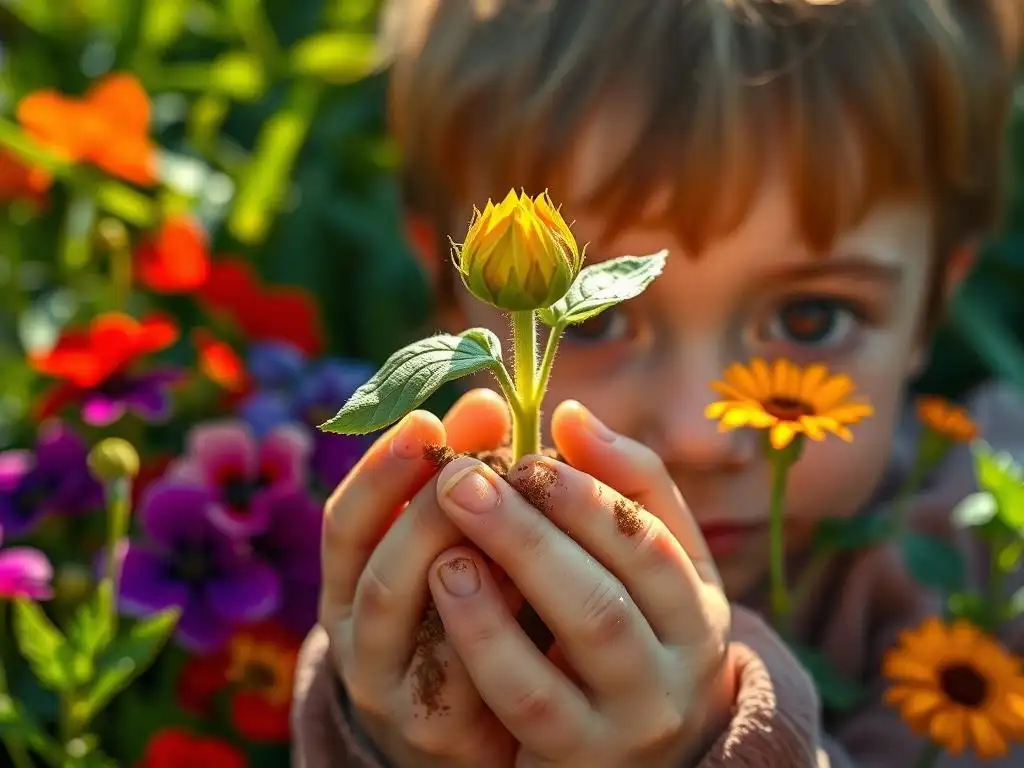
Welcome to CultivateYourFood, your guide to a greener, more fulfilling life through homegrown goodness! Are you ready to rediscover the simple joys of nurturing life from seed to table? We believe that gardening sparks childlike wonder, and this website is dedicated to helping you unlock that magic. Explore our sustainable and organic methods for cultivating fruits, vegetables, and herbs – and prepare to be amazed by what you can grow! Let's delve into the rewarding world of home gardening together, beginning with our article on the surprising benefits of nurturing your own food.
- Gardening Sparks Childlike Wonder: Reconnecting with Nature
- Cultivating Curiosity Through Sensory Exploration in the Garden
- Gardening as a Catalyst for Learning and Exploration
- Fostering a Love of Nature Through Hands-On Gardening
- Sustainable Gardening Practices: Respecting the Environment
- Maintaining Curiosity and Wonder in the Long Term
-
Frequently Asked Questions
- How does gardening foster a sense of wonder in children?
- What are some age-appropriate gardening activities for young children?
- Can gardening help children learn about science and nature?
- How can I encourage my child to participate in gardening, even if they're initially hesitant?
- What are the long-term benefits of introducing children to gardening?
- Final Reflection: Cultivating Wonder, Harvesting Joy
- Unveil Your Inner Gardener: Grow Your Curiosity Today!
Gardening Sparks Childlike Wonder: Reconnecting with Nature
Gardening, often perceived as a chore or a hobby for the retired, holds a profound capacity to ignite a sense of childlike wonder and curiosity in people of all ages. This isn't simply about growing tomatoes or harvesting herbs; it's about fostering a deep connection with the natural world, rekindling a sense of awe and discovery that often fades as we age.
This article explores how the simple act of nurturing plants can spark a renewed appreciation for the intricate processes of life, transforming even the most mundane tasks into moments of captivating wonder. From the initial excitement of planting a seed to the satisfaction of harvesting ripe fruits, gardening provides a unique opportunity to reconnect with nature's rhythms and rediscover the joy of learning and exploration.
We'll delve into specific examples of how this "gardening sparks childlike wonder" phenomenon manifests itself, highlighting the therapeutic benefits of this surprisingly potent activity. The process of cultivating your own food, using sustainable and organic practices, becomes a journey of self-discovery, fostering patience, resilience, and a profound appreciation for the delicate balance of the ecosystem.
The Unexpected Delights of Seed Germination: Witnessing Life Unfold
The seemingly simple act of planting a seed holds a magic all its own. Witnessing the transformation from a tiny, dormant seed to a vibrant sprout is a captivating experience. The anticipation, the daily checks for signs of life, and the eventual emergence of the first fragile leaves are all moments filled with a unique sense of joy and accomplishment. This process directly addresses the keyword "Gardening sparks childlike wonder" by illustrating the tangible, observable magic inherent in the act of nurturing life.
Think about the sheer marvel of it: a tiny seed, containing all the genetic information needed to create a complex plant, bursting forth with life, fueled only by water, sunlight, and soil. It's a process that inspires questions, fosters observation, and encourages a deeper understanding of the fundamental building blocks of life. The delicate unfolding of the first leaves, the subtle changes in color and texture—these are details that often go unnoticed in our busy lives, yet they hold the power to ignite a sense of profound wonder. Even experienced gardeners find themselves constantly amazed by the resilience and beauty of nature's processes.
Consider this: The success rate of seed germination can vary greatly depending on the species and environmental conditions. For example, while some seeds germinate readily with a high success rate (e.g., sunflowers), others (e.g., orchids) require specialized techniques and patience. This unpredictable nature adds another layer to the wonder and excitement.
Observing Plant Growth: A Daily Journey of Transformation
The journey doesn't end with germination. The daily observation of plant growth provides a continuous source of fascination. The subtle changes—a new leaf unfurling, a stem stretching towards the sun, the gradual development of flowers and fruits—are all moments of wonder. Keeping a gardening journal, meticulously documenting these changes, can further enhance this experience, transforming it into a personal scientific exploration.
Children, in particular, are naturally drawn to these incremental changes. They learn patience, observation skills, and an appreciation for the interconnectedness of life. The growth of a plant, from a tiny seedling to a mature plant bearing fruit, is a powerful metaphor for personal growth and development.
It's a reminder that even the most seemingly insignificant actions can lead to significant results, given time and consistent effort. Furthermore, comparing the growth rates of different plants, observing the effects of different environmental conditions (sunlight, water, soil), provides valuable learning opportunities and strengthens the connection between observation and understanding. For example, observing how a tomato plant responds to different watering techniques can be a fascinating learning experience.
The Fascination of Pollinators: Bees, Butterflies, and More
The role of pollinators in the gardening process adds another layer of wonder and intrigue. Observing bees diligently collecting pollen, butterflies flitting from flower to flower, and other insects contributing to the cycle of life, highlights the interconnectedness of nature. Understanding the importance of these creatures and the delicate balance of the ecosystem fosters a sense of responsibility and stewardship towards the environment.
This aspect of gardening extends the "gardening sparks childlike wonder" concept beyond the individual plant to encompass a broader ecological perspective. Children are often captivated by the vibrant colors and intricate patterns of butterflies and the industrious buzzing of bees. Learning about their life cycles and their crucial role in plant reproduction adds a dimension of scientific discovery to the gardening experience.
The sheer diversity of pollinators, each with its unique adaptations and behaviors, is a source of endless fascination. For instance, the intricate dance between a bee and a flower, the precise way the bee collects pollen, reveals a level of complexity and sophistication that is both beautiful and inspiring. It's a reminder that even the smallest creatures play a vital role in the larger ecosystem.
Cultivating Curiosity Through Sensory Exploration in the Garden
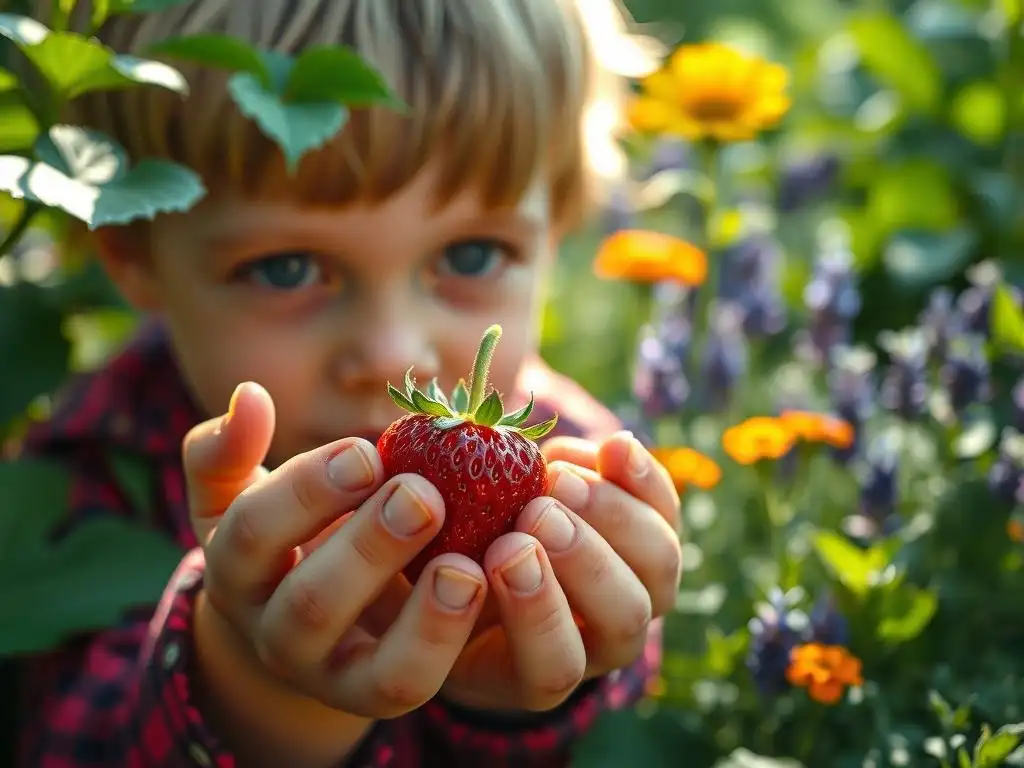
Gardening, especially when approached with a childlike sense of wonder, offers a unique opportunity for sensory exploration. The act of nurturing plants from seed to harvest awakens our senses in profound ways, fostering a deeper connection with the natural world and sparking curiosity about the intricate processes of growth and life. This sensory engagement is crucial in cultivating a love for gardening and the environment, fostering a sense of stewardship and responsibility.
This section will delve into the specific ways in which our senses play a vital role in this process, highlighting how gardening sparks childlike wonder through sensory experiences. The multi-sensory aspects of gardening are key to unlocking that inherent fascination, transforming a simple activity into a rich and rewarding experience. This isn't just about planting seeds; it's about engaging all five senses to fully appreciate the magic of nature.
Engaging Multiple Senses: Sight, Smell, Touch, and Taste
The garden is a feast for the senses. Consider the vibrant hues of a newly blossomed sunflower, its golden petals radiating warmth and energy. This visual stimulation alone can evoke a feeling of joy and wonder.
But the experience extends far beyond sight. The earthy scent of freshly turned soil, the sweet fragrance of blooming jasmine, the crisp texture of a freshly picked cucumber – each engages a different sensory pathway, enriching the overall experience. The taste, of course, is the ultimate reward; the burst of sweetness from a homegrown strawberry, the satisfying crunch of a carrot pulled directly from the ground – these moments are deeply satisfying and connect us directly to the fruits (and vegetables!)
of our labor. The intensity of these sensory experiences is profoundly different from consuming store-bought produce, underscoring the unique rewards of home gardening and helping to explain why gardening sparks childlike wonder in so many. The engagement of multiple senses simultaneously creates a holistic and memorable experience, far exceeding the simple act of growing plants.
Exploring Texture and Color: The Visual Feast of the Garden
The visual appeal of a garden is undeniable. The varied textures – the smooth skin of a tomato, the rough bark of a tree, the velvety petals of a rose – offer tactile exploration that adds another layer of depth to the experience. Children, in particular, are drawn to these differences, prompting them to explore and learn through touch.
The garden's color palette is equally captivating. The vibrant greens of leafy vegetables, the deep reds of ripe tomatoes, the brilliant yellows of sunflowers – this visual feast stimulates curiosity and encourages observation. The subtle changes in color as plants mature also provide opportunities for learning and understanding the life cycle of plants.
For instance, observing the transition of a green tomato to a deep red one is a fascinating process that highlights the plant's growth and development, reinforcing the sense of wonder and fostering a deeper connection with the natural world. These visual cues, combined with the tactile experiences, create a multi-sensory learning opportunity that transcends simple observation.
The Aromatic World of Herbs and Flowers: Scent as a Sensory Gateway
The olfactory experience in a garden is often overlooked, but it plays a crucial role in evoking feelings of joy and wonder. The fragrant blossoms of lavender, the pungent aroma of rosemary, the sweet scent of basil – these aromatic experiences create powerful memories and associations, linking the garden to positive emotions. The subtle differences in scent between herbs and flowers encourage exploration and discovery, stimulating the sense of smell and enhancing the overall sensory experience.
Children, especially, are often captivated by the diverse range of scents in the garden, leading to questions about the different plants and their unique fragrances. This exploration of scent not only enhances the sensory experience but also fosters a deeper understanding of the plant world, further solidifying the connection between gardening and childlike wonder.
This sensory gateway unlocks a deeper appreciation for the complex and fascinating world of plants, ultimately contributing to a richer and more fulfilling gardening experience. The subtle nuances of these aromas help explain why gardening sparks childlike wonder; it is a sensory adventure.
Tasting Homegrown Produce: Freshness and Flavor like Never Before
The simple act of tasting a homegrown tomato, crisp lettuce, or fragrant herb can ignite a childlike sense of wonder. There's a profound difference between the supermarket experience and biting into something you've nurtured from seed. The flavor is intensely more vibrant; the texture, uniquely satisfying. This sensory experience transcends mere consumption; it's a connection to the earth, a testament to your own efforts, and a celebration of nature's bounty.
Children, especially, are captivated by this transformation – from tiny seed to juicy fruit – and the resulting taste is a powerful reward for their participation in the gardening process. The sweetness of a strawberry picked directly from the vine, the peppery bite of a basil leaf plucked from the plant, these are moments that imprint themselves on the memory, fostering a deep appreciation for the natural world and the food it provides. This direct experience fosters a healthy relationship with food, encouraging children to explore different tastes and textures with curiosity and excitement, potentially leading to a lifelong appreciation for fresh, wholesome ingredients. It's a far cry from the bland uniformity of mass-produced food, replacing it with a vibrant tapestry of flavors, each telling a unique story of sun, soil, and human care.
Consider offering blind taste tests comparing homegrown and store-bought produce; the difference is often striking, sparking conversation and further deepening the appreciation for the garden's gifts. This sensory exploration is not just about taste; it’s about building a deeper understanding of where food comes from and the effort involved in bringing it to the table. The intense satisfaction derived from this process is incredibly rewarding, and it strengthens the connection between the gardener and their environment. 🍅
Gardening as a Catalyst for Learning and Exploration
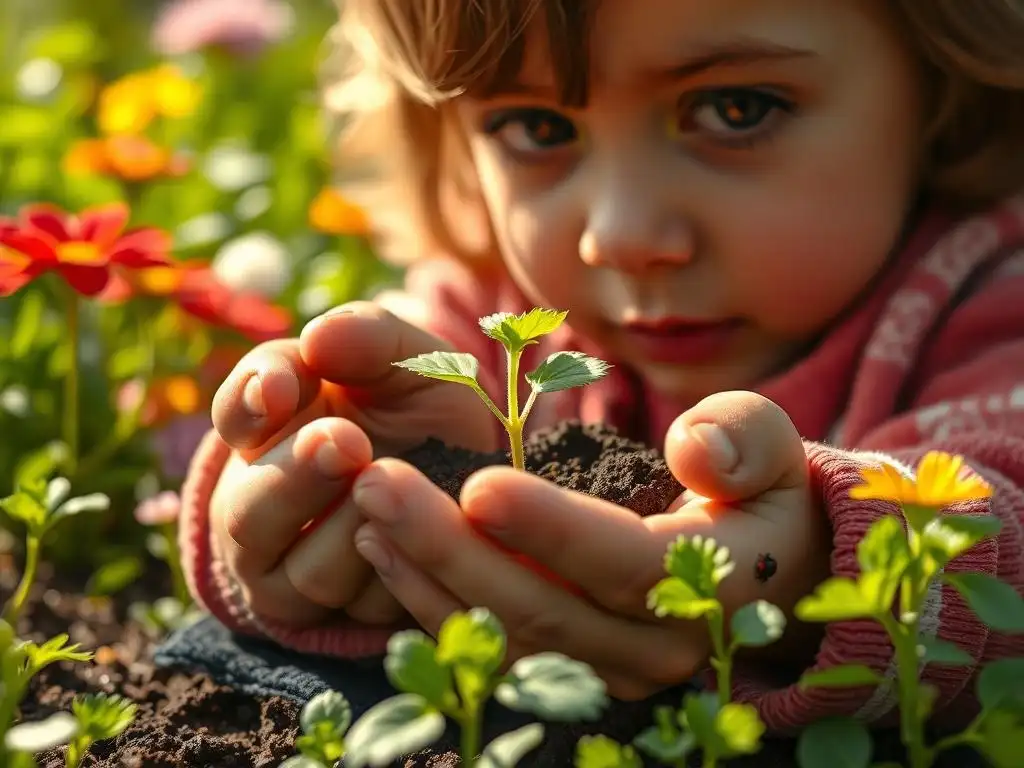
Gardening, far from being a simple hobby, acts as a powerful catalyst for learning and exploration, especially for children. The process of nurturing a plant from seed to harvest fosters a deep understanding of the natural world and ignites a lifelong curiosity. This section delves into the educational aspects of gardening, highlighting how it sparks childlike wonder and encourages a deeper connection with the environment.
The act of planting a seed and watching it germinate, grow, and eventually produce fruit or vegetables is a profound learning experience, fostering patience, observation skills, and a sense of accomplishment. This hands-on approach to learning is far more engaging and memorable than simply reading about it in a textbook.
The tangible results of their efforts reinforce the importance of perseverance and the rewards of dedicated care. This is precisely why gardening sparks childlike wonder; it's a journey of discovery, full of surprises and unexpected delights.
Understanding Plant Life Cycles: From Seed to Harvest
Witnessing the complete life cycle of a plant—from a tiny seed to a mature, fruiting plant—is a captivating experience. Children can learn about germination, the crucial role of sunlight and water, and the fascinating process of photosynthesis. Planting fast-growing plants like sunflowers or radishes allows for quick observation of these stages, providing immediate gratification and reinforcing the learning process.
For example, planting beans is a classic way to observe the development of roots, stems, and leaves, leading to a deeper understanding of plant anatomy and physiology. Documenting the growth with photos or drawings further enhances the learning experience, creating a visual record of the plant's journey. This hands-on approach to botany is far more effective than any textbook, transforming abstract concepts into tangible realities.
The satisfaction of harvesting their own produce further solidifies their understanding of the interconnectedness of nature and the rewards of patience and care. It's this tangible connection that truly embodies the idea that gardening sparks childlike wonder.
Exploring Soil Science: The Foundation of Plant Growth
Gardening provides a practical introduction to soil science, a fundamental aspect of plant growth. Children can learn about the different components of soil—sand, silt, clay, and organic matter—and their impact on plant health. Simple experiments, such as comparing the water retention capacity of different soil types, can illustrate these concepts in a fun and engaging way.
Furthermore, composting teaches children about decomposition and nutrient cycling, illustrating the interconnectedness of living organisms and the importance of sustainable practices. Observing earthworms and other beneficial soil organisms further enhances their understanding of the complex ecosystem within the soil. They learn that healthy soil is not just dirt; it's a vibrant habitat teeming with life, essential for supporting plant growth.
This understanding cultivates appreciation for the delicate balance of nature and the importance of soil conservation. The simple act of nurturing the soil, preparing it for planting, and observing its impact on plant growth is a powerful demonstration of the interconnectedness of the natural world, a key element of why gardening sparks childlike wonder.
Discovering the Wonders of Biodiversity: A Thriving Ecosystem
A garden is a microcosm of biodiversity, offering a fascinating glimpse into the complex interactions between plants, insects, and other organisms. Children can observe pollinators like bees and butterflies, learning about their crucial role in plant reproduction. They can also learn to identify beneficial insects, such as ladybugs, that help control pests, and understand the importance of biodiversity in maintaining a healthy ecosystem.
Creating a habitat for beneficial insects, such as providing shelter or planting specific flowering plants, further emphasizes the importance of ecological balance. This fosters an appreciation for the intricate web of life and the interconnectedness of different species. Observing the variety of plants, their different growth habits, and their interactions with other organisms fosters a deep appreciation for the diversity of life.
This immersion in a thriving ecosystem directly demonstrates the beauty and complexity of nature, a key component of how gardening sparks childlike wonder. The garden becomes not just a place to grow food but a living laboratory for exploring the wonders of biodiversity.
Problem-Solving in the Garden: Challenges and Triumphs
Gardening, even at a small scale, presents a constant stream of challenges. These challenges, however, are not obstacles to be avoided, but rather opportunities for learning and growth – both for the plants and the gardener. From identifying the cause of yellowing leaves to dealing with unexpected pests, each problem encountered becomes a mini-investigation, fostering critical thinking and resourcefulness. A wilting tomato plant, for example, might initially seem like a simple case of thirst, but further investigation might reveal root rot, nutrient deficiency, or even a pest infestation.
The process of diagnosing the problem encourages careful observation, meticulous record-keeping (a garden journal is invaluable! ), and the development of problem-solving strategies. This iterative process of hypothesis, testing, and refinement mirrors scientific methodology, making gardening a surprisingly effective hands-on science lesson.
The triumph that follows the successful resolution of a gardening challenge is deeply satisfying. Overcoming a pest infestation using organic methods, for instance, provides a sense of accomplishment and reinforces the gardener's understanding of ecological balance. Successfully reviving a seemingly doomed plant fosters resilience and patience.
These small victories, accumulated over time, build confidence and encourage further experimentation. The inherent uncertainty of gardening — the knowledge that unexpected problems will inevitably arise — paradoxically makes the successes all the more rewarding. This cyclical process of challenge and triumph is a powerful engine for learning and personal growth, teaching valuable life lessons far beyond the confines of the garden itself.
The satisfaction of nurturing a plant from seed to harvest, overcoming obstacles along the way, is a deeply rewarding experience that cultivates perseverance and a sense of accomplishment, truly embodying the spirit of "gardening sparks childlike wonder". Moreover, the lessons learned – patience, observation, problem-solving – are transferable to other areas of life, making gardening a valuable tool for personal development.
Fostering a Love of Nature Through Hands-On Gardening
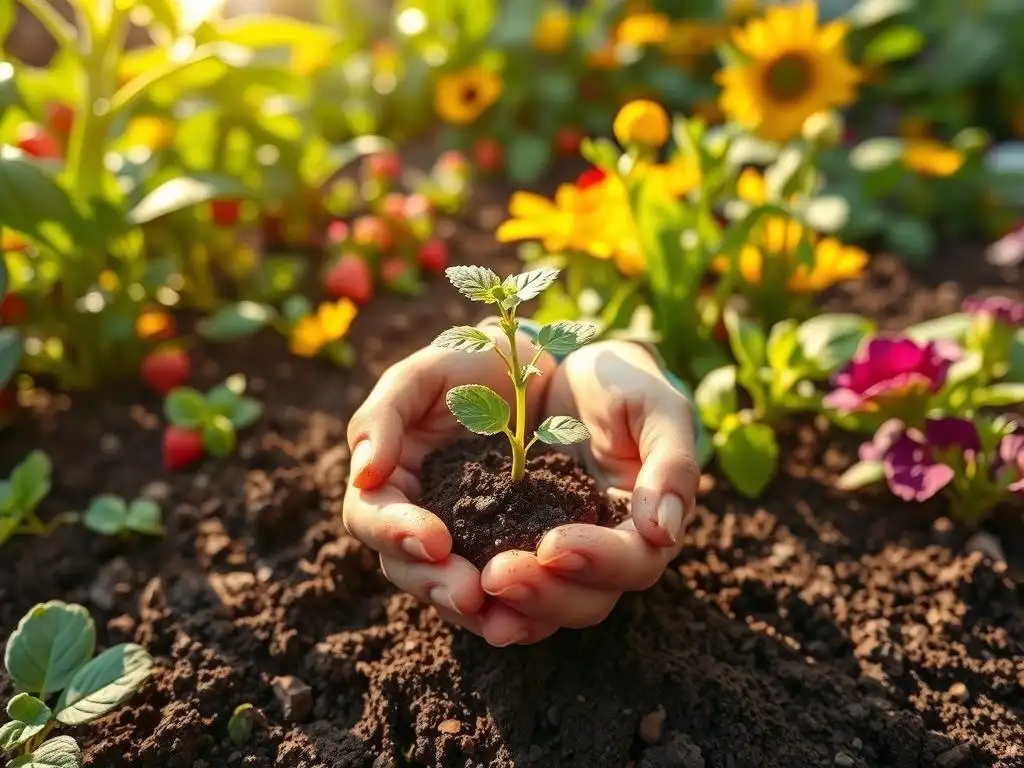
Gardening sparks childlike wonder, a sense of awe and curiosity that can be cultivated and nurtured from a young age. Direct interaction with the natural world, witnessing the growth process firsthand, fosters a deep appreciation for the environment and its intricate systems. This section explores how hands-on gardening experiences can ignite this wonder and cultivate a lifelong love of nature.
The tactile experience of planting seeds, feeling the soil between fingers, and watching tiny sprouts emerge is profoundly engaging for children. It's a sensory journey that connects them to the earth in a way that abstract learning never can. This connection extends beyond simple observation; it fosters a sense of responsibility and stewardship.
Children learn about the interconnectedness of life, understanding how their actions – watering, weeding, protecting – directly impact the plants' growth and well-being. This understanding translates into a broader respect for the environment and a desire to protect it.
Engaging Children in Gardening: Sparking a Lifelong Passion
Engaging children in gardening requires careful planning and age-appropriate activities. For toddlers, simple tasks like watering plants with a small watering can or helping to collect fallen leaves for composting are ideal. Preschoolers can participate in planting seeds in small pots or helping to weed a designated area. Older children can take on more responsibility, such as planting and maintaining a small vegetable patch or creating a butterfly garden.
The key is to make it fun and engaging, avoiding pressure or expectations. Consider incorporating storytelling into the gardening process, creating narratives around the plants' growth and their journey from seed to harvest. For instance, you could tell tales of the "sleepy seeds" waking up in the spring or the "brave little sprouts" pushing their way through the soil. Games like identifying different plants or creating nature collages using collected leaves and flowers can also add an element of playfulness.
Remember to celebrate successes, no matter how small. Even a single sprout emerging is a cause for celebration, reinforcing the positive association with gardening. Studies show that children who participate in gardening activities exhibit increased levels of empathy and environmental consciousness.
A family garden is more than just a collection of plants; it's a shared space for creating lasting memories. Involving the entire family in the planning and maintenance of the garden fosters teamwork and collaboration. Discussions about what to plant, where to place each plant, and how to care for it create opportunities for learning and shared decision-making. The process of tending to the garden together becomes a bonding experience, strengthening family ties and creating a sense of shared accomplishment.
Sharing the harvest is another important aspect. Preparing meals using homegrown vegetables and fruits is a rewarding experience, and it teaches children about the origins of their food and the importance of healthy eating. Documenting the garden's progress through photographs or a journal can create a lasting record of the family's shared journey, providing a tangible reminder of the time spent together.
These memories will serve as a valuable source of joy and connection for years to come. Consider creating a family gardening calendar to plan activities and track growth. This shared responsibility promotes a sense of ownership and collective pride in the garden's success.
Gardening as a Family Activity: Bonding Through Nature
Family gardening offers a unique opportunity to connect with nature and each other. It provides a space for unstructured play, allowing children to explore, discover, and learn at their own pace. The sensory experiences involved—the smell of the earth, the feel of the plants, the sounds of nature—stimulate the senses and create a calming and therapeutic environment. This shared experience promotes open communication and strengthens family bonds.
Working together towards a common goal, such as harvesting a bountiful crop, fosters a sense of accomplishment and shared pride. Furthermore, it provides a welcome respite from the pressures of modern life, offering a chance to disconnect from screens and reconnect with each other and the natural world. The garden becomes a shared sanctuary, a place for relaxation, conversation, and connection. Family gardening is an investment in family well-being, fostering stronger relationships and creating lasting memories.
The simple act of planting a seed together can symbolize the growth and nurturing that occurs within a family. This shared experience nurtures not only plants but also the bonds between family members. Observing the wonders of nature unfolding together strengthens connections and provides a framework for shared learning and growth. The benefits extend beyond the garden itself, positively influencing family dynamics and creating a stronger, more resilient family unit.
Sustainable Gardening Practices: Respecting the Environment
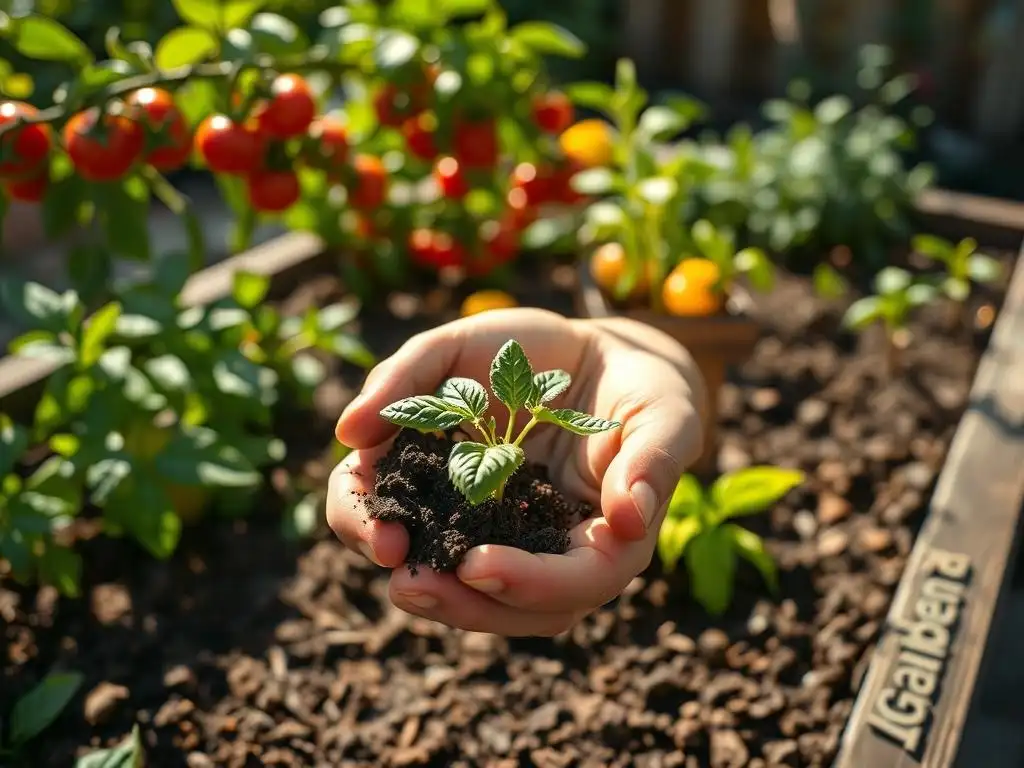
Sustainable gardening isn't just a trend; it's a fundamental shift towards a healthier planet and a more fulfilling gardening experience. It's about nurturing the earth while nurturing your plants, fostering a symbiotic relationship where both thrive. This approach encourages a deeper connection with nature, sparking that childlike wonder as you witness the intricate web of life unfolding in your garden. The beauty lies in the balance—a garden that flourishes without depleting resources or harming the environment. This section dives into practical methods to achieve this balance, transforming your gardening practice into a sustainable and environmentally responsible endeavor.
Organic Gardening Methods: Protecting the Planet
Organic gardening is the cornerstone of sustainable practices. By avoiding synthetic pesticides, herbicides, and fertilizers, you protect beneficial insects, birds, and soil microorganisms, creating a vibrant and healthy ecosystem. Instead of relying on chemical interventions, organic methods utilize natural solutions. For instance, companion planting – strategically placing certain plants together to deter pests or improve growth – is a powerful technique. Marigolds, for example, are known to repel nematodes, while basil can help ward off tomato hornworms.
Employing natural pest control methods, like introducing ladybugs to combat aphids or using neem oil as a natural insecticide, further minimizes environmental impact. The reward? Healthier plants, richer soil, and a cleaner environment. This approach truly embodies "Gardening sparks childlike wonder" as you observe the intricate natural processes at play. The satisfaction of nurturing your plants organically is unparalleled, fostering a sense of accomplishment and connection with the natural world.
Composting and Recycling: Closing the Loop
Composting is a transformative process that turns kitchen scraps and yard waste into a valuable soil amendment, dramatically reducing landfill waste. It's a cornerstone of sustainable gardening, embodying the circular economy principle of "closing the loop." Think of it as nature's recycling program—organic matter is broken down by microorganisms, enriching the soil with essential nutrients. This reduces the need for synthetic fertilizers, further minimizing your environmental footprint.
A well-managed compost bin becomes a microcosm of a thriving ecosystem, fostering biodiversity and reducing your reliance on external inputs. The rich, dark compost you produce not only nourishes your plants but also fosters a deeper appreciation for the interconnectedness of life. This process itself can spark childlike wonder, observing the transformation of waste into a valuable resource. Imagine the delight of using your own compost to nurture flourishing plants, a tangible representation of sustainable living.
Water Conservation in the Garden: Responsible Resource Management
Water conservation is paramount in sustainable gardening, especially in regions with limited water resources. Efficient irrigation techniques are key. Drip irrigation systems deliver water directly to the roots, minimizing evaporation and runoff. Mulching helps retain soil moisture, reducing the frequency of watering.
Choosing drought-tolerant plants adapted to your local climate is also crucial. Regularly checking soil moisture levels before watering prevents overwatering, a common mistake that wastes water and can harm plants. By implementing these strategies, you not only conserve a precious resource but also contribute to a healthier environment.
This mindful approach to water management demonstrates responsible stewardship of the earth, aligning perfectly with the spirit of "Gardening sparks childlike wonder." The satisfaction of nurturing a thriving garden while conserving water is a testament to the power of sustainable practices. The careful observation of your plants' water needs and the implementation of efficient watering techniques further enhance that sense of connection and mindful engagement with nature.
Maintaining Curiosity and Wonder in the Long Term
Gardening, while initially captivating, requires sustained effort to maintain that initial spark of childlike wonder. The beauty of gardening lies not just in the immediate gratification of a bountiful harvest, but in the ongoing journey of learning, adapting, and sharing. This section explores strategies to nurture that sense of awe and discovery long after the first seedling sprouts. The key is to cultivate a mindset of continuous learning and exploration, embracing the ever-changing nature of the garden, and sharing your passion with others. This will ensure that "gardening sparks childlike wonder" remains a vibrant reality throughout your gardening experience.
Continuous Learning and Exploration: Expanding Your Gardening Knowledge
The world of gardening is vast and ever-evolving. There's always something new to learn, from experimenting with unusual heirloom varieties to mastering advanced composting techniques. To keep the wonder alive, actively seek out new knowledge.
Consider joining a local gardening club – a fantastic way to connect with experienced gardeners and learn from their wisdom and mistakes. Attend workshops or webinars on topics that pique your interest, whether it's advanced pruning techniques, organic pest control, or the art of seed saving. Explore different gardening methods, such as square foot gardening or vertical gardening, to challenge yourself and discover new possibilities.
Reading gardening books and articles, subscribing to gardening magazines, and following expert gardeners online provides a constant stream of fresh ideas and inspiration. Remember, continuous learning fuels curiosity and keeps the gardening experience exciting and engaging. This proactive approach ensures that the initial wonder associated with "gardening sparks childlike wonder" is maintained and even amplified over time.
The Ever-Changing Garden: Adaptability and Resilience
One of the most rewarding aspects of gardening is its inherent unpredictability. The weather, pests, and even the soil itself can throw unexpected challenges your way. Instead of viewing these setbacks as frustrations, embrace them as opportunities for growth and learning. Document your experiences, noting which plants thrived and which struggled, and why. Analyze your successes and failures to refine your techniques for next season.
Adaptability is key to maintaining a sense of wonder; each season presents a new set of challenges and discoveries. The unexpected blooms, the resilience of plants overcoming adversity, and the constant learning curve all contribute to the enduring magic of gardening. This dynamic environment keeps the experience fresh and prevents it from becoming monotonous. This constant adaptation helps to maintain the feeling that "gardening sparks childlike wonder," fostering a sense of ongoing discovery and achievement.
Sharing your passion for gardening is a powerful way to reignite your own sense of wonder. Teaching children about the miracle of plant growth, sharing your harvest with friends and neighbors, or simply engaging in conversations about your gardening experiences can deepen your appreciation for the process. The act of sharing spreads the joy and reinforces your own connection to nature. Consider starting a community garden or mentoring a novice gardener.
Witnessing the growth and success of others, and sharing your knowledge, will enrich your own gardening experience and keep the spark of childlike wonder burning brightly. This act of giving back not only benefits others but also strengthens your own connection to the earth and the ongoing magic of "gardening sparks childlike wonder." The cyclical nature of teaching and learning fosters a continuous renewal of wonder and appreciation.
Frequently Asked Questions
How does gardening foster a sense of wonder in children?
Gardening allows children to witness the miracle of growth firsthand, from tiny seed to mature plant. The process of nurturing and observing plants blossom sparks curiosity and a deep appreciation for nature. This hands-on experience fosters a sense of awe and amazement.
What are some age-appropriate gardening activities for young children?
Young children can enjoy simple tasks like planting seeds, watering plants, and observing insects. Older children can take on more responsibility, such as weeding, harvesting, and composting. Adapting activities to different age groups is key.
Can gardening help children learn about science and nature?
Absolutely! Gardening provides a living classroom where children learn about plant life cycles, soil composition, and ecological relationships. It's a fun and engaging way to learn about scientific principles in action.
How can I encourage my child to participate in gardening, even if they're initially hesitant?
Start with small, manageable tasks and focus on the fun aspects. Let them choose their favorite plants to grow, and celebrate their successes. Making it a shared activity can also increase engagement.
What are the long-term benefits of introducing children to gardening?
Gardening nurtures a lifelong appreciation for nature and healthy eating habits. It also teaches valuable skills like patience, responsibility, and problem-solving. These benefits extend far beyond the garden itself.
Final Reflection: Cultivating Wonder, Harvesting Joy
The simple act of planting a seed and watching it grow is more than just a hobby; it's a potent catalyst for lifelong learning and a profound connection with the natural world. In a world increasingly dominated by screens and instant gratification, the patient observation required by gardening offers a powerful antidote, fostering a sense of awe and wonder that transcends generations.
The impact of gardening on our understanding of the natural world is immeasurable. It teaches us patience, resilience, and the interconnectedness of all living things. It reminds us of the beauty in the seemingly mundane, the magic in the everyday. The glory of gardening: hands in the dirt, head in the sun, heart with nature. To nurture a garden is to feed not just the body, but the soul.
This quote perfectly encapsulates the transformative power of tending a garden, fostering a deep appreciation for the intricate processes of life that often go unnoticed.
Now, consider your own life. What small act of nurturing, of patient observation, can you introduce to reignite your own sense of childlike wonder? Perhaps it's starting a small herb garden on your windowsill, tending to a single potted plant, or simply taking the time to observe the intricate details of a nearby park. Embrace the joy of discovery, let curiosity be your guide, and allow the simple act of gardening to cultivate a sense of wonder that will enrich your life in countless ways.
Unveil Your Inner Gardener: Grow Your Curiosity Today!
Thank you for joining us on this journey of discovery! We hope you've been inspired by the joy and wonder of gardening. Now it's time to begin your own green adventure.
Here are a few ways to get started:
- Start small: Plant a single seed of your favorite herb or flower and experience the magic of watching it grow. This small step can have a surprisingly big impact!
- Share your gardening dreams with friends and family. Inspire others to start their own gardening journey!
- Explore our website for more gardening tips and resources – we regularly add new articles and guides to help you thrive as a gardener!
What small step will you take today to nurture your inner gardener and bring the beauty of nature into your life?