
The Secret to a Vibrant Diet: Growing Your Own Fruits and Vegetables

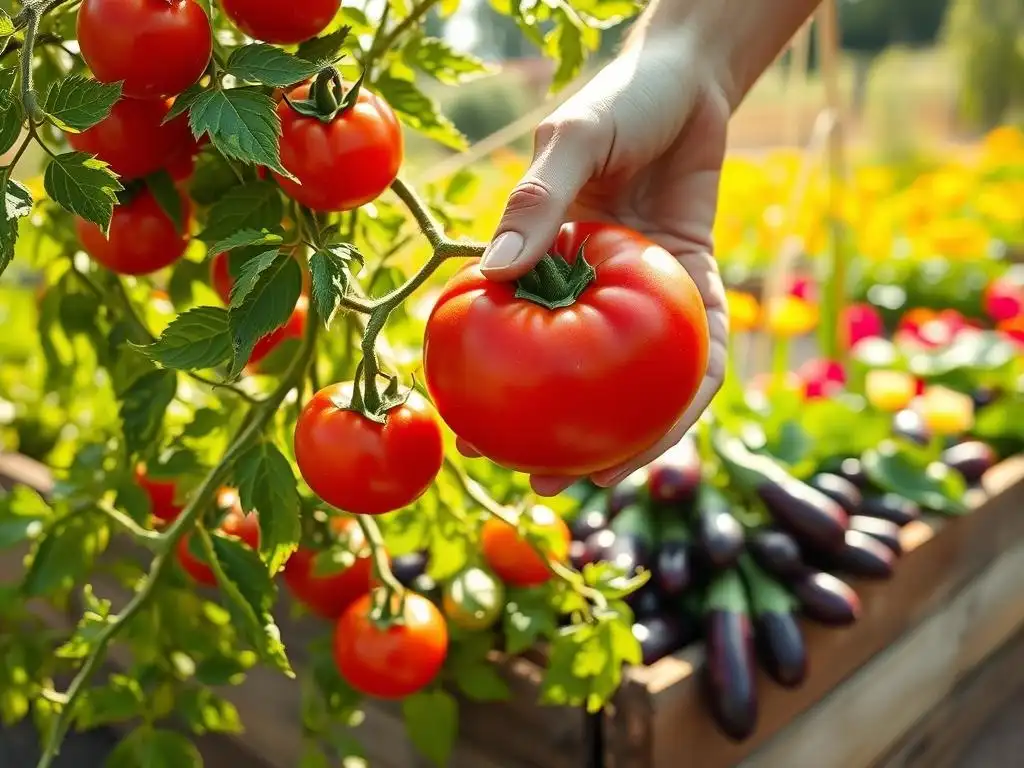
Welcome to CultivateYourFood, your guide to a healthier, more sustainable life through home gardening! Are you ready to unlock the secrets to a vibrant diet and experience the satisfaction of growing your own organic vegetables? Discover how simple, sustainable practices can transform your backyard into a thriving oasis of fresh, flavorful produce. Let's explore the incredible journey of cultivating your own food – from seed to table – and reap the rewards of a truly bountiful harvest.
- The Benefits of Growing Your Own Organic Vegetables
- Planning Your Organic Vegetable Garden
- Planting and Growing Your Organic Vegetables
- Harvesting and Preserving Your Homegrown Bounty
- Maintaining a Thriving Organic Vegetable Garden Year-Round
- Beyond the Basics: Expanding Your Homegrown Food Production
- Frequently Asked Questions
- Final Reflection: Cultivating a Healthier Future, One Seed at a Time
- Unleash Your Inner Gardener: Grow Your Own Delicious Harvest!
The Benefits of Growing Your Own Organic Vegetables
Growing your own organic vegetables offers a wealth of benefits that extend far beyond simply having fresh produce readily available. It's a journey that connects you to the source of your food, fostering a deeper appreciation for the natural world and empowering you to take control of your diet. This article delves into the significant advantages of cultivating your own organic vegetables, exploring the enhanced nutritional value, the reduction in exposure to harmful chemicals, and the unparalleled taste difference that sets homegrown produce apart.
Embarking on this rewarding endeavor allows you to "grow your own organic vegetables" while simultaneously improving your health and well-being. Let's explore the key reasons why this practice is becoming increasingly popular amongst health-conscious individuals.
Enhanced Nutritional Value of Homegrown Produce
Homegrown organic vegetables often boast superior nutritional value compared to their commercially grown counterparts. This is primarily due to several factors. Firstly, organic farming practices prioritize soil health, resulting in nutrient-rich soil that plants readily absorb. Commercial farming, on the other hand, often relies on depleted soils requiring heavy fertilization, which may not always translate to higher nutritional content in the produce.
Secondly, homegrown vegetables are typically harvested at their peak ripeness, maximizing their nutrient density. Commercially grown produce is often harvested prematurely to withstand transportation and extend shelf life, potentially sacrificing nutritional value in the process. Studies have shown that homegrown tomatoes, for example, contain significantly higher levels of lycopene, a powerful antioxidant, than those found in supermarkets. This difference is even more pronounced when comparing organic homegrown produce to conventionally grown vegetables treated with pesticides.
The impact of these factors on the overall nutritional profile of your diet is undeniable, offering a significant boost to your health and vitality. Consider the difference in vitamin C content – a crucial nutrient often depleted during transportation and storage – between a freshly picked homegrown pepper and one purchased from a grocery store. The difference is substantial!
Reduced Exposure to Pesticides and Harmful Chemicals in Your Food
One of the most compelling reasons to grow your own organic vegetables is the ability to minimize your exposure to pesticides and other harmful chemicals commonly found in conventionally grown produce. Organic farming strictly prohibits the use of synthetic pesticides, herbicides, and fertilizers, ensuring that your vegetables are free from these potentially harmful substances. This is particularly crucial for families with young children, pregnant women, and individuals with sensitivities to chemical residues. The long-term health implications of consuming pesticide-laden food are well-documented, ranging from hormone disruption to increased cancer risk.
By growing your own organic vegetables, you take direct control over what you and your family consume, significantly reducing your risk of exposure to these potentially dangerous chemicals. The peace of mind that comes from knowing exactly what goes into your food is invaluable. This conscious choice reflects a commitment to both personal health and environmental sustainability.
The Taste Difference: Fresh from the Garden to Your Table
The unparalleled taste of freshly harvested, homegrown vegetables is a transformative experience for many. There's a vibrancy and sweetness that simply cannot be replicated by commercially grown produce, often picked before reaching full ripeness to ensure longer shelf life. The difference is akin to comparing a freshly baked loaf of bread to a store-bought one – the freshness and natural flavors are simply incomparable.
The immediate consumption of homegrown vegetables, eliminating the need for prolonged transportation and storage, preserves their inherent flavors and nutrients. This translates to a richer, more satisfying culinary experience, enhancing the enjoyment of every meal. Imagine biting into a sun-ripened tomato, bursting with flavor, directly from your garden – a stark contrast to the often bland taste of store-bought tomatoes.
This experience alone makes the effort of growing your own organic vegetables well worth it. The sensory satisfaction is a testament to the superior quality and unmatched taste of homegrown produce.
Saving Money on Groceries: The Long-Term Economic Benefits of Home Gardening
Growing your own organic vegetables offers significant long-term savings on your grocery bill. While the initial investment in seeds, soil, and tools might seem substantial, the returns quickly outweigh the costs. Consider the price of a single head of organic lettuce at the supermarket—easily $3-$5 or more. Now imagine harvesting several heads of lettuce from your own garden throughout the growing season. The savings accumulate rapidly. This is especially true for families who consume large quantities of fresh produce.
Furthermore, homegrown vegetables eliminate the transportation costs and markups associated with commercially grown produce. Supermarkets must purchase from distributors, wholesalers, and farmers, each adding layers of cost that are passed on to the consumer. By cultivating your own food, you bypass this entire process, directly reducing the price you pay per serving.
The long-term economic benefits extend beyond simply purchasing less produce at the store. Homegrown vegetables allow for more creative meal planning, leading to less food waste. Knowing exactly what you have available encourages you to use every ingredient, minimizing the amount of produce that spoils before it can be eaten. This careful planning and reduced waste translates into additional financial savings over time. For example, a family that typically wastes $50 worth of produce each month could save $600 annually simply by growing their own vegetables and utilizing them efficiently. This makes home gardening a sound financial investment, paying off handsomely in the long run. The satisfaction of knowing you’re saving money while enjoying fresh, healthy food is an added bonus. The initial investment is a small price to pay for the ongoing cost savings and the peace of mind that comes with knowing exactly where your food comes from.
Planning Your Organic Vegetable Garden
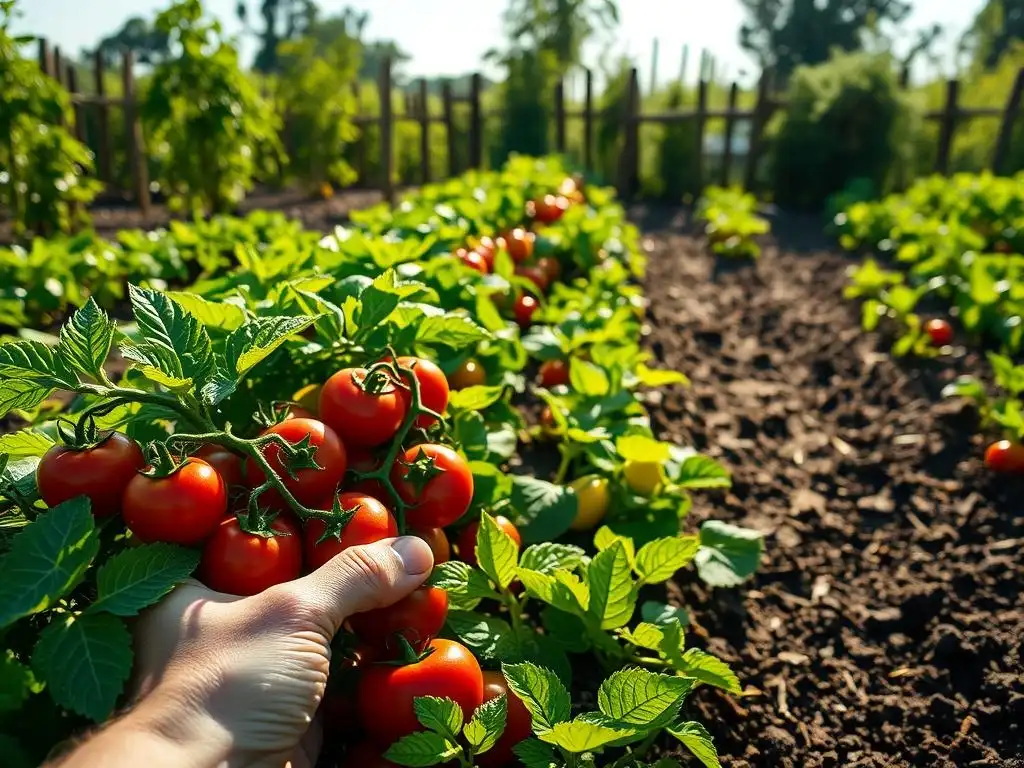
This section delves into the crucial initial steps for successfully growing your own organic vegetables. Careful planning ensures a bountiful harvest and minimizes frustration. Remember, the key to "grow your own organic vegetables" is meticulous preparation.
Selecting the Right Vegetables for Your Climate and Space
Choosing the right vegetables is paramount. Consider your local climate – its average temperature, rainfall, and frost dates – to select varieties that thrive in your conditions. For example, tomatoes, peppers, and zucchini flourish in warm, sunny climates, while leafy greens like spinach and kale tolerate cooler temperatures. Don't forget to account for your available space. A small balcony may be ideal for compact varieties like bush beans or cherry tomatoes, while a larger garden allows for sprawling plants like pumpkins or watermelons.
Planning your layout is also vital. Consider companion planting, a technique that involves planting certain vegetables together to enhance growth and deter pests. For instance, basil planted near tomatoes can repel tomato hornworms, while carrots and onions benefit from each other's presence. A well-planned layout maximizes space utilization and promotes healthy growth.
Here's a simple table to help you visualize:
| Vegetable | Climate | Space Requirement | Companion Plants |
|---|---|---|---|
| Tomatoes | Warm, Sunny | Moderate to Large | Basil, Marigolds |
| Lettuce | Cool, Shady | Small | Strawberries, Carrots |
| Peppers | Warm, Sunny | Moderate | Basil, Rosemary |
| Carrots | Cool to Warm | Small | Onions, Rosemary |
| Zucchini | Warm, Sunny | Large | Nasturtiums |
Remember to research specific varieties within each vegetable type. Some are more disease-resistant or better suited to specific climates than others. Choosing wisely is a significant step towards a successful organic vegetable garden.
Soil Preparation: Creating the Perfect Growing Environment for Your Vegetables
Healthy soil is the foundation of any successful organic vegetable garden. Before planting, test your soil's pH and nutrient levels. A soil test kit readily available from garden centers can provide this crucial information. Ideally, your soil should be slightly acidic to neutral (pH 6.0-7.0) and rich in organic matter.
Improving your soil's structure and fertility is crucial for optimal vegetable growth. Amend your soil with compost, aged manure, or other organic materials to increase its organic matter content. This improves drainage, aeration, and nutrient retention. The amount of amendment needed depends on your soil's initial condition; a sandy soil will require more organic matter than a clay soil. Consider adding vermiculite or perlite to improve drainage in heavy clay soils.
Deep Soil Preparation: A Step-by-Step Guide
1. Clear the area of weeds and debris.
2. Test the soil pH and nutrient levels.
3. Amend the soil with compost or other organic materials.
4. Till or dig the soil to a depth of at least 12 inches.
5. Incorporate any necessary amendments.
6. Level the soil and prepare planting beds.
This process ensures your vegetables have the nutrients they need to thrive, contributing directly to your goal of growing your own organic vegetables.
Choosing Organic Seeds and Seedlings: A Guide to Sourcing High-Quality Plants
Selecting high-quality organic seeds and seedlings is essential for a successful and healthy harvest. Look for seeds and seedlings certified organic by a reputable certifying agency. This certification ensures that the plants were grown without the use of synthetic pesticides, herbicides, or fertilizers. Avoid seeds or seedlings treated with chemical coatings, as these can harm beneficial insects and contaminate your soil.
When buying seeds, consider factors like germination rate and variety characteristics. Some seed companies provide germination rate information on their packaging. Choose varieties known for their disease resistance and suitability for your climate. Starting seeds indoors several weeks before the last expected frost allows for a longer growing season and a head start on your harvest.
Seedlings offer a faster route to a harvest but require careful handling to avoid transplant shock. Choose healthy seedlings with strong stems and vibrant green leaves, free from pests and diseases. Select seedlings that are appropriately sized for your garden space. When planting seedlings, gently remove them from their containers, being careful not to damage their roots. Plant them at the same depth they were growing in their containers.
Buying organic seeds and seedlings is a significant step towards "growing your own organic vegetables" and ensures the integrity of your organic gardening practices. The investment in quality plants will pay off with a healthier and more abundant harvest.
Essential Gardening Tools for Growing Your Own Vegetables
Growing your own organic vegetables is a rewarding experience, but having the right tools makes the process significantly easier and more efficient. Investing in quality tools upfront will save you time and frustration in the long run, and contribute to a more successful harvest. Let's explore some essential tools for your organic vegetable garden.
One of the most fundamental tools is a good quality trowel. A sturdy trowel with a comfortable grip is crucial for transplanting seedlings, weeding, and general soil manipulation. Look for a trowel made from durable stainless steel to resist rust and ensure longevity. Avoid flimsy plastic trowels, as they tend to bend easily and break under pressure. A sharp, pointed blade is ideal for precise planting and weeding around delicate plants.
Next, you'll need a garden fork. This isn't just for turning over large areas of soil; a garden fork is invaluable for gently loosening soil around established plants without damaging their roots. This is particularly important when cultivating organic vegetables, as you want to avoid compacting the soil and damaging the delicate root systems that are crucial for healthy growth. Choose a fork with strong, well-spaced tines for optimal aeration and soil manipulation.
A hand rake is another essential tool for preparing your soil beds. It's perfect for smoothing out the soil surface after tilling or for removing small stones and debris. A hand rake allows for more precise control compared to a larger garden rake, making it ideal for smaller garden spaces and detailed work. Look for a rake with sturdy tines that won't bend easily, and a comfortable handle.
For larger scale soil preparation, a garden hoe is a game-changer. While not strictly necessary for smaller gardens, a hoe is remarkably efficient for weeding larger areas, and for creating furrows for planting seeds. A well-balanced hoe allows for effortless weeding and soil cultivation. Different types of hoes are available, each with its own specific purpose, so research different types before purchasing to find the one best suited to your garden style and needs.
Watering your organic vegetables consistently is crucial, and a watering can with a rose head is a must-have. A rose head distributes water evenly, preventing soil erosion and ensuring your plants receive adequate moisture without damaging delicate leaves. Consider a watering can with a large capacity to minimize the need for frequent refills.
Finally, don't forget a pair of durable gardening gloves. Protecting your hands from thorns, soil-borne pathogens, and irritants is essential. Choose gloves that are comfortable, breathable, and offer good dexterity. Leather gloves offer excellent protection, while nitrile gloves are a great option for tasks involving wet soil or chemicals. Investing in a good pair of gardening gloves is an investment in your comfort and well-being. Remember to always prioritize safety and comfort when choosing your gardening tools. A well-equipped gardener is a happy and successful gardener!
Planting and Growing Your Organic Vegetables
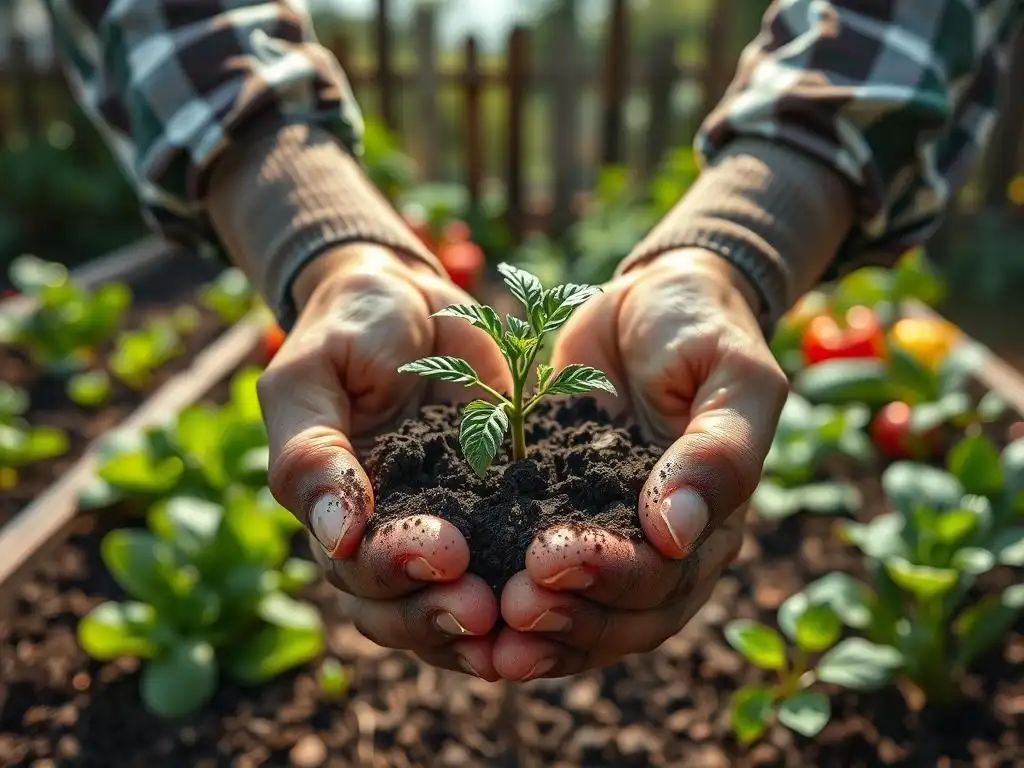
This section delves into the practical aspects of cultivating your own organic vegetables, focusing on maximizing yield and ensuring healthy growth using sustainable methods. We'll cover everything from seed starting to transplanting, providing you with the knowledge to grow a bountiful harvest. Remember, the key to growing your own organic vegetables is patience and consistent care.
Step-by-Step Guide to Planting Seeds and Seedlings
Starting your vegetable garden involves careful planning and execution. Whether you're sowing seeds directly into the ground or transplanting seedlings, the process requires attention to detail. Let's break down the steps:
Direct Sowing:
- Soil Preparation: Begin by enriching your soil with compost. This improves drainage, aeration, and provides essential nutrients for healthy growth. Aim for a soil pH of 6.0-7.0, which is ideal for most vegetables. Testing your soil beforehand is highly recommended.
- Seed Selection: Choose high-quality, non-GMO seeds from reputable suppliers. Consider varieties suited to your climate and growing season. Read the seed packet carefully for planting depth and spacing recommendations.
- Planting: Create furrows or individual holes according to the seed packet instructions. Gently place the seeds, cover them with soil, and water lightly. Avoid overwatering, which can lead to seed rot.
- Thinning: Once seedlings emerge, thin them to the recommended spacing. This prevents overcrowding and promotes better air circulation, reducing the risk of disease.
- Mulching: Apply a layer of organic mulch (straw, shredded leaves) around the plants to retain moisture, suppress weeds, and regulate soil temperature.
Transplanting Seedlings:
- Choosing Healthy Seedlings: Select sturdy seedlings with vibrant green leaves and no signs of disease or pests. Avoid leggy or overly crowded seedlings.
- Preparing the Planting Site: Ensure the soil is well-prepared and amend it with compost as described above. Water the planting area thoroughly before transplanting.
- Transplanting: Gently remove the seedlings from their containers, taking care not to damage the roots. Plant them at the same depth they were growing in their containers. Water gently after transplanting.
- Watering and Aftercare: Consistent watering and monitoring for pests and diseases are crucial during the initial weeks after transplanting.
Watering Techniques for Healthy Vegetable Growth
Proper watering is vital for thriving organic vegetable plants. Underwatering stresses plants, leading to stunted growth and reduced yields, while overwatering can lead to root rot and fungal diseases. The key is to provide consistent moisture without saturating the soil.
Here's a breakdown of effective watering techniques:
- Deep Watering: Water deeply and less frequently, encouraging deep root growth. Shallow, frequent watering encourages shallow roots, making plants more vulnerable to drought stress.
- Watering at the Base: Avoid overhead watering, which can spread diseases and encourage fungal growth. Water directly at the base of the plants to keep the foliage dry.
- Mulching: As mentioned earlier, mulching helps retain soil moisture, reducing the frequency of watering.
- Monitoring Soil Moisture: Regularly check the soil moisture by inserting your finger a few inches into the soil. Water when the top inch or two feels dry.
- Consider your climate: Watering needs vary depending on your climate, soil type, and the type of vegetables you're growing. Adjust your watering schedule accordingly. Observe your plants; wilting is a clear sign of underwatering.
Remember to use rainwater whenever possible; it's naturally free of chemicals and beneficial for your plants.
Natural Pest Control Methods for Organic Gardening
Organic gardening prioritizes natural pest control methods over synthetic pesticides. These methods are environmentally friendly and safer for you and your family. Here are some effective strategies:
- Beneficial Insects: Attract beneficial insects like ladybugs and lacewings, which prey on common garden pests like aphids and spider mites. Plant flowers that attract these beneficial insects.
- Companion Planting: Certain plants repel pests or attract beneficial insects. For example, basil is known to deter tomato hornworms. Research companion planting combinations that are effective for your specific vegetables.
- Physical Barriers: Use row covers to protect plants from pests like cabbage worms or use floating row covers for pest exclusion.
- Handpicking: Regularly inspect your plants and handpick any visible pests. This is particularly effective for dealing with slugs, snails, and caterpillars.
- Natural Sprays: Prepare natural sprays using ingredients like neem oil, insecticidal soap, or diluted solutions of garlic or hot pepper. These can help control a range of pests. Always follow label instructions carefully.
By implementing these techniques, you'll be well on your way to successfully growing your own organic vegetables, enjoying a vibrant and healthy diet, all while practicing sustainable gardening methods. Remember, consistent observation and adaptation are key to successful organic gardening. 🌱
Organic Fertilizing and Soil Enrichment Strategies
Growing your own organic vegetables hinges on healthy soil. Forget chemical fertilizers; they disrupt the delicate ecosystem teeming within the earth, harming beneficial microbes and ultimately compromising the nutritional value of your produce. Instead, embrace organic fertilizing and soil enrichment strategies that nurture your plants and the soil itself.
One cornerstone of organic gardening is composting. Composting transforms kitchen scraps, yard waste, and other organic materials into a nutrient-rich amendment that feeds your soil. A well-maintained compost pile provides a slow-release source of nitrogen, phosphorus, and potassium – essential nutrients for robust plant growth. The process also improves soil structure, increasing aeration and water retention.
Aim for a mix of “greens” (nitrogen-rich materials like grass clippings and vegetable scraps) and “browns” (carbon-rich materials like dried leaves and twigs) for optimal decomposition. Regularly turning the pile ensures proper aeration and speeds up the composting process. You can even build a simple compost bin using readily available materials like pallets or wire mesh.
Beyond composting, consider cover cropping. Cover crops, such as clover, rye, or alfalfa, are planted to improve soil health. They prevent erosion, suppress weeds, and add organic matter when tilled back into the soil. Different cover crops offer various benefits; some fix nitrogen in the soil, enriching it naturally, while others help break up compacted soil. Choosing the right cover crop for your soil type and climate is crucial for maximizing its impact. For instance, legumes like clover are excellent nitrogen fixers, significantly reducing the need for supplemental nitrogen.
Another effective strategy is using natural soil amendments. Aged manure (well-rotted to avoid burning your plants) provides a wealth of nutrients. Worm castings, the excrement of earthworms, are a fantastic natural fertilizer packed with beneficial microorganisms and nutrients. They improve soil structure, drainage, and water retention while enriching the soil with vital micronutrients.
Seaweed extract is another excellent option, providing a balanced blend of minerals and promoting vigorous growth. Remember to research the specific needs of your vegetables to choose the most appropriate amendments. For example, leafy greens may benefit more from nitrogen-rich compost, while fruiting vegetables might need a more balanced blend of nutrients.
Finally, don't underestimate the power of mulch. Applying a layer of organic mulch, such as straw, wood chips, or shredded leaves, around your plants helps retain moisture, suppress weeds, and regulate soil temperature. As the mulch decomposes, it gradually enriches the soil with organic matter. This creates a thriving environment for beneficial soil organisms and contributes to healthy, productive plant growth.
The type of mulch you select will depend on your climate and the specific needs of your plants. For example, straw mulch is excellent for retaining moisture in drier climates, while wood chips offer long-lasting soil improvement. By consistently implementing these methods, you'll cultivate soil teeming with life, leading to a bountiful harvest of healthy, organic vegetables. Growing your own organic vegetables becomes a rewarding journey of nurturing both your plants and the earth itself.
Harvesting and Preserving Your Homegrown Bounty
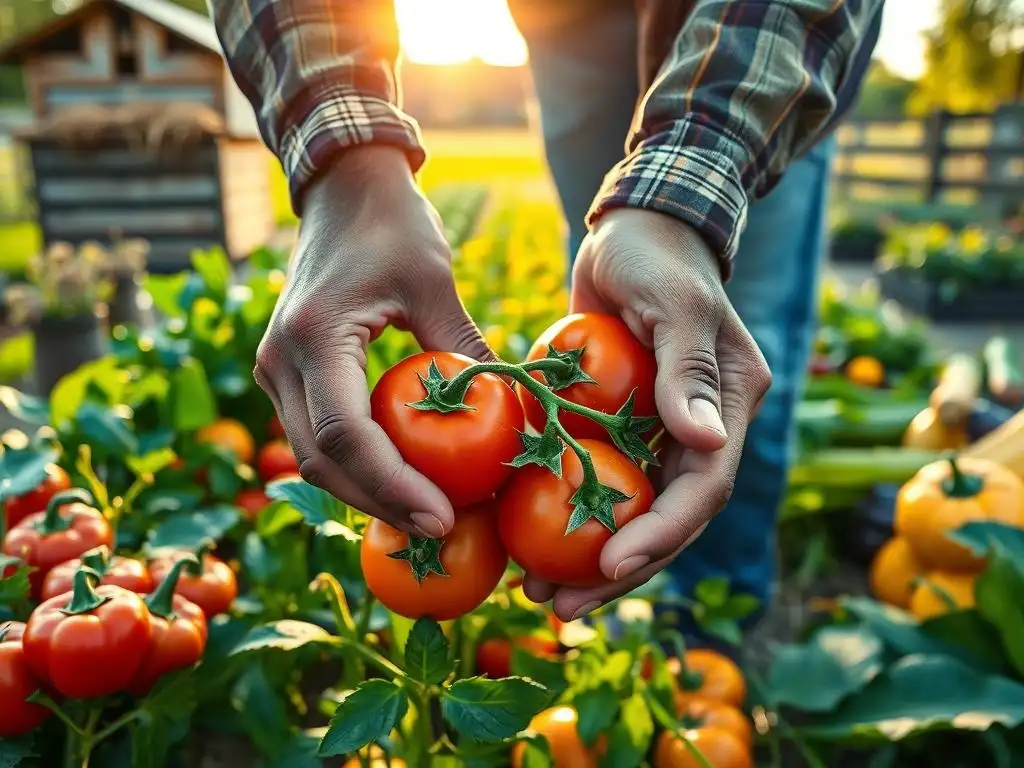
This section delves into the crucial aspects of harvesting and preserving your organically grown vegetables, ensuring you maximize the benefits of your hard work and enjoy a vibrant diet year-round. Successfully growing your own organic vegetables is only half the battle; knowing when and how to harvest, and then preserving your bounty, is just as important.
Knowing When Your Vegetables Are Ready for Harvesting
Knowing the optimal harvest time is key to achieving the best flavor and nutritional value from your homegrown organic vegetables. Each vegetable has its own unique indicators of ripeness. For example:
- Tomatoes: Look for deep color, a slight give when gently squeezed, and a sweet aroma. Avoid harvesting green tomatoes unless you plan to ripen them indoors.
- Cucumbers: Harvest when they reach the desired size specified on the seed packet, feeling firm to the touch. Overripe cucumbers will be bitter.
- Lettuce: Harvest outer leaves as needed, allowing the inner leaves to continue growing. For a full head, harvest when the head is firm and fully developed.
- Beans: Snap beans are ready when the pods are plump and bright green, and easily snap when bent. Bush beans are ready for harvesting about 50 to 60 days after planting.
- Carrots: Harvest when the roots are fully developed and the tops are lush and green. The size will depend on the variety planted.
Ignoring these cues can result in diminished flavor and texture. Regular monitoring of your vegetable patch is crucial for timely harvesting. A simple garden journal, noting planting dates and expected harvest times, can be invaluable. Remember, timing is everything when it comes to "grow your own organic vegetables" successfully.
Proper Harvesting Techniques to Maximize Freshness
Gentle harvesting techniques are essential to preserving the freshness and quality of your organically grown produce. Rough handling can bruise vegetables, shortening their shelf life and affecting their flavor. Here are some best practices:
- Use sharp tools: Use sharp knives or pruning shears to avoid tearing or crushing the vegetables. Dull tools can damage the plant and the produce.
- Harvest in the cool of the day: Early morning or late evening is ideal, as the vegetables are less likely to be stressed by heat. This reduces moisture loss and maintains freshness.
- Handle with care: Avoid dropping or throwing vegetables. Place them gently in a container to prevent bruising.
- Clean as you harvest: Remove any excess soil or debris from the vegetables in the field to prevent contamination and spoilage.
By following these simple techniques, you can significantly extend the shelf life of your harvest, ensuring that you can enjoy the fruits (and vegetables!) of your labor for longer. Proper harvesting is a vital component of the "grow your own organic vegetables" process.
Preserving Your Harvest: Methods for Storing and Freezing Vegetables
Preserving your harvest allows you to enjoy the bounty of your garden throughout the year. Several methods can be used, each with its own advantages and disadvantages.
| Preservation Method | Advantages | Disadvantages | Suitable Vegetables |
|---|---|---|---|
| Freezing | Preserves nutrients, convenient for later use | Requires freezer space, some texture changes | Most vegetables, particularly leafy greens and beans |
| Canning | Long shelf life, minimal texture changes | Time-consuming, requires specialized equipment | Tomatoes, pickles, jams |
| Dehydrating | Long shelf life, lightweight for storage | Requires specialized equipment, some nutrient loss | Herbs, tomatoes, peppers |
| Root Cellaring | Natural preservation, minimal processing | Requires cool, dark space | Root vegetables (carrots, potatoes, beets) |
Remember to blanch vegetables before freezing to deactivate enzymes that cause deterioration. For canning, follow safe and reliable recipes to prevent spoilage. Proper preservation techniques are crucial for maximizing the return on your investment in your "grow your own organic vegetables" endeavor. Careful attention to these steps ensures a consistent supply of nutritious, homegrown food throughout the year.
Recipes and Ideas for Using Your Homegrown Vegetables
The joy of growing your own organic vegetables extends far beyond the simple act of cultivation. The real reward lies in savoring the fruits (and vegetables!) of your labor. Freshly harvested vegetables possess an unparalleled flavor and texture, significantly surpassing those found in supermarkets. This superior quality inspires culinary creativity, opening up a world of possibilities for delicious and nutritious meals. To truly appreciate your homegrown bounty, consider incorporating them into your daily diet in diverse and exciting ways.
One of the easiest ways to enjoy your homegrown produce is through simple preparations that highlight their natural flavors. Imagine a summer salad bursting with freshly picked tomatoes, crisp cucumbers, and vibrant green lettuce. The sweetness of the tomatoes, the refreshing crunch of the cucumbers, and the delicate bitterness of the lettuce combine to create a symphony of flavors that are simply unforgettable. A light vinaigrette, made with your own homegrown herbs, further elevates the experience. This simple salad epitomizes the essence of farm-to-table dining, showcasing the superior quality of homegrown produce.
Beyond salads, the possibilities are endless. Think of hearty vegetable stews brimming with carrots, potatoes, and beans, all grown organically in your garden. The rich, earthy flavors will fill your kitchen with warmth and comfort. Or perhaps a vibrant pasta sauce, made with sun-ripened tomatoes, fragrant basil, and a touch of garlic, all from your own garden. The intensity of the flavors will transport you to a culinary paradise. These dishes not only taste incredible, but they also provide a significant nutritional boost, packed with vitamins and minerals often lost during long transportation periods.
Consider experimenting with different cooking methods to highlight the unique characteristics of each vegetable. Roasting brings out the natural sweetness of root vegetables like carrots and parsnips, while grilling adds a smoky char to zucchini and bell peppers. Steaming preserves the delicate flavor and nutrients of leafy greens like spinach and kale. The key is to embrace experimentation and discover your favorite ways to prepare your homegrown treasures.
Don't be afraid to try new recipes and techniques; the possibilities are as limitless as your imagination. Remember to always prioritize seasonality; using vegetables at their peak ripeness guarantees the best flavor and nutritional value. This mindful approach transforms cooking from a chore into a celebration of your gardening efforts and a pathway to a healthier, more vibrant diet. The satisfaction of transforming your homegrown vegetables into delicious and nourishing meals is a truly rewarding experience.
Maintaining a Thriving Organic Vegetable Garden Year-Round
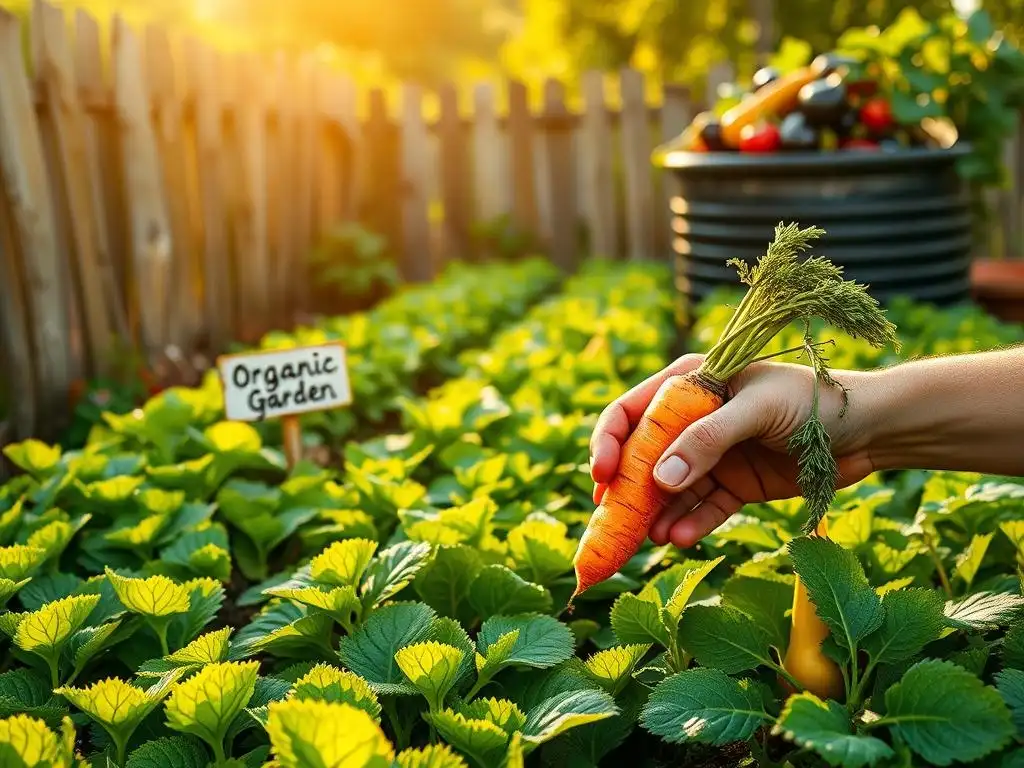
Growing your own organic vegetables offers unparalleled satisfaction and health benefits. However, maintaining a thriving garden year-round requires careful planning and consistent effort. This section delves into strategies for ensuring a continuous harvest, regardless of the season. We'll explore seasonal planning, techniques for extending your growing season, and the crucial role of composting in sustainable gardening practices.
Planning for Seasonal Vegetable Gardening
Successful organic vegetable gardening hinges on understanding your local climate and the specific needs of each vegetable. A well-structured planting plan considers factors like frost dates, sunlight hours, and the optimal growing temperatures for your chosen crops. For instance, cool-season crops like lettuce, spinach, and kale thrive in cooler temperatures and can be planted early in spring or late in fall. Conversely, warm-season crops such as tomatoes, peppers, and cucumbers require long periods of warm weather and should be planted after the last frost.
To illustrate, consider a sample planting schedule for a temperate climate:
| Season | Crops | Notes |
|---|---|---|
| Early Spring | Lettuce, spinach, kale, radishes | Start seeds indoors 4-6 weeks before the last expected frost. |
| Late Spring | Peas, beans, broccoli, cauliflower | Plant after the last frost. |
| Summer | Tomatoes, peppers, cucumbers, zucchini | Plant after all danger of frost has passed; provide ample sunlight. |
| Early Autumn | Lettuce, spinach, kale, carrots | Plant in late summer for a fall harvest. |
| Late Autumn | Garlic, onions | Plant in fall for harvest the following summer. |
Careful planning minimizes the risk of crop failure and maximizes your yield throughout the year. Remember to rotate your crops annually to prevent soil depletion and pest buildup. This ensures the long-term health of your soil and the vibrancy of your vegetables. Consider keeping a detailed garden journal to track your successes and challenges, refining your approach year after year. This process of continuous improvement is key to mastering the art of "grow your own organic vegetables".
Techniques for Extending Your Growing Season
Extending your growing season allows you to harvest fresh organic vegetables for a longer period. Several techniques can achieve this:
- Cold Frames: These simple structures provide protection from frost and extend the growing season in both spring and fall. Cold frames help to warm the soil during the day and retain heat at night.
- Row Covers: Lightweight fabrics protect plants from frost and light freezes, allowing you to plant earlier and harvest later. These are readily available and easy to use.
- High Tunnels/Polytunnels: These structures offer more significant protection from the elements, enabling you to grow certain vegetables year-round in many climates. They are more of an investment but provide a substantial extension to the growing season.
- Indoor Gardening: Growing vegetables indoors using grow lights allows for year-round cultivation, regardless of external weather conditions. This method requires more initial investment in equipment but offers complete control over the growing environment.
By employing a combination of these methods, you can significantly extend the time you can enjoy fresh, homegrown organic vegetables. The specific techniques you choose will depend on your budget, climate, and the types of vegetables you wish to cultivate. Experimentation is key to finding what works best for your situation.
Composting for Sustainable Gardening Practices
Composting is a cornerstone of sustainable gardening, providing a natural and nutrient-rich soil amendment. Composting transforms organic waste – kitchen scraps, yard debris, and even some paper products – into valuable humus, improving soil structure, water retention, and fertility. This is crucial for cultivating healthy organic vegetables.
The composting process itself involves layering different materials in a designated area or container. A balanced mix of "greens" (nitrogen-rich materials like grass clippings and vegetable scraps) and "browns" (carbon-rich materials like dried leaves and twigs) is essential for optimal decomposition. Regular turning and moisture control are also key factors in achieving a successful compost pile. A well-maintained compost pile will naturally break down organic matter, producing a dark, earthy material rich in beneficial microorganisms and nutrients.
Using compost in your garden significantly reduces the need for chemical fertilizers, promoting healthier soil and more vigorous plant growth. Moreover, composting diverts organic waste from landfills, contributing to environmental sustainability. This aligns perfectly with the core philosophy of "grow your own organic vegetables" – a practice that's both beneficial for your health and for the planet. The rich, nutrient-laden compost you create will nourish your plants, resulting in more abundant and flavorful harvests. The entire process is a testament to the cyclical nature of sustainable living.
Dealing with Common Vegetable Garden Challenges
Growing your own organic vegetables is incredibly rewarding, but it's not without its challenges. Understanding and proactively addressing common issues is key to maintaining a thriving garden year-round. One of the biggest hurdles for many novice gardeners is pest control. Aphids, whiteflies, and slugs can quickly decimate a crop if left unchecked.
Organic pest control methods, such as introducing beneficial insects like ladybugs (which feed on aphids) or using insecticidal soap, are crucial. Remember to always identify the pest before applying any treatment to ensure you're using the most effective and least harmful method. Regularly inspecting your plants for signs of infestation—wilting leaves, holes in foliage, or unusual discoloration—is preventative maintenance that can save your harvest.
Another significant challenge is disease management. Fungal diseases like powdery mildew and blight can spread rapidly, especially in humid conditions. Proper spacing between plants allows for better air circulation, reducing the risk of fungal growth. Rotating crops annually helps prevent the buildup of disease-causing pathogens in the soil. Choosing disease-resistant varieties is also a proactive strategy that significantly reduces the likelihood of disease outbreaks in your organic vegetable garden. Remember that healthy plants are better equipped to fight off diseases, so proper watering and fertilization are equally important.
Finally, unpredictable weather patterns can significantly impact your vegetable garden. Extreme heat or unexpected frosts can damage or even destroy your plants. Using row covers or cloches can provide protection from frost, while providing shade during heat waves can prevent sunscald. Understanding your local climate and choosing vegetable varieties suited to your region's growing season is paramount.
Careful planning and monitoring of weather forecasts are essential steps in mitigating the impact of unpredictable weather on your organic vegetable garden. Remember that flexibility and adaptability are key to success in gardening; sometimes, you need to adjust your strategy based on the conditions you encounter. Growing your own organic vegetables requires patience and perseverance, but the rewards of fresh, healthy produce are immeasurable.
Beyond the Basics: Expanding Your Homegrown Food Production
This section dives deeper into maximizing your homegrown harvest, moving beyond the fundamentals of vegetable cultivation and exploring the exciting possibilities of integrating fruits and herbs, optimizing yields through companion planting, and employing advanced organic techniques. Successfully growing your own organic vegetables involves a holistic approach, encompassing more than just planting seeds and watering. Let's explore these crucial next steps.
Growing Fruits and Herbs in Your Garden
Expanding your homegrown food production to include fruits and herbs significantly enhances the nutritional diversity and culinary possibilities of your garden. Many fruits and herbs thrive alongside vegetables, creating a vibrant and productive ecosystem. Consider the space requirements and sun exposure needs of each plant when planning your layout.
For example, strawberries, with their relatively shallow roots, can happily coexist with taller vegetables like tomatoes, provided they receive adequate sunlight. Similarly, herbs like basil, rosemary, and thyme, often requiring well-drained soil and ample sunshine, can be interspersed amongst vegetables, repelling certain pests and enhancing the overall flavor profile of your garden.
The key to success lies in careful planning and selection of suitable varieties. Dwarf fruit trees, such as apple and pear trees, are ideal for smaller gardens, while berry bushes like raspberries and blueberries offer a bountiful harvest with minimal space. Herbs offer incredible versatility; some, like mint, are vigorous growers and may require containment, while others, such as oregano, are more compact and easily managed.
Remember to research the specific needs of each plant to ensure optimal growth and yield. A well-planned garden layout, considering the growth habits and needs of all plants, is essential for maximizing your harvest. Think about succession planting – planting new crops as others finish their cycles – to keep your garden productive throughout the growing season.
Integrating Companion Planting for Better Yields
Companion planting, a cornerstone of organic gardening, involves strategically placing specific plant species together to mutually benefit each other. This natural pest control and yield-boosting technique is a powerful tool for growing your own organic vegetables successfully. Certain plants repel pests, attract beneficial insects, or improve the soil conditions for their neighbors. For instance, marigolds planted amongst tomatoes help repel nematodes and other pests, while basil near tomatoes is believed to improve their flavor and growth. Similarly, carrots and onions are classic companion plants; the onions deter carrot root flies, while the carrots help keep onion flies at bay.
Here's a table illustrating some effective companion planting combinations:
| Primary Plant | Companion Plant | Benefits |
|---|---|---|
| Tomatoes | Basil, Marigolds | Pest control, improved flavor |
| Carrots | Onions, Rosemary | Pest control, improved growth |
| Cabbage | Dill, Chamomile | Pest control, improved growth |
| Beans | Potatoes, Corn | Nitrogen fixation, improved soil structure |
Remember that companion planting isn't a guaranteed success; the effectiveness varies depending on climate, soil conditions, and specific plant varieties. Careful observation and experimentation are crucial to determine what works best in your garden. Experimenting with different combinations can lead to surprising and rewarding results, making your garden more resilient and productive.
Advanced Organic Gardening Techniques for Experienced Growers
For experienced growers seeking to further optimize their yields and sustainability, several advanced techniques can significantly enhance their grow your own organic vegetables efforts. These techniques go beyond basic companion planting and involve a deeper understanding of soil health, pest management, and crop rotation. Implementing these strategies can lead to healthier plants, higher yields, and a more resilient garden ecosystem.
One such method is the use of cover crops. Cover crops, such as clover or rye, are planted to improve soil fertility, suppress weeds, and prevent soil erosion. They add valuable organic matter when tilled into the soil, improving its structure and nutrient content.
Another advanced technique is the practice of biodynamic gardening. This approach considers the influence of the moon and other celestial bodies on plant growth, integrating various preparations and techniques to enhance soil health and plant vitality. While some aspects may seem unconventional, biodynamic methods often result in robust and resilient plants. Furthermore, vermicomposting, the process of using worms to decompose organic matter, produces a nutrient-rich fertilizer that significantly improves soil health and plant growth.
This method reduces waste and creates a closed-loop system within your garden, contributing to its overall sustainability. Finally, implementing a rigorous crop rotation strategy is essential for long-term soil health and pest management. Rotating crops prevents the buildup of pests and diseases in the soil, leading to healthier plants and higher yields over time. Careful planning and understanding of the specific needs of each crop are essential for successful implementation.
Resources for Continued Learning and Support in Organic Vegetable Gardening
Growing your own organic vegetables is a rewarding journey, but it's also a continuous learning process. Success relies not only on initial knowledge but also on consistent adaptation and refinement of techniques. Fortunately, numerous resources are available to support you every step of the way. From online communities to local experts, there's a wealth of information and support ready to help you cultivate a thriving organic garden.
One excellent avenue for continued learning is online. Many websites and blogs dedicated to organic gardening offer detailed guides, tutorials, and expert advice. These platforms often feature articles on specific challenges, such as pest control using natural methods or troubleshooting nutrient deficiencies without resorting to chemical fertilizers. Furthermore, you can find extensive information on a wide array of vegetables, including optimal planting times, soil requirements, and harvesting techniques for each variety.
Don't underestimate the power of online forums and communities; these spaces provide opportunities to connect with fellow gardeners, share experiences, ask questions, and receive valuable peer-to-peer support. Engaging with these communities can help you learn from others' successes and mistakes, accelerating your own learning curve. Remember to always cross-reference information and prioritize reputable sources to ensure you're receiving accurate and reliable advice.
Beyond the digital realm, local resources offer invaluable hands-on learning experiences. Consider joining a local gardening club or attending workshops and seminars offered by community centers or agricultural extension offices. These events often provide practical demonstrations, expert advice tailored to your specific climate and region, and the chance to network with experienced organic gardeners in your area.
Many local nurseries also offer educational resources and workshops focused on organic gardening practices, providing personalized recommendations for your garden's needs. These in-person interactions offer a unique opportunity to learn from experienced practitioners and build a supportive network within your community. Remember to actively participate in these events, ask questions, and engage in discussions to maximize the learning experience.
The knowledge you gain from these interactions can significantly impact the success of your organic vegetable garden. Building relationships with local experts can also be a great resource for ongoing support and problem-solving, especially when unexpected issues arise.
Finally, investing in high-quality books and reference materials can serve as a valuable resource for long-term learning and guidance. Many comprehensive guides on organic gardening offer in-depth information on various aspects of cultivation, from soil preparation and seed starting to pest and disease management. These books often include detailed illustrations, charts, and calendars tailored to different climates and growing seasons. Choose books from reputable publishers and authors with established credibility in the field of organic gardening to ensure the information you receive is accurate and reliable.
These books can serve as valuable references, allowing you to revisit specific topics and techniques as needed throughout your gardening journey. Combining these diverse resources—online platforms, local communities, and printed materials—will provide you with a comprehensive support system to help you thrive in your organic vegetable gardening endeavors. Remember that consistent learning and adaptation are key to successfully growing your own organic vegetables.
Frequently Asked Questions
What are the benefits of growing my own organic vegetables?
Growing your own organic vegetables offers numerous benefits! You'll enjoy fresher, tastier produce, knowing exactly what went into its growth. It's also a rewarding experience and a great way to reduce your environmental impact.
What's the best way to start growing my own organic vegetables?
Begin with easy-to-grow vegetables like lettuce, radishes, or zucchini. Start small, perhaps with containers or a small raised bed. Focus on good soil and consistent watering.
What organic pest control methods can I use?
Effective organic pest control involves preventative measures like companion planting and crop rotation. You can also use natural deterrents such as neem oil or insecticidal soap. Beneficial insects can also help control pests.
How much space do I need to grow my own organic vegetables?
The space needed depends on your goals. Even a small balcony or window box can produce a satisfying harvest. Larger gardens allow for greater variety. Consider vertical gardening to maximize space.
What are the best organic vegetables for beginners?
Beginners should start with vegetables that are relatively low-maintenance and fast-growing. Good choices include lettuce, radishes, spinach, beans, and zucchini. These offer quick rewards and build confidence.
Final Reflection: Cultivating a Healthier Future, One Seed at a Time
The resurgence of home gardening isn't just a trend; it's a vital step towards reclaiming our connection with food and fostering a healthier planet. From seed to table, the journey of growing your own organic vegetables offers unparalleled control over what you consume, ensuring freshness, quality, and a profound understanding of where your food originates. This knowledge empowers us to make informed choices that ripple outwards, impacting not only our individual well-being but also the wider community.
The impact of knowing exactly what goes into your food is immeasurable. It fosters a deeper appreciation for the land, the seasons, and the intricate processes involved in bringing nourishment to our tables. The glory of gardening: hands in the dirt, head in the sun, heart with nature. To nurture a garden is to feed not just the body, but the soul.
This quote perfectly captures the transformative power of growing your own food, extending beyond mere sustenance to a deeply fulfilling and enriching experience. It's a connection to something larger than ourselves, a legacy we can pass on to future generations.
Now, consider your own role in this movement. Will you dedicate a small corner of your yard, a balcony pot, or even a windowsill to nurturing life? The act of planting a seed is an act of hope, a testament to our inherent desire for a healthier, more sustainable future.
Start small, learn as you go, and savor the incredible taste of homegrown goodness. The journey of growing your own organic vegetables is a rewarding one, offering not only delicious produce but also a profound sense of accomplishment and a deeper connection to the natural world. Embrace the opportunity to cultivate a healthier future, one seed at a time.
Unleash Your Inner Gardener: Grow Your Own Delicious Harvest!
Thank you for exploring the joys of homegrown food! We hope you're inspired to lead a healthier, more vibrant life. Let's turn that inspiration into action.
- Start small, but start now! Begin with an easy-to-grow vegetable like lettuce or radishes and plant it this week. Even a small pot on a sunny windowsill can be rewarding.
- Share your gardening journey! We'd love to hear about your first planting experience in the comments below.
- Explore our free resources page for planting tips and advice from experienced gardeners.
What's the first delicious vegetable you'd like to cultivate? Let's get planting!